





4 Nā lā


Hoʻoponopono pololei

Ka halihali honua ma Nepal

Nā hōkele a me nā hale noho kī

ʻO nā meaʻai āpau koe wale nō ma Kathmandu

Huakaʻi alakaʻi a me ka hele wāwae ma ka huakaʻi holoʻokoʻa

Pau Makahiki

pae lōpū

Butana

Kathmandu - Paro - Thimpu - Punakha - Paro - Kathamndu
US$ 1,550 no ke kanaka
-
1 -
1 kanakaUS $ 1850
-
2 + kanaka
9999
US $ 1550
- 24 / 7 Customer Support
- Pūʻulu ʻike a me ka ʻoihana
- Hoʻopaʻa Maʻalahi a ʻAʻohe Hopohopo
- 99% Hoʻonaʻaʻike Customer
- Nā Kumukūʻai Kūpono, Lawelawe Kūikawā
- ʻAʻohe kumukūʻai huna a me nā uku palekana
- Nā Huakaʻi i Hoʻopilikino ʻia a Pilikino ʻia
Kākoʻo Ola 24 X 7

Puru (+977-9851069558)
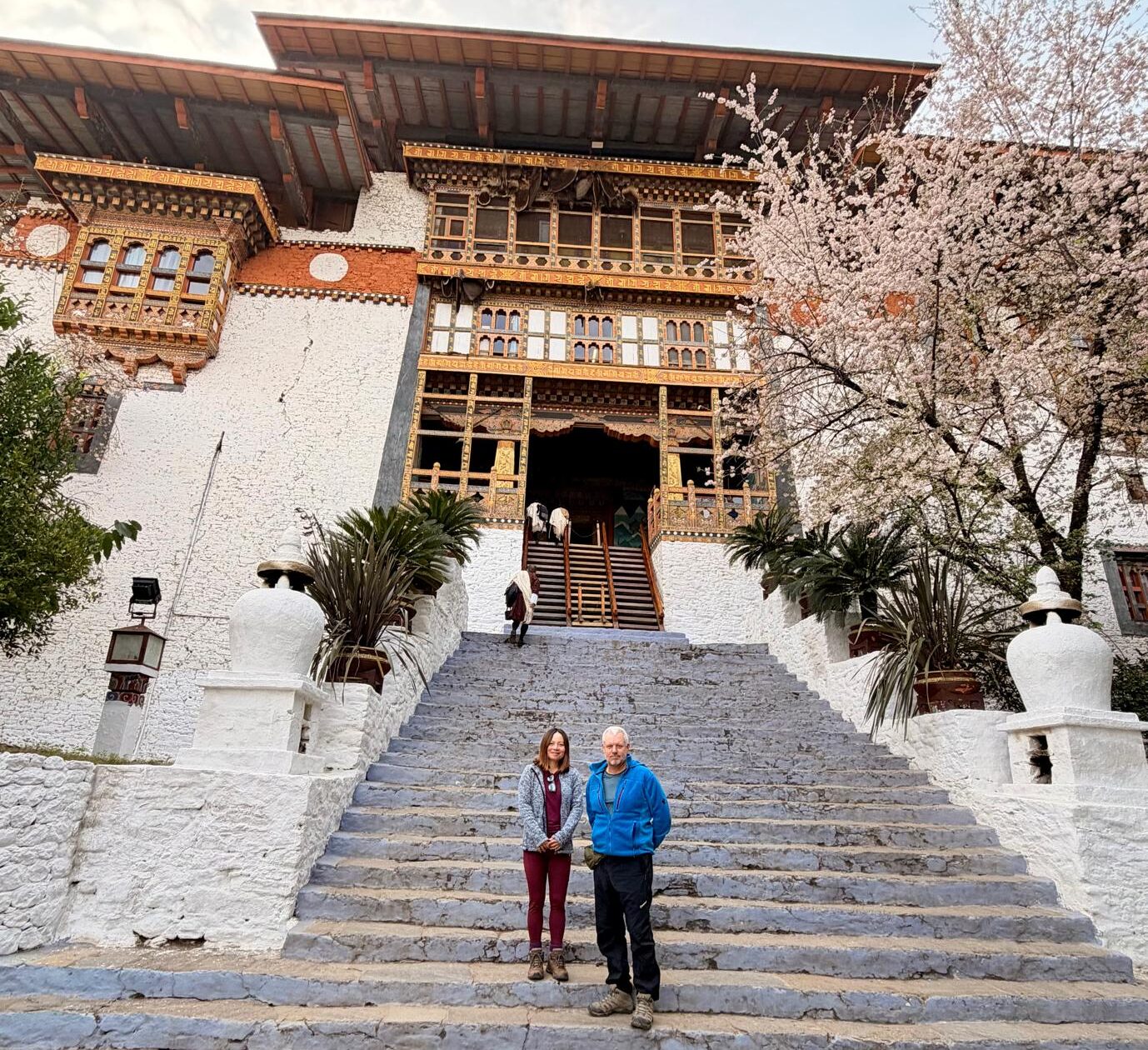
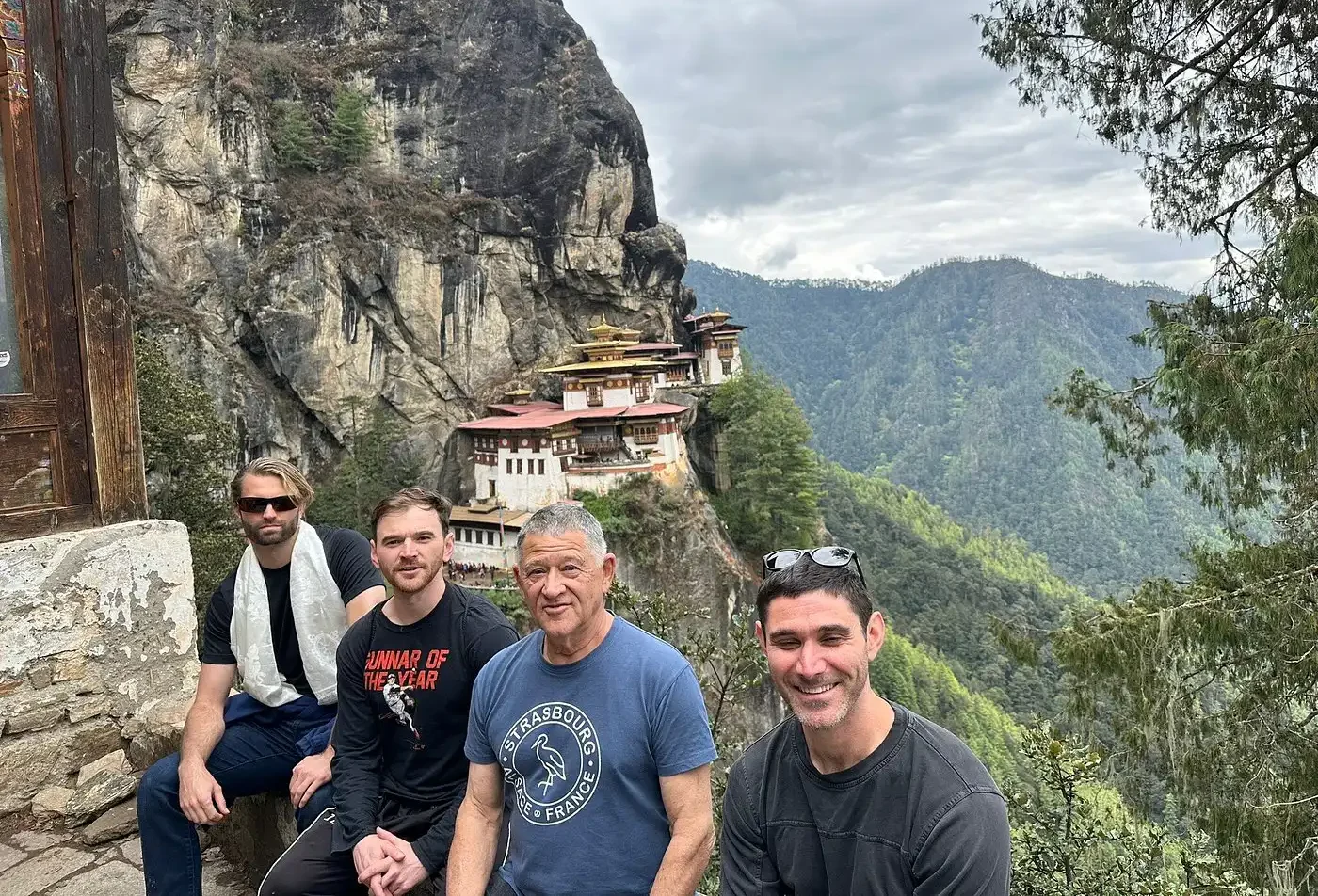
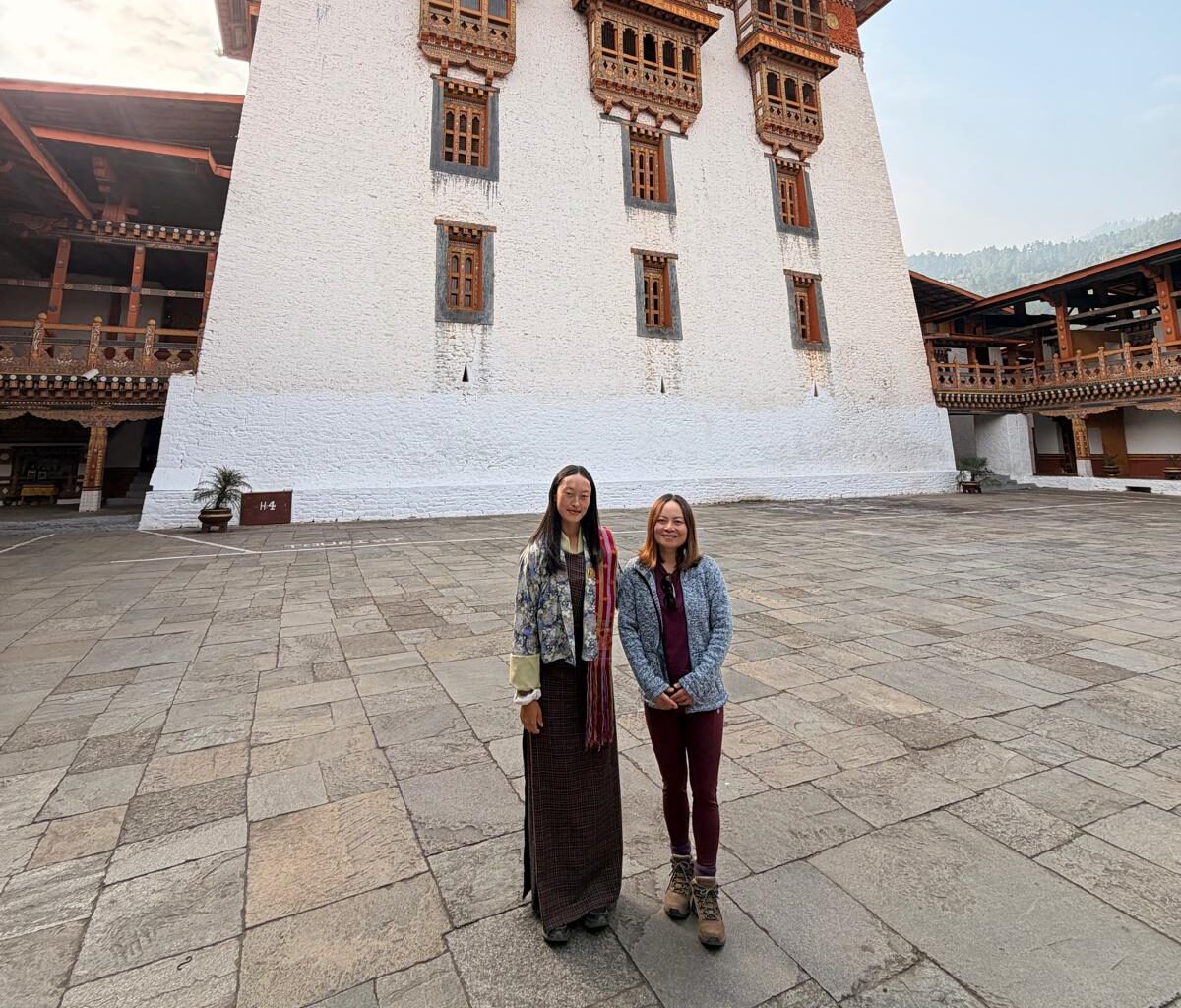


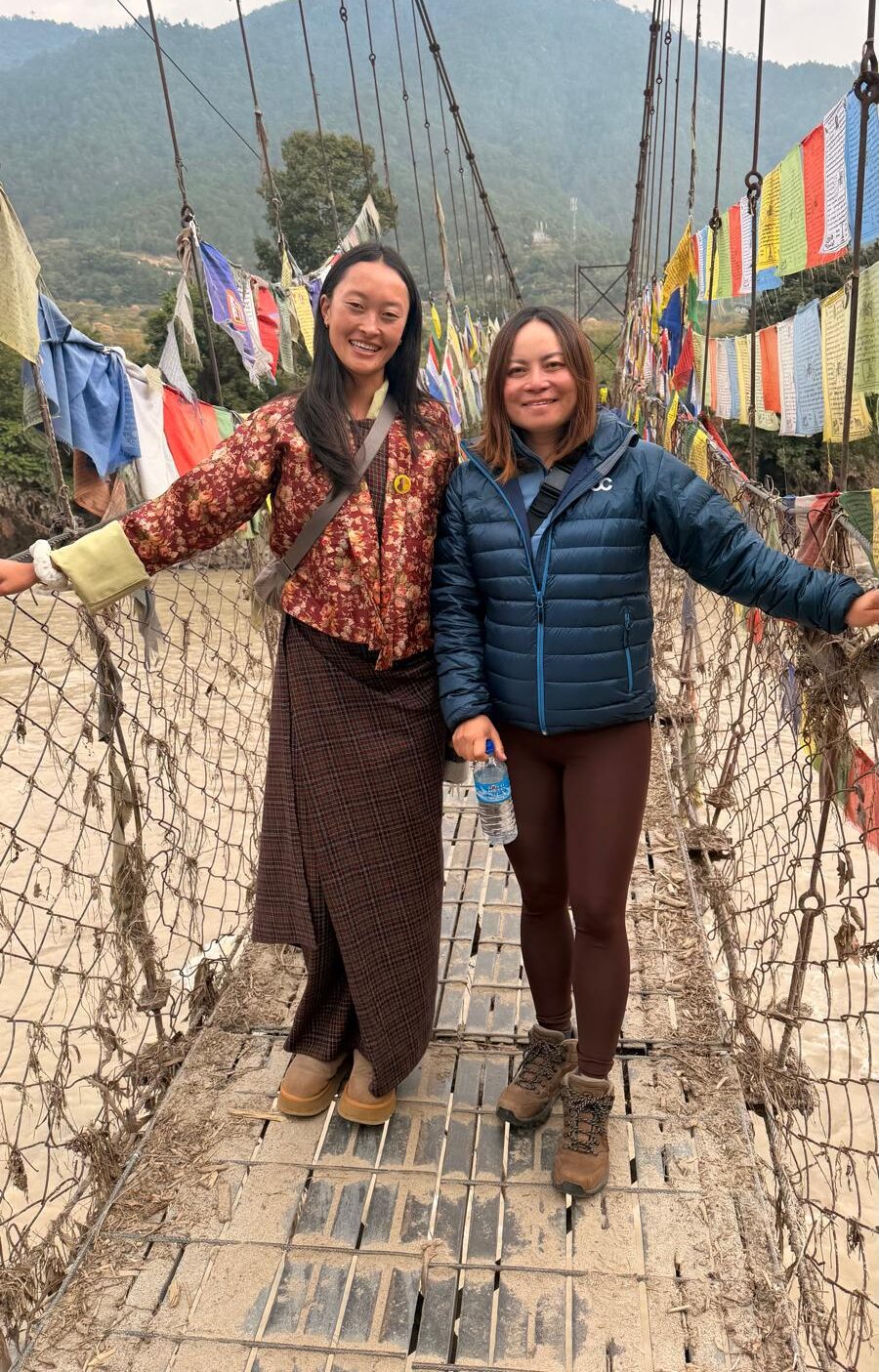
No ke aha he 3 pō 4 lā o ka huakaʻi Bhutan?
- Thimphu: Experience one of the world’s few capitals without any traffic lights. Experience Bhutanese life on its laid-back streets, local markets, and craft shops.
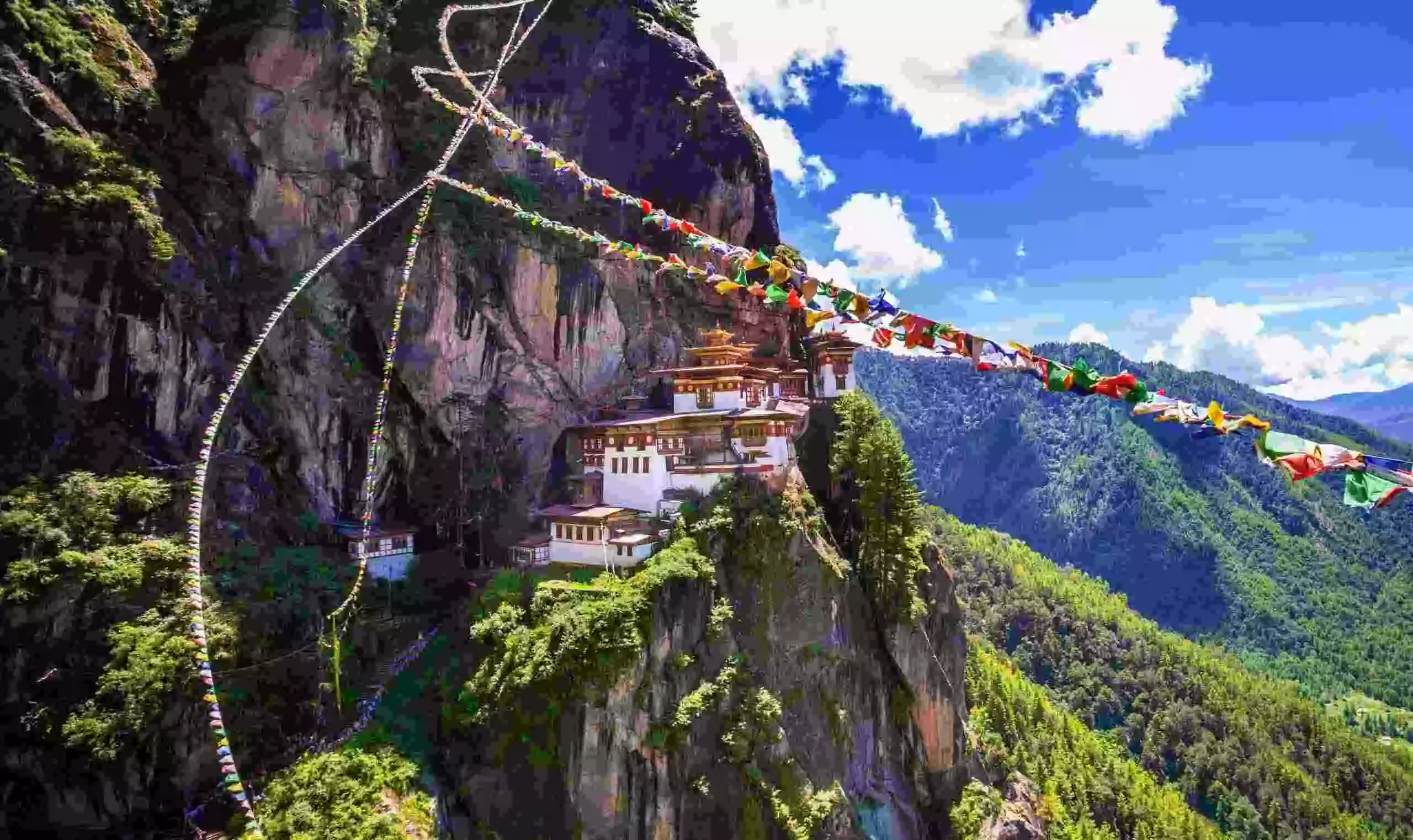
- ʻO Paro Taktsang (Puna Tiger): Trek to the well-known monastery in Bhutan, which is located at 3,120 m (10,236 ft) on a cliff face in the Paro valley.
- ʻO ke kala ʻana: Visit the fortress-monastery that is home to the King’s throne room and government offices. It is also the summer residence of Bhutan’s central monastic body.
- Buddha Dordenma: Stand under a gilded bronze Buddha 51.5 m (169 ft) tall, one of the largest seated Buddha statues in the world. The hilltop offers wide views over the Thimphu Valley.
- Punakha Dzong: Visit Bhutan’s most beautiful dzong, built in 1637-38 at the confluence of two rivers, the Pho Chhu and Mo Chhu. In spring, purple jacaranda trees surround it.
- ʻO Chimi Lhakhang: Explore the 15th-century fertility temple in the village, among farmhouses and rice fields, a short walk from there. It is associated with Drukpa Kunley, the “Divine Madman”.
- ʻO ke alahaka ʻo Punakha: Cross one of Bhutan’s longest suspension bridges, adorned with prayer flags and suspended high over the swift Pho Chhu.
- ʻO ke awāwa ʻo Paro: Complete the tour in rice terraces, a traditional farmhouse, and Rinpung Dzong. Paro’s small main street is lined with painted wooden shopfronts.
ʻIkepili o ka Huakaʻi Bhutan 3 Pō 4 Lā
Huakaʻi Bhutan 3 Pō 4 Lā offers an unforgettable journey through the enchanting Kingdom of Bhutan, a beautiful Himalayan nation nestled between India and Tibet (China). This tour takes you through breathtaking mountain landscapes, charming traditional towns, and ancient Buddhist monasteries. From scenic mountain passes and peaceful valleys to magnificent cultural landmarks, discover Bhutan’s rich heritage, unique Buddhist traditions, and fascinating architecture. Experience the peaceful atmosphere and natural beauty of the Himalayas while exploring one of the world’s most captivating destinations.
The tour covers three main settlements: Thimphu, Punakha, and Paro. You will see the country’s cultural sites and magnificent monasteries in Thimphu, cross Dochula Pass with 108 memorial chortens, and visit the beautiful Punakha Dzong at the confluence of two rivers. Stories of Bhutan’s history, spiritual beliefs, and local life are found everywhere.
The highlight of the tour is the famous Hale Mōneka o ka Pūnana Tiga (Taktsang Paro), situated on a cliff above the Paro Valley. This religious monastery sits in a hilly area, offering views of the mountains and surrounding landscape, and is surrounded by pine trees and prayer flags.
Beyond its iconic sights, Bhutan Tour will let you experience a way of life you’ve never seen before: Bhutan’s friendly people, peaceful locations, and ancient faith and beliefs. Comfortable hotels, guided tours, and convenient transportation are arranged throughout the trip, so you can enjoy Bhutan without worrying about every detail.
Whether you’re a first-time visitor to the Himalayas, planning a family holiday, or seeking a cultural tour or peaceful retreat, this Bhutan tour is a must-do adventure. It provides an opportunity to see the beauty and nature of this region and experience centuries-old traditions within 3 nights and 4 days.
What to Expect on Your 3 Nights 4 Days Bhutan Tour
This Bhutan Tour is a short adventure that covers Bhutan’s main temples, trails, and valleys in just 3 nights and 4 days. The tour starts in Paro with a visit to the fortress-monastery of Rinpung Dzong, which sits above the Paro River and was built in the 17th century. The 7th-century Kyichu Lhakhang, one of Bhutan’s oldest temples, is also part of this journey. One of the trip’s main attractions is a hike to the monastery at Paro Taktsang (Tiger’s Nest), located on a cliff face and considered one of Bhutan’s holiest sites.
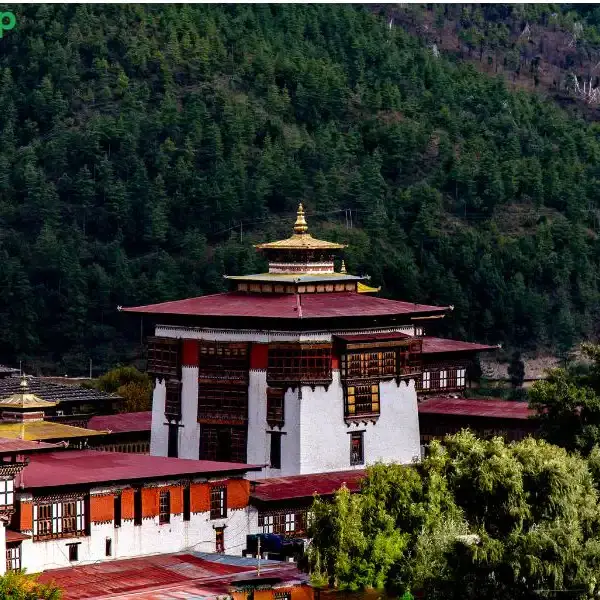
In Bhutan’s capital, Thimphu, you will visit Tashichho Dzong. It is the seat of government and the residence of the central body of monks in the summer. The National Memorial Chorten is also visible, and people walk around it and spin prayer wheels all day. A traditional paper-making workshop lets you see how Bhutanese paper is handmade from daphne bark, and the Folk Heritage Museum offers a glimpse of village life in the past. At Buddha Dordenma, you’ll visit a 51.5 m gilded bronze statue, one of the largest seated Buddha statues in the world.
You can also expect to see Bhutan’s living culture, traditional dress, prayer flags on every ridge, and centuries-old traditions that influence people’s day-to-day lives.
3 Night 4 Day Bhutan Tour Cost
The Bhutan tour costs USD 1,550 per person. However, the cost varies based on factors like tour duration, group size, accommodation preferences, and the services included in your tour package.
Government fees and touring expenses also contribute to the total cost of a Bhutan tour. One of the highest costs you’ll pay is the Sustainable Development Fee (SDF), which, for most international visitors, costs USD 100 per adult per night. A one-time Bhutan visa fee of USD 40 also applies to most foreign visitors. These are government fees in addition to your tour and accommodation costs, meals, and your transportation and sightseeing fees.
Other factors, such as the number of travelers, also affect the overall package cost. Solo travelers should pay more per person since they are responsible for their own vehicle, guide, and other arrangements. If you travel in a group, these services can be shared among a couple or a group, reducing per-person expenses. Likewise, choosing regular hotels for your Bhutan vacation instead of luxury hotels can help keep your expenses low.
In our Bhutan Tour package, we’ve planned your trip to make things easy by arranging a package that includes accommodation, meals, transport, and tour services, with an option for trip customization.
However, you will need to cover additional costs, such as international flights, travel insurance, personal shopping, tips, and optional activities. We recommend requesting a detailed quotation based on your travel dates, group size, and preferred accommodation so you can plan your Bhutan holiday with a clear understanding of the total cost.
ʻO ka manawa maikaʻi loa e kipa aku ai iā Bhutan
You can go for a Bhutan Tour at any time of the year. However, the weather varies throughout the year, and the season makes a difference, especially for the Tiger’s Nest hike, Dochula Pass mountain views, and your flight to Paro. This tour takes you through two distinct climatic zones. Paro and Thimphu are located at 2,200-2,300 m. Punakha is 1,000 m lower, and temperatures are clearly warmer throughout the year.
Puna (Malaki-Mei)
This tour is mostly recommended in the spring. Days in Paro and Thimphu are mild and comfortable for walking, and nights are still cool. In April and May, purple jacaranda trees bloom around Punakha Dzong, while rhododendrons flower across the hills and around Dochula Pass. The Tiger’s Nest trail is typically dry and in good condition. Haze slowly develops as May progresses, and the best mountain views are in March and April.
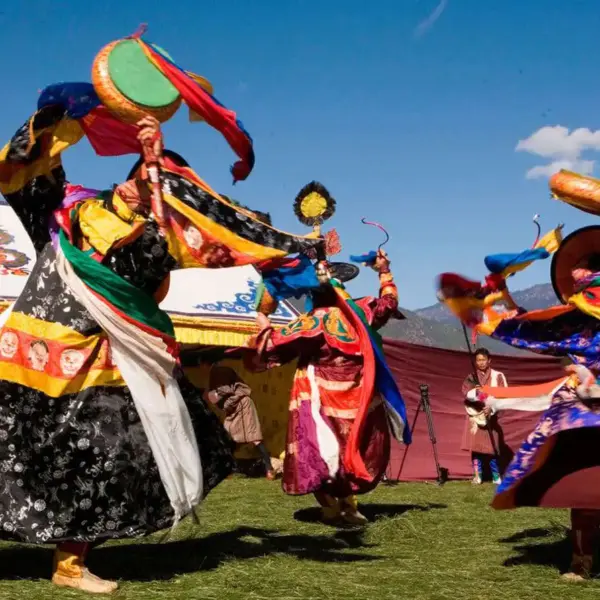
Spring is also the season of Paro Tshechu, one of Bhutan’s biggest religious festivals. Masked dancers perform in the courtyard of Rinpung Dzong, and on the final morning, a giant religious painting (thongdrel) is unrolled before sunrise. The festival is anticipated to take place from 18th to 22nd March 2027, so if you want to experience it, book several months in advance, as flights and hotels fill up early.
Kauwela a me ka Monsoon (Iune a ʻAukake)
Summer is the monsoon season, with rainfall between June and August. Rain falls most days, often in the afternoon, and clouds can hide the mountains. Low clouds can sometimes delay flights into Paro, so leave some spare time in your onward travel plans. The Tiger’s Nest trail can be muddy, so bring good shoes and a rain jacket.
In return, the valleys turn deep green, the rice fields are full, and the dzongs are peaceful. Days are warm in Paro and Thimphu and hot and humid in Punakha.
Autumn (Sepatemaba a Nowemapa)
Autumn is the most popular season. Once the monsoon ends, the air clears and the days are bright, sunny, and dry. On clear days, Dochula Pass offers some of the best mountain views of the year. Rice fields around Paro and Punakha turn golden before the harvest, which makes it a great time for photography. Nights get colder in November.
The Thimphu Tshechu is held at Tashichho Dzong in autumn. In 2027, it is expected to be held from 10 to 12 October. This is the busiest time of year in Bhutan, so book flights and hotels early.
Hoʻoilo (Dekemapa a Pepeluali)
Winter days in Paro and Thimphu are sunny and clear, but mornings and nights are cold and drop below freezing. Days reach about 9–14°C. Punakha stays mild, so a day in Punakha feels like a short break from the cold. The skies are at their clearest, the sites are peaceful, and flights are easier to book. Bring a warm jacket, a hat, and gloves, especially for early starts and the Tiger’s Nest hike. The Punakha Drubchen and Tshechu festivals usually take place in February.
Papa Hana Huakaʻi ʻo Bhutan no 3 Pō a me 4 Lā
Nā lā 01: Kathmandu to Paro Flight - Thimphu
Your Bhutan tour starts with a scenic flight to Paro International Airport, where you will meet our local guide. After completing airport formalities, you will meet our representatives and start exploring one of Bhutan’s most iconic landmarks, the magnificent Tiger’s Nest Monastery (Paro Taktsang).
Tiger’s Nest sits on a cliff around 900 meters above the Paro Valley and is one of Bhutan’s holiest Buddhist pilgrimage sites. The walk takes you through lovely pine woodland, enhanced with colored prayer flags, and offers fantastic views of the surrounding mountains and valley. Along the way, you will have the opportunity to experience the peacefulness of nature and gain insights into the monastery’s religious and historical significance from your guide.
After exploring the monastery, you’ll return to the starting point and drive to Thimphu, the capital city of Bhutan. This scenic ride takes about 1-1.5 hours through mountain roads, with views of traditional Bhutanese villages and green landscapes.
Depending on your arrival time, you can explore some of Thimphu’s main attractions, including the National Memorial Chorten, a prominent Buddhist monument where residents come to pray every day, and the Buddha Dordenma, a large golden statue of Buddha overlooking the Thimphu Valley. Alternatively, head to Tashichho Dzong, the imposing fortress-monastery where Bhutan’s government and religious matters are handled.
After sightseeing, you’ll check into your accommodation in Thimphu and enjoy the capital city.

Ka aina kakahiaka, ka aina awakea, ka aina ahiahi

Hotel

4 km / 2.5 mile

3,120 m / 10,236 kapuaʻi

Nā 3hrs
Nā lā 02: Thimphu - Punakha - Thimphu
After breakfast, you will travel towards Punakha, crossing the beautiful Dochula Pass at 3,100 meters. It is one of Bhutan’s most beautiful viewpoints, with 108 memorial chortens (stupas) erected for Bhutanese soldiers. In the morning, it offers a wonderful panoramic view of the mountains, and the pass is a peaceful place to enjoy the quiet of the day. Take time to take a few photos and appreciate the mountain fresh air.
After leaving Dochula Pass, you will pass through hairpin mountain passes, forests, and traditional villages to reach the warmer Punakha Valley. You will explore Punakha Dzong, Bhutan’s most beautiful and historically important fortress monastery. This impressive architectural landmark is at the intersection of the Pho Chhu (Male River) and Mo Chhu (Female River) and has traditional Bhutanese woodwork, beautifully decorated temples, and peaceful courtyards.
On the way, you will also take a short country walk to the ʻO Chimi Lhakhang or Temple of Fertility. This sacred temple is dedicated to Lama Drukpa Kunley, popularly known as the Divine Madman, who is associated with Bhutanese Buddhist traditions, fertility blessings, and fascinating local legends. This walk offers a glimpse into daily life in the Punakha Valley, with traditional settlements and open rice fields.
After visiting Punakha, you will head back towards Thimphu, crossing the Dochula Pass again. After you arrive, you can spend the rest of the day in the local markets and handicraft shops, where you can see traditional Bhutanese textiles and handmade souvenirs, prayer flags, and other locally produced items. Stay overnight and have dinner in Thimphu.
ʻai
Hotel
2 km / 1.2 mile
3,100 m / 10,171 kapuaʻi
1hr
Nā lā 03: ʻO Thimphu - Paro
After breakfast, you will continue your tour and visit some of the historic and cultural sites of importance in Thimphu before proceeding to Paro. Your first stop is the oldest surviving fortress monastery in Bhutan, Simtokha Dzong, constructed in 1629 by the 1st Panjong Lainyi. The historic fortress, also known as Sangak Zabdhon Phodrang, is home to the Institute for Language and Cultural Studies and provides interesting glimpses into Bhutanese architecture, Buddhist traditions, and early history.
Then you will travel to the National Library of Bhutan, one of the most important centers for conserving Bhutan’s literary and religious heritage. The library was established to safeguard and preserve Bhutan’s high-value written heritage and has rich collections of Buddhist scriptures, ancient manuscripts, and historical documents. You can get to know the development of Bhutanese literature and the importance of Buddha’s message in daily life.
After exploring Thimphu, you will drive to Paro, passing through stunning valleys, traditional villages, and beautiful riverside landscapes. From there, you will visit Ta Dzong, the historic watchtower that houses the National Museum of Bhutan. It has an interesting collection of traditional paintings, religious items, and textiles, along with historical and cultural exhibits that offer insight into Bhutan’s history and heritage.
Afterward, you can relax and walk around Paro’s peaceful town center, visit traditional Bhutanese architecture, handicraft shops, and small markets. Handmade souvenirs, colorful fabrics, local products, and other traditional items might be available. It’s also a great chance to meet the locals and enjoy the laid-back life in Paro.
After exploring the day, you’ll head back to your hotel and enjoy a quiet night in the peaceful Paro Valley.
Ka aina kakahiaka, ka aina awakea, ka aina ahiahi
Hotel
2,320 m / 7,612 kapuaʻi
Nā lā 04: Haʻalele ʻana o Paro
You’ll spend your last morning in the peaceful ambiance of Paro with breakfast at your hotel. If you have some spare time, you can take a quick walk around town, visit nearby shops, or buy a few last-minute mementos from your trip to Bhutan.
Later, our representative will transfer you to Paro International Airport for your flight back to Kathmandu. As you leave Bhutan, remember the wonderful experience of the ancient monasteries, the beautiful Himalayan landscapes, traditional architecture, and warm hospitality.
This is the end of your memorable Bhutan Tour. We hope you’ve had a great time exploring the Land of the Thunder Dragon, and we hope to see you again on another Himalayan adventure.
ʻO ka kakahiaka kakahiaka
2,200 m / 7,218 kapuaʻi
He aha ka mea e manaʻo ai?
Nā mea e komo
- Kahi Noho: Ma ke ʻano Twine/Kaʻana like pālua ma Top 3 hōkū me nā Hōkele / Nā Hale Hōʻikeʻike
- ʻO ka uku Visa
- Tikiki Mokulele Mai Ktm Huakaʻi A Hoʻi Mai Ktm
- Ka halihali: Eia kā mākou halihali:
- 2 Pax: uku Hyundai Santa/Tucson a i ʻole
- ʻAno like (4 + 1 Noho) a i ʻole 4 - 10 Pax: Kaʻa Toyota Hiace hanohano (10 + 1 Noho).
- 11 a ʻoi aku Pax: Kaʻa Holo Moana Toyota Hoʻohiwahiwa
- Kaʻa (18 + 1 Noho)
- ʻAe no nā Palapala ʻAe Mākaʻikaʻi a pau: ʻAe
- Nā ʻAuhau Bhutan āpau
- Nā ʻAi a Pau (ʻAina Kakahiaka, ʻAina Awakea, ʻAina Ahiahi) me nā Meaʻai Malū Ahiahi
- He alakaʻi Bhutan mākaukau ma ka ʻōlelo Pelekania i laikini ʻia e ke Aupuni Aliʻi o Bhutan.
- Nā uku komo āpau i nā hale hōʻikeʻike a me nā wahi moʻomeheu
- Nā lawelawe keu: Wai inu mineral
ʻO ka mea i kāpae ʻia
- Nā ʻōlelo aʻoaʻo no nā alakaʻi, nā mea hoʻokele, a i ʻole nā hōkele
- ʻAʻole i uhi ʻia ka ʻinikua huakaʻi
- E uku ʻia nā hōkele hanohano (4 Hōkū a me 5 Hōkū) a me nā kaʻa kaʻawale no nā lilo pilikino e like me ke kelepona ʻana, ka Pūnaewele, nā mea inu, ka ʻona, ka holoi lole, nā hāʻawi i nā Hale Mōneka a me nā Luakini, nā mea hoʻomanaʻo, nā kūʻai ʻana, a pēlā aku.
ʻIke Hou aku no ka Huakaʻi ʻo Bhutan i 3 Pō 4 Lā
Noho ma Bhutan
This tour includes accommodation in Thimphu (2 nights) and Paro (1 night), all at comfortable 3-star government-approved hotels. Rooms are twin- or double-sharing and include a private bathroom and hot water. Hotels are constructed in the traditional Bhutanese style, and even a basic hotel has painted wooden window frames, carvings and sloping roofs, which give it a distinctly Bhutanese feel.
Kaumua
There are numerous hotels to choose from. Most hotels are within walking distance of the main street, town center, shops, and cafés.
Paro
Your last night is in the Paro Valley, close to the airport for your departure flight. Many hotels in Paro are located beside rice fields or on hillsides overlooking the valley, making the concluding part of the tour peaceful.
What to Expect in Your Room
- Twin or double beds with clean linen and a private bathroom
- Hot showers and in-room heaters or a traditional wood stove (bukhari) in colder months
- Free Wi-Fi in most hotels. It’s usually reliable in Thimphu and Paro, but can be slower in the evenings
- A restaurant on site serving breakfast, lunch and dinner, with both Bhutanese and international dishes
- Electricity is 230V, and sockets usually take Indian-style plugs (types C, D and G), so bring a universal adapter
Nā koho hoʻomaikaʻi
We can make 4-star or 5-star hotels and luxury resorts available in Thimphu and Paro, if desired, at an additional cost. Bhutan also offers world-class luxury hotels with spa facilities, fine dining, and mountain views. When you book, let us know your preferences, and we will let you know what is available and the cost.
Huakaʻi a me ka Halihali mai Nepal a Bhutan
Flying from Kathmandu to Paro
This tour starts and ends with a flight between Kathmandu and Paro, Bhutan’s main international airport. Drukair and Bhutan Airlines operate the flight, and it lasts approximately one hour. Round-trip economy tickets are included, and the price is part of the package cost.
This flight is one of the most beautiful in the world. If it’s a clear day, sit on the left side of the plane for a long view of the Himalayas, including Kanchenjunga and Mount Everest. Paro is a famous landing site as pilots fly between steep forested ridges before landing in the valley.
Maikaʻi e ʻike:
- Flights leave Kathmandu in the morning. Plan to be at Tribhuvan International Airport at least 2–3 hours before departure.
- You need your Bhutan visa approval letter to board the flight. We send it to you before you travel.
- Seats are limited, especially in spring, in autumn, and during festivals, so book at least 1–2 months ahead.
- Bad weather or low clouds can sometimes delay flights in and out of Paro, especially in the monsoon. Leave some spare time before any onward flight from Kathmandu.
Getting Around in Bhutan
On arrival in Paro, the guide and driver will meet you outside the arrivals hall. After meeting your guide and driver, you will travel throughout the tour in a private vehicle. Your transportation will not be shared with other groups.
Your vehicle depends on your group size:
| Pēlā ʻāpana | kaa |
| 1–3 kanaka | Hyundai Santa Fe / Tucson or similar (4+1 seater) |
| 4–10 kanaka | Toyota HiAce (10+1 seater) |
| 11 a ʻoi aku paha kānaka | Toyota Coaster bus (18+1 seater) |
All vehicles are clean, comfortable, and driven by experienced local drivers who know Bhutan’s mountain roads well.
Drive Times on This Tour
Bhutan’s roads are paved but narrow and winding, so drives take longer than the distance suggests.
Approximate drive times:
| ala hele | Ka mamao | Ka manawa hoʻokele |
|---|---|---|
| Kahua Mokulele ʻo Paro a i Thimphu | approx. 55 km | Nā hola 1-1.5 |
| Thimphu to Punakha (via Dochula Pass) | approx. 75 km | Nā hola 2.5-3 |
| Thimphu a i Paro | approx. 55 km | Nā hola 1-1.5 |
Your driver stops along the way for photos, tea breaks, and viewpoints, including Dochula Pass on the way to Punakha. If you get carsick on winding roads, bring medicine and ask for a front seat.
Mākaʻikaʻi ma Bhutan
The core of tourism in Bhutan lies in its rich Buddhist culture and stunningly built architecture. Century-old architectural masterpieces and natural wonders have made Bhutan a perfect destination for sightseeing. Bhutan is known for its peaceful, luxurious holidays that will leave you completely relaxed.
Bhutan is ideal for popular short trips around the country, such as the Huakaʻi Komohana Waena o Bhutan, hiki ke hoʻopau ʻia i loko o 3 a 7 mau lā. Ua kau ke aupuni i nā kapu koʻikoʻi ma ka mākaʻikaʻi ma Bhutan. Pono ʻoe e hoʻopaʻa i kāu pūʻolo huakaʻi i Bhutan ma mua o ke noi ʻana no ka visa. Ke ʻae ʻia kāu visa, e huakaʻi pū ʻoe me ka ʻoihana huakaʻi.
The government has set strict daily costs and defined the types of accommodation, food, and transportation that travelers receive during the Bhutan Tour. This means everything is planned and organized, even before you arrive. Such travel restrictions have made Bhutan one of the most expensive countries in Asia to visit.
Food Options During Bhutan Tour
Food is a big part of the Bhutan experience. Bhutanese food is hearty, and chilies are among the most important ingredients in the country’s cuisine. Chilies are considered a vegetable, rather than a spice, in Bhutan. This tour includes all meals (Day 1 breakfast in Bhutan through departure day breakfast).
Meals Info:
- ʻAina kakahiaka: served at your hotel. Expect eggs, toast, cereal, fruit, tea and coffee, often with a few Bhutanese dishes.
- ʻAina: usually at a local restaurant along your route, such as in Thimphu, near Punakha, or in Paro. On the Tiger’s Nest hike, you can stop at the cafeteria halfway up for tea and snacks, and lunch is usually after you come down.
- Meaʻai: served at your hotel, usually buffet-style or as a set menu.
Most meals are served buffet-style and include rice, two or three vegetable dishes, a meat dish, dal (lentil soup), and a traditional Bhutanese specialty. The tourist restaurants normally prepare light versions of local dishes, as well as Indian, Chinese, and continental dishes.
Bhutanese Dishes to Try
- Ema Datshi: Bhutan’s national dish, made from green or red chilies cooked in melted local cheese. It is very spicy, so try a little first.
- Kewa Datshi: potatoes in cheese sauce. It’s milder and a good first taste of Bhutanese food.
- Shamu Datshi: mushrooms cooked in cheese, especially good in summer and autumn when wild mushrooms are in season.
- Laiki ʻulaʻula: a nutty, slightly sticky rice grown in the Paro Valley and served with almost every meal.
- Phaksha Paa: pork cooked with dried chilies and radish or greens.
- Jasha Maru: a spicy chicken stew with tomato, garlic, and ginger.
- Momos: steamed dumplings filled with cheese, vegetables, pork or beef, served with chili sauce.
- Hoentay: buckwheat dumplings from the Haa Valley, filled with greens and cheese. You may find them in Thimphu or Paro restaurants.
- Suja: salty butter tea, offered at homes and monasteries. It is an acquired taste, but worth trying once.
- Huli: a local spirit distilled from rice or other grains. Try it in small amounts.
Nā Koina Visa no ka Huakaʻi Bhutan
It is important to understand Bhutan’s visa and entry requirements before planning your trip to the country. There are different entry options for Bhutan for different nationalities. Some visitors need a tourist visa; others can enter with an entry permit or get a tourist visa at the airport.
Most international visitors need to obtain a tourist visa before entering Bhutan. This visa application must be made via Bhutan’s Immigration Services Portal or through a registered Bhutan tour operator. Generally, you will need a valid passport with at least 6 months’ validity from the date of your departure, a recent digital passport-sized photo, your travel dates, and payment information to apply for a Bhutan tourist visa. The normal application fee is $40 per person, payable at the time of application. The application is normally processed within five working days, but may require further assessment.
International visitors must also pay the Uku Hoʻomohala Hoʻomau (SDF), which is now USD 100 per adult per night, in addition to the visa fee. This tax is paid to the government to help conserve the environment, preserve cultural heritage, fund health care, education, and sustainable development in Bhutan. Eligible children are entitled to reduced SDF rates.
The procedure for Indian nationals differs, and they are not eligible for a tourist visa, only an entry permit. Visitors from Bangladesh and the Maldives require a visa but can obtain it either before traveling or upon arrival in Bhutan.
It is recommended to obtain your visa/entry permit before your trip to Bhutan to ensure a hassle-free holiday; of course, you should bring your valid passport and approved travel documents throughout your trip. Our team can also assist you with the visa application process through the relevant Bhutanese authorities or an authorized tour operator.
Visa Fee and Sustainable Development Fee (SDF):
| Kāleʻa | huina | Notes |
|---|---|---|
| Visa Kāleka | USD 40 no kēlā me kēia kanaka | Uku hoʻokahi manawa, ʻaʻole hiki ke hoʻihoʻi ʻia |
| SDF (adults, 12+) | USD 100 no ke kanaka no ka pō | Rate fixed until 31 August 2027 |
| SDF (children 6–11) | USD 50 no ke kanaka no ka pō | 50% ho'ēmi |
| SDF (children under 6) | Free | Ua kūpono |
| SDF (Indian nationals) | INR/Nu 1,200 per person per night | Paid in rupees or ngultrum |
On this 3-night tour, an adult pays USD 300 in SDF (3 nights × USD 100), plus the USD 40 visa fee. Both are included in your package cost.
Necessary Items for a Bhutan tour
lole
- Nā pālule, nā pālule pōkole, a me nā lole komo
- Ka lole huluhulu a i ʻole ka huluhulu
- Ka lole pale wai a me ka makani
- Nā kāmaʻa hele wāwae a i ʻole nā kāmaʻa hele wāwae ʻoluʻolu
- Nā kāmaʻa sandal a i ʻole nā kāmaʻa paheʻe
- Nā lole komo a me nā pūkini
- pāpale a pāpale paha
- Swimsuit
Pono ka huakaʻi
- ʻO ka palapala huakaʻi a me ka visa me nā kope.
- ʻO ka visa Bhutanese (i hoʻonohonoho ʻia ma o kāu mea hoʻokele huakaʻi)
- Nā palapala ʻinikua huakaʻi
- Mea hoʻololi mana a me ka mea hoʻoili no nā mea uila
- He kelepona paʻalima me ka roaming honua a i ʻole kahi kāleka SIM kūloko
- ʻO nā makaaniani a me ka pale lā
- ʻEke lā a i ʻole ʻeke kua
- ʻO ka mea hoʻololi huakaʻi a me ka mea hoʻoili no kāu mau mea uila
- Nā mea hoʻomaʻemaʻe pilikino a me nā lāʻau lapaʻau e pono ai
- Pahu kōkua mua no ka huakaʻi
- Kālā ma ke ʻano o ke kālā kūloko a me kahi liʻiliʻi o USD
- Puke alakaʻi huakaʻi a i ʻole nā palapala ʻāina o Bhutan
- Panel
- Nā meaʻai māmā (nā pā ikehu, ka hui alahele)

Nā Manaʻo Tripadvisor






Nāʻike Google


Nā nīnau pinepine e pili ana i ka huakaʻi Bhutan 3 pō 4 lā
ʻEhia ke kumukūʻai o ka Visa Bhutan?
ʻO ke kumukūʻai o ka Bhutan Visa ma kahi o $40 no ke kanaka. Ma mua o ka hiki ʻana i ka ʻāina, pono ʻoe e uku i kēia nui; ʻaʻole hiki ke hoʻihoʻi ʻia. ʻO ke kahua mokulele ʻo Paro ke kahua mokulele no ke komo ʻana i Bhutan, kahi e pono ai ʻoe e hōʻike i kāu visa. E hana wale ka ʻAha Kūkākūkā Lahui o Bhutan i ka visa ke uku ʻia ka uku, ʻoiai ʻoe e noi ana no ia ma ka pūnaewele.
Aia ma hea ʻo Bhutan?
Bhutan is a small, landlocked country in the middle of two big countries, India and China. The total area of Bhutan is 38,394 km². Bhutan is around 50 km from Nepal and a few kilometers from Bangladesh.
ʻO ka manawa hea ka maikaʻi loa no ka lele ʻana mai Nepal a Bhutan?
ʻO ke kau maikaʻi loa no ka holo ʻana mai Nepal a i Bhutan ʻo ia ke kau maikaʻi i ka pūnāwai a me ke kau hāʻule. Ma waena o kēlā mau kau, hiki iā ʻoe ke kau i ka mokulele i ke kakahiaka, ma kahi o 9:30 a i 10 AM. ʻO ke kumukūʻai lele mai Nepal a i Bhutan ma kahi o $465 a i $500$.
Pono nā kamaʻāina o ʻAmelika Hui Pū ʻIa i kahi visa no Bhutan?
ʻAe, pono nā kamaʻāina o ʻAmelika Hui Pū ʻIa i kahi visa e komo a haʻalele iā Bhutan a kūʻai i kahi tikiki mokulele i kēia wahi. Eia nō naʻe, ʻo ke ala wale nō e loaʻa ai kēia visa ma o kahi mea hoʻokele huakaʻi laikini ma Bhutan. Pono nā kamaʻāina o ʻAmelika Hui Pū ʻIa e loaʻa kahi visa e hele ai i Bhutan a mai laila mai a e hoʻopaʻa i kahi mokulele i kēia wahi. Eia nō naʻe, ʻo ke ala wale nō e loaʻa ai kēia visa ʻo ia ka hoʻohana ʻana i kahi mea hoʻokele huakaʻi hōʻoia ma Bhutan.
He pipiʻi anei ʻo Bhutan no nā mākaʻikaʻi?
He pipiʻi loa ʻo Bhutan no nā mākaʻikaʻi, ʻo ia hoʻi ma muli o kāna kulekele o ka maikaʻi ma mua o ka nui. ʻO ia hoʻi, makemake ʻo Bhutan i nā malihini pipiʻi ma mua o nā malihini he nui. ʻO ka mea hoihoi nui o ka huakaʻi Bhutan ʻo ia ka Thunder Dragon, kahi wahi mākaʻikaʻi pipiʻi.
Pehea ka palekana o ka huakaʻi Bhutan?
He ʻāina palekana loa ʻo Bhutan, ʻoi aku hoʻi no nā mākaʻikaʻi, ʻoiai no ka mea he mau lula a me nā kānāwai paʻa, a ʻo ka mālama ʻole ʻana iā lākou e alakaʻi i kekahi kanaka i ka pilikia nui.
Hiki iaʻu ke hele i Bhutan me ka ʻole o kahi mea hoʻokele huakaʻi?
Hiki iā ʻoe ke hele i Bhutan me ka ʻole o kahi mea hoʻokele huakaʻi ma nā kauhale ʻelua o Thimpu lāua ʻo Paro, akā ma nā wahi ʻē aʻe, pono ʻoe e loaʻa kahi mea hoʻokele huakaʻi, kāu kaʻa, a me kahi mea hoʻokele.
Hiki iā ʻoe ke hele i Bhutan me ka ʻole o kahi mea hoʻokele huakaʻi ma nā kauhale ʻelua o Thimpu lāua ʻo Paro, akā ma nā wahi ʻē aʻe, pono ʻoe e loaʻa kahi mea hoʻokele huakaʻi, kāu kaʻa, a me kahi mea hoʻokele.
ʻO ka ʻōlelo Dzongkha a i ʻole Bhutanese ka ʻōlelo maʻamau ma Bhutan. ʻO ia kekahi o nā lālā o ka ʻohana ʻōlelo Tibet he 53 mau lālā. Ma ka ʻōnaehana hoʻonaʻauao o Bhutan, hoʻohana ʻia ka ʻōlelo heluhelu Chokey me ka ʻōlelo Pelekania.
He aha nā meaʻai kaulana ma Bhutan?
ʻO nā meaʻai kaulana ʻo Bhutanese ʻo Ema Datsi, Kewa Datsi, Shamu Datshi, Momos, Jasha Maru, a me Phaksha Paa, Puta, Hoentay, Thuep.
ʻŌlelo Nepali lākou ma Bhutan?
ʻŌlelo Nepali ka hapa nui o ka poʻe Bhutanese Hema, ʻoiai ma nā wahi ʻē aʻe o Bhutan, ʻaʻole lākou. ʻŌlelo pū nā keiki me Nepali; akā naʻe, ʻaʻole aʻo kā lākou papa hana kula i ka ʻōlelo Nepali.
He aha ke kālā o Bhutan?
ʻO ke kālā o Bhutan ʻo Bhutanese Ngultrum. Eia nō naʻe, ma ka hapa nui o ka ʻāina, ke kaʻapuni nei ke kālā India.
He palekana anei ʻo Bhutan no nā wahine huakaʻi hoʻokahi?
Ua manaʻo ʻia ʻo Bhutan he wahi palekana no nā wahine e hele kaʻawale ana ma muli o kona wahi maluhia a me ka mahalo o ka moʻomeheu i nā malihini.
Pehea e hiki ai i Bhutan mai Nepal mai me ke kumu kūʻai haʻahaʻa?
ʻO ke ala maʻalahi loa e hiki ai i Bhutan mai Nepal mai ma ka mokulele.
ʻEhia ka lōʻihi e hele ai i Bhutan mai Kathmandu ma ke kaʻa?
Ma kahi o 13 a 14 mau hola e hiki ai i Bhutan mai Kathmandu mai. He 10 mau hola ka lōʻihi o ke ala ʻo Kathmandu-Kakarbhitta-Siliguri, ʻoiai he 3.5 a 4 mau hola ka lōʻihi o ke ala ʻo Siliguri-Hasimara-Phuentsholing.
US$ 1,550 no ke kanaka
- 24 / 7 Customer Support
- Pūʻulu ʻike a me ka ʻoihana
- Hoʻopaʻa Maʻalahi a ʻAʻohe Hopohopo
- 99% Hoʻonaʻaʻike Customer
- Nā Kumukūʻai Kūpono, Lawelawe Kūikawā
- ʻAʻohe kumukūʻai huna a me nā uku palekana
- Nā Huakaʻi i Hoʻopilikino ʻia a Pilikino ʻia
Kākoʻo Ola 24 X 7
Puru (+977-9851069558)
Nā huakaʻi pili


Nā Mea Hou Mai Kā Mākou Blog Nā wahi hoihoi, nā ʻōlelo aʻoaʻo huakaʻi, nā nūhou a me nā mea hou aku.

Butana, Kaapuni Bhutan
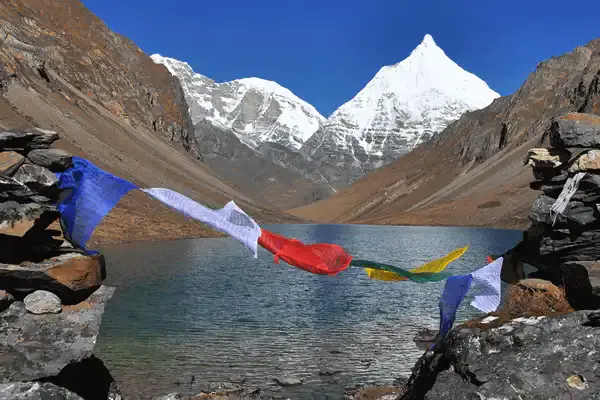
ʻO Bhutan Druk Path Trek Paʻakikī
Inā ʻoe e hoʻolālā ana i kahi huakaʻi hele wāwae i Bhutan a ke noʻonoʻo nei e pili ana i ke Ala Druk…
E heluhelu i ka pou piha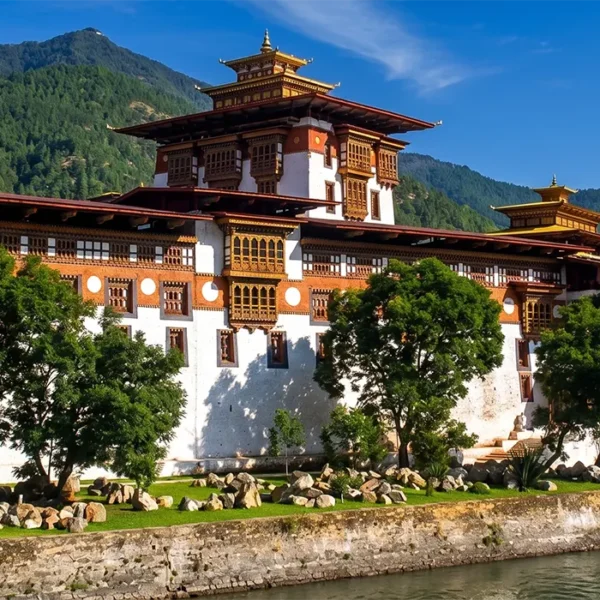
Blog
ʻO ka manawa maikaʻi loa e kipa aku ai iā Bhutan
He ʻāina Himalayan maluhia ʻo Bhutan i ʻike ʻia no kona mau ʻāina mauna, nā hale mōneka kahiko, nā ʻahaʻaina kala,…
E heluhelu i ka pou piha
Nepala, Huakaʻi ma Nepal
Nā Wahi Maikaʻi Loa e Hoʻolauleʻa ai i ka Makahiki Hou ma Nepal 2026
Makahiki Hou ma Nepal ʻO nā wahi maikaʻi loa e hoʻolauleʻa ai i ka Makahiki Hou ma Nepal 2026…
E heluhelu i ka pou piha