

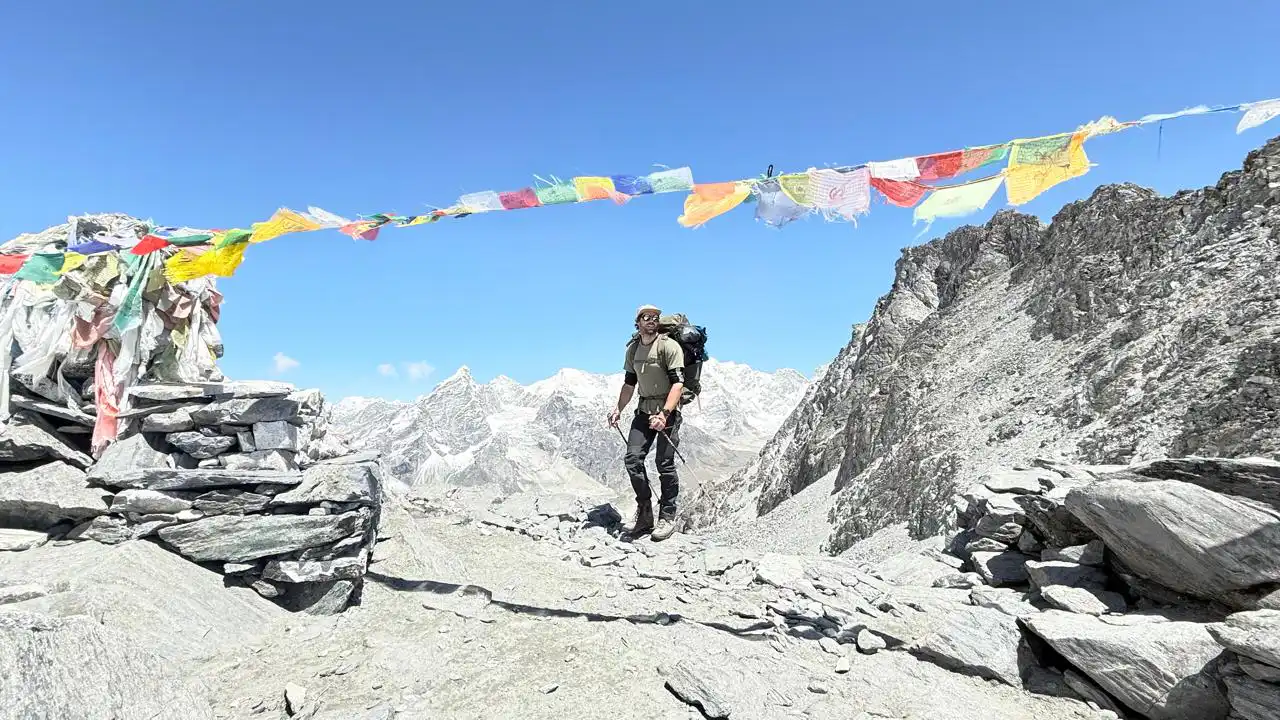



VII diebus


quick Facts

fuga

Deversoria et hospitia in domibus theae

Omnia prandia praeter Kathmandu

Iter et iter ductum per totum iter

Autumnus, Ver

modicus

Nepal

m 5,545

Kathmandu - Lukla - Everestis castra baseos - Chola Pass - Gokyo Namche - Lukla - Kathmandu


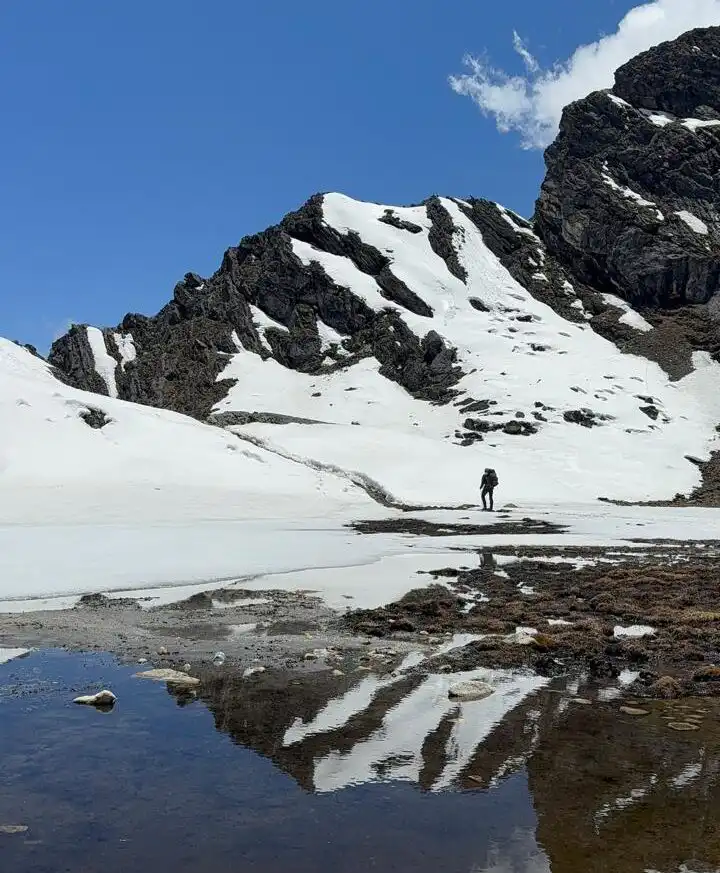


Cur quindecim dierum iter ad transitum Everesti Cho La?
- Prospectus Montis Everesti: Fruere prospectibus anhelantibus montis Everesti, Lhotse, Nuptse, Ama Dablam, aliorumque gigantum Himalayanorum.
- Preces in monasterio Tengboche perspicuitatem in divitias culturae et religionis Sherpa in regione Tengboche praebent.
- Everest Base Castra: Ad Castra Basis Everestiae legendaria perveni et sub monte altissimo mundi sta.
- Transitus Transitus Cho La: Experire provocationem excitantem transeundi spectacularem Cho La Pass (5,420 m).
- Lacus Gokyo: Explora aquas caeruleas pulcherrimas sacrorum Lacuum Gokyo, cacuminibus nivibus opertis circumdatas.
- Gokyo Ri OrtusOrtus solis super Everestum et circumjacentem montem Himalayanum prospectum memorabilem contempla.
- Iter Adventurae in Alta AltitudinePer asperas vias montanas, glacies, valles, et vicos Sherparum traditionales iter fac.
- Experientia Culturae Sherparum: Calida hospitalitas, traditiones singulares, monasteria, et vita montana regionis Khumbu.
-
Iter Himalayanum memorabile: Pulchritudinem naturalem, provocationem corporis, et momenta animi in unam extraordinariam Everesti adventuram coniunge.
Ultra limites ambula, altiora somnia, omnem provocationem amplectere, Himalayas senti, et memorias inoblivabiles in Everesto tuo itinere crea.
Conspectus Itineris
Iter ad montem Everesticum Cho La Pass inter difficillimas expeditiones in regione Everestiana Nepalensi numeratur. Perfectam mixturam voluptatis et pulchritudinis offert. Supra altitudinem 5400 metrorum, iter te ad nonnulla ex maioribus locis peregrinationum Nepalensium ducit: Castra Basis Everestensis , Lacus Gokyo, Passum Cho La, et Kala Patthar . Hoc iter Himalayanum maiestatis plenum est alternativa expeditioni EBC et electio perfecta iis qui provocationes suscipere et gradum audaciae addere volunt. Est expeditio invicta omnibus qui in Nepalia iter facere volunt.
Castra Base Everestiae per Cho La Passum etiam tertia pars Trium Passuum Everestiae habetur , ubi unum e tribus passibus (Cho La Passum) in Regione Everestiae transibimus. Prospectus pulcherrimos Montis Everesti , Ama Dablam , Lhotse , et multorum aliorum cacuminum montium cum hac expeditione consequi potes. Praeter altissimum glaciem, Glaciem Ngozumpa , Cascam Glacialem Khumbu , Lacum Gokyo caeruleum , et ortum solis ex Kala Patthar, haec expeditio alia momenta magni momenti offert. Si ad Cho La Passum iter facis, duas tempora peregrinationis maiora considera: Ver et Autumnum, pro experientia tutiore et pulchriore.
Castra Basis Everestiae cum Itinere ad Cho La Passum una ex Nepaliae Himalayanis rebus maxime mirabilibus et excitantibus est. Tempus optimum huic itineri spectaculari est ver (a Martio ad Maium) et autumnus ( a Septembri ad Novembrem ). Hae tempora montium prospectus perspicuos, caelum stabile, regiones coloratas, et condiciones ideales itineris praebent ad experientiam memorabilem in regione Everestiae.
Haec expeditio difficilis perfecta est iis qui audaciam cupiunt et glacies, altos montium angustias, et fabulosos vicos Sherpa explorare volunt. Transire Iugum Cho La ad altitudinem 5,420 metrorum est arduum propter semitas arduas et glaciales, aerem tenuem, et longos dies itineris. Acclimatatio recta et bona valetudo necessariae sunt ad iter tutum et prosperum.
Iter cum duce perito facere experientiam tutiorem, faciliorem, et magis fructuosam reddit. Dux peritus adiuvat in navigatione, administratione altitudinis, cultura locali, et auxilio in casu necessitatis, dum permittit itinerantibus ut plene fruantur pulchritudine maiestatica Himalayarum. A prospectibus stupendis Montis Everesti ad lacus caeruleos magicos Gokyo , hoc iter epicum praebet combinationem potentem audaciae, naturae, et memoriarum inoblivabilium.
Itinerarium Quindecim Dierum ad Montem Everesti Cho La Pass breviter
| Die | Trekking Route | spatium | Ambulans Tempus | fASTIGIUM | pernoctare |
|---|---|---|---|---|---|
| Dies 1 | A Kathmandu ad Luklam et iter ad Phakding | 8 km | 3 ad horas 4 | X m / XXXIII ft | Phakding |
| Dies 2 | Phakding ad Namche Bazaar | 11 km | 6 ad horas 7 | X m / XXXIII ft | Bazaar Namche |
| Dies 3 | Acclimatization in Namche Bazaar | 6 km | 3 ad horas 4 | X m / XXXIII ft | Bazaar Namche |
| Dies 4 | A Namche Bazaar ad Tengboche | 9 km | 5 ad horas 6 | X m / XXXIII ft | Tengboche |
| Dies 5 | Tengboche ad Dingboche | 11 km | 5 ad horas 6 | X m / XXXIII ft | Dingboche |
| Dies 6 | Acclimatization in Dingboche | 5 km | 3 ad horas 5 | X m / XXXIII ft | Dingboche |
| Dies 7 | Dingboche ad Lobuche | 8 km | 5 ad horas 6 | X m / XXXIII ft | Lobuche |
| Dies 8 | A Lobuche ad Gorak Shep et Castra Basis Everestiae | 13 km | 7 ad horas 8 | X m / XXXIII ft | Gorak Shep |
| Dies 9 | Gorak Shep ad Kala Patthar et Dzongla | 14 km | 7 ad horas 8 | X m / XXXIII ft | Dzongla |
| Dies 10 | Dzongla ad Thagnak per Cho La Pass | 12 km | 7 ad horas 9 | X m / XXXIII ft | Thagnak |
| Dies 11 | Thagnak ad Gokyo | 8 km | 6 horas | X m / XXXIII ft | Gokyo |
| Dies 12 | Gokyo ad Dhole | 12 km | 5 ad horas 6 | X m / XXXIII ft | Dhole |
| Dies 13 | A Dhole ad Namche Bazaar | 11 km | 5 ad horas 6 | X m / XXXIII ft | Bazaar Namche |
| Dies 14 | Namche Bazaar ad Phakding et Lukla | 18 km | 7 ad horas 8 | X m / XXXIII ft | Lukla |
| Dies 15 | Volatus a Lukla ad Kathmandu | fuga | 30 minuta ad 35 | X m / XXXIII ft | Kathmandu |
Itinerarium Quindecim Dierum per Montem Everesti Cho La Pass
Dies 01: Volatus a Kathmandu ad Luklam et Iter ad Phakding
Iter incipit brevi volatu a Kathmandu (1,400 m / 4,593 ft) ad Luklam (2,840 m / 9,318 ft). Post volatum nostrum ad Luklam sequitur iter ad vicum Phakding. Semita per parva oppida montana, colles virides et nonnullas regiones silvestres secundum flumen Dudh Koshi serpit.
Iter ad Phakding satis breve est et unum tempus dabit ad altitudinem maiorem adsuefaciendum. Hodie mane ad vicum Phakding proficiscemur, ubi in taberna theae pernoctabimus. Primo die, semitae nobis introducuntur, nulla longa ambulatione necessaria, et ambitus montanus.

Prandium, Prandium & Prandium

Teahouse

8 km

X m / XXXIII ft

3 ad horas 4
Dies 02: Trek a Phakding ad Namche Bazaar
Postquam Phakding (2,610 m / 8,563 pedes) transiimus, flumen Dudh Koshi versus Namche Bazaar transimus. Semita per Monjo et in Sagarmatha National Park progreditur, deinde per complures pontes suspensos et areas silvestres.
Semita paulatim difficilior fit dum versus Namche tendimus. Ponte Hillary praeterito, iter per silvam constanter ascendit versus principale oppidum mercatorium Sherparum. Namche Bazaar ad 3440m (11286 pedes) est et ultima pars ascensus diei difficillima est.
Prandium, Prandium & Prandium
Teahouse
11 km
X m / XXXIII ft
6 ad horas 7
Dies 03: Dies Acclimatization in Namche Bazaar
Namche Bazaar (3440 m / 11 286 pedes) hodie acclimatationi dedicatus est. Non omnino in loco manemus, sed breve iter facimus ut corpus ad altitudinem ascendentem adsuefaciamus. Una ex viis popularissimis est ad Everest View Hotel (3,880 m / 12,730 pedes) ambulare et deinde ad Namche redire.
Iter offert occasionem regionem explorandi et montium prospectibus fruendi, dum iterum in inferiore altitudine Namche manes. Reliquum tempus quiescendi, oppidum visitandi, vel ad partes itineris difficiliores te parandi potest.
Prandium, Prandium & Prandium
Teahouse
6 km
X m / XXXIII ft
3 ad horas 4
Dies 04: Iter a Namche Bazaar ad Tengboche
Semita a Namche Bazaar (3440m / 11286ft) proficiscitur per semitam satis lenem iuxta collem, antequam ad flumen Dudh Koshi descendit. Deinde semita flumen transit et per silvas ad Tengboche ascendit.
Tengboche (3,860 m / 12,664 pedes) est locus monasterii celeberrimi. Ascensus ultimus labor difficilis est, sed ambulatio non nimis longa est. In vico advenimus, monasterium visitare, quiescere et nos ad ascensum ad altiorem altitudinem parare poterimus.
Prandium, Prandium & Prandium
Teahouse
9 km
X m / XXXIII ft
5 ad horas 6
Dies 05: Iter a Tengboche ad Dingboche
A Tengboche (3860 m) ad Dingboche iter facimus. Haec via in silvas descendit, deinde per vallem Imja. Terra fit siccior et apertior dum ascendimus, cum paucioribus arboribus et magis alpina terra.
Per Pangboche, ad parvum vicum Dingboche progreditur, qui altis moenibus circumdatur. Die progrediente, paulatim altiora ascendimus et ad Dingboche, 4,410m (14,469ft), pervenimus. Pars magna itineris, cum partem altiorem ingredimur.
Prandium, Prandium & Prandium
Teahouse
11 km
X m / XXXIII ft
5 ad horas 6
Dies 06: Dies Acclimatationis in Dingboche
Alius dies apud Dingboche (4410m / 14469ft) ad assuefaciendum antequam ad altiora vicos proficiscaris. Potius quam unius diei quietis, brevis iter ad assuefaciendum commendatur.
Pro altitudine itineris et celeritate gregis, fieri potest ut ad colles circumstantes ascendant, deinde ad Dingboche rediant, ita ut altitudinem itineris augeant. Iter leniter procedere debet, satis quietis et hydratationis concedendum. Pernoctatio apud Dingboche manebitur, ubi corpus adsuefacitur antequam ad Lobuche et Gorakshep progrediamur.
Prandium, Prandium & Prandium
Teahouse
5 km
X m / XXXIII ft
3 ad horas 5
Dies 07: Iter a Dingboche ad Lobuche
Iter a Dingboche (4,410 m) proficiscetur et per vallem ad superiorem partem Khumbu descendet. Deinde iter per terras alpinas et per oppidum Thukla progreditur, ad ascensum arduum versus locum memoriale scandentium et alpinistarum ducens.
Deinde per moraenam ad Lobuche progredimur. Saxosa et nuda forma in medium emergunt dum ad 4,910 m (16,109 pedes) appropinquamus. Lobuche unum ex ultimis castris itineris nocturni est ante Gorakshep et EBC, ergo vespera iucunda est ad recreandum vires et ad dies arduos futuros parandos.
Prandium, Prandium & Prandium
Teahouse
8 km
X m / XXXIII ft
5 ad horas 6
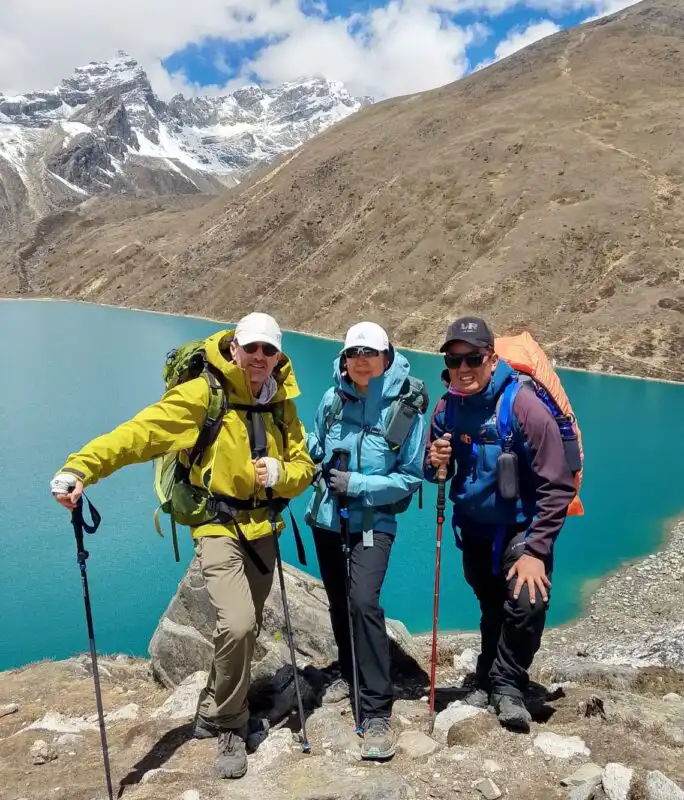

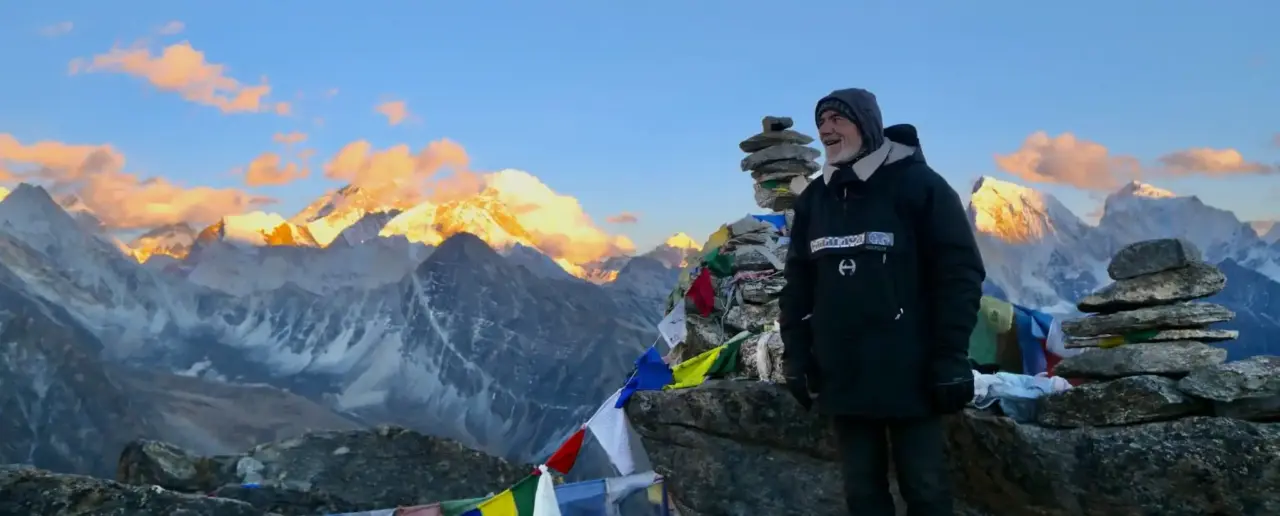

Dies 08: Iter a Lobuche ad Gorakshep et Castra Basis Everestiae
Lobuche (4910m / 16,409ft) relicto, Gorakshep per semitam saxosam versus iter facimus. Iam semita lente iuxta marginem glaciei Khumbu sequitur et ad Gorakshep (5140m / 16,864ft) pergit, ubi breve tempus subsistimus et onera nostra graviora deponimus.
Iter deinde ad castra basalia Everesti (5364 m / 17598 ft) progreditur. Semita per saxosa glacialia percurrit et iuxta marginem glaciei Khumbu currit. Deinde reditum ad castra basalia facimus, unde iter ad pernoctationem in Gorakshep resumitur. Dies longus in alta altitudine, ergo lentus passus necessarius est.
Prandium, Prandium & Prandium
Teahouse
13 km
X m / XXXIII ft
7 ad horas 8
Dies 09: Trek a Gorakshep ad Kala Patthar et Dzongla
Haec excursione matutina a Gorakshep (5,140 m / 16,864 pedum) versus Kala Patthar est. Semita ardua et saxosa est dum ad punctum panoramicum in altitudine 5,555 m (18,228 pedum) ducit. Everest et nonnullae cacumina vicina hinc conspiciuntur et mane saepe tempus optimum est ad montes videndos.
Ad Gorakshep descendimus, deinde ad Dzonglam. Postquam regionem Lobuche iterum transiimus, haec via in vallem Dzonglae minus populosam ingreditur. Ascensus matutinus ad Dzonglam (4,830 m / 15,846 pedes), qui post ascensum declivitatem magnam offert, est. Haec etiam via est ad transitum Cho La die postero.
Prandium, Prandium & Prandium
Teahouse
14 km
X m / XXXIII ft
7 ad horas 8
Dies 10: Iter a Dzongla ad Thagnak per Cho La Pass
Transitus itineris per altum transitum hodie est. Tempus est discedere a Dzongla (4,830 m / 15,846 pedum) et iter versus Cho La incipere. Semita ardua et aspera est dum ad transitum appropinquat et glacialis et/vel saxosa esse potest in quibusdam locis, pro tempore anni et caelo.
Transivimus Cho La Passum (5,420 m / 17,782 pedes), leniter ad occidentem tendimus et per glaciem saxosaque rura ad Thagnak (4,700 m / 15,420 pedes) progredimur, quo fit ut post transitum arduum altitudinem pernoctemus.
Prandium, Prandium & Prandium
Teahouse
12 km
X m / XXXIII ft
7 ad horas 9
Dies 11: Iter a Thagnak ad Gokyo
Ad altitudinem circiter 4,700 m (15,420 pedum), a Thagnak discedimus et versus Gokyo per hanc semitam tendimus. Iter per glaciem Ngozumpa ex saxis, glacie et fragmentis glacialibus praecipue constat. Cave ne pedes sub te ponas, praesertim si semita aspera est.
A regione glaciali, semita gradatim ad Vallem Gokyo tendit. Gokyo (4750 m) iuxta lacus glaciales sita est. In vicum advento, tempus habebimus ad relaxandum et lacus circumstantes explorandos. Dies bonus est ad quiescendum a transitu Cho La diei prioris.
Prandium, Prandium & Prandium
Teahouse
8 km
X m / XXXIII ft
6 days
Dies 12: Iter a Gokyo ad Dhole
Semita est descensus a Gokyo (4750m/15584ft) ad Dhole. Iter reditus est per Vallem Gokyo dum lente descendimus ex regione glaciali superiore. Iter per vallem fluminis Dudh Koshi et per montes apertos transit antequam zonas magis vegetatas ingrediatur.
Ad altitudinem montis 4200m (13780 pedum), hic descensus commodus est post aliquot dies in alta altitudine. Iter non tam difficile est quam transitus montis Cho La, sed adhuc nonnullae ascensiones et descensus praerupti in via sunt. Noctem in taberna thearia locali in Dhole degimus.
Prandium, Prandium & Prandium
Teahouse
12 km
X m / XXXIII ft
5 ad horas 6
Dies 13: Iter a Dhole ad Namche Bazaar
A Dhole (4,200 m) deorsum versus Namche Bazaar imus. Semita per vicos et silvas Vallis Dudh Koshi transit, et dum descendimus, areae pinorum, rhododendronorum et iuniperorum videri possunt.
Haec semita tandem per viam bene notam ad Namche flexuosa est. Plures ascensiones breves per diem inveniuntur, quamquam plerumque temporis declive fit. Cum ad Namche Bazaar (3,440 m / 11,286 pedes) pervenerimus, paulisper requiescere et frui infrastructura provectiore quam in hac urbe habemus antequam ad Luklam progrediamur.
Prandium, Prandium & Prandium
Teahouse
11 km
X m / XXXIII ft
5 ad horas 6
Dies 14: Iter a Namche Bazaar ad Phakding et Lukla
Dies ultimus itineris a Namche Bazaar (3440 m / 11286 ft) incipit. Deorsum per viam notam per vallem Dudh Koshi imus et per Monjo et Phakding transimus. Pontes suspensos, partes silvosas et vicos parvos iuxta flumen exhibet.
Phakding (2610 m / 8563 pedes) advenimus, deinde versus Luklam contendimus. Complures ascensus et descensus gradatim per viam fiunt donec Luklam attingitur. Ultima pars itineris in hac sectione congeritur. Pernoctatio Luklae et reditus ad Kathmandu nos paramus.
Prandium, Prandium & Prandium
Teahouse
18 km
X m / XXXIII ft
7 ad horas 8
Dies 15: Volatus a Lukla ad Kathmandu
Dies ultimus incipit volatu a Lukla (2,840 m / 9,318 ft) ad Kathmandu (1,400 m / 4,593 ft). Duratio volatus est circiter 30-35 minuta, quae longior breviorve esse potest pro caelo et condicionibus operationis in regione montana.
Postquam Kathmandu appulimus, iter officialiter ad finem pervenit. Reliquum diei tempus quieti in deversorio vel ulteriore itinere vacat. Hic volatus est finis itineris postquam per regionem Everesti transiimus (Castra Basia Everesti, Kala Patthar, Cho La Pass et Gokyo comprehendens).
Prandium, Prandium
Hotel
Iter ad deversorium quinque vel decem chiliometra
X m / XXXIII ft
30 minuta ad 35
Tabula Itineris Quindecim Dierum ad Everestum Cho La Pass
Quid exspectare?
Comprehendo quid suus '
Officia Susceptionis et Depositionis ab Aeroportu
- Deductio ab deversorio ad aeroportum domesticum (initium itineris)
- Receptio ab aeroportu domestico et translatio ad deversorium (post iter)
Officia Hospitii
- Decem noctes in domibus theae localibus in montibus (in cubiculo geminato)
Trekking Sine
- Permissio Ingressus Gubernationis Localis (Tessera Itineris)
- Permissio Parci Nationalis Sagarmathae (Permissio Everestensis)
domesticis Foreclosure
- Tessera volatus a Kathmandu ad Luklam
- Tessera volatus a Lukla ad Kathmandu
In casu volatus Luklae per Ramechhap
- Iter a Kathmandu ad Ramechhap vehiculo communi
- Tessera volatus domestici Ramechhap ad Luklam
- Tessera volatus domestici a Lukla ad Ramechhap
- Ramechhap ad Kathmandu vehiculo Jeep communi
Cibus per Kathmandu/Iter Pedestre
- 14 Ientaculum: Electiones locales et continentales ex taberna theae.
- 14 Prandium: Prandium simplex et leve in tectis castrorum prandii.
- Cena 14: Cibaria vegetabilia et non vegetabilia ad libitum, cibaria domestica et continentalia ex taberna theae locali. Index ciborum.
Officia Ducis/Bauliorum et Eorum Obligationes
- Arca medicamentorum primorum auxiliorum a turma nostra portata
- Dux itinerum montanorum – dux licentiatus Anglice loquens cum plus decem annorum experientia.
- Assicurationes pro Duce et Baiulo (Evacuatione Subita et Sumptibus Medicis Casuum)
- Omnia cibaria pro Duce/Baulo
- Salarium secundum normam societatis (quod a consociatione industriae turisticae pertinente commendatur)
- Sherpa localis ad sarcinas usque ad 20 kg portandas (duobus hospitibus uno baiulo communicantibus)
Quod Excluditur
- Cenae Kathmandu ante et post iter montanum
- Tua assecuratio itineris (Salvatio)
- Pretium visae ingressus Nepalensis.
- Consilia pro ministris itinerum et auriga
- Potus (calidi, frigidi, et alcoholici)
- Emptiones personales, lavandaria, et cetera
- Personalis trekking apparatu
Profectiones Fixae per Quindecim Dierum Iter ad Passum Cho La Everestense
Satus Date: 2026-10-03
Duration: VII diebus
Availability
4
US $ 1575
Per singulos homines
Satus Date: 2026-10-25
Duration: VII diebus
Availability
3
US $ 1575
Per singulos homines
Satus Date: 2026-11-14
Duration: VII diebus
Availability
3
US $ 1575
Per singulos homines

Tripadvisor Recensiones








Recensiones Google


Iter Quindecim Dierum ad Everestum Cho La Passum (vel fortasse: Iter Quindecim Dierum ad Cho La Passum) Informationes Additiciae
Cur iter Everesticum Chola Pass anno 2026 suscipere?
Multae sunt causae cur iter ad Everest Chola Pass anno 2025 suscipere velis. Inter causas praecipuas, scilicet, manent pulchritudo Himalayarum, dives exploratio culturalis Sherpa ab initio ad finem, provocationes epicae, et eius popularitas cum voluptate anni 2025 mixta. Cho La Pass, in altitudine 5,420 metrorum, cum suis elementis aestheticis panoramicis, iter incredibile praebet si vis recumbere et relaxare in culmine mundi (fere reapse).
Praeterea, Mons Everest cum Lacu Gokyo per Transitum Cho La coniungitur, viam ad utrumque locum praebens. Si plura itinera in eodem itinere facere vis, etiam extendere potes. Eis qui tranquillitatem et vias tranquilliores malunt, haec expeditio optima alternativa est. Numquam nimia turba est, quamquam per totum annum visitatores in semitis expeditionis inveniuntur. Valles occultas, glacies, cacumina sacra, lacus et multa transibis. Ergo, nullum momentum taedii in itinere tuo erit.
Dies in Itinere ad Transitum Cholae
Expergiscemur mane, circa horam sextam matutinam, ut diem incipiamus. Postquam nos recreaverimus, ientaculum calidum, plerumque puls ex ovis et thea vel capulus, gustabimus. Hora septima matutina, iter incipiemus, per pulchros locos progredientes et paulatim ad altiora ascensiones.
Circa horam decimam ante meridiem ad breve intervallum subsistemus ut quiescamus, nos aquam bibamus, et levem gustationem capiamus. Circa horam duodecimam et dimidiam post meridiem, prandium in taberna theae vel loco designato quietis capiemus, ubi cenam calidam, ut dal bhat vel iusculum cum laganis, gustabimus, antequam iter nostrum post meridiem progrediamur. Post meridiem plura certamina cum arduis ascensionibus afferet, sed prospectus pulcherrimi nos incitabunt.
Hora quarta post meridiem, ad destinationem diei perveniemus, sive deversorium sive castra. Tempus habebimus relaxandi et potionibus calidis fruendis ante cenam hora sexta post meridiem. Post prandium copiosum, quiescemus, de itinere diei colloquemur, et circa horam octavam post meridiem cubitum ibimus, parati ad adventuram diei sequentis.
Estne iter Cho La Pass aptum tironibus?
Plane, non, iter ad Cho La Pass non aptum est tironibus. Multae sunt causae cur hoc dicamus. Primo, fortasse necesse erit tibi per varias vias implicatas ab initio ad finem itineris per quindecim dies iter facere. Ipsa duratio itineris non est quod plerique tirones malunt aut cui aptum sunt. Praeterea, glacies et altissimae angustiae non facile transeunt. Iter ad Cho La Pass dissimile est itineri typico, cum longiores et difficiliores vias complectitur.
Quis igitur aptus est ad iter ad Castra Basis Everestiae Cho La Pass? Ii viatores qui antea experientiam in itineribus in altioribus altitudinibus habent, melius se ad mutantem atmosphaeram Himalayanam accommodare possunt. Tales viatores iter, ut quindecim dierum Everest Cho La Pass, sine magno labore perficere possunt. Praeterea, tales viatores etiam sciunt quomodo apparatu et instrumentis itinerum et alpinismorum efficaciter uti. Hoc eis permittit ut iter glaciale vel in frigido climate sequantur.
Quam longe est Cho La Pass a Namche Bazaar?
A Namche Bazaar, ad Cho La Pass perveniendum circiter quinque dies requiruntur, spatio fere triginta octo ad quadraginta chiliometra peracto. Postquam in Namche assuefactus es, iter ad Dole (undecim chiliometra) die quarto pergit, deinde ad Machhermo (IX chiliometra) die quinto, et ad Gokyo (septem chiliometra) die sexto. Diem septimum circa Gokyo assuefacies antequam die octavo ad Thagnak (septem chiliometra) proficiscaris. Die nono Cho La Pass transibis dum a Thagnak ad Dzongla iter facis, spatio circiter sex chiliometra peracto, quae pars itineris difficillima et technica est.
Quamquam spatium cotidie non est extremum, iter tamen altitudinem magnam, ascensus praeruptos, loca saxosa, et transitus glaciei complectitur. Dies quo transibis Cho La Pass (5,367 m) est insigniter longus et difficilis. Attamen, gradatim ascensus altitudinis et dies quietis corpori tuo faciliorem reddunt adaptationem. Quamvis arduum, hoc iter est fructuosum et bene procedens, permittens rectam acclimatationem.
Semitae Alternativae ad Gokyo Cho La Passum
Praeter consuetum quindecim dierum iter per montem Everesti Cho La Pass, nonnullae viae alternativae te per Gokyo et montem Cho La vel prope ducunt. Quaeque harum itinerum experientiam singularem offert, quod ad difficultatem, scaenam, et numerum turbae pertinet.
- Iter Tribus Passibus Everesti: Haec via tres altos angustos transitus comprehendit: Kongma La, Cho La, et Renjo La. Una ex difficillimis et perfectissimis itineribus in regione Everesti est. Semitas remotas, pauciores viatores, et prospectus montium epicos offert.
- Iter per Vallem Gokyo (sine Transitu Cho La): Quamquam haec via non transit transitum Cho La, saepe adhibetur ut prima pars itineris Cho La. Te ducit ad Lacus Gokyo et Gokyo Ri, sed loco transitus transitus, eadem via redis. Haec optio tutior et facilior est iis qui non malunt transitus altos montes ascendere sed tamen Vallem Gokyo explorare volunt.
Iter ad Gokyo Cho La Pass per EBC
Iter ad Montem Everesti Gokyo Cho La per Castra Basis Everestiae te per glacies, angustias montium altos ducit, et prospectus Montis Everesti inoblivabiles offert. Hoc iter te a semitis Castrorum Basium Everestiae orientalium ad regionem Lacus Gokyo occidentalis per angustias Cho La ducet. Haec via etiam optio lenior est iis qui iter faciunt, quia paulatim altitudinem acquirent per iter. Ascensus ad Cho La etiam facilior est a Dragnag ad Dzongla. Ob numerosas occasiones ad se adsuefactionem, corpus tuum melius se accommodare potest condicionibus mutantibus circumstantiarum Himalayanarum altae altitudinis.
Via EBC sequendo, et Gokyo et Cho La Pass in una memorabili adventura visitare potes. Iter Gokyo Cho La Pass per Castra Base Everestiae unum ex itineribus Nepalensis popularissimis iusta de causa factum est. Excitamentum Himalayarum cum tranquilla pulchritudine Lacus Gokyo, qui magnum valorem spiritualem habet, coniungit. Ab initio ad finem, iter offert prospectus spiritum capientes et experientiam culturalem divitem quae vera benedictio cuilibet viatori videtur.
Iter ad Everest Chola Pass Iter et Altitudo
Iter ad Montem Everesti Cho La est iter in alta altitudine in regione Khumbu quod per iter Castrorum Basalium Everesti, Montem Cho La, et vallem Gokyo transit. A Lukla incipiens, iter ad Phakding pergit, per Namche Bazaar et Tengboche, Dingboche, Lobuche et Gorakshep, ad Castra Basalia Everesti pervenit.
Inter summos itineris locos numerantur Kala Patthar (5,555 m / 18,228 pedes) et Cho La Pass (5,420 m / 17,782 pedes). Deinde semita transit transitum et versus Thagnak et Gokyo progreditur, antequam per Dhole et Namche Bazaar descendat.
Haec est expeditio Gokyo secundum EBC Cho La Pass, ergo non est iter timidis animis aptum, cum sint dies qui supra 4,000 m (13,123 pedes) agantur. Acclimatatio pars magni momenti itineris est.
Alternativum Travel Options
Helicopter Ride
Volatus helicoptero est via celeris et luxuriosa ad regionem Everesti attingendam , cum tempore volatus circiter quadraginta quinque minutorum a Kathmandu ad Luklam. Optio optima est si tempus servare, moras potentiales in volatibus regularibus vitare, aut prospectus aereos Himalayarum pulcherrimos frui vis. Volatus helicoptero plerumque mane primo fiunt ut condicionibus caeli optimis et caelo sereno fruantur.
Si hanc optionem elegeris, unum vel duos dies, comparatione facta cum aliis modis itineris, servare potes. Helicoptera te etiam directe ad Namche Bazaar vel locos etiam altiores ad usus speciales, ut evacuationes medicas vel itinera luxuriosa, ducere possunt. Quamvis carior, commoditatem, efficaciam, et experientiam montanam inoblivabilem offert.
Via Terrestris Via Salleri
Via terrestris per Salleri optima alternativa est iis qui iter gradatim in regionem Everesti malunt. Autobus publico vel autocineto utilitario a Kathmandu ad Salleri vehi potes, quod circiter octo ad decem horas per vias montanas flexuosas requirit. A Salleri, iter facies circiter quattuor ad quinque dies ad Luklam perveniendum, per vicos remotos, agros terrassatos et silvas densas transiens.
Haec via tibi permittit ut te ad clima aptius adsuescas per gradatim ascendendo. Minus etiam frequens est quam volatus directus ad Luklam, experientiam culturalem authenticiorem offerens. Attamen iter terrestre asperum et difficile esse potest, itaque maxime aptum est viatoribus qui rebus gestis gaudent et aliquot dies superfluos habent.
Contra-clockwise
Iter contra horologii directionem a Jiri vel Phaplu incipit et viam classicam a primis expeditionibus Everesti secutum sequitur. Initium a Jiri circiter quinque ad septem dies itineris ad Luklam addit, cum initium a Phaplu tempus ad tres vel quattuor dies reducit. Haec optio te sinit vias tranquilliores experiri et cum incolis in vicis Sherpa et Rai traditis interagere. Praeter haec omnia, etiam variis regionibus frui potes, inter quas valles luxuriantes, pontes suspensos, et silvas rhododendrorum.
Haec via ascensionibus gradatim instructa est, quae ad rectam acclimatationem adiuvant, ita ut incipientibus apta sit. Attamen haec via plus temporis et laboris requirit, sed experientiam peregrinationis fructuosam offert. Comparata cum nostro itinerario, haec optio difficilis esse potest, quia numerum dierum peregrinationis auget.
Difficultates per Iter ad Everest Cho La Pass
Iter ad Everest Cho La Pass multas difficultates praebet. Quamquam periti viatores id tolerabilius invenient, hoc tamen iter cautionem et praeparationem ab omnibus requirit, cuiuscumque peritiae gradus sit.
- Vagus tempestas; Probabilius est te in circulo tempestatum incertarum regionis Everestiae haerere. Hoc praesertim problema est extra tempus anni. Nives et pluviae hieme et aestate respective communes sunt. Ergo, iter facere tempore frequentissimo prudens esse potest.
- Altitude infirmitatis; Cum altitudinem supra 3000m perveneris, te ipsum nauseabundum senties. Morbus quem in altioribus altitudinibus experiaris morbus altitudinis appellatur. Fac ut te rite adsuescas.
- Longi dies itineris pedestris: Dies itineris longissimi sunt. Cavendum est de quiete inter itinera. Longi dies itineris crura fatigabunt et nauseam causabunt. Semper melius est hoc vitare per rectam hydrationem, quietem tempestivam, et victus aequilibratum.
- Stressus corporis et animi: Viatores qui post longam pausam vel primum iter faciunt, fortasse animi et corporis sollicitudinem experiri possunt. Huiusmodi sollicitudo investigatione praevia et apparatu corporis superari potest.
- Difficultates technicae: Multae difficultates technicae tibi occurrent, inter quas moraenae glaciales, ascensus praerupti, partes saxosae, et cataractae glaciales. Cum duce itineris et cum sodalibus itinerantibus de apparatu, apparatu, et modis superandi has difficultates paratus esse debes.
Estne dux necessarius ad iter Everest Chola Pass?
Ita, conductio ducis necessaria est ad iter Everest Cho La Pass. Haec nova regula Kalendis Aprilibus anni MMXXIII inita est. Secundum hanc regulam, tibi non licet solum iter facere sine duce. Per iter Cho La Pass, per areas restrictas transibis; ergo, conductio ducis necessaria est. Iter a Dzongla ad Gokyo ducem necessarium requirit. Dux salutem tuam generalem augebit. Te in navigatione adiuvabit.
Dux etiam informationes singulares de locis quae praeteris praebebit. Adiuvabit te etiam ad intellegendam culturam et traditiones locales. Cum bene eruditi et certificati sint, etiam in casibus extremis ducem praebebunt. Praeterea, dux hospitium et cibum tuum curabit. Ita, dux habens experientiam sine cura praebet. Tutam salutem generalem augere et regionem profundam intellegentiam adipisci potes.
Hospitium in Everest Chola Passu in Regione Everestiana
Iter a tritis in regione Everesti remotum, Chola Pass in Nepal etiam est iter ad theas ascensionis. Hoc significat te in parvis deversoriis, localiter gestis, mansurum esse, quae locum pernoctandi offerunt et cibum bonum serviunt. Comparatae cum itinere classico Castrorum Basalium Everesti, theae in itinere Chola Pass vetustiores et simpliciores sunt.
Sunt duodecim domus theariae bene constructae cum latrinis privatis, usque ad Namche. Ultra hoc, unaquaeque statio, ut Machhermo, Gokyo, et Thagnak, paucas tantum domus theariae (tria vel quattuor) habet, latrinis communibus praebitis.
Haec hospitia in Chola Pass Trekking ante tempus fere frequenti reservare potes. Cubiculum quodque duos vel tres lectos parvos habebit. Erit stratus commodus, stragulum parvum, et pulvinar viatoribus. Cum cubiculum calefactionem non habeat, saccum dormiendi afferre debebis ut te a frigoribus protegas per Chola Pass Trekking in Nepalia.
Cibi, Aqua, et Potus in Itinere ad Chola Passum Everestiensem
De cibo quem in itinere ad Everest Chola Pass invenire potes loquentes, omnia de Dal Bhaat Power 24 Hour aguntur! Quamvis ridiculum videatur, patina energizans dal, bhaat, tarkari, et achaar gustum tuum satiare et tibi vires dare potest ad montes transeundos. Patina continet carbohydrata, proteinum, et vitaminas energiam augentes. Praeterea, cibos occidentales, ut pasta, spaghetti, pizza, et sandwiches, in plerisque theariis invenire potes.
Hic est varietas ciborum quae gustare potes per iter tuum ad Everest Cho La Pass.
| prandium | Cibus Optiones |
| prandium | Puls, panis cum confectione, ova (cocta vel frixa), panis tostus cum butyro, lagana, thea vel coffea, chocolata calida |
| prandium | Dal Bhat (ius lentis cum oryza), momos (struscula farinae), iuscula cum laganis, sandwiches, panis Tibetanus cum caseo, oryza frixa, spaghetti |
| Prandium | Dal Bhat (ius lentis cum oryza), Thukpa (ius nudulorum), Chow Mein (nudulae frictae), curry holerum, panis Tibetanus cum butyro, caseus iacorum, pulmenta |
Similiter, aquam bibendam, vitanda est directe ex rivo bibere, quia non tractata et periculosa est. Tabulas vel filtra aquae purificandae uti debes si aquam ex his fontibus bibere debes. Lagenam reutilizabilem porta ad iacturam plasticam minuendam. Praeterea, essentiale est alcohol in altitudinibus magnis omnino vitare et copiam aquae bibere (tria vel quattuor litra per diem) ad hydrationem conservandam et morbum altitudinis vitandum.
Instrumenta Communicationis et Interretialis in Regione Everestensi
Instrumenta communicationis et interretialis in regione Everesti interdum incerta sunt, praesertim in locis altis sicut Cho La Pass. In locis inferioribus sicut Kathmandu et Lukla, stabilem Wi-Fi in plerisque deversoriis et cafibus invenire potes.
Quo altior ascensus, interrete tardius et minus fidum fit propter locum remotum et condiciones asperas. In locis altioribus, multae tabernae theariae Wi-Fi pretio offerunt, sed lentum et fidum esse potest. Nonnullae interrete satellitare utuntur, quod carum est et solum ad navigationem simplicem vel nuntia mittenda aptum.
Retia mobilia, qualia sunt Ncell et Nepal Telecom, plerumque in plerisque partibus itineris praesto sunt; tamen, vis signalis decrescit dum altius ascendis, et fortasse nulla conexio in quibusdam regionibus erit. Pro conexu certo, considera conducere telephonum satellitare, quod etiam in regionibus remotis operatur.
Charta SIM globali uti etiam potes, sed adhuc a retibus localibus pendet. Tabulas geographicas, contactus, et alias informationes necessarias antequam iter incipias depromere bonum consilium est, cum interrete non semper praesto sit cum eo opus est.
Ductor Permissionum ad Iter Everest Cho La Pass
Permissa necessaria ad ascensum ad Everest Cho La Trek sunt Permissio Ingressus Municipii Ruris Khumbu et Permissio Ingressus Parci Nationalis Sagarmatha. Haec permissa in variis locis per viam inspiciuntur, ergo necesse est ea habere antequam incipias.
Permissus Municipii Ruris Khumbu veterem chartam TIMS substituit et ad regionem Khumbu ingrediendum requiritur. Similiter, Permissus Parci Nationalis Sagarmatha te in parcum ingredi permittit ubi iter ad Castra Base Everestiae Cho La Pass fit. Praeter permissiones, fac ut feras passportum validum (cum saltem sex mensibus validitatis residuae), visum Nepalense, assecurationem itineris quae iter tegit, itinerarium accuratum, et duas imagines magnitudinis passport.
| permit | pretium | Ubi Accipiatur |
|---|---|---|
| Khumbu Ruris Municipality Sine | Duo milia NPR per personam | , Lukla, Monjo, aut Kathmandu (Officium Tabulae Turisticae) |
| Sagarmatha National Park Sinite | Tria milia NPR pro peregrinis NPR 1,500 pro civibus SAARC NPR 100 pro Nepalis |
apud Kathmandu (Consilium Turisticum) vel stationem inspectionis Monjo |
Si nobiscum iter reserves, omnia permissiones necessarias tibi ante initium iter curabimus, ut de his tibi non sit curandum.
Tempus Perfectum ad Iter Everest Cho La Pass / Iter EBC
Tempora optima ad iter Everest Gokyo Cho La Pass et ad iter EBC sunt autumnus et ver. Autumnus in Nepalia incipit Septembri et finitur Novembri. Hi sunt menses calidissimi et tranquillissimi viatoribus.
Caelum tranquillum et siccum est, temperaturis diurnis circiter 3°C ad Cho La Pass et 6°C in Gokyo. Noctes frigidae sed tolerabiles sunt, et nix rara. November plerumque minima pluvia cadit (circiter 8 mm), dum September circiter 13 dies pluviosos habere potest; ergo, prudens est diem initii proinde disponere.
Ver (a Martio ad Maium) etiam optimas condiciones itineris pedestris praebet. Martio, temperaturae ad altas saltus circa 3°C fluctuant, ad 10°C Maio crescentes cum tempus tepescere incipit. Pluvia minima est, et ventorum celeritas media 19 km/h est, quod non est problema grave. Montes adhuc nive hiemis tecti sunt, sed semita patet.
Tempora Optima Itineris
| Season | Menses | General Conditions | Conditiones Cho La |
|---|---|---|---|
| Spring | Iter ad Maii | Generaliter stabilis et clarus | Solet favere |
| ETESIA | June ad August | Pluvia, nubes et possibilis interruptio volatus | Minus favens |
| autumnus | Septembris ad Nov | Generaliter clarum et stabile | Solet favere |
| hiems | Decembris usque ad Februarium | Frigidum valde cum nive possibili | Magis postulans |
Exercitatio ad iter Everest Chola Pass
Ad difficultates in itinere tuo superandas, te et corpore et animo aptum esse oportet. Exercitationem tuam duos vel tres menses ante iter incipere corpori et menti satis temporis dat ad postulata itineris in alta altitudine accommodanda. Paratus ad difficultates superandas non solum salutem tuam auget, sed etiam iter iucundius et facilius reddit. Hic est modus quo te ad iter Everest Cho La parare potes:
Physica idoneitatem
Robur corporis generale augere per longas horas itineris et sarcinae dorsualis portandae est maximi momenti. Ad musculos crurum et trunci roborandos, exercitia ut genuflexiones, impetus, et elevationes ponderum mortuorum in consuetudinem tuam incorpora. Etiam ambulationes regulares in terra inaequali cum sarcina dorsuali onusta eligere potes. Hoc te adiuvabit ut ad necessitates certaminis assuescas. Praeterea, exercitationibus ut yoga vel extensione uti periculum distensionis et iniuriae musculorum minuere potest.
Disciplina cardiovascularis
Aptitudo cardiovascularis necessaria est ad iter faciendum in altis altitudinibus, ubi oxygenii gradus inferiores sunt. Actiones ut cursus, iter birotarium, natatio, vel scalarum ascensio saltem per triginta vel quadraginta quinque minuta per diem, quattuor vel quinque dies per hebdomadam, adiuvare possunt ad augendam tolerantiam et robur. Simulatio condicionum itineris per montes vel scalas cum sarcina dorsuali ambulando praecipue utilis est ad pulmones et cor tuum ad aera tenuiorem praeparandos.
mentis Praeparatio
Robur mentis aeque ac aptitudo corporis magni momenti est ad iter quale est Castra Base Everestiae Cho La Pass . Cum iter longos dies in terra aspera complectitur, tibi defatigans esse potest navigatio. Si positivus et intentus manes per iter, hoc itinere tranquillius perficere potes. Conscientiam plenam, meditationem, aut respirationem profundam exercere potes. Difficultates visualizare etiam te adiuvabit ut per iter incitatus maneas.
Commoda eligendi iter Cho La Pass cum My Everest Trip
Nostra quindecim dierum sarcina ad Everest Cho La Pass magna esse potest adventura. Hic est cur nos considerare debeas pro proximo tuo itinere ad Regionem Everest:
- Salus nostra prioritas est: Summae curae nobis est salus clientium nostrorum. Itinera nostra ad gradum valetudinis et necessitates singulares singulorum aptantur. Optimam quoque acclimatationem possibilem praebemus ut clientes nostros a nausea altitudinis protegamus.
- Peritum gregem praebemus: Duces nostri et baiuli per processum diligenter selecti sunt. Praeterea, eis continuam institutionem praebemus ut de locis certiores fiant. Duces nostri licentiati sunt et tibi informationes de locis praebent quae experientiam tuam totam augent.
- Servitium Susceptionis et Reditus Inclusum: Sarcina nostra servitia susceptionis et redditionis includit.Quamquam cenae pro commoratione tua Katmanduana in sarcina non includuntur, tamen tibi officia receptionis et depositionis praebemus. Praeterea, receptiones in itinere et depositiones primo et ultimo die itineris facimus. Hoc officium additum est clientibus nostris, nos paulo magis consideratos erga clientes nostros reddit.
- Focus sustineri: Rationibus turisticis oecologicis favemus, curantes ne itinera nostra neque naturae neque communitatibus localibus noceant. Rationibus sustinabilibus operam damus quae pulchritudinem naturalem regionis protegunt et culturam atque traditiones incolarum locorum observant. Iter nostrum eligendo, ad naturam conservandam confers dum experientiam significantem in Himalaya fruis.
- Pretium rationabile: Noti sumus ob offerendas expeditiones itinerum peregrinationum pretio aemulo et parabilis in Nepalia. Ut differentiam in pretio nostro invenias, pretium expeditionis nostrae cum iis quae includuntur et excluduntur comparare potes. Studemus omnes sumptus necessarios per iter includere, ita ut ne de impensis occultis post expeditiones reservandas mireris.
Index sarcinarum ad iter Everest Chola Pass
Vestemque plurimam
- Stratum Basis (Superius)
- Tunica manicis longis humorem absorbens
- Tunica thermalis
- Stratum medium subligaculi longi humorem absorbentis
- Tunica lanea vel levis plumis imbuta, bracae calefactae vel bracae mollis ad calorem
- Tegumen
- IMPERVIUS et arteriae iaccam
- Tunica plumis impleta vel tunica insulata
- Bracae aquae et vento resistentes
- Bracae iterariae leves et spirantes
- Bracae convertibiles
- Chirothecae excursionis pedestris
- IMPERVIUS caestus
- Pileum calidum vel balaclava
- Pileus/galerus solaris
- Quattuor vel sex paria caligarum iter faciendarum quae humorem absorbent
- 1-2 paria caligarum thermalium
Footwear
- Caligae altae et aquae resistentiae ad trekking
- Calcei castrenses (sandalia vel calcei commodi)
- Ocreae impermeabiles
Saccus dorsualis et sacci
- Saccus diurnus 25-30L
- Saccus dorsualis principalis 60-70L pro itinere montano
- arida sacculos
- Systema Dormiens
- Saccus dormiendi (ad minimum -20°C/-4°F aptus)
- Saccus dormiendi tegumentum
- dormiens codex
hydratationis
- Lagenae aquariae 2-3L
- Tabulae/filtrum purificationis aquae
Cura Personalis et Instrumenta ad Lavandum
- Sunscreen (SPF 50+)
- Balsamum labiorum (SPF 30+)
- Peniculus dentifricius et dentifricium
- Panni humidi/liquor purgationis manuum
- Charta vel lintea
- Medicamenta personalia
- Larva facialis/polvere
- Linteum cito siccans
Electronics
- Camera
- Potestas ripam
- Lucerna frontalis (cum batteriis additis)
- Telephonum/percussor radiophonicus
Trekking Essentialia
- Trekking polos
- Gustationes/bares energiae
- Identificatio personalis (passaportum, licentias)
- Primum auxilium sarcina
Additional Items
- Specula solaris (praesidio UV, polarizata)
- Multi-instrumentum
- Poncho pluviale
- Sacculi ziplock additi
- Praeventio vesicarum/cura pedum (moleskine, pulvis pedum)
- Permissio itineris et assecuratio itineris
altitude Sickness
Gravis quaestio in itinere ad ascensum Everest Cho La Pass est morbus altitudinis, qui experiri potest in altitudinibus supra 5,000 m (16,404 pedes). Morbus Acutus Montanus (AMS) oritur cum corpus non potest accommodare oxygenio imminuto in altitudine. Tabula Turismi Nepalensis affirmat problemata altitudine conexa incipere posse ab 3000 m (9843 pedes) et supra.
Symptomata communia sunt dolores capitis, lassitudo, vertigines, nausea, appetitus amissio et somnus male habitus. Symptomata graviora indicia sunt descensus immediati.
Iter Cho La pars est itineris Everest Gokyo quod dies ad acclimatationem apud Namche Bazaar et Dingboche offert. Lente progrediendum est, aquam copiosam bibe, alcohol in altis locis ne bibas, et omnem morbum statim duci nuntiandum est. Si symptomata peiora fiunt, NE ascendas.
Conspectus Altitudinis Itineris Pedestrei
| Location | altitudine |
|---|---|
| Lukla | X m / XXXIII ft |
| Bazaar Namche | X m / XXXIII ft |
| Tengboche | X m / XXXIII ft |
| Dingboche | X m / XXXIII ft |
| Lobuche | X m / XXXIII ft |
| Gorak Shep | X m / XXXIII ft |
| Everest Base Camp | X m / XXXIII ft |
| Kala Patthar | X m / XXXIII ft |
| Cho La Pass | X m / XXXIII ft |
| Thagnak | X m / XXXIII ft |
| Gokyo | X m / XXXIII ft |
Vectura ad iter Everest Cho La Pass
Iter ad montem Everesti Cho La Pass incipit volatu domestico a Kathmandu ad Luklam. Ab Lukla, iter pedibus per regionem Everesti perficitur. Finito itinere, a Lukla ad Kathmandu revertemur.
A Kathmandu ad Luklam
Volatus a Kathmandu ad Luklam sub condicionibus normalibus circiter triginta ad triginta quinque minuta durat. Horae volatus mutari possunt quia tempestas montana et visibilitas operationes afficere possunt.
Volatus Luklae per Ramechhap
Cum volatus Lukla ab aëroporto Ramechhap operantur, vecturam communem inter Kathmandu et Ramechhap curabimus. Iter deinde volatu domestico ex Ramechhap ad Luklam continuatur. Post itinere completo, reditus eadem ratione fit, si opus est.
Vectura Per Iter
Iter pedestre a Lukla per Phakding, Namche Bazaar, Tengboche, Dingboche, Lobuche, Castra Basica Everestiana, Kala Patthar, Dzongla, Cho La, Thagnak, Gokyo et retro ad Luklam perficitur. Dux noster iter cotidianum coordinabit et adiuvabit cum ordinatione vecturae in initio et fine itineris.
Quia volatus ad Luklam et a Lukla a caelo montano affici possunt, commendamus ut in consiliis itineris vestris circa dies excursionis flexibilitatem aliquam habeatis.
Peregrinatione insurance
Valde commendatur ut assecurationem itineris completam habeas in hac expeditione ad Everest Cho La Pass. Assecurationem tuam in summo loco itineris habere debes, cum altitudine maxima et cura medica in casu necessitatis necnon evacuatione helicoptero si opus sit.
Hoc praecipue magni momenti est, cum liberationes helicoptero in montibus sumptuosae esse possint. Consilium Turismi Nepalense commendat utendum sit assecuratione comprehensiva, sumptus medicos et liberationem helicoptero comprehendens.
Verba pollicitationis semper diligenter perlege ante iter; ne existimes assecurationem itineris iter montanum in altitudine tegere. Informationes assecurationis et numeros contactuum in casu necessitatis praesto habe in itinere.
Utile etiam est inspicere num stipulatio interruptionem itineris, moras volatus, sarcinas amissas et cancellationem tegat, si forte hoc requisitum pro EBC Cho La Pass Gokyo Trek habeas.
Sumptus Tui Extra
Sumptus itineris ad montem Everest Cho La Pass non necessario omnes sumptus singulares per totum iter comprehendit. Pecuniam seponere memento pro cibariis levibus, aqua potabili in ampullis vel purificata, imbribus calidis, instrumentis electronicis implendis, usu Wi-Fi, vestibus lavandis et emptionibus personalibus in deversoriis montanis.
Normaliter, mercedes ducum et baiulorum aliorumque ministrorum itineris praeterea pro impensis privatis habentur, nisi aliter in sarcina tua statuatur. Aliae res quae in sarcina fortasse non includuntur sunt assecuratio personalis, volatus internationales, sumptus visarum et impensae ex moris improvisis ortae.
Iter Gokyo ad montis Everesti Cho La in locis remotissimis fit, et omnes ibi officia fundamentalia cara sunt. Pecuniam numeratam in forma rupium affer, quia chartae argentariae non facile accipiuntur et machinae argentariae automaticae in multis vicis non praesto sunt.
Pecuniam in casu necessitatis habere pro itineribus, hospitio et/vel impensis curationis valetudinis improvisis sapiens est.
Quae in hoc itinere non facienda sunt
In itinere ad Everest Cho La Pass, cave ne signa morbi altitudinis neglegas et ne ulterius progrediaris cum graviter aegrotas. Consilium Turismi Nepalense suadet ut viatores ab alcohole supra 3,000 m (9,843 pedes) abstineant, in semitis signatis maneant et non soli iter suscipiant.
Noli festinare et per partes difficiles parcere solum ut tempus ambulationis constitutum serves. Semper primum locum habe in mente tua tempestatem, semitam et valetudinem tuam. Noli sordes in semita iactare, neque animalia fera aut plantas intra parcum nationalem laedere.
Iter Gokyo EBC Cho La Pass etiam per vicos locales et loca religiosa transit; mores locales observa et permissionem pete ut homines photographes et loca religiosa ingrediaris.
Noli solum telephonis mobilibus confidere ad navigandum vel in casibus extremis. Ducem tuum renovatum habe; necessaria quotidie affer.
Extensio Itineris
Postquam per montem Everest Cho La Pass ambulaveris, fortasse paucos dies in Nepalia degere velis, breviori itinere ad culturam vel naturam delectandum. Postquam tempus in montibus transegeris, facile est Kathmanduam eiusque templa historica, atria et fora localia visitare.
Alternativa est Pokhara, ubi per aliquot dies iuxta lacum Phewa quiescere et regionem perlustrare potes. Si et vitam feram planarum et ambitum parci nationalis experiri cupis, Chitwan includi potest.
Aliae viae pedestres in hoc itinerario includi possunt, sed tantum ad libitum, si plus temporis in montibus agere mavis. Consilium Turismi Nepalense etiam vias pedestres Gokyo et alias regiones Everestiae ut vias constitutas declaravit.
Si extensiones in itinere Everest Cho La Pass Gokyo tibi placent, optimum est cum My Everest Trip antea consilia facere, ut dies itineris tui congruenter disponantur.
Regulae Photographicae et Dronis
Per iter ad Everest Cho La Pass, photographica capere licet et imagines locorum, vicorum, monasteriorum, semitarum et montium capere potes. Noli imagines incolarum, monachorum aut caerimoniarum, praesertim in locis religiosis, sine permissione capere.
Res difficilior est cum ad usum dronum venit. Externi qui dronum in Nepal gubernare volunt, registrationem temporariam droni ab Auctoritate Aviationis Civilis Nepalensis petere et requisitis inspectionis et documentationis parere debent.
Pro loco et proposito volatus, aliae permissiones fortasse requirantur. Operatio dronis cum permissionibus congruentibus et autorisatione securitatis fieri debet; poenae applicari possunt si operatio dronis non permissa est, dicit CAAN.
In itinere Gokyo per EBC Cho La Pass, ne existimes volare drone in regione montana aperta licere. Fac ut regulas hodiernas perlegas et omnes approbationes necessarias obtineas antequam uno utaris.
Sapien Primo-Tempus Visitatores
Primo die itineris ad Everest Cho La Pass, expedit ne festines. Hae partes sunt difficiles corpore et constanti celeritate laborare utilius est quam primo die.
Vestimenta stratificata in sarcina tua, quae vel addi vel removeri possunt pro tempore. Calcei itineris boni et tibialia calida, chirothecae, praesidium solare et ampulla aquaria firma utilia sunt. Noli sarcinas portatiles uti, nam omnia necessaria in sarcina diurna esse debent.
Haec expeditio Gokyo ad ascensum Everest Cho La Pass longos dies in alta altitudine requirit, ergo cibum et aquam prout opus est consume, etiam cum esuris. Mandata ducis sequere et tempus additum sume ubi tempestas vel condiciones itineris opus sunt.
Denique, aliquam flexibilitatem quoad volatus Luklam constitue et ne coniunctionem mundialem magni momenti statim post iter cogites.
Iter Quindecim Dierum ad Cho La Passum Everesti - Quaestiones Frequentes
Quantum temporis requiritur ad tesserae cholae?
Iter ad transitum Cho La intra dies quattuordecim ad viginti unum perfici potest. Si nobiscum reservas, itinerarium quindecim dierum tibi praebemus, qui te ad transitum altum circiter 5,400 metrorum ducet. Acclimatatio dierum ad iter perfectissima est tibi in hac aventura.
Estne tuta iter ad transitum Everesti Cho La?
Ita, Cho La Pass plerumque tutus est si cum bona consilio et praeparatione peragitur. Curare debes ut te apte acclimatas, apparatum necessarium feras, et tempestatem observes. Conducere ducem etiam utile est, quia salutem tuam augebit et iter tuum faciliorem reddet.
Opusne tibi est crampones ad transitum Cholae?
Ita, crampones ad transitum per transitum Cho La, praesertim mensibus nivosis vel glacialibus, tibi necessaria erunt. Adhaesionem augent et salutem tuam in terra lubrica praestant. Sine illis, transitus per transitum glacialem periculosissimus esse potest.
Quomodo nomen transitus Chola accepit?
Nomen "Cho La Pass" a vocabulo Tibetano "La" significante "transitum" et "Cho" derivat, fortasse ad regionem circumstantem vel loca vicina referens. Momentum culturale et geographicum regionis reflectit. Nomen munus eius ut via essentialis in regione Khumbu significat.
Ubi iter ad Cho La Pass incipit?
Iter Cho La Pass plerumque a Lukla incipies, viam versus Namche Bazaar et Vallem Gokyo sequens. Iter stationes ad acclimatationem includit ut te ad altitudines altas pares. Post Gokyo, transibis Cho La Pass ut semitam Castrorum Basalium Everesti consequaris.
Suntne ulla pericula aut discrimina in transitu Cho La Pass?
Ita, periculis ut nausea altitudinis, tempestatibus extremis, et semitis glacialibus vel saxosis occurrere potes dum transitum Cho La transis. Apparatus salutis idoneos ferre debes et te paratum esse. Iter cum duce facere haec pericula insigniter minuit.
Possumne Cho La Passum solus sine duce iter facere?
Non, non potes Cho La Passum per te ipsum iter facere; conductio ducis necessaria est. Dux salutem tuam praestat, navigationi auxilium fert, et perspicientiam utilem in regionem praebet. Iter facere per te ipsum difficile esse potest, praesertim malo caelo vel iis qui primum iter faciunt.
Possumne iter Cho La Pass brevi tempore perficere?
Ita, iter brevi tempore perficere potes, diligenter parato. Itinerarium efficax creare debes, quod dies ad acclimatationem complectitur. Vitanda est festinatio, nam periculum nauseae altitudinis auget et gaudium minuit.
Estne ullum periculum labinarum aut lapsuum saxorum in regione Cho La Pass?
Ita, periculum labinarum et ruinarum saxorum in regione Cho La Pass est, praesertim tempore adverso. Vitandum est transitum inter nives graves aut ventos vehementer cadentes. Iter cum duce perito facere talia pericula minuit.
Quae est cultura populorum regionis Everestensis?
Montes domus sunt clari populi Sherpa. Hi fortes Sherpae traditionem suam classicam Tibetano-Buddhisticam ab incursione externa servare potuerunt. Ab ornamentis domesticis singularibus ad mores traditionales, omnia maxime pars hereditatis eorum sunt, et tempus iucundum habebis discendo de vita horum hominum montanorum. Si hoc te iuvat, considera Iter Culturale Everesti petere.
Estne interrete pro ascensu Everestiae ad Chola Pass?
Ita, accessus interretialis est per iter ad Cho La Passum Everestense, sed variat secundum locum. Usque ad Namche, Wi-Fi Everestensis celeritatem satis bonam habet et plerumque fidum est. Fortasse adhuc Wi-Fi apud Gokyo habebis, sed celeritas fit tardior et minus stabilis. In Chola La Passu, accessus interretialis vel valde limitatus est vel non praesto est. Ubi praesto est, circiter $3 ad $5 per diem solvere debebis. Hoc multum addit sumptui itineris tui Everestensis. Quam ob rem chartam Everest Link pro circiter $20 in Lukla vel Namche emere potes.
Quam difficilis est transitus Cholae?
Iter Trium Altorum Ianuarum Everestiae Cho La una ex difficillimis partibus itineris Trium Ianuarum Everestiae est. Ascensus ad iugum clivos arduos et glaciales complectitur qui te supra 5,300 metra ducunt, deinde descensus difficilis et saxosus in altera parte.
Qualis est temperatura in Cho La Passu?
Caelum apud Cho La Pass frigidum et incertum est propter altitudinem magnam (5,420 metra). Hieme (Decembri ad Februarium), temperaturae usque ad -20°C descendere possunt. Aestate (Iunio ad Augustum), temperaturae mitiores sunt, inter 10°C et 15°C variantes. Etiam vere (Martio-Maio), mane primo et noctes glaciales esse possunt, temperaturis saepe infra 0°C.
Cui iter ad Cho La Pass aptum est?
Cho La Passus aptus est peritis viatoribus et iis qui etsi corporis robore praediti sunt et qui iter difficile in alta altitudine in regione Everesti quaerunt. Hoc iter ascensus arduos, transitus glaciei, et semitas saxosas coniungit.
Quomodo Cho La Pass cum EBC Trek comparari potest?
Cho La Pass satis similis est itineri EBC quod ad difficultatem corporis et asperitatem semitarum attinet. Pulchritudinem culturae Sherpa ab initio ad finem in utroque itinere experieris. Praeterea, itinera Cho La Pass et EBC te ad vias similes ducunt, et tempus ad perficiendum iter Cho La Pass tantum quattuor vel quinque dies longius est quam iter EBC.
Quando est optimum anni tempus ad hanc ambulationem faciendam?
Optimum tempus ad montes transeundos est ver vel autumnus, cum nubilum minus, ventus minus et semitae meliores sunt.
Quae permissiones ad iter requirentur?
Permissio ingressus et TIMS Horti Nationalis Sagarmathae necessaria sunt viatori, quae ab agente itinerum montanorum curanda sunt.
Quod genus hospitii praesto est?
Hospitium plerumque in theariis et deversoriis localibus fit, cubicula et supellectilia fundamentalia per totum iter pedestre praebentibus.
Potero instrumenta electronica in itinere potentia uti?
Multae theae in regione machinas pretio addito offerunt ad pecuniam exigendam, sed hae in vicis remotioribus difficiles inveniri possunt.
Suntne commeatus WiFi in semita?
Servitium interretiale Wi-Fi ab aliquibus theariis et vicis praebetur, sed in locis remotis lentum, inconstans, vel nullum esse potest.
Quid in itinere consumi potest?
Theae cibos populares itinerantibus destinatos, ut dal bhat, pastas, oryza, pastas, iuscula, panem, ova, et ientaculum simplex, praebent.
Suntne baiuli ad sarcinas portandas?
Sarcinas principales a baiulis portari debent et apparatum cotidianum necessarium et res pretiosas, documenta, aquam et medicamenta personalia praesto habeas.
Quod est gradus transitus Cho La?
Passus Cho La unus e difficilioribus transitibus est, ob altas altitudinis et solum saxosum, et possibilitatem glaciei et ambulationis in alta altitudine.
Opusne tibi est habere priorem experientiam itinerum montanorum in alta altitudine?
Quamquam aliqua prior experientia in alta altitudine utilis est, non est necessaria, dummodo viatores sint apti, bene parati, rite assueti, et a perito ducti.
Quid fiet si transitus Cho La clauditur?
Dux tuus tempestatem et condiciones itineris in rationem ducet et, si id periculosum iudicaverit, transitum differre vel viis aliis uti decernet.
Mille quingenti quinquaginta dollariis Americanis per personam
- 24 / 7 Customer Support
- Peritus et Pro Team
- Reservatio Facilis et Sine Molestia
- Customer satisfactionis C%
- Pretia Iusta, Servitium Eximium
- Nullae Impensae Occultae et Solutiones Securae
- Itinera ad personam aptata et personalia

Auxilium Vivum XXIV X VII

Puru (+977-9851069558)
Related Trips
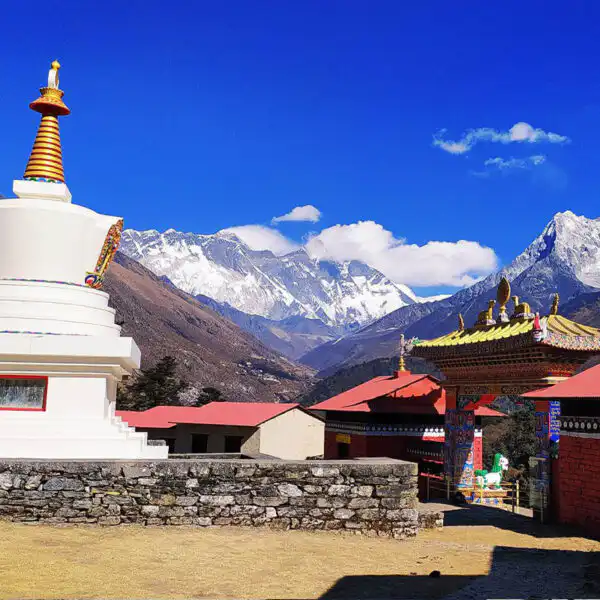
modicus 🞄
 5.0 (175)
5.0 (175)
Iter Novem Dierum ad Castra Basis Ama Dablam
 US $ 1,100
Tredecim Dies in Nepalia
modicus 🞄
5.0 (175)
5.0 (175)
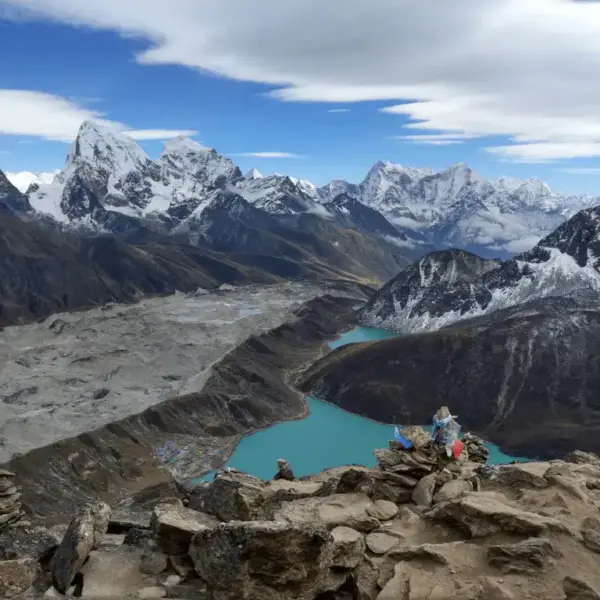
Iter Gokyo Chola Pass EBC cum Reditu Helicoptero – Dies XI
US $ 2,980
Tredecim Dies in Nepalia
Recentiora ex Nostro Blog Loca amoena, consilia de itineribus, nuntii et plura.
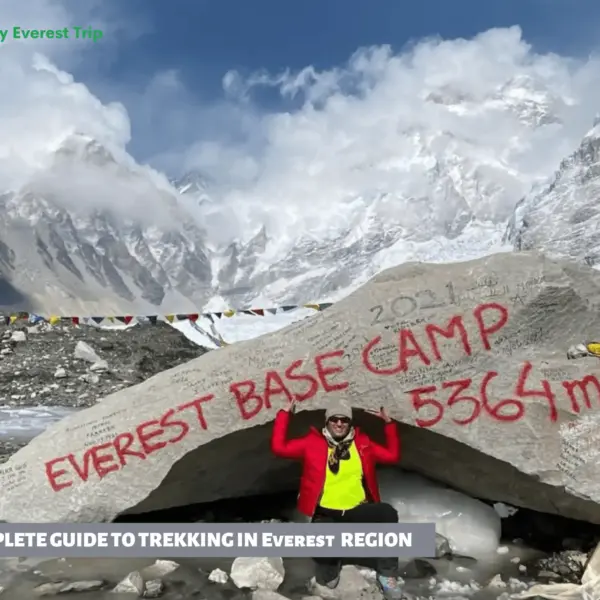
Everest, Blog, Trekking in Nepal
Dux Completus Iter Everesti
Dux Itinerum Everestensium Dux Itinerum Everestensium Completus est multa itinera globaliter, sed nulla sunt...
Lege totum nuntium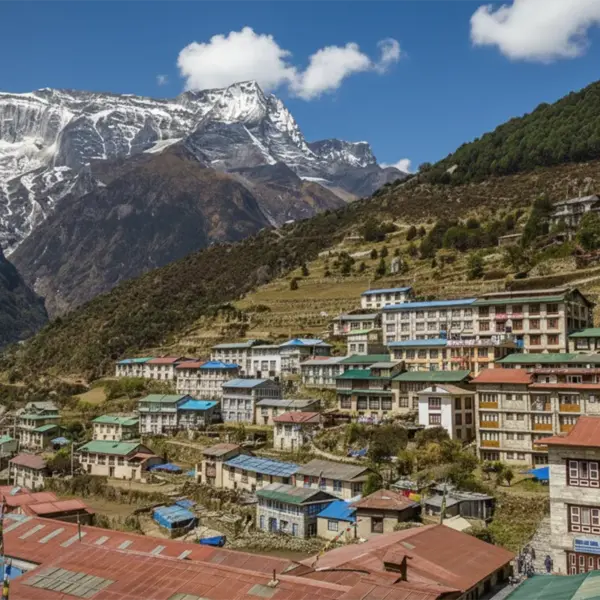
Blog
Animalia quae in Monte Everesto habitant: Vita fera altissimi montis mundi
Introductio: Vita Supra Nubes Mons Everest, summus orbis terrarum mons cum…
Lege totum nuntium
Blog, Everest, Uno
Index Elevationis Castrorum Basium Everestiensium
Elevatio Castrorum Basalium Everesti semper in mente cuiusque est; omnes somniant se esse...
Lege totum nuntium