



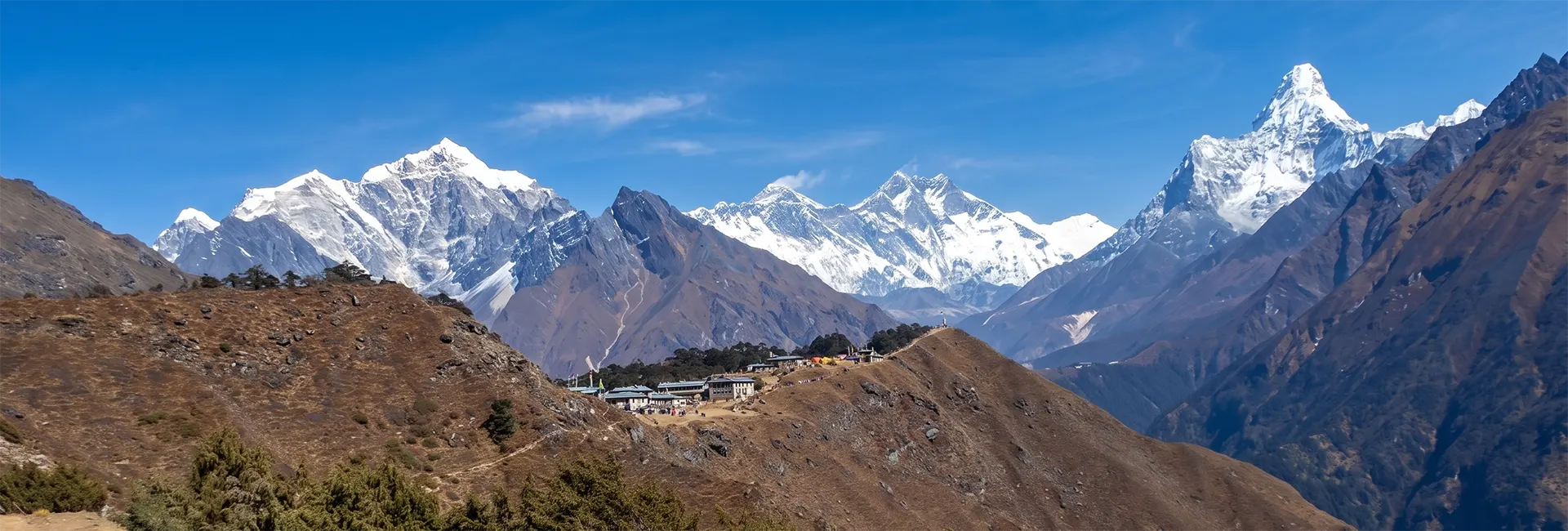
Kadaghanan sa mga tawo nag-asoy sa pagsaka sa Everest Base Camp sa Oktubre ug Nobyembre, kung kanus-a daghan ang mga agianan ug ang mga teahouse puno sa mga trekker gikan sa tibuok kalibutan. Tali sa Disyembre ug Pebrero, ang Khumbu adunay lahi nga kinaiya, ug ang mga trekker nga mipili sa paglakaw niadtong mga bulana kanunay nga mobalik nga nag-ingon nga kini ang labing magantihon nga butang nga ilang nahimo sa kabukiran.
Winter on this route is quieter, sharper, and more demanding than any other season. Based on our firsthand experience on My Everest Trip, winter reveals a quieter and more rewarding side of the Everest Base Camp trail. On clear winter mornings, the dry mountain air offers exceptionally clear views and makes the surrounding peaks look remarkably sharp.
Kasagaran mas barato ang gasto sa pagbiyahe panahon sa tingtugnaw, ug tungod kay mas gamay ang mga trekker sa agianan, ang mga tag-iya sa teahouse kanunay adunay daghang oras sa paghatag personal nga serbisyo. Ang pagkompleto sa trek sa tingtugnaw kanunay nga magdala og mas lig-on nga pagbati sa kalampusan tungod kay ang kasinatian mas hilom ug mas lisud.
Kini nga giya naglangkob sa kompletong detalye sa pagbaktas sa Everest Base Camp sa tingtugnaw. Makita nimo ang klaro nga pagtan-aw sa kaluwasan sa pagbaktas sa tingtugnaw sa EBC, unsay epekto sa altitude sa imong lawas sa bugnaw nga mga kondisyon, usa ka praktikal nga lista sa mga dad-onon, usa ka realistiko nga pagbahinbahin sa badyet alang sa 2026 hangtod 2027, ug usa ka plano sa pisikal nga pagpangandam nga maghatag kanimo sa labing maayo nga posible nga pundasyon sa dili pa ka molakaw sa agianan.
Usa ka Pagtan-aw sa Everest Base Camp Winter Trek
Ania ang mubo nga pagpasabut sa dili pa kita moadto sa mga detalye.
| item | Mga Detalye |
| Gidugayon sa Pagbaktas | 12 hangtod 14 Adlaw |
| Labing Maayong mga Bulan sa Tingtugnaw | Disyembre, Enero, Pebrero |
| Talagsaon nga Kahitas-an | 5,545m (Kala Patthar) |
| Gihabogon sa Base Camp sa Everest | 5,364m |
| Temperatura sa Adlaw | 5°C hangtod -5°C |
| Temperatura sa Gabii | -10 ° C hangtod -25 ° C |
| Lebel sa kalisud | Hagiton |
| Average nga Gasto | USD 1,200 hangtod USD 2,500+ |
| accommodation | Mga Balay sa Tsa |
| Kinahanglanon sa Giya | Girekomenda nga Labi kaayo |
Ngano nga ang Ubang mga Trekker Nagpili sa Panahon sa Tingtugnaw
Tinuod ang mga bentaha sa pag-trekking sa tingtugnaw ug angayan natong ipasabot una sa dili pa nato hisgutan ang mga hagit.
Ang malinawong mga agianan usa ka dakong rason nganong daghang mga trekker ang mopili sa tingtugnaw. Atol sa Oktubre ug Nobyembre, ang agianan tali sa Lukla ug Namche Bazaar moagi sa dagan sa usa ka busy nga agianan, diin gatusan ka mga trekker ang moagi sa parehas nga mga checkpoint ug mga lodge sa parehas nga adlaw-adlaw nga iskedyul. Sa Enero, mahimo kang maglakaw sulod sa usa ka oras nga dili makakita og laing grupo. Ang teahouse sa Dingboche diin ka molingkod alang sa paniudto adunay duha o tulo ka ubang mga lamesa nga okupar imbes nga baynte. Ang talan-awon sa Kala Patthar imo nang matikaran nga dili magpila. Alang sa mga trekker nga nakakaplag sa atmospera sa peak season nga sobra ra kaayo, kini lamang ang makatarunganon sa katugnaw.
Kasagaran labing maayo ang panan-aw sa bukid panahon sa tingtugnaw tungod kay ang bugnaw ug uga nga hangin naghatag ug talagsaong katin-aw sa mga adlaw nga klaro. Ang uga ug bugnaw nga hangin sa gihabogon gamay ra kaayog kaumog, ug ang langit sa usa ka tin-aw nga buntag sa tingtugnaw ibabaw sa Namche o Tengboche usa ka lawom ug hait nga asul nga nindot tan-awon ug makapahimo sa matag lagyong taluktok nga tan-awon nga duol kaayo.
Lower travel costs are another advantage of winter trekking. Accommodation, guide services, and some trekking packages are often cheaper than during peak seasons, making winter a good option for budget-conscious trekkers.
Everest Base Camp Trek 12 ka adlaw
Kadaghanan sa mga tawo nag-asoy sa Everest Base Camp trek sa Oktubre ug Nobyembre, kung ang mga agianan puno sa mga tawo ug ang mga teahouse puno sa…
Kaluwasan sa Pagbaktas sa Tingtugnaw sa EBC: Usa ka Realistiko nga Pagtimbang-timbang
You need to understand EBC winter trek safety clearly before you commit to this season. Winter risks differ from other times of year, and some are far more serious. This section gives you an honest picture of each one.
The cold is the biggest challenge, and it deserves the most attention. On the lower sections of the trail, between Lukla and Namche, winter daytime temperatures are uncomfortable but manageable. Above 4,000 meters, particularly above Dingboche, altitude and temperature begin to matter in a different way.
Sa Lobuche ug Gorak Shep sa Enero, ang temperatura sa maadlaw kasagaran gikan sa mga 5°C hangtod -5°C, depende sa kahimtang sa kahayag sa adlaw ug hangin. Ang temperatura sa gabii kasagarang moubos sa -20°C, ug ang kusog nga hangin makapabugnaw pag-ayo. Human sa pagsalop sa adlaw, kini moubos pa, nga kasagaran moabot sa -20 o mas ubos pa uban sa gikonsiderar nga katugnaw sa hangin. Niini nga mga kondisyon, ang dili igo nga sinina dili lang kay dili komportable. Mahimo kini nga usa ka seryoso nga kabalaka sa kaluwasan.
Ice on the trail above Namche is a consistent feature in winter. Sections of the path that are shaded by cliffs or north-facing slopes stay frozen for much of the day and become slippery underfoot. The trail between Lobuche and Gorak Shep, and the early morning climb to Kala Patthar, both have sections that require careful footing. Microspike attachments for your trekking boots are worth carrying from Dingboche onward. A fall on frozen ground at altitude is something you should not risk when it is so easily prevented.
Flight reliability at Lukla is more variable in winter than in autumn. Cold morning air, low cloud, and occasional fog can close the airport for a day or two at a stretch. This is not unusual, and experienced operators plan around it, but you’ll need to build buffer days into your Kathmandu stay at both ends of the trek.
Daylight hours in December and January are the shortest of the year. Many walking stages that feel relaxed on long autumn days require earlier starts in winter to reach the next guesthouse before dark. Your guide will manage the daily schedule, but pre-dawn starts are a regular part of the winter routine above Dingboche.
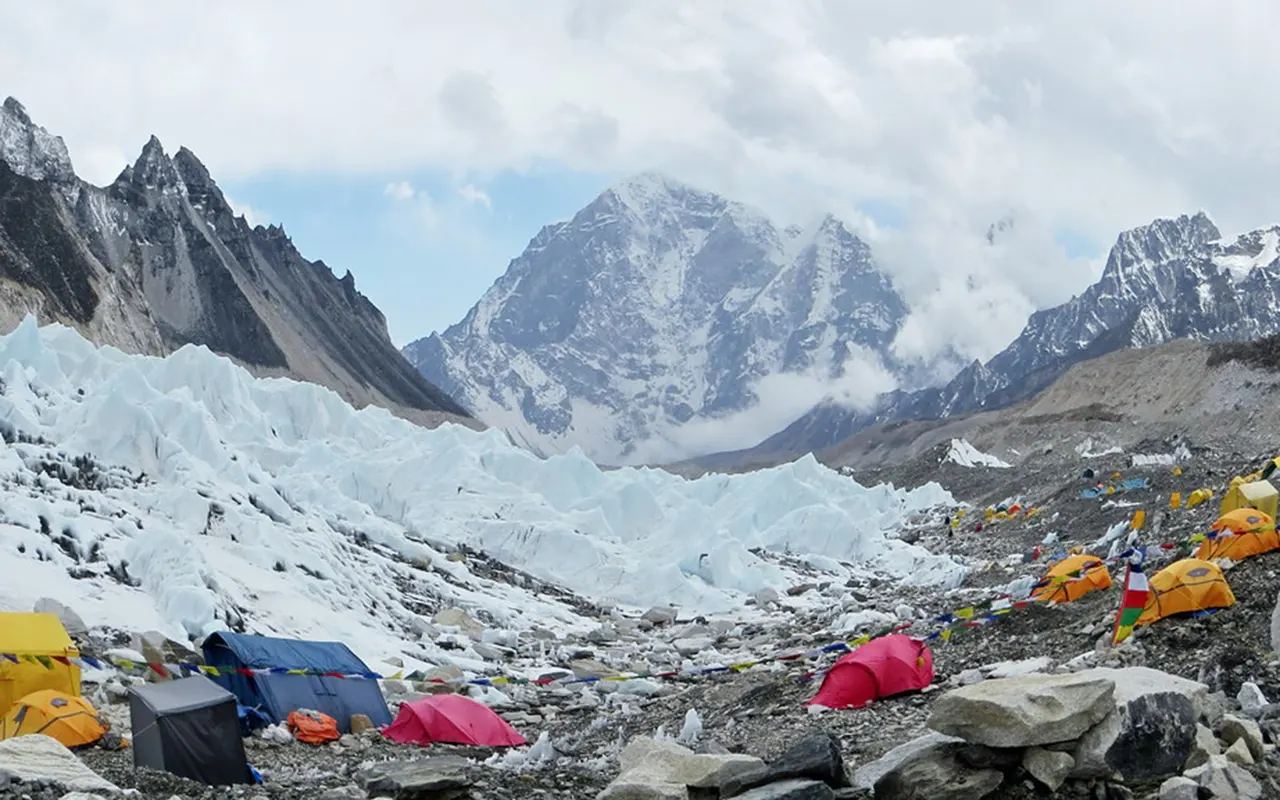
Unsay Epekto sa Altitude sa Imong Lawas sa Tingtugnaw
Ang gihabogon kanunay nga gikonsiderar sa panglawas sa pagsaka sa Everest Base Camp panahon sa tingtugnaw, ug ang katugnaw nagdugang og pagkakomplikado sa reaksyon sa lawas nga angay sabton og maayo.
Labaw sa 3,000 metros, ang presyur sa hangin moubos ug ang magamit nga oksiheno mokunhod. Ang imong baga mokuha sa samang gidaghanon sa hangin apan mokuha og gamay nga oksiheno sa matag pagginhawa.
Cold temperatures compound this stress in a specific way. Your body has to cope with two challenges at once: staying warm while adapting to lower oxygen levels. Energy is consumed faster than in warm weather, appetite often decreases at altitude, and early symptoms of altitude adjustment can appear more quickly in cold conditions than in spring or autumn.
Acute Mountain Sickness (AMS) occurs in definable stages. Mild AMS is characterized by a headache within 24 hours of exposure to high altitude associated with fatigue, loss of appetite, and sleep disturbance. Moderate AMS is characterized by a headache that doesn’t go away with analgesics, nausea, and a significant decrease in energy and coordination. Severe AMS can progress to high-altitude pulmonary edema, which affects the lungs, or High-Altitude Cerebral Edema, which affects the brain. Both are life-threatening without immediate descent.
The prevention approach for altitude sickness on the winter route is the same as in any season, but requires stricter adherence because the body is already under thermal stress. Take the acclimatization days at Namche Bazaar and Dingboche without cutting them short. Use the rest days for short upward hikes, then return to sleep at the lower altitude.
Pag-inom og tulo ngadto sa upat ka litro nga tubig kada adlaw gikan sa Namche pataas, bisan kon dili ka mobati og kauhaw, kay ang bugnaw nga panahon kasagarang makapakunhod sa imong pagbati sa kauhaw. Ang dehydration nagdugang sa risgo sa altitude sickness ug kakapoy, busa ipadayon ang pag-inom og tubig kanunay sa tibuok adlaw uban sa mainit nga mga ilimnon.
Likayi ang alkohol, kay kini makapauga sa lawas ug makatabon sa mga unang sintomas sa altitude sickness. Hinay ug makanunayon nga paglakaw ug pakigsulti sa imong doktor sa dili pa mobiya kung ang Diamox angay ba sa imong sitwasyon.
Mga Tip sa Pagbaktas sa Tingtugnaw sa Nepal: Adlaw-adlaw nga mga Pamaagi sa Kaluwasan
Beyond altitude management, these winter trekking Nepal tips cover the practical daily decisions that shape EBC winter trek safety on the ground.
Hiring an experienced licensed guide is one of the best decisions you can make for a winter trek. Your knowledgeable guide, familiar with the Khumbu region, will update you daily on the weather, help you on icy or snow-covered trails, communicate with teahouse owners about accommodation availability, and coordinate emergency assistance if needed.
Although trekking regulations in Nepal have changed in recent years, independent trekking policies can vary by region. Regardless of the latest rules, having a licensed guide during winter greatly improves both safety and the overall trekking experience.
Winter weather is generally more stable than the pre-monsoon period, but high-altitude conditions shift faster than most trekkers expect. A sudden drop in wind, unusual cloud formation around the high peaks, or an unexpected afternoon temperature change are all worth noting and discussing with your guide before deciding about the following day.
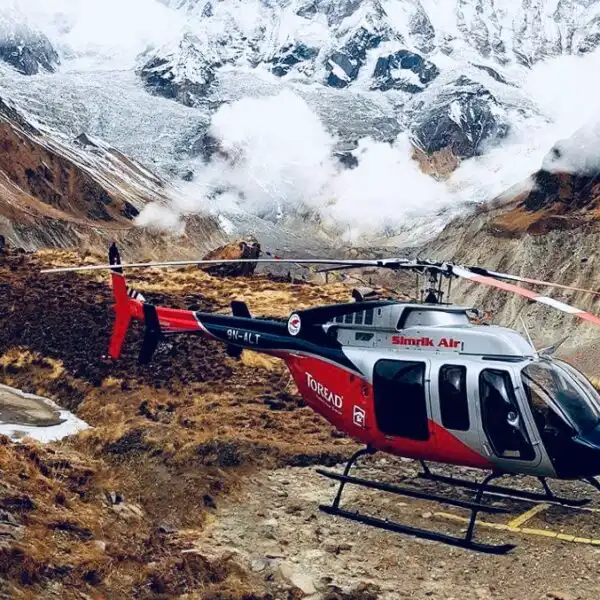
Sayon ra ang pagsabot sa proseso sa emergency evacuation sa dili pa nimo kini kinahanglan apan importante. Ang helicopter rescue anaa sa tibuok rehiyon sa Khumbu ug kanunay kining gigamit. Ang imong travel insurance kinahanglan nga klarong motabon sa helicopter evacuation gikan sa taas nga lugar. Dad-a kanunay ang mga emergency contact number sa imong insurance provider ug sa imong trekking agency, dili lang sa imong telepono. Mas dali mahurot ang baterya sa tugnaw nga panahon, ug ang telepono nga mamatay sa Lobuche dili mapuslanon sa emerhensya.
Ang pagsugod og sayo sa matag adlaw usa ka batasan nga espesipiko sa tingtugnaw nga makahimo og dakong kalainan. Ang labing lig-on ug labing init nga bahin sa usa ka adlaw sa tingtugnaw sa Khumbu mao ang tungang buntag. Ang pagbiya sa imong teahouse sa alas siyete o alas siyete y medya magdala kanimo sa sunod nga destinasyon sa dili pa mohubas ang kahayag ug moubos pag-ayo ang temperatura sa hapon. Ang pag-abot sa usa ka guesthouse human sa kagabhion sa -15 degrees nga kondisyon malikayan kon adunay disiplina sa pagsugod sa adlaw.
Kompleto nga Listahan sa mga Butang nga Pang-impake sa Tingtugnaw
Ang pag-andam sa saktong gamit dili opsyonal para sa pagbaktas sa Everest Base Camp panahon sa tingtugnaw. Ang mga butang sa ubos nagrepresentar sa minimum nga sukdanan para sa luwas ug komportable nga kasinatian.
Proper layering is essential in winter. Start with moisture-wicking thermal base layers for the upper and lower body. Merino wool is particularly effective because it manages moisture, resists odor over multiple days, and retains warmth even when damp. Over the base layer, add a warm fleece or softshell jacket as your main insulation for walking. Your outer layer needs to be a fully waterproof and windproof shell jacket with matching trousers. A down jacket rated to at least minus fifteen degrees Celsius is the most important single item in your clothing kit and should be treated as non-negotiable for the upper sections of the route.
Winter accessories require more thought than in other seasons. Insulated gloves with thin liner gloves underneath give you flexibility when you need dexterity for camera buttons or trail snacks without exposing your hands to the cold for long. A wool or fleece hat that covers your ears fully is necessary from Namche upward. A balaclava or thick neck gaiter is useful for the pre-dawn starts above Dingboche. High-quality UV-protective sunglasses are essential because reflections off snow at altitude can increase UV exposure and damage eyesight within a few hours. High-SPF sunscreen is equally important for the same reason.
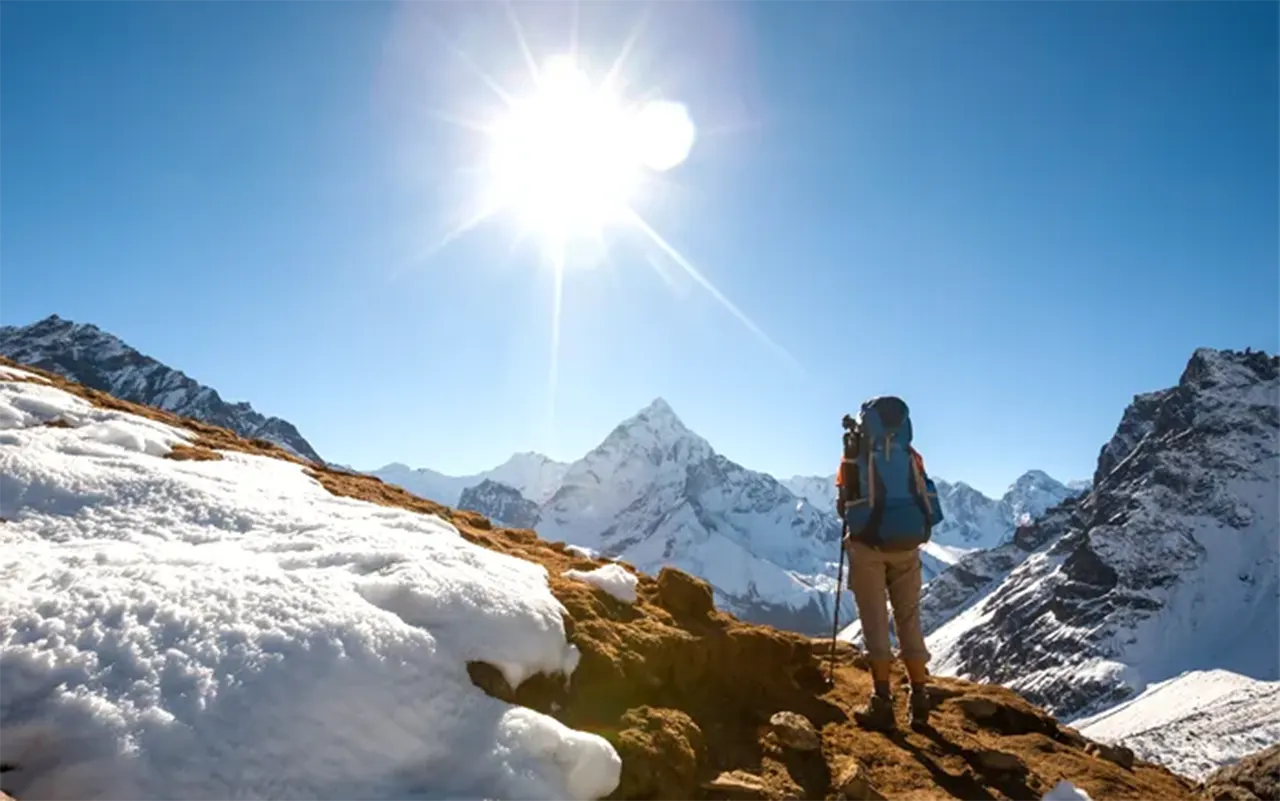
Footwear for the winter route needs to be both insulated and waterproof. Waterproof trekking boots with good ankle support suit most winter trekkers when paired with warm wool socks. Insulated winter trekking boots can make higher elevation hiking more comfortable if you’re especially sensitive to the cold. Gaiters keep snow out of your boots, and microspikes add traction on icy trail sections. Make sure your boots are fully broken in before your trek begins.
Ang sleeping bag nga adunay rating nga -20 degrees Celsius mao ang girekomendar nga standard para sa mga gabii sa tingtugnaw sa Lobuche ug Gorak Shep . Ang sleeping bag liner makadugang og duha ngadto sa upat ka degrees nga kainit ug makahatag usab og hygiene layer tali kanimo ug sa mga higdaanan sa teahouse. Ang mga teahouse naghatag og mga habol, apan ang ilang gibag-on ug kondisyon managlahi kaayo, ug ang imong kaugalingong sleeping bag makatangtang sa kawalay kasiguroan.
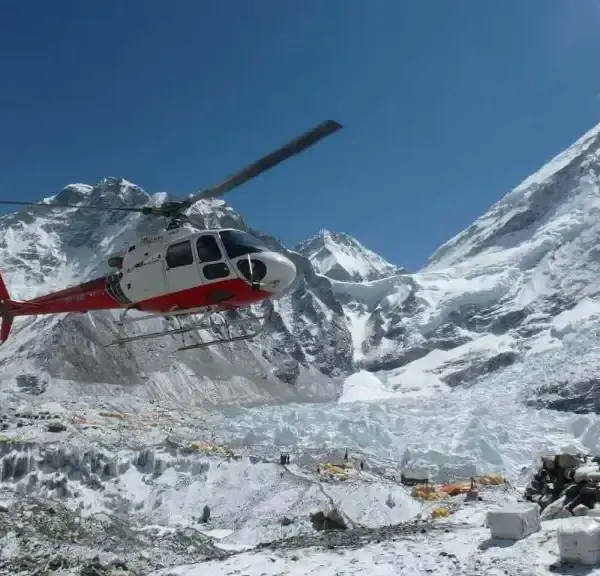
Flight gikan sa Gorakshep hangtod sa Kathmandu Helicopter
Kadaghanan sa mga tawo nag-asoy sa Everest Base Camp trek sa Oktubre ug Nobyembre, kung ang mga agianan puno sa mga tawo ug ang mga teahouse puno sa…
For electronics, carry a power bank with enough capacity for several days between reliable charging stops. A headlamp with spare batteries is important for pre-dawn starts, and keep the spare batteries warm in an inner pocket rather than in your bag, where they may lose charge overnight. A pulse oximeter is an optional but useful item for monitoring your blood oxygen saturation during the trek. While it should never replace professional medical advice or your guide’s judgment, it can provide additional information as you gain altitude.
Mas paspas nga mokunhod ang performance sa baterya sa bugnaw nga temperatura kaysa gilauman sa kadaghanan sa mga trekker. Ibutang ang imong telepono, baterya sa camera, power bank, ug uban pang elektronik nga mga aparato sa sulod sa imong sleeping bag o bulsa sa sulod sa dyaket sa tibuok gabii aron makatabang sa pagtipig sa ilang karga. Kini nga yano nga batasan makahimo og dakong kalainan, labi na sa pinakatugnaw nga mga gabii sa mas taas nga mga lugar.
Pagbahinbahin sa Gasto sa Pagbaktas sa Everest Base Camp sa Tingtugnaw gikan sa 2026 hangtod 2027
Winter is the most affordable season for most cost categories on the Everest Base Camp trek. Here is a realistic and detailed breakdown.
Permits are fixed by the government and do not change with season. The Sagarmatha National Park entry permit costs approximately NPR 3,000 per person, which works out to around USD 22. The Khumbu Pasang Lhamu Rural Municipality trekking permit costs about NPR 2,000, or about USD 15. Both are straightforward to obtain, and your trekking agency can handle them as part of a package.
Ang mga round-trip nga biyahe tali sa Kathmandu (o Ramechhap panahon sa daghang tawo) ug Lukla kasagaran mokantidad og USD 440 ngadto sa USD 560 kada tawo, depende sa airline, panahon, ug availability. Ang shared helicopter seats tali sa Kathmandu ug Lukla kasagaran mokantidad og USD 500 ngadto sa USD 700 kada tawo, depende sa availability. Anaa usab ang pribadong helicopter charter ug kasagaran mokantidad og USD 2,500 o pataas para sa tibuok eroplano.
Guide and porter costs vary with experience and the arrangement you choose. A licensed local guide costs between USD 25 and USD 35 per day. A porter who carries your main bag costs between USD 18 and USD 25 per day. A guide-porter who handles both roles costs between USD 30 and USD 40 per day and is a practical option for trekkers who want to keep group size and cost manageable. Always book through a registered agency and confirm that your guide and porter carry appropriate insurance and personal gear.
Ang akomodasyon sa teahouse mahimong mas mahal gamay samtang mosaka ka sa altitud, bisan kung ang mga bayranan sa tingtugnaw kasagaran mas ubos kaysa sa peak trekking seasons. Ang mga kwarto kasagaran nagkantidad tali sa
USD 5 and USD 15 per night. Some teahouses offer a free or discounted room if you eat your meals there. At higher elevations, rooms are generally unheated, so a warm sleeping bag is essential for a comfortable night.
Atol sa pinakatugnaw nga mga semana sa tingtugnaw, ang mga tubo sa tubig ug mga gripo sa mas taas nga mga lugar mahimong moyelo sa tibuok gabii. Ang mga init nga shower mahimong dili na kasagaran sa ibabaw sa Dingboche ug mahimong dili kanunay magamit. Ang pagdala og mga basa nga wipes ug usa ka gamay nga personal hygiene kit makapahimo sa pagpabilin nga komportable nga mas sayon sa ibabaw nga bahin sa pagbaktas.
Food and drink on the trail cost between USD 20 and USD 35 per day depending on your choices and your elevation. Hot drinks are both a comfort and a necessity in winter, and they cost more as you climb. A cup of tea at Gorak Shep runs USD 3 to USD 5. Charging devices at teahouses above Namche costs USD 2 to USD 5 per charge and adds up over fourteen days.
Dili ma-negosasyon ang travel insurance para ani nga trek bisan unsang orasa sa tuig, labi na sa tingtugnaw kung mas taas ang risgo sa pagbakwit. Ang polisiya nga naglangkob sa pagbakwit sa taas nga altitude hangtod sa 6,000 metros ug pagbakwit gamit ang helicopter kasagaran mokantidad tali sa USD 80 ug USD 200 depende sa imong nasyonalidad, edad, ug provider. Hikaya ug palita kini sa dili pa ka mobiya sa balay.
Total budget estimates vary significantly with travel style. A budget-conscious trekker using a guide-porter arrangement and basic teahouses can complete the fourteen-day trek for between USD 1,200 and USD 1,600 including permits, flights, food, and daily costs. A standard trekker with a separate guide and porter, mid-range accommodation choices, and some equipment rental will spend between USD 1,800 and USD 2,500. A comfort-focused trekker using better-equipped lodges and a private guide arrangement should budget USD 2,500 and above.
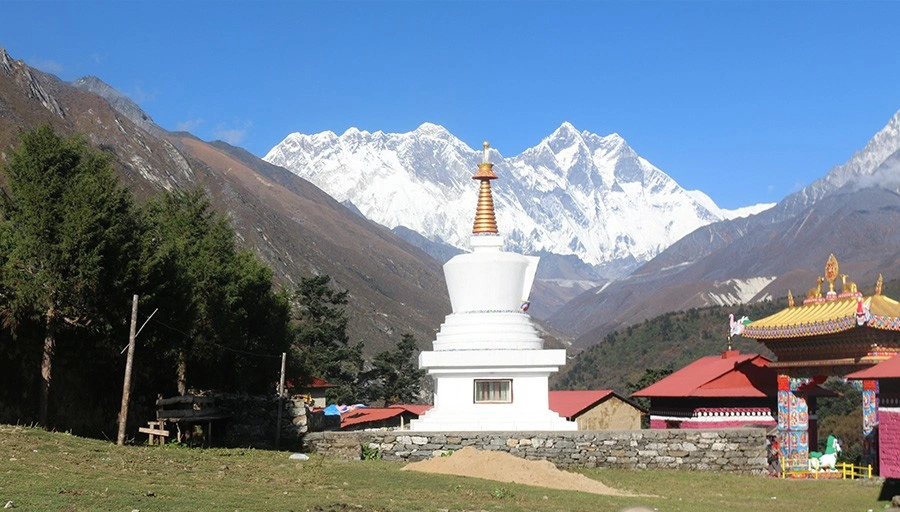
Pagpangandam sa Pisikal ug Mental
The Everest Base Camp trek in winter asks more of your body than the same route in warmer conditions. Cold increases the energy cost of every hour on the trail, and the combination of altitude and low temperature means accumulated fatigue arrives sooner than it would in autumn.
The most useful physical training for this trek is long-distance hiking on hilly terrain with a loaded daypack. This mirrors the route’s demands more closely than any gym exercise. In the first two months, build to three-hour hikes three to four times per week with a pack of around six to eight kilograms. In the final two months, push your weekend hikes to five to seven hours with a fully loaded pack and as much elevation gain as your local terrain allows. Supplement this with strength training focused on quads, glutes, and core, as these muscle groups take the most load on the long descent days.
Ang pagpangandam sa pangisip sama ka importante sa pisikal nga kahimsog. Ang pagbaktas sa tingtugnaw naglakip sa bugnaw nga mga buntag, nag-usab-usab nga panahon, ug taas nga mga adlaw sa agianan. Ang pagdawat niining mga hagit sa dili pa magsugod makatabang kanimo nga magpabiling positibo ug malingaw sa kasinatian bisan kung ang mga kondisyon mahimong lisud.
Kon bahin sa kon mahimo ba sa mga bag-o ang EBC trek sa tingtugnaw, ang tubag nagkinahanglan og pag-amping. Dili kini ang labing angay nga unang kasinatian sa taas nga altitude. Ang pag-trekking sa kasarangan nga Himalayan elevation, bisan sa 3,000 ngadto sa 4,000 metros sa mas mubo nga ruta, makahatag kanimo og mapuslanong reperensya kon giunsa pagtubag sa imong lawas ang altitude ug katugnaw. Bisan pa niana, ang mga bag-o nga adunay madasigon nga mga kahanas nga nakahimo og seryoso nga pisikal nga pagpangandam ug kinsa mibiyahe uban sa usa ka eksperyensiyado nga giya malampusong nakakompleto sa ruta sa tingtugnaw. Ang yawe mao ang dili pagpakamenos niini.
Tingtugnaw vs Tingpamulak vs Tingdagdag: Usa ka Prangka nga Pagtandi
Ang talaan sa ubos nagsumaryo sa mga nag-unang hinungdan sa tulo ka nag-unang mga panahon sa trekking sa ruta sa EBC.
| Ang hinungdan | Winter | Spring | tingdagdag |
| Mga tawo | Ubos kaayo | Hataas | Taas kaayo |
| Weather | Tugnaw, Lig-on | Maayong | labing maayo nga |
| Views | Maayo Kaayo nga | Maayong | Maayo Kaayo nga |
| gasto | Labing gamay | Hataas | Labing Halangdon |
| Kalisod | Lisud | kasarangan | kasarangan |
Winter is the right choice for experienced trekkers who prioritize solitude, clear mountain photography, and lower costs over the comfort of warmer conditions. It is not well suited to people who are sensitive to cold, have respiratory conditions, or are attempting high-altitude trekking for the first time without prior experience. Spring and autumn remain the more forgiving and better-supported seasons for those new to Himalayan trekking.
Mga Sayop nga Likayan sa usa ka Winter EBC Trek
Kadaghanan sa mga kalisud sa ruta sa tingtugnaw naggikan sa gagmay nga mga sayop nga malikayan. Kini angay nga mahibal-an sa dili pa moadto.
Underestimating the temperature gap between Kathmandu and the upper Khumbu is the mistake most commonly made by first-time winter trekkers. The difference between a pleasant Kathmandu afternoon in December and Gorak Shep at midnight in January is around thirty degrees Celsius. Packing gear that works for autumn conditions and assuming it will be enough in winter creates real problems above Dingboche.
Ang paglaktaw sa mga adlaw sa acclimatization aron makadaginot og oras mas delikado sa tingtugnaw kaysa sa bisan unsang ubang panahon. Ang lawas naggasto na og dugang nga enerhiya sa thermal regulation, nga nagpamenos sa mga kahinguhaan nga magamit alang sa pag-adjust sa altitude. Ang mga adlaw sa pagpahulay sa Namche ug Dingboche mao ang panahon nga ang imong lawas mohimo sa trabaho sa pag-adapt. Ang pagtangtang niini makapamubo sa proseso ug nagdugang sa posibilidad sa mga problema nga may kalabutan sa altitude sa ibabaw nga mga bahin.
Ignoring early AMS symptoms because motivation is running high is a pattern that ends many winter treks poorly. A headache at Lobuche that worsens overnight rather than improving signals that your body is not coping with the altitude at that stage. Telling your guide, resting an extra day, or descending to a lower altitude are all reasonable responses. Pushing on in the hope that things will improve at a higher elevation is not a reasonable response and has led to serious outcomes for trekkers on this route.
Ignoring changing weather conditions is another avoidable mistake. Winter weather is generally more settled than during the monsoon or pre-monsoon season, but you can still encounter heavy snowfall or strong winds that can affect trail conditions and travel plans. Staying flexible and following your guide’s advice will help you make safer decisions if the weather changes unexpectedly.
15 ka Adlaw nga Pagbaktas sa Everest Cho La Pass
Kadaghanan sa mga tawo nag-asoy sa Everest Base Camp trek sa Oktubre ug Nobyembre, kung ang mga agianan puno sa mga tawo ug ang mga teahouse puno sa…
Ang pag-book og mga flight sa Lukla nga walay buffer days sa bisan asa nga tumoy sa biyahe usa ka kakulang sa plano nga makahatag og dakong stress kon ang panahon sa tingtugnaw mosira sa airport. Ang pagkalangan og usa o duha ka adlaw sa Lukla normal ra sa tingtugnaw. Ang paglakip niining mga adlawa sa imong iskedyul gikan sa sinugdanan makawagtang sa kabalaka ug sa mahal nga pag-rebook nga dala sa hugot nga itinerary.
Kanunayng Gipangutana nga mga Pangutana
Luwas ba ang pagsaka sa Everest Base Camp panahon sa tingtugnaw?
With proper preparation, suitable gear, and a licensed guide, the winter route is safe for trekkers who approach it seriously. The risks are real and specific to the season, but manageable for anyone who prepares thoroughly and follows EBC winter trek safety guidance.
Unsa ka tugnaw ang Everest Base Camp panahon sa tingtugnaw?
Daytime temperatures at Base Camp in winter range from minus five to minus fifteen degrees Celsius. At night in Gorak Shep, temperatures regularly fall to minus twenty degrees Celsius or lower. Wind chill on exposed ridges and during the Kala Patthar climb makes conditions feel considerably colder.
Abli ba ang mga teahouse panahon sa tingtugnaw?
Most teahouses along the main EBC route remain open through December, January, and February. A small number of the higher-elevation lodges may close during the deepest part of winter. Your guide will confirm current availability before you depart each stage.
Kinahanglan ba ko og giya para sa usa ka winter EBC trek?
A licensed guide is strongly recommended for a winter Everest Base Camp trek. An experienced guide provides route knowledge, weather reports, emergency assistance, and local support throughout the trek. Trekking regulations can change, so it’s always a good idea to check the latest requirements before planning your trip.
Unsang bulan sa tingtugnaw ang labing maayo alang sa EBC trek?
December is usually the most accessible of the three winter months, with slightly less extreme nighttime temperatures than January and February. All three months offer the same trail experience and mountain views, so the choice often comes down to which dates fit your schedule.
Mas kanunay ba mahitabo ang altitude sickness sa tingtugnaw?
The cold in winter places additional physical demands on the body, which can accelerate the onset of early AMS symptoms. Trekkers who stick strictly to the acclimatization schedule and move at a measured pace manage altitude well in winter. Those who move too fast or skip rest days are more vulnerable than they would be in warmer conditions.
Angayan ba ang pagbaktas sa Everest Base Camp panahon sa tingtugnaw?
For many trekkers, winter is the most rewarding time to visit Everest Base Camp. Empty trails, sharp mountain air, views that stretch to every horizon without haze, and teahouses where the owner remembers your name because there are only four guests. The Everest Base Camp trek in winter gives you the Khumbu without the performance of peak season, and for people who value that kind of quiet and directness in their travel, it is a very compelling offer.
Mas daghan ang imong gikinahanglan kaysa sa parehas nga ruta sa Oktubre. Kinahanglan nga mas kompleto ang pagpangandam, kinahanglan nga ma-rate ang mga gamit para sa sip-on, ug kinahanglan nga ma-adjust ang imong kinaiya bahin sa dili komportable nga pagbiyahe sa dili pa ka moabot.
Start your preparation early. Choose an operator with real winter experience in the Khumbu. Pack for the worst conditions you might encounter, not the average ones. Get your insurance in place before you travel. And go with a clear sense of what the cold will feel like, so when it arrives, it doesn’t surprise you. Winter conditions are demanding, but with proper preparation, they can also be incredibly rewarding, leaving you with memories that last long after the trek is over.