





My Everest Travels & Tours Saat Ghumti Marg 3, Kathmandu 44600, Nepal
Langtang Region
Ever wondered where you can trek through ancient villages, glacial valleys, and lakes all in one region? Welcome to the best treks in Langtang. This region offers a perfect combination of culture, nature, and adventure. Some of the most popular treks here include the Langtang Valley Trek, Langtang Gosaikunda Trek, Langtang Gosaikunda Helambu Trek, Tamang Heritage Trail Trek, and Yala Peak Climbing. Whether you’re looking for forest walks, suspension bridges, alpine lakes, or thrilling climbs, these trails have something special for every kind of trekker.
The Langtang Valley Trek is perfect if you want a scenic journey close to Kathmandu with beautiful views of snow-capped mountains and hills; it costs USD 520 for 8 days. If you’re looking for something spiritual and adventurous, the Langtang Gosaikunda Trek takes you to the holy lake of Gosaikunda and costs around USD 870 for 13 days.
For a deeper cultural experience, the Tamang Cultural Heritage Trail takes you through traditional villages where you can explore local customs and culture. It only costs USD 980 for 14 days. For a mix of everything, the Langtang Gosaikunda Helambu trek connects high-altitude lakes, valleys, and remote settlements. It costs around USD 1,190 for 19 days.
For thrill lovers, Yala Peak climbing offers a taste of mountaineering without requiring technical skills. It costs nearly USD 1,350 for 12 days. No matter which one you choose, the Langtang region offers unforgettable memories, less-crowded trails, and beautiful scenery.
Best Langtang Region Trek Packages
Langtang Valley Trek – Starts at USD 520
- Distance Covered: ~ 85 Km
- Trek Duration: 8 days
- Elevation Gain: 3,173 m or 3,433 m (starting from Syabrubesi)
- Max. altitude: Kyanjin Ri (4,773 m) and Tsergo Ri (5,033 m) (Depending on the itinerary)
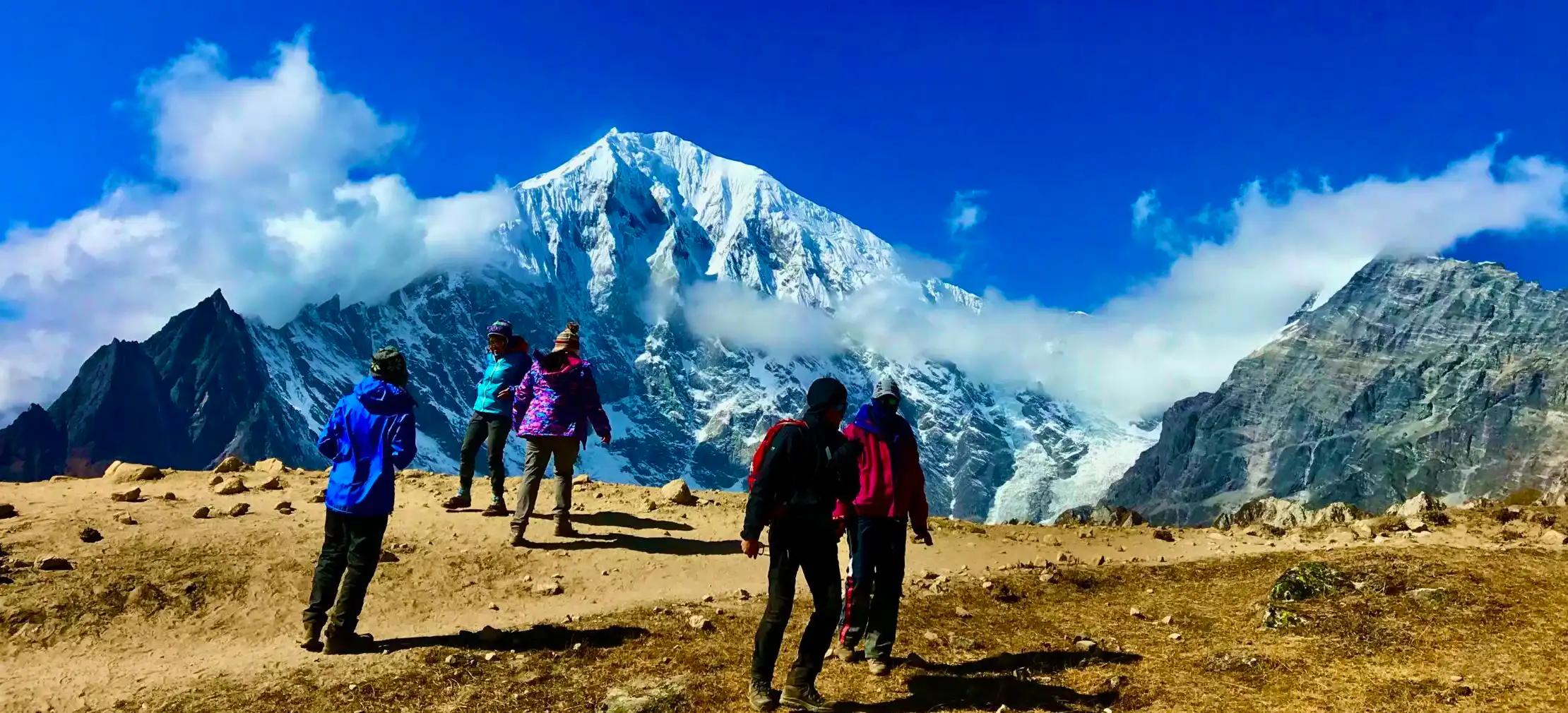
The Langtang Valley Trek is among Nepal’s top 5 treks. This adventurous eight-day trek offers an excellent opportunity to discover the Langtang region’s natural and cultural highlights. Views of Dorje Lakpa, Langtang Ri, and Langtang Lirung give you the feel of a Himalayan trek while immersing you in the culture and warm hospitality of the Tamang people.
The sunrise from Tsergo Ri at 5,033 meters is the unmissable highlight of Dolma La Pass. This relatively short trek starts and ends in Syabrubesi and suits anyone who wants a thrilling journey while keeping the adventure of the trek.
Langtang Gosainkunda Trek – Starts at USD 870
- Distance Covered: ~ 100 Km
- Trek Duration: 13 days
- Elevation Gain: 3,433 m (starting from Syabrubesi)
- Max. altitude: Tserko Ri ( 5,033m)
The Langtang Gosaikunda trek is the Langtang Valley trek, with Gosaikunda Lake added to the itinerary. Gosaikunda Lake is a sacred lake in the Gosaikunda rural municipality in Rasuwa district. It is a holy lake for Hindus and is considered the abode of Lord Shiva and Goddess Gauri, attracting enormous crowds during Janai Purnima. The city is home to 108 lakes.
The Langtang Gosaikunda Trek lasts 13 days and takes you deep into the Himalayas, through sacred Lakes and the source of the Trishuli River. This trek is more diverse than the Langtang Valley trek because, in addition to incredible views of Langtang Ri and Langtang Lirung, it also passes through beautiful forests and charming traditional Tamang and Sherpa villages. Thus, the trek could be called a spiritual journey through Nepal’s geography and culture.
Yala Peak Climbing – Starts at USD 1,350
- Distance Covered: ~ 90 Km to 110 Km (depending on the itinerary)
- Trek Duration: 12 days
- Price: USD 1350
- Elevation Gain: 3,810 m (Starting from Syabrubesi)
- Max altitude: 5,500 m (Yala Peak)
- Accommodations: Tea houses, Lodges, and Camping
Yala Peak is a major peak-climbing destination in Nepal, located in the Langtang region. The 12-day package treks through the Langtang Valley to reach the Yala Peak base camp (4,800m). Yala Peak (5,500 meters) offers breathtaking views of Mount Shishapangma (8,027 m), Dorje Lakpa, Langtang Lirung, and Ganesh Himal (7,422 m).
The climb is not technical, making it an excellent adventure for beginners and mid-level trekkers. Yala Peak is a practice peak for many climbers aiming for higher expedition peaks. Unlike other treks, this journey requires an extra mountaineering permit.
Tamang Heritage Trail Trek – Starts at USD 980
- Distance Covered: ~90 Km
- Trek Duration: 14 days
- Elevation Gain: 3,433 m (starting from Syabrubesi)
- Max. altitude: Tsergo Ri ( 5,033m)
The Tamang Heritage Trail trek takes a different route to Tsergo than the classic Langtang Valley trek. It follows the Gompa and Lama Hotel route. During the 14-day trek from Tatopani to Briddim, you will experience Nepal’s alpine landscapes, flat meadows, rhododendron forests, and highlands.
This trek has everything Langtang Valley has, from the majestic Himalayas to a visit to Kyanjin Ri. However, a different route through the Tamang villages offers a closer look at their culture, making for an authentic cultural exploration. Beyond the scenery and culture, you will have a relaxing rest day at Tatopani’s hot spring, where you can unwind in the natural warm waters and reflect on your journey.
Langtang Gosainkunda Helambu Trek – Starts at USD 1,150
- Distance Covered: ~ 110 Km
- Trek Duration: 19 days
- Price: USD 1,150
- Elevation Gain: 3,433 m (starting from Syabrubesi)
- Max. altitude: Tsergo Ri ( 5,033m)
If you have enough time, the Langtang Gosainkunda Helambu Trek is the best option for exploring the Langtang region. This trek covers the famous Langtang Valley, sacred Gosaikunda lakes, and Helambu, known for its sweet apples and artistic Buddhist monasteries. Helambu is home to the Hyolmo (Yolmo) people, who follow the Nyingmapa school of Tibetan Buddhism.
This 19-day adventure offers a bird’s-eye view of the mountains and opportunities to interact with locals. Starting along the Langtang Valley route, you will soon explore the beautiful Tamang highlands and Sherpa villages, including the scenic Tarke Gompa. The trek that begins from the Langtang region ends at Sindhupalchok, allowing you to explore multiple locations in a single trek.
Why Langtang Region Trek?
The Langtang Region Trek offers a fantastic experience in one of Nepal’s most kaleidoscopic regions. During your trek, you will encounter high snow-clad mountains like Langtang Lirung, Dorje Lakpa, and Yala Peak. The Langtang Valley, known as the ‘Valley of Glaciers,’ offers natural and cultural attractions that make it a distinct trekking destination. Here are a few of the reasons why you should go for the Langtang region trek;
Closest Himalayan Trekking Destination from Kathmandu-130 km
Langtang is the closest trekking region to Kathmandu. It lies just 130 km northeast of Kathmandu. You can reach the trek’s starting point in just 6-7 hours by jeep or public vehicle. Unlike Everest Base Camp or the Annapurna Circuit, you don’t need domestic flights or long drives. Roads have improved in recent years, reducing travel time and enhancing safety. It is a perfect destination if you want to save time and money on travel.
Unique Wildlife in Langtang National Park
Langtang National Park was established in 1976 and spans over 1,170 sq km. It is one of Nepal’s most biologically rich protected areas. The park ranges in elevation from 1,000 m to over 7,000 m, offering ecosystems from forests to alpine meadows. Here, you can see endangered species such as the red panda, snow leopard, and musk deer. More than 250 bird species live here, including Himalayan monals and lammergeiers. In recent years, red panda sightings have increased around Rimche and the Lama Hotel. These factors make the Langtang region one of the best trekking destinations.
Traditional Tamang villages like Gatlang Thuman and Thuman
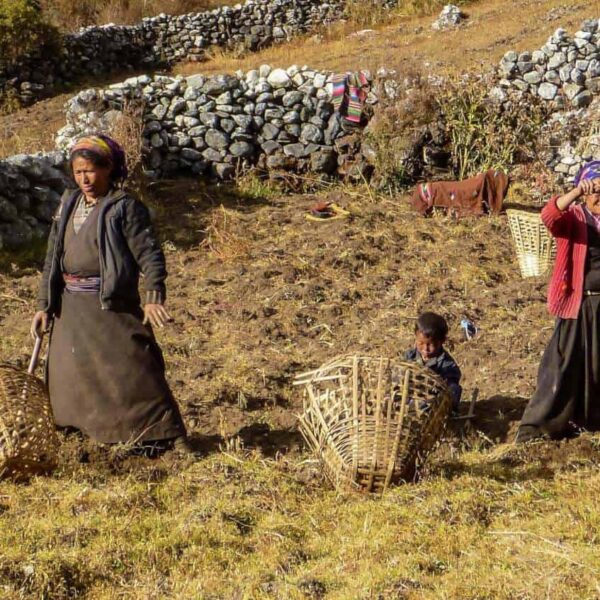
The Langtang region is home to traditional Tamang communities. They descend from Tibetan migrants who settled here many years ago. Villages like Gatlang, Thuman, Briddim, and Goljung are part of the Tamang Heritage Trail, which is a community-based trekking route introduced in 2004 to promote tourism. Trekking in this region supports the local economy. You can observe the unique Tamang culture and crafts, and take part in festivals like Lhosar (Tibetan New Year), which takes place from January to March during the trek.
Perfect views of Langtang Lirung, Lakpa, and Yala
The Langtang region offers some of the most beautiful mountain views in central Nepal. It includes the region’s highest peak, Langtang Lirung (7,227 m), along with other peaks like Dorje Lakpa (6,966 m) and Yala Peak (5,520 m). You can see these peaks from almost every stop, but you’ll get a clear, unobstructed view from Kyanjin Gompa, a scenic stop on most treks. You can also see the Lirung Glacier and Kimshung Glacier from the trails. Unlike many other trekking areas, this region is best for exploring the valley glaciers.
Sacred Gosaikunda Lake
Gosaikunda Lake is situated at an altitude of 4,380 m. It holds religious importance for Hindus and Buddhists alike. Legend says Lord Shiva created it with his trident. 23 smaller lakes surround the lake, including Saraswati Kunda and Bhairav Kunda. Thousands of pilgrims come to worship during the Janai Purnima Festival each August. The trail to Gosaikunda offers a combination of culture, natural beauty, and panoramic mountain views.
Best Season for Langtang Region Trek
The best seasons to trek in the Langtang region are spring (March to May) and autumn (September to November). In spring, the weather is predictable, skies are usually clear, and forests bloom with rhododendrons and wildflowers. Daytime temperatures in lower areas like Syabrubesi range from 10°C to 20°C, while in higher areas like Kyanjin Gompa they range from 7°C to 13°C. This season offers clear mountain views of Langtang Lirung, Gangchempo, Naya Kanga, Dorje Lakpa, Yala Peak, and Langtang Shisha Ri, with a lower risk of snowfall.
Autumn is also the most popular and most stable trekking season in the Langtang region. The trails are dry, the skies are clear, and the views are stunning. This season is a great time to witness local festivals like Dashain and Tihar. But summer and winter can be a little dangerous for trekking. Summer (June to August) brings heavy monsoon rains that can cause landslides and floods, while winter (December to February) can bring heavy snowfall above 3,000 meters. For a clear comparison, see the table below.
- Comparing Peak Seasons and Off-Seasons in the Langtang Region
| Aspects/Seasons | Peak Seasons | Off-Seasons | ||
| Winter | Summer | |||
| Weather | : Mild, Stable Weather, Occasional Clouds | , Clear Skies, Mild Temperature | , Snowfall in the higher regions, Freezing temperatures | , Warm but humid, Heavy rainfall, mist, Less visibility |
| Temperature | Day-10°C to 20°CNight- up to 2°C | Day- 8°C to 14°CNight- 0°C to 5°C | Day-5°C to 9°CNight -up to 10°C | Day- 15°C to 24°CNight- 8°C to 12°C |
| Crowds | Moderate | Highly Crowded | Very Low | Very Low |
| Rainfall, slippery paths, and limited accommodations | ||||
| Unique Experience | Vibrant rhododendron blooms and wildlife sightings | Festival seasons, cultural exchange | Snow-covered mountains and landscapes, quiet trails | Verdant greenery, rivers and waterfalls, fewer trekkers |
Food and Accommodations in the Langtang Region Trek
You might have to sacrifice home comforts on your Langtang trek, but you don’t have to sacrifice taste. From traditional Dal, Bhat, and Tarkari (lentils, rice, and curry) to international cuisines like spaghetti and pizza, the food options are extensive. For breakfast, you can choose from eggs, porridge, pancakes, and toast. Lunches and dinners generally include the same items: pasta, momos, chow mein, spaghetti, meats, Nepali rice, and curry. Depending on what you eat, meals cost anywhere from USD 15 to USD 25.
Tea houses and lodges are the accommodation options available for the Langtang Trek. These establishments offer basic amenities, such as shared or private rooms with twin or single beds. Depending on the lodging, they either have Western-style or squat-style toilets. These accommodations offer Wi-Fi, hot showers, and charging. However, as you ascend, services may become more limited and more expensive because of the location’s remoteness. In some places, you may also have to pay extra for services. Accommodation on the Langtang trek costs between USD 5 and USD 10.
How Challenging Is the Langtang Trek?
The Langtang Region Trek is considered a moderate-level trek. It suits beginners with good fitness and is enjoyable for experienced trekkers. The trails aren’t technical, but the altitude, daily climbs, and remote location can add challenges. Here are the key points that show the trek’s difficulty.
- The Langtang Region Trek reaches a maximum height of 5,500 meters at Yala Peak, where the air is thinner, and you may experience mild headaches or fatigue.
- You gain about 500 to 900 meters per day, which can be tiring, especially on the steep uphill paths between the Lama Hotel and Langtang village.
- The trail can be physically challenging on longer days, with continuous ups and downs and 5-6+ hours of walking.
- Weather changes fast in the Langtang region. Fog, rain, or even snow can make early spring or late autumn more difficult.

- Some sections of the trail pass through landslide-prone and remote areas. So stay alert when crossing these areas.
- Accommodations in the upper sections, such as Langtang village and Kyanjin, are more basic.
- Network signals are unreliable at higher altitudes because of rugged terrain and poor infrastructure.
- The Langtang trail includes several suspension bridges, which can be challenging for people who are afraid of heights.
- Emergency helicopter evacuation is available but expensive, so you need travel insurance that covers high-altitude trekking in Nepal.
Preparing for the Langtang Trek
To enjoy the Langtang region trek comfortably, start basic physical preparation at least 3-4 weeks before your trip. Practice walking or hiking 5-6 hours a day with a small backpack. Start uphill climbs and light cardio, like jogging or cycling, to build stamina and leg strength. Regular stretching and breathing exercises can help your body adjust to high altitudes.
Packing essentials are also very important. You’ll need hiking boots, warm layers (fleece and down jackets), dry trekking clothes, thermal innerwear, a windproof jacket, trekking poles, a sleeping bag (rated to -10°C), and a headlamp. Don’t forget essentials like a first-aid kit, water purification tablets, sunscreen, lip balm, gloves, trekking socks, and personal toiletries such as toilet paper, a toothbrush, soap, and toothpaste. A small power bank and some light snacks are also useful in remote areas.
Acclimatization is also important for staying safe. Walk slowly, drink plenty of water, and take rest days if needed, especially above 3,000 meters. For a smooth, stress-free journey, book with a trusted trekking agency like ours, “MyEeresttrip.” We will arrange your permits, guides, porters, and accommodations so that you can fully focus on enjoying the trek.
Permits For Langtang Region Treks
To legally trek in the Langtang region, you need two mandatory permits. These are the TIMS card (Trekkers Information Management System) and the Langtang National Park Entry Permit. These permits support wildlife conservation, safety, and trail maintenance. Permit fees vary by nationality. Here is the detailed pricing table.
| Permit Name | Nepali Citizens | SAARC Nationals | Other foreigners |
| TIMS card | Free | NPR 1,000 (~USD 7.50) | NPR 2,000 (~USD 15) |
| Langtang National Park Permit | NPR 100 (~USD 0.75) | NPR 1,500 (~USD 11.25) | NPR 3,000 (~USD 22.5) |
You can easily buy both permits in Kathmandu at the Nepal Tourism Board office in Bhrikutimandap or at the TAAN/TIMS counter in Thamel. Or, you can buy them at the regional checkpoint in Dhunche (for the National Park permit) or Syabrubesu if you’re doing a Gosaikunda side trip.
Langtang Region After the 2015 Earthquake
The 2015 earthquake significantly affected the Langtang region, causing extensive destruction and loss of life. Over 300 people died, including local residents and trekkers, when a huge landslide buried Langtang village and nearby areas. The disaster destroyed almost all homes, lodges, and infrastructure. Economic losses were estimated at around $40 million for locals who depended heavily on tourism and agriculture. Rescue operations saved many lives, but the huge damage left the region in crisis.
Since then, Langtang has recovered well. The Nepalese government, local communities, and international aid groups have worked together to rebuild homes, trails, and lodges. As of 2025, most villages, such as Langtang and Kyanjin Gompa, have been fully rebuilt, with much-improved infrastructure and better services. Tourism has increased gradually, with around 8,000 trekkers visiting Langtang in 2019, nearly 12,000 in 2024, and more by the end of 2025. This increase in tourists is helping restore the local economy and preserve the area’s culture and natural beauty.
Why Book Your Langtang Trek with Us
Choosing the right trekking company can make your trek smoother, safer, and more comfortable. Here are the reasons to book your best Langtang region trek with My Everest Trip:
- Our prices are lower and affordable, with no hidden fees.
- We provide experienced, certified local guides who know the Langtang region inside and out.
- Our team handles all permits and paperwork, so it’s easy for you.
- We offer flexible itineraries according to your interests and pace.
- We provide airport pickup and drop-off services.
- Our customer service is friendly and responsive before, during, and after your trek.
- We help you rent gear and pack with confidence.
Booking with us means a well-organized, memorable Langtang trekking experience from start to finish.
FAQs for The Langtang Region Treks
Is the Langtang region trek suitable for solo travelers?
Yes, solo travelers can do this trek, but we highly recommend hiring a guide. You’ll cross remote areas like Lauribina Pass (4,610 m), Tsergo Ri (4,984 m), and Yala Peak (5,500 m), which can be risky in bad weather. A guide helps keep you safe, navigate properly, and handle emergencies.
What is the best place to see the sunrise in the Langtang Trek?
Kyanjin Ri is the best place to watch the sunrise in the Langtang region. In the early morning, you can watch the sun rise over Langtang Lirung, Yala Peak, and Dorje Lakpa. The morning climb is steep and takes 2-3 hours to reach the summit, but it’s absolutely worth it.
Can I visit Langtang National Park without trekking?
Yes, you can enter Langtang National Park without doing a full trek. Some visitors explore the lower villages and take walks from Syabrubesi or Gatlang. However, the full trek offers the best mountain views and cultural experiences.
How early should I book a Langtang trek?
Booking 2-4 weeks in advance is enough for any Langtang trek during the peak seasons. This gives you time to arrange permits, transportation, and guides. Some local agencies also offer last-minute bookings, especially in the off-season.
Do I need walking sticks for the Langtang trek?
Yes, you need a walking stick for the Langtang trek, especially on the downhill sections. They help reduce strain on your knees and improve balance on rocky, difficult paths. You can rent or buy them in Kathmandu at affordable prices.
Can I join a group trek in Langtang if I’m traveling alone?
Yes, many agencies offer planned group trips for solo travelers. Joining a group lowers your cost and lets you make friends along the way. Many travel agencies regularly organize small group treks with flexible dates and experienced guides.
What does the Langtang Trek cost?
Accommodation, food, and permits cost between $30 and $50 per day for the Langtang Trek. Additional costs may include transportation to the starting point, gear, and optional expenses like guides or porters.
Is there mobile network coverage or Wi-Fi along the Langtang Trek?
Mobile network coverage is available in some parts of the Langtang Trek, but it can be inconsistent. Wi-Fi is also available at many teahouses, usually for a small fee. However, don’t rely on these services; expect less connectivity in more remote areas.
Can I visit the Langtang Cheese Factory?
Yes, you can visit the cheese factory in Kyanjin Gompa. It produces yak cheese using traditional methods and is open to trekkers for viewing and tasting. Many people buy cheese as a souvenir. If you buy any, pack it well when you head down because it can melt faster.
Let’s hangout!
We’re in Thamel, tourist haven in the heart of Kathmandu.
Drop by and let’s hang out!
Hey, we’re social!
Follow myeveresttrip.com for exclusive deals, site updates
and announcements:
Company Links