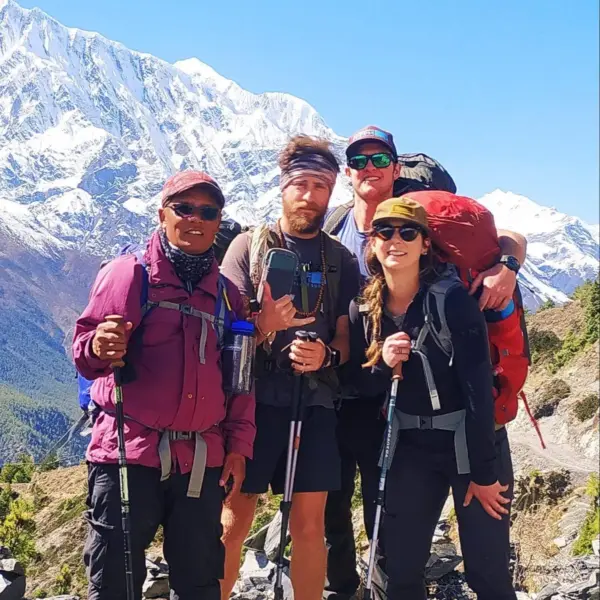
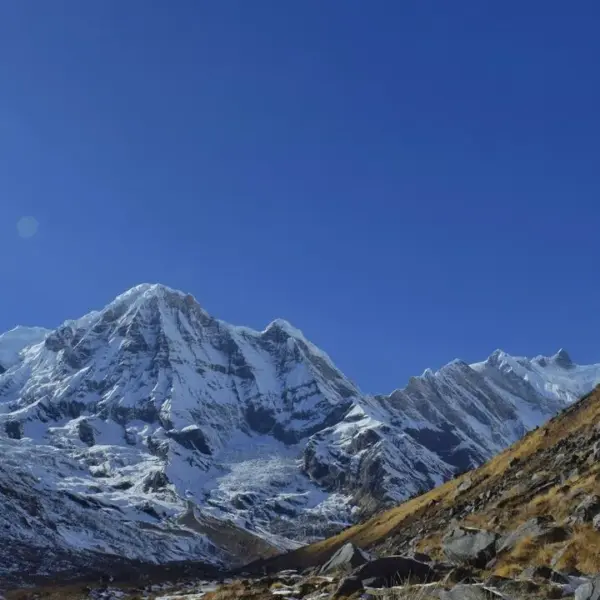
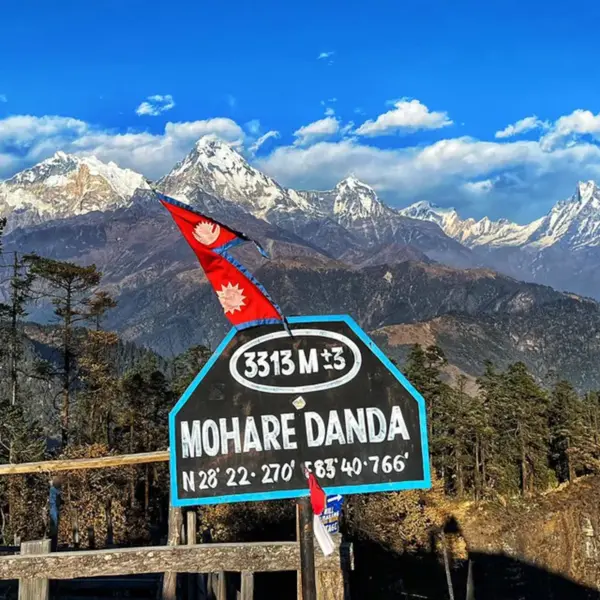
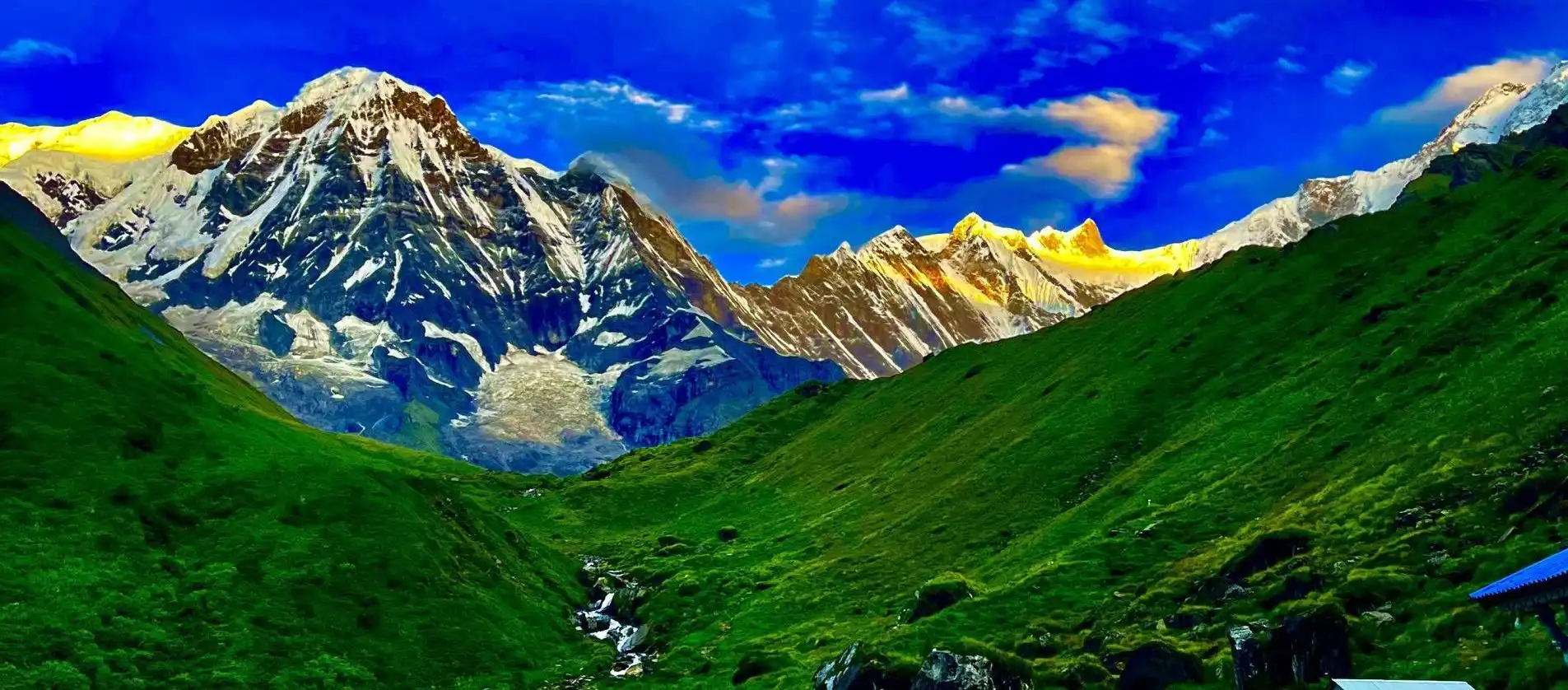
Agbègbè Annapurna wà láàárín Agbègbè Ìtọ́jú Annapurna (ACA) ní Nepal ní àríwá àárín gbùngbùn Nepal. Ó ní àwọn òkè Annapurna àti Dhaulagiri, àwọn àfonífojì onípele àti aṣálẹ̀, àwọn òkè gíga gíga, àti àfonífojì jíjìn jùlọ ní àgbáyé, Àfonífojì Odò Kali Gandaki, ní ìwọ̀n 7,629 sq km. Ọ̀pọ̀lọpọ̀ àwọn ohun tí ó yàtọ̀ síra ní agbègbè Annapurna ni ó wà. Ní àríwá ni àwọn aṣálẹ̀ alpine ti Mustang àti Tibet wà. Ní gúúsù ni àwọn àfonífojì àti ẹsẹ̀ òkè ti àríwá Àfonífojì Pokhara wà. Ní ìlà-oòrùn, ìwọ yóò rí Àfonífojì Marsyangdi, nígbà tí Odò Kali Gandaki ń ṣàn sí ìwọ̀-oòrùn.
With 244,045 trekkers visiting the Annapurna region in 2024, it ranks among Nepal’s most famous treks. It offers stunning views of the Annapurna and Dhaulagiri Himalayan ranges. The world’s 10th-highest mountain, Annapurna I (8,091 m), also lies in the Annapurna region. The trails in this area pass through ridges, deep valleys, snowfields, and moraines. Along the trail, you will encounter villages and settlements of Nepal’s various ethnic groups. This regional trek is ideal for those who want to experience the area’s local culture and natural beauty.
Kí ló dé tí Annapurna Region Treks fi ń rìnrìn àjò?
Àwọn Òkè Àárín Gbùngbùn Himalayas
The Annapurna region is home to some of the most majestic mountains in Nepal’s central Himalayas. You’ll get close-up views of towering summits piercing the sky throughout your trek. Here are some of the mountains that you will cross paths with in the Annapurna region;
- Annapurna I (Ile-iṣẹju) – mita 8,091 (ẹsẹ 26,545)
- Annapurna II – 7,937 mítà (26,040 ẹsẹ̀)
- Annapurna III – 7,555 mítà (24,786 ẹsẹ̀)
- Annapurna IV – 7,525 mítà (24,688 ẹsẹ̀)
- Gúúsù Annapurna – 7,219 mítà (23,684 ẹsẹ̀)
- Gangapurna – 7,455 mítà (ẹsẹ̀ 24,457)
- Hiunchuli – mita 6,441 (ẹsẹ 21,132)
- Machapuchare (Ẹja Irù) – 6,993 mítà (22,943 ẹsẹ̀)
- Òkè Tilicho – 7,134 mítà (23,406 ẹsẹ̀)
- Dhaulagiri I (nítòsí agbègbè Annapurna) – 8,167 mítà (26,795 ẹsẹ̀ bàtà)
Àwọn Ẹyà-Ìran Nepal
The Annapurna region is renowned for the warm hospitality of Nepal’s diverse ethnic groups. You can interact with them and learn about their cultures. Staying at their teahouses will give you an insight into their lifestyle. Gurung, Magar, Manangi, Thakali, and Tamang are among the ethnic groups in this region. They are either Hindu or influenced by Tibetan Buddhism. So, your trip to the Annapurna region will be a cultural exploration.
Oniruuru Flora ati Fauna
The Annapurna region’s altitude ranges from about 1,000 m to 8,000 m. Across this 7,000-meter range, vegetation zones vary from Subtropical sal forests to alpine meadows. This region comprises 22 distinct forests, home to 1,352 plant species. These forests support 518 bird species, 128 wild mammal species, 40 reptile species, 23 amphibian species, and 348 butterfly species.
Ìdùnnú ìrìn àjò náà
The Annapurna region has some of the easiest trails, such as the Ghorepani Poon Hill trek, which is ideal for beginners. However, it also offers challenging routes for avid trekkers that will test your endurance. The steep ascents and descents of the trails take you from the deep Kali Gandaki valley to the region’s highest point, Thorong La Pass (5,416 m). Each day brings new challenges to overcome and rewards you with discoveries.
Ta ni ìrìn-àjò agbègbè Annapurna fún?
The beauty of the Annapurna region trek is that every trekker, regardless of their experience, can find a journey suited to their ability. These regions offer the most leisurely treks, such as Ghorepani Poon Hill or Royal Treks, which even a novice trekker can undertake. It also includes more challenging treks, such as the Annapurna Circuit or the Upper Mustang Trek, which suit experienced trekkers. Besides, the Annapurna region trek is for;
Iseda alara—The Annapurna region boasts unique natural wonders, including Tilicho Lake, the Kali Gandaki Gorge, and the Annapurna Sanctuary. It’s a perfect journey for anyone who wants to explore a wide range of natural diversity.
Àwọn Olùfẹ́ Fọ́tò—The central Himalayas, with their vibrant Rhododendron forests, alpine meadows, and stunning sunrises and sunsets from various viewpoints, make perfect backdrops for photos.
Àwọn Olùfẹ́ Àṣà —Agbègbè Annapurna ní àwọn abúlé ìbílẹ̀ ti onírúurú ẹ̀yà, títí kan Magar, Gurung, àti Thakali. Rìn ìrìn àjò níbí yìí ń fi ọ́ hàn sí àṣà wọn, àwọn ayẹyẹ wọn, àti ìgbésí ayé ojoojúmọ́ wọn.
Awọn onigun gigun— You can participate in thrilling peak-climbing opportunities in the Annapurna region. Pisan Peak and Chulu East Peak are two peaks you can conquer in these regions.
Awọn arinrin-ajo adashe—Although a popular trek, it is home to treks like the Mardi Himal Trek and the Upper Mustang Trek, which see relatively fewer crowds. This makes it ideal for solo travelers seeking solitude.
Awọn Ipenija ti Awọn Irin-ajo Agbegbe Annapurna
Àrùn Òkè Ńlá
In your Annapurna region treks, you must traverse the trails that reach altitudes over 4,000m, even reaching up to 5,416m. At these elevations, trekkers risk altitude sickness. Therefore, proper acclimatization is essential to prevent serious health issues.
Ibi ti o nira
Àwọn ipa ọ̀nà ní agbègbè Annapurna sábà máa ń ga sókè, wọ́n sì máa ń nílò ọ̀pọ̀lọpọ̀ ìgòkè àti ìsọ̀kalẹ̀. Àwọn ipa ọ̀nà olókùúta, tí kò dọ́gba àti àwọn òkè kéékèèké lè jẹ́ ìṣòro ara, wọ́n sì sábà máa ń fa ewu ìpalára.
Ojú ọjọ́ tí a kò lè sọ tẹ́lẹ̀ àti tí ó yàtọ̀ síra
The Annapurna region’s elevation range exceeds 7,000m. As you gain altitude, the temperature and weather conditions change. The temperature can even fall below -10 degrees Celsius in the upper areas. These constant temperature changes are daunting, as you must prepare for each condition. The weather can also be highly unpredictable, with snow and rain even during the trekking season.
Ọpọlọ
The Annapurna region welcomed 244,045 tourists in 2024, including both domestic and international visitors. That’s about 668 tourists a day. It is extremely popular among trekkers, so the trails and the tea houses are incredibly crowded during peak seasons. Navigating the trails in such a crowd can be daunting, and finding accommodations is challenging as well.
Awọn apejọ Irin-ajo Kukuru ni Agbegbe Annapurna
Short treks in the Annapurna region are specifically designed for people with limited time who want to explore the Himalayan landscapes, diverse flora and fauna, and culture. These short treks last 6 to 11 days. Here is the list of short-trek packages in the Annapurna region from My Everest Trip.
8 Days Annapurna Base Camp Trek – Starting at $650
- Ti Bo Ijinna: ~ 90 km
- Iye gigun: 8 ọjọ
- Èrè Ìgbéga: ~2,580 m (bẹ̀rẹ̀ láti Kimche)
- Iwọn giga julọ: 4,130 m (Ibùdó Ìpìlẹ̀ Annapurna)
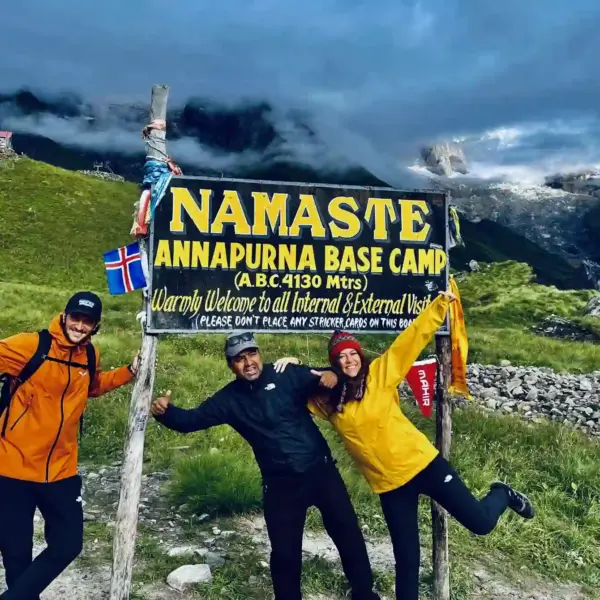
awọn 8-ọjọ Annapurna Base Camp Trek package is specifically designed for those with limited time who wish to trek to Annapurna Base Camp. Although the 12-day ABC trek offers numerous places to explore, the itinerary does not include a visit to Ghandruk Village. However, the 8-day itinerary includes a route through Ghandruk, a famous Gurung village.
O ko ni lati rin irin-ajo lati Nayapul tabi Phedi ninu irin-ajo yii. A o mu ọ lọ taara si Papa ọkọ akero Kimche, nibiti irin-ajo rẹ si Sinwa, eyiti o yori si Ibudo Ipilẹ Annapurna nipasẹ Ibudo Ipilẹ Machhapuchhre, ti bẹrẹ.
Ghorepani Poon Hill Trek – Starting at $480
- Ti Bo Ijinna: ~ 40-50 km
- Iye gigun: 6 ọjọ
- Èrè Ìgbéga: ~2,140 m (bẹ̀rẹ̀ láti Nayapul)
- O pọju. giga: 3,210 m (Ibi tí a ti ń wo òkè Poon)
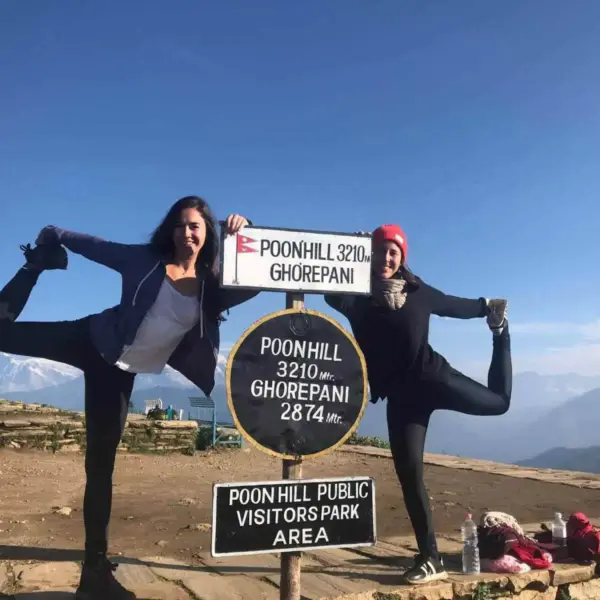
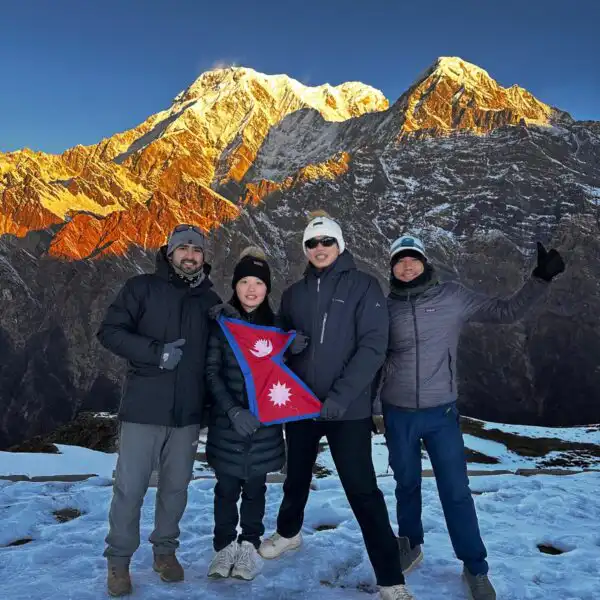
Ìrìn Àjò Ghorepani Poon Hill , ìrìn àjò tó kúrú jùlọ àti tó rọrùn jùlọ, kìí ṣe ní agbègbè Annapurna nìkan, ṣùgbọ́n ní gbogbo Nepal. Ohun pàtàkì nínú ìrìn àjò náà ni ibi tí a ti lè rí ojú ìwòran Poon Hill (mita 3,210), láti ibi tí a ti lè rí ìlà oòrùn àti wíwọ̀ oòrùn. Àwọn òkè Dhaulagiri àti Annapurna dàbí wúrà, wọ́n ń tàn ìmọ́lẹ̀ nígbà tí oòrùn bá ń yọ.
Visiting Ghorepani in spring can be extremely rewarding. The trail during this season is lined with blooming rhododendron flowers in red, white, and pink, adding vibrant hues to the journey. The 6-day journey will take you through picturesque landscapes, the village settlements of the Gurung and Magar people, and lush forests with rushing streams.
Mardi Himal Trek – Starting at $530
- Ti Bo Ijinna: ~45 km
- Iye gigun: 9 ọjọ
- Èrè Ìgbéga: ~2,760 m (tí ó bẹ̀rẹ̀ láti Kande)
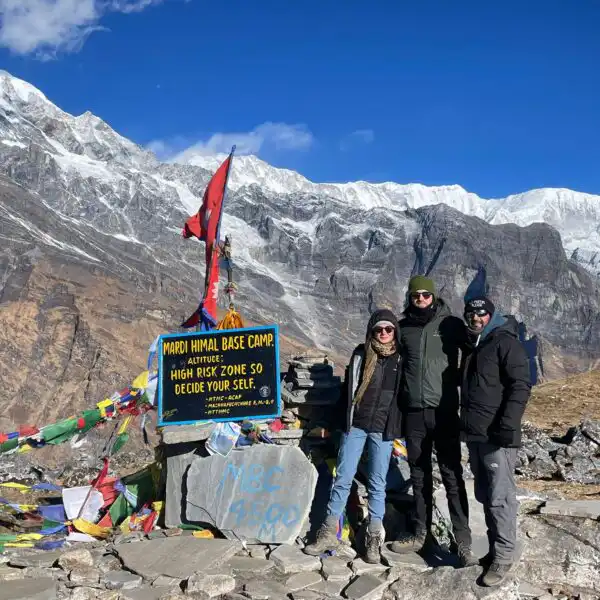
- Max giga: 4,500 m (Ibùdó Ìpìlẹ̀ Mardi Himal)
The Mardi Himal Trek is a relatively new trekking destination in Nepal, opened to trekkers in 2012. Since then, it has gained popularity among trekkers for its short duration and the thrill of navigating rugged terrain.
Níbi tí ó dúró ní mítà 5,587, Mardi Himal wà ní ìlà-oòrùn ibùdó ìpìlẹ̀ Annapurna. A mọ̀ ọ́n sí ìṣúra ìpamọ́ ti Agbègbè Annapurna, 'Ohun ọ̀ṣọ́ Àìrí.' Àpò wa ọjọ́ mẹ́sàn-án jẹ́ èyí tí ó dára fún àwọn tí wọ́n fẹ́ yẹra fún ọ̀pọ̀ ènìyàn kí wọ́n sì gbádùn ìrìn àjò kúrò ní ojú ọ̀nà tí ó gbòòrò.
Royal Trek – Starting at $620
- Ti Bo Ijinna: ~25 km
- Iye gigun: 9 ọjọ
- Èrè Ìgbéga: ~9,00 (bẹ̀rẹ̀ láti Pokhara)
- Max. giga: 1,730 m (Syaklung)
Annapurna Royal Trek is named after the trekking route Prince Charles of Wales followed in 1980. This 9-day trek is ideal for individuals who want to explore the Annapurna region but have limited time. The route begins in Pokhara, approximately 200 km west of Kathmandu. It covers topographic features such as rice terraces, leading to Kalikasthan, then continues along the mountain ridge to Syaklung and Chisapani.
Classical Annapurna Circuit Trek – Starts at $880
- Ti Bo Ijinna: ~ 160 km sí 230 km (nínú oúnjẹ àti bọ́ọ̀sì/jiipu, ó da lórí ìrìnàjò ìrìnàjò)
- Iye gigun: 11 ọjọ
- Èrè Ìgbéga: ~3,556 m (bẹ̀rẹ̀ láti Dharapani)
- Max giga: Ìrìnàjò Thorong La (5,416 mítà)
Ìrìn Àjò Àgbéléwò Annapurna jẹ́ ìrìn ọjọ́ 11 tí ó ní Thorong La Pass ní mítà 5,416, tẹ́ḿpìlì Muktinath, àti àwọn ìsun omi gbígbóná ti Tatopani nínú. Ó dára fún àwọn tí wọ́n fẹ́ ṣe àwárí Annapurna Circuit ṣùgbọ́n tí àkókò kò tó tàbí tí wọ́n ti lọ sí àwọn ibi mìíràn.
This trek includes traveling on foot, by bus, and by jeep. The next day, after you reach Muktinath from the Thorong La Pass, you will drive to Tatopani. Over the next two days, you will drive from Tatopani to Pokhara and then from Pokhara to Kathmandu.
Awọn apejọ Irin-ajo gigun ni Agbegbe Annapurna
A trek that goes over 11 days falls under the extended trek package. This package is designed for travelers with no time constraints who want to explore the nooks and crannies of the Annapurna region. Here is the list of Long Trek packages in the Annapurna region at My Everest Trip;
Annapurna Circuit Trek – Starting at $970
- Ti Bo Ijinna: ~ 160 km sí 230 km (nínú oúnjẹ àti bọ́ọ̀sì/jiipu, ó da lórí ìrìnàjò ìrìnàjò)
- Iye gigun: 14 ọjọ
- Èrè Ìgbéga: ~3,556 m (bẹ̀rẹ̀ láti Dharapani)
- Max giga: Ìrìnàjò Thorong La (5,416 mítà)
Nínú ìrìn àjò Annapurna Circuit ọjọ́ mẹ́rìnlá , ìwọ yóò rìn la Chame, Pisang, àti Manang kọjá, tí yóò sì lọ sí Adágún Tilicho tí ó dákẹ́ jẹ́ẹ́. Láti ibẹ̀, ìwọ yóò gòkè Yak Kharka lọ sí Thorong Phedi, ìwọ yóò gbádùn àwọn ìran tí ó yanilẹ́nu ti àwọn òkè Dhaulagiri àti Annapurna. Lẹ́yìn náà, ìwọ yóò gun orí Thorong La Pass tí ó nira, pẹ̀lú àwọn ìran àgbàyanu ti Gangapurna, Annapurna III, àti Chulu West. Lẹ́yìn tí o bá ti kọjá ọ̀nà náà, ìwọ yóò wọ inú Mustang kí o sì ṣèbẹ̀wò sí tẹ́ḿpìlì Muktinath mímọ́, tí àwọn Hindu àti Buddhist ń bọ̀wọ̀ fún.
O le wakọ tabi rin irin-ajo lọ si Tatopani lati sinmi ninu awọn orisun omi gbigbona adayeba. Ko dabi irin-ajo Annapurna Circuit atijọ, irin-ajo rẹ ko pari nihin. Ni ọjọ keji, iwọ yoo rin irin-ajo nipasẹ awọn igbo rhododendron ti o ni imọlẹ ni Ghorepani ki o si de Poon Hill fun oorun ti o yanilenu lori awọn oke Annapurna ati Dhaulagiri.
Annapurna Base Camp Trek – Starting at $725
- Ti Bo Ijinna: ~ 90 km
- Iye gigun: 12 ọjọ
- Èrè Ìgbéga: ~3,080 m (bẹ̀rẹ̀ láti Nayapul)
- Max giga: 4,130 m (Ibùdó Ìpìlẹ̀ Annapurna)
Ìrìn àjò ìpàgọ́ Annapurna ni èyí tó gbajúmọ̀ jùlọ ní agbègbè Annapurna. Irin-ajo ọjọ mejila ti Annapurna Base Camp itinerary lets you reach the base camp via one route and return to Nayapul via another, maximizing your exploration of the Annapurna region. It even covers Ghorepani and Tadapani. So, if you were thinking about going on both the Ghorepani Poon Hill Trek and the Annapurna Base Camp Trek, you can choose this one instead.
As you hike, you will be surrounded by giant mountains, including the Annapurna Range, Mt. Dhaulagiri, Mt. Gangapurna, and Machhapuchhre. You will travel through picturesque villages and experience the daily life and culture of the Gurung and Magar communities. On your return, you can also relax in the natural hot springs at Jhinu Danda. Our itinerary enables even beginners to complete the Annapurna Base Camp trek with an acclimatization day and fewer hours of walking.
Annapurna Khopra Ridge Trek – Starting at $850
- Ti Bo Ijinna: ~ 120 km
- Iye gigun: 13 ọjọ
- Èrè Ìgbéga: ~3,610 m (bẹ̀rẹ̀ láti Nayapul)
- Max giga: 4,660 m (Adágún Khayer)
Àwọn ipa ọ̀nà sí òkè Khopra kò sí ní ojú ọ̀nà tí a lè gbà, wọ́n sì ní ọ̀pọ̀ ènìyàn díẹ̀, nítorí náà, nígbà tí agbègbè Annapurna kún fún àwọn arìnrìn-àjò ní gbogbo ọdún, díẹ̀ ló ń lọ sí òkè Khopra. Tí o bá fa ìrìn-àjò rẹ sí òkè Ghorepani Poon fún ọjọ́ díẹ̀, o máa dé òkè Khopra àti adágún Khayer (4,660 m), èyí tó jẹ́ àmì pàtàkì nínú ìrìn-àjò náà. Adágún Khayer jẹ́ adágún mímọ́. Ọ̀pọ̀ ènìyàn ló máa ń lọ sí adágún náà láti lọ sí ibi ìwẹ̀ mímọ́, wọ́n gbàgbọ́ pé ó ń wẹ ẹ̀ṣẹ̀ wọn kúrò. Àwọn Hindu jákèjádò agbègbè Annapurna máa ń lọ sí adágún ní Janai Purnima ní oṣù kẹjọ.
Ìrìn ọjọ́ mẹ́tàlá yìí dára fún ìrìn àjò ìkọ̀kọ̀ láti la àwọn òkè Himalaya tí a kò fi ọwọ́ kàn. Bó tilẹ̀ jẹ́ pé àwọn arìnrìn àjò kò mọ̀ ọ́n dáadáa, ó ṣì ń fúnni ní gbogbo ohun tí ẹ fẹ́ nínú ìrìn àjò, láti ẹwà àdánidá tó wà ní ìrísí tó fani mọ́ra sí àwọn ìran tó fani mọ́ra ti Dhaulagiri, Nilgiri, Machhapuchre, àti Annapurna I.
Upper Mustang Trek – Starting at $2,050
- Ti Bo Ijinna: ~ 124 km (da lori irin-ajo naa)
- Iye gigun: 17 ọjọ
- Èrè Ìgbéga: ~1,357 m (bẹ̀rẹ̀ láti Jomsom)
- Iwọn giga julọ: 4,100 m (Ibi tí a ti ń rìn ní Dhi)
Ṣé o fẹ́ rí ilẹ̀ aláìlẹ́gbẹ́ Nepal tó ti ṣófo? Yan ibi tí ó yẹ kí o lọ. Oke Mustang Trek. This trek offers a remarkable journey to Mustang’s remote, ancient kingdom. Once restricted to foreigners, you can easily explore this place if you get a special permit.
Nígbà tí o bá ń kọjá ní ojú ọ̀nà ibi òjìji òjò yìí, o máa rí àwọn ihò àpáta àtijọ́, àwọn àpáta mímọ́, àwọn ilẹ̀ tí kò ní àbàwọ́n, àti àwọn àpáta gígún. Olú ìlú ìtàn náà, Lo Manthang, ní nǹkan bí ilé 150, ààfin kan, àti ilé ìsìn ọlọ́dún 200 tí a mọ̀ sí Lhakhang. Ní rírí àwọn ìran tó yanilẹ́nu ti Dhaulagiri, Annapurna I, àti Manaslu, o lè parí ìrìn àjò yìí láàárín ọjọ́ mẹ́tàdínlógún.
Jomsom Muktinath Trek – Starting at $1,050
Ijinna ti o wa: ~ 100 km (da lori irin-ajo naa)
Àkókò Ìrìn Àjò: ọjọ́ 14
Gíga Gíga: ~1,059 m (bẹ̀rẹ̀ láti Jomsom)
Gíga tó ga jùlọ: 3,802 m (Muktinath)
Muktinath is a testament to religious harmony in Nepal, as both Hindus and Buddhists revere it. It is a place of liberation where devotees worship the Hindu deity Vishnu and the Buddhist deity Avalokiteśvara. This Ìrìn Jomsom Muktinath ọjọ́ mẹ́rìnlá uniquely blends religious and historical trekking, as it also takes you to the ancient kingdom of Mustang.
Nínú ìrìn àjò yìí, ìwọ yóò ní ìrírí onírúurú ilẹ̀ àti àṣà Nepal bí o ṣe ń rìn kiri ilẹ̀ gbígbẹ àti igbó rhododendron onípele. Rí i bí afẹ́fẹ́ líle ṣe ń fẹ́ ní Jomsom, ṣèbẹ̀wò sí ibi ìrìn àjò ìsìn ní Muktinath, rì sínú àwọn ìsun omi gbígbóná àdánidá ti Tatopani, kí o sì rìn la àwọn abúlé Gurung tó yanilẹ́nu kọjá nípasẹ̀ Poonhill àti Ghorepani.
Tilicho Lake Trekking – Starting at $1,050
- Ti Bo Ijinna: ~ 150 km
- Iye gigun: 15 ọjọ
- Èrè Ìgbéga: ~3,059 m (bẹ̀rẹ̀ láti Jomsom)
- Iwọn giga julọ: 4,919 m (Adágún Tilicho)
Tilicho Lake, at 4,919m, is a glacial lake in the Annapurna region. The lake is believed to be the sacred Kak Bhusundi Lake mentioned in the Hindu epic Ramayana. The lake’s azure color reflects the surrounding mountains, including Khangsar, Muktinath Peak, Nilgiri, and Tilicho.
Ni 15-ọjọ Ìrìn ìrìn àjò ní adágún Tilicho, you will pass through various lush green villages along the trails and the Manang, which surprisingly is barren and dry, even though the Marsyangdi River passes through it. You will visit the Thorong La Pass (5,416 m), the highest point on the Annapurna Circuit Trek.
Àwọn Ìrìn Àjò Kẹ̀kẹ́ Agbègbè Annapurna
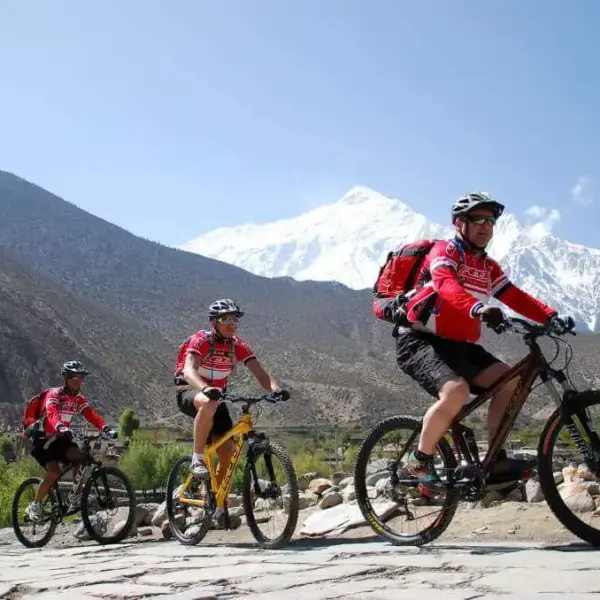
Biking or cycling is a great option to explore the Annapurna region. This package is for those who want to add a more adventurous touch to their trek. Bike tours let you walk in some sections or ride to take in the scenic beauty. The biking tour packages in the Annapurna region available at My Everest Trip are;
Ìrìn àjò kẹ̀kẹ́ Mustang - Àtúnṣe
- Ti Bo Ijinna: ~ 120 km
- Iye gigun: 18 ọjọ
- Agbegbe Èrè: ~957 m (tí ó bẹ̀rẹ̀ láti Jomsom)
- Max giga: 3,700 m (Lo Manthang)
Ìrìn àjò kẹ̀kẹ́ Upper Mustang jẹ́ èyí tó dára jùlọ fún àwọn tó ń wá ìrìn àjò kẹ̀kẹ́ ẹlẹ́sẹ̀ méjì tó dára jùlọ ní Nepal. Lẹ́yìn ìrìn àjò tó dára sí Pokhara àti lẹ́yìn náà Jomsom, ìwọ yóò gun kẹ̀kẹ́ kọjá àwọn ilẹ̀ tó dára jùlọ ti ìlú Lo Manthang tí wọ́n ti fòfin dè. Ìwọ yóò gun kẹ̀kẹ́ kọjá àfonífojì odò Kali Gandaki, yóò kọjá àwọn ihò àpáta, àwọn abúlé àṣà, àwọn ilẹ̀ gbígbẹ, àwọn ibi gíga, àti àwọn ilé ìsìn Buddha.
Ọ̀nà náà ní ìrírí tó dára nínú àṣà àwọn ẹlẹ́sìn Búdà ti Tibet àti àwọn ìran tó yanilẹ́nu nípa àwọn òkè Himalaya, títí kan Òkè Nilgiri àti Dhaulagiri. Ní ọjọ́ mẹ́jọdínlógún yìí, ìwọ yóò tún ṣèbẹ̀wò sí Tẹ́ḿpìlì Muktinath olókìkí náà, ìwọ yóò sì gbádùn ìrìn àjò láti Muktinath sí Tatopani nípasẹ̀ Jomsom àti Kalopani.
Ìrìn àjò kẹ̀kẹ́ Annapurna
- Ti Bo Ijinna: ~ 160 km sí 230 km (da lori irin-ajo naa)
- Iye gigun: 14 ọjọ
- Èrè Ìgbéga: ~4,493 m (tí ó bẹ̀rẹ̀ láti Bulbule)
- Max giga: Ìrìnàjò Thorong La (5,416 mítà)
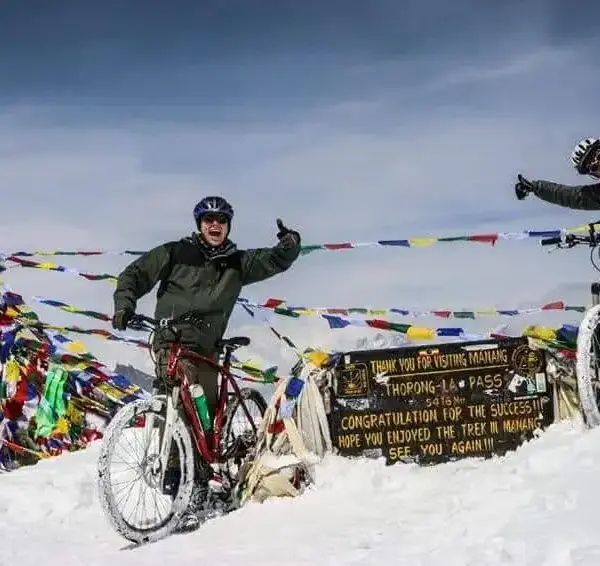
Tí o bá fẹ́ ìrìn àjò ju ìrìn àjò lọ tàbí ju ìrìn àjò lọ, ìrìn àjò kẹ̀kẹ́ Annapurna ọjọ́ mẹ́rìnlá yìí dára fún ọ. Ìrìn àjò yìí yóò mú ọ gun kẹ̀kẹ́ òkè kan ní agbègbè Annapurna ẹlẹ́wà, kí o sì kọjá Thorong La Pass olókìkí.
O máa gun orí òkè gíga, o máa gun orí òkè gíga, o sì máa sọ̀kalẹ̀ gba inú igbó tó nípọn lọ sí àwọn àfonífojì tó wà ní ẹ̀bá adágún Pokhara. Nígbà ìrìn àjò náà, o tún lè rìn kí o sì gbádùn ẹwà àwọn àfonífojì bíi Manang, Kaligandaki, àti Kali Gandaki. Ìrìn àjò yìí jẹ́ ìrìn àjò Annapurna Circuit gan-an, àmọ́ nípa gígun kẹ̀kẹ́.
Awọn idii gigun oke ni Agbegbe Annapurna
Agbègbè Annapurna ní díẹ̀ lára àwọn òkè tó gbajúmọ̀ jùlọ láti gùn ní Nepal. Àwọn òkè wọ̀nyí ń ṣiṣẹ́ gẹ́gẹ́ bí ibi ìdánrawò fún àwọn tó ń gùn òkè tó ń gbìyànjú láti gùn òkè tó le koko jù. Láìdàbí ìrìn àjò, gígun òkè ṣòro ó sì tún jẹ́ èrè bákan náà. O ní láti gba ìwé àṣẹ ọ̀tọ̀ fún gígun òkè ...
Pisang Peak Gigun - Bibẹrẹ Ni $ 2,045
- Ti Bo Ijinna: ~ 100 km (da lori irin-ajo naa)
- Iye gigun: 19 ọjọ
- Agbegbe ere: ~5,531 m (bẹ̀rẹ̀ láti Besisahar)
- Max giga: Pisang Peak (6,091 m)
Gẹ́gẹ́ bí agbègbè Everest, agbègbè Annapurna náà ní àwọn òkè gíga tí kò nílò ìmọ̀ ẹ̀rọ gíga òkè. Gígun òkè Pisang (6,091 m) jẹ́ ọ̀kan lára wọn. Ó jẹ́ òkè gíga fún àwọn tí wọ́n ń gbìyànjú láti gun òkè gíga 8,000 m. Òkè Pisang ní àwọn ìran pílánẹ́ẹ̀tì ti àwọn òkè Annapurna, Gangapurna, Glacier Dome, Dhaulagiri, àti Manaslu.
O óo dé òkè Pisang, o óo sì máa bá ara rẹ mu níbẹ̀ fún ọjọ́ kan kí o tó lè ṣẹ́gun òkè Pisang. Lẹ́yìn náà, o óo lọ sí àgọ́ gíga Pisang, o óo sì gun òkè náà ní ọjọ́ keji. O óo tún lọ sí tẹmpili mímọ́ Muktinahonn nígbà tí o bá ń rìn ìrìn àjò ọjọ́ mọ́kàndínlógún yìí.
Gígun òkè Chulu East - Bẹ̀rẹ̀ láti $2,180
- Ti Bo Ijinna: ~ 160 km sí 230 km (da lori irin-ajo naa)
- Iye gigun: 23 ọjọ
- Èrè Ìgbéga: ~3,934 m (bẹ̀rẹ̀ láti Chame)
- Max giga: Ìlà Oòrùn Chulu (6,584 m)
Bíi Pisan Peak Climbing, Chulu East (6,584 m) Peak Climbing jẹ́ ìrìnàjò mìíràn láti ṣe àwárí agbègbè Annapurna. Ó jẹ́ ìpèníjà ní ti ìmọ̀ ẹ̀rọ, ó sì nílò àwọn ìmọ̀ ẹ̀rọ àti ìrírí díẹ̀. Síbẹ̀síbẹ̀, ẹni tí ó ní ìrírí lè ṣe é pẹ̀lú ìdánilẹ́kọ̀ọ́ tó péye. Àwọn òkè Manaslu, Annapurna, àti Dhaulagiri wà lára àwọn òkè tí ìwọ yóò rí ní orí òkè náà.
Ìrìnàjò ọjọ́ mẹ́tàlélógún wa ní ìrìnàjò ẹ̀gbẹ́ sí Adágún Tilicho, adágún mímọ́ kan ní gíga tó 4,919 m. Nínú ìrìnàjò yìí, ìwọ yóò ní ìrírí ìdùnnú gbígbòòrò òkè ńlá kan àti àǹfààní láti ṣe àwárí Annapurna Circuit.
Àwọn ìrìnàjò afẹ́ ní agbègbè Annapurna
Ìrìnàjò Everest mi n pese ìrìnàjò afẹ́ ní agbègbè Annapurna fún àwọn tí wọ́n ń wá ìrìnàjò láìsí ìpalára. Àwọn ìrìnàjò afẹ́ wọ̀nyí ń jẹ́ kí àwọn arìnrìn-àjò rí ara wọn nínú ẹwà àdánidá agbègbè náà nígbà tí wọ́n ń gbádùn àwọn ibùgbé gíga, oúnjẹ aládùn, àti àwọn ìrìnàjò àdánidá.
Luxury treks often feature stays in upscale lodges with multiple amenities that might not be available on regular treks. These treks include private rooms and bathrooms, hot showers, Wi-Fi, and a personal chef. Luxury treks suit couples and families seeking a relaxed trekking experience.
Ìrìn Àjò Àgọ́ Annapurna Pẹ̀lú Ìpadàbọ̀ Hẹ́kírọ́kítà
- Ti Bo Ijinna: ~ 90 km
- Iye gigun: 6 ọjọ
- Èrè Ìgbéga: ~2,350 m (bẹ̀rẹ̀ láti Jhinu Danda)
- Iwọn giga julọ: 4,130 m (Ibùdó Ìpìlẹ̀ Annapurna)
Ìrìn Àjò Àgọ́ Annapurna pẹ̀lú Ìpadàbọ̀ Helicopter jẹ́ ìrìn ọjọ́ mẹ́fà tí ó so ìrìn Àgọ́ Àgọ́ Annapurna àtijọ́ pọ̀ mọ́ ìrìn àjò helicopter padà sí Pokhara. Ìrìn àjò helicopter náà fúnni ní àwọn ìran tó yanilẹ́nu nípa àwọn ipa ọ̀nà àti Pokhara, èyí tí ó mú kí ìrìn àjò rẹ jẹ́ èyí tí a kò lè gbàgbé láé.
Nígbà ìrìn àjò yìí, o máa kọ́kọ́ wo Annapurna South, Annapurna I, II, III, IV, Machapuchare, Manaslu, Lamjung Himal, àti Dhaulagiri láti ilẹ̀ àti láti inú helicopter nígbà tí o bá ń padà bọ̀. Ìrìn àjò yìí bá ọ mu tí o bá ní àkókò tàbí tí o kò ní agbára láti sọ̀kalẹ̀ àwọn ipa ọ̀nà tí o gùn.
Akoko ti o dara julọ lati rin irin-ajo Agbegbe Annapurna
Àwọn àkókò tó dára jùlọ láti rìn ní agbègbè Annapurna ni Ìgbà Ìrẹ̀wẹ̀sì àti Ìgbà Ìrúwé. Àwọn àkókò méjèèjì dára gan-an tí o bá fẹ́ ìrírí ìrìnàjò tó dára jùlọ àti èyí tó dùn mọ́ni jùlọ ní agbègbè Annapurna. Ìgbà ẹ̀ẹ̀rùn àti Ìgbà Òtútù ni a kà sí àkókò ìsinmi fún ìrìnàjò nítorí ooru tó gbóná tàbí òtútù gidigidi àti ojú ọjọ́ tí a kò lè sọ tẹ́lẹ̀. Ẹ jẹ́ kí a ṣe àyẹ̀wò ní àkókò kọ̀ọ̀kan láti mọ àkókò tó dára jùlọ láti rìn ní agbègbè Annapurna.
Orisun omi (Oṣu Kẹta si May)
Kí nìdí tí a fi mu ún ní orísun omi
- Iwọn iwọn otutu
- Oju ojo iduroṣinṣin
- Àwọn rhododendrons tó ń tàn
- Pa awọn iwo rẹ mọ
- Awọn ọjọ pipẹ
Kilode ti o ko fi mu ni orisun omi
- Àwọn ilé tíì àti ipa ọ̀nà tí ó kún fún èrò
- Awọn idiyele ti o ga julọ
Igba Irẹdanu Ewe (Oṣu Kẹsan si Oṣu kọkanla)
Kí nìdí tí a fi ń mu ún ní ìgbà ìwọ́-oòrùn
- Ko awọn ọrun
- Awọn iwọn otutu kekere
- Ajọdun Atmosphere
- Awọn ipa ọna gbigbẹ ati ti a tọju daradara
Kilode ti o ko fi mu u ni Igba Irẹdanu Ewe
- Pupọ pupọ
- Awọn iṣoro ni wiwa awọn ile
- Awọn idiyele giga ti awọn ile ibugbe
Ọsan-ojo / Ooru (Okudu si Oṣu Kẹjọ)
Why Take It in Summer
- Ewéko aláwọ̀ ewé
- Àwọn ìṣàn omi àti àwọn odò tó ń yára kánkán
- Diẹ enia
- Àwọn agbègbè òjìji òjò bíi Upper Mustang ṣì gbẹ díẹ̀
Why Not Take It in Summer
- Òjò líle,
- Àwọn ipa ọ̀nà tí ń yọ̀ àti ẹlẹ́rẹ̀
- Leeches
- Àwọn ilẹ̀ tó ṣeé ṣe kí ó ya lulẹ̀
- Àwọn ìwò tí ó dí lọ́wọ́
- Ìdádúró ọkọ̀ òfurufú nítorí òjò
Igba otutu (Oṣù Kejìlá si Kínní)
Why Take It in Winter
- Ìrírí ìrìn àjò àlàáfíà
- Awọn oke-nla ti o ni didan
- Awọn aaye yinyin
- Awọn ibugbe ti ifarada ati awọn idiyele irin-ajo
- Ìrìn
Why Not Take It in Winter
- Òtútù líle koko, pàápàá jùlọ ní alẹ́
- Awọn ohun elo ati wiwọle to lopin
- Awọn wakati irin-ajo kukuru
- The possibility of an Avalanche in a high-altitude mountain region
- Líle fún gígun òkè
- Àwọn ipa ọ̀nà tí ń yọ̀ nítorí yìnyín tó pọ̀ jù
Ngbaradi fun Awọn Irin-ajo Agbegbe Annapurna
The Annapurna region consists of some of the easiest treks, such as the Ghorepani Poon Hill Trek, as well as the strenuous Annapurna Circuit Trek. Depending on your trekking level, prepare your body, as high-altitude trekking carries the risk of altitude sickness and injuries. Preparing for the Annapurna region treks involves both physical and mental preparation.
Igbaradi Ti ara
You must prepare your body, since you will walk along off-the-beaten-path trails at higher elevations. A major problem for many trekkers is getting out of breath. So, focus on strengthening your heart and lungs.
As part of your preparation, you can do regular cardio exercises, hiking, and strength training to build stamina and endurance. Before embarking on an actual trek, it is also helpful to do activities that simulate trek conditions, such as short, high-altitude treks. If you are aiming to climb the peak, you should also learn mountaineering skills.
Igbaradi Ọpọlọ
Ọ̀pọ̀ ènìyàn ló gbójú fo apá yìí nínú ìmúrasílẹ̀, wọ́n sì rí ara wọn nínú wàhálà òjijì àti àwọn ìpèníjà tí a kò retí. Ó lè bò ọ́ mọ́lẹ̀, nítorí pé o máa rìnrìn àjò lọ sí ilẹ̀ tí o kò mọ̀ tí àwọn ohun èlò kò sì pọ̀ tó. Síbẹ̀síbẹ̀, kókó pàtàkì ni láti fara balẹ̀ kódà nígbà tí ó bá di pé kí o wà ní ipò tó le koko jùlọ.
For mental preparation, consider breathing exercises, such as pranayama, to support your overall well-being. It will also help you control your breathing during the trek. Besides, you can boost your confidence through short treks before an actual trek. If you have an emergency, please contact your guide.
Àwọn ohun èlò, ohun èlò, àti àkójọ ìdìpọ̀
Here is the list of gear, equipment, and packing list for your Annapurna region trek:
- Àwọn Fẹ́ẹ̀lì Ìpìlẹ̀— Ọrinrin-wicking gbona oke ati isalẹ
- Àwọn Fẹ́ẹ̀lì Ìdènà— Fúlẹ́ẹ̀sì, jaketi ìsàlẹ̀, àti sókòtò
- Ikarahun Ode— Àwọn jákẹ́ẹ̀tì àti sókòtò tí kò ní omi àti tí afẹ́fẹ́ kò lè gbà.
- Sókòtò ìrìn-àjò— Awọn sokoto irin-ajo ti a le yipada ati awọn sokoto ti a fi irun-agutan ṣe fun awọn agbegbe tutu
- Trekking seeti
- ibọwọ— Awọn ibọwọ ooru inu ati awọn ibọwọ ita ti ko ni omi ti a sọ di mimọ
- ibọsẹ— Àwọn ibọ̀sẹ̀ ìrìn àjò onírun tàbí ti sintetiki
- Agbọrọsọ— Fila gbona, fila oorun ti o gbooro, aṣọ ti o ni irun tabi ọrùn
- Ẹsẹ—Àwọn bàtà ìrìn àjò, àwọn bàtà gígùn
- Àwọn Pólà Ìrìn-àjò— Atunṣe ati iwuwo fẹẹrẹ
- jigi—Ààbò UV
- Àpò ẹ̀yìn—50-60L pẹlu ideri ojo fun awọn irin-ajo ọjọ pupọ
- sisùn Àpò— Ìwọ̀n -20 degrees Celsius
- Àwọn Ìgò Omi— reusable
Yàtọ̀ sí èyí, o kò gbọdọ̀ gbàgbé àwọn ohun èlò pàtàkì fún ọ nígbà ìrìn àjò náà.
Awọn ohun elo iranlowo akọkọ
- Agbára àti àwọn ọ̀pá amuaradagba
- Sunscreens
- Àwọn ohun èlò ìwẹ̀ bí ọṣẹ, búrọ́ọ̀ṣì ìfọ́, ìfọwọ́, àwọn aṣọ ìnu omi àti ọwọ́
- sanitizer
- Toweli
- Ṣaja ṣaja
- kamẹra
- Àwọn tábìlẹ́ẹ̀tì ìwẹ̀nùmọ́ omi, àlẹ̀mọ́, tàbí SteriPEN
Awọn iwe-aṣẹ fun Awọn irin-ajo Agbegbe Annapurna
Rírìn ìrìn ní agbègbè Annapurna nílò ìwé àṣẹ méjì pàtàkì; mẹ́ta nínú yín ní ètò láti rìn ìrìn ní agbègbè tí a ti pààlà. Àkójọ ìwé àṣẹ nìyí;
Iwe-aṣẹ Iṣẹ akanṣe Agbegbe Itoju Annapurna (ACAP) — O nilo iwe-aṣẹ yii lati rin irin-ajo nibikibi ni agbegbe Annapurna, eyiti o jẹ apakan ACAP. Yoo na ọ ni NPR 3,000.
Ìwé àṣẹ fún Ètò Ìṣàkóso Ìròyìn fún Àwọn Arìnrìn-àjò (TIMS) — Ìwé àṣẹ yìí ń ṣàkóso iṣẹ́ ìrìn-àjò náà, ó sì ń rí i dájú pé àwọn arìnrìn-àjò náà wà ní ààbò. Iye owó náà jẹ́ NPR 2,000 fún àwọn tí kì í ṣe ọmọ orílẹ̀-èdè SAARC, àti NPR 1,000 fún àwọn ọmọ orílẹ̀-èdè SAARC.
Awọn igbanilaaye Agbegbe Ihamọ (RAP)—You will need this permit to trek in restricted areas, such as Upper Mustang. It helps protect the environment and culture. The cost is USD 500 for the first 10 days. After that, you will pay USD 50 per day.
Kí ló dé tí o fi yan ìrìn àjò Everest mi fún ìrìn àjò agbègbè Annapurna rẹ?
Ní My Everest Trip, a máa ń ṣe àfiyèsí àwọn àìní àti ìbéèrè àwọn oníbàárà wa. A ti ń ṣe iṣẹ́ ìrìnàjò fún ọ̀pọ̀ ọdún, a sì ti ran ẹgbẹẹgbẹ̀rún àwọn arìnrìnàjò lọ́wọ́ láti dé ibi tí wọ́n ń fẹ́. Àwọn ìdí díẹ̀ nìyí tí ó fi yẹ kí o yan My Everest Trip fún ìrìnàjò agbègbè Annapurna rẹ;
Our team includes experienced local guides with over 10 years of industry experience. They will ensure your safety and share interesting information along the way. Although we offer packages with specific itineraries, they are not set in stone. You can customize your itinerary based on your preferences and needs.
Our trekking packages are reasonably priced and come with discounts on special occasions. At My Everest Trip, we always prioritize the safety of our trekkers and team. Our guides and porters are insured, and we also recommend that you obtain travel insurance for your protection.
Ṣetán láti Ṣàwárí Agbègbè Annapurna?
Agbègbè Annapurna ní ọ̀pọ̀lọpọ̀ nǹkan láti fúnni, láti Thorong La Pass tó ga jùlọ sí àfonífojì Kali Gandaki tó rẹlẹ̀ jùlọ, láti orí òkè títí dé àwọn abúlé láti ṣe àwárí. Ó lè jẹ́ agbègbè Annapurna tí o bá fẹ́ kúrò nínú ìgbésí ayé ojoojúmọ́ rẹ sí ìparọ́rọ́ ìṣẹ̀dá láàrín àwọn òkè Himalayas.
Yálà o fẹ́ rìn ìrìn àjò pẹ̀lú wa tàbí kó ìwífún jọ, inú wa dùn láti ràn ọ́ lọ́wọ́. Má ṣe ṣiyèméjì láti kàn sí wa fún àwọn ẹ̀kúnrẹ́rẹ́ àlàyé, àwọn ẹrù, àti àwọn ìrìn àjò tí a ṣe àkànṣe.
FAQs
Àkókò wo ló dára jùlọ láti rìn ní agbègbè Annapurna?
The best time to trek in the Annapurna region is spring (March to May) and autumn (September to November). The weather is typically clear and mild during these months, offering stunning views and stable conditions. Spring features blooming rhododendrons, while autumn provides crisp air and clear skies.
Báwo ni ìrìn àjò ṣe ṣòro tó ní agbègbè Annapurna?
Ìrìn ìrìn ní agbègbè Annapurna yàtọ̀ síra ní ìṣòro, ó sinmi lórí ipa ọ̀nà tí o yàn. Àwọn ìrìn ìrìn kan, bíi ìrìn àjò Annapurna Base Camp, jẹ́ díẹ̀díẹ̀, ó sì dára fún àwọn olùbẹ̀rẹ̀. Ní ìyàtọ̀ sí èyí, àwọn mìíràn, bíi Annapurna Circuit, lè jẹ́ ìpèníjà púpọ̀ nítorí àwọn ibi gíga gíga àti ilẹ̀ líle koko.
Àwọn ìwé àṣẹ wo ni a nílò fún ìrìn àjò ní agbègbè Annapurna?
O nilo awọn iwe-aṣẹ akọkọ meji lati rin irin-ajo ni orilẹ-ede naa Igbanilaaye Agbegbe Itoju Annapurna (ACAP) and the Khumbu Pasang Lhamu Rural Municipality Permit to trek in the Annapurna region. You can obtain these permits through trekking agencies or government offices in Nepal. Please make sure to carry both permits with you during the trek.
Igba melo ni o gba lati pari irin-ajo kan ni agbegbe Annapurna?
Àkókò ìrìn-àjò ní agbègbè Annapurna sinmi lórí ipa ọ̀nà pàtó àti ìtòlẹ́sẹẹsẹ ìrìn-àjò náà. Fún àpẹẹrẹ, ìrìn-àjò Annapurna Base Camp sábà máa ń gba ọjọ́ méje sí méjìlá, nígbà tí Annapurna Circuit gba ọjọ́ mẹ́ẹ̀ẹ́dógún sí ogún. Ìrìn-àjò kúkúrú, bíi ìrìn-àjò Ghorepani Poon Hill, lè gba nǹkan bí ọjọ́ mẹ́rin sí méje.
Iru ibugbe wo ni mo le reti lakoko irin-ajo naa?
During the trek in the Annapurna region, you can expect to stay in teahouses or lodges along the trail. These accommodations provide basic facilities such as a bed, shared bathroom, and meals. Quality can vary significantly, but standard teahouses offer a warm, comfortable place to stay.
Kí ni mo gbọ́dọ̀ kó fún ìrìn àjò agbègbè Annapurna?
Pack lightweight, moisture-wicking clothing for the Annapurna region trek, including base layers, mid-layers, and a waterproof jacket. Bring a high-quality sleeping bag, sturdy trekking boots, and trekking poles. Don’t forget essentials like a hat, sunglasses, sunscreen, a hydration system, and a first aid kit.
Do I need to hire a guide or porter for the trek?
Hiring a guide or porter isn’t mandatory but is highly recommended, especially for longer or more challenging treks. A guide can provide valuable local knowledge, assist with navigation, and help with language barriers. A porter can carry your heavy luggage, allowing you to trek more comfortably.
Elo ni o jẹ lati rin irin-ajo ni agbegbe Annapurna?
The cost of trekking in the Annapurna region varies from $500 to $3,500, depending on the trek’s length, route, and level of service. The cost includes permits, accommodation, food, and transportation. Plan your budget based on your trek’s specific requirements and preferences.
Ǹjẹ́ àwọn àníyàn ààbò kan wà tí ó yẹ kí n mọ̀ kí n tó bẹ̀rẹ̀ ìrìn àjò náà?
Safety concerns for trekking in the Annapurna region include altitude sickness, unpredictable weather, and rugged terrain. Please make sure you are physically prepared, acclimate properly, and check weather forecasts regularly. Carry a first aid kit, stay hydrated, and follow the safety guidelines your guide provides.