





My Everest Travels & Tours Saat Ghumti Marg 3, Kathmandu 44600, Nepal
Restricted Area Trekking
What are Restricted Areas?
Explore Nepal’s restricted area trekking routes with special permits, expert guides, remote Himalayan landscapes, unique cultures, and unforgettable adventures in some of Nepal’s most untouched destinations.
These areas are usually located in remote parts of the country and contain significant cultures. Some are geopolitically sensitive, and some have endangered flora or fauna. Let’s examine why trekking in these areas is restricted or requires special permits.
Why Are Some Treks in Nepal Restricted?
Cultural Preservation
Many of these restricted areas are home to Indigenous communities in Nepal. They have lived in those regions for centuries and have unique ancient cultural and religious practices. Tourism helps preserve the heritage and offers a chance for cultural exchange, but these cultures are equally at risk of commercialization due to the influx of tourists.
Example: Tibet once influenced the cultures and lifestyles of people in Upper Mustang. Communities there have distinct languages, festivals, and architecture. Monitoring the area and restricting it would prevent cultural erosion.
Protecting the Environment
Modernization and urbanization are integral parts of development, and there is no doubt about them. But they come with a cost; in most cases, the price is environmental degradation. Some restricted areas are home to rare and endemic flora and fauna. Failing to monitor tourism in these areas can endanger them. Unsupervised infrastructure development to cater to tourists will affect the biodiversity of untouched nature.
Example: The Dolpo region is part of Shey Phoksundo National Park, which is home to endangered species like the snow leopard. Regulating tourism here would prevent poaching.
Borders with Tibet
Nepal shares its border with China’s Tibet to the north, where most of the Himalayas are located. Since most routes in the Himalayas see heavy traffic from trekkers, regulating tourist influx is essential to prevent illegal activities like smuggling or unauthorized crossings, which could lead to conflict between China and Nepal.
Archeological Value
Many restricted areas hold significant archaeological value because they contain ancient caves, monasteries, and relics dating back hundreds of years. Additionally, these areas were once significant trade routes for people in these regions and Tibet. They exchanged not only cultures but also manuscripts and artifacts. So, restricting access to these areas is essential to prevent looting and vandalism.
Example: The Upper Mustang has man-made ancient sky caves that served as meditation chambers and military lookouts. If tourism influx is not monitored, vandalism could destroy these caves and erase their historical significance.
Trekking Permits for Restricted Areas and How to Get Them?
It is evident by now that some areas need government regulation and monitoring. But how do they do it? They do it through special permits named Restricted Area Permits. These permits help in:
- Monitoring the flow of tourists in restricted areas.
- Preserving the culture by controlling access.
- Monitoring border security.
- Generating revenue for local communities.
- Ensuring trekkers’ safety.
Types of Permits Required to trek in such Areas
To trek in restricted areas, you need permits in addition to the Restricted Area Permit. Let’s look into the types of permits required to trek in such areas.
Restricted Area Permit (RAP)
This special permit is mandatory for trekking in restricted areas like Upper Mustang, Dolpo, or Rara Lake. You can get a RAP through a government-registered trekking agency, which will obtain the permit on your behalf.
- Where to get RAP— From the Department of Immigration in Kathmandu or Pokhara
- Cost— RAP costs vary by region and duration, typically from USD 50 to USD 500 per person.
TIMS Card
The Trekkers Information Management System (TIMS) card is required for most trekking routes in Nepal. You must carry the trekking agency-issued TIMS card to trek in these regions.
- Where to get a TIMS card— You can get a TIMS card from the Nepal Tourism Board (NTB) or Trekking Agencies Association of Nepal (TAAN) offices in Kathmandu or Pokhara. You can also get it online.
- Cost—TIMS cards cost NPR 2000 for non-SAARC trekkers and NPR 1000 for SAARC trekkers.
National Park/Conservation Area Permits
Trekking in restricted areas often requires passing through national parks or conservation areas, which also requires permits.
- Where to get a national park/conservation area permit—You can apply for a permit to enter these areas either at the Tourist Service Center in Kathmandu or at the park’s entrance gate. You can also apply online.
- Cost—Entry fees for national parks and conservation areas vary by park or area.
Documents for Restricted Area Permits
You need to have the following documents for the permits;
- Valid Passport
- Passport-size photos
- Copy of a valid Visa enough to cover the trekking days
- Guarantee letter of agency
- Agreement with agency
- Travel Insurance
- Trekking itinerary
Best Time for Restricted Area Trekking in Nepal
Nepal has four main seasons: Spring, Summer (Monsoon), Spring, and Winter. Among these, Spring and Autumn are the best seasons to trek in the restricted areas. You can trek in summer and winter, but both bring extreme challenges in terrain and harsh temperatures that are either too hot or too cold. Now let us look into each season thoroughly to help you decide which season might be suitable for you to trek in the restricted areas;
Spring (March to May)
Why Visit In Spring
- At mid-altitude, moderate temperatures range from 10°C to 20°C, perfect for trekking in restricted areas.
- Stable and predictable weather conditions
- The trails, especially those at Rara Lake, are vibrant with blooming rhododendrons.
- Clear views of mountains and landscapes.
- Longer days, allowing you to take as much rest as you want.
Why Not to Visit in Spring
- Some famous trails like Rara or Upper Mustang can be more crowded than usual.
- Tour packages, accommodations, and airfare can be expensive this season.
Autumn (September to November)
Why Take in Autumn
- Clear skies provide unobstructed views of the Annapurna and Dhaulagiri ranges, as well as other Himalayas, in the restricted areas.
- Mild temperatures, which are very comfortable for trekking
- Festive Atmosphere
- Dry, well-maintained trails make navigation easier, and the risk of injury is minimal.
Why Not Take in Autumn
- Since it is also the festive season, many domestic trekkers go on vacations or return to their home villages, so the trails might be more crowded than usual.
- With more people, it becomes harder to find accommodations.
- Airfare and jeep rentals become more expensive during festive seasons. You might even find it difficult to find one to reach the restricted areas.
Monsoon/Summer (June to August)
Why Take it in Monsoon
- The trails, especially on Rara Lake, are verdant and surrounded by alpine forests.
- You will encounter streams and waterfalls along the way, in their most impressive form due to the rainfall they receive.
The trails see few crowds during the Monsoon season. - Rain-shadow areas like Upper Mustang remain relatively dry.
Why Not
- Many restricted areas experience heavy rainfall during this season, which can cause various difficulties.
- Slippery and muddy trails
- Leeches
- Potential landslides
- Obstructed views
- Flight delays due to rainfall
Winter (December to February)
Why Take It in Winter
- Very few people hit the trails in winter, so if you decide to trek in winter, you will have the trail all to yourself.
- The landscapes and mountains in the upper regions, like Dolpo and Mustang, receive heavy snowfall, which forms snowfields. You will also witness the snow-clad mountains.
- Affordable accommodations and trekking prices
- Trekking in winter becomes more adventurous.
Why Not in Winter
- It becomes hard to endure the colder temperatures in higher regions like Kang La Pass.
- Many teahouses at higher elevations close in winter, making it harder to find one.
- Because trekking days are short, trekking in regions that require longer walking hours becomes more physically demanding.
- Possibility of an Avalanche in passes.
- Slippery trails due to excessive snow
Recommended Restricted Area Trek Packages in Nepal
Upper Mustang Trek – Starts at $2,050
- Distance Covered: 232 Km (Pokhara to Lo Manthang)
- Trek Duration: 17 days
- Max. altitude: 4,230 m (Marang La)
- Elevation Gain: ~3,400 m (from Pokhara, 822 m)
- Accommodation: teahouses, lodges, and homestays
- Permit Cost: Restricted Area Permit– USD 500 for the first 10 days, USD 50 per day after 10 days.
- Annapurna Conservation Area Permit- NPR 3,000 P (NPR 1000 for SAARC nationals)
Why Take Upper Mustang Trek?
Upper Mustang, also known as the “Last Forbidden Kingdom,” was closed to international tourists until 1992 A.D. Trekking in these regions is unique compared to other trekking destinations. While others offer lush greenery, Upper Mustang offers desert-like landscapes with dramatic cliffs. Here are a few reasons to take the Upper Mustang trek.
The trek to Upper Mustang in Nepal lets you glimpse the ancient Tibetan Culture that once influenced the region. You can explore these cultures by visiting monasteries, witnessing festivals like Tiji, and interacting with Locals.
Upper Mustang has sky caves, wall paintings, and centuries-old monasteries. Trekking here lets you explore the region’s history. The trek offers the scenic beauty of the Annapurna and Dhaulagiri ranges while also revealing Mustang’s desert-like landscapes.
Tsum Valley Trek – Starts at $1,550
- Distance Covered: 130 – 200 Km (depending upon itinerary)
- Trek Duration: 20 days
- Max. altitude: 3,700 m (Mu Gompa)
- Elevation Gain: about 3,000 m (from Arughat, 700m)
- Accommodation: teahouses, lodges, and homestays
- Permit Cost: Restricted Area Permit (September – November)- USD 40 per person for 7 days & USD 7 per person per day after 7 days. Restricted Area Permit (December-August): USD 30 per person for 7 days and USD 7 per person per day after 7 days.
Manaslu Conservation Area Permit– NPR 3,000(NPR 1000 for SAARC nationals)
Why Take Tsum Valley Trek?
Tsum Valley is also known as the “valley of monasteries.” It is home to monasteries like Mu Gompa, Dephyu Doma Gompa, Rachen Gompa, and many more. It is a living museum of Tibetan Buddhism.
You should take the Tsum Valley trek because;
It is believed that the Buddhist saint Milarepa visited the Tsum Valley. On this trek, you will have the chance to explore the paths the great soul, like Milarepa, once took.
You can explore the cultural side of Tsum Valley, home to the Tsumba people. They follow ancient Tibetan Buddhism along with their indigenous practices.
Tsum Valley is less crowded than other restricted trekking areas, making it a perfect trek for those seeking solitude.
You can also check out the Manaslu Tsum Valley Trek.
Dolpo Trek – Starting From $2,500
- Trek Duration: 27 days
- Max. altitude: Nagdalo La Pass (5,360 meters)
- Elevation Gain: about 2,860 (from Jhuphal 2,500)
- Accommodation: teahouses, lodges, and homestays
- Permit Cost: Restricted Area Permit– USD 500 for the first 10 days, USD 50 per day after 10 days. Shey Phoksundo National Park Permit– NPR 3,00 (NPR 1.500 for SAARC nationals)
Why Take Dolpo Trek?
Dolpo is one of Nepal’s least explored and most remote trekking destinations. Trekking in Dolpo lets you witness the majestic Dhaulagiri range, Shey Phoksundo Lake, and Phoksundo Waterfall. The 1999 Oscar-nominated movie Himalaya was shot in Dolpo.
Dolpo, especially Upper Dolpo, has its roots in Tibetan Buddhism. People in these regions also follow Bon. So the trek will let you immerse yourself in both religions.
This trek includes two major passes: Sela La Pass (5,240 meters) and Nagdalo La Pass (5,360 meters). Trekking in these regions is adventurous and thrilling
Dolpo is home to rare wildlife like Snow Leopard, Blue Sheep, and Himalayan Tahr. Dolpo is divided into two parts: Upper Dolpo and Lower Dolpo. Both are restricted and offer unique challenges and adventures. Check out our Upper Dolpo Trek and Lower Dolpo Trek.
Rara Lake Trek – Starts at $1,499
- Distance Covered: 95 – 100 km
- Trek Duration: 16 days
- Max. altitude: 3,271 m
- Elevation Gain: about 900 m ( from Jumla, 2,370 m)
- Accommodation: teahouses, lodges, and homestays
- Permit Cost:
- Restricted Area Permit– USD 100 per person/week, USD 15 per person/day after 7 days. Rara National Park Permit– NPR 3,000 for non-SAARC nationals and NPR 1,500 for SAARC nationals
Why Take Rara Lake Trek?
Rara Lake is in Nepal’s Mugu District in western Nepal. The trek takes you via rugged trails through wild, lush forests and remote villages. Here are the reasons to take a Rara Lake Trek.
The Rara Lake trek takes you through the Sinja Valley, the birthplace of the Nepali language. It was also the capital of the ancient Khasa Kingdom, letting you explore Nepal’s historical side.
Rara Lake lies in the Rara National Park, home to many endemic plants and animals. Trekking in the area lets you see the “Queen of Lakes,” Rara, along with more than 200 bird species found in the region.
People in the Mugu have their own culture and language. Trekking to Rara Lake lets you explore their traditions, adding an immersive cultural experience to your trek.
Challenges of Restricted Area Trekking
Permit Costs
Trekking in a restricted area requires a Restricted Area Permit (RAP), a TIMS card, and a permit to hike in a conservation area or national park. Managing all the permits can be overwhelming. You may get confused about the costs and where to get them. Additionally, the permits, particularly the RAP, can be expensive, ranging from USD 50 to USD 500, increasing the overall expenditure.
Guide Requirement
The new rules set by the government, applicable from the 1st of April, 2023, don’t allow Free Individual Trekkers (FIT) in the restricted area without a guide and a permit, even though it is meant to mitigate adverse incidents like getting lost en route and various health issues. A guide gives trekkers immediate access to professional support. However, this is a major inconvenience for many solo trekkers who prefer to travel on their own, without anyone to disturb them.
Limited Infrastructure
The restricted areas attract fewer tourists than popular trekking destinations, such as Everest Base Camp or Annapurna Base Camp. As a result, infrastructure is limited, with basic accommodations and amenities, and options may be less comfortable or harder to access.
Physically Demanding
Trekking routes in the restricted area often involve rugged, uneven trails with steep ascents and descents. Some places even lack proper trail maintenance. Such routes can be physically demanding, especially for beginner trekkers. In such challenging landscapes, the risk of muscle cramps, knee injuries, back pain, and sprains is always possible.
How do you plan a Restricted Area Trek from the USA/Europe/Australia?
Choose a Trek
If you are sure you want to trek in restricted areas, it’s time to choose a trek. Start by researching various aspects of the regions. While researching, take mental notes on your budget, physical fitness, and interests. Ask yourself: what do I want from the restricted-area trek? Do you want to observe Tibetan-influenced culture, an ancient sky cave, lush greenery, or azure lakes? Also consider the trek duration and when you are visiting.
Book with a Reputable Agency
Under Nepal government rules, you cannot trek alone in these areas. So, you will need a guide. You also need a permit to enter the restricted area. You can obtain the Restricted Area Permits only through the registered trekking agencies.
Look for trekking agencies registered with the Nepal Tourism Board. Also, make sure the agency you choose has experience organizing treks in restricted areas. From customizable itineraries to details regarding accommodations and transportation, enquire about everything.
Obtain Permits
After you select the trekking agency, they will handle the permits and other necessary documents on your behalf. However, you must cooperate by providing the required documents. Check permit costs on the Nepal Tourism Board’s official website to avoid fraud.
Prepare Physically
After you select your trekking destination, learn about the elevations. You might not need any physical training if you are a regular trekker. But if you’re just starting out, focus on cardiovascular exercises to strengthen your heart and lungs. You can go on short hikes or treks in your home country to adapt to low-oxygen environments.
Note: If you are trekking above 2500 m, schedule at least one day for acclimatization.
Pack Wisely
Packing is always tricky. Do I pack this piece of cloth or leave it behind? Should I carry two pairs of shoes or just one? We all face these questions while going on a trek. If you’re wondering, contact your trekking agency and ask for the packing list. You can buy or rent trekking gear, equipment, and clothes in Nepal.
Travel Insurance
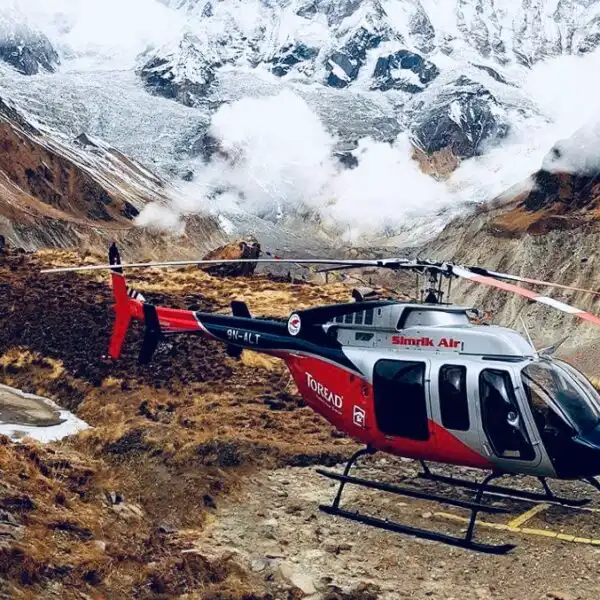
Having a guide reduces the risk of being lost to zero. But even a guide cannot prevent every risk. Trekking in the restricted areas involves high-altitude passes and isolated trails, where medical help is far away. If you suffer from altitude sickness or other serious injuries, you might need instant medical assistance, which would be impossible without a helicopter evacuation. Travel insurance will cover such costs, including medical expenses and baggage loss. Ensure that your insurance also covers natural disasters.
How to Reach the Restricted Areas
How to Reach the Upper Mustang?
You can fly from Pokhara to Jomsom, then explore Upper Mustang on foot or by jeep. If you are short on time, you can also explore this ancient kingdom by helicopter. Another option is to explore Mustang by mountain bike.
How to Reach Dolpo?
To start the Dolpo trek, you must take two flights. First, you must fly from Kathmandu to Nepalgunj. From Nepalgunj, you must fly to Jhuphal, where your trek will start. You can also drive to Dolpo via Musikot and Khading.
How to Reach Tsum Valley?
There are no airports in the Tsum Valley, and the roads are unsuitable for driving. So, the only way to reach Tsum Valley is by trekking. First, drive from Kathmandu to Arughat, then begin your trek from there through Liding, Machha Khola, and Jagat.
How to Reach Rara Lake?
You can reach Rara Lake by flight, road, or foot. Reaching Rara by flight requires two flights. After flying from Kathmandu to Nepalgunj, you can take another flight to Talcha Airport. The airport is about a 3-4 hour hike from Rara.
To reach Rara Lake by road, you can take a bus from Kathmandu to Nepalgunj. However, you must book a jeep to get from Nepalgunj to the lake.
Trekking is another way to reach Rara Lake. You first have to fly from Nepalgunj to Jumla. Your trek starts from Jumla and goes via Danphe Kanga, Chautha, and Dhoti.
Why Choose My Everest Trip for Your Restricted Area Trek?
Government rules strictly require you to have a guide to trek in restricted areas. Moreover, you cannot obtain a permit to access these areas alone. You must get the permit through a registered trekking agency like My Everest Trip (MTP). On MTP, you can get not only the licenses but also the guides. Here are the reasons why you should choose us for your restricted area trek;
Expert Guides
Our team of experienced guides has actively worked with international tourists in restricted areas. They will ensure your safety and guide you through the restricted-area trails and ancient cultural sites.
Customizable Itineraries
Since you must submit an itinerary to get a permit for the restricted area, we will stand by your side and help you choose a perfect itinerary that suits your physical fitness, trekking experience, and preferences. Our itineraries are customizable, meaning you can decide how you want to trek.
Sustainable Trekking Practices
At My Everest Trip, we promote sustainable trekking practices. We discourage any form of littering. Whether trekkers or guides, we should carry only our waste and dispose of it in designated areas. While trekking, we should avoid disturbing wildlife as much as possible. Burning plastics and other harmful materials is also prohibited.
Support of Local Communities
During the trek, we stayed at the local tea houses and lodges, ate what was served, and bought local products. This approach helps the local communities to sustain. Also, since we observe the local cultures, we should respect and promote them if possible.
Here, we would like to take a moment to thank you. You are already supporting the local communities through the amount you paid for the permits.
Ready to Explore Nepal’s Restricted Areas?
So, are you ready for a journey like no other? Are you ready to traverse the challenging terrain of the restricted areas? Whether it’s Upper Mustang, Tsum Valley, Dolpo, or Rara Lake, each offers raw, untouched beauty and ancient culture. The areas are restricted, not your experience. We can handle your permits, guides, and logistics if you decide to do a restricted-area trek. You can contact us to customize your itinerary, book a guide, take the permit, and pay for the package.
FAQs
Do you need a Guide for Restricted-Area Trekking?
Yes! Government rules say you cannot trek in restricted areas without a guide. So, the trek package you book includes an experienced guide.
How Safe is Trekking in the Restricted Area?
Besides the risk of altitude sickness and injuries, trekking in a restricted area has no other dangers. You can evade these risks by following proper acclimation and safety guidelines. A guide will accompany you, helping you mitigate even minor risks.
How can you obtain a Restricted Area Trekking Permit in Nepal?
You can obtain a restricted-area trekking permit in Nepal through a trekking agency. They will get the license from the immigration office on your behalf.
Is a TIMS card Necessary for Trekking in Restricted Areas?
You must carry a trekking agency-issued TIMS card to trek in the restricted areas. You must present it at the checkpoints if asked. If you can’t provide the permits, you’ll be fined.
Is Solo Trekking Banned in Nepal?
Yes! You cannot trek without a guide on most trekking routes in Nepal, including the restricted areas.
What Happens If I am Found Without a Trekking Permit or a Guide?
You must provide your permits at various checkpoints in the restricted area. You will also be fined if found without a license or a guide.
What is the Age Limit for Trekking?
There is no age limit for trekking in restricted areas or anywhere in Nepal. You can conquer any trail if you are physically fit and have a proper itinerary and a guide.
When are the Best Seasons for Restricted Area Trekking in Nepal?
Spring (March to May) and Autumn (September to November) are Nepal’s best seasons for restricted-area trekking. These seasons offer mild temperatures, clear skies, well-maintained trails, and stable weather conditions.
How Challenging are Treks in Restricted Areas?
Treks in restricted areas are challenging, including traversing high-altitude passes, rugged terrain, and steep ascents and descents.
Is Travel Insurance Necessary for Restricted Area Trekking?
Yes, travel insurance is necessary to get the permit. It is also crucial because it covers medical costs and natural disasters. It will also come in handy if you require a sudden helicopter evacuation.
What Accommodations are Available along the Restricted Area Trekking Route?
Teahouses, lodges, and homestays are some of the accommodations available along the restricted-area trekking route. Note that these accommodations have essential amenities, which may be limited at higher altitudes.
Is it Easy for Non-Nepalese to Enter the Upper Mustang?
It is not a big hassle for non-Nepalese to enter Upper Mustang. You will need a guide and a permit to enter Upper Mustang.
What Does the Tiji Festival in Mustang Mean?
The Tiji festival is a three-day annual celebration in Upper Mustang. It occurs in May and features colorful rituals, masked dances, and prayers to drive away opposing forces.
Are there ATMs Available During Restricted Area Trekking?
No, there aren’t any ATMs on the trails in restricted areas. We recommend exchanging your currency for Nepalese rupees and carrying a bill of multiple hundred rupees.
Is Safe Drinking Water Available During Restricted Area Trekking?
Yes! You can find multiple options for safe drinking water in your restricted area trek. You can buy a drinking water bottle from shops or your accommodations. It is best to bring your own water bottle and refill it with boiled water. Teahouses and lodges will boil the water for you.
Note: Do not drink directly from the water sources.
Let’s hangout!
We’re in Thamel, tourist haven in the heart of Kathmandu.
Drop by and let’s hang out!
Hey, we’re social!
Follow myeveresttrip.com for exclusive deals, site updates
and announcements:
Company Links