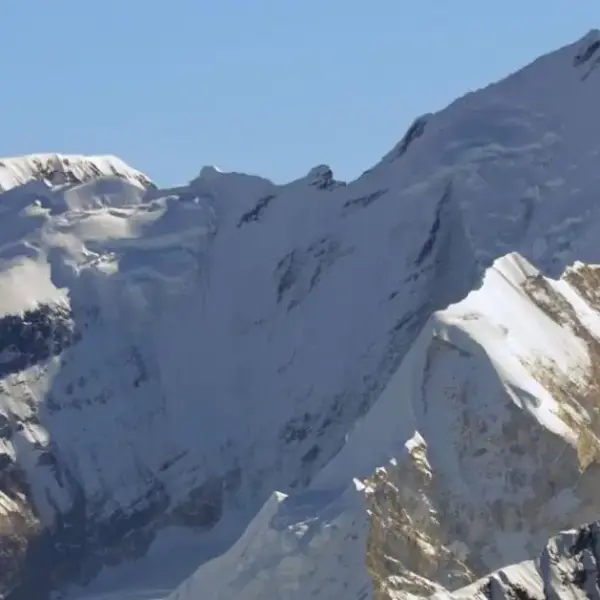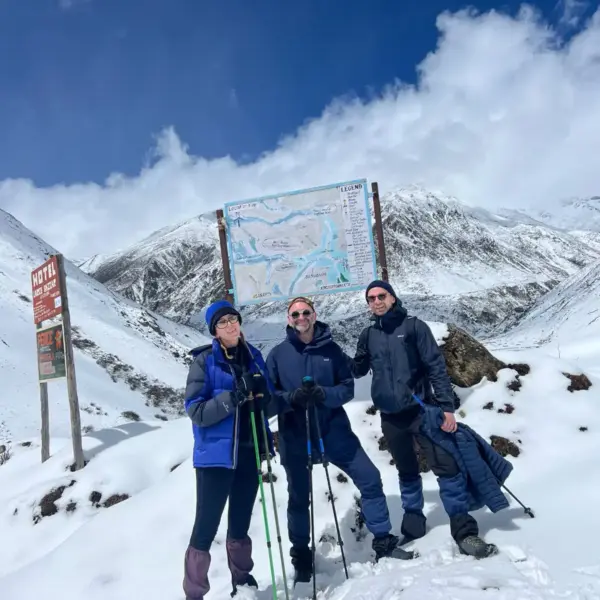


35 gün


Hızlı Gerçekler

Nepal'de kara ulaşımı

Otel ve çayevi konaklama yerleri

Katmandu hariç tüm yemekler

Gezi boyunca rehberli tur ve doğa yürüyüşü.

Sonbahar, İlkbahar

Kamçılayıcı

Nepal

7,129 m
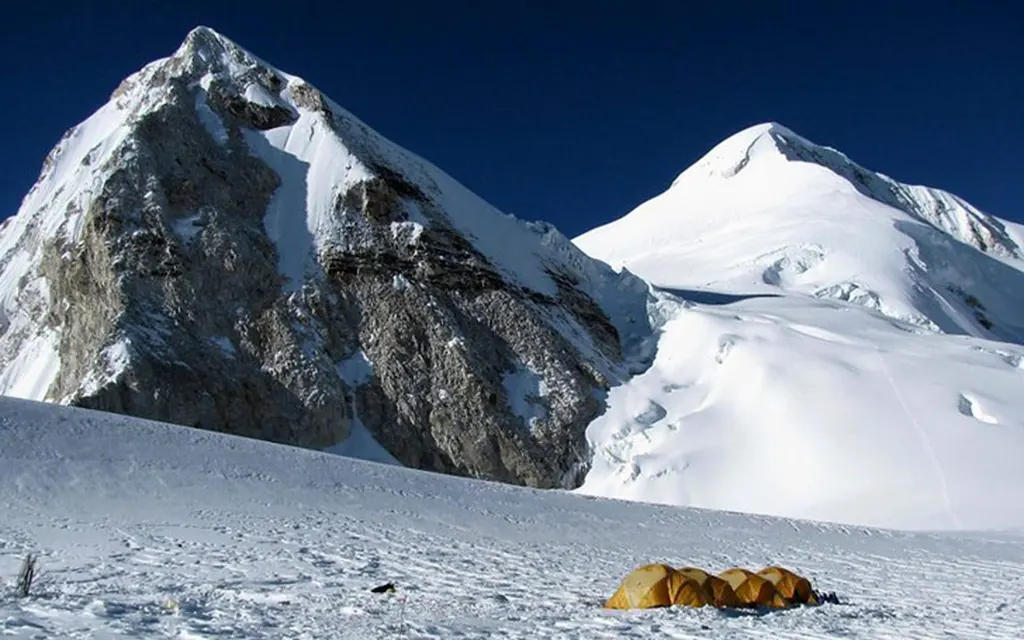
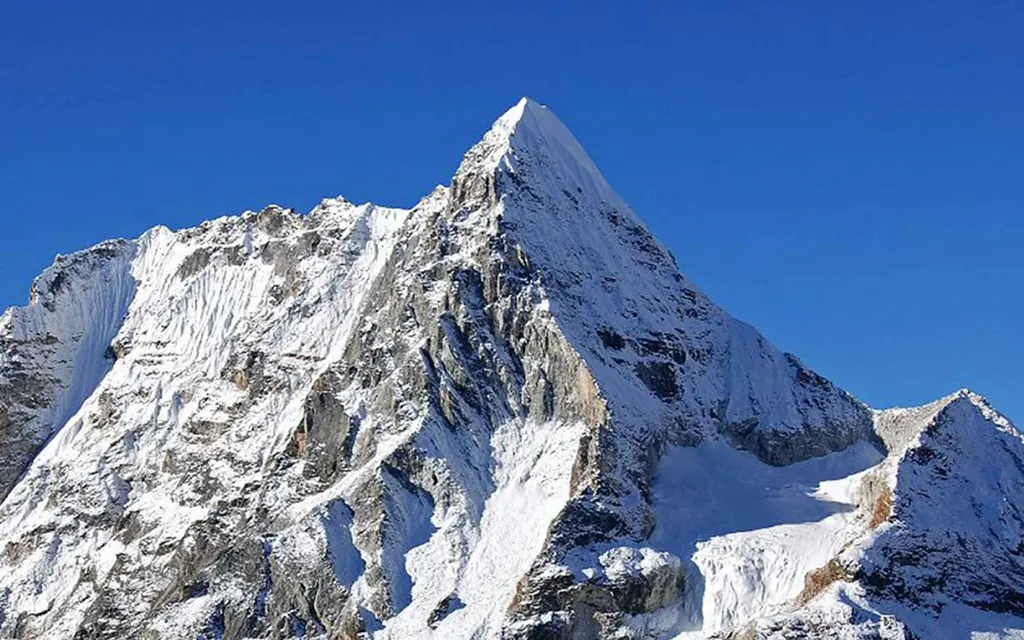
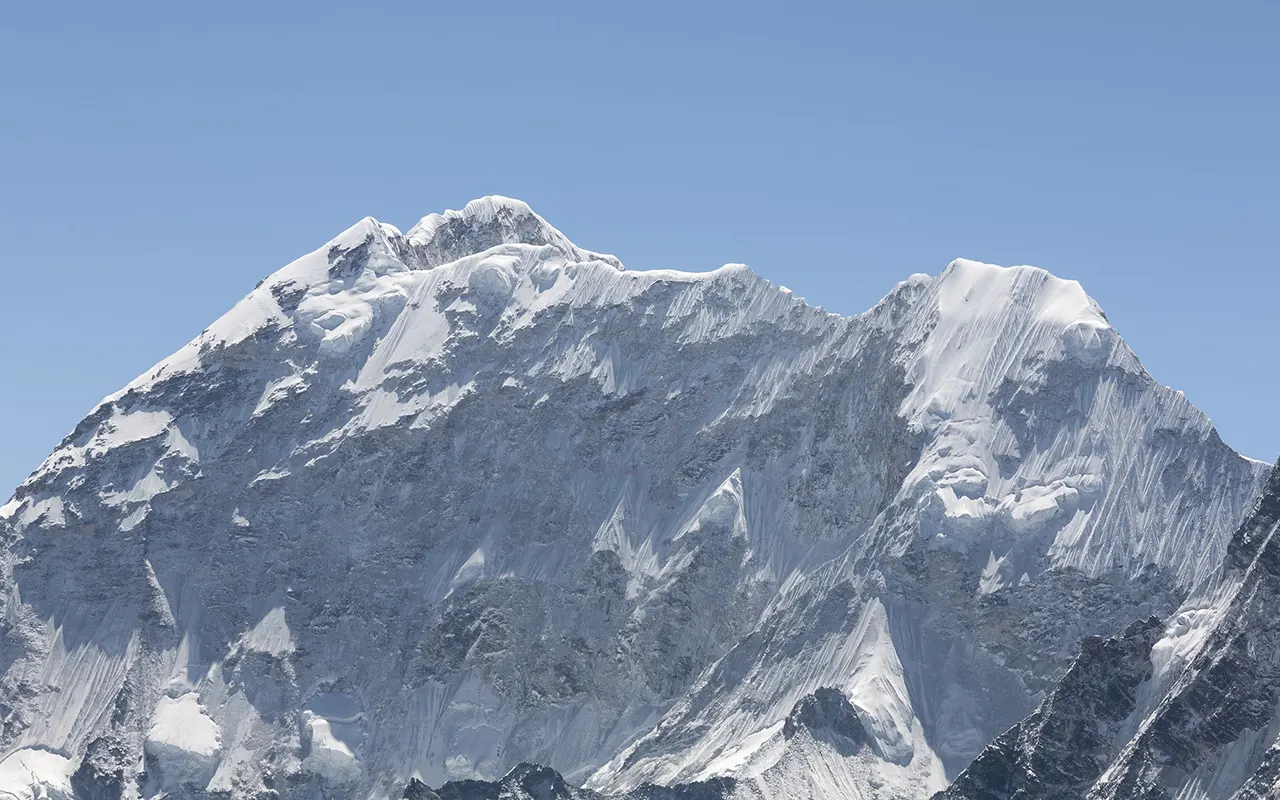
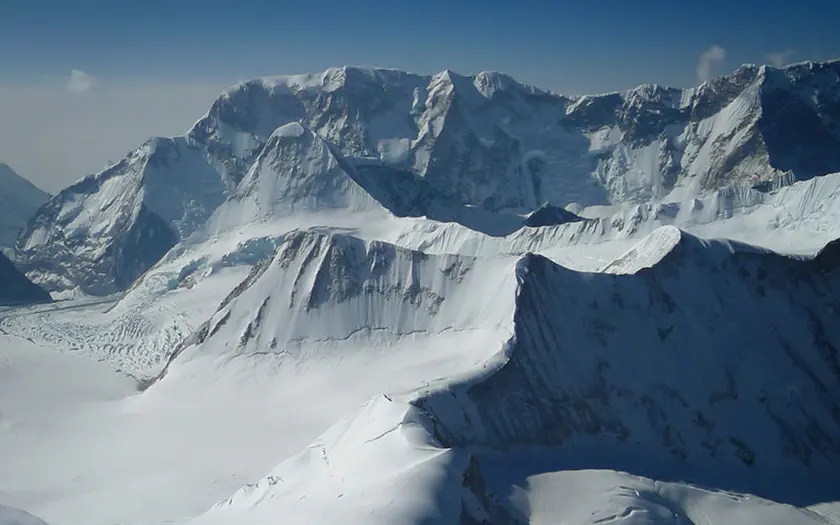
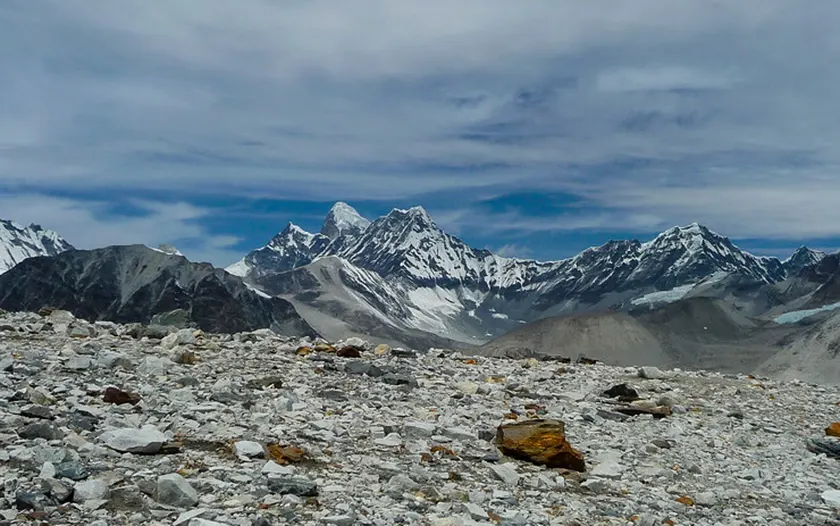
Baruntse Seferi neden düzenlendi?
- Görkemli zirveye çıkın Baruntse (7,129 m/23,389 ft)Nepal'in en ödüllendirici ve zorlu tırmanış zirvelerinden biri.
- Katmandu'dan Lukla'ya muhteşem manzaralı bir dağ uçuşuyla seyahat edin.
- Manzarasıyla büyüleyici ve ıssız Hinku Vadisi'ne doğru bir yolculuğa çıkın.
- (5,350 m / 17,552 ft) yüksekliğindeki muhteşem Mera La geçidini geçin.
- Everest, Lhotse, Makalu, Cho Oyu ve diğer Himalaya dağlarının nefes kesen manzaralarının tadını çıkarın.
- Geceyi, yaklaşık 5,300 m / 17,388 ft yükseklikteki Baruntse Ana Kampı'nda, tam kapsamlı keşif desteğiyle geçirin.
- Daha güvenli bir tırmanış için, iyi düşünülmüş bir uyum programından sonra tırmanışa başlayın.
- Himalaya macerasında trekking, buzul macerası ve dağcılığı bir araya getirin.
Gezi Özeti
Baruntse Seferi, etkileyici dağ manzaralarıyla ıssız bölgelerde yürüyüşü ve yüksek irtifa dağcılığını birleştiren heyecan verici bir Himalayalar tırmanış gezisidir. 7,129 m / 23,389 ft yüksekliğe ulaşan Baruntse, Nepal'deki en muhteşem keşif zirveleri arasında yer almakta ve Himalayalar'da ciddi bir dağcılık hedefi arayan deneyimli dağcılar için ödüllendirici bir deneyim sunmaktadır.
Yolculuk Katmandu'da (1,350 m / 4,429 ft) başlıyor, ardından Lukla'ya (2,800 m / 9,186 ft) manzaralı bir uçuş yapılıyor. Daha sonra patika, Chutanga, Thuli Kharka, Kothe, Thangnak ve Khare üzerinden manzaralı Hinku Vadisi'nden geçiyor. Dağcılar, yaklaşık 5,300 m / 17,388 ft yükseklikteki Baruntse Ana Kampı'na ulaşmadan önce Mera La'yı (5,350 m / 17,552 ft) geçiyorlar. Trekking sırasında, tropikal ormanlar, alpin vadiler, buzullar, morenler ve karla kaplı dağlık araziler de dahil olmak üzere çeşitli manzaralarla karşılaşılabilir.
Bu maceranın en önemli yönlerinden biri, tırmanış aşamasına geçmeden önce dağcıların artan yüksekliğe alışmalarına yardımcı olacak, iyi düşünülmüş bir aklimatizasyon sürecidir. Sefer, yüksek irtifalarda kamp kurmayı, teknik tırmanışa hazırlanmayı ve son derece deneyimli tırmanış uzmanlarının tavsiyeleriyle zirve rotasyonları yapmayı içerir.
Baruntse zirvesi, dağcılara Everest, Lhotse, Makalu ve Cho Oyu gibi dünyanın en yüksek dağlarından bazılarının nefes kesen manzaralarını sunan bir ödüldür. Zorlu tırmanış, vahşi doğa ve muhteşem Himalayalar manzaralarıyla bu keşif gezisi asla unutulmayacak bir yolculuktur.
Bu Baruntse Zirvesi Seferi, daha önce yüksek irtifada trekking veya dağcılık deneyimi olan ve 7,000 metrelik bir zirveye ulaşmak isteyen dağcılar için mükemmel bir seçenektir. My Everest Trip organizatörü, profesyonel lojistik, yüksek nitelikli rehberler ve tam sefer desteği ile donatılmıştır. Baruntse Seferi maliyeti, hizmetlere, grup büyüklüğüne ve sefer desteğine bağlı olarak değişir; ancak Nepal'deki en büyük tırmanış maceralarından biridir.
Bu geziyi özel kılan nedir?
Baruntse Seferi, hem uzak Himalaya dağ yürüyüşünü hem de yüksek irtifa tırmanışını bir arada sunmasıyla benzersizdir. Bu sefer, ülkenin en popüler rotalarına göre daha az kalabalık olan yürüyüş rotaları sunarak, katılımcıların muhteşem dağ manzaralarını ve gerçek bir vahşi doğa hissini deneyimlemelerini sağlar.
Bu keşif gezisi, pitoresk Hinku Vadisi'ni geçerek, etkileyici Mera La geçidini (5,350 m / 17,552 ft) aşıyor ve Baruntse Ana Kampı'na (5,300 m / 17,388 ft) ulaşıyor. Bu süreçte dağcılar, buzullar, dağ gölleri, engebeli dağlık arazi ve dünyanın en yüksek dağlarından bazılarının nefes kesen manzaralarıyla karşılaşıyorlar.
Baruntse'ye (7,129 m / 23,389 ft) tırmanma şansı, bu geziyi diğerlerinden ayıran bir diğer özelliktir; zira Baruntse, sadece teknik zorluk sunmakla kalmayıp aynı zamanda zirvenin muhteşem manzaralarını da sunan, saygın bir Himalaya zirvesidir. Bu gezi, yürüyüş, aklimatizasyon ve tırmanışın ideal bir kombinasyonunu sağlar.
Baruntse Seferi, dağcıların büyük gruplar halinde bir araya gelmek zorunda kalmayacakları ve bölgenin gerçek güzelliğini deneyimleyebilecekleri, unutulmaz ve zorlu bir Himalaya macerasıdır.
Baruntse Seferi Güzergahı
Gün 01: Katmandu'ya Varış (1,350 m / 4,429 ft)
Bugün Nepal'in başkenti ve Himalayalar'a açılan kapı olan Katmandu'ya varacaksınız. Tribhuvan Uluslararası Havalimanı'na vardığınızda, keşif ekibinin bir üyesi sizi karşılayacak ve otelinize götürecektir. Otele giriş yaptıktan sonra, yolculuğun ardından dinlenmek ve kendinizi yenilemek için biraz zamanınız olacak. Baruntse Keşif Geziniz, eski gelenekler ve tarih, eski binalar ve modern uygarlığın büyüleyici bir karışımı olan Katmandu'da (1,350 m / 4,429 ft) başlıyor.
Varış saatinize bağlı olarak, çevreyi gezme, para değiştirme, kendi malzemelerinizi alma veya otelde dinlenme şansınız olabilir. Bu gün, keşif gezisi başlamadan önce rahat bir şekilde yerleşmenize yardımcı olmak için tasarlanmıştır. Ayrıca, maceranın bir parçası olacak diğer dağcılar hakkında bilgi edinmek için de mükemmel bir fırsat olacaktır.
Akşam saatlerinde bir karşılama yemeği düzenlenecek ve keşif gezisi üyeleri birbirleriyle tanışıp kaynaşabilecekler. Rehberler, yolculuğun ilerleyen aşamalarına dair kısa bir giriş yapacak ve sonraki günlerin hazırlıklarından bahsedecekler. Ayrıca kendi ekipmanınızı kontrol edebilir ve keşif gezisinden önce her şeyin hazır olduğundan emin olabilirsiniz. Heyecan verici günlere hazırlanırken Katmandu'da bir otelde geceyi geçireceksiniz.

akşam yemeği

Otel

Havalimanı transfer

1,350 m / 4,429 ft

Varış ve Otele Transfer, 30-60 dakika
Gün 02: Katmandu'da Hazırlık Aşamaları: Bilgilendirme Toplantıları, Alışveriş ve Formaliteler
Bugün, dağlara çıkmadan önce yapılacak büyük hazırlıklara ayrılmıştır. Sabahı, keşif lideri ve tırmanış rehberleriyle birlikte, tırmanış programı, yürüyüş rotası, aklimatizasyon planı, güvenlik önlemleri ve keşif gezisinin genel lojistiği hakkında ayrıntılı bir bilgilendirme toplantısı yaparak geçireceksiniz. Bu oturum, sorular sormak ve ardından gelecek yolculuk hakkında net bir fikir edinmek için harika bir fırsat olacaktır.
Bu gün aynı zamanda yetkililer açısından kalan formalitelerin tamamlanması ve ekipmanların son kontrollerinin yapılmasıyla da ilgilidir. Tırmanma ve trekking ekipmanları, yüksek irtifada uygun olup olmadıklarını doğrulamak için keşif ekibi tarafından kontrol edilecektir. Ek ekipmana ihtiyaç duyulması durumunda, Katmandu'da ekipman satın alınabilecek veya kiralanabilecek birçok trekking ve dağcılık mağazası bulunmaktadır.
Günün bir kısmını valizleri hazırlamaya, spor çantalarını doldurmaya ve yürüyüşte taşınacak olanları Katmandu'da kalacak olanlarla ayırmaya da ayırabilirsiniz. Bu aşamada hazırlık yapmak, yolculuğun daha sorunsuz ve rahat geçmesi için önemlidir.
Günün geri kalanını otelde dinlenerek ve maceranın başlamasından önce enerji depolayarak geçirebilirsiniz. Katmandu'daki otel (1,350 m / 4,429 ft) geceyi geçirecek ve Everest bölgesine doğru yola çıkmaya hazırlanacaksınız.
Kahvaltı - Breakfast
Otel
1,350 m / 4,429 ft
Bilgilendirme, Alışveriş ve Sefer Hazırlığı, Tam Gün
Gün 03: Katmandu'dan Lukla'ya uçuş (2,800 m / 9,186 ft)
Bugün, Katmandu'dan Lukla'ya manzaralı bir uçuş yapacak ve dağlara doğru yolculuğunuza başlayacaksınız. Yaklaşık 35 dakika süren bu uçuş, dünyanın en muhteşem dağ uçuşlarından biri olarak kabul ediliyor. Everest bölgesine yaklaştıkça, Himalayaların karla kaplı dağlarının, vadilerin ve engebeli arazinin muhteşem manzaraları sizi şaşırtabilir.
Lukla'ya (2,800 m / 9,186 ft) indiğinizde, Baruntse'de sona eren dağ iklimine resmen girmiş olacaksınız. Bazı gruplar karayoluyla Ramechhap'a taşınabilir ve ardından Everest'e gitmeden önce Manthali'den Lukla'ya uçabilirler. Güzergah ne olursa olsun, varış noktası Lukla'dır ve artan rakıma alışma süreci gereklidir.
Günün geri kalanı çoğunlukla dinlenerek ve iklimlendirme ile geçecek. Köy çevresinde gezintiye çıkabilecek, bu popüler dağ köyündeki yaşamı görebilecek ve sonraki günlerdeki yürüyüşe hazırlanabileceksiniz. Lukla, çok sayıda Himalaya keşif gezisinin başlangıç noktasıdır ve aynı zamanda eşsiz bir dağ manzarası sunmaktadır. Yarın yürüyüşe başlamaya hazır olacağınız bir konaklama yerinde kalacaksınız.
Kahvaltı, Öğle ve Akşam Yemeği
çayevi
Uçuş 138 km
2,800 m / 9,186 ft
Lukla'ya uçuş ve uyum süreci, 35 dakikalık uçuş.
Gün 04: Lukla'dan Chutanga'ya (3,050 m / 10,006 ft) yürüyüş
Bugün Lukla'dan Chutanga'ya doğru yürüyüşe başlıyorsunuz. Lukla'nın hareketli kasabasını geride bıraktıktan sonra, patika yavaş yavaş muhteşem doğal manzaralara sahip daha sakin bir dağ ortamına dönüşüyor. Yol, ormanlardan, küçük otlaklardan ve dağ yollarından geçiyor ve Everest'in ana yürüyüş rotalarına göre daha az insanla karşılaşıyorsunuz. Bu yürüyüş bölümünün önemi, sizi Hinku Vadisi ve Baruntse bölgesine götüren ıssız manzaralarla tanıştıracak olmasıdır.
Bu yürüyüş yaklaşık dört saatte tamamlanabilir ve vücudunuz yükselen rakıma yavaş yavaş uyum sağladıkça yavaş bir tırmanış içerir. Yürüyüş sırasında çevredeki tepeleri, ormanları ve dağ sıralarını görme ve doğal sessizliğin tadını çıkarma fırsatınız olacak. Yol genellikle kolaydır ve gereksiz yokuş yukarı yürüyüş olmadan yolculuğa iyi bir giriş niteliğindedir.
Chutanga'ya (3,050 m / 10,006 ft) vardığınızda, dinlenmek ve huzurlu dağ manzarasının tadını çıkarmak için zamanınız olacak. Chutanga, Mera Peak ve Baruntse'ye doğru giden dağcıların ve yürüyüşçülerin sıkça ziyaret ettiği küçük bir mevsimlik köydür. Günün geri kalanını dinlenmek, manzaraların tadını çıkarmak ve ilerideki daha yüksek rakımları beklemek için kullanabilirsiniz.
Kahvaltı, Öğle ve Akşam Yemeği
çayevi
6 km
3,050 m / 10,007 ft
4 saatlik doğa yürüyüşü.
Gün 05: Zatrwa La Geçidi üzerinden Chutanga'dan Thuli Kharka'ya yürüyüş (4,610 m / 15,125 ft)
Bugüne kadarki en zorlu trekking günlerinden biri. Chutanga'ya doğru yürüyecek ve Zatrwa La Geçidi'ne (4,610 m / 15,125 ft) doğru istikrarlı bir şekilde yükseleceksiniz. Rakım yükseldikçe yol dikleşiyor ve çevredeki manzara yavaş yavaş ormanlık dağlardan engebeli alpin araziye dönüşüyor. Tırmanış, kademeli ilerleme, sabır ve aklimatizasyon gerektiren bir gün.
Geçidi aştığınızda, çevredeki Himalayaların zirvelerinin, vadilerinin ve uzaktaki dağ sıralarının muhteşem manzarasıyla ödüllendirileceksiniz. Zirvedeki geniş manzara, çekilen zahmete değer ve keşif gezisinin yüksek dağ yaşamına dair ilk gerçek deneyimlerinden birini sunar.
Rota, Khartitang geçidinin kayalıklarından aşağı iner, ardından 3,900 m (12,597 ft) yükseklikteki Thuli Kharka'ya ulaşır. Hinku Vadisi'ne hakim, muhteşem dağ manzarasına sahip, pitoresk bir yerdir. Varışta, çay evinde dinlenip verimli bir yürüyüş gününün ardından düşüncelerinizi paylaşabilirsiniz. Thuli Kharka'da çay evinde konaklayacaksınız.
Kahvaltı, Öğle ve Akşam Yemeği
çayevi
10 km
4,610 m / 15,125 ft
Zatrwa La Geçidi üzerinden yürüyüş, 7 saat
Gün 06: Thuli Kharka'dan Kothe'ye yürüyüş (4,095 m / 13,435 ft)
Bugün Thuli Kharka'dan Kothe'ye, güzel Hinku Vadisi'ne doğru yürüyeceksiniz. Patika, orman gülleri, çam ve ardıç ormanlarından geçen pitoresk dağ yollarından oluşmakta olup, çevredeki sırtların ve uzaktaki dağların güzel manzaralarını sunmaktadır. Yürüyüş, bir önceki güne göre daha sakin geçecek ve bölgenin doğal güzelliğini takdir etme fırsatı sunacaktır.
Vadi boyunca ilerledikçe manzara daha açık ve etkileyici hale geliyor. Yol, Mera Zirvesi ve Baruntse'ye doğru dağcılar ve yürüyüşçüler tarafından kullanılan eski yürüyüş rotalarını takip ediyor. Rotanız boyunca, bu ücra bölgedeki dağ topluluklarının yaşam biçimini gösteren bazı yerel çobanlara ve geçici otlak alanlarına rastlayabilirsiniz.
Yaklaşık beş saatlik bir yürüyüş sizi Hinku Nehri kıyısındaki küçük bir köy olan Kothe'ye (4,095 m / 13,435 ft) götürecektir. Kothe, önemli bir geceleme yeri olup, ötesindeki daha yüksek vadilere erişim noktası görevi görür. Çay evine vardığınızda, dinlenip Thangnak'a doğru tırmanışın geri kalanına hazırlanabilirsiniz.
Kahvaltı, Öğle ve Akşam Yemeği
çayevi
8 km
4,095 m / 13,435 ft
5 saatlik doğa yürüyüşü.
Gün 07: Kothe'den Thangnak'a yürüyüş (4,350 m / 14,272 ft)
Bugün Kothe'den Thangnak'a doğru yürüyüş yapacaksınız. Yol, güzel alp manzaraları ve dağlık arazilerden geçerken yavaşça yükseliyor. Etrafınızdaki zirvelerin manzarası ve ufuk çizgisinde yükselen görkemli Mera Zirvesi'nin güney yamacı sizi büyüleyecek.
Patika, vadi tabanını ve geçici otlak alanlarını, kayalık çıkıntıları ve buzul arazilerini geçerek ilerler. Ne kadar yukarı çıkarsanız, bitki örtüsü o kadar azalır ve çevre, yüksek rakımlı bölgelerin daha aşırı koşullarını göstermeye başlar. Kademeli tırmanış, aklimatizasyon için bir avantajdır ve vücudunuzu karşılaşacağınız yüksekliklere alıştırmanın bir yolu olacaktır.
Dört saatlik yürüyüş sizi Thangnak'a (4,350 m / 14,272 ft) götürecektir. Bu küçük köy, daha yüksek rakımlara doğru ilerleyen dağcılar ve yürüyüşçüler arasında popüler bir destinasyondur. Günün geri kalanını dinlenmek, su içmek ve yarınki aklimatizasyon yürüyüşüne hazırlanırken dağ manzarasının tadını çıkarmak için kullanabilirsiniz.
Kahvaltı, Öğle ve Akşam Yemeği
çayevi
7 km
4,350 m / 14,272 ft
4 saatlik doğa yürüyüşü.
Gün 08: Thangnak'ta (4,350 m / 14,272 ft) Aklimatizasyon Günü
Bugün Thangnak'ta harika bir aklimatizasyon günü. Daha yüksek bir uyku irtifasına gitmek yerine, daha yüksek irtifalara tırmanıp sonra köye geri dönerek dinleneceksiniz. Bu tarz, yüksek irtifaya uyum sağlamak için genellikle tavsiye edilen "yüksekte tırman, alçakta uyu" konseptine dayanmaktadır.
Gündüzleri muhteşem Sabal Tsho Gölü'nü göreceksiniz ve Kusum Kanggaru'nun yamacında yaklaşık (5,271 m / 17,293 ft) yükseklikte bulunan büyük bir dönüm noktasına doğru ilerleyeceksiniz. Tırmanış, buzulları, engebeli dağlık manzarayı ve muhteşem Himalaya manzaralarını görme fırsatı sunuyor. Yavaş tırmanış, rehberlerin ekip üyelerinin yüksekliğe uyum sağlama süreçlerini kontrol etmelerini de sağlıyor.
Thangnak'ta (4,350 m / 14,272 ft) daha yüksek rakımda biraz zaman geçirdikten sonra dinlenip toparlanacaksınız. Bu uyum sağlama günü, vücudunuzun daha sonra gerçekleşecek zorlu yürüyüş ve tırmanma aktivitelerine alışmasına yardımcı olmak açısından çok önemlidir. Thangnak'taki çay evi konaklama yeri olarak kullanılmaya devam edecektir.
Kahvaltı, Öğle ve Akşam Yemeği
çayevi
5 km
5,271 m / 17,293 ft
Aklimatizasyon Yürüyüşü, 3-5 saat
Gün 09: Thangnak'tan Khare'ye (5,045 m / 16,551 ft) yürüyüş
Bugün Thangnak'tan Khare'ye doğru yürüyüş yapacaksınız ve Himalayaların yüksek atmosferine doğru ilerledikçe rakımda büyük bir artış yaşayacaksınız. Yol, buzul morenleri ve kayalık dağ patikaları boyunca uzanır ve çevredeki dağların ve buzulların giderek daha muhteşem manzaralarını sunar. Hinku Vadisi, vadinin üst kısımlarına doğru yaklaşıldıkça daha engebeli ve dramatik bir hal alır.
Bu mesafeyi yürümek yaklaşık üç saat sürse de, yükseklik önemli ölçüde artıyor; bu nedenle, kademeli ve istikrarlı bir tempo şart. Yol, bitki örtüsünün az olduğu çıplak dağlık araziden geçiyor ve dağ manzarası ufkun büyük bir bölümünü kaplıyor. Yolculuğun bu kısmı, insana izole edilmiş yüksek dağlık bir vahşi doğanın gerçek hissini veriyor.
Khare'ye (5,045 m / 16,551 ft) vardığınızda, dinlenmek ve daha fazla aklimatizasyon sağlamak için serbest olacaksınız. Khare, Mera La'ya ve hatta kuzeydeki ıssız vadilere tırmanan dağcılar ve yürüyüşçüler için önemli bir ana kamptır. Günün geri kalanını manzaranın tadını çıkararak, su içerek ve ertesi gün Mera La'ya yapılacak keşif gezisine hazırlanarak geçirebilirsiniz.
Kahvaltı, Öğle ve Akşam Yemeği
çayevi
4 km
5,045 m / 16,552 ft
3 saatlik doğa yürüyüşü.
Gün 10: Khare'den Mera La Geçidi'ne (5,350 m / 17,542 ft) yürüyüş
Bugün Khare'den, keşif gezisinin en ulaşılmaz kısımlarından biri olan Mera La Geçidi'ne doğru yürüyüş yapacaksınız. Yol, yüksek rakımlı dağlık manzaralar ve buzullar arasından kademeli olarak yükselerek, çevredeki karla kaplı dağların nefes kesen manzaralarını sunuyor. Ne kadar yukarı çıkarsanız, manzaralar o kadar etkileyici hale geliyor: buz oluşumları, kayalık sırtlar ve panoramik dağ manzaraları.
Yaklaşık beş saat süren bu yürüyüş, yüksek rakım nedeniyle yavaş bir tempoda yapılmalıdır. Mera La Geçidi (5,350 m / 17,542 ft), Mera Zirvesi bölgesi ile Baruntse'ye uzanan ıssız vadiler arasında önemli bir geçittir. Geçide ulaşmak, keşif gezisinin en önemli kilometre taşlarından biridir ve yürüyüşten daha ıssız, kamp yapmaya dayalı bir ortama geçişi işaret eder.
Oraya varıldığında, keşif ekibi kamp kuracak ve keşif gezisinin bir sonraki aşamasına kadar bekleyecektir. Kamp alanı, etrafını saran buzullar ve devasa Himalaya zirveleriyle yüksek rakımlı bir deneyim sunmaktadır. Kamp alanı Mera La'nın yakınlarında olacaktır.
Kahvaltı, Öğle ve Akşam Yemeği
Kamp
7 km
5,350 m / 17,552 ft
Mera La Geçidi'ne yürüyüş, 5 saat
Gün 11: Mera La Geçidi'nden Seto Pokhari Kampı'na (4,850 m / 15,912 ft) yürüyüş.
Bugün Mera La Geçidi'nden Seto Pokhari Kampı'na yürüyeceksiniz. Yüksek geçitten ayrıldıktan sonra, patika, sıradan yürüyüşçüler tarafından nadiren keşfedilen uzak dağlık manzaralar ve buzullar arasından aşağı doğru iner. Bu yolculuk bölümü sizi daha sık kullanılan yürüyüş parkurlarından uzaklaştırarak son derece ıssız bir Himalaya ortamına götürecektir. Yolculuk boyunca, Doğu Nepal'in bu izole bölgesini karakterize eden çevredeki dağların, buzulların ve engebeli vadilerin muhteşem manzaralarına tanık olacaksınız.
Yaklaşık beş saat süren bu yürüyüş, kayalık patikalar, morenler ve dağ yollarının bir karışımını kapsıyor. Mera La'ya (5,350 m / 17,542 ft) doğru yavaşça inerken, bir önceki gün irtifa kazandıktan sonra biraz dinlenmenize olanak tanıyor ve Baruntse bölgesine doğru ilerlemenizi sağlıyor. Gündüzleri de manzara muhteşem ve her yönde etkileyici dağ manzaraları görülebiliyor.
Sonunda Seto Pokhari Kampı'na (4,850 m / 15,912 ft) ulaşacaksınız. Seto Pokhari (Beyaz Göl), dağlık manzarasıyla büyüleyici bir dağ gölüdür. Kampa vardığınızda, keşif ekibi çadırlarını kuracak ve Ana Kampa gitmek için hazırlık yapacaktır. Geceleme için tam donanımlı bir kamp alanı kullanılacaktır.
Kahvaltı, Öğle ve Akşam Yemeği
Kamp
8 km
5,350 m / 17,552 ft
Doğa yürüyüşü ve kamp, 5 saat
Gün 12: Seto Pokhari'den Baruntse Ana Kampı'na (5,300 m / 17,400 ft) yürüyüş.
Bugün Seto Pokhari'den Baruntse Ana Kampı'na doğru yürüyüş yapacaksınız ve keşif alanının tam kalbinde olacaksınız. Patika, ulaşılması güç dağlık arazide yavaşça yükseliyor ve buzullar, kayalık sırtlar ve yüksek Himalaya zirvelerinden oluşan nefes kesici manzaralar sunuyor. Vahşi doğanın derinliklerine ve dağa yaklaştıkça yalnızlık duygusu daha da artıyor; bu da keşif boyunca asıl hedefiniz olacak.
Yürüyüş, patika ve hava koşullarına bağlı olarak ortalama dört ila altı saat sürer. Yükseklik dağcılığının zorlu ortamını gösteren bir özellik olarak, yükseldikçe arazi daha engebeli hale gelir. Sefer boyunca ekip, aklimatizasyona ve genel sağlığa özen göstererek temkinli bir şekilde ilerleyecektir.
Ekip, Baruntse Ana Kampı'na (5,300 m / 17,400 ft) varacak ve keşif kampını kurmaya başlayacak. Çadırlar, yemek, iletişim ve ekipman depolama alanları, önümüzdeki tırmanış dönemi için rahat ve verimli bir üs oluşturacak şekilde düzenlenecektir. Günün geri kalanı genellikle kampa yerleşmeye, tırmanış ekipmanlarını hazırlamaya ve rotasyonlara çıkmaya hazırlanmaya ayrılır. Ana Kamp, gece konaklamasının yapılacağı yer olacaktır.
Kahvaltı, Öğle ve Akşam Yemeği
Kamp
6 km
5,300 m / 17,388 ft
Yürüyüş ve Ana Kamp Hazırlığı, 4-6 saat
Gün 13-27: Baruntse Tırmanma Dönemi (7,129 m / 23,389 ft)
Bugün, en zorlu ve tatmin edici zirvelerden biri olan Baruntse'ye tırmanmaya ayrılacak. Seferin bu dönemi, aklimatizasyon, teknik eğitim ve nihai zirve saldırısına ayrılmıştır. Baruntse Ana Kampı'na (5,300 m / 17,400 ft) yerleştikten sonra, daha yüksek kamplara doğru tırmanış rotasyonlarınıza başlayacaksınız. Rotasyonlar, vücudunuzun yüksek irtifa koşullarına alışmasına ve başarılı, güvenli bir tırmanış olasılığınızı artırmasına yardımcı olacaktır.
Tırmanış dönemi boyunca, keşif ekibi daha yüksek kamplar kuracak ve bunların bakımını yapacak, ekipman ve malzemeleri taşıyacak ve hava koşullarını yakından takip edecektir. Gerekli dağcılık becerilerini öğrenecek ve deneyimli dağcı Şerpalar ve keşif liderleri tarafından yönlendirileceksiniz. Günlük aktiviteler, daha yüksek rakımlara tırmanmak, aklimatizasyon sağlamak ve dinlenmek ve toparlanmak için daha alçak kamplara inmek gibi çeşitli faaliyetleri içerebilir.
Hava koşullarına, rotanın durumuna ve ekip üyelerinin genel sağlık durumuna ve aklimatizasyonlarına bağlı olarak kesin bir tırmanış planı oluşturulacaktır. Hava şartları elverişli olduğunda, ekip Baruntse zirvesine (7,129 m / 23,389 ft) doğru bir zirve tırmanışı gerçekleştirecektir. Zirve, dağcılara çevresindeki Himalayaların devlerinin ve uzaktaki vadilerin en muhteşem panoramik manzarasını sunmaktadır.
Dağcılar, zirve denemesinin ardından daha yüksek kamplardan geçerek güvenli bir şekilde Ana Kampa geri dönerler. Bu yükseliş aşaması, seferin dehasını ve aylarca süren eğitim, sıkı çalışma ve iş birliğinin sonucunu temsil eder. Bu süre zarfında konaklama, sefer kamplarında olacaktır.
Kahvaltı, Öğle ve Akşam Yemeği
Kamp
Tırmanma Dönüşleri Sırasında Değişir
7,129 m / 23,389 ft
Tırmanış ve Aklimatizasyon, 15 Gün
Gün 28: Baruntse Ana Kampı'ndan Seto Pokhari'ye (4,850 m / 15,912 ft) yürüyüş.
Bugün Baruntse Ana Kampı'ndan ayrılıp Seto Pokhari'ye dönüş yolculuğuna başlayacaksınız. Sefer ekibi ayrılmadan önce kampı toplayacak ve seferin sorumlu uygulamalarına uygun olarak tüm atık ve ekipmanların sorumlu bir şekilde uzaklaştırılmasını sağlayacaktır. Kamp alanının temizlenmesi, hassas dağ ortamının korunması ve bölgenin doğal güzelliğinin muhafaza edilmesi açısından önemli bir husustur.
Temizlik tamamlandıktan sonra, Seto Pokhari'ye geri yürüyüşe başlayacaksınız. Rota, dağlık ve buzul manzaralarından geçiyor ve Baruntse çevresindeki etkileyici manzaraların son bir görünümünü sunuyor. Rakım düştükçe, yürüyüşünüz daha kolaylaşıyor ve birçok dağcı, keşif gezisinin neler başardığını düşünmeye başlıyor.
Keşif gezisi yaklaşık altı saat sürer ve Seto Pokhari Kampı'na (4,850 m / 15,912 ft) ulaşır. Kamp, varışta, güzel dağ gölünün yakınında kurulacaktır. Akşam, diğer dağcılarla birlikte dinlenerek ve zirve günlerini anımsayarak geçirilecektir. Kamp alanı konaklama imkanı sağlayacaktır.
Kahvaltı, Öğle ve Akşam Yemeği
Kamp
8 km
5,300 m / 17,388 ft
Doğa yürüyüşü ve ana kamp temizliği, 6 saat
Gün 29: Seto Pokhari'den Mera La'ya (5,350 m / 17,542 ft) yürüyüş
Seto Pokhari'den Mera La'ya geri döneceksiniz. Yol, vahşi dağlık alanlar, buzul manzaraları ve dik dağ vadilerinden yavaşça yükseliyor. Tanıdık bir yol kullanıyor olsanız bile, dönüş yolunda manzara oldukça farklı olabilir ve bu ıssız bölgenin güzelliğinin tadını çıkarmak için tekrar kullanılabilir.
Yaklaşık altı saat süren bu yürüyüş, yüksek rakım nedeniyle yavaş bir tempoda yapılmalıdır. Mera La'ya (5,350 m / 17,542 ft) doğru tırmanırken, buzulların, karla kaplı sırtların ve çevredeki Himalayaların manzarasının keyfini tekrar çıkaracaksınız. Bu patika, daha alçak seviyelere doğru uzun bir inişten önce son dağlık engeli sunmaktadır.
Keşif ekibi Mera La'ya vardığında bir kamp kurulacak. Kamp alanı, yakındaki dağların muhteşem manzaralarını sunuyor ve gezi için ideal bir son durak noktası. Konaklama, Mera La yakınlarındaki bir kamp alanında olacak.
Kahvaltı, Öğle ve Akşam Yemeği
Kamp
8 km
5,350 m / 17,552 ft
Doğa yürüyüşü ve kamp, 6 saat
Gün 30: Mera La'dan Kothe'ye (3,600 m / 11,811 ft) yürüyüş
Bugün, Mera La'dan Kothe'ye doğru uzun bir yolculuğa başlıyorsunuz. Uzak keşif kamplarında ve yüksek rakımlarda geçen günlerin ardından Hinku Vadisi'ne dönüş yolculuğu tatmin edici ve rahatlatıcı. Patika, buzul arazilerini, kayalık morenleri ve alpin manzaraları takip ederek sonunda daha yeşil bir araziye ulaşıyor. Ne kadar yükseğe çıkarsanız, havadaki oksijen o kadar azalır ve yürüyüş önemli ölçüde daha rahat hale gelir.
Gün boyunca zirvelerin, vadilerin ve dağ sıralarının muhteşem manzaralarına şahit olacaksınız. Yol, keşif gezisinin önceki bölümünde izlenen rotanın bir kısmını takip ediyor ve bilinen manzaraları yeni bir açıdan görme fırsatı sunuyor. İniş aynı zamanda Baruntse'deki yorucu tırmanış günlerinden sonra vücudun yenilenmesine de yardımcı oluyor.
Yaklaşık beş saatlik yürüyüşün ardından Kothe'ye (3,600 m / 11,811 ft) ulaşacaksınız. Hinku Nehri kıyısındaki bu küçük şelale, geçtiğimiz haftalardaki ıssız kampın ardından dinlenmek için güzel bir fırsat sunuyor. Günün geri kalanını dinlenerek, sıcak bir yemek yiyerek ve keşif gezisinin sonuçlarını düşünerek geçirebilirsiniz. Geceyi Kothe'deki bir çay evinde geçireceksiniz.
Kahvaltı, Öğle ve Akşam Yemeği
çayevi
11 km
5,350 m / 17,552 ft
5 saatlik doğa yürüyüşü.
Gün 31: Kothe'den Thuli Kharka'ya yürüyüş (3,900 m / 12,597 ft)
Bugün Kothe'den Thuli Kharka'ya doğru bir yürüyüş yapacaksınız ve dönüş yolu muhteşem Hinku Vadisi boyunca uzanıyor. Kothe'yi geride bıraktıktan sonra, yol yavaşça orman gülleri, çam ve ardıç ormanlarından geçerek yükseliyor ve çevredeki tepelerin ve dağlık arazinin pitoresk manzaralarını sunuyor. Bugünkü yürüyüşün bazı yokuş yukarı bölümleri var, ancak genel olarak rahat bir yürüyüş ve bölgenin doğal güzelliğini yavaş bir tempoda deneyimleme fırsatı bulacaksınız.
Bu yol, Hinku Vadisi'ni Zatrwa La Geçidi'ne çıkan daha yüksek sırtlara bağlayan, bilinen dağ patikalarını takip ediyor. Yolda, bu eski yolları kullanan diğer yürüyüşçüler ve yerel çobanlarla karşılaşabilirsiniz. Nehir vadileri ve dağ yamaçları arasındaki değişen manzara, bugünkü yürüyüşü keyifli ve ödüllendirici kılıyor.
Yaklaşık beş saatlik yürüyüşün ardından Thuli Kharka'ya (3,900 m / 12,597 ft) ulaşacaksınız. Bu küçük köy, dağların güzel manzaralarını sunmaktadır ve yarın geçitten geçmeden önce bu gece konaklamak için önemli bir yerdir. Günün geri kalanını dinlenerek ve seferin son büyük yürüyüş gününe hazırlanarak geçirebilirsiniz. Geceyi bir çay evinde geçireceksiniz.
Kahvaltı, Öğle ve Akşam Yemeği
çayevi
8 km
3,900 m / 12,795 ft
5 saatlik doğa yürüyüşü.
Gün 32: Zatrwa La Geçidi üzerinden Thuli Kharka'dan Lukla'ya yürüyüş (4,610 m / 15,125 ft)
Bugün, keşif yürüyüşünün son günü. Thuli Kharka'dan ayrılıp Zatrwa La Geçidi (4,610 m / 15,125 ft) üzerinden Lukla'ya doğru yola çıkacaksınız. Gün, geçide doğru kademeli bir tırmanışla başlayacak ve burada çevredeki Himalayaların zirvelerinin, vadilerinin ve uzaktaki dağ sıralarının panoramik manzarasıyla ödüllendirileceksiniz.
Geçitteki manzaraya kısa bir bakış attıktan sonra, patika dağ sıraları, ormanlar ve geleneksel yürüyüş yolları üzerinden Lukla'ya doğru iner. Aşağı inerken, yollar yavaş yavaş yüksek dağlık araziden daha yeşil yamaçlara dönüşür. Bu yürüyüş günü, keşif gezisinin dağlık bölümüne güzel bir son noktadır.
Yaklaşık dokuz saatlik yürüyüşün ardından Lukla'ya (2,800 m / 9,186 ft) ulaşacaksınız. Lukla'ya varmak, Baruntse Seferi'nin yürüyüş ve tırmanma aşamalarının başarılı bir şekilde tamamlanması anlamına gelir. Akşam saatlerinde, diğer dağcılar, rehberler ve destek personeliyle birlikte yolculuğun kutlamaları yapılır. Geceyi Lukla'daki bir dağ evinde geçireceksiniz.
Kahvaltı, Öğle ve Akşam Yemeği
çayevi
15 km
4,610 m / 15,125 ft
Zatrwa La Geçidi üzerinden yürüyüş, 9 saat
Gün 33: Lukla'dan Katmandu'ya uçuş (1,350 m / 4,430 ft)
Bugün dağları geride bırakacak ve uçakla Katmandu'ya geri döneceksiniz. Kahvaltının ardından, Lukla Havalimanı'na transfer edilecek ve başkente manzaralı bir uçuş gerçekleştireceksiniz. Yaklaşık 35 dakika süren uçuş, son birkaç haftadır macera yaşadığınız Himalayaların, derin vadilerin ve engebeli arazinin kuşbakışı manzaralarını izlemek için son şansınız olacak.
Katmandu'ya (1,350 m / 4,430 ft) vardığınızda otele götürüleceksiniz. Uzaktaki dağlık ortam ile kentsel yayılma arasındaki fark bir bakışta bellidir. Otele giriş yaptıktan sonra, günün geri kalanını dinlenerek ve şehrin sunduğu olanakların tadını çıkararak geçirebilirsiniz.
Birçok dağcı bu boş zamanı fotoğraf çekerek, aile ve arkadaşlarıyla iletişim kurarak, sıcak bir duş alarak veya sadece keşif gezisinden sonra dinlenerek geçirir. Katmandu'ya dönmek aynı zamanda Baruntse Keşif Gezisi sırasında aşılan zorluklara ve elde edilen başarılara bakmak için de bir fırsattır. Otel Katmandu'da olacak ve gece orada konaklanacaktır.
Kahvaltı - Breakfast
Otel
Uçuş 138 km
1,350 m / 4,429 ft
Katmandu'ya uçuş ve otel transferi, 35 dakika.
Gün 34: Katmandu'da Boş Zaman Günü
Katmandu'da serbest bir gününüz var ve keşif geziniz bittikten sonra dinlenip şehri gezebilirsiniz. Kahvaltıdan sonra günü geçirebilirsiniz. Çoğu dağcı, Katmandu'nun hareketli pazarlarını ziyaret etmeyi, hediyelik eşya almayı veya şehrin kültürel ve tarihi yerlerini gezmeyi tercih eder.
Katmandu (1,350 m / 4,430 ft), zengin bir mirasa, renkli bir ortama ve geleneksel ile modern yaşam tarzlarının eşsiz bir karışımına sahip bir şehirdir. Ayrıca, dinlenmek, eşyalarınızı toplamak ve Nepal'den ayrılmaya hazırlanmak için serbest bir gününüz var. İhtiyacınız olursa, yerel mağazalardan hediyelik eşya veya diğer seyahat malzemeleri de satın alabilirsiniz.
Seferin başarısını kutlamak için akşam özel bir veda yemeği düzenlenecektir. Yemekte ayrıca, macerayı unutulmaz kılmak için geleneksel Nepal müziği ve dansı içeren kültürel bir gösteri de yer alacaktır. Diğer dağcılar ve sefer ekibinin diğer üyeleriyle deneyim alışverişinde bulunmak harika bir fırsattır. Geceyi Katmandu'daki bir otelde geçireceksiniz.
Kahvaltı ve akşam yemeği
Otel
Boş Zaman Günü
1,350 m / 4,429 ft
Tam Gün Eğlence, Alışveriş ve Veda Kutlaması
Gün 35: Son Kalkış
Bugün Nepal'deki Baruntse Seferi'nizin sonuna geldik. Otelde kahvaltının ardından, uluslararası uçuş programınıza bağlı olarak biraz serbest zamanınız olacak. Sonraki yolculuğunuz, sefer ekibi tarafından Tribhuvan Uluslararası Havalimanı'na kadar organize edilecektir.
Katmandu'dan (1,350 m / 4,430 ft) ayrıldığınızda, ıssız vadilerde yürüyüş yapmanın, dağ geçitlerini aşmanın ve Nepal'in en çarpıcı keşif zirvelerinden birine tırmanmanın unutulmaz deneyimini geride bırakacaksınız. Bu keşif gezisi sadece fiziksel bir meydan okuma değil, aynı zamanda Himalayaların muhteşem manzaralarını ve dağ kültürünü keşfetme fırsatı da sunmuştur.
Ayrılmadan önce diğer dağcılarla son bir kez görüşme ve iletişim bilgilerini paylaşma fırsatınız olabilir. Sefer ekibi, havaalanına ulaşmanızda ve sizi uğurlamanızda size yardımcı olacaktır. Baruntse Seferi'nin resmi olarak sona ermesi bugün gerçekleşecek olsa da, macera boyunca edindiğiniz anılar ve deneyimler eve döndüğünüzde kolay kolay unutulmayacaktır.
Kahvaltı - Breakfast
Havalimanı transfer
1,350 m / 4,429 ft
Son Kalkış, 30-60 dakika
Ne bekleyebileceğinizi?
Dahil olanlar
Ulaşım ve Uçuşlar
- Katmandu havaalanı transferi (gidiş ve dönüş).
- Üyeler ve dağcı Şerpalar için Katmandu'dan Lukla'ya ve Lukla'dan Katmandu'ya iç hat uçuşları.
- Sefer sırasında kullanılan ekipmanların, yiyeceklerin ve kargoların taşınması.
Konaklama ve Yemekler
- Katmandu'da 4 gece konaklama, kahvaltı dahil.
- Yürüyüş güzergahı üzerindeki çay evlerinde konaklama, kahvaltı, öğle yemeği ve akşam yemeği dahildir.
- Sefer planına göre Baruntse Ana Kampı ve üst kamplarda kamp kurulacaktır.
- Ana kampta ve daha üst kamplarda sunulan tüm yemekler, atıştırmalıklar ve sıcak içecekler.
- Katmandu'da veda yemeği.
Rehberler ve Sefer Ekibi
- Yüksek nitelikli macera rehberleri ve devlet onaylı tırmanış Şerpa rehberleri.
- Üye başına bir tırmanış rehberi (Şerpa).
- Ana kamp ekibi, aşçı, mutfak ekibi, destek ekibi.
- Çalışan maaşları, makineler, sigorta ve işletme giderleri.
İzinler ve Ücretler
- Baruntse tırmanışı için devlet tarafından uygulanan izin ve telif ücretleri.
- Makalu Barun Milli Parkı İzni.
- TIMS Kartı.
- Khumbu Pasang Lhamu Kırsal Belediye İzni.
Tırmanma ve Güvenlik Ekipmanları
- Ana kamp ve yüksek kamp çadırları.
- Grup tırmanış ekipmanları arasında ipler, buz vidaları, kar çubukları, kazıklar ve karabinalar bulunur.
- Kampların işletilmesi için güneş enerjisi ve jeneratör gücü.
- Acil durumlar için ilk yardım malzemeleri ve oksijen.
- Keşif gezisi için uydu telefonu ve iletişim ekipmanları.
Ek Hizmetler
- Tırmanma ve doğa yürüyüşü parkur haritaları.
- Sık sık hava tahminleri yapılıyor.
- Keşif gezisi tişörtü, şal ve sertifika.
- Uçuş teyidi konusunda yardım.
- Hükümet tarafından uygulanan tüm vergiler ve hizmet bedelleri.
Neler Hariç Tutuluyor?
Uluslararası Seyahat ve Vize
- Uluslararası uçak bileti.
- Nepal'e giriş vizesi ücretleri.
Yemekler ve Kişisel Giderler
- Katmandu'da öğle ve akşam yemeği (veda yemeği hariç).
- Atıştırmalıklar, alkolsüz içecekler, enerji içecekleri, alkol ve kişisel yiyecekler.
- Çamaşır yıkama, kişisel alışveriş ve diğer kişisel harcamalar.
Kişisel Ekipman
- Kişiye özel tırmanma ekipmanı ve yürüyüş ekipmanı.
- Kişisel iletişim ücretleri, internet ve telefon kullanımı.
Sigorta ve Acil Durum Giderleri
- Seyahat sigortası.
- Hastaneye yatış ve tıbbi bakım masrafları.
- Acil kurtarma, helikopterle tahliye maliyetleri.
Personel İpuçları ve Bonusları
- Tırmanış rehberleri olan Şerpalar için zirveye çıkış bonusu.
- Rehberlere ve keşif ekibi personeline verilen bahşişler.
Diğer giderler
- Maliyet bölümünde belirtilmeyen diğer hizmetler.
- Uçuş gecikmeleri, kötü hava koşulları, doğal afetler, grevler, hükümet düzenlemelerindeki değişiklikler veya diğer öngörülemeyen koşullar nedeniyle ortaya çıkan maliyetler.

Tripadvisor Yorumları


Google yorumlar


Baruntse Seferi Hakkında Ek Bilgiler
Hava Durumu ve En İyi Mevsim
Baruntse tırmanışı için en uygun zaman ilkbahar (Nisan-Mayıs) ve sonbahar (Eylül-Kasım aylarıdır. Bu aylarda hava genellikle istikrarlıdır, dağ manzaraları nettir ve tırmanış koşulları iyidir. İlkbahar mevsimi, oldukça elverişli hava koşulları ve genellikle belirgin tırmanış rotası nedeniyle tercih edilir. Muson mevsimi sonbaharda sona erer ve bu dönemde görüş mesafesi açık, hava kuru ve dağ manzaraları muhteşemdir.
Yılın en elverişli zamanlarında bile Himalayalar'daki hava çok hızlı değişebilir. Katmandu (1,350 m / 4,429 ft) gibi daha alçak bölgeler genellikle sıcaktır, ancak rakım yükseldikçe sıcaklık çok daha düşer. Baruntse Ana Kampı'nda (yaklaşık 5300 m / 17388 ft) gece sıcaklıkları sıfırın altına düşebilir.
Kış aylarında çok kar yağar ve hava çok soğuk olur, oysa muson döneminde görüş mesafesi genellikle düşüktür ve hava tahmin edilemezdir. Bu nedenle, dağcıların çoğu başarılı bir Baruntse Seferi ve daha güvenli bir genel tırmanış deneyimi için ilkbahar veya sonbaharı tercih eder.
Rota ve Rakım
Baruntse Seferi, Doğu Nepal'deki Everest ve Hinku Vadisi bölgelerinden geçen, doğal güzellikleriyle büyüleyici bir rotadır. Yolculuk, Lukla'dan (2,800 m / 9,186 ft) uçakla başlar ve ardından Chutanga, Thuli Kharka, Kothe, Thangnak ve Khare'den geçerek yürüyüşle devam eder. Daha sonra Mera La'yı (5,350 m / 17,552 ft) aşan rota, Baruntse Ana Kampı'na ulaşır.
Patika boyunca dağcılar ormanları, dağ vadilerini, buzul manzaralarını ve yüksek dağ geçitlerini aşarlar. Yükselen rakım, tırmanış döneminden önce uygun aklimatizasyona yardımcı olacaktır. Baruntse Ana Kampı yaklaşık 5,300 m (17,388 ft) yükseklikte bulunur ve zirveye tırmanış hazırlıkları burada başlar.
Seferin zirve noktası Baruntse'nin (7,129 m / 23,389 ft) tepesidir. Bu, trekking ve dağcılığın bir kombinasyonu olan zorlu bir yoldur ve bu nedenle zorlu bir Himalaya hedefi arayan tüm deneyimli dağcılar için iyi bir seçenektir. Baruntse Zirvesi Seferi'nde izlenen yol, nefes kesen manzaralar ve tenha bir vahşi doğa ortamıyla karakterize edilir.
Yemek ve Konaklama
Baruntse Seferi'ndeki konaklama, bölgeye ve rakıma bağlı olarak farklılık gösterir. Katmandu'da, dağcılar sefer öncesinde ve sonrasında güzel otellerde konaklarlar. Trekking bölümünde ise konaklama genellikle yerel çay evlerinde veya pansiyonlarda sağlanır; bu yerler basit ama konforlu konaklama imkanı sunar.
Ana kampa (yaklaşık 5,300 m / 17,388 ft) varıldıktan sonra, keşif ekibi tam donanımlı kamp alanlarında konaklamaya başlar. Destek ekibi tarafından keşif çadırları, yemek çadırları, mutfak tesisleri ve uyku çadırları kurulur. Tırmanışta kullanılan daha yüksek kamplar da mevcuttur ve buralarda da kamp konaklaması imkanı sunulmaktadır.
Yemekler, yüksek irtifada yapılan yürüyüş ve tırmanışın fiziksel ihtiyaçlarını karşılayacak şekilde hazırlanır. Tırmanıcılar, yürüyüş boyunca pirinç, erişte, çorba, sebze, patates, yumurta ve ekmek gibi yerel ve yabancı mutfaklardan lezzetlerin tadını çıkarabilecekler. Ana kampta ve daha yüksek kamplarda yemekler, beslenme, enerji ve sıvı alımını hedef alır. My Everest Trip, dağcıların sefer boyunca güçlü kalmalarını sağlamak için gıda ürünlerinin iyi planlandığını garanti eder.
İrtifa hastalığı
Baruntse Seferi sırasında yüksek öncelikli olarak ele alınması gereken hususlardan biri de yükseklik hastalığıdır. Dağcılar ne kadar yükseğe çıkarsa, havadaki oksijen miktarı o kadar azalır ve vücudun normal işleyişini sürdürmek o kadar zorlaşır. Belirtiler arasında baş ağrısı, mide bulantısı, baş dönmesi, yorgunluk, iştahsızlık ve uykusuzluk yer alabilir. Yaş veya fiziksel kondisyondan bağımsız olarak herkes bu belirtileri yaşayabilir.
Rota programı, Lukla'dan (2,800 m / 9,186 ft) Baruntse Ana Kampı'na (5,300 m / 17,388 ft) kadar yol ilerledikçe kademeli aklimatizasyon sağlayacak şekilde planlanmıştır. Planlanan aklimatizasyon günleri ve kademeli tırmanış, yüksekliğe bağlı hastalık riskini en aza indirmek için kullanılabilir.
Dağcılara mümkün olduğunca çok su içmeleri, alkol kullanmamaları, sürekli bir tempoda hareket etmeleri ve herhangi bir belirti durumunda rehberleri bilgilendirmeleri tavsiye edilir. Güvenli bir şekilde tırmanmak için doğru şekilde aklimatize olmak ve rehberlerin talimatlarına uymak gereklidir. My Everest Trip, keşif ekibi üyelerine büyük önem veren ve irtifa ile ilgili herhangi bir sorun durumunda makul önlemler alan nitelikli dağcılık rehberleriyle işbirliği yapmaktadır.
Vize ve İzinler
Baruntse Seferi'ne katılacak tüm uluslararası yolcuların, seyahat tarihlerinden sonra en az altı ay geçerliliği olan bir pasaporta sahip olmaları gerekmektedir. Çoğu durumda, Nepal turist vizesi, tüm ziyaretçiler tarafından Katmandu'daki Tribhuvan Uluslararası Havalimanı'ndan veya bir Nepal büyükelçiliği veya konsolosluğunu ziyaret etmeden önce alınabilir.
Turist vizesinin yanı sıra, bu gezi için gerekli başka izinler de bulunmaktadır. Bunlar genellikle Nepal Hükümeti tarafından verilen Baruntse tırmanma izni ve Makalu Barun Milli Parkı izninden oluşmaktadır. TIMS Kartıve Khumbu Pasang Lhamu Kırsal Belediyesi İzni. Bu izinler, dağcıların hassas bölgelere erişmelerini ve keşif gezisine yasal olarak katılmalarını sağlıyor.
İzinlerle ilgili şartlar ve düzenlemeler zaman içinde değişebilir; bu nedenle, seyahat edenlerin yolculuktan önce en güncel bilgileri kontrol etmeleri her zaman önerilir. Dağa çıkmak için gerekli izinler genellikle dağcılar adına saygın operatörler tarafından düzenlenir, bu nedenle süreç sorunsuz geçer. Seyahat ederken her zaman birkaç pasaport boyutunda fotoğraf ve değerli seyahat belgelerinin kopyalarını yanınızda bulundurmalısınız.
Sağlık & Güvenlik
Yüksek irtifa tırmanışı maceralarında en önemli husus sağlık ve güvenliktir. Baruntse Seferi, derin dağlık bölgelerde yürüyeceğiniz ve büyük yüksekliklere tırmanacağınız bir maceradır; bu nedenle hazırlık çok önemlidir. Fiziksel olarak formda olmalı ve tercihen daha önce yüksek irtifa yürüyüşü veya dağcılık deneyimine sahip olmalısınız.
Sık sık iklimlendirme, sıvı alımı, beslenme ve dinlenme, tırmanış deneyimini daha güvenli hale getirmeye yardımcı olacaktır. Sefer boyunca, sefer ekiplerinin liderleri sürekli olarak hava koşullarını, rota güvenliğini ve ekip sağlığını değerlendirir. Daha yüksek kamplarda ve Ana Kampta genellikle acil durum iletişim ekipmanı ve ilk yardım malzemeleri bulunur.
Dağcıların seyahatten önce doktorlarına görünmeleri ve altta yatan sağlık sorunları hakkında bilgi vermeleri tavsiye edilir. Dikkat edilmesi gereken bir diğer husus ise yönergelere uymak ve herhangi bir sağlık sorununu mümkün olan en kısa sürede bildirmektir. My Everest Trip, güvenlik önlemlerine büyük önem verir ve Himalayalar gezilerinin tipik zorluklarıyla başa çıkmak üzere eğitilmiş profesyonel rehberlerle işbirliği yapar.
Ulaşım
Baruntse Seferi ulaşımı, iç hat uçuşları ve ıssız dağlık bölgelerde yürüyüşü bir araya getiriyor. Yolculuk Katmandu'dan başlıyor ve Nepal'in en ünlü dağ üslerinden biri olan Lukla'ya (2,800 m / 9,186 ft) hava yoluyla ulaşıyor. Burası Nepal'in en popüler dağ havaalanlarından biridir. Bu kısa hava yolculuğu, Hinku Vadisi ve Baruntse'ye giden yürüyüş yoluna erişim sağlıyor.
Lukla'ya ulaştıktan sonra, ekipman ve malzemeleri taşımak için hamallar, yaklar veya sefer ekibinin yardımıyla her şey yürüyerek yapılır. Yürüyüş yolu, uzak köylerden, dağ vadilerinden ve yüksek rakımlardaki dağ geçitlerinden geçerek Ana Kampa ulaşır.
Seferin sonunda dağcılar aynı patikadan Lukla'ya doğru geri dönecek ve oradan Katmandu'ya uçacaklar. Dağlık bölgelerde hava koşulları bazen uçuş programını etkileyebileceğinden, yolcunun düzenlemelerde esnek olması gerekir. Varış ve ayrılış arasında sorunsuz ve etkili bir sefer deneyimi sağlamak için ulaşım genellikle önceden planlanır.
Seyahat sigortası
Baruntse Zirvesi Keşif Gezisine katılacak herkesin kapsamlı bir seyahat sigortasına sahip olması gerekir. Yüksek irtifa dağcılık faaliyetleri her zaman standart seyahat sigorta poliçeleri kapsamında değildir; bu nedenle, bireyin özellikle 7,000 m / 22,966 ft'nin üzerindeki irtifalarda yapılan yürüyüş ve tırmanışları kapsayan bir poliçe satın aldığından emin olması gerekir.
Acil tıbbi müdahale, hastaneye yatış, tahliye, helikopterle kurtarma, seyahat iptali ve kişisel kazalar sigorta kapsamında olmalıdır. Keşif gezisi, hava yoluyla kolayca ulaşılamayan dağlık bölgelerde gerçekleştiğinden, uygun sigorta kapsamı olmadan maliyetli olabilir.
Sigorta yaptırmadan önce, seyahat edenlerin poliçe detaylarını dikkatlice okumaları ve planladıkları tüm aktivitelerin kapsam dahilinde olduğundan emin olmaları tavsiye edilir. Ayrıca, keşif gezisine çıkarken sigorta poliçesinin bir kopyasını ve acil durum iletişim bilgilerini yanınızda bulundurmanız önerilir. İyi bir sigorta, beklenmedik olaylar durumunda kişiye güvenlik ve mali koruma hissi de verir. Keşif gezisi düzenleyenlerin çoğu, dağcının keşif gezisine katılmasına izin verilmeden önce uygun sigortanın gösterilmesini şart koşmaktadır.
Ekstra Harcamalarınız
Sefer paketlerinde hizmetlerin çoğu yer alsa da, dağcıların seyahat sırasında kişisel harcamalarını da hesaba katmaları gerekir. Bunlar arasında Katmandu'daki öğle ve akşam yemekleri, atıştırmalıklar, şişelenmiş içecekler, enerji barları, internet, çamaşırhane ve kişisel kullanım için alışveriş yer alabilir.
Ekipman kiralama, uçuş gecikmeleri nedeniyle otelde ek konaklama, uçak yolculuğu, vize ücretleri, seyahat sigortası ve kişisel iletişim giderleri gibi ek masraflar olabilir. Dağcılar ayrıca gerektiğinde personele bahşiş ve zirve bonusu ödemeyi de planlamalıdır.
Baruntse Seferi'nin yaklaşık maliyeti, operatöre, hizmet düzeyine, grup büyüklüğüne ve sefer desteğinin seviyesine bağlı olarak belirlenir. Nelerin dahil olduğunu ve nelerin ücretli olduğunu öğrenmek için paket açıklamasını okumak da faydalı olacaktır. Yolculuk sırasında kişisel harcamalar ve beklenmedik masraflar için yanınızda bir miktar nakit bulundurmanız şiddetle tavsiye edilir.
Dil ve İletişim
Nepal'in resmi dili Nepalce'dir, ancak oteller, dağcılık konaklama yerleri ve keşif gezileri gibi turizmle ilgili sektörlerde İngilizce yaygın olarak konuşulmaktadır. Baruntse Expedition'ın rehberlerinin, dağcı Şerpalarının ve destek personelinin çoğu İngilizce iletişim kurabilmektedir.
Cep telefonları bazı alçak rakımlı yürüyüş bölgelerinde kullanılabilir, ancak yüksek rakımlarda sinyal gücü çok iyi değildir. Uzak bölgelerde internet bağlantısı yavaş ve pahalı olabilirken, bazı köylerde erişilebilir olabilir.
Ana kampta ve üst kamplarda iletişim genellikle uydu telefonları ve radyo sistemleri aracılığıyla sağlanır. Dağcıların, seferin belirli noktalarında iletişim olanaklarının kısıtlanabileceği konusunda ailelerini ve arkadaşlarını bilgilendirmeleri önerilir. Ayrıca, Himalayaların ücra bölgelerinde seyahat ederken bazı iletişim kesintilerine hazırlıklı olmak da önemli bir husustur.
Bu Seyahatte Yapılmaması Gerekenler
Seferin güvenli ve keyifli bir deneyim olması için dağcıların bazı şeylerden kaçınması gerekir. Uygun aklimatizasyon olmadan çok hızlı tırmanmayın. Yükseklik hastalığı belirtilerini göz ardı etmenin sonuçları ciddi sağlık sorunlarına yol açabilir ve hafife alınmamalıdır.
Yürüyüş parkuruna veya kamp alanlarına çöp atmayın. Gezi sırasında yerel adetlere, göreneklere ve dini mekanlara saygı gösterin. Yüksek rakımlarda aşırı alkol tüketimi ve sigara içmek de tavsiye edilmez, çünkü bunlar aklimatizasyon üzerinde olumsuz etkiler yaratabilir.
Dağcılar kendilerini gereksiz yere tehlikelere maruz bırakmamalı, rehberlere haber vermeden gruptan ayrılmamalı veya gerekli gözetim olmadan teknik bölümlere girmemelidir. Sefer kurallarına uymak ve dağın koşullarına riayet etmek, durumu herkes için daha güvenli hale getirmeye yardımcı olur.
Gezi Uzatması
Birçok dağcı, Baruntse Seferi sırasında veya sonrasında Nepal'de daha uzun süre kalmayı tercih ediyor. En popüler seçenekler arasında Katmandu çevresindeki turistik yerleri gezmek, kültürel miras alanlarını ziyaret etmek, vahşi yaşam safarisi yapmak, rafting yapmak ve ülkenin diğer bölgelerinde kısa yürüyüşler düzenlemek yer alıyor.
Bu keşif gezisinden sonra, dağ maceralarına ilgi duyan gezginler ayrıca şurayı da ziyaret edebilirler: Everest Ana KampıGokyo Gölleri, Annapurna veya Langtang gibi yerleri ziyaret etmek isteyenler için ideal bir seçenek. Dinlenmeyi sevenler ise Nepal'in tarihi şehirlerini ve güzel kırsalını keşfetmek için daha fazla zamana sahip olacaklar.
My Everest Trip, kişisel ilgi alanlarınıza, müsaitliğinize ve seyahat tercihlerinize bağlı olarak özel olarak hazırlanmış ek geziler planlamanıza yardımcı olabilir. Yapabileceğiniz en iyi şeylerden biri, Nepal'in daha fazlasını, kültürünü, manzaralarını ve macera olanaklarını keşfetmek için seyahat planınıza daha fazla gün eklemektir.
Fotoğrafçılık ve Drone Kuralları
Baruntse Seferi, nefes kesen dağ manzaraları, buzullar, dağ gölleri ve dağ köyleriyle fotoğrafçılık için mükemmel bir fırsat sunuyor; fotoğrafçıya sonsuza dek meşguliyet sağlayacak birçok şey var. Yüksek rakımlarda soğuk hava pil performansını düşürebileceğinden, dağcıların yedek pil getirmeleri tavsiye edilir.
Yerel halkın yakın plan portrelerini fotoğraflarken daima izin isteyin. Kültürel ve dini mekanlara saygı gösterin ve fotoğrafçılıkla ilgili yerel uygulamalara uyun.
Nepal'de drone kullanımı devlet düzenlemelerine tabidir ve belirli yerlerde kullanılabilmesi için özel izinler gerekebilir. İzinsiz drone kullanımı para cezasına veya ekipmanın el konulmasına yol açabilir. Seyahatten önce drone taşımayı planlayan yolcuların mevcut yasaları araştırmaları ve gerekli tüm onayları almaları gerekmektedir.
İlk Defa Gelen Ziyaretçiler İçin İpuçları
Nepal'e ilk kez gelen ziyaretçilerin açık fikirli ve esnek olmaları gerekir. Dağlardaki hava, uçuş ve patika koşulları değişken ve tahmin edilemez olabilir; bu nedenle sabır, sürecin önemli bir yönüdür.
Uygun kıyafetler giyin, bol su içerek susuz kalmamaya özen gösterin ve uyum sağlama programına uyun. Rehber eşliğinde, yavaş tempoda hareket ederek ve çevrenin tadını çıkararak rahatlamak, deneyimi önemli ölçüde geliştirebilir.
Birkaç basit Nepalce selamlaşma öğrenmek ve bunları yolculuk sırasında olumlu bir karşılaşma sağlamak için kullanmak her zaman memnuniyet vericidir. Ayrıca, gezginlerin kişisel masraflar için harcayacakları bir miktar nakit paraya sahip olmaları, belgelerini güvence altına almaları ve yerel kültürü gözlemlemeleri de önemlidir. Doğru hazırlık ve gerçekçi bir bakış açısıyla, Baruntse Seferi ömür boyu sürecek bir macera olabilir.
Baruntse Seferi Hakkında Sıkça Sorulan Sorular
Baruntse Seferi'nde daha önce dağcılık deneyimine sahip olmak zorunlu mu?
Evet, güvenli ve başarılı bir yüksek irtifa tırmanışı büyük ölçüde daha önce yüksek irtifada yürüyüş veya dağcılık deneyimine bağlıdır.
Bu keşif gezisine katılmak için ne kadar formda olmam gerekiyor?
Programa katılacak kişilerin fiziksel olarak formda, dayanıklı ve yüksek rakımlarda birkaç gün boyunca yürüyüş ve tırmanış yapabilecek durumda olmaları gerekmektedir.
Katmandu'da tırmanma ekipmanı kiralamak mümkün mü?
Evet, Katmandu'da dağcıların sefer öncesinde kaliteli dağcılık ekipmanı kiralayabileceği/satın alabileceği çok sayıda saygın dükkan bulunmaktadır.
Keşif gezisinde sıcaklık kaç derece?
Sıcaklıklar mevsime ve rakıma bağlı olarak değişir ve yüksek rakımlı kamplarda ve zirve çevresinde çok soğuk olabilir.
Acemi dağcılar Baruntse'ye tırmanmayı hedefleyebilir mi?
Baruntse, teknik tırmanış ve yüksek irtifa keşif deneyimi gerektirmesi nedeniyle genellikle yeni başlayanlar için uygun bir tırmanış rotası değildir.
Yürüyüş sırasında sıcak duş imkanı var mı?
Bazı alçak rakımlı konaklama yerlerinde sıcak duş bulunur ve genellikle ek bir ücret karşılığındadır.
Ne tür bir uyku tulumuna ihtiyacım var?
Uyku tulumu da yüksek kaliteli olmalı ve aşırı soğuk koşullarda kullanılabilecek nitelikte olmalıdır ki, keşif gezisi boyunca rahat ve güvenli olsun.
Güzergah üzerinde şarj istasyonları olacak mı?
Bazı dağ evi ve ana kamp alanlarında şarj imkanları mevcuttur, ancak bunlar sınırlı olabilir ve küçük bir ücret karşılığında kullanılabilir.
Herhangi bir özel diyet gereksinimi var mı?
Evet, gezi öncesinde tur operatörüne bilgi verilmesi koşuluyla, beslenme ihtiyaçlarının büyük çoğunluğu karşılanabilir.
Lukla'ya gidiş/dönüş uçuşlarında gecikmeler olursa ne olur?
Hava koşulları nedeniyle gecikmeler yaşanabilir ve yolcuların genel seyahat planlarına birkaç gün daha eklemeleri gerekir.
Keşif gezisinde suya erişim olacak mı?
Evet, yol boyunca su temin ediliyor ve su genellikle kaynatılıp, filtrelenip veya arıtıldıktan sonra içeriye alınıyor.
Ana kampta tuvalet imkanı var mı?
Evet, genellikle ana kampta keşif ekibi üyeleri ve personel için geçici tuvalet tesisleri kurulur.
Bireysel gezginler grup gezilerine katılabilirler mi?
Evet, bireysel gezginler grup halinde yapılan turlara katılabilir ve bu deneyimi diğer dağcılarla paylaşabilirler.
Keşif gezisinde internet erişimimiz var mı?
Bazı köylerde ve ana kampta, mevcut koşullara bağlı olarak internet erişimi sınırlı olabilir.
Zirve toplantılarının başarı oranını etkileyen faktörler nelerdir?
Zirveye ulaşma başarısı hava koşullarından, fiziksel kondisyondan, aklimatizasyondan, rota koşullarından ve genel sağlık durumundan etkilenir.
ABD$ 9,999 kişi başı
- En iyi fiyat garantisi
- Güvenli Ödeme Sistemi
- Kişiye Özel ve Uyarlanmış Seyahat Programı
- %70 tekrarlayan müşteri
7/24 Canlı Destek

Puru (+977-9851069558)