




The Everest Base Camp trek, which circumnavigates the foothills of Mount Everest, the world’s highest peak, is a sensory feast. This journey offers an unbeatable mountain adventure and spiritual exploration rooted in the Khumbu region. Spring and autumn are usually the best times to embark on this trek. Among them, November stands out, offering pleasant weather and other favorable conditions.
The Everest Base Camp trek in November is ideal for anyone who wants to take the challenge a step further. Tengboche’s tranquility, Namche Bazaar’s bustle, picturesque settlements like Phakding and Gorak Shep, and the surreal scenery of Sagarmatha National Park frame the ultimate Everest Base Camp trek in November.
Everest Base Camp Trek 12 Days
The Everest Base Camp trek, which circumnavigates the foothills of Mount Everest, the world's highest peak, is a sensory feast. This journey…
Discover the grandeur of mountains, meadows, landscapes, and the Himalayan lifestyle with every step in the Everest region this November. Moreover, peace of mind about the weather and climate will greatly enhance your adventure. So, if you’re looking for outdoor activities full of wonders and unique prospects, the Everest Base Camp trek in November offers exactly that, and more.
Highlights of the Everest Base Camp Trek in November

- The exhilarating flight on the Kathmandu Lukla route with a soul-stirring landing at the world’s most treacherous airport, Lukla Airport.
- Discover the flora and fauna of Sagarmatha National Park.
- Enjoy panoramic views of the mountains, including Mt. Everest, Lhotse, Nuptse, Ama Dablam, Khumbu Icefall, Cho Oyu, and more.
- Create abundant memories by spending time with the local Sherpa people.
- Cleanse your soul by visiting various gompas, monasteries, mani walls, and shrines.
- Traverse the well-maintained path in the remote, harshest region to reach Everest Base Camp.
What is the Temperature Like in the Everest Region in November?

As the last month of autumn, November brings far less rain and marks the approach of winter, ensuring pleasant trekking conditions in the Everest region. However, remember that temperature depends on altitude. As you ascend, temperatures drop significantly.
Furthermore, with ample daylight averaging around 10 hours, you will experience mild daytime temperatures. Mornings and nights can be quite chilly, with temperatures dropping.
According to historical data, temperatures at lower elevations, such as Lukla, typically range from 6 to 13 degrees Celsius. As you go higher toward Namche Bazaar, the temperature will hover between 4 and 9 degrees Celsius. At higher elevations, such as Lobuche and Gorak Shep, temperatures can drop below freezing, ranging from -3 to -11 degrees Celsius. Moreover, light snowfall in late November can lower temperatures, making it feel even colder at higher elevations in the Everest region.
Negative temperatures can be worrisome, but don’t worry. Since November is the last month of autumn, winter will be knocking at the Everest region’s door. So, temperatures below zero are normal at higher elevations. This is when the right clothing choices and packing list come into play.
Weather in the Everest Region During November

The Everest Base Camp trek in November offers stable, mild weather, neither too hot nor too cold. By November, monsoonal rainfall has completely subsided, leaving the trail dry and ideal for outdoor walking.
Moreover, the lower probability of precipitation makes the weather more stable. Overall, your Everest Base Camp trek in November can be a comfortable journey, with favorable weather and clear skies.
Why Everest Base Camp Trek in November?

Since you are here, you must be wondering why November is the best time for the Everest Base Camp trek. So, let’s find some real deals on the Everest Base Camp trek in November.
Crisp and Clear Mountain Views
The panoramic mountain views are the main reason to embark on base camp treks. Nonetheless, if you choose the wrong time, you may not be satisfied with the mountain views. Fortunately, November helps avoid these predicaments.
As the monsoon passes, humidity drops in November. With less moisture, the skies will have fewer clouds, giving you pristine views of the Himalayan peaks, including Everest, Ama Dablam, Lhotse, Changtse, Makalu, Nuptse, and more. On clear days with less fog and mist, you can enjoy these magnificent Eastern Himalayan views without obstruction.
Imagine waking up to incredible mountain views, walking the trails with mountains touching the horizon, and ending the day with the crisp allure of alpine peaks. Doesn’t this feel like a rewarding adventure?
Festival Delights
Want to make your Everest base camp trek in November even more memorable? It’s the festival magic you can celebrate as you walk across Nepal. According to the lunar calendar, November features several festivals, including Tihar, Chaath, and Mani Rimdu.
Mani Rimdu is a 19-day festival celebrated primarily by Sherpa communities in the Tengboche region. You can experience this incredible festival by joining the dances, prayers, and feasts as you trek through Tengboche Monastery. Timing your Everest Base Camp trek in November gives you an excellent opportunity to learn more about Nepal by experiencing its unique culture and traditions.
Enchanting Himalayan Landscapes
Since you will be exploring the Everest region in the fall, you will be greeted by the yellow, orange, and red hues of the foliage. Rugged landscapes, bathed in golden hues as nature continues its seasonal cycle, offer a unique perspective on the Khumbu region.
The harvest season offers plenty of chances to discover traditional agricultural techniques in the high Himalayas. Traversing enchanting landscapes filled with dense forests and meadows, with white, snow-capped mountains in the background, is undoubtedly magical.
Meet Many New Faces
Since November is peak season for the Everest Base Camp trek, you will find many trekkers and nature enthusiasts on the trail and in teahouses. Use this time to meet new people and socialize with trekkers from different backgrounds. This will broaden your horizons and help you build new friendships. An Everest Base Camp trek in November might forge meaningful friendships or lead to a lifelong companion.
14 Days Everest Base Camp Trek
The Everest Base Camp trek, which circumnavigates the foothills of Mount Everest, the world's highest peak, is a sensory feast. This journey…
Difficulties of the Everest Base Camp Trek in November
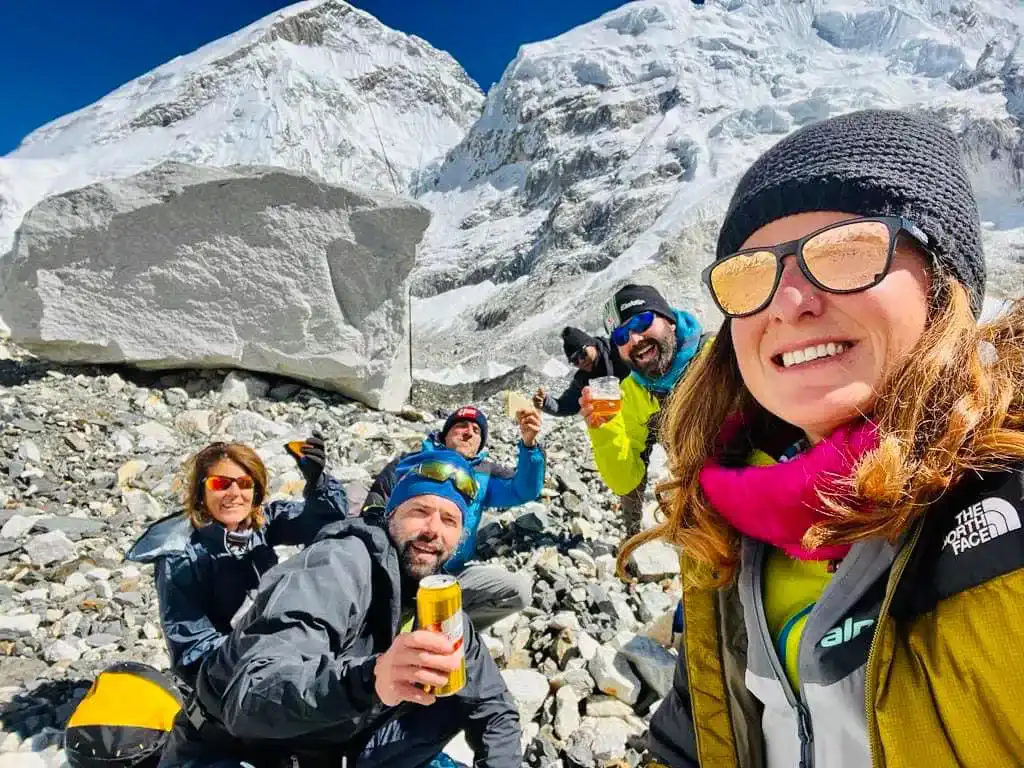
Certain factors can make your Everest Base Camp trek in November quite difficult. These may be avoidable or unavoidable. So, let’s look closer at them to learn how to tackle these difficulties and make your trek more comfortable.
Altitude
Since your dream is to stand at the foothills of mighty Everest, you have already expected high altitude. This high-point trek will take you to 5,364 m at the base camp. Trekkers commonly experience altitude sickness.
You may feel symptoms of altitude sickness above 3000 m. Additionally, on this trek, you’ll cross 5000 m and spend most of your days above 3000 m. So, symptoms like headache, vomiting, insomnia, and shortness of breath might hit you during the trek. Therefore, take the trek slowly and acclimate properly to avoid altitude sickness.
Unpredictable Weather and Temperature
Given our earlier emphasis on stable weather and mild temperatures in November, encountering unpredictable weather and temperature fluctuations may be confusing. But near the high mountains, weather and temperatures can be unpredictable, with drastic fluctuations.
Moreover, light snowfall in late November can make the trails slippery and lead to harsh weather. So, proper clothing and equipment are essential for a comfortable trek.
Personal Adjustments and Compromises
The Everest Base Camp trek is one of Nepal’s most popular treks, so you can expect teahouses and lodges to be booked during peak season, such as November. Finding accommodation can be quite a hassle. Book in advance; otherwise, you won’t have many options.
Likewise, you will need to make some adjustments, as you won’t have access to extraordinary facilities. You will have to pay out of pocket for services like recharging and hot showers. Hence, the trekkers’ adaptability will play a crucial role in the Everest Base Camp trek.
Brief Outline Itinerary
Day 01: Arrival at Kathmandu and Sightseeing
Day 02: Fly From Kathmandu to Lukla and Trek to Phakding
Day 03: Trek From Phakding to Namche Bazaar
Day 04: Acclimatization Day at Namche Bazaar
Day 05: Trek From Namche Bazaar to Tengboche
Day 06: Trek From Tengboche to Dingboche
Day 07: Acclimatization at Dingboche and Hike to Nagarjun Hill
Day 08: Trek From Dingboche to Lobuche
Day 09: Trek to Everest Base Camp and Return to Gorakshep
Day 10: Hike to Kalapatthar for a Sunrise View and Trek Down to Pheriche
Day 11: Trek Down to Namche Bazaar From Pheriche
Day 12: Retrace the Path Back From Namche to Lukla
Day 13: Fly Back to Kathmandu From Lukla
Day 14: Sightseeing and Return to Home Country via International Flight
Is the Everest Base Camp Trek in November Suitable for Me?

The Everest Base Camp trek is moderately complex and has no technical difficulties. However, you’ll cover 130 km with varying elevations, which can be quite strenuous. You will also need to hike 6 to 8 hours per day through rugged terrain. Although prior trekking experience isn’t required, the Everest Base Camp trek includes some high-altitude hiking. This will help novice trekkers get a general sense of what each day will look like on their 10-to 20-day trek.
Furthermore, the Everest Base Camp trek in November requires good physical fitness and mental resilience. If you have health issues related to your heart, lungs, or joints, it is advisable to consult with your doctor first. Anyone can do this trek, but children under 16 need a guardian, and adults over 70 may need extra consideration.
Preparations for the Trek
You’ll spend more than a week in an unfamiliar mountain setting, so you need to prepare. Whether you’re preparing yourself or making a packing list, each step is crucial and deserves equal attention.
Physical and Mental Training
First, trekking to Everest Base Camp in November requires good physical fitness, stamina, and mental toughness. Therefore, the correct set of preparations can enhance your physical well-being. It is recommended to complete 4 to 6 weeks of training before the trek. Various plans are available on the market. However, home workout plans are equally effective with consistent training.
Since you will be walking for longer hours on rugged terrain, you will need physical strength and good stamina. Moreover, a slow, steady ascent to a higher level will require more oxygen and test your endurance. So, try exercises like push-ups, lunges, dips, deadlifts, weightlifting, step-ups, and planks to build core strength. Likewise, jogging, swimming, cycling, burpees, and other cardiovascular exercises can increase your stamina.
Mental preparation is as important as physical preparation. Since this trek will be quite taxing, cultivate a positive mindset. Be flexible and adapt to unforeseen circumstances during the trek. Furthermore, you should set realistic expectations to make the trek more rewarding.
Packing List For Everest Base Camp Trek
Pack lightly for the Everest Base Camp trek in November. Even when packing light, don’t skip essentials. If you’re unsure about your packing List, use the list below as a reference.
Clothing
- Woolen hat or beanie, Wide-brimmed cap or hat
- Buff or neck gaiter, Scarf
- Liner gloves, Waterproof gloves, mittens
- Half- or long-sleeve shirts, moisture-wicking T-shirts
- Thermals
- Down jackets
- Waterproof and windproof jackets
- Rain gear
- Fleece pullover, zip hoodie
- Convertible hiking shorts
- Leggings/hiking pants
- Sports bras for support and comfort)
- Extra pairs of underwear
- Liner socks
- Thermal or woolen socks with fleece
Footwear
- Comfortable and sturdy hiking boots
- Sandals or slippers to use in tea houses
Personal Hygiene and Toiletries
- Toothbrush and toothpaste, Shampoo, body wash, Biodegradable soap
- Quick-drying towel, Toilet paper, Wet wipes
- Hygiene products and menstrual products like pads, menstrual cups, tampons
- Insect repellent
- Sunscreen and lip balm with SPF, Moisturizer
- Shaving cream and razor, Deodorants
- Nail clippers
- Tweezers
Trekking Gears
- Trekking poles
- Backpack and Daypack
- Head torch with extra batteries
- Sleeping bag
- Thermos Flask and reusable water bottles
- First Aid Box with necessary medications
- Money Belt
- Route Map
- Sunglasses
- Earplugs and eye masks
- Camera and lenses
- Portable charger and power bank
- Solar charger
- Waterproof cases and bags
- Journals
- Protein bars
Permits for Everest Base Camp trek
To complete the Everest Base Camp trek in November, you will require two permits: a Sagarmatha National Park permit and a Khumbu Pasang Lhamu Rural Municipality Permit.
The Sagarmatha National Park permit costs Rs. 3000 per person for foreign nationals, except SAARC nationals. For SAARC nationals, the entrance fee is approximately Rs. 1,500. Children under 10 are entitled to free admission, but you must provide verification documents.
Likewise, the Khumbu Rural Municipality Permit will cost about NRs. 3,000 per person. To complete this paperwork, you will need a valid passport, a photocopy, and passport-size photos.
Gain Insights On:
- Major Attractions of Everest Base Camp Trekking
- Everest Base Camp Trek Cost From Kathmandu
- Everest Base Camp Elevation Guide
Tips for the Everest Base Camp Trek in November

Slow Pace
Remember, the Everest Base Camp trek is not a race, so walk at your own pace and take short breaks to catch your breath. Your stride should match your breathing. Rapid trekking can cause rapid energy depletion and provoke altitude sickness. So, take your time on the trek and enjoy every moment of the journey.
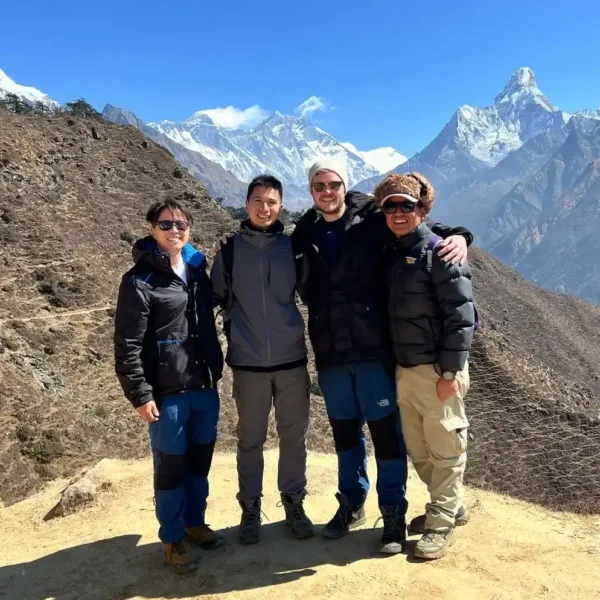
The Everest Base Camp trek, which circumnavigates the foothills of Mount Everest, the world's highest peak, is a sensory feast. This journey…
Stay Hydrated and Take Nutritious Meals
Staying hydrated is one of the most economical ways to avoid altitude sickness. Drink about 3 to 4 liters of water daily. Since you will be trekking in mild temperatures, you may not feel thirsty. However, drinking water is necessary. You can refill your bottles at tea houses or use bottled water instead. It is always a good idea to carry water-purifying tablets.
Likewise, it is normal to feel stuffed and not hungry while trekking. In these cases, force-feed yourself rather than skip meals. Eat a nutritious, balanced meal. Staple food, such as daal bhaat tarkari, can be a great option.
Withdraw Cash
Nepal still uses cash for trade, so having local currency on hand can come in handy. Moreover, you won’t find ATMs above Namche Bazaar, so withdrawing cash in Kathmandu when you have enough access is a safe option.