



ევერესტის ბაზის ბანაკში ასვლას ადამიანების უმეტესობა ოქტომბერსა და ნოემბერს უკავშირებს, როდესაც ბილიკები გადატვირთულია და ჩაის სახლები მთელი მსოფლიოდან ჩამოსული მოლაშქრეებით არის სავსე. დეკემბერსა და თებერვალს შორის პერიოდში ხუმბუ სრულიად განსხვავებულ ხასიათს იძენს და მოლაშქრეები, რომლებიც ამ თვეებში სეირნობას ირჩევენ, ხშირად ბრუნდებიან იმით, რომ ამბობენ, რომ ეს მთაში გაკეთებულ ყველაზე სასიამოვნო საქმე იყო.
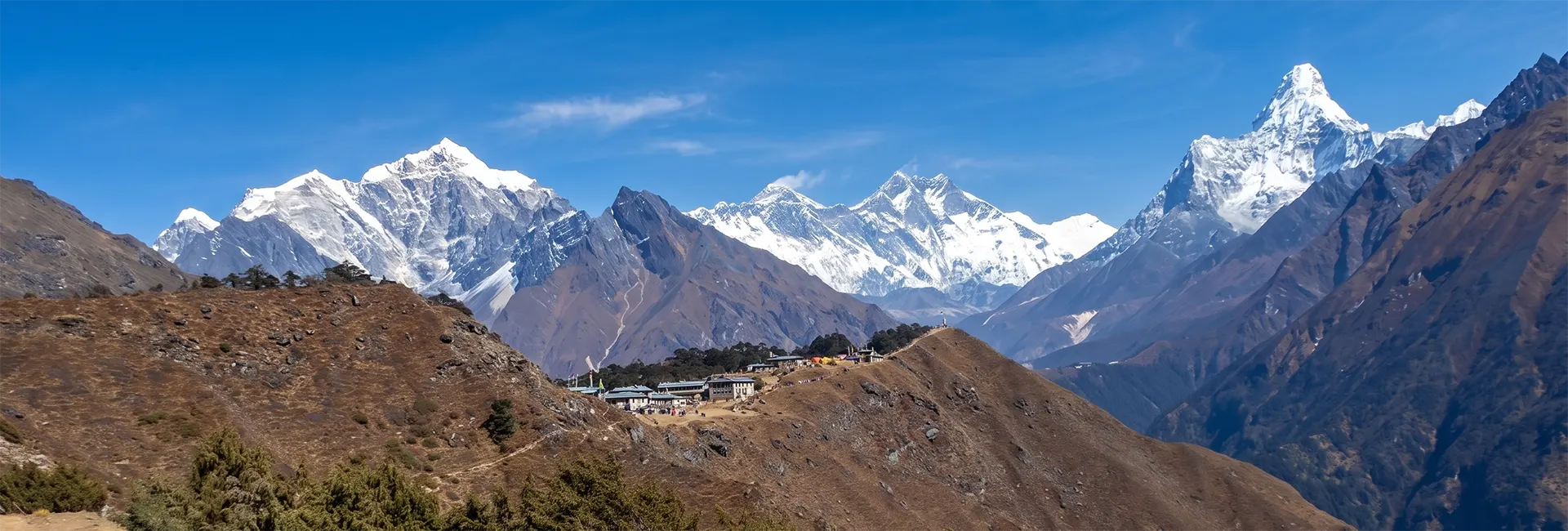
Winter on this route is quieter, sharper, and more demanding than any other season. Based on our firsthand experience on My Everest Trip, winter reveals a quieter and more rewarding side of the Everest Base Camp trail. On clear winter mornings, the dry mountain air offers exceptionally clear views and makes the surrounding peaks look remarkably sharp.
მგზავრობის ხარჯები, როგორც წესი, ზამთარში უფრო დაბალია და რადგან ბილიკზე ნაკლები მოლაშქრეა, ჩაის სახლების მფლობელებს ხშირად მეტი დრო აქვთ პერსონალური მომსახურებისთვის. ზამთარში ლაშქრობის დასრულება ხშირად უფრო ძლიერ მიღწევის განცდას იწვევს, რადგან გამოცდილება უფრო მშვიდი და მომთხოვნია.
ეს სახელმძღვანელო დეტალურად აღწერს ზამთარში ევერესტის ბაზის ბანაკში ასვლის პროცესს. თქვენ ნახავთ EBC-ის ზამთრის ლაშქრობის უსაფრთხოების ნათელ წარმოდგენას, თუ რა გავლენას ახდენს სიმაღლე თქვენს სხეულზე ცივ პირობებში, პრაქტიკულ ჩალაგების სიას, 2026-2027 წლების რეალისტურ ბიუჯეტს და ფიზიკური მომზადების გეგმას, რომელიც საუკეთესო საფუძველს მოგცემთ ბილიკზე ფეხის დადგმამდე.
ევერესტის ბაზის ბანაკის ზამთრის ლაშქრობა ერთი შეხედვით
აქ მოცემულია მოკლე მიმოხილვა, სანამ დეტალებში შევალთ.
| Item | დაწვრილებით |
| ლაშქრობის ხანგრძლივობა | 12 to 14 დღე |
| საუკეთესო ზამთრის თვეები | დეკემბერი, იანვარი, თებერვალი |
| მაქსიმალური სიმაღლე | 5,545 მ (კალა პატჰარი) |
| ევერესტის ბაზის ბანაკის სიმაღლე | 5,364m |
| დღის ტემპერატურა | 5°C-დან -5°C-მდე |
| ღამის ტემპერატურა | -10 ° C- -25 ° C |
| Რთული ტური | რთული |
| საშუალო ღირებულება | 1,200 აშშ დოლარიდან 2,500+ აშშ დოლარამდე |
| განსახლების | ჩაის სახლები |
| გიდის მოთხოვნა | რეკომენდირებულია |
რატომ ირჩევენ ზოგიერთი მოლაშქრე ზამთრის სეზონს
ზამთარში ლაშქრობის უპირატესობები რეალურია და ღირს მათი ხაზგასმა, სანამ სირთულეებზე ვისაუბრებთ.
მშვიდობიანი ბილიკები ზამთრის მოყვარული მოლაშქრეების მთავარი მიზეზია. ოქტომბერსა და ნოემბერში ლუკლასა და ნამჩე ბაზარს შორის ბილიკი ძალიან დატვირთული საფეხმავლო ბილიკის ტემპს იმეორებს, სადაც ასობით მოლაშქრე ერთი და იგივე საკონტროლო პუნქტებსა და სასტუმროებს ერთი და იგივე ყოველდღიური გრაფიკით გადის. იანვარში შეიძლება ერთი საათის განმავლობაში სხვა ჯგუფის სანახავად იაროთ. დინგბოჩეში მდებარე ჩაის სახლში, სადაც სადილზე დასხდებით, ოცი მაგიდის ნაცვლად ორი ან სამი სხვა მაგიდა იქნება დაკავებული. კალა პატარის ხედით ხედი რიგში დგომის გარეშე თქვენი იქნება. მოლაშქრეებისთვის, რომლებიც სეზონის პიკის ატმოსფეროს აწუხებთ, მხოლოდ ესეც კი ამართლებს სიცივეს.
ზამთარში მთის ხილვადობა ხშირად საუკეთესოა, რადგან ცივი, მშრალი ჰაერი განსაკუთრებულ სიცხადეს უზრუნველყოფს მოწმენდილ დღეებში. სიმაღლეზე მშრალი, ცივი ჰაერი ძალიან ცოტა ტენიანობას შეიცავს, ხოლო ნამჩეს ან ტენგბოჩეს ზემოთ მოწმენდილ ზამთრის დილას ცა ღრმა, მკვეთრი ლურჯია, რომელიც ლამაზად არის გადაღებული და ყველა შორეული მწვერვალი ძალიან ახლოს ჩანს.
Lower travel costs are another advantage of winter trekking. Accommodation, guide services, and some trekking packages are often cheaper than during peak seasons, making winter a good option for budget-conscious trekkers.
ევერესტის ბაზის ბანაკის 12-დღიანი ლაშქრობა
ევერესტის ბაზის ბანაკში ასვლის მარშრუტს ადამიანების უმეტესობა ოქტომბერსა და ნოემბერს უკავშირებს, როდესაც ბილიკები გადატვირთულია და ჩაის სახლები სავსეა...
EBC ზამთრის ლაშქრობის უსაფრთხოება: რეალისტური შეფასება
You need to understand EBC winter trek safety clearly before you commit to this season. Winter risks differ from other times of year, and some are far more serious. This section gives you an honest picture of each one.
The cold is the biggest challenge, and it deserves the most attention. On the lower sections of the trail, between Lukla and Namche, winter daytime temperatures are uncomfortable but manageable. Above 4,000 meters, particularly above Dingboche, altitude and temperature begin to matter in a different way.
იანვარში ლობუჩესა და გორაკ შეპში დღის ტემპერატურა, როგორც წესი, დაახლოებით 5°C-დან -5°C-მდე მერყეობს, რაც დამოკიდებულია მზის სხივებისა და ქარის პირობებზე. ღამის ტემპერატურა ხშირად -20°C-ზე დაბლა ეცემა, ხოლო ძლიერი ქარის გამო ტემპერატურა მნიშვნელოვნად აცივდება. მზის ჩასვლის შემდეგ ტემპერატურა კიდევ უფრო ეცემა და ხშირად მინუს 20 გრადუსს ან უფრო დაბალ ნიშნულს აღწევს, ქარის სიცივის გათვალისწინებით. ასეთ პირობებში არასაკმარისი ტანსაცმელი არა მხოლოდ არაკომფორტულია, არამედ სერიოზულ საფრთხეს უქმნის უსაფრთხოებას.
Ice on the trail above Namche is a consistent feature in winter. Sections of the path that are shaded by cliffs or north-facing slopes stay frozen for much of the day and become slippery underfoot. The trail between Lobuche and Gorak Shep, and the early morning climb to Kala Patthar, both have sections that require careful footing. Microspike attachments for your trekking boots are worth carrying from Dingboche onward. A fall on frozen ground at altitude is something you should not risk when it is so easily prevented.
Flight reliability at Lukla is more variable in winter than in autumn. Cold morning air, low cloud, and occasional fog can close the airport for a day or two at a stretch. This is not unusual, and experienced operators plan around it, but you’ll need to build buffer days into your Kathmandu stay at both ends of the trek.
Daylight hours in December and January are the shortest of the year. Many walking stages that feel relaxed on long autumn days require earlier starts in winter to reach the next guesthouse before dark. Your guide will manage the daily schedule, but pre-dawn starts are a regular part of the winter routine above Dingboche.
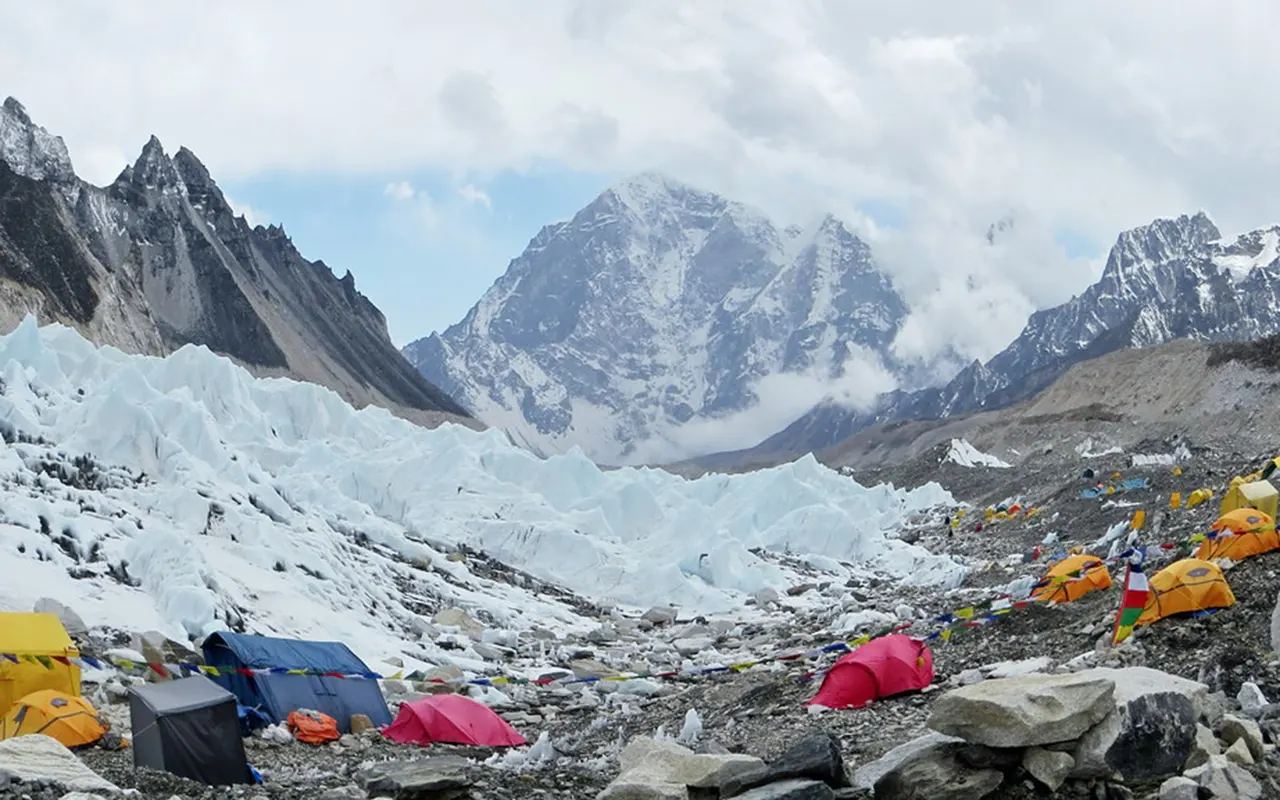
რას ნიშნავს სიმაღლე თქვენს ორგანიზმს ზამთარში
ზამთარში ევერესტის ბანაკში ასვლისას სიმაღლე ყოველთვის ჯანმრთელობისთვის მნიშვნელოვან ფაქტორს წარმოადგენს და სიცივე ორგანიზმის რეაქციას კიდევ უფრო ართულებს, რაც სათანადოდ გასაგებად ღირს.
3,000 მეტრზე მაღლა ჰაერის წნევა ეცემა და ხელმისაწვდომი ჟანგბადის რაოდენობა მცირდება. თქვენი ფილტვები ჰაერის იმავე მოცულობას იწოვს, მაგრამ თითოეული ჩასუნთქვით ნაკლებ ჟანგბადს გამოიმუშავებს.
Cold temperatures compound this stress in a specific way. Your body has to cope with two challenges at once: staying warm while adapting to lower oxygen levels. Energy is consumed faster than in warm weather, appetite often decreases at altitude, and early symptoms of altitude adjustment can appear more quickly in cold conditions than in spring or autumn.
Acute Mountain Sickness (AMS) occurs in definable stages. Mild AMS is characterized by a headache within 24 hours of exposure to high altitude associated with fatigue, loss of appetite, and sleep disturbance. Moderate AMS is characterized by a headache that doesn’t go away with analgesics, nausea, and a significant decrease in energy and coordination. Severe AMS can progress to high-altitude pulmonary edema, which affects the lungs, or High-Altitude Cerebral Edema, which affects the brain. Both are life-threatening without immediate descent.
The prevention approach for altitude sickness on the winter route is the same as in any season, but requires stricter adherence because the body is already under thermal stress. Take the acclimatization days at Namche Bazaar and Dingboche without cutting them short. Use the rest days for short upward hikes, then return to sleep at the lower altitude.
ნამჩედან მოყოლებული, ყოველდღიურად დალიეთ სამიდან ოთხ ლიტრამდე წყალი, თუნდაც წყურვილი არ გქონდეთ, რადგან ცივი ამინდი ხშირად ამცირებს წყურვილის გრძნობას. დეჰიდრატაცია ზრდის მთის ავადმყოფობისა და დაღლილობის რისკს, ამიტომ განაგრძეთ წყლის რეგულარულად დალევა მთელი დღის განმავლობაში თბილ სასმელებთან ერთად.
მოერიდეთ ალკოჰოლს, რომელმაც შეიძლება ორგანიზმი გამოშრეს და შენიღბოს მთის ავადმყოფობის ადრეული სიმპტომები. იარეთ ნელი, თანაბარი ტემპით და გამგზავრებამდე მიმართეთ ექიმს, შესაფერისია თუ არა დიამოქსი თქვენი სიტუაციისთვის.
ნეპალში ზამთრის ლაშქრობის რჩევები: ყოველდღიური უსაფრთხოების პრაქტიკა
Beyond altitude management, these winter trekking Nepal tips cover the practical daily decisions that shape EBC winter trek safety on the ground.
Hiring an experienced licensed guide is one of the best decisions you can make for a winter trek. Your knowledgeable guide, familiar with the Khumbu region, will update you daily on the weather, help you on icy or snow-covered trails, communicate with teahouse owners about accommodation availability, and coordinate emergency assistance if needed.
Although trekking regulations in Nepal have changed in recent years, independent trekking policies can vary by region. Regardless of the latest rules, having a licensed guide during winter greatly improves both safety and the overall trekking experience.
Winter weather is generally more stable than the pre-monsoon period, but high-altitude conditions shift faster than most trekkers expect. A sudden drop in wind, unusual cloud formation around the high peaks, or an unexpected afternoon temperature change are all worth noting and discussing with your guide before deciding about the following day.
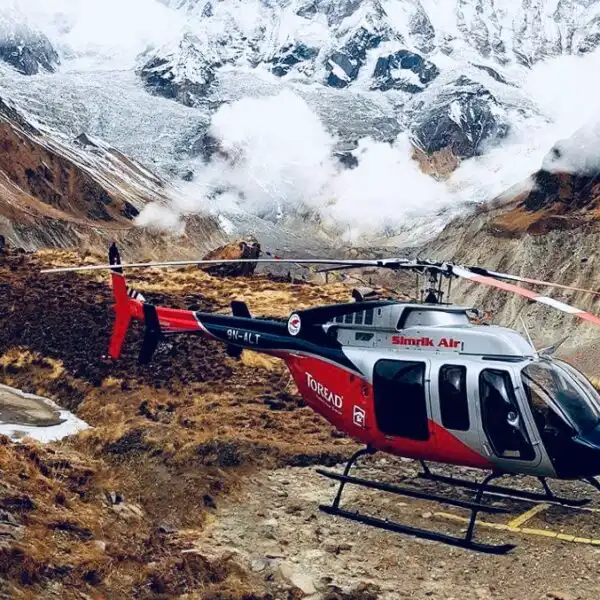
საგანგებო ევაკუაციის პროცესის გაგება, სანამ ის დაგჭირდებათ, მარტივია, მაგრამ მნიშვნელოვანია. ვერტმფრენით სამაშველო მომსახურება ხელმისაწვდომია მთელ ხუმბუს რეგიონში და რეგულარულად გამოიყენება. თქვენი მოგზაურობის დაზღვევა ცალსახად უნდა ფარავდეს ვერტმფრენით ევაკუაციას სიმაღლიდან. ყოველთვის თან იქონიეთ როგორც თქვენი სადაზღვევო კომპანიის, ასევე თქვენი სალაშქრო სააგენტოს საკონტაქტო ნომრები საგანგებო სიტუაციებისთვის და არა მხოლოდ ტელეფონში. ბატარეები უფრო სწრაფად იწურება ცივ პირობებში და ლობუჩეში გაფუჭებული ტელეფონი არ არის სასარგებლო საგანგებო სიტუაციებში.
დღის ადრე დაწყება ზამთრისთვის დამახასიათებელი ჩვევაა, რომელიც მნიშვნელოვან განსხვავებას ქმნის. ხუმბუში ზამთრის დღის ყველაზე სტაბილური და თბილი ნაწილი დილის შუადღეა. ჩაის სახლიდან შვიდის ან შვიდის ნახევრის დატოვებით, შემდეგ დანიშნულების ადგილზე გაცილებით ადრე აღმოჩნდებით, სანამ გვიან შუადღისას სინათლე ჩაქრება და ტემპერატურა მკვეთრად დაეცემა. დღის დასაწყისში დისციპლინის დაცვით, სასტუმროში დაღამების შემდეგ ჩასვლა -15 გრადუსი ცელსიუსის პირობებში თავიდან აცილებადია.
ზამთრის შეფუთვის სრული სია
ზამთარში ევერესტის ბანაკში ლაშქრობისთვის სწორი აღჭურვილობის შერჩევა სავალდებულო არ არის. ქვემოთ მოცემული ნივთები წარმოადგენს მინიმალურ სტანდარტს უსაფრთხო და შედარებით კომფორტული გამოცდილებისთვის.
Proper layering is essential in winter. Start with moisture-wicking thermal base layers for the upper and lower body. Merino wool is particularly effective because it manages moisture, resists odor over multiple days, and retains warmth even when damp. Over the base layer, add a warm fleece or softshell jacket as your main insulation for walking. Your outer layer needs to be a fully waterproof and windproof shell jacket with matching trousers. A down jacket rated to at least minus fifteen degrees Celsius is the most important single item in your clothing kit and should be treated as non-negotiable for the upper sections of the route.
Winter accessories require more thought than in other seasons. Insulated gloves with thin liner gloves underneath give you flexibility when you need dexterity for camera buttons or trail snacks without exposing your hands to the cold for long. A wool or fleece hat that covers your ears fully is necessary from Namche upward. A balaclava or thick neck gaiter is useful for the pre-dawn starts above Dingboche. High-quality UV-protective sunglasses are essential because reflections off snow at altitude can increase UV exposure and damage eyesight within a few hours. High-SPF sunscreen is equally important for the same reason.
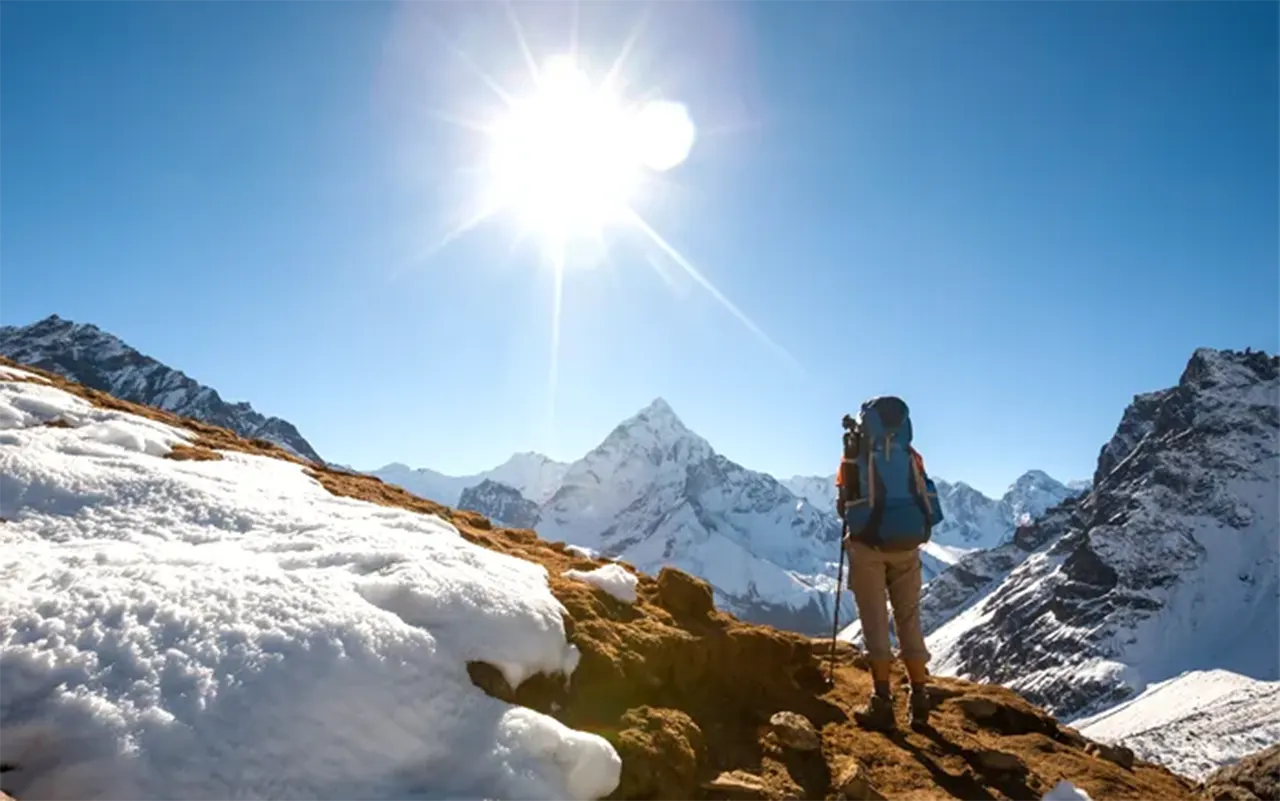
Footwear for the winter route needs to be both insulated and waterproof. Waterproof trekking boots with good ankle support suit most winter trekkers when paired with warm wool socks. Insulated winter trekking boots can make higher elevation hiking more comfortable if you’re especially sensitive to the cold. Gaiters keep snow out of your boots, and microspikes add traction on icy trail sections. Make sure your boots are fully broken in before your trek begins.
ლობუჩესა და გორაკ შეპში ზამთრის ღამეებისთვის რეკომენდებული სტანდარტია მინუს ოცი გრადუსი ცელსიუსით გაზომილი საძილე ტომარა . საძილე ტომრის გადასაფარებელი ორ-ოთხ გრადუსამდე სითბოს მატებს და ასევე ჰიგიენურ ფენას ქმნის თქვენსა და ჩაის სახლის საწოლს შორის. ჩაის სახლები საბნებს აწვდიან, მაგრამ მათი სისქე და მდგომარეობა მნიშვნელოვნად განსხვავდება და თქვენივე საძილე ტომარა გაურკვევლობას გამორიცხავს.
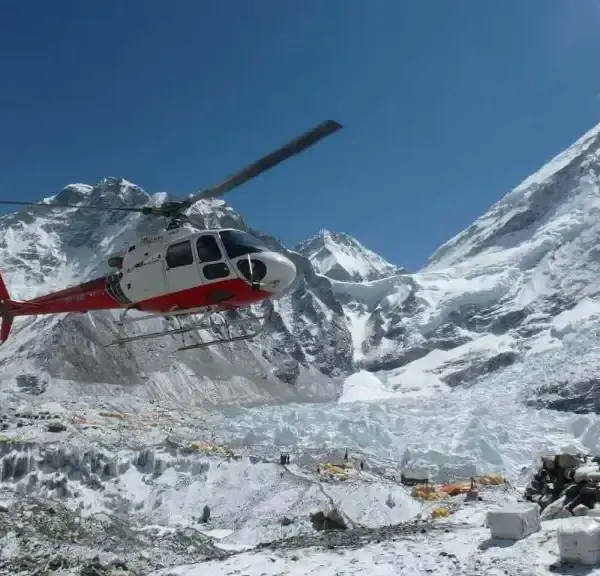
გორაკშეპი კატმანდუში ვერტმფრენის ფრენა
ევერესტის ბაზის ბანაკში ასვლის მარშრუტს ადამიანების უმეტესობა ოქტომბერსა და ნოემბერს უკავშირებს, როდესაც ბილიკები გადატვირთულია და ჩაის სახლები სავსეა...
For electronics, carry a power bank with enough capacity for several days between reliable charging stops. A headlamp with spare batteries is important for pre-dawn starts, and keep the spare batteries warm in an inner pocket rather than in your bag, where they may lose charge overnight. A pulse oximeter is an optional but useful item for monitoring your blood oxygen saturation during the trek. While it should never replace professional medical advice or your guide’s judgment, it can provide additional information as you gain altitude.
ცივი ტემპერატურა ბატარეის მუშაობას გაცილებით სწრაფად ამცირებს, ვიდრე მოლაშქრეთა უმეტესობა მოელის. შეინახეთ თქვენი ტელეფონი, კამერის ბატარეები, დამტენი და სხვა ელექტრონული მოწყობილობები საძილე ტომარაში ან ქურთუკის შიდა ჯიბეში მთელი ღამით, რათა მათი დამუხტვა შეინარჩუნოთ. ამ მარტივ ჩვევას შეუძლია შესამჩნევი განსხვავება შექმნას, განსაკუთრებით ყველაზე ცივ ღამეებში, მაღალ სიმაღლეზე.
ევერესტის ბაზის ბანაკის ზამთრის ლაშქრობის ხარჯების განაწილება 2026 წლიდან 2027 წლამდე
Winter is the most affordable season for most cost categories on the Everest Base Camp trek. Here is a realistic and detailed breakdown.
Permits are fixed by the government and do not change with season. The Sagarmatha National Park entry permit costs approximately NPR 3,000 per person, which works out to around USD 22. The Khumbu Pasang Lhamu Rural Municipality trekking permit costs about NPR 2,000, or about USD 15. Both are straightforward to obtain, and your trekking agency can handle them as part of a package.
კატმანდუს (ან რამეჩჰაპს დატვირთული პერიოდების დროს) და ლუკლას შორის ორმხრივი ფრენები, როგორც წესი, 440-დან 560 აშშ დოლარამდე ღირს ერთ ადამიანზე, ავიაკომპანიის, სეზონისა და ხელმისაწვდომობის მიხედვით. კატმანდუსა და ლუკლას შორის ვერტმფრენის საერთო ადგილები, როგორც წესი, 500-დან 700 აშშ დოლარამდე ღირს ერთ ადამიანზე, ხელმისაწვდომობის მიხედვით. ასევე ხელმისაწვდომია კერძო ვერტმფრენის ჩარტერული რეისები, რომლებიც, როგორც წესი, მთელი თვითმფრინავის ღირებულება 2,500 აშშ დოლარი ან მეტია.
Guide and porter costs vary with experience and the arrangement you choose. A licensed local guide costs between USD 25 and USD 35 per day. A porter who carries your main bag costs between USD 18 and USD 25 per day. A guide-porter who handles both roles costs between USD 30 and USD 40 per day and is a practical option for trekkers who want to keep group size and cost manageable. Always book through a registered agency and confirm that your guide and porter carry appropriate insurance and personal gear.
ჩაის სახლში განთავსება სიმაღლის მატებასთან ერთად ოდნავ უფრო ძვირი ხდება, თუმცა ზამთრის ფასები ხშირად უფრო დაბალია, ვიდრე ლაშქრობის სეზონის პიკზე. ნომრების ფასი, როგორც წესი,
USD 5 and USD 15 per night. Some teahouses offer a free or discounted room if you eat your meals there. At higher elevations, rooms are generally unheated, so a warm sleeping bag is essential for a comfortable night.
ზამთრის ყველაზე ცივ კვირებში, მაღალ სიმაღლეებზე წყლის მილები და ონკანები შეიძლება ღამით გაიყინოს. დინგბოჩეს ზემოთ ცხელი შხაპის მიღება ნაკლებად გავრცელებულია და შესაძლოა ყოველთვის ხელმისაწვდომი არ იყოს. სველი ხელსახოცებისა და მცირე ზომის პირადი ჰიგიენის ნაკრების ტარება ლაშქრობის დასაწყისში კომფორტის შეგრძნებას გაცილებით გაგიადვილებთ.
Food and drink on the trail cost between USD 20 and USD 35 per day depending on your choices and your elevation. Hot drinks are both a comfort and a necessity in winter, and they cost more as you climb. A cup of tea at Gorak Shep runs USD 3 to USD 5. Charging devices at teahouses above Namche costs USD 2 to USD 5 per charge and adds up over fourteen days.
მოგზაურობის დაზღვევა ამ ლაშქრობისთვის წლის არცერთ დროს არ არის შეთანხმებული, განსაკუთრებით ზამთარში, როდესაც ევაკუაციის რისკები უფრო მაღალია. პოლისი, რომელიც მოიცავს 6,000 მეტრ სიმაღლეზე ლაშქრობას და ვერტმფრენით ევაკუაციას, როგორც წესი, 80-დან 200 აშშ დოლარამდე ღირს, თქვენი ეროვნების, ასაკისა და პროვაიდერის მიხედვით. მოამზადეთ და შეიძინეთ ეს დაზღვევა სახლიდან გასვლამდე.
Total budget estimates vary significantly with travel style. A budget-conscious trekker using a guide-porter arrangement and basic teahouses can complete the fourteen-day trek for between USD 1,200 and USD 1,600 including permits, flights, food, and daily costs. A standard trekker with a separate guide and porter, mid-range accommodation choices, and some equipment rental will spend between USD 1,800 and USD 2,500. A comfort-focused trekker using better-equipped lodges and a private guide arrangement should budget USD 2,500 and above.
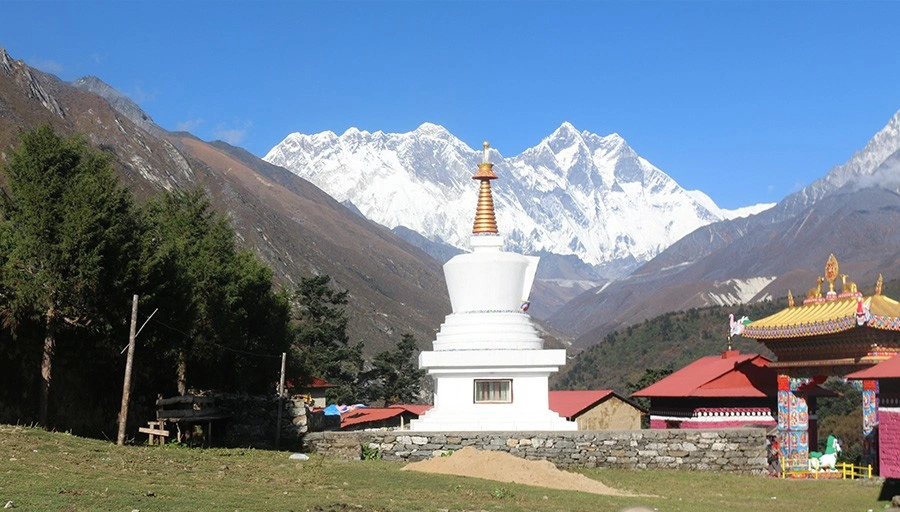
ფიზიკური და გონებრივი მომზადება
The Everest Base Camp trek in winter asks more of your body than the same route in warmer conditions. Cold increases the energy cost of every hour on the trail, and the combination of altitude and low temperature means accumulated fatigue arrives sooner than it would in autumn.
The most useful physical training for this trek is long-distance hiking on hilly terrain with a loaded daypack. This mirrors the route’s demands more closely than any gym exercise. In the first two months, build to three-hour hikes three to four times per week with a pack of around six to eight kilograms. In the final two months, push your weekend hikes to five to seven hours with a fully loaded pack and as much elevation gain as your local terrain allows. Supplement this with strength training focused on quads, glutes, and core, as these muscle groups take the most load on the long descent days.
გონებრივი მომზადება ისეთივე მნიშვნელოვანია, როგორც ფიზიკური მომზადება. ზამთრის ლაშქრობა ცივ დილას, ცვალებად ამინდს და ბილიკზე ხანგრძლივ დღეებს მოიცავს. ამ გამოწვევების დაწყებამდე მიღება დაგეხმარებათ პოზიტიური განწყობის შენარჩუნებაში და გამოცდილებით ტკბობაში, მაშინაც კი, როდესაც პირობები რთულდება.
რაც შეეხება იმას, შეუძლიათ თუ არა დამწყებებს ზამთარში EBC ლაშქრობა, პასუხი სიფრთხილეს მოითხოვს. ეს არ არის ყველაზე შესაფერისი პირველი გამოცდილება მაღალ სიმაღლეზე. ჰიმალაის ზომიერ სიმაღლეებზე ლაშქრობა, თუნდაც 3,000-დან 4,000 მეტრამდე მოკლე მარშრუტზე, სასარგებლო ინფორმაციას გაძლევთ იმის შესახებ, თუ როგორ რეაგირებს თქვენი სხეული სიმაღლესა და სიცივეზე. ამასთან, მოტივირებულმა დამწყებებმა, რომლებმაც სერიოზული ფიზიკური მომზადება გაიარეს და გამოცდილ გიდთან ერთად მოგზაურობენ, წარმატებით დაასრულეს ზამთრის მარშრუტი. მთავარია, არ დააქვეითოთ ეს.
ზამთარი vs გაზაფხული vs შემოდგომა: მარტივი შედარება
ქვემოთ მოცემულ ცხრილში შეჯამებულია EBC მარშრუტზე სამი ძირითადი სალაშქრო სეზონის ძირითადი ფაქტორები.
| ფაქტორი | ზამთრის | გაზაფხული | შემოდგომა |
| მრევლი | Ძალიან დაბალი | მაღალი | ძალიან მაღალი |
| ამინდი | ცივი, სტაბილური | კარგი | საუკეთესო |
| ნახვები | შესანიშნავი | კარგი | შესანიშნავი |
| ღირებულება | Უმდაბლესი | მაღალი | უმაღლესი |
| სირთულე | უმძიმესი | ზომიერი | ზომიერი |
Winter is the right choice for experienced trekkers who prioritize solitude, clear mountain photography, and lower costs over the comfort of warmer conditions. It is not well suited to people who are sensitive to cold, have respiratory conditions, or are attempting high-altitude trekking for the first time without prior experience. Spring and autumn remain the more forgiving and better-supported seasons for those new to Himalayan trekking.
ზამთრის EBC ლაშქრობისას თავიდან აცილებული შეცდომები
ზამთრის მარშრუტზე არსებული სირთულეების უმეტესობა მცირერიცხოვანი, თავიდან აცილებადი შეცდომების ერთობლიობაა. ღირს მათი ცოდნა გამგზავრებამდე.
Underestimating the temperature gap between Kathmandu and the upper Khumbu is the mistake most commonly made by first-time winter trekkers. The difference between a pleasant Kathmandu afternoon in December and Gorak Shep at midnight in January is around thirty degrees Celsius. Packing gear that works for autumn conditions and assuming it will be enough in winter creates real problems above Dingboche.
დროის დაზოგვის მიზნით აკლიმატიზაციის დღეების გამოტოვება ზამთარში უფრო სახიფათოა, ვიდრე სხვა ნებისმიერ სეზონზე. ორგანიზმი ისედაც ხარჯავს დამატებით ენერგიას თერმული რეგულირებისთვის, რაც ამცირებს სიმაღლის რეგულირებისთვის ხელმისაწვდომ რესურსებს. ნამჩესა და დინგბოჩეში დასვენების დღეები ის დღეებია, როდესაც თქვენი სხეული ადაპტაციის სამუშაოს ასრულებს. მათი მოცილება ამ პროცესს აფერხებს და ზრდის სიმაღლესთან დაკავშირებული პრობლემების ალბათობას ზედა ნაწილებში.
Ignoring early AMS symptoms because motivation is running high is a pattern that ends many winter treks poorly. A headache at Lobuche that worsens overnight rather than improving signals that your body is not coping with the altitude at that stage. Telling your guide, resting an extra day, or descending to a lower altitude are all reasonable responses. Pushing on in the hope that things will improve at a higher elevation is not a reasonable response and has led to serious outcomes for trekkers on this route.
Ignoring changing weather conditions is another avoidable mistake. Winter weather is generally more settled than during the monsoon or pre-monsoon season, but you can still encounter heavy snowfall or strong winds that can affect trail conditions and travel plans. Staying flexible and following your guide’s advice will help you make safer decisions if the weather changes unexpectedly.
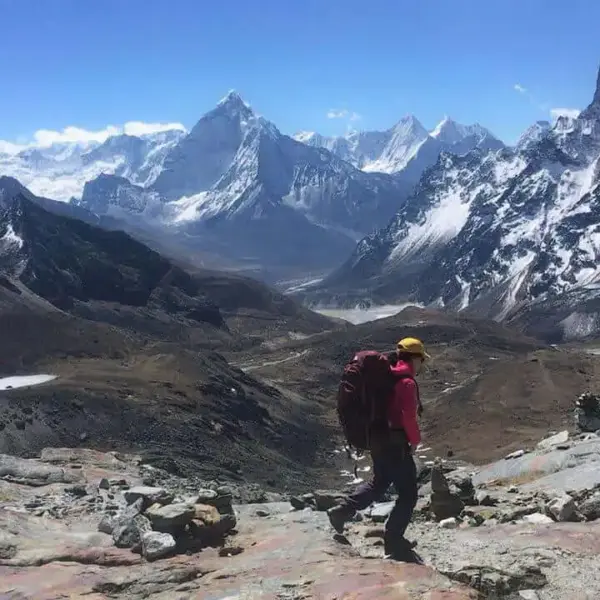
15 დღიანი ლაშქრობა ევერესტზე ჩო ლა უღელტეხილზე
ევერესტის ბაზის ბანაკში ასვლის მარშრუტს ადამიანების უმეტესობა ოქტომბერსა და ნოემბერს უკავშირებს, როდესაც ბილიკები გადატვირთულია და ჩაის სახლები სავსეა...
ლუკლაში ავიაბილეთების დაჯავშნა მოგზაურობის ორივე ბოლოში ბუფერული დღეების გარეშე დაგეგმვის ხარვეზია, რაც მნიშვნელოვან სტრესს იწვევს, როდესაც ზამთრის ამინდი აეროპორტს კეტავს. ლუკლაში ერთი ან ორი დღით დაგვიანება ზამთარში სრულიად ნორმალურია. ამ დღეების თქვენს გრაფიკში თავიდანვე ჩართვა გამორიცხავს შფოთვას და ძვირადღირებულ ხელახალ დაჯავშნას, რაც მჭიდრო მარშრუტს ახლავს თან.
ხშირად დასმული შეკითხვები
უსაფრთხოა თუ არა ზამთარში ევერესტის ბაზის ბანაკში ასვლა?
With proper preparation, suitable gear, and a licensed guide, the winter route is safe for trekkers who approach it seriously. The risks are real and specific to the season, but manageable for anyone who prepares thoroughly and follows EBC winter trek safety guidance.
რამდენად ცივა ზამთარში ევერესტის ბაზის ბანაკში?
Daytime temperatures at Base Camp in winter range from minus five to minus fifteen degrees Celsius. At night in Gorak Shep, temperatures regularly fall to minus twenty degrees Celsius or lower. Wind chill on exposed ridges and during the Kala Patthar climb makes conditions feel considerably colder.
ჩაიხანები ღიაა ზამთრის თვეებში?
Most teahouses along the main EBC route remain open through December, January, and February. A small number of the higher-elevation lodges may close during the deepest part of winter. Your guide will confirm current availability before you depart each stage.
ზამთრის EBC ლაშქრობისთვის გიდი მჭირდება?
A licensed guide is strongly recommended for a winter Everest Base Camp trek. An experienced guide provides route knowledge, weather reports, emergency assistance, and local support throughout the trek. Trekking regulations can change, so it’s always a good idea to check the latest requirements before planning your trip.
რომელი ზამთრის თვეა საუკეთესო EBC ლაშქრობისთვის?
December is usually the most accessible of the three winter months, with slightly less extreme nighttime temperatures than January and February. All three months offer the same trail experience and mountain views, so the choice often comes down to which dates fit your schedule.
სიმაღლის ავადმყოფობა უფრო ხშირად ზამთარში ვლინდება?
The cold in winter places additional physical demands on the body, which can accelerate the onset of early AMS symptoms. Trekkers who stick strictly to the acclimatization schedule and move at a measured pace manage altitude well in winter. Those who move too fast or skip rest days are more vulnerable than they would be in warmer conditions.
ღირს თუ არა ზამთარში ევერესტის ბაზის ბანაკში ლაშქრობა?
For many trekkers, winter is the most rewarding time to visit Everest Base Camp. Empty trails, sharp mountain air, views that stretch to every horizon without haze, and teahouses where the owner remembers your name because there are only four guests. The Everest Base Camp trek in winter gives you the Khumbu without the performance of peak season, and for people who value that kind of quiet and directness in their travel, it is a very compelling offer.
ეს თქვენგან მეტს მოითხოვს, ვიდრე იგივე მარშრუტი ოქტომბერში. მომზადება უფრო საფუძვლიანი უნდა იყოს, აღჭურვილობა სათანადოდ უნდა იყოს შეფასებული სიცივისთვის და ჩასვლამდე უნდა გადაწყვიტოთ თქვენი დამოკიდებულება დისკომფორტის მიმართ.
Start your preparation early. Choose an operator with real winter experience in the Khumbu. Pack for the worst conditions you might encounter, not the average ones. Get your insurance in place before you travel. And go with a clear sense of what the cold will feel like, so when it arrives, it doesn’t surprise you. Winter conditions are demanding, but with proper preparation, they can also be incredibly rewarding, leaving you with memories that last long after the trek is over.