



Nepal is a country where ancient traditions, spiritual beliefs and beautiful mountain landscapes come together. It is the birthplace of the Lord Buddha and it has been one of the significant centers of Buddhism for over two millennia. In most parts of the country, tranquility reigns at the monasteries, where the monks are studying, meditating and keeping centuries-old customs alive. These are holy sites for pilgrims, tourists and those who are interested in learning about the Buddhist culture.
The peaceful environment, vibrant festivals, historic significance and architectural beauty are just some of the reasons why these monasteries are a popular destination for visitors to Nepal. Some are in the heart of the bustling city, some on a quiet hilltop, and some in distant valleys of the Himalayas. Every monastery is unique in its history, tradition and significance.
This guide will take you through the history of these monasteries, their cultural significance and some of the best places to visit and travel tips.

The History of Buddhism in Nepal
Buddhism is an ancient religion in Nepal. It started when Lord Buddha himself was born in Lumbini, in the sixth century. Later, he became enlightened in India and his teachings gradually made their way to the Himalayan region, Nepal being one of them.
Buddhists monks built monasteries over many centuries to study religious books, teach students and meditate. The centers also became a focus for local people’s celebrations, ceremonies and sharing education. Buddhism prospered as well as Hinduism with the support of kings, merchants and local people in building monasteries.
The majority of the monasteries visible today have been either rebuilt or restored after earthquakes and natural catastrophes, but still maintain ancient traditions that have been passed down from generation to generation.
Nepal is a country where ancient traditions, spiritual beliefs and beautiful mountain landscapes come together. It is the birthplace of the Lord…
The Cultural Importance of Monasteries
Nepal Buddhist Monasteries are more than just places of worship. They are a place of education for young monks, teaching them religious knowledge, language and philosophy. Ancient manuscripts, paintings, sculptures and traditional music that reveal Nepal’s cultural heritage are also kept in the monasteries.
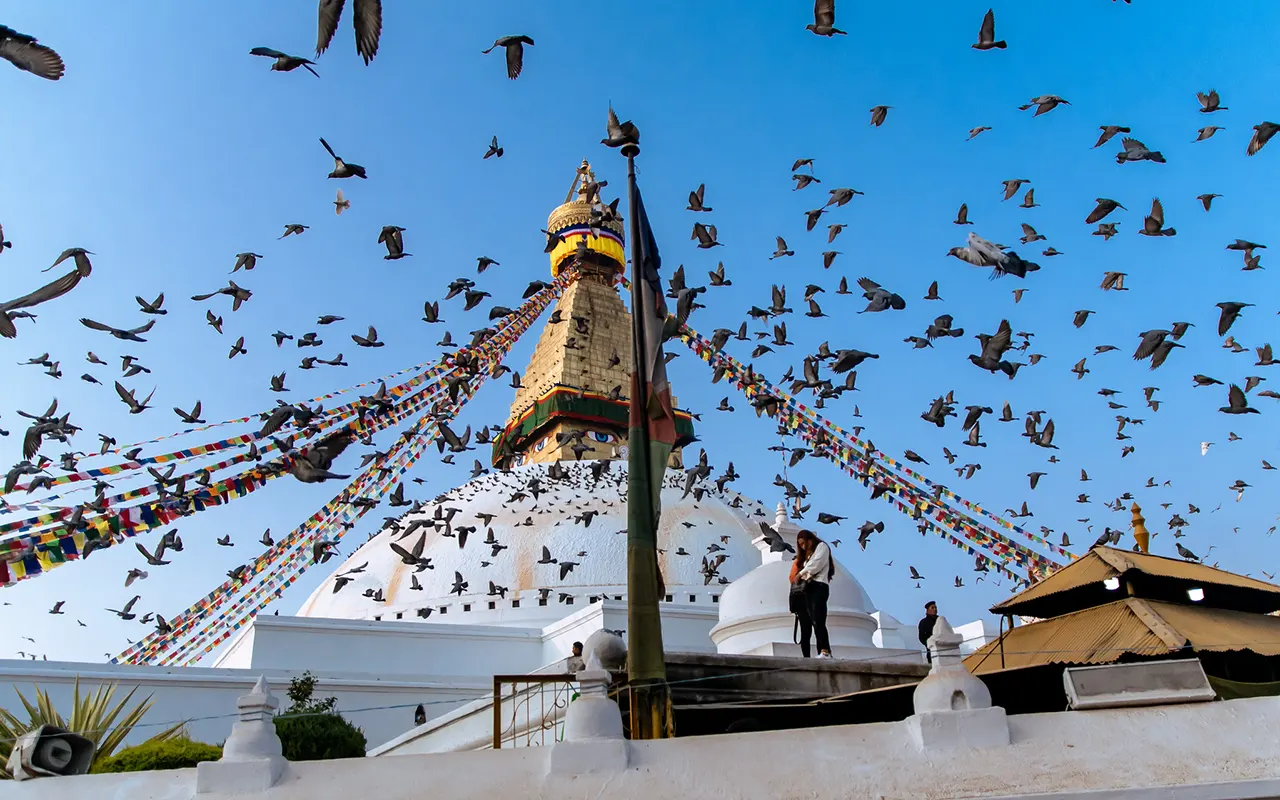
All year round, there are religious festivals in monasteries, during which the monks perform sacred prayers, masked dances and ceremonies for peace and prosperity. Many tourists can hear people chanting, spin prayer wheels and see the prayer flags fluttering in the wind on the mountain.
In many monasteries, there are also community initiatives, such as education, health care and spiritual guidance. They are still very significant in maintaining Buddhist culture in Nepal.
Boudha Monastery Area
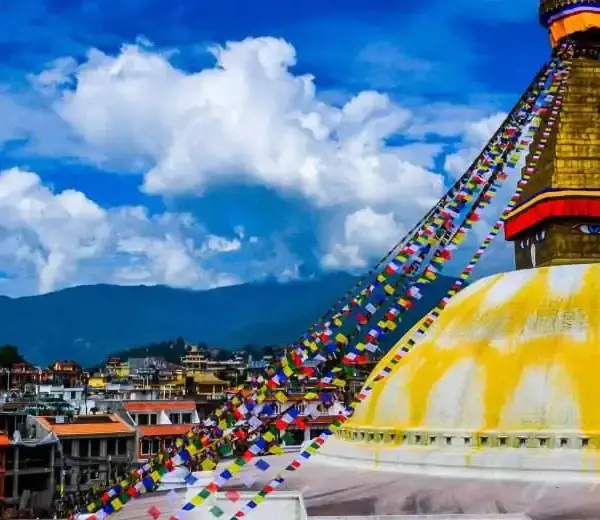
Boudha Stupa and its vicinity are one of the most significant spiritual hubs of Kathmandu. Although the main attraction here is the stupa, the surrounding region is rich with Tibetan Buddhist monasteries, offering a vibrant atmosphere for learning and practicing Buddhism.
It enables visitors to visit other monasteries and experience other forms of Buddhist worship, and to see monks learning new scriptures and celebrating evening prayers. The area is filled with butter lamps, colorful murals and beautifully decorated prayer halls, which allow for a peaceful atmosphere throughout the area.
Since the mid-twentieth century, the nearby monasteries have been significant houses for Tibetan Buddhist communities and have contributed to the maintenance of Tibetan culture and religious practices.
Kopan monastırı
Kopan Monastery is situated on a peaceful hillside above Kathmandu at an altitude of 1400m (4593ft). It is well known for its meditation courses and Buddhist teachings that welcome visitors from all over the world.
Kopan is also commonly part of a Buddhist Monastery Tour in Nepal as it offers a chance to witness the daily life of the monks. Visitors can watch the morning prayer, join an introductory meditation session or simply relax and enjoy the tranquil gardens overlooking the Kathmandu Valley.
The monastery is a popular tourist attraction and a place for spiritual education and self-reflection, adhering to the Tibetan Buddhist tradition.
Thrangu Tashi Yangtse Monastırı
Thrangu Tashi Yangtse Monastery is one of the biggest Buddhist monasteries in Nepal, located at Namo Buddha at a height of about 1750 m (5741 ft). It is very close to Khenchen Thrangu Rinpoche, a respected Buddhist teacher.
The monastery has temples, classrooms, accommodation for the monks and splendid gardens. It’s a quiet area for contemplation or reflection.
Numerous visitors partake in the trip along with a brief excursion to the hills surrounding the site, where they learn about Buddhist philosophy and local customs.
Namo Budda monastırı
Namo Budda is one of the great Buddhist Monasteries of Nepal for its association with Buddhist history. It is tradition that this sacred place is where Buddha’s former life donated his body to a hungry tigress and her cub in a gesture of great compassion.

Namobuddha Günlük Yürüyüş Turu
Nepal is a country where ancient traditions, spiritual beliefs and beautiful mountain landscapes come together. It is the birthplace of the Lord…
The monastery is a place of pilgrimage today, where people come to pray, meditate and learn from this inspiring story. The surrounding hills offer excellent views of the rural landscape of Nepal and it is a quiet place for spiritual practice.
Many visitors visit the monastery for an entire day, visiting other shrines and walking trails, before they head back to Kathmandu.

Tengboche Monastırı
Located in the Everest region, the Tengboche Monastery is situated at an altitude of 3,867 m (12,687 ft). It’s the biggest monastery in the Khumbu area and of significance to the Sherpa people.
To the north of the monastery are magnificent Himalayan mountains such as Mount Everest, Ama Dablam and Lhotse. This is a popular place for trekkers to stop and pray or just take in the quiet of the area while they visit Everest Base Camp.
The Mani Rimdu Festival is celebrated annually in the autumn, drawing pilgrims and trekkers to witness the traditional dances and rituals, along with the celebration of the community.
Şeçen monastırı
Shechen Monastery in Kathmandu, near Boudha, is another well-respected centre of Tibetan Buddhism. It was established in Tibet, but re-established in Nepal after the political changes in the region.
The Buddhist philosophy, music, dance and traditional arts are very well preserved through Nepal Buddhist Monasteries like Shechen. In addition, the monastery is involved in educational and humanistic activities that serve the communities.
It is a place of tranquility, with beautiful artwork and a warm, welcoming atmosphere.
Pullahi Monastırı
Pullahari Monastery is located on the northern outskirts of Kathmandu, surrounded by a tranquil forest. It’s a place for meditation, Buddhist study and spiritual retreats.
Pullahari is a peaceful place to visit, where you can spend time in silence and reflection, away from the hustle and bustle of some of the more popular religious sites. The monastery receives students from various countries and students are trained in Buddhist philosophy by senior teachers.
Nature, its natural environment, makes it very attractive for those wishing to get away from the hustle and bustle of the city.
Lumbini monastır zonası
Lumbini is a must-visit place on any trip to Nepal’s Buddhist heritage. Buddhist communities from Thailand, Myanmar, China, Japan, Germany, France and South Korea have built monasteries in the Monastic Zone.
Every monastery is unique in design and style, but has the same spiritual mission, which is to serve their respective countries. The walk through this tranquil zone enables visitors to taste the variety of Buddhist traditions from around the world in a single place.
Very calm and reflective, which is perfect for a place to learn about other traditions of Buddhism.
Architecture and Artistic Heritage
Buddhist Monastery Tour Nepal is an introduction to amazing architecture and religious art. The monasteries have beautifully painted prayer halls, carved wooden windows, golden statues, colorful paintings and elaborate mandalas.
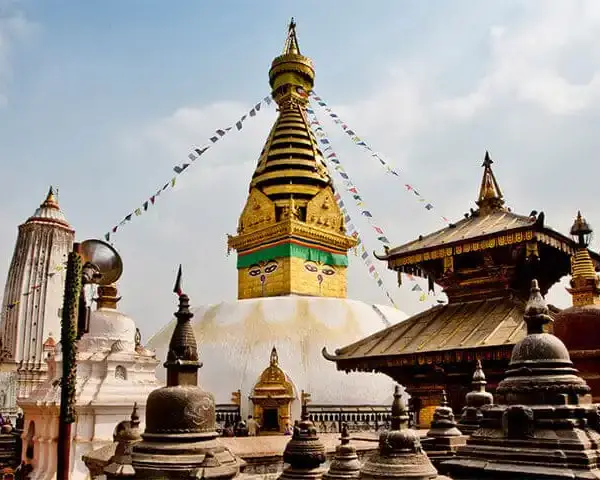
Typical features are prayer wheels, prayer flags or stone carvings with sacred Buddhist prayers. These artistic elements are not just for their aesthetic appeal, but also very important in the spiritual life of the Buddhist.
The craftsmanship of traditional methods is still being passed on from the experienced craftsmen to the younger generation, thus ensuring the preservation of Nepal’s cultural heritage.
Daily Life Inside a Monastery
Life in a monastery is organized and has a strict schedule. The monks start their day by praying and meditating before sunrise. The programme for religious study, community work and mealtime is well planned and organised.
The young monks study the philosophy and language of Buddhism and have to master the techniques of debate, chant and meditation for many years. Senior monks provide guidance to students and also perform religious duties and counselling to the broader public.
With its peaceful and organized way of living, the quiet and serene life of a small village is often inspiring to visitors, even for a quick moment of their visit.
Ziyarət üçün ən yaxşı vaxt
There are some well-known Buddhist Monasteries in Nepal that can be visited any time of the year, but the best time is the spring (March-May) and autumn (September-November) seasons when the weather is ideal. Typically a crystal clear blue sky with reasonably mild temperatures during these seasons and the views of the mountains are superb.
These months are also filled with many important Buddhist festivals, where visitors can witness the traditional ceremonies, cultural performances and community celebrations. In lower elevations, it is possible to visit during the winter and in some higher monasteries it may be snowy.
Nepal is a country where ancient traditions, spiritual beliefs and beautiful mountain landscapes come together. It is the birthplace of the Lord…
Respectful Travel Practices
Respectful behaviour ensures the preservation of local traditions when visiting sacred places. In temples or prayer halls, visitors are advised to wear modest attire, such as covering their shoulders and knees. Shoes should be taken off where appropriate and photographs are only to be made if permission is granted.
Talking softly, respecting the prayers’ timing and listening to the advice of the monks are considered to show respect towards the religious custom. Many monasteries accept donations, which are used for a variety of educational, maintenance and community initiatives.
It’s valuable to know a little about some of the customs before you travel, so it can make the experience more rewarding for both the visitor and the native.
Səyahətinizi necə planlaşdırmalısınız
It is easy to make a trip to the monasteries an extension of a cultural sightseeing, hiking or pilgrimage trip to Nepal. If you have a limited amount of time, you can easily drive to Kathmandu to visit several important monasteries.
For longer distances, you can add Lumbini in the South of Nepal or Tengboche in the Everest region. It is recommended to hire a local guide who is knowledgeable about the history and Buddhist tradition; this can be helpful for visitors to understand the background and meaning.
Domestic flight, private vehicle, tourist bus and trekking can be done according to the destination.
Nəticə
The monasteries of Nepal hold centuries of spiritual wisdom, artistic achievement and cultural tradition. These monasteries are situated next to ancient stupas, on calm hills and even within the Himalayas, providing visitors with a different taste of the country’s Buddhist culture.
Seeing the famous Buddhist monasteries of Nepal is more than just a sightseeing tour. It is a place where one can find out the history, observe traditions and breaks the monotony. Whether it’s the peaceful meditation rooms at Kopan, the lush natural environment of Tengboche or the international monasteries of Lumbini, each location offers a unique glimpse into Nepal’s spiritual heritage.