


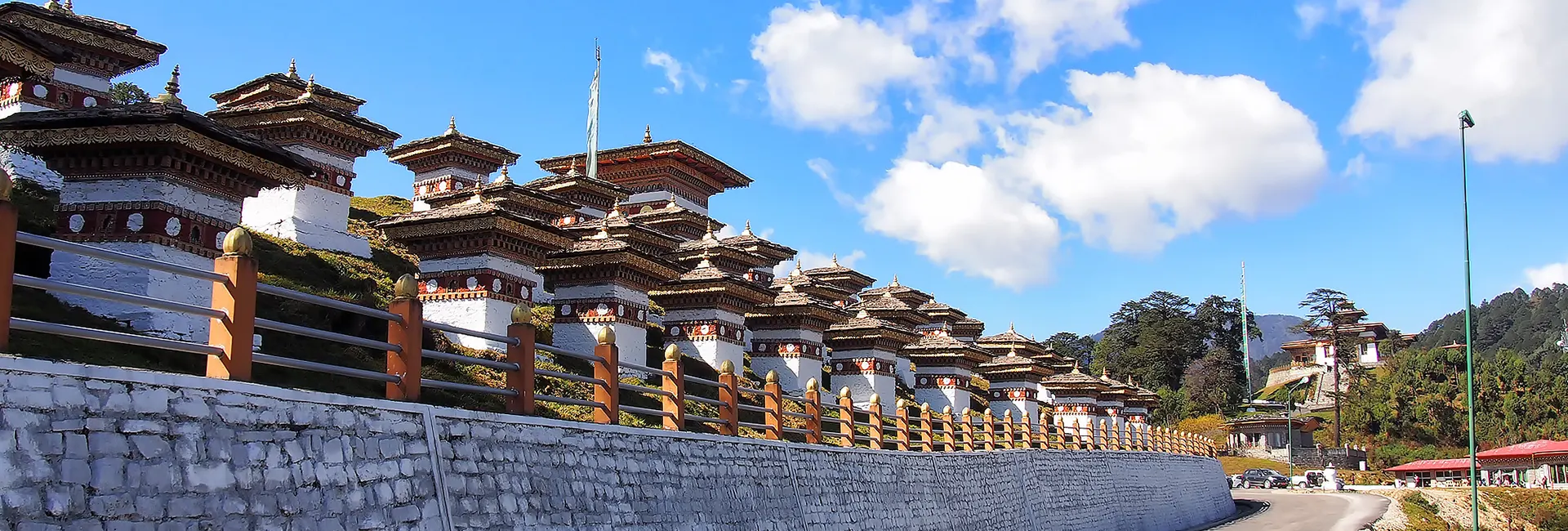
Bhutan is a peaceful Himalayan country known for its mountain landscapes, ancient monasteries, colorful festivals and strong cultural traditions. Although Bhutan is not like many parts of the world that welcome huge numbers of tourists, its sustainable tourism policy has helped maintain the country’s environment and heritage. For this reason, proper planning is crucial. The best time to visit Bhutan can significantly impact the ambiance and the sightings.
Climate is dynamic with respect to altitude & season in the country. Depending on the month, some might have a good view of the mountains; some months might be better for festivals, trekking, wildlife, and peaceful sightseeing. With all the different seasons come something different when it comes to traveling.
In this guide, you will learn about Bhutan’s weather conditions year-round, the main festivals, and other helpful travel information so you can decide when to make your trip.
Capisce u clima di u Bhutan
Capisce a geugrafia di u Bhutan pò aiutà à determinà u megliu tempu per visità u Bhutan.
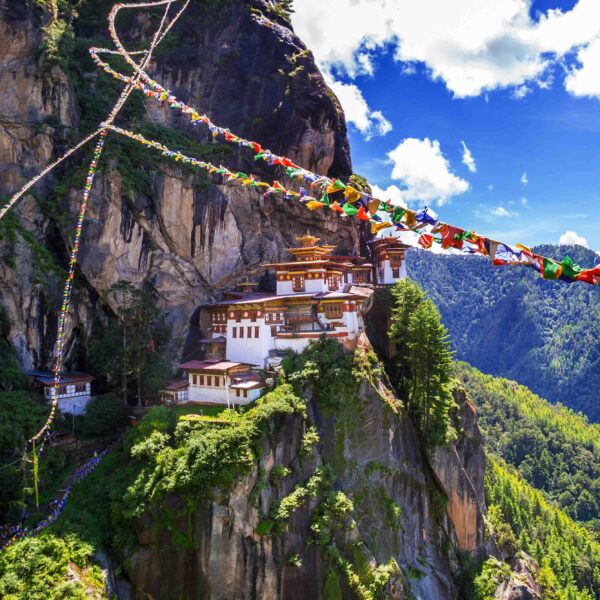
Tour di 3 notti è 4 ghjorni in Bhutan
Bhutan is a peaceful Himalayan country known for its mountain landscapes, ancient monasteries, colorful festivals and strong cultural traditions. Although Bhutan is…
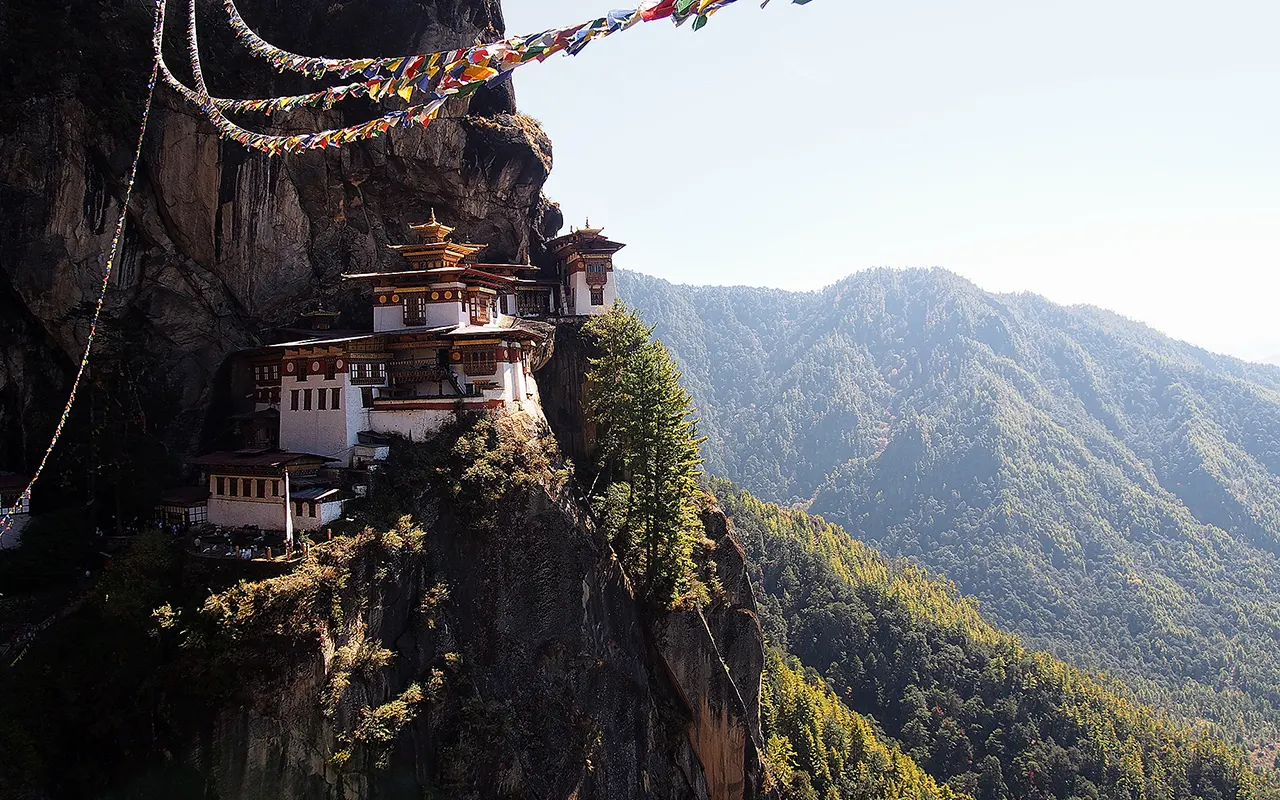
Bhutan’s topography ranges from the low tropical valleys to the high Himalayas. The southern regions of Bhutan have warm and humid climate conditions, and the valleys in the central sections have moderate climatic conditions. The mountains in the northern part of Bhutan are covered in snow, reach heights of more than 7000 meters (22,966 feet), and are accessible for hiking during most of the year. The most popular tourist destinations are Thimphu, Paro, Punakha, Gangtey, and Bumthang, which have minor variations in weather due to differences in altitude.
For instance, Paro is at about 2,200 m while Thimphu is at about 2,334 m. Punakha is much lower, at 1242 meters (4075 feet), making it warmer year-round than the western valleys.
Primavera in Bhutan (da marzu à maghju)
Parechji viaghjatori consideranu a primavera u megliu tempu per visità u Bhutan. A primavera hè calda, i fiori sò in fiore è e viste di e muntagne sò tipicamente belle.
I rododendri, e magnolie è i fiori salvatichi aghjunghjenu à a vita di e fureste. E valle diventanu verdi è hè un bellu mumentu per a fotografia quandu u tempu hè chjaru. A maiò parte di e zone turistiche anu temperature trà 12 ° C è 24 ° C (54 ° F è 75 ° F) durante u ghjornu, ma face abbastanza frescu durante a mattina è a sera.
Spring is also a popular time for trekking. When the snow starts to melt at higher elevations, popular treks like the Druk Path Trek and Jomolhari Trek begin.
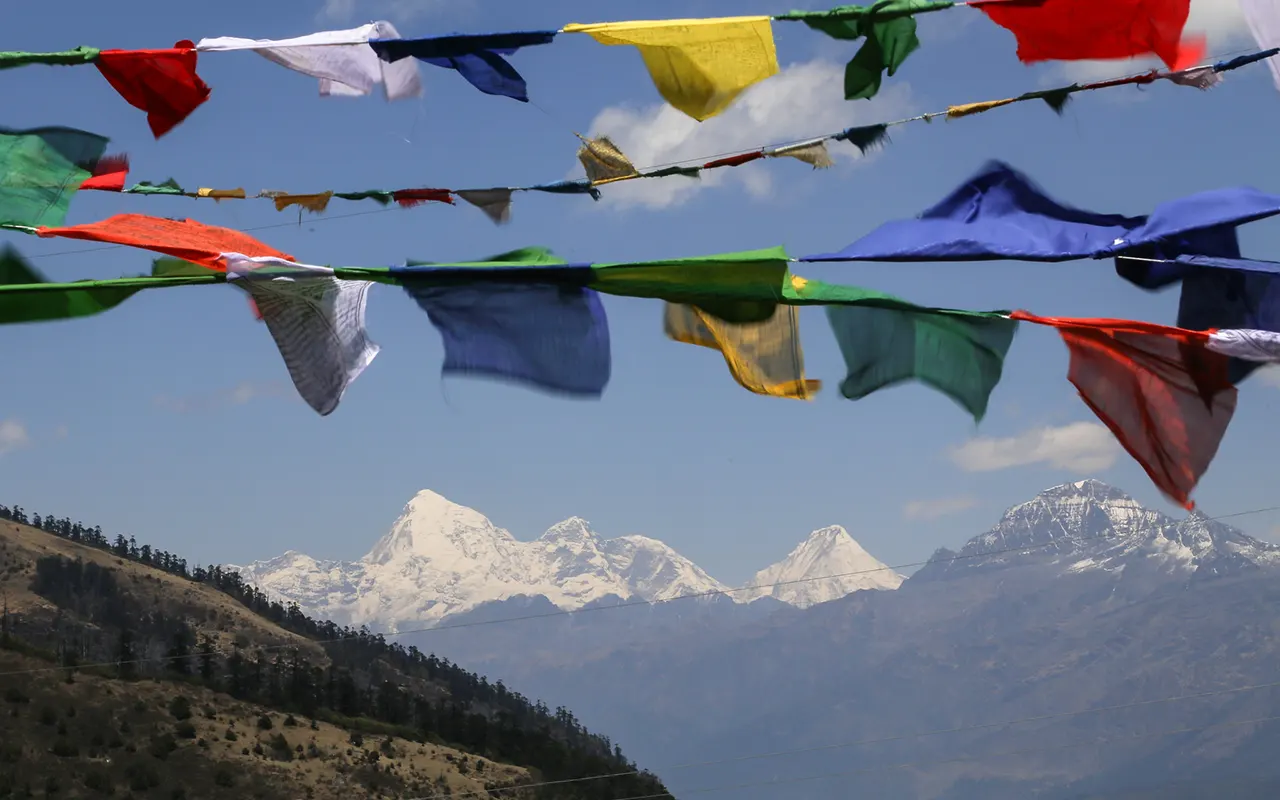
Spring is perfect for Bhutan Weather Guides, as the weather is less likely to disrupt travel and domestic sightseeing.
Feste durante a primavera
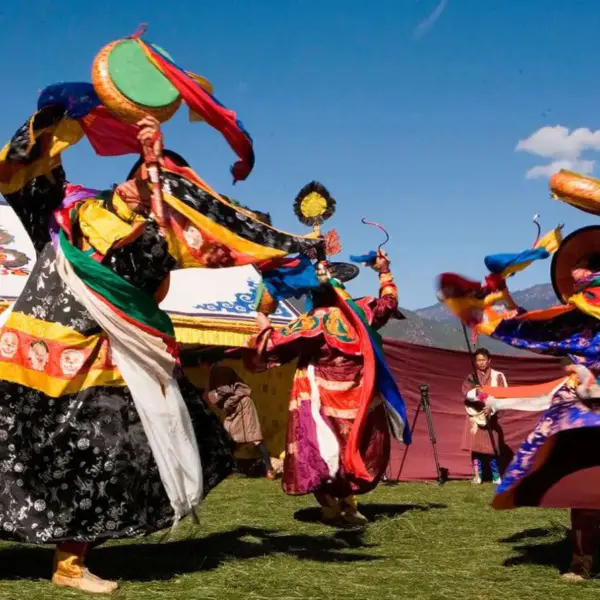
A number of the biggest religious festivals are celebrated in spring. The festivals provide opportunities to see masked dances, traditional music, and millennia-old Buddhist rituals.
The Paro Tshechu is generally held in March or April and attracts local and international visitors. The festival is held at Paro Dzong, where the mask dances are performed by the monks and dancers who are believed to bring blessings.
Spring is also a time of celebration for Punakha Drubchen and Tshechu. These celebrations commemorate historical triumphs and feature vibrant cultural displays.
During the spring season, many visitors select a Bhutan Festival Tour as it offers wonderful weather, and they can enjoy the Bhutanese culture and traditions.
Estate è Monsone (da ghjugnu à aostu)
During summer, the weather is hot, and this is the monsoon season. Rainfall is mainly received in the southern and central parts of Bhutan, except in the western part, where showers may be received during the period of study.
Periodic wet weather could result in landslides and/or temporary road delays, especially in the mountainous areas. The clouds may also cause a lack of visibility on the peaks of the Himalayas.
In spite of these circumstances, there is something attractive about the summer. Rice paddies turn a bright green, waterfalls are at their highest, and visitors are a lot fewer. Generally, temperatures in the western valleys are in the 18°C to 28°C range (64°F to 82°F).
Per quelli chì vulerianu viaghjà durante i mesi d'estate quandu ci sò menu folle è più paisaghji lussureggianti, una guida meteo dettagliata di u Bhutan pò esse utile.
L'estate hè un bonu tempu per visità?
Summer is not as rewarding with fewer visitors, but it can still be rewarding. Most of the rain is in the afternoon or evening, with many mornings free for sightseeing.
Nature enthusiasts love the new landscape, flowers, and bird watching. Photographers can shoot dramatic clouds around the monastery and valley.
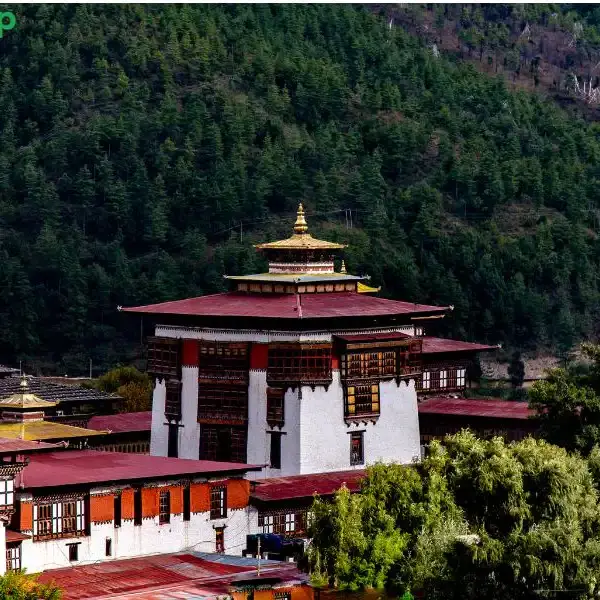
Escursione di u pupazzu di neve di u Bhutan
Bhutan is a peaceful Himalayan country known for its mountain landscapes, ancient monasteries, colorful festivals and strong cultural traditions. Although Bhutan is…
Visitors should come equipped with waterproof clothing, sturdy shoes, and plan for potential delays due to weather conditions.
Autunnu in Bhutan (da settembre à nuvembre)
Si crede generalmente chì a stagione autunnale hè u megliu tempu per visità u Bhutan per via di u clima seccu, a temperatura stabile è e viste stupende di e muntagne.
Once the monsoon rains have passed, the sky is very clear. The weather becomes cloudless, and the snow-covered mountains in Bhutan are more visible. The weather stays comfortable, 10°C – 23°C (50°F – 73°F), in most popular destinations.
The main trekking season is also in autumn. This is for dry trails; forests are green even after the rains, and the mountain scenery is at its best.
This time of year is ideal for all sorts of activities, and travelers come from around the world to enjoy the sunny and mild days.
Festi di vaghjime
L'autunnu hè unu di i migliori tempi per visità u Bhutan per e so celebrazioni culturali.
One of the biggest religious festivals in the country is the Thimphu Tshechu. Traditional dances and blessings are performed for thousands of people who congregate in traditional dress. Visitors gain a great deal of knowledge about the customs and community life of Bhutan.
Un altru festivale pupulare in Bumthang hè Jambay Lhakhang Drup, chì presenta balli seculari è hè diventatu famosu in tutta a regione.
L'agenzie di viaghju pianificanu spessu un tour di u Festival di u Bhutan intornu à questi eventi significativi, chì permettenu à i visitori di gode micca solu di e visite turistiche, ma ancu di a vera cultura butanese.
Invernu in Bhutan (da dicembre à ferraghju)
L'inguernu offre ancu un bellu periodu di l'annu, secondu i vostri piani di viaghju. Face più frescu in e parte occidentali è cintrali di u Bhutan è e valle più basse cum'è Punakha sò relativamente calde è piacevuli.
Thimphu è Paro anu di solitu temperature trà 5 °C è 15 °C (41 °F è 59 °F) durante u ghjornu, cù temperature notturne glaciali. A neve cade nantu à e zone di muntagna più alte.
Since there aren’t as many tourists, popular attractions become less noisy. Hotels may also be more plentiful during this time.
Per quelli chì preferiscenu un ambiente più tranquillu per visità e visite turistiche, l'inguernu hè una alternativa cunfurtevule à e stagioni più affollate.
Fauna salvatica invernale è osservazione di l'uccelli
L'osservazione di a fauna salvatica hè un grande passatempu durante i mesi invernali, in particulare in a valle di Phobjikha.
E gru à collu neru, specie in periculu d'estinzione, volanu da u Tibet ogni annu per andà in invernu in Bhutan. A valle si trova à circa 3000 m (9843 piedi), induve sti belli acelli anu un habitat impurtante.
Hè un locu pupulare per i visitori chì amanu a natura durante i mesi invernali.
U megliu tempu per u trekking
U megliu tempu per visità u Bhutan per a maiò parte di i visitori hè a primavera è l'autunnu.
lu Escursione di u Sentieru Druk runs between Paro and Thimphu along the Druk Path, which passes through alpine lakes and mountain passes. The peak is approximately 4,235 meters (13,894 feet).
This trek to Jomolhari goes above 4890m (16043ft), and it is a great opportunity to get close to Mount Jomolhari.
U numeru di passi alti hè difficiule durante l'inguernu quandu ci hè a neve è durante l'estate quandu ci sò e piogge monsoniche. Hè megliu visità stu situ durante a stagione secca.
Sè vo site interessatu à visità monasteri, fortezze, musei è paesi lucali, pudete visità u Bhutan tuttu l'annu.
The most comfortable days for sightseeing are in the spring or the autumn. Summer brings green landscapes and a colorful countryside, but it is also accompanied by rain showers, while winter is quieter with beautiful clear skies.

A scelta di a stagione hè una questione di scelta; sè ti piace u clima, a cultura o menu persone.
Sceglie una stagione secondu i vostri interessi
The most reliable Bhutan Weather Guide is to choose the traveling season according to your personal preference instead of picking one particular season that is perfect.
For hikers and photographers, spring and fall tend to offer the best skies. For the convenience of travelers, the festival dates are listed, and travelers are advised to check the dates of the festivals as they are based on the Bhutanese lunar calendar and vary every year.
For some, winter is the preferred season to view the black-necked cranes, and for others, the rainy season may offer a more affordable choice of accommodation.
Cunsiglii di viaghju per visità u Bhutan
Pianificendu, pudete fà u vostru viaghju u più faciule pussibule, indipendentemente da a stagione. I viaghjatori internaziunali, eccettu i cittadini di l'India, di u Bangladesh è di e Maldive, sò generalmente tenuti à ottene un visa prima di viaghjà. Per a maiò parte di i turisti, a pianificazione di l'itinerariu hè un compitu faciule postu chì passanu per l'operatori turistici butanesi autorizati o l'operatori turistici internaziunali.
Tour di u Bhutan Centrale Occidentale
Bhutan is a peaceful Himalayan country known for its mountain landscapes, ancient monasteries, colorful festivals and strong cultural traditions. Although Bhutan is…
Questu hè duvutu à u terrenu muntagnosu; u clima di u Bhutan cambia rapidamente. I vestiti chì ponu esse stratificati sò adatti per tutte e stagioni. In e valle più alte, a mattina è a sera ponu esse fresche ancu in tempu caldu.
E scarpe chì si ponu purtà à pedi sò ancu utili, postu chì parechji monasteri, tempii è punti panoramichi implicanu a salita di scale o a caminata longu à sentieri accidentati. A crema solare, l'occhiali da sole è una buttiglia d'acqua riutilizzabile sò ancu cose chì rendenu a visita turistica più comoda.
A durata di u viaghju in strada in Bhutan hè più longa chè a distanza, postu chì e strade sò tortuose in muntagna. Ùn stabilisce micca un orariu troppu strettu è lasciate tempu trà e località.
Panoramica mese per mese di a visita à u Bhutan
The Best Time to Visit Bhutan is much simpler if you approach the season one month at a time. In March, April, and May, the weather is mild, the rhododendrons are in bloom, and the opportunities for sightseeing and trekking are excellent. These months are also popular due to several major festivals held throughout the country. The monsoon season is the time of year when it rains regularly and the landscape is green, from June to August.
Rain could impact road conditions, but it will not affect the serene experience for visitors or the reduced crowds. September brings clear skies and is a great time for outdoor activities or photography. October is the busiest month, thanks to stable weather, mountain views, and significant cultural events.
November is another dry and cool month, great for travel. December, January, and February are colder, but provide peace and tranquility for sightseeing, and are also when one can spot the black-necked cranes around the Valle di Phobjikha à alta quota (intornu à 3000 m / 9843 piedi).
 Before you book, just look at the local weather forecast and festival calendar for each month, and you’ll find you’ll have a smoother trip and experience what’s really important to you.
Turismu sustenibile in Bhutan
U megliu tempu per visità u Bhutan ùn hè micca solu una questione di tempu; si tratta di gode di u paese in modu responsabile.
Bhutan’s tourism model is high value and low volume, with an objective of protecting its natural environment and cultural traditions. Visitors fund these through the Sustainable Development Fee, providing funds for education, healthcare, conservation and infrastructure development.
Rispettendu a cultura lucale, purtendu vestiti modesti quandu visitate i lochi religiosi è seguendu l'indicazioni di a vostra guida, aiutate à assicurà chì a cultura unica di u Bhutan sia trasmessa à e generazioni à vene.
Pensieri Final
No specific time is the Best Time to visit Bhutan, as each season has a different experience. In the spring, it blooms with vibrant flowers, mild weather and vibrant festivals. Autumn in the area is characterized by high visibility and great trekking conditions, as well as many cultural festivals. The peace of winter offers good sightseeing as well as superb birding and summer offers lush scenery, with fewer visitors.
Una cunniscenza basica di e stagioni, l'urganizazione di festivali è esse prontu per e variazioni di u clima in muntagna vi aiuterà à maximizà u vostru viaghju. U Bhutan prumesse sperienze memorabili tuttu l'annu, da a visita à i so antichi monasteri à l'escursionismo attraversu e so valli himalayane à a participazione à festivali tradiziunali. Sicondu a vostra preferenza, pudete sceglie a stagione per visità stu maravigliosu regnu di l'Himalaya, chì sustenerà un viaghju sanu è fruttuosu.