




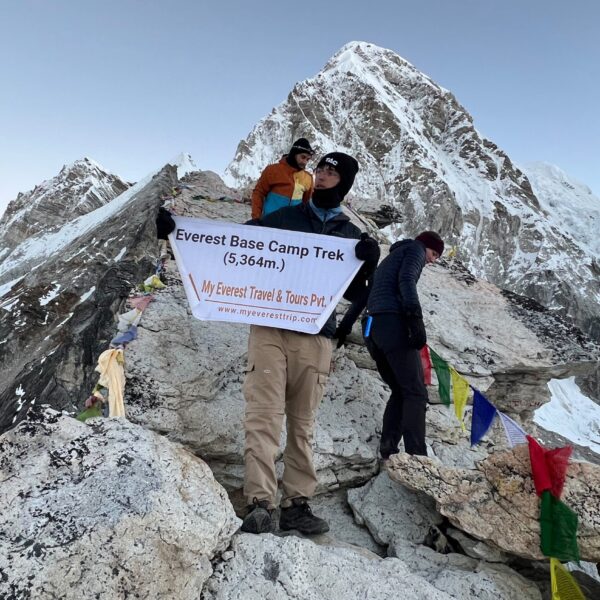
The Everest Base Camp Trek Suits trekkers from beginners to experienced trekkers. With moderate challenges, the Everest Base Camp trek reaches an elevation of 5,364 meters (17,598 feet) above sea level. There, you will stand at the foot of the world’s highest mountain, Mount Everest. This thrilling adventure takes you to the heart of the Himalayas. You reach the highest point at Kalapatthar.
As you hike from Lukla, you will pass through charming Sherpa villages, lush forests, and rugged terrain, with stunning glimpses of Mount Everest, Lhotse, and Ama Dablam. Taking this trail, you will be amazed by the breathtaking views of the Himalayas, ancient monasteries, and the surrounding landscapes.
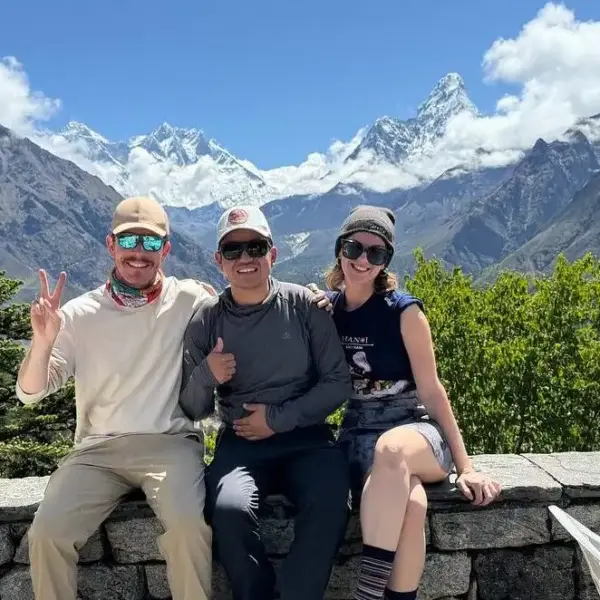
Everest Base Camp Trek 12 Days
The Everest Base Camp Trek Suits trekkers from beginners to experienced trekkers. With moderate challenges, the Everest Base Camp trek reaches an elevation of 5,364 meters (17,598…
Each day brings some new challenges and rewards. By overcoming each obstacle, you can reach the top in 10-12 days. Please make sure you acclimate throughout the trek.
Everest Base Camp Trek Difficulty
The 12-day and 14-day Everest Base Camp treks are challenging adventures because of their high altitude and rugged terrain. While it’s a non-technical trek, the difficulty stems from prolonged exposure to high elevations and the risk of altitude sickness.

The daily trek to the top involves a long, approximately 6- to 7-hour hike with significant elevation gains. Unpredictable weather and the need for good physical fitness also increase the difficulty. Focus on proper acclimatization and prior fitness training to manage this.
Physical Challenges and Altitude of the Trek
The trek to Everest Base Camp in the Everest Region presents several physical challenges due to its demanding nature and high altitude. The journey includes day-long hikes where you must walk 5-7 hours over rough terrain. You will also encounter steep. Uneven terrain with rises and drops may be covered in ice, which can strain your legs and cardiovascular system. Carrying a daypack with necessary equipment and food also increases the physical demand and overall load.
Also, the trek’s altitude will affect your stamina in a very real way. At higher elevations, the rate at which oxygen reaches your body decreases, leading to fatigue, breathing difficulties, and reduced energy. These can be challenging, but you can prepare by improving your physical fitness before the trek. Proper acclimatization is also advised to help your body adjust to lower oxygen levels and minimize the trek’s physical impact.
Fitness Level and Preparation for EBC Trek
A high fitness level is recommended for successfully tackling the EBC Trek in Nepal. Regular cardiovascular exercise, such as running, hiking, and cycling, will help your body build strength. Because the trekking terrain is challenging, strength training will especially benefit your legs and core. Practice hikes with a weighted pack can also help simulate the conditions you’ll face on the trek. The EBC Luxury trek can make the difficulty more bearable; I suggest exploring this option for a more comfortable adventure.

Preparation should include acclimatization training, which can involve spending time at high altitudes or undertaking shorter treks in mountainous regions. In this case, being physically fit helps you reduce injury risk and keep pace with the group. It’s wise to consult a fitness professional or trekking expert to tailor a training plan that matches your fitness level and the demands of the trek.
Weather and Seasonal Challenges
Weather on the Everest Base Camp Trek can be unpredictable and poses its own challenges. People typically undertake the trek during the pre-monsoon (spring) and post-monsoon (autumn) seasons, with temperatures varying widely by altitude and time of year. In spring, temperatures at base camp can drop to -10°C (14°F) at night; in autumn, it can be similarly cold, with the added risk of snowfall and icy conditions at higher elevations.
Weather conditions can significantly impact trail conditions and visibility, making the Everest Base Camp trek more challenging. Unfavorable weather, such as sudden snow or rain, can make pathways slippery and the trek difficult. So, it’s wise to pack the right clothes and accessories for changing conditions. You can manage this by monitoring the weather forecast and being flexible with your hiking schedule.
14 Days Everest Base Camp Trek
The Everest Base Camp Trek Suits trekkers from beginners to experienced trekkers. With moderate challenges, the Everest Base Camp trek reaches an elevation of 5,364 meters (17,598…
Altitude Sickness and Other Common Health Concerns
Altitude sickness is common on the Everest Base Camp Trek because of the high elevation. Symptoms can range from mild headaches and nausea to severe conditions like Acute Mountain Sickness (AMS) or High Altitude Pulmonary Edema (HAPE). Therefore, don’t ignore the signs; take precautions like acclimatizing properly, staying hydrated, and descending if symptoms worsen.
Other health problems include gastrointestinal issues, such as diarrhea or vomiting, which can result from changes in diet or water quality. Avoid unclean water and wash regularly to help prevent these complications. It’s also wise to carry a basic medical kit with medications for common ailments and consult with a healthcare professional before the trek to address any specific health concerns.
Mental and Emotional Challenges
The Everest Base Camp Trek is physically demanding and mentally and emotionally challenging. Long trekking hours, physical strain, and high altitude can test your mental resilience. Some possible difficulties include interpersonal conflicts, procrastination, stress, sleep deprivation, and conflicts of interest. However, maintaining a positive attitude and staying focused on the prize can render these issues manageable.
Emotional resilience is also crucial in coping with the loneliness and solitude that come with trekking in remote areas. The trek can feel overwhelming, especially when you face physical or emotional pressure. Being on the trek with others and sharing the experience or discussing it makes the arduous journey easier. Appreciating the process and drawing inspiration from the views and accomplishments during the trek can help sustain your emotional well-being throughout.
Tips for Overcoming The Difficulty Level of the Trek To Everest Base Camp
Prepare Thoroughly
Successful trekking begins with thorough preparation. Start by researching the Everest Base Camp Trek to understand what it demands and requires. After a brief search, start physical training to build endurance, strength, and cardiovascular fitness. For better preparation, add practice hikes with a weighted pack to simulate trek conditions. Also, prepare a packing list to ensure you have all the essential gear. Learn the symptoms of altitude sickness and acclimatization strategies to better prepare for high-altitude challenges.
Pack Smartly
Packing efficiently is crucial for a successful trek. Choose lightweight, moisture-wicking clothing you can layer to adapt to changing temperatures. Pack thermal layers, rain gear, and sun protection. Don’t forget essentials like a first-aid kit, water purification tablets, and high-energy snacks. Make sure your backpack is comfortable and well-fitted, with easy access to items you’ll need often. Also pack trekking poles for stability on uneven terrain and a headlamp with extra batteries for nighttime visibility.
Acclimate Properly
If you are trekking to high-altitude places, include proper acclimatization days in your journey. Follow a gradual ascent schedule to let your body adjust to decreasing oxygen levels. Take rest days as needed, especially after significant altitude gains. Listen to your body, and be prepared to turn back if you experience severe altitude sickness symptoms. With proper acclimatization, you can better manage the trek’s physical demands.

Stay Positive and Flexible
A positive attitude can significantly enhance your trekking experience. With a positive mindset, you can embrace challenges. Never rush your plan, and stay flexible to adapt to changing weather or unexpected delays. If you feel a little low, you can talk with fellow trekkers and local guides, who can offer support and encouragement. Celebrating small victories and focusing on your ultimate goal make the journey more achievable.
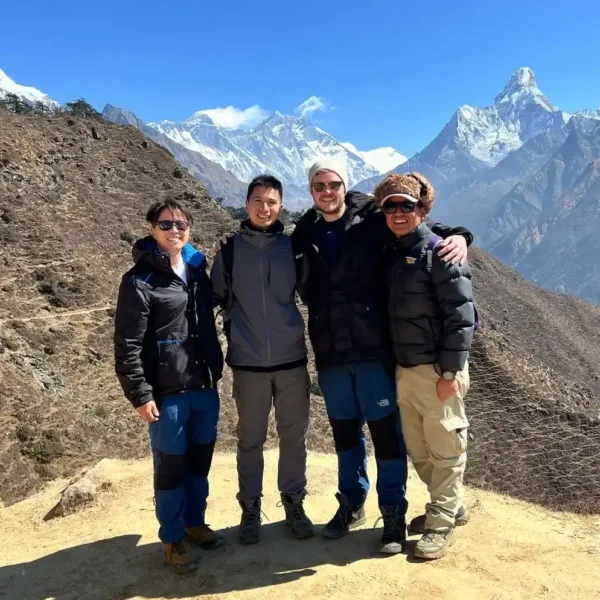
The Everest Base Camp Trek Suits trekkers from beginners to experienced trekkers. With moderate challenges, the Everest Base Camp trek reaches an elevation of 5,364 meters (17,598…
Follow Safety Guidelines
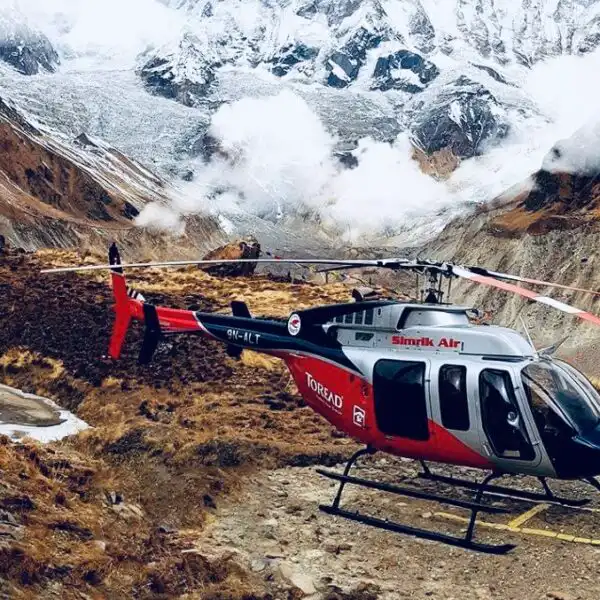
Safety is paramount on any trek. Follow all safety guidelines provided by your trek operator and local authorities. Use reliable, well-maintained equipment and follow advice on trail conditions and weather forecasts. Keep communication devices charged and accessible in case of emergencies. Also, make sure your guide is knowledgeable about common health issues. Also, prepare for the helicopter evacuation process to help you if needed.
Conclusion
Overall, trekking towards Everest Base Camp does involve some difficulty. But with proper preparation and planning, even a beginner can complete this journey. Everest variants like the EBC Heli tour suit you if you want Everest views without the challenging trek. Combine the adventure with breathtaking views, and when you reach base camp, you will be amazed by the surrounding mountain scenery. The trek offers stunning views, and you can also enjoy local traditions and stop at ancient temples and monasteries. Everest Base Camp awaits you.