



大多數人會將珠峰大本營健行與十月和十一月聯繫起來,那時健行路線熙熙攘攘,茶館裡擠滿了來自世界各地的健行者。而十二月到二月間,昆布地區則呈現出截然不同的風貌,選擇在這段時間徒步的遊客往往會回來,並表示這是他們在山裡做過的最有意義的事情。
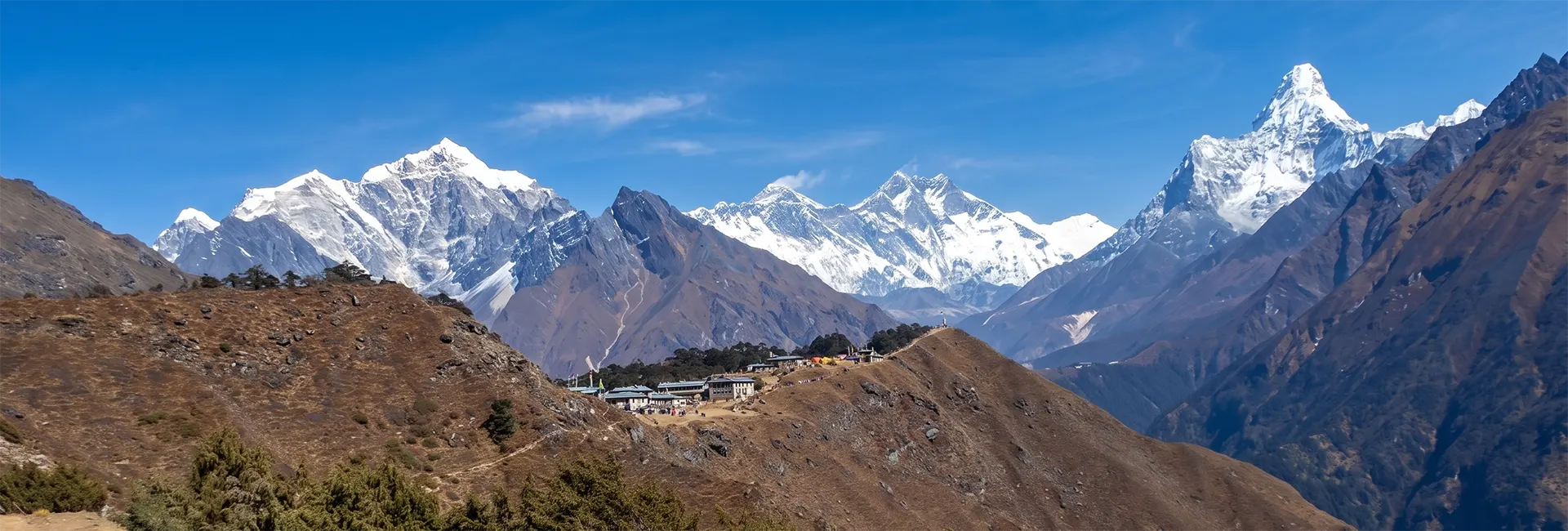
Winter on this route is quieter, sharper, and more demanding than any other season. Based on our firsthand experience on My Everest Trip, winter reveals a quieter and more rewarding side of the Everest Base Camp trail. On clear winter mornings, the dry mountain air offers exceptionally clear views and makes the surrounding peaks look remarkably sharp.
冬季旅行成本通常較低,而且由於健行者較少,茶館老闆往往有更多時間提供個人化服務。冬季完成健行通常會帶來更強烈的成就感,因為這段旅程更加寧靜,也更具挑戰性。
本指南全面詳細介紹了冬季珠峰大本營健行之旅。您將了解到冬季珠峰大本營徒步旅行的安全須知、高海拔在寒冷環境下對身體的影響、實用的裝備清單、2026年至2027年切實可行的預算明細,以及一份體能準備計劃,助您在踏上徒步之路前做好充分準備。
珠峰大本營冬季健行路線概覽
在深入細節之前,先給大家一個簡單的概述。
| 項目 | 信息 |
| 健行時長 | 12到14天 |
| 最佳冬季月份 | 十二月、一月、二月 |
| 最高海拔 | 5,545公尺(卡拉帕塔爾) |
| 珠穆朗瑪峰大本營海拔 | 5,364m |
| 白天溫度 | 5°C至-5°C |
| 夜間氣溫 | -10°C至-25°C |
| 難度級別 | 具有挑戰性的 |
| 平均成本 | 1,200萬美元至2,500萬美元以上 |
| 住宿 | 茶館 |
| 指導要求 | 強烈推薦 |
為什麼有些徒步旅行者選擇冬季出行
冬季健行的優點是真實存在的,值得在討論挑戰之前先詳細說明。
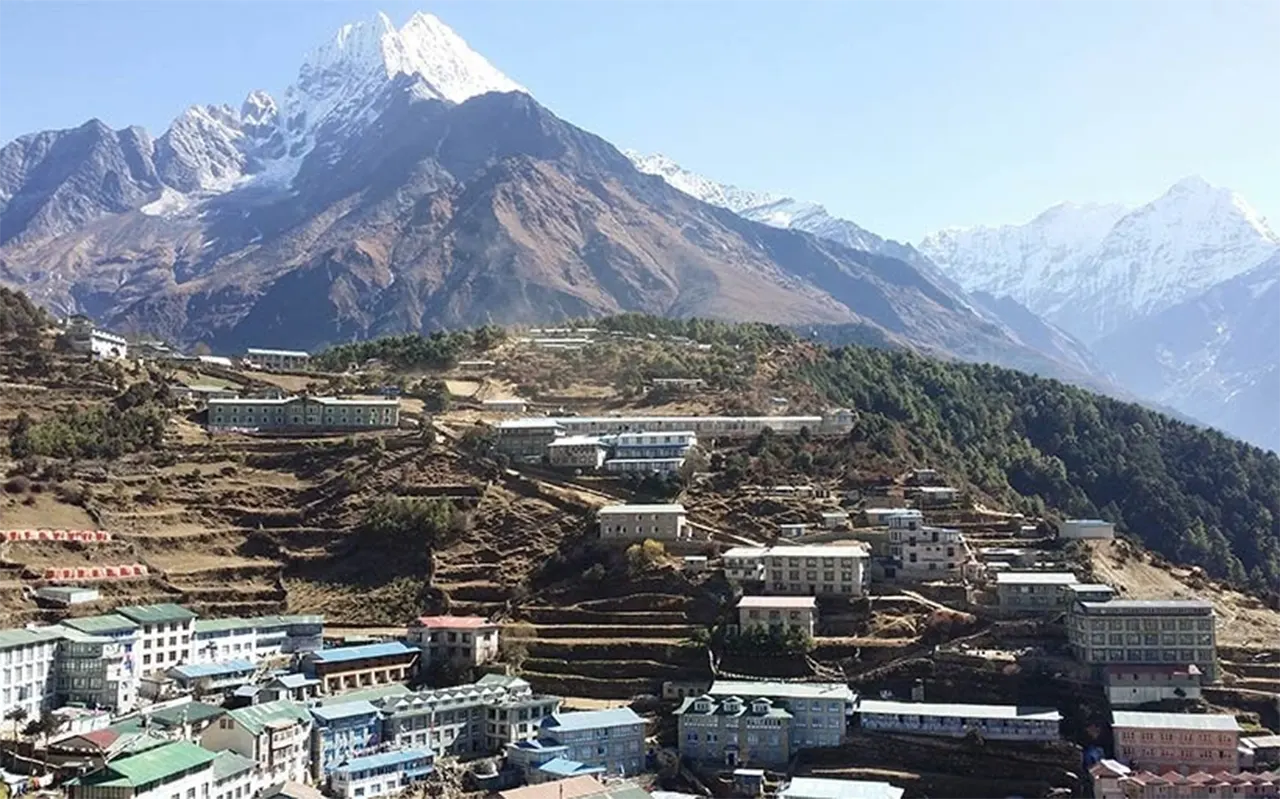
寧靜的健行路線是許多健行愛好者選擇冬季出行的主要原因。十月和十一月,盧克拉和南池巴扎之間的路段人潮湧動,如同繁忙的徒步小徑,成百上千的徒步者每天都會按照相同的行程經過相同的檢查站和旅館。而在一月,你可能徒步一個小時都遇不到其他隊伍。在丁波切的茶館裡,午餐時分只有兩三桌客人,而不是二十桌。卡拉帕塔爾的觀景點也不需排隊,可以讓你獨享美景。對於那些覺得旺季人潮擁擠的健行者來說,單憑這一點就足以讓他們覺得寒冷的冬季也值得一遊。
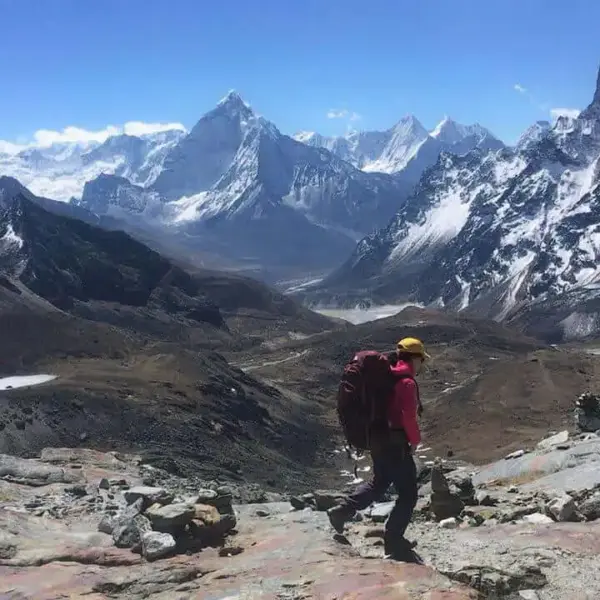
冬季山區的能見度往往最佳,因為寒冷乾燥的空氣在晴朗的日子裡能見度極佳。高海拔地區的乾燥寒冷空氣含水量極低,在南池或騰波切上空晴朗的冬日清晨,天空呈現出深邃而湛藍的景象,非常適合拍照,而且遠處的山峰看起來都近在咫尺。
Lower travel costs are another advantage of winter trekking. Accommodation, guide services, and some trekking packages are often cheaper than during peak seasons, making winter a good option for budget-conscious trekkers.
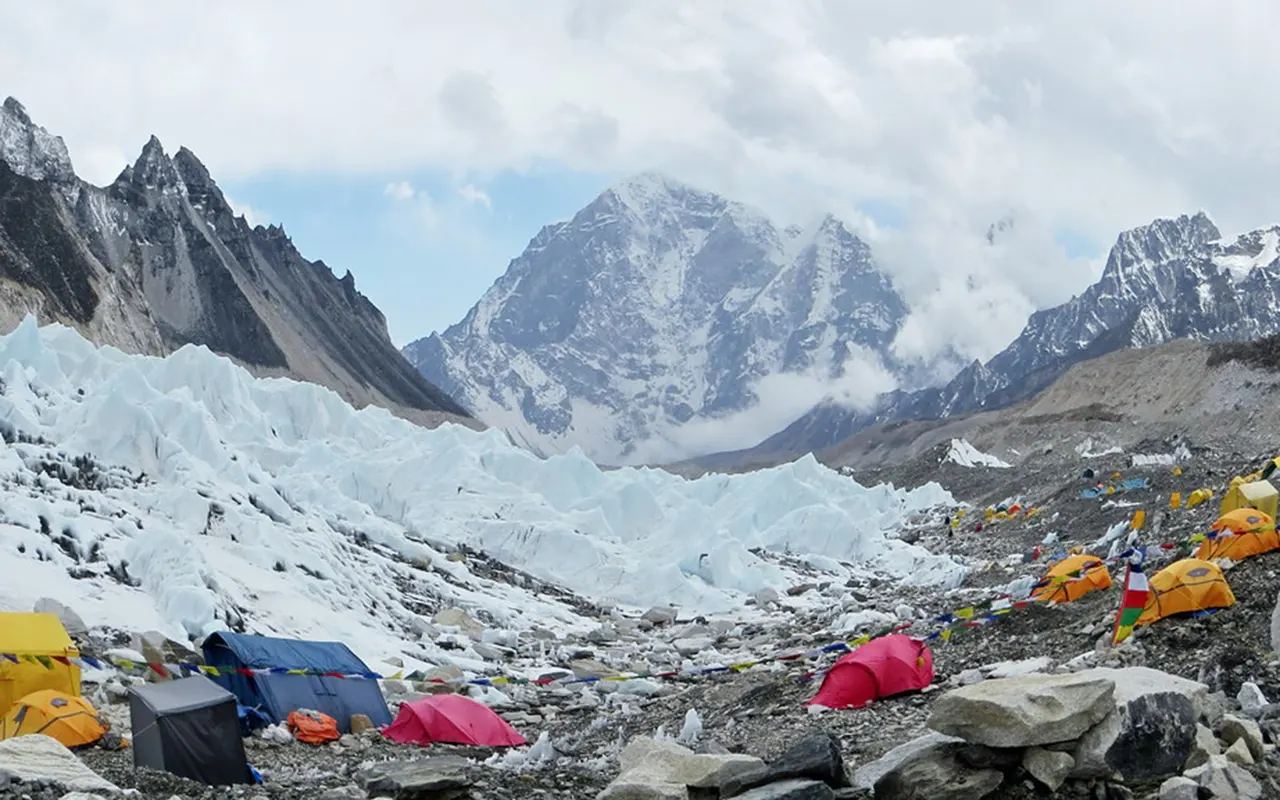
珠峰大本營冬季健行安全:一項現實評估
You need to understand EBC winter trek safety clearly before you commit to this season. Winter risks differ from other times of year, and some are far more serious. This section gives you an honest picture of each one.
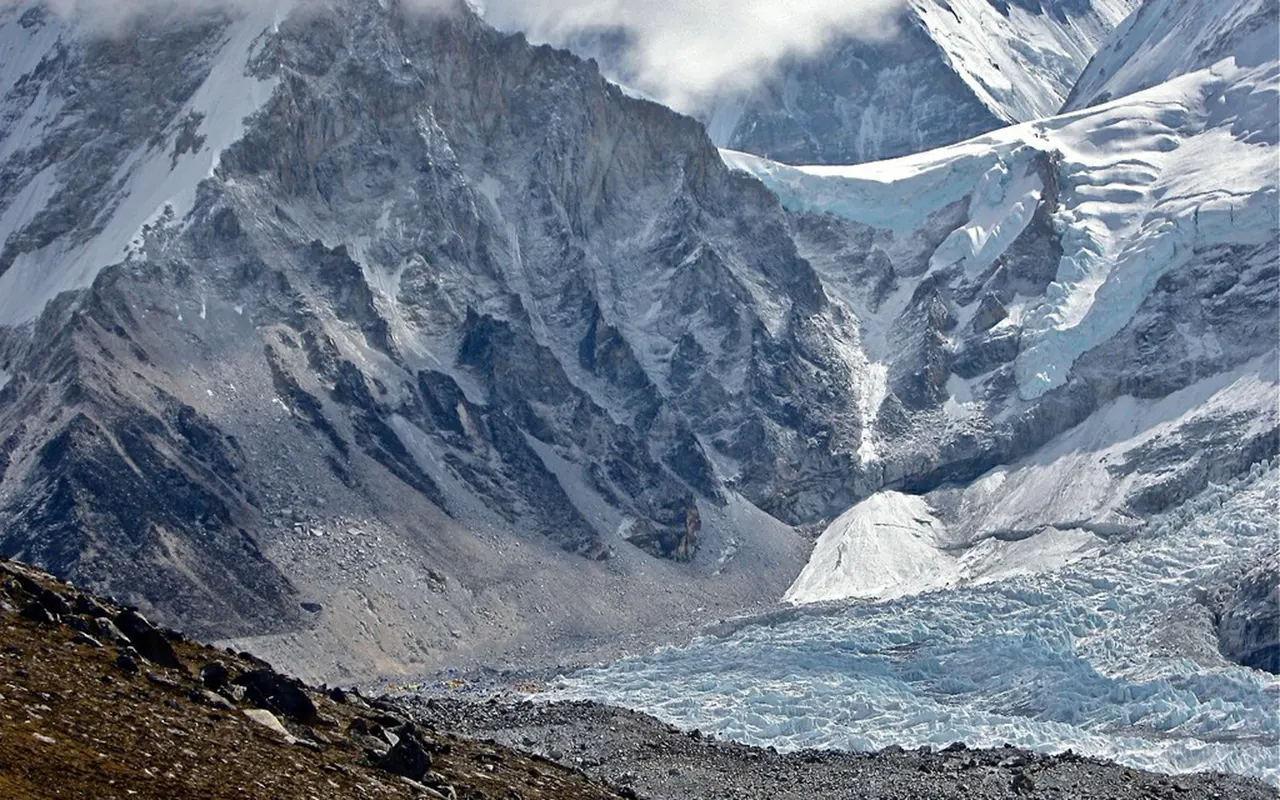
The cold is the biggest challenge, and it deserves the most attention. On the lower sections of the trail, between Lukla and Namche, winter daytime temperatures are uncomfortable but manageable. Above 4,000 meters, particularly above Dingboche, altitude and temperature begin to matter in a different way.
一月份,洛布切和戈拉克舍普的白天氣溫通常在攝氏5度到零下5度之間,具體溫度取決於日照和風力狀況。夜間氣溫常降至攝氏零下20度以下,強風會使體感溫度更低。日落後,氣溫進一步下降,加上風寒效應,體感溫度常常達到攝氏零下20度甚至更低。在這樣的環境下,衣著不足不僅會讓人感到不適,更會造成嚴重的安全隱憂。
Ice on the trail above Namche is a consistent feature in winter. Sections of the path that are shaded by cliffs or north-facing slopes stay frozen for much of the day and become slippery underfoot. The trail between Lobuche and Gorak Shep, and the early morning climb to Kala Patthar, both have sections that require careful footing. Microspike attachments for your trekking boots are worth carrying from Dingboche onward. A fall on frozen ground at altitude is something you should not risk when it is so easily prevented.
Flight reliability at Lukla is more variable in winter than in autumn. Cold morning air, low cloud, and occasional fog can close the airport for a day or two at a stretch. This is not unusual, and experienced operators plan around it, but you’ll need to build buffer days into your Kathmandu stay at both ends of the trek.
Daylight hours in December and January are the shortest of the year. Many walking stages that feel relaxed on long autumn days require earlier starts in winter to reach the next guesthouse before dark. Your guide will manage the daily schedule, but pre-dawn starts are a regular part of the winter routine above Dingboche.
冬季高海拔對身體的影響
在冬季珠峰大本營健行中,海拔高度始終是健康方面需要考慮的核心因素,而寒冷則使身體的反應變得更加複雜,值得我們去正確了解。
海拔超過3,000公尺後,氣壓下降,氧氣含量減少。雖然每次呼吸肺部吸入的空氣量不變,但提取的氧氣量卻減少了。
Cold temperatures compound this stress in a specific way. Your body has to cope with two challenges at once: staying warm while adapting to lower oxygen levels. Energy is consumed faster than in warm weather, appetite often decreases at altitude, and early symptoms of altitude adjustment can appear more quickly in cold conditions than in spring or autumn.
Acute Mountain Sickness (AMS) occurs in definable stages. Mild AMS is characterized by a headache within 24 hours of exposure to high altitude associated with fatigue, loss of appetite, and sleep disturbance. Moderate AMS is characterized by a headache that doesn’t go away with analgesics, nausea, and a significant decrease in energy and coordination. Severe AMS can progress to high-altitude pulmonary edema, which affects the lungs, or High-Altitude Cerebral Edema, which affects the brain. Both are life-threatening without immediate descent.
The prevention approach for altitude sickness on the winter route is the same as in any season, but requires stricter adherence because the body is already under thermal stress. Take the acclimatization days at Namche Bazaar and Dingboche without cutting them short. Use the rest days for short upward hikes, then return to sleep at the lower altitude.
從南池巴札出發,即使不覺得口渴,也要每天喝三到四公升水,因為寒冷的天氣往往會降低你的口渴感。脫水會增加高山症和疲勞的風險,所以要全天規律地飲水,並搭配一些熱飲。
避免飲酒,因為酒精會導致身體脫水,並掩蓋高山症的早期症狀。步行時應保持緩慢穩定的步伐,並在出發前諮詢醫生,以了解服用乙醯唑胺(Diamox)是否適合您的情況。
尼泊爾冬季健行小秘訣:日常安全須知
Beyond altitude management, these winter trekking Nepal tips cover the practical daily decisions that shape EBC winter trek safety on the ground.
Hiring an experienced licensed guide is one of the best decisions you can make for a winter trek. Your knowledgeable guide, familiar with the Khumbu region, will update you daily on the weather, help you on icy or snow-covered trails, communicate with teahouse owners about accommodation availability, and coordinate emergency assistance if needed.
Although trekking regulations in Nepal have changed in recent years, independent trekking policies can vary by region. Regardless of the latest rules, having a licensed guide during winter greatly improves both safety and the overall trekking experience.
Winter weather is generally more stable than the pre-monsoon period, but high-altitude conditions shift faster than most trekkers expect. A sudden drop in wind, unusual cloud formation around the high peaks, or an unexpected afternoon temperature change are all worth noting and discussing with your guide before deciding about the following day.
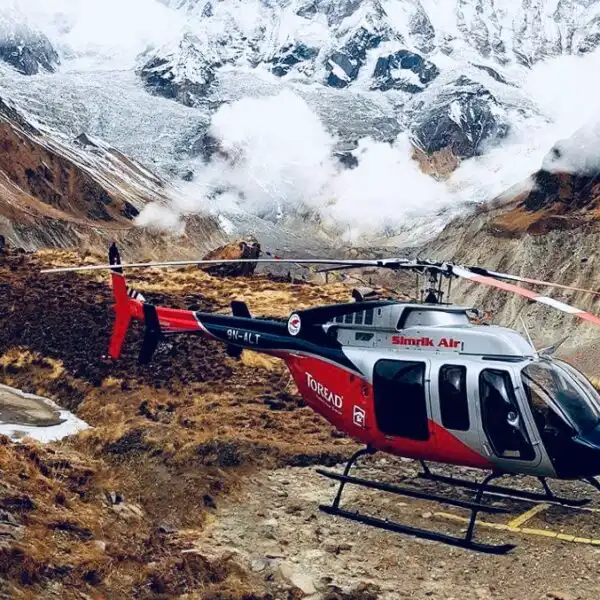
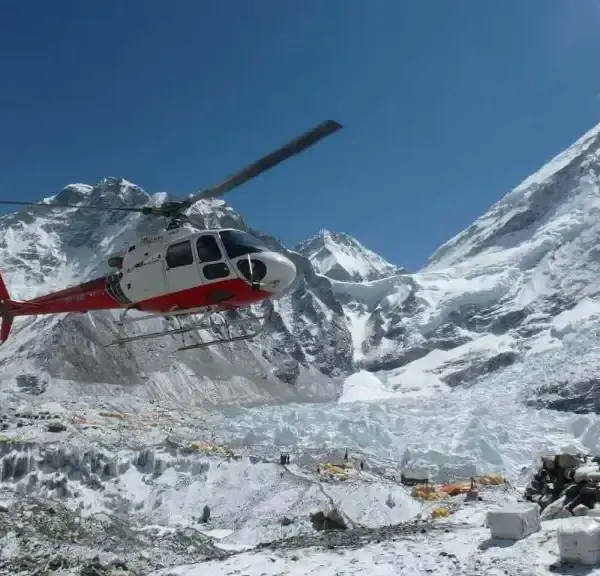
在需要緊急撤離之前了解相關流程雖然簡單,但卻至關重要。昆布地區提供直升機救援服務,並且經常使用。您的旅遊保險必須明確涵蓋高海拔直升機撤離。請務必隨身攜帶保險公司和徒步旅行社的緊急聯絡電話,而不僅僅是存在手機裡。寒冷環境下電池電量消耗更快,在洛布切沒電的手機在緊急情況下毫無用處。
每天早起是冬季特有的習慣,它能帶來顯著的益處。在昆布地區,冬日一天中最溫暖穩定的時段是上午。七點或七點半離開茶館,就能在天黑、氣溫驟降前抵達下一個目的地。只要在清晨養成早起的習慣,就能避免在零下十五度的嚴寒中摸黑抵達客棧。
完整的冬季打包清單
冬季珠峰大本營健行之旅,裝備的選擇至關重要。以下列出的物品是確保安全舒適行程的最低標準。
Proper layering is essential in winter. Start with moisture-wicking thermal base layers for the upper and lower body. Merino wool is particularly effective because it manages moisture, resists odor over multiple days, and retains warmth even when damp. Over the base layer, add a warm fleece or softshell jacket as your main insulation for walking. Your outer layer needs to be a fully waterproof and windproof shell jacket with matching trousers. A down jacket rated to at least minus fifteen degrees Celsius is the most important single item in your clothing kit and should be treated as non-negotiable for the upper sections of the route.
Winter accessories require more thought than in other seasons. Insulated gloves with thin liner gloves underneath give you flexibility when you need dexterity for camera buttons or trail snacks without exposing your hands to the cold for long. A wool or fleece hat that covers your ears fully is necessary from Namche upward. A balaclava or thick neck gaiter is useful for the pre-dawn starts above Dingboche. High-quality UV-protective sunglasses are essential because reflections off snow at altitude can increase UV exposure and damage eyesight within a few hours. High-SPF sunscreen is equally important for the same reason.
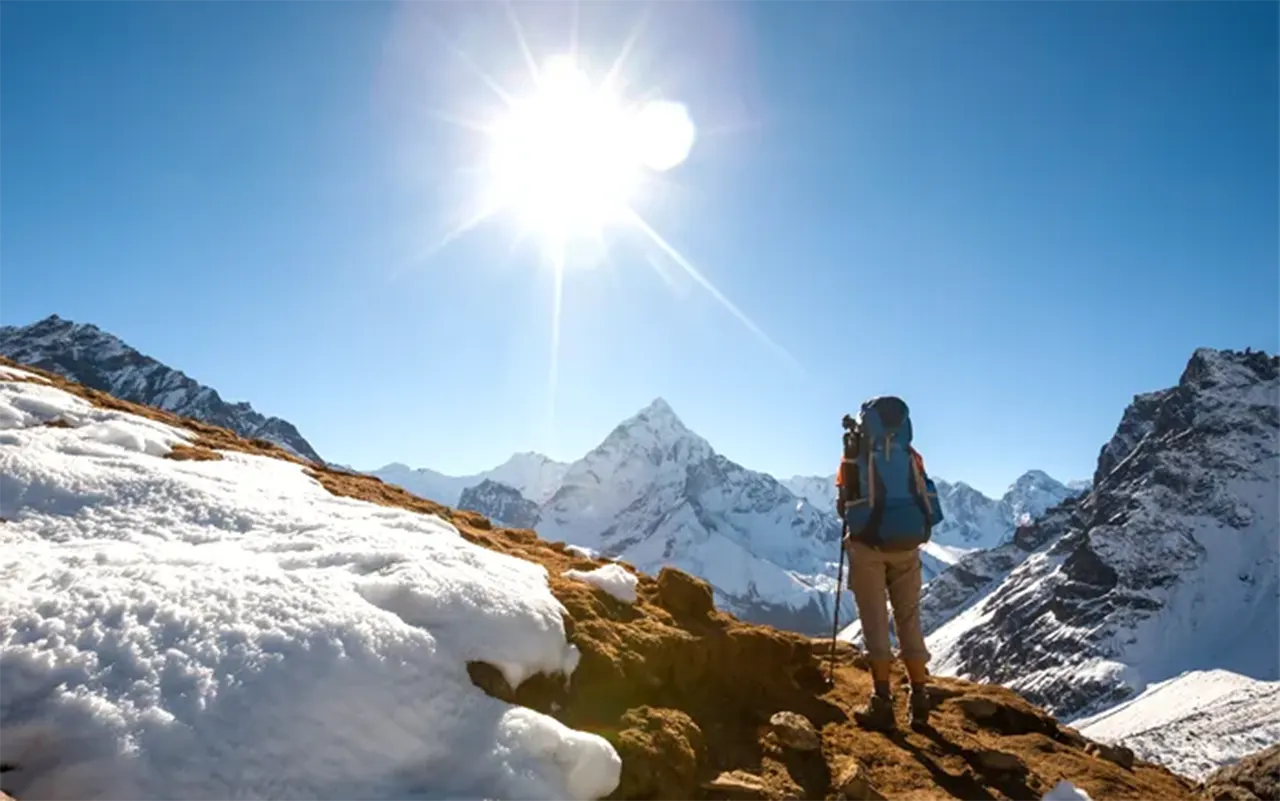
Footwear for the winter route needs to be both insulated and waterproof. Waterproof trekking boots with good ankle support suit most winter trekkers when paired with warm wool socks. Insulated winter trekking boots can make higher elevation hiking more comfortable if you’re especially sensitive to the cold. Gaiters keep snow out of your boots, and microspikes add traction on icy trail sections. Make sure your boots are fully broken in before your trek begins.
在洛布切和戈拉克舍普,冬季夜晚建議使用攝氏零下20度的睡袋。睡袋內膽可以額外增加攝氏2到4度的保暖性,還能在您和茶館的寢具之間形成一層衛生層。茶館會提供毯子,但毯子的厚度和狀況參差不齊,而自備睡袋則可以避免這些不確定因素。
For electronics, carry a power bank with enough capacity for several days between reliable charging stops. A headlamp with spare batteries is important for pre-dawn starts, and keep the spare batteries warm in an inner pocket rather than in your bag, where they may lose charge overnight. A pulse oximeter is an optional but useful item for monitoring your blood oxygen saturation during the trek. While it should never replace professional medical advice or your guide’s judgment, it can provide additional information as you gain altitude.
低溫會比大多數健行者預想的更快地降低電池性能。為了保持電量,請將手機、相機電池、行動電源和其他電子設備放在睡袋或外套內袋中過夜。這個簡單的習慣可以帶來顯著的改變,尤其是在高海拔地區最寒冷的夜晚。
2026年至2027年珠峰大本營冬季健行費用明細
Winter is the most affordable season for most cost categories on the Everest Base Camp trek. Here is a realistic and detailed breakdown.
Permits are fixed by the government and do not change with season. The Sagarmatha National Park entry permit costs approximately NPR 3,000 per person, which works out to around USD 22. The Khumbu Pasang Lhamu Rural Municipality trekking permit costs about NPR 2,000, or about USD 15. Both are straightforward to obtain, and your trekking agency can handle them as part of a package.
加德滿都(旺季時為拉梅恰普)至盧克拉的來回機票價格通常為每人 440 至 560 美元,具體價格取決於航空公司、季節和座位供應情況。加德滿都至盧克拉的共享直升機座位價格通常為每人 500 至 700 美元,具體價格取決於座位供應情況。此外,還提供私人直升機包機服務,通常整架飛機的費用為 2,500 美元或更高。
Guide and porter costs vary with experience and the arrangement you choose. A licensed local guide costs between USD 25 and USD 35 per day. A porter who carries your main bag costs between USD 18 and USD 25 per day. A guide-porter who handles both roles costs between USD 30 and USD 40 per day and is a practical option for trekkers who want to keep group size and cost manageable. Always book through a registered agency and confirm that your guide and porter carry appropriate insurance and personal gear.
隨著海拔升高,茶館住宿價格會略有上漲,但冬季價格通常低於健行旺季。房間價格一般在…之間。
USD 5 and USD 15 per night. Some teahouses offer a free or discounted room if you eat your meals there. At higher elevations, rooms are generally unheated, so a warm sleeping bag is essential for a comfortable night.
在冬季最寒冷的幾週,高海拔地區的水管和水龍頭可能會在夜間結冰。丁波切以上地區熱水淋浴會變得不那麼常見,而且可能並非隨時可用。攜帶濕紙巾和小型個人衛生用品包可以讓您在健行的高海拔地區更加舒適。
Food and drink on the trail cost between USD 20 and USD 35 per day depending on your choices and your elevation. Hot drinks are both a comfort and a necessity in winter, and they cost more as you climb. A cup of tea at Gorak Shep runs USD 3 to USD 5. Charging devices at teahouses above Namche costs USD 2 to USD 5 per charge and adds up over fourteen days.
無論一年中的哪個季節,這次健行都必須購買旅遊保險,尤其是在冬季,因為冬季的救援風險更高。涵蓋海拔6,000公尺以下健行和直升機救援的保險,價格通常在80美元到200美元之間,具體價格取決於您的國籍、年齡和保險公司。請務必在出發前購買並安排好您的旅遊保險。
Total budget estimates vary significantly with travel style. A budget-conscious trekker using a guide-porter arrangement and basic teahouses can complete the fourteen-day trek for between USD 1,200 and USD 1,600 including permits, flights, food, and daily costs. A standard trekker with a separate guide and porter, mid-range accommodation choices, and some equipment rental will spend between USD 1,800 and USD 2,500. A comfort-focused trekker using better-equipped lodges and a private guide arrangement should budget USD 2,500 and above.
身體和心理準備
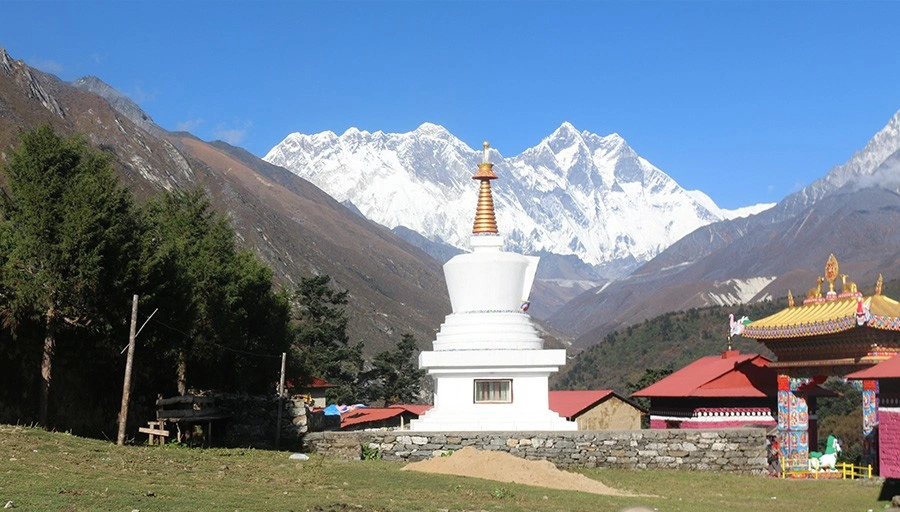
The Everest Base Camp trek in winter asks more of your body than the same route in warmer conditions. Cold increases the energy cost of every hour on the trail, and the combination of altitude and low temperature means accumulated fatigue arrives sooner than it would in autumn.
The most useful physical training for this trek is long-distance hiking on hilly terrain with a loaded daypack. This mirrors the route’s demands more closely than any gym exercise. In the first two months, build to three-hour hikes three to four times per week with a pack of around six to eight kilograms. In the final two months, push your weekend hikes to five to seven hours with a fully loaded pack and as much elevation gain as your local terrain allows. Supplement this with strength training focused on quads, glutes, and core, as these muscle groups take the most load on the long descent days.
心理準備與身體素質同等重要。冬季健行意味著要面對寒冷的清晨、變幻莫測的天氣以及漫長的跋涉。在出發前接受這些挑戰,有助於你保持積極的心態,即使在條件艱苦的情況下也能享受旅程。
至於初學者是否可以在冬季進行珠峰大本營徒步,答案需要謹慎考慮。這並非最適合初學者的首次高海拔體驗。事先在喜馬拉雅山脈中等海拔地區進行過徒步,即使是3,000至4,000米的短途路線,也能幫助你了解身體對高海拔和寒冷環境的反應。話雖如此,一些積極主動、做了充分體能準備並有經驗豐富的嚮導陪同的初學者也成功完成了冬季路線。關鍵在於不要低估它的難度。
冬季、春季和秋季:一個簡單的比較
下表總結了珠峰大本營路線三個主要健行季節的主要因素。
| 因子 | 冬季 | 彈簧 | 秋季 |
| 人群 | 非常低 | 高 | 很高 |
| 天氣 | 耐寒、穩定 | 固德 | 最好 |
| 觀看數 | 優 | 固德 | 優 |
| 價格 | 最低 | 高 | 最高 |
| 困難 | 最難 | 中度 | 中度 |
Winter is the right choice for experienced trekkers who prioritize solitude, clear mountain photography, and lower costs over the comfort of warmer conditions. It is not well suited to people who are sensitive to cold, have respiratory conditions, or are attempting high-altitude trekking for the first time without prior experience. Spring and autumn remain the more forgiving and better-supported seasons for those new to Himalayan trekking.
冬季珠峰大本營健行中應避免的錯誤
冬季路線的大部分困難都源於一些可以避免的錯誤。出發前先了解這些錯誤很有必要。
Underestimating the temperature gap between Kathmandu and the upper Khumbu is the mistake most commonly made by first-time winter trekkers. The difference between a pleasant Kathmandu afternoon in December and Gorak Shep at midnight in January is around thirty degrees Celsius. Packing gear that works for autumn conditions and assuming it will be enough in winter creates real problems above Dingboche.
為了節省時間而跳過適應性訓練日,在冬季比其他任何季節都更危險。身體已經消耗額外的能量來調節體溫,這會減少用於適應海拔高度的能量儲備。在南池和丁波切的休息日正是身體進行適應性訓練的關鍵時期。取消這些休息日會縮短適應過程,並增加在高海拔地區出現高山症的風險。
Ignoring early AMS symptoms because motivation is running high is a pattern that ends many winter treks poorly. A headache at Lobuche that worsens overnight rather than improving signals that your body is not coping with the altitude at that stage. Telling your guide, resting an extra day, or descending to a lower altitude are all reasonable responses. Pushing on in the hope that things will improve at a higher elevation is not a reasonable response and has led to serious outcomes for trekkers on this route.
Ignoring changing weather conditions is another avoidable mistake. Winter weather is generally more settled than during the monsoon or pre-monsoon season, but you can still encounter heavy snowfall or strong winds that can affect trail conditions and travel plans. Staying flexible and following your guide’s advice will help you make safer decisions if the weather changes unexpectedly.
預訂盧克拉航班時,如果行程前後沒有預留緩衝時間,一旦冬季惡劣天氣導致機場關閉,就會造成巨大的壓力。冬季在盧克拉延誤一兩天是完全正常的。從一開始就將這些緩衝時間納入行程安排,可以避免行程緊湊帶來的焦慮和昂貴的改簽費用。
常見問題
冬季前往珠峰大本營健行安全嗎?
With proper preparation, suitable gear, and a licensed guide, the winter route is safe for trekkers who approach it seriously. The risks are real and specific to the season, but manageable for anyone who prepares thoroughly and follows EBC winter trek safety guidance.
冬季珠峰大本營有多冷?
Daytime temperatures at Base Camp in winter range from minus five to minus fifteen degrees Celsius. At night in Gorak Shep, temperatures regularly fall to minus twenty degrees Celsius or lower. Wind chill on exposed ridges and during the Kala Patthar climb makes conditions feel considerably colder.
茶館冬天營業嗎?
Most teahouses along the main EBC route remain open through December, January, and February. A small number of the higher-elevation lodges may close during the deepest part of winter. Your guide will confirm current availability before you depart each stage.
冬季珠峰大本營健行需要導遊嗎?
A licensed guide is strongly recommended for a winter Everest Base Camp trek. An experienced guide provides route knowledge, weather reports, emergency assistance, and local support throughout the trek. Trekking regulations can change, so it’s always a good idea to check the latest requirements before planning your trip.
冬季哪個月份最適合去珠峰大本營健行?
December is usually the most accessible of the three winter months, with slightly less extreme nighttime temperatures than January and February. All three months offer the same trail experience and mountain views, so the choice often comes down to which dates fit your schedule.
冬季更容易發生高山症嗎?
The cold in winter places additional physical demands on the body, which can accelerate the onset of early AMS symptoms. Trekkers who stick strictly to the acclimatization schedule and move at a measured pace manage altitude well in winter. Those who move too fast or skip rest days are more vulnerable than they would be in warmer conditions.
冬季珠峰大本營健行值得嗎?
For many trekkers, winter is the most rewarding time to visit Everest Base Camp. Empty trails, sharp mountain air, views that stretch to every horizon without haze, and teahouses where the owner remembers your name because there are only four guests. The Everest Base Camp trek in winter gives you the Khumbu without the performance of peak season, and for people who value that kind of quiet and directness in their travel, it is a very compelling offer.
與十月走同一條路線相比,這條路線對你的要求更高。你需要更充分的準備,裝備必須具備足夠的保暖性能,而且在出發前,你必須調整好自己對不適的承受能力。
Start your preparation early. Choose an operator with real winter experience in the Khumbu. Pack for the worst conditions you might encounter, not the average ones. Get your insurance in place before you travel. And go with a clear sense of what the cold will feel like, so when it arrives, it doesn’t surprise you. Winter conditions are demanding, but with proper preparation, they can also be incredibly rewarding, leaving you with memories that last long after the trek is over.