


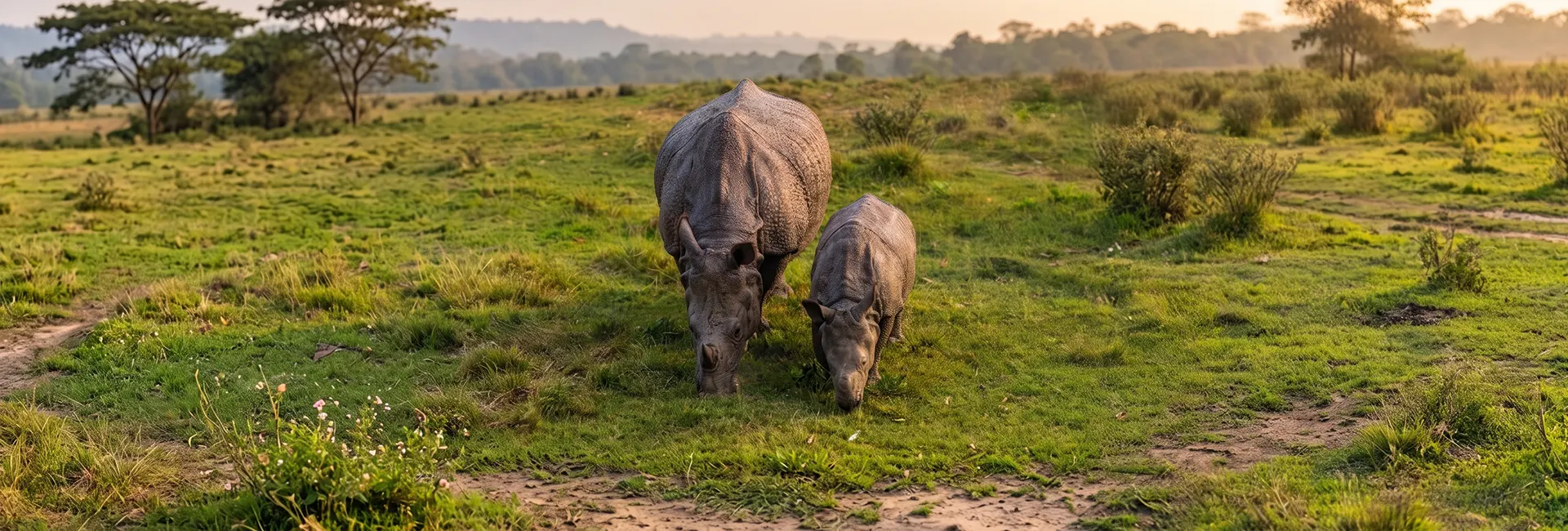
U Nepal hè cunnisciutu per e so muntagne, ma u so paisaghju naturale si stende assai al di là di l'Himalaya. Hà una varietà di fauna salvatica chì varieghja da e fureste subtropicali è e valli fluviali di u Terai à i prati alpini è l'ecosistemi d'alta muntagna. Diverse aree prutette sò create in questi diversi ambienti per priservà l'animali, e piante, e fureste, e zone umide è l'abitati impurtanti.
U termine Riserve di Fauna Salvatica in Nepal hè spessu adupratu in sensu generale quandu si parla di e zone prutette di u Nepal. Tuttavia, u Nepal hà diversi tipi di zone prutette, cum'è parchi naziunali, una riserva di fauna salvatica, zone di cunservazione è una riserva di caccia. U Nepal hà attualmente 12 parchi naziunali, una riserva di fauna salvatica, sei zone di cunservazione è una riserva di caccia.
Capiscendu l'aree prutette di u Nepal
Micca tutte l'aree prutette sò gestite di listessa manera in Nepal. I parchi naziunali anu una alta priorità nantu à a prutezzione di l'ecosistema è l'aree di cunservazione anu generalmente un equilibriu trà a prutezzione ambientale è i bisogni di a pupulazione è di l'ecunumia di a zona. L'attenzione di e riserve di fauna salvatica hè più specifica in a prutezzione di l'habitat impurtanti per a fauna salvatica.
Koshi Tappu hè attualmente l'unica riserva naturale ufficialmente designata di u Nepal. Alcune di e zone citate sopra, chì eranu una volta citate cum'è "riserve naturali", sò state aggiornate o rinominate cum'è "parchi naziunali". Per esempiu, Parsa è Shuklaphanta sò avà parchi naziunali. Questu hè utile quandu si cercanu e riserve naturali di u Nepal, postu chì l'infurmazioni più vechje puderanu avè classificazioni diverse chì ùn sò micca attuali.
U sistema di zone prutette di u Nepal copre una grande parte di u paese è rapprisenta l'ecosistemi da e praterie di pianura è e zone umide à l'ecosistemi di l'altu Himalaya. A Legge di Cunservazione di i Parchi Naziunali è di a Fauna Salvatica prevede a gestione di un sistema naziunale di zone prutette da u Dipartimentu di i Parchi Naziunali è di a Cunservazione di a Fauna Salvatica.
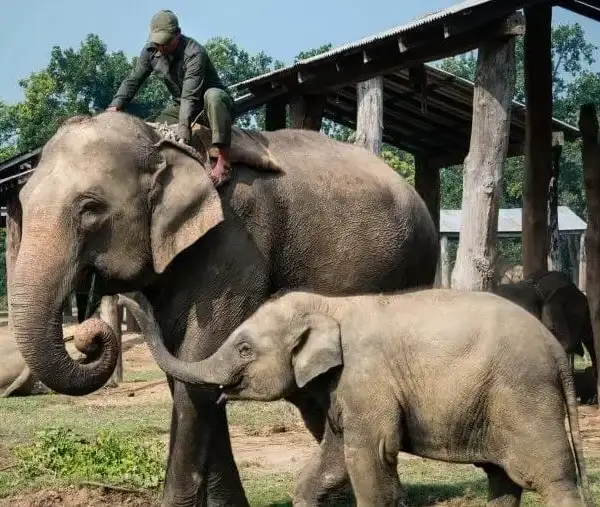
Safari in a giungla di Chitwan
U Nepal hè cunnisciutu per e so muntagne, ma u so paisaghju naturale si stende assai al di là di l'Himalaya. Hà una varietà di fauna salvatica chì varieghja…
E principali zone prutette in Nepal
A tavula seguente furnisce una panoramica di e zone prutette di u Nepal è di a forma di prutezzione accordata in ogni locu.
| Zona Prutetta | Catigurìa | Area | Principali caratteristiche naturali o di fauna salvatica |
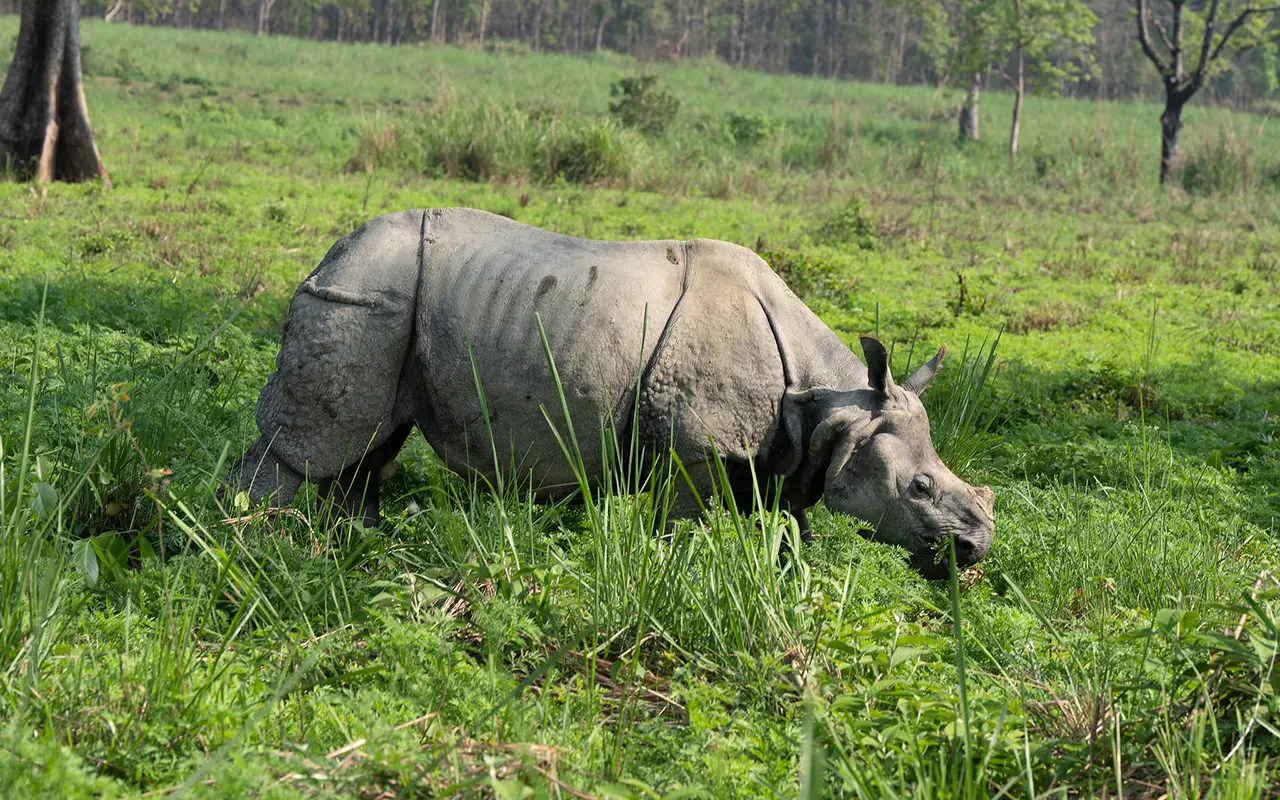
| Parcu naziunale di Chitwan | Parcu Naziunale | 932 kmq | Tigre di Bengala, rinoceronte monocornu, elefante salvaticu, coccodrilli è acelli |
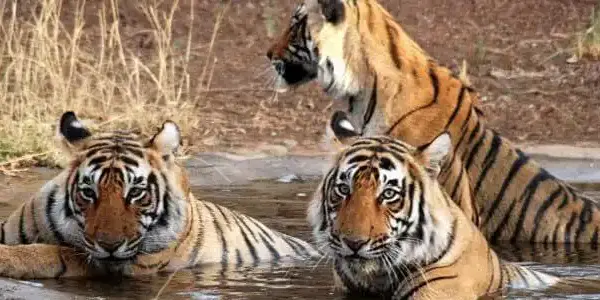
| Parcu Naziunale di Bardiya | Parcu Naziunale | 968 kmq | Tigre di Bengala, elefante salvaticu, rinoceronte, cervu, gaviale è acelli |
| Parcu Naziunale di Shuklaphanta | Parcu Naziunale | 305 kmq | Cervi di palude, tigre, elefante, rinoceronte è praterie |
| Parcu Naziunale di Parsa | Parcu Naziunale | 627.39 kmq | Tigre, elefante salvaticu, leopardo, orsu bradipo è gaur |
| Parcu Naziunale di Banke | Parcu Naziunale | 550 kmq | Tigre, leopardo, cervu, cinghiale è acelli |
| Riserva naturale di Koshi Tappu | Riserva di fauna salvatica | 175 kmq | Bufali d'acqua salvatichi, acelli, delfini, cervi è spezie di zone umide |
| Parco Nazionale di Sagarmatha | Parcu Naziunale | 1,148 kmq | Leopardo di e nevi, tahr himalayanu, cervu muschiatu è acelli himalayani |
| Parcu Naziunale di Langtang | Parcu Naziunale | 1,710 kmq | Panda rossu, orsu neru himalayanu, cervu muschiatu è acelli |
| Parcu Naziunale di Makalu Barun | Parcu Naziunale | 1,500 kmq | Panda rossu, leopardo di e nevi, tahr himalayanu è vegetazione diversa |
| Parcu Naziunale di Shey Phoksundo | Parcu Naziunale | 3,555 kmq | Leopardo di e nevi, pecura blu, fauna himalayana è habitat di alta muntagna |
| Parcu Naziunale di Rara | Parcu Naziunale | 106 kmq | Orsu neru himalayanu, cervu muschiatu, lontra è ecosistema di u lavu Rara |
| Parcu Naziunale di Khaptad | Parcu Naziunale | 225 kmq | Fauna salvatica himalayana, acelli, fureste è praterie alpine |
| Parcu Naziunale di Shivapuri Nagarjun | Parcu Naziunale | 159 kmq | Leopardu, orsu neru himalayanu, scimmie è acelli |
| Zona di Conservazione Annapurna | Zona di Conservazione | 7,629 kmq | Leopardo di e nevi, pecure blu, cervi muschiati è diversi habitat di muntagna |
| Zona di Conservazione di Manaslu | Zona di Conservazione | 1,663 kmq | Leopardu di e nevi, pecura blu, tahr himalayanu è fureste di muntagna |
| Zona di Conservazione di Kanchenjunga | Zona di Conservazione | 2,035 kmq | Leopardu di e nevi, panda rossu, orsu neru himalayanu è habitat d'alta muntagna |
| Zona di Conservazione di Gaurishankar | Zona di Conservazione | 2,179 kmq | Panda rossu, orsu neru himalayanu è ecosistemi di muntagna |
| Area di Conservazione Api Nampa | Zona di Conservazione | 1,903 kmq | Leopardo di e nevi, cervu muschiatu, tahr himalayanu è fauna salvatica di muntagna |
| Area di Conservazione di Krishnasaar | Zona di Conservazione | Circa 16 km² | Antilope nera è habitat di prateria assuciatu |
| Riserva di caccia di Dhorpatan | Riserva di caccia | 1,325 kmq | Pecure blu, fauna himalayana è zone di caccia cuntrullate |
E zone è i tipi sò determinati principalmente da l'infurmazioni attuali furnite da u Cunsigliu di u Turismu di u Nepal è da u Dipartimentu di i Parchi Naziunali è di a Cunservazione di a Fauna Selvatica (DNWC).
Riserva naturale di Koshi Tappu
A Riserva Naturale di Koshi Tappu hè particularmente significativa perchè hè l'unica di e riserve naturali chì esistenu in Nepal oghje. Hè situata in a parte orientale di u Terai nant'à u fiume Koshi è aiuta à cunservà e zone umide, i prati, a machja è e fureste fluviali.
Hè una riserva ben cunnisciuta per u bufalu d'acqua salvaticu (arna). Hè ancu un habitat significativu per i cervi, i cinghiali, i tori blu, i sciacalli è parechji rettili. U fiume Koshi hè a casa di coccodrilli gaviali è delfini di u Gange è e zone umide ospitanu un numeru d'acelli residenti è migratori. Sicondu u Cunsigliu di u Turismu di u Nepal, più di 400 spezie d'acelli si trovanu in a riserva, cumprese quelle chì migranu da e parte sittintriunali di u paese.
Una di l'attrazioni più impurtanti di Koshi Tappu hè l'osservazione di l'uccelli. Hè una mistura di safari in furesta è di praterie aperte, à u cuntrariu di Chitwan è Bardiya, chì sò safari in furesta.
Chitwan è i parchi naziunali di Terai
Ancu s'è l'attuale Parcu Naziunale di Chitwan ùn hè micca ufficialmente una riserva naturale, hè à u core di ogni discussione nantu à e Riserve Naturali in Nepal; hè forse l'area prutetta più cunnisciuta per u turismu di a fauna salvatica in u nostru paese.
Chitwan priserva e fureste, e praterie è e zone umide in e pianure di u sudu. Hè a casa di u rinoceronte monocornu maiò, a tigre di u Bengala, l'elefante salvaticu, l'orsu bradipo, i cervi, i coccodrilli è parechji acelli. I tour sò tipicamente realizati in safari in jeep, canoa, passeggiate in natura, o attività guidate in a giungla.
U Parcu Naziunale di Bardiya hè unu di i siti di fauna salvatica più impurtanti in u Nepal occidentale. Hà vaste fureste è praterie è hè particularmente ligatu à a cunservazione di e tigri. U fiume Karnali furnisce ancu un habitat per e piante è l'animali acquatichi cum'è i gaviali è i delfini di u Gange.
L'habitat di e praterie è di i cervi di palude hè assuciatu à u Parcu Naziunale di Shuklaphanta. I dui parchi naziunali in u Terai ghjocanu ancu un rolu significativu in u paisaghju più largu, sustinendu a furmazione di l'habitat cuntinuu per i grandi mammiferi è altre spezie.
Zone di fauna salvatica di l'Himalaya
Micca tutte e Riserve di Fauna Salvatica in Nepal sò fureste di pianura. L'aree prutette sò ancu in e regioni d'alta muntagna induve e spezie si sò evolute per ambienti freddi, ripidi è inospitali in Nepal.
A regione di l'Everest hè prutetta da u Parcu Naziunale di Sagarmatha è u parcu serve da habitat per u tahr himalayanu, u cervu muschiatu, u leopardu di e nevi è parechji acelli. A topografia hè ancu favurevule à l'abitazione di e cumunità sherpa è di l'insediamenti tradiziunali.
U Parcu Naziunale di Langtang hè situatu in a regione sittintriunali di Kathmandu, induve prutege e fureste, e viste alpine è l'abitati di muntagna. L'orsi neri di l'Himalaya, i cervi muschiati è diverse spezie d'uccelli si vedenu ancu in a zona, inseme cù i panda rossi.
Shey Phoksundo hè u più grande parcu naziunale in termini di dimensione in Nepal. Cumprende a regione luntana di Dolpo è l'ecosistemi di alta muntagna, cumpresu u lavu Phoksundo. Alcune di e spezie salvatiche di a regione includenu pecure blu è leopardi di neve.
U Parcu Naziunale di Makalu Barun copre una larga varietà di ecosistemi da e regioni di l'Himalaya inferiore à quelle di l'Altu. Questa differenziazione ecologica favurisce a presenza di numerose piante è animali.
Zone di Cunservazione è Partecipazione di a Cumunità
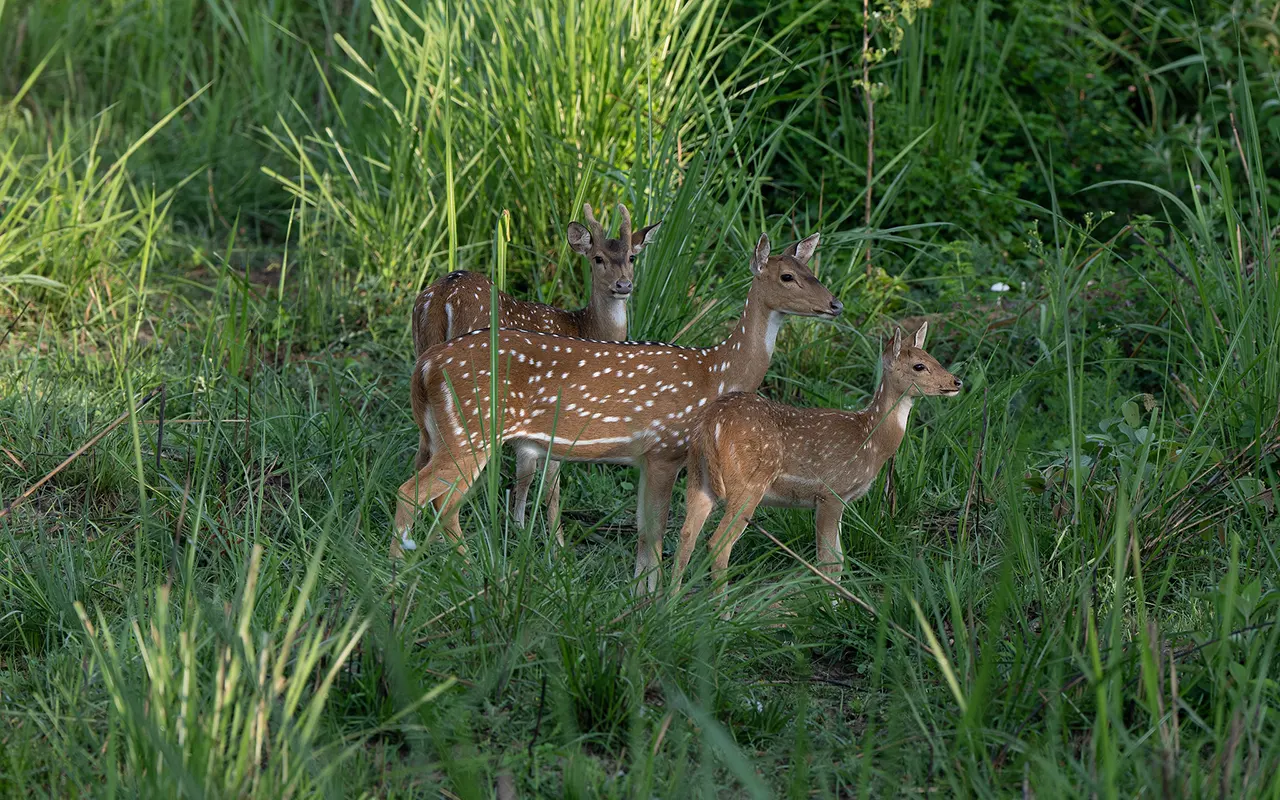
L'approcciu à e zone di cunservazione hè un pocu sfarente da quellu di i parchi naziunali. A so gestione implica e cumunità lucali è a so cunservazione hè ligata à u turismu sustenibile è à i mezi di sussistenza lucali.
L'area di cunservazione di l'Annapurna hè a più grande area di cunservazione di u Nepal, cù 7,629 chilometri quadrati in e parte di Kaski, Lamjung, Mustang è Manang. Hè a casa di u leopardu di e nevi, di u cervu muschiatu è di a pecura blu, è hà ancu ecosistemi muntosi.
L'Area di Conservazione di Manaslu hè situata in u distrettu di Gorkha è si stende da e zone di muntagna più basse à l'altu Himalaya, coprendu 1663 chilometri quadrati di terra. Si trova à altitudini trà 600 m (1,969 ft) è 8,163 m (26,781 ft), risultendu in parechje zone ecologiche in una zona relativamente chjuca.
L'area di cunservazione di Kanchenjunga in u Nepal orientale si stende per un totale di 2,035 km². Aiuta à prutege l'habitat muntosi critichi è offre opportunità di cunservazione in a regione di cunfine trà u Nepal, l'India è a Cina.
A superficia tutale di a Zona di Conservazione di Api Nampa in a parte occidentale di u Nepal hè di 1903 km². I so paisaghji prisentanu alte cime cum'è Api è Nampa è ospitanu spezie cum'è u leopardu di e nevi, u cervu muschiatu, u tahr di l'Himalaya è l'orsu neru di l'Himalaya.
E duie Zone di Conservazione, a Zona di Conservazione di Gaurishankar è a Zona di Conservazione di Krishnasaar, in Bardiya, sò zone impurtanti chì culleganu paisaghji impurtanti trà a regione di Langtang è di Sagarmatha è sò particularmente impurtanti per a cunservazione di u cervu neru.
A fauna salvatica truvata in tuttu u Nepal
Perchè ci sò tante spezie diverse implicate in a cunservazione di a fauna salvatica in Nepal ? A risposta hè dovuta à a diversità di l'habitat. Hè a casa di grandi animali cum'è rinoceronti, tigri, elefanti, bufali d'acqua salvatichi è vari tipi di cervi. E zone umide furniscenu un habitat impurtante per i coccodrilli, i delfini è l'acelli migratori.
In e colline medie, l'animali includenu leopardi, orsi, cervi, scimmie è parechji tipi d'uccelli. U leopardu di e nevi, a pecura blu, u tahr himalayanu, u cervu muschiatu è u panda rossu sò assuciati à e zone di muntagna più alte.
L'impurtanza di l'acelli hè ancu significativa. L'acelli residenti è migratori si trovanu in e fureste, i fiumi, e zone umide è e muntagne di u Nepal. E zone umide anu un significatu particulare cum'è casa per a vita acquatica è l'acelli migratori. Attualmente, ci sò 10 siti Ramsar in Nepal, cum'è Koshi Tappu, u lavu Rara è a zona umida di Phoksundo, trà e poche zone umide di pianura è di muntagna di particulare impurtanza.
Perchè a cunservazione di a fauna salvatica hè impurtante in Nepal
A cunservazione di a fauna salvatica ùn hè micca solu una questione di prutezzione di a fauna salvatica; si tratta di prutezzione di a vita in Nepal. E fureste è e zone umide aiutanu à mantene l'acqua pulita, i mezi di sussistenza di l'agricultori è à minimizà l'erosione di u terrenu, mantenendu à tempu i sistemi ecologichi da i quali e cumunità dipendenu.
L'aree prutette offrenu ancu preziosi benefici ecunomichi. U turismu furnisce impieghi per guide, cunduttori, pruprietarii di lodge, travagliadori di cunservazione è altre imprese lucali. A cunservazione basata nantu à a cumunità pò esse aduprata per benefiziu direttu di a pupulazione lucale per mezu di u turismu è per incuragisce a cunservazione di e fureste è di a fauna salvatica.
Inoltre, u Nepal hà fattu grandi passi avanti per cunservà e spezie in periculu. A cunservazione di tigri, rinoceronti, bufali d'acqua salvatichi è a prutezzione di leopardi di neve è panda rossi sò cumpunenti impurtanti di l'attività di cunservazione di u paese.
U Nepal hè cunnisciutu per e so muntagne, ma u so paisaghju naturale si stende assai al di là di l'Himalaya. Hà una varietà di fauna salvatica chì varieghja…
U megliu tempu per visità e zone di fauna salvatica di u Nepal
U megliu tempu per visità varierà secondu a zona è u tipu d'esperienza di fauna salvatica desiderata. A stagione più fresca è secca da ottobre à marzu hè più comoda per i safari è l'osservazione di a fauna salvatica in u Terai. Koshi Tappu hè un locu assai bonu per l'osservazione di l'uccelli in a stagione invernale, postu chì l'uccelli migratori si trovanu quì.
A stagionalità hè diversa per e zone prutette di l'Himalaya. A primavera è l'autunnu sò tipicamente e migliori stagioni per u trekking per via di e cundizioni climatiche è di i percorsi più favurevuli è per l'esperienze cù a fauna salvatica di muntagna.
Durante u monsone, assai lochi in Nepal ricevenu forti piogge. E strade è i sentieri ponu diventà impraticabili è in certe parte di e zone di pianura a vegetazione pò rende difficiule l'avvistamentu di l'animali. Tuttavia, questu periodu di l'annu pò esse ancu gratificante per quelli chì sò interessati à i paisaghji riccamente vegetati è à certi acelli.
Turismu rispunsevuli di a fauna salvatica
U rolu di i visitori hè cruciale in a cunservazione di a fauna salvatica di u Nepal. Ùn andate mai solu o senza una guida furmata per l'osservazione di a fauna salvatica è seguitate sempre i regulamenti di u parcu. Ùn inseguite mai o avvicinatevi à l'animali per dà li da manghjà o per una foto.
Hè dinò impurtante per i viaghjatori di ùn lascià micca plastica è altri rifiuti in e zone prutette. Quandu si osserva a fauna salvatica, un rumore bassu hè particularmente impurtante postu chì i rumori forti ponu interrompe l'animali è l'acelli.
I viaghjatori rispunsevuli visitanu u Nepal cù servizii lucali è rispettanu e regule è i regulamenti di e cumunità mentre paganu a tarifa legittima applicata da i parchi o da l'aree di cunservazione per l'usu di ste terre. E cundizioni d'entrata è i tariffi d'entrata ponu varià secondu l'area prutetta è a naziunalità di u viaghjatore è si cunsiglia à u viaghjatore di verificà l'ultime informazioni prima di viaghjà. U Cunsigliu di u Turismu di u Nepal mantene l'infurmazioni aggiornate nantu à i tariffi d'entrata per l'aree prutette.
Dumande dumandatu Spissu
Quanti parchi naziunali ci sò in Nepal in tutale ?
Ci sò 12 parchi naziunali in Nepal avà. Sicondu a lista attuale di u Cunsigliu di u Turismu di u Nepal, ci hè una riserva naturale, sei zone di cunservazione è una riserva di caccia in u paese.
Quale hè l'unica riserva naturale in Nepal?
Solu a Riserva Naturale di Koshi Tappu hè ufficialmente dichjarata riserva naturale à u mumentu. Hè particularmente impurtante per e zone umide, l'acelli è i bufali d'acqua salvatichi.
Chì zona prutetta scegliereste per u vostru safari ?
L'opzioni principali per i safari tradiziunali in a giungla sò Chitwan è Bardiya. Koshi Tappu hè particularmente bonu per l'osservazione di l'uccelli è a fauna salvatica di e zone umide.
Chì ghjè a differenza trà una zona di cunservazione è un Parcu Naziunale ?
Iè. L'aree di cunservazione tendenu à implicà più cunsultazione di a cumunità è usu sustenibile di e risorse naturali in i so obiettivi, è ancu a prutezzione di a biodiversità. Esempi di questu sò Annapurna è Manaslu.
Pensieri Final
E fureste, e zone umide, i prati, i sistemi fluviali è l'habitat d'alta muntagna formanu un sistema di zone prutette assai più grande, cumprese e Riserve Naturali di u Nepal. A varietà dà à u Nepal u putere di salvà i bufali d'acqua salvatichi, u rinoceronte in u Terai, u leopardu di e nevi è a pecura blu in l'Himalaya.
Queste zone prutette offrenu mezi alternativi per scopre a natura à i viaghjatori. Un viaghju à Chitwan o Bardiya per un safari in a giungla, un'escursione per l'osservazione di l'uccelli à Koshi Tappu, o un trekking in Annapurna, Manaslu o Kanchenjunga ponu tutti offre una perspettiva unica nantu à u paisaghju naturale di u Nepal.
Soprattuttu, visità sti lochi in modu rispunsevule significa furnisce sustegnu è aiutà à cunservalli. L'aree prutette in Nepal ùn sò micca solu lochi da visità per a fauna salvatica; sò ancu cumpunenti cruciali di a strategia à longu andà di a nazione per a cunservazione di l'ecosistema.