




17 dagen


Quick Facts

Grûnferfier yn Nepal

Hotels en teehûsakkommodaasje

Alle mielen útsein yn Kathmandu

Begeliede toer & trektocht tidens de hiele reis

Hjerst, Maityd

tuskenbeiden

Nepal

5,545

Kathamandu - Lukla - Namche - Kongma La - EBC - Cho la -Gokyo - Ranjola - Lukla - Kathamndu


Wêrom 17 dagen Everest Three Pass Trek?
Trije Legindaryske Passen is in ûnferjitlike Himalaya-reis dy't jo grinzen ferlegt, weardefolle oantinkens makket, en de bergen jo siel oanreitsje lit.
- Oerstekke de trije ikonyske hege passen fan Nepal: Kongma La (5,535 m), Cho La (5,420 m), en Renjo La (5,360 m).
- Trektocht nei it basiskamp fan Everest: Berikke it legindaryske Everest Base Camp op sawat 5,364 m.
- Sinne-opgong fan Kala Patthar: Genietsje fan spektakulêre panoramyske útsichten op 'e Mount Everest, Lhotse, Nuptse en de omlizzende Himalaya-toppen.
- Gokyo Lakes & Gokyo Ri: Ferkenne de turquoise gletsjermarren en beklim de Gokyo Ri foar wiidweidige útsichten oer de Himalaya.
- Gletsjeraventoer op hege hichte: Beleef dramatyske gletsjers, morenen, rûge dellingen en alpine lânskippen.
- Autentike Sherpa-kultuer: Besykje tradisjonele Sherpa-doarpen, ynklusyf Namche Bazaar, Thame, Dingboche en Gokyo.
- Tengboche-kleaster: Beleef ien fan 'e wichtichste boeddhistyske kleasters yn 'e Everest-regio.
- Folslein Khumbu-sirkwy: Trek troch ferskate dellingen sûnder gewoan de standert Everest Base Camp-rûte werom te folgjen.
- Unferjitlik Himalaya-panorama: Útsichten op de Everest, Lhotse, Makalu, Cho Oyu, Ama Dablam en Nuptse.
- Ultyme útdaging fan 'e Everest-regio: In ynspannende trektocht op grutte hichte ûntworpen foar erfarne en fysyk fitte trekkers.
- Scenic Lukla Aventoer: Begjin en einigje de klassike Himalaya-reis troch Lukla.
- Ofstânnige en minder drokke paden: Untdek stiller dielen fan 'e Khumbu, benammen om Thame en de hege passen hinne.
Reisoersjoch
De Everest Three Pass Trek is ien fan 'e meast útdaagjende trektochten yn 'e Khumbu-regio, ûntworpen foar trekkers dy't alles ûnderfine wolle wat de Everest-paden te bieden hawwe. Yn sawat 17 oant 20 dagen sille jo trije hege passen oerstekke - Renjo La op 5,360 m, Cho La op 5,420 m, en Kongma La op 5,535 m.
Dyn reis begjint mei in koarte flecht nei Lukla en in beklimming troch Phakding en Namche Bazaar, it libbene Sherpa-sintrum. Fan Namche geane jo nei Tengboche en Dingboche foardat jo Chhukung Ri (5,550 m) beklimme . Fan 'e top wurde jo beleanne mei panoramyske útsichten op ferskate fan 'e heechste bergen fan 'e wrâld, ynklusyf Everest (8,848.86 m) , Lhotse (8,516 m) , Makalu (8,485 m) , Baruntse (7,162 m) , Ama Dablam (6,812 m) en Nuptse (7,861 m).
De earste grutte útdaging komt mei de Kongma La Pass. Hjir geane jo oer gletsjerterrein op jo wei nei Lobuche. Fan dêrút kuierje jo nei Gorakshep, steane jo op Kala Patthar, en geane jo dan werom troch Lobuche. De tocht giet fierder oer de Cho La Pass nei Dzongla en fierder nei de Gokyo-delling. Yn 'e Gokyo-delling nimme jo ien rêstdei om de Gokyo Ri te beklimmen en de Gokyo-marren te ferkennen . Foar hindoes wurde de marren beskôge as it wenplak fan 'e Slangegod, of Nag Devata, en wurde leaud de triennen fan Lord Shiva te wêzen. In timpel foar Lord Vishnu en Lord Shiva leit oan 'e westlike hoeke fan it haadmar, Dudh Pokhari.
De reis giet dan oer de Renjo La Pass nei Marlung, foardat jo weromkomme nei Namche Bazaar, Lukla, en úteinlik werom nei Kathmandu. Underweis rinne jo oer gletsjers lykas Ngozumpa en Khumbu, besykje jo it Tengboche-kleaster , en rêste jo yn tradisjonele Sherpa-doarpen. De trek freget in goede kondysje en akklimatisaasje, mar it biedt jo in unike ferskaat oan 'e Himalaya - alpine marren, gletsjers, dellingen en kulturele ûnderfiningen mei it Sherpa-folk.
De Ultyme Everest Three Pass Trek Guide foar 2026 yntrodusearret trekkers oan in epysk, legindarysk en spannend aventoer troch it hert fan 'e Himalaya. Bekend as ien fan Nepal's meast útdaagjende en beleanjende rûtes, kombinearret dizze ûnferjitlike reis hege hichtepassen, ôfgelegen Sherpa-doarpen en spektakulêre berchlânskippen.
Untdek de Legindaryske Everest Three Pass Trek en belibje bûtengewoane, ûnbidige en adembenemende útsichten op Everest, Lhotse, Makalu en Cho Oyu. Us Epic Everest Three Pass Trek: Complete Adventure Guide biedt alles wat jo nedich binne, ynklusyf de bêste Everest Three Pass Trek-rûte en kosten, rûtedetails en tariedingstips.
Oft jo no op syk binne nei in ûnferjitlike Everest Three Pass Trek-ûnderfining of in ekspertgids foar in Everest Three Pass Trek: rûtes, tips en kosten, dizze wiidweidige boarne is perfekt. Ferkenne de Top Everest Three Pass Trek-pakket- en planningsgids en belibje it ultime Everest Three Pass Trek-aventoer yn Nepal mei fertrouwen.
It giet net allinnich oer it berikken fan it Everest Base Camp; it giet oer it sjen fan 'e hiele Everest-regio op ien reis, dêr't elke pas in nije hoarizon iepenet.
17-dagen Everest Three Pass Trek-rûte
Dag 01: Flean nei Lukla, trek nei Phakding
Dyn Everest Three Pass Trek begjint mei in prachtige flecht nei Lukla fan Kathmandu. De measte trekkers nimme in koarte binnenlânske flecht fan Tribhuvan International Airport yn Kathmandu nei Tenzing-Hillary Airport yn Lukla. Flechten ferbine soms fia Manthali Airport yn Ramechhap fanwegen waarsomstannichheden of loftfeartskema's. De rûte troch Manthali is keazen om fertragingen yn Kathmandu te foarkommen en om feiliger starts te garandearjen by wyn yn 'e iere moarn.
De flecht nei Lukla is sels in hichtepunt fan 'e trektocht. As jo omheech geane, sille jo de Kathmandu-delling, de Langtang Himalaja-berchtme en griene rivierdalen sjen. Sniebedekte bergen lykas Gauri Shankar en Thamserku binne ek sichtber. It fleantúch lânet op in koarte, hellende startbaan omjûn troch bergen en heuvels.
Fan Lukla is de tocht nei Phakding koart en moai. It paad folget de rivier de Dudh Koshi, giet oer de hangbrêge en giet troch Chaurikharka. Tichter by Phakding krije jo jo earste útsjoch op Nuptse, Khumbila en Kongde Ri. As jo betiid binne, kinne jo in besite bringe oan it Rimishung-kleaster yn Phakding.


Moarnsbrochje brea - iten. waarm iten

Lodge

8 km / 5 myl

2,840 m

3hrs
Dag 02: Phakding nei Namche Bazaar
Jo sille dizze dei de rivier de Dudh Koshi folgje. Jo sille de Hillary-hingbrêge oerstekke en nei it doarp Monjo lûke. Monjo tsjinnet as de offisjele poarte nei it Sagarmatha Nasjonaal Park, in UNESCO-erfgoedplak. Hjir wurde jo fergunningen kontrolearre troch amtners fan it nasjonaal park, dat beheard wurdt troch de ôfdieling Nasjonale Parken en Wylde Dierenbeskerming fan 'e Nepaleeske regearing. As jo jo trek begjinne fan in alternative rûte lykas Jiri of Salleri, is dit jo earste kâns om de Khumbu-fergunning te keapjen.
As jo Namche Bazaar benaderje, komme jo in Sherpa-stêd yn op 3,440 m. De kleurrike strjitten binne fol mei winkels, teehuzen en gebedsflaggen. Namche berikke is in beleanjend gefoel. It is jo earste wichtige stop foar rêst en akklimatisaasje.

Moarnsbrochje brea - iten. waarm iten
Gasthûs
10 km / 6 myl
3,438 m
5hrs
Dag 03: Namche Bazaar: Rêst en akklimatisaasje
Op dizze dei rêste jo om te akklimatisearjen. As jo rêstdei yn Namche op sneon falt, beskôgje josels dan as in gelokkige. Want op sneon komme lokale bewenners en hannelers út omlizzende doarpen en sels Tibet byinoar om guod te keapjen en te ferkeapjen. Jo kinne alles fine fan iten en yak-tsiis oant tradisjonele artefakten en trekkinggear. Jo kinne de merk fan 'e stêd, kafees en lokale ambachtswinkels ferkenne.
Jo kinne ek koarte kuiers meitsje nei útsjochpunten yn 'e buert lykas it Everest View Hotel (3,880 m). It biedt prachtige útsichten op 'e Everest, Lhotse, Ama Dablam en Thamserku. Jo kinne ek it doarp Khumjung en it Sherpa Culture Museum besykje om mear te learen oer de skiednis fan 'e regio en berchbeklimmingsleginden lykas Apa Sherpa, Tenzing Norgay Sherpa en Kami Rita Sherpa.
Hydratearre bliuwe, lichte mielen ite en koarte akklimatisaasjepaden om Namche hinne rinne helpt it risiko op akute berchsykte te ferminderjen. It is in wichtige dei dy't jo taret op 'e útdagings fan Tengboche, Dingboche en de trije hege passen dy't foar jo lizze.
Moarnsbrochje brea - iten. waarm iten
Gasthûs
4 km / 2.5 myl
3,926 m
3hrs
Dag 04: Fan Namche Bazaar nei Tengboche
De tocht nei Tengboche begjint mei in klim troch denne- en rododendronbosken. Jo sille oer hangbrêgen gean oer sydrivieren fan 'e Dudh Koshi-rivier. Lytse Sherpa-doarpen lykas Phunki Tenga ferskine lâns it paad. Phunki Tenga tsjinnet as in gewoan rêst- en lunchplak nei de delgong fan Namche Bazaar. Nei in koarte tocht berikke jo Tengboche (3,867 m).
Tengboche is ferneamd om it Tengboche-kleaster. It is it grutste kleaster yn 'e Everest-regio. It kleaster is ferneamd om it hâlden fan it Mani Rimdu-festival, in trijedaagse fiering fan rituelen, maskere dûnsen (cham), en lessen dy't de oerwinning fan it goede oer it kwea symbolisearje.
It kleaster waard twa kear ferneatige, earst troch in ierdbeving yn 1934 en doe troch in brân yn 1989. Mar it waard letter wer opboud mei help fan 'e lokale mienskip en ynternasjonale stipe. In protte trekkers stopje om it kleaster te ferkennen en mei te dwaan oan 'e deistige gebedsrituelen dy't útfierd wurde troch de muontsen dy't der wenje.

Moarnsbrochje brea - iten. waarm iten
Lodge
9 km / 5.5 myl
3,860 m
4hrs
Dag 05: Tengboche to Dingboche
De tocht fan hjoed sil lânskiplik wêze. It paad giet omheech troch alpine bosken en rotsige paden fan wêrút jo Ama Dablam en Kangtega kinne sjen. Jo komme foarby Debuche, dêr't manimuorren en gebedsflaggen de tradisjonele Sherpa-kultuer wjerspegelje.
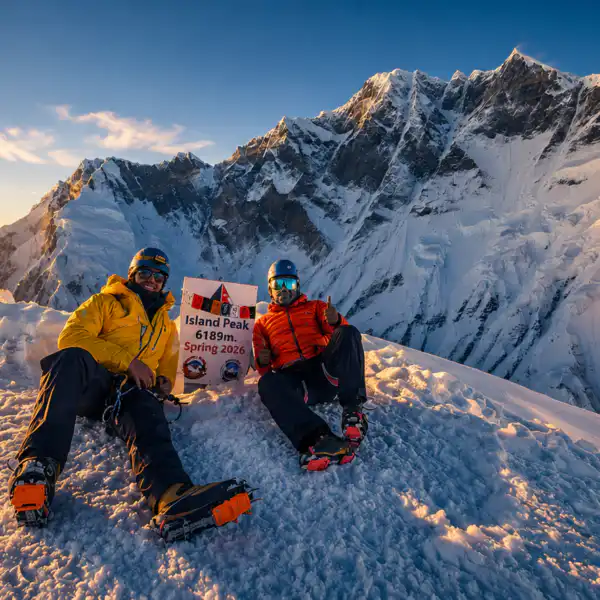
Dingboche (4,410 m) leit yn in alpine delling. It wurdt omjûn troch toppen lykas Island Peak (Imja Tse, 6,189 m) en Lobuche (8,516 m). Teehuzen yn Dingboche leverje waarme mielen en noflike sliepkeamers. Dit diel fan 'e Everest Three High Passes-tocht markearret in merkbere feroaring yn terrein en klimaat. Beammen wurde tiner, de loft tinner en it lânskip rûger.
Moarnsbrochje brea - iten. waarm iten
Lodge
10 km / 6 myl
4,360 m
5hrs
Dag 06: Dingboche nei Chhukung
De oare deis sette wy ús tocht troch nei Chhukung. Jo komme lâns doarpen lykas Dingboche Extension en Imja Khola. De primêre boarne fan Imja Khola is Imja Tsho, in gletsjermar dat midden 20e iuw ûntstien is troch it smelten fan 'e Imja-gletsjer en de Lhotse Shar-gletsjer. As jo fierder geane, feroarje de lânskippen as beammen ferdwine en de loft tinner wurdt. Toppen lykas Cholatse (6,440 m) en Taboche (6,495 m) folgje jo de hiele dei.
Uteinlik berikke jo Chhukung (4,730 m), in lytse delsetting oan 'e foet fan Chhukung Ri. Chhukung is it primêre startpunt foar klimmers dy't besykje de Island Peak (Imja Tse) en Chhukung Ri te berikken. It doarp biedt teehuzen foar ûnderdak en winkels foar it hieren of keapjen fan lêste-minút gear. It is in perfekte plak om in nacht of twa troch te bringen, neffens it prinsipe fan "klimme heech, sliepe leech".
Moarnsbrochje brea - iten. waarm iten
Lodge
5 km / 3 myl
4,750 m
3hrs
Dag 07: Beklimme Chhukung Ri
Fan Chhukung begjinne jo de klim nei Chhukung Ri, in pyk op 5,550 m dy't guon fan 'e bêste útsichten yn 'e Everest-regio biedt. Jo sille ek tsjûge wêze fan 'e Imja-gletsjer en syn turquoise gletsjerfivers. Chhukung Ri is in gewoane waarmte-optocht foar dyjingen dy't besykje de Island Peak (Imja Tse) te berikken of de útdaagjende hege passen lykas Kongma La oer te stekken.
Klassifisearre as in trektop troch de Nepal Mountaineering Association, is Chhukung Ri net-technysk en tagonklik foar begjinners mei in goede fitnessnivo. It rotsige terrein fereasket úthâldingsfermogen, mar gjin útwreide klimfeardigens. As jo opsteane, ferskine de toppen fan Lhotse, Island Peak, Ama Dablam en Nuptse grutter en dúdliker. Nei it genietsjen fan it útsicht, geane jo foarsichtich werom nei it doarp Chhukung, dêr't teehuzen in perfekte plak biede om te herstellen.
Moarnsbrochje brea - iten. waarm iten
Lodge
6 km / 3.5 myl
5,546 m
4hrs
Dag 08: Oerstekke nei Kongma La-pas
Fan Chhukung begjinne jo de klim nei Kongma La Pass (5,535 m), de heechste pas fan 'e trektocht. It paad folget morene-rêgen en gletsjerstreamen foardat jo Kongma La berikke. Jo kinne Island Peak en Ngozumpa-gletsjer (de grutste gletsjer yn Nepal) ûnderweis sjen.
It berikken fan 'e top fan Kongma La is in grutsk momint. De namme "Kongma La" is ôflaat fan 'e Sherpa-taal, wêrby't "La" "pas" betsjut. Dizze pas tsjinnet as in wichtich tagongspunt foar klimmers dy't nei toppen lykas Pokalde Peak (5,806 m) mikke. Fan 'e pas kinne jo Everest, Lhotse, Makalu en Cho Oyu sjen.
De pas biedt ek in dúdlik sicht op it paad dat delkomt nei de Khumbu-delling, ynklusyf Chhukung, Lobuche en Dzongla. De delgong fan Kongma La liedt jo nei Lobuche (4,940 m). It doarp hat ferskate teehuzen dêr't jo rêste kinne en genietsje kinne fan 'e toppen fan Pumori (7,161 m), Nuptse (7,861 m) en Khumbutse (6,636 m).
Moarnsbrochje brea - iten. waarm iten
Lodge
12 km / 7.5 myl
5,535 m
6hrs
Dag 09: Lobuche nei Gorak Shep
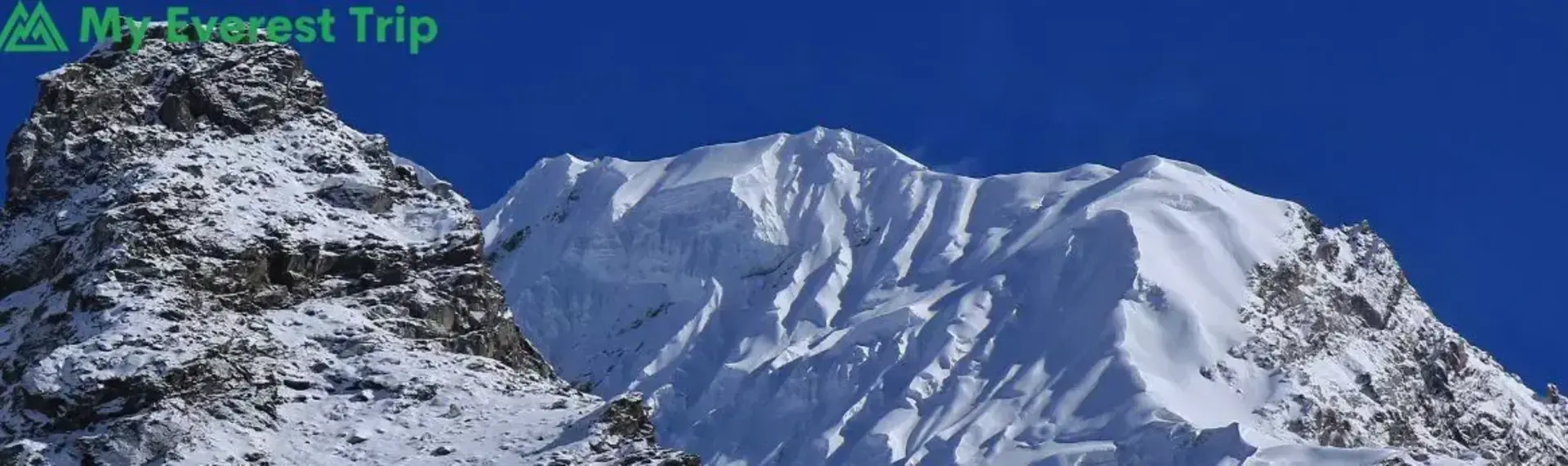
Begjinnende mei in perfekte miel by Lobuche, folget it paad de Khumbu-gletsjer en giet direkt nei Gorakshep. As jo Gorakshep benaderje, krije jo dúdlik útsicht op 'e berch Pumori, wat "de ûntroude dochter" betsjut yn it sherpa. Pumori wurdt faak de dochter fan Everest neamd. Nei ferskate oeren berikke jo Gorak Shep (5,164 m), de lêste delsetting foar it Everest Base Camp. It doarp is lyts, mei mar in pear lodges.
Gorakshep hat histoaryske betsjutting as it orizjinele Everest Basiskamp, brûkt troch ekspedysjes yn 'e jierren 1950, wêrûnder Sir Edmund Hillary en Tenzing Norgay yn 1953. Fan Gorakshep is de noardkant fan Nuptse dúdlik sichtber. As jo hjir oernachtsje, bereidt jo jo foar op 'e klim nei Kala Patthar de oare moarns.
Moarnsbrochje brea - iten. waarm iten
Lodge
15 km / 9 myl
5,170 m
7hrs
Dag 10: Gorak Shep nei Kala Patthar
Moarns betiid fan Gorakshep ôf klimt it paad nei Kala Patthar (5,545 m). De loft is tin, en de grûn is rotsich, mei gebedsflaggen dy't de wei markearje. As jo omheech geane, komme de bergen tichter yn sicht - Pumori, Lingtren, en de tsjustere piramide fan 'e Mount Everest sels.
Op 'e top fan Kala Patthar sjogge jo de súdkant fan 'e Everest, Nuptse, en Changtse oan 'e Tibetaanske kant. Jo kinne ek de Khumbu-iisfal en de útwreiding fan it Everest Base Camp sjen. Kala Patthar is it heechste punt dat troch de measte trekkers berikt wurdt sûnder in klimfergunning nedich te hawwen. Dizze side is ek brûkt foar wittenskiplik ûndersyk en hat sels in webkamera ûnderbrocht om de omstannichheden op 'e Everest te kontrolearjen.
Nei it besjen fan it lânskip liedt de delgong werom nei Gorak Shep foar it moarnsiten. Fan hjirút giet de tocht fierder nei Lobuche, wêrby't it paad lâns de Khumbu-gletsjer werom folge wurdt.
Moarnsbrochje brea - iten. waarm iten
Lodge
10 km / 6 myl
5,550 m
5hrs
Dag 11: Lobuche nei Dzongla
Op dizze dei meitsje jo jo klear foar in oare prachtige trektocht. Jo rinne tichtby de Khumbu-gletsjer en stekke ferskate streamen oer dy't ûntstien binne troch smeltend iis. Om't wy tsjin de klok yn rinne, is dit diel in kritysk ûnderdiel en it minst folge opwaartse paad fan 'e hiele hege pastrektocht.
Nei in pear oeren beklimming berikke jo Dzongla (4,830 m). It is in wichtich punt foar trekkers dy't besykje de Cho La-pas oer te stekken. It is de lêste delsetting dêr't jo trochhinne komme foar de swiere beklimming nei dizze heechheechpas. It doarp ferbynt it wichtichste Everest Base Camp-paad (fan Lobuche) mei de Gokyo Lakes-delling. Hjir rêste jo út en meitsje jo klear foar de folgjende útdaging op heechheech.
Moarnsbrochje brea - iten. waarm iten
Lodge
6 km / 3.7 myl
4,940 m
3hrs
Dag 12: Trektocht nei Gokyo
Hjoed sille jo in oare wichtige hege pas fan 'e Everest-regio oerstekke - Cho La Pass (5,420 m). It is ien fan 'e dreechste dielen fan 'e tocht. Jo moatte betiid begjinne om middeiswyn en min sicht te foarkommen. Ofhinklik fan 'e snie- en iisomstannichheden kin it glêd wêze en kinne technyske apparatuer lykas stijgijzers nedich wêze.
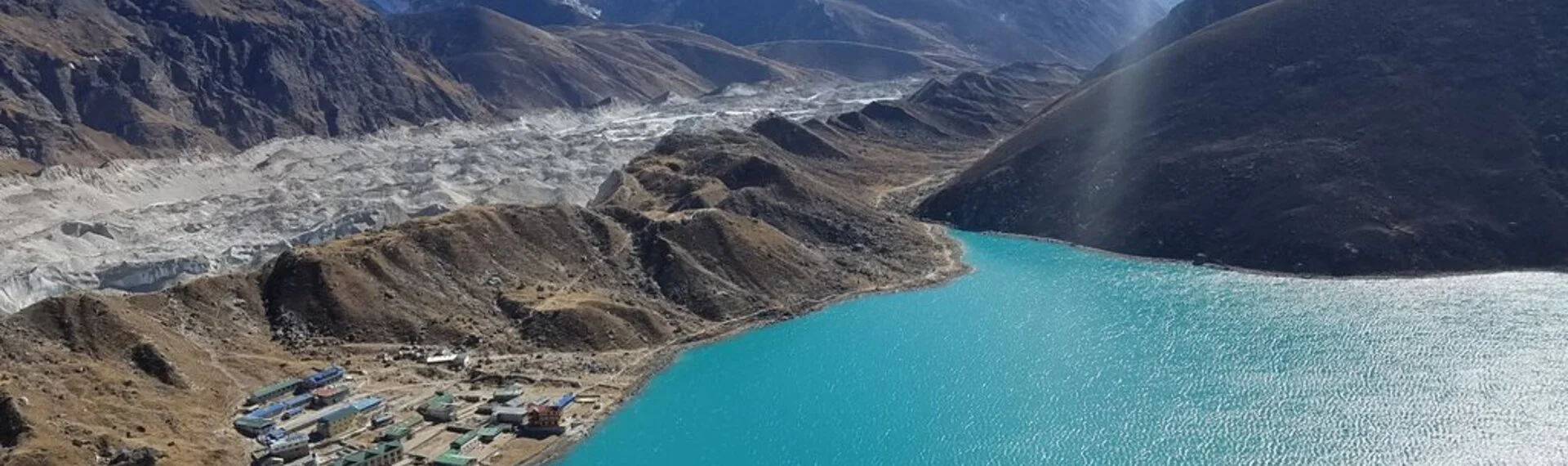
Fan 'e top fan 'e pas sille jo de prachtige Khumbu-delling, Everest, Lhotse, Makalu en Ama Dablam sjen. Nei't jo fan 'e Cho La-pas nei Thangnak ôfdaald binne, sille jo jo reis trochsette troch de Ngozumpa-gletsjer te passearjen, de langste gletsjer yn Nepal. Nei it oerstekken fan 'e gletsjer feroaret it lânskip drastysk, en berikke jo de Gokyo-delling en de marren. It doarp sels leit oan 'e eastlike oever fan Dudh Pokhari, de grutste fan 'e Gokyo-marren.
Moarnsbrochje brea - iten. waarm iten
Lodge
6 km / 3.7 myl
4,940 m
3hrs
Dag 13: Rêstdei yn Gokyo: Beklimme de Gokyo Ri
Gokyo wurdt omjûn troch toppen lykas Cho Oyu, Gyachung Kang, en Ngozumpa-gletsjer. Hjoed is in rêst- en akklimatisaasjedei; jo lichem moat him oanpasse oan 'e tinnere loft. De populêrste aktiviteit op dizze dei is om in sinneopgong te besjen op Gokyo Ri (5,357 m). Jo sille foar sinneopgong kuierje om de útdaagjende 2 oant 3 oeren duorjende klim nei de top fan Gokyo Ri te meitsjen. De beleanning is in 360-graden panorama fan fjouwer 8,000 meter hege toppen: Mount Everest, Lhotse, Makalu, en Cho Oyu. In protte trekkers beskôgje it útsicht op 'e Everest-berchtme fan Gokyo Ri superieur oan dat fan Kala Patthar.
As jo ekstra enerzjy hawwe, is in healdeiske ekskurzje nei de Fjirde en Fyfde Gokyo-marren tige oan te rieden. De Fyfde Mar, Ngozumpa Tsho, is in mear ôfgelegen en freedsum plak mei útsjoch op 'e noardkant fan 'e Mount Everest. Nei it genietsjen fan it útsicht geane jo werom nei Gokyo-doarp foar rêst. Koarte kuiers troch it doarp, in soad wetter drinke en lichte mielen helpe jo lichem te herstellen.

Moarnsbrochje brea - iten. waarm iten
Lodge
9 km / 5.6 myl
5,360 m
4hrs
Dag 14: Gokyo nei Marlung
Hjoed pakke wy ús lêste pas fan 'e reis oan. Jo sille klimme nei de Renjo La-pas (5,360 m), de tredde en lêste pas fan 'e Everest High Pass-tocht. Fan 'e top kinne jo Cho Oyu, Gyachung Kang, Lhotse en de Mount Everest sjen. It biedt ek in útsjochpunt foar de Gokyo-marren en de Ngozumpa-gletsjer. De Renjo La-pas ferbynt ek de âlde hannelsrûte tusken Nepal en Tibet.
Nei de delgong fan Renjo La berikke jo Marlung, in lytse delsetting yn 'e alpine delling. It doarp leit oan 'e rûte dy't de hege Gokyo-delling ferbynt mei it histoarysk wichtige Sherpa-doarp Thame. Thame is it thús fan ferneamde berchbeklimmers lykas Tenzing Norgay Sherpa en Apa Sherpa. Yn Marlung rêste jo út yn in teehûs en meitsje jo klear foar de delgong nei Namche moarn.
Moarnsbrochje brea - iten. waarm iten
Lodge
15 km / 9.3 myl
5,360 m
7hrs
Dag 15: Marlung nei Namche Bazaar
De tocht fan Marlung nei Namche omfettet in flinke delgong. De delgong lit jo lichem herstelle nei de trije hege passen. De loft wurdt dikker en de fegetaasje tichter as jo weromkomme nei de legere Khumbu-dellingen. Jo kinne ek troch lytse doarpen lykas Thame en Phunki Tenga gean.
It berikken fan Namche Bazaar fielt as it foltôgjen fan in grut part fan 'e trektocht. Hjir kinne jo souvenirs keapje, de merken foar de lêste kear ferkenne en genietsje fan in panoramysk útsicht op 'e sniebedekte berch foar it lêste stik nei Lukla.
Moarnsbrochje brea - iten. waarm iten
Lodge
12 km / 7.5 myl
4,210 m
5hrs
Dag 16: Namche Bazaar nei Lukla
Fan Namche Bazaar geane jo oer de rivier de Dudh Koshi oer in hege hingbrêge as jo rjochting Lukla geane. Jo komme troch Monjo, Phakding en Chheplung. De rûte is drok mei oare trekkers, dragers en yaks dy't foarrieden drage.
De klim werom nei Lukla markearret it ein fan 'e trekkingreis. Hjir kinne jo mei jo team fiere en genietsje fan jo lêste jûn yn 'e Khumbu-regio. Us team sil dwaande wêze mei it regeljen fan jo flechtkaartsjes foar Kathmandu. As der problemen ûntsteane by it boeken fan 'e flecht, dan moatte jo miskien noch in dei hjir trochbringe. Mar wy sille derfoar soargje dat jo sokke problemen net tsjinkomme.
Moarnsbrochje brea - iten. waarm iten
Lodge
19 km / 12 myl
3,438 m
8hrs
Dag 17: Lukla nei Kathmandu
Flechten fan Tenzing-Hillary Airport fan Lukla bringe jo werom nei Kathmandu of, yn it heechseizoen, fia Manthali Airport yn Ramechhap. Moarnsflechten biede in dúdlik útsicht op 'e Himalaya-berchtme, ynklusyf de Everest, Lhotse, Makalu en Gauri Shankar. Ienris yn Kathmandu geane jo werom nei it komfort fan 'e stêd. It markearret de foltôging fan 'e Everest Three Pass Trek - in reis troch trije hege passen, hillige marren, gletsjers en Sherpa-doarpen. Wy sille jûns gearkomme foar in ôfskiedsdiner om ús reis te fieren.
Moarnsbrochje brea - iten. waarm iten
Hotel
1,400 m
17 Dagen Everest Trije Pass Trekkaart
Wat te ferwachtsjen?
Wat is ynbegrepen
Ophel- en ôfsettsjinsten fan it fleanfjild
- Regelje asjebleaft foar opheljen fan 'e ynternasjonale lofthaven en transfer nei jo hotel of hostel as jo oankomme.
- Nei de reis is it ôfsetten fan it ynternasjonale fleanfjild ek ynbegrepen.
- Binnenlânske fleanfjildôflevering fan hotel (begjin fan 'e trektocht)
- Ophalen fan binnenlânske fleanfjild en transfer nei it hotel (nei de trektocht)
Akkommodaasjetsjinsten
- 16 nachten yn lokale teehuzen yn 'e bergen (op basis fan twa persoanen). Foar lúkse akkommodaasje yn Kathmandu wolle wy de opsjes beprate mei ús reisspesjalist.
- As jo privee keamerakkommodaasje nedich binne tidens de trektocht, kin dat tsjin in ekstra kosten regele wurde. Rieplachtsje ús ekspert.
Domestic Flights
- Flechtkaartsje foar Kathmandu nei Lukla
- Flechtkaartsje fan Lukla nei Kathmandu
Iten tidens Kathmandu/Trekking
- 16 Moarnsbrochje: Lokale en kontinintale karren fan it teehûsmenu
- 16 Lunsj: In ienfâldige en lichte lunch yn 'e teehuzen fan it lunchkamp
- 16 Dinner: Veggie- en net-veggie-mielen fan jo kar, húshâldlike en kontinintale gerjochten fan it lokale teehûs Menu
Gids-/Portertsjinsten en harren oanspraaklikheden
- Trekkinggids - Ingelsktalige gids mei in lisinsje en mear as 10 jier ûnderfining.
- Lokale sherpa foar it dragen fan jo bagaazje oant maksimaal 20 kg (2 gasten diele 1 porter)
- Fersekeringen foar gids en drager (need-evakuaasje en ûngemaklike medyske kosten)
- Alle mielen foar de gids/porter
- Salaris neffens it standert taryf fan it bedriuw (dat wurdt oanrikkemandearre troch de belutsen feriening fan 'e toeristyske sektor)
Fergunningen en belestingen ynbegrepen:
- Tagongsfergunning foar Everest Nasjonaal Park,
- Pasang Lhamu Rural Municipality Trekking Card Fee:
- Alle kosten foar buro-tsjinsten, oerheidsbelestingen en BTW
Fergese ynklúzjes foar de Everest Base Camp Trek:
- Trekkingkaarten fan 'e Everest Base Camp-rûte
- Oximeters foar it kontrolearjen fan soerstofnivo's tidens de trektocht
- Earste help-kit dy't troch ús team droegen wurdt
- Wettersuverjende tabletten foar feilich drinkwetter
- Regeling foar needhelptsjinsten (Opmerking: Soargje derfoar dat jo in reisfersekering hawwe fan jo heitelân dy't medyske needgefallen en evakuaasje dekt)
- Sliepsek foar fjouwer seizoenen wurdt op oanfraach oanbean troch My Everest Trip (moat nei de trek weromjûn wurde)
- Fergese plunjetas foar jo besittings (mei in drager droegen as it nedich is)
- Sertifikaat fan prestaasje nei foltôging fan 'e tocht
Wat is útsletten
- Mieltiden yn Kathmandu foar en nei de trekking, mei in priis fan US$ 15 oant US$ 20 deis.
- Dyn reisfersekering (Rescue)
- Kosten foar yngongsvisa foar Nepal.
- Tips foar trekking personiel en bestjoerder
- Dranken (waarm, kâld en alkoholysk)
- Persoanlik boadskippen dwaan en waskjen, ensfh.
- Persoanlike trekkingapparatuer.
Fêste fertrekken foar 17 dagen Everest Three Pass Trek

Tripadvisor Resinsjes








Google Oersjoch


17 Dagen Everest Three Pass Trek Oanfoljende ynformaasje
Kosten fan 'e Everest Trije Pass Trek
De kosten fan 'e 17-dagen Everest Three Pass Trek binne US$ 1,865 per persoan, basearre op 'e tsjinsten dy't yn it pakket opnommen binne. De priis omfettet de wichtichste trekkingregelingen dy't yn jo pakket opnommen binne, lykas akkommodaasje, mielen, gidstsjinsten, fergunningen en ferfier lykas oanjûn ûnder de ynbegrepen items.
| Kosten item | Pakketdekking |
| Akkommodaasje | Teehûs- of lodge-akkommodaasje tidens de trektocht |
| Meals | Moarnsiten, lunch en diner tidens de trekperioade |
| Guide | Profesjonele trekkinggids |
| fergunnings | Ferplichte trekkingfergunningen spesifisearre yn it pakket |
| Transport | Ferfier en binnenlânske flechten oantsjutte yn it reisplan |
| Persoanlike kosten | net opnommen |
| Reisfersekering | net opnommen |
| International flights | net opnommen |
| Tips | net opnommen |
Jo moatte ek jild útjaan oan persoanlike útjeften by it kuierjen. Alkoholyske dranken, snacks, Wi-Fi, opladen, waarme dûsen, fooien, reisfersekering en oare tsjinsten dy't net as ynbegrepen neamd binne, wurde apart yn rekken brocht.
Der binne ek ekstra kosten dy't oplein wurde kinne as jo mear hotelkeamers wolle boeke, feroarings oan 'e gewoane rûte, privee ferfier of oare foarsjennings dy't net yn it pakket binne opnommen. It kontrolearjen fan 'e ynklúzjes en útslutingen foardat jo boeke sil jo helpe om de totale kosten fan jo trektocht te kennen.
Wat binne de trije hege passen?
Kongma La-pas (5,535 m / 18,159 ft)
It leit oan de eastlikste pas lâns de Everest-regio en stiet bekend om syn útdaagjende terrein. Mei 5,5305 m is it de heechste fan 'e trije passen, wêrtroch't it in wichtige mylpeal is foar trekkers. Krekt boppe Dingboche en súdwestlik fan Everest leit it en biedt it in adembenemend panoramysk útsicht op 'e bergen en gletsjermarren.
Fan dit útsjochpunt kinne trekkers ynspirearjende toppen sjen lykas Thamserku, Ama Dablam en Kongtega. It berikken fan Kongma La beleannet aventoerders mei ûnferjitlike útsichten dy't de útdaagjende reis de muoite wurdich meitsje.
Cho La-pas (5,420 m / 17,782 ft)
Mei in hichte fan 5,420 meter is it de twadde stop op dizze trektocht. It ferbynt twa populêre trekkingdellingen: Everest Base Camp en Gokyo. Dizze pas is as in ferburgen skat yn 'e Everest-regio, bekend om syn rûge skientme. As jo hjirwei nei it westen geane, komme jo by de prachtige Gokyo-marren, wêrby't jo de útdaagjende Ngozumpa-gletsjer oerstekke. Oan 'e eastkant komt it paad by de ferneamde EBC-rûte. It biedt aventoerers in fantastyske reis troch it adembenemende lânskip fan 'e Himalaya.
Renjo La-pas (5,340 m / 17,520 ft)
Dizze pas markearret it westlike ein fan 'e Everest-regio en is de maklikste fan 'e trije passen. Mei 5,360 meter is it de leechste yn hichte. De mystike Gokyo Lakes-rûte omfettet dizze pas, en biedt trekkers prachtige útsichten sûnder de útdaging fan gletsjers.
Fan 'e pas wurde aventoerers traktearre op adembenemende útsichten op 'e Himalaya, wat in ekstra laach magy tafoeget oan 'e reis. Boppedat is it it tichtste paad nei de Nangpa-La-pas, dy't Nepal mei Tibet ferbynt. Dit makket de reis lânskiplik en kultureel betsjuttingsfol, wêrtroch aventoerers de natuer en skiednis kinne ferkenne.
Mienskip en taal dy't yn dizze regio sprutsen wurdt
Yn 'e Everest-regio binne de wichtichste mienskippen dy't jo tsjinkomme de Sherpa's. Se binne bekend om har berchbeklimmingsfeardigens en sterke ferbining mei de Himalaya. De Sherpa's hawwe har eigen taal, bekend as "Sherpa" of "Khumbu", mar de measten sprekke ek Nepaleesk, de nasjonale taal fan Nepal. Neist de Sherpa's kinne jo oare etnyske groepen tsjinkomme, lykas de Tamang- en Rai-minsken, dy't ek yn 'e regio wenje.
By in spannende trektocht nei de Everest High Pass sille jo fine dat in protte lokale bewenners wat Ingelsk prate kinne, foaral yn 'e wichtichste trekgebieten lykas Namche Bazaar en Lukla. Hoewol Ingelsk algemien begrepen wurdt, sil it learen fan in pear basiswurden yn it Nepaleesk, lykas "Namaste" (hallo) en "Dhanyabad" (tank), tige wurdearre wurde. De measte lokale bewenners, benammen Sherpa's, sprekke de Sherpa-taal, dy't oars stavere wurde kin foar doarpsnammen. Dit kin liede ta fariaasjes lykas Dzonglha, Dzongla of Zonglha.
Neist taal sille jo fernimme dat de lokale befolking tige freonlik is en graach mei trekkers ynteraksje wol. Benammen de doarpsbern binne nijsgjirrich en kinne jo mei in glimke of ienfâldige fragen begroetsje. Se kenne faak in bytsje Ingelsk, mar genietsje fan it oefenjen mei trekkers. Sels as jo net deselde taal prate, sil it brûken fan ienfâldige útdrukkings helpe om in positive ferbining te meitsjen mei de minsken dy't jo ûnderweis tsjinkomme.
Ferfieropsje foar de Three Passes Trek
De primêre opsje foar de Everest Three Pass-trektocht is it fleanen nei Lukla of it nimmen fan in meardeiske oerlânske oanpak mei trekking. Litte wy beide beprate.
Flean nei Lukla:
- Flechten fan Kathmandu (TIA)De flechten fan 25-40 minuten fan Kathmandu binne allinich beskikber yn 'e leechseizoenen lykas jannewaris, febrewaris, juny, july en desimber.
- Flechten fan Ramechhap (Manthali Airport)Fanwegen hegere loftferkear yn Kathmandu tidens it heechseizoen fan trektochten, wurde flechten fan Manthali faak omlaat nei Manthali Airport yn Ramechhap. Dit fereasket in bus- of jeeprit fan 4 oant 5 oeren foar moarnsiten fan Kathmandu om de iere moarnsflecht te heljen.
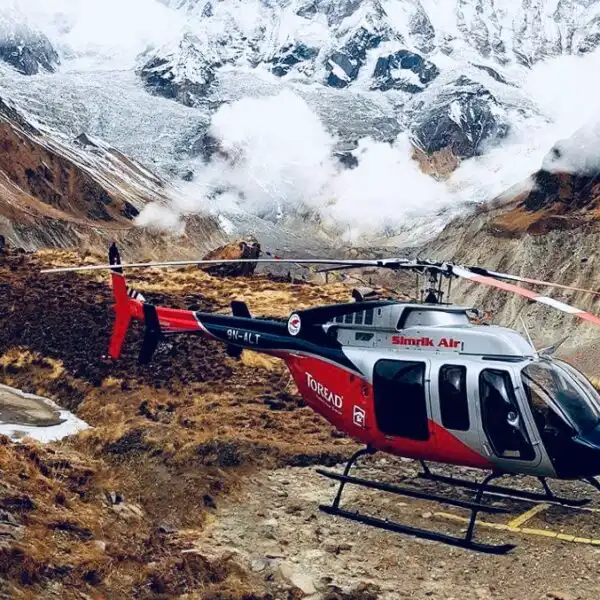
- HelikopterIn djoerdere mar betroubere opsje is om in helikopterflecht direkt fan Kathmandu nei Lukla te boeken. Dit foarkomt de lange rit nei Manthali yn it heechseizoen en wurdt minder beynfloede troch ûngeunstige waarsomstannichheden.
Oerlân- en trekkingoanpak:
- Fan JiriJo kinne in bus of in privee jeep nimme fan Kathmandu nei Jiri en dan ferskate dagen kuierje om Lukla te berikken. Dit wie de tradisjonele rûte dy't brûkt waard troch de iere berchbeklimmers.
- Fan Phaplu of SalleriIn tiidseffektiver opsje is om in bus of jeep fan Kathmandu nei Phalpu of Salleri te nimmen. Fan dêrút sille jo in pear dagen kuierje om ferbining te meitsjen mei it haadpaad by Lukla.
- Nijere tagong ta de dykWegen binne fierder útwreide yn 'e regio rjochting Surkhe of Thamdanda. Fan 'e ein fan 'e dyk is it in koartere tocht om by de haadrûte te kommen.
Hoe kinne jo jo tariede op 'e Everest Three Pass Trek
De Everest Three Pass Trek fereasket goede fysike training, om't it paad lange kuierdagen hat, steile berchopgongen, berchôfgongen en trije hege passen om oer te stekken. Jo moatte noflik wêze om ferskate oeren op berchpaden te kuierjen en omgean mei opienfolgjende dagen fan trekking.
Begjin in pear wiken foar de reis mei it plannen. Regelmjittich kuierjen is ideaal, foaral op rûtes mei op- en delgeande stikken. Yn gefal fan ûnbeskikberens fan heuvels kinne treppen klimmen, rinnen mei hellingen en oare oefeningen dy't it hert belûke brûkt wurde om úthâldingsfermogen te ûntwikkeljen.
It is ek nuttich om jo skonken en kearnspieren te fersterkjen. Squats, lunges en ferlykbere aktiviteiten kinne jo skonken traine om in protte kearen te klimmen en te dalen. Oefenje kuierjen mei de dei-rucksak en trekkingskuon dy't jo fan plan binne te brûken, sadat jo problemen kinne identifisearje foar fertrek.
Eardere trekkingûnderfining is nuttich, mar jo hoege gjin betûfte berchbeklimmer te wêzen. It wichtichste is om oan te kommen mei in goed úthâldingsfermogen, geskikte apparatuer, en in begryp dat de tocht swier kuierjen op grutte hichte omfettet.
Rûte mei de klok mei boppe tsjin de klok yn | Hokker te kiezen?
Tsjin de klok yn, dus Kongma La (5,535 m) nei Cho La (5,420 m) en Renjo La (5,360 m) is in perfekte kar foar de Everest Three Pass Trek. De wichtichste faktor op elke trektocht op grutte hichte is it foarkommen fan akute berchsykte (AMS), en de tsjin-de-klok is ûntworpen om dit effektiver te dwaan. Dizze rûte makket twa krúsjale akklimatisaasjestops mooglik foar de easkende passen: ien yn Namche Bazaar en in twadde yn Chhukung. Mar de rûte mei de klok mei biedt minder akklimatisaasjemooglikheden foardat de earste pas oanpakt wurdt.
Kongma La benaderje fanút de rjochting fan Chhukung is fysyk minder ynspannend en útdaagjend as de lange, steile klim dy't nedich is as jo fan 'e tsjinoerstelde (klokwize) rjochting komme by Lobuche. As swiere snie of gefaarlike omstannichheden jo derfan werhâlde om Kongma La oer te stekken, kinne jo maklik omdraaie en it haadpaad EBC nei Gorak Shep folgje om Everest Base Camp en Kala Patthar te besykjen. Dêrom is it kiezen fan de rûte tsjin de klok yn de bettere opsje.
Bêste seizoen foar de Everest 3 Passes Trek
De bêste tiid foar de Everest High Pass Trek is foar de moesson (maart oant maaie) en nei de moesson (septimber oant novimber). Yn dizze seizoenen krije jo heldere loft, matige temperatueren en stabyl waar. Utsein dizze twa riede wy oer it algemien net oan om te kuierjen yn 'e simmer- en wintermoannen. Hjir is in koarte útlis:
- Foar-moesson (maityd: maart oant maaie)De temperatuer farieart fan 5 – 10 °C yn legere doarpen oant -2 oant -6 °C by de passen. Jo kinne genietsje fan bloeiende rododendrons mei dúdlik útsicht op 'e Everest, Gokyo en Ngozumpa-gletsjer.
- Nei de moesson (hjerst: septimber oant novimber)Yn dit seizoen is de temperatuer 8 –18 °C yn legere gebieten, oant 0 – 6 °C yn hegere kampen. It biedt de helderste loft en de meast betroubere omstannichheden foar it sjen fan toppen fan 8,000 m.
- Simmer (Moesson: juny oant augustus)De temperatuer yn dit seizoen farieart fan 12 – 20 °C yn dellingen oant 0 – 8 °C op hegere punten, mei swiere delslach fan sawat 150 – 250 mm yn 'e moanne. De paden binne weelderich en rêstich, mar faak glêd mei beheind útsicht op 'e berch.
- Winter (desimber oant febrewaris)De temperatuer sakket nei -2 – 6 °C yn legere doarpen en -15 oant -30 °C om de passen hinne, mei swiere rein boppe de 3,500, en djippe snie op passen boppe de 5,400 m.
Akklimatisaasje op 'e 17-dagen tocht
Akklimatisaasje is in wichtich ûnderdiel fan 'e 17-dagen rûte, om't de rûte stadichoan hichten boppe 5,000 m / 16,400 ft berikt. De rûte giet net gewoan elke dei omheech. Tiid is opnommen by hegere delsettings, sadat jo lichem him oanpasse kin foar de meast easken seksjes.
Namche Bazaar is it earste wichtige akklimatisaasjepunt nei it ynkommen fan 'e Khumbu-regio. De rûte giet dan stadichoan fierder rjochting Tengboche en de hegere doarpen.
Dingboche biedt in oare wichtige kâns om oan te passen foardat jo nei de hegere dellingen en de earste pas geane. It akklimatisaasjeplan sil helpe om de snelheid fan 'e hichtewinst te fertragen en sil jo tiid jaan om mear wend te reitsjen oan it kuierjen op ferhege hichten.
Us gids sil de steat fan 'e groep tidens de trek kinne folgje en helpe by it oanhâlden fan in passend tempo. By ferhege nivo's is it needsaaklik om hydratisearre te bliuwen, in regelmjittich dieet te behâlden, te rêsten en alle abnormale symptomen oan 'e gids te melden.
Needsaaklike fergunningen en dokuminten
De fergunningen dy't nedich binne foar de Everest Three Pass-tocht binne de yngongsfergunning fan Sagarmatha National Park (SNP) en de fergunning fan 'e Khumbu Pasang Lhamu Rural Municipality. Jo hoege gjin ekstra of spesjale fergunningen lykas TIMS of de Gokyo Lake Area Permit te keapjen neist dizze twa standertfergunningen.
| Fergunning Type | Priis (NPR / USD) | Wêr te krijen it |
|---|---|---|
| Fergunning foar tagong ta it Nasjonaal Park Sagarmatha | 3,000 / 23 | Toerismeburo fan Nepal of Monjo |
| Pasang Lhamu Rural Gemeente Fergunning | 2,000 / 15 | Toerismeburo fan Nepal of Trekkingburo, lykas "Myn Everest-reis" |
Needsaaklike dokuminten foar fergunningen
- Passport Kopy
- Paspoart-sized Photographs
- Visa-kopy
- Brief fan it Trekkingburo
- Itinerary Details
Akkommodaasje om de Three Pass Trek hinne
De akkommodaasjemooglikheden fariearje fan ienfâldige teehuzen oant nofliker lodges. De ienfâldige teehuzen biede ienfâldige keamers mei dielde foarsjennings. Jo sille meastentiids in bêd fine mei in dikke matras, mar tink derom dat d'r miskien gjin privee keamer of badkeamer is. Guon teehuzen hawwe mienskiplike badkeamers, en de dûs kin kâld wêze, foaral op gruttere hichten. Elektrisiteit is op de measte plakken beskikber, mar stroom is beheind. De kosten foar in nacht yn dizze ienfâldige teehuzen kinne fariearje fan NPR 500 oant NPR 1,500 ($ 4 oant $ 12), ôfhinklik fan 'e lokaasje.
Guon lodges biede privee keamers en soms oansletten badkeamers foar dyjingen dy't wat mear komfort sykje. De keamers hjir binne rommer en nofliker, hoewol waarme dûsen miskien in ekstra kosten meibringe. Dizze lodges hawwe oer it algemien bettere foarsjennings, lykas oplaadpunten foar elektroanika en Wi-Fi (tsjin in ekstra kosten) . De priis foar in nacht yn dizze lodges kin fariearje fan NPR 2,000 oant NPR 5,000 ($ 17 oant $ 42). Wy sille lykwols al jo akkommodaasjes regelje as jo by ús boeke.
Itenopsjes om de Three Passes Trek hinne
Op 'e Everest Three Pass-trekking fine jo in ferskaat oan itenopsjes lykas Dal bhat, Sherpa-stew, Momos en Thukpa yn teehuzen en lodges. Dizze akkommodaasjes biede in ferskaat oan iten dat de koalhydraten en proteïne leveret dy't nedich binne foar trekking op grutte hichte. Hjir is wat jo krije foar moarnsiten, lunch en diner.
| Moarnsbrochje | lunch | Iten |
|
|
|
Reisfersekering
Fersekering is essensjeel foar de tarieding op elke trektocht, foaral yn ôfgelegen gebieten lykas de Everest-regio. Trekking yn hege hichte kin ûnfoarspelber wêze, en ûngemakken of sûnensproblemen kinne foarkomme. Fersekering soarget derfoar dat jo finansjeel beskerme binne yn needgefallen, lykas medyske evakuaasjes, sikehûsbehanneling of oare ûnfoarsjoene omstannichheden . Dit is foaral wichtich yn 'e Everest-regio, dêr't medyske foarsjennings beheind binne en de evakuaasjekosten ekstreem heech kinne wêze.
In reisfersekering wurdt oanrikkemandearre dy't trektochten op grutte hichten, needevakuaasje en alle mooglike medyske behanneling dekt. Guon bekende oanbieders, lykas World Nomads, Allianz of Trek Protect, biede spesjalisearre polissen foar trekkers. Dizze polissen kinne ferskate problemen dekke, ynklusyf ûngemakken, ferwûnings, ferlerne gear of flechtannulearrings. Fersekering jout jo rêst, wittende dat jo beskerme binne as der wat mis giet tidens jo trektocht.
It wurdt sterk oanrikkemandearre foar alle trekkers, nettsjinsteande ûnderfining, om passende fersekering ôf te sluten foardat se oan in aventoer op hege hichte begjinne.
Flechtynformaasje oer Lukla en Ramechhap
De Everest Three Pass Trek begjint en einiget mei flechten fia Lukla. Ofhinklik fan it seizoen en de hjoeddeiske flechtoperaasjes kinne flechten operearje tusken Kathmandu en Lukla of tusken Ramechhap Airport en Lukla.
As flechten fan Ramechhap ôf geane, moatte reizgers oer de dyk reizgje fan Kathmandu nei Ramechhap, ek wol bekend as Manthali, foardat se mei de loft fierder geane nei Lukla.
| Flechtregeling | Ynformaasje |
| Kathmandu nei Lukla | Rydt as der flechten pland binne fanút Kathmandu |
| Ramechhap nei Lukla | Fereasket in oerstap oer de dyk fan Kathmandu nei Ramechhap |
| Lukla nei Kathmandu | Beskikber as der weromflechten nei Kathmandu binne |
| Lukla nei Ramechhap | Kin brûkt wurde as weromkearoperaasjes basearre binne op Ramechhap |
Flechten nei Lukla binne ôfhinklik fan it berchwaar en de operasjonele omstannichheden. Fertragingen en annulearrings binne mooglik as it sicht of waar net geskikt is foar fleanen. Wy riede oan om wat fleksibiliteit te hâlden yn jo reisskema nei Nepal, benammen om it begjin en ein fan 'e trek hinne.
As in flecht fertrage of annulearre wurdt, moat it trekkingskema miskien oanpast wurde. Alle ekstra akkommodaasje, mielen, ferfier of oare kosten dy't ûntsteane út flechtûnderbrekkingen sille ôfhingje fan 'e omstannichheden en de betingsten fan jo pakket.
Everest 3 High Pass Trekking Moeilijkheidsgraad
- De tocht beslacht sawat 166 km oer 17-20 dagen en in gemiddelde kuiertiid fan 6-8 oeren. Dit makket it ien fan 'e langste rûtes yn 'e Everest-regio.
- Jo sille trije passen boppe 5,300 m oerstekke, Kongma La, Cho La, en Renjo La, dy't in sterke úthâldingsfermogen fereaskje
- It navigearjen fan gletsjers, lykas de Khumbu-gletsjer by Kongma La en de Ngozumpa-gletsjer by Cho La, betsjut it oerstekken fan rotsige morenen, iis en ynstabile oerflakken.
- Soerstofnivo's sakje nei hast 50% leger as op seenivo boppe 5,000 m, wêrtroch it risiko op hichtesykte tanimt.
- Yn 'e winter (desimber-febrewaris) kin swiere sniefal de passen folslein blokkearje; dêrom moatte jo miskien de rûte feroarje of, yn slimme gefallen, de tocht stopsette.
- Wylst technyske klimfeardigens net fereaske binne, sille jo poerbêste kardiovaskulêre kondysje, úthâldingsfermogen en spierkrêft nedich hawwe om de lange ôfstannen en hege hichten te behanneljen.
- Juiste akklimatisaasjedagen, hydrataasje en fysike fitheid binne de wichtichste faktoaren dy't muoite ferminderje en suksesraten ferheegje.
Akklimatisaasje by Namche, Chhukung en Gokyo
Akklimatisaasje tidens de Everest Three Passes Trek wurdt dien by Namche Bazaar (dei 3), Chhukung (dei 7), en Gokyo (dei 13). By Namche Bazaar omfettet de akklimatisaasje in kuiertocht nei it Everest View Hotel op 3,880 m, dêr't jo de Everest, Lhotse en Ama Dablam foar it earst dúdlik sjogge. In oare útstapke is nei it doarp Khumjung, dêr't it ferneamde kleaster te finen is dat in "yeti-skalp" bewarret en de Hillary School boud troch Sir Edmund Hillary.
Yn Chhukung sille jo faak Chhukung Ri beklimme. It is in steile mar koarte klim dêr't jo Island Peak, Lhotse en Makalu sjen kinne. De klim bringt jo lichem nei in hegere hichte foar akklimatisaasje en bereidt jo foar op de kommende Kongma La Pass. By Gokyo is de sydwandeling nei Gokyo Ri, dêr't jo de Everest, Cho Oyu en de turquoise Gokyo-marren sjogge. Guon trekkers rinne ek lâns de Ngozumpa-gletsjer, de langste gletsjer yn Nepal, om de boppeste marren - Thonak Tsho en Ngozumpa Tsho - te ferkennen.
It soe it bêste wêze as jo begelaat wurde troch in ekspert by MyEverestTrip en in goed plande Everest 3 High Pass Trek-rûte hawwe. As jo in makliker opsje wolle, gean dan foar de Everest Short Trek.
Kin in begjinner in tocht fan 3 passaazjes meitsje?
Ja, in begjinner kin de Everest High Pass Trek meitsje. Hoewol dizze trek wat útdagings mei him bringt, is der gjin foarôfgeande ûnderfining mei trektochten nedich om it te besykjen. Jo moatte in goede fysike kondysje hawwe, om't de trek lange dagen kuierjen op grutte hichten omfettet. Jo kinne de trek foltôgje mei juste tarieding en tempo as jo yn goede foarm binne. Train jo lichem om sterk te wurden en jo úthâldingsfermogen te ferbetterjen. It sil jo helpe om de strangere dielen fan 'e trek makliker oan te kinnen by it oerstekken fan 'e trije passen.
Hoewol eardere ûnderfining mei trekking net nedich is, is it essinsjeel om mentaal taret te wêzen op 'e útdagings fan' e trek. De hege hichte kin easken stelle. Jo kinne lykwols ûnderweis genietsje fan 'e prachtige útsichten en ôfgelegen doarpen troch fit te bliuwen en goed te akklimatisearjen. It is it bêste om stadich te gean, in soad wetter te drinken en nei jo lichem te harkjen foar in feiliger en lokkiger ûnderfining.
Útsichten fan Everest Three High Passes Trek
Tidens jo Three Pass Trek-rûte sille jo prachtige berchlânskippen sjen. De Kongma La-berch, op 5,535 meter, biedt útsicht op de Mount Everest, Lhotse en Makalu. Dêrnei biedt it Everest Base Camp in close-up fan 'e toerjende Everest. Dêrnei biedt de útdaagjende Cho La-pas, op 5,420 meter, in spektakulêre berchpassaazje. As jo delkomme yn 'e pittoreske Gokyo-delling, fine jo marren mei opfallend blau wetter en de Gokyo Ri-pyk dy't panoramyske útsichten biedt op 'e bergen Everest en Cho Oyu.
As jo fierder geane, sille jo de Renjo La Pass tsjinkomme, dy't 5,388 meter heech is en in adembenemend útsicht biedt op 'e Everest, Cho Oyu en Nuptse. Underweis draacht de yndrukwekkende Khumbu-gletsjer by oan 'e skientme fan jo reis, wêrtroch jo ûnder de yndruk binne fan 'e natuerlike wûnders om jo hinne. Uteinlik liedt jo tocht nei Thame , in tradisjoneel Sherpa-doarp bekend om syn rike kulturele erfgoed, en markearret de foltôging fan jo ûnferjitlike aventoer yn 'e Everest-regio.

Trekking yn 'e winter is tige útdaagjend fanwegen swiere sniefal, dy't de rûte blokkearret. Wy riede oan om dizze lokaasje yn 'e winter te mijen. De swierrichheidsgraad is minimaal yn 'e maitiid; dit seizoen krije jo de kâns om jo eagen te fermeitsjen mei de lânskiplike skientme fan bloeiende wylde blommen.
Everest Base Camp Trek tsjin Three Passes Trek
De Everest Base Camp Trek en de Everest Three Pass Trek binne twa fan 'e populêrste aventoeren yn 'e Khumbu-regio. Beide nimme jo mei nei de Mount Everest, mar de ûnderfining is oars. De iene is koarter en direkter, wylst de oare langer, dreger en aventoerliker is. Hjir is in detaillearre ferliking om jo te helpen beslute:
| Kategory | Everest Base Camp Trek | Everest Trije Pass Trek |
| Doer | 12-14 dagen | 17-20 dagen |
| Totale Ofstân | ~130 km (80 milen) | ~166 km (103 milen) |
| Heechste punt | Kala Patthar - 5,545 m | Kongma La-5,535 m |
| Swierrichheidsnivo | Matich oant útdaagjend | Heech útdaagjend en ynspannend |
| Deistige kuiertiden | 5-7 oere | 6-10 oeren (langer op dagen dat jo de pas oerstekke) |
| Akklimatisaasjestops | Namche Bazaar, Dingboche | Namche Bazaar, Chhukung, Gokyo |
| Crowd Level | Drokker en populêrder | Minder drokke, mear ôfgelegen seksjes |
| Rûtesoart | In ienfâldige "hinne en werom" rûte | In wiidweidige, sirkelfoarmige "loop"-rûte. |
| Tagonklik foar | Trekkers mei goede fitnessnivo's en matige ûnderfining | Trekkers mei goede kondysje, úthâldingsfermogen en eardere ûnderfining mei trekking op grutte hichten |
Hoe bereidst dy foar op de 3 High Passes Trek yn 'e Khumbu-regio?
- Bou fysike fitness opTraine yn aerobyske aktiviteiten lykas rinnen, fytse of swimme 3-4 kear yn 'e wike foar 30-60 minuten om jo hert en longen te fersterkjen.
- Oefenje lange kuiertochtenDoch wykeinwandelingen mei rêchsekken fan 8-10 kg om trekomstannichheden te imitearjen. Fokus op steile beklimmingen en delgongen, om't de passen rotsige beklimmingen en gletsjerkruisingen omfetsje.
- Folgje de reisplanKies in rûte tsjin de klok yn (Kongma La, Cho La, en Renjo La) om jo lichem maklik oan te passen
- Bliuw hydratisearre en yt goedDrink teminsten 2-3 liter wetter deis en brûk in dieet ryk oan koalhydraten. Foarkom alkohol en kafeeïne.
- Brûk rêstdagen goedBring rêstdagen net stil troch. Meitsje koartere deiwandelingen op hegere hichte om jo lichem te helpen oanpasse oan tinne loft.
- Ken de symptomenWês bewust fan tekens fan hichtesykte (hoofdpijn, mislikens, dizichheid) en jou se daliks troch oan jo gids.
- Face de útdagingWês taret op lange dagen, ûnfoarspelber waar en basisakkommodaasjes. In positive en geduldige mentaliteit is tige wichtich.
Dingen om te witten foardat jo nei Three Passes geane
Pinautomaat en falutawikseling
Pinautomaten binne allinnich beskikber yn Kathmandu en Namche Bazaar tidens de trektocht nei de Everest Three Pass. Se binne lykwols net altyd betrouber fanwegen stroomûnderbrekkingen of technyske problemen, en der binne gjin pinautomaten beskikber bûten Namche. Jildwikseltsjinsten binne benammen yn Kathmandu te finen en biede bettere wikselkoersen as dy yn Namche.
It is essinsjeel om genôch kontant jild mei te nimmen, om't de measte lodges, winkels en tsjinsten yn 'e Khumbu-regio gjin kaarten akseptearje, en de prizen foar iten, wetter en oare essensjele saken geane omheech as jo heger komme. Kontant jild soarget derfoar dat jo ûnferwachte útjeften kinne dekke lykas ekstra iten, waarme dûsen of needfoarrieden.
visa
In Nepaleesk toeristefisum is fereaske foar yngong yn it lân, wêrtroch it ferplicht is om de trektocht te ûndernimmen. Jo kinne it krije by oankomst op it fleanfjild fan Kathmandu of online foardat jo oankomme. Fisumduur omfettet 15 dagen (USD 30), 30 dagen (USD 50) en 90 dagen (USD 125), ôfhinklik fan hoe lang jo fan plan binne yn Nepal te bliuwen.
Omdat de trektocht en akklimatisaasje sawat 3 wiken duorje, kieze in protte trekkers foar it 30-dagen fisum. Soargje derfoar dat jo paspoart teminsten seis moannen jildich is, en nim ekstra paspoartfoto's mei foar trekfergunningen.
Duorsume Trekking
Duorsume trekking is essensjeel om it ekosysteem fan 'e Khumbu-regio te behâlden. Jo moatte in werbrûkbere wetterflesse meinimme en suveringstabletten of in draachber wetterfilter brûke ynstee fan flessewetter.
Foarkom it smiten fan jiske en pak al it net-biologysk ôfbrekbere ôffal yn, om't it fuortheljen fan ôffal in útdaging is yn ôfgelegen gebieten. Respektearje lokale gewoanten en wylde dieren, stypje miljeufreonlike lodges, en beskôgje it brûken fan trektochtburo's dy't prioriteit jouwe oan duorsumens om jo miljeu-ynfloed te minimalisearjen.
Bagaazje- en rêchsekgewicht
It behearen fan it gewicht fan jo bagaazje is krúsjaal foar in noflike trektocht en om derfoar te soargjen dat dragers net oerladen wurde. Jo wichtichste bagaazje, dy't dragers drage, moat tusken de 10 en 12 kg weagje en essensjele items befetsje lykas waarme klean, in sliepsek en toiletartikelen.
Dyn dei-rucksak, dy'tst meinimst, moat tusken de 5 en 7 kg weagje en essensjele dingen befetsje lykas wetter, snacks, in reinjas, sinneskerm en in earste help-kit. Troch effisjint yn te pakken en dyn lading licht te hâlden, kinne jo jo noflik bewege en jo rjochtsje op it genietsjen fan 'e trektocht.
Checklist foar it ynpakken fan 'e Everest Three High Passes Trek
Klaaiïng
Basislaach (boppe en ûnder)
- Fochtôfvoerend shirt en broek mei lange mouwen (foarkom katoen)
- Lichte fleece of wollen stof
Middelste laach (boppe en ûnder)
- Isolearjende fleece- of donsjas
- Termyske broek foar kâldere dagen (opsjoneel)
- Licht fleece vest of jas foar lagen
Bûtenste laach
- Wetter- en wyndichte jas
- Wetterdichte en ademende broek
- Reinjas (opsjoneel)
Broek
- Trekkingbroek (licht, fluchdroegend materiaal)
- Konvertibele broek (ôfritsber foar koarte broeken)
- Isolearre broek (opsjoneel)
Oar
- Waarme muts of beanie
- Buff of nekbeskermer
- Sinnehoed
- Lichtgewicht handschoenen
- Sunscreen mei hege SPF
- Lippenbalsem mei SPF
- Sinnebril mei UV-beskerming
Footwear
- Wetterdichte trekkingskuon (stevich, enkelstipe)
- Gaiters
- Kampskuon
- Wollen of syntetyske sokken (3-4 pearen)
- Ekstra pear dikke sokken
Backpack
- 40-50L trekkingrucksak
- Wetterdichte reinhoes foar de rêchsek
- Deirucksack foar koartere tochten of deiwandelingen
Oare Gears
- Sliepsek beoardiele oant -15 °C oant -20 °C (4 °F oant -4 °F)
- Liner foar ekstra waarmte en komfort
- Trekking Poalen
- LED-koplampe mei ekstra batterijen
- In lytse zaklamp (opsjoneel)
- UV-beskermende sinnebril
- Kamera, ûnthâldkaarten en reservebatterijen
- Draagbere krêftbank
- Reisadapter foar opladen
Earstehelpdoaze
- Persoanlike medisinen (as nedich)
- Pynferlieners (ibuprofen, paracetamol)
- Tabletten tsjin diarree
- Antiseptyske crème of doekjes
- Pleisters en blisterpads
- Pincet en skjirre
- Sinneskerm en lippenbalsem mei hege SPF
- Rehydrataasje sâlt
- Ferbân, gaas en tape
Pflegeprodukte
- Biologysk ôfbrekbere sjippe en shampoo
- Toskeboarstel, toskepasta en floss
- Tissues of wiete doekjes
- Sanitizer foar de hân
- Produkten foar froulike hygiëne (as nedich)
Wettersysteem
- Werbrûkbere wetterflessen (1-2 liter)
- Wettersuveringstabletten of filters
- Isolearre wetterflessemouwen
Hapke
- Enerzjybars of trailmix
- Sjokolade of oare snacks mei hege enerzjy
Diversen
- Paspoart en fotokopieën
- TIMS-kaart
- Sagarmatha National Park fergunning
- Fersekeringsdetails
- Emergency kontakt nûmers
- Kontant jild yn Nepaleeske roepies
- Kredyt-/debitkaart foar needgefallen
Wêrom kieze foar MET foar Everest Three Passes Trek
- Kosten-effektive pakketten: MET (My Everest Trip) biedt betelbere trektochten mei transparante prizen, ynklusyf fergunningen, gidskosten en akkommodaasje.
- Erfarne gidsen: Us gidsen hawwe jierrenlange ûnderfining yn 'e regio's Manaslu, Langtang, Annapurna en Everest. Se binne oplaat yn feiligens op grutte hichte en earste help.
- Oanpaste rûtes: MET biedt fleksibele skema's, ynklusyf akklimatisaasjedagen en opsjonele sydwandelingen, om te passen by jo fitness- en trekdoelen.
- Komfortabele akkommodaasjes: Ferbliuw yn organisearre teehuzen en lodges. Wy biede feiligens en komfort sels yn ôfgelegen gebieten op hege hichte.
- Folsleine logistike stipe: MET behannelet alle fergunningen, ferfier fan Kathmandu nei Lukla, en bagaazjebehear, sadat jo jo kinne rjochtsje op it genietsjen fan 'e trektocht.
- Duorsume kuiertochten: Wy beoefenje miljeufreonlik toerisme, stypje lokale mienskippen en minimalisearje de ynfloed op it miljeu yn 'e Everest-regio.
17 Dagen Everest Trije Pass Trek FAQs
Kinne wy de Everest Three-Pass Trek allinnich dwaan?
In protte minsken kieze de Everest Three Pass Trek foar in ienmalige ûnderfining, foaral dyjingen dy't op syk binne nei in spannend solo-aventoer. Wy riede lykwols sterk ôf om dizze reis allinnich te besykjen. Unfoarspelbere waarsomstannichheden en snieich terrein kinne it maklik meitsje om te ferdwalen. De trek omfettet it navigearjen troch ferskate toppen en gletsjers, dus sûnder misstappen ferdwalen kin liede ta flinke problemen. Dêrom is it oan te rieden om de Three Pass Trek net allinnich te besykjen.
Hoe dreech is de Everest Three Pass Trek?
De Everest Three Pass Trek is útdaagjend, mei alle trije passen boppe de 5,000 meter. It is ien fan 'e dreechste trektochten, dy't trekkers mei hege hichten en rûch waar op 'e proef stelt. Nettsjinsteande in útdaagjende trektocht, biedt it in ûnferjitlike ûnderfining.
Wat moat ik dwaan yn gefal fan in needgefal tidens de trektocht?
In gids hawwe kin helpe yn needgefallen, om't se goed oplaat binne foar dizze situaasjes. As jo lykwols gjin ien hawwe, moatte jo kalm bliuwe, it probleem beoardielje en help sykje fan pleatslike bewenners of oare meireizgers. Jo kinne kontakt opnimme mei jo gids of it tichtste doarp foar help, en yn krityske gefallen in helikopterevakuaasje regelje.
Kin ik yn 'e winter de Everest Trije Passen beklimme?
It is mooglik om de Everest Three Passes yn 'e winter te beklimmen, mar it is dreger fanwegen ekstreme kjeld en sniebedekte paden. Jo moatte goed taret wêze op temperatueren ûnder nul en mooglike snie-relatearre obstakels op it paad. Wintertochten betsjutte ek minder drokte, mar de foarsjennings kinne yn guon gebieten beheind wêze.
Is der mobile tillefoandekking lâns de trekrûte?
Yn bepaalde dielen fan 'e Everest Three Passes Trek is der dekking foar mobile tillefoans, benammen yn hegere stêden lykas Namche Bazaar, Dingboche en Gorak Shep. Yn ôfgelegen gebieten kin it lykwols ûnderbrekkend wêze. In satellyttillefoan wurdt oanrikkemandearre foar betrouberdere kommunikaasje, foaral yn needgefallen.
Hoe bliuw ik yn kontakt mei famylje of freonen tidens de trektocht?
Jo kinne ferbûn bliuwe fia satellyttelefoans dy't jo hiere yn Kathmandu of Lukla. Guon teehuzen biede ek Wi-Fi-tsjinsten oan, hoewol it stadich en ûnbetrouber wêze kin. It is goed om famylje en freonen te ynformearjen oer jo rûte, sadat se witte wannear't se updates ferwachtsje kinne.
Hoe kâld wurdt it by hege passen?
By Kongma La (5,535 m), Cho La (5,420 m) en Renjo La (5,360 m) kin de nachttemperatuer sakje nei -10 °C oant -20 °C, wylst de deitemperatuer fan -2 °C oant 5 °C kin berikke. Sterke wyn kin it kâlder fiele litte, dus klean yn lagen, isolearjende wanten en termyske beskerming binne essensjeel.
Wat is de totale hichteferheging fan 'e tocht?
De totale hichteferheging fan 'e tocht is sawat 11,000-12,000 m. It omfettet passen, sydwandelingen en deistige klimmen. Kongma La omfettet in beklimming fan 900 m fan Chhukung, Cho La sawat 600 m fan Dzongla, en Renjo La sawat 500 m fan Thangnak.
Hoe wurde lodges en teehuzen ferdield?
Teehuzen en lodges binne elke 3-6 km lâns it paad ferspraat. Heechlizzende passen lykas Cho La en Kongma La fereaskje in folsleine dei oerstek. Nim asjebleaft snacks, wetter en needfoarrieden mei, om't der gjin lodges direkt op 'e passen beskikber binne.
Binne der seldsume heechlânplanten lâns de rûte?
Ja, jo kinne Rhododendron campanulatum, Himalayaanske blauwe papaver en ytbere seeduindoarn sjen yn alpine greiden tusken 4,000 en 5,000 m. De planten oerlibje ekstreme kjeld, sterke wyn en UV-strieling , wat in ekosysteem op hege hichte wjerspegelet.
Hoefolle soerstof is beskikber by de hege passen?
By Kongma La binne de soerstofnivo's sawat 50% leger as op seenivo, Cho La is sawat 52% leger, en Renjo La is sawat 53% leger. Dizze fermindering beynfloedet úthâldingsfermogen, sykheljen en enerzjy, en beklammet de needsaak foar akklimatisaasje en stadige opstiging.
Hoe oanpasse Sherpa-mienskippen har oan lânbou op hege hichte?
Doarpen lykas Chhukung en Thangnak beoefenje gerst- en ierappelteelt mei terrasfjilden. Gewassen wurde ferboud op 4,000-4,800 m mei koarte groeiseizoenen. Boeren hoedzje ek yaks en brûke gletsjerstreamen foar yrrigaasje troch duorsume oanpassing oan ekstreme omjouwings te wjerspegeljen.
Hokker doarpen binne beskikber foar pre-pass mielen?
Dzongla, Thangnak, en Chhukung binne wichtige stops foar hege passen. Jo kinne koalhydraatrike mielen ite lykas Dal Bhat en noedels, dy't trochgeande enerzjy leverje. Dizze doarpen lizze 1-2 oeren ûnder de passen en biede genôch rêst foar útdaagjende beklimmingen.
Hoe beynfloedet de snie-omstannichheden it oerstekken fan pas?
Snie kin per seizoen ferskille. Yn 'e maitiid (maart-maaie) kin snie noch Cho La en Kongma La bedekke. Dêrfoar binne mikrospikes of stijgijzers nedich. Yn 'e hjerst (septimber - novimber) binne de passen meast droech, mar der bliuwe noch iisplakken, dus goede útrusting is essensjeel foar feilige trektochten.
Hoe navigearje ik yn mist of mei leech sicht?
Gidsen brûke GPS, trekkingstokken en markearre stienmannen om troch passen yn mist te navigearjen. It sicht kin ûnder de 10 meter sakje op wyn- of sniedagen. It folgjen fan betûfte gidsen is wichtich, om't it fan paden ôfwike op hege passen gefaarlik wêze kin.
US$ 1,865 per persoan
- 24 / 7 Customer Support
- Ervaren en profesjoneel team
- Probleemfrije en maklike boeking
- 99% klanttefredenheid
- Earlike prizen, útsûnderlike tsjinst
- Gjin ferburgen kosten en feilige betellingen
- Maatwurk en personalisearre rûtes
24/7 Live Stipe

Puru (+977-9851069558)
Related Trips


Resint fan ús blog Plakken fan attraksjes, reistips, nijs en mear.

Everest, blog
Bêste dingen om te dwaan tidens de Everest Base Camp Trek
Wat binne de bêste dingen om te dwaan tidens de trektocht nei it Everest Base Camp, ûntdekkingsreizger? Wy hawwe ...
Lês de folsleine post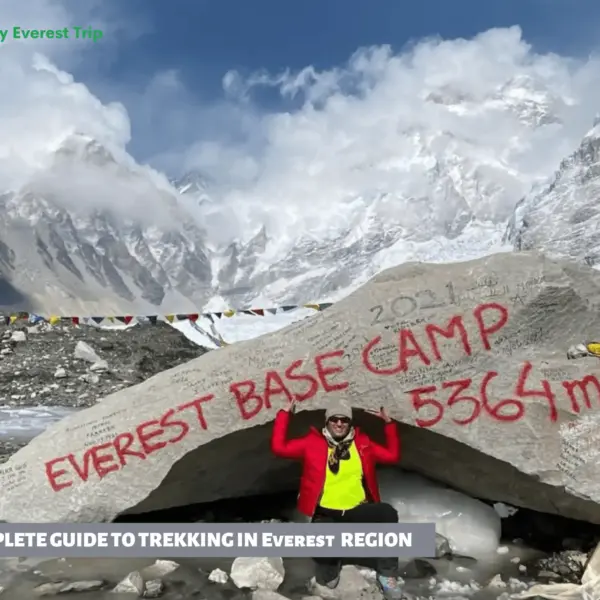
Everest, blog, Trekking yn Nepal
In folsleine Everest Trekkinggids
In folsleine Everest-trekkinggids beslacht in protte trektochten wrâldwiid, mar gjinien is bekender as de iene ...
Lês de folsleine post
blog, Everest, Trekking
Hichtegids foar it Everest Basiskamp
De hichte fan it Everest Base Camp is altyd boppe-oan elkenien syn gedachten; elkenien dreamt derfan om ...
Lês de folsleine post