




My Everest Travels & Tours Saat Ghumti Marg 3, Kathmandu 44600, Nepal
Everest Region
Moderate 🞄
 5.0 (175)
 5.0 (175)
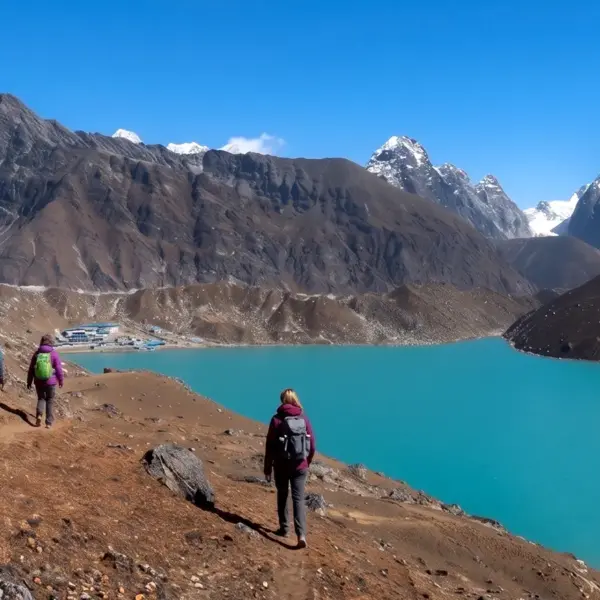
Gokyo Chola Pass EBC Trek With Helicopter Return – 11 Days
 US$ 2,980
11 Days in Nepal
Moderate 🞄
5.0 (175)
5.0 (175)16 Days Everest Base Camp Trek with Island Peak Climbing
US$ 2,04516 Days in Nepal
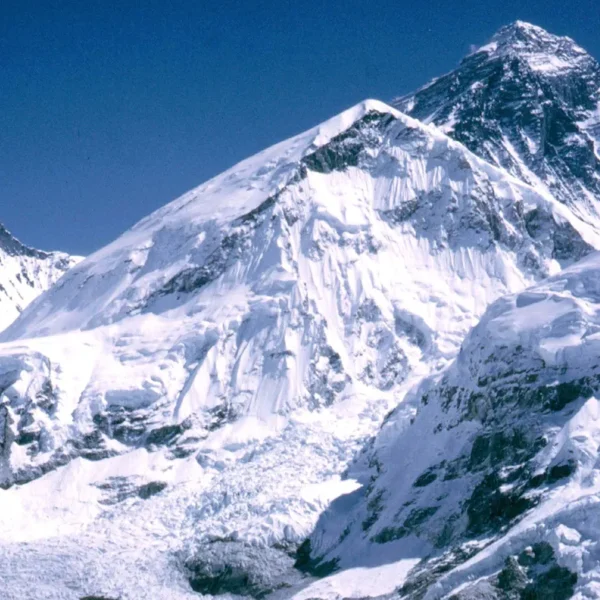
The Everest region, also known as the Khumbu region, lies in Nepal’s Solukhumbu district in northeastern Nepal and borders Tibet to the north. It includes Sagarmatha National Park, a UNESCO World Heritage site, and a buffer zone. The Everest region’s elevation ranges from 3,300 meters to 8,848 meters. Three of the world’s 14 mountains that exceed 8,000 meters are located here, including Mount Everest, the highest mountain on Earth.
The Everest Region became prominent after the first expedition to Mount Everest in 1953 A.D. Since then, it has become a pilgrimage destination for climbers, adventurers, and nature lovers. People from around the world travel to the Everest region to stand in the lap of the Himalayas and get a closer look at the formidable Sagarmatha, with some even daring to climb it. Each year, over 40,000 people follow in the footsteps of pioneers on the adventure of a lifetime through the Everest region Treks.
People of the Everest Region
The Sherpas, known for their mountaineering skills, inhabit villages like Namche Bazar, Khumjung, Thame, and Kunde in the Everest region. This region is home to famous mountaineers such as Apa Sherpa, Kami Rita Sherpa, and Pasang Lhamu Sherpa. Tenzing Norgay Sherpa, who first climbed Mount Everest alongside Sir Edmund Hillary, is also from the Everest Region.
Why Everest Region Treks?
The Mountains of the Everest Region
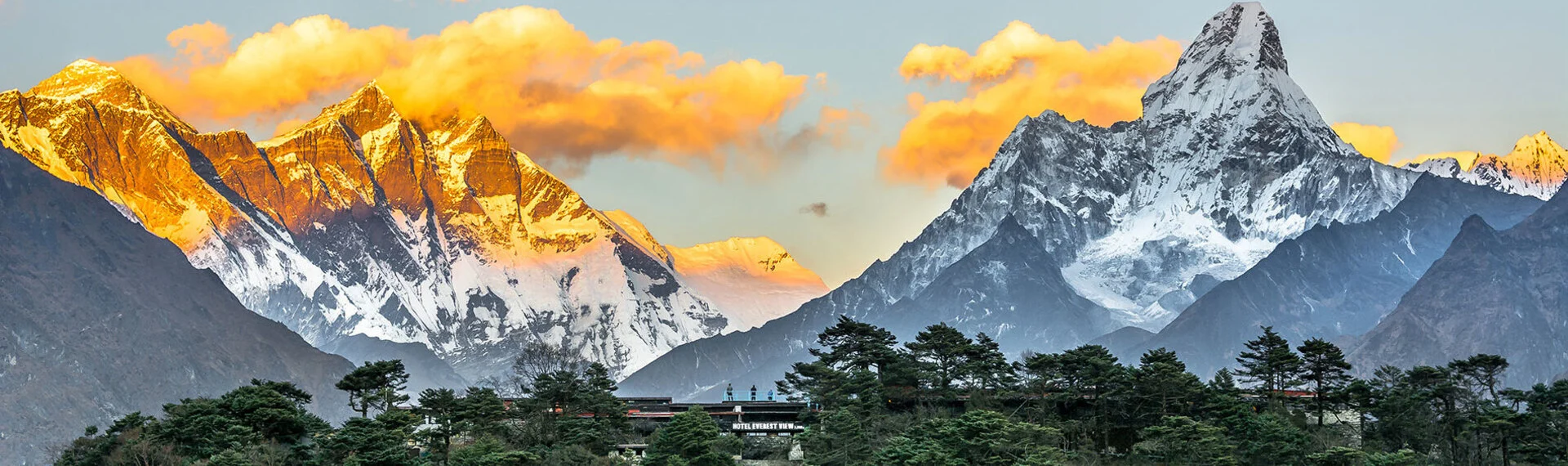
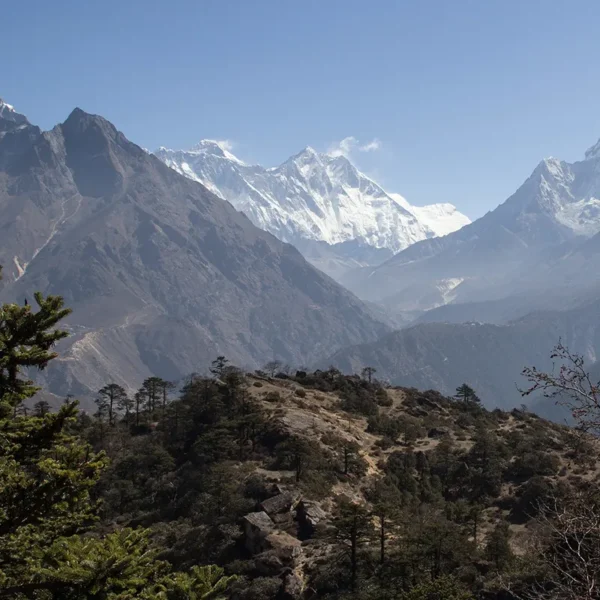
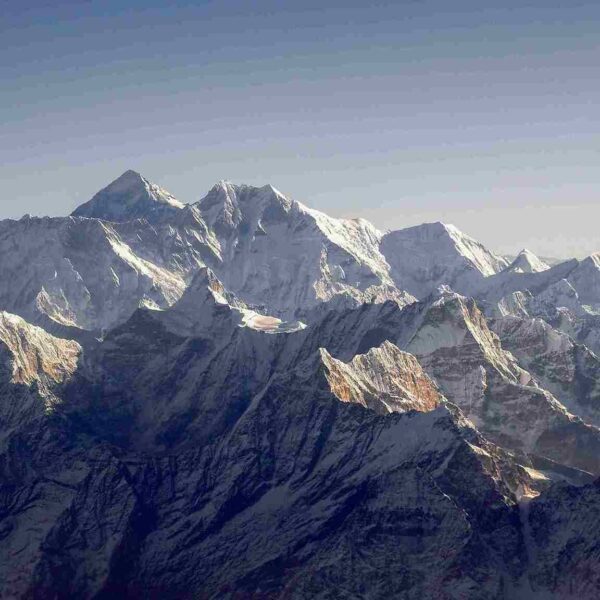
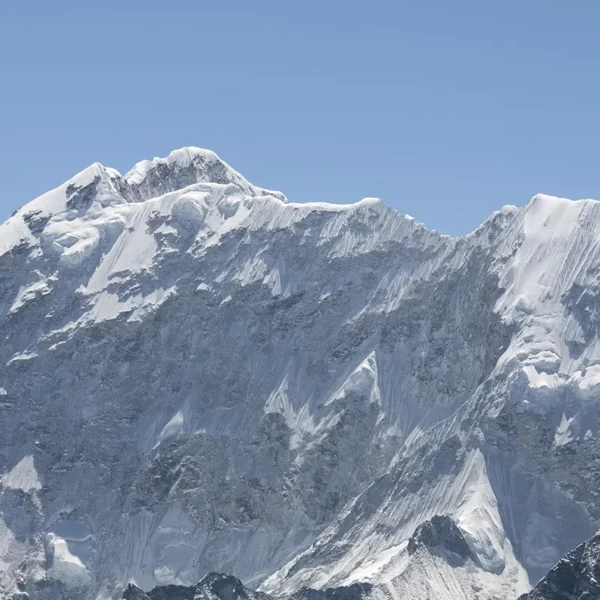
No matter which trek you choose in the Everest region, some of the world’s most breathtaking mountain landscapes will surround you. From the moment you arrive in Lukla until you complete your trek, the view of the snow-capped mountains will stay with you. This region is home to the world’s first-, fourth-, and sixth-highest mountains. Here are some mountains you will encounter;
- Mount Everest – 8,849 meters (29,032 feet)
- Lhotse – 8,516 meters (27,940 feet)
- Cho Oyu – 8,188 meters (26,864 feet)
- Nuptse – 7,861 meters (25,791 feet)
- Ama Dablam – 6,812 meters (22,349 feet)
- Pumori – 7,161 meters (23,494 feet)
- Thamserku – 6,608 meters (21,680 feet)
- Kangtega – 6,782 meters (22,251 feet)
- Baruntse – 7,129 meters (23,389 feet)
Cultural Immersion
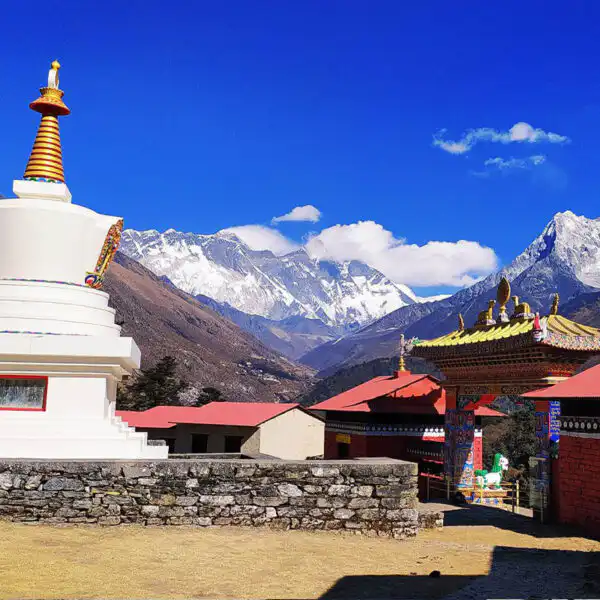
The region is home to the Sherpa community, famous for its mountaineering expertise and warm hospitality. On your trek to the Everest region, you will see traditional Sherpa villages like Namche Bazaar and Tengboche. Staying at Sherpa-run teahouses will let you glimpse their daily life. Monasteries like Thame and Tengboche offer a glimpse into the spiritual and religious side of Sherpa life, while museums enrich you with their history and way of life.
Adventure
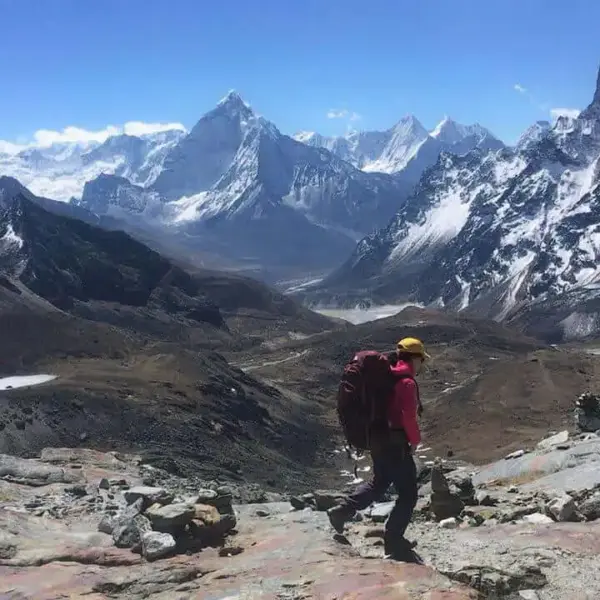
Trekking to the Everest region is no ordinary walk in the park. It requires physical and mental resilience. The challenges include high altitudes, rugged mountain passes, demanding trails, and climbing adventures. The trek will test your limits but also offer the thrill of walking in the shadow of some of the world’s tallest peaks.
Flora and Fauna
Sagarmatha National Park is a biodiversity hub known for its pristine environment. The alpine meadows and lower-altitude rhododendron forests give the landscape vibrant colors. Wildlife like the Red Panda, Danfe (the National bird of Nepal), Snow Leopard, and Musk Deer roam these forests. You might even encounter one on your trek.
A Legacy of Mountaineering
It is impossible to write the history of mountaineering without mentioning the Everest Region. The region holds a special place in the hearts of climbers who want to conquer the world’s highest mountain at least once in their lifetime. Historical mountaineers, such as Sir Edmund Hillary and Tenzing Norgay Sherpa, explored the trekking trails of the Everest region. Even today, many climbers dream of following in the footsteps of these legends. Walking the same path as them is a matter of pride for anyone.
Multiple Options to Choose From
The Everest Region Trek isn’t limited to one place. You can explore many treks in the Khumbu area. It offers a range of options, from a classic Everest Base Camp Trek to modern-day helicopter tours. If you want to explore the Everest region and don’t have much time, you can choose shorter treks.
Challenges of Everest Region Treks
Altitude Sickness
Trekking to the Everest region involves reaching elevations above 5,000 meters, where oxygen levels are significantly lower than at lower elevations. As a result, altitude sickness has become a concern for many trekkers.
Unpredictable Weather
Mountain weather can change without warning. Clear skies can turn into blizzards within hours, making trekking more difficult. Temperatures can fall significantly at higher elevations in the Everest region, and sudden snowfall is always possible.
Challenging Terrain
The trekking trails in the Everest region are rugged and steep, with multiple ascents and descents. Some paths cross narrow ridges, hanging bridges, and rocky sections. As a result, the trek demands good physical fitness and mental resilience. The long trekking hours add to the challenge, testing trekkers’ endurance.
Limited Facilities
You must leave your comfort behind if you have a 1% chance of making the trek. Although teahouses and lodges offer showers and internet, they won’t match the comfort of your home or a hotel in more affluent cities. The higher you go, the more basic these facilities become. You must be ready to adapt to the minimal comforts during your journey. That being said, the food and accommodations in the Everest Region are better than you might expect.
Short Trek Packages in the Everest Region
Short trek packages in the Everest region suit trekkers with limited visa time. These packages consist of moderate treks ranging from 5 to 11 days. These treks offer a quick exploration of the Everest region while maintaining the feel of trekking in the Himalayas. You will still get to witness towering peaks, including Everest, while exploring the region’s cultural side.
Everest Short Trek – Starting at $810
- Distance Covered: ~40-50 Km
- Trek Duration: 5 days
- Max altitude: 3,800 m (Khumjung Village)
- Elevation Gain: 1,000 m [starting from Lukla (2,800 m)]
Are you a beginner trekker who wants to witness the majestic mountains but doesn’t want to risk trekking to a high altitude? Or are you eager to explore the Everest region but have limited time? Don’t worry; we’ve got your back in both cases. Our Everest Short Trek Package is a 5-day Trek, starting from Kathmandu and reaching Khumjung Village at 3,800m. This trek is also known as the Everest View Trek or the Panorama View Trek.
On this trek, you will witness the breathtaking views of some of the highest mountains, including Mt. Lhotse, Mt. Nuptse, and Mt. Ama Dablam. As you trek, you will experience the beauty of the Sherpa people and their villages. After 4 days of exploring the Everest region, you will fly back to Kathmandu from Lukla. This trek requires moderate physical fitness and is best done between September and November or March and May.
Everest Panorama View Trek – Starting at $885
- Distance Covered: ~40-50 Km
- Trek Duration: 7 days
- Max altitude: 3,800 m (Khumjung Village)
- Elevation Gain: 1,000 m [starting from Lukla (2,800 m)]
If you don’t have 14 days for the EBC Trek or more than 5 days, you don’t want to do the Everest Short Trek. Also, if you’re a beginner and don’t want to risk altitude sickness, the 7-day Everest Panorama View Trek is your savior. It suits those with limited time and experience, or those seeking a moderate trek while enjoying the fantastic views of the Everest region.
This Trek reaches the highest point, Everest View Hotel, at 3,880 meters. As the name suggests, you’ll get panoramic views of Everest and the surrounding peaks along the trail. You will trek through vibrant Sherpa-inhabited villages and beautiful scenery. Although it doesn’t reach the heights of other treks in the Everest region, it offers a thrilling and fulfilling experience.
Everest Gokyo Ri Trek – Starts at $1,199
- Distance Covered: ~100 Km
- Trek Duration: 11 days
- Max altitude: 5,357 m (Gokyo Ri)
- Elevation Gain: 2,557 m [starting from Lukla (2,800 m)]
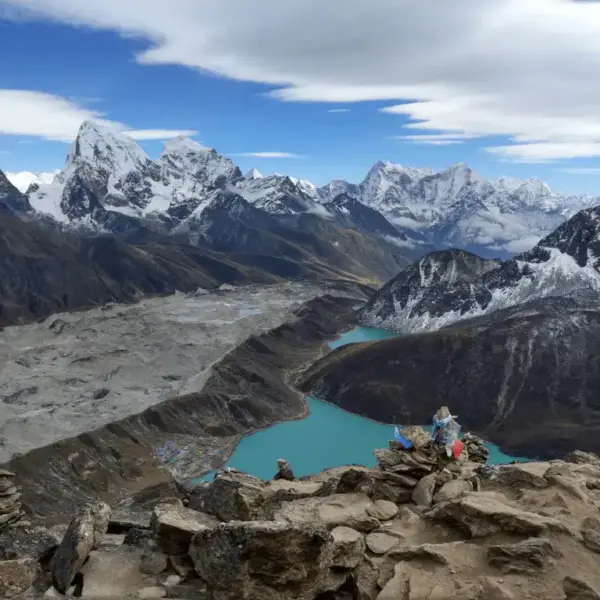
The Everest Gokyo Ri Trek takes you through diverse landscapes to Gokyo Ri in 11 days. You can also climb Gokyo Ri (5,357m) under this package. Once there, you will explore the six clear Gokyo Lakes, the highest freshwater system in the world.
On this trek, you will move through the lush green forests of the lower Khumbu region, tackle the dry, rocky Gokyo terrain, and marvel at the icy moraines of the Ngozumpa Glacier. The Everest Gokyo Ri trek is moderately challenging and offers opportunities for trekking and mountain climbing.
Long Trek Packages in the Everest Region
Extended trek packages in the Everest region typically last over 12 days. These treks are more challenging than short-trek packages and offer an immersive trekking experience. These treks don’t compromise on any aspect; they are thrilling, offer cultural exploration, and let you explore the Everest region extensively. These packages suit someone with plenty of time.
14 Days Everest Base Camp Trek – Starts at $1,425

- Distance Covered: 130 Km
- Trek Duration: 14 days
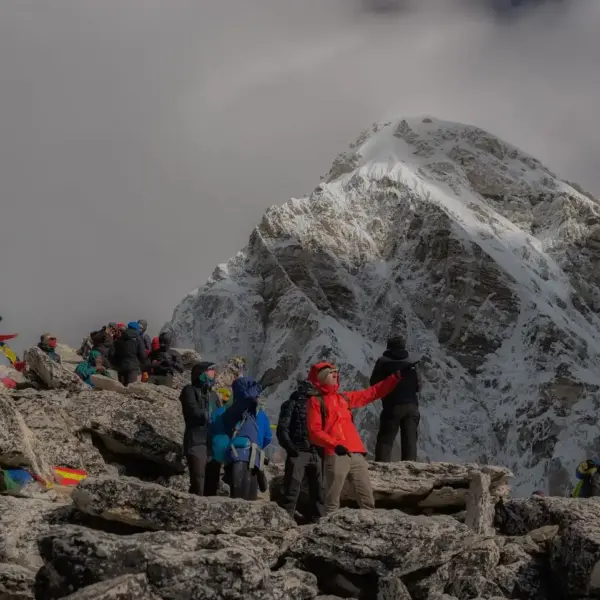
- Max altitude: 5,545 m (Kalapatthar)
- Elevation Gain: 2,745 m [starting from Lukla (2,800 m)]
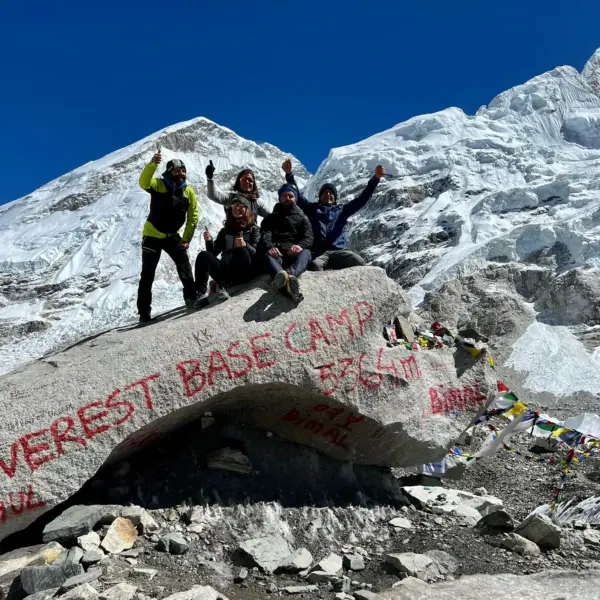
The 14-Day Everest Base Camp Trek is one of the world’s most popular base camp adventures. Mount Everest, standing at 8,848.86 meters (29,032 feet), is the ultimate goal for mountain climbers. Everest Base Camp is a must-do for trekking enthusiasts globally. This trek is an exciting and unforgettable journey in the eastern Himalayas.
On this trek, you will explore diverse landscapes and the rich biodiversity of Sagarmatha National Park. Each day will provide challenges and incredible views of the surrounding area and snow-capped mountains.
12-Day Everest Base Camp Trek – Starting at $1,220
- Distance Covered: 130 Km
- Trek Duration: 12 days
- Max altitude: 5,545 m (Kalapatthar)
- Elevation Gain: 2,745 m [starting from Lukla (2,800 m)]
The 12-day trek to Everest Base Camp is a safe, comfortable option for reaching Kalapathar and the base camp. Compared to a 14-day trek, the 12-day option is more challenging as it involves fewer hiking days and longer walking hours. Although it can be difficult, the fantastic scenery of lush forests, farmland, hills, and mountains will motivate you. Just prepare well and plan carefully with a good trekking company.
The 14-day itinerary includes an exploration of Kathmandu and provides pick-up and drop-off services from and to the airport. However, it does not cover certain activities and expenses. This itinerary is ideal for individuals who have already spent time in the Kathmandu region and want to trek in the Himalayas before returning home.
Everest Three-Pass Trek – Starting at $1,865
- Distance Covered: ~165 Km
- Trek Duration: 17 days
- Max altitude: 5,545 m (Kalapatthar)
- Elevation Gain: 2,745 m [starting from Lukla (2,800 m)]
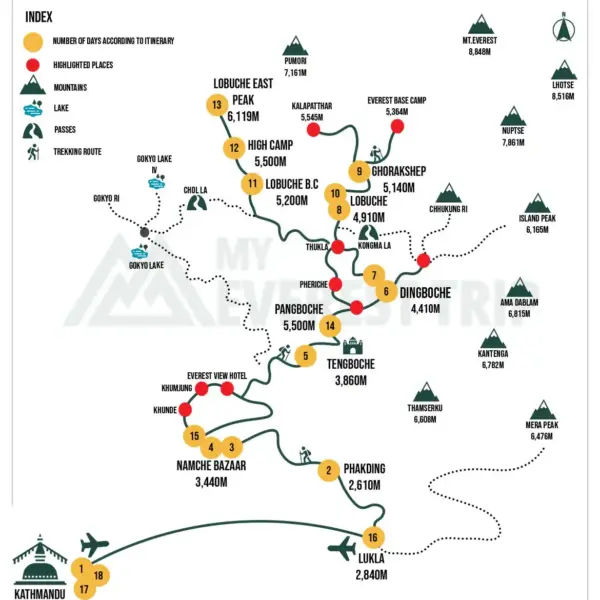
The Everest Three Passes Trek is an exhilarating and challenging journey through the Everest region. Over 17 days, this trek takes you over three high passes: Renjo La (5,388 m), Cho La (5,420 m), and Kongma La (5,535 m). You will traverse four distinct valleys: Khumbu, Gokyo, Imja, and Bhote Koshi Valley.
The trek offers a chance to witness the region’s natural beauty and the warmth and culture of the people of different valleys. It gives trekkers a complete circuit of the Everest region. Conquering all the passes with magnificent sights will give you a better understanding of the Himalayan scenery, making this trip one to remember forever.
Everest Cho La Pass Trek – Starting At
- Distance Covered: 140-150 Km
- Trek Duration: 15 days
- Max altitude: 5,545 m (Kalapatthar)
- Elevation Gain: 2,745 m [starting from Lukla (2,800 m)]
The Cho La Pass trek is another popular trek in the Everest region. It offers an alternative route to Everest Base Camp. This route includes a trip to Gokyo Valley and crossing the high-altitude Cho La Pass at 5,420 m to reach the EBC. This 15-day trek features the stunning Gokyo Lake and offers magnificent views of Nuptse, Lhotse, Ama Dablam, and Mount Everest.
Climbing Peak Packages in the Everest Region
What region offers better peaks to climb than the Everest region? As a result, the Everest region is a top choice for anyone planning to climb a peak in Nepal. The area features peaks of varying technicalities, ranging from 5,000m to 8,848m, suitable for every climber. At My Everest Trip, we have climbing packages that explore the peak and the entire region.
Everest Base Camp Trek With Island Peak – Starts at $1,800
- Distance Covered: ~140-150 Km
- Trek Duration: 16 days
- Max altitude: 6,165 m (Island Peak)
- Elevation Gain: 3,365 m [starting from Lukla (2,800 m)]
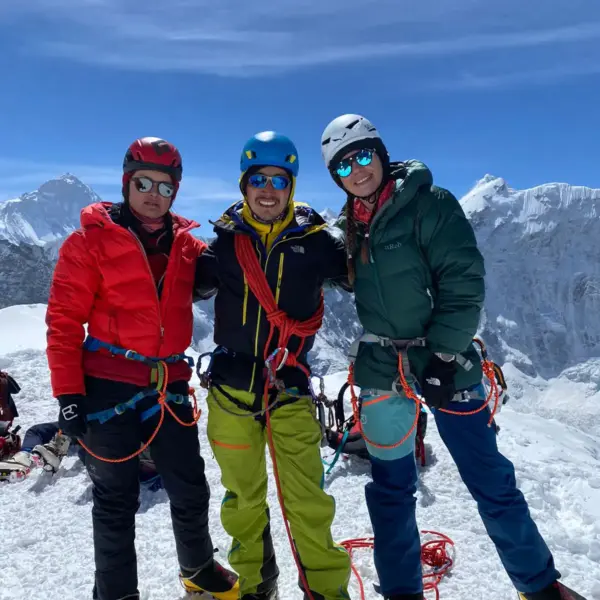
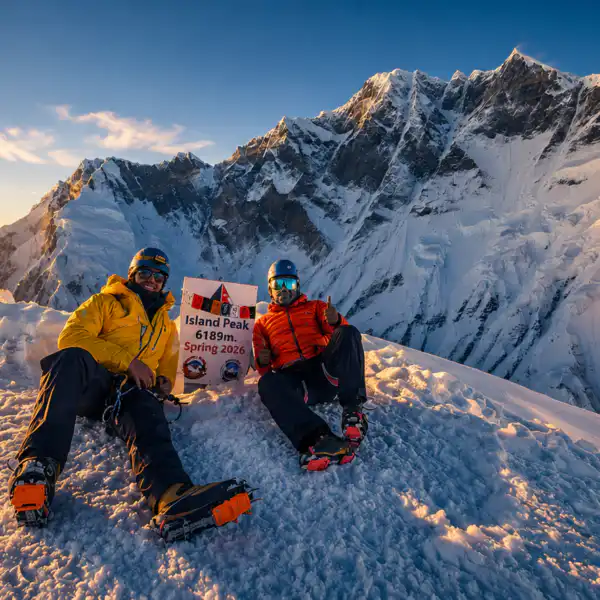
The Everest Base Camp Trek with Island Peak package is for those who want the thrill of the Everest Base Camp Trek and the challenges of climbing a mountain. On this trek, you will visit two base camps: 1) Everest Base Camp at 5,545 m and 2) Island Peak Base Camp at 5,100 m. On the 12th day of your journey, you will climb Island Peak, or Imja Tse (6,165m). On this trek, you will not only stand at the foot of Everest but also climb Imja Tse, one of the region’s most popular mountains. The 16-day adventure offers a sense of accomplishment and the chance to climb a mountain.
Mera Peak Climbing – Starts at $2,080
- Distance Covered: ~160 Km
- Trek Duration: 18 days
- Max altitude: 6,746 m (Mera Peak)
- Elevation Gain: 3,946 m [starting from Lukla (2,800 m)]
Mera Peak (6,746 m) is Nepal’s highest trekking peak. It is a trekking peak, as it is relatively straightforward to climb compared to more technical mountains in the Himalayas. Despite the height, the ascent doesn’t require advanced mountaineering skills. It includes high-altitude glacier treks that require basic techniques, such as walking on snow, using crampons, and handling ice axes.
Mera Peak Climbing Package suits beginner mountaineers, experienced trekkers who want to up their trekking game, and adventure enthusiasts. At the summit, you will see breathtaking views of five mountains over 8,000m: Mount Everest, Lhotse, Kanchenjunga, Makalu, and Cho Oyu. You can also view other peaks from the summit and during your trek.
Island Peak Climbing – Starting at $1,800
- Distance Covered: ~150 Km
- Trek Duration: 21 days
- Max altitude: 6,165 m (Island Peak)
- Elevation Gain: 3,365 m [starting from Lukla (2,800 m)]
The vastness of the Everest region is difficult to cover in just a few days; it requires months to explore each part thoroughly. Our Island Peak Climbing Package covers most of the area while still delivering the thrill of mountain climbing. After 15 days of trekking through rugged terrain, snowfields, and moraines, you will climb Imja Tse, also known as Island Peak, on the 16th.
You will also reach the Everest Base Camp and Kalapatthar on this trek, just like in the classic EBC Trek. You will traverse two passes: Cho La and Kongma La. You will also explore the settlements in Gokyo Valley and visit Gokyo Ri and the Gokyo lakes. So, you can call this an ultimate trekking package that combines the Gokyo Ri Trek, EBC Trek, and Three Passes Trek, including mountain climbing.
Lobuche Peak Climbing – Starting at $ 2,100
- Distance Covered: ~140-150 Km
- Trek Duration: 18 days
- Max altitude: 6,119 m (Lobuche Peak)
- Elevation Gain: 3,319 m [starting from Lukla (2,800 m)]
Unlike climbing Mera Peak, Lobuche Peak Climbing doesn’t require lengthy side routes. You can achieve it while trekking to Everest Base Camp via the classical route. Lobuche Peak lies near the Khumbu Glacier and along the route to EBC, letting you experience both iconic spots in a single journey.
This 18-day adventure offers an incredible experience as you reach the summit of Lobuche East (6,119 meters), one of Nepal’s most popular climbing destinations. You’ll see beautiful landscapes, wildlife, and Sherpa villages. Climbing Lobuche Peak is ideal for beginners seeking a rewarding climb.
Ama Dablam Expedition – Starts at $4,900
- Distance Covered: ~130-140 Km
- Trek Duration: 30 days
- Max altitude: 6812 m (Ama Dablam Peak)
- Elevation Gain: 4,012 m [starting from Lukla (2,800 m)]
The Ama Dablam Expedition package is specially designed for mountaineers and experienced trekkers who might need mountaineering training. The 30-day journey perfectly blends trekking in the thrill of the Everest region with the adventure of climbing the mountain.
This expedition includes a couple of days of acclimatization and preparation for the summit push to Ama Dablam, which stands at 6812 m. After acclimatizing at Namche, you will continue to Pangboche and finally reach Ama Dablam Base Camp. From Base Camp, you will begin the summit push, with multiple ascents and descents over about 13 days. The reward is stunning views of Mount Lhotse, Mount Makalu, Mount Cho Oyu, and Mount Everest.
Exploring the Everest Region by Airway
If you are short on time and want to explore the Everett region without the hassle of long trekking days (or no trekking at all), flying is the best option. These packages offer a bird’s-eye view of the Himalayas and the Khumbu region. You can also call these luxury packages, letting you explore Khumbu without sacrificing comfort. If you combine the trek with a return helicopter flight, you will stay at top lodges with a range of amenities.
Luxury Everest Base Camp Trek – Starts at $3,800

- Distance Covered: 65 Km
- Trek Duration: 10 days
- Max altitude: 5,545 m (Kalapatthar)
- Elevation Gain: 2,745 m [starting from Lukla (2,800 m)]
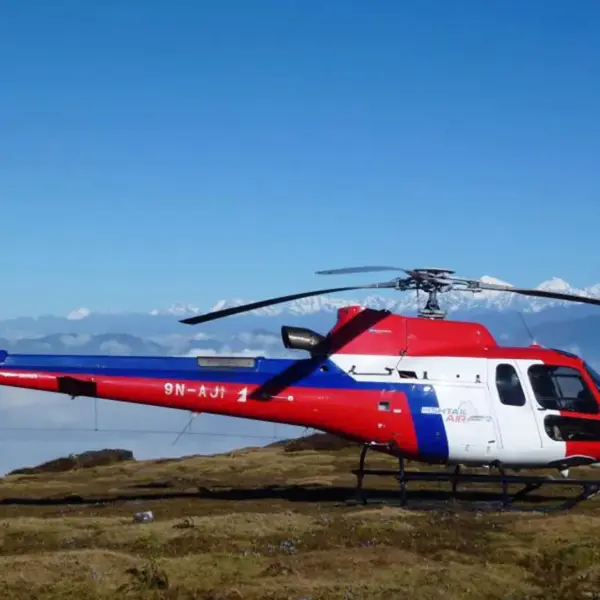
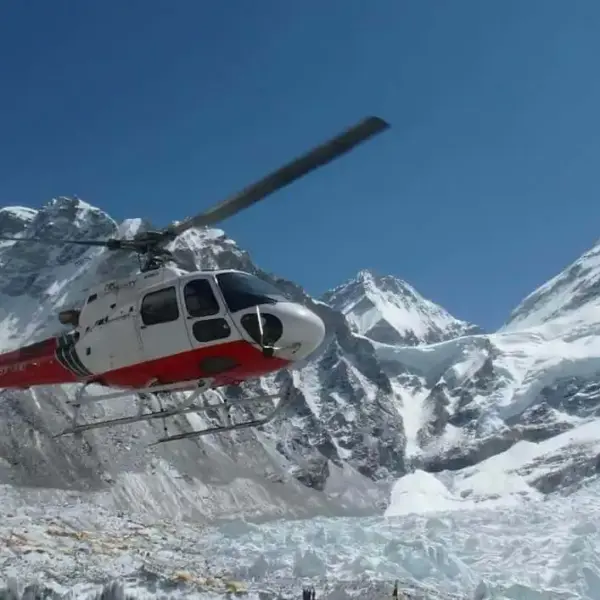
The Luxury Everest Base Camp Trek offers mountain thrills with the comfort of home. While the trek follows the same route as the Classic Everest Base Camp Trek, your accommodations and amenities will be top-notch. You will stay in high-end lodges with insulated rooms and en-suite bathrooms, and a highly experienced chef will prepare your meals. This package includes a helicopter ride from Gorakshep to Lukla at the end of the trek. The aerial view of the trails you walked a few days earlier is an experience to savor.
Gorakshep to Kathmandu Helicopter Flight – Starts at $1,300
Suppose you have reached Everest Base Camp and Kalapatthar in about 6 or 7 days. You are at Gorakshep, pondering whether to trek back to Lukla or fly to Kathmandu. You decide it’s time-consuming and energy-draining. So you want a way to return to Kathmandu that offers a unique experience. Then, the solution is to fly from Gorakshep to Kathmandu by Helicopter.
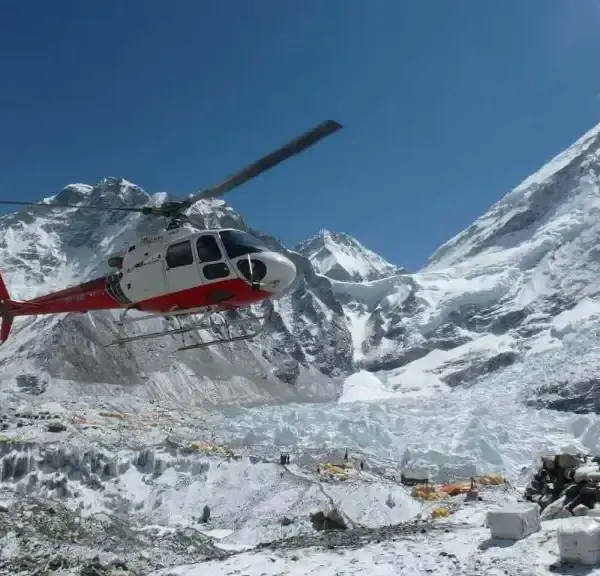
This thrilling, scenic experience offers fantastic aerial views of the Himalayas and covers long distances quickly. During the flight, you will see panoramic views of the Himalayan range and catch glimpses of iconic peaks like Mount Everest, the highest in the world, as well as Lhotse, Nuptse, Ama Dablam, and more. You’ll also get a unique view of the Khumbu Glacier and the Khumbu Icefall. On top of that, you will also see forests, settlements, rivers, and various landscapes from the helicopter until you reach Kathmandu.
Everest Base Camp Helicopter Tour – Starts at $1,350
The Everest Helicopter Tour offers a thrilling, unforgettable way to see the Everest region from a bird’s-eye view. If you have limited time or prefer a more convenient way to explore the Himalayas, this tour is for you.
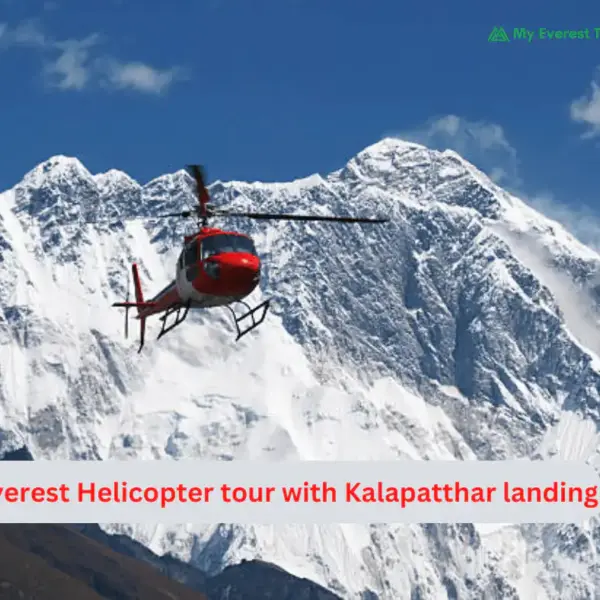
Instead of trekking, you can enjoy the stunning views of Everest Base Camp, Khumbu Icefall, Khumbu Glacier, and Sherpa villages in 4 to 5 hours. Depending on the package, you can choose to land on the Kalapatthar. This helicopter tour combines adventure and beauty, offering the thrill of flight and showcasing soaring peaks, diverse landscapes, and vast glaciers.
Everest Mountain Flight – Starting at $250
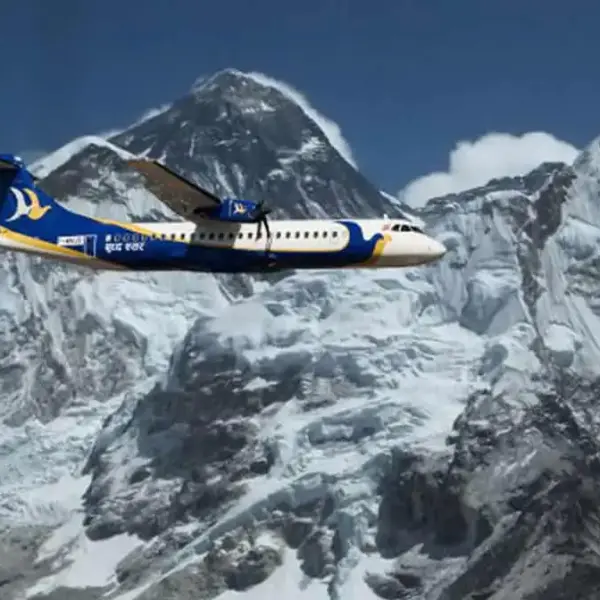
If you’re short on time or can’t trek to Everest Base Camp, our Everest Mountain Flight package lets you explore EBC and most of the Khumbu region from the sky. Departing from Kathmandu’s domestic airport, the one-hour flight takes you over the region’s major peaks. You will get bird’s-eye views of snow-capped mountains such as Mount Everest, Lhotse, Nuptse, Cho Oyu, and Makalu. You will see Sherpa settlements and various routes through the plains to the Khumbu region.
Best Season for Everest Region Treks
The peak trekking season in the Everest region is in spring (March to May) or autumn (September to November). Weather conditions in these seasons are ideal for trekking, so the area sees more trekkers. The weather conditions are stable, with moderate temperatures, clear skies, and minimal rainfall.
On the other hand, both winter (December to February) and summer or monsoon (June to August) are the off-seasons for trekking. These seasons bring heavy snowfall or rainfall. The temperatures are either too hot or too cold, making trekking uncomfortable. But winter and summer trekking have their own rewards. Let us look at the pros and cons of each season in the following table;
| Season | Pros | Cons |
| Spring (March-May) | – Mild temperatures – Clear mornings with blooming rhododendrons – Fewer clouds at higher altitudes | – Hazy views at lower altitudes by late spring – Crowded tea houses |
| Summer/Monsoon (June-August) | – Quiet trails – Lush green valleys – Excellent for photography -Longer days | – Heavy rain below 3,000m – Poor visibility due to clouds – Risk of landslides and flight delays -Muddy and slippery trails |
| Autumn (September-November) | – Crystal-clear skies – Ideal trekking conditions – Festivals like Mani Rimdu at Tengboche Monastery | – Crowded trails and lodges – Higher prices for accommodation and flights |
| Winter (December-February) | – Crisp, clear skies – Peaceful and less crowded trails – Great for experienced trekkers | – Harsh cold at higher altitudes – Risk of snow-blocking passes like Cho La -Limited Facilities -Hard to navigate the trekking routes |
Now let us look at the weather conditions in each season in the Everest Region.
| Season | Temperature Range | Winds | Humidity | Precipitation |
| Spring | 0°C to 15°C (Namche) -10°C to 5°C (Gorak Shep) | Light to moderate winds, gentle in valleys | Moderate 50-70% | Low precipitation Possible short rains in late spring |
| Summer/Monsoon | 5°C to 15°C (Namche) -5°C to 5°C (Gorak Shep) | Occasional strong gusts with storms Light winds otherwise | High 70-90% | Heavy precipitation Frequent rains in the valleys |
| Autumn | -5°C to 15°C (Namche) -15°C to 0°C (Gorak Shep) | Calm winds Stable weather with occasional gusts | Moderate 40-60% | Very low precipitation Clear, dry days |
| Winter | -10°C to 10°C (Namche) -20°C to -10°C (Gorak Shep) | Strong winds at high altitudes Gentle in valleys | Low 30-50% | Minimal precipitation Snowfall in higher regions |
Food and Accommodations in the Everest Region
The Everest Region offers a variety of local and international dishes. Regional dishes include dal, bhat, tarkari (lentils, rice, and curry), Tibetan bread, momo, and other Nepalese foods. For international dishes, the lodges and teahouses offer options ranging from pizza and burgers to pasta dishes like spaghetti.
Tea houses and lodges. Lodges are business-model hotels and cost more than tea houses. Tea houses, by contrast, are like family-run homestays and are very affordable. Lodges and teahouses offer shared or private bathrooms, communal dining areas, internet access, charging stations, and hot showers. However, they might charge extra for specific amenities.
Note that food and accommodation prices may be higher in higher-elevation regions, where facilities are simpler and more limited.
Preparing for the Everest Region Treks
Everest region treks are relatively more arduous than other popular treks in Nepal. Steep trails, high altitude, and harsh Himalayan weather make them challenging even for experienced trekkers. The trek will test your physical endurance and mental resilience. Even beginners can do some treks in different regions, but it won’t be possible without physical and mental preparation.
Physical Preparation
Physical preparation for a trek in the Everest region is crucial to handle demanding trails and long walking hours. Start by training your heart and lungs with cardiovascular exercises. Regular hiking, running, and climbing stairs can build strength and simulate trekking. You can simulate trekking conditions by carrying a loaded backpack, which helps you get accustomed to the weight and balance.
Mental Preparation
To mentally prepare, start with breathing exercises, such as pranayama. These will help you maintain your breathing during the trek and stay calm. Regular hiking to higher regions will boost your confidence. A key part of mental preparation is researching even the smallest details so you can tackle unforeseen challenges. When planning your itinerary, set aside a day or two to acclimatize in the Everest region.
Essential Gear and Packing for Everest Region Treks
Gear and equipment are essential for trekking and climbing in the Everest region for safety, comfort, and endurance in varying weather conditions. Here is the list of clothes, equipment, and essential items that you should carry on the trek;
- Base Layers- Moisture-wicking thermal tops and bottoms
- Insulating Layers- Fleece, down jacket, and pants
- Outer Shell– Waterproof and windproof jackets and pants
- Trekking Pants- Convertible trekking pants and fleece-lined pants for colder regions
- Trekking Shirts
- Gloves- Inner thermal gloves and insulated waterproof outer gloves
- Socks- Wool or synthetic trekking socks
- Headwear- Warm hat, wide-brim sun hat, buff or neck gaiter
- Footwear- Trekking boots, climbing boots
- Trekking Poles- Adjustable and lightweight
- Sunglasses- UV Protection
- Backpack- 50-60L with rain cover for multi-day treks
- Sleeping Bag- Rated -20 degrees Celsius
- Water Bottles- Reusable
Besides these, don’t forget personal items essential to you during the trek. It includes;
First aid kits
- Energy and protein bars
- Sunscreens
- Toiletries like soap, toothbrush, toothpaste, wet wipes, and hand
- sanitizers
- Towel
- Portable charger
- Camera
- Water Purification tablets, filters, or SteriPEN
Permits for Everest Region Trek
Trekking in the Everest region requires permits to manage tourism and improve local infrastructure. The two permits that you will need are;
Khumbu Rural Municipality Permit—The local government issues this permit, which you can obtain from the Tourism Board in Kathmandu or the Municipality Office in Lukla.
Sagarmatha National Park Entry Permit—You need this permit to trek in the Everest region, which involves traversing Sagarmatha National Park. You can get the National Park permit from the Tourism Board in Kamaladi, Kathmandu, or Monjo’s Sagarmatha National Park Entry Gate.
For your information, the Trekkers Information Management System (TIMS) Card isn’t required for Everest Region Treks.
How to get to the Everest Region
Depending on your starting point, you have several options for reaching the Everest Region. You can enter the area by air or by road. Since there are no international airports in the Khumbu region, you must first land in Kathmandu before heading to the Everest region.
Via Air
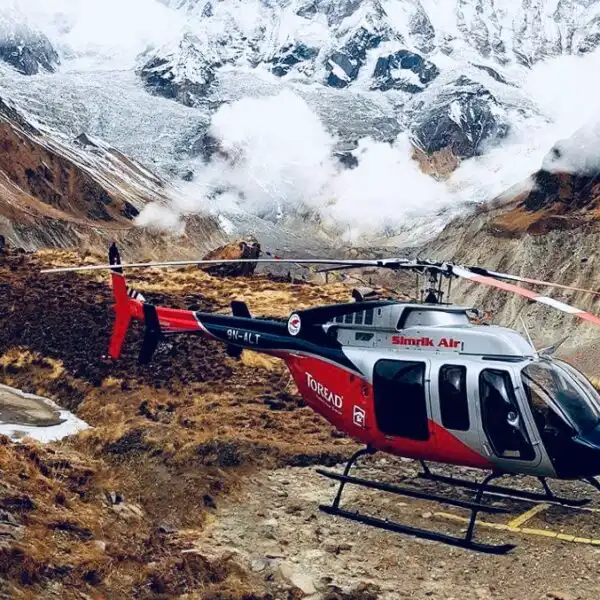
One of the easiest and most convenient ways to enter the Everest region is to fly to Tenzing-Hillary Airport in Lukla. The flight operates daily from Tribhuvan International Airport, Kathmandu. During peak seasons, you might have to travel to Manthali Airport, Ramechhap, for the flight. You can also enter the Everest region by helicopter.
Via Road
No roads lead to Lukla. To reach Lukla by road, you must take a bus or jeep to Jiri or Salleri, a 7-10-hour ride. From there, you can trek to Lukla, which takes another 3-7 days.
Lukla is the gateway to the Khumbu or Everest region. Once you reach Lukla, you can enter the Khumbu region on foot.
FAQs for The Everest Region
When is the best time to trek to the Everest Region Trek?
The best times to trek to the Everest region are during the pre-monsoon (March to May) and post-monsoon (September to November) seasons. The weather is generally stable during these seasons, with clear skies and good visibility. We recommend avoiding trekking during the monsoon season (June to August) and winter (December to February) due to harsh weather conditions and the high risk of altitude sickness.
What are the main highlights of the Everest region trek?
The main attractions of the Everest area trek include breathtaking panoramic views of Mount Everest and other towering peaks, such as Lhotse and Nuptse. Along the way, you will learn about the Sherpa culture and visit popular tourist sites such as Lukla Airport, Namche Bazar, the Everest Viewpoint, Tengboche Monastery, Ama Dablam Base Camp, Kalapatther, and Everest Base Camp. You’ll also experience the stunning beauty of various regions within the Khumbu area.
What should I pack for the Everest region trek?
Pack warm clothing for the Everest region trek, including a down jacket, thermal layers, and a good-quality trekking coat. Sturdy trekking boots, a high-altitude sleeping bag, and rain gear are also essential. Don’t forget items like trekking poles, a hat, gloves, sunscreen, and a water purification system. You’ll also need a backpack with enough capacity to carry your gear and personal items.
Do I need to hire a guide for the Everest region trek?
While it’s not mandatory, hiring a guide is highly recommended for the Everest region trek. A guide can help with navigation, local knowledge, and emergency support. They also help with permits and logistics, enhancing your overall trekking experience. A guide can improve safety and make the journey smoother, especially in challenging conditions.
What fitness level is required for Everest treks?
Due to the high altitude and challenging terrain, treks in the Everest region require good physical condition. Regular cardiovascular exercises, strength training, and endurance workouts are recommended to prepare for the event. Comfort with long hikes and steep ascents is also essential. Proper preparation and acclimatization are crucial for a successful trek.
How can I prevent altitude sickness during the Everest trek?
To prevent altitude sickness, ascend slowly and allow time for acclimatization. Drink plenty of water and stay hydrated throughout the trek. Avoid overexertion and listen to your body’s signals. It’s also wise to carry medication prescribed for altitude sickness and consult with your doctor before the trek for personalized advice.
What is the best way to handle the cold weather in the Everest region?
To handle the cold weather in the Everest region, wear layered clothing, including thermal base layers, a warm insulating layer, and a windproof outer layer. Use high-quality trekking gear, such as a down jacket, gloves, and a hat, to stay warm. Be prepared for rapid weather changes, and make sure your gear suits extreme temperatures.
How can I stay connected to the internet during the trek?
During the Everest Base Camp trek, you can stay connected to the internet using Wi-Fi services in some lodges. However, these connections may be slow and unreliable due to the remote location. Consider using a local SIM card with data or a portable Wi-Fi device for more consistent access, though signal strength can still be limited.
What kind of food and accommodations are available during the trek?
Food on the trek typically includes a variety of local and international dishes, such as dal bhat (a lentil soup served with rice), noodles, soups, and sandwiches. Accommodations are typically teahouses or lodges that offer basic amenities such as shared bathrooms and communal dining areas. At higher altitudes, options may be more limited, with simpler facilities and fewer choices.
How do I prepare for high-altitude trekking in the Everest region?
To prepare for high-altitude trekking, you should build your cardiovascular fitness and endurance through regular exercise. Acclimatize gradually by spending time at higher elevations before your trek and understanding the symptoms of altitude sickness.
Let’s hangout!
We’re in Thamel, tourist haven in the heart of Kathmandu.
Drop by and let’s hang out!
Hey, we’re social!
Follow myeveresttrip.com for exclusive deals, site updates
and announcements:
Company Links