



Väčšina ľudí si spája trek do základného tábora Everestu s októbrom a novembrom, keď sú chodníky rušné a čajovne plné turistov z celého sveta. Medzi decembrom a februárom nadobúda Khumbu úplne iný charakter a turisti, ktorí sa v týchto mesiacoch rozhodnú prechádzky, sa často vracajú s tým, že to bola najodmeňujúca vec, ktorú v horách zažili.
Winter on this route is quieter, sharper, and more demanding than any other season. Based on our firsthand experience on My Everest Trip, winter reveals a quieter and more rewarding side of the Everest Base Camp trail. On clear winter mornings, the dry mountain air offers exceptionally clear views and makes the surrounding peaks look remarkably sharp.
Cestovné náklady sú v zime vo všeobecnosti nižšie a keďže je na trase menej turistov, majitelia čajovní majú často viac času na poskytnutie osobných služieb. Absolvovanie túry v zime často prináša silnejší pocit úspechu, pretože zážitok je tichší a náročnejší.
Táto príručka podrobne popisuje zimný trek do základného tábora Everestu. Nájdete v nej prehľadný prehľad o bezpečnosti počas zimného treku do základného tábora Everest, o tom, ako nadmorská výška ovplyvňuje vaše telo v chladných podmienkach, praktický zoznam vecí na balenie, realistický rozpočet na roky 2026 až 2027 a plán fyzickej prípravy, ktorý vám poskytne čo najlepší základ predtým, ako sa vydáte na túru.
Zimný trek do základného tábora Everestu v skratke
Tu je rýchly prehľad, než sa pustíme do detailov.
| Položka | podrobnosti |
| Trvanie treku | 12 až 14 dní |
| Najlepšie zimné mesiace | december, január, február |
| Maximálna nadmorská výška | 5,545 XNUMX m (Kala Patthar) |
| Nadmorská výška základného tábora Everestu | 5,364 |
| Denná teplota | 5 °C až -5 °C |
| Nočná teplota | -10 ° C až -25 ° C |
| Obtiažnosť | náročný |
| Priemerná cena | 100 000 až 500 000 USD a viac |
| Ubytovanie | Čajovne |
| Požiadavka na sprievodcu | Vysoko odporúčané |
Prečo si niektorí trekeri vyberajú zimnú sezónu
Výhody zimnej turistiky sú skutočné a stojí za to si ich spomenúť skôr, ako sa budeme venovať výzvam.
Pokojné chodníky sú hlavným dôvodom, prečo si mnoho turistov vyberá zimu. Počas októbra a novembra sa trasa medzi Luklou a Namche Bazaar pohybuje tempom veľmi rušného chodníka, pričom stovky turistov prechádzajú cez tie isté kontrolné stanovištia a chaty podľa rovnakého denného rozvrhu. V januári môžete kráčať hodinu bez toho, aby ste narazili na inú skupinu. Čajovňa v Dingboche, kde si sadnete na obed, bude mať obsadené dva alebo tri ďalšie stoly namiesto dvadsiatich. Vyhliadka na Kala Patthar bude vaša, môžete na nej stáť bez toho, aby ste čakali v rade. Pre turistov, ktorým je atmosféra hlavnej sezóny ohromujúca, už len toto ospravedlňuje chlad.
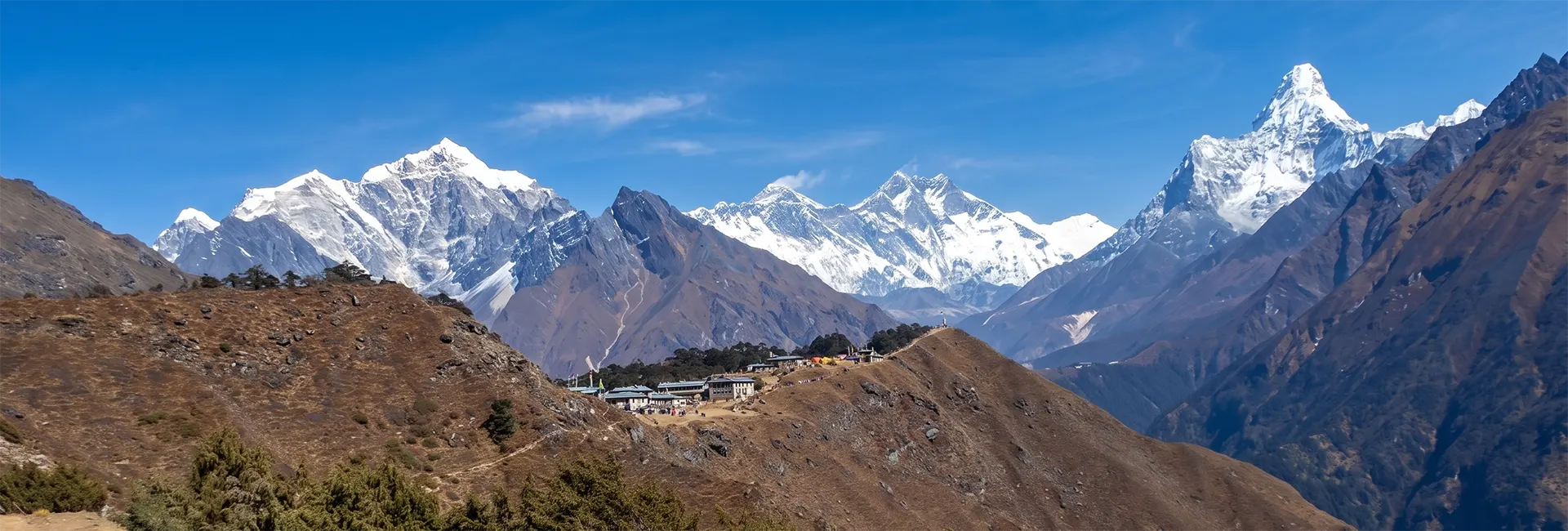
Viditeľnosť hôr je počas zimy často najlepšia, pretože studený a suchý vzduch poskytuje výnimočnú jasnosť počas jasných dní. Suchý a studený vzduch vo vysokých nadmorských výškach obsahuje veľmi málo vlhkosti a obloha za jasného zimného rána nad Namche alebo Tengboche má sýtu, ostrú modrú farbu, ktorá je nádherne fotografovaná a vďaka ktorej každý vzdialený vrchol vyzerá veľmi blízko.
Lower travel costs are another advantage of winter trekking. Accommodation, guide services, and some trekking packages are often cheaper than during peak seasons, making winter a good option for budget-conscious trekkers.
Trek do základného tábora Everestu 12 dni
Väčšina ľudí si spája trek do základného tábora Everestu s októbrom a novembrom, keď sú chodníky rušné a čajovne plné…
Bezpečnosť na zimnom treku EBC: Realistické posúdenie
You need to understand EBC winter trek safety clearly before you commit to this season. Winter risks differ from other times of year, and some are far more serious. This section gives you an honest picture of each one.
The cold is the biggest challenge, and it deserves the most attention. On the lower sections of the trail, between Lukla and Namche, winter daytime temperatures are uncomfortable but manageable. Above 4,000 meters, particularly above Dingboche, altitude and temperature begin to matter in a different way.
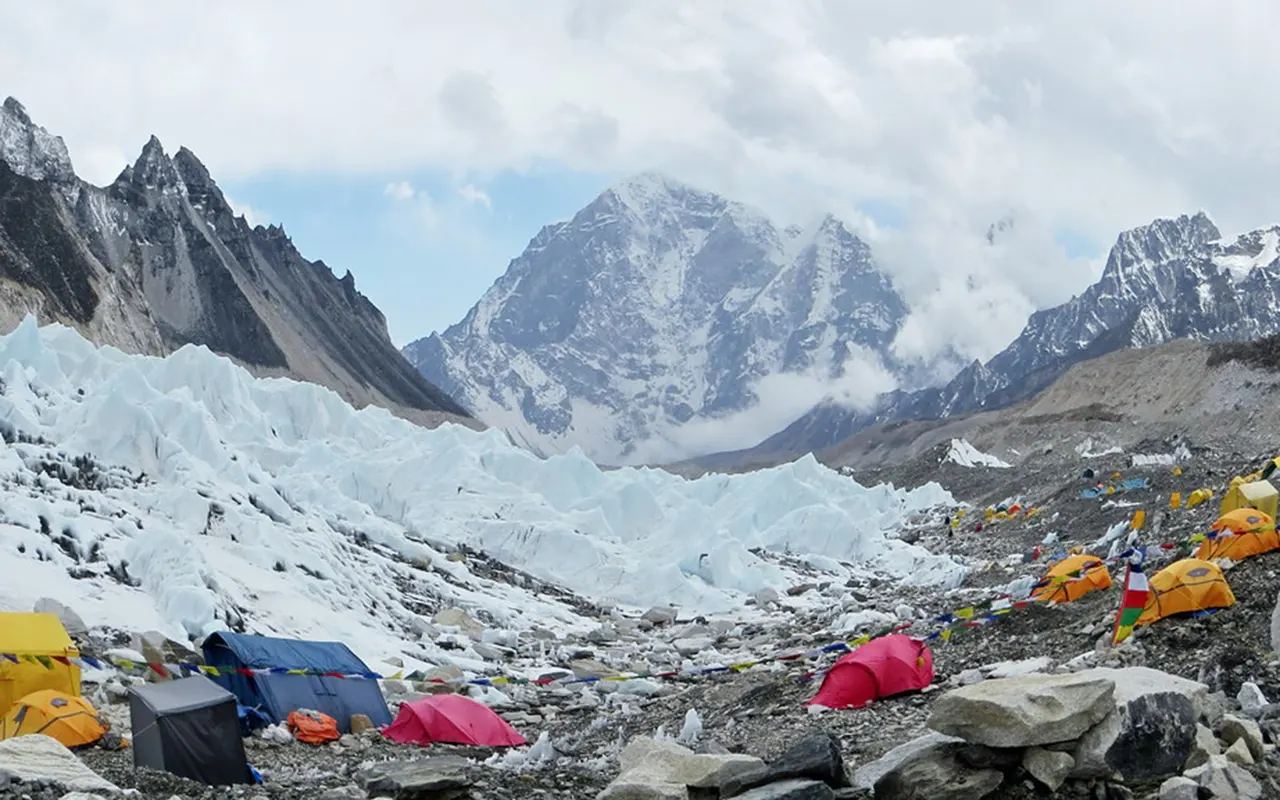
V januári sa denné teploty v Lobuche a Gorak Shep zvyčajne pohybujú od 5 °C do -5 °C v závislosti od slnečného svitu a vetra. Nočné teploty často klesajú pod -20 °C a silný vietor môže spôsobiť výrazné ochladenie. Po západe slnka teploty klesajú ešte viac a často dosiahnu mínus dvadsať alebo menej, pričom sa pripočítava k chladnému vetru. V týchto podmienkach je nedostatočné oblečenie viac než len nepohodlné. Môže sa stať vážnym bezpečnostným problémom.
Ice on the trail above Namche is a consistent feature in winter. Sections of the path that are shaded by cliffs or north-facing slopes stay frozen for much of the day and become slippery underfoot. The trail between Lobuche and Gorak Shep, and the early morning climb to Kala Patthar, both have sections that require careful footing. Microspike attachments for your trekking boots are worth carrying from Dingboche onward. A fall on frozen ground at altitude is something you should not risk when it is so easily prevented.
Flight reliability at Lukla is more variable in winter than in autumn. Cold morning air, low cloud, and occasional fog can close the airport for a day or two at a stretch. This is not unusual, and experienced operators plan around it, but you’ll need to build buffer days into your Kathmandu stay at both ends of the trek.
Daylight hours in December and January are the shortest of the year. Many walking stages that feel relaxed on long autumn days require earlier starts in winter to reach the next guesthouse before dark. Your guide will manage the daily schedule, but pre-dawn starts are a regular part of the winter routine above Dingboche.
Čo robí nadmorská výška s vaším telom v zime
Nadmorská výška je vždy ústredným zdravotným faktorom počas zimnej túry do základného tábora Everestu a chlad pridáva vrstvu zložitosti k reakciám tela, ktorú stojí za to dôkladne pochopiť.
Nad 3 000 metrami tlak vzduchu klesá a dostupný kyslík sa znižuje. Vaše pľúca nasávajú rovnaký objem vzduchu, ale s každým nádychom extrahujú menej kyslíka.
Cold temperatures compound this stress in a specific way. Your body has to cope with two challenges at once: staying warm while adapting to lower oxygen levels. Energy is consumed faster than in warm weather, appetite often decreases at altitude, and early symptoms of altitude adjustment can appear more quickly in cold conditions than in spring or autumn.
Acute Mountain Sickness (AMS) occurs in definable stages. Mild AMS is characterized by a headache within 24 hours of exposure to high altitude associated with fatigue, loss of appetite, and sleep disturbance. Moderate AMS is characterized by a headache that doesn’t go away with analgesics, nausea, and a significant decrease in energy and coordination. Severe AMS can progress to high-altitude pulmonary edema, which affects the lungs, or High-Altitude Cerebral Edema, which affects the brain. Both are life-threatening without immediate descent.
The prevention approach for altitude sickness on the winter route is the same as in any season, but requires stricter adherence because the body is already under thermal stress. Take the acclimatization days at Namche Bazaar and Dingboche without cutting them short. Use the rest days for short upward hikes, then return to sleep at the lower altitude.
Od Namche pite tri až štyri litre vody denne, aj keď necítite smäd, pretože chladné počasie často znižuje váš pocit smädu. Dehydratácia zvyšuje riziko horskej choroby a únavy, preto pokračujte v pravidelnom pití vody počas celého dňa spolu s teplými nápojmi.
Vyhýbajte sa alkoholu, ktorý môže dehydratovať telo a maskovať skoré príznaky výškovej choroby. Kráčajte pomalým, stabilným tempom a pred odchodom sa poraďte so svojím lekárom, či je Diamox pre vašu situáciu vhodný.
Tipy na zimnú turistiku v Nepále: Každodenné bezpečnostné postupy
Beyond altitude management, these winter trekking Nepal tips cover the practical daily decisions that shape EBC winter trek safety on the ground.
Hiring an experienced licensed guide is one of the best decisions you can make for a winter trek. Your knowledgeable guide, familiar with the Khumbu region, will update you daily on the weather, help you on icy or snow-covered trails, communicate with teahouse owners about accommodation availability, and coordinate emergency assistance if needed.
Although trekking regulations in Nepal have changed in recent years, independent trekking policies can vary by region. Regardless of the latest rules, having a licensed guide during winter greatly improves both safety and the overall trekking experience.
Winter weather is generally more stable than the pre-monsoon period, but high-altitude conditions shift faster than most trekkers expect. A sudden drop in wind, unusual cloud formation around the high peaks, or an unexpected afternoon temperature change are all worth noting and discussing with your guide before deciding about the following day.
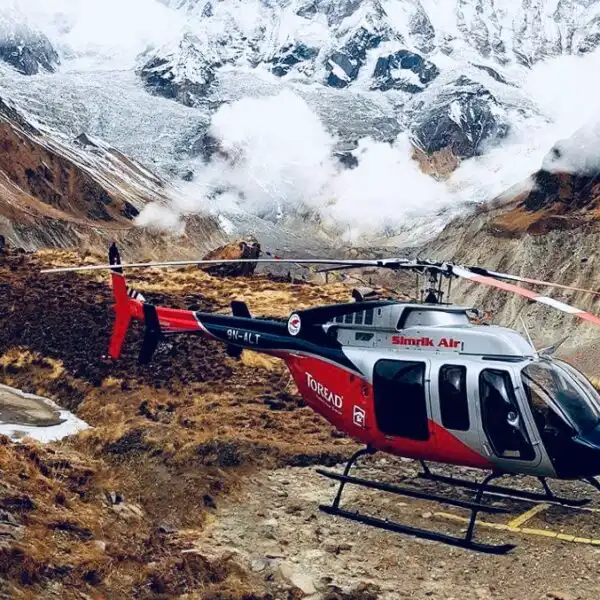
Pochopenie procesu evakuácie v prípade núdze ešte predtým, ako ho budete potrebovať, je jednoduché, ale dôležité. Záchrana vrtuľníkom je k dispozícii v celom regióne Khumbu a využíva sa pravidelne. Vaše cestovné poistenie musí výslovne pokrývať evakuáciu vrtuľníkom z nadmorskej výšky. Noste vždy pri sebe kontaktné čísla pre prípad núdze na vašu poisťovňu aj na vašu turistickú agentúru, nielen v telefóne. Batérie sa v chladnom počasí vybíjajú rýchlejšie a telefón, ktorý sa v Lobuche vybije, nie je v prípade núdze užitočný.
Začínať každý deň skoro ráno je zvyk špecifický pre zimu, ktorý má veľký význam. Najstabilnejšou a najteplejšou časťou zimného dňa v Khumbu je polovica dopoludnia. Ak opustíte čajovňu o siedmej alebo pol siedmej, dostanete sa do ďalšieho cieľa dávno predtým, ako svetlo zhasne a teplota prudko klesne neskoro popoludní. Príchodu do penziónu po zotmení pri teplote mínus pätnásť stupňov sa dá vyhnúť disciplínou na začiatku dňa.
Kompletný zoznam na zimu
Správne vybavenie nie je povinné pre zimný trek do základného tábora Everestu. Nižšie uvedené položky predstavujú minimálny štandard pre bezpečný a primerane pohodlný zážitok.
Proper layering is essential in winter. Start with moisture-wicking thermal base layers for the upper and lower body. Merino wool is particularly effective because it manages moisture, resists odor over multiple days, and retains warmth even when damp. Over the base layer, add a warm fleece or softshell jacket as your main insulation for walking. Your outer layer needs to be a fully waterproof and windproof shell jacket with matching trousers. A down jacket rated to at least minus fifteen degrees Celsius is the most important single item in your clothing kit and should be treated as non-negotiable for the upper sections of the route.
Winter accessories require more thought than in other seasons. Insulated gloves with thin liner gloves underneath give you flexibility when you need dexterity for camera buttons or trail snacks without exposing your hands to the cold for long. A wool or fleece hat that covers your ears fully is necessary from Namche upward. A balaclava or thick neck gaiter is useful for the pre-dawn starts above Dingboche. High-quality UV-protective sunglasses are essential because reflections off snow at altitude can increase UV exposure and damage eyesight within a few hours. High-SPF sunscreen is equally important for the same reason.
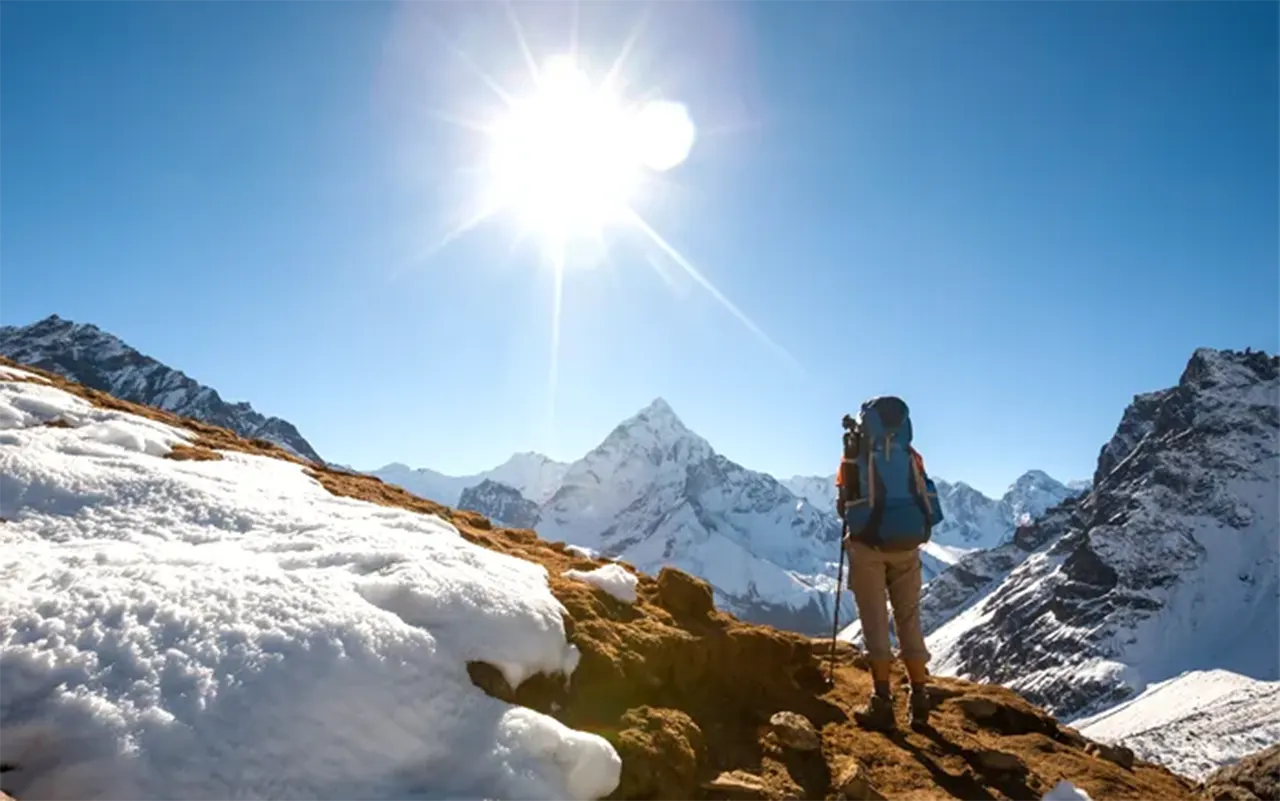
Footwear for the winter route needs to be both insulated and waterproof. Waterproof trekking boots with good ankle support suit most winter trekkers when paired with warm wool socks. Insulated winter trekking boots can make higher elevation hiking more comfortable if you’re especially sensitive to the cold. Gaiters keep snow out of your boots, and microspikes add traction on icy trail sections. Make sure your boots are fully broken in before your trek begins.
Spací vak s teplotou -20 stupňov Celzia sa odporúča na zimné noci v Lobuche a Gorak Shep . Vložka do spacieho vaku pridáva o dva až štyri stupne tepla a zároveň poskytuje hygienickú vrstvu medzi vami a posteľnou bielizňou z čajovne. Čajovne dodávajú prikrývky, ale ich hrúbka a stav sa značne líšia a váš vlastný spací vak eliminuje túto neistotu.
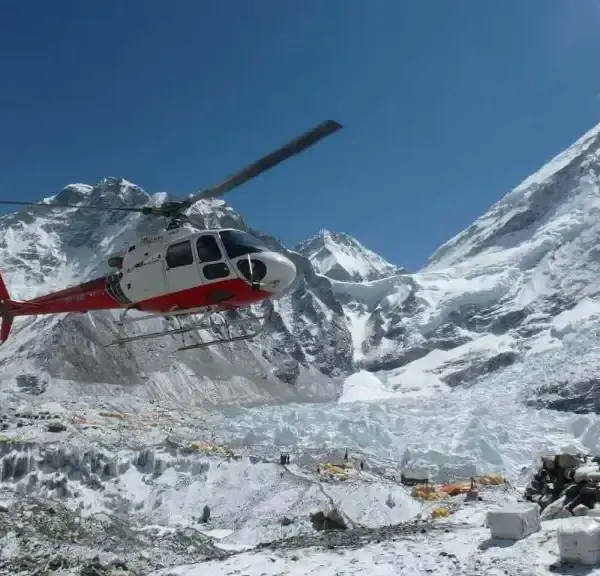
Let helikoptérou z Gorakshepa do Káthmandu
Väčšina ľudí si spája trek do základného tábora Everestu s októbrom a novembrom, keď sú chodníky rušné a čajovne plné…
For electronics, carry a power bank with enough capacity for several days between reliable charging stops. A headlamp with spare batteries is important for pre-dawn starts, and keep the spare batteries warm in an inner pocket rather than in your bag, where they may lose charge overnight. A pulse oximeter is an optional but useful item for monitoring your blood oxygen saturation during the trek. While it should never replace professional medical advice or your guide’s judgment, it can provide additional information as you gain altitude.
Nízke teploty znižujú výkon batérie oveľa rýchlejšie, ako väčšina turistov očakáva. Uchovávajte telefón, batérie fotoaparátu, powerbanku a ďalšie elektronické zariadenia cez noc v spacáku alebo vo vnútornom vrecku bundy, aby sa zachovala ich energia. Tento jednoduchý zvyk môže mať citeľný vplyv, najmä počas najchladnejších nocí vo vyšších nadmorských výškach.
Rozpis nákladov na zimný trek do základného tábora Everestu v rokoch 2026 až 2027
Winter is the most affordable season for most cost categories on the Everest Base Camp trek. Here is a realistic and detailed breakdown.
Permits are fixed by the government and do not change with season. The Sagarmatha National Park entry permit costs approximately NPR 3,000 per person, which works out to around USD 22. The Khumbu Pasang Lhamu Rural Municipality trekking permit costs about NPR 2,000, or about USD 15. Both are straightforward to obtain, and your trekking agency can handle them as part of a package.
Spiatočné lety medzi Káthmandu (alebo Ramechhapom počas rušných období) a Luklou zvyčajne stoja 440 až 560 USD na osobu v závislosti od leteckej spoločnosti, sezóny a dostupnosti. Zdieľané miesta vo vrtuľníku medzi Káthmandu a Luklou zvyčajne stoja 500 až 700 USD na osobu v závislosti od dostupnosti. K dispozícii sú aj súkromné prenájmy vrtuľníkov, ktoré zvyčajne stoja 2 500 USD alebo viac za celé lietadlo.
Guide and porter costs vary with experience and the arrangement you choose. A licensed local guide costs between USD 25 and USD 35 per day. A porter who carries your main bag costs between USD 18 and USD 25 per day. A guide-porter who handles both roles costs between USD 30 and USD 40 per day and is a practical option for trekkers who want to keep group size and cost manageable. Always book through a registered agency and confirm that your guide and porter carry appropriate insurance and personal gear.
Ubytovanie v čajovniach sa s narastajúcou nadmorskou výškou mierne predražuje, hoci zimné ceny sú často nižšie ako počas hlavnej turistickej sezóny. Izby zvyčajne stoja medzi
USD 5 and USD 15 per night. Some teahouses offer a free or discounted room if you eat your meals there. At higher elevations, rooms are generally unheated, so a warm sleeping bag is essential for a comfortable night.
Počas najchladnejších zimných týždňov môžu vodovodné potrubia a kohútiky vo vyšších nadmorských výškach cez noc zamrznúť. Teplé sprchy sú nad Dingboche menej bežné a nemusia byť vždy dostupné. Nosenie vlhčených obrúskov a malej súpravy osobnej hygieny môže výrazne uľahčiť pohodlie počas hornej časti túry.
Food and drink on the trail cost between USD 20 and USD 35 per day depending on your choices and your elevation. Hot drinks are both a comfort and a necessity in winter, and they cost more as you climb. A cup of tea at Gorak Shep runs USD 3 to USD 5. Charging devices at teahouses above Namche costs USD 2 to USD 5 per charge and adds up over fourteen days.
Cestovné poistenie nie je možné pre tento trek dohodnúť v žiadnom ročnom období, a najmä nie v zime, keď je riziko evakuácie vyššie. Poistenie pokrývajúce vysokohorskú turistiku do 6 000 metrov a evakuáciu vrtuľníkom zvyčajne stojí 80 až 200 USD v závislosti od vašej štátnej príslušnosti, veku a poskytovateľa. Zabezpečte si ho a zakúpte si ho pred odchodom z domu.
Total budget estimates vary significantly with travel style. A budget-conscious trekker using a guide-porter arrangement and basic teahouses can complete the fourteen-day trek for between USD 1,200 and USD 1,600 including permits, flights, food, and daily costs. A standard trekker with a separate guide and porter, mid-range accommodation choices, and some equipment rental will spend between USD 1,800 and USD 2,500. A comfort-focused trekker using better-equipped lodges and a private guide arrangement should budget USD 2,500 and above.
Fyzická a duševná príprava
The Everest Base Camp trek in winter asks more of your body than the same route in warmer conditions. Cold increases the energy cost of every hour on the trail, and the combination of altitude and low temperature means accumulated fatigue arrives sooner than it would in autumn.
The most useful physical training for this trek is long-distance hiking on hilly terrain with a loaded daypack. This mirrors the route’s demands more closely than any gym exercise. In the first two months, build to three-hour hikes three to four times per week with a pack of around six to eight kilograms. In the final two months, push your weekend hikes to five to seven hours with a fully loaded pack and as much elevation gain as your local terrain allows. Supplement this with strength training focused on quads, glutes, and core, as these muscle groups take the most load on the long descent days.
Mentálna príprava je rovnako dôležitá ako fyzická zdatnosť. Zimná turistika zahŕňa chladné rána, meniace sa počasie a dlhé dni na trase. Prijatie týchto výziev ešte pred začiatkom vám pomôže zostať pozitívnymi a užiť si zážitok, aj keď sa podmienky sťažia.
Čo sa týka toho, či začiatočníci môžu absolvovať trek EBC v zime, odpoveď si vyžaduje opatrnosť. Nie je to najvhodnejší prvý zážitok vo vysokej nadmorskej výške. Predchádzajúci trekking v miernych himalájskych nadmorských výškach, dokonca aj v nadmorskej výške 3 000 až 4 000 metrov na kratšej trase, vám poskytne užitočnú informáciu o tom, ako vaše telo reaguje na nadmorskú výšku a chlad. Napriek tomu motivovaní začiatočníci, ktorí sa dôkladne fyzicky pripravili a cestujú so skúseným sprievodcom, zimnú trasu úspešne absolvovali. Kľúčom je nepodceňovať ju.
Zima vs. jar vs. jeseň: Jednoduché porovnanie
Nasledujúca tabuľka sumarizuje hlavné faktory v troch hlavných trekingových sezónach na trase EBC.
| faktor | Zima | jar | jeseň |
| davy | Veľmi nízky | vysoký | Veľmi Vysoko |
| počasie | Chladné, stabilné | dobrý | najlepší |
| Pohľady | Výborne | dobrý | Výborne |
| Náklady | najnižšia | vysoký | Najvyššia |
| obtiažnosť | najťažšie | Stredne | Stredne |
Winter is the right choice for experienced trekkers who prioritize solitude, clear mountain photography, and lower costs over the comfort of warmer conditions. It is not well suited to people who are sensitive to cold, have respiratory conditions, or are attempting high-altitude trekking for the first time without prior experience. Spring and autumn remain the more forgiving and better-supported seasons for those new to Himalayan trekking.
Chyby, ktorým sa treba vyhnúť na zimnom treku EBC
Väčšina ťažkostí na zimnej trase pramení z malého množstva chýb, ktorým sa dá vyhnúť. O týchto chybách sa oplatí vedieť predtým, ako sa vydáte na cestu.
Underestimating the temperature gap between Kathmandu and the upper Khumbu is the mistake most commonly made by first-time winter trekkers. The difference between a pleasant Kathmandu afternoon in December and Gorak Shep at midnight in January is around thirty degrees Celsius. Packing gear that works for autumn conditions and assuming it will be enough in winter creates real problems above Dingboche.
Vynechávanie aklimatizačných dní z dôvodu úspory času je v zime nebezpečnejšie ako v ktoromkoľvek inom ročnom období. Telo už vynakladá viac energie na termoreguláciu, čo znižuje zdroje dostupné na prispôsobenie sa nadmorskej výške. Dni odpočinku v Namche a Dingboche sú časom, kedy sa vaše telo prispôsobuje. Ich vynechanie skracuje tento proces a zvyšuje pravdepodobnosť problémov súvisiacich s nadmorskou výškou v horných oblastiach.
Ignoring early AMS symptoms because motivation is running high is a pattern that ends many winter treks poorly. A headache at Lobuche that worsens overnight rather than improving signals that your body is not coping with the altitude at that stage. Telling your guide, resting an extra day, or descending to a lower altitude are all reasonable responses. Pushing on in the hope that things will improve at a higher elevation is not a reasonable response and has led to serious outcomes for trekkers on this route.
Ignoring changing weather conditions is another avoidable mistake. Winter weather is generally more settled than during the monsoon or pre-monsoon season, but you can still encounter heavy snowfall or strong winds that can affect trail conditions and travel plans. Staying flexible and following your guide’s advice will help you make safer decisions if the weather changes unexpectedly.
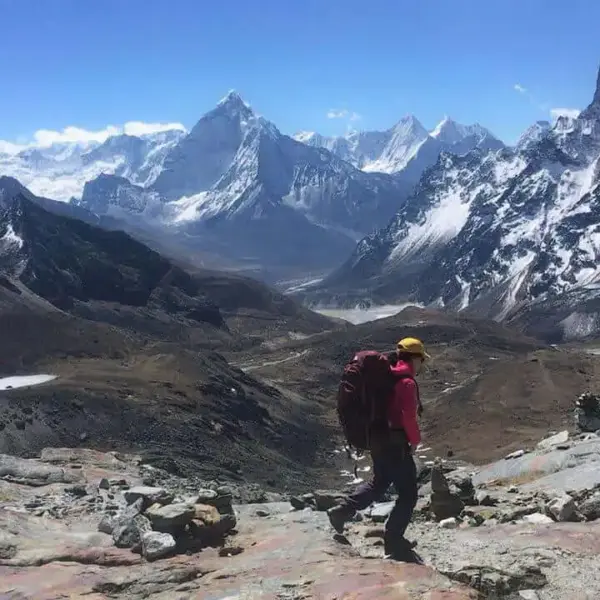
15-dňový trek na Everest Cho La Pass
Väčšina ľudí si spája trek do základného tábora Everestu s októbrom a novembrom, keď sú chodníky rušné a čajovne plné…
Rezervácia letov do Lukly bez dodatočných dní na oboch koncoch cesty predstavuje medzeru v plánovaní, ktorá spôsobuje značný stres, keď zimné počasie zatvorí letisko. Meškanie jeden alebo dva dni v Lukle je v zime úplne bežné. Zahrnutie týchto dní do vášho harmonogramu od začiatku eliminuje úzkosť a drahé prerezervovanie, ktoré so sebou prináša napätý itinerár.
Často kladené otázky
Je trek do základného tábora Everestu bezpečný v zime?
With proper preparation, suitable gear, and a licensed guide, the winter route is safe for trekkers who approach it seriously. The risks are real and specific to the season, but manageable for anyone who prepares thoroughly and follows EBC winter trek safety guidance.
Aká zima býva v základnom tábore Everestu v zime?
Daytime temperatures at Base Camp in winter range from minus five to minus fifteen degrees Celsius. At night in Gorak Shep, temperatures regularly fall to minus twenty degrees Celsius or lower. Wind chill on exposed ridges and during the Kala Patthar climb makes conditions feel considerably colder.
Sú čajovne otvorené aj počas zimných mesiacov?
Most teahouses along the main EBC route remain open through December, January, and February. A small number of the higher-elevation lodges may close during the deepest part of winter. Your guide will confirm current availability before you depart each stage.
Potrebujem sprievodcu na zimný trek EBC?
A licensed guide is strongly recommended for a winter Everest Base Camp trek. An experienced guide provides route knowledge, weather reports, emergency assistance, and local support throughout the trek. Trekking regulations can change, so it’s always a good idea to check the latest requirements before planning your trip.
Ktorý zimný mesiac je najlepší na trek EBC?
December is usually the most accessible of the three winter months, with slightly less extreme nighttime temperatures than January and February. All three months offer the same trail experience and mountain views, so the choice often comes down to which dates fit your schedule.
Vyskytuje sa výšková choroba častejšie v zime?
The cold in winter places additional physical demands on the body, which can accelerate the onset of early AMS symptoms. Trekkers who stick strictly to the acclimatization schedule and move at a measured pace manage altitude well in winter. Those who move too fast or skip rest days are more vulnerable than they would be in warmer conditions.
Oplatí sa trek do základného tábora Everestu v zime?
For many trekkers, winter is the most rewarding time to visit Everest Base Camp. Empty trails, sharp mountain air, views that stretch to every horizon without haze, and teahouses where the owner remembers your name because there are only four guests. The Everest Base Camp trek in winter gives you the Khumbu without the performance of peak season, and for people who value that kind of quiet and directness in their travel, it is a very compelling offer.
Vyžaduje si to od vás viac ako rovnaká trasa v októbri. Príprava musí byť dôkladnejšia, výstroj musí byť správne dimenzovaná na chlad a váš postoj k nepohodliu si musí byť vyriešený ešte pred príchodom.
Start your preparation early. Choose an operator with real winter experience in the Khumbu. Pack for the worst conditions you might encounter, not the average ones. Get your insurance in place before you travel. And go with a clear sense of what the cold will feel like, so when it arrives, it doesn’t surprise you. Winter conditions are demanding, but with proper preparation, they can also be incredibly rewarding, leaving you with memories that last long after the trek is over.