



La mayoría de la gente asocia la caminata al campamento base del Everest con octubre y noviembre, cuando los senderos están concurridos y las casas de té llenas de excursionistas de todo el mundo. Entre diciembre y febrero, el Khumbu adquiere un carácter completamente diferente, y los excursionistas que eligen caminar en esos meses a menudo regresan diciendo que fue la experiencia más gratificante que han vivido en las montañas.
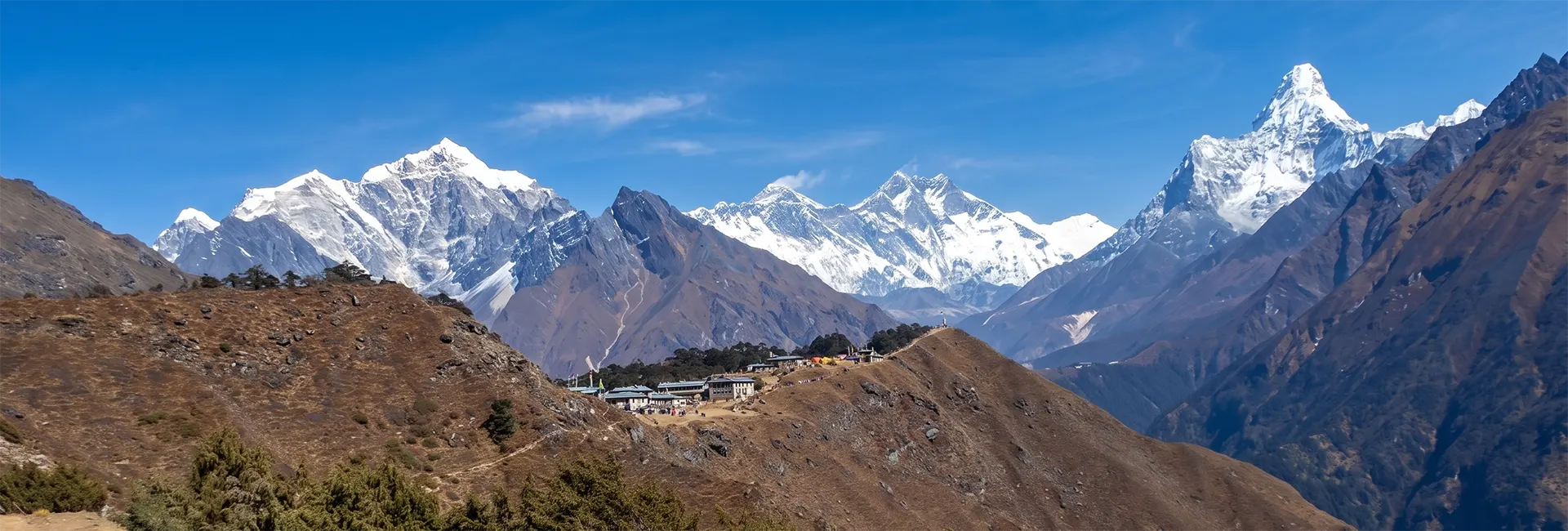
Winter on this route is quieter, sharper, and more demanding than any other season. Based on our firsthand experience on My Everest Trip, winter reveals a quieter and more rewarding side of the Everest Base Camp trail. On clear winter mornings, the dry mountain air offers exceptionally clear views and makes the surrounding peaks look remarkably sharp.
Los gastos de viaje suelen ser menores en invierno, y al haber menos excursionistas en el sendero, los dueños de las casas de té a menudo disponen de más tiempo para ofrecer un servicio personalizado. Completar la ruta en invierno suele generar una mayor sensación de logro, ya que la experiencia es más tranquila y exigente.
Esta guía cubre en detalle la caminata al campamento base del Everest en invierno. Encontrarás información clara sobre la seguridad en esta ruta invernal, cómo afecta la altitud al cuerpo en condiciones de frío, una lista práctica de equipaje, un desglose realista del presupuesto para 2026-2027 y un plan de preparación física que te brindará la mejor base posible antes de comenzar la caminata.
Excursión invernal al campamento base del Everest: un vistazo
Aquí les ofrecemos un resumen de referencia rápida antes de entrar en detalles.
| Parámetro | Detalles |
| Duración de la caminata | 12 14 de días |
| Mejores meses de invierno | Diciembre enero febrero |
| Altitud máxima | 5,545 m (Kala Patthar) |
| Altitud del campamento base del Everest | 5,364m |
| Temperatura diurna | 5 ° C a -5 ° C |
| Temperatura nocturna | -10 ° C hasta -25 ° C |
| Nivel de dificultad | Desafiante |
| Costo Promedio | USD 1,200 a USD 2,500+ |
| Alojamiento | Casas de té |
| Requisito de guía | Muy recomendable |
¿Por qué algunos excursionistas eligen la temporada de invierno?
Las ventajas de practicar senderismo en invierno son reales y merece la pena detallarlas antes de hablar de los desafíos.
Los senderos tranquilos son una de las principales razones por las que muchos excursionistas eligen el invierno. Durante octubre y noviembre, el camino entre Lukla y Namche Bazaar se recorre a un ritmo muy concurrido, con cientos de excursionistas pasando por los mismos puntos de control y albergues a diario. En enero, es posible caminar durante una hora sin ver a otro grupo. La casa de té en Dingboche donde almuerzas tendrá dos o tres mesas ocupadas en lugar de veinte. Podrás disfrutar del mirador de Kala Patthar sin hacer cola. Para los excursionistas que encuentran agobiante el ambiente de la temporada alta, esto por sí solo justifica el frío.
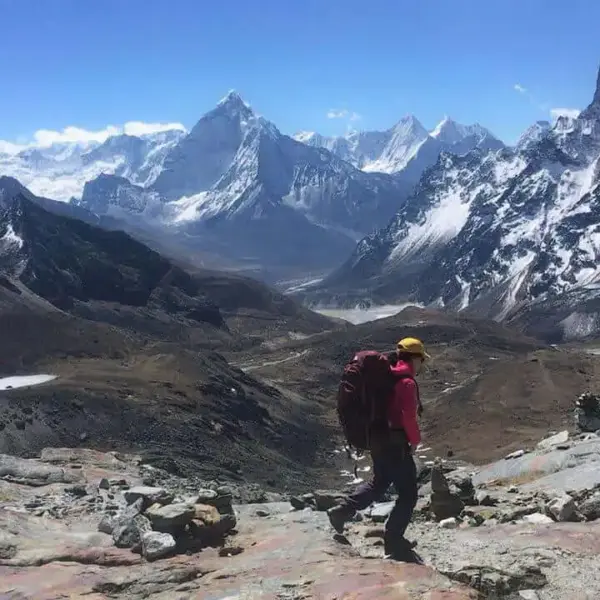
La visibilidad en la montaña durante el invierno suele ser óptima gracias al aire frío y seco, que proporciona una claridad excepcional en los días despejados. El aire seco y frío a gran altitud retiene muy poca humedad, y el cielo en una mañana despejada de invierno sobre Namche o Tengboche luce un azul intenso y profundo que resulta ideal para fotografiar y hace que cada pico lejano parezca muy cercano.
Lower travel costs are another advantage of winter trekking. Accommodation, guide services, and some trekking packages are often cheaper than during peak seasons, making winter a good option for budget-conscious trekkers.
Trekking al Campo Base del Everest de 12 días
La mayoría de la gente asocia la caminata al campamento base del Everest con octubre y noviembre, cuando los senderos están concurridos y las casas de té están llenas de gente…
Seguridad en las excursiones invernales al campamento base del Everest: una evaluación realista
You need to understand EBC winter trek safety clearly before you commit to this season. Winter risks differ from other times of year, and some are far more serious. This section gives you an honest picture of each one.
The cold is the biggest challenge, and it deserves the most attention. On the lower sections of the trail, between Lukla and Namche, winter daytime temperatures are uncomfortable but manageable. Above 4,000 meters, particularly above Dingboche, altitude and temperature begin to matter in a different way.
En Lobuche y Gorak Shep, durante el mes de enero, las temperaturas diurnas suelen oscilar entre los 5 °C y los -5 °C, dependiendo de la insolación y el viento. Por la noche, las temperaturas suelen bajar de los -20 °C, y los fuertes vientos pueden hacer que la sensación térmica sea aún menor. Tras la puesta del sol, descienden aún más, llegando a menudo a -20 °C o incluso menos si se tiene en cuenta la sensación térmica. En estas condiciones, la ropa inadecuada no solo resulta incómoda, sino que puede suponer un grave riesgo para la seguridad.
Ice on the trail above Namche is a consistent feature in winter. Sections of the path that are shaded by cliffs or north-facing slopes stay frozen for much of the day and become slippery underfoot. The trail between Lobuche and Gorak Shep, and the early morning climb to Kala Patthar, both have sections that require careful footing. Microspike attachments for your trekking boots are worth carrying from Dingboche onward. A fall on frozen ground at altitude is something you should not risk when it is so easily prevented.
Flight reliability at Lukla is more variable in winter than in autumn. Cold morning air, low cloud, and occasional fog can close the airport for a day or two at a stretch. This is not unusual, and experienced operators plan around it, but you’ll need to build buffer days into your Kathmandu stay at both ends of the trek.
Daylight hours in December and January are the shortest of the year. Many walking stages that feel relaxed on long autumn days require earlier starts in winter to reach the next guesthouse before dark. Your guide will manage the daily schedule, but pre-dawn starts are a regular part of the winter routine above Dingboche.
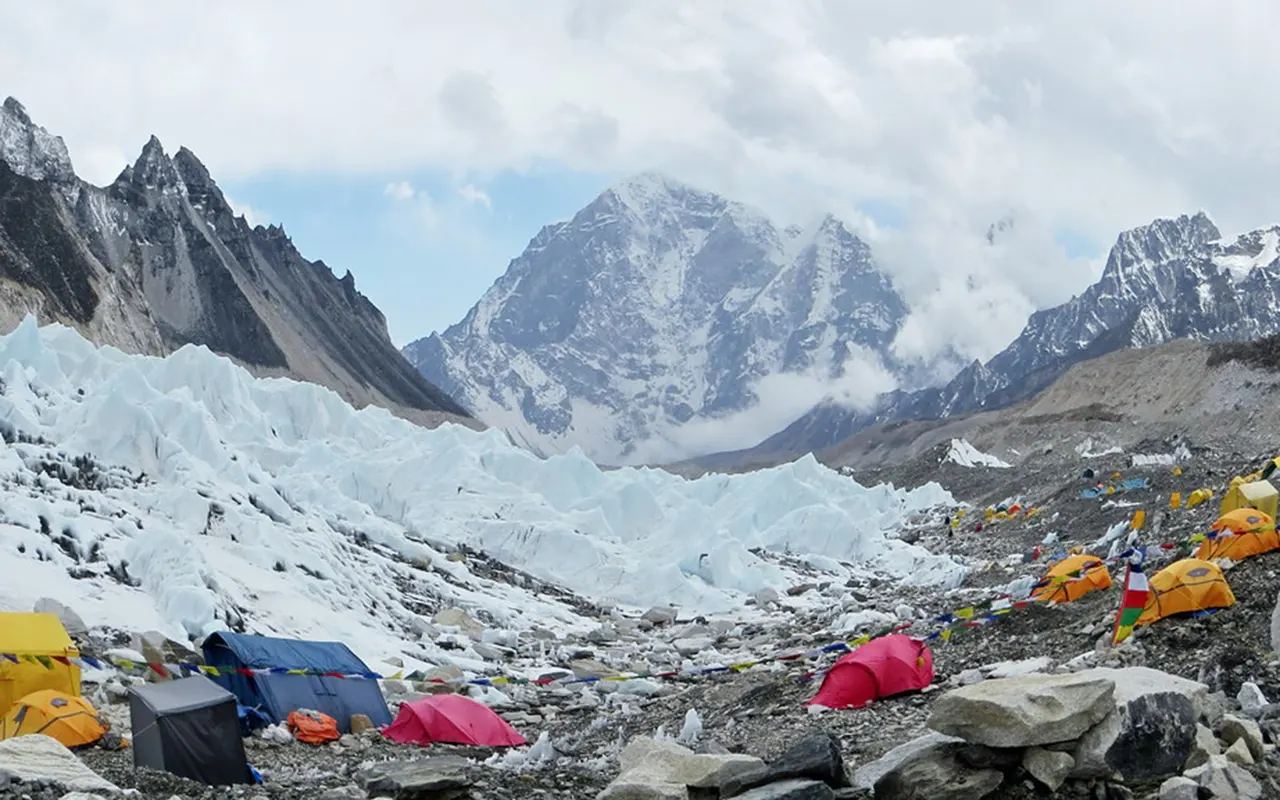
Qué efectos tiene la altitud en tu cuerpo durante el invierno.
La altitud es siempre el factor principal a tener en cuenta en materia de salud durante la caminata al campamento base del Everest en invierno, y el frío añade una capa de complejidad a la forma en que el cuerpo responde, algo que vale la pena comprender adecuadamente.
Por encima de los 3,000 metros, la presión atmosférica disminuye y el oxígeno disponible se reduce. Tus pulmones inhalan el mismo volumen de aire, pero extraen menos oxígeno con cada respiración.
Cold temperatures compound this stress in a specific way. Your body has to cope with two challenges at once: staying warm while adapting to lower oxygen levels. Energy is consumed faster than in warm weather, appetite often decreases at altitude, and early symptoms of altitude adjustment can appear more quickly in cold conditions than in spring or autumn.
Acute Mountain Sickness (AMS) occurs in definable stages. Mild AMS is characterized by a headache within 24 hours of exposure to high altitude associated with fatigue, loss of appetite, and sleep disturbance. Moderate AMS is characterized by a headache that doesn’t go away with analgesics, nausea, and a significant decrease in energy and coordination. Severe AMS can progress to high-altitude pulmonary edema, which affects the lungs, or High-Altitude Cerebral Edema, which affects the brain. Both are life-threatening without immediate descent.
The prevention approach for altitude sickness on the winter route is the same as in any season, but requires stricter adherence because the body is already under thermal stress. Take the acclimatization days at Namche Bazaar and Dingboche without cutting them short. Use the rest days for short upward hikes, then return to sleep at the lower altitude.
A partir de Namche, bebe de tres a cuatro litros de agua al día, incluso si no tienes sed, ya que el frío suele disminuir la sensación de sed. La deshidratación aumenta el riesgo de mal de altura y fatiga, así que continúa bebiendo agua con regularidad durante todo el día, además de bebidas calientes.
Evite el alcohol, ya que puede deshidratar el cuerpo y enmascarar los primeros síntomas del mal de altura. Camine a un ritmo lento y constante, y consulte con su médico antes de partir si Diamox es adecuado para su caso.
Consejos para hacer senderismo en invierno en Nepal: Prácticas de seguridad diarias
Beyond altitude management, these winter trekking Nepal tips cover the practical daily decisions that shape EBC winter trek safety on the ground.
Hiring an experienced licensed guide is one of the best decisions you can make for a winter trek. Your knowledgeable guide, familiar with the Khumbu region, will update you daily on the weather, help you on icy or snow-covered trails, communicate with teahouse owners about accommodation availability, and coordinate emergency assistance if needed.
Although trekking regulations in Nepal have changed in recent years, independent trekking policies can vary by region. Regardless of the latest rules, having a licensed guide during winter greatly improves both safety and the overall trekking experience.
Winter weather is generally more stable than the pre-monsoon period, but high-altitude conditions shift faster than most trekkers expect. A sudden drop in wind, unusual cloud formation around the high peaks, or an unexpected afternoon temperature change are all worth noting and discussing with your guide before deciding about the following day.
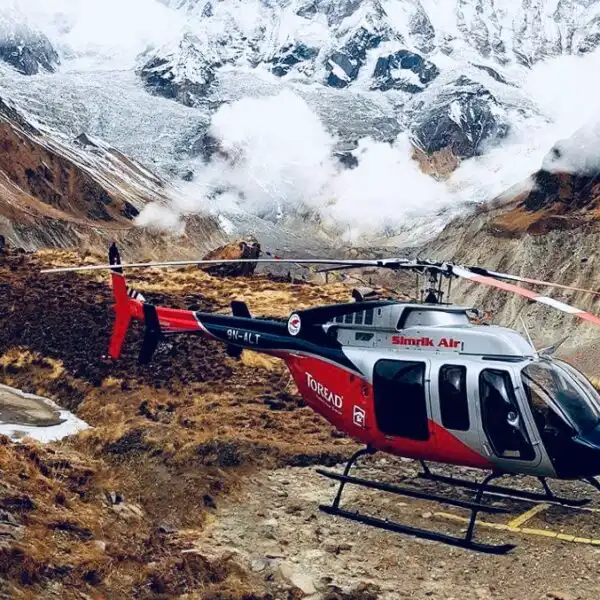
Comprender el proceso de evacuación de emergencia antes de necesitarlo es sencillo pero importante. El rescate en helicóptero está disponible en toda la región de Khumbu y se utiliza con regularidad. Su seguro de viaje debe cubrir explícitamente la evacuación en helicóptero desde altura. Lleve siempre consigo los números de contacto de emergencia tanto de su compañía de seguros como de su agencia de trekking, no solo en su teléfono. Las baterías se agotan más rápido con el frío, y un teléfono que se queda sin batería en Lobuche no sirve de nada en caso de emergencia.
Madrugar cada día es un hábito típico del invierno que marca una gran diferencia. La parte más estable y cálida del día en invierno en Khumbu es a media mañana. Salir de la casa de té a las siete o siete y media te permite llegar a tu próximo destino mucho antes de que anochezca y la temperatura baje bruscamente al final de la tarde. Llegar a una casa de huéspedes de noche con temperaturas de -15 grados se puede evitar con disciplina al comienzo del día.
Lista completa de equipaje para el invierno
Contar con el equipo adecuado es fundamental para la caminata al campamento base del Everest en invierno. Los artículos que se enumeran a continuación representan el estándar mínimo para una experiencia segura y razonablemente cómoda.
Proper layering is essential in winter. Start with moisture-wicking thermal base layers for the upper and lower body. Merino wool is particularly effective because it manages moisture, resists odor over multiple days, and retains warmth even when damp. Over the base layer, add a warm fleece or softshell jacket as your main insulation for walking. Your outer layer needs to be a fully waterproof and windproof shell jacket with matching trousers. A down jacket rated to at least minus fifteen degrees Celsius is the most important single item in your clothing kit and should be treated as non-negotiable for the upper sections of the route.
Winter accessories require more thought than in other seasons. Insulated gloves with thin liner gloves underneath give you flexibility when you need dexterity for camera buttons or trail snacks without exposing your hands to the cold for long. A wool or fleece hat that covers your ears fully is necessary from Namche upward. A balaclava or thick neck gaiter is useful for the pre-dawn starts above Dingboche. High-quality UV-protective sunglasses are essential because reflections off snow at altitude can increase UV exposure and damage eyesight within a few hours. High-SPF sunscreen is equally important for the same reason.
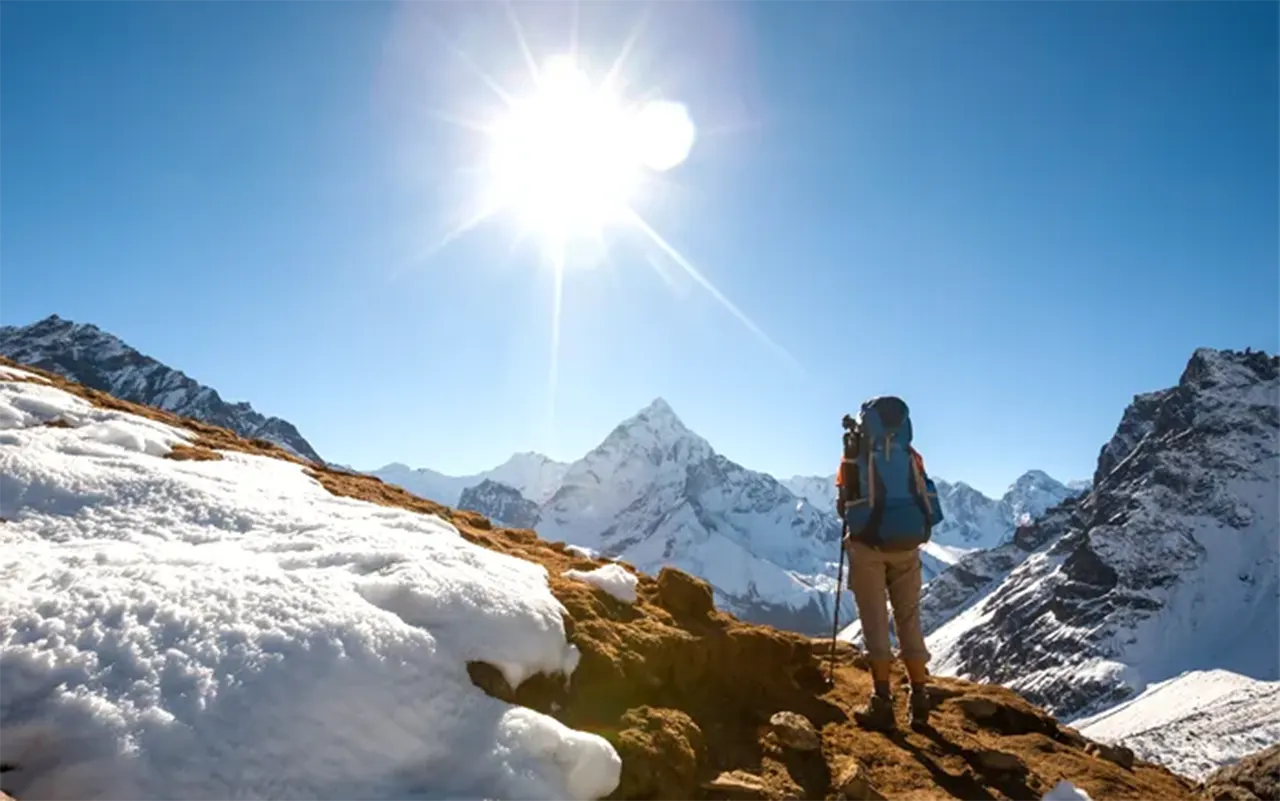
Footwear for the winter route needs to be both insulated and waterproof. Waterproof trekking boots with good ankle support suit most winter trekkers when paired with warm wool socks. Insulated winter trekking boots can make higher elevation hiking more comfortable if you’re especially sensitive to the cold. Gaiters keep snow out of your boots, and microspikes add traction on icy trail sections. Make sure your boots are fully broken in before your trek begins.
Para las noches de invierno en Lobuche y Gorak Shep , se recomienda un saco de dormir con una temperatura de confort de hasta -20 grados Celsius. Un forro para el saco de dormir proporciona entre dos y cuatro grados adicionales de calor y, además, crea una capa higiénica entre el saco y la ropa de cama de la casa de té. Si bien las casas de té ofrecen mantas, su grosor y estado varían considerablemente, por lo que llevar tu propio saco de dormir elimina esta incertidumbre.
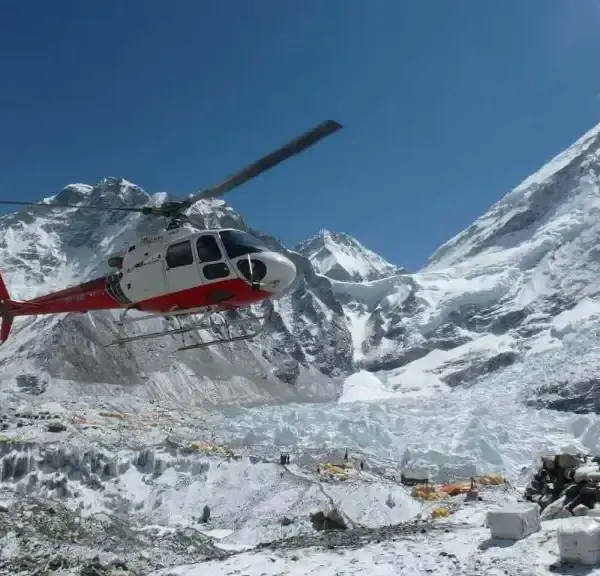
Vuelo en helicóptero de Gorakshep a Katmandú
La mayoría de la gente asocia la caminata al campamento base del Everest con octubre y noviembre, cuando los senderos están concurridos y las casas de té están llenas de gente…
For electronics, carry a power bank with enough capacity for several days between reliable charging stops. A headlamp with spare batteries is important for pre-dawn starts, and keep the spare batteries warm in an inner pocket rather than in your bag, where they may lose charge overnight. A pulse oximeter is an optional but useful item for monitoring your blood oxygen saturation during the trek. While it should never replace professional medical advice or your guide’s judgment, it can provide additional information as you gain altitude.
Las bajas temperaturas reducen el rendimiento de la batería mucho más rápido de lo que la mayoría de los excursionistas esperan. Guarda tu teléfono, las baterías de la cámara, la batería externa y otros dispositivos electrónicos dentro del saco de dormir o en un bolsillo interior de la chaqueta durante la noche para conservar su carga. Este sencillo hábito puede marcar una gran diferencia, especialmente durante las noches más frías en altitudes elevadas.
Desglose de costos de la caminata invernal al campamento base del Everest (2026-2027)
Winter is the most affordable season for most cost categories on the Everest Base Camp trek. Here is a realistic and detailed breakdown.
Permits are fixed by the government and do not change with season. The Sagarmatha National Park entry permit costs approximately NPR 3,000 per person, which works out to around USD 22. The Khumbu Pasang Lhamu Rural Municipality trekking permit costs about NPR 2,000, or about USD 15. Both are straightforward to obtain, and your trekking agency can handle them as part of a package.
Los vuelos de ida y vuelta entre Katmandú (o Ramechhap en temporada alta) y Lukla suelen costar entre 440 y 560 USD por persona, dependiendo de la aerolínea, la temporada y la disponibilidad. Los asientos compartidos en helicóptero entre Katmandú y Lukla suelen costar entre 500 y 700 USD por persona, según la disponibilidad. También se pueden alquilar helicópteros privados, cuyo precio suele ser de 2,500 USD o más por la aeronave completa.
Guide and porter costs vary with experience and the arrangement you choose. A licensed local guide costs between USD 25 and USD 35 per day. A porter who carries your main bag costs between USD 18 and USD 25 per day. A guide-porter who handles both roles costs between USD 30 and USD 40 per day and is a practical option for trekkers who want to keep group size and cost manageable. Always book through a registered agency and confirm that your guide and porter carry appropriate insurance and personal gear.
El alojamiento en casas de té se vuelve un poco más caro a medida que se gana altitud, aunque las tarifas de invierno suelen ser más bajas que durante las temporadas altas de senderismo. Las habitaciones generalmente cuestan entre
USD 5 and USD 15 per night. Some teahouses offer a free or discounted room if you eat your meals there. At higher elevations, rooms are generally unheated, so a warm sleeping bag is essential for a comfortable night.
Durante las semanas más frías del invierno, las tuberías y grifos de agua en las zonas de mayor altitud pueden congelarse de la noche a la mañana. Las duchas de agua caliente son menos frecuentes por encima de Dingboche y puede que no siempre estén disponibles. Llevar toallitas húmedas y un pequeño neceser de higiene personal puede facilitar mucho la comodidad durante la parte alta de la ruta.
Food and drink on the trail cost between USD 20 and USD 35 per day depending on your choices and your elevation. Hot drinks are both a comfort and a necessity in winter, and they cost more as you climb. A cup of tea at Gorak Shep runs USD 3 to USD 5. Charging devices at teahouses above Namche costs USD 2 to USD 5 per charge and adds up over fourteen days.
El seguro de viaje es indispensable para esta excursión en cualquier época del año, y especialmente en invierno, cuando los riesgos de evacuación son mayores. Una póliza que cubra el senderismo a gran altitud (hasta 6,000 metros) y la evacuación en helicóptero suele costar entre 80 y 200 dólares estadounidenses, dependiendo de su nacionalidad, edad y compañía aseguradora. Contrate este seguro antes de salir de casa.
Total budget estimates vary significantly with travel style. A budget-conscious trekker using a guide-porter arrangement and basic teahouses can complete the fourteen-day trek for between USD 1,200 and USD 1,600 including permits, flights, food, and daily costs. A standard trekker with a separate guide and porter, mid-range accommodation choices, and some equipment rental will spend between USD 1,800 and USD 2,500. A comfort-focused trekker using better-equipped lodges and a private guide arrangement should budget USD 2,500 and above.
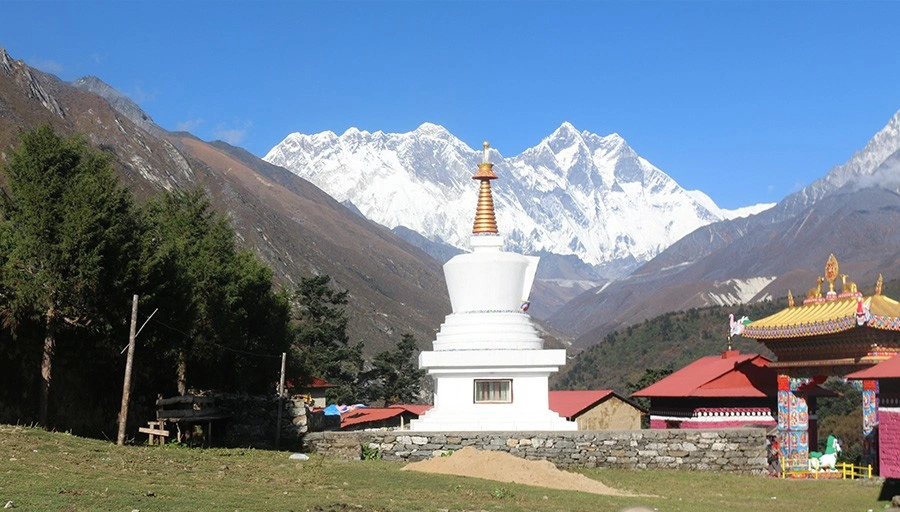
Preparación Física y Mental
The Everest Base Camp trek in winter asks more of your body than the same route in warmer conditions. Cold increases the energy cost of every hour on the trail, and the combination of altitude and low temperature means accumulated fatigue arrives sooner than it would in autumn.
The most useful physical training for this trek is long-distance hiking on hilly terrain with a loaded daypack. This mirrors the route’s demands more closely than any gym exercise. In the first two months, build to three-hour hikes three to four times per week with a pack of around six to eight kilograms. In the final two months, push your weekend hikes to five to seven hours with a fully loaded pack and as much elevation gain as your local terrain allows. Supplement this with strength training focused on quads, glutes, and core, as these muscle groups take the most load on the long descent days.
La preparación mental es tan importante como la condición física. Las caminatas invernales implican mañanas frías, cambios climáticos y largas jornadas en el sendero. Aceptar estos desafíos antes de comenzar te ayuda a mantener una actitud positiva y disfrutar de la experiencia incluso cuando las condiciones se complican.
En cuanto a si los principiantes pueden realizar la caminata al Campamento Base del Everest en invierno, la respuesta requiere precaución. No es la experiencia más adecuada para quienes se inician en la alta montaña. Haber realizado caminatas previas a altitudes moderadas en el Himalaya, incluso a 3,000 o 4,000 metros en una ruta más corta, proporciona una referencia útil sobre cómo reacciona el cuerpo a la altitud y al frío. Dicho esto, algunos principiantes motivados que se han preparado físicamente a conciencia y que viajan con un guía experimentado han completado la ruta invernal con éxito. La clave está en no subestimarla.
Invierno vs. Primavera vs. Otoño: Una comparación sencilla
La tabla que aparece a continuación resume los principales factores que influyen en las tres principales temporadas de senderismo en la ruta al Campamento Base del Everest.
| Factor | Invierno | Spring | Otoño |
| Crowds | Muy Bajo | Alto | Muy Alta |
| Clima: | Frío, estable | Bueno | Superior |
| Vistas | Excelente | Bueno | Excelente |
| Costo | Más bajo | Alto | Mayor |
| Dificultad | Más duro | Moderado | Moderado |
Winter is the right choice for experienced trekkers who prioritize solitude, clear mountain photography, and lower costs over the comfort of warmer conditions. It is not well suited to people who are sensitive to cold, have respiratory conditions, or are attempting high-altitude trekking for the first time without prior experience. Spring and autumn remain the more forgiving and better-supported seasons for those new to Himalayan trekking.
Errores que debes evitar en una excursión invernal al campamento base del Everest
La mayoría de las dificultades en la ruta invernal se deben a una serie de errores evitables. Conviene conocerlos antes de partir.
Underestimating the temperature gap between Kathmandu and the upper Khumbu is the mistake most commonly made by first-time winter trekkers. The difference between a pleasant Kathmandu afternoon in December and Gorak Shep at midnight in January is around thirty degrees Celsius. Packing gear that works for autumn conditions and assuming it will be enough in winter creates real problems above Dingboche.
Saltarse los días de aclimatación para ahorrar tiempo es más peligroso en invierno que en cualquier otra estación. El cuerpo ya gasta energía extra en la termorregulación, lo que reduce los recursos disponibles para la adaptación a la altitud. Los días de descanso en Namche y Dingboche son cruciales para la adaptación del cuerpo. Eliminarlos interrumpe este proceso y aumenta la probabilidad de sufrir problemas relacionados con la altitud en las zonas más altas.
Ignoring early AMS symptoms because motivation is running high is a pattern that ends many winter treks poorly. A headache at Lobuche that worsens overnight rather than improving signals that your body is not coping with the altitude at that stage. Telling your guide, resting an extra day, or descending to a lower altitude are all reasonable responses. Pushing on in the hope that things will improve at a higher elevation is not a reasonable response and has led to serious outcomes for trekkers on this route.
Ignoring changing weather conditions is another avoidable mistake. Winter weather is generally more settled than during the monsoon or pre-monsoon season, but you can still encounter heavy snowfall or strong winds that can affect trail conditions and travel plans. Staying flexible and following your guide’s advice will help you make safer decisions if the weather changes unexpectedly.
Trekking de 15 días al paso Cho La del Everest
La mayoría de la gente asocia la caminata al campamento base del Everest con octubre y noviembre, cuando los senderos están concurridos y las casas de té están llenas de gente…
Reservar vuelos a Lukla sin días de margen antes y después de la caminata supone un error de planificación que genera mucho estrés cuando el aeropuerto cierra debido al mal tiempo invernal. Un retraso de uno o dos días en Lukla es completamente normal en invierno. Incluir esos días en tu itinerario desde el principio elimina la ansiedad y los costosos cambios de reserva que conlleva un itinerario ajustado.
Preguntas frecuentes
¿Es segura la caminata al campamento base del Everest en invierno?
With proper preparation, suitable gear, and a licensed guide, the winter route is safe for trekkers who approach it seriously. The risks are real and specific to the season, but manageable for anyone who prepares thoroughly and follows EBC winter trek safety guidance.
¿Qué tan frío hace en el campamento base del Everest durante el invierno?
Daytime temperatures at Base Camp in winter range from minus five to minus fifteen degrees Celsius. At night in Gorak Shep, temperatures regularly fall to minus twenty degrees Celsius or lower. Wind chill on exposed ridges and during the Kala Patthar climb makes conditions feel considerably colder.
¿Están abiertas las casas de té durante los meses de invierno?
Most teahouses along the main EBC route remain open through December, January, and February. A small number of the higher-elevation lodges may close during the deepest part of winter. Your guide will confirm current availability before you depart each stage.
¿Necesito un guía para una excursión invernal al campamento base del Everest?
A licensed guide is strongly recommended for a winter Everest Base Camp trek. An experienced guide provides route knowledge, weather reports, emergency assistance, and local support throughout the trek. Trekking regulations can change, so it’s always a good idea to check the latest requirements before planning your trip.
¿Cuál es el mejor mes de invierno para la caminata al Campamento Base del Everest?
December is usually the most accessible of the three winter months, with slightly less extreme nighttime temperatures than January and February. All three months offer the same trail experience and mountain views, so the choice often comes down to which dates fit your schedule.
¿El mal de altura se produce con mayor frecuencia en invierno?
The cold in winter places additional physical demands on the body, which can accelerate the onset of early AMS symptoms. Trekkers who stick strictly to the acclimatization schedule and move at a measured pace manage altitude well in winter. Those who move too fast or skip rest days are more vulnerable than they would be in warmer conditions.
¿Merece la pena la excursión al campamento base del Everest en invierno?
For many trekkers, winter is the most rewarding time to visit Everest Base Camp. Empty trails, sharp mountain air, views that stretch to every horizon without haze, and teahouses where the owner remembers your name because there are only four guests. The Everest Base Camp trek in winter gives you the Khumbu without the performance of peak season, and for people who value that kind of quiet and directness in their travel, it is a very compelling offer.
Requiere más esfuerzo que la misma ruta en octubre. La preparación debe ser más minuciosa, el equipo debe estar adecuadamente clasificado para el frío y debes tener claro tu nivel de tolerancia a la incomodidad antes de llegar.
Start your preparation early. Choose an operator with real winter experience in the Khumbu. Pack for the worst conditions you might encounter, not the average ones. Get your insurance in place before you travel. And go with a clear sense of what the cold will feel like, so when it arrives, it doesn’t surprise you. Winter conditions are demanding, but with proper preparation, they can also be incredibly rewarding, leaving you with memories that last long after the trek is over.