




¿Qué tan difícil es el recorrido del circuito de Annapurna?
La ruta del Circuito de Annapurna es la segunda ruta de senderismo más popular de Nepal, y ofrece una experiencia cultural inigualable, una belleza natural impresionante y emocionantes oportunidades para la aventura en la zona centro-norte del Himalaya. Si te interesa esta emblemática expedición al Himalaya que circunvala el monte Annapurna (8,091 metros), la décima cima más alta del mundo, quizás te preguntes sobre la dificultad de la ruta.
No se preocupe, la dificultad del circuito de Annapurna es moderada , lo que significa que no necesita experiencia previa en senderismo de alta montaña ni habilidades técnicas para realizar esta aventura. Sin embargo, al tratarse de una aventura en el Himalaya, no subestime los desafíos que pueda encontrar durante el recorrido.
Circuito de trekking de 14 días en el Annapurna
¿Qué tan difícil es el circuito de trekking de Annapurna? El circuito de trekking de Annapurna es la segunda ruta de trekking más popular de Nepal, y ofrece…
Factores de dificultad del circuito del Annapurna

Es difícil evaluar la dificultad general de esta hermosa expedición al Himalaya, ya que cada persona tiene diferentes capacidades, fortalezas y debilidades. Por ejemplo, para un atleta, caminar entre 6 y 7 horas diarias puede no suponer un gran esfuerzo; mientras que las personas que viven a mayor altitud pueden aclimatarse fácilmente.
Así pues, analicemos los principales factores desafiantes de esta aventura para evaluar su verdadero nivel de dificultad.
Ganancia de altitud
En las expediciones al Himalaya y otras aventuras a gran altitud, el ascenso supone un gran desafío. Si bien las personas nacidas y residentes en regiones elevadas tienen una ligera ventaja, a quienes nacieron a nivel del mar les resulta difícil adaptarse a altitudes superiores a los 2,500 metros.
Tras superar los umbrales marcados, el cuerpo humano corre el riesgo de sufrir mal de altura, como el mal agudo de montaña (MAM), y afecciones graves como el edema cerebral de gran altitud (ECGA) y el edema pulmonar de gran altitud (EPGA).
En general, comenzarás tu aventura en Bhulbule (923 metros) , caminarás por una ruta con pendiente gradual y superarás puntos de gran altitud como Pisang (3,240 metros), Manang (3,540 metros), Yak Kharka (4,120 metros), Thourung Phedi (4,560 metros) y el punto de mayor altitud de la aventura, el paso de Thorung La (5,416 metros).
Distancia de trekking
La ruta del Circuito de Annapurna es sin duda una de las aventuras más emocionantes del Himalaya, ya que rodea uno de los picos más magníficos e imponentes de la cordillera. Pero, al mismo tiempo, también implica recorrer una gran distancia para explorar las estribaciones que rodean este enorme pico.
En tu aventura de trekking, que dura entre 12 y 22 días , recorrerás una distancia aproximada de 160 a 230 km . Esto significa que caminarás entre 6 y 7 horas diarias. Si bien puede no ser un gran problema para atletas y personas físicamente activas, puede resultar agotador para quienes no se hayan entrenado y preparado lo suficiente para esta exigente aventura en el Himalaya.
Región remota y aislada
Sí, la ruta del Circuito de Annapurna es la segunda ruta de senderismo más popular y concurrida, solo superada por la del Campamento Base del Everest, el campamento base más alto del mundo. Si bien esta ruta es una aventura emocionante e impresionante, es importante tener en cuenta que se desarrolla en una zona remota y aislada del Himalaya.
Debido a la falta de transporte adecuado, la región del Alto Himalaya no ha experimentado un gran desarrollo tecnológico ni de infraestructura. Por lo tanto, si esperas los servicios y comodidades de un hotel de lujo en estas casas de té regentadas por los lugareños, es posible que te lleves una decepción.
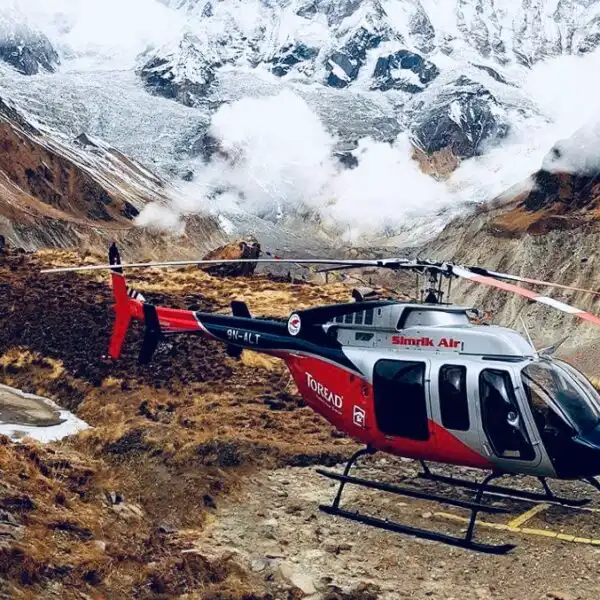
Durante tu aventura de senderismo, podrás disfrutar de alojamiento, comida y otras comodidades de nivel moderado. Sin embargo, debido a la lejanía, los servicios modernos como electricidad, internet y otras telecomunicaciones solo están disponibles de forma adecuada en las zonas bajas. Lo mismo ocurre con los servicios de salud a lo largo del sendero; solo hay unos pocos centros ubicados a gran distancia, y en caso de evacuación de emergencia, la única opción fiable es el rescate en helicóptero.
Días de aclimatación
Dado que existen diferentes itinerarios para la ruta del circuito de Annapurna, que se puede completar en 12 a 22 días, quizás le convenga optar por la opción más corta, ya que es más económica. Sin embargo, si tiene experiencia en aventuras de alta montaña, comprenderá la importancia de los días de aclimatación durante su expedición.
Cuanto más corta sea la aventura, más esfuerzo tendrás que hacer en tus caminatas diarias; esto no solo sobrecarga tu cuerpo, sino que también te expone a diversos riesgos para la salud. Además, de esta manera no podrás disfrutar plenamente de la hermosa aventura del Himalaya.
Con menos días de aclimatación, también tienes un mayor riesgo de contraer el mal de altura, ya que sigues luchando por alcanzar grandes altitudes sin dejar que tu cuerpo descanse adecuadamente y se adapte a la creciente altitud.
Factores meteorológicos
Las condiciones climáticas del Himalaya no siempre son predecibles; un día soleado y despejado puede cubrirse rápidamente de lluvia o nubes de tormenta. Si bien se considera que las estaciones de mayor afluencia, como la primavera y el otoño, presentan el clima más estable , este puede cambiar repentinamente.
Las probabilidades son aún mayores durante las temporadas bajas, como el invierno y el monzón; puede resultar difícil encontrar condiciones climáticas estables en medio del caos climático. El clima de la región de Annapurna es más frío durante el invierno, los senderos a mayor altitud suelen estar cubiertos de nieve, y los vientos helados y las ventiscas de gran altitud son habituales en las aventuras cotidianas.
De igual modo, la temporada del monzón se considera la época menos favorable para la ruta de senderismo del Circuito de Annapurna; las continuas lluvias torrenciales no solo complican la aventura diaria, sino que también propician catástrofes naturales como deslizamientos de tierra e inundaciones.
Es el Annapurna Circuit Trek ¿Adecuado para mí?

Si te preguntas si la ruta del Circuito de Annapurna es adecuada para ti tras considerar su nivel de dificultad general, no te preocupes; con la determinación adecuada y la preparación necesaria, podrás completar esta expedición sin problemas.
No tendrás que superar ningún tipo de tramo técnico en tu caminata por el Circuito de Annapurna ni necesitarás ninguna habilidad especial. Con un nivel básico de condición física y buena salud, podrás completar fácilmente esta emblemática aventura en el Himalaya.
Si padece alguna afección médica, consulte con su médico y su guía de senderismo antes de la aventura. La tasa de éxito general del circuito de Annapurna es del 97% , e incluso niños y excursionistas mayores de 70 años han completado con éxito esta expedición de circunnavegación.
Circuito Clásico del Annapurna – 10 días
¿Qué tan difícil es el circuito de trekking de Annapurna? El circuito de trekking de Annapurna es la segunda ruta de trekking más popular de Nepal, y ofrece…
¿Cómo prepararse para la dificultad del trekking del Circuito de Annapurna?

Aunque la dificultad del Circuito de Annapurna es moderada, no significa que sea insuperable. Existen varias maneras de mejorar significativamente la experiencia, haciéndola más cómoda y placentera. Considere los siguientes factores para reducir la dificultad general del Circuito de Annapurna.
Entrenamiento y preparación
No es ningún secreto que con la preparación física adecuada, disfrutarás de una experiencia más cómoda y placentera durante tu caminata por el Circuito de Annapurna. Dado que pasarás largas horas caminando cada día de tu aventura, puede resultar bastante exigente para un cuerpo sin entrenamiento.
Además, tendrás que cargar una mochila pesada a una altitud cada vez mayor, donde incluso caminar puede resultar agotador. Por lo tanto, necesitarás planificar un programa de entrenamiento adecuado para que tu cuerpo se acostumbre a la actividad física exigente. De esta manera, no sentirás que has realizado un gran esfuerzo físico durante tu aventura de senderismo.
Se recomienda comenzar la preparación al menos 4 a 6 semanas antes de la expedición. Sin embargo, si eres atleta o entrenas con regularidad, puedes ajustar el periodo de entrenamiento según tus necesidades. Para determinar el periodo de entrenamiento, primero evalúa tus capacidades físicas, identifica áreas de mejora y diseña programas de entrenamiento que no supongan un gran esfuerzo para tu cuerpo.
A continuación se muestran algunos ejercicios que puedes incluir en tu programa de entrenamiento.
Entrenamiento de fuerza y resistencia
Estos ejercicios te ayudarán a mejorar tus capacidades físicas, ya que utilizarás mucho los músculos de las piernas, y además podrás darles mayor énfasis en tus rutinas.
- Push Up
- Tablón
- Levantar
- Peso muerto
- Levantamiento de pesas
- Curl de bíceps
- Curl de martillo
- Pulmón
- Squat
- Prensa de banco
- Sumerja
- Prensa de cable
- Poner subir
- Estocada lateral
- Leg extension
- Alcanzar
Ejercicios cardiovasculares
Los ejercicios cardiovasculares aumentan tu resistencia general y mejoran tu condición física. Además, mejoran la capacidad de tu cuerpo para oxigenar tus músculos, por lo que, si los incluyes en tu programa de entrenamiento, te resultará más fácil aclimatarte a las grandes altitudes. Y, gracias a la resistencia que adquieras en la reserva, no te sentirás tan cansado y podrás disfrutar plenamente de esta emblemática expedición al Himalaya.
- Cycling
- Jogging
- danza
- Remo
- Caminando con fuerza
- Saltar la cuerda
- Aeróbicos
- Cardio
- Kickboxing
- Burpee
- Gato de salto
** Nota: Si incluyes caminatas de práctica en tu programa de entrenamiento en un terreno natural escarpado, tendrás una idea clara de lo que puedes esperar durante tu aventura real. Además, llevar una mochila con bastante peso te preparará para cargar tu equipaje durante el Trekking del Circuito de Annapurna. PD: Usar tus botas de trekking te ayudará a comprobar su comodidad; no querrás terminar con los pies doloridos e hinchados después de largas horas de caminata.**
Preparación mental
Si bien la mayoría de los excursionistas hacen hincapié en el entrenamiento físico durante la preparación para las caminatas a gran altitud, la preparación mental tampoco debe pasarse por alto. Los ejercicios mentales te prepararán para los inconvenientes, las molestias y los desafíos que puedas encontrar.
Es natural que, al emprender una aventura, las cosas no siempre salgan como uno espera. Algunos pueden tener dificultades para adaptarse a la calidad y la comodidad; otros, en cambio, pueden tener problemas para mantenerse motivados o positivos. Con preparación mental, aprenderás a mantener la calma, la compostura y una actitud positiva ante las dificultades e inconvenientes que puedas encontrar durante tu aventura.
Aquí hay algunos ejercicios mentales que puedes incluir en tu programa de entrenamiento:
- Práctica de respiración controlada
- Mantente concentrado y determinado
- Practica un diálogo interno saludable
- Mantente positivo
- Rodéate de personas positivas
- Visualiza cada paso de tu viaje
- Practica salir de tu zona de confort
- Baja las expectativas
- Identifica tus miedos y trabaja en ellos
- Presta atención a tu lenguaje corporal
Elige la mejor temporada

Para disfrutar al máximo de la experiencia del Circuito de Annapurna, lo ideal es realizarlo durante las temporadas altas, como el otoño (septiembre-noviembre) y la primavera (marzo-mayo). No solo se reducen considerablemente las dificultades climáticas de la expedición, sino que también podrá apreciar las particularidades de cada estación.
La primavera en el Himalaya es conocida como la época de floración, cuando cada rincón de esta magnífica región rebosa de vida. Los rododendros y las flores silvestres salpican toda la ruta de senderismo inferior, y la exuberante vegetación abunda, ocultando el paisaje circundante.
Si te apasiona la observación de la fauna y las aves, la primavera es la época ideal para realizar la ruta del Circuito de Annapurna. En primavera, la temperatura en la región de Annapurna oscila entre los 16 °C y los 23 °C durante el día, y puede descender hasta los -8 °C por la noche y a primera hora de la mañana.
De igual manera, el otoño, la estación más popular para el senderismo y las expediciones al Himalaya en Nepal , se caracteriza por sus temperaturas moderadas, senderos secos, paisajes frescos y espectaculares vistas del Himalaya. El otoño también es conocido por su oferta cultural y celebra algunos de los festivales más importantes del país, como Dashain, Tihar y Chhath.
La temperatura media en la región de Annapurna durante el otoño oscila entre los 14 °C y los 19 °C durante el día. A altitudes superiores a los 4,000 metros , las temperaturas pueden descender por debajo del punto de congelación . Si va a realizar una excursión a finales de otoño, tenga en cuenta que en las zonas más altas también se producen nevadas ligeras ocasionales con la llegada del invierno, así que asegúrese de llevar la ropa adecuada.
Manténgase hidratado y lleve una dieta equilibrada
Uno de los factores más importantes para mantener la capacidad física durante largas caminatas es mantenerse hidratado y llevar una dieta equilibrada. Durante una aventura en altitud, se recomienda beber al menos 3-4 litros de agua, ya que se pierden cantidades significativas de líquidos durante largas y agotadoras horas de caminata. Si bebes la cantidad de agua recomendada, te resultará más fácil moverte durante las caminatas largas y te ayudará a aclimatarte correctamente a la altitud.
Lo mismo ocurre con una alimentación equilibrada; tendrás que afrontar largas jornadas de senderismo cada día de tu aventura. Si no sigues una dieta equilibrada, no podrás reponer la energía perdida, lo que puede provocar enfermedades y obligarte a abandonar tu épica expedición.
Es común que, tras alcanzar una altitud considerable, se experimente pérdida de apetito. Sin embargo, en lugar de saltarse comidas, se recomienda ingerir con esfuerzo los primeros bocados, tras los cuales el cuerpo comenzará a tolerar los alimentos gradualmente.
Encuentra el paquete adecuado
Para reducir la dificultad general del circuito de Annapurna, elegir el paquete adecuado es fundamental. En lugar de optar por paquetes más económicos con rutas más cortas, elige paquetes un poco más largos con suficientes días de aclimatación.
Si optas por los paquetes más cortos solo porque son más baratos, la aventura a ritmo acelerado no será tan agradable y, en el peor de los casos, podrías correr el riesgo de sufrir mal de altura y otros problemas de salud, ya que una aventura corta y rápida sin suficientes días de descanso supone un esfuerzo excesivo para tu cuerpo.
Además, con los paquetes de senderismo baratos, es posible que tengas que sacrificar la calidad de los servicios y las comodidades durante tu aventura.
Para disfrutar de la mejor experiencia en tu expedición al Himalaya, elige nuestro paquete de trekking de 15 días por el Circuito de Annapurna. Este emocionante paquete está diseñado para que disfrutes del ambiente de la magnífica región de Annapurna a un ritmo pausado. Nos encargaremos de cada detalle, desde las entradas y los permisos hasta el transporte, la comida y el alojamiento, para que puedas saborear plenamente esta aventura épica a los pies del Himalaya sin preocuparte por nada.
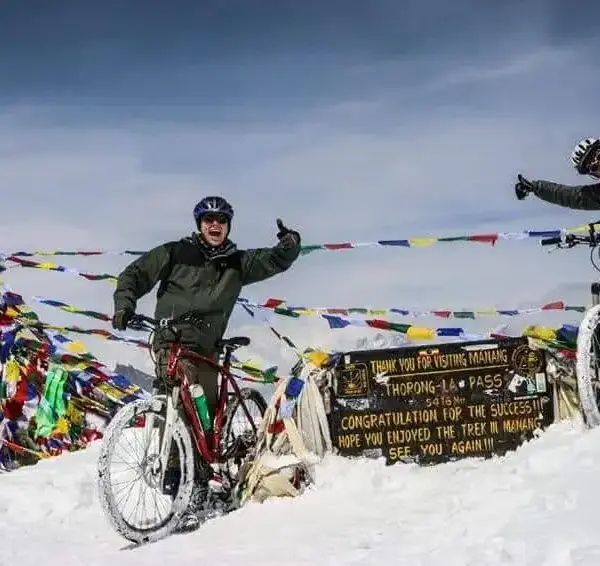
Recorrido en bicicleta de montaña de 14 días por el circuito del Annapurna
¿Qué tan difícil es el circuito de trekking de Annapurna? El circuito de trekking de Annapurna es la segunda ruta de trekking más popular de Nepal, y ofrece…
Empacar bien
La ruta del Circuito de Annapurna es una expedición por el Himalaya; durante tu aventura atravesarás diversas regiones climáticas. Por lo tanto, para una exploración cómoda y placentera, es fundamental llevar la mochila adecuada.
Se recomienda viajar con poco equipaje, ya que la proporción de excursionistas por porteadores es de 2:1. Tendrás que cargar con cualquier equipaje que exceda el límite de peso, pero tampoco querrás olvidarte de lo esencial.
A continuación se presentan algunas recomendaciones de embalaje para su recorrido por el circuito de Annapurna que quizás desee tener en cuenta en su lista de equipaje.
Sombreros y ropa
- Sombrero para el sol, sombrero de ala para protegerse del sol.
- Pañuelo o pañuelo para la cabeza para la región fría y polvorienta
- Gorro de punto o gorro de lana
- Polaina o bufanda para el cuello
- Camiseta de manga larga de polipropileno
- Media camiseta
- Ropa térmica ligera para la parte superior
- Chaqueta polar cortavientos
- Chaqueta de plumas gruesa
- Chaqueta con capucha impermeable y transpirable
- Chaqueta aislante de piel sintética
- Varios pares de ropa interior
- Guantes (ligeros, de lana e impermeables)
- Pantalones de senderismo impermeables
- Pantalón de polar
- Pantalones cortos hasta la rodilla
- Pantalones térmicos ligeros
- Pantalones gruesos de lana o polar
Calzado
- Calcetines (varios pares, de finos a gruesos)
- Botas de senderismo (sujeción de tobillo)
- Zapatillas deportivas o zapatillas de running para acampar y caminatas cortas.
- Polainas impermeables
- Zapatillas o crocks para destinos de descanso
Higiene personal
- Pasta de dientes, cepillo de dientes
- Cortaúñas y un pequeño espejo
- Crema de protección solar
- Bálsamo labial y loción corporal
- Champú y productos para el cabello
- Toalla de secado rápido, pañuelo
- Pañuelos, toallitas húmedas
- Desodorantes
- Productos de higiene
- Medicamentos recetados
- Pequeño botiquín de primeros auxilios
- Repelentes de insectos y bichos
Equipos
- Gafas de sol o antiparras
- Linterna frontal con un par de pilas de repuesto.
- Bolsa de lona
- Saco de dormir (cuatro estaciones)
- Botellas de agua y termos
- Bolsa de basura
- Binoculares
- Bastones de senderismo
- Cables de carga universales
- Banco de energía, cargador solar
- Conjunto de entretenimiento
- Libro, cuadernos y un bolígrafo
- Juegos de cartas y de mesa.
También te puede interesar: