



Nepal er et lite land i Himalaya mellom India og Kina, men det har et fantastisk utvalg av landskap, kulturer, språk, dyreliv og tradisjoner. Nepal er kjent for Mount Everest, men det er så mye mer å vite om dette unike landet. Nepal er annerledes enn noe annet sted i verden på grunn av sine gamle byer, levende kulturelle tradisjoner, sjeldne dyr og unike geografi.
Denne artikkelen dekker noen interessante fakta om Nepal som mange reisende og lesere kanskje ikke kjenner til. Hvis du vurderer å reise til Nepal , eller bare vil vite mer om dette interessante landet, vil du oppdage at disse faktaene vil gjøre deg mer kjent med hvorfor Nepal fortsetter å tiltrekke seg reisende fra hele verden.
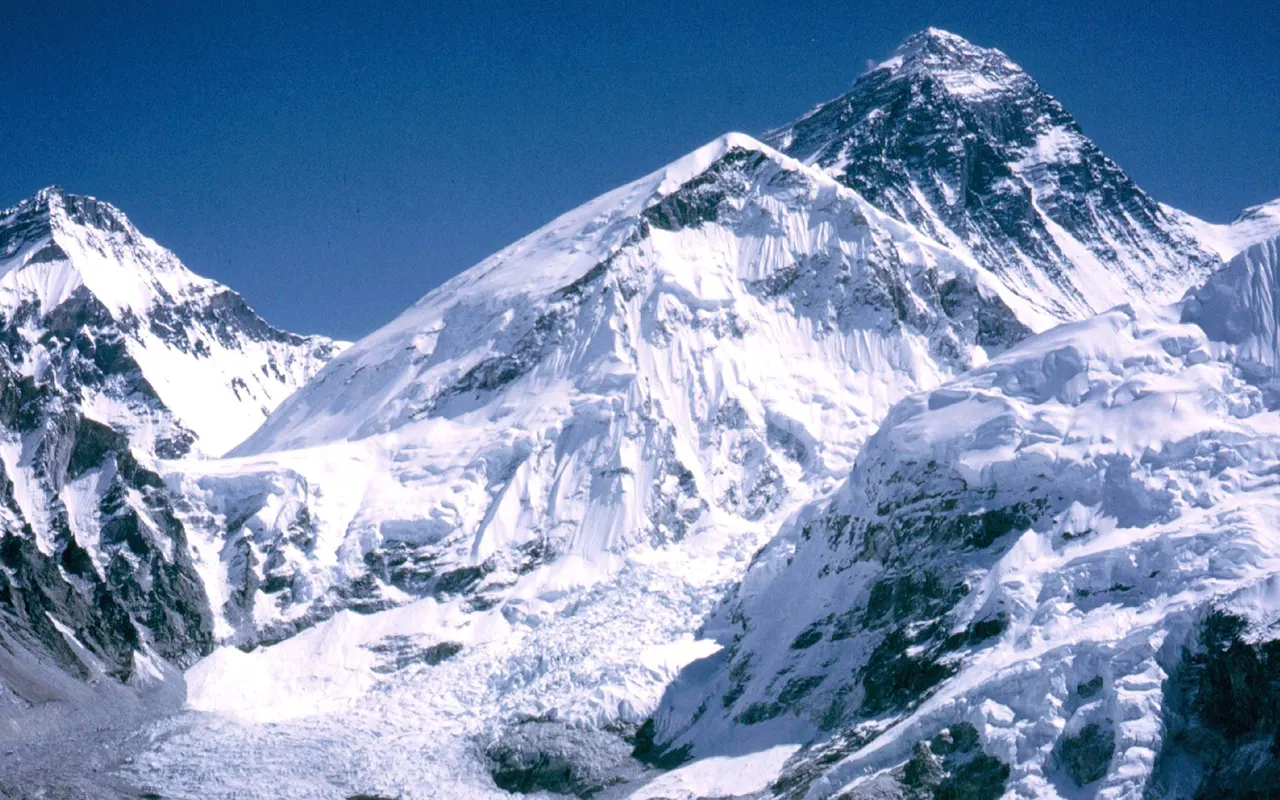
1. Nepal er hjem til verdens høyeste fjell
Når man nevner Nepal, er det første man tenker på Mount Everest, verdens høyeste fjell med sine 8,848.86 29,031.7 m over havet. Everest ligger i Mahalangur Himal-fjellkjeden, mellom Nepal og Kina, og er et populært reisemål for turgåere og klatrere.
Få mennesker kommer seg til toppen, men mange turister deltar på Everest Base Camp-vandringen eller flyr inn i fjellene for å se denne berømte toppen. Området rundt Khumbu er også rikt på sherpaer, gamle klostre og fantastisk alpint landskap som vil gjøre selv reisen til Nepals Everest-region minneverdig, bortsett fra opplevelsen av å bestige selve Everest.
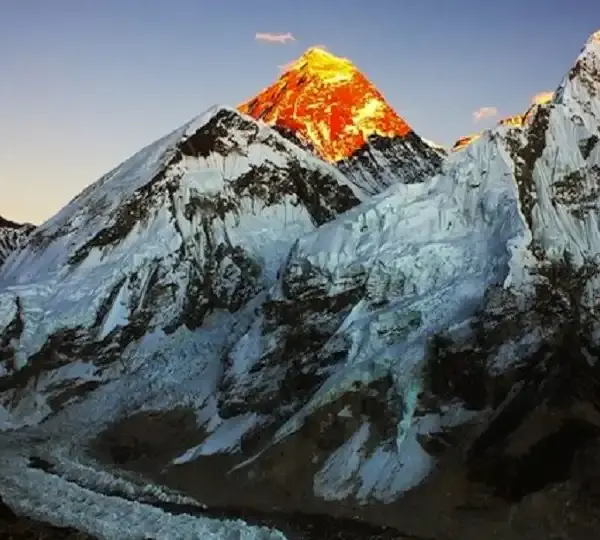
Everest Base Camp-fottur 12 dager
Nepal er et lite land i Himalaya mellom India og Kina, men det har et fantastisk utvalg av landskap, kulturer, språk, dyreliv og…
2. Nepal har åtte av verdens fjorten høyeste topper
En av de mest bemerkelsesverdige faktaene om Nepal er de høyeste fjellene. Nepal har 14 fjell over 8000 meter (26246 fot) mer enn noe annet land i verden.
De gjør Nepal til et av verdens fremste knutepunkter for trekking, fjellklatring og eventyrturisme.
Nepal har et relativt lite landskap, men på overraskende korte avstander kan man oppleve alt fra grønne åsfot til snødekte fjelltopper.
3. Nepals høyde endres dramatisk på kort avstand
En av de mest interessante faktaene om Nepal er den utrolige variasjonen i høyden. Landets laveste punkt er omtrent 59 meter over havet ved Kechana Kalan, mens det høyeste punktet er Mount Everest på 8 848,86 meter.
Denne enorme kontrasten finner sted over en nord-sør-avstand på bare 200 km. Dette har resultert i tilstedeværelsen av tropiske skoger, fruktbare sletter, bølgende åser, alpine daler, isbreer og noen av verdens høyeste fjell i Nepal.
Den mangfoldige geografien har resultert i et bredt utvalg av klimaer, økosystemer og livsstiler over hele landet.
4. Nepal er fødestedet til Lord Buddha
Det er en overraskelse for mange at Buddha ble født i Nepal og ikke i India. Han ble født i Lumbini, en by i Nepal på de landlige sørlige slettene rundt 600 f.Kr.
Lumbini er nå et UNESCOs verdensarvsted og en turistattraksjon og pilegrimssted for folk over hele verden. Maya Devi-tempelet er der Buddhas fødsel fant sted, og klostrene som er bygget av forskjellige land viser frem forskjellige arkitektoniske stiler innen buddhisme.
Lumbini er et av de viktigste spirituelle stedene i Asia på grunn av dets fødested og fredelige omgivelser.
5. Nepal har mer enn 120 etniske grupper og over 120 språk
Nepal er et av de mest kulturelt mangfoldige landet i Asia. Den nasjonale folketellingen viser over 120 etniske grupper og over 120 språk i bruk over hele landet.
I århundrer har samfunn som Sherpa, Newar, Gurung, Tamang, Tharu, Rai, Limbu, Magar og andre beholdt sine egne skikker, festivaler, tradisjonelle klær, musikk og lokale retter.
Denne variasjonen gjør det mulig å nyte forskjellige tradisjoner selv når man beveger seg fra ett område til et annet på kortest mulig avstand. Nepals rike kulturarv forsterkes av hvert samfunn.
6. Nepal har en levende gudinne
En av de mest særegne sidene ved Nepal er den levende gudinnen, kjent som Kumari.
Kumari er en ung jente valgt fra Newar-samfunnet i Kathmandu , som av mange hinduer og buddhister antas å legemliggjøre gudinnen Taleju. Hun bor i den historiske Kumari Ghar som ligger i nærheten av Kathmandu Durbar-plassen, og kommer ut under viktige religiøse festivaler under Indra Jatra.
Tradisjonen har eksistert i århundrer og har vært kjent som en levende kulturell tradisjon den dag i dag, og faktisk en av få levende tradisjoner i verden.
7. Nepal beskytter sjeldne ville dyr
Nepal er kjent for fjellene sine, men det er også kjent for sine betydelige initiativer for bevaring av dyreliv.
Det enhornede neshornet, bengaltigeren, den asiatiske elefanten, gharialkrokodillen, dovendyret og hundrevis av fugler er blant de truede dyrene som bor i nasjonalparker som Chitwan nasjonalpark og Bardia nasjonalpark.
Lokalsamfunn har bidratt til Nepals suksesser innen bevaring, med programmer de har støttet. Lokalsamfunn har vært avgjørende for at bevaringsprogrammene i Nepal har lyktes. Antallet enhornede neshorn i Nepal har økt jevnt de siste tiårene, noe som gjør det til et godt eksempel på vellykket bevaringsarbeid.
8. Nasjonalflagget er ulikt alle andre
Det eneste man lett husker om Nepal er nasjonalflagget. Nepals flagg er det eneste flagget i verden som ikke er rektangulært eller firkantet.
Den er snarere satt sammen av to sammenføyde trekantede former. Designet har eksistert i århundrer og er et symbol på Himalaya og landets kulturarv. Den røde fargen betegner mot, og den blå stripen ved grensen symboliserer fred.
Flagget har en sol og en måne som symbolerer håpet om at Nepal vil vare like lenge som solen og månen gjør.
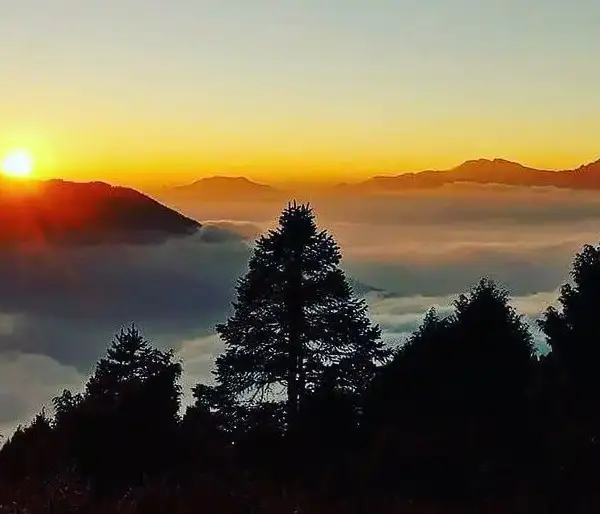
Soloppgang og solnedgangstur i Nepal
Nepal er et lite land i Himalaya mellom India og Kina, men det har et fantastisk utvalg av landskap, kulturer, språk, dyreliv og…
9. Nepal feirer festivaler gjennom hele året
Nepal er et land kjent for sitt religiøse og kulturelle mangfold, og det har en rikholdig kalender med festivaler, hver med sin egen unike fargepalett.
Dashain-festivalen er den største hinduistiske festivalen, og den symboliserer at det gode har overvunnet det onde. Lysfestivalen, også kjent som Tihar, er dedikert til dyrene, inkludert kråker, hunder, kyr og okser, før feiringen av brødre og søstre. Buddhister minnes Buddha Jayanti ved fødselen av Lord Buddha.
Andre viktige festivaler er Holi, Indra Jatra, Losar, Teej, Chhath og flere regionale festivaler. Som en feiring av ulike etniske tradisjoner og kalendere, arrangeres festivaler gjennom hele året over hele landet.

10. Nepal har tre forskjellige geografiske regioner
Det er tre mindre kjente fakta om Nepal; det ene er at det offisielt er delt inn i tre geografiske regioner.
Den sørlige regionen av Terai består av flate sletter, rike på fruktbart jordbruksland, tette skoger og flere nasjonalparker. Den midtre åsregionen omfatter daler, terrasserte gårder, historiske byer og tettsteder som Kathmandu og Pokhara. Den nordlige fjellregionen er hjemsted for isbreer, bratte daler og noen av verdens høyeste topper.
Klimaet, kulturen, vegetasjonen og livsstilen i hver region er unik. Dette er et utrolig mangfold som lar besøkende se forskjellige miljøer på én enkelt tur i Nepal.
Hvorfor Nepal er annerledes enn andre land
Nepal er et land med fjell, skoger og historiske steder, alt på et lite område. Besøkende kan se de gamle templene om morgenen, fredelige åslandsbyer om ettermiddagen og de snødekte Himalaya-fjellene om natten.
I århundrer har det hinduistisk-buddhistiske flertallet påvirket det daglige livet i dette landet. Harmonien mellom religioner er tydelig mange steder der templer og klostre ligger i nærheten av hverandre, og folk fra forskjellige religiøse samfunn feirer hverandres festivaler.
Folk i Nepal er også kjent for sin gjestfrihet og varme. Folk blir ønsket velkommen med et ekte smil om munnen, og kulturelle opplevelser er like minneverdige som utsikten.
Bonusinformasjon
Hvorfor Nepal kalles verdens tak
Uttrykket «verdens tak» brukes ofte for å beskrive Nepal, og det er lett å forstå hvorfor. Nepal blir også omtalt med dette navnet, men det er der det finnes en bemerkelsesverdig konsentrasjon av verdens høyeste fjell. Snødekte fjell, dype elvedaler, isbreer og høye fjellpass som danner en del av landets identitet, er alle synlige innenfor et relativt lite område.
Disse høytliggende områdene har vært en kamp for livet i mange århundrer. Landsbyer i områder som Khumbu, Manang og Mustang har unike kulturer som er knyttet til miljøet og til langvarige handelsruter. Folk blir overrasket når de ankommer landsbyene som ligger over 3,000 meter (9,843 fot) og ser hvordan de fortsatt lever, driver jordbruk og bevarer sine tradisjoner. Landskapene er ikke bare vakre, men har også betydning innen kultur, økonomi og turisme i Nepal.
Nepal har ti UNESCOs verdensarvsteder
Nepal har også noen UNESCOs verdensarvsteder, noe som gjør det til et populært turistmål for det internasjonale samfunnet. Landet, selv om det er lite, har ti anerkjente steder for å bevare kultur- og naturarv. De som er inkludert er Kathmandu Durbar-plassen, Patan Durbar-plassen, Bhaktapur Durbar-plassen, Swayambhunath, Boudhanath, Pashupatinath, Changu Narayan , Lumbini, Chitwan nasjonalpark og Sagarmatha nasjonalpark.
Stedene er hver for seg en fasett av Nepals historie eller naturlige skjønnhet. Dette har ført til nasjonens globale betydning, inkludert dens gamle templer, kongelige palasser, buddhistiske stupaer og beskyttede dyrelivsområder. Disse reisene gir turister en mulighet til å sette pris på Nepals tradisjonelle kultur samt bevaring av noen av de mest verdifulle naturmiljøene i verden.
Nepal har en av de dypeste kløftene i verden
Kali Gandaki-kløften er et av de mindre kjente interessante faktaene om Nepal. Denne fantastiske elvedalen, som skjærer gjennom Dhaulagiri- og Annapurna-fjellkjedene, regnes som en av de dypeste kløftene i verden. Dette er en dramatisk høydeforskjell, med de omkringliggende fjellene som stiger til over 8000 m og elven langt nedenfor.
Kali Gandaki-dalen har også vært en viktig handelsrute i århundrer som forbinder Nepal med Tibet. Turgåere på Annapurna-kretsen kan nyte dette historiske landskapet og oppleve det skiftende landskapet, tradisjonelle landsbyer og kulturelle påvirkninger fra ulike etniske grupper. Kløften er et vitnesbyrd om den innflytelsen Nepals geografi har hatt på reiser og liv gjennom årene.
Beste tid å besøke Nepal
Hvis disse faktaene om Nepal har vekket din interesse for å besøke, kan riktig tidspunkt å besøke bidra til at du får en bedre opplevelse.
Mars, april og mai byr på blomster i rhododendronskogen, godt vær og flotte fjell. September til november er den beste tiden å vandre, ettersom himmelen stort sett er klar etter monsunsesongen.
Desember til februar er gode måneder for å se, følge dyrelivet og vandre i lavereliggende områder, men det er veldig kaldt i høyfjellet. Fra juni til august, vanligvis om sommeren, forvandles åsene til frodige, grønne marker, men i mange områder kan det regne kraftig i sommermånedene.

Konklusjon
Nepal er et eventyrland, med så mange interessante fakta om Nepal at du ikke kan tro dem. Nepal har reiseopplevelser som ikke finnes noe annet sted, fra å oppleve verdens høyeste topp til fødestedet til Buddha, til det rike dyrelivet og århundregamle tradisjonene.
Det fantastiske landskapet, det kulturelle mangfoldet, den eldgamle historien og det vennlige folket tiltrekker seg fortsatt besøkende fra hele verden. Hvis du planlegger en tur til Nepal, kan du forvente å se noen fantastiske severdigheter, fra UNESCOs verdensarvsteder til tradisjonelle skikker og kultur. Fra UNESCOs verdensarvsteder til tradisjonelle skikker og kultur, er det noe å oppdage i Nepal på alle måter.
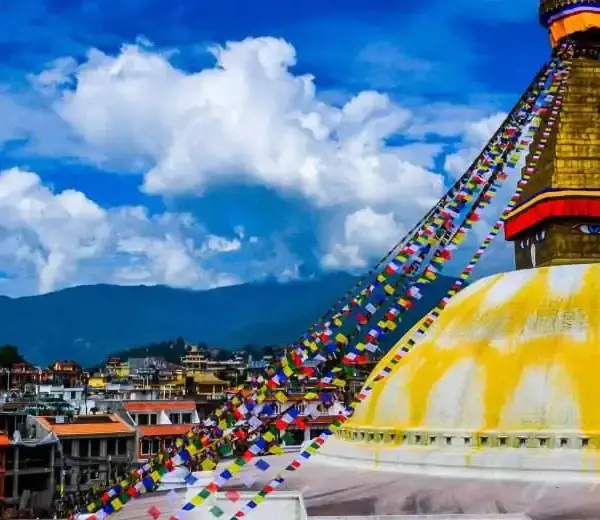
Nepal er et lite land i Himalaya mellom India og Kina, men det har et fantastisk utvalg av landskap, kulturer, språk, dyreliv og…
Etter hvert som du lærer mer om Nepal, vil du innse at fjellene ikke er de eneste gledene, men menneskene, kulturene og naturen som gjør dette unike og flotte landet så spesielt.