
Mountain climbing is one of the world’s most demanding outdoor activities. It demands physical strength, technical climbing skills, planning and carefulness, mental strength and years of experience. Although there are many well-known peaks that countless people climb per year, there are other summits that are quite challenging due to steep rock faces, unstable ice, unpredictable conditions, avalanche conditions and remote location. Even the most seasoned climbers can wait for weeks for safe conditions and many climbs fail to reach the summit.
Not all the highest mountains are the hardest to climb. Elevation isn’t the only factor. Lower mountains are frequently as hard as higher mountains due to technical climbing, complications, objective hazards like avalanches and falling ice and less rescue capability. Others, such as Mt. Everest, have much lower success rates as they require that the climbers advance in climbing ability from the start to the end.
These mountains are the focus of climbers for years of preparation. They acquire rock climbing, ice climbing, glacier travel, crevasse rescue and high altitude survival skills and experience on smaller peaks. This guide is based on technical difficulty, objective hazards, weather, climbing history and skill level required to get to the top and ranks the top 10 hardest mountains to climb.

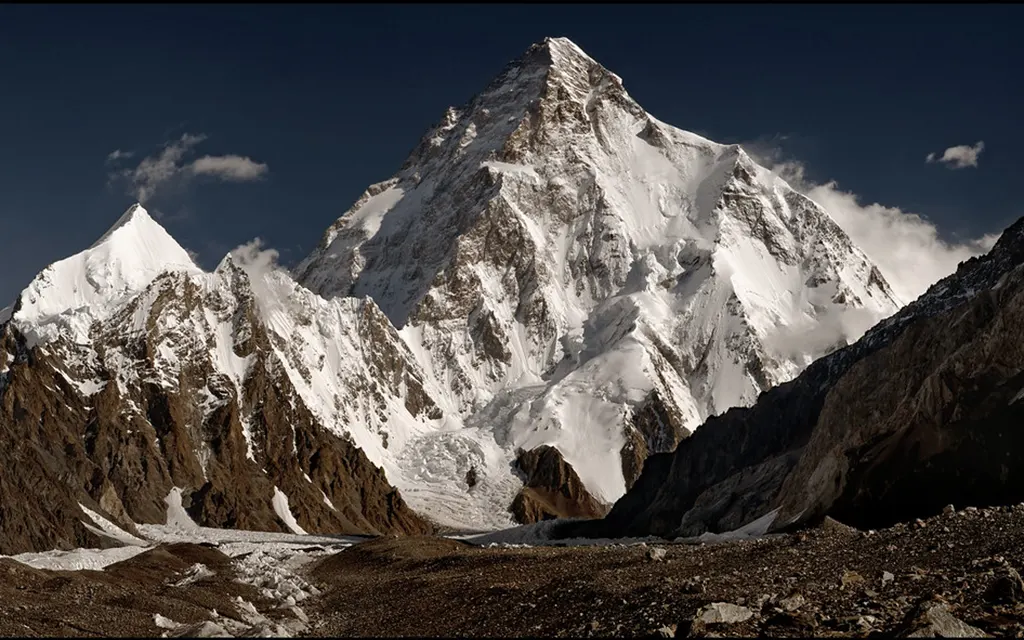
1.乔戈里峰,巴基斯坦和中国
海拔:8,611米(28,251英尺)
K2 is considered to be the most challenging above 8000 meters and is one of the hardest peaks in the world. It is the second-tallest peak on Earth, lying in the Karakoram Range in the disputed area between Pakistan and China, after Mount Everest. Although K2 is not as high as Everest, it is a much more difficult and technical climb and has been known as “The Savage Mountain”.
It is difficult due to steep rock, hard ice, narrow ridges and harsh weather. A steep, narrow couloir beneath unstable hanging seracs, prone to falling ice, is one of the most dangerous places (The Bottleneck). Climbers need to be quick through this exposed area as things can change with no warning.
K2 offers not much room for error, unlike Everest. Extremely steep terrain and unpredictable weather make rescue operations difficult. Many expeditions are called off due to strong winds, freezing temperatures and heavy snows.
The first successful ascent was made in 1954 by an Italian party led by Ardito Desio. Despite this, K2 continues to have a much lower success rate on the summit than Everest and is one of the greatest Professional Mountaineering Challenges today. It is one of the Hardest Mountains to climb for expert climbers.
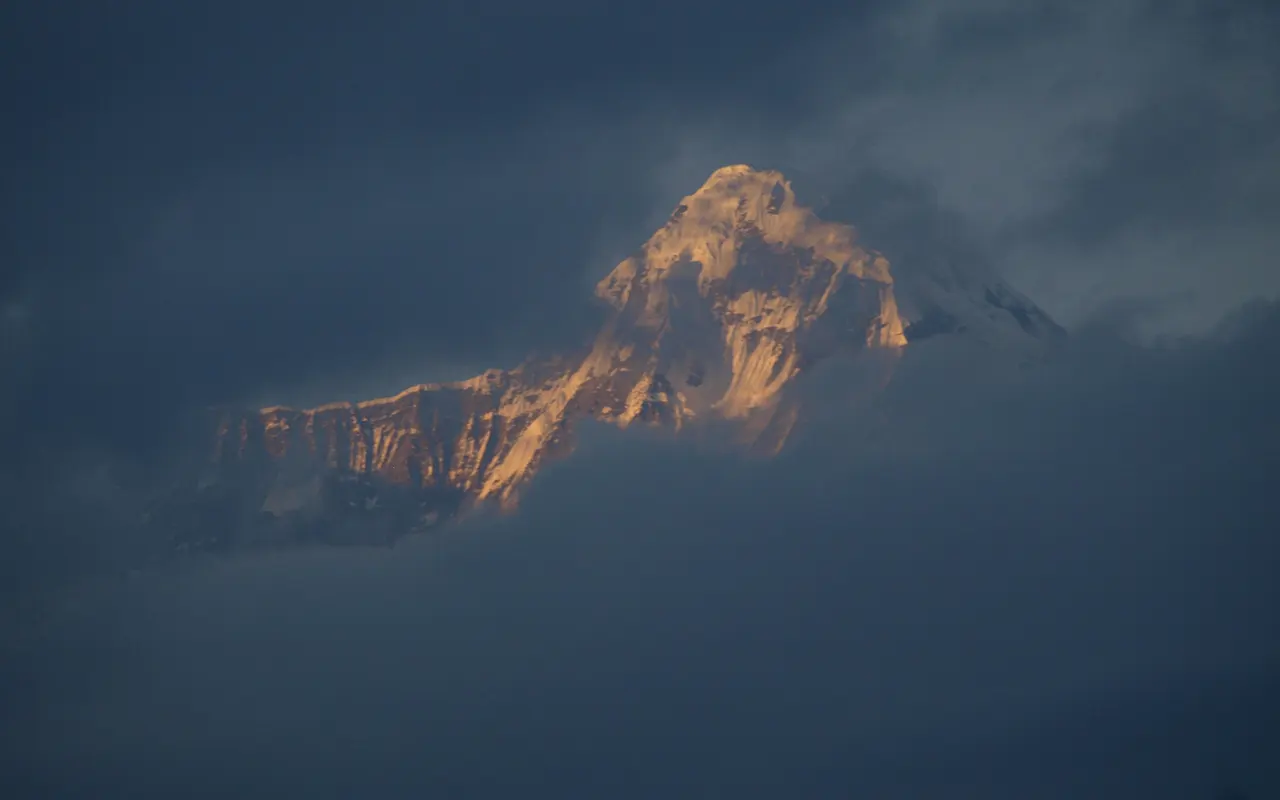
2. Annapurna I, Nepal
海拔:8,091米(26,545英尺)
As a result of the extremely avalanche-prone terrain and poor climbing conditions, Annapurna I is often claimed as the second-highest peak in the world. It is situated in the central part of Nepal and was the first mountain above 8,000meters to be climbed successfully by Maurice Herzog and his French team in 1950.
The mountain is characterized by very steep snow slopes, ice hanging overhangs and frequent avalanches. Much of the route up is under cover where there is a risk of falling snow and ice. The south face of the mountain, which dominates the Himalayas with its nearly 3000m (9843 feet) height, is one of the largest and most challenging walls in the Himalayas.
Other significant obstacles are the weather. Climbing season is often cut short and route finding is difficult with the heavy snowfalls, reduced visibility and changing conditions. As well as being technically proficient, you need to be well-timed to succeed.
Despite its improvement in equipment, forecast and other areas over the years, Avalanche, Technical Climbing and Extreme Himalayan conditions make Annapurna I one of the Most Difficult Mountains in the World. It is one of the “true Hardest Mountains to climb” for the professional alpinist.

3. Nanga Parbat, Pakistan
海拔:8,126米(26,660英尺)
Nanga Parbat is located in the west of the Himalayas and is considered one of the world’s most challenging objectives for climbing. Hermann Buhl’s first successful climb in 1953 led to the nickname of the “Killer Mountain” for the mountain, as many expeditions ended in tragedy before then.
It is one of the highest mountain faces on the earth, with its Rupal Face climbing about 4600m from base to top. The rock, snow, ice and exposed ridges are steep and challenging and the high altitude is a hazard for climbers.
The mountain’s weather is unpredictable, with strong winds, avalanches and falling ice. Owing to its remote position, it is also hard to come to the aid of a team, making each expedition more serious in nature. There are several routes, such as Diamir Face & Rupal Face, but each route has a high degree of both technical and objective danger.
The climb of Nanga Parbat calls for a mix of endurance, technical climbing skill and sound judgment. Its arduous, inhospitable route still keeps it in the Most Difficult Mountains in the World and it’s certainly a worthy addition to this list of the Hardest Mountains to Climb.
4. Kangchenjunga, Nepal and India
海拔:8,586米(28,169英尺)
Kangchenjunga is the third-highest mountain in the world, which is located at the border of Nepal and India. It is more challenging than K2, but is generally regarded as being somewhat less technical. Due to its location, the ruggedness of its terrain and the unpredictability of its weather, however, it is one of the Hardest Mountains to climb. The combination of the low number of climbers who attempt Kangchenjunga every year and its distance from the other mountains makes it feel isolated.
It’s a climb with heavily crevassed glaciers, steep snow slopes, exposed ridges and hard ice. Throughout the expedition, avalanches and falling ice are always a risk and strong winds and freezing temperatures make conditions harder at higher camps.
The peak is also of religious importance to the local communities. Many climbers will not ascend to the actual summit of the peak, but stop a few metres below, respecting this tradition.
The high altitude and remote location of the destination, coupled with the objective hazards, require high technical skills, careful acclimatisation and good decision making. It is one of the Most Difficult Mountains in the World and one of the greatest Professional Mountaineering Challenges with these qualities.
5. Eiger, Switzerland
海拔:3,967米(13,015英尺)
Though much lower than the Himalayan giants, the Eiger’s famous North Face or Nordwand, is considered one of the most difficult alpine climbs in Europe. The North Face is situated in the Bernese Alps in Switzerland, where the peak is approximately 1800 m (5,906 ft) high and has been a challenge to the best climbers for many years.
The wall has steep rock, mixed climbing, loose rock and rapidly changing weather. Climbs can turn perilous with snowstorms, ice and poor route finding. Due to steep terrain, climbers have to spend extended amounts of time in exposure without safe resting spots.
The North Face has a history of tragedy in many early attempts before the first successful ascent in 1938, making it a place in the history of climbing.
The Eiger’s difficulty is not its height, but technical climbing. It is a classic Professional Mountaineering Challenge and one of the Most Difficult Mountains in the world due to its challenging terrain.
6. Cerro Torre (Argentina-Chile)
海拔:3,128米(10,262英尺)
Located on the Argentine-Chilean border in the Southern Patagonian Ice Field. Although it is not a very high peak, it is considered to be one of the most technically challenging mountains on Earth.
The granite walls are almost vertical and advanced rock and ice climbing is required. The last stretch is particularly challenging, with very thick ice mushrooms (rime ice) forming near the summit due to strong Patagonian winds. On the way up, climbers need to be aware of velocity, efficiency and technique.
Patagonia is known for its very dynamic climate. Summit opportunities are frequently restricted to brief periods of weather when there are strong winds, snowstorms or freezing temperatures.
Success is many times more dependent on technical skill than altitude, so Cerro Torre is one of the Hardest Mountains to climb. It is regarded as one of the greatest Professional Mountaineering Challenges and one of the best accomplishments in modern alpinism.
7. Baintha Brakk (The Ogre), Pakistan
海拔:7,285米(23,901英尺)
It is The Ogre (Baintha Brakk), which rises in the Karakoram Range in Pakistan and is regarded as one of the world’s most technically demanding mountains. While it is not as high as the well-known mountains of 8,000 meters, its vertical granite walls and combination of climbing, as well as the challenges of the descent, have made it a legend among the world’s highest-level climbers.
The path is a high-exposure rock, ice and mixed route that requires expert rock, mixed and ice climbing skills. Summit attempts are often postponed by heavy snowfall, freezing temperatures and poor weather.
It gained fame when it was first summited in 1977 when Doug Scott and Chris Bonington made a remarkable descent despite having been injured. To this day, that achievement is one of the great survival stories in mountaineering.
The mountain’s steep inclines and intricate surface make it difficult for climbers to reach the peak, making their success rare. These make The Ogre one of the most challenging Professional Mountaineering Challenges ever attempted and one of the Most Difficult Mountains in the world.
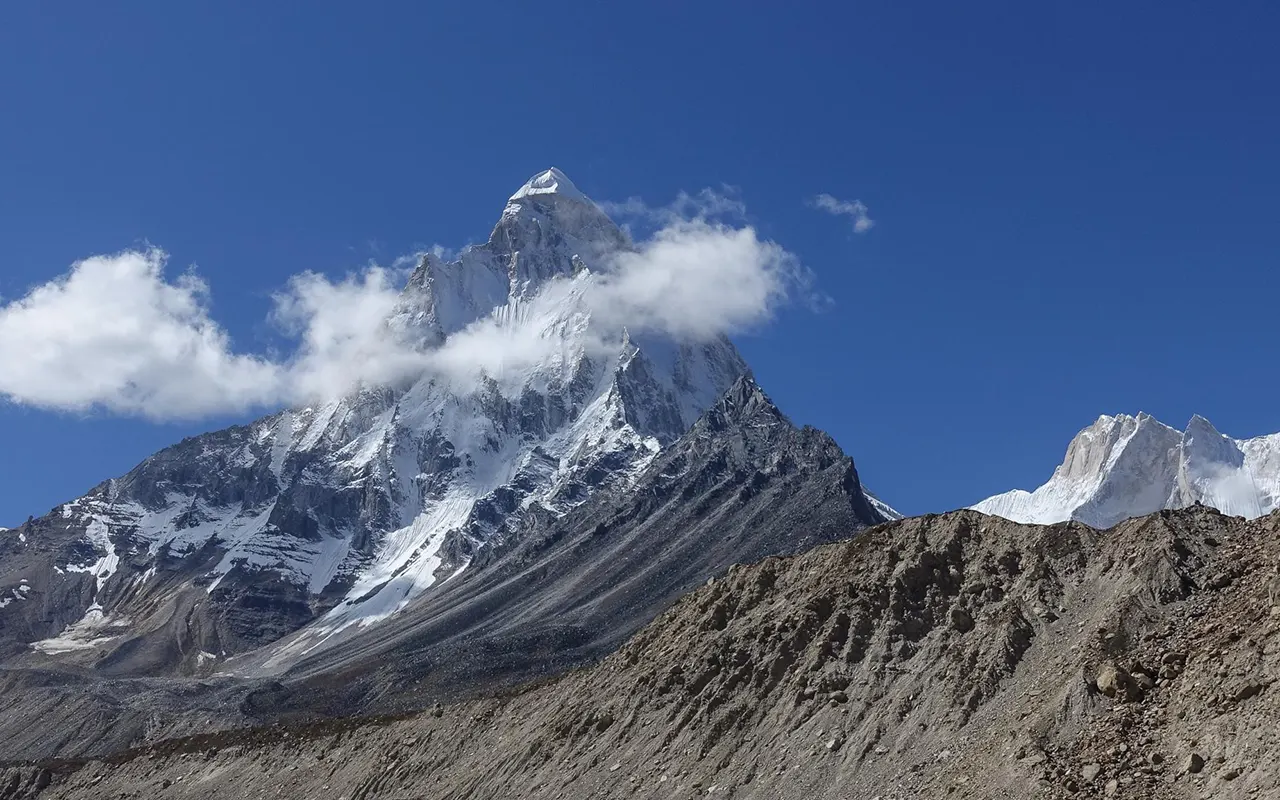
8. Meru Peak (Shark’s Fin), India
海拔:6,660米(21,850英尺)
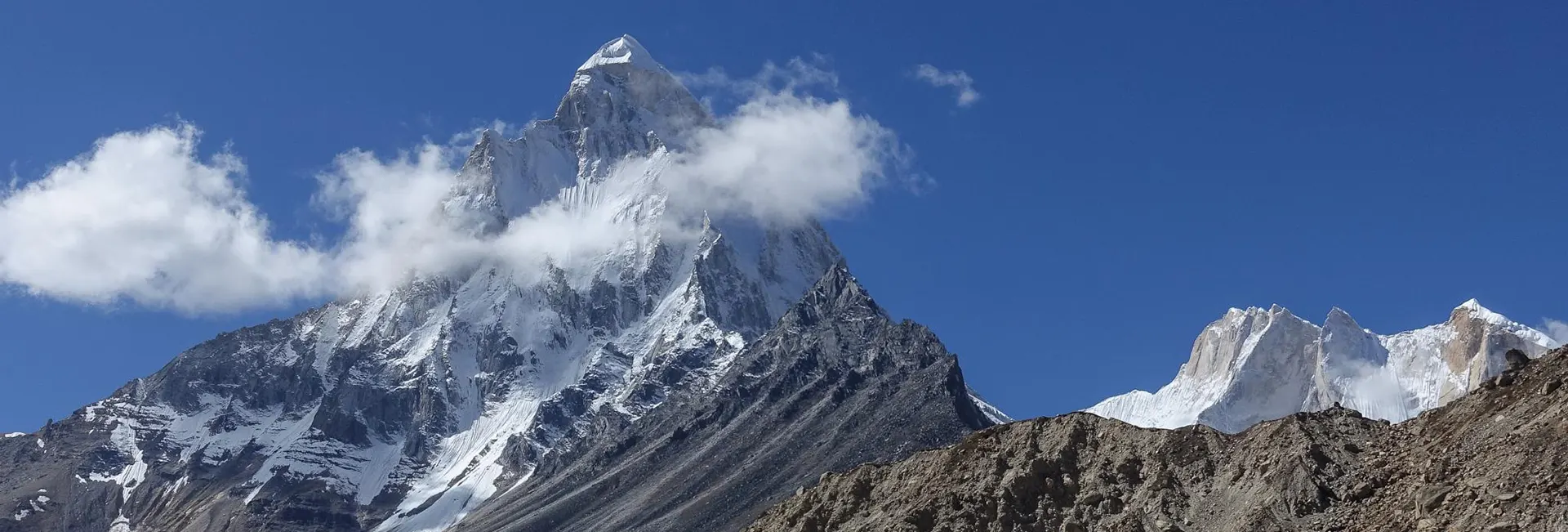
Meru Peak is situated in the Garhwal region of the Himalayas in Northern India. There are several routes to climb, but the one on the central peak (the Shark’s Fin) is one of the world’s most challenging big wall climbs. This is a combination of steep granite, snow, ice and mixed climbing from start to finish and requires outstanding technical skill.
Meru is not a typical Himalayan trek, where the main difficulty is climbing high, but it poses a more difficult test of advanced climbing skills to the climber, with long stretches of near-vertical rock. For teams, several days are sometimes spent on the wall as they transport equipment and deal with freezing temperatures, strong winds, etc.
In 2011, the Shark’s Fin route became famous after Conrad Anker, Jimmy Chin and Renan Ozturk successfully achieved the feat after multiple failed attempts. Their achievement brought to light the exceptional technical challenges of this mountain.
While not quite as tall as many of the Himalayan giants, Meru is one of the Most Difficult Mountains in the world because technical skill is more important than altitude. It is one of the best cases of the Professional Mountaineering Challenges that face top mountaineers.
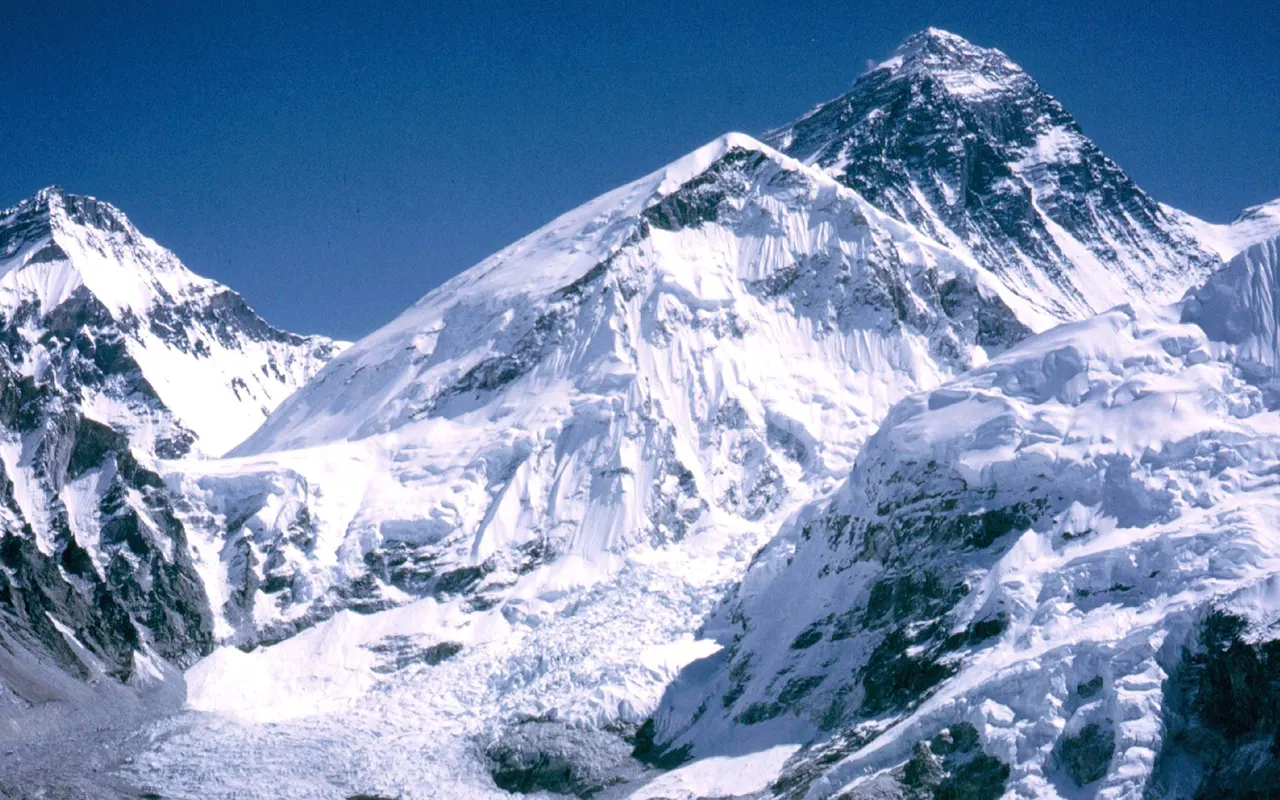
9. Mount Everest, Nepal and China
海拔:8,848.86米(29,031.7英尺)
Mount Everest is the tallest mountain peak on Earth and is the most climbed mountain over 8,000m. Even though it is not the most technically challenging mountain, it is a very extreme climb for its height (above 8000m, around 26247ft), the weather and the risk of climbing in the death zone.
The most difficult problem is the lack of oxygen. The oxygen level at the top is only about 1/3 that at sea level and each step is a challenge. Other dangers include the Khumbu Icefall, deep crevasse fields, avalanches, strong winds and cold temperatures.
Today, the success rate to the summit is enhanced by modern guiding services, fixed ropes and supplemental oxygen, but to climb Everest requires a few weeks of acclimatization, extreme fitness and careful decision-making. Every year, seasoned climbers give up on their attempts to reach the summit due to poor weather and/or altitude risks.
Everest is one of the hardest mountains in the world and one of the best Professional Mountaineering Challenges due to its extreme height, harsh weather and objective dangers.

10. Denali, United States
海拔:6,190米(20,310英尺)
Denali, which was known as Mount McKinley until 1996, is the tallest peak in North America. It is in Alaska, known for its harsh conditions, freezing temperatures and strenuous adventures. Although Denali is not as high as the mountains in the Himalayas, it is one of the most challenging mountains outside of the Himalayas.
Its northern position leads to very cold conditions, sometimes below minus 40 °C during the climbing season. Summit attempts are often postponed for several days due to powerful storms and strong winds.
On Denali, unlike on many Himalayan ascents, climbers generally have a large portion of their own gear and haul large sleds on top of glaciers. This is a standard West Buttress route which involves endurance and technical glacier travel and includes crevasse crossings, steep snow slopes, fixed rope sections and long days at high altitudes.
Denali is one of the Hardest Mountains to climb, due to the combination of harsh weather, heavy loads, remote wilderness and glacier travel. It continues to be one of the finest Professional Mountaineering Challenges outside the Himalayas.
Can Beginners Climb These Mountains?
Out of the mountains listed, the ones here are not suited for beginner climbers. Each peak is one of the Hardest Mountains to climb in that it takes years of experience in mountaineering, technical skills and a sense of safety in dangerous environments. Most climbers will first experience rock climbing, ice climbing, glacier travel, rope work and high-altitude techniques on lower mountains to get ready for the mountains they wish to attempt.
It usually begins with easier hikes on the mountains and then works up to the more technical mountains. Climbers develop their skills in using climbing equipment, including crampons, ice axes, a helmet, harness and fixed ropes and in developing their endurance and navigation skills as they gain experience. There is also a need to train at high levels; training is a process that takes time to acclimate to lower oxygen levels.
Avoidance of the objective hazards found on many of the Most Difficult Mountains in the World is impossible, including avalanches, crevasses, falling rocks and unstable ice. These are the hazards involved in the need for prompt decision and effective response in emergencies. That is why mountain climbers work out their abilities for years before trying these peaks.
If you’re interested in mountains, it is best to take it easy and develop your experience gradually. These incredible mountains, with a little training, guidance and patience, can be experienced over time through the challenging Mountain Professional Challenges.
What Makes These Mountains So Difficult to Climb?
The Hardest Mountains to climb are hard for various reasons. Some require complex rock and ice climbing proficiency; others require stamina to climb to extreme levels. Many encompass multiple risks such as avalanches, crevasses, unstable glaciers, steep terrain, harsh weather and cold temps.
One of the greatest challenges is altitude. If it gets above 5500m (18045ft), air levels around you decrease drastically and the ascent becomes much more difficult. At a height of around 8000m (26247ft) above sea level, climbers reach the death zone of the mountain and the risk of altitude illness grows rapidly and the body fails to fully recover.
Technical climbing is also a must. There are a lot of Most Difficult Mountains in the World that require the expertise of rock climbing, ice climbing, mixed climbing, rope work and glacier travel. Weather is also a significant factor, with climbers needing to cope with changing weather conditions that can ruin an expedition within a few hours, including storms and strong winds.
Many of these mountains also lie in remote areas that are hard to reach or take too long to reach for rescue operations. These compound hazards make experience, careful planning, teamwork and good judgement as much a part of the success of an expedition as physical prowess.
How Professional Mountaineers Prepare for These Climbs
It takes years of training and experience to prepare for the Hardest Mountains to climb. Typically, when professionals train to become mountaineers, they start with small, easier peaks and gradually move onto more challenging ones, developing their skills to traverse technical terrain and harsh climates safely.
It’s necessary to be physically fit. Hiking, running, strength training and endurance training are used to prepare for climbing, all with heavy backpacks. Meanwhile, they learn technical skills including rock climbing, ice climbing, glacier travel, crevasse rescue, rope handling and avalanche awareness.
High altitude experience is also crucial. Climbers are slowly introduced to the higher areas to acclimatize their bodies to lower oxygen levels. They also develop knowledge of the signs and symptoms of altitude sickness and make safe decisions in an expedition.
The mental preparation is also very important. The seasoned climber should be ready to wait for hours during long weather pauses and to come down if the weather becomes hazardous. A successful and safe expedition requires careful planning, reliable equipment, weather forecasts and good teamwork.

总结
The Hardest Mountains to Climb are the ultimate challenge for skill, endurance and determination. The following list of mountains offers a variety of technical, extreme altitude, harsh weather and natural hazards for every type of climber. K2 is considered to be the most difficult of all mountains, but each peak requires many years of preparation and a high level of mountaineering experience.
The Most Difficult Mountains in the World remind us that only one part of a successful expedition is reaching the summit. It’s also important to plan carefully, use good judgment, work cooperatively and know when to turn around. Today these mountains are still a serious hazard, despite all their modern equipment and weather forecasting.
To seasoned climbers, these peaks are still the epitome of Professional Mountaineering Challenges. They embody human strength and prowess, while simultaneously revealing the splendor, strength and chaos of the world’s great mountain ranges.