




Kunzima Kangakanani Ukuhamba Ngesifunda sase-Annapurna?
I-Annapurna Circuit Trek iyindlela yesibili ethandwa kakhulu yokuhamba ngezinyawo eNepal, inikeza ulwazi olungenakuqhathaniswa lwamasiko, ubuhle bemvelo obuhle kakhulu, kanye namathuba ajabulisayo okuzijabulisa engxenyeni esenyakatho-maphakathi yeHimalaya. Uma unesithakazelo kulolu hambo oludumile lwaseHimalaya oluzungeza iNtaba i-Annapurna (amamitha angu-8,091), intaba ephakeme kakhulu emhlabeni yeshumi, ungase uzibuze ngobunzima bohambo.
Qiniseka ukuthi ubunzima be - Annapurna Circuit Trek busezingeni ' eliphakathi ' , okusho ukuthi awudingi noma yiluphi ulwazi lokuhamba ngezinyawo ezindaweni eziphakeme noma yiluphi uhlobo lwamakhono obuchwepheshe ukuze wenze lolu hambo. Kodwa-ke, njengoba kuseyihambo lwaseHimalaya, akufanele ubukele phansi izinselele ongase ubhekane nazo ohambweni lwakho.
Izinsuku eziyi-14 ze-Annapurna Circuit Trek
Kunzima Kangakanani Ukuhamba Ngesikebhe Se-Annapurna? I-Annapurna Circuit Trek iyindlela yesibili ethandwa kakhulu yokuhamba ngezinyawo eNepal, enikeza…
Izinto Ezinzima Zokuhamba Ngesekethe lase-Annapurna

Kunzima ukuhlola ubunzima obuphelele balolu hambo oluhle lwaseHimalaya, njengoba abantu benamakhono ahlukene, amandla, kanye nobuthakathaka. Isibonelo, kungase kungabi yinto enkulu kangako kumdlali ukumboza uhambo lwamahora angu-6-7 nsuku zonke ngokwesilinganiso; okwamanje, abantu abahlala ezindaweni eziphakeme bangase babe nethuba lokujwayela ukuphakama okuphezulu.
Ngakho-ke, ake sichaze izici eziyinselele ezinkulu zalolu hambo ukuze sihlole ubunzima balo bangempela.
Ukuphakama Okuphakeme
Uma kukhulunywa ngohambo lwaseHimalaya kanye nezinye izigigaba zokuphakama, ukukhuphuka kokuphakama kuyinselele enkulu. Nakuba abantu abazalelwe futhi abahlala ezindaweni eziphakeme benenzuzo encane lapha, labo abazalelwe ezingeni lolwandle elijwayelekile bakuthola kunzima ukuzivumelanisa nokuphakama kokuphakama okungaphezu kwamamitha angu-2,500.
Ngemva kokweqa imingcele ephawuliwe, umzimba womuntu usengozini yokuguliswa ukuphakama, njenge- Acute Mountain Sickness (AMS), kanye nezimo ezinzima njenge-High Altitude Cerebral Edema (HACE) kanye ne-High Altitude Pulmonary Edema (HAPE).
Ngokuvamile, uzoqala uhambo lwakho oluya eBhulbule (amamitha angu-923) , uzohamba ngendlela ethambekele kancane kancane futhi unqobe izindawo eziphakeme njengePisang (amamitha angu-3,240), iManang (amamitha angu-3,540), iYak Kharka (amamitha angu-4,120), iThourung Phedi (amamitha angu-4,560), kanye nendawo ephakeme kakhulu yohambo, iThorung La Pass (amamitha angu-5,416).
Ibanga lokuhamba
I-Annapurna Circuit Trek ngokuqinisekile ingenye yezindawo ezijabulisa kakhulu zaseHimalaya, ijikeleza enye yeziqongo ezinhle kakhulu nezinkulu kakhulu ohlangeni. Kodwa, ngesikhathi esifanayo, kusho nokuthi uzohamba ibanga elide ukuhlola amagquma azungezile alesi siqongo esikhulu.
Ohambweni lwakho lokuhamba ngezinyawo oluthatha izinsuku ezingu-12-22 , uzohamba ibanga elingamakhilomitha angu -160-230 . Ngakho-ke, uzohamba ngezinyawo amahora angaba ngu-6-7 ngosuku ngalunye lohambo lwakho lokuhamba ngezinyawo. Kungase kungabi yinto enkulu kubadlali nakubantu abakhuthele ngokomzimba; noma kunjalo, kungaba nzima ngokomzimba kulabo abangakaqeqeshwa futhi abalungiselele ngokwanele lolu hambo olunzima lwaseHimalaya.
Isifunda Esikude Nesikude
Yebo, i-Annapurna Circuit Trek iyindlela yesibili ethandwa kakhulu futhi evame kakhulu yokuhamba ngezinyawo, ngemuva nje kwe-Everest Base Camp Trek, ikamu eliphakeme kakhulu emhlabeni. Naphezu kokuthi lolu hambo luyinto ejabulisayo nejabulisayo, udinga ukuqonda ukuthi lwenzeka engxenyeni ekude, ehlukanisiwe ye-Himalayas.
Ngenxa yokuntuleka kwezinto zokuhamba ezanele, isifunda saseHimalaya esiphakeme asikaze sibone ukuthuthukiswa okukhulu kwezobuchwepheshe noma kwengqalasizinda. Ngakho-ke, uma ulindele izinsizakalo nezinsiza zehhotela eliyinkanyezi kulezi zindawo zokuphuza itiye eziphethwe ngabantu bendawo, ungase udumazeke.
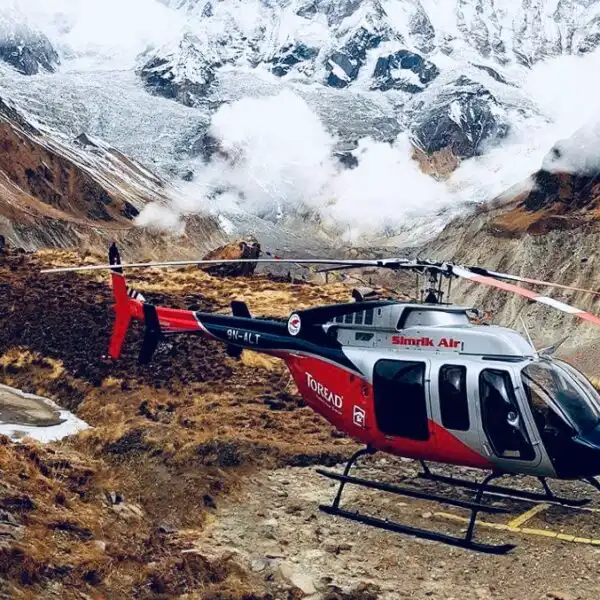
Uzokwazi ukujabulela izinga eliphakathi nendawo yokuhlala kanye nezinye izinsiza kulo lonke uhambo lwakho lokuhamba ngezinyawo. Kodwa-ke, ngenxa yokuqhelelana, izikhungo zesimanje ezifana nogesi, i-inthanethi, nezinye izindlela zokuxhumana zitholakala ngokwanele kuphela esifundeni esingezansi. Kunjalo nangezinsizakalo zezempilo ezisendleleni; kunezikhungo ezimbalwa kuphela ezikude, futhi uma uphuthuma endaweni ephuthumayo, inketho yakho ethembekile kuphela ukutakula ngendiza enophephela emhlane.
Izinsuku ze-Acclimatization
Njengoba kunezinhlobo ezahlukene zamaphakheji ohambo lohambo lwesifunda sase-Annapurna, olungaqedwa ezinsukwini ezingu-12-22, ungase ucabangele uhlobo olufushane, njengoba lushibhile. Kodwa uma ujwayelene nohambo oluphakeme, uyaqonda ukubaluleka kwezinsuku zokujwayelana nesikhathi sakho sohambo.
Uma uhambo lufushane, kulapho-ke kudingeka uzikhandle khona ohambweni lwakho lwansuku zonke; lokhu akugcini nje ngokulimaza umzimba wakho kodwa futhi kukubeka engcupheni yezingozi ezahlukene zempilo. Kodwa, ngale ndlela ngeke ukwazi ukujabulela ngempela uhambo oluhle lwaseHimalaya.
Njengoba izinsuku zokujwayela zimbalwa, usengozini enkulu yokuthola isifo sokuphakama, njengoba uqhubeka ulwela ukuphakama okuphezulu ngaphandle kokuvumela umzimba wakho ukuba uphumule kahle futhi uzivumelanise nokuphakama okuphezulu.
Izimo Zezulu
Izimo zezulu eziphakeme zaseHimalaya azibikezeleki ngaso sonke isikhathi; akuthathi isikhathi eside ukuthi usuku olucacile nolunelanga lumbozwe yimvula noma amafu esiphepho. Nakuba izinkathi eziphakeme njengentwasahlobo nekwindla zibhekwa njengezinesimo sezulu esizinzile kakhulu , isimo sezulu singashintsha ngokuzumayo.
Amathuba aphezulu nakakhulu ngezikhathi zokuphumula njengobusika kanye nemvula, kungaba nzima ukuthola izimo zezulu ezizinzile phakathi kwezimo zezulu eziphithizelayo. Isimo sezulu sesifunda sase-Annapurna sibanda kakhulu ngesikhathi sasebusika, imizila ezindaweni eziphakeme ivame ukumbozwa yiqhwa, kanti imimoya ebandayo kanye neziphepho eziphakeme kakhulu kuyinto evamile ohambweni lwakho lwansuku zonke.
Ngokufanayo, isizini yezimvula ibhekwa njengesikhathi esingesihle kakhulu se -Annapurna Circuit Trek; imvula enamandla eqhubekayo ayigcini nje ngokwenza kube nzima uhambo lwakho lwansuku zonke kodwa futhi imema izinhlekelele zemvelo njengokudilika komhlaba kanye nezikhukhula.
Ingabe i I-Annapurna Circuit Trek Ingabe Kufanelekela Mina?

Uma uzibuza ukuthi ngabe i-Annapurna Circuit Trek ikufanele yini ngemva kokucabangela ubunzima bayo bonke, ungakhathazeki; ngokuzimisela okufanele nokulungiselela okwanele, uzokwazi ukuqeda lolu hambo kalula.
Akudingeki unqobe noma yiluphi uhlobo lwezigaba zobuchwepheshe ku-Annapurna Circuit Trek yakho noma udinga noma yiluphi uhlobo lwamakhono. Ngezinga eliyisisekelo lokuqina komzimba kanye nempilo enhle, uzokwazi ukuqeda kalula lolu hambo oludumile lwaseHimalaya.
Uma unezinkinga zezempilo, kufanele uthintane nodokotela wakho kanye nomqondisi wokuhamba ngezinyawo ngaphambi kohambo. Izinga lempumelelo iyonke lohambo lwe-Annapurna Circuit lingu- 97% , futhi esikhathini esidlule, ngisho nezingane kanye nabantu asebekhulile abaneminyaka engaphezu kuka-70 baluqedile ngempumelelo lolu hambo lokuhamba ngezinyawo.
Uhambo Lwesekethe Lase-Annapurna Lakudala – Izinsuku eziyi-10
Kunzima Kangakanani Ukuhamba Ngesikebhe Se-Annapurna? I-Annapurna Circuit Trek iyindlela yesibili ethandwa kakhulu yokuhamba ngezinyawo eNepal, enikeza…
Ungakulungiselela Kanjani Ubunzima Bokuhamba Ngesikebhe Se-Annapurna?

Nakuba ubunzima be-Annapurna Circuit Trek busezingeni eliphakathi, akusho ukuthi izinga lobunzima bayo alinakunqotshwa nhlobo. Kunezindlela eziningana zokuthuthukisa kakhulu ulwazi lokuhamba ngezinyawo, okwenza kube mnandi futhi kujabulise kakhudlwana. Cabanga ngezinto ezilandelayo ukuze unciphise ubunzima be- Annapurna Circuit Trek.
Ukuqeqeshwa Nokuzilungiselela
Akuyona imfihlo ukuthi ngokulungiselela umzimba okwanele, uzoba nesipiliyoni esikhululekile nesijabulisayo ngesikhathi se- Annapurna Circuit Trek yakho. Njengoba uzobe uhlanganisa amahora amade okuhamba ngezinyawo usuku ngalunye lohambo lwakho, kungaba nzima kakhulu emzimbeni ongaqeqeshwanga.
Ngaphezu kwalokho, uzobe uphethe isikhwama esisindayo endaweni ephakeme, lapho ngisho nokuhamba okulula kungaba yinto ekhathazayo. Ngakho-ke, kuzodingeka uhlele uhlelo lokuqeqesha olufanele ukuze umzimba wakho ujwayele ukwenza umsebenzi onzima womzimba. Ngaleyo ndlela, ngeke uzizwe sengathi wenze umzamo omkhulu womzimba ngesikhathi sohambo lwakho lokuhamba ngezinyawo.
Kunconywa ukuthi uqale ukulungiselela kwakho okungenani amasonto angu-4-6 ngaphambi kohambo lwakho lokuhamba ngezinyawo. Kodwa uma ungumsubathi noma ujima njalo, ungalungisa isikhathi sokuqeqesha ukuze sivumelane nezidingo zakho. Ukuze unqume isikhathi sakho sokuqeqesha, qala uhlole amakhono akho omzimba, ukhombe izindawo ongathuthukisa kuzo, bese usetha izinhlelo zokuqeqesha ezingafaki ukucindezeleka okukhulu emzimbeni wakho.
Nazi ezinye izivivinyo ongazifaka ohlelweni lwakho lokuqeqesha.
Ukuqeqeshwa Amandla Nokukhuthazela
Lezi zivivinyo zikusiza ukuthi uthuthukise amakhono akho omzimba, njengoba uzosebenzisa imisipha yakho yemilenze kakhulu, futhi ungazigcizelela nasezivivinyweni zakho.
- Push up
- Iplanki
- Donsela phezulu
- I-Deadlift
- Ukuphakamisa izinsimbi
- Ukugoba kwe-Bicep
- Ukugoba kwesando
- wamaphaphu
- squat
- Bench press
- I-dip
- Ukucindezela ikhebula
- Ukuphakamisa imilenze
- I-lunge eseceleni
- Isandiso somlenze
- Khuphuka
Ukuzivocavoca kwenhliziyo
Ukuzivocavoca kwenhliziyo kwandisa amandla akho okuqina futhi kuthuthukise ukuqina komzimba wakho. Lokhu kuzivocavoca kuthuthukisa nekhono lomzimba wakho lokuletha umoya-mpilo emisipheni yakho, ngakho-ke uma ukuhlanganisa ohlelweni lwakho lokuqeqesha, kuzokwenza kube lula ngawe ukujwayela izindawo eziphakeme. Ngaphezu kwalokho, ngokuqina okuse-reserve, ngeke uzizwe ukhathele futhi uzokwazi ukujabulela ngempela lolu hambo oludumile lwaseHimalaya.
- Cycling
- Ukugijima
- Dancing
- Ukuphakama
- Ukuhamba ngamandla
- Ukugxuma ngentambo
- Ukuvivinya umzimba
- I-Cardio
- I-kickboxing
- IBurpee
- Ujeke ogxumayo
** Qaphela: Uma ufaka ukujima kokuzijwayeza ohlelweni lwakho lokuqeqesha endaweni ende yemvelo, uzoba nomqondo ofanele walokho ongakulindela ngesikhathi sohambo lwakho lwangempela. Ngaphezu kwalokho, ukuphatha isikhwama sangemuva noma isikhwama esinesisindo esikhulu kuzokulungiselela ukuthwala imithwalo yakho ngesikhathi se-Annapurna Circuit Trek. PS Ukugqoka amabhuzu akho okuhamba ngezinyawo kuzokusiza ukuthi uhlole izinga lawo lokududuzeka, awufuni ukugcina unezinyawo ezibuhlungu nezivuvukele ngemva kwamahora amade okuhamba ngezinyawo**
Ukulungiselela Kwengqondo
Nakuba iningi labahambi ligcizelela ukuqeqeshwa ngokomzimba ngesikhathi sokulungiselela uhambo olude, ukulungiselela kwengqondo akufanele kunganakwa. Ukuzivocavoca kwengqondo kuzokulungiselela ukuphazamiseka, ukungakhululeki, kanye nezinselele ongase ubhekane nazo.
Kungokwemvelo ukuthi lapho uqala uhambo, izinto zingase zingabi ngendlela oyilindele ngaso sonke isikhathi. Abanye bangase babe nobunzima bokubhekana nekhwalithi kanye nenduduzo; kanti abanye bangase babe nobunzima bokuhlala bekhuthazekile noma benethemba. Ngokulungiselela ngokwengqondo, uzofunda ukuhlala uzolile, uzinzile, futhi unethemba phakathi nobunzima kanye nokuphazamiseka ongase ubhekane nakho ngesikhathi sohambo lwakho.
Nazi ezinye izivivinyo zengqondo ongazifaka ohlelweni lwakho lokuqeqeshwa:
- Umkhuba wokuphefumula olawulwayo
- Hlala ugxile futhi uzimisele
- Zijwayeze ukukhuluma okunempilo
- Hlala uhle
- Zizungeze nabantu abahle
- Zibone ngeso lengqondo zonke izinyathelo zohambo lwakho
- Prakthiza ukushiya indawo yakho yokunethezeka
- Yehlisa okulindelwe
- Thola ukwesaba kwakho bese usebenza kukho
- Naka ulimi lomzimba wakho
Khetha Isizini Engcono Kakhulu

Ukuze uthole okuhlangenwe nakho okumangalisayo nokujabulisayo kwe-Annapurna Circuit Trek, kufanele ukwenze ngezikhathi zonyaka eziphakeme njengekwindla (Septhemba-Novemba) kanye nentwasahlobo (Mashi-Meyi). Akuzona nje kuphela izinselele zesimo sezulu zohambo ezincishiswa kakhulu, kodwa uzokwazi futhi ukujabulela amakhono ahlukile aleso naleso sikhathi sonyaka.
Isikhathi sasentwasahlobo eHimalaya saziwa ngokuthi isikhathi sokuqhakaza, lapho yonke indawo yalesi sifunda esihle igcwele izinto eziphilayo. I-rhododendron enamachashazi nezimbali zasendle zimboza yonke indlela yokuhamba ngezinyawo engezansi, kanti uhlaza oluluhlaza luningi, lumboza indawo ezungezile.
Uma uthanda izilwane zasendle kanye nokuhlola izilwane zezinyoni, intwasahlobo yisikhathi esifanele sokwenza i-Annapurna Circuit Trek. Izinga lokushisa esifundeni sase-Annapurna lisukela ku -16°C kuya ku-23°C emini entwasahlobo futhi lingehla liye ku --8°C ebusuku kanye nasekuseni kakhulu.
Ngokufanayo, ikwindla, isizini ethandwa kakhulu yokuhamba ngezinyawo kanye nohambo lwaseHimalaya eNepal , yaziwa ngamazinga ayo okushisa aphakathi, imizila yokuhamba ngezinyawo eyomile, izindawo ezintsha, kanye nemibono emihle yaseHimalaya. Ikwindla yaziwa nangokunikela kwayo ngamasiko futhi igubha eminye yemikhosi emikhulu ezweni, njengeDashain, Tihar, kanye neChhath.
Izinga lokushisa lesifunda sase-Annapurna ngesikhathi sasekwindla liphakathi kuka -14°C kuya ku-19°C emini. Ungalindela ukuthi amazinga okushisa abe ngaphansi kweqhwa ezindaweni eziphakeme ngaphezu kwamamitha angu-4,000 . Uma uhamba ngezinyawo engxenyeni yokugcina yekwindla, izindawo eziphakeme nazo zibona iqhwa elincane ngezikhathi ezithile njengoba ubusika buvala, ngakho qiniseka ukuthi upakisha ngokufanele.
Hlala Umanzi Futhi Udle Ukudla Okunomsoco
Esinye sezici ezibaluleke kakhulu ekugcineni amakhono akho omzimba ngesikhathi sohambo olude ukuhlala unamanzi amaningi nokudla ukudla okulinganiselayo. Ngesikhathi sohambo olude, kunconywa ukuthi uphuze okungenani amalitha angu-3-4 amanzi njengoba ulahlekelwa amazinga amanzi amaningi ngesikhathi samahora amade futhi akhathazayo okuhamba ngezinyawo. Uma uphuza inani elinconywayo lamanzi, uzothola kulula ukuhambisa umzimba wakho ngesikhathi sohambo olude, futhi kuzokusiza ukuthi ujwayele kahle ukuphakama okuphezulu.
Kunjalo nangokudla ukudla okunempilo; kuzodingeka unqobe amahora amade ohambo nsuku zonke zohambo lwakho. Uma ungadli ukudla okunempilo, ngeke ukwazi ukugcwalisa amandla alahlekile, okungabangela ukugula, futhi kungase kudingeke ukuthi uhoxe emsebenzini wakho omkhulu.
Kuvamile ukuthi ngemva kokufika endaweni ephakeme kakhulu, ungase ulahlekelwe yisifiso sokudla. Kodwa-ke, esikhundleni sokungadli ukudla, kunconywa ukuthi uziphe ukudla ngenkani izikhathi ezimbalwa zokuqala, ngemva kwalokho umzimba wakho uzoqala kancane kancane ukwamukela ukudla.
Thola Iphakheji Elifanele
Uma kukhulunywa ngokunciphisa ubunzima obuphelele be-Annapurna Circuit Trek, ukukhetha iphakheji efanele kuyisici esibalulekile. Esikhundleni sokufuna amaphakheji ashibhile anezinkambo ezimfushane, khetha amaphakheji amade kancane anezinsuku ezanele zokujwayela.
Uma ukhetha amaphakheji amafushane ngoba nje eshibhile, uhambo olusheshayo ngeke lube mnandi kangako, futhi esimweni esibi kakhulu, ungase uzibeke engcupheni yokuguliswa ukuphakama nezinye izingozi zempilo, njengoba uhambo olufushane nolusheshayo olungenazo izinsuku zokuphumula ezanele lubeka umzimba wakho umthwalo omkhulu.
Ngaphezu kwalokho, ngamaphakheji okuhamba ngezinyawo ashibhile, kungadingeka ukuthi unciphise ikhwalithi yezinsizakalo kanye nezinsiza ngesikhathi sohambo lwakho.
Ukuze uthole ulwazi olungcono kakhulu ohambweni lwakho lwaseHimalaya, ungakhetha iphakheji yethu ye-Annapurna Circuit Trek yezinsuku eziyi-15. Iphakheji yethu yokuhamba ngezinyawo ethokozisayo yenzelwe ukukuvumela ukuthi ujabulele isimo sesifunda esihle sase-Annapurna ngesivinini esiphansi. Sizonakekela yonke imininingwane emincane, kusukela emalini yokungena, izimvume, ezokuthutha, ukudla, kanye nendawo yokuhlala, ukuze ukwazi ukujabulela ngempela lo msebenzi omkhulu osemagqumeni aseHimalaya ngaphandle kokukhathazeka nganoma yini.
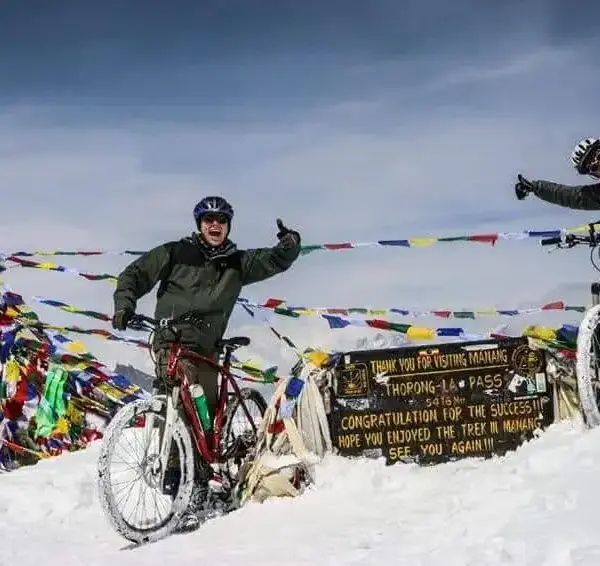
Uhambo Lwebhayisikili Lwezintaba Lwezinsuku Eziyi-14 e-Annapurna Circuit
Kunzima Kangakanani Ukuhamba Ngesikebhe Se-Annapurna? I-Annapurna Circuit Trek iyindlela yesibili ethandwa kakhulu yokuhamba ngezinyawo eNepal, enikeza…
Pakisha Kwesokudla
I-Annapurna Circuit Trek uhambo lwaseHimalaya; uzodabula izindawo zezulu ezahlukahlukene ngesikhathi sohambo lwakho. Ngakho-ke ukuze uthole uhambo olukhululekile noluthokomele, kubalulekile ukupakisha kahle lolu hambo.
Kunconywa ukuthi uphathe kalula uhambo, njengoba isilinganiso somgibeli nomgibeli singu-2:1. Kuzodingeka uphathe noma yimuphi umthwalo odlula umkhawulo wesisindo, kodwa futhi awufuni ukuphuthelwa yizinto ezibalulekile.
Nazi ezinye zezincomo zokupakisha ze-Annapurna Circuit Trek yakho ongase ufune ukuzisebenzisa ngokohlu lwakho lokupakisha.
Izingubo Zekhanda Nezingubo
- Isigqoko selanga, isigqoko esiseceleni sokuvikela ilanga
- Ibhandana noma i-headscarf yesifunda esibandayo nesinothuli
- Isigqoko esithungiwe noma isigqoko soboya
- I-neck gaiter noma i-buff
- Ihembe elide elinemikhono ye-polypropylene
- Ihembe eliyisigamu
- Izingubo zangaphansi ezishisayo ezilula
- Ijakethi yoboya engangeni moya
- Ijazi elisindayo
- Ijakethi ye-hood engangeni manzi ephefumulayo
- Ijakethi yoboya eyenziwe ngokwenziwa, efakwe ugesi
- Izingubo zangaphansi eziningana
- Amagilavu (alula, uboya, futhi angangeni manzi)
- Amabhulukwe okuhamba ngezinyawo angangeni manzi
- Ibhulukwe le-fleece
- Ama-short ayisithupha
- Amabhulukwe afudumele alula
- Amabhulukwe eboya obukhulu noma uboya bezimvu
izicathulo
- Amasokisi (amabhangqa amaningana, amancane kuya kwakhulu)
- Amabhuzu okuhamba ngezinyawo (ukusekela iqakala)
- Izitimela noma izicathulo zokugijima zokukhempa kanye nokuhamba ngezinyawo okufushane
- Ama-gaiters angangeni manzi
- Izilayidi noma ama-crocks ezindaweni zokuphumula
Inhlanzeko Yomuntu
- I-toothpaste, ibhulashi lamazinyo
- Iziqeshana zezinzipho kanye nesibuko esincane
- Ukhilimu wokuvikela ilanga
- I-lip balm kanye ne-body lotion
- I-shampoo kanye nemikhiqizo yezinwele
- Ithawula elomile ngokushesha, iduku
- Izicubu, ama-water wipes
- Izidakamizwa
- Imikhiqizo yenhlanzeko
- Imithi enqunyiwe
- Ikhithi encane yosizo lokuqala
- Izinto zokuxosha izinambuzane nezinambuzane
Isisetshenziswa
- Izibuko zelanga noma izibuko
- Isibani sekhanda esinamabhethri engeziwe
- Isikhwama se-duffle
- Isikhwama sokulala (ezine zesizini)
- Amabhodlela amanzi kanye ne-thermos
- Isikhwama semfucumfucu
- omabonakude
- Izigxobo zokuhamba
- Izintambo zokushaja ezibanzi
- Ibhange lamandla, ishaja yelanga
- Isethi yokuzijabulisa
- Incwadi, amajenali, kanye nepeni
- Imidlalo yamakhadi nebhodi
Kukhona Ongakuthanda: