


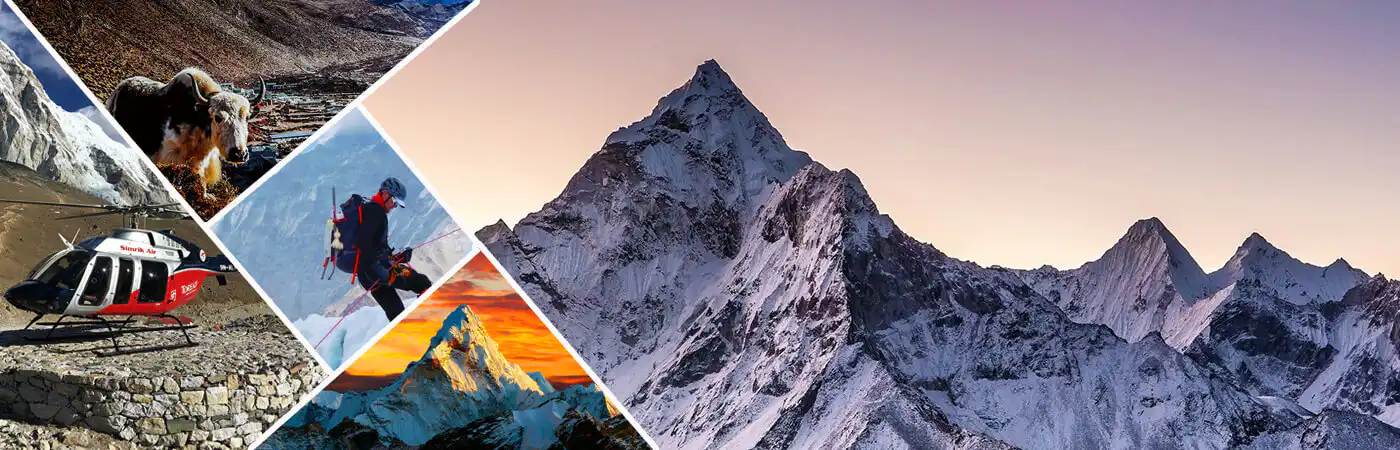
Nepali 15 kõige keerulisemat matkarada sobivad ainult kogenud ja seiklushimulistele. Nepali peetakse üheks maailma parimaks matkasihtkohaks, kus on vapustavad maastikud ja kõrguvad mäetipud. Enamik Nepali matkamarsruute on keerulised ja mõeldud peamiselt kogenud matkajatele. Olenemata sellest, millise matkaraja valite, läbite alati karmi maastikku, kaugeid külasid ja kõrgmäestiku kurusid. See keeruline matk sobib ainult neile, kellel on sügav seiklushimu ning kes on heas vaimses ja füüsilises vormis.
Ettearvamatute ilmastikutingimuste ja paljude rajatiste piiratud mahutavuse tõttu võib sellel marsruudil matkamine olla üsna keeruline. See katsumus viib teid läbi Nepali kõige puutumatumate ja puutumatumate piirkondade. Sellel matkal näete hingematvaid vaateid Himaalajale ja ainulaadsele elusloodusele . Lõpp-punkti jõudes tunnete saavutustunnet. Samuti tahame, et teaksite, et vaated, mida sealt saate, on võrratud. Lisaks saate kogeda mägikogukonna rikkalikku kultuuri ja traditsioone.
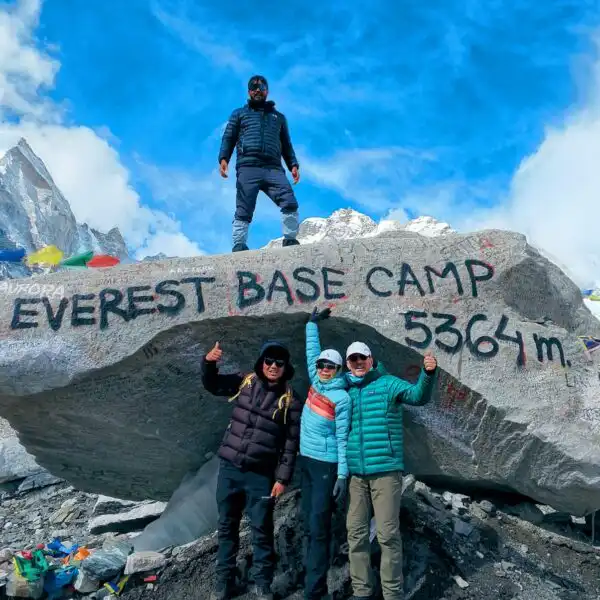
Everesti baaslaagri matk 12 päeva
Nepali 15 kõige keerulisemat matkarada sobivad ainult kogenud ja seiklushimulistele. Nepali peetakse üheks parimaks…
See matk ei sobi aga nõrganärvilistele, kuna ees ootab arvukalt väljakutseid. Kui oled füüsiliselt nõrk, on suur tõenäosus, et sind mõjutavad äärmuslikud kõrgused ja ettearvamatu ilm. Selle matka läbimiseks ja seikluslikuks teekonnaks muutmiseks on oluline eelnevalt varustuse ja aklimatiseerumise osas plaane teha. Kui valid selle keerulise tee, veendu palun, et mõistad täielikult kaasnevaid riske ja lahendusi nende maandamiseks.
Kui keerulised ja väljakutseid pakkuvad matkad Nepali Himaalajas võivad olla?
Himaalajasse matkamine keerulisel marsruudil võib olla keeruline. Pead oma keha ja vaimu piirini viima. Suurel kõrgusel matkarajal on suur oht saada kõrgushaigus. See haigus võib põhjustada hingamisraskusi ja olla ka eluohtlik. Lisaks võib järskude, kiviste ja kitsaste radadega rada raskust veelgi suurendada.
Himaalaja ilm on veel üks suur väljakutse. Seal võib olla äärmiselt külm, eriti kõrgemale ronides. Järsud ilmamuutused, näiteks lumetormid või tugev vihm, võivad muuta rajad ohtlikuks. Mõnikord peate tegelema lume ja jääga, mis lisab raskust. Kuna paljud matkad toimuvad kaugetes piirkondades, peate kaasas kandma kogu oma varustust ja olema valmis igaks olukorraks.
Lisaks sellele võib Himaalajasse matkamine olla ka vaimselt alaarenenud. Kuna oled inimestest eemal ja järgid kauget marsruuti, tunned end üksikuna ja üksildasena. Samuti tähendab konarlik maastik, et oled paljudest mugavustest kaugel. Üldiselt võib endale väljakutsete esitamine ja keerulise marsruudi läbimine olla keeruline, kuid korraliku ettevalmistusega võid edu saavutada.
1. Kangchenjunga matk
5143 meetri kõrgusel asuv Kanchenjunga matk on üks Nepali keerulisemaid ja parimaid matkasihtkohti. Matk hõlmab 220 kilomeetrit ja asub Nepali idaosas, Sikkimi piiril. See rada, mis pole nii populaarne kui teised matkasihtkohad, näiteks Everesti baaslaager (EBC) ja Annapurna baaslaager (ABC), võimaldab teil uurida maailma kõrgeimat mäge, Kanchenjunga mäge (8586 m). Sellel matkarajal saate kogeda Nepali rikkumata ilu.

Selle matka üks peamisi tipphetki on Yalungi liustik. Sellel rajal avanevad vapustavad vaated Everestile, Makalule, Lhotse'le, Tent Peakile ja paljudele teistele mäestikele. Samuti saate Kanchenjunga looduskaitsealal näha selle mitmekesist taimestikku ja loomastikku. Kuigi see matk võib olla üsna keeruline, võib see olla ideaalne valik, kui teil on eelnevat kogemust ja olete heas füüsilises vormis. Me garanteerime selle.
Mis teeb selle keeruliseks?
Kaugasukoht: Kangchenjunga piirkond on äärmiselt eraldatud, mistõttu on sinna raske ligi pääseda ja hädaolukordades abi saada.
Suur kõrgus: Jõuad üle 5,000 meetri kõrgusele, kus on suur oht saada kõrgushaigus.
Pikk kestus: See matk on pikk, tavaliselt võtab see aega üle kolme nädala ning nõuab püsivat füüsilist ja vaimset vastupidavust.
Põhimajutus: Hästi arenenud rajatiste puudumine tähendab, et matkajad peavad olema valmis eluks vajalikeks elutingimusteks.
2. Annapurna ringrada
Annapurna ringreisi läbimiseks kulub 13–20 päeva ja see hõlmab 160–230 kilomeetrit, olenevalt valitud marsruudist. See ümbritseb Annapurna mäestikku Nepali põhja-keskosas, kus asub maailma 10. kõrgeim mägi . Eraldiseisvus ja haruldased matkarajad suurendavad matka raskusastet. Lihtsama aklimatiseerumise tagamiseks on aga palju võimalusi vastupäeva matkamiseks.

Teie matk algab Besisaharist ja jõuab Thorung La kuru kõrgeimasse punkti, 5416 meetrini. See matkatee viib Nepali ühe austusväärsema religioosse paiga, Muktinathi, mis on püha nii hindude kui ka budistide kummardamispaik. Seda marsruuti läbides hämmastab teid Nepali inimtühi maastik, samal ajal uurides Dhaulagiri, Annapurna ja Manaslu rohelust ja mägede vaateid. Jah, pikad matkapäevad ja piirkonna eraldatus võivad teile väljakutseid pakkuda.
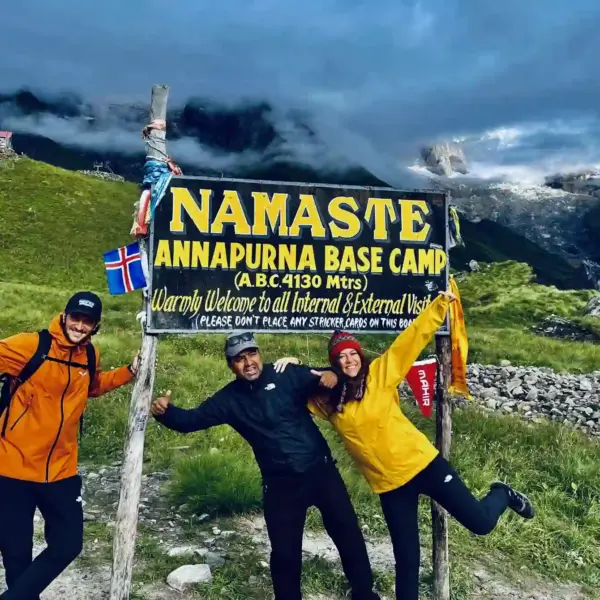
12-päevane Annapurna baaslaagri matk
Nepali 15 kõige keerulisemat matkarada sobivad ainult kogenud ja seiklushimulistele. Nepali peetakse üheks parimaks…
Mis teeb selle keeruliseks?
- Pikk kestus: Matk kestab tavaliselt 18–21 päeva ja nõuab püsivat vastupidavust ja vastupidavust.
- Suur kõrgus: Thorong La kurul, mis ulatub kuni 5,416 meetrini, on kõrgushaiguse oht märkimisväärne.
- Ilmastiku muutlikkus: Matk hõlmab erinevaid kliimasid, troopilisest alpini, mistõttu ilmastikuolud on ettearvamatud.
3. Manaslu ringreis
5160 meetri kõrgune Manaslu ringreis on Nepali kauneim piiratud matkarada. Matk kestab üle 10 päeva ja pakub vapustavaid vaateid Himlungile, Annapurna II-le, Kang Garule ja paljudele teistele mägedele. See ümbritseb kaheksandat kõrgeimat mäge, Manaslu mäge (8163 m), mis on ka teekonna peamine vaatamisväärsus. See eraldatud matkasihtkoht asub Katmandust 50 miili kaugusel Nepali Gorkha ringkonnas.

Mõned populaarseimad külastuskohad on Tsumi org ja Larkya la kuru . See on veel üks keeruline matkarada, mis piirab veelgi üksinda reisimist. Kas mõtled, mis on erilist, mis turiste köidab, isegi kui see on keeruline? Majesteetlikud mäetipud, jäätunud järved, liustikud ja kõrged mäekurud hingematvate vaadetega võivad sind hämmastada. Kui otsid matka, mis võtab vähem päevi, siis võib Manaslu ringrada olla parim alternatiiv Kanchenjungale.
Mis teeb selle keeruliseks?
- Kauged ja vähem arenenud piirkonnad: Vähem mugavusi ja konarlikumad rajad kui populaarsetel marsruutidel.
- Suur kõrgus: 5,160 meetri kõrgune Larkya La Pass on keeruline ja nõuab head aklimatiseerumist.
- Ilm ja maastik: Ettearvamatu ilm ja keeruline maastik, sealhulgas järsud tõusud ja laskumised, lisavad raskust veelgi.
Loe lähemalt: Kus asub Manaslu mägi?
4. Ülem-Dolpo matk
Kas otsid Nepali parimat kõrbematkarada, mis pakub ka mõningaid väljakutseid? Ülem-Dolpa matk on just sulle. Dolpa piirkonnas asuv eraldatud koht pakub hingematvaid vaateid Dhaulagirile, Chureni Himalile ja paljudele teistele mägedele. Piirkonna eraldatus ja rikkumata looduse ilu pakuvad sulle Lääne-Nepali seikluslikumat kogemust. Matka peamiseks vaatamisväärsuseks on Shey Phoksundo järv ja selle mitmekesised maastikud.
Matk võtab aega umbes 25 päeva, mis teeb sellest keerulise ettevõtmise. See katab umbes 230–270 kilomeetrit ja kõrgeim kuru, mida ületate, on Nagdala La, mille kõrgus on 5353 meetrit. Tiibeti lähedal asuv piirkond on Tiibeti kultuuri ja traditsioonide koduks, mis võib olla ainulaadne kogemus. Kuigi matk on keeruline, suure kõrguse ja konarliku maastiku tõttu, on selle läbimisel saadav tasu seda kõike väärt.
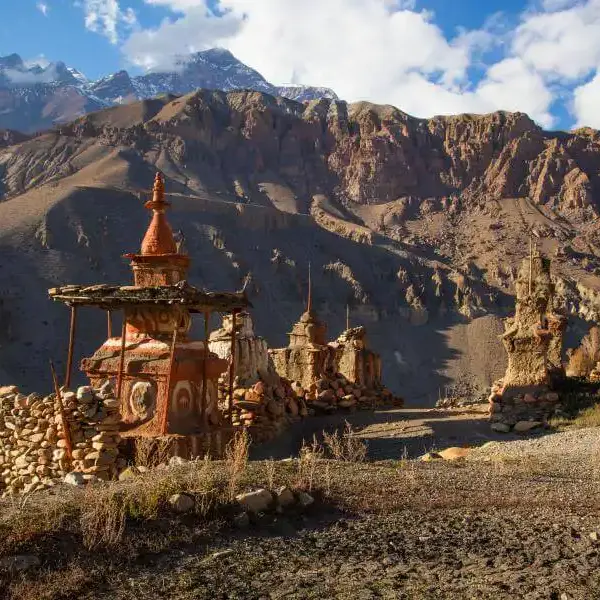
Nepali 15 kõige keerulisemat matkarada sobivad ainult kogenud ja seiklushimulistele. Nepali peetakse üheks parimaks…
Mis teeb selle keeruliseks?
- Äärmuslik kaugus: Matk kulgeb ühes Nepali kõige kaugemas piirkonnas, kus on väga vähe mugavusi.
- Suur kõrgus: Matk ulatub üle 5,000 meetri, mis suurendab kõrgushaiguse ohtu.
- Pikk kestus: See on pikk matk, mille läbimiseks kulub sageli üle kolme nädala
5. Everesti baaslaagri trek
Everesti baaslaagri matk , mida peetakse Nepali üheks populaarseimaks matkasihtkohaks, viib teid maailma kõrgeima mäe, Mount Everesti (8848.48 m) jalamile . Kõrgeim punkt, kuhu jõuate, on Kalapattharis 5545 meetrit ja matk hõlmab 130 kilomeetrit. Kuigi see matk pole nii keeruline kui eespool mainitud, võivad kõrge kuru ja pikad matkapäevad tekitada mõningaid raskusi.

Aastate jooksul üha populaarsemaks muutunud matkarada on hästi hooldatud. Samuti ei teki teil kunagi probleeme majutuse ega toitlustusega, kuna peatuskohti on palju. Baaslaagrisse jõudes avanevad kaunid vaated Lhotse, Ama Dablami ja Lobuche mäele . Kui matkate Everesti baaslaagrisse (EBC), soovitame teil mitte maha magada päikesetõusu Kalapattharis.
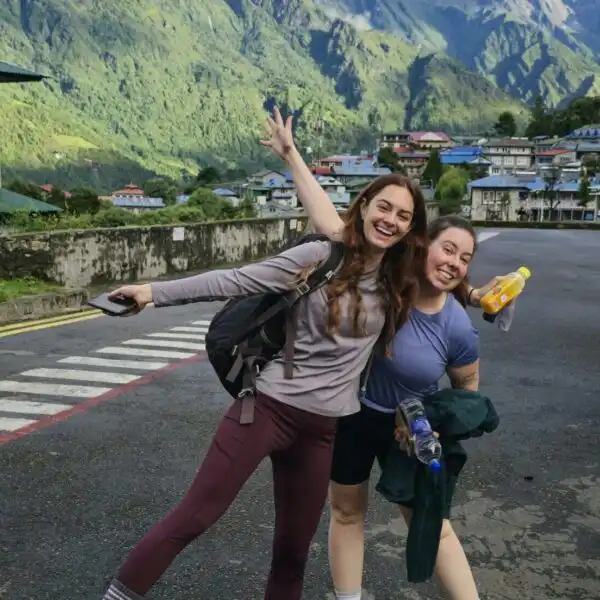
14-päevane Everesti baaslaagri matk
Nepali 15 kõige keerulisemat matkarada sobivad ainult kogenud ja seiklushimulistele. Nepali peetakse üheks parimaks…
Mis teeb selle keeruliseks?
- Suur kõrgus: Matk ulatub Everesti baaslaagris kuni 5,364 meetri kõrgusele, kus kõrgusehaigus on tõeline mure.
- Külmad temperatuurid: Mida kõrgemale minna, seda külmemaks läheb, eriti öösel, mida võib olla raske taluda.
- Rahvarohked rajad: Selle matka populaarsus tähendab, et rajad võivad olla rahvarohked, mis muudab kogemuse väsitavaks.
6. Everesti kolme kuru matk
See matk on keerulisem kui Everesti baaslaagri (EBC) matk. Everesti kolme kuru matk asub Nepali Khumbu piirkonnas. See viib teid läbi kolme kõrge mäekuru: Kongma La (5,535 m), Cho La (5,420 m) ja Renjo La (5,360 m). Need kurud asuvad väga kõrgel, mistõttu on matk füüsiliselt nõudlik. Matk on umbes 160 kilomeetrit pikk ja selle läbimiseks kulub tavaliselt 18–21 päeva.
Matka jooksul avaneb vapustav vaade mõnele kõrgeimale mäele, näiteks Everestile, Lhotsele ja Makalule. Sihtkohta jõudmiseks peate läbima mitu šerpade küla ning pidevalt üles ja alla minema. Peate olema füüsiliselt vormis ja hästi ette valmistatud külma ilma ja muutuvate olude jaoks. See on ideaalne matkasihtkoht Everesti piirkonnas neile, kes soovivad oma piire nihutada.
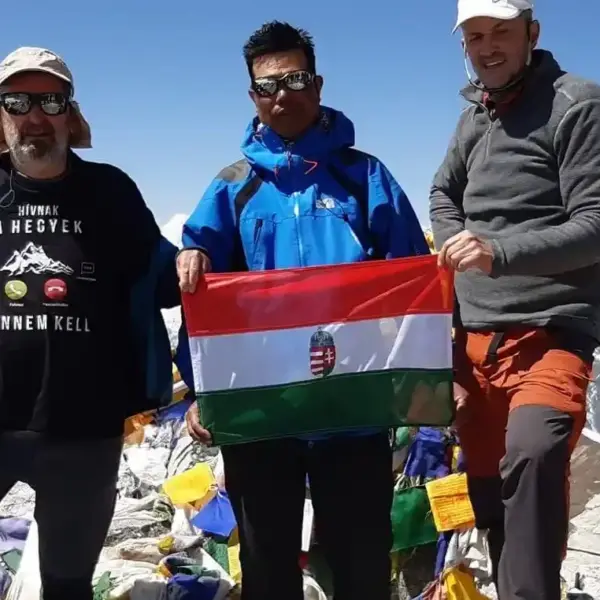
17-päevane Everesti kolmekäiguline matk
Nepali 15 kõige keerulisemat matkarada sobivad ainult kogenud ja seiklushimulistele. Nepali peetakse üheks parimaks…
Mis teeb selle keeruliseks?
- Mitmed kõrged läbipääsud: Hõlmab kolme üle 5,000 meetri pikkuse kuru läbimist, mis on füüsiliselt nõudlikud.
- Äärmuslik kõrgus: Suur kõrgus suurendab kõrgushaiguse riski.
- Pikk kestus ja isolatsioon: See on pikk matk, sageli üle kolme nädala, mõned lõigud on eraldatud ja kauged.
7. Dhaulagiri ringreis
See on järjekordne keeruline matk, mida võiksite oma järgmise reisi jaoks kaaluda. See ümbritseb Dhaulagiri massiivi, mis on maailma kõrguselt seitsmes mägi. Matkarada asub Nepali lääneosas ja selle kõrgeim kuru on 5360 meetrit. See rada pole nii populaarne kui teised matkasihtkohad, näiteks Everesti baaslaager (EBC) ja Annapurna baaslaager (ABC), kuid on vähem rahvarohke ja selle läbimiseks kulub tavaliselt 18–21 päeva.
Läbi mitmekesiste maastike liikudes avaneb teile lähedalt vaade Dhaulagirile, Tukuche mäetipule ja teistele kõrgetele tippudele. Matk viib teid läbi ka traditsiooniliste külade, kus saate kogeda kohalikku kultuuri ja külalislahkust. Matka eraldatud asukoht muudab selle ideaalseks kogenud matkajatele. Selle läbimiseks peate olema hästi ette valmistatud ja isemajandav, kuna marsruudil on piiratud arv mugavusi ja vähe teisi matkajaid.
Mis teeb selle keeruliseks?
- Äärmuslik kaugus: Matk toimub kauges piirkonnas, kus on piiratud infrastruktuur ja tugi.
- Suur kõrgus: Matk hõlmab mitmeid kõrgeid kurusid, millest kõrgeim on Prantsuse kuru, mille kõrgus on 5,360 meetrit.
- Tehniline maastik: Mõned matka osad nõuavad mägironimise põhioskusi ja kogemusi.
8. Langtangi oru matk
See on nimekirja kõige ilusam ja ligipääsetavam matk. Mõõdukate raskustega matk viib teid Langtangi rahvuspargi südamesse . See 4984 meetri kõrgusel asuv matk võimaldab teil selle läbida 7–10 matkapäevaga. Teid hämmastavad matka pakutavad vapustavad mägedevaated, kultuurielamused ja mitmekesised maastikud.
Matka jooksul näete liustikke, jakikarjamaid ja võimalik, et ka metsloomi. Kuigi see ei ulatu nii kõrgele kui mõned teised Nepali matkarajad, võib rada siiski olla keeruline järskude tõusude ja laskumistega. Oma loodusliku ilu tõttu võib matk olla aga üsna rahuldust pakkuv. Näete ideaalselt kujundatud mägesid ja saate parima kogemuse ilma karmide katsumusteta.
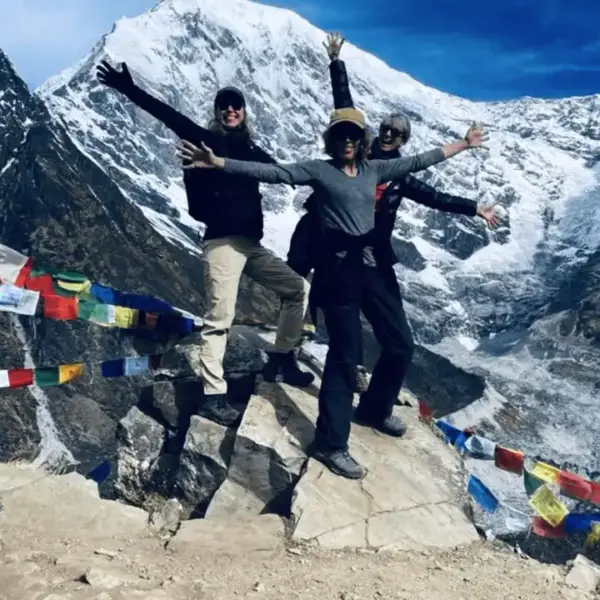
8-päevane matkamine Langtangi orus
Nepali 15 kõige keerulisemat matkarada sobivad ainult kogenud ja seiklushimulistele. Nepali peetakse üheks parimaks…
Mis teeb selle keeruliseks?
- Järsud rajad: Matk hõlmab mitmeid järske tõuse ja laskumisi, mis võivad olla füüsiliselt nõudlikud.
- Kõrgus: Matk ulatub umbes 4,000 meetri kõrgusele, kus võib esineda kõrgushaigus.
- Muutlik ilm: Ilm Langtangi piirkonnas võib olla ettearvamatu ja äkilised muutused lisavad väljakutsele veelgi suuremat mõju.
9. Makalu baaslaagri matk
Makalu baaslaagri matk asub Nepali idaosas Makalu Baruni rahvuspargis ja selle läbimiseks kulub umbes 20–22 päeva. See eraldatud ja eraldatud matk viib teid Makalu mäe jalamile, mis on 8,485 meetri kõrgusel maailma viiendal kõrgeimal mäel. Matka kõrgeim punkt on Makalu baaslaager, mis asub umbes 4,870 meetri kõrgusel.
Makalu baaslaagri matkateekonna vapustav ja rikkumata loodus teeb sellest atraktiivse sihtkoha. Vaated Makalule ja teistele kõrgetele tippudele, nagu Everest ja Lhotse, on hingematvad. See matk on suurepärane valik neile, kes otsivad ebatavalisi seiklusi. See pakub suurepäraseid mägimaastikke ja võimalust kogeda puutumatut ilu, kuid pakub ka mõningaid väljakutseid.
Mis teeb selle keeruliseks?
- Kaugel ja isoleeritult: See asub kauges piirkonnas, kus on piiratud infrastruktuur ja tugi.
- Suur kõrgus: Matk ulatub 5,000 meetri kõrgusele, kus kõrgushaigus on riskantne.
- Raske maastik: Baaslaagris tuleb ületada kõrgeid kurusid, matkata ja liikuda järskudel, kivistel radadel.
10. Manaslu baaslaagri matk
Manaslu baaslaagri matk on kaunis Nepali Manaslu piirkonnas . See pakett viib teid Manaslu mäe jalamile, mis on 8163 meetri kõrgusel maailma kaheksas kõrgeim mägi. Matka kõrgeim punkt on baaslaager, mis asub umbes 4,800 meetri kõrgusel. See matk võtab tavaliselt aega 14–16 päeva ja on üks Nepali populaarsemaid matku, kus on vähem rahvarohkeid kui teistel.
Matkates ületate jõgede kohal kulgevaid rippsildu ning kõnnite läbi metsade ja tüüpiliste kultuurikülade. Mäed, näiteks Manaslu mägi ja selle lähedal asuvad tipud, on kaunid, eriti baaslaagrile lähenedes. Matk on keeruline, kuid rahuldust pakkuv, pakkudes segu looduse ilust, kultuurielamustest ja hingematvast mägimaastikust.
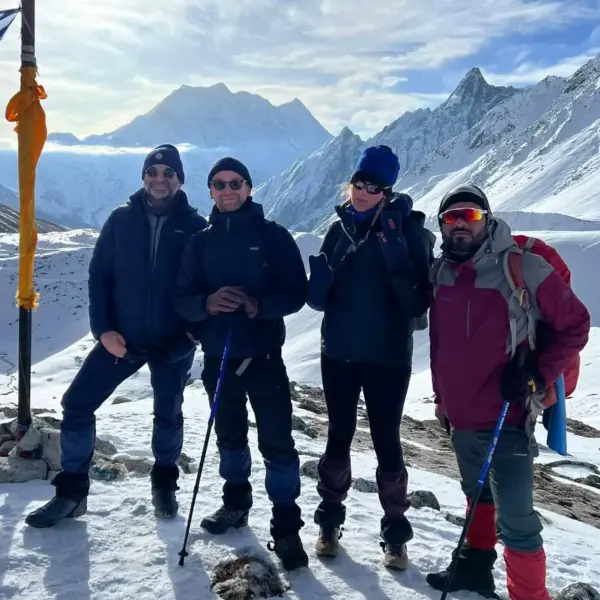
Manaslu ringrada (MCT) – 14 päeva
Nepali 15 kõige keerulisemat matkarada sobivad ainult kogenud ja seiklushimulistele. Nepali peetakse üheks parimaks…
Mis teeb selle keeruliseks?
- Kauged ja vähem reisitud kohad: Matk toimub kauges piirkonnas, kus on piiratud võimalused ja vähearenenud infrastruktuur võrreldes teiste populaarsete matkadega.
- Suur kõrgus: Trek ulatub umbes 4,800 meetrini, kus kõrgusehaigus võib olla märkimisväärne probleem.
- Väljakutsuv maastik: Rajad on konarlikud ja sageli järsud, nõudes head füüsilist vormi ja vastupidavust.
11. Ghorepani Poon Hilli matk
Ghorepani Poon Hilli matk on üks populaarsemaid ja lihtsamaid matku Nepalis, mis asub Annapurna piirkonnas. See matk viib teid Poon Hilli, mis asub 3,210 meetri kõrgusel merepinnast ja pakub üht parimat päikesetõusu vaadet Himaalaja kohal. Matk kestab tavaliselt 4–5 päeva ja sobib nii algajatele kui ka kogenud matkajatele.

Selle matkatee valides läbite kauneid rododendronimetsi, võluvaid külasid ja terrasspõldusid. Annapurna, Dhaulagiri ja Machapuchare (kalasaba ) vaated on hingematvad, eriti Poon Hillilt tõustes. Matk ei ole liiga keeruline, mistõttu on see ideaalne valik neile, kes soovivad Himaalaja ilu kiiresti ja suhteliselt kerge jalutuskäiguga kogeda.
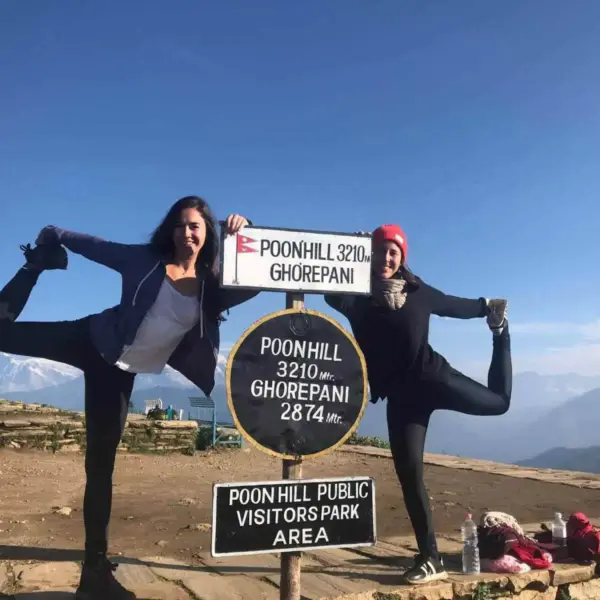
4-päevane Ghorepani Poon Hilli matk
Nepali 15 kõige keerulisemat matkarada sobivad ainult kogenud ja seiklushimulistele. Nepali peetakse üheks parimaks…
Mis teeb selle keeruliseks?
- Järsud tõusud: Matkarajal on järske tõuse, mis võivad olla füüsiliselt nõudlikud, eriti algajatele.
- Muutlik ilm: Ilm võib olla ettearvamatu, vihm ja külm temperatuur muudavad matka raskemaks.
- Rahvarohked rajad: Matka populaarsus võib muuta rajad rahvarohkeks, mis võib muuta matka vähem nauditavaks.
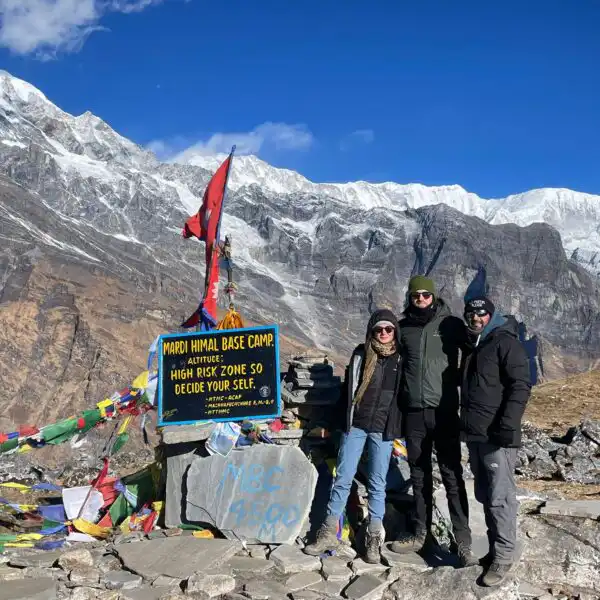
12. Mardi Himali matk
Mardi Himali matk on peidetud pärl Nepali Annapurna piirkonnas. See viib teid Mardi Himali jalamile umbes 4,500 meetri kõrgusele. See on üks lühemaid matkasihtkohti, mille läbimiseks kulub 5–7 päeva. Kui teil on vähem aega, võite selle valiku teha. Kuigi matka saab läbida mõne päevaga, ei kahjusta marsruut pakutavaid vaateid.
Te kõnnite läbi tihedate metsade, ületate ojasid ja tõusete järk-järgult kõrgete mäeharjade poole, kust avanevad panoraamvaated Annapurna lõunaosale, Machapuchare'le (Kalasaba) ja Hiunchuli mäele. Viimane lähenemine Mardi Himali baaslaagrisse pakub suurepäraseid lähivaateid neile majesteetlikele tippudele. Matk on mõõdukalt keeruline. See on ideaalne neile, kes otsivad ebatavalisi seiklusi hingematvate mägimaastikega.
Nepali 15 kõige keerulisemat matkarada sobivad ainult kogenud ja seiklushimulistele. Nepali peetakse üheks parimaks…
Mis teeb selle keeruliseks?
- Järsud ja kitsad rajad: Matk hõlmab kitsastel ja keerulistel radadel järske tõuse ja laskumisi.
- Kõrgus: Matk ulatub umbes 4,500 meetri kõrgusele, kus õhk on hõredam ja kõrgushaigus on oht.
- Põhilised mugavused: Raja ääres olevad rajatised on lihtsad, mistõttu matkajad peavad olema valmis väiksemaks mugavuseks.
13. Ülemine Mustang Trek
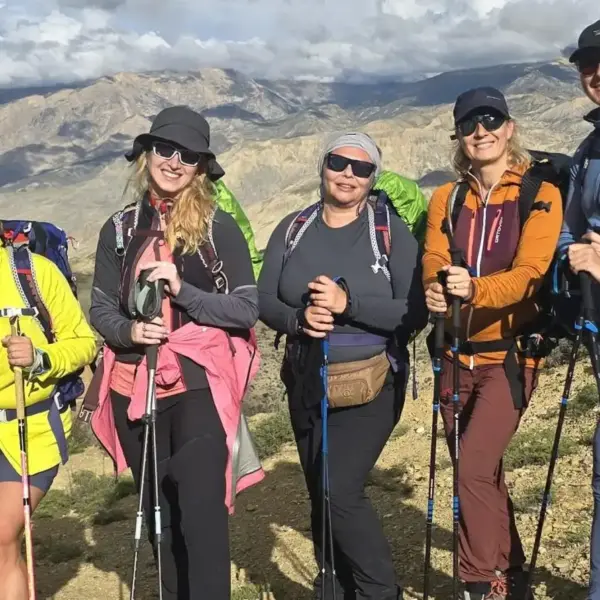
Ülem -Mustang on org Annapurna ringtee lähedal Mustangi piirkonnas . Org oli kunagi keelatud kuningriik. Oma eraldatuse tõttu on orul välja kujunenud oma traditsioonid ja kultuur. See matkarada on parim koht ainulaadse kõrbeliku maastiku, kultuuri ja ajaloo uurimiseks. Selle matka peamine vaatamisväärsus on Lo Manthang. Siin saate külastada ka paljusid iidseid kloostreid Lhakhangis.

Alustades oma teekonda Pokharas, avaneb teile fantastiline vaade Dhaulagirile, Annapurna I-le ja Manaslule. Kõrgeim punkt, kuhu jõutakse, on 3840 meetrit merepinnast ja matka saab läbida 14–18 päevaga. See matk järgib sama marsruuti nagu Annapurna ringreis . Jah, see võib olla keeruline. Eelneva kogemuse ja hea ettevalmistuse korral on selle matka lihtne läbida.
Nepali 15 kõige keerulisemat matkarada sobivad ainult kogenud ja seiklushimulistele. Nepali peetakse üheks parimaks…
Mis teeb selle keeruliseks?
- Karm maastik: Maastik on kuiv ning seal on järske tõuse ja laskumisi, mis võivad olla füüsiliselt nõudlikud.
- Kaugasukoht: Matk toimub kauges piirkonnas, kus on piiratud infrastruktuur ja tugi.
- Load ja eeskirjad: Piirkond nõuab erilubasid ja sinna on piiratud juurdepääs, mis lisab logistilisi väljakutseid.
14. Cho la Passi matk
Cho La kuru matk on osa kuulsast Everesti baaslaagri matkast . See lisab väljakutse ületada kõrge Cho La kuru 5,420 meetri kõrgusel. See matk võtab tavaliselt aega umbes 18–21 päeva. Kestus sõltub teie tempost ja aklimatiseerumisest. See pakub põnevat seiklust läbi Khumbu piirkonna mõnede ikoonilisemate maastike.
Matkate läbi kaunite šerpade külade. Külastate Everesti baaslaagrit ja ronite Kala Patthari otsa, kust avanevad vapustavad vaated Everestile. Cho La passi ületamine on üks matka tipphetki . See pakub hingematvaid vaateid lumega kaetud tippudele ja liustikele, viies teid Gokyo järvedeni. Cho La passi matk on oma suure kõrguse ja konarliku maastiku tõttu keeruline ning sobib ideaalselt ainult kogenud matkajatele, kes otsivad seiklusi Everesti piirkonnas.
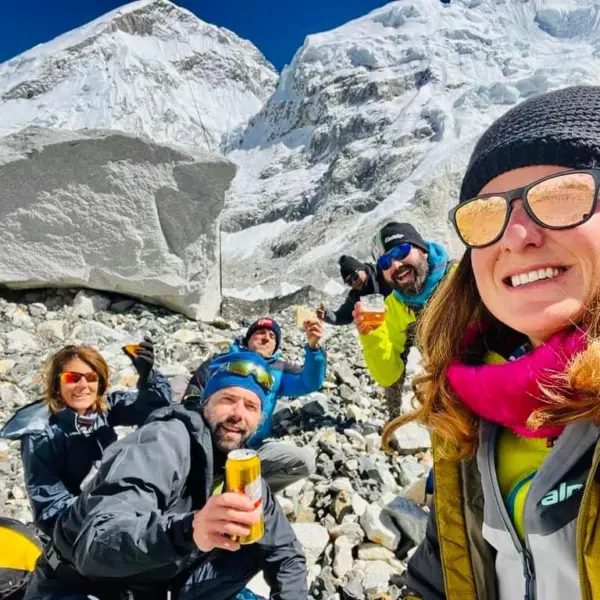
15-päevane Everesti Cho La passi matk
Nepali 15 kõige keerulisemat matkarada sobivad ainult kogenud ja seiklushimulistele. Nepali peetakse üheks parimaks…
Mis teeb selle keeruliseks?
- Suur kõrgus: Matk ulatub Cho La passi juures üle 5,300 meetri, kus kõrgusehaigus on tõsine probleem.
- Raske maastik: Kursus hõlmab järske tõuse, kaljusid radu ning sageli lund ja jääd, mis muudab selle ohtlikuks.
- Külmad temperatuurid: Mäekuru kõrge kõrgus ja avatud loodus muudavad selle väga külmaks, eriti öösel.
15. Poon Hilli matk
Poon Hill on kuulus vaatepunkt Nepali Annapurna piirkonnas 3,210 meetri kõrgusel. See on Ghorepani Poon Hilli matka tipphetk , mis on tuntud oma vapustavate päikesetõusude poolest Himaalaja mäestiku kohal. Poon Hillilt avanevad panoraamvaated Annapurnale, Dhaulagirile, Machapuchare'le (Kalasabamäele) ja teistele ümbritsevatele tippudele.
Matk Poon Hilli on suhteliselt lühike ja lihtne, mistõttu on see populaarne algajate ja piiratud ajavajadusega inimeste seas. Maagilise elamuse saamiseks soovitame teil kindlasti vaadata vapustavaid päikesetõusuvaateid. Samuti peaks Poon Hilli külastades kindlasti külastama Himaalaja kohal loojangut, mis loob kuldse kuma. Matk ei ole eriti keeruline, kuid sobib ideaalselt, kui otsite lühikest, kuid rahuldust pakkuvat kogemust.
4-päevane Ghorepani Poon Hilli matk
Nepali 15 kõige keerulisemat matkarada sobivad ainult kogenud ja seiklushimulistele. Nepali peetakse üheks parimaks…
Mis teeb selle keeruliseks?
- Järsk tõus: Trek hõlmab järsku ülesmäge Poon Hilli, mis võib olla väsitav, eriti algajatele.
- Muutlik ilm: Ilm võib olla ettearvamatu, vihm ja külm muudavad olukorra keerulisemaks.
- Rahvarohked rajad: Matka populaarsuse tõttu võivad rajad olla rahvarohked, mis muudab kogemuse vähem nauditavaks.
Kokkuvõte keerulisest matkast Nepalis
Üldiselt pakub keeruline matkamine Nepalis põneva seikluse Himaalajas. Kuid see matkamarsruut on mõeldud ainult neile, kes on valmis teel ette tulevate väljakutsetega toime tulema. Lisaks soovitame sujuva matkakogemuse tagamiseks valida lihtsad matkarajad. See aitab suurendada teie vastupidavust ja annab teile teada, kui raske või kerge teie järgmine reis saab olema. Lisaks peaksite teekonnaks valmistumiseks tegema veidi füüsilist ettevalmistust. Lisaks soovitame oma turvalisuse tagamiseks palgata kogenud giidi.
KKK
Milline füüsiline vorm on vajalik Nepali raskete matkade jaoks?
Nepalis läbitavad keerulised matkad nõuavad head füüsilist vormi ja vastupidavust. Seljakott seljas peaks olema võimeline päevas järskudel ja ebatasastel nõlvadel 6–8 tundi kõndima. Enne nende matkade ettevõtmist on soovitatav tegeleda regulaarselt kardio- ja jõutreeninguga ning matkata.
Kuidas valmistuda kõrgusteks keerulistel matkadel?
Aklimatiseerumine on keerulisel matkal suurel kõrgusel toimetuleku võti. Oluline on aeglaselt tõusta, võttes puhkepäevi, et keha saaks kohaneda. Samuti aitavad piisav kogus vedelikku, tervislik toitumine ning alkoholi ja suitsetamise vältimine. Samuti võite kaaluda ravimite, näiteks Diamoxi, võtmist kõrgushaiguse ennetamiseks, kuid seda tuleks arstiga arutada.
Millist varustust on mul vaja rasketeks matkadeks?
Keeruliste matkade jaoks on oluline korralik varustus. See hõlmab häid matkasaapaid, erinevate ilmastikutingimuste jaoks sobivaid kihilisi riideid, kvaliteetset magamiskotti, tugevat seljakotti, matkakeppe ja pealambi. Samuti on oluline külma ilma varustus, näiteks termopesu, kindad ja müts.
Kuidas saate maandada matkamisega kaasnevaid riske kaugetes piirkondades?
Matkamine kaugetes piirkondades nõuab hoolikat planeerimist ja ettevalmistust. Soovitatav on palgata kogenud giid, kuna nad saavad hakkama keerulisel maastikul ja hädaolukordadega. Oluline on omada ulatuslikku reisikindlustust, mis katab kõrgmäestikumatkad.
Millised on majutus- ja toitlustusvõimalused rasketel matkadel?
Majutus rasketel matkadel on sageli lihtne, näiteks teemajad või suvilad pakuvad lihtsaid tube. Väga kaugemates piirkondades võib olla vajalik telkida. Söögikorrad koosnevad tavaliselt kohalikest roogadest nagu dal bhat (läätsesupp riisiga) ja muudest lihtsatest toiduainetest nagu nuudlid, kartulid ja munad.