






5 Days


Quick Facts

Ground transportation in Nepal

Hotels & tea-house accommodation

All meals except in Kathmandu

Guided tour & trek throughout the trip

Autumn, Spring

Moderate

Nepal

4,200

Pokhara to Pokhara




Why 5 Days Mardi Himal Trek?
Mardi Himal awaits where dreamy trails, breathtaking mountains, golden sunsets, and peaceful moments turn every step into an unforgettable Himalayan adventure.
- Stunning views of numerous mountain peaks, including Mardi Himal, Annapurna, and Dhaulagiri, during an unforgettable adventure.
- Sunrise before the mountains at the Mardi Upper Viewpoint.
- Encounter many waterfalls and rivers that are hidden within the subtropical forest of the Mardi Trek map
- Witness the rich biodiversity of the Annapurna Conservation Area while spotting the rare flora and fauna
- Comfortable stay and great food in the newly built tea houses along the trail
- Avoid the crowds of the Annapurna Base Camp Trek in peak season and enjoy nature’s solitude all by yourself.
5 Days Mardi Himal Trek Overview
The Mardi Himal Trek is a 5-day adventure that has recently gained popularity due to its easy access. The trek starts in Pokhara at around 820 meters and reaches Mardi Himal Base Camp at approximately 4,500 meters. You will find plenty of teahouses and dining options throughout the trek, making it comfortable. Rich in flora and fauna, you may spot species such as Musk deer, Danfe, and more, if you are lucky.
The Journey to Hidden Himalayan Gems adventure offers stunning mountain views. Notable peaks include Mardi Himal, Annapurna South, and Machhapuchhre. Travelers can reach Pokhara from Kathmandu by road or domestic flight before beginning the trek. From Pokhara, you will take a road transfer to Kande, which generally takes around 1 hour depending on traffic and road conditions. The Nepal Mardi Himal trek has gained popularity for its panoramic views of Annapurna, less-crowded trails, and diverse landscape
Why Choose the Mardi Himal Trek?
The Mardi Himal Trek – 5 Days is a perfect short Himalayan adventure offering breathtaking views of Annapurna, Machhapuchhre (Fishtail), and Hiunchuli. This hidden gem trek takes you through lush rhododendron forests, charming mountain villages, and scenic ridgelines. The best time to trek is spring (March–May) and autumn (September–November), when skies are clear and mountain panoramas are stunning. With moderate difficulty, it suits beginners and experienced trekkers seeking an unforgettable Himalayan experience in a limited timeframe.
5 Days Mardi Himal Trek Cost
The 5 Days Mardi Himal Trek starts at US$ 410 per person for the fixed group departures listed on this page. The package price includes the primary services needed in the trek such as teahouse lodging, meals on the trekking days, a skilled guide, transport on the ground and the necessary trekking permits. Government taxes and other services specifically mentioned in the inclusions are also covered.
The departure type, group size and other services you may require can alter the final cost. Travelers who want more flexibility in their departure date, a smaller group or a tailored itinerary can arrange private treks. Other costs like international airfare, Nepal visa costs, travel insurances, personal costs, drinks and trekking gears are not included unless indicated in the package.
We can also assist in making other arrangements such as transportation, porter service or other travel arrangements, depending on your needs. To receive the current price and a personalized quote, contact us with your desired travel dates and size.
Mardi Himal Trek Route Overview
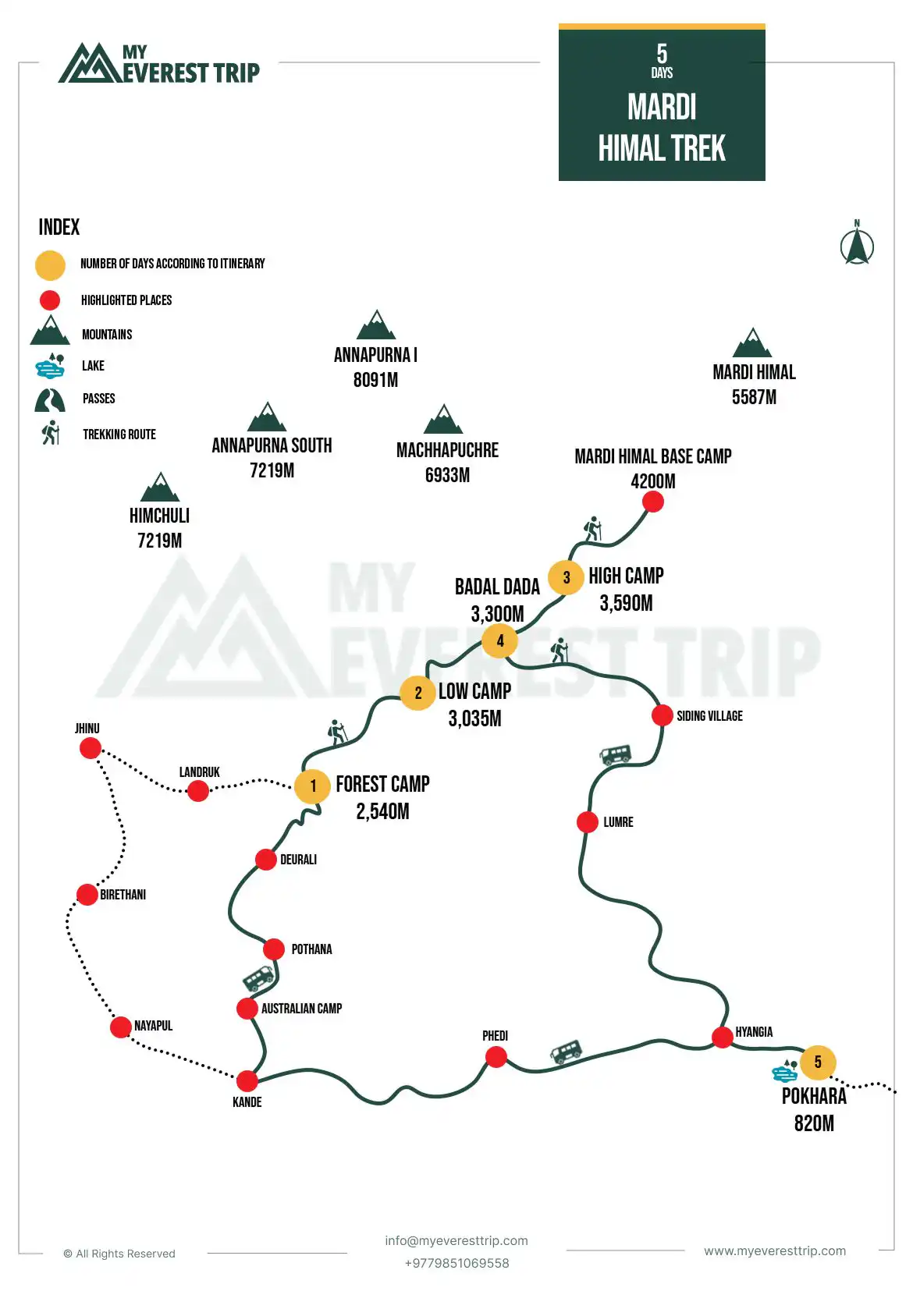
The 5 Days Mardi Himal Trek begins from Pokhara and takes you into the quieter trails of the Annapurna region. After a short drive from Pokhara, the trek starts from Kande and passes through Australian Camp, Pothana and Forest Camp before reaching the higher sections of the route. The trail then continues through Low Camp and High Camp, with the landscape changing from dense forest to open mountain terrain. As you gain elevation, views of Machhapuchhre, Annapurna South, Hiunchuli and other surrounding peaks become more prominent.
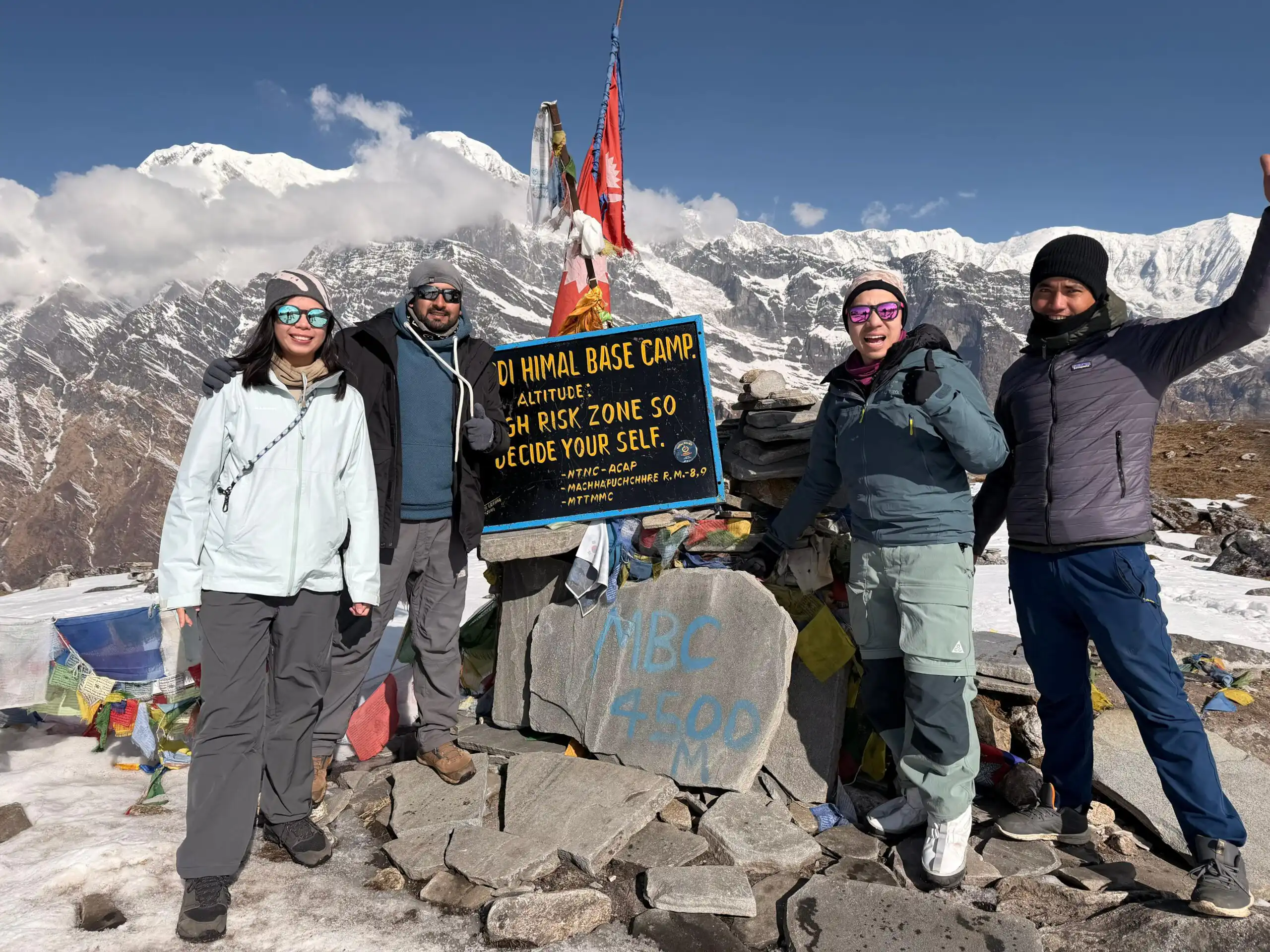
From High Camp, the route follows the ridge toward the upper Mardi Himal area. The highest point of the trek is Mardi Himal Base Camp at around 4,500 m. An early morning walk allows you to experience the mountain views before beginning the descent. After spending time in the upper section, the trail descends through Badal Danda and continues toward Siding. The final section follows a forested trail before reaching the village, where a road transfer takes you back to Pokhara.
This five day route is suitable for trekkers who have limited time but want to reach the higher sections of the Mardi Himal trail. The itinerary combines forest walks, mountain ridges, local settlements and high altitude landscapes within a compact trekking schedule.
Quick Facts
| Quick Fact | Details |
| Trip Duration | 5 Days |
| Trek Region | Annapurna Region |
| Starting Point | Kande |
| Ending Point | Siding, followed by a drive to Pokhara |
| Maximum Altitude | 4,500 m at Mardi Himal Base Camp |
| Trek Difficulty | Moderate |
| Accommodation | Teahouses during the trek |
| Meals | Breakfast, lunch and dinner during the trek |
| Best Seasons | Spring and Autumn |
| Transportation | Private or shared road transportation |
| Route | Pokhara → Kande → Forest Camp → Low Camp → High Camp → Mardi Himal Base Camp → Badal Danda → Siding → Pokhara |
| Price Starts From | US$410 per person |
5 Days Mardi Himal Trek Itinerary
Day 01: Drive to Kande and trek to Forest Camp
After breakfast, we will drive from Pokhara to Kande, the starting point of the trek. The drive generally takes around 1 hour, depending on traffic and road conditions.
We will begin our trekking adventure upon reaching here, which will lead us to the Australian Camp. There, we will make a short stop for lunch while enjoying the beautiful views of the Himalayas.
Resuming our journey, we will get to Deurali. From Deurali, the trail is rather relaxing as we walk through the thick forest. There are a few uphill and downhill walks before we reach the forest camp for the night. The forest camp has about ten tea houses where we can get good food and comfortable sleep.

Breakfast, Lunch, Dinner

Teahouse

11 km / 6.8 miles

2,600 m / 8,530 ft

5hrs
Day 02: Trek from Forest Camp to Low Camp
Day 2 offers a mix of relaxation and adventure. We will enjoy a leisurely breakfast at Forest Camp before embarking on a shorter, scenic trek to Low Camp. The path meanders through thick forests, with occasional viewpoints providing stunning mountain panoramas.
After about half an hour of walking, we will reach a viewpoint where we can stop for mountain views before continuing toward Low Camp.
The Mardi Himal trail is not well marked as we walk up through the forest, so following the guide’s instructions is crucial. After trekking for a few hours, we arrive at Low Camp by early afternoon, giving us plenty of time to rest and soak in the majestic mountain views.
Breakfast, Lunch, Dinner
Teahouse
6 km / 3.7 miles
3,050 m / 10,007 ft
4hrs
Day 03: Trek to High Camp
The walk from Low Camp to High Camp follows the Mardi Himal ridge and takes around 4 to 5 hours. After breakfast at Low Camp, we will begin the uphill walk toward High Camp.
After passing Middle Camp, we will follow a newly made stone path and enjoy the fantastic mountain views. From 2 to 3 p.m., we will rest in one of the well-established lodges, which feel surprisingly cozy for such an isolated location.
Breakfast, Lunch, Dinner
Teahouse
7 km / 4.3 miles
3,580 m / 11,745 ft
5hrs
Day 04: Hike to Mardi Himal Base Camp and Descend to Badal Danda
Today marks the highlight of our overall adventure. Also considered the most challenging part of our entire journey, we will start our trek at around 4:30 or 5:00 am, before sunrise. If we successfully reach a viewpoint before dawn,
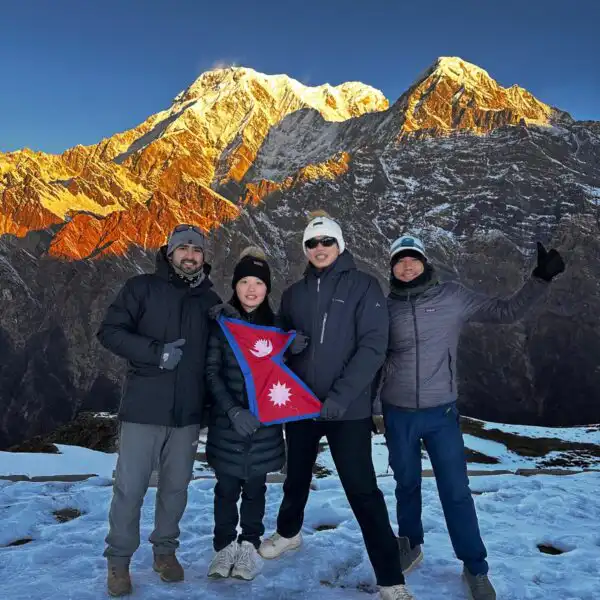
If the weather is clear, we will reach the Upper Viewpoint around sunrise and enjoy views of Machhapuchhre, Annapurna South, Hiunchuli and Mardi Himal.
After enjoying the sunrise at the Upper Viewpoint, we will continue toward Mardi Himal Base Camp at approximately 4,500 m, depending on weather and trail conditions. After spending some time in the upper section, we will descend toward Badal Danda for our overnight stay.
Breakfast, Lunch, Dinner
Teahouse
10 km / 6.2 miles
4,500 m / 14,764 ft
7hrs
Day 05: Trek to Siding and Drive to Pokhara
On Day 5, we begin our descent from Badal Danda toward Siding. The trail descends through forested sections and continues toward Siding Village, where our vehicle will be waiting to drive us back to Pokhara.
Upon arrival in Pokhara, we can relax by Phewa Lake, enjoy a well-deserved meal, and explore the bustling Lakeside district one last time.
Breakfast, Lunch
Hotel
10 km / 6.2 miles
1,700 m / 5,577 ft
5hrs
5 Days Mardi Himal Trek Map
What To Expect?
What's Included
- Meals on the entire board (breakfast, lunch, and dinner) during the whole trekking
- Trekking map
- An experienced Government license holder guide
- Insurance, salary, equipment, transportation, local tax for guide,
- Group medical supplies (first aid kit will be available)
- All necessary paper works and national park entry permits
- Travel and rescue arrangement
- All government taxes and tourist service charges
What's Excluded
- Meals in Kathmandu before and after trekking.
- Your travel insurance ( Rescue )
- Nepal entry visa fee.
- Tips for trekking staff and driver
- Drinks (hot, cold, and alcoholic)
- Trekking porter/Sherpa who will carry your bags during the trekking.
- Personal shopping and laundry etc
- Personal trekking equipment
Fixed Departures for 5 Days Mardi Himal Trek

Tripadvisor Reviews








Google Reviews


5 Days Mardi Himal Trek Additional Information
View Form Mardi Himal
The Mardi Himal trek, a 5-day journey, offers a great opportunity to experience Nepal’s unique landscapes. Some famous villages you pass by on this adventure include Siding, Lwang, and Ghale. With breathtaking Himalayan views, you can immerse yourself in rich local culture and traditions. Along the way, you can experience warm local hospitality.
You will also see terraced farms, sacred rivers, and traditional lifestyles. The Mardi Himal Trail is a relatively uncrowded path, allowing you to connect deeply with the region’s natural beauty and serenity. As you trek, stunning panoramic views of iconic Himalayan peaks will greet you.
The mountains you can witness on this trek include:
- Annapurna Range
- Dhaulagiri (8167m)
- Manaslu Mountain Range
- Mount Machhapuchhre (6988m)
- Mt. Hiunchuli (6441m)
- Mardi Himal Peak (5587m)
My Everest Trip ensures you stay safe and comfortable while trekking in Nepal with our highly experienced Mardi Himal trek. Or, if you want to know more about what it’s like to take this trip.
Where to Stay on the Mardi Himal Trek?
Accommodation on the Mardi Himal trek is provided in teahouses. These small lodges are run by local families and offer simple rooms, usually with a bed, mattress, pillow, and blanket. Rooms are often shared by two or more people, but they provide a basic level of comfort after a long day of trekking. The facilities are clean but basic, with shared bathrooms and limited hot water. Some teahouses at lower elevations might offer extra comforts like Wi-Fi or charging points, but these amenities are usually limited as you go higher.
As the trek climbs to higher altitudes, the teahouses become more rustic and simple. There may be fewer rooms, and hot showers and electricity are often limited. However, the warmth and friendliness of the local hosts make up for the lack of luxury. With a communal area, you can gather with fellow trekkers, enjoy the warmth of wood stoves, and share stories while taking in the mountain views. Despite the basic accommodations, staying in these traditional lodges adds to the trek’s charm.
Altitude and Acclimatization
The 5 Days Mardi Himal Trek is a short itinerary to around 4,500 m at Mardi Himal Base Camp. It is a path that rises rapidly beyond Forest Camp, and camps overnight at Low Camp, High Camp, prior to the first walk of the day on the trail to the summit viewpoint and to Base Camp. As the trek takes a few days to reach high altitude, the trekkers must observe the way their body reacts to their increasing ascendancy.
In this five day itinerary, there is no distinct acclimatization day, hence steady pace is essential. Trekkers need to hydrate with sufficient water, take frequent meals but not in a hurry when on the higher parts. Your guide will keep an eye on the group throughout the trek and assist in locating the symptoms of altitude sickness.
| Altitude | Location | Relevance |
| Around 2,600 m | Forest Camp | First overnight at a higher elevation |
| Around 3,050 m | Low Camp | Further elevation gain |
| Around 3,580 m | High Camp | Higher overnight stay before the Base Camp hike |
| Around 4,200 m | Upper Viewpoint | Early morning mountain viewing point |
| Around 4,500 m | Mardi Himal Base Camp | Highest point of the itinerary |
If you experience a persistent headache, nausea, dizziness, unusual weakness or difficulty breathing, inform your guide immediately. Depending on the severity, the safest response may be to stop ascending or descend to a lower altitude. Your guide will help assess the situation and coordinate the appropriate response if symptoms become serious.
Cultural Encounters Along the Mardi Himal Trek
The Mardi Himal path traverses the regions of predominantly Gurung and Magar populations. The lower villages and settlements along the trail provide opportunities to see traditional mountain lifestyles, terraced farmland, local houses and everyday village activities. Local families are also willing to welcome trekkers when they stay in teahouses and pass through small settlements.
The five-day route culminates in the Siding region, where the village atmosphere gives a better glimpse of rural life in the Annapurna region. Depending on the season and the communities you pass you might find farmers in their fields, livestock being reared, and traditional activities that are still part of life.
Longer Mardi Himal itineraries can include additional villages such as Lwang and Ghale, providing more opportunities for cultural interaction and village exploration. Cultural experiences thus differ according to the route, duration and itinerary chosen.
Meals in the Mardi Himal Trek
During the Mardi Himal short trek, meals provide the energy needed for long days of hiking. Most teahouses serve a set menu with Nepali and international dishes. The most common meal is dal bhat, a traditional Nepali dish with rice, lentil soup, and vegetable curry. Other options include noodle dishes, pasta, soups, and momos (Nepali dumplings). Many meals use fresh, locally sourced ingredients, especially at lower altitudes where farming is more common.
As you ascend, food choices can become more limited due to the remote location and difficulty transporting supplies. However, your meals will be wholesome and satisfying. For a hot drink, you will also have multiple options, from tea and coffee to ginger lemon honey tea. These drinks are perfect for warming up after a cold day of trekking. Even though the meals available can be simple, they keep you fueled and ready for the challenges of the trail.
Best Time for Mardi Himal Trek
Spring (March to May)
Spring is one of the best times for the Mardi Himal trek, with clear skies and moderate temperatures. The trail is adorned with blooming rhododendron forests, adding vibrant colors to the landscape. Views of snow-capped peaks like Machhapuchhre and Annapurna are stunning, and the weather is generally stable. This season is ideal for those who want beautiful scenery and pleasant hiking.
Summer (June to August)
Summer coincides with the monsoon season in Nepal, making the Mardi Himal trek more challenging due to heavy rainfall and slippery trails. Clouds often obscure mountain views, and the risk of landslides increases. However, the landscapes become lush and green, and those willing to trek in the rain can enjoy fewer crowds. Be prepared for wet conditions and leeches on the trail.
Autumn (September to November)
Autumn is the most popular time for the Mardi Himal trek, offering crisp weather, clear skies, and stunning mountain views. Temperatures are mild, and the monsoon rains have cleared the air, making the distant peaks of Annapurna, Dhaulagiri, and Machhapuchhre sharply visible. This season attracts many trekkers, so the trails and teahouses may be more crowded, but the ideal weather makes it worth it.
Winter (December to February)
Winter brings cold temperatures and snow to higher elevations, making the Mardi Himal trek more difficult. However, the clear skies and crisp air provide excellent visibility of the mountain ranges. The trails are much quieter during this time, offering solitude for those who don’t mind the cold. Proper winter gear is essential, and the lower parts of the trek remain accessible even during the coldest months.
| Season | Months | Trail Conditions | Mountain Views | Overall Suitability |
| Spring | March to May | Generally dry with comfortable conditions | Usually clear, especially in the mornings | Excellent |
| Summer and Monsoon | June to August | Wet and slippery, with possible leeches and landslides | Often limited by clouds and rain | Less suitable |
| Autumn | September to November | Mostly dry and stable | Usually clear with good visibility | Excellent |
| Winter | December to February | Cold, with possible snow at higher elevations | Often clear on good weather days | Suitable with proper preparation |
Cost For Mardi Himal Trek
The cost of the Mardi Trek varies based on factors like duration, inclusions, and the trekking agency you choose. On average, this trek ranges from $400 to $900, covering permits, guides, accommodation, meals, and transportation. I’m choosing a reputable trekking company that provides a transparent cost breakdown and ensures a safe, enjoyable experience in the scenic Mardi Himal region.
That’s because people have yet to acknowledge the beauty of the post-rain views, one of the perks of the summer trek. However, avoid evening walks and aim to reach your destination early. With raincoats, bag covers, and rain boots, the 5-day Mardi Himal trek is easily achievable with the right gear.
You will need much less packing, and the walk will feel easier. Similarly, the clear winter views, with a thick layer of snow, are second to none. All the regions above 3000 to 3500m are covered in snow, and you will be surrounded by paradise.
All you need is an extra pair of clothes and guidance from a MyEverestTrip expert. Since this is the off-season for trekking in Nepal, the trails are quiet and peaceful. The tea houses are mostly empty, so you can enjoy the utmost attention and get a discount. Good luck.
Difficulty Around Mardi Himal Trek
The Mardi Himal trek is considered moderately difficult. The trek is manageable for well prepared trekkers with reasonable fitness, but the rapid gain in altitude means that pacing and awareness of altitude symptoms are important.
The trail involves a mix of steep ascents, rugged paths, and narrow ridges, which can be physically challenging, especially at higher altitudes. However, compared to more intense treks in Nepal, the Mardi Himal trek is manageable for most well-prepared and acclimatized trekkers.
Here are five significant difficulties you may face:
Steep Ascents and Descents
The trek includes several steep ascents and descents, especially as you approach High Camp and Mardi Himal Base Camp. Uphill climbs can be strenuous and require endurance and strength, while downhill sections can stress the knees. Proper trekking poles and pacing yourself will help reduce the strain.
Altitude Sickness
As the trek reaches altitudes above 4,000 meters at Mardi Himal Base Camp, altitude sickness is a risk. Symptoms can include headaches, nausea, and fatigue, which can make the trek more challenging. To avoid altitude sickness, you should acclimatize properly by ascending gradually and staying hydrated throughout the journey.
Narrow and Rocky Trails
Parts of the trail, especially near the High Camp, become narrow and rocky, requiring careful navigation. These sections can be tricky, particularly in bad weather. This section can also be challenging if you fear heights. For safety on these rugged paths, trekking in a group or with a guide is recommended.
Unpredictable Weather
Mountain weather can be highly unpredictable, especially at higher elevations. You may experience sudden temperature drops, strong winds, or even snowfall, which can make the trail more difficult and uncomfortable. Proper gear for all weather conditions is essential to managing this challenge.
Physical Endurance
The Mardi Himal trek is not extremely long, but it demands a good level of physical fitness. You need the stamina to walk for several hours daily over varying terrain, including steep climbs, forested trails, and exposed ridges. Train and build your strength to complete this adventurous journey.
Why a 9-Day Mardi Himal Trek Instead of 5 Days?
The advantages of choosing the 9-day version over the 5-day version for the Mardi Himal trek include better acclimatization. This longer itinerary reduces the risk of altitude sickness because your body has more time to acclimate to higher altitudes. Since the daily hikes are much shorter, you can take them leisurely and comfortably accommodate all fitness levels.
This means the trek is less physically demanding and can enhance your overall trekking experience. These days, you can visit local villages in more detail and get to know the culture. You won’t feel rushed, so you can enjoy great views of the Annapurna range and other peaks. Also, this 9-day trek offers more flexibility in case of bad weather or other unexpected delays. Overall, more days mean more safety and enjoyment.
Who Can Trek to Mardi Himal?
The Mardi Himal trek suits many trekkers, including beginners. Its easy accessibility and well-defined trails suit those with basic fitness and little or no prior hiking experience. Beginners will find moderate difficulty manageable, especially with proper preparation and a good guide. You will find well-marked trails and plenty of teahouses along the way, making it a welcoming option for those new to trekking in the Himalayas.
While it suits beginners, it’s also popular with casual hikers and those looking for a less crowded alternative to more popular trails. If you are looking for the best family trekking route, the Mardi Himal can be for you. While the trek involves some steep sections and altitude gains, it is generally not overly strenuous. With adequate pacing, hydration, and acclimatization, most people can enjoy the stunning views and unique cultural experiences along the Mardi Himal trail.
Cultural Encounters Along the Mardi Himal Trek
This rich cultural trek lets you explore the cultures and traditions of the people who live here. Most people here are Gurungs and Magars. Some significant villages you will pass through include Siding, Lwang, and Ghale. Upon reaching there, you can interact closely with friendly locals, learn about their daily lives, and witness their traditional practices. Many people indulge in agriculture and grow captivating rice, millet, and vegetables. The area’s culture is also reflected in its architecture. You will also notice beautifully crafted wooden houses.
This adventure offers a chance for cultural immersion, and you can participate in festivals if your timing allows. The traditional dances, music, and rituals of the Gurung and Magar will be evident. A visit to the local monastery and temple will offer valuable insight into the spiritual beliefs of its inhabitants, where traces of Buddhist and Hindu influence appear in their practices. Homestays or village visits connect you with local people, creating memories and a deeper connection to the region’s heritage.
Combined Mardi Himal Trek and Annapurna Base Camp Trek
Planning on adding some extra adventure to your journey? Try combining the Mardi Himal Trek with the Annapurna Base Camp Trek. This merger lets you experience two beautiful trekking adventures in Nepal on a single route. Lasting about 12 to 14 days, this journey lets you explore diverse landscapes, witness breathtaking mountain views, and immerse yourself in rich local culture.
While taking the ABC route, you will navigate beautiful rhododendron forests, charming villages, and the Annapurna Sanctuary. Along the way, you will see stunning views of peaks such as Annapurna South, Hiunchuli, and the majestic Annapurna I. Located above 5,000 meters, this adventure takes you to the base of the world’s 10th-highest mountain, Mount Annapurna. The people’s beautiful views and warm hospitality make this trek worth exploring.
Combining the Mardi Himal and ABC treks is ideal for those seeking a more comprehensive trekking experience in the Annapurna region. You can enjoy the less crowded Mardi Himal trails before joining the more popular ABC route. Both treks offer a perfect blend of cultural encounters, stunning landscapes, and challenging terrain, catering to those seeking a diverse and fulfilling trekking adventure.
Why Choose My Everest Trip?
MyEverestTrip is a Nepalese Travel and Trekking Agency based in Kathmandu. We have operated in different trekking regions for over a decade and have guided hundreds of travelers worldwide.

With the sole intention of bringing trekkers to Nepal safely and comfortably, we have a full team of travel planners, guides, and porters. We also have connections to hotels and restaurant chains throughout Nepal to ensure our trekkers get the best possible facilities.
So, here is the reason why you should travel with MyEverestTrip
5 Days Mardi Himal Trek FAQs
What are the Permits for Mardi Trek?
Mardi Himal Trekking Permit
You need two kinds of permits for the Mardi Trek. The first is ACAP, an entry card to the Annapurna Conservation Area. This $30 permit (Rs 200 for SAARC countries) can be issued from Kathmandu/ Pokhara or even at the entry point while you are traveling. The money goes for the management of the conversation area itself. The following permit is called a TIMS card and costs $20 for solo trekkers and $10 for group trekkers. The government issues the Mardi Himal Permit, which helps trace your movement within the country.
Is there Internet Service in Mardi Base Camp Trek
Internet in the Mardi Trek is available but relatively slow. There’s no issue with free Wi-Fi in Deurali. Wi-Fi costs a few dollars ($1 to $3) in low and high-Mardi base camps. But the internet is volatile and slow. It would be helpful to send some texts, but you cannot stream or upload high-quality videos with such a connection. Back to Siding, you might find free Wi-Fi with a not-so-good link.
How Long is Mardi Trek?
The Mardi Trek typically takes 5 to 7 days to complete, starting from Pokhara. The duration can vary depending on the itinerary and the pace of the trekker.
Can you trek Mardi Himal without a guide?
You can trek Mardi Himal without a guide, as the trails are generally well-marked. However, having a guide is recommended for a safer and more informative experience. Solo trekkers should possess good navigation skills and be familiar with the trail conditions.
Are there any age restrictions for the Mardi Himal Base Camp Trek?
There are no official age restrictions for the Mardi Himal Base Camp Trek. However, if you are trekking here, you should be healthy and possess a reasonable fitness level. As we recommended, we recommend not trekking with children below 10 and adults above 70.
Is Mardi Himal Trek suitable for beginner trekkers?
The Mardi Himal Trek is generally considered suitable for beginner trekkers due to its well-marked trails and moderate difficulty. However, if you are a beginner, you need to be physically prepared. Your itinerary should also include proper acclimatization days. Also, hiring a guide or porter is generally recommended on this journey.
What are the mountains seen from the top of Mardi Viewpoint?
You can enjoy stunning views of several prominent mountains from the Mardi Viewpoint, including Machapuchare (Fishtail), Annapurna South, and Hiunchuli. The panoramic scenery from this viewpoint is a significant highlight of the trek.
Is tipping necessary for porters and guides in the Mardi Himal Trek?
Tipping is not mandatory in Nepal’s trekking industry, but is generally appreciated for exemplary service. If you are satisfied with the assistance your guide and porters provided, a tip is a great way to show your gratitude. The amount can range from $50 to $200, depending on your will and the service you received.
US$ 410 per person
- 24/7 Customer Support
- Experienced and Professional Team
- Hassle-Free and Easy Booking
- 99% Customer Satisfaction
- Fair Prices, Exceptional Service
- No Hidden Costs and Secure Payments
- Tailored and Personalized Itineraries

24 X 7 Live Support

Puru (+977-9851069558)
Related Trips


Recent From Our Blog Places of attractions, travel tips, news and more.

Annapurna, Everest, Nepal, Trekking in Nepal
5 Top Trekking Routes in Nepal
Trekking in Nepal is no longer limited solely to professionals or adventure seekers. No matter…
Read the full post
Trek
Best Hiking Places in Kathmandu Valley for Stunning Himalayan Views
Hiking in Kathmandu is a popular activity for those who want a better weekend and…
Read the full post
Blog
Mardi Himal Trek Cost 2027: Permits, Guide, Food, Accommodation & Hidden Expenses
Introduction While most people associate Nepal’s treks with Everest or Annapurna Base Camp, many of…
Read the full post