




8 Days


Quick Facts

Ground transportation in Nepal

Hotels & tea-house accommodation

All meals except in Kathmandu

Guided tour & trek throughout the trip

All Year

Moderate

Tibet

3,900 m


Why Tibet Lhasa Overland Tour?
- The Tibet Lhasa Overland Tour is a popular tour that takes travelers through Tibet’s stunning landscapes and rich cultural heritage. Here are some of the Tibet Lhasa Overland journey highlights:
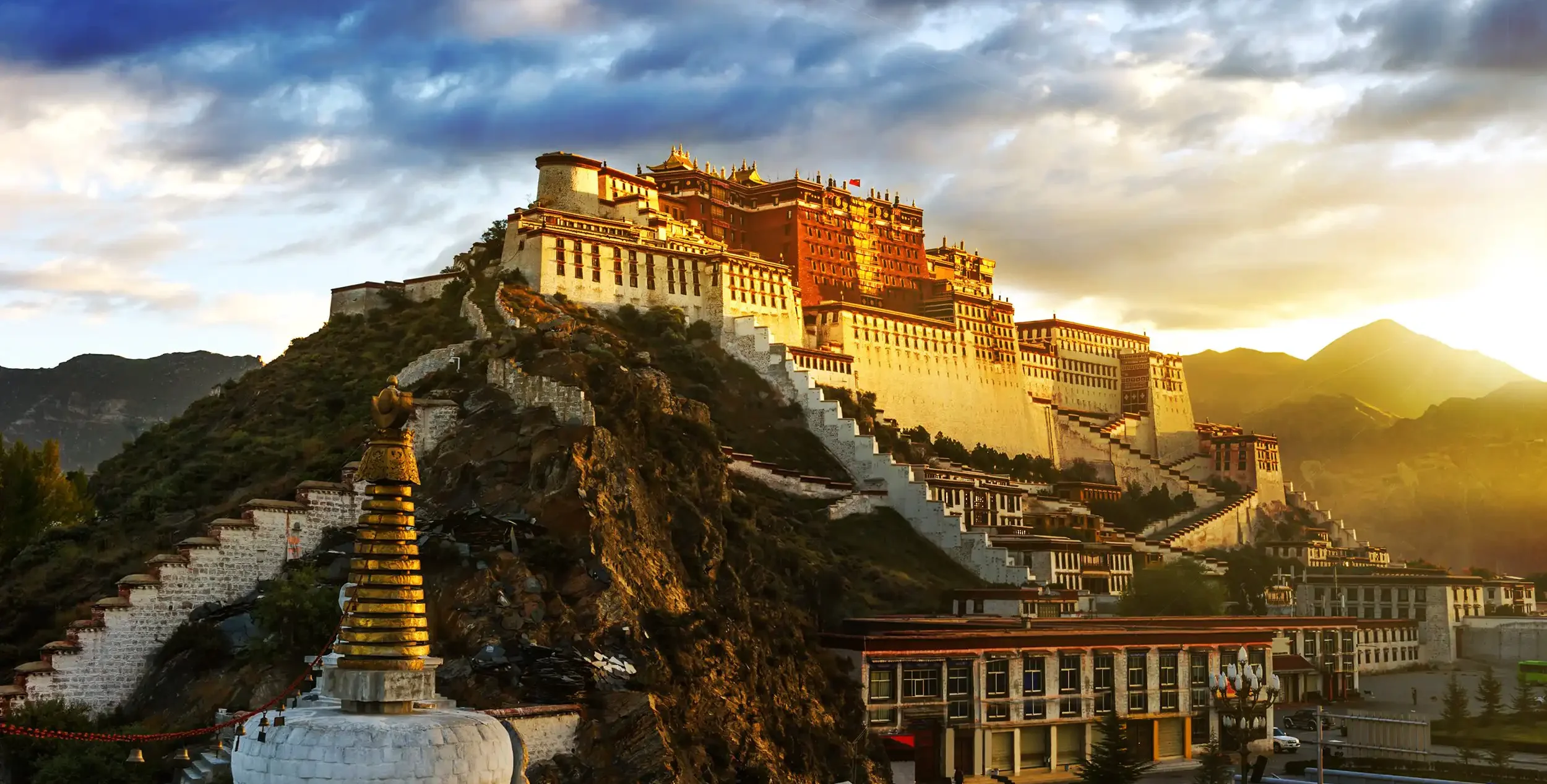
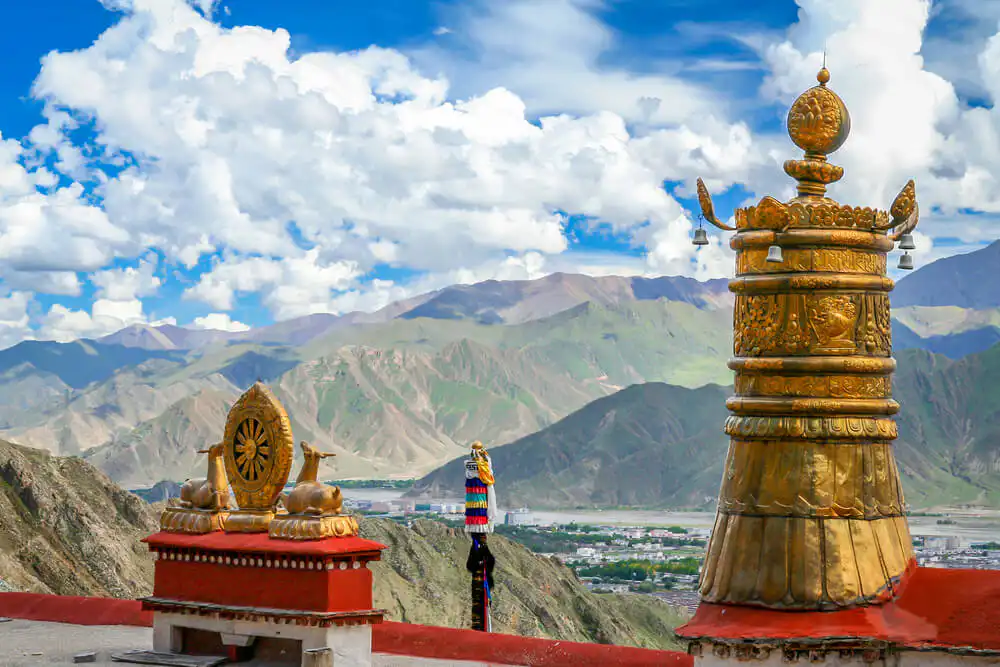
- Lhasa: The tour starts in Lhasa, the capital of Tibet, where travelers can explore the iconic Potala Palace, Jokhang Temple, and Barkhor Street. These landmarks offer a glimpse into Tibet’s rich cultural heritage and spiritual significance.
- Yamdrok Lake: One of the most beautiful lakes in Tibet, Yamdrok Lake is 4,441 meters high and offers stunning views of the surrounding snow-capped mountains.
- Gyantse: A historic town in the Yarlung Valley, Gyantse is home to the impressive Gyantse Kumbum, a stupa with 108 chapels containing murals and sculptures dating back to the 15th century.
- Shigatse: The second-largest city in Tibet, Shigatse is home to the Tashilhunpo Monastery, the seat of the Panchen Lama, and one of the most important monasteries in Tibet.
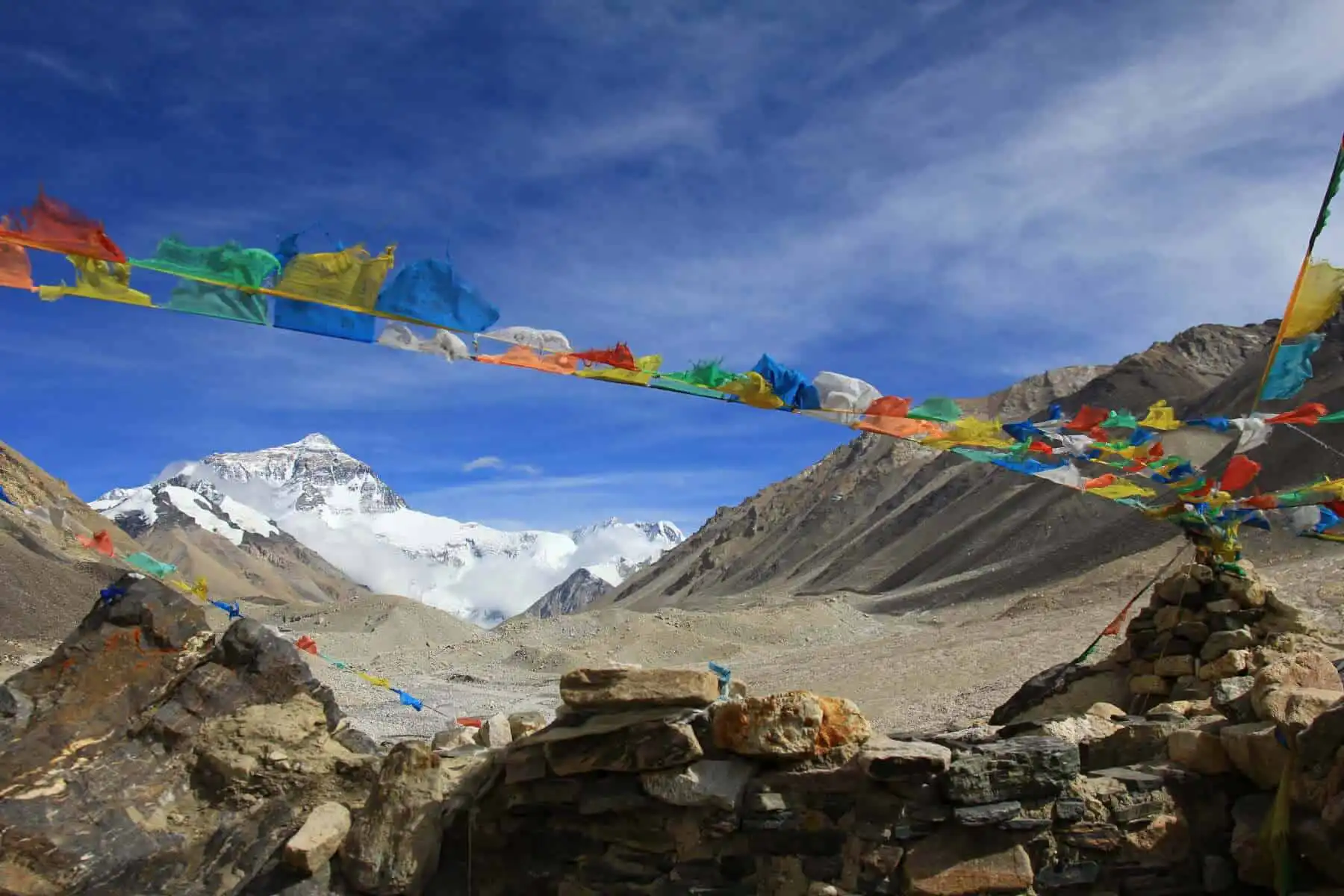
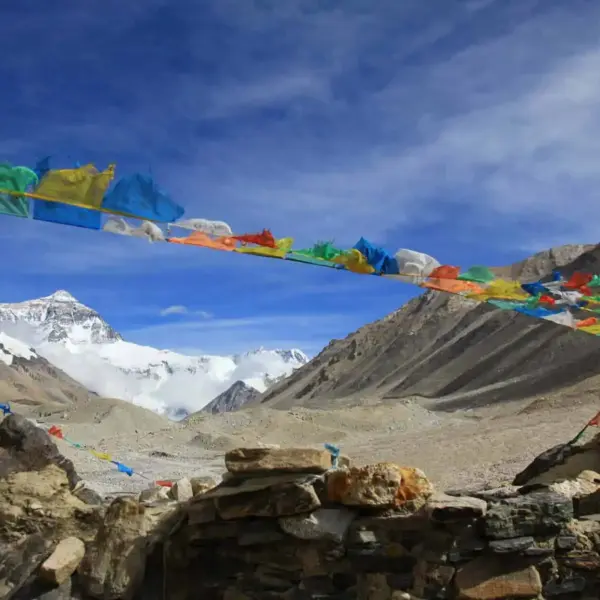
- Everest Base Camp: Although this tour does not go all the way to Everest Base Camp, travelers can still see stunning views of Mount Everest from several different viewpoints.
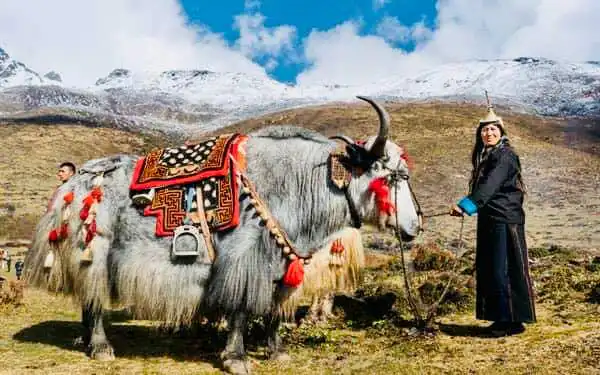
- Tibetan Culture and Hospitality: Throughout the tour, travelers can experience the unique Tibetan culture and hospitality of the Tibetan people, including traditional music, dance, and cuisine.
- Scenic drives: Kathmandu to Tibet by road involves scenic drives through stunning landscapes, including high mountain passes, deep valleys, and rolling grasslands.
Tibet Lhasa Overland Tour Overview
The Tibet Lhasa Overland Tour combines a rugged Kathmandu-to-Lhasa overland tour with the classic Tibet Lhasa City Tour. The Kathmandu to Lhasa overland tour is a fascinating journey across the Himalayas. You will start in the vibrant city of Kathmandu, Nepal, and visit historic sites like Pashupatinath Temple and Boudhanath Stupa.
The ultimate overland adventure begins with a drive to Syabrubesi, then crossing the border into Tibet at Kyirong. Enjoy breathtaking views as you traverse the Tibetan plateau, stopping at Rongbuk Monastery, the highest in the world, for a view of Everest. The journey continues to Shigatse, Tibet’s second-largest city, where you’ll visit Tashilhunpo Monastery, then head to Gyantse, known for its stunning Kumbum.
Finally, arrive in Lhasa, Tibet’s spiritual heart. For two days, explore the iconic Potala Palace, Jokhang Temple, Barkhor Street, and the ancient Drepung and Sera monasteries. Ensure proper acclimatization and prepare for high altitude. Foreign travelers require a permit to visit Tibet, typically arranged through a travel agency as part of a guided tour. Please check with a trusted travel agency for the latest information.
The Tibet Lhasa Tour includes Yamdrok Tso Lake, also known as Turquoise Lake, one of the highlights before you head back down to Lhasa. The fan-shaped lake covers 638 km², spreading south and narrowing to the north. Similar to mountains, lakes are considered sacred by Tibetans. Yamdrok Lake is also well-known as one of the four holy lakes. The three lakes are Lhamo La-Tso, Namtso, and Manasarovar. Every Tibetan, from the Dalai Lama to local villagers, makes pilgrimages here.
7 Night 8 Days Tibet Lhasa Overland Tour Cost
The cost of a Tibet Lhasa Overland Tour varies by tour duration, accommodations, and inclusions. On average, a comprehensive 7-night, 8-day Tibet tour Package can range from $1,300 to $2,500 per person. This cost typically covers accommodation in comfortable hotels, all meals during the tour, an experienced English-speaking guide, private transportation, necessary permits for Tibet, and entrance fees to attractions.
Travelers are encouraged to choose a reputable travel agency that provides a transparent cost breakdown and ensures a memorable, enriching experience while exploring Tibet’s cultural and scenic wonders on the Lhasa Overland Tour or Lhasa to Kathmandu Tour.
Mountain Scenery
When you start your eight-day Tibet Lhasa Overland Tour from Kathmandu, you’ll be captivated by the beautiful mountain scenery that unfolds before your eyes. You will see pristine lakes, enchanting valleys, and the rich cultural heritage of timeless Tibetan settlements. You’ll be amazed by the breathtaking journey along the road to the Tibetan border through the majestic mountain landscapes.
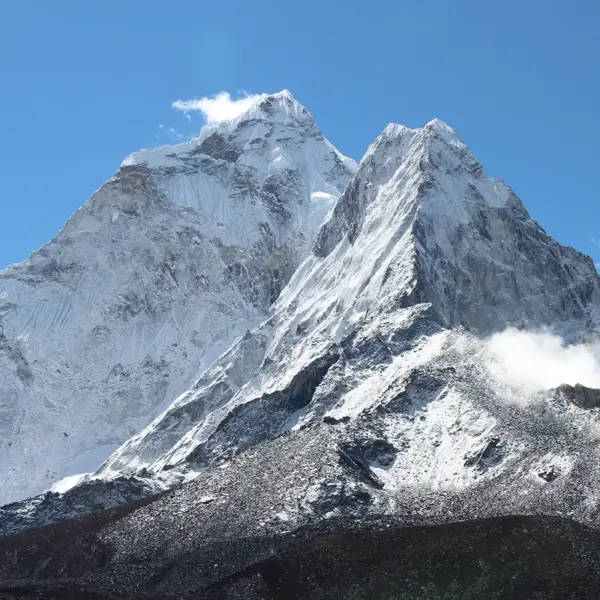
On the Tibet Lhasa Overland Tour, you’ll witness the majestic heights of Everest at 8,848.86 meters, Cho Oyu at 8,201 meters, and Shishapangma at 8,012 meters. If you want to add a personal touch to your itinerary, consider extending your tour from Gyantse to include a visit to Everest Base Camp North and Rongbuk Glacier.
Sacred Tibetan Culture
Tibet has a long history of Sacred Buddhist practices. Buddhism has been practiced in this region since the seventh century and is still alive and strong. You’ll feel this Buddhist vibe throughout the trip, from the monasteries and stupas along the path to insights into Tibetan customs and daily life. Additionally, you can engage with locals and get a glimpse into their way of life. Your tourist guide handles all the arrangements for various cultural activities and events.
Historical sites
With its rich history and plenty of historical sites, the Tibet Lhasa Overland Tour offers a fascinating journey to the heart of ancient cultures. Tibet is home to the magnificent Potala Palace in Lhasa, considered one of the most significant UNESCO World Heritage sites. During the Tibet Lhasa Overland Tour, you’ll have the opportunity to explore Jokhang Temple and Sera Monastery, two fascinating historical sites. These places offer a captivating glimpse into Tibet’s ancient wonders, leaving visitors in awe and offering an opportunity to reflect on its cultural depth.
Unforgettable Unique Cultural Festivals
Tibet’s festivals and rituals are exceptional and rank among the best in the world. The Tibetan New Year, Loshar, is central to Tibet’s vibrant culture. If you bring your family along for the Tibet Lhasa Overland Tour, the experience will be something you’ll cherish forever. Other popular festivals in Tibet include the Saga Dawa, Shoton, and Butter Lamp Festival. During these events, you can witness captivating masked performances, immerse yourself in cultural dance, experience ancient rituals, and explore the depths of spirituality.
How to Get a Lhasa Visa?
To obtain a Lhasa visa, travelers must apply for a Tibet Travel Permit through a registered travel agency in China. The agency handles the Tibet permit process, and travelers must join an organized tour to enter Lhasa. The visa application process takes 3-4 working days before your Tibet trip.
After you arrive, your travel company will bring your passport and other documents to the Chinese Embassy in Kathmandu. For your permit, you must confirm your trip and itinerary with an approved travel agent. Your scanned documents will be gathered and delivered to the partner organization in Tibet for submission to the Tibet Travel Bureau. Visas are issued after 9-10 business days.
Best time for the Tibet Lhasa Overland Tour
The best time for a Tibet Lhasa Overland Tour is during the late spring to early autumn, from April to October. This period offers the most favorable weather and makes for a more comfortable, enjoyable journey. In spring (April to June), vibrant wildflowers adorn the landscape and temperatures are mild, making it an ideal time for sightseeing and cultural exploration.
Summer (June to August) brings warmer temperatures, but be prepared for occasional showers. This season is optimal for trekking and outdoor activities, with clear skies offering stunning views of Tibet’s unique landscapes.
The weather remains pleasant in autumn (September to October), and the clear skies provide excellent visibility for scenic views. Autumn also coincides with many local festivals, immersing travelers in Tibet’s rich cultural celebrations. However, avoid the winter months because harsh weather and road closures can disrupt the overall travel experience.
Tibet Lhasa Overland Tour Itinerary
Day 01: Kathmandu-Kerung Border
Early in the Morning, a scenic drive to Kerung Border (Nepal-Tibet Border) through the beautiful Nepalese countryside and after necessary border formalities at Nepalese immigration, an hour adventurous uphill drive by Bus & Van (usually) or 2-hour walks uphill (in case of landslide to Chinese immigration, check-in to the Hotel or Continue drive to Kerung. Stay overnight at the Guest House.

Breakfast

Guesthouse

4 km / 2.4 miles

2,700 m / 8,858 ft

2hrs
Day 02: Kerung - Tingri / Lhatse
Day drives uphill to the world’s highest plateau, with the typical view of the Tibetan landscape offering the feeling of standing on the world’s roof. From where weather permitting, there is a breathtaking panorama of beautiful Himalayan ranges, including Mt Cho Oyu (8201 M) & Mt Xishapagma (8012M), but dwarfed by the Vastness of the Tibetan plateau. From TINGRI, one can enjoy the magnificence of Mt. Everest (8,848 M). Stay overnight at the Guest House
Breakfast
Guesthouse
4,300 m / 14,108 ft
Day 03: Tingri/Lhaste - Xigatse
Continue the scenic drive, crossing Gyatchu La (5,220M), the highest pass en route to Lhasa via Lhatse. From there, a road to Mt Kailash bifurcates to the west. Stay overnight at the Yak Hotel.
Breakfast
Hotel
5,220 m / 17,126 ft
Day 04: Xigatse - Gyantse
Morning sightseeing at the Panchen Lama’s Tashilhumpu Monastery. Drive to Gyantse and visit the Kumbum Stupa & Phalkor Monastery. Stay overnight at the hotel.
Breakfast
Hotel
3,900 m / 12,795 ft
Day 05: Gyantse - Lhasa
Full-day picturesque drive crossing over Karola (5,010m), Kambala (4,749m), Colorful Yamdrok-Tso Lake, and the Tibetan lifeline river Brahma Putra (Yarlung Tsangpo) – Stay overnight at Flora Hotel.
Breakfast
Hotel
5,010 m / 16,437 ft
Day 6-7: Sightseeing In Lhasa
Two full days of sightseeing tours to Lhasa, including Jokhang Temple, Barkhor Bazaar, And Potala Palace Drepung & Sera Monasteries. Stay overnight at the hotel.
Breakfast
Hotel
3,656 m / 11,995 ft
Day 08: Lhasa - Kathmandu
Early in the morning, drive to Gonggar airport or train station for your departure flight to Kathmandu or your onward destination in Mainland China.
Breakfast
3,656 m / 11,995 ft
What To Expect?
What's Included
- China/Tibet Visa Fee
- Airport Pickup/ drop service
- Hotel Accommodation on twin sharing basis
- Daily Breakfast
- Private Transportation by jeep/van as per the group size
- Necessary Tibet Travel Permit
- Sightseeing and Entrance fees as per the itinerary
- English-speaking Tibetan guide
- All the Government and local taxes.
What's Excluded
- Lunch and Dinner.
- Insurance of any kind.
- Personal expenses like beverage, mineral water, and tips.
- Natural and political disturbance and unforeseen circumstances.

Tripadvisor Reviews








Google Reviews


Tibet Lhasa Overland Tour Additional Information
Major Attractions of the Tibet Lhasa Overland Tour
Border formalities: You must get a Tibet Travel Permit and a Tibet Group visa to enter Tibet from Nepal. Arriving early and ensuring you have all the required documentation ready for the border formalities is an excellent idea to avoid unnecessary delays. You should not photograph the Chinese customs and soldiers while at the border.
Rasuwagadi-Kerong Border: It is the Nepal and Tibet’s boarder crossing location. It is approximately 23 kilometers from Kerong town and serves as Nepal’s only land border with Tibet, China.
Tingri: It is a small settlement on the way from Kathmandu to Lhasa. It is a famous stopover for travelers because it provides breathtaking views of Mt. Everest, Mt. Xisapangma, Mt. Makalu, and other majestic Himalayan peaks during the journey.
Gyanchula Pass (5220m): This breathtaking mountain pass is located at an impressive altitude of approximately 5,220 meters above sea level. It is situated on the route between Tingri and Shigatse and offers stunning views of the majestic Himalayas.
Tashi Lhunpo Monastery: This historic monastery, located in Shigatse, is significant as the home of the Panchen Lama and is considered one of the largest and most important in Tibet. It has long been recognized as the traditional seat of the Panchen Lama.
Khumbum Stupa and Palkhor Monastery: These monasteries are well-known Buddhist sites in Gyantse. Their architecture and decoration are genuinely one-of-a-kind.
Karola Glacier: This glacier is situated along the trail between Gyantse and Lhasa, offering travelers an amazing sight. This place is a must-visit for any traveler exploring Tibet. The views of the surrounding landscape are breathtaking and will leave you in awe.
Kamba La Pass: Located high in the mountains, Kamba La Pass offers a breathtaking view that is a must-see for anyone traveling to Lhasa. Stop at this scenic viewpoint as you make your way across Yamdrok Lake. The surrounding Himalayas provide stunning views.
Potala Palace: This magnificent palace is on Marpo Ri (Red Hill) in the heart of Lhasa. This historical building served as the winter palace for the Dalai Lama for nearly three centuries until 1949. Today, it has been turned into a museum and administrative building complex. This site is widely recognized as a top destination for spiritual seekers, earning it a prestigious UNESCO World Heritage Site designation in 1994.
Sera Monastery: It is a fascinating historic site in Lhasa. It is renowned for its stunning architecture and its famous debating session.
Barkhor Market surrounding Jokhang Temple: The Barkhor Market is a vibrant hub surrounding the iconic Jokhang Temple. Its one-of-a-kind architecture and bustling shopping area attract tourists.
Accommodations in Tibet Lhasa Overland Trip
While Lhasa has few options, Tibet is not mainly known for the number of luxurious 5-star resorts. The accommodations in China’s central and coastal regions are generally better than those here. If you’re looking for a hotel in Lhasa that suits your interests and budget, there are plenty of options. You can find anything from simple yet tidy youth hostels to luxurious 3-star hotels with unique Tibetan designs.
We carefully select secure and cozy hotels in Shigatse and Lhasa. You can visit Barkhor Street and the Jokhang Temple from your Lhasa accommodation to learn about the local culture and lifestyle. Lodging is usually less expensive in remote areas like Tingri, Gyantse, Gyirong, etc.
Altitude Sickness During Tibet Lhasa Overland Tour
When you travel at high altitudes over 3,000 meters above sea level, you may experience altitude sickness, also known as Acute Mountain Sickness (AMS). If you skip the flight to Lhasa (3,656 meters) and travel on a road trip from an altitude of 1,400 meters at Kathmandu, you’ll have a lower chance of experiencing altitude sickness.
Since you’ll be traversing high mountain passes, you might encounter mild symptoms of AMS. Some symptoms of this condition are headache, nausea, difficulty breathing, increased heartbeat, and trouble sleeping. If you notice any of these symptoms, it’s important to contact your guide or tour operator immediately. Drinking plenty of water can help reduce symptoms of altitude sickness.
Lhasa Overland Route
The Lhasa tour package or Tibet tour package from Kathmandu is the classic 8-day Lhasa Overland Tour, a drive-in and fly-out tour from Kathmandu via Rasuwa-Kerung Highway to Lhasa. Lhasa to Kathmandu by road can also arrange Tibet Lhasa Overland Tour from Kathmandu to Lhasa flight in the opposite direction at your request.
We, Tibet, offer packages for both group and private tours. A customized itinerary with a travel and accommodation plan is available upon request.
Tibet Lhasa Overland Tour FAQs
How to reach Tibet Lhasa?
Travelers can reach Lhasa from China or Nepal. Flying is the quickest method, but you can also take the Qinghai-Tibet Railway.
Is it safe to visit Tibet Lhasa Overland Tour?
Yes, it is safe to visit Lhasa, and the crime rate is low.
How do you fly to Tibet from the USA?
You can fly from New York and Newark International Airport to Beijing, Shanghai, Guangzhou, and Chengdu, or from Washington to Beijing and then connect flights to Lhasa, Tibet.
Can old people visit Tibet?
Old people can travel to Tibet as this tour has no limitations.
How hard is it to travel to Tibet?
Although Tibet is an integral region in China, visiting Tibet requires more than a Chinese visa. You need to obtain the Tibet Travel Permit to board a train, fly, or enter the Tiber. Individual tourists are not permitted to travel to Tibet without a tour company.
US$ 1,300 per person
- 24/7 Customer Support
- Experienced and Professional Team
- Hassle-Free and Easy Booking
- 99% Customer Satisfaction
- Fair Prices, Exceptional Service
- No Hidden Costs and Secure Payments
- Tailored and Personalized Itineraries
24 X 7 Live Support

Puru (+977-9851069558)
Related Trips



Recent From Our Blog Places of attractions, travel tips, news and more.
Blog
Everest Climbing Routes: A Complete Guide to Every Way to the Summit
Mount Everest, standing at 8,849 meters, is Earth’s highest mountain. Nepal calls it Sagarmatha, and…
Read the full post
Blog
Famous Buddhist Monasteries in Nepal: History, Culture and Travel Tips
Nepal is a country where ancient traditions, spiritual beliefs, and beautiful mountain landscapes come together.…
Read the full post