




12 Days


Quick Facts

Ground transportation

Hotels accommodation

All meals except in Kathmandu

Guided tour & trek throughout the trip

Autumn, Spring

Easy

Nepal and Bhutan

3,120



Why Nepal Bhutan Tour with Wildlife Safari -12 days?
Nepal and Bhutan: a journey filled with breathtaking mountains, peaceful moments, warm smiles, and unforgettable memories. Travel far, feel deeply, and cherish every beautiful moment forever.
- See the best of Nepal and Bhutan within eight days in one Nepal-Bhutan tour.
- Tour the Durbar Squares and the Hindu-Buddhist legacy of Kathmandu.
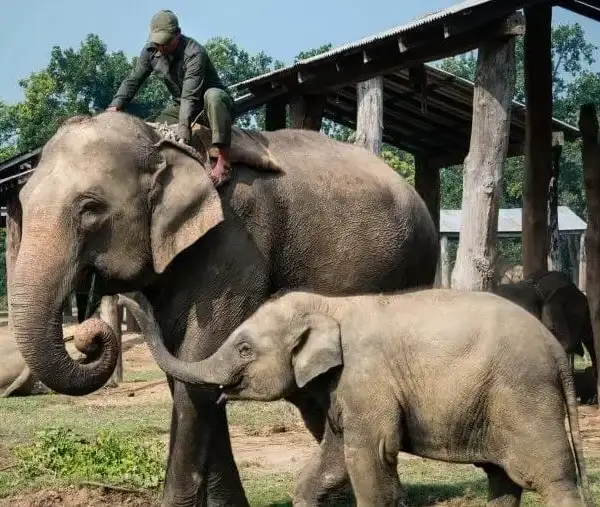
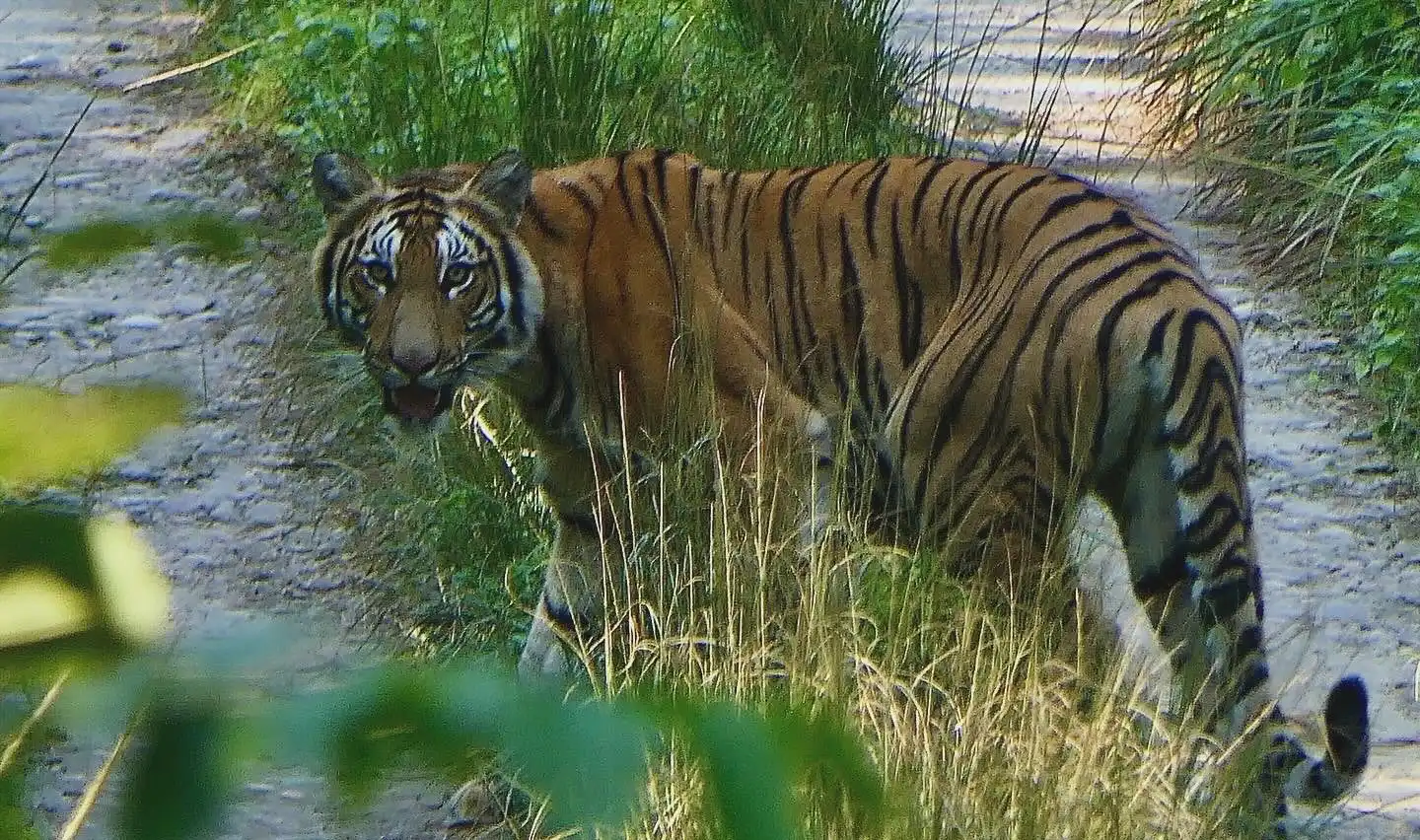
- Enjoy a wildlife safari in Chitwan National Park.
- Take a scenic flight from Kathmandu to Bhutan with Himalayan scenery.
- Visit theBuddha Dordenma statue and the local markets in Thimphu.
- Cross the Dochu La Pass (3,100m) to get a panoramic view of the mountains.
- Explore the Punakha Dzong, the riverside medieval fortress of Bhutan.
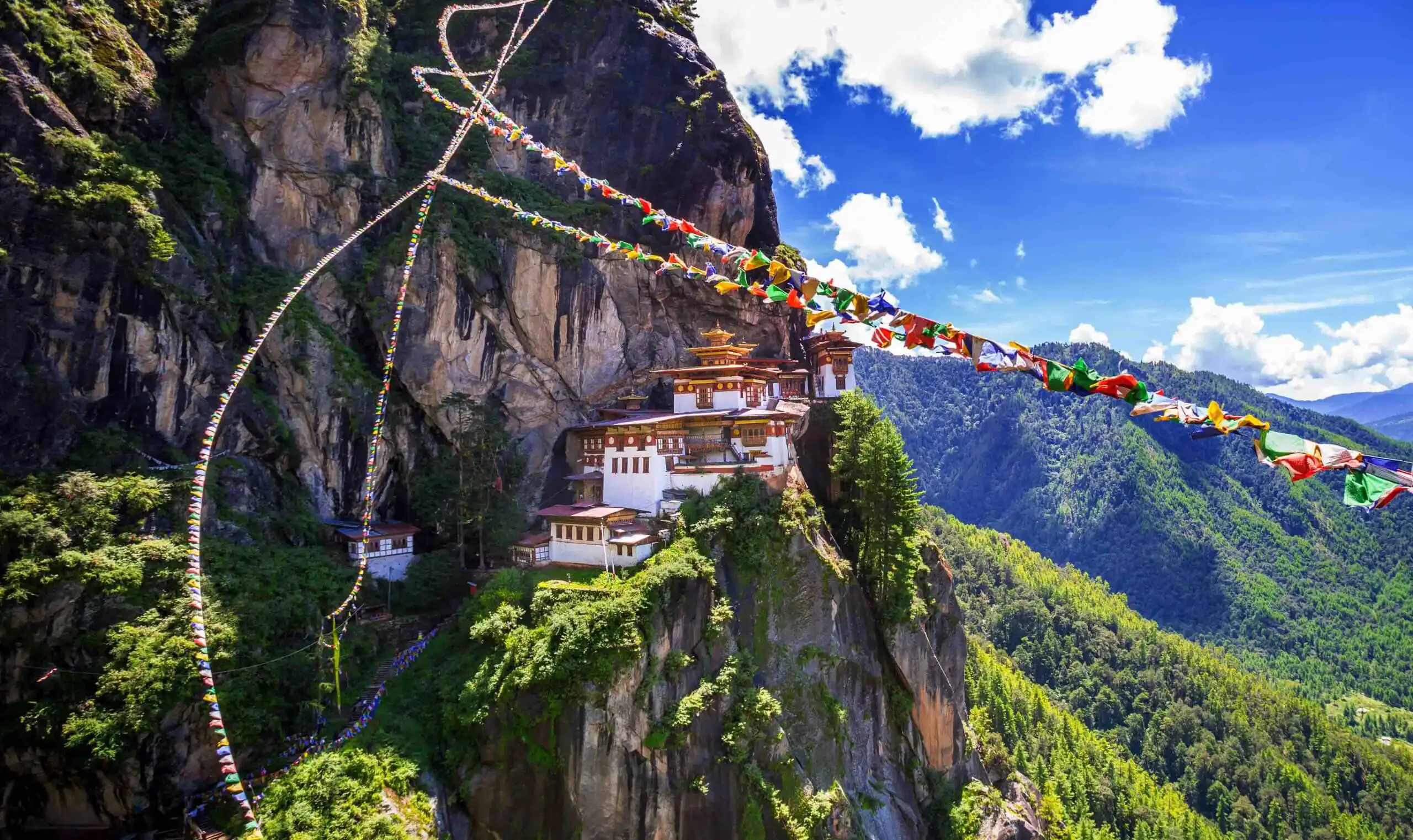
- Hike to the Tiger Forest monastery (Taktsang) on a cliff.
- Live like the locals by exploring Nepalese temples, Bhutanese monasteries, and the local cuisine.
Nepal Bhutan Tour with Wildlife Safari -12 days Overview
The 12-day Nepal-Bhutan Tour combines cultural tourism, wildlife, and Himalayan scenery across two neighboring nations. The trip starts in Kathmandu, where you will visit ancient temples, historic palace squares, and Buddhist stupas, then head to the Chitwan lowlands for a jungle safari. The trip returns to Kathmandu, then heads to Bhutan for visits to traditional towns, mountain passes, a riverside fortress, and the popular Tiger Nest Monastery.
You will spend the first two days in Kathmandu, Nepal’s capital. The key heritage sites that you will visit include Swayambhunath Stupa, Kathmandu Durbar Square, Patan Durbar Square, Bhaktapur Durbar Square, Pashupatinath Temple, and Boudhanath Stupa. These trips offer insight into Nepalese history, architecture, and Hindu and Buddhist cultures that remain part of daily life.
On Day 03, we will drive from Kathmandu to Chitwan, a region known for its subtropical forests, grasslands, and wildlife. The next day will be dedicated to a jungle safari and other activities within and around Chitwan National Park. You may spot one-horned rhinoceroses, deer, crocodiles, and various bird species, depending on the activities organized. On Day 05, you will return to Kathmandu after breakfast and prepare for the next part of the journey.
On Day 06, you will fly from Kathmandu to Paro, Bhutan. After completing arrival formalities, you will continue with the planned Bhutan itinerary. The trip to Thimphu will introduce you to Bhutanese culture, places of worship, and life in the capital. You may visit the National Memorial Chorten, Buddha Dordenma, and other cultural sites based on the schedule.
The tour continues to Punakha via Dochu La Pass, which has 108 memorial chortens along the mountain path. In Punakha, you will see Punakha Dzong, an old fortress at the confluence of two rivers. The journey back to Paro offers more chances to enjoy the valleys and Bhutan’s traditional architecture.
One of the most significant parts of the Bhutan experience is the hike to Taktsang Monastery, also called Tiger’s Nest. The monastery sits on a cliff above Paro Valley, and the walk takes several hours of climbing. You should take breaks and listen to your guide during the hike.
On the 11th, you will fly back to Kathmandu, Paro. Your last day will be your international departure from Nepal. My Everest Trip will arrange the planned accommodation, transportation, guided sightseeing, and activities included in your confirmed package.
This Nepal Bhutan Tour by My Everest Trip (MET) suits travelers who want to experience Nepalese culture and wildlife alongside Bhutan’s monasteries and mountain scenery within one holiday. Confirm the flight details, Chitwan activities, accommodation type, and meals before booking to ensure the itinerary aligns with your travel plans.
Nepal Bhutan Tour with Wildlife Safari -12 days Itinerary
Day 01: Arrival in Kathmandu (Nepal)
Day 1 of the Nepal Bhutan tour itinerary involves your arrival in Kathmandu, Nepal, and you undergo immigration and customs at Tribhuvan International Airport. You are greatly welcomed by our representative of My Everest Trip, who then puts you in a personal transfer to the hotel, where you are taken through the beautiful valleys that surround the capital city.
The rest of the day is reserved after the check-in. You can decide to take a rest after the trip or go out in the Thamel streets that are colourful with their shops, cafes, and local restaurants. The average altitude (1,400 meters) offers easy acclimatisation and a slow beginning of the journey.
During the evening, a brief welcome meeting in which the schedule of tours is outlined and the questions are answered. You can then go enjoy a Nepali dinner, or a Newari meal, or just relax with tea or momos in the local cafe before the actual journey starts.

Hotel

1,400 m / 4,593 ft

30 min drive
Day 02: Kathmandu Full Day City Sightseeing
After breakfast, you will explore Kathmandu Valley with a guided sightseeing tour. Explore Swayambhunath Stupa and Kathmandu Durbar Square to understand the Buddhist culture, the royal history, and architecture of Nepal.
Visit Pashupatinath Temple, a significant Hindu shrine along the Bagmati River, and then Boudhanath Stupa, a key hub of Tibetan Buddhism. Subsequently visit Patan Durbar Square and Bhaktapur Durbar Square, which have historic temples and Newari architecture. The sightseeing order may vary depending on traffic and available time.

Breakfast
Hotel
1,400 m / 4,593 ft
8-9 hours sightseeing
Day 03: Drive to Chitwan
After breakfast, we will leave Kathmandu and drive towards Chitwan in the southern Terai region of Nepal. The path goes through the river valleys, villages, terraced fields, and villages. The drive normally requires about 5 to 7 hours with traffic and the conditions of the road and the stops along the route.
After arriving in Chitwan, you will check in at your hotel or jungle lodge. The rest of the day is available to relax after the journey. Depending on your arrival time and the arrangements included in your package, you may visit a nearby Tharu village or enjoy a cultural programme in the evening.
Chitwan offers a contrast to Kathmandu, warmer climate, greenery, and another aspect of Nepalese life. Your guide or lodge representative will explain the activities planned for the following day.
Breakfast, Lunch, Dinner
Hotel
150 m / 492 ft
5-7 hours Drive
Day 04: Chitwan Jeep Safari, Canoe Ride and Wildlife Activities
After breakfast, you will spend the day exploring the natural surroundings of Chitwan National Park and enjoying the wildlife activities arranged for your visit. Depending on the confirmed package and park fees, activities can be a jeep safari in the park, a guided nature walk, a river trip on a canoe, birdwatching, or a Tharu community visit.
Chitwan is known for its one horned rhinoceroses, deer, crocodiles, and wide variety of bird species. Wildlife sightings depend on the season, weather, and natural conditions, so sightings cannot be guaranteed. Through the activities, local guides will be used to tell about the wildlife, habitats, and conservation in the area.
After completing the planned activities, you will return to your hotel or jungle lodge. You can spend the evening relaxing or watching a Tharu cultural programme in case it is part of your package.
Breakfast, Lunch, Dinner
Hotel
150 m / 492 ft
Full day Wildlife Activities
Day 05: Drive Back to Kathmandu
After breakfast, you will leave Chitwan and drive back to Kathmandu. The journey takes you through the Terai region before continuing along river valleys, green hills, and small settlements. It normally takes about 5 to 7 hours of drive based on the traffic and road conditions.
After reaching Kathmandu, you will transfer to your hotel and have time to rest after the journey. The rest of the day is mostly free, so you may rest, visit local stores, or have a meal in a local restaurant. Our team will confirm your flight arrangements for the following day, when you will travel from Kathmandu to Paro, Bhutan. Remember to carry your passport and flight documents and go and check your departure time before the day ends.
Breakfast
Hotel
1,400 m / 4,593 ft
5-7 hrs Drive
Day 06: Flight from Kathmandu to Paro, Bhutan
After breakfast, you will transfer to Tribhuvan International Airport for your flight from Kathmandu to Paro, Bhutan. The flight offers views of the Himalayan landscape when weather conditions and the flight route allow.
Flight duration and departure times depend on your confirmed booking and airline schedule.
Upon arrival at Paro International Airport, you will complete the required immigration formalities and meet your local representative. You will then transfer to your hotel and settle in. Depending on your arrival time, you may have an opportunity to explore the surrounding area or enjoy a relaxed evening.
Paro is known for its traditional Bhutanese architecture, mountain scenery, and cultural landmarks. Your guide will brief you about the upcoming sightseeing programme and travel arrangements.
Breakfast
Hotel
2,200 m / 7,218 ft
1 hrs Flight
Day 07: Thimphu Sightseeing
The fourth day starts with a scenic exploration of the lives of the Bhutanese people by driving through Paro to the capital city of Bhutan, Thimphu, a two-hour drive through the forested valleys and mountain scenery.
On arrival, pay a visit to the ancient hilltop monastery, Changangkha Lhakhang and the National Memorial Chorten, where locals take a stroll around the building, spinning prayer wheels.
The Nepal Bhutan Tour is followed by visiting the School of Painting to witness the traditional Bhutanese art, and next is the amazing Buddha Dordenma that overlooks the Thimphu Valley.
Subsequently, visit the Thimphu Market section or the national archery field to see what life is like. Evening is chilled, and one can unwind at the hotel or take a peaceful walk.
Breakfast, Lunch & Dinner
Hotel
2,334 m / 7,657 ft
2 hours driving
Day 08: Punakha via Dochu La
The day will start with further sightseeing in Thimphu, including the Tashichho Dzong, the seat of the Bhutan government and monastic body and the visits to cultural institutions, including the National Library or the traditional school of painting.
The trip departs the capital and heads to the east to the picturesque Dochu La Pass, an elevation of 3,100 meters that is characterised by 108 white chortens and fluttering prayer flags.On sunny days, the pass has panoramic Himalayan views.
The road then goes on to fall through pine forest and rhododendron forests into the Punakha Valley, which is a warmer air-valley. Other stops along the way after lunch include visiting Punakha, where the hotel is and finally visiting the grand Punakha Dzong before a peaceful evening by the river.
Breakfast, Lunch & Dinner
Hotel
3,100 m / 10,171 ft
3-4 hours driving
Day 09: Punakha to Paro
This day starts by visiting Punakha Dzong, the fortress of the riverside, where the first king of Bhutan was crowned, and Chimi Lhakhang, the Temple of the Divine Madman, which is considered an authority on the blessing of fertility.
The Punakha suspension bridge offers a spectacular view of the river as people walk across it amid a lush valley landscape.
The trip then moves westwards to Paro, including a visit to Simtokha Dzong, the oldest fortress in Bhutan that is now a small museum of ancient manuscripts and some thangka paintings.
Travelling across varying Himalayan scenery, reach Paro in the late afternoon. When time allows, visit Rinpung Dzong or the National Museum and then go to sleep in the serene Paro Valley.
Breakfast, Lunch & Dinner
Hotel
2,485 m / 8,153 ft
4 hours driving
Day 10: Tiger’s Nest Hike and Paro
On this day of the Nepal Bhutan Tour, hike to the legendary Taktsang Monastery, the Tiger Nest, after breakfast,for an incredible scenic walk. The trail is clearly defined and starts just above the Paro Valley, followed by gradual ascents and rest points that allow one to have a panoramic view of the valley below.
The distance to the monastery is approximately 3,120 meters, and the round-trip elevation gain is approximately 800 meters, for a walk of about four to five hours. Part of the ascent is offered by a short horse ride.
The red-and-white monastery sits dramatically on a cliff and emanates profound spiritual calm, surrounded by prayer flags and the mountain’s silence. Lunch, then drive back to Paro.
Optional tours include Drukgyel Dzong, Kyichu Lhakhang, or a soothing farmhouse hot-stone bath, followed by a lazy night out in town.
Breakfast, Lunch & Dinner
Hotel

10 km (trail to Taktsang)
3,120 m / 10,236 ft
6-8 hours (hike and sightseeing)
Day 11: Departure from Paro to Kathmandu
After breakfast, you will transfer to Paro International Airport for your return flight to Kathmandu, Nepal. The flight schedule will depend on the confirmed airline booking and operating conditions. On arrival at Tribhuvan International Airport, you will complete the required immigration formalities and meet your representative for the transfer to your hotel.
After checking in, you can spend the remainder of the day relaxing or exploring Kathmandu if time permits. You can also go to local shops to buy souvenirs or get a final Nepali meal prior to your international flight the next day.
An overnight stay in Kathmandu is planned to allow time for your onward international flight. If your flights are booked separately, make sure there is sufficient time between the Paro to Kathmandu flight and your international departure.
Breakfast
Hotel
2,200 m / 7,218 ft
1 hrs flight
Day 12: Final Departure
After breakfast, you will check out of your hotel and transfer to Tribhuvan International Airport for your international departure. Our representative will arrange the airport transfer according to your flight schedule.
Before you leave the hotel, please make sure your passport, flight tickets, and other traveling documents are ready. In case of early morning flight, you can have breakfast as a packed meal or it can be unavailable depending on hotel provision.
This is the conclusion of your Nepal Bhutan Tour. Hopefully, your stay in Nepal and Bhutan has been a fulfilling experience in terms of cultural heritage, wildlife, traditional communities, and the Himalayan scenery.
Breakfast
1,400 m / 4,593 ft
Departure
What To Expect?
What's Included
- Airport pickup and drop off in Kathmandu and Bhutan, according to the confirmed arrangements.
- Hotel accommodation in Kathmandu and Bhutan as per the itinerary.
- Accommodation in Chitwan during the jungle safari stay.
- Daily breakfast at the hotels, as specified in the itinerary.
- Lunch and dinner in Chitwan, if included in the selected package.
- Private or tourist vehicle transportation for sightseeing and road journeys in Nepal and Bhutan, as confirmed.
- Kathmandu to Chitwan and Chitwan to Kathmandu transportation.
- Flight from Kathmandu to Paro and return flight from Paro to Kathmandu.
- Guided sightseeing in Kathmandu, Thimphu, Punakha, and Paro, according to the itinerary.
- Chitwan National Park jungle safari and other planned activities, if included in the confirmed package.
- Sightseeing at Dochula Pass and the planned hike to Tiger’s Nest Monastery.
- Bhutan guide and local tour arrangements, according to the confirmed package.
- Applicable permits and entry fees, where specified in the package.
What's Excluded
- International flights to and from Nepal.
- Nepal visa fees, if applicable.
- Bhutan visa processing fees and Sustainable Development Fee, unless specifically included in the package price.
- Travel insurance covering medical expenses, emergencies, and trip cancellation.
- Lunch and dinner in Kathmandu and Bhutan, unless specified in the package.
- Meals and drinks not mentioned in the confirmed itinerary.
- Personal expenses, including laundry, snacks, beverages, and telephone charges.
- Tips for guides, drivers, and other service staff.
- Additional activities in Chitwan that are not included in the confirmed package.
- Entrance fees, permits, or activity charges not specified under the inclusions.
- Additional hotel nights caused by flight delays, cancellations, or changes to the itinerary.
- Any services not specifically mentioned in the What’s Included section.

Tripadvisor Reviews








Google Reviews


Nepal Bhutan Tour with Wildlife Safari -12 days Additional Information
Trek Difficulty
The Nepal Bhutan tour is of a moderate level and can be undertaken by an average-fitted person. The Nepal part is dedicated to sightseeing in the city of Kathmandu and relaxed walks in the streets of the city, which are, in general, flat with a few hills and valleys. The majority of the visits in Bhutan are to temples and other cultural sites that do not pose difficulties to walk to, making the general speed easy and relaxed.
The revised 12 day Nepal Bhutan tour also includes a drive to Chitwan and wildlife activities, which depend on the confirmed package and park regulations.
The primary physical difficulty is the hike to Taktsang Monastery (Tiger’s Nest), which is optional. It is not a technical hike but entails slow uphill hiking on the steps of the stones and rocky paths. The round trip may take a number of hours, and it has a higher altitude, hence it may seem exhausting. Nevertheless, common rest and slow speed, as well as the possibility to bring trekking poles, make it manageable for a large number of travellers.
You can hike with families, children, and active seniors, and get through it easily. There is no technical equipment or mountaineering skills required. It will also extend the comfort with regular walking and light jogging before the trip.
The traveller must be assured of the security of walking long distances over rough terrain and adhere to safety advice offered by the guide, and in particular within the areas that are open. This Nepal Bhutantour is attainable with simple preparation and a positive attitude, and this tour has been fulfilling forthe majority of the tourists.
Weather and Best season
The climatic environment in Nepal and Bhutan is Himalayan and has its own pattern of seasons, and this trek can be carried out throughout the year with proper planning. The most favourable season to have a Nepal Bhutan tour is the spring season (March-May) and the autumn season (September-November).
These seasons are characterised by pleasant weather, free mountain views, and pleasant conditions to sightsee and flying. Blooming rhododendrons and landscape mark the beginning of spring, and crisp air, stable weather and excellent visibility mark the fall. Kathmandu and Thimphu have daytime temperatures of between 10 and 25 °C and lower temperatures in the evenings in the high places. Chitwan is generally warmer than Kathmandu and Bhutan, particularly during summer, when temperatures and humidity can be high.
Winter (December-February) is dry, but colder, particularly at night and in mountain passes, where the temperatures can be below 0 C.
Due to clouds or fog, flight delays sometimes can occur in summer and monsoon months (June-August) when it rains, humidity is high, and the delay can be long. During the period, trails may get slippery. The Himalayan weather is also unpredictable, and it is always best to carry warm clothes.
Food & Drink during Nepal Bhutan tour
The food in the Nepal Bhutan tour is multicultural, soothing, and full of local taste. In Nepal, the food typically consists of dal bhat (rice and lentils), curries (either vegetable or meat), momos (dumplings), and local snacks.
Meal arrangements depend on the confirmed package, so check which breakfasts, lunches, and dinners are included, particularly during the Chitwan stay.
Kathmandu has restaurants that offer Tibetan and international dishes, and therefore, the meals are flexible and diverse. Bhutanese cuisine is more substantial and tends to be spicier, with ema datshi (chillies cooked in cheese) and red rice being the special menu items.
Hotels in Bhutan may serve local and international dishes, depending on the property and meal arrangements included in the package. There is a wide range of vegetarian and vegan options, spice level can be changed on demand.
You should drink bottled water, tea and juices since tap water may not be clean enough to drink. Local beverages are optional, such as butter tea or ara. It is better to inform your guide about allergies or dietary requirements ahead of time to make arrangements.
Altitude Sickness
The elevation is fairly gentle, and the altitude challenge is not common among most of the visitors on this Nepal Bhutan tour. Paro is approximately 2,250 meters high; Kathmandu is approximately 1,400 meters high, and the highest point is approximately 3,120 meters high at Taktsang (Tiger Nest) Monastery. All these heights are usually manageable, particularly the gradual progress that is incorporated in the itinerary.
You might have some mild symptoms beyond the height of 2,500 meters, including headaches, slight fatigue, or breathlessness. They can be generally controlled by walking slowly, consuming adequate fluid and taking breaks.
It is highly recommended that youavoid alcohol during the initial days at elevated altitudes. In case you are not feeling well, report to your guide to make the necessary changes.
Paro and Thimphu have hospitals and clinics that are prepared to address altitude issues. Any traveller with heart, lung or past altitude concerns should contact a physician before travel. Altitude sometimes stands in the way of having fun on the tour, given some sensible precautions.
Preparation and Fitness
The Nepal Bhutan tour is recommended to travellers who are at a basic level of fitness and have an adventurous mind. Most of the activities are quite mild; however, the walk to Tiger’s Nest takes several hours of walking steadily on rocky slopes.
It will be much more comfortable to get ready before the Nepal Bhutan with frequent brisk walks, climb up stairs, ride a bicycle, or swim. It is strongly suggested to strengthen and build up the legs a few weeks before departure.
Good hiking shoes that are broken in and have good grips are necessary. Prepare a small daypack with water, sunscreen, a hat, and layered clothing since mountain weather is prone to change. Trekking poles may also prove useful, particularly during the downward steps. Casual wear will be suitable in cities; however, modest wear will be needed in temples.
No hiking experience is required, and the majority of healthy people can cope with the tour. Consult us about any medical issues pre-emptively. It is an easy trek to go to with the right equipment, a good mindset, and a little preparation.
Visa and Permits for Nepal Bhutan tour
Nepal and Bhutan have separate visa requirements, both of which are easily acquired with sufficient preparation.
Nepal Bhutan Tour
In Nepal, a tourist visa can be obtained by most travelers at Kathmandu International Airport. A 15-day multiple-entry visa costs USD 30, and a 30-day visa costs USD 50; both must be paid in cash (USD preferred). Carry passport-sized photographs, and get a passport that is at least six months old with blank pages.
Bhutan does not permit individual travel; therefore, visas must be pre-booked through a tour operator. Your documents are sent to the Bhutanese authorities, and once permission is granted, you receive a visa clearance letter.
My Everest Trip can advise you on the required visa arrangements and documents for your trip. Present your visa clearance documents on arrival in Paro as required. Confirm with My Everest Trip whether Bhutan’s Sustainable Development Fee and visa processing charges are included in the revised 12 day package. Keep copies of your passport, visa approval, and other required travel documents throughout the trip.
Health & Safety
Nepal and Bhutan are secure tourist spots for those with normal health and safety concerns. Keep routine vaccinations like the MMR, tetanus, polio, Hepatitis A vaccinations, and Typhoid ones are usually up-to-date.
In both nations, do not drink straight from the tap, but drink bottled or purified water.
The large cities such as Kathmandu and Thimphu have well-developed healthcare facilities, and minor problems can be treated in the pharmacies. Pack essential medicines, hand sanitizer and insect repellent.
The risk of mosquito-borne diseases is low in elevated levels. Road travel is in the form of winding mountain roads, which are done with experienced drivers and well-maintained vehicles. Adhere to the guide directions on ascents and sightseeing. Medical coverage and emergency services are highly recommended to be covered by travel insurance.
Transportation
The 12 day Nepal Bhutan Tour includes road travel, sightseeing transfers, and flights according to the confirmed itinerary. In Nepal, the journey includes transportation from Kathmandu to Chitwan and back to Kathmandu.
On Day 06, you will fly from Kathmandu to Paro, Bhutan, and on Day 11, you will fly from Paro back to Kathmandu. In Bhutan, road transfers connect Paro, Thimphu, and Punakha according to the itinerary.
The type of vehicle, flight arrangements, and services included in the package should be confirmed with My Everest Trip before booking. Weather, road conditions, and flight schedules may affect travel times.
Travel Insurance
This Nepal Bhutan tour requires travel insurance, which should be obtainedon your own. Your policy must include medical treatment, emergency evacuation, including helicopter rescue at an altitude of more than 3,000 meters, cancellation of trips, and disappearance or theft of property.
Altitude-related illness and international travel coverage are needed, and COVID-related coverage might be necessary based on the existing regulations.
There is a shortage of medical centres in the remote parts of Bhutan, and evacuation insurance is therefore very crucial. We advise that you should buy insurance once you have made your booking, so that you are secure by the time you leave.
Always have a copy of your policy, both digital and printed, and contact numbers of emergencies. The tour price does not include insurance, but it gives important peace of mind during the trip.
Your extra expenses during the Nepal Bhutan tour
Although the Nepal Bhutan Tour takes care of the majority of big expenditures, tourists would need to spend more money on personal expenses. The meals in Kathmandu, snacks on the road, bottled water, soft drinks and alcoholic drinks are charged individually.
Additional activities, like a horse ride halfway to the Tiger nest, the traditional hot stone baths, cultural entertainment or drinks, will be extra expenses. The shopping part is also a regular attraction, particularly of handicraft, pashmina shawls, thangka paintings, and local souvenirs, which differ in price significantly.
Tips for guides and drivers, which tend to be USD 5-10 a day per person and restaurant tips of 10-15% as a token of good service is also your personal expenses. Hotels and larger shops accept credit cards, whereas small vendors accept cash. In Nepal, local SIM cards are optional and cheap, whereas data SIMs are expensive in Bhutan.
Your additional spending will depend on meals not included in the package, drinks, tips, shopping, and optional activities. Confirm which expenses are covered before departure and carry some local currency for personal purchases.
Language & Communication
A Nepal Bhutan tour is usually not very demanding when it comes to language and communication. Nepal is a Nepali-speaking country, whereas Bhutan is a Dzongkha-speaking country, but English is an important language spoken in both countries, particularly in hotels, restaurants and among the guides and tour staff.
The tourists can easily use English in their day-to-day communication. Nepal Locals are very welcoming, and it helps to learn the basic phrases in Nepal, like Namaste or in Bhutan, like Tashi Delek or Kadrinchey (thank you).
Major cities such as Kathmandu, Paro, and Thimphu have good internet connectivity; however, in the rural or mountainous regions, the internet connectivity becomes slow. There are local SIM cards, which are cheap and 3G/4G coverage in towns.
Power supply in both countries is 220 V. It is advisable to have a universal plug adapter and a power bank with one, since there is no guarantee that the hotel rooms will have USB outlets.
Mobile Network, Internet & Charging Facilities
Mobile coverage is safe in Nepal, but in Bhutan, it is becoming better, but is still limited in some of the remote valleys. Nepal has low-cost SIM cards available at the airport or at the city shops, which include NTC or Ncell. SIM cards of Bhutan Telecom or TashiCell can only be purchased in Thimphu and Paro in Bhutan and must be registered with a passport.
Both countries have 3G/4G in the towns, but the speeds can slow down in the rural areas. Wi-Fi is available in most of the hotels, but the connection might be slow. The power bank can be carried on hikes.
Mobile coverage and internet access may be limited around Chitwan National Park, so download important travel documents and maps before visiting.
Don’ts on this trip
When travelling in Nepal and Bhutan, one has to respect local customs. In Nepal, one should take off shoes and hats prior to entering a temple and wear clothes that cover the shoulders and knees.
Do not touch the heads of people, do not point at your feet, and do not step over religious objects. In Hindu places like the Pashupatinath, photography is prohibited, and the worshipers are to be kept at a decent distance at all times.
The conduct in the dzongs and monasteries is supposed to be silent and with reverence in Bhutan. Circumnavigate stupas and prayer wheels clockwise, talk in low tones, and obey your guide.
Give and take with your right hand, and do not step over thresholds and sacred signs or door frames. Affectionate gestures, loudness and use of fingers are not encouraged.
Always seek permission before taking pictures of people, monks and religious areas and never flash in temples.
Respect for the environment is also important. Be on established paths, never litter, and do not damage or kill wildlife or plants. There is a strict enforcement of laws, particularly in terms of drugs and the general behaviour of people. Respect for religious traditions and the royal family of Bhutan should guarantee a good and culturally sensitive experience in the country of travel.
Photography and Drone Rules for the Nepal Bhutan Tour
In Nepal and Bhutan, photography is accepted in the majority of attractions, but one must be very culturally sensitive. Visitors can take pictures of temples and stupas in Nepal, but not within inner sanctums, like the Pashupatinath Temple.
In Bhutan, photography is only allowed inthe exterior of the dzongs and monasteries, but not in the interior, monk quarters, and personal rituals. Never take a snapshot without noticing signs that say no photography, and never take a snapshot without asking permission before capturing a photograph of the local individuals. Flash photography should be avoided around prayer wheels, mirrors or holy objects.
The application of drones is very limited. In Bhutan, drones are prohibited unless a tourist has special government permission, which is hardly given to tourists. Unofficial drone flights carry penalties of huge fines.
Drone technology is also regulated in Nepal, and it must not be used without any official permit from the Civil Aviation Authority of the country.
Early mornings provide the best photography of places that are considered iconic, such as the Tiger Nests. Photography can be allowed during festivals.
Currency & Money
The currency of Nepal is Nepalese Rupee (NPR), and that of Bhutan is Ngultrum (BTN). Bhutan accepts Indian Rupees except the 2000 notes. At the big hotels, restaurants, and stores in Kathmandu and the major towns of Bhutan, credit cards are accepted; however, small purchases, cabs, and local markets only accept cash. You will find enough ATMs in both Nepal and Bhutan.
You must exchange the money at banks or in approved exchange counters and never at street exchangers. In Nepal, visa fees are paid in cash, and the Bhutan government fees, such as the sustainable development fee, are included as part of the tour package.
It is normal to tip in both Nepal and Bhutan. Carry enough small bills so that you can use them when it’s necessary.
Accommodation
In this Nepal Bhutan Tour, accommodation is chosen according to its comfort, cleanliness and local character. In Kathmandu, you will be staying in 3-star or above hotels, which are rated well and most of the time in the central places near the restaurants and shopping centres. The rooms are equipped with a private bathroom, hot water, Wi-Fi, daily breakfast and twin or double beds.
Bhutan is not luxurious with accommodation, but more traditional and in the form of lodges. Hotels are neat and comfortable with western-type toilets, hot water supply and traditional Bhutanese decor, wooden interior and handcrafted details.
During the Chitwan stay, accommodation will be arranged at a hotel or jungle lodge, depending on the confirmed package. Check the property type, room facilities, meals, and included activities with My Everest Trip before booking.
Standard power is 220 V, and the backups run on generators. Washing services are normally provided at anextracharge and on availability. Upgrades and single rooms can be requested in advance.
Group Size & Tour Style
This tour is offered in small groups with an average of 4-12 visitors, and this makes it personal and relaxing. We, MY Everest Trip, have a professional English-speaking guide who is with the group the whole time, dealing with logistics and offering cultural insight.
Transportation is via private vehicle just for your group, which stops to sightsee, take photos and have a rest. Everything is done by the fully guided format, which makes the group environment friendly, with the flexibility to change plans when necessary.
Local Culture and Etiquette
Spirituality, respect and warm hospitality are deep-rooted cultures in Nepal and Bhutan. Politeness and cultural sensitivity are greatly valued in the two nations. Namaste in Nepal or Kuzuzangpo / Tashi Delek in Bhutan, a simple greeting immediately works magic and goodwill is established.
The Nepalese culture is a combination of Hindu and Buddhist ideals, whereas the society of Bhutan is heavily Buddhist and respects the royalty. Dressing modestly is important, particularly when walking in temples, monasteries and dzongs, covering shoulders and covering knees at all times.
Shake hands, receive anything with your right hand, or use both hands. Do not touch the head of anybody, or place altars or sacred things at your feet.
The monks in Bhutan are accustomed to walking on the left, hence a visitor must be on the right. During tours of stupas or prayer places, one must walk clockwise and spin clockwise prayer wheels without omitting a single one. Photography is not allowed in religious places.
When you are welcomed in a local house or served tea or food or blessed sweets, it is respectful and thankful to accept politely. During meals, one should wait before others get to eat.
Publicly, do not criticise religion, royalty or government, particularly in Bhutan. Your guide will also describe the local norms and guide you through the etiquette to ensure that you become a respectful and valued participant in the life of the locals.
Packing List
The smart way to pack is to have a comfortable Nepal Bhutan tour. Carry light and breathable garments that are easy to wear. A pair of strong walking shoes or light hiking boots is necessary when walking around the city, visiting the temples, and making short hikes.
Full-length pants and long-sleeve shirts are favoured to guard against the sun, bugs and chilly nights. A warm fleece or down jacket would be a good option in the early mornings and evenings, especially in Bhutan.
Speedy drying dresses are perfect because they can take one to two days to dry your laundry. Given the unpredictable weather in the mountains, it will be necessary to wear a waterproof jacket or poncho. For Chitwan, pack lightweight clothing suitable for warm weather, insect repellent, and comfortable walking shoes for wildlife activities.
In higher altitudes, a wide-brimmed hat, sunscreen and sunglasses are useful in protecting against intense sun. Bring warm socks, underclothing, sleepwear and at least one set of conservative clothing to religious places.
You will have a small daypack to carry daily sightseeing and a reusable water bottle. Small personal hygiene items, medicine, and a small first-aid kit (bandages, blister care, painkillers, and personal prescriptions) are highly suggested, as some of them might not be easily located.
Electronics must have a camera, spare batteries or memory cards, a smartphone with offline maps and a universal power adaptor.
Carry a carry-on bag: it is just one bag, which you will be carrying yourself. Carry duplicates of travel documents, prescriptions, and a few local currencies in a money pouch or in a concealed pocket.
Bhutan Sustainable Development Fee (SDF)
Bhutan charges most international adult visitors a Sustainable Development Fee (SDF) of US$100 per person per night. Applicable concessions and exemptions depend on the visitor’s eligibility. Confirm the fee for your travel dates and whether it is included in the Nepal Bhutan Tour package price.
The SDF is a compulsory government tax intended to help in the development of the infrastructure, healthcare, education, environmental conservation, and cultural protection of Bhutan.
By keeping visitors to a minimum, Bhutan can preserve its sceneries, monasteries and traditional lifestyle and at the same time guarantee a premium experience to tourists. The SDF is a system that has substituted the previous system of royalty on tourism and applies to all foreigners except the citizens of India, Bangladesh and the Maldives.
Before booking, confirm with My Everest Trip which Bhutan government charges are included in the package, including the Sustainable Development Fee and visa processing fee. Any charges not included should be clearly listed in the tour exclusions.
Responsible Travel
In both Nepal and Bhutan, responsible travel is highly appreciated, and preservation of the culture and nature is a common agenda. Using the philosophy of Gross National Happiness, Bhutan anticipates its visitors to be environmentally conscious travellers.
Refrain from using single-use plastics by bringing a refillable water bottle with you, and a small bag to store any trash you produce. Plastic bags are prohibited in Bhutan, and smoking on the streets is forbidden; adhere to local laws.
The trekking areas in Nepal have been under environmental pressure, and as such, responsible behaviour is a must. Never cut trees, stay on marked trails, and clean up your rubbish. Reuse recycling containers wherever possible and dispose of batteries and plastic waste materials. In mountain lodges, use less water and power, since there is no abundance of it.
Use environmentally friendly toiletries and avoid the pollution of rivers and streams. By buying local handicrafts or services, one will be supporting the local communities to maintain their livelihoods and promote cultural preservation.
Bhutan has stringent laws to preserve forests, wildlife- never hunt, disturb animals or set up fires outside the designated places. Through responsible travel, you are also contributing towards the protection of the natural beauty, culture and delicate ecosystems of both nations for the descendants.
Nepal Bhutan Tour with Wildlife Safari -12 days FAQs
When should one visit Nepal and Bhutan?
The best seasons are spring (March-May) and autumn (September-November). These seasons are clear, favourable, and there are slight rainfalls for sightseeing.
Is a guide required in Bhutan?
Yes. Bhutan has a requirement of tourists to have a licensed guide who will be assisting them during the trip through a registered tour company.
Do I require a visa for Nepal and Bhutan?
Yes. A Nepal tourist visa is received upon arrival at Kathmandu airport (carry USD cash). My Everest Trip takes care of the visa and daily charges of Bhutan before you travel.
What is the physical condition I should be in to do the hike to Tiger Nest?
The walk up to Tiger Nest is not very challenging. You have to be capable of walking 4-5 hours a steady uphill.
What kind of food can I expect?
Expect South Asian flavours. The Nepali cuisine consists of rice, lentils, curries, and dumplings. The dishes in the Bhutanese cuisine are spicy stews (ema datshi), buckwheat or red rice.
Is tap water safe to drink?
No. Bottled or purified water should be used only. Tap water in both Nepal and Bhutan is not drinkable. Clean your teeth with bottled water, also.
What currency should I carry?
Keep a bit of the US Dollars in case of emergencies. The Nepali Rupees are used in Nepal and Bhutan have Ngultrum (bang-te-rum).
Am I going to receive the mobile phone service?
Its coverage is good in cities (Kathmandu, Thimphu). Signal can die in valleys or on mountainous trails. It is possible to have data and calling capability with the purchase of a local SIM (Nepal or Bhutan).
Are the hotels in Bhutan comfortable?
Yes. Bhutanese hotels are clean, andmost of them provide hot showers and twin beds. Facilities can be simple in contrast with the Western hotels, but the rooms are individual and in good condition.
Is it possible to pay with a credit card on the tour?
Yes, the majority of large hotels, lodges and some of the shops accept Visa/MasterCard. Nevertheless, small shops and markets usually require cash.
What shall I carry up to the trek?
Bring comfortable trekking shoes, warm-up clothes, a rain jacket, a sun hat, sunscreen, a small backpack, a reusable water bottle, sunglasses, and other personal hiking equipment such as trekking poles.
Is travel insurance a necessity?
Strongly recommended. The good travel insurance must include medical emergencies, evacuation (helicopter rescue where necessary) and cancellations.
What are the additional costs?
Lunch and dinner in Kathmandu, additional snacks and beverages, tips, souvenirs, optional (horse ride, hot spring).
What is the duration of the Kathmandu-Paro flight?
The Kathmandu to Paro flight is approximately 1 hour and 15 minutes.
Do I need to tip in Bhutan?
Drivers or guides will accept small gifts (US$2-5), but it is not obligatory. Tip with a note of thanks.
Is it possible to travel solo in Nepal and Bhutan?
Travels in Bhutan are not allowed without a guide. Travelling alone is allowed in Nepal, but in Bhutan, this package involves guided tours by law.
What will occur in case of postponed flights?
Weather may delay flights, particularly mountain flights. We suggest the use of cushion time in Kathmandu or Thimphu. As required, your guides will change the itinerary.
What is the height of Tiger Nest Monastery?
The Nest of Tigers Monastery is located at around 3120 feet above sea level.
Are vaccinations required?
There are no legal requirements for any particular vaccines to enter. Vaccines such as MMR, tetanus, hepatitis A, and typhoid are recommended on a routine basis.
What if I feel altitude sickness?
Above 2,500 m, mild symptoms (headache, nausea) may be experienced. Hydrate, take steps slowly and relax when necessary. Due to this gradual acclimatisation, the majority of the people are okay, but be easy on landing.
What activities are available in Chitwan?
Depending on the confirmed package and park regulations, activities may include a jeep safari, guided nature walk, canoe ride, birdwatching, and Tharu cultural activities. Wildlife sightings cannot be guaranteed.
US$ 3,200 per person
- 24/7 Customer Support
- Experienced and Professional Team
- Hassle-Free and Easy Booking
- 99% Customer Satisfaction
- Fair Prices, Exceptional Service
- No Hidden Costs and Secure Payments
- Tailored and Personalized Itineraries
24 X 7 Live Support

Puru (+977-9851069558)
Related Trips



Recent From Our Blog Places of attractions, travel tips, news and more.

Nepal, Tour In Nepal
Best Places To Celebrate New Year In Nepal 2026
New Year In Nepal The best places to celebrate New Year in Nepal 2026 are…
Read the full post
Everest, Blog
Mountain Views During The Everest Base Camp Trail
There are many mountain views during the Everest Base Camp trail. On the route to the highest…
Read the full post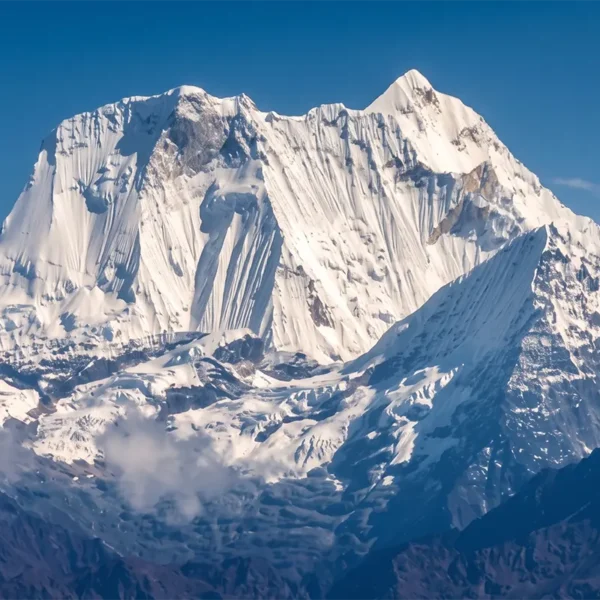
Blog
Top Luxury Lodges on the Everest Trek: Where to Stay in Style
One of the most rewarding mountain adventures in the world is trekking to the Everest…
Read the full post