





7 Days


Quick Facts

Ground transportation in Nepal

Hotels & tea-house accommodation

All meals except in Kathmandu

Guided tour & trek throughout the trip

Autumn, Spring

Moderate

Nepal

3,867 m

Kathmandu - Lukla - Namche - Everest View Point - Tengboche - Lukla - Kathmandu



Why Everest Panorama View Trek?
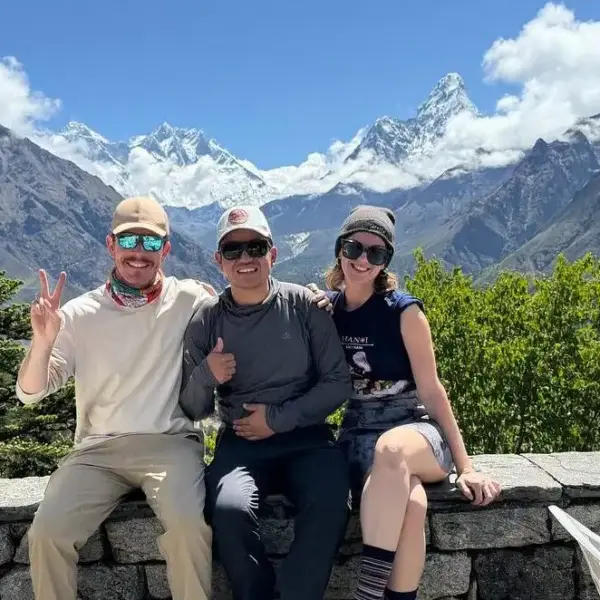
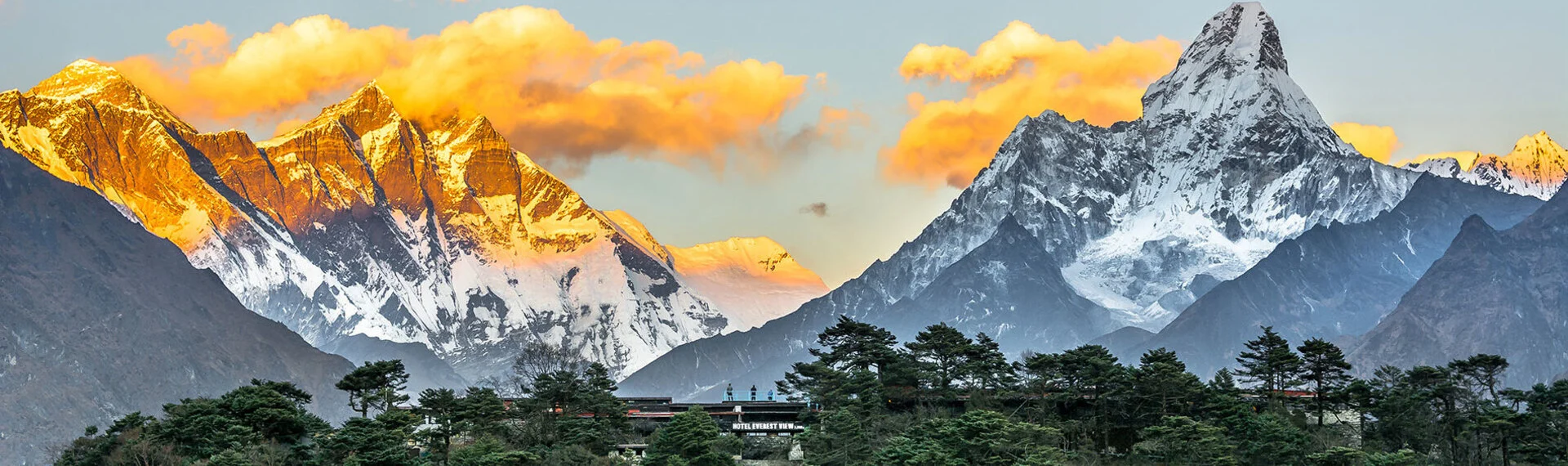
- Witness the Breathtaking Panoramic Views of the highest peaks, such as Mount Everest, Lhotse, Nuptse, Ama Dablam, and Thamserku.
- Take a scenic flight from Kathmandu to Lukla, overlooking the Himalayas, diverse terrain, and remote villages.
- Look at one of the world’s most dangerous airports: The Lukla Airport.
- Experience the unique culture and tradition of the Sherpa people, following Tibetan-inspired Buddhist culture.
- Pass through villages like Namche Bazaar and Tengboche.
- Could you briefly visit one of the ancient monasteries of the Everest Region: Tengboche Monastery?
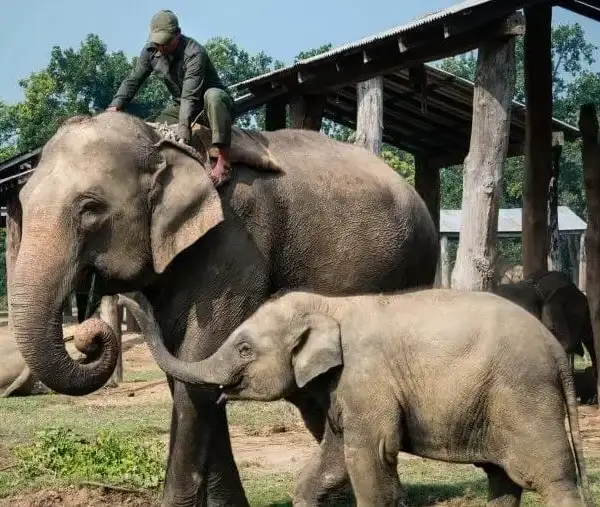
- Explore the diverse flora and fauna of Sagarmatha National Park.
- Have a morning coffee with beautiful mountain views at Everest View Hotel.
- Cross through many suspension bridges and Glacial Rivers.
Everest Panorama View Trek Overview
The Short Everest View Trek in the Everest Region offers a similar experience to the Classic Everest trek. The 7-day View Trek is ideal for individuals with no prior trekking experience or those who have high-altitude issues.
It will take you to 3880 meters, and you will cover a total of 57 kilometers. On this journey, you will be amazed by the panoramic mountain views. You will see the highest mountain in the world, Mount Everest, along with other peaks such as Lhotse, Ama Dablam, and Thamserku.
Imagine a beautiful sunrise view over the Himalayas; isn’t it the best? The trek is also the best way to experience the Buddhist culture of the Sherpa people. They witness that the uni is friendly and welcomes you with warm hospitality, making you feel at home. Another major highlight of the trek is the Tengboche Monastery.
Giving you a chance to experience the local people’s spiritual and cultural ambiance. Located within the Sagarmatha National Park, you can also witness the region’s diverse flora and fauna.
This short and easy trek combines natural beauty with cultural significance, offering a rewarding experience in the Himalayas. If you are considering this trek and would like more information, please feel free to contact us.
We offer a 7-day Everest View Trek package, ideal for beginners. For more information, please read the article below or email us. We are available to help you.
Cost for Everest View Trek
If you book with us, the Everest View Trek costs $999 per person for a single-person booking. We generally offer a group discount. For groups of 2 to 5 people, we offer the same 7-day package for $999 per person.
If you are more than 5 in the group, we will see you accordingly. In addition to this cost, we do not charge you any additional price. We assure you that you will get the best deal, combining affordability with uncompromised service, if you choose us.
This cost includes everything: meals, accommodations, domestic flights, permit cost, basic medical supplies, a guide, and a porter. Also, these costs are included in the tax, so there’s no need to worry about them. However, you must also make personal expenses if you trek with us. Meals in the Kathmandu Valley are not included in our package.
Although we offer medical supplies, we do not include emergency rescue and travel insurance in our package. In addition, you are responsible for personal shopping expenses, tips for a guide and porter, and hot drinks.
Everest Panorama View Trek Route
The Everest Panorama View Trek follows a short route through the lower Khumbu region, allowing you to experience Sherpa villages, mountain viewpoints, Buddhist monasteries, and the trails of Sagarmatha National Park without continuing to Everest Base Camp.
The journey begins with a flight to Lukla and a trek to Phakding. From Phakding, we continue towards Namche Bazaar, the main trading and cultural centre of the Khumbu region. A rest and acclimatization day in Namche includes an excursion towards Syangboche and the Everest View area.
From Namche, we continue to Tengboche, where we visit Tengboche Monastery and enjoy views of Everest, Lhotse, Nuptse and Ama Dablam. The return follows the trail back through Namche Bazaar to Lukla before the flight to Kathmandu.
Route: Kathmandu – Lukla – Phakding – Namche Bazaar – Syangboche and Everest View area – Tengboche – Namche Bazaar – Lukla – Kathmandu
This route is designed for travelers who want to see the Everest region within a shorter time frame. It does not reach Everest Base Camp.
Everest Panorama View Trek Itinerary
Day 01: Fly from Kathmandu to Lukla and trek to Phakding
On the first day, we will fly from Kathmandu to Lukla, famous for its small mountain airport. This 40-minute flight offers incredible views of the Himalayas. Once we arrive in Lukla, we will start our trek towards Phakding, passing through local villages and stone walls. We will walk for about 3 hours, crossing bridges over the Dudh Koshi River. Along the way, we will enjoy views of green valleys and the surrounding peaks. After reaching Phakding, we will stay in a comfortable teahouse.

Breakfast, Lunch, Dinner

Teahouse

9 km / 5.6 miles

2,800 m / 9,186 ft

3hrs
Day 02: Trek from Phakding to Namche Bazaar
On Day 2, we will trek from Phakding to Namche Bazaar. The route passes through the Everest National Park, which is rich in flora and fauna. Along the way, we will pass through the village of Monjo and continue to Jorsalle, where you will find the first suspension bridge across the Dudh Koshi River.
The views of the surrounding peaks, including Thamserku and Kangtega, become more prominent as we gain elevation. The last hour of the trek is a steep ascent up a series of switchbacks to reach Namche Bazaar.
Breakfast, Lunch, Dinner
Teahouse
10 km / 6.2 miles
3,440 m / 11,286 ft
5hrs
Day 03: Rest at Namche Bazaar for acclimatization and excursion
On this day, we will focus on acclimatization to the altitude. We will visit the Sherpa Culture Museum and the Everest Photo Gallery in Namche Bazaar. Afterward, we will enjoy a 2-hour steep walk to Syangboche, passing the airstrip at 3700 m. From here, we will be treated to stunning panoramic views of the Himalayan range. We will spend the rest of the day relaxing and exploring nearby villages.
Breakfast, Lunch, Dinner
Teahouse
5 km / 3.1 miles
3,700 m / 12,139 ft
2hrs
Day 04: Trek to Tengboche
On Day 4, we will trek from Namche Bazaar to Tengboche. The trail starts with a descent towards the Dudh Koshi River. As we walk through forests filled with rhododendrons and pines, we will be treated to views of Mount Ama Dablam. The path crosses a suspension bridge at Phunki Thanga, then climbs steeply towards Tengboche. We will then reach Tengboche Monastery, one of the most important religious sites in the Khumbu region. It offers a peaceful atmosphere and breathtaking views of Everest, Lhotse, and Ama Dablam.
Breakfast, Lunch, Dinner
Teahouse
9 km / 5.6 miles
3,867 m / 12,687 ft
5hrs
Day 05: Trek from Thyangboche to Namche Bazaar
We will return to Namche Bazaar on this day, following the same trail we took earlier. Along the way, we will pass through Phunki Tenga, a small village nestled by the river, and then continue to the picturesque villages of Sanasa and Khumjung. We will witness stunning views of Everest and other snow-capped peaks as we descend. The trek will take around 5 to 6 hours, and we will spend the night back in Namche Bazaar.
Breakfast, Lunch, Dinner
Teahouse
10 km / 6.2 miles
3,867 m / 12,687 ft
5hrs
Day 05: Trek from Namche Bazaar to Lukla
Day 6 is our final trekking day. We will trek from Namche Bazaar back to Lukla, which is about 18 km away. The trail is mostly downhill, and we will pass through Khumjung, a traditional Sherpa village. Walking, we will see amazing views of the surrounding valleys and mountains. After several hours of trekking, we will arrive back in Lukla. In the evening, we will celebrate the end of our trek, sharing stories and memories of the journey. We will stay overnight in Lukla.
Breakfast, Lunch, Dinner
Teahouse
18 km / 11.2 miles
3,440 m / 11,286 ft
7hrs
Day 07: Fly from Lukla to Kathmandu
On the final day, we will take a scenic flight back to Kathmandu. After arriving in Kathmandu, you will have some free time to explore the city or shop for souvenirs in the bustling streets. We will spend our last night at a comfortable hotel in Kathmandu before heading home the following day.
Breakfast, Lunch, Dinner
Hotel
2,800 m / 9,186 ft
Everest Panorama View Trek Map

What To Expect?
What's Included
- Meals on full board (breakfast, lunch, and dinner) during the whole trek
- Domestic flights (KTM-Lukla-KTM or Remechep – Lukla – Remechep) with all surcharges and airport taxes
- Trekking map
- An experienced Government-licensed guide
- Insurance, salary, equipment, transportation, and local tax for the guide.
- Group medical supplies (a first aid kit will be available)
- All necessary paperwork and national park entry permits
- Travel and rescue arrangements
- TIMS (Trekkers’ Information Management System)
- All government taxes and tourist service charges
What's Excluded
- Meals in Kathmandu before and after trekking,
- Your travel insurance ( Rescue )
- Tips for trekking staff and driver
- Drinks (hot, cold, and alcoholic)
- If you need a trekking porter/Sherpa during the trek (100 USD Extra )
- Personal shopping, laundry, etc
- Personal trekking equipment

Tripadvisor Reviews








Google Reviews


Everest Panorama View Trek Additional Information
Everest View Trek Additional Cost Factors
As mentioned earlier, our cost does not include items such as meals in Kathmandu, travel insurance, trek extensions, luxury requests, and tips for guides and porters. In addition, your expenses for gift and souvenir purchases are not included in the package, and you will be charged an additional fee.
Furthermore, the cost of hot drinks on the journey adds a fee to your overall experience. Here is the breakdown:
Meals in Kathmandu
Your trekking package does not include meals in Kathmandu, so you must budget for them separately. A typical Nepali meal (dal bhat) at a local eatery can cost around NPR 400 to 800, while international dishes or dining at mid-range restaurants range from NPR 1,000 to 2,500 per meal.
Upscale restaurants or specialized cuisines like Japanese, Korean, or Italian can cost NPR 2,500 to 5,000 per meal. Additionally, depending on the location, beverages, desserts, and snacks may add NPR 200 to 1,000 per item.
Trek Extension
Extending your trek beyond the standard itinerary incurs extra costs for food, accommodation, and guide/porter fees. A single extension day typically costs around NPR 3,000 to 5,000 per person. If you explore remote areas or take additional side trips, transportation costs, such as helicopter rides or local flights, can add NPR 50,000 to 100,000. Please plan for these expenses to maximize your time in the Everest region.
Option for Luxury
Choosing luxury options can significantly enhance your experience and increase your budget. Luxury accommodations, such as premium lodges or high-end tea houses, may cost NPR 10,000 to 20,000 per night and offer amenities such as private bathrooms, heated rooms, and Wi-Fi. Helicopter services for faster travel between destinations range from NPR 50,000 to 150,000. Additionally, gourmet meals, special services, or spa treatments at premium locations may cost NPR 5,000 to 10,000 each.
Tipping for Guides and Porters
Tipping is a vital part of trekking culture in Nepal and is a direct way to appreciate your team’s hard work. For guides, you are encouraged to tip NPR 1,500 to 5,000 per trekker, depending on the length of your trek and the quality of their service. Porters typically receive NPR 1,000 to 3,000 each. Pooling your tips is common in a group, and the total amount depends on your team’s size and the level of support they provide.
Personal Expenses
Your expenses during the trek can vary based on your preferences and habits. Souvenirs like handmade jewelry, woolen items, or Thangka paintings can cost NPR 500 to 5,000 each. On the trail, hot drinks, such as tea or coffee, can add NPR 300 to 600 per cup, and snacks like chocolates or instant noodles can cost NPR 200 to 500 per item. Budget at least NPR 10,000 to 20,000 for personal shopping, snacks, beverages, and additional services like charging electronic devices or using Wi-Fi.
Reasons to choose the 7 Days Everest View trek:
- Shorter duration: The Everest trek is just seven days shorter than other treks in the Himalayan region to see the world’s highest mountain.
- Moderate altitude: This trek’s highest altitude is 3867m, which is considered a moderate altitude for trekking in the mountain region.
- Accessible route: The 7-day Everest view trek has generally well-maintained routes that do not make hiking difficult. The route is suitable for a person with a general level of fitness.
- Suitable for beginners: This trek is ideal for beginners and those with minimal trekking experience.
This Everest trek is short, easy, and worthy. It is suitable for people who have limited time but also want to see Mount Everest more easily from their closet, with a general level of fitness.
Which is the shortest trek to Mount Everest?
The Everest View trek is a relatively short trek to Mount Everest and to explore the Everest region, but it lasts seven days. That’s why we recommend the Everest short trek of five days. The Everest Short Trek 5 Days is one of the most popular trekking routes in Nepal. It is shorter than the Everest Base Camp trek, but it is an amazing and worthwhile trekking route for Everest.
The 7-day Everest short trek provides you with a fantastic view of the Himalayan range, including the world’s highest mountain, Mt Everest, Lhotse, Nuptse, Ama Dablam, and many others, along with the eye-catching environment and Sherpa village. The short trek allows you to explore the Namche Bazaar, which passes through the beautiful forest, a suspension bridge, and the town of Sherpa.
The trek also allows you to explore the Everest View Hotel, which is located at an elevation of 3880m. The Everest View Hotel offers a chance to see the snow-capped mountains, cold and hot drinks, and some delicious items.
During this short 5-day trek, you’ll also be able to explore the Sagarmatha National Park, a World Heritage Site. In Sagarmatha National Park, you will explore its diverse flora and fauna, unique animals, and natural beauty. Your journey will start from Kathmandu airport. You can choose an airplane or a helicopter flight.
The scenic Himalayan flight will take you to Lukla. From Lukla, your trek starts to Phakding for 3-4 hours. After 5-6 hours from Phakding, you’ll reach Namche Bazaar on the second day. You’ll explore the Namche Bazaar on your third-day hike.
During your third-day hike, you’ll reach Syangboche airport, which has an excellent view of the mountains and Khumbu Valley. You’ll trek back to Lukla early in the morning; after 6 hours of trekking, you’ll reach Lukla, cross the Dudh Koshi River, and explore there. On your fifth and final trek day, you’ll fly back to Kathmandu by flight or helicopter.
Everest’s short five-day trek is suitable for those with busy lives and limited time who want to trek in Nepal’s mountain region. Although this trek doesn’t bring you to Everest base camp, you won’t regret choosing it, as it is worth it. With our experienced team and good service quality, you will not have any problems during the trip. Feel free to contact us and get the best experience of your lifetime.
Everest View Hotel and Syangboche
The Everest View area above Namche Bazaar is a major part of this trek. The walk towards Syangboche provides a higher viewpoint over the Khumbu Valley and surrounding mountains.
The area is known for views towards Mount Everest, Lhotse, Nuptse, Ama Dablam and other peaks. Morning is generally a good time for the excursion because mountain visibility can change during the day.
The walk also provides an opportunity to experience the landscape above Namche without spending another night at a much higher elevation. Travelers who want to spend more time in the area can ask our team about available accommodation upgrades or itinerary adjustments.
The Everest View Hotel is a viewpoint and hotel in the Everest region, and visiting it is different from trekking to Everest Base Camp. This trek does not include Everest Base Camp.
Tengboche Monastery
Tengboche Monastery is an important cultural stop on the Everest Panorama View Trek. Located in the Khumbu region, the monastery is surrounded by mountain scenery and is connected with the Tibetan Buddhist traditions followed by many Sherpa communities.
After reaching Tengboche, we will have time to explore the monastery area and learn more about its religious importance. Prayer flags, mani stones, chortens and Buddhist artwork can be seen around the settlement.
Visitors should respect local customs when entering or photographing religious areas. If a religious ceremony is taking place, follow the instructions of your guide and the monastery staff.
The monastery also provides a good viewpoint towards several major Himalayan peaks, including Ama Dablam, Everest, Lhotse and Nuptse.
Alternative to Everest View Trek
EBC Heli Tour
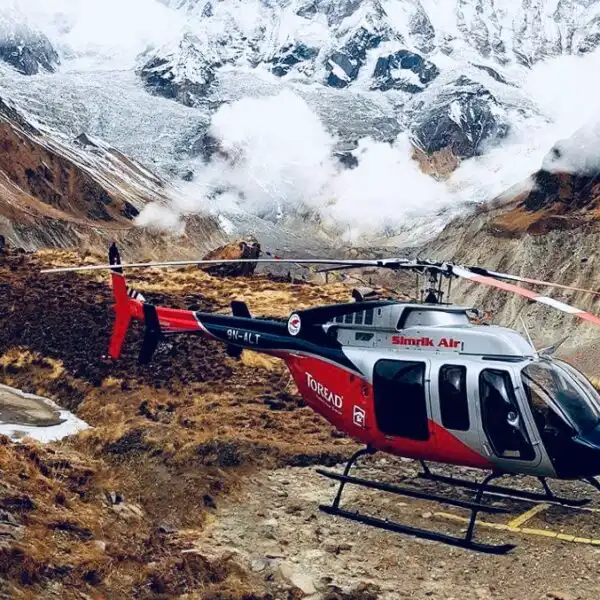
The Everest Base Camp (EBC) Helicopter Tour is a luxurious and effortless way to reach the base camp of the world’s highest mountain, Mount Everest. You can get a bird ‘s-eye view of the stunning views of Mount Everest and its surroundings. While the Everest View Trek takes you on a multi-day journey through charming villages, the heli tour is perfect if you have limited time and want a quick adventure.
Cost, Difficulty, and Experience
The EBC Helicopter Tour is a luxury experience, costing between $900 and $1,500 per person, depending on the group size and services. This price covers the helicopter ride, permits, and sometimes breakfast at a high-altitude hotel. On the other hand, the Everest View Trek is more affordable. It costs around $800 to $1,200, including permits, meals, and accommodation. The trek is a better choice if you want to save money and enjoy a longer adventure.
The helicopter tour is leisurely and requires no physical effort. It is perfect if you do not want to walk or travel much. Anyone can enjoy it, no matter their age or fitness level. The trek, however, is a bit harder. You will walk for several hours each day on rough trails at higher altitudes. It takes effort but gives you beautiful views, cultural experiences, and a sense of achievement. Both options are excellent; you must choose what suits you best.
Everest View luxury trek
You can also make an Everest Luxury Trek with us, where you will experience the best of the Himalayas and comfort. During this trek, you will sleep in luxury lodges and resorts, far more comfortable than the standard teahouses typically found along most trekking routes. They promise to offer you premier amenities such as heated rooms, hot showers, and comfy beds. Also, the food you enjoy is of higher quality.
While this trek costs slightly more due to the luxurious accommodations and additional services, it is well worth the price for those seeking comfort alongside adventure.
Enjoy the beautiful moments in a refined, comfortable environment. Our luxury package also offers premium facilities, including private transportation and expert local guides. You will trek at a more relaxed pace with fewer crowds, allowing you to fully appreciate the incredible scenery in comfort. You can also add the Base Camp trek to make more of your adventure.
Whether you want to unwind in luxury or take your experience to new heights, this trek promises an unparalleled adventure in the Himalayas.
Last-Moment Booking with My Everest Trip
We also provide moment bookings, but make sure you book before the day of the trek starts. If you make reservations at the last moment, you must pay the full charge. This will ensure you’re committed and reduce the likelihood of last-minute cancellations that could spoil the trek.
For last-minute bookings, you have multiple booking options. You can fill out the form online, email us, message us on WhatsApp, Facebook, or other social media platforms, or call us.
Everest Panorama View Trek Difficulty and Fitness
The Everest Panorama View Trek is a moderate trek that does not require technical climbing or previous mountaineering experience. However, you should be comfortable walking for several hours on consecutive days and on uneven mountain trails.
The route includes stone steps, suspension bridges, forest paths, uphill sections and downhill trails. The climb towards Namche Bazaar is demanding, while the ascent from Phunki Tenga to Tengboche requires steady effort. The return from Namche to Lukla is also a longer walking day.
Regular walking, stair climbing and uphill exercise before the trip can help prepare your legs and improve your endurance. A comfortable pace is more important than walking quickly. Our guide will help maintain a suitable pace and monitor how you are adapting to the altitude.
The trek is suitable for beginners with reasonable fitness, but it should not be considered an easy walk. Your preparation should take the altitude, terrain and daily walking hours into account.
Altitude and Acclimatization on the Everest Panorama View Trek
Altitude is an important part of the Everest Panorama View Trek even though the route does not reach Everest Base Camp. The itinerary includes an acclimatization day in Namche Bazaar before continuing towards Tengboche.
The acclimatization day gives your body additional time to adjust to the increasing elevation. We will visit the local museums and walk towards the Syangboche and Everest View area before returning to Namche.
Common symptoms of altitude sickness can include headache, dizziness, unusual tiredness, loss of appetite, nausea and difficulty sleeping. If you experience symptoms during the trek, tell your guide rather than trying to continue without assessment.
Staying hydrated, walking at a steady pace, eating properly and allowing enough rest can help with the adjustment. Anyone with a medical condition or previous altitude related problems should discuss their trekking plans with a qualified medical professional before travelling.
Weather and Best Season for Everest Panorama View Trek
Spring and autumn are the preferred seasons for the Everest Panorama View Trek because they generally provide better mountain visibility and more stable trekking conditions. Spring runs from March to May, while autumn is from September to November.
| Season | Months | Typical Conditions | Recommendation |
| Spring | March to May | Mild days, clearer mornings and rhododendron blooms | Excellent |
| Autumn | September to November | Dry trails, clear mountain views and stable conditions | Excellent |
| Winter | December to February | Cold mornings and nights, quieter trails and possible snow | Possible with proper gear |
| Monsoon | June to August | Rain, cloud cover, slippery trails and less reliable Lukla flights | Less suitable |
Autumn generally provides some of the clearest mountain views after the monsoon, while spring brings warmer conditions and flowering vegetation along the lower sections of the trail.
Winter is possible because this itinerary does not reach the very high elevations of the Everest Base Camp route, but temperatures can become very cold around Namche and Tengboche. Proper warm clothing and some flexibility are important.
The monsoon months are less suitable for this trek because rainfall and cloud cover can reduce mountain visibility. Weather can also affect flights to and from Lukla.
Why Choose My Everest Trip?
Government Registered
Being a government-registered trekking agency, you can rely on us for all legal permits, safety measures, and compliance with local regulations. We’ll arrange your trek to meet official requirements, so you are protected and supported throughout your journey. So, you are traveling with a company recognized and authorized by the government to operate in Nepal, which is a secure and trustworthy service.
Experienced Guides
Our guides know the trails in and around the area, as well as the local culture, history, and customs. With years of experience navigating the challenging Himalayan terrain, they are truly equipped to provide a safe and enjoyable trek. Their expertise includes everything from altitude sickness prevention to understanding the local flora and fauna. This ensures your journey is safe and enriched with fascinating regional insights.
Easy Cancellation Policy
We understand that life can be unpredictable, so our easy cancellation policy allows you to change your trek without the stress of losing your deposit or funds. If you need to cancel or reschedule your plans, we offer hassle-free options to adjust the dates or change your trek. Knowing you can make changes without penalty, even in unexpected situations, gives you peace of mind.
Customizable Itinerary
Our customizable itineraries allow you to design your trek according to your preferences and pace. We can adjust everything to suit your needs if you have specific places you would like to visit or prefer to hike for shorter or longer days. Whether you’re looking for a more leisurely or adventurous trip, we work with you to ensure your trek is tailored to your interests and fitness level, making your journey truly special.
Sustainable Eco-Friendly Practices
We take the environment seriously and ensure sustainable, eco-friendly practices throughout your trek. From using biodegradable products to partnering with eco-conscious accommodations, we strive to minimize the environmental impact of tourism in Nepal. By choosing our service, you get to experience the Himalayas and help preserve this beautiful landscape for future generations.
Everest Panorama View Trek Distance and Altitude
The trek covers approximately 57 km in total according to the current package itinerary. The distance and walking time vary from day to day because the route includes both uphill and downhill sections.
| Trekking Section | Approx. Distance | Walking Time | Elevation |
| Lukla to Phakding | 9 km | About 3 hours | 2,800 m |
| Phakding to Namche Bazaar | 10 km | About 5 hours | 3,440 m |
| Namche acclimatization excursion | 5 km | About 2 hours | Up to 3,700 m in the current itinerary |
| Namche Bazaar to Tengboche | 9 km | About 5 hours | 3,867 m |
| Tengboche to Namche Bazaar | 10 km | About 5 hours | Return to Namche |
| Namche Bazaar to Lukla | 18 km | About 7 hours | Return to Lukla |
The highest part of the route is around the Tengboche and Everest View area. Since the trek stays below the elevations reached on the Everest Base Camp route, the walking demands are lower, but the increasing altitude still needs to be taken seriously.
Trekking gears for Everest Panorama View Trek
For a comfortable and pleasant trek during the trek, you need to pack your bag wisely. Here is the packing list for your comfortable stay:
Clothing
- Base layers (thermal tops and bottoms)
- Insulated jacket (down or synthetic)
- Waterproof jacket and pants
- Trekking pants
- Fleece jacket
- Trekking shirts (long and short sleeves)
- Warm gloves and liners
- Woollen hat and sun hat
- Buff or scarf
- Footwear
- Trekking boots (well broken-in)
- Camp shoes or sandals
- Warm socks (woolen and synthetic)
- Gaiters (optional for snow or mud)
Sleeping Gear
- Sleeping bag (-10°C to -20°C rating)
- Sleeping bag liner
- Backpacks and Bags
- Daypack (20-30 liters)
- Duffel bag (carried by porters)
- Rain cover for backpacks
Accessories
- Trekking poles
- Sunglasses with UV protection
- Headlamp with extra batteries
- Water bottles or hydration bladder
- Thermal flask
- Basic first-aid kit
Toiletries and Personal Items
- Quick-dry towel
- Biodegradable soap and shampoo
- Toothbrush and toothpaste
- Sunscreen and lip balm with SPF
- Wet wipes and hand sanitizer
- Feminine hygiene products (if needed)
Documents
- Passport and necessary permits
- Travel insurance details
- Cash (Nepalese rupees)
Miscellaneous
- Snacks (energy bars, dry fruits)
- Camera and spare batteries
- Power bank
- Trekking map or guidebook
- Waterproof stuff sacks or zip-lock bags
Trekking Duffel Bag
A duffle bag, also known as a kit bag, is cylindrical. It is generally made up of sturdy fabric and has a handle or strap to carry by porters. These bags are used to carry clothes, personal items, or any other essentials for trekking. They come in different sizes, and based on the requirements, Porter uses them. Generally used to carry up to 15 kg, the porter uses a duffle bag to carry the backpack of two travelers on average.
We arrange the duffle bags that hold up to 120 liters of storage capacity. They are waterproof and help protect the essentials during rainy days.
Everest Panorama View Trek FAQs
What is the Everest Panorama View Trek?
The Everest Panorama View Trek is a popular trekking route in the Solu-Khumbu region of Nepal that offers stunning views of Mount Everest and the surrounding peaks. The trek can be completed in 5-7 days and is an excellent option for trekkers looking for a shorter and more accessible alternative to the full Everest Base Camp Trek.
How challenging is the trek?
The Everest Panorama View Trek is considered a moderate trek suitable for those with prior hiking experience and good physical condition. The trek involves walking for 4-6 hours a day on steep and rugged trails, so it is essential to be prepared for the physical demands of the trek.
What is the best time to trek?
The best time to trek the Everest Panorama View Trek is from September to November and from March to May, when the weather is clear and dry, providing the best views of the mountains.
Do I need a guide or a porter?
While it is possible to complete the Everest Panorama View Trek independently, hiring a guide or a porter is highly recommended. This not only ensures your safety but also supports the local economy and allows you to fully immerse yourself in the local culture and way of life.
What kind of accommodation is available during the trek?
Accommodation during the trek is available in local teahouses, which offer basic but comfortable rooms with twin beds, blankets, and sometimes a private bathroom. Meals can also be purchased at the teahouses, which typically provide a range of traditional Nepalese and Tibetan dishes.
What should I pack for the trek?
When packing for the Everest Panorama View Trek, it is essential to bring warm and waterproof clothing, a good quality backpack, sturdy hiking boots, and necessary personal items such as a headlamp, sunscreen, and insect repellent. Your trekking company will provide a detailed packing list.
US$ 999 per person
- 24/7 Customer Support
- Experienced and Professional Team
- Hassle-Free and Easy Booking
- 99% Customer Satisfaction
- Fair Prices, Exceptional Service
- No Hidden Costs and Secure Payments
- Tailored and Personalized Itineraries
24 X 7 Live Support

Puru (+977-9851069558)
Related Trips


Recent From Our Blog Places of attractions, travel tips, news and more.
Everest, Blog, Trekking in Nepal
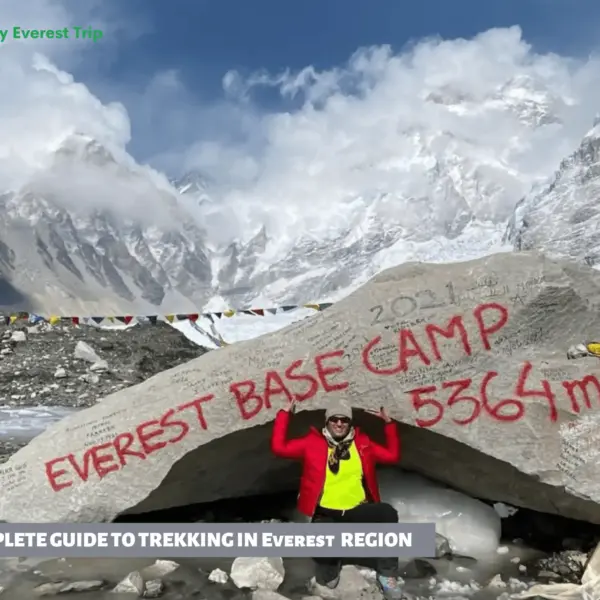
A Complete Everest Trekking Guide
A Complete Everest trekking guide covers many treks globally, but none is more well-known than the one…
Read the full post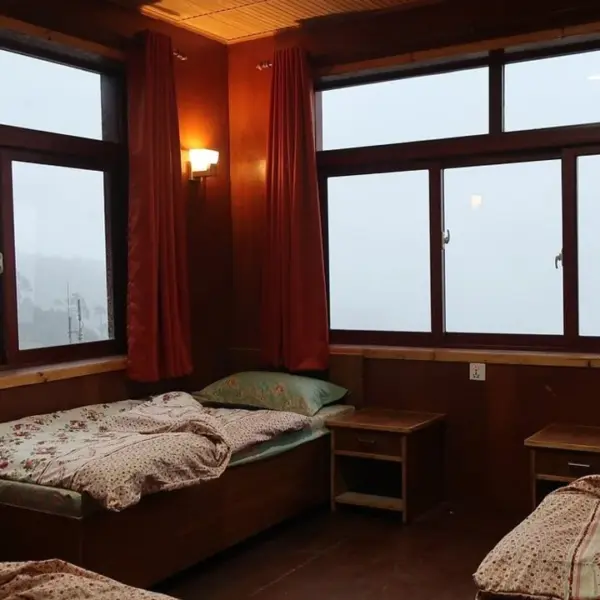
Everest, Blog
Accommodation on Everest Base Camp Trek
Accommodation is a major concern for trekkers, especially in remote Himalayan areas like the Everest…
Read the full post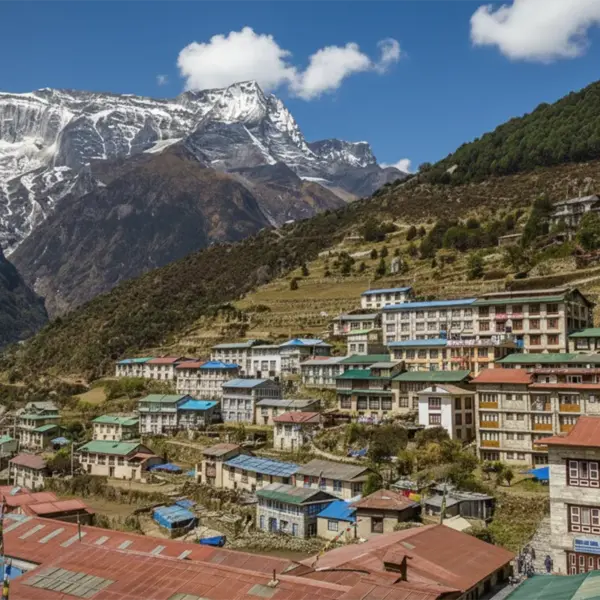
Blog
Animals That Live On Mount Everest : Wildlife of the World’s Highest Mountain
Introduction: Life Above the Clouds Mount Everest, the highest peak in the world with an…
Read the full post