





5 Days


Quick Facts

Ground transportation in Nepal

Lodge accommodation

All meals

Guided tour & trek throughout the trip

Autumn, Spring

Moderate

Nepal

Pokhara - Mohare Danda - Pokhara


Why Mohare Danda Trek – 5 Days?
Mohare Danda is more than a trek; it’s a journey through peaceful forests, warm villages, breathtaking mountains, and unforgettable moments that stay in your heart forever.
- Mohare Danda offers some of the best views of Annapurna, Dhaulagiri, Nilgiri, and Machhapuchhre.
- Witness a breathtaking sunrise as the mountains of the Himalayas glow in the golden morning light.
- Hike on quiet trails that are less congested than most other trekking routes.
- Visit local villages of traditional Magar settlements such as Banskharka, Nangi, and Tikot.
- Stay in community lodges which promote local families and sustainable tourism.
- Walk through rhododendron trees, especially in spring when they are in full bloom.
- The 5-day Mohare Danda trek is a perfect short Himalayan adventure.
- Hike on picturesque ridges with expansive views of hills, valleys, and snow-capped mountains in the distance.
- Enjoy simple, delicious Nepali food, such as dal bhat, from local hosts.
Mohare Danda Trek – 5 Days Overview
The Mohare Danda Trek is one of the most beautiful and peaceful short treks in Nepal’s Annapurna region. It offers breathtaking Himalayan scenery, village life, and serene forest walks without the enormous crowds found on some well-known trekking paths. This trip is for any traveler who wants Himalayan beauty and a chance to experience local culture and nature. The trail is less busy, so the trip becomes more intimate and leisurely than on other popular trekking routes.
The Mohare Danda Trek typically starts with a beautiful drive from Pokhara to Galeshwor, followed by days of walking through villages, terraced fields, and green forests. Along the route, you may visit villages such as Banskharka, Nangi, and Tikot, where you can find community lodges and homestays. These villages offer trekkers the opportunity to experience rural Nepalese life and interact with hospitable local families. Mohare Danda is the highest point of the Mohare Danda Trek at 3,300 m (10,827 ft), and trekkers will enjoy stunning panoramic views of the Annapurna and Dhaulagiri mountain ranges.
One unique feature of this trek is that it was developed as a community-based tourism project. This means the lodges, services, and tourism revenue directly benefit local villages. When you visit the Mohare Danda Trek, you can support local communities while enjoying a unique and meaningful trekking experience. The path cuts through beautiful rhododendron forests, which are especially colorful in spring when the flowers bloom.
Mohare Danda Trek Route
The Mohare Danda Trek follows a community-based trail through the lower Annapurna region, starting in Galeshwor and ending in Tiplyang before the drive back to Pokhara. The route passes through Banskharka and Nangi before reaching Mohare Danda at around 3,300 meters. From the ridge, the trail descends through local villages toward Tikot and Tiplyang.
This 5-day route suits travelers who want a shorter Himalayan trek without going as high as the longer Annapurna or Everest routes. The trail combines forest paths, terraced hillsides, mountain villages, and open ridge sections. Rhododendron forests are particularly noticeable in spring, while the higher sections provide views toward the Annapurna and Dhaulagiri ranges.
Our itinerary keeps the route focused on Mohare Danda rather than adding Poon Hill or other destinations. That makes the trek practical for travelers with limited time while still including several village and mountain sections.
Mohare Danda Trek Route at a Glance
| Day | Route | Overnight |
| Day 1 | Galeshwor to Banskharka | Banskharka |
| Day 2 | Banskharka to Nangi | Nangi |
| Day 3 | Nangi to Mohare Danda | Mohare Danda |
| Day 4 | Mohare Danda to Tikot | Tikot |
| Day 5 | Tikot to Tiplyang, then drive toward Pokhara | Pokhara |
The walking times can vary depending on trail conditions, walking pace, and breaks. The final day combines a short trek with road transportation back toward Pokhara.
Why Mohare Danda Trek?
This trek is popular among travelers who want a short adventure but still enjoy incredible mountain views. The 5-day Mohare Danda trek is the most common way to complete the journey, making it a great choice for those with limited time in Nepal. The Mohare Danda trek route ascends slowly through forests and hills to the picturesque Mohare Danda ridge. It is relatively easy, and beginners with basic fitness can do it, unlike longer Himalayan routes.
Overall, the Mohare Danda Trek offers an amazing mix of mountain views, scenic roads, and local culture. With proper organization and support from experienced teams like My Everest Trip (MET), trekkers can enjoy a safe, comfortable, and memorable journey through one of Nepal’s hidden Himalayan gems.
Mohare Danda Trek – 5 Days Itinerary
Day 01: Drive from Pokhara to Galeshwor and Trek to Banskharka
The Mohare Danda Trek begins in Pokhara, where you meet your guide and prepare for the journey. From Pokhara, you take a scenic drive west toward Galeshwor near Beni, which is the starting point of the trek. The journey will last approximately five hours, and it is along the beautiful Kali Gandaki River. In the process, you will encounter terraced farmlands, traditional villages, and green hillsides, which depict the day-to-day life of the Nepalese rural life. On the drive, you will take a lunch stop before you reach Galeshwor at about 1,170 m (3,839 ft), where the trek commences.
You start walking fromGaleshwor, passing a suspension bridge across the Kali Gandaki River. The road then instantly ascends the hill using stone steps and narrow footways that cross small farms and orchards. Oranges, lemons, and plums are the products that are predominant in this area. The climb is not very long but gradual, and you will make stops to rest and relax to view the scenery. When the sky is clear, you may even have a glimpse of the mountains of Dhauligiri in the distance.
Some three hours of walking lead to the Banskharka village, 1,525 m (5,003 ft) above sea level. You will be staying in a community lodge or homestay with simple rooms and a communal place to eat. In the evening, you can have a traditional Nepali dinner cooked by your hosts and rest after spending your first day on the trek.

Lunch and Dinner

Lodge

4 km

1,525 m / 5,003 ft

3 hrs
Day 02: Trek from Banskharka to Nangi Village
You get up in the quiet village of Banskharka at an elevation of 1,525 m (5,003 ft) and have breakfast in fresh mountain air in all directions. The Mohare Danda Trek proceeds after breakfast with a constant climb through the terraced farmland where local people cultivate rice, corn, and seasonal vegetables.
The path is made of rock steps and village lanes and offers a close-up view of village life. You can find that the villagers are taking baskets of produce, children going to school, or farmers at work.
You will have a slow hiking process, which takes approximately 3 hours. At times, it may not be easy, but with frequent breaks and stunning scenery, the trip is enjoyable. When you get up in the altitude, the landscape becomes clear, and you start noticing mountain peaks in the distance. You stopmidday at some little settlement to have lunch, frequently. a simple tea house.
After lunch, the trail gets simpler, and there are smooth rises and falls through forests and open ridges. During spring, the area is full of colorful rhododendron flowers that are the national flower of Nepal. Along this part of the trail, one can frequently find birds and butterflies.
Bymid-afternoon, you reach Nangi Village at 2,300 m (7,546 ft). This vibrant village is a community project initiated by Mahabir Pun. Once you have settled in the community lodge, you have an option of exploring the village, going to school, or seeing the Annapurna South and Dhaulagiriat sunset.
Breakfast, Lunch, and Dinner
Lodge
9 km
2,300 m / 7,546 ft
5–6 hrs
Day 03: Trek from Nangi Village to Mohare Danda
Today you start your trek to Mohare Danda, the highest point in the trip, after having had breakfast in Nangi Village at 2,300 m (7,546 ft). The path goes through beautiful woods of oak, pine, and rhododendron. The higher you are, the cooler the air is, and the surrounding seems to be more distant and silent than when you are in the lower villages.
In the morning, the path leads slowly up a winding path through a thick forest. The trees are shaded with sunlight, and you will be able to hear birds or observe mountain wildlife on the way. There are no villages and shops between Nangi and Mohare Danda, so you should bring enough drinking water with you. After three or so hours of walking, you arrive at a clear space or basic shelter about 3,000 m (9,843 ft), which is where you have your lunch.
Following lunch, the trail has a few gentle rises and falls on a ridge. With the forest starting to clear, the landscape becomes open, and you are able to see broad vistas of valleys around. Little by little, the trail becomes steeper and steeper: it starts rising to the top of the ridge.
Towards the end of the afternoon, you arrive at Mohare Danda at 3,300 m (10,827 ft). The lodge is located on a high elevation,where the mountain views are spectacular, with 360 degrees. The view of Dhaulagiri, Annapurna South, Annapurna I, Nilgiri, and Machhapuchhre can be seen here. Then, after the sunset and relaxing atmosphere of the mountain, you have dinner in the lodge and go to sleep.
Breakfast, Lunch, and Dinner
Lodge
7 km
3,300 m / 10,827 ft
5–6 hrs
Day 04: Trek from Mohare Danda to Tikot Village
The day starts very early in the day at Mohare Danda 3,300 m (10,827 ft) to observe the great sunrise over the Himalayas. When the first light falls on the mountains of Dhaulagiri and the Annapurna range, the mountains are illuminated with the colors of gold and pink. This is one of the most memorable moments of the trek, which is peaceful.
You get to the lodge after watching the sunrise, and then you get to eat a warm breakfast before starting on the descent to Tikot Village. The path goes down into the ravine of rhododendron woods. During spring, the forest is colorful with the pink, red, and white flowers blooming. The path is primarily downhill, and thus one should walk slowly and cautiously to ensure that their knees are not harmed.
On the route, there are tranquil forest tracks, open fields, and some grazing fields where local livestock graze. You can see Poon Hillfrom a distance. Part of the trail is also linked to a small dirt road that gets used by the locals.
In the early afternoon, you arrive at Tikot Village 2,200 m (7,218 ft). Tikot is a beautiful Magar village where there are stone houses and terraces of land. You do not stay in a big lodge but in a local homestay with a nice family. You can go sightseeing around the village, have a traditional dinner, and have a relaxing evening with local culture.
Breakfast, Lunch, and Dinner
Homestay
12 km
3,300 m / 10,827 ft
6 hrs
Day 05: Trek from Tikot to Tiplyang, Drive to Beni and Pokhara
On your last day of your Mohare Danda Trek, you start in Tikot Village at 2,200 m (7,218 ft), where you have breakfast at the homestay. You part with your hosts and start the final part of the trek. The path is steep and passes down terraced agricultural areas and tiny villages. You ascend slowly down the hill slope on stone steps on your way to the Kali Gandaki River valley.
With the drop in altitude, the temperature becomes warmer. On the way, you walk past the houses and small farms of the local people and fields where people cultivate crops. The views of the valley below gradually become nearer as one continues the descent.
The next stop is Tippyang, which is approximately 1,100 m (3,609 ft) after 3 or 4 hours of walking. This is a tiny village located along the road close to the Kali Gandaki River. Now the trekking is over. You have a jeep that will be waiting to take you back to Pokhara.
On the drive, you drive to Beni, a busy town standing at the confluence of two rivers. There is a brief stop or lunch break, and then the trip is resumed on the scenic road leading to Pokhara. The drive lasts 4 to 5 hours.
At the end of the day, you reach Pokhara and head back to your hotel; it is no doubt the successful end of the Mohare Danda trek.
Breakfast
2,200 m / 7,218 ft
3-4 hours Trek & 4 - 5 hours Drive
What To Expect?
What's Included
- The transportation from Pokhara to the starting point of the trek (Galeshwor) and back from the trek ending point (Tiplyang/Baseri) in a local jeep.
- 3 Meals a day (Breakfast, Lunch, and Dinner), with tea or coffee being served during meals.
- Twin-sharing community lodges and local village homestays throughout the trek.
- Guiding services of an experienced and licensed English-speaking trekking guide with knowledge of the route, the culture, and the local community.
- Porter for carrying your luggage during the trek (one porter per two trekkers, under the normal weight capacity).
- All necessary Trekking permits and entry fee such as the Annapurna Conservation Area Permit (ACAP) and TIMS card.
- Any government taxes, service fee and organizational assistance to the trek.
What's Excluded
- Airfare to and from Nepal, visa cost of Nepal, and any stay taken in Pokhara or Kathmandu before and after the trek.
- Personal trekking gear like clothing, boots, sleeping bags, and other personal gear products.
- Additional beverages, bottled water, snacks, energy bars, soft drinks, alcoholic drinks, and food beyond the meals that are included.
- Personal expenses like phone calls, Wi-Fi usage, extra hot showers, laundry, or any other personal services.
- Travel insurance that includes trekking, medical emergency, and helicopter evacuation (a must-have mandate for all trekkers).
- Tips and gifts to the guide, porter, and drivers are customary but optional.
- Optional side trips, itinerary modification, personal request, or unexpected circumstances like weather delays or road accidents.
- Anything else not mentioned on the inclusion list.

Tripadvisor Reviews








Google Reviews


Mohare Danda Trek – 5 Days Additional Information
Mohare Danda Trek Cost
The cost of our Mohare Danda Trek depends on how many people join the trip. We offer a private trekking experience, so pricing differs for solo travelers and groups of two or more.
| Group Size | Price |
| 1 person | US$450 per person |
| 2 or more people | US$350 per person |
The package price covers the main services needed for the trek, including transportation according to the itinerary, accommodation during the trek, trekking meals, required permits, guide services, and first aid support as specified in your package.
Personal expenses are separate. Budget for drinks, snacks, charging, tips, travel insurance, and other expenses not listed under the inclusions. It’s also advisable to carry some Nepalese cash before leaving Pokhara, as there are no regular ATM facilities along the trekking route.
The price can also vary if you request changes to the standard itinerary, private transportation upgrades, or additional accommodation before or after the trek. Our team can arrange these according to your travel plans.
Mohare Danda Trek Difficulty, Challenges & Trail Conditions
Mohare Danda Trek is a moderate trek with a few tough parts, making it suitable for beginners with good fitness. The trail includes numerous uphill and downhill sections, especially in the first two days.
You will walk 5 to 6 hours per day, mostly on stone steps, village paths, and forest trails. The highest point of the trek is Mohare Danda (3,300 m / 10,827 ft), and thus, altitude is not much of an issue, but the extensive uphill ascents might feel fatiguing.
The trail is not technical, and thus, no climbing skills are required. But some sections are narrow, rocky, rough, or muddy in the rain. Pain in the knees can be experienced in the down runs. Trekking poles and good trekking shoes help a lot.
The Mohare Danda Trek is fun and doable for most trekkers, as long as you prepare by walking or practicing on stairs before the trek.
Best Time and Seasonal Weather Guide
Spring and autumn are the best seasons for the Mohare Danda Trek because the weather is usually good and clear.
The most popular season is autumn, between September and November. The sky is blue and clear after the monsoon, and the mountain scenery is frequently superb. Days are fine, but nights are cold at higher altitudes, such as Mohare Danda (3,300 m / 10,827 ft).
Another good time is spring, which is from March to May. The season is known for rhododendron flowers, which come in many colors and bloom across the hills. Mornings are usually sunny, and the weather is not too hot. It is a beautiful season to complete the short Mohare Danda trek if you are fond of nature and flowers.
Winter is colder but less noisy; it has fewer trekkers and extremely clear skies. Monsoon is the least favorable season since the trails are muddy, slippery, and cloudy between June and early September. Spring and autumn are preferable for an overall experience.
Food and Drink
Food in the Mohare Danda Trek is basic, fresh, and nutritious. All meals are served in community lodges and homestays, so you can expect homemade Nepali food.
The most common meal is dal bhat, which consists of rice, lentil soup, vegetables, and pickles. It is warm, nutritious, and ideal after a tireless day of walking. You can also have fried rice, noodles, potatoes, soup, pancakes, eggs, and sometimes momos. The menu isn’t huge, but the food is generally good and gives you the energy you need.
One major part of the trek is tea. Widely offered options include black tea, milk tea, ginger tea, and coffee. Use safe water on the Mohare Danda trek itinerary, and do not use untreated tap water. The best options are boiled, purified, or filtered water.
Carry a reusable bottle and have frequent drinks. Hydration supports energy, recovery, and adaptation to higher altitude, especially around 3,300 m / 10,827 ft.
Transportation and Accommodation during the Mohare Danda Trek
The Mohare Danda Trek is typically based in Pokhara. You drive from Pokhara to Galeshwor, which takes about 4 to 5 hours. It is a scenic drive that takes you through rivers, hills, and rural villages. The trek is followed by a jeep ride back on the lower trail section, in either Tippyang or Baseri, and then back to Pokhara, the end. It has rough roads in a few places, but the landscape on the route is very fascinating.
Accommodation on the trek is simple. You’ll stay in community lodges and local homestays, which makes the trek more personal and authentic. The rooms are basic, with twin beds, blankets, and shared toilets.
Facilities are limited, but the hospitality is friendly. Nangi (2,300 m / 7,546 ft) may have a hot shower for an extra charge. The lodge is more basic and rustic at Mohare Danda (3,300 m / 10,827 ft), yet the sunrise and mountain views are very special.
| Route | Transportation |
| Pokhara → Galeshwor | Local jeep |
| Galeshwor → Banskharka | Trekking |
| Banskharka → Nangi | Trekking |
| Nangi → Mohare Danda | Trekking |
| Mohare Danda → Tikot | Trekking |
| Tikot → Tiplyang | Trekking |
| Tiplyang → Beni → Pokhara | Local jeep/road transportation |
Mohare Danda Trek vs Poon Hill
The Mohare Danda Trek and Poon Hill Trek are both short trekking options in the Annapurna region, but they offer different experiences. Mohare Danda follows a quieter community route through villages such as Banskharka and Nangi, while Poon Hill is more established and receives more trekkers.
| Feature | Mohare Danda Trek | Poon Hill Trek |
| Main viewpoint | Mohare Danda | Poon Hill |
| Highest point | About 3,300 m | About 3,210 m |
| Trail character | Quieter community route | More established trekking route |
| Accommodation | Community lodges and local stays | More developed teahouses |
| Main attraction | Mountain views, villages and community trekking | Sunrise and Annapurna mountain views |
| Best suited for | Travelers wanting a quieter route | Travelers wanting a popular short trek |
| Can be combined? | Yes | Yes |
Our 5-day itinerary focuses specifically on Mohare Danda and does not include Poon Hill. Travelers who want to visit both viewpoints can ask our team about extending or modifying the itinerary.
Altitude, Acclimatization, and Risk of Altitude Sickness
The Mohare Danda Trek is famous because it doesn’t require climbing from ground level to extreme heights to enjoy marvelous Himalayan scenery. The summit is Mohare Danda at (3,300 m / 10,827 ft), which is relatively low compared to many other trekking trails in Nepal. As a result, the threat of severe altitude sickness is very low for most people. Nevertheless, people don’t respond to elevation the same way, so it’s best to be aware of that and pay attention to your body.
The trek climbs slowly from around 1,170 m (3,839 ft) at the start of the trail to 2,300 m (7,546 ft) at Nangi, then on to the summit. This helps your body adjust. Some trekkers may experience light headaches, insomnia, or shortness of breath, especially on the first night at a higher altitude. These symptoms are usually mild and improve with rest, slow pacing, and plenty of water.
The 5-day trek to Mohare Danda is a short distance, and therefore, the best practices to maintain comfort and safety are a consistent pace and proper hydration.
| Location | Altitude |
| Galeshwor | About 1,170 m |
| Banskharka | 1,525 m |
| Nangi | 2,300 m |
| Mohare Danda | 3,300 m |
| Tikot | About 2,200 m |
Required Fitness Level & Trek Preparation Tips
You don’t need expert trekking experience for the Mohare Danda Trek, but you should be reasonably fit.
Since you’ll be walking 5-6 hours per day on hills, stone steps, and forest trails, it is a good idea to prepare in advance. The first two days are the toughest because of the long uphill climbs.
When you can walk for a few hours, manage the stairs, and it doesn’t bother you much, you are already on the right track.
To train, warm up by walking, hiking, climbing stairs, and doing light cardio like biking or jogging. Simple exercises like squats and lunges can also help strengthen your legs. Break in the shoes you plan to wear before the trek starts.
Trekking poles can make the climb and descent easier. The experience is better when you are physically prepared for the Mohare Dada trek.
The psychological preparation is also important. Slow down, rest, and admire the view, and remember that slow walking matters more than speed on mountain trails.
Mohare Danda Trek Permits, Entry Fees, and Nepal Visa
To do the Mohare Danda Trek, you require two key permits: the Annapurna Conservation Area Permit (ACAP) and the TIMS (Trekkers’ Information Management System) card. These are needed because the trek is located within the Annapurna area.
The ACAP supports the conservation of local communities, and the TIMS card helps keep trekkers safe and registered. My Everest Trip (MET) organizes all the permits on your behalf if you book this trek with us. You will need to carry your permits on the trek, and you may be checked along the way.
Most foreign tourists require a tourist visa to Nepal. In most cases, you can get a visa at Tribhuvan International Airport in Kathmandu upon arrival. Your passport must be valid for at least six months. It’s also wise to carry a few passport photos and some cash for visa and permit fees, if required.
You can also extend the route to other nearby destinations, making it a flexible option for trekkers. It is a great alternative for those who want beautiful mountain views without needing special restricted-area permits.
| Permit | Your Package |
| Annapurna Conservation Area Permit (ACAP) | Included |
| TIMS Card | Included |
| Permit Arrangement | Organized by My Everest Trip |
Health, Safety, and Emergency Support
The Mohare Danda Trek prioritizes health and safety. The trail is believed to be safe and is regularly used by local people. Nevertheless, trekkers should still take normal precautions.
Drink clean water, wash your hands regularly, and always carry a small personal first-aid kit with basic medicines, blister care, and any personal medication. Because the trek goes as high as 3,300 m / 10,827 ft, severe altitude sickness is rare, but mild cases can occur; therefore, walk slowly and stay hydrated.
The trail is not very dangerous, though some parts may be steep, muddy, or slippery, especially after rain. It is always best to stick with your guide and follow their instructions. At villages and lodges, everyone is friendly and helpful, and the Mohare Danda Trek is comfortable for most first-time trekkers.
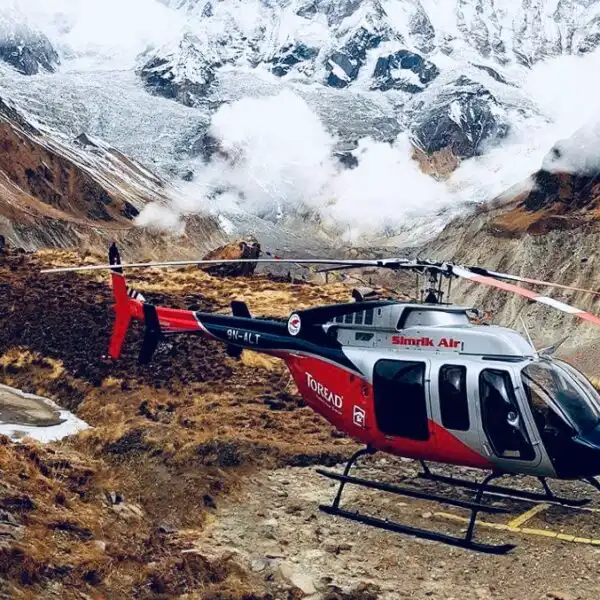
In an emergency, guides can arrange support, local transportation, or a helicopter rescue if needed. That is why emergency evacuation coverage on travel insurance is highly advisable before you begin the trek.
Travel Insurance and Coverage for Mohare Danda Trek
The Mohare Danda Trek relies heavily on travel insurance, and we strongly encourage all trekkers to purchase it. Although this is a moderate trek, some unforeseen issues might occur.
Your insurance must include emergency medical services, hospital services, and helicopter evacuation. The highest point of the trek is (3,300 m / 10,827 ft), so it is safer to have a policy that covers trekking up to (4,000 m / 13,123 ft). This is one of the most critical components of your policy because helicopter rescue in Nepal is quite costly.
Your insurance may also cover trip cancellation, delays, lost luggage, and stolen valuables. If you fall ill before your trip or change your travel plans, insurance can save you a great deal of money. Carry a copy of your insurance information with you and provide it to MET upon departure. Quality coverage brings peace of mind on the trip.
Mobile Network, Internet & Charging Facilities
During the Mohare Danda Trek, mobile signal and internet coverage are often unreliable, so don’t expect a strong connection every day.
You can experience good network coverage in the lower parts, such as Galeshwor and Banskharka. Mobile signal is occasionally available in Nangi at (2,300 m / 7,546 ft), particularly on local Nepali SIM cards. Wi-Fi at the lodge at Mohare Danda (3,300 m / 10,827 ft) is usually unstable and can be cut off in poor weather.
This means the trek is a chance to spend less time on a screen and appreciate the mountains.
You can charge your electronic devices at lodges, usually for a small additional fee. Carry a fully charged power bank. It is also recommended that trekkers prepare offline maps, contacts, and travel documents before leaving Pokhara.
Language, Culture & Local Etiquette on the Trail
The Mohare Danda Trek is not simply a mountain and nature trek; it is also an opportunity to interact with locals and experience village life. Along the way, you will pass through communities mainly inhabited by Magar and Gurung families.
Most people speak Nepali, with some basic English, especially in lodges and homestays. A smile and a simple Namaste do wonders and help you build a friendly relationship.
The culture on the trailisa warm, respectful, and welcoming one. People live close to nature, and many engage in agriculture, animal care, and community tours.
In the villages, dress decently and do not take pictures of individuals or houses without permission. Take off your shoes when entering someone’s house, and follow your guide’s instructions in areas near temples or other places of worship.
The Mohare Danda Trek will be even more meaningful when you interact with the local culture in a friendly and considerate manner.
Your Extra Expenses
Most basic services are included in the Mohare Danda Trek with My Everest Trip (MET), but you will always need extra funds for personal expenses.
Additional drinks, snacks, soft drinks, bottled water, hot showers, charging equipment, and Wi-Fi may be extra costs in your daily spending. The mountains are expensive because products must be transported to such heights.
For example, tea or snacks will be more expensive at Nangi (2,300 m / 7,546 ft) or around Mohare Danda (3,300 m / 10,827 ft) than in Pokhara.
Another popular additional expense is tipping. Although it is not mandatory, most trekkers tip their guide and porter at the end of the trek to show appreciation for what they did for them. You may also want to purchase small local goods or handmade souvenirs in village stores.
My Everest Trip (MET) recommends carrying enough Nepali rupees in small notes when you are leaving Pokhara, as there are no ATMs on the trail.
Side Trips Around Mohare Danda
With extra time, you can take several exciting side trips and route extensions from the Mohare Danda Trek. One of the most popular trails combines the trek with Poon Hill, which offers another famous sunrise view.
A lengthier alternative is Khopra Danda, which provides more mountain views and less noise on the trail. These extensions are excellent for trekkers who want to spend a few extra days exploring the Annapurna region.
Other smaller local side trips are also available. You can visit the village, community projects, or the village viewpoints at Nangi (2,300 m / 7,546 ft). You can also find even further views and photo spots on short walks around Mohare Danda (3,300 m / 10,827 ft) near the ridge.
Some tourists also like to spend extra time in Tikot or the surrounding villages to learn more about life in the country.
My Everest Trip (MET) can arrange these options if you want to extend your short Mohare Danda trek and make it more fun.
Mohare Danda Trek Photography Tips & Drone Regulations
The Mohare Danda Trek offers great photography opportunities. The best time to take pictures is at sunrise and sunset, particularly at Mohare Danda (3,300 m / 10,827 ft), where the scenery of Dhauligari and Annapurna is expansive and dramatic.
Keep your smartphone or camera easily accessible, because mountain weather and light can change quickly. Villages, forest paths, local residents, and rhododendron flowers make for beautiful subjects. It is worth including people in your photographs occasionally, as they add vibrancy and scale to the scenery.
Be careful if you want to fly a drone. Drone usage in Nepal may require permission, particularly in conservation and protected zones. Adhere to local regulations and respect the privacy of people in the villages. Ask before flying over houses or lodges. My Everest Trip (MET) advises you to verify the most recent permit process beforehand. On a Mohare Danda trek itinerary, drone flights can be more challenging than simple photography.
Mohare Danda Trek Extensions
After completing the Mohare Danda Trek, many travelers feel motivated to explore more in Nepal. The simplest option is to spend a little more time in Pokhara, relax by the lake, take short hikes, or explore the culture.
If you want another trek, you can do Poon Hill, Mardi Himal, or even Annapurna Base Camp, depending on your time and fitness. These paths have varied scenery and experiences, from forest ridges to higher mountain valleys.
Mohare Danda is a good warm-up trek before attempting longer, higher routes because it reaches as high as 3,300 m / 10,827 ft. Some trekkers take this trek to warm up before deciding to go on a larger expedition in Nepal.
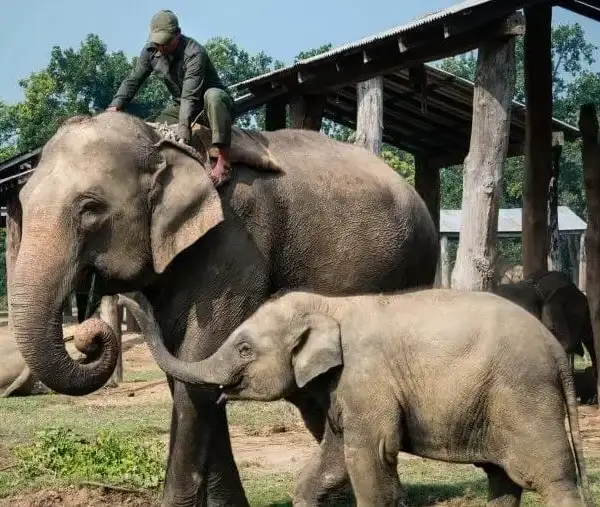
For a cultural extension, you can visit the villages, the nearby hot springs, or even go to Chitwan for a wildlife experience.
My Everest Trip (MET) can build a personalized itinerary to suit your interests. The 5-day trek to Mohare Danda isn’t long, yet it can easily be included in a larger, more unforgettable Nepal experience.
Tips for First-Time Trekkers in Nepal
The Mohare Danda Trek is a great option for your first trekking trip in Nepal. It is not excessively long, the scenery is beautiful, and the elevation is not as overwhelming as many other Himalayan trails.
The peak is Mohare Danda (3,300 m / 10,827 ft), so you don’t have to go much higher, but you still get a true mountain experience. To prepare your body, do some walking, light hiking, or climb some steps before the trek. Bring good shoes, layered clothes, a rain jacket, and a reusable water bottle.
Move slowly and leisurely. Walk carefully at a slow pace. Take plenty of water, have your meals, and listen to your guides. Bring money; there are no ATMs on the trail. Be courteous, appreciate local culture, meet people in a friendly way, and keep the trail clean.
My Everest Trip (MET) aims to help first-time trekkers feel safe, comfortable, and prepared to have fun throughout their trip.
Mohare Danda Trek – 5 Days FAQs
Should I have a guide for the trek?
Yes, it is recommended to trek with a licensed guide for better safety, proper guidance, and smooth coordination with community lodges along the trail.
Does the trek require prior trekking experience?
There is no prior experience required, yet a fair level of fitness would be beneficial to walk for a few hours every day.
Where does the walking part of the trek begin?
It is commonly started at Galeshwor near Beni at about 1,170 m (3,839 ft), following a picturesque journey from Pokhara.
Is there a porter available for the trek?
Yes, porters can be organized to carry your big baggage, and the trekkers can walk around with a light daypack.
Does the route of the trek have ATMs?
No, the trail does not have ATMs,and trekkers are expected to bring enough cash from Pokhara.
Is this trek family-friendly?
Yes, the trek is family-friendly, where the children andelderly people can have fun if they can walk for a few hours per day.
Do you have medical amenities on the trail?
Simple medical help can be found in villages like Nangi at (2,300 m / 7,546 ft), but bigger hospitals are found in Pokhara.
Is it possible to combine the Mohare Danda Trek with other treks of Annapurna?
Yes, it is possible to lengthen the trip or to add to another trekking adventure, like a Poon Hill or Khopra Ridge.
Is there electricity in the lodges on the trail?
The majority of lodges have electricity, which is normally generated using solar energy, but may not be sufficient in the high-altitude regions.
What are the types of toilet amenities on the trek?
The majority of lodges have simple shared toilets, usually squat style, and simple water facilities.
Do we need the sleeping bags on the trek?
Blankets are offered in the lodges, though a warm sleeping bag is advisable when it is cold.
Can I do solo trekking to Mohare Danda?
One can go on a solo trek, but it is advisable to hire a guide as the level will be convenient, safe, and the local can assist.
Do we have any stores to purchase snacks or supplies on the trail?
Basic snacks and drinks can be sold in small village shops, but the range of them is limited.
How reliable is transportation to the trek starting point?
The journey from Pokhara to Galeshwor usually takes about 4 to 5 hours by jeep or private vehicle, depending on road conditions.
Is it possible to do the Mohare Danda Trek in reverse?
The path can be modified with regard to the itinerary, though the majority of trekkers use the standard path to increase the elevation slowly but steadily.
US$ 350 per person
- 24/7 Customer Support
- Experienced and Professional Team
- Hassle-Free and Easy Booking
- 99% Customer Satisfaction
- Fair Prices, Exceptional Service
- No Hidden Costs and Secure Payments
- Tailored and Personalized Itineraries

24 X 7 Live Support

Puru (+977-9851069558)
Related Trips


Recent From Our Blog Places of attractions, travel tips, news and more.

Annapurna, Everest, Nepal, Trekking in Nepal
5 Top Trekking Routes in Nepal
Trekking in Nepal is no longer limited solely to professionals or adventure seekers. No matter…
Read the full post
Nepal, Tour In Nepal
10 Things to Know About Nepal
10 things to know about Nepal before visiting Nepal can genuinely transform your travel experience.…
Read the full post
Places
Hikes around Pokhara
Some popular hikes around Pokhara are the Sarangkot hike, World Peace Pagoda hike, and Dhampus…
Read the full post