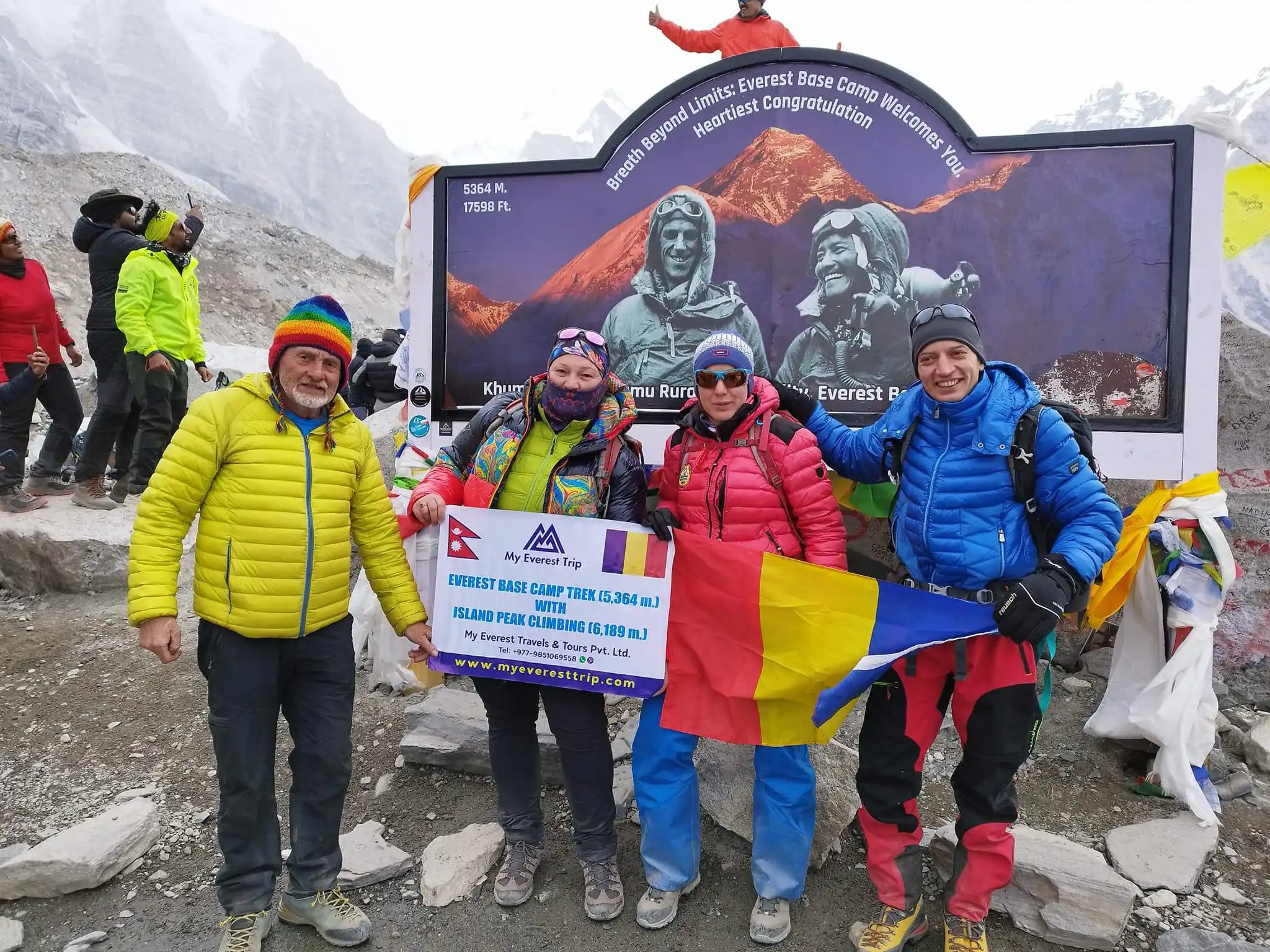




Everest Base Camp Trek

Everest Base Camp Short Trek

duration-icon
Trip Duration

10 Days

dollar-icon
Price Starts

US$ 1,200

  • 1 - 1 person
    US$ 1500
  • 2 - 5 people
    US$ 1200
  • 6+ + people 9999
    US$ 1150
Book Now

Quick Facts

transporation-icon

Ground transportation in Nepal

accommodation-icon

Hotels & tea-house accommodation

meals-icon

All meals except in Kathmandu

guided-icon

Guided tour & trek throughout the trip

season-icon

Summer, Autumn

grade-icon

Difficult

destination-icon

Nepal

altitude-icon

5,555 m

route-icon

Kathmandu - Lukla - Namche - Everest Base Camp - Kalapatther - Lukla - Kathmandu

Why Everest Base Camp Short Trek?

  • A Short Trek, A Lifetime Memory.
  • Exciting sightseeing flight to Lukla Airport, the entrance to the Himalayas.
  • Fully immersing in Sherpa culture at Namche Bazaar.
  • Stunning panoramas of Mount Everest, Lhotse, Nuptse, and Ama Dablam on the trek.
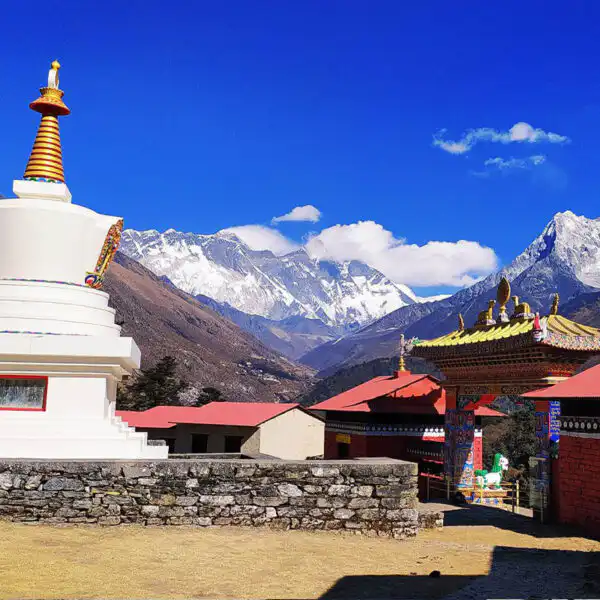
  • Excursion to the popular Tengboche Monastery (3,860 m) with the background of Everest.
  • Trekking in Sagarmatha National Park, including the beautiful rhododendron forest.
  • Crossing the high suspension bridges covered with prayer flags in the Dudh Koshi River gorge.
  • 360-degree views of Everest and the Himalayan range with a hike to Kala Patthar (5,555 m).
  • The possibility of catching rare Himalayan animals.
  • Welcoming Sherpa cuisine and comfortable Tea house accommodations

Trip Overview

The Everest Base Camp Short Trek is a 10-day trek for travelers who want to experience the Everest region in a limited time. This trek gives you the opportunity to experience the highlights of the classic Everest Base Camp route without a very long and uncomfortable schedule. You will begin with a scenic flight to reach Lukla Airport, trek through the Sherpa villages like the Namche Bazaar, and reach the famed Everest Base Camp at 5,364 meters.

The My Everest Trip (MET) Everest Base Camp Short Trek is meticulously planned to ensure a safe and enjoyable experience. You will walk along the Dudh Koshi River, cross over suspension bridges, and see amazing views of peaks such as Everest, Lhotse, and Ama Dablam. The trek leads through forests, alpine meadows, and glaciers, with a different landscape every day. On the return, you will climb Kala Patthar at 5,555 meters, where you can watch the sunrise over Everest and the surrounding mountains.

The short Everest Base Camp trek with MET features experienced guides, comfortable teahouse lodges, and rest stops to support acclimatization. Each day is scheduled to ensure you stay safe and well-prepared, and to help you enjoy the journey without feeling rushed. This ten-day trek offers a comprehensive Everest experience and is ideal for travelers seeking a shorter yet well-organized adventure in the Himalayas.

Why Choose the Everest Base Camp Short Trek over the Classic 14-Day Trek

Touch Everest Faster, Feel It Forever. The Everest Base Camp Short Trek (10 days) is suitable for people with limited time who want to experience the Everest region to the fullest. In only ten days, you can reach Everest Base Camp, with the same goal as the traditional 14-day route. This shorter trek offers the option to save time while still covering the main highlights, including the scenic flight to Lukla, trekking through Sherpa villages, and reaching Everest Base Camp, all while exploring the region’s culture and landscapes.

The difference is in the pace. The short Everest Base Camp trek follows a consistent walking schedule with fewer rest days, while safety and acclimatization are still carefully managed. Our experienced guides monitor your health and offer short stops along the way to help you acclimatize to the altitude.

Another benefit of the shorter trek is that it can be easier on your pocketbook. Less time on the trail represents fewer nights of accommodation and meals. For those who are physically fit and motivated, the 10-day Everest Base Camp Short Trek is a complete Himalayan adventure without the two-week commitment and is a great option for travelers who want to experience Everest in the most efficient way possible.

Everest Base Camp Short Trek Itinerary

Your Everest Base Camp Short Trek starts with an early morning flight from Kathmandu to Lukla. During the 30-40 minute flight, we shall enjoy aerial views of the Himalayan peaks and valleys. Upon arrival at Tenzing-Hillary Airport, located at 2,850 meters, we will meet the trekking crew and begin walking towards Phakding. The trail descends through pine forests and small villages along the Dudh Koshi River.

We will pass over our first suspension bridges adorned with prayer flags. In approximately 3 hours of trekking, we will arrive at Phakding at 2650 meters. We will have dinner at a teahouse now, take a glimpse of the river, and get ready to proceed. It is a relaxed introduction to the Everest Base Camp Short Trek, which allows us to establish a comfortable pace for the adventure.

icon-dinner

Breakfast, Lunch, Dinner

icon-sleep

Teahouse

icon-destination

6.2 km

altitude-small

2,850 m / 9,350 ft

sun-small

40 min flight & 3 hours trek

After breakfast in Phakding, we will begin the Everest Base Camp Short Trek across the Dudh Koshi River. The path cuts through rhododendron and pine forests and past a few little villages. We will enter Sagarmatha National Park at Monjo, where our permits will be checked. The route then climbs steeply towards Namche Bazaar, where Hillary Bridge stands high above the river gorge.

As we climb higher, we might get the first distant sight of Mount Everest. Namche Bazaar at 3,440 meters is a bustling Sherpa town with shops, bakeries, and guesthouses. We will relax in a tea house, have a sight of the mountains, and take some time to have a look around the town. The day features a gradual climb and marks a major milestone in acclimatization on the Everest Base Camp Short Trek.

icon-dinner

Breakfast, Lunch, Dinner

icon-sleep

Teahouse

icon-destination

7.4 km

altitude-small

3,440 m / 11,286 ft

sun-small

6 hours

Leaving Namche after breakfast, we will follow a scenic trail along the mountainside with Everest, Lhotse, and Ama Dablam in view. The path is gentle at the beginning, giving us time to look around. We will descend a bit, have lunch at Phunki Tenga by the river, then begin climbing steadily, passing through pine and rhododendron forests towards Tengboche.

This village at 3,860 meters is home to the Tengboche Monastery, which is the spiritual center of the Khumbu region. From here, we shall enjoy 360-degree mountain views. We will stay at a teahouse near the monastery and soak up the calm, peaceful atmosphere. Today helps us to acclimate and prepares us for the higher altitudes on the Everest Base Camp Short Trek.

icon-dinner

Breakfast, Lunch, Dinner

icon-sleep

Teahouse

icon-destination

9 km

altitude-small

3,860 m / 12,664 ft

sun-small

5 hours

From Tengboche, we will descend through quiet rhododendron forest to Debuche, and cross the Imja Khola River on a suspension bridge. We will continue through Pangboche, a Sherpa village with excellent views of Ama Dablam, before gradually climbing into alpine terrain. Above 4,000 meters, the trees give way, and the landscape opens to rocks, shrubs, and yak pastures.

We will keep a constant pace as we reach Dingboche, a village at 4,360 meters in the Imja Valley. We will relax in a teahouse, have a warm lunch, and take in Lhotse and Ama Dablam. This day provides us with an opportunity to acclimatize to higher altitudes and relax in the serene surroundings, and is a significant moment of the Everest Base Camp Short Trek.

icon-dinner

Breakfast, Lunch, Dinner

icon-sleep

Teahouse

icon-destination

12 km

altitude-small

4,360 m / 14,304 ft

sun-small

5 hours

Leaving Dingboche, we will slowly ascend to Dughla at 4,620 meters and have a hot cup of tea for a brief rest. From Dughla, we will ascend to a rocky ridge to visit memorial cairns honoring climbers and Sherpas who died on Everest. Continuing along the Khumbu Glacier moraine, we will trek over rocky terrain with little vegetation.

We will reach Lobuche at 4,930 meters, a small village with simple teahouses. It can be very hard to breathe at this altitude, so we will take breaks and drink as much water as we can. Surrounded by peaks such as Lobuche East and Nuptse, we will rest and prepare for the push to Everest Base Camp. This day allows us to build strength and stamina for the final ascent, which is an important part of the Everest Base Camp Short Trek.

icon-dinner

Breakfast, Lunch & Dinner

icon-sleep

Teahouse

icon-destination

8.5 km

altitude-small

4,930 m / 16,175 ft

sun-small

5 hours

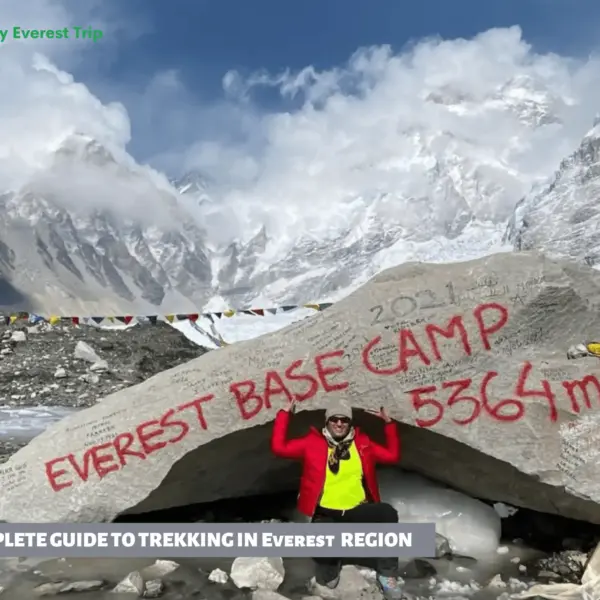
Today, we will reach Everest Base Camp, which is the main highlight of the trek. Leaving Lobuche early on, we will walk along the lateral moraine of the Khumbu Glacier to Gorak Shep at 5,185 meters. After dropping our backpacks and having lunch, we will continue to Everest Base Camp (5,364 meters). We will carefully trek over rocks and glacial moraine until we reach Base Camp.

Here we will take photos, enjoy the surroundings, and see the Khumbu Icefall. After visiting the camp, we will go back to Gorak Shep for the night. With My Everest trip (MET), we will make sure that safety and comfort are maintained throughout this day, making it a memorable experience on the Everest Base Camp Short Trek.

icon-dinner

Breakfast, Lunch & Dinner

icon-sleep

Teahouse

icon-destination

15 km (round trip)

altitude-small

5,364 m / 17,598 ft

sun-small

6–8 hours

We will begin the day very early, leaving Gorak Shep at 5,555 meters to climb Kala Patthar. The hike in the pre-dawn is constant and difficult, but the effort is worth it. From the top, we will have panoramic views of Everest, Lhotse, Nuptse, and the surrounding peaks. This is one of the highest points reached by most trekkers, offering a panoramic view of the Khumbu region. After a few photos and enjoying the scenery, we will gently descend back to Gorak Shep for breakfast.

Then we will again continue our descent past Lobuche and Dughla along the trail towards Pheriche. Along the way, we will notice the air growing richer in oxygen and find it easier to walk. We will reach Pheriche at an altitude of 4,250 meters by afternoon and check into a teahouse. This day combines the highlights of the Everest Base Camp Short Trek with a comfortable descent.

icon-dinner

Breakfast, Lunch & Dinner

icon-sleep

Teahouse

icon-destination

9.5 km

altitude-small

5,555 m / 18,225 ft

sun-small

5 hours

We will begin our descent from Pheriche towards Namche Bazaar, with a different landscape and lower altitude. The trail winds through Debuche and Tengboche, where we can stop to rest or take a few photos and again enjoy views of Ama Dablam. We will continue through Pangboche and follow familiar portions of the trail back to Namche. The pace is gentler on the legs, since most of the day is downhill, but we will take our time to rest and hydrate.

Upon arrival in Namche Bazaar at an altitude of 3,440 meters, we will settle into a teahouse and explore the shops and bakeries. We will reflect upon the journey so far and enjoy a well-deserved evening in this lively Sherpa town. This day gives us an opportunity to relax and recover, and complete the return leg of the Everest Base Camp Short Trek.

icon-dinner

Breakfast, Lunch & Dinner

icon-sleep

Teahouse

icon-destination

14 km

altitude-small

4,250 m / 13,944 ft

sun-small

6–7 hours

We will leave Namche Bazaar after breakfast to begin the final leg of the Everest Base Camp Short Trek. The trail begins a steep descent towards the Dudh Koshi and Bhote Koshi rivers. Along the way, we will cross suspension bridges one last time and enjoy views of the mountains in the distance. The trail passes through familiar villages such as Monjo (where we will exit Sagarmatha National Park) and Jorsalle before heading to Phakdi for lunch.

After lunch, we will continue our gentle climb towards Lukla. Arriving in Lukla late afternoon, we will celebrate the completion of a short trek to Everest Base Camp. We will take you to a teahouse where we will spend the evening enjoying Sherpa hospitality and look back on the 10-day adventure we have had exploring the high Himalayas.

icon-dinner

Breakfast, Lunch & Dinner

icon-sleep

Teahouse

icon-destination

13.5 km

altitude-small

3,440 m / 11,286 ft

sun-small

6–7 hours

Today, we will fly back to Kathmandu via Lukla. When the weather is clear, the short flight will be our final chance to enjoy aerial views of the mountains, glaciers, and valleys we have been trekking through for ten days. We will pick you up upon landing in Kathmandu and transport you to your hotel, where you can relax and indulge in the city’s comforts after the Everest Base Camp Short Trek.

The remainder of the day is at liberty to unwind and contemplate the accomplishment. You will have the chance for a hot meal, a shower, and a restful sleep in a soft bed. This 10-day Everest Base Camp Short Trek is an unforgettable experience, and we have beautiful memories of the mountains, the villages, and the trail we shared with our trekking team.

icon-dinner

Breakfast

icon-destination

40 minutes (flight)

altitude-small

2,850 m / 9,350 ft

What To Expect?

What's Included

Before the trip begins, we will provide you with a brief introduction to the 10-day Everest Base Camp journey.

1, Pickup and Drop-off Services

  • Domestic airport drop-off from hotel (Start of trek)
  • Domestic airport Pick-up and transfer to the hotel (After the trek)

2, Accommodations Services

  • 9 nights at local tea houses in the mountains (on a twin-sharing basis). For luxury accommodation in Kathmandu, we would like to discuss options with our travel specialist.
  • If you Need Private room accommodation during the trek, it can be arranged for an additional cost. Please consult with our expert.

3, Domestic Flights

  • Kathmandu to Lukla flight ticket
  • Lukla to Kathmandu flight ticket

4, Food During Kathmandu/Trekking

  • 9 Breakfast: Local and continental choices from the tea house Menu
  • 9 Lunch: A Simple and light lunch in the lunch camp tea houses
  • 9 Dinner: Veg and Non-Veg Meals of your choice, domestic and continental foods from the local tea house Menu

5, Guide/Porter Services and Their Liabilities

  • Trekking guide – English-speaking licensed guide with 10 + years of experience.
  • Local sherpa for carrying your luggage up to 20 kg Maximum (2 guests sharing 1 Porter) 
  • Insurances for Guide & Porter (Emergency evacuation and accidental medical expenses)
  • All meals for the Guide/Porter
  • Salary as per the company standard rate (which is recommended by the concerned association of the tourism industry)

6, Permits and Taxes Included:

  • Everest National Park Entry Permit,
  • Pasang Lhamu Rural Municipality Trekking Card Fee:
  • All agency service charges, government taxes, and VAT

7, Complimentary Inclusions for the Everest Base Camp Short Trek:

  • Trekking maps of the Everest Base Camp route
  • Oximeters for monitoring oxygen levels during the trek
  • First-aid kit box carried by our team
  • Water purifying tablets for safe drinking water
  • Emergency rescue service arrangement (Note: Please ensure you have travel insurance from your home country that covers medical emergencies and evacuation)
  • Four-season sleeping bag provided upon request by My Everest Trip (must be returned after the trek)
  • Complimentary duffel bag for your belongings (carried by a porter if required)
  • Certificate of achievement upon completion of the trek

What's Excluded

  • Meals in Kathmandu before and after trekking
  • Your travel insurance ( Rescue )
  • Nepal entry visa fee.
  • Tips for trekking staff and driver
  • Drinks (hot, cold, and alcoholic)
  • Personal shopping, laundry, etc
  • Personal trekking equipment

quote-icon quote-icon

Tripadvisor Reviews

Google Reviews

Everest Base Camp Short Trek Additional Information

Everest Base Camp Short Trek Difficulty

The Everest Base Camp Short Trek is rated moderately difficult to challenging. While it does not require any technical climbing skills, it does involve trekking at high altitude for several days.

The trail involves uphill walks, particularly when ascending to Namche Bazaar and Tengboche, as well as a few steep descents. Most days take between five and seven hours of walking, which can be exhausting even for fit trekkers. The thin air above 3000 meters makes the trek more demanding, so it is important to pace yourself.

This shortened itinerary means you gain altitude faster than on the classic 14-day trek, making proper acclimatization and fitness especially important. This makes it important that you are aware of altitude sickness and follow a careful acclimatization plan. Trekkers should be reasonably fit and have a decent amount of endurance. The highest point reached is at Kala Patthar at 5555 meters, while Everest Base Camp is at 5364 meters.

The terrain is varied, ranging from well-defined paths to rocky sections and stone steps near the base camp. My Everest Trip (MET) ensures that guides monitor your health and help you maintain a safe, comfortable pace throughout the trek.

Best Season and Weather

The best time to do the Everest Base Camp Short Trek is in spring, from March to May, or in autumn, from late September to November. These periods offer clear skies, moderate temperatures, and safer conditions for trekking. In the spring, the temperatures are warm in the day and cold at night. You can see blooming rhododendrons in April, and mornings are usually clear, offering good visibility of the mountains. By late May, clouds may develop as the monsoon nears, so a light rain jacket is recommended.

Autumn is often considered the best time to go trekking. The summer monsoon washes away dust and pollution, and in October, there is often good visibility, with mild daytime temperatures and cold nights. By November, temperatures decrease further, and proper clothing for cold mornings and nights is essential. The monsoon season from June to August is not recommended due to wet and slippery trails and delayed flights to Lukla. Winter trekking is possible but challenging due to very low temperatures and snow at higher altitudes. Our team will assist travelers in planning the trek for the season and provide tips on choosing the right clothing and gear for trekking.

Meals on Everest Base Camp Short Trek

Meals are an important aspect of the Everest Base Camp Short Trek. All three meals during the trek are provided, and you will eat in teahouses along the trek. Breakfast usually includes options such as porridge, eggs, pancakes, or Tibetan bread, served with tea or coffee. Lunch and dinner consist of dal bhat, fried rice, noodle soup, momos, and vegetables. Meat dishes such as chicken or yak are available at lower altitudes, but at higher elevations, it is better to stick to vegetarian options to avoid health problems.

Water is available and we will use water purification tablets for safety. Avoid drinking untreated water or eating raw vegetables in order to minimize the risk of stomach problems. Tea or coffee is usually included with breakfast and dinner, but any additional drinks or snacks are your responsibility. Vegetarian diets are easily followed on the trek, and vegan or gluten-free diets need some advance planning. Meals are simple but filling and designed to provide sufficient energy for long days of trekking. Following MET guidelines for food and water will ensure a healthy experience during the Everest Base Camp Short Trek.

Altitude Sickness & Acclimatization

Altitude sickness can affect anyone trekking above 3000 meters; the Everest Base Camp Short Trek reaches altitudes of 5364 meters at Base Camp and 5555 meters at Kala Patthar. Acute Mountain Sickness (AMS) causes headaches, nausea, dizziness, loss of appetite, and difficulty sleeping. It is important to notice these symptoms and act early. Ignoring them can cause serious conditions such as fluid in the lungs or brain.

Although this is a shortened itinerary, acclimatization is carefully managed through a gradual pace, regular breaks, and close health monitoring by our experienced guides. We also follow the “climb high, sleep low” principle, which helps your body adjust in a healthy way. It is important to stay hydrated, avoid alcohol, and pace yourself. Our trained guides will monitor your health using oxygen saturation monitors and provide daily advice. If necessary, they will recommend resting or going down to avoid complications. With proper acclimatization and an awareness of your body, most trekkers complete the short Everest Base Camp trek without any problems.

Physical Preparation and Training Plan

The Everest Base Camp Short Trek requires endurance and strength, so it is important to prepare your body before the trip. You do not have to be an athlete, but having a good fitness base makes the trek more enjoyable and safer. Cardiovascular training, such as jogging, cycling, swimming, or long walks, is good for building stamina during the long trek days. Try to exercise 3 to 5 times a week and slowly increase your time.

Leg strength and core stability are also very important. Squats, lunges, step-ups, and planks for climbing uphill and going down safely. Practicing hikes with a pack that is similar to what you will carry on the trek is helpful. Even four- to six-hour hikes will prepare you for unbroken trekking days. Mental preparation is also important. The trek can be tiring, and keeping motivated helps you to complete the journey. We have training routines and tips for adapting to altitude. Starting the trek well-prepared makes it more comfortable and allows you to focus on enjoying the short Everest Base Camp trek experience.

Visa and Permits

Before the Everest Base Camp Short Trek, you need the Nepal tourist visa and trekking permits. Most travelers can obtain a tourist visa on arrival at Tribhuvan International Airport in Kathmandu. The 15-day visa costs USD 30, and the 30-day visa costs USD 50. Be sure that your passport is valid for at least 6 months after your arrival date. Carry a passport-sized photo for convenience. You can also obtain a visa in advance from a Nepalese embassy if you wish.

For a trekking Permit, you need the Sagarmatha National Park Entry Permit and the Khumbu Pasang Lhamu Rural Municipality Permit. The Sagarmatha National Park Entry Permit costs NPR 3,000 per person, and the Khumbu Pasang Lhamu Rural Municipality Permit costs NPR 2,000 per person. My Everest Trip (MET) handles all the paperwork on your behalf, so you don’t have to worry about any paperwork during the trek. Keep copies of permits with you, since park officials may check permits at entry points. TIMS cards are not required in the Everest region, which makes it easier. Having all the permits in place ensures a smooth, stress-free short trek to Everest Base Camp.

Health, Safety, and Emergency Protocols

Your safety is a top priority on the Everest Base Camp Short Trek. Our guides are skilled in high-altitude trekking and adhere to strict safety procedures. On steep or rocky trails, it is important to walk carefully and take your guide’s instructions. Trekking poles are used for added stability, particularly on the way down. Yaks and mules may pass along the trail, stepping to the hillside to avoid collisions.

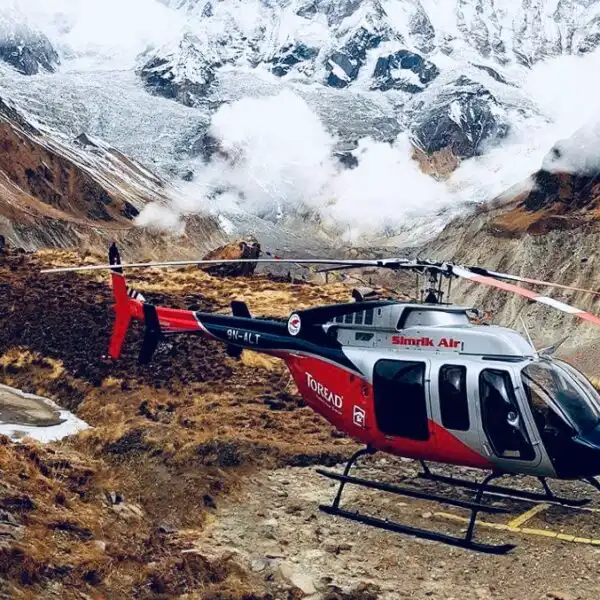
Hygiene is important. Drink treated or boiled water, wash your hands regularly, and eat cooked food to avoid illness. Guides monitor your health daily for signs of altitude sickness and are equipped with a first-aid kit containing the necessary supplies. If serious conditions develop, our team can arrange a safe descent or an emergency helicopter evacuation. Clinics and rescue facilities are provided along the trail.

Communication devices such as cell and satellite phones are available in case of emergency. We also allow buffer days to allow for unexpected delays. By following our guidelines, drinking water, and openly communicating about your health, you can enjoy a safe Everest Base Camp Short Trek. Our experienced team is there to help you every step of the way.

Transportation

The short Everest Base Camp trek starts with a plane flight from Kathmandu to Lukla. The flight is about 30 minutes, and is an excellent view of the mountains. Flights depart early in the morning. During peak season, flights may be diverted to Manthali airport, and we will arrange transfers to ensure you reach Lukla safely.

The starting point of the trek is Lukla. From here, you trek between villages on a daily basis, spending the night in teahouses along the way. Porters carry heavier luggage if one makes arrangements in advance. After completing the trek, you are returned to Kathmandu by a return flight from Lukla. Flight delays are possible, due to weather, so we have a buffer day in Kathmandu. All the airport transfers are provided in Kathmandu.

While on the trek, no vehicles are needed. Emergencies can be handled by helicopter, but routine travel is on foot. MET takes care of all the transportation logistics so that you can concentrate on trekking. The combination of flights and walking makes the Everest Base Camp Short Trek accessible, safe, and manageable while ensuring you have the support you need for a smooth journey.

Alternative Routes to Everest Base Camp

While our main itinerary covers the popular direct route to Everest Base Camp, there are various alternative routes and side trips in the Everest region for those with more time or who would like to have a different perspective.

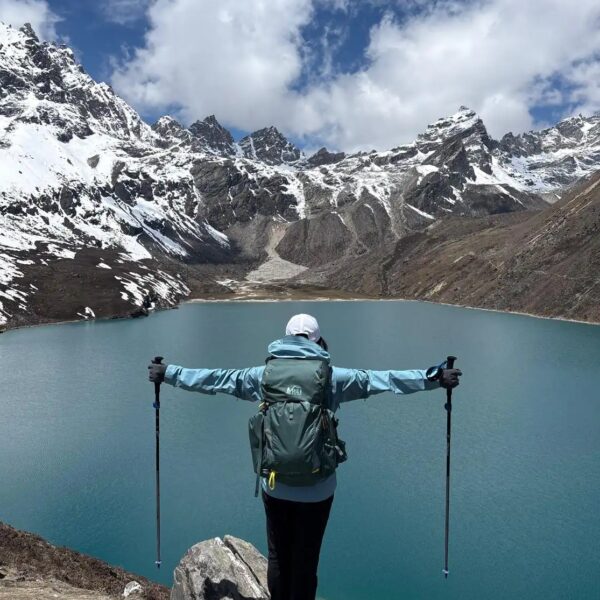
Everest Base Camp via Gokyo Lakes: This variation includes a visit to the beautiful Gokyo Valley, home to turquoise glacial lakes. After reaching Namche Bazaar, the trail splits to Gokyo. You can climb Gokyo Ri (5357m) for spectacular views, including a more distant panorama of Everest. Then, you cross the challenging Cho La Pass (5,420m) to join the main EBC trail at Lobuche. This route adds 3-4 days and is more strenuous, but the quieter trails and Gokyo views are well worth the extra trek time, as many trekkers state.

Three Passes Trek: For the ultimate Everest adventure, the Three Passes Trek is an 18-20-day circuit that crosses Renjo La (5,360m), Cho La (5,420m), and Kongma La (5,535m). It connects Bhotekoshi (Thame), Gokyo, and Khumbu valleys and contains EBC and Kala Patthar. This trek is only suitable for very fit and experienced trekkers because of steep elevation gain and remote sections. It offers you a complete Everest region experience of EBC, Gokyo, and off-the-beaten-path trails.

Jiri/Phaplu to EBC (Classic Approach): Before the advent of Lukla airport, treks began over land from Jiri or Phaplu. You can still make this trip: take an 8-9 hour road trip from Kathmandu to Phaplu, then trek for 5-6 days through the mid-hill villages such as Nunthala, Kharikhola, and Paiya to reach Lukla. This adds a week to your journey, offers terraced fields and diverse cultures, and is conducive to slow acclimatization. The lower landscapes are less dramatic than the high Khumbu, but the experience is authentic.

Helicopter-Assisted Options: Some trekkers combine flying and trekking. You could trek to Base Camp, fly back by helicopter from Gorak Shep or Pheriche to Lukla or Kathmandu, and skip the return trek. The costs range from hundreds to several thousand dollars. Another option is a heli-drop, starting trek from Gokyo by helicopter. While this is possible, it is costly, and most trekkers find the classic trek in and out of the valley more rewarding.

Shorter Everest Region Treks: If you are looking for Everest experiences without the drive all the way to Base Camp, there are shorter options to explore Everest, such as the Everest Panorama Trek (to Tengboche, 5-6 days), the Everest View Trek (Namche and Everest View Hotel), the Three Peaks Trek (Kongde and Thame), or the Ama Dablam Base Camp. These treks are shorter and less strenuous but still provide magnificent views.

Personal Expenses and Hidden Costs

When you do the Everest Base Camp Short Trek, most of your major expenses, such as accommodation, meals, and guide services, are covered. However, you should still include some personal expenses in your plans. Drinks and snacks, in addition to those provided with meals, are your responsibility. Bottled water, soft drinks, or tea in teahouses can be more expensive. Hot showers and charging your gadgets at the teahouse may also incur a minimal fee. Wi-Fi in villages on the way is generally paid, and the quality is slow.

Tips for guides and porters are appreciated, and you should consider giving a reasonable amount at the end of the trek. Some trekkers also purchase small souvenirs in Namche Bazaar or other villages. Unexpected costs can occur if flights are delayed or if you are forced to spend an extra night due to weather or altitude. It is a good idea to carry extra cash in Nepali rupees, since ATMs are very few and far between, and most teahouses will not accept cards or foreign currency. Planning a little extra money ensures you can enjoy your trek to Everest Base Camp Short Trek without worrying about money.

Language, Local Interaction and Communication

In the Everest Base Camp Short Trek, you will have the opportunity to socialize with a large number of locals, mostly Sherpas, who are hospitable and hospitable. The majority of the population understands some English or Nepali, and hence, communicating about food, accommodation, and directions is, more often than not, straightforward.

It is also good to learn some simple phrases, such as Namaste, meaning “hello,” and Dhanyabaad, meaning “thank you,” which are useful for developing an amicable relationship. It is important to show respect in the monasteries and at sacred sites. Always ask before taking close-up pictures of people, and respect local customs when visiting places of prayer.

Smiles, greetings, and polite behavior go a long way in day-to-day interactions. Children may say Namaste to greet you, and it is nice to respond with Namaste as well. Where needed, your guide will help you with translation and learning cultural practices.

The Everest Base Camp Short Trek is not just a trek to the Base Camp, but a journey to discover the cultural backgrounds and lifestyles of the people who reside in the mountains. Patience and friendliness, coupled with respect, help to make the experience easier and enjoyable for all.

Internet, Wi-Fi, and Mobile Network

Communication is limited, but can be done in the Everest Base Camp Short Trek. Mobile network coverage has been introduced in certain villages, such as Namche Bazaar, Lukla, and Dingboche, but not necessarily at high elevations. Ncell and Nepal Telecom are the leading providers, and sometimes you can even get a signal near Base Camp. Wi-Fi is available in most teahouses, but it is paid, slow, and may have limited data. You will need to set aside a small budget for the Internet if you want to check messages or email. Electricity for charging devices is available at most teahouses for a small fee.

It is recommended to use a power bank to reduce charging. It is also important to keep your devices warm, as they drain their batteries faster in cold weather. At some point, you might have days when you are offline during the trek, and this is okay. Take advantage of these moments to appreciate the scenery and the other trekkers present. Limited connectivity planning will make your Everest Base Camp Short Trek as comfortable and stress-free as possible.

Things You Should Never Do

There is safety, respect, and care for the environment while on the Everest Base Camp Short Trek. Always listen to your guide, especially if you experience the symptoms of altitude sickness. Do not push yourself too hard, or walk alone on unfamiliar trails. Littering is prohibited; please take your garbage to designated trash dumps. Respect sacred sites, monasteries, prayer flags, and mani stones. Dress in a modest way when visiting religious sites.

Don’t give sweets or money to children and avoid actions that may be disrespectful. Limit alcohol and smoking at high altitudes, and do not take dangerous risks for photos. Following these simple guidelines keeps you safe and respectful of the local people and culture. By being careful, you can enjoy the Everest Base Camp Short Trek to the fullest while helping protect the environment and local communities for future travelers.

Photography and Drones Regulations

Everest Base Camp is a beautiful place to take pictures, and you are welcome to capture landscapes and villages. Always ask for permission before taking close-up pictures of people, especially in monasteries or private homes. Refrain from taking pictures of military or restricted areas. Drones are not permitted in the Sagarmatha National Park without special permits from the government. Flying a drone without permission can end in fines or confiscation.

If you are interested in obtaining aerial footage, it is best to work with professionals who hold the necessary permits. Photography on the short Everest Base Camp trek should be respectful, especially around religious ceremonies and local people. Taking pictures responsibly means you can capture memories while respecting the culture and environment. Enjoy your photos and the experience of the trek safely.

Seasonal Festivals Along the Trail

The Everest Base Camp Short Trek is not only about trekking in the mountains but also an opportunity to experience the culture of the Sherpa people. Many of the villages along the trail hold special festivals throughout the year. If your trek coincides with one of these festivals, you will have the opportunity to see the local community in celebration. Mani Rimdu is celebrated in October or November at the Tengboche monastery and lasts three days.

Monks perform mask dances, rituals are held, and the villagers gather to celebrate. Dumji is celebrated in June or July in villages such as Namche and Pangboche in honor of Guru Rinpoche. During this festival, people wear traditional clothes, sing, dance, and perform rituals. Losar, the Tibetan New Year, is around February or March and is largely a family celebration, with homes decorated and special foods prepared.

Other, less noisy religious events, such as Saga Dawa and Lhabab Duchen, are celebrated along the trail. If you are trekking during a festival, ask your guide for an explanation of the customs and, if you can, join in respectfully. Planning your itinerary around these celebrations can add a meaningful cultural layer to your short Everest Base Camp trek, making it not only a physical journey but also a cultural one.

Teahouse Accommodation: Comfort Level on an Everest Short Trek

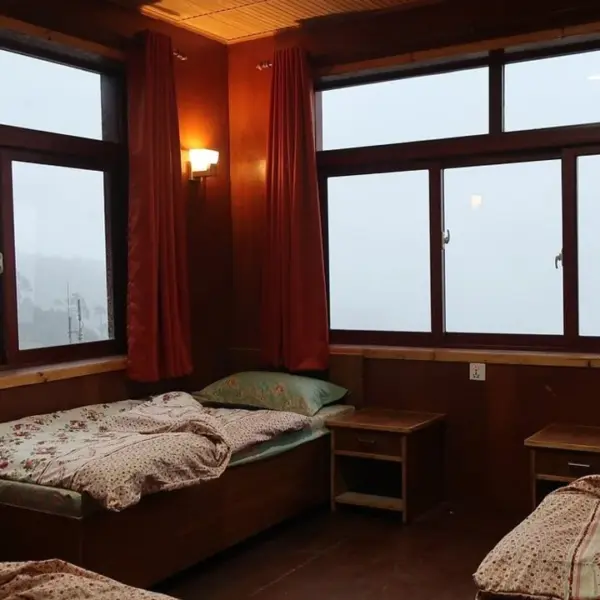
During the Everest Base Camp Short Trek, trekkers stay at teahouses in the region. These teahouses offer basic but essential facilities such as a bed, a roof, and a warm meal. Rooms are typically twin-share with foam mattresses, pillows, and blankets. At higher elevations, the nights are cold, and your sleeping bag will help keep you warm. Heating is usually not available in rooms, and the walls are thin, so earplugs may be helpful. Bathrooms range from Western-style at lower villages to simple squat toilets at upper villages. Hot showers are available for a nominal charge.

Electricity is powered by solar or generators and is usually available for charging devices in the dining room. The dining hall is the center of social life where trekkers eat, socialize, and warm up by the stove. Meals are simple but filling, with a selection of local and international dishes. While the teahouses are modest, they offer an opportunity to experience local hospitality and interact with Sherpa families. The Everest Base Camp Short Trek is less about luxury and far more about getting into the mountains and culture, and most trekkers enjoy the charm and practical side of teahouse living.

Private vs Group Trek

You can do the Everest Base Camp Short Trek as a private trek or as part of a group. On a private trek, you can choose your own pace and schedule. It is suitable for families, couples, or anyone who wants more flexibility. You can have a rest break, explore, or alter the itinerary for photography or acclimatization. A private trek is more personalized but also more expensive, as costs are not shared. Group treks are cost-effective because the costs of guides, porters, and transport are shared among the trekkers.

Joining a group also gives you the opportunity to meet new people, share experiences, and push each other along the trail. On a group trek, you have a set schedule and may share rooms with other trek mates. Guides are good at managing mixed abilities and keeping everyone safe. Both options offer good support from experienced guides, and your choice depends on your preferences for cost, privacy, and social experience. Whether you’re traveling alone or in a group, your short Everest Base Camp trek will be safe, enjoyable, and well-organized.

Best Time of Day to Trek for Views, Weather, and Energy

Early Mornings are the best time to walk during the Everest Base Camp Short Trek. Morning skies are generally clear and calm, and have less wind. Clouds and showers are common in the afternoon, so it is better to trek early for a better chance of good views. Temperatures are cold in the morning, but the sun heats up the air soon. Trekking in the morning also helps you use your energy efficiently. Afternoon fatigue can be prevented by reaching the next teahouse early in the afternoon. Early starts are also safer as the weather in the mountains can change quickly, and nights are very cold.

For important landmarks such as Kala Patthar, pre-dawn hikes are popular to witness the sunrise over Everest. Planning your day to trek in the morning and rest in the afternoon helps with acclimatization and makes your Everest Base Camp Short Trek more comfortable and enjoyable. Even on flight days, early departures are selected to ensure maximum weather safety. Following this rhythm ensures that you have the opportunity to view the mountains at their cleanest and quietest moments and maintain a steady level of energy throughout your trek.

Trip Extensions

After finishing the Everest Base Camp Short Trek, there are a number of options to explore more of Nepal. Chitwan National Park is a jungle safari area for seeing rhinos, elephants, and birds. Retreat to a lakeside with paragliding, mountain biking, or short local treks such as Poon Hill. Kathmandu has cultural tours to Durbar Squares, Boudhanath, Swayambhunath, and Pashupatinath, which give insight into the history and traditions of the Nepalese people. For travelers with more time, excursions to Bhutan or Tibet can be arranged to experience the cultures of their neighbors.

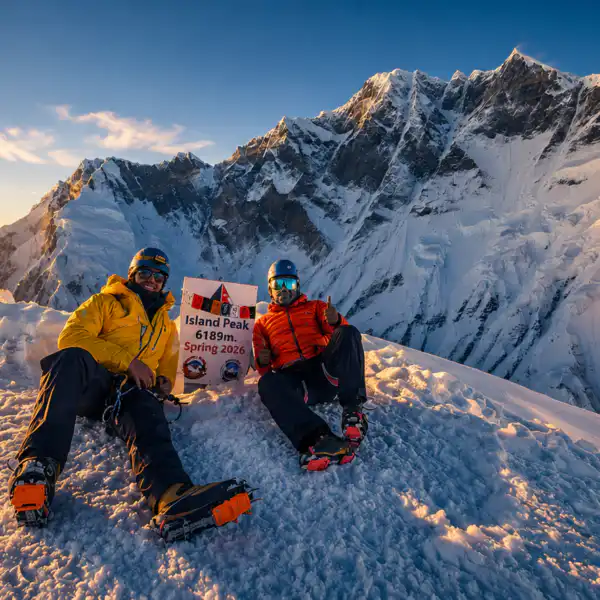
More adventurous trekkers may further continue to climb peaks such as the Island Peak or Mera Peak for mountaineering experiences. For relaxation, there are hill stations near Kathmandu, such as Nagarkot and Dhulikhel, as well as quiet resorts and views of the Himalayas. After the Everest Base Camp trek, you can choose a trip extension to better balance adventure, culture, relaxation, and wildlife exploration. It is a great way to celebrate your accomplishment and enjoy more of Nepal safely and comfortably.

Nepal Travel Tips for First-Time Visitors

If this is your first time going to Nepal, there are some important tips to help you have a smoother trip. Visas are on arrival at Kathmandu airport with a few documents and a fee. Cash is also widely used with the Nepalese Rupee as the primary currency. Credit cards are accepted in the cities but not on the trek. You must dress shabbily in temples and villages, take off shoes when necessary, and greet locals with Namaste. Only drink bottled or purified water and eat cooked food, especially during the trek.

Transportation in cities is largely in taxis or private vehicles. Safety: Keep safety in mind, as traffic is heavy and driving is different from what you may be used to. Wi-Fi and electricity are normally available in the cities, but power is out. Carry a universal adapter, hand sanitizer, and refillable water bottles. Respect local customs, temple rules, and environmental rules by not littering or disturbing wildlife. Following these tips will ensure that your Everest Base Camp Short Trek and stay in Nepal are safe, enjoyable, and sensitive to local culture.

Everest Base Camp Short Trek FAQs

US$ 1,200 per person

  • Best Price Guarantee
  • Secured Payment System
  • Tailored and Personalized Itinerary
  • 70% repeat customers
profile
24 X 7 Live Support whatsapp-icon1
Puru (+977-9851069558)

Recent From Our Blog Places of attractions, travel tips, news and more.

A Complete Everest Trekking Guide
Everest, Blog, Trekking in Nepal

A Complete Everest Trekking Guide

Everest Trekking Guide A Complete Everest Trekking Guide is many treks globally, but none are…

Read the full post
Accommodation on Everest Base Camp Trek
Everest, Blog

Accommodation on Everest Base Camp Trek

Accommodation is a major concern for trekkers, especially in remote Himalayan areas like the Everest…

Read the full post
Best Season for trekking in Nepal
Blog, Nepal, Trekking in Nepal

Best Season for trekking in Nepal

Are you looking for the best season for trekking in Nepal?  If yes, Nepal trekking…

Read the full post

Chat with our Travel Expert Puru

Need help? Our expert agent is ready to assist you. Simply fill out the form below to start a chat and get quick answers to your questions.

Please enable JavaScript in your browser to complete this form.