


8 Days


Quick Facts

Transportation: Tourist couch / Private Jeep

Hotels & Tea-House

Meals: Breakfast, Lunch , Dinner

Trekking

March - May - September - December

Moderate

Nepal

4,130 M 13,550 F

Kathamndu - Pokhara - Jhinudada - Sinuwa - MBC - ABC - Pokhara - Kathmanud
US$ 550 per person
-
1 -
1 personUS$ 750
-
2 + people
9999
US$ 550
- 24/7 Customer Support
- Experienced and Professional Team
- Hassle-Free and Easy Booking
- 99% Customer Satisfaction
- Fair Prices, Exceptional Service
- No Hidden Costs and Secure Payments
- Tailored and Personalized Itineraries

24 X 7 Live Support

Puru (+977-9851069558)


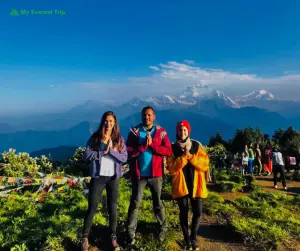


Why Short Annapurna Base Camp Trek?
Journey through breathtaking mountains, warm villages, and unforgettable moments—creating memories that stay in your heart long after you return home.
- Reach the Heart of the Himalayas in Just Days
- The Best Himalayan Adventure for Time-Limited Travelers
- Experience Stunning Annapurna Views in Less Time
- Fast, Scenic, and Unforgettable Mountain Journey
- The Ultimate Short Trekking Experience in Nepal
- Breathtaking Himalayan Landscapes and Cultural Encounters
- A Perfect Blend of Adventure, Nature, and Mountain Beauty
- Discover Majestic Peaks on a Short Himalayan Escape.
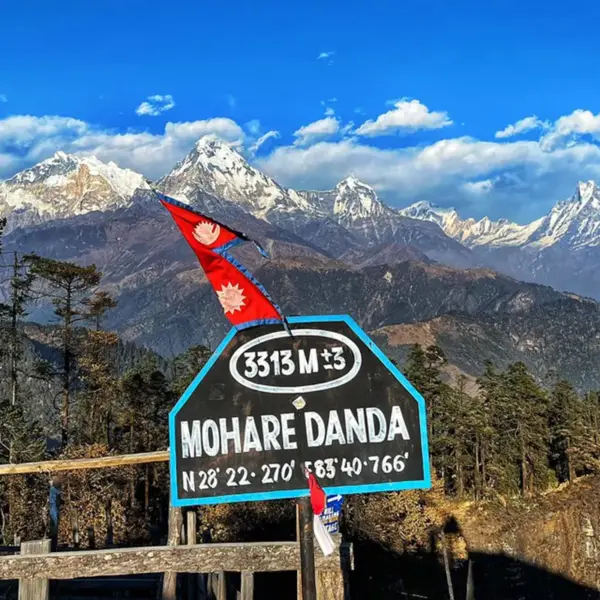
- Beautiful mountain views, including Mount Annapurna, Mount Machhapuchhre, Dhaulagiri, and Gangapurna.
- Interact with local communities, especially the Gurung and Magar people, to learn about their customs, traditions, and daily lives.
- Diverse landscapes, from lush forests and terraced fields to alpine meadows and glaciers.
- Stunning sunrise view from Poon Hill.
- Taste of different Nepali cuisine
Short Annapurna Base Camp Trek Overview
You can experience the beauty of the Annapurna Sanctuary in less than a week of trekking. The Short Annapurna Base Camp Trek is an excellent option. This shorter version of the classic ABC Trek is an 8-day journey that offers a more direct, faster route through the Annapurna region’s beautiful foothills.
The Short ABC Trek focuses on reaching Annapurna Base Camp (4130 m), unlike a longer trek that includes Ghorepani, Poon Hill, and Tatopani in addition to Annapurna Base Camp. It starts with a scenic drive from Pokhara to the trailhead, then continues through traditional Gurung villages. It also takes you through terraced farms, rhododendron forests, and the Modi Khola gorge. The route passes through the villages of Chhomrong, Sinuwa, Bamboo, and Deurali, offering a glimpse into the local mountain lifestyle.
The views are the major highlight of the Short Annapurna Trek. Machhapuchhre Base Camp (3,700 m) is an important mountain view along the Annapurna Sanctuary. The last ascent leads to ABC, from where a beautiful natural amphitheater of mountains surrounds you. Other Himalayan landscapes, including Annapurna I (8,091 m), Annapurna South, and Hiunchuli, are also memorable.
The main benefit of a short ABC trek is that it cuts travel time while still taking you through the highlights of the classic Annapurna Base Camp Trek. Some might think that fewer trekking days mean a more difficult route, but it is a misconception. The short trek doesn’t mean you’ll cover two days’ journey within one day. Instead, it saves time by using road transportation where available and skipping additional trekking destinations like Poon Hill.
This is an excellent trek if you’re visiting Nepal for a short time and want to stand at the base of Annapurna. It combines traditional mountain villages, varied terrain, and a great, unforgettable high-altitude destination in one special trekking adventure.
Why Short Annapurna Base Camp Trek?
The Short Annapurna Base Camp Trek is ideal for those who want to enjoy the beauty of the Annapurna Sanctuary without a lengthy trek. This route offers a more direct journey with fewer stops, letting you reach Annapurna Base Camp (4130 m) in 8 days.
Despite its short duration, the trek offers a unique experience. On the way to the high-altitude mountain sanctuary, you will pass through the traditional Gurung villages, terraced fields, rhododendron trees, and the impressive Modi Khola valley. On the way, you’ll see many different faces and enjoy some up-close views of iconic 8,000 m peaks, such as Annapurna I, Annapurna South, Hiunchuli, and Machhapuchhre.
Consider this shorter trekking adventure for a few reasons:
Ideal for Travelers with Limited Time
If you have limited holiday time, you can do a one-week trek to explore one of Nepal’s most beautiful mountain destinations. It is especially recommended for trekkers who want to visit the Himalayas but still have ample time for other activities in Nepal.
Reach Annapurna Base Camp Without a Longer Itinerary
The shorter route highlights the journey’s main attraction but doesn’t include stops such as Ghorepani and Poon Hill. This saves trekking days while still taking you into the heart of the Annapurna Sanctuary.
Experience Diverse Landscapes in a Few Days
One of the best features of this short trek is its rapidly changing landscape. The trail takes you through green hills, terraced fields, tranquil settlements, forested valleys, and rugged terrain. As you approach the base camp, you’ll see an amazing range of Himalayan peaks all around.
Visit Traditional Mountain Villages
The route goes through villages like Chhomrong, Sinuwa, Bamboo, and Deurali. These villages offer opportunities to experience local traditions, traditional mountain hospitality, and the everyday lifestyle of local people.
Enjoy an Unforgettable Himalayan Mountain Panorama
The final section of the trek takes you to Annapurna Base Camp (4,130 m). On this section, you can view the natural mountain amphitheater from inside, including peaks of Annapurna I (8,091 m), Annapurna South, Machhapuchhre, and Hiunchuli. Watching the mountains change colors at sunrise and sunset is unforgettable.
A Good challenge for Active trekkers
Although the trek takes fewer days, it is not necessarily easier than the standard itinerary. It is a moderate trek that involves several hours of walking each day, steep stone staircases, and significant elevation changes. For reasonably fit trekkers who enjoy challenging walking days, the short ABC trek offers a rewarding way to experience the high Himalayas.
Best Time of Year for the Short Annapurna Base Camp Trek
You can do the Annapurna Base Camp 8-day trek year-round, but the best time to trek is March to May (spring) and September to November (autumn). Clear skies, favorable weather, and excellent panoramic views of Annapurna I (8,091 m), Machhapuchhre (6,993 m), Hiunchuli, and Annapurna South make this the best time for the short ABC Trek.
The trail has a different ambiance in each season. Choose the right time to enjoy the benefits listed below. The appropriate time means better views, easier trails, and a more comfortable base camp experience for Annapurna Base Camp (4,130 m):
Best Seasons for the Short Annapurna Base Camp Trek at a Glance
| Season | Months | Weather | Mountain Views | Crowds |
|---|---|---|---|---|
| Spring | March to May | Mild days, cold nights, some afternoon clouds | Very good | Moderate to busy |
| Autumn | September to November | Dry, stable, clear skies | Excellent | Busiest |
| Winter | December to February | Cold, snow at higher camps | Clear but cold | Quiet |
| Monsoon | June to August | Rain, clouds, leeches in forests | Often hidden | Very quiet |
Spring Season (March to May)
Spring is one of the most colorful times for the Annapurna Base Camp Trek. Rhododendrons are Nepal’s national flower, and they bloom in full force in the forests around Chhomrong, Sinuwa, and Bamboo, in shades of red, pink, and white.
Warm weather makes trekking easier in the lower parts of the day. Above this, at Annapurna Base Camp and Machhapuchhre Base Camp, nights are still freezing. Clouds roll in after midday, and the best views occur in the morning, so early mornings can pay off.
Some snow may still remain in early spring between Deurali and Machhapuchhre Base Camp. April also marks Nepali New Year, which is celebrated with local festivities. You will see local celebrations in Gurung villages on the road. Spring weather is warm and sunny, suitable for first-time trekkers and experts alike.
Autumn Season (September to November)
September to November is the most popular time for the Annapurna Base Camp trek. It is a post-monsoon season when the weather is dry and clear, with clean air and no dust; thus, it offers fine weather almost every day with brilliant views of the Annapurna sanctuary.
The weather is generally more predictable during this period, with dry and stable trail conditions. October and early November are the clearest, with great morning light in the base camp area, making it ideal for sunrise, when Annapurna I and Machhapuchhre look stunning.
Autumn is also festival season in Nepal. The country’s major celebrations are in October/November: Dashain and Tihar. Villages may have flowers and lights, and families will be together celebrating.
Can You Trek to Annapurna Base Camp in Winter or Monsoon?
Most winter days (December to February) are pleasant and quiet. The base camp is covered with snow and looks pretty. Nighttime temperatures drop very low, and heavy snowfall increases avalanche danger between Deurali and MBC.
Daily rainfall, mud tracks, and leeches are common in the lower forests during the monsoon (June to August). Clouds often obscure peaks, and landslides can affect roads. The highlight of this season is lush, green valleys, waterfalls, and empty trails.
Short Annapurna Base Camp Trek Itinerary
Day 01: Kathmandu to Pokhara by Drive
The Annapurna Base Camp Trekking starts with a drive from Kathmandu to Pokhara, which is the gateway to Annapurna.
Tourist buses depart around 7:00 AM. An early morning departure will save you from Kathmandu’s urban roads and get you to Pokhara by mid-afternoon. Leaving the valley, the road climbs across the hills at Naubise, then descends back into the valley toward the Trishuli River.
Most of the journey is along the Prithvi Highway. The road follows the bank of the Trishuli River, and you’ll often see rafts and kayaks on the river’s whitewater. You’ll go through Kurintar, where the Manakamana cable car is visible. The drive then takes you to Mugling, which is the confluence of the Trishuli and Marsyangdi Rivers. Next, the road runs through the small towns of Damauli and Dumre, set amid crops and rolling hills.
The bus stops at roadside restaurants with open-air parking and beautiful river views for lunch. This is a chance to try Nepal’s staple meal: rice, dal (lentil soup), and vegetable curry. If you arrive in Pokhara on a clear day, you may see your first view of the Annapurna range and the sharp peak of Machhapuchhre, shaped like a fish tail.
Arrive in Pokhara in the afternoon and check in to a hotel in Lakeside. The rest of the day is yours, with the option to walk around the lakeshore, watch the sunset over the water, or take a short boat trip to Tal Barahi Temple.
Your guide will provide a brief introduction to the trek at the end of the day. They will brief you about the trek, inspect your equipment, and ensure that your ACAP permit is in order. From there, have a fulfilling meal and then rest.

Dinner

Hotel

1,400 m / 4,593 ft
Day 02: Drive to kilu (Kimchi) and trek to Sinuwa
Today you head from Pokhara (822 m) into the green hills of the Annapurna region. Following breakfast, you head up to Kimche (also known as Kimchi, approximately 1,640 m), a small village above the Modi Khola valley, by 2-3 hours of driving.
The road departs Pokhara and goes west on the Pokhara–Baglung Highway to Nayapul. From there, the road heads left and follows the Modi Khola River, passing through Birethanti, then into the Annapurna Conservation Area. The final section of the drive is bumpy as the road climbs toward Kimche, with narrow, winding streets among farms and isolated houses. This saves you the long walk along a dusty road and lets you start hiking at a higher elevation.
The trail leaves Kimche, passes through peaceful hillside villages, and leads down to the Kimrong Khola, a stream flowing down from the hills. You will pass stone houses and terraces for millet and rice cultivation. The area’s inhabitants are mainly Gurung people, known for their hospitality. They have a long history of serving in the Gurkha regiments that served with the British and Indians.
The trek then climbs steadily to Sinuwa. Stay overnight and have dinner at Sinuwa.
Breakfast, Lunch, Dinner
Teahouse

4 km / 2.5 miles
2,340 m / 7,677 ft

2hrs
Day 03: Trek to Himalayan
On today’s walk, you will trek from Sinuwa to the Himalaya. You’ll have breakfast with a view of Machhapuchhre, then head to the day’s destination. As it continues through rhododendron, oak, and maple trees, the trail climbs and descends over stone steps. Watch for langurs swinging in the trees and colorful Himalayan birds.
After an hour or so, you’ll get to Bamboo (2,310 m), where the dense bamboo forest surrounds you. Continuing from Bamboo, the road rises gradually to Dovan (2,600 m), a peaceful village housing some tea houses in the woods. It’s a good spot to have a hot cup of ginger, lemon, and honey tea.
From here, the path climbs steadily through the forest, and the Modi Khola flows loudly below. On the way, you will see a few waterfalls, wooden bridges, and moss-covered rocks. At Dovan, you will find a shrine dedicated to the local goddess of the valley. Residents respect the sacred Annapurna area and ask trekkers not to eat pork, beef, or buffalo meat after this region; most teahouses here offer vegetarian food or chicken.
The higher up you get, the denser the forest gets and the cooler the air. In the afternoon, you’ll reach the Himalaya. Have dinner at a teahouse in the Himalaya and spend the night there.
Breakfast, Lunch, Dinner
Teahouse
10 km / 6.2 miles
2,920 m / 9,580 ft
6hrs
Day 04: Trek to Annapurna Base Camp
From the Himalaya, you head towards Annapurna Base Camp (4,130 m). Following breakfast in the Himalaya, you will depart on a rocky path through the final section of forest. In an hour, you’ll reach Hinku Cave (3,170 m), which once housed shepherds and early trekkers. The terrain starts to shift from here. As you ascend to Deurali, trees give way to shrubs and grassy slopes.
The area between Hinku Cave and Machhapuchhre Base Camp is avalanche-prone, particularly in winter and early spring when snow remains on the upper slopes. Your guide will assess the weather before starting the walk and will advise an alternative route around the trail if necessary.
After about 2 hours, you’ll reach Deurali. The trail then heads up the Modi Khola along a narrow gorge. Little by little, the valley opens out, and you cross the “gateway into the sanctuary”.
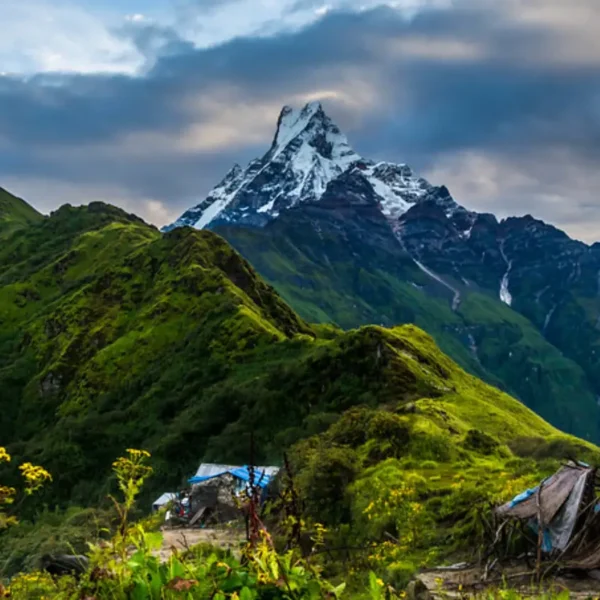
Machhapuchhre Base Camp (3,700 m), commonly known as MBC, offers close-up views of the sacred Fishtail Mountain, Machhapuchhre. No official summit has been reached because of the prohibition on summiting this peak due to its holiness. The last trek up to Annapurna Base Camp starts after lunch in MBC.
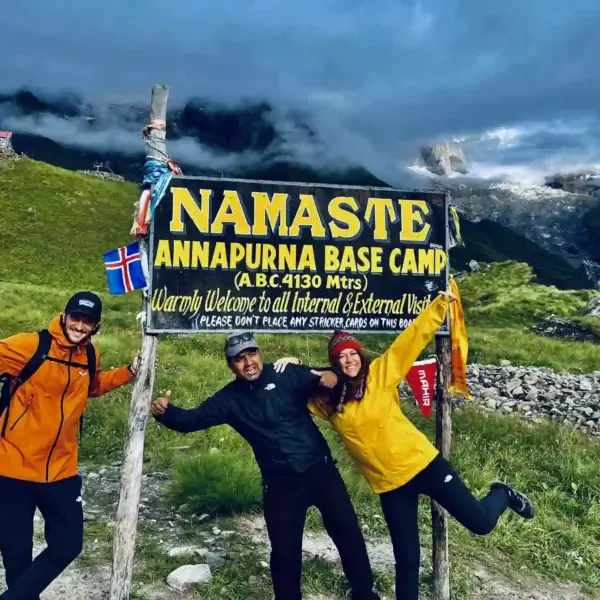
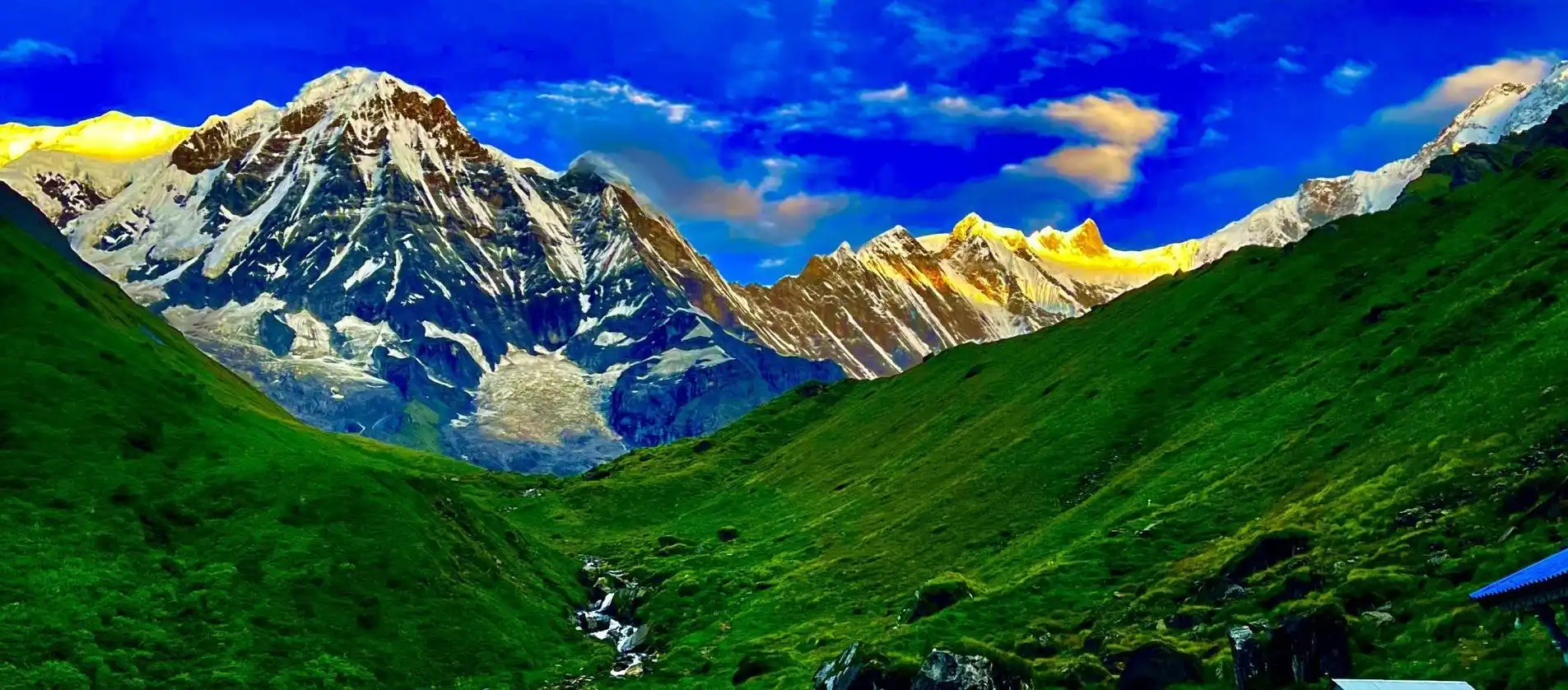
The final walk to ABC consists of open grassland and moraine. Then you reach the prayer flags of Annapurna Base Camp, and the open sanctuary lies ahead. To the east is the world’s tenth-highest mountain, Annapurna I (8,091 m). The surrounding peaks include Annapurna South (7,219 m), Hiunchuli (6,441 m), Gangapurna (7,455 m), Annapurna III (7,555 m), and Machhapuchhre (6,993 m).
Close to base camp, there are memorial stones and prayer flags dedicated to those who have died in the attempt to climb Annapurna, including the famed Russian mountaineer Anatoli Boukreev. Watching the sunset turn the mountain peaks golden and pink is unforgettable.
Breakfast, Lunch, Dinner
Teahouse
7 km / 4.3 miles
4,130 m / 13,550 ft
5hrs
Day 05: Trek to Bamboo
The most magical part of your Short ABC Trek is the sunrise. The mountain peaks begin to glow as the first rays of sunlight illuminate Annapurna. Take a moment to take in the view and enjoy the descent to Bamboo.
Below Deurali, be careful in the avalanche zone near the Hinku cave, and follow your guide. As you follow the grassy slopes, turn back into the forest at Himalaya and Dovan, where lunch is served. The last sections of the trail traverse bamboo and rhododendron forest, and the Modi Khola flows past at the bottom of the forest.
By late afternoon, you will reach Bamboo and spend the night in a warm Teahouse. Tonight, rest in comfort after an incredible day in the Annapurna Sanctuary, with a warm meal.
Breakfast, Lunch, Dinner
Teahouse
12 km / 7.5 miles
2,310 m / 7,579 ft
6hrs
Day 06: Trek to Jhinu Dada
Following breakfast, you will leave Bamboo (2,310 m) and take around 5-6 hours to reach Jhinu Danda (1,780 m). From Jhinu Danda, you descend steeply to the Sinuwa and Chhomrong Khola, then climb the long stone staircase to Chhomrong (2,170 m). A steep ascent, but well worth it for the views of Annapurna South and Hiunchuli. Have lunch and indulge in a cake from Chhomrong’s famous bakery shops.
In the afternoon, the trail descends through terraced fields and Gurung houses to reach Jhinu Danda. The best of the day is yet to come. A short 20-minute stroll down from the village, you will find natural hot springs beside the Modi Khola. After a long day on the trail, a warm soak will help soothe tired muscles.
As you come to the end of your day’s trek, return to your tea house for a relaxing evening and a good meal.
Breakfast, Lunch, Dinner
Teahouse
9 km / 5.6 miles
1,780 m / 5,840 ft
4hrs
Day 07: Trek to Kilu ( Kimchi) and Drive to Pokhara
It’s your final day of walking. Following breakfast, you will trek to Kimche from Jhinu Danda (1,780 m). Along the way, you’ll pass stone houses, grazing buffalo, and friendly locals working in their fields.
From Kimche, you drive back to Pokhara by jeep, which takes 2-3 hours. From Kimche, the bumpy road descends towards Nayapul.
In the afternoon, you’ll reach Pokhara and check in to your hotel in Lakeside. Enjoy a hot shower, a relaxing evening by Phewa Lake, a celebratory dinner, and the end of your Annapurna Base Camp Trek.
Breakfast, Lunch, Dinner
Teahouse
8 km / 5 miles
1,430 m / 4,692 ft
4hrs
Day 08: Pokhara to Kathmandu by Drive
Today is the end of your Short Annapurna Base Camp Trek, and it’s time to return to Kathmandu. After breakfast, you will take a bus back to Kathmandu, which takes 6-8 hours. As you travel, the scenery changes. The snowy peaks will recede behind the hills, bringing you back to the populated Kathmandu Valley along the rivers.
Then, you’ll arrive in Kathmandu in the late afternoon and be picked up to head to your hotel. Take a walk in Thamel at night to buy souvenirs like pashmina shawls, singing bowls, or Nepali tea. After that, head to a dinner party to end your adventure and carry home memories from the heart of the Annapurna Sanctuary.
Breakfast, Lunch, Dinner
Hotel
1,400 m / 4,593 ft
Short Annapurna Base Camp Trek Map
What To Expect?
What's Included
Airport Pickup and Drop-off Services
- International arrival pickup
- International drop-off on your final departure day
Accommodations Services
- 5 Nights at local tea houses in the mountains (on a twin-sharing basis)
- 2 nights at a guest house in Pokhara
Trekking Permit
- Annapurna Conservation ( ACAP) Permit
- TIMS (Trekkers’ Information Management System)
Transport
- Kathmandu – Pokhara – Kathmandu By Tourist bus or (if you want, a private jeep or flight; you will need to pay extra )
Food During Kathmandu/Trekking
- 6 Breakfast: Local and continental choices from the tea house Menu
- 6 Lunch: A Simple and light lunch in the lunch camp tea houses
- 6 Dinner: Veg and Non-Veg Meals of your choice, domestic and continental foods from the local tea house Menu
Guide/Porter Services and Their Liabilities
- First-aid kit box carried by our team
- Trekking guide – English-speaking licensed guide with 10 + years of experience.
- Insurance for Guide & Porter (Emergency evacuation and accidental medical expenses)
- All meals for the Guide/Porter
- Salary as per the company standard rate (which is recommended by the concerned association of the tourism industry)
- Local Sherpa for carrying your luggage up to 20 kg Maximum (2 guests sharing 1 Porter)
What's Excluded
- Meals in Kathmandu before and after trekking
- Your travel insurance ( Rescue )
- Tips for trekking staff and driver
- Drinks (hot, cold, and alcoholic)
- Personal shopping and laundry, etc
- Personal trekking equipment
Short Annapurna Base Camp Trek Additional Information
Short Annapurna Base Camp Trek Difficulty
Short Annapurna Base Camp Trek is a moderate trek. It does not require climbing skills or technical equipment and can be completed by reasonably fit beginners. However, you will walk 5-7 hours per day, climb thousands of stone steps, and gain elevation quickly, so it’s wise to understand the challenges of this short trip before you set out.
Quick Altitude Gain
It only takes three days to hike from Kimche (1,640 m) to Annapurna Base Camp (4,130 m). That’s a quick ascent, and you have less time to acclimatize to the altitude. The upside is that base camp is lower than many other Himalayan treks, and you descend after spending a night there. However, some mild symptoms such as headache, tiredness, or reduced sleep quality are common. Youwill stay safe by walking slowly, drinking three to four liters of water daily, and telling your guide about any symptoms.
Stone Steps and Steep Descents
Stone steps are the highlight of the Annapurna Base Camp trek, particularly in Chhomrong and Sinuwa. You will see many of these steps during both the ascent and descent. The climbs challenge the legs and lungs, and the long descents strain the knees. Trekking poles make a huge difference, especially on Day 5, with a descent of more than 1,800 m in one day.
Trail and weather conditions
The path to ABC is well marked and easy to follow, running through forest, villages, and open valleys. But winter-to-early-spring hazards are snow and avalanches in the section from Hinku Cave to Machhapuchhre Base Camp. Monsoon brings wet stones and leeches, making forest sections slippery and slow. Therefore, spring and autumn are generally the most favorable seasons for this trek.
What can you expect on the Short Annapurna Base Camp Trek?
The Annapurna Base Camp trek offers a lot of variety in 8 days. Within a few days, you will travel from the warmer terraced hills to the colder landscapes of the Annapurna Sanctuary. Here’s a glimpse of what the trip will be like on the road.
Big Mountain Views in a Short Time
This short hike has one of its most exciting features: the mountains are always in view. The peaks of Hiunchuli, Machhapuchhre, and Annapurna South stand over the villages from the first day on the trail. On Day 04, you will get to Annapurna Base Camp, a circle of Annapurna I (8,091 m), Gangapurna, and Annapurna III. Few treks in Nepal get you this close to an 8,000 m peak in such a short time.
Changing Landscape Every Day
The landscapes along the short ABC Trek change constantly. You will find yourself in rice and millet terraces before moving into dense forests of rhododendron, oak, and bamboo. Higher up, the trees give way to rock and grass as the trail winds through moraines and grassy slopes beneath giant waterfalls and cliffs. The rhododendron forests are a wonderful sight in spring, when they are in full bloom with red and pink flowers, and again in autumn, when crisp air and golden fields are scattered with rhododendrons.
Gurung Villages and Local Culture
The lower section of the trail passes through Gurung villages such as Kimche, Chhomrong, and Jhinu Danda. Stone homes, prayer flags, and people working the fields are a common sight. The hospitality of the Gurung people is another reason this trek is special, as many of the families served in the Gurkha regiments and have a proud history of doing so.
Cozy Tea House Stays
You will stay in basic, family-run teahouses along the trail. Rooms are simple, typically with twin beds, blankets, and communal bathroom facilities. Higher up the way, it gets simpler and colder at night; a good sleeping bag is a must. Most stops have hot showers, Wi-Fi, and phone charging facilities, although these are sometimes an additional charge.
Wildlife Along the Trail
Nature is abundant in the forests in between Sinuwa and Deurali. Try to spot langur monkeys, vibrant birds such as the Danphe (Himalayan monal) and, if you’re lucky, mountain goats at higher elevations. The entire trail lies within the Annapurna Conservation Area, Nepal’s largest protected area.
The Sunrise You Will Never Forget
The best part of the whole hike is a sunrise at Annapurna Base Camp. The first ray of sun falls upon Annapurna I, and the snow turns gold; the whole sanctuary shines. It is a powerful and peaceful moment, and for some trekkers, it’s the experience that sticks with them for a lifetime.
Which Permits do you need for the Annapurna Base Camp Trek?
The only required permit for the Short Annapurna Base Camp Trek is the Annapurna Conservation Area Permit (ACAP). This permit is required for everyone trekking from Kimche to Annapurna Base Camp, as the entire trail is within the Annapurna Conservation Area. The permit is valid for the Annapurna Circuit, Poon Hill, ABC, and all other trails within the conservation area.
What is the ACAP Permit?
The ACAP permit allows you to access the Annapurna region. It is granted by the National Trust for Nature Conservation (NTNC). The funds you pay stay in the region. Permit fees support trail maintenance, bridge repairs, garbage collection, and wildlife protection. By purchasing your permit, you help preserve the forests, wildlife, and villages you will walk through.
ACAP Permit Cost
The entrance fee is NPR 3,000 for foreign nationals and NPR 1,000 for SAARC nationals, including tax. Children under 10 can trek without a permit. The good news for short trekkers is that the price stays the same, regardless of trek length. The ACAP fee is the same for both a 12-day trek and a 21-day trek: NPR 3,000. That means you can extend your trip and still use the same permit.
The following are things you should know:
Please be aware that Conservation checkpoints inspect your permits along the way, so keep them with you at all times. Keep your permits protected from rain and sweat in a waterproof zip-lock bag.
Mountain Views Along the 8-Day ABC Trek
One of the main reasons to choose the 8-day Annapurna Base Camp Trek is the opportunity to see numerous spectacular Himalayan peaks in a relatively short time. Mountain peaks will rise above the villages from the first day on the trail, and by Day 04 you will experience the Annapurna sanctuary, surrounded by a full ring of mountains at 6,000 m, 7,000 m, and even 8,000 m. These are the most prominent peaks you’ll see during the short ABC Trek.
- Annapurna I (8,091 m)
Annapurna I is the world’s tenth-highest mountain and a major highlight of the trek. The large south face appears directly in front of you at base camp; you won’t see it until you are in the sanctuary. The memorable part of the journey is watching the sunrise illuminate Annapurna I.
- Machhapuchhre (6,993 m)
The most famous peak along the Short Annapurna Base Camp Trek is Machhapuchhre, also known as Fishtail Mountain. From certain vantage points, it looks like a fish’s tail. On Day 01, you will catch a glimpse of it from Pokhara, and it will remain constant, looking down on you from a position just above you at Machhapuchhre Base Camp. Locals consider the mountain to be sacred, and it has never been climbed officially because it is forbidden to do so.
- Annapurna South (7,219 m)
Once you begin your trek, you will see one of the tallest peaks, Annapurna South. It rises above the valley from Kimche, Chhomrong and Sinuwa. You’ll have a whole new perspective of it at base camp, as an element of the sanctuary wall.
- Hiunchuli (6,441 m)
Hiunchuli is just adjacent to Annapurna South and is easily seen from Chhomrong. Together, these two peaks provide the finest vantage point on the route.
- Gangapurna (7,455 m) and Annapurna III (7,555 m)
The valley widens as you ascend to Deurali, and you can see Gangapurna and Annapurna III. The two peaks are located on the north side of the sanctuary and contribute to the incredible 360° view from base camp.
- Gandharva Chuli (6,248 m)
Gandharva Chuli is the peak next to Machhapuchhre and is visible from Machhapuchhre Base Camp and Annapurna Base Camp.
- Tent Peak (5,663 m) and Fluted Peak (6,501 m)
These two peaks are located within the sanctuary near the base camp and are also known as Tharpu Chuli and Singu Chuli. Tent Peak is a favorite climbing peak for mountaineers; Fluted Peak has ice ribbons and is a favorite for climbers.
- Annapurna Fang (7,647 m) and Glacier Dome (7,193 m)
Annapurna Fang, also known as Bharha Chuli, and Glacier Dome, also known as Tarke Kang, will be visible from base camp, along with Annapurna I, which forms the circle of peaks surrounding you.
Annapurna Base Camp Trek 8-Day Route Map
As discussed, your 8-day Annapurna Base Camp trek itinerary starts in Kathmandu. Pokhara by tourist bus directly through Kathmandu. After Pokhara, your next drive will be towards Kimchi. From Kimchi, you’ll drive to Jhinu Dada. After reaching Jhinu Dada, your trek will start.
According to our itinerary map, your trek will begin in Sinuwa and continue to Ghandruk and Chhomrong village. After resting and spending the night in Sinuwa, you’ll trek into the Himalayas. Before reaching the Himalayas, you’ll go through Bamboo and Dovan.
After the Himalayas, your next and final destination is the Annapurna Base Camp. Per our itinerary, you’ll pass through Deurali and Machhapuchhre Base Camp before reaching Annapurna Base Camp. After getting to Annapurna Base Camp, your journey will stay the same. You’ll start your return journey.
Per the trekking map itinerary, you’ll return to Bamboo from Annapurna Base Camp. After Bamboo, you’ll trek directly to Jhinu Dada. After reaching Jhinu Dada, you will go to Khimche and drive to Pokhara. Per our itinerary, you can stay in and explore Nepal’s beautiful city of Pokhara, or return to Kathmandu.
Who Can Enjoy the Short Annapurna Base Camp Trek?
If you want a Himalayan experience but cannot spend weeks on the trail, the Short Annapurna Base Camp Trek is the ideal choice. It takes only 8 days to reach the foot of Annapurna I and return to Pokhara and Kathmandu.
For travelers with limited time
The short trek is one of the best if you have only one or two weeks for your holiday. It bypasses Ghorepani and goes directly to Kimche, so you spend less time on extra trekking and more time exploring the Annapurna Sanctuary.
Fit Beginners
No previous trekking experience is required, but you need a reasonable level of physical fitness. If you can walk 5-7 hours a day and handle stone steps, you’ll be happy. It can be difficult, but also very rewarding, for first-time trekkers who train for several weeks before the trip.
Experienced Trekkers Wanting a Quick Trip
The short version is also ideal for those who have trekked before and are comfortable on long days, or for those who want to speed up and reach one of the world’s most beautiful base camps. It’s an ideal option for experiencing the Himalayas without committing to a lengthy trekking holiday.
Budget-Conscious Trekkers
Less time on the trail means fewer nights in teahouses, fewer meals, and lower guide and porter fees. The ACAP permit fee doesn’t depend on the trek length, so the short hike offers great value for money.
Travelers Combining Multiple Activities
Most tourists visiting Nepal wish to experience more than just one of these, for example, paragliding in Pokhara, a jungle tour in Chitwan, or a cultural tour in Kathmandu. The short ABC trek can blend seamlessly into a longer itinerary, leaving time for more adventures.
For nature and photography enthusiasts
Within a couple of days, you will trek through terraced fields, pass Gurung villages, rhododendron forests, waterfalls, and eventually reach the snowy Annapurna sanctuary. For photography enthusiasts, the sunrise at base camp and the views of Machhapuchhre offer some of the most memorable photographic opportunities in the Himalayas.
Short Trek vs. Standard Annapurna Base Camp Trek
An 8-day itinerary is mainly about saving time. The walking schedule is more compact, while a longer ABC itinerary gives you more room to spread out the daily walks and take things at a slower pace.
| Feature | 8-Day Short Trek | Longer ABC Trek |
|---|---|---|
| Duration | 8 days | More than 8 days |
| Pace | More compact | More relaxed |
| Walking | Several longer days | More time to divide the walking |
| Best for | Limited holiday time | Travelers with more time |
| Flexibility | Follows a compact route | More options for additional stops |
Both approaches take you to Annapurna Base Camp. The shorter version works well if your holiday schedule is tight, while a longer itinerary may suit you better if you prefer shorter walking days.
Food and Accommodations During Short Annapurna Base Camp Trek
During the Short Annapurna Base Camp Trek, guests will stay in comfortable hotels in Pokhara and simple, family-run tea houses along the trekking route. Food is generally fresh and filling, providing energy for long trekking days. Knowing what to expect will help you pack appropriately and enjoy your stay in the mountains.
Accommodation in Pokhara
You will be staying in a hotel in Lakeside, Pokhara, on Day 01 & Day 07. These hotels generally offer private rooms, attached bathrooms, hot showers, internet access, and comfortable facilities. This is a good way to unwind before heading out and after returning.
Tea House Stays on the Trail
You will spend your nights in the small houses owned by local families called tea houses, from Sinuwa to Annapurna Base Camp. Rooms are simple but clean, often with two single beds, a mattress, a pillow, and a blanket. Bathrooms are often shared, and some teahouses have squat toilets. Some lower teahouses have Western toilets.
No rooms are heated, and nights can be very cold, particularly at Machhapuchhre Base Camp and Annapurna Base Camp. Any sleeping bag that is rated for below-freezing temperatures is essential for a warm night’s rest. Most trekkers meet in the evenings at the dining hall, with a stove burning to keep the room warm and to hear stories from the trail.
Facilities and Extra Costs
Most tea houses have hot showers, Wi-Fi, and phone charging. These facilities usually cost extra, with prices generally lower in villages at lower elevations and higher at upper stops. Hot water may be provided by solar or gas heaters and may be in short supply during cloudy days. Take a power bank and some money in Nepali currency, as no ATMs are available on the trail.
Rooms at Deurali, Machhapuchhre Base Camp and Annapurna Base Camp may be full during peak season in autumn or spring, so it is best to book in advance.
Food on the Trek
Tea houses offer a menu that balances Nepali and international food. The most popular meal among trekkers and guides is dal bhat. This rice with lentil soup, vegetable curry, and pickle is a healthy, full meal and often available in unlimited quantities. Most menus also have noodles, fried rice, pasta, momos, soups, potatoes, and pizza!
For breakfast, you’ll find porridge, Tibetan bread, pancakes, eggs, and toast, along with muesli. Chhomrong has plenty of bakeries, so take time to try a slice of chocolate cake or apple pie.
Food prices are higher at higher elevations because porters and mules transport the food. Simple, fresh foods are good at high elevations, especially at the higher stops.
Mobile Network and Internet During Short ABC Trek
You can get mobile coverage in parts of the Annapurna Base Camp route, but the signal is not consistent everywhere. Some sections have weak coverage, and there may be places where you cannot connect at all.
Some teahouses have WiFi, usually for an additional charge. The connection is generally less reliable than in Kathmandu or Pokhara. Some lodges also offer charging, which may cost extra.
It is a good idea to carry a power bank and charge your devices whenever you can. If you need to stay in regular contact with people at home, keep in mind that there will be periods when internet or mobile service may not be available.
Annapurna Base Camp Trek Packing List
You don’t need to carry much for the trek, but suitable clothing and basic trekking gear will make the walk more comfortable. Your packing should also depend on the season, as temperatures can be much colder around Annapurna Base Camp.
Clothing
- Trekking trousers
- Thermal inner layers
- Fleece jacket
- Warm down jacket
- Lightweight T shirts
- Long sleeved shirt
- Waterproof rain jacket
- Warm hat and sun hat
- Gloves
- Trekking socks
- Extra underwear
Footwear
- Comfortable trekking boots with good grip
- Extra trekking socks
- Lightweight shoes or sandals for use at the teahouse
Trekking Equipment
- Day backpack
- Trekking poles
- Headlamp with spare batteries
- Sleeping bag suitable for cold mountain conditions
- Water bottle or reusable water container
- Power bank
- Small waterproof bag for important belongings
Sun and Personal Care
- Sunglasses with UV protection
- Sunscreen
- Lip balm with sun protection
- Personal toiletries
- Small towel
- Hand sanitizer
- Wet wipes
Health and First Aid
- Personal medicines
- Basic first aid supplies
- Blister treatment
- Water purification tablets or a suitable water filter
- Any medication you normally need
Documents and Money
- Passport
- Travel insurance details
- Permit documents
- Emergency contact information
- Some Nepalese rupees for personal expenses
You can adjust the list according to the season and your personal needs. Our team can also advise you about suitable clothing and equipment before the trek.

Tripadvisor Reviews



Google Reviews


Short Annapurna Base Camp Trek FAQs
Is the Short Annapurna Base Camp trek suitable for beginners?
Yes, the 8-day Annapurna Base Camp trek is suitable for beginners with a minimum level of fitness. However, if you have trekking experience and are physically prepared, it’ll enhance your enjoyment and make you more comfortable during the trek.
What is the best time to trek short Annapurna Base Camp?
The best times to trek are during the spring (March to May) and autumn (September to November) seasons when the weather is clear and the views are stunning. These months offer moderate temperatures and stable weather conditions.
Do I need to hire a guide and porter for the trek?
Hiring a guide and porter is necessary because they can significantly enhance your trekking experience. A guide provides valuable information about the region, and a porter carries your load, allowing you to enjoy the trek more.
How much does the Short Annapurna Base Camp Trek cost?
The Short Annapurna Base Camp Trek costs around USD 550 per person. However, the cost varies depending on different factors, including trek duration, trekking season, customization of the trip, and group size.
How many days are required for the Short Annapurna Base Camp Trek?
The Short Annapurna Base Camp Trek usually takes 8 days. This includes a drive from Kathmandu to Pokhara, followed by a drive to Kimche, a trek to Sinuwa and Annapurna Base Camp, and a return journey.
What is the maximum altitude of the Short Annapurna Base Camp Trek?
The maximum altitude of the Short ABC Trek is Annapurna Base Camp (4,130 m / 13,550 ft). While heading to the main base camp, you will also pass the Machhapuchhre Base Camp around 3,700 m (12,140 ft).
Is there a risk of altitude sickness on the Short Annapurna Base Camp Trek?
Yes. As the route climbs to 4,130 m in a fairly short time, trekkers can suffer headaches, nausea, dizziness, and fatigue from the altitude. Climb slowly, watch for signs of altitude sickness, and descend when needed. Do not keep climbing up with increasing signs and symptoms.
Can I combine the Short Annapurna Base Camp Trek with other activities in Pokhara?
Yes. When you have extra time after your trek, you can relax by boating, visit the World Peace Pagoda, do paragliding, or explore the lakeside area of Pokhara.
US$ 550 per person
- 24/7 Customer Support
- Experienced and Professional Team
- Hassle-Free and Easy Booking
- 99% Customer Satisfaction
- Fair Prices, Exceptional Service
- No Hidden Costs and Secure Payments
- Tailored and Personalized Itineraries
24 X 7 Live Support
Puru (+977-9851069558)