

8 Days


Quick Facts

Private Vehicle, Flight

Hotel

Breakfast, Lunch and Dinner

Sightseeing

Oct-Dec & Mar-May

Easy

Nepal

1600
Why Kathmandu Pokhara Chitwan Tour – 8 Days?
- Visit the historic temples, stupas and traditional squares of Kathmandu
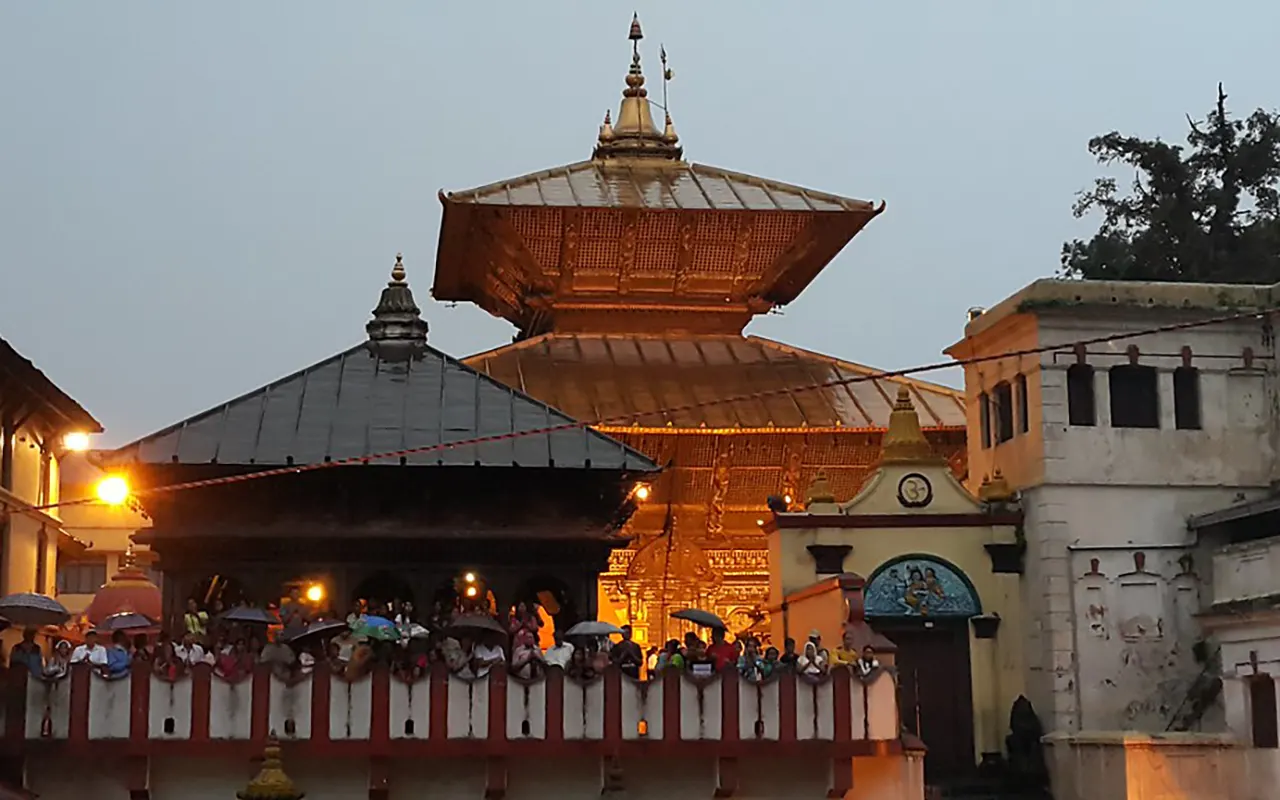
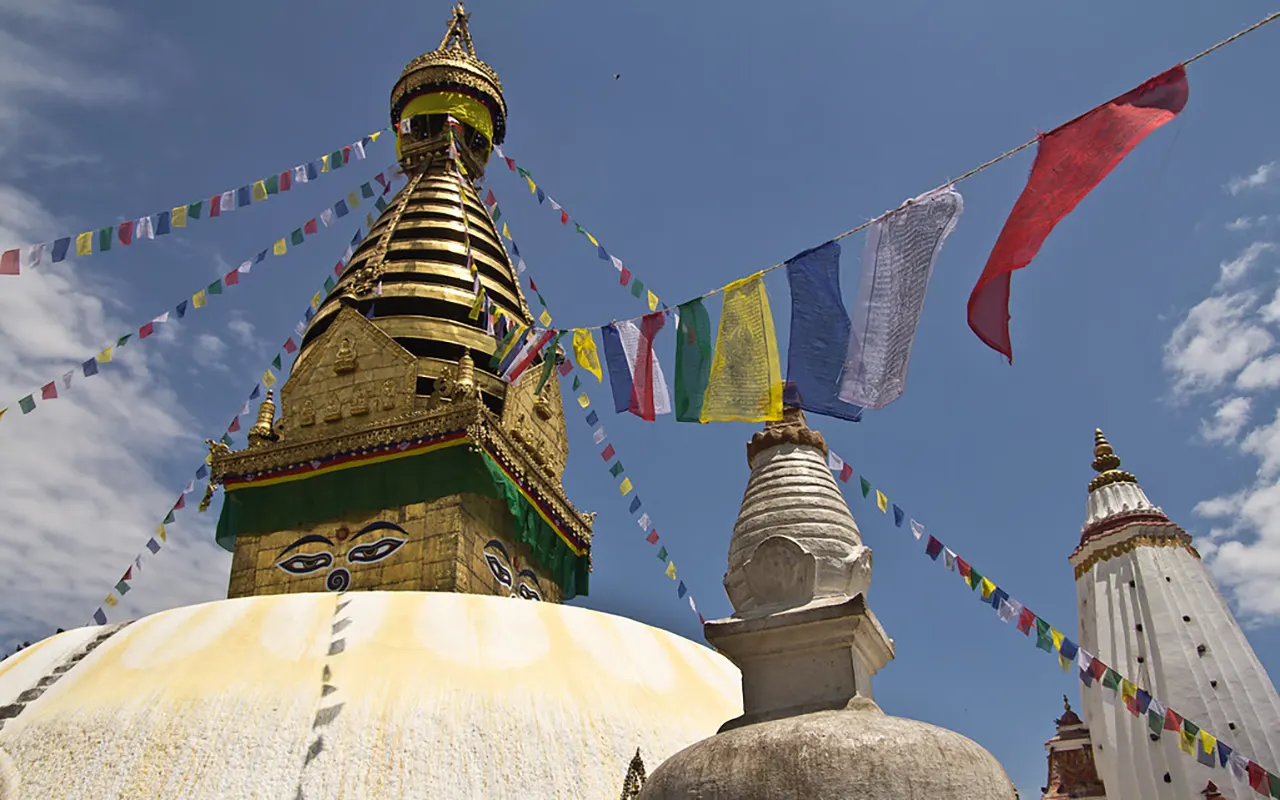
- Visit important religious sites such as Swayambhunath, Boudhanath and Pashupatinath
- Explore Kathmandu Durbar Square’s cultural heritage
- Experience a beautiful drive from Kathmandu to Pokhara passing through the hilly regions and river valleys of Nepal
- Enjoy a breathtaking view of the sunrise over the Annapurna range at Sarangkot Viewpoint
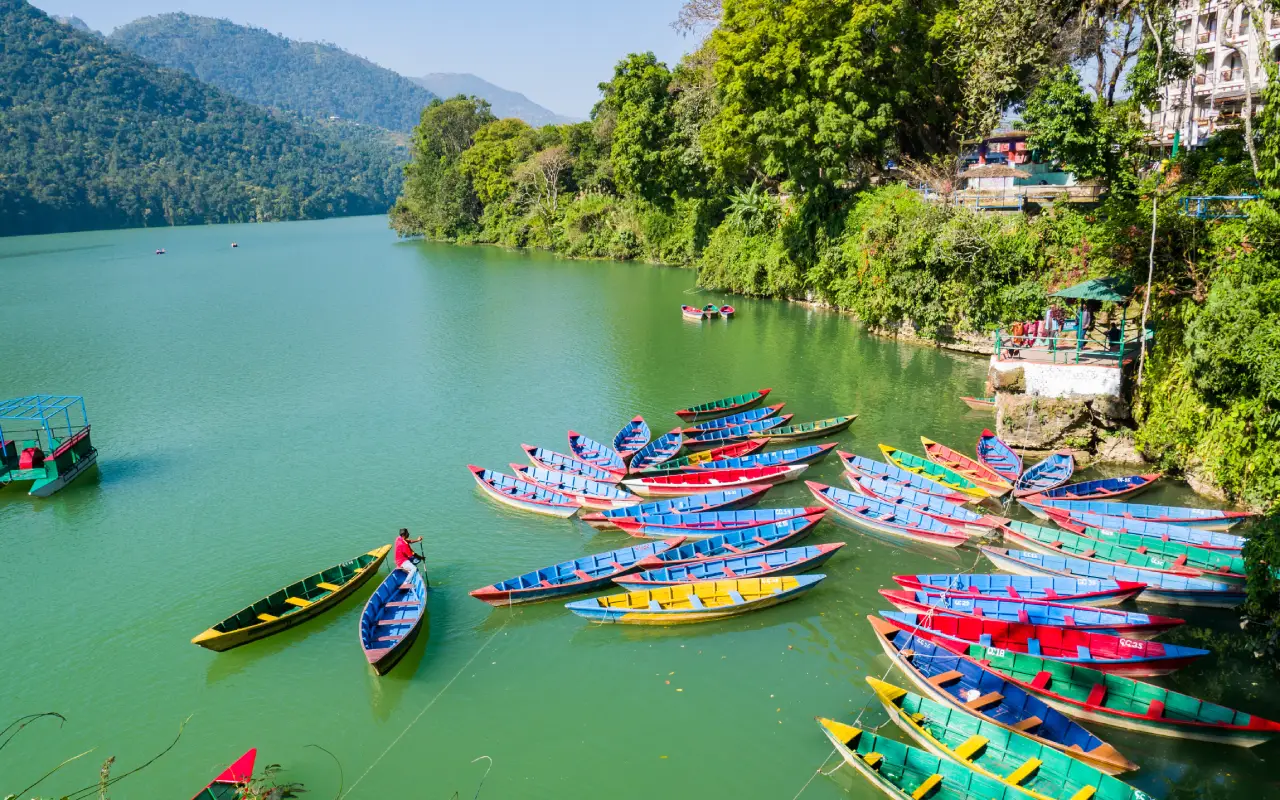
- Explore Phewa Lake, Davis Falls, Gupteshwor Cave and Bindhyabasini Temple
- Visit Chitwan and enjoy the Terai of Nepal
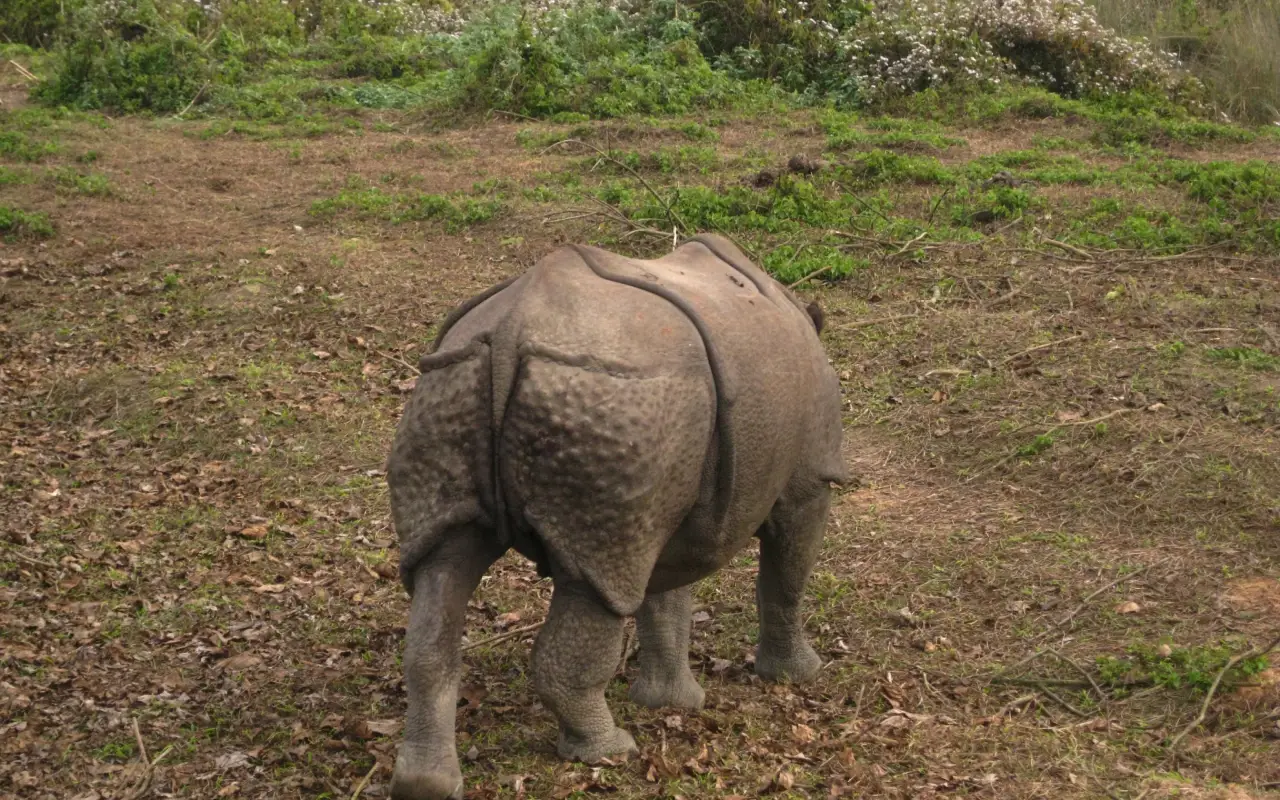
- Go on a jungle safari in Chitwan National Park to spot rhinos, deer, crocodiles and more
- Learn about the local traditions through a Tharu cultural program
- Explore the culture, mountain landscape and wildlife of Nepal in one of its 8-day holidays.
Kathmandu Pokhara Chitwan Tour – 8 Days Overview
The Kathmandu Pokhara Chitwan Tour is an eight-day journey through three popular destinations in Nepal, combining historic landmarks, Himalayan scenery, lakeside attractions, and wildlife experiences. It’s an excellent option for visitors who want to explore different parts of the country without a lengthy journey. From the bustling streets of Kathmandu to the serene atmosphere of Pokhara and Chitwan’s lush forests, every spot adds a unique flavor to the experience.
The journey starts in Kathmandu, Nepal’s capital. You will visit culturally and religiously significant places such as Swayambhunath, Boudhanath, Pashupatinath, and Kathmandu Durbar Square. These sites introduce Nepal’s Hindu and Buddhist culture, traditional architecture, and daily life. You’ll also have time to get acquainted with the city and the sites you’ll see on the tour.
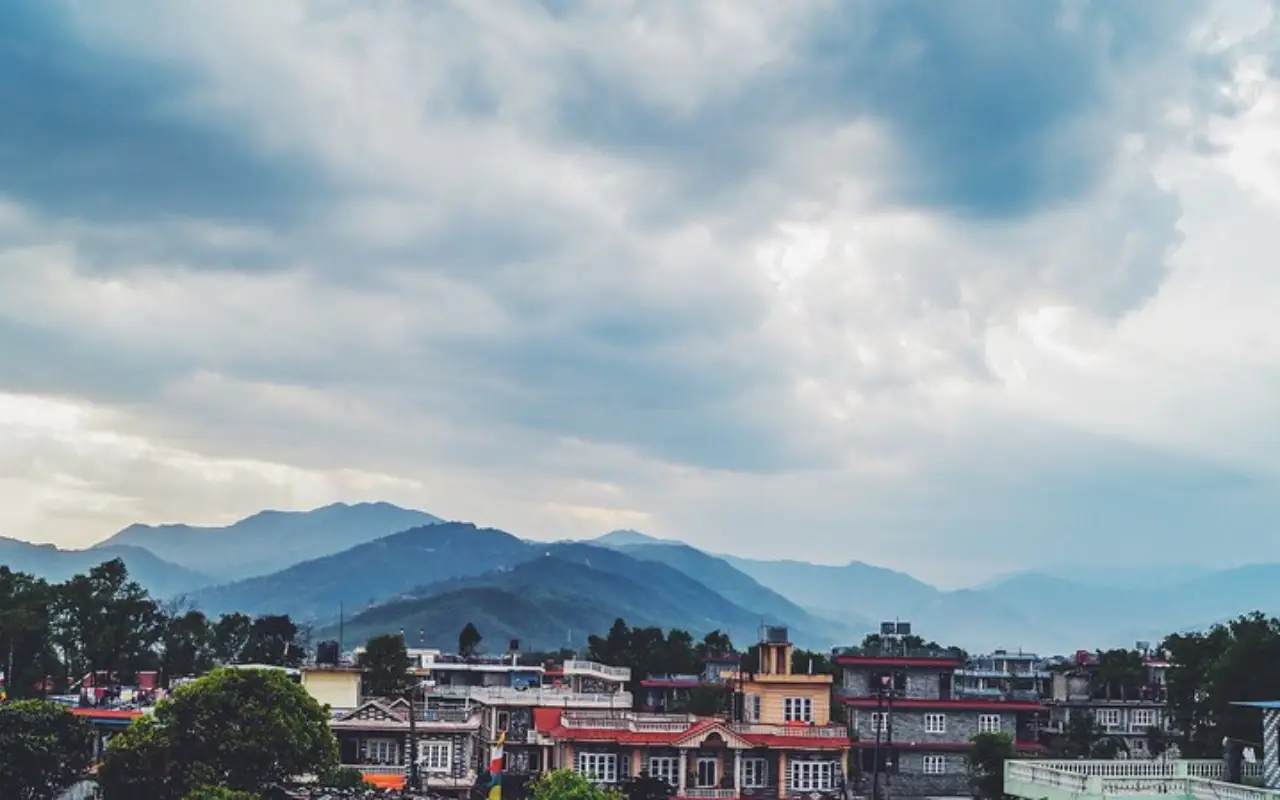
Travel to Pokhara, a lakeside city surrounded by mountains with a relaxed vibe. From Kathmandu, you will drive and get some time to explore the city. If the weather is clear, an early morning visit to Sarangkot lets you witness the sunrise over the Annapurna range. Other sightseeing spots include Phewa Lake, Davis Falls, Gupteshwor Cave, and Bindhyabasini Temple. Travelers who prefer less time on the road can opt for a domestic flight between Kathmandu and Pokhara, subject to availability.
You will then head to Nepal’s southern Terai, to Chitwan. In this section of the Kathmandu Pokhara Chitwan tour, the emphasis is on nature, wildlife, and local culture. You’ll have a chance to go on a jungle safari in Chitwan National Park, where you can spot one-horned rhinos, deer, crocodiles, and various bird species. The park is also home to royal Bengal tigers, but their presence is never certain. The program may include visits to breeding and conservation centers and an evening cultural program featuring a traditional Tharu performance.
The tour ends with the drive back to Kathmandu, a farewell dinner, and the final airport transfer. We confirm the package itinerary and arrange accommodation, transport, sightseeing, and meals accordingly. A Nepal cultural and wildlife tour is an excellent option for those seeking a diverse introduction to Nepal that blends heritage, nature, and local experiences. My Everest Trip will help you plan your Everest visit and provide the details you need to make it smooth.
Why Is the Kathmandu Pokhara Chitwan Tour Special?
The Kathmandu Pokhara Chitwan Tour is unique because it combines Nepal’s culture, mountains, and wildlife in one tour. Instead of setting off on an arduous journey to one location, you can sample the nation’s diverse environments and customs with less effort.
Old temples, Buddhist stupas, and traditional squares in Kathmandu offer a glimpse into Nepal’s culture and religion. Pokhara has a different vibe altogether: Phewa Lake, serene walks, and early-morning mountain views from Sarangkot. Very clear skies may offer glimpses of the Annapurna range and Machhapuchhre.
It then heads to Chitwan, where you can go on a guided jungle safari and see animals in their natural habitat. You can also learn about local traditions with a Tharu cultural program.
The Kathmandu Pokhara Chitwan tour includes hotel accommodations, travel arrangements, and sightseeing. This makes it an ideal option for first-timers, couples, and families who want to experience Nepal’s natural and cultural diversity in a single adventure.
Kathmandu Pokhara Chitwan Tour – 8 Days Itinerary
Day 01: Arrival in Kathmandu and Hotel Transfer
At Kathmandu’s Tribhuvan International Airport, our representative will meet you. We can arrange your pickup and transfer from the airport to your hotel in the city.
Nepal’s capital, Kathmandu, sits in a valley surrounded by hills. The city boasts a rich history, with numerous historic temples and traditional architecture, as well as vibrant streets lined with numerous restaurants, cafes, and shops. Depending on your arrival time, you can rest at the hotel or explore the nearby area.
The height of Kathmandu above sea level is about 1350 m (4429 ft). After you check in, you’ll have a briefing on the tour that covers the travel schedule, sightseeing plans & transportation arrangements. You’ll also meet your guide, who will explain what you’ll be doing over the next few days.
The rest of the day is free for you to relax after your journey. Overnight stay in a three-star hotel in Kathmandu.

Hotel

5 to 10 km

1,350 m / 4,429 ft

Airport pickup, hotel check-in and tour briefing, 30 to 45 minutes
Day 02: Sightseeing Tour of Kathmandu Valley
Start your sightseeing in the Kathmandu Valley after breakfast at your hotel. Highlights of the day are the visits to Boudhanath, Pashupatinath, Kathmandu Durbar Square, and Swayambhunath, which offers a different perspective on Nepal’s religious traditions, history, and architecture.
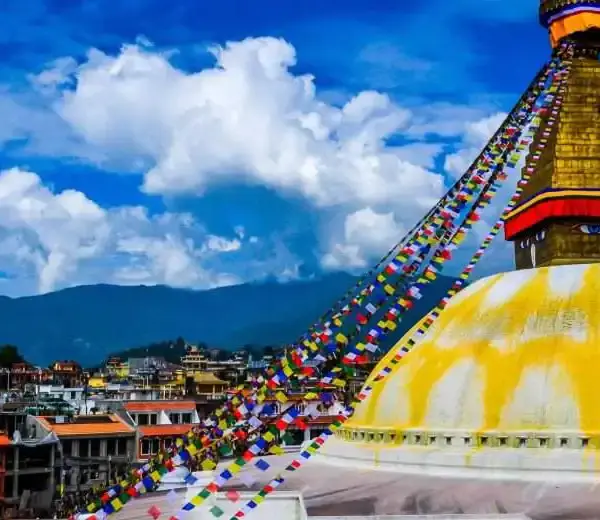
You’ll start at Swayambhunath, a Buddhist site on a hill overlooking the Kathmandu Valley. Next, you’ll visit Boudhanath, home to a huge stupa in the heart of a thriving Tibetan Buddhist community.
You will then visit an important Hindu temple complex by the Bagmati River – Pashupatinath. You can see the temple from a distance in designated public areas. Your last stop is Kathmandu Durbar Square, a historic center with temples, courtyards, and traditional buildings inspired by Kathmandu’s former royal history.
Routes may vary due to traffic and weather conditions. After sightseeing, you will return to your three-star category hotel for the night.

Breakfast
Hotel
Varies according to the sightseeing route
1,350 m / 4,429 ft
Guided cultural and heritage sightseeing, 5 to 7 hours
Day 03: Drive from Kathmandu to Pokhara
After breakfast, you will be driven from Kathmandu to Pokhara (Lakeside City) in western Nepal by road. This drive typically takes about 6-7 hours, depending on traffic, road conditions, and stops along the way. You’ll travel through river valleys, green hills, terraced farmland and small settlements, experiencing a glimpse of life outside the capital.
You’ll take the main highway toward Pokhara and may stop for refreshments or lunch at roadside restaurants if time allows. Road conditions may change, and the ride may take longer during busy periods or during adverse weather conditions.
Pokhara (830 m /2723 ft) is popular for Phewa Lake and views of the Annapurna mountain range. Once you arrive in the city, you will go to your hotel, which is a three-star property.
The rest of the day is free for you to explore the Lakeside area, walk by the lake, or relax at a nearby café. Alternatively, if you would like to save time, you can book an optional domestic flight from Kathmandu to Pokhara, which takes about 25 to 30 minutes.
Breakfast
Hotel
200 km by road
1,350 m / 4,429 ft
Scenic drive and leisure time in Pokhara, 6 to 7 hours by road
Day 04: Sarangkot Sunrise and Pokhara Sightseeing Tour
You will start early in the morning with a drive of approximately 10 to 15 minutes from your hotel towards Sarangkot, depending on its location. The parking area is just a short walk from the viewpoint, where you can enjoy a beautiful view of the Annapurna range as it rises at sunrise. When the weather is clear, you can glimpse Machhapuchhre, Annapurna I, II, III and IV, Annapurna South and Himchuli. Weather and season affect mountain visibility.
On return to the city, you will have breakfast before heading off on your sightseeing tour. You will visit Phewa Lake, see the lake from the shore, and take an optional boat ride if time permits.
The tour will also cover the Davis Falls, where the water goes underground through a tunnel, and Gupteshwor Cave, which has underground passages and religious shrines. You will also visit Bindhyabasini Temple, an important Hindu place of worship in Pokhara.
The day ends with an overnight stay at your 3-star category hotel. The schedule may be subject to change based on local conditions and available time at each attraction.
Breakfast
Hotel
20 to 35 km of local travel, depending on the route
1,600 m / 5,249 ft
Sarangkot sunrise, short walk and city sightseeing, 6 to 8 hours, including sightseeing
Day 05: Drive from Pokhara to Chitwan and Tharu Cultural Program
After breakfast, you will head south to Nepal’s Terai region, to Chitwan. The ride typically takes 4-5 hours, depending on traffic, road conditions, and stops along the way. The scenery slowly shifts from the hills of Pokhara to the lower, hot, flat plain of the Terai.
Once you reach Chitwan, check in at the hotel and take some time to settle in before the evening activities. Chitwan is famous for its wildlife, subtropical forests, and the traditional culture of the Tharu community.
In the evening, you will watch the sunset and participate in a Tharu cultural program as per the local schedule. The performance can feature traditional dances, music, and presentations on community traditions and culture.
Afterward, you will return to your hotel for dinner and an overnight stay. This day includes breakfast, lunch and dinner.
Breakfast, Lunch and Dinner
Hotel
150 km
830 m / 2,723 ft
Scenic drive, sunset viewing and Tharu cultural program, 4 to 5 hours by road
Day 06: Jungle Safari and Wildlife Activities in Chitwan National Park
After breakfast, the day will be devoted to exploring the wildlife and natural surroundings of Chitwan. The main activity is a jungle safari in or around Chitwan National Park, depending on program availability and park regulations. The jeep safari can also take you on forest roads and grasslands where you can see the wild animals in their natural environment.
Chitwan is home to several mammal, bird, and reptile species. On the safari, you can see one-horned rhinos, deer, monkeys, wild boars, and many bird species. Royal Bengal tigers and wild elephants are also found in the vast region (not guaranteed).
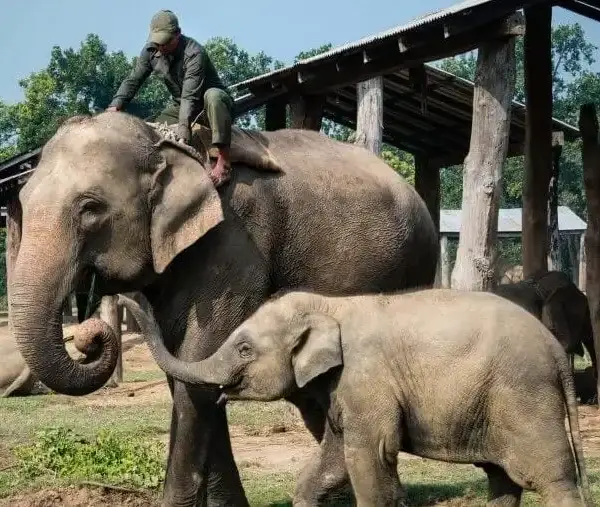
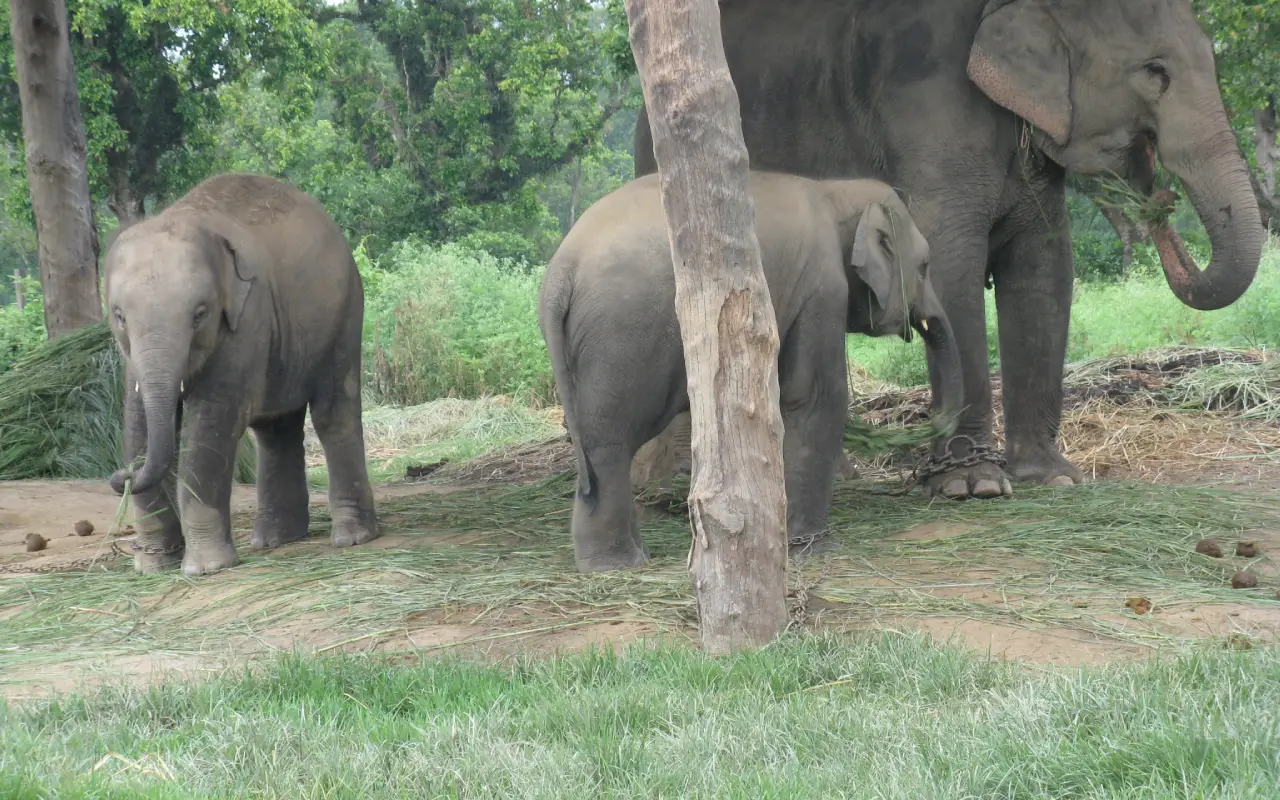
If time allows, you can also visit the elephant breeding center and the gharial crocodile breeding center (opening hours and access may vary). We will discuss local wildlife and conservation during the visits.
You will stay overnight at your hotel in Chitwan after the day’s activities and dine there. This schedule may change based on weather conditions, wildfire restrictions, and facility hours.
Breakfast, Lunch and Dinner
Hotel
Varies according to safari and local transfers
415 m / 1,362 ft
Jungle safari and wildlife conservation visits, 5 to 7 hours of activities
Day 07: Drive from Chitwan to Kathmandu
Following breakfast, you will head back to Kathmandu from Chitwan. The drive typically takes about 5-6 hours in traffic, but may take longer due to road closures and weather. This route passes through the Terai and river valleys, then ascends into the Kathmandu Valley.
As per the schedule, you can stop for refreshments. You will arrive in Kathmandu and check into your three-star hotel, where you can rest for a few hours.
For those wishing to return by air, we can arrange an optional domestic flight, if available. The flight is short, but airport transfers and other formalities will take some time.
In the evening, you will join a farewell dinner with a cultural program. This will provide a chance to savor one last time of being together and to review the activities in Kathmandu, Pokhara, and Chitwan.
The last night will be at the hotel in Kathmandu.
Breakfast and Dinner
Hotel
160 to 180 km by road
1,350 m / 4,429 ft
Return drive to Kathmandu and farewell dinner with cultural program, 5 to 6 hours by road
Day 08: Breakfast and Final Departure from Kathmandu
The final day starts in Kathmandu with breakfast at the hotel. Depending on your flight schedule, you may have free time to pack, relax at the hotel, or make last-minute arrangements before leaving Nepal.
Our staff will handle your airport transfer, and you will be dropped off at Tribhuvan International Airport about 3 hours before your international flight. This will depend on your hotel’s location and traffic in Kathmandu, so we will plan accordingly.
Before leaving the hotel, make sure you have your passport, flight tickets, and other important travel documents. Also, make sure you’ve picked up everything from your room.
If you’d like to continue your journey into Nepal, you can discuss another trip with our team before you leave or make arrangements for a future one. If you have more time and travel plans, they can offer you another tour.
The last stop in your 8-day tour around Kathmandu, Pokhara and Chitwan is the airport transfer. We hope you take good memories with you as you leave Nepal’s culture, landscape, and wildlife.
Breakfast
5 to 10 km
1,350 m / 4,429 ft
Hotel checkout and airport transfer, 30 to 45 minutes

Tripadvisor Reviews



Google Reviews


Kathmandu Pokhara Chitwan Tour – 8 Days Additional Information
Weather and Best Time to Visit
Weather conditions impact mountain views, road conditions, and wildlife activities, but the Kathmandu Pokhara Chitwan Tour can be enjoyed year-round. From March through May, days are warmer, with flowers everywhere and generally pleasant sightseeing weather. Autumn, from September to November, is also a popular season because skies are often clearer, making it easier to enjoy Himalayan views from Pokhara.
Winter months (December-February) are cooler in the mornings and evenings, especially in Kathmandu. Chitwan is generally warmer, but fog may impair morning visibility. The monsoon season, from June to August, brings heavy rain, humid conditions, and possible road delays.
Autumn and spring are good seasons for a cultural and wildlife tour in Nepal. But you still have a good chance of seeing wildlife and enjoying clear mountain views.
Tour Difficulty and Daily Activity Level
The Kathmandu Pokhara Chitwan Tour suits people with a basic fitness level. It involves no high-altitude trekking or technical climbing, but some days include plenty of sightseeing, walking, and road travel.
In Kathmandu, you will wander through temple complexes, courtyards and historic squares. The Pokhara tour package includes an uphill walk to Sarangkot Viewpoint and visits to waterfalls, caves, and temples. Stone paths and steps aren’t always level at some heritage sites, so comfortable walking shoes are useful.
It is not as strenuous to go to Chitwan, as the safari itself can take up to a few hours in the vehicle. Waking up early, especially to see the sunrise, is also tiring. People with mobility issues should contact My Everest Trip before traveling to make arrangements.
Transportation and Road Conditions in Nepal
Kathmandu Pokhara Chitwan Tour involves a road trip. The main routes are Kathmandu to Pokhara, Pokhara to Chitwan, and Chitwan to Kathmandu. Travel times will vary based on traffic, road maintenance, weather, and stops.
Private sightseeing cars offer more flexibility for sightseeing and resting. For bigger groups, a suitable minibus or tourist coach may be needed. Before leaving, confirm the vehicle type, especially if you’re transporting extra luggage, particularly in a family car.
| Route | Approximate road distance | Typical driving time | Main considerations |
| Kathmandu to Pokhara | 200 km | 6 to 7 hours | Traffic, river valleys and highway conditions |
| Pokhara to Chitwan | 150 km | 4 to 5 hours | Winding sections, local traffic and roadside stops |
| Chitwan to Kathmandu | 160 to 180 km | 5 to 6 hours | Traffic approaching the capital and possible roadworks |
| Kathmandu hotel to airport | Varies by location | 30 to 60 minutes | Urban traffic and departure time |
The distances and durations mentioned are estimates, not guarantees. My Everest Trip can arrange appropriate transport and, if feasible, reschedule trips. On certain routes, domestic flights are an option, but be sure to check availability and the weather forecast.
Accommodation Standards and Hotel Facilities
In the Kathmandu Pokhara Chitwan Tour, accommodation is mostly arranged in three-star hotels in Kathmandu, Pokhara, and Chitwan. These properties typically offer private rooms, attached bathrooms, beds, basic toiletries, and reception services. Please check the facilities before you book, as they vary from hotel to hotel.
Kathmandu and Pokhara have numerous hotels, and Chitwan has hotels and lodges around the main tourist areas. Gardens, restaurants, swimming pools, and outdoor seating are not guaranteed in all properties but may be available; please check.
Rooms are typically configured based on the number of travelers and the agreed booking plan. If you are traveling alone, as a couple, or have accessibility requests, please make them before you arrive.
Some properties and seasons may offer hot water, heating, cooling, and Wi-Fi. Check-in and check-out times of the hotel also apply – early arrivals and late departures may be subject to special arrangements.
Meals, Local Cuisine and Dietary Requirements
Dinner on the Kathmandu-Pokhara-Chitwan tour is organized according to the daily program. Most days include breakfast, and Chitwan days include breakfast, lunch, and dinner. The first day is not included in the above-mentioned itinerary.
Rice, dal (lentils) and bhat (vegetables, sometimes meat) are a typical Nepali meal. Restaurants in Kathmandu and Pokhara also offer Indian, Chinese, continental, and other international foods. Typically, Chitwan hotels offer local and familiar cuisine.
Vegetarian food is available in all food outlets, though some roadside food outlets may be limited. Travelers with food allergies, religious dietary requirements, or other dietary needs should notify My Everest Trip before travel.
Take a snack for long journeys, especially if special dietary needs exist. Use sealed bottled water or properly treated water; wash hands before eating.
Travel Permits, Entry Fees and Sightseeing Tickets
This tour covers the religious sites, historic monuments, and Chitwan National Park. Some attractions ask visitors to show ID or buy admission tickets, while others have other entry arrangements.
My Everest Trip arranges all necessary permits and sightseeing tickets included in the package. Travelers should check the final schedule to see whether they can visit the planned sites, including any extra museums, temples, or sites they want to visit in addition to the planned trip.
Visitors to Chitwan National Park must adhere to the park’s entry requirements and the rules governing their chosen safari activities. Foreign visitors might require passport information. Keep travel documents with you when sightseeing and don’t leave valuables in cars.
The additional activities, special exhibitions or extra attractions may not be included as part of the regular program. Discuss what is included in the tour with the tour operator before you leave to confirm that they have made arrangements.
Kathmandu Heritage Sites and Cultural Etiquette
Kathmandu’s religious and historic sites are places of worship and tourist attractions. Your sightseeing tour covers Swayambhunath, Boudhanath, Pashupatinath, and Kathmandu Durbar Square. Each site has local customs; please follow signs and instructions from local staff.
Dress appropriately at religious sites, remove your shoes when necessary, and ask permission before photographing others during religious services. Some inner temple areas at Pashupatinath are accessible only to Hindus, so respect the access rules. At Buddhist temples, enter and exit the temple premises, walk around the stupa, and respect others’ piety.
Some useful tips:
- Where appropriate, wear clothing that covers shoulders and knees
- Get permission to take photos of residents
- Obey directions regarding shoes and areas to avoid
- Don’t touch religious items without permission
- Minimize noise during prayer and ceremonies
- Before participating in a religious activity, ask
These are easy ways to celebrate the area’s traditions and honor those who help keep them alive.
Sarangkot Sunrise and Mountain Visibility
Sarangkot, a popular viewpoint near Pokhara, offers views of the Annapurna mountain range at sunrise. It’s typically a short drive, then a walk, to the viewing area. The season and sunrise time determine the departure time.
When the sky is clear, the view can include the peaks of Machhapuchhre, Annapurna South and others. Clouds, haze, rain, and seasonal weather can obscure the mountains, even when the forecast appears favorable. So, a sunrise visit doesn’t guarantee a clear panorama of the Himalayas.
In colder seasons, pack a warm layer as things can be cold before dawn. Comfortable shoes are useful for this walk, and a small torch can help if you start early in the dark.
After the viewpoint visit, you will return to Pokhara for breakfast and continue sightseeing. Times are subject to change, depending on traffic, visibility, and the location of your hotel.
Pokhara Sightseeing and Optional Activities
Pokhara combines lakes, culture, and a host of outdoor activities. The planned sightseeing includes Phewa Lake, Davis Falls, Gupteshwor Cave, and Bindhyabasini Temple, along with an early-morning visit to Sarangkot.
You can walk along the waterline at Phewa Lake, or take a boat if time and weather allow. Davis Falls is famous for its subterranean passage, where water cascades, and Gupteshwor Cave has narrow passages and steps that may not suit everyone. The Bindhyabasini Temple is still a functioning temple, so visitors should follow the temple’s rules.
The sightseeing sequence may vary depending on traffic, opening times, and time available. If an activity is not included in your package, it may require an extra fee.
If you want to go paragliding or do any other adventure activity, ask about booking it separately. These activities can be subject to the weather, safety needs, and the amount of time you have.
Chitwan National Park Safari and Wildlife Viewing
Chitwan National Park protects forests, grasslands, wetlands, and wildlife habitats. The safari program offers opportunities to spot animals such as one-horned rhinoceroses, deer, monkeys, crocodiles, and many bird species. The park also has royal Bengal tigers, although they are not seen regularly.
Safari arrangements depend on the package, park regulations, and operating schedule. On jeep safaris, you can travel through marked areas with a qualified guide/naturalist. Visitors will be required to stay in their vehicle and obey all safety instructions.
Wear comfortable, warm-weather clothing, closed shoes, and insect repellent. Neutral colors are useful outdoors, and binoculars can help you see birds and animals from afar.
When viewing wildlife, be patient, as animals move freely in their habitat. The primary goal is to watch them from a distance, responsibly, without interfering with their behavior or seeking close encounters.
Elephant and Gharial Breeding Center Visits
Visits to elephant or gharial facilities may be included in the Chitwan program, depending on current access arrangements and the activities confirmed by the operator. A gharial breeding center focuses on conserving this endangered crocodilian, including breeding and rearing programs to support its survival.
For elephant facilities, more thought is needed, as they vary from one facility to another. Visitors can inquire before visiting about animal care, the facility’s purposes, and allowed visitor activities. Observation should be responsible, meaning that it should not include disturbance, forced contact, or unsafe contact with animals.
All hours, conservation programs, and visitor access may be subject to change. Therefore, if a facility is closed or unavailable, the day schedule may be modified.
Listen to and take directions from staff, maintain a safe distance, and do not feed an animal without permission from trained staff. If a visit is not possible, the tour operator can explain whether there is an alternative activity that can be undertaken.
Tharu Culture and Traditional Evening Programs
The Tharu people are an ancient group that has lived in Nepal’s Terai region, including Chitwan, for centuries. The community has a culture, including traditional music, dance, clothing, food, and local customs. Visitors can learn about some of these traditions at an evening cultural program.
The performance may include group dances, rhythmic music, and traditional movement. Programs are subject to local organizers’ discretion and the season. Consider the event an introduction to culture, not a reflection of all Tharu communities or the Tharu way of life.
Audiences should check beforehand that they are not intruding on close-range photos of performers and abide by any guidance on audience participation. Respectful purchases can positively impact livelihoods by encouraging the purchase of locally produced goods directly from producers.
Typically, the cultural program is organized after a drive to Chitwan, allowing time to settle into the hotel before the program begins. If arrival is delayed, the evening function may be rescheduled, or its time and/or location may be modified.
Health, Safety and Travel Insurance
The Kathmandu Pokhara Chitwan Tour includes road trips, walking around, and outdoor activities. With a little basic preparation, you can minimize common travel issues such as dehydration, stomach upset, sun exposure, or minor injuries.
Road travel can be tiring, so drink enough water, take breaks when possible, and keep essential medication in your hand luggage. While on safari, follow your guide and do not approach wild animals alone.
Before you travel, think of the following precautions:
- Get travel insurance that covers the activities you plan to undertake
- Carry prescribed medication in its original packaging
- Apply sun protection and insect repellent, if necessary
- Use water from sealed water bottles or treated water
- Keep passports, cash and valuables secure
- Let your guide know of mobility and medical issues
- Follow safety rules at all times when outside
Travel insurance must cover the relevant medical treatment and emergency transport/trip disruption, if applicable. Always be sure to read policy exclusions carefully. My Everest Trip will arrange things for you, but you are responsible for arranging insurance appropriate to your situation.
Altitude, Climate and Acclimatization
The Kathmandu-Pokhara-Chitwan Tour is a relatively low-altitude tour in Nepal compared with the country’s high-mountain trekking routes. Kathmandu sits at around 1350 m (4429 ft), Pokhara at about 830 m (2723 ft), and the main tourist centers around Chitwan are mostly lower.
Unlike the Everest or Annapurna trekking routes, this trek doesn’t require high-altitude acclimatization. But travelers can notice differences in temperature and humidity when traveling from the hills to the Terai plains, or vice versa.
Kathmandu is cool in winter and hot and humid in summer, while Chitwan is hot and humid year-round. Drink plenty of water; dress for the weather and limit activity during the hottest hours of the day.
Anyone with preexisting medical conditions should consult a health care provider before traveling. If you develop unusual or severe symptoms, talk to your doctor rather than attribute them to the weather.
Packing List for an Eight-Day Nepal Tour
Packing for this trip is easier if you prepare for changing temperatures, walking during sightseeing, and outdoor activities in Chitwan. You don’t need technical trekking gear, but comfy clothing and practical travel gear will make the trip more comfortable.
If traveling in winter or visiting Sarangkot early in the morning, wear layered clothing. Wear light-colored clothing in warm weather, and a rain jacket helps during monsoon season.
A few items to bring along are helpful:
- Wear comfortable shoes that have a good grip
- Lightweight clothing and an outer layer to keep warm
- A rain jacket or an umbrella that folds up easily
- Sunglasses, sun cream and sun hat
- Insect repellent for Chitwan
- Personal medication and a simple first aid kit
- Passport, travel insurance and booking information
- Reusable water bottle and small daypack
- Binoculars or camera for viewing wildlife
- Power bank and appropriate charging adapter
Carry valuables and important documents in your hand luggage. Carry only what you can easily carry during hotel transfers and sightseeing.
Mobile Network, Internet and Charging Facilities
Generally, mobile coverage is available in Kathmandu, Pokhara, and in the main tourist areas of Chitwan. The strength of the network can change within buildings, in busy places, at the start or end of a road trip, and in hilly and more isolated regions.
People can get a local SIM card in Nepal from a trusted company. You will normally need to register with ID, so make sure you have your passport with you. Check the available data packages and validity periods before choosing a plan.
Most 3-star hotels offer Wi-Fi, though some are faster and more reliable than others. Internet connections can be slower than normal during peak hours or stormy weather, or may be unavailable during certain times. Safari areas also have weak signals, so download important travel information before you leave your hotel.
There are usually power outlets in hotel rooms, but a power bank can be helpful on long journeys. Pack the right adapter for your devices, and don’t leave electronics plugged in while you’re away from your room.
Money, Currency and Additional Expenses
The local currency is Nepalese Rupees throughout the Kathmandu Pokhara Chitwan Tour. Cash can be useful for small purchases, refreshments on road trips, tips, or places that don’t accept cards.
ATMs and card-accepting enterprises are found in Kathmandu and Pokhara, especially in tourist zones. Cash may be harder to come by in smaller settlements in and around Chitwan, so plan ahead and bring extra cash for unexpected costs before leaving the larger cities.
Bring a few smaller banknotes for snacks and local shopping. If necessary, inform your bank before traveling and verify any foreign transaction fees you may have to pay on your cards.
Services agreed to in your package will be included, but optional activities and purchases could result in extra costs. Check what the services are, especially boating, adventure activities, additional drinks, and purchases while sightseeing. Always keep cash and cards safe and use the security of exchange counters for currency changes.
Responsible Tourism and Wildlife Ethics
Responsible travel means protecting Nepal’s natural environments and supporting the communities you visit. The Kathmandu Pokhara Chitwan Tour offers many opportunities to make simple choices that help reduce waste, respect religious practices, and promote more considerate, responsible wildlife tourism.
Respect local traditions; do not touch religious objects without approval at cultural sites. In Chitwan, remember that wild animals need space and should NOT be approached, fed, or disturbed for photos. Follow your guide and obey all park directions.
There are many ways to travel responsibly, including:
- Use a reusable water bottle as much as possible
- Use the trash disposal can
- Do not take photographs of people in the vicinity without their permission
- Purchase goods locally from community businesses, respectfully
- Keep a safe distance from wildlife
- Try to stay away from loud noises while on safari
- Embrace designated trails and guidelines
- Follow animal policies when selecting attractions
Responsible tourism doesn’t just apply to wildlife visits. It is also important to support local restaurants, guides, and artisans so communities benefit from tourism and can keep their traditions and surroundings alive.
Daily Travel Times and Road Journey Expectations
The main road journeys are scheduled for Days 3, 5 and 7. These transfers link the three destinations, and journey times can vary significantly depending on traffic, weather, and road conditions. The schedule will only be considered a viable estimate and not a guarantee of arrival.
| Day | Journey or activity | Estimated time | What to expect |
| Day 1 | Airport to Kathmandu hotel | 30 to 60 minutes | Depends on hotel location and traffic |
| Day 2 | Kathmandu sightseeing | 5 to 7 hours | Several heritage sites and city traffic |
| Day 3 | Kathmandu to Pokhara | 6 to 7 hours | Long highway journey with possible stops |
| Day 4 | Sarangkot and Pokhara sightseeing | 6 to 8 hours | Early start, short walk and local transfers |
| Day 5 | Pokhara to Chitwan | 4 to 5 hours | Drive to the Terai and evening program |
| Day 6 | Chitwan safari and visits | 5 to 7 hours | Activities depend on safari schedules |
| Day 7 | Chitwan to Kathmandu | 5 to 6 hours | Traffic may delay arrival in the capital |
| Day 8 | Kathmandu hotel to airport | 30 to 60 minutes | Allow extra time for international departure |
Driving does not include waiting time, meal stops, or sightseeing stops. The departure time may vary depending on road conditions, at the discretion of your guide/driver. Stay flexible with your plans, especially when returning to Kathmandu, and avoid making other important plans too close to an expected arrival date.
Weather-Related Changes and Alternative Arrangements
During the tour from Kathmandu to Pokhara to Chitwan, several tourist activities can be affected by weather. Clouds can limit mountain views from Sarangkot, especially during road journeys, and fog can delay domestic flights. Activities may change due to park conditions, wildlife management needs, and local operating schedules.
We will discuss an alternative activity if a planned activity is no longer available, or suggest alternatives where possible. We may reschedule or cancel sightseeing visits and optional activities.
Travelers should not assume all activities will be postponed, especially if weather events affect opening times or transport. Have critical items within easy reach and be flexible with your schedule.
If you have an important international flight after the tour, please consult My Everest Trip beforehand about the timing. A buffer will reduce the chance of missing an onward flight due to unforeseen delays.
Who This Tour Is Best Suited For
The Kathmandu Pokhara Chitwan Tour suits those who don’t want a strenuous trek in Nepal but want to explore the country’s cultures, landscapes, and wildlife. Over 8 days, it includes a historic tour, a Himalayan peak tour, lakeside activities, and a jungle safari.
The itinerary suits first-time visitors, couples, families, and small groups. It’s also ideal for those who prefer well-maintained hotel rooms and want someone to arrange point-to-point transportation.
This tour could be especially appropriate for:
- Most of the visitors to Nepal are first-timers
- Families traveling with older children
- Couples who are interested in culture and nature
- Travelers who prefer hotel stays to trekking lodges
- Those who love the outdoors and enjoy hunting for wild animals will find this an ideal sport
- Visitors with limited time for a longer holiday
- Older visitors who can undertake frequent short walks to see sights
Expect early mornings, hilly terrain, and hours on the road. People with disabilities should check for accessibility before booking. If you want more exciting hikes or longer days, consider an alternate route or another trip.
Other Tours in Nepal
If you have extra time, you can extend your holiday after the Kathmandu Pokhara Chitwan Tour. Nepal offers many opportunities to explore its culture and religion, observe wildlife, and enjoy hiking or multi-day treks in the Himalayas. The right choice depends on your time, fitness, interests, and travel style.
You can also add other trips to your eight-day holiday or use them as a supplement for a future holiday.
| Tour | Suggested duration | Main experiences | Best suited for |
| Kathmandu Valley Tour | 3 to 4 days | Historic squares, temples, local markets and traditional towns | Culture and history enthusiasts |
| Nepal Golden Triangle Tour | 7 to 10 days | Kathmandu, Pokhara and Chitwan sightseeing | First-time visitors |
| Lumbini Tour | 2 to 4 days | Buddhist monasteries and sites associated with the birth of Buddha | Spiritual and cultural travelers |
| Bardia National Park Tour | 3 to 5 days | Wildlife viewing, birdwatching and jungle activities | Nature and wildlife enthusiasts |
| Ghorepani Poon Hill Trek | 4 to 6 days of trekking | Mountain viewpoints, villages and forest trails | Travelers interested in a short trek |
| Mardi Himal Trek | 5 to 7 days of trekking | Forest trails, mountain scenery and high ridge viewpoints | Active travelers seeking a mountain trek |
| Annapurna Base Camp Trek | 7 to 12 days of trekking | Mountain valleys, traditional settlements and a high mountain sanctuary | Fit travellers with trekking experience or preparation |
| Everest Base Camp Trek | 12 to 16 days of trekking | Sherpa villages, monasteries and views of the Everest region | Travellers prepared for high altitude trekking |
| Upper Mustang Tour | 10 to 14 days | Arid mountain landscapes, historic settlements and Tibetan-influenced culture. | Travelers interested in remote regions |
| Nepal Tibet Tour | 8 to 14 days | Himalayan scenery, Buddhist heritage and cultural sightseeing | Travelers seeking a cross-border cultural journey |
Time durations are indicative and vary from the route, mode of transport, acclimatization needs, and available flights. Trekking holidays are more physically demanding than a typical sightseeing holiday, and in certain areas, special permissions and arrangements may be necessary.
If you’d like to stay longer, My Everest Trip can help you explore destinations that match your interests and schedule. Before undertaking any further journey, check current transport, permits, and seasonal conditions.
Kathmandu Pokhara Chitwan Tour – 8 Days FAQs
Is it possible to replace the Kathmandu to Pokhara road journey with a flight?
Yes, an optional domestic flight can be substituted for the road trip, if available, depending on weather and airport transfer arrangements.
Can the Chitwan jungle safari guarantee a Bengal tiger sighting?
No, the chance of seeing tigers isn’t guaranteed. Chitwan National Park is home to a wide variety of animals such as rhinoceroses, deer, crocodiles and many other types of birds.
Are the Kathmandu heritage sites accessible to visitors of all religions?
Most of the heritage areas are open to visitors; certain religious areas have restrictions. The major temple of Pashupatinath is dedicated to the worship of Hindus.
Can I visit Sarangkot if the weather forecast predicts clouds?
Yes, visits can go ahead although it may be cloudy, foggy, or raining, so views of the mountains may be obscured. The schedule of your departure may be modified if possible.
Does the weather of Nepal impact domestic flights?
Yes, fog, cloud cover and other weather conditions can postpone or possibly cancel flights. Have enough flexibility in planning onward international connections.
Can travellers with limited mobility participate in this tour?
Maybe, depending on the needs of the individual. Access to the path, steps and Sarangkot walk may be challenging; discuss access before confirmation.
Do the Tharu people perform their culture every night in Chitwan?
Local times and schedules will determine availability. The evening performance may be delayed or modified by road conditions or modifications to program arrangements.
Can the Chitwan safari operate during the monsoon season?
The weather, local conditions and the park regulations are critical for the operation of the safaris. Access may be difficult in the event of heavy rainfall, so please check with your tour operator.
Do foreign visitors need identification for sightseeing and national park entry?
Yes, it’s recommended that you bring your passport or an accepted form of identification with you. Additionally, certain information about visitors to the national park may be required for entry and other activities.
Can I extend this tour to include a Himalayan trek?
Yes, further trekking is available on an extra charge. The appropriate path and time will vary depending on the time you have, your fitness level and permits and seasonal conditions.
US$ 0 per person
- 24/7 Customer Support
- Experienced and Professional Team
- Hassle-Free and Easy Booking
- 99% Customer Satisfaction
- Fair Prices, Exceptional Service
- No Hidden Costs and Secure Payments
- Tailored and Personalized Itineraries

24 X 7 Live Support

Puru (+977-9851069558)