

10 Days


Quick Facts

Private Vehicle

Hotel

Breakfast, Lunch and Dinner

Sightseeing

Oct-Dec & Mar-May

Moderate

Nepal

2,175 m
US$ 0 per person
- 24/7 Customer Support
- Experienced and Professional Team
- Hassle-Free and Easy Booking
- 99% Customer Satisfaction
- Fair Prices, Exceptional Service
- No Hidden Costs and Secure Payments
- Tailored and Personalized Itineraries
24 X 7 Live Support

Puru (+977-9851069558)
Why Nepal Family Tour – 10 Days?
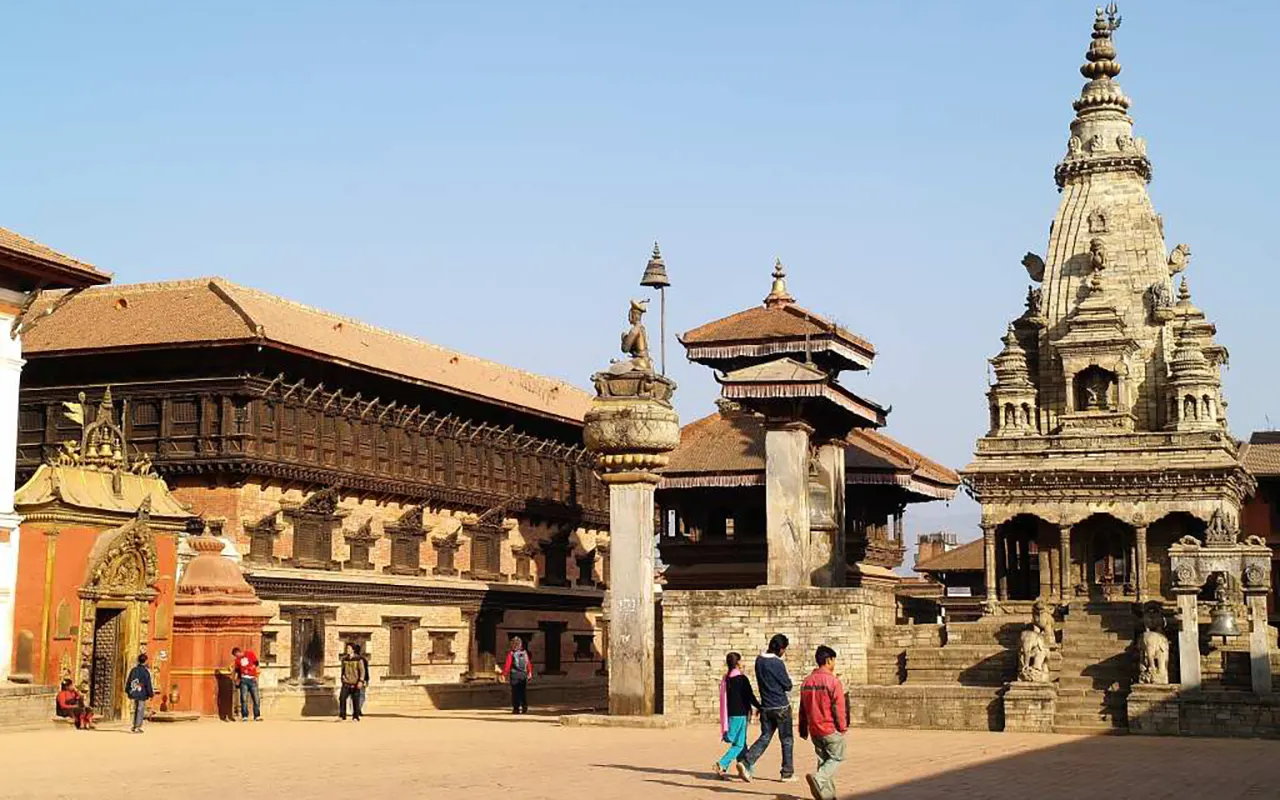
- Visit the ancient Kathmandu Durbar Square and the Newari buildings
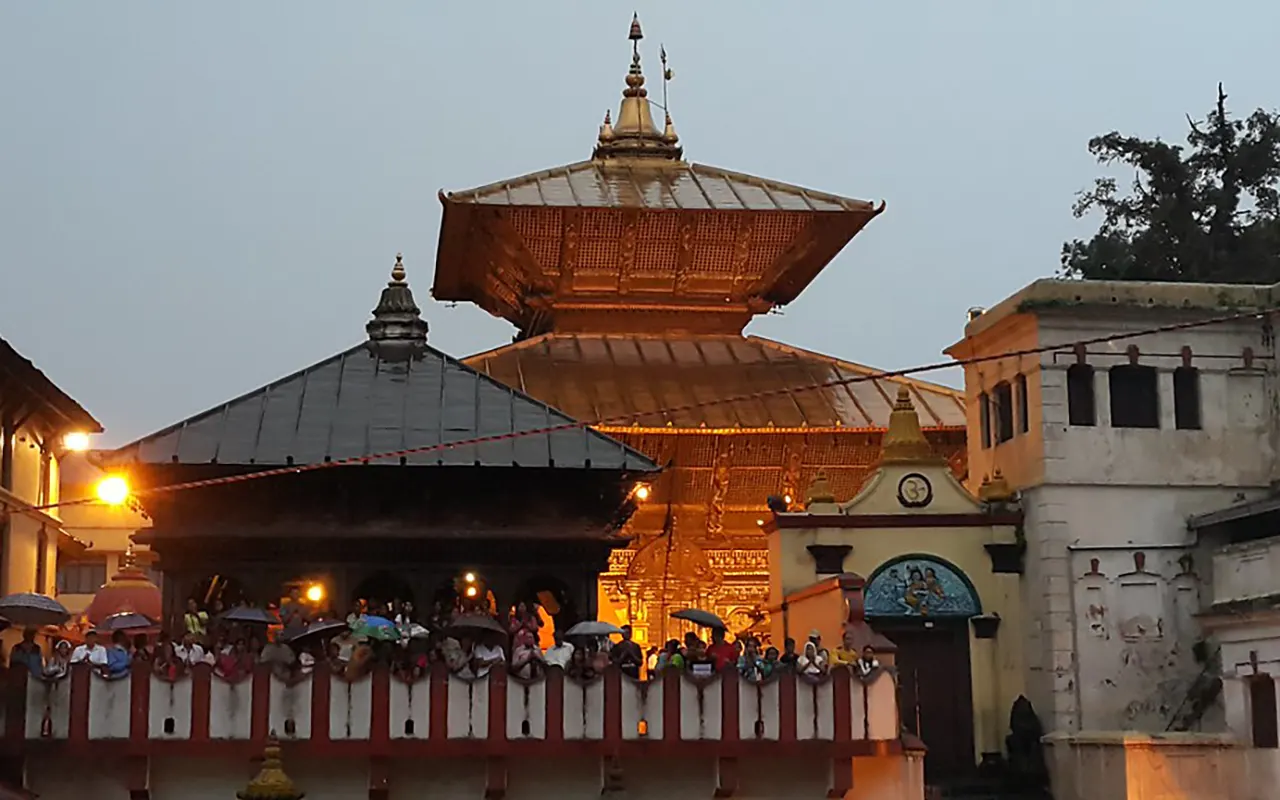
- See the evening ceremony of Sandhya Aarti at the Pashupatinath temple
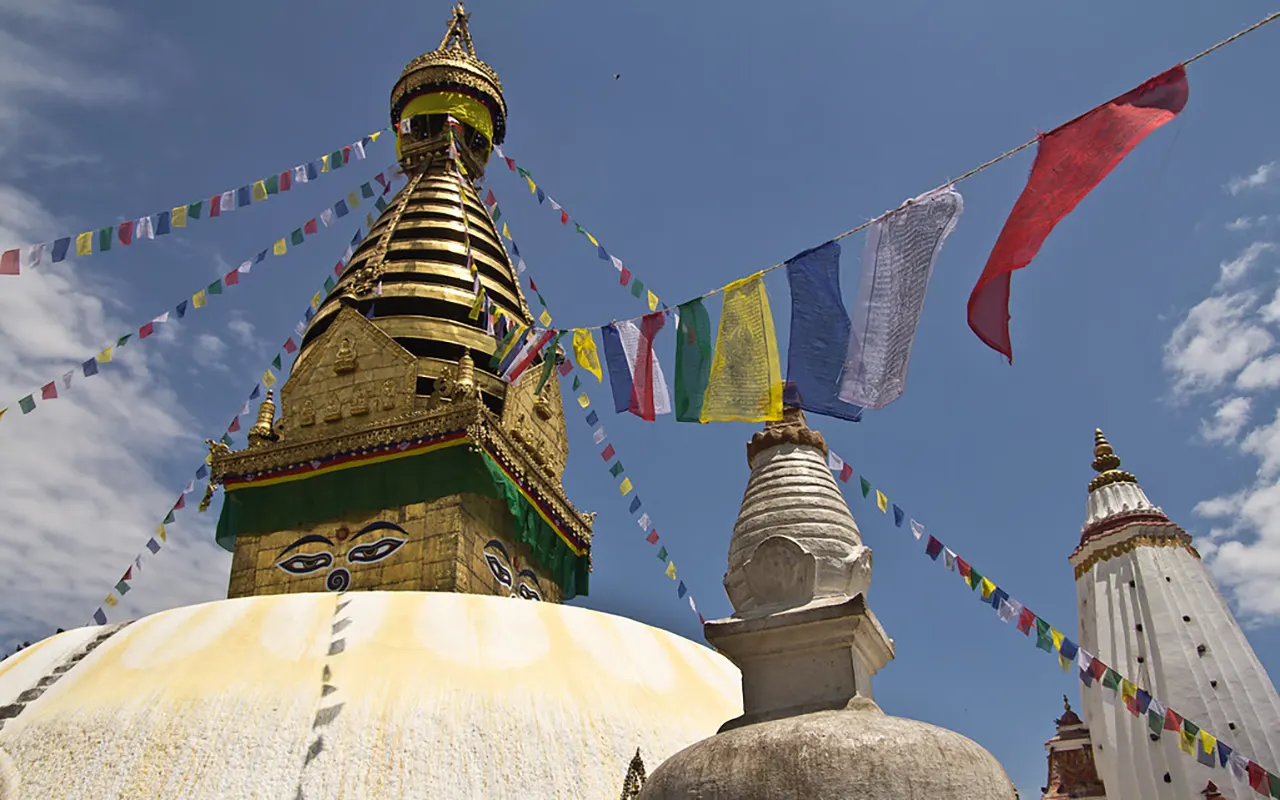
- Visit Boudhanath Stupa and learn about Buddhist culture
- Have a wonderful view of the sunrise over the Himalayan ranges from Nagarkot
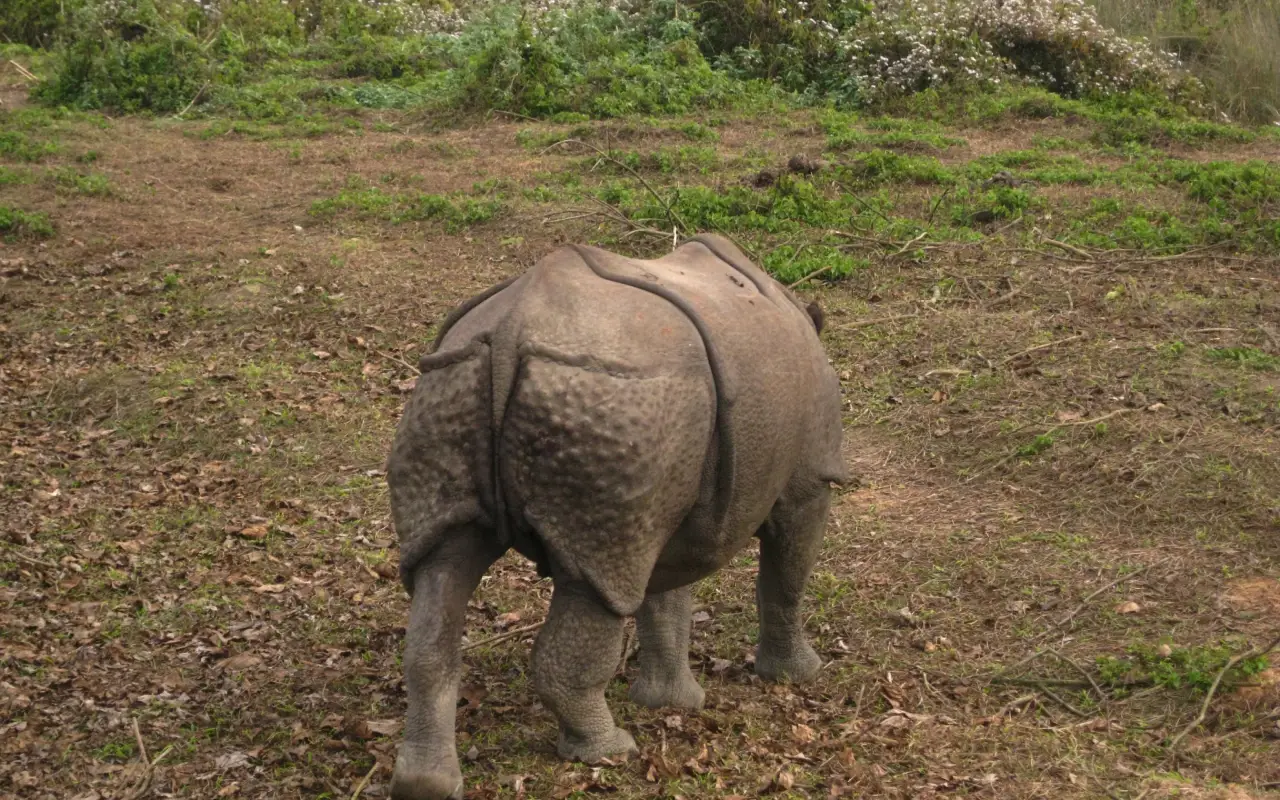
- Go on a jeep safari and wildlife activities in Chitwan National Park
- Experience a traditional Tharu cultural dance in Chitwan
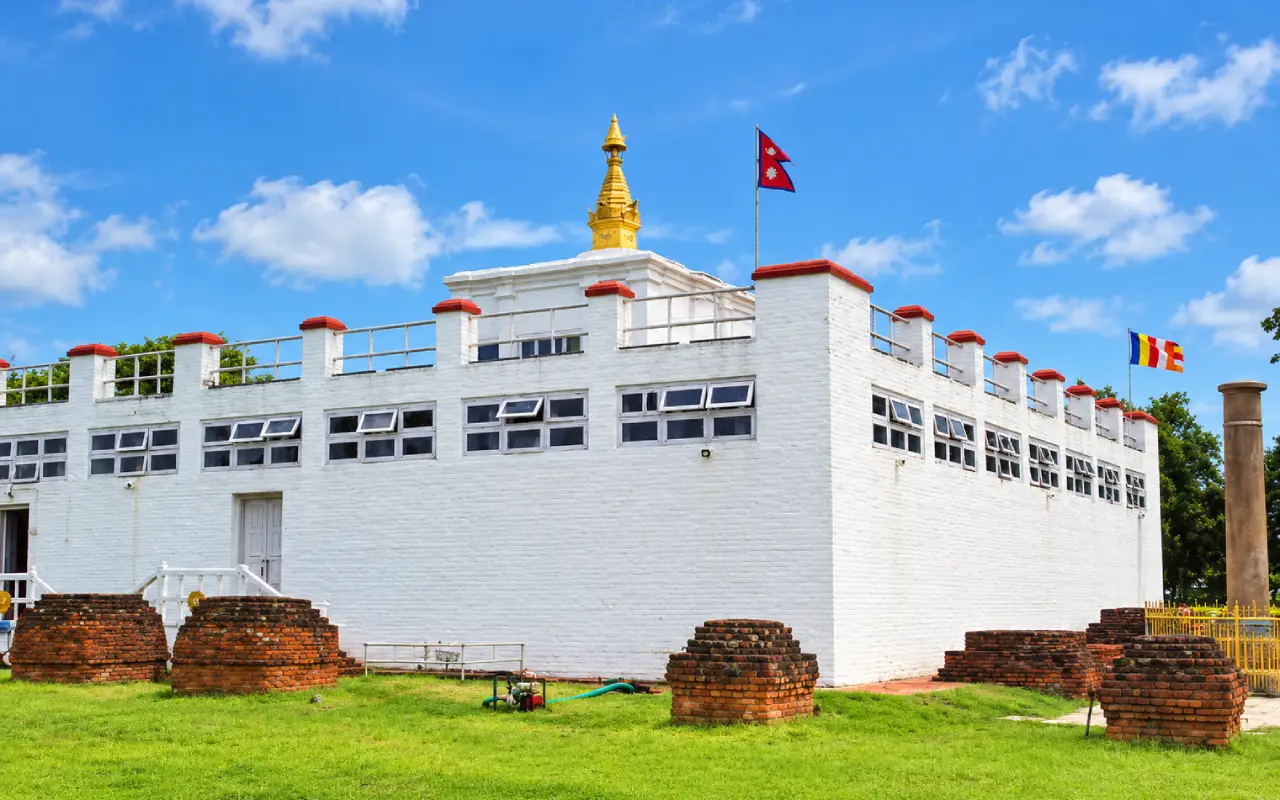
- Visit Lumbini, the birthplace of Lord Buddha, and visit Maya Devi Temple
- Visit the Buddhist sites such as Ramgram, Niglihawa, and Kapilvastu
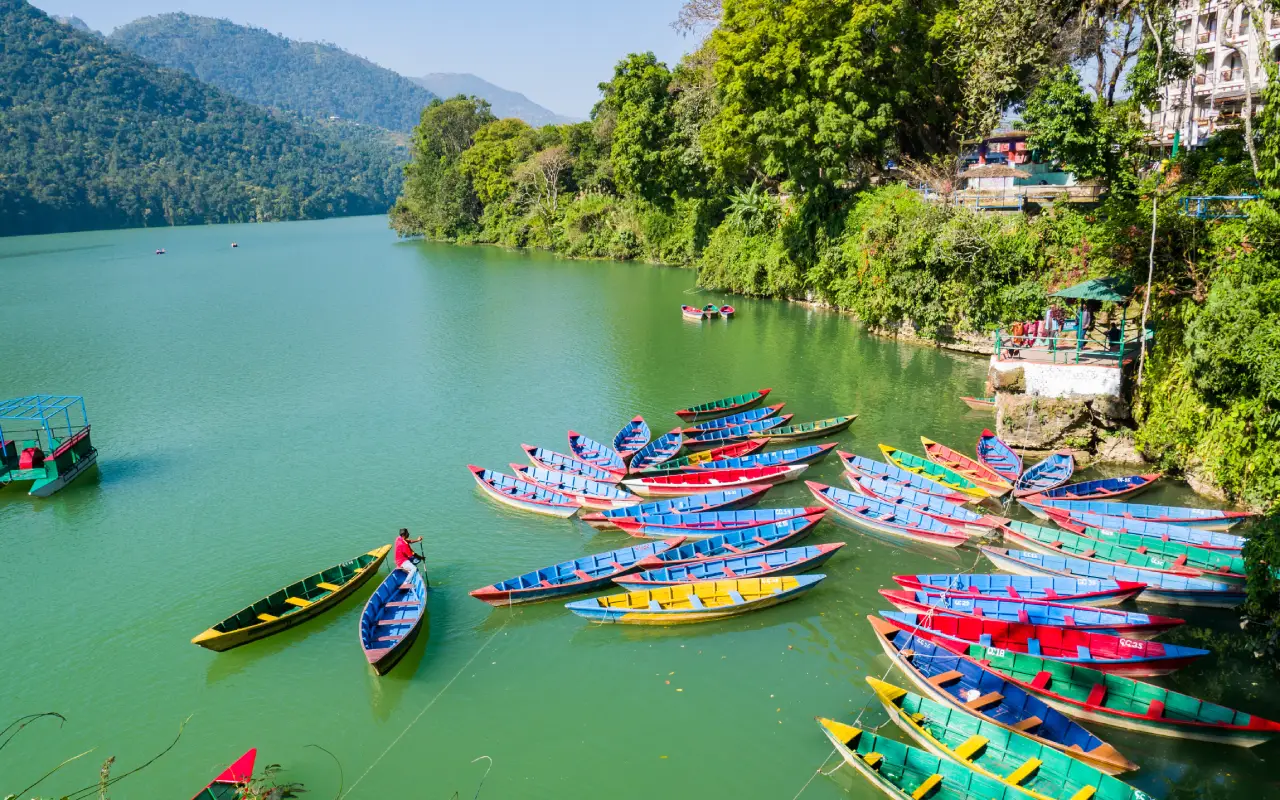
- Witness the sunrise from Sarangkot and take a boat ride on Phewa Lake, Pokhara
- Visit traditional Newari town, Bandipur and Siddha Cave
Nepal Family Tour – 10 Days Overview
A Nepal Family Tour is a great way to spend time together while discovering the country’s culture, wildlife, mountain scenery, and traditional communities. This 10-day journey takes you through several different parts of Nepal, giving every family member a chance to enjoy something along the way. The itinerary includes sightseeing, nature, and relaxing experiences from historical places in Kathmandu to the wildlife experiences in Chitwan.
The tour starts in Kathmandu, where you can visit the Kathmandu Durbar Square, Boudhanath Stupa, and Pashupatinath Temple. You will also reach the hilltop village of Nagarkot to witness the sunrise early in the morning and also view the Himalayan ranges. On clear days, you can see distant mountain peaks, including Mount Everest.
This journey then heads to Chitwan for a jungle safari and to learn about the wildlife of Chitwan National Park. Depending on the confirmed activities, you may enjoy a jeep safari, canoe ride, or guided jungle walk. You can also enjoy a cultural Tharu evening to learn about the local community’s traditions.
Next, you will move on to Chitwan to visit the birthplace of Lord Buddha – Lumbini. You can visit the Sacred Garden, Maya Devi Temple here, and other significant Buddhist temples. The trip also covers visits to historic sites connected to the early life of Prasenjita (Siddhartha) and the ancient Buddhist kingdoms.
Pokhara adds a unique touch to your family vacation. Enjoy Sarangkot for sunrise, a tour of Mahendra Cave, a visit to the International Mountain Museum, and a boat ride on Phewa Lake. Then head to the final destination, Bandipur, a typical Newari hill town where you can wander its narrow streets and visit Siddha Cave on the way back to Kathmandu.
If you’re looking for a Nepal Family Holiday that’s based around cultural sightseeing, nature and wildlife but without demanding trekking activities, this is the one for you. A comfortable seat for parents and children, a planned sightseeing schedule, and comfortable accommodation make for a convenient journey to the mountains for parents, children, and family members. You can also discuss day-to-day activities beforehand so we can take into account your family’s tastes and needs.
When you’re planning a family trip to Nepal, you can rely on My Everest Trip’s expertise to plan your trip, as they know how to provide appropriate accommodation, transport, and sightseeing. Call us to plan a comfortable 10-day Family Tour in Nepal according to your travel dates, Family size, and preferences.
Why Choose the Nepal Family Tour?
The Nepal Family Tour is unique because it combines culture, wildlife, mountain gazing, and leisure time in a single 10-day tour. Families can spend time sightseeing in Kathmandu, witness the sunrise from Nagarkot, and enjoy a wildlife experience in Chitwan National Park. The trip to Lumbini adds a cultural and educational element, and Pokhara offers boating, cave exploration, and mountain sightseeing.
Another attraction of this Nepal Family Holiday is the wide range of destinations included, without the need for strenuous trekking or climbing. Children can join guided tours to learn about local traditions, see wild animals, and learn about Nepal’s history.
The Family Tour in Nepal also features traditional Newari villages, Buddhist sites, and beautiful road trips that allow everyone in the family to experience the country together.
Nepal Family Tour – 10 Days Itinerary
Day 01: Arrival at Tribhuvan International Airport and Evening Aarti at Pashupatinath
Your Nepal tour starts at Tribhuvan International Airport in Kathmandu. You will be met at the airport by our representative, who will take you to your three-star hotel. It typically takes about 20 to 40 minutes to get from the airport to the hotel, although the exact time can vary depending on traffic and other factors.
During the transfer, our representative will undertake a briefing on the itinerary, transportation and activities to be done in the days ahead. You can get a good night’s sleep after checking in at the hotel.
In the evening we will go to the Pashupatinath Temple and observe the traditional Hindu prayer session called Sandhya Aarti that is carried on at the Bagmati River bank. Priests are able to carry out the ritual using oil lamps and prayerful songs and prayerouts. We will then go back to the hotel to spend the night in Kathmandu.

Hotel

7 km

1,400 m / 4,593 ft

Airport pickup, hotel transfer and evening Aarti at Pashupatinath, 20–40 minutes driving, plus evening sightseeing
Day 02: Kathmandu Durbar Square and Boudhanath Stupa Sightseeing then Drive to Nagarkot
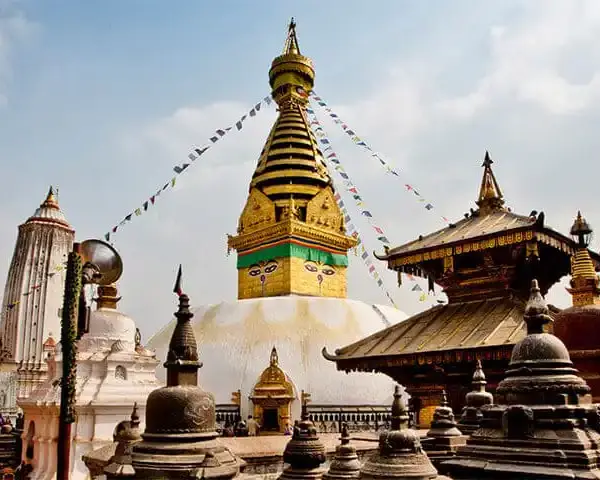
Following breakfast, we will set off on a guided tour of Kathmandu. We will focus on Kathmandu Durbar Square, a historical palace complex that was once the royal residence and ceremonial centre of the former Kathmandu Kingdom, in our first visit. You can explore its traditional courtyards, temples, old palace buildings and intricate Newari architecture.
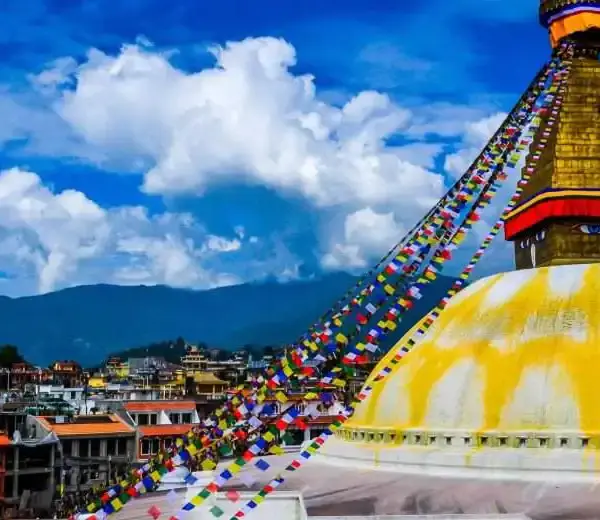
We will now head to Boudhanath Stupa, one of the important Buddhist pilgrimage sites in Nepal. It is an important place for Buddhist worship, as evidenced by the large white dome, the colourful prayer flags and Buddha eyes painted on the central tower. There will also be some time to see the other monasteries and traditional activities.
After the sightseeing tour, we will proceed to Nagarkot, a hill station which is located to the east of Kathmandu. The path goes through Bhaktapur and the countryside. After reaching Nagarkot, you can unwind at the hotel and enjoy the surrounding mountains.

Breakfast
Hotel
60 Km
2,175 m / 7,136 ft
Guided cultural sightseeing and scenic drive to Nagarkot, 5–6 hours including sightseeing and driving
Day 03: Nagarkot Sunrise View and Drive to Chitwan
Early morning will be spent visiting the Nagarkot View Tower where we will witness the sunrise above the hills and Himalayan ranges. If the weather is clear in the morning, you can see the peaks of the mountains far away, even Mount Everest. Visibility will vary according to weather and atmospheric conditions.
We will come back to the hotel for breakfast and start our tour towards Chitwan. The route leads through the countryside villages, river valleys and curvy roads of Mugling until it arrives at the Terai region. The distance from Nagarkot to Sauraha is about 175 km.
If you are interested in rafting, you can book an optional white water rafting trip on the Trishuli River depending on the availability, river conditions and the programme of the day. This activity will require extra time and must be planned ahead of time.
Once at Chitwan, we will check in to the hotel. An evening Tharu cultural programme with traditional music and dance is available. We will also be discussing jungle activities that will be taking place the next day with our guide.
Breakfast, lunch and dinner
Hotel
175 Km
2,175 m / 7,136 ft
Sunrise viewing, scenic drive, optional river rafting and Tharu cultural program, 4–5 hours driving without rafting
Day 04: Jungle Safari in Chitwan National Park and Drive to Lumbini
Following breakfast, we will start a planned jungle programme in the Chitwan National Park. These activities could involve a jeep safari, a jungle walk and canoeing, depending on the confirmed programme. There are various opportunities to see the wildlife and natural environment of the park in each activity.
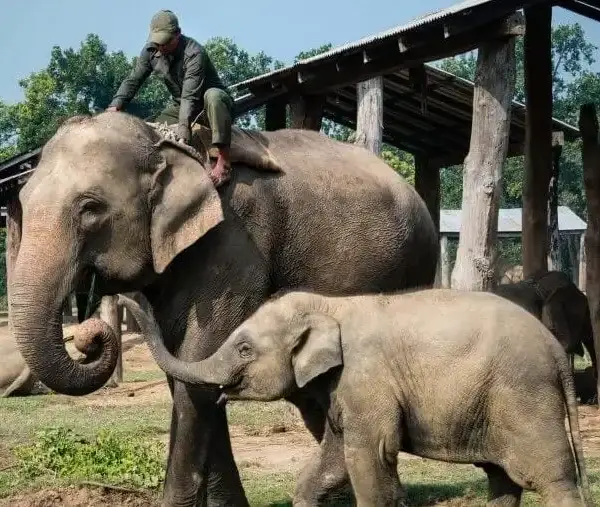
There are several wildlife species that can be seen in Chitwan, such as the greater one-horned rhinoceros, Asian elephants, spotted deer, gharials and other bird species. The park also serves as a home for the Bengal tigers and leopards but their sighting is not certain. Other species that can be observed include the Bengal florican and white-rumped vulture.
Then we will proceed to Lumbini by private vehicles, after the completion of the scheduled activities. Our ride will take us west through the Terai plains, towns and farmland and local settlements. Upon arrival, we will register at a three-star hotel and sleep there at night.
Breakfast and dinner
Hotel
165 km
415 m / 1,362 ft
Jungle safari, wildlife observation and drive to Lumbini
Day 05: Lumbini Sightseeing and Excursion to Kapilvastu
Following breakfast, we will start our full-day sightseeing tour of Lumbini, the place of Buddha’s birth, known as Siddhartha Gautama. We will enter the Sacred Garden where the traditionally acknowledged birthplace of Buddha is marked by the Maya Devi Temple. The Ashoka Pillar which was set up by the Emperor Ashoka during his visit to Lumbini in the 3rd century B.C., can also be seen.
From here, we will head towards Kapilvastu and visit the archaeological site of Tilaurakot where the early life of Prince Siddhartha is connected with the ancient Shakya Kingdom. The visit proceeds to Kudan, a significant Buddhist archaeological site related to Buddha’s visits after his enlightenment.
We will also visit the historical site of Gotihawa which is traditionally attributed to Krakuchhanda Buddha. We will visit and get back to our hotel in Lumbini on the same day for an overnight stay.
Breakfast
Hotel
70–80 km
150 m / 492 ft
Lumbini pilgrimage, historical sightseeing and Kapilvastu heritage tour, 5–7 hours
Day 06: Visit to Niglihawa, Devadaha and Ramgram then Drive to Pokhara
We are going to travel to the other significant Buddhist relics of the southern part of the Terai after breakfast. The first place of visit will be Niglihawa or Nigali Sagar with an inscription on an Ashoka Pillar connected to Kanakamuni Buddha. This website offers more details of the early Buddhist pilgrimage history of the area.
We will then visit Devadaha which is traditionally called the birthplace of the old kingdom of Koliya and the birthplace of the maternal family of Siddhartha Gautama. The sightseeing programme also covers Ramgram, the site of a very old stupa which is claimed to hold one of the relics of Buddha.
After these visits, we will head towards Pokhara through Butwal and Tansen. The road then slowly ascends from the flatlands of the Terai to the hills, passing through various scenes of rivers, villages and green fields. Once we arrive in Pokhara, we’ll be transferred to the hotel and will have a chance to enjoy the surroundings of Lakeside.
Breakfast
Hotel
280–320 Km
1,350 m / 4,429 ft
Buddhist heritage sightseeing and scenic drive to Pokhara, 9–11 hours including visits and driving
Day 07: Sunrise at Sarangkot and Pokhara Sightseeing
The journey will begin early in the morning with a drive to the popular viewpoint Sarangkot, above the town of Pokhara. Sarangkot is at around 1600 m/sq which commands a view of the Annapurna, Dhaulagiri and Machhapuchhre mountain ranges. With clear skies, you may catch the first rays of the sun on the Himalayan peaks.
We will watch the sunrise and then head back to the hotel for breakfast. Afterwards, we will keep exploring Pokhara and visit the International Mountain Museum where information about Himalayan mountaineering, mountain communities and climbing expeditions is displayed.
We will also see Mahendra Cave which is an old limestone cave with rock formations. Later, we will drive towards Begnas Lake where you can enjoy the peaceful surroundings. There will also be boating on Phewa Lake, enjoying the view of the hills and mountains around. Following a sightseeing tour, we will go back to the hotel.
Breakfast
Hotel
40–60 km
1,600 m / 5,249 ft
Sunrise viewing, museum visit, cave exploration, lake sightseeing and boating, 5–7 hours including sightseeing and driving
Day 08: Drive from Pokhara to Bandipur and Visit Siddha Cave
Following breakfast, we head towards Bandipur where we travel through a traditional Newari township on the hilltop of Tanahun District. It goes along the Prithvi Highway to get up to Bandipur via the villages and terraced fields. The drive is about 2-3 hours long, depending on road conditions and traffic.
We will then head to Bandipur where we will have an old town walk. The narrow streets, temples and small local shops are a chance to understand the local culture and way of life, while the traditional Newari houses are worth exploring. From the surrounding viewpoints, there are clear views of the Annapurna and Manaslu mountain ranges.
Siddha Cave is a big limestone cave below Bandipur which we will be visiting later. To get to the entrance, you will have to walk down through a forest path and stone steps. The natural chambers and rock formations are available for exploration inside with guides. After the visit we will head back to Bandipur for an overnight stay.
Breakfast
Hotel
80 Km
1,030 m / 3,379 ft
Scenic drive, Newari cultural sightseeing, walking and cave exploration, 4–6 hours including driving, sightseeing and cave visit
Day 09: Drive from Bandipur to Kathmandu
Following breakfast, we set out to Bandipur and head towards Kathmandu. The path starts from the top of the hill and continues down to the Prithvi Highway. We will then continue east through the river valleys and roadside towns towards the Kathmandu Valley.
On the way, one can see the change of landscapes of central Nepal, terraced fields, rivers, hills and traditional villages. Refreshments and meal breaks (at your own expense) will be provided as appropriate.
A transfer will be arranged in Kathmandu to take you to your 3-star hotel. The rest of the time may be used for personal activities. The local markets, shopping for souvenirs and gifts or unwinding at the hotel after the trip are all possibilities. Our last night will be spent in Kathmandu.
Breakfast
Hotel
140–150 Km
1,400 m / 4,593 ft
Scenic road journey and leisure time in Kathmandu, 5–7 hours driving
Day 10: Transfer from Kathmandu Hotel to Tribhuvan International Airport for Final Departure
Today is the last day of your Nepal holiday. Once breakfast is served you can pack up and finish checking out of the hotel. You will be assisted by the representative to arrange for the transfer to the airport as per the international flight timing.
A one-hour drive from the hotel to Tribhuvan International Airport, with adequate time for check-in, baggage collection and immigration. It is advised to arrive at the airport at least three hours before the time of the international flight. It takes approximately 20-40 minutes, depending on the location of your hotel and the traffic in Kathmandu.
Our representative will help you with your luggage at the airport prior to saying goodbye. Thank you for travelling with us and we hope to see you again for another holiday in Nepal. We hope you have a safe and comfortable ride home.
Breakfast
7 Km
1,338 m / 4,390 ft
Hotel checkout and airport transfer for international departure, 20–40 minutes driving
What To Expect?
What's Included
- Comfortable air-conditioned car to and from the airport
- 8 nights of accommodation in three-star hotels on a bed and breakfast basis
- 1 night’s accommodation at a regular jungle lodge with full board (breakfast, lunch and dinner) in Chitwan
- Private sightseeing tours, led by a licensed local English-speaking guide
- Guided jeep safari in Chitwan National Park with an experienced naturalist
- All monument, landmark and heritage site entry fees on the itinerary are included
- Private ground transportation in a comfortable air-conditioned vehicle throughout the tour
- Boating on Phewa Lake in Pokhara
- All applicable government taxes and services
What's Excluded
- Flights to and from Nepal
- Entry visa fee to Nepal
- Travel insurance
- Personal expenses such as laundry, telephone bills souvenirs and shopping
- Section does not include meals and beverages not specifically mentioned in the cost
- Tips for guides, drivers and other staff members
- Other activities in the itinerary that are optional, such as river rafting
- Extra accommodation and/or transport needed as a result of personal change or unexpected circumstances
Nepal Family Tour – 10 Days Additional Information
Family Tour Difficulty and Daily Travel Comfort
A Nepal Family Tour is ideal for families who want to see Nepal’s cultural sites, natural beauty, and wildlife without physically demanding trekking. The walks are generally short, but places like Siddha Cave and Bandipur require extra walking and steps.
The difficulty is easy to medium, depending on the ages and road-trip familiarity of family members. Depending on the day, it can be a long day of driving, so plan for rest as needed.
The trip can be easier for the family if you choose an appropriate travel speed and let the tour leader know about any special needs. We can also help to arrange rest stops and adjust sightseeing programs as appropriate.
Best Time to Visit Nepal with Family
The best time for a Nepal Family Holiday is generally spring (March to May) and autumn (September to November). It is typically a comfortable time of year, ideal for sightseeing and offering better chances of clear mountain views.
Spring is a nice time to visit Kathmandu, Nagarkot, and Pokhara, as the weather is warm and flowers are blooming in the city. During autumn, the sky is usually clear, and you can see the Himalayan ranges clearly. Winter (December to February) is also suitable for many family holidays, although mornings and evenings can be cold in hill destinations. Summer and monsoon (June to August) bring rainfall, humidity and possible road delays.
Families traveling in spring or autumn should pack light, warm clothing for early morning visits. During the monsoon, allow extra time for road journeys because rainfall can affect travel conditions.
Choosing the Right Accommodation for Families
A comfortable place to stay is an integral part of enjoying a family holiday. On the Nepal Family Tour, you will visit places such as Kathmandu, Nagarkot, Chitwan, Lumbini, Pokhara, and Bandipur. The hotels offer different facilities and room arrangements at each destination.
For accommodation, we select the best options for you at My Everest Trip based on your preferences, budget, and needs. Families can choose standard rooms, larger family rooms, connecting rooms, or extra beds, depending on availability. We also consider convenient locations, cleanliness, and essential facilities when arranging hotels.
You may speak with our staff before you confirm your booking about room size, the number of family members, and any special needs. This helps us choose the right hotels for your trip.
Food Options for Children and Different Age Groups
When traveling with young kids and a family of different ages, there are a few things to consider when it comes to food. During a Family Tour in Nepal, you will find a variety of food options in major destinations such as Kathmandu and Pokhara. Restaurants typically offer Nepali, Indian, Chinese, and international dishes.
Traditional Nepali meals include dal bhat, rice, lentils, vegetables, and other side dishes. If the child likes familiar food, there are often alternatives like noodles, pasta, fried rice, sandwiches and simple vegetable dishes. In smaller towns, there may be fewer food options, so some pre-planning helps.
Families with special dietary needs should notify the organizer before travel. Parents should also always have ready-to-eat food for the younger ones and prepare freshly cooked food. Sealed bottled water or treated water is recommended for use throughout the trip.
Road Journeys and Managing Long Drives with Children
Road travel is an important part of a Nepal Family Tour, as it connects destinations through private vehicles. The roads between Nagarkot, Chitwan, Lumbini, Pokhara, and Bandipur vary: highways, winding hills, and busier town sections.
Depending on traffic, weather and road conditions, some travel days can last several hours. Long trips may be exhausting for children, and frequent stops and good seating may help. Our staff may help arrange appropriate transportation and plan appropriate halts en route.
It’s important to have water, light snacks, and essential medicines on hand. Books and games, as well as other small activities, can help to keep children busy on longer journeys. Extra travel time should be planned for in case of unexpected traffic delays during holiday periods.
Altitude and How Children Adjust to Mountain Destinations
While a Nepal Family Tour is not a high-altitude trek, some places on this tour sit above the surrounding valleys. Nagarkot sits at about 2175 m, and Sarangkot at about 1600 m. Families may experience colder weather and greater elevation changes at these locations.
These travel destinations are safe for most healthy travelers but require close supervision of any child with a pre-existing respiratory or other medical condition. Symptoms of altitude exposure include headaches, nausea, dizziness, and unusual tiredness. Younger children may find it hard to tell you how they feel, so parents should watch for any behavior changes.
The following are some helpful precautions:
- Give children time to rest following a long journey
- Make water drinks a habit
- Do not do unnecessary physical work
- Watch for headaches, vomiting, or unusual tiredness
- If symptoms appear or get worse, see a doctor
- Consult a physician before traveling if there are any health issues
Health, Hygiene and Medical Facilities During the Tour
With good health and hygiene arrangements, families have a more enjoyable Nepal Family Holiday with fewer problems. Hospitals, clinics, and pharmacies are available in Kathmandu and Pokhara, and medical facilities are available in Chitwan and Lumbini. In smaller towns or rural areas, however, special treatment may be limited.
It is good practice for the family to take sensible precautions with food, drinking water, and personal hygiene. As kids may be more sensitive to changes in food and new environments, it helps to keep their routines as consistent as possible. It’s also helpful to know where the medical facilities are near your hotel.
We recommend bringing a small personal medical kit before you leave.
- Take your regular medicines
- Pack simple medicines recommended by your doctor
- Have hand sanitizers and wipes available
- Wash hands before consuming food
- Drink bottled or purified water
- Keep children from over-exposure to the sun
- Go to the doctor if the fever or diarrhea persists or if you have any other symptoms of concern
Traveling in Nepal with Babies and Toddlers
When traveling with babies and toddlers, you need extra planning, especially if you’re taking more than one trip during a holiday. For younger family members, a Nepal Family tour is possible, but you should consider factors like accommodation, transportation, feeding, and daily schedules.
Babies may get tired on long journeys, and frequent stops can help. Families should also bring sufficient baby food, milk, nappies and other necessities. Although larger towns have basic supplies, finding a particular brand or specialized product may be difficult in smaller destinations.
The following is a list of items that should be brought by parents:
- Carry sufficient nappies and baby wipes
- Take simple foods, formula and feeding equipment
- Pack a lightweight stroller or baby carrier
- Carry suitable clothing for changing weather
- Have baby medicines and health records on hand
- Arrange in advance for a baby cot or other suitable sleeping place
Nepal with Teenagers: Activities and Learning Opportunities
A Family Tour in Nepal can give teens opportunities to learn about other cultures, wildlife, history, and natural environments. The journey includes several destinations where young travelers can take part in activities beyond ordinary sightseeing.
Teenagers can visit historic buildings and Buddhist temples in Kathmandu. Chitwan offers a new understanding of wildlife conservation and the environment; Lumbini offers a chance to learn about the life and teachings of Buddha. For more variety, you can go boating on Phewa Lake in Pokhara and visit the International Mountain Museum.
Teenagers can do the following activities that they might enjoy:
- Visiting traditional markets and historical sites
- Exposure to Buddhist and Hindu culture
- Jungle Safari viewing wildlife
- Having fun on Phewa Lake
- Visiting caves and natural places
- Trying optional river rafting with suitable age and safety arrangements
What to Expect During a Family Wildlife Safari
This Nepal Family Tour also covers Chitwan National Park, which is an important wildlife park in the country. A family safari provides an opportunity to admire animals, birds, and various natural habitats with the experienced help of local guides.
Depending on the confirmed program, activities may include jeep safaris, canoe rides and guided jungle walks. One can observe one-horned rhinos, deer, crocodiles, monkeys, and various birds. The park is also home to Bengal tigers and leopards, although they are not as frequently sighted and cannot be guaranteed.
Families should know that wildlife activities include following park rules and the guide’s directions. Adults will supervise children throughout the activities. Canoe rides and jungle walks are suitable for the child’s age, arrangements, and safety. It’s also a good idea to wear comfortable clothing, wear sunscreen, and drink plenty of water on the safari.
Family Safety at Temples and Religious Sites
Visiting temples, monasteries, and historical monuments is a crucial part of a Nepal Family Tour. Family tours in Kathmandu allow you to explore the country’s heritage and religious sites like Pashupatinath, Boudhanath Stupa, Kathmandu Durbar Square, and Lumbini.
Before visiting these places, parents should share basic cultural customs with their children. Some places ask people to remove their shoes and/or behave in a certain way, or to follow specific photography rules when visiting religious sites. Some parts of the temple are off-limits to non-Hindus; visitors should check signs in each area.
Families should keep children close in crowded settings and avoid touching religious items unless authorized. Prayer ceremonies are conducted with great respect, and visitors should take care not to obstruct worshippers during such ceremonies. Children will enhance their understanding and awareness of the cultural significance of these places by following local instructions.
Transportation Options and Private Vehicle Arrangements
Since it is a comfortable family vacation in Nepal that includes different cities and geographical areas, transportation is an important component of the trip. Generally, private vehicles work well for families because they offer flexibility for sightseeing and on-road journeys.
My Everest Trip will organize the best transportation for you, depending on your choice, budget, and requirements. The type of car will depend on your caravan requirements, luggage needs and family size. This could include cars, SUVs, jeeps, and other larger tourist vehicles, provided they are available and suitable for the route.
Before confirming transport, we consider the number of passengers, space and luggage. Families traveling with babies or toddlers can also request child seats in advance, subject to availability. If someone has special mobility needs, please discuss them with our team before booking, and we will make suitable arrangements.
Toilet Facilities and Rest Stops Along the Tour
Most Nepal Family Holiday hotels, restaurants, tourist attractions, and shopping areas offer toilet facilities. However, facilities may differ from place to place, depending on the destination. Big cities like Kathmandu and Pokhara will have more facilities; some roadside places and smaller settlements will have basic facilities.
If traveling with young children, families should plan toilet stops before longer trips. Also, it’s advisable to pack a personal hygiene kit, as public facilities may not provide running water and soap.
On road trips, our staff can make appropriate stops at restaurants and roadside facilities. Parents should have tissues, wet wipes, and hand sanitizer in their day bags, especially when traveling with younger children.
Travel Insurance for Parents and Children
One essential part of preparing for a Nepal family tour is travel insurance. While most of the activities on this itinerary are cultural sightseeing and road trips, the unexpected can happen, such as an illness, accident, lost luggage, or flight cancellation that will impact travel plans.
Families should choose a policy that includes all family travelers, including children. Please read the policy conditions carefully to determine who covers medical care, emergency transportation, and trip interruption costs. If you plan to do any optional activities, such as river rafting, make sure the policy covers them.
Check the medical coverage, emergency support plans, and exclusions before traveling. Parents should also find out whether they need to disclose any medical conditions. Have insurance information, policy numbers, and emergency contact numbers on hand during the trip.
Family Travel Preparation and Essential Packing Needs
Proper preparation can make a Nepal Family Tour easy and comfortable. The trip includes city stops, hill trips, wildlife areas, and cultural sites, so plan accordingly for different weather and activity conditions. Families should also consider each traveler’s age and needs.
Appropriate clothing, footwear and personal items are helpful along the way. Warm clothes are especially useful on early morning days out to Nagarkot and Sarangkot, and sun protection is important for sightseeing and jungle activities.
For road trips or daily outings, a separate day pack with the necessary supplies is suggested.
- Shoes that are comfortable for walking and extra socks
- Warm clothes and layers
- Rain jackets or umbrellas during the monsoon
- Sunscreen, sunglasses and hats
- Individual medicines and simple first aid equipment
- Water bottles to drink from and small snacks
- Passports, travel documents and insurance details
- Chargers, power banks and personal toiletries

Tripadvisor Reviews



Google Reviews


Nepal Family Tour – 10 Days FAQs
Is the Nepal Family Tour suitable for elderly travellers?
Yes, the tour is suitable for many elderly travellers; there is some walking, cave visits and lengthy road trips to consider.
Can we customise the itinerary for our children's ages?
Yes, My Everest Trip can negotiate family needs and schedule sightseeing tours and activity plans as needed prior to booking.
Does the Nepal Family Tour package include river rafting?
No, river rafting is not included in the package price as it is optional. It can be sold separately, as long as it is in stock and under certain circumstances.
Can we see Mount Everest from Nagarkot?
On clear morning days in Nagarkot, Mount Everest can be seen from this place; however, the visibility depends on the weather and atmospheric conditions.
Are children allowed to participate in Chitwan jungle safari activities?
Children are welcome to partake in appropriate safaris; restrictions and safety regulations will vary based on the safari and operator.
Can we visit Lumbini and Kapilvastu in one day?
Yes, the Sacred Garden of Lumbini and Lumbini Heritage Sites, like Tilaurakot, Kudan and Gotihawa, are part of the itinerary.
Is a private vehicle provided throughout the family tour?
Private air-conditioned ground transportation is indeed provided for scheduled airport transfers, sightseeing and intercity travel during the itinerary.
Can we request vegetarian or special dietary meals during the tour?
Absolutely, dietary requirements can be communicated before booking accommodation. Special meals require the restaurant to provide the special meal and will incur extra cost.
Is boating on Phewa Lake included in the package?
Yes, boating on Phewa Lake in Pokhara is included in the package cost as mentioned in the inclusions.
Can we arrange additional nights in Kathmandu or Pokhara?
Yes, more nights can be added before booking. Accommodations and transportation will depend on the type of accommodations selected.
US$ 0 per person
- 24/7 Customer Support
- Experienced and Professional Team
- Hassle-Free and Easy Booking
- 99% Customer Satisfaction
- Fair Prices, Exceptional Service
- No Hidden Costs and Secure Payments
- Tailored and Personalized Itineraries
24 X 7 Live Support
Puru (+977-9851069558)