





5 Days


Quick Facts

Ground transportation in Nepal

Hotels & tea-house accommodation

All meals except in Kathmandu

Guided tour & trek throughout the trip

All Year

Easy

Nepal

3880


Why 5 Days Everest Short Trek?
- Scenic flight to Lukla Airport (2,846 m), perched on a mountain edge.
- Trek along the Dudh Koshi River and cross the famous Hillary Suspension Bridge (~125 m long).
- Pass through Phakding (2,610 m), Monjo, and Jorsalle villages inside Sagarmatha National Park (1,148 sq km).
- Reach Namche Bazaar (3,440 m), the Sherpa hub of the Everest region.
- Sweeping views of Mt.Everest (8,848.86 m), Lhotse (8,516 m), and Thamserku (6,608 m).
- Hike to the Everest View Hotel (3,880 m) for one of the world’s best sunrise panoramas.
- Visit Namche Monastery and the Sherpa Museum with a view of Kongde Ri (6,187 m).
- Spot Himalayan tahr, Damphe (national bird), and possibly musk deer in pine forests.
- Cross the twin suspension bridges at Larja Dobhan, the upper one standing nearly 135 m above.
5 Days Everest Short Trek Overview
Who says you need to suffer for two weeks to see Everest? The Everest Short Trek is the perfect adventure for those who want to explore the 8,000 m peak without facing high-altitude challenges. This trek takes you as far as Namche Bazaar (3,440 m), the Sherpa capital, and offers beautiful views of Mount Everest, Lhotse, and Thamserku within a few days. It’s short, scenic, and exciting.
You’ll fly into Lukla, trek through Phakding, cross high-suspension bridges, and climb up to Namche Bazaar. Along the way, you’ll walk through rhododendron forests and riverside trails, reaching some of the best Everest viewpoints on a 5-day round-trip from Kathmandu.
Throughout the Everest short trek trail, you will blend in with Sherpa culture, with colorful flags, stone mani walls, and old monasteries along the way. In Namche, you may even witness major Buddhist festivals like Dumji or Mani Rimdu if you trek in late October or early November. They are celebrated with traditional Sherpa dances, music, masks, and Buddhist rituals.
The trek lies within Sagarmatha National Park, a UNESCO World Heritage Site. You might spot musk deer, Danphe, Snow Pigeon, or even red panda. The region is home to rare alpine plants, pine forests, and blooming rhododendrons in spring. So if you’re short on time but big on dreams, the Everest Short Trekking is your fast track to Himalayan glory. Book your short trip and let Everest greet you with open skies and snowy peaks.
5 Days Everest Short Trek Itinerary
Day 01: Take a flight from Kathmandu to Lukla and trek to Phakding
How do you feel about reaching out to Lukla?
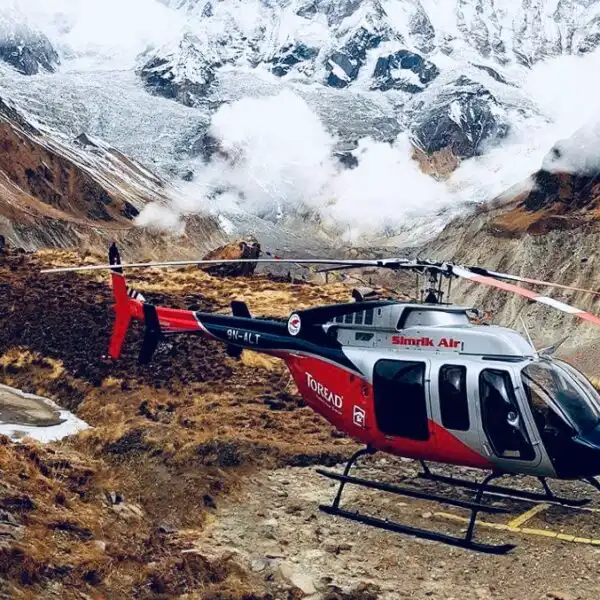
Flight from Kathmandu to Lukla | Helicopter services from Kathmandu to Lukla.
Ramechhap to Lukla Flight.
Your Everest Short trek starts with an early morning flight to Lukla (2,860 m), a small mountain airport known for its short runway and hilltop location. On a clear day, you’ll see mountain peaks like Nupla (5,885 m) and Kongde Ri (6,187 m) right from the flight. After landing, you’ll start walking along the Dudh Koshi River (~130 km long) by crossing the first metal suspension bridge near Chheplung.
You’ll pass through small villages like Thado Koshi and Ghat, where mani stones and prayer wheels line the trail. Afterward, the Short Everest Trek trail continues uphill through pine forests, with views of Kusum Kanguru (6,367 m). After 3- 4 hours of walking, you’ll reach Phakding (2,610 m), a beautiful village by the river.

Breakfast, Lunch, Dinner

Teahouse

8 km / 4.9 miles

2,860 m / 9,383 ft

3hrs
Day 02: Trek from Phakding to Namche Bazaar
Today, the Everest Short Trek follows the Dudh Koshi River upstream. You’ll cross a small bridge and reach Toktok village, where you’ll see Mt. Thamserku rising ahead. Then you’ll reach Benkar and arrive at Monjo (2,835 m), the entrance to Sagarmatha National Park. After checking permits with the Nepal Army and National Park staff, you’ll continue along the river, cross the Hillary Suspension Bridge, and reach Jorsalle. This is the last village before Namche.
After that, you’ll walk along the river and cross two high suspension bridges at Larja Dobhan, which hang over the river gorge formed by the Dudh Koshi and Bhote Koshi rivers. From here, the trail climbs uphill towards Namche Bazaar. As you go higher, you’ll get the first view of Mt.Everest at the viewpoint near Tope Danda (3,420 m) and finally reach Namche.
Breakfast, Lunch, Dinner
Teahouse
10 km / 6.2 miles
3,440 m / 11,286 ft
5hrs
Day 03: Namche Bazaar Acclimatization Day

This is an important day to help your body adjust to the altitude. In the morning, you’ll hike to the Everest View Hotel (3,880 m), one of the world’s highest hotels. On the way, you’ll pass the Syangboche Airstrip (3,870 m) and reach the viewpoint where you can clearly see Everest, Lhotse, Ama Dablam, and Thamserku. After spending some time here, you’ll return and stop at the National Park Museum, which shows local culture, mountains, and Sherpa history.
In the afternoon, you can explore Namche Bazaar. It’s a trade center of the Khumbu region with shops, bakeries, cafes, and local markets. You might take a short walk to the Namche Monastery (also known as Nyingmapa Monastery) or the Tenzing Norgay Memorial. The Kongde Ri range stands tall on the village’s western side.
Breakfast, Lunch, Dinner
Teahouse
4 km / 2.5 miles
3,880 m / 12,730 ft
3hrs
Day 04: Trek back to Lukla from Namche
You’ll start the day by descending from Namche Bazaar, walking past the Namche Monastery and the army checkpoint. After a short walk, you’ll stop at Tope Danda for one last view of Mt Everest before it disappears. Continuing down, you’ll cross the bridges over the Bhote Koshi and Dudh Koshi rivers at Larja Dobhan, then reach Jorsalle and Monjo.
From there, you’ll move through the Chhamuwa villages, cross bridges along the Dudh Koshi River, and pass through pine and rhododendron forests. The final step climbs back into Lukla, where the trek began. Tonight you’ll stay at the teahouses, where you can rest and celebrate your last day in the Everest region.
Breakfast, Lunch, Dinner
Teahouse
19 km / 11.8 miles
3,440 m / 11,286 ft
6hrs
Day 05: Fly Lukla to Kathmandu
Your final day of the Everest Short Trek journey begins in Lukla, a busy mountain town and the main gateway to the Everest region. Tenzing-Hillary Airport here has one of the world’s shortest commercial runways. After breakfast, you’ll head to the airport and take a short flight to Kathmandu. During the flight, you may see peaks like Numbur (6,958 m), Karyolung (6,511 m), and Gauri Shankar (7,134 m) in the distance.
After reaching Kathmandu, you’ll return to the busy streets with temples, markets, and local eateries. Thamel, a popular tourist area, offers plenty of places to relax, shop, and try Nepali food. This marks the end of your Everest Base Camp short trek trip, with some time to rest or explore the city before your departure.
Breakfast
2,860 m / 9,383 ft
5 Days Everest Short Trek Map


Tripadvisor Reviews








Google Reviews


5 Days Everest Short Trek Additional Information
Everest Short Trek Cost
The Everest Short Trek costs USD 910 per person. This price includes domestic flights (Kathmandu to Lukla and back), trekking permits, guide and porter fees, accommodation in local teahouses, and three meals per day during the trek. The cost also covers airport transfers and basic safety equipment provided by the trekking company. These expenses also include tax.
Everest Short Trek
Our agency offers tailored and personalized itineraries based on your time and comfort. Payments are made through secure systems. There are no hidden costs, and we’re transparent about where your money goes, from local staff wages to national park fees and logistics. Some optional costs may include Wi-Fi, charging, hot showers at around USD 5, or tips for your guide and porter, according to your wishes.
What Are the Three High Passes?
The Everest Three Pass Trek crosses Kongma La, Cho La, and Renjo La, three high mountain passes in the Everest region. Crossing all three passes takes you through different valleys and adds several demanding high-altitude sections to the route.
| High Pass | Elevation | Main Route Feature |
| Kongma La | 5,535 m / 18,159 ft | Connects the Khumbu and Imja areas |
| Cho La | 5,420 m / 17,782 ft | Connects the Everest and Gokyo areas |
| Renjo La | 5,360 m / 17,585 ft | Connects the Gokyo and Thame areas |
Kongma La is the highest of the three passes. The crossing involves a steep ascent and descent and can be demanding because of the altitude and changing trail conditions.
Cho La lies between the Everest and Gokyo areas. Depending on the season, snow and icy sections may make the crossing more challenging, so careful walking is important.
Renjo La is the final high pass on the route. After crossing it, the trail descends toward the Gokyo and Thame side of the Everest region.
The conditions at each pass can vary with weather and season. Good physical preparation, proper acclimatization, and a steady walking pace are important throughout these high altitude sections.
Who should consider the Everest Short Trek?
The Everest Short Trek is best for travelers who want to see Mount Everest (8,848.86 m) in a limited time without going to high altitudes. It’s ideal for beginners, families, and those who prefer moderate trekking without the risk of high-altitude sickness. The trek reaches Namche Bazaar (3,440 m), which is high enough to offer clear mountain views but lower than the more challenging Everest Base Camp route.
This trek is also suitable for people preparing for longer treks in the future, as it helps with altitude experience. This trek is a good option for those with 5-6 days available. The trails are well-built, and there are plenty of lodges with food, internet, and basic facilities. During 5 days, you will still explore Himalayan landscapes, Sherpa villages, and mountain views.
Further, if you feel like you want to go for a short trek to Everest Base Camp in a single day, consider the Everest Base Camp Helicopter Tour; it won’t just take you to Namche Bazaar; it will take you directly to the base of the world’s highest peak, Mount Everest.
Level of fitness required for the Everest Short Trek
You need a moderate fitness level for the Everest Short Trek. This trek reaches a maximum altitude of 3,880 m at the Everest View Hotel and covers 25- 30 km in total. Each trekking day involves 4 to 6 hours of walking on the hilly terrain with slow ascents. While you don’t need prior trekking experience, you should be able to walk for several hours with a small backpack.
Most of the healthy individuals between 12 and 65 years old complete the trek without difficulty. However, people with bad hearts or lung conditions should consult a doctor before trekking. Basic preparations like walking or hiking 3-4 weeks before the trip, at least 3 times a week, and doing cardiovascular exercises like skipping, cycling, squatting, and swimming can help your body adjust better. Drinking enough water, eating well, and resting are also important to prevent altitude-related issues.
Emergency contacts and Health clinics on the route
In case of emergency during the Everest Short Trek, you can contact the Nepalese police at 100. You can reach the Sagarmatha National Park Rangers at +977-38-560032 for rescue and assistance. Helicopter evacuation is available from Lukla and Namche Bazaar in a serious case. Keep these numbers handy, and inform your guide immediately if any health issues arise. Here’s the contact info about the health clinics along the way:
| Health Clinic Name | Location | Contact Number (+977) |
| Kunde Hospital | Kunde (~400 m above Namche) | 038-540113 and 038-540053 |
| Namche Health Post | Namche Bazaar | 038-540036 |
| Lukla Hospital | Lukla | 038-550119 |
These health clinics provide basic medical care to help trekkers stay safe along the route.
Best Time for the 5-Day Everest Short Trek
You can do the 5-day Everest Short Trek in any season, but trail conditions vary throughout the year. Spring and autumn are usually the easiest times to plan the trek. Days are generally comfortable, the skies are clearer, and mountain views are often better.
Winter brings colder mornings and shorter daylight hours. Snow is possible around Namche Bazaar and the Everest View Hotel, so you’ll need warm clothing and some flexibility in your plans.
The monsoon season is wetter. Rain, clouds, and slippery trail sections are common, and flights can be affected by poor weather. The trek can still run when conditions are suitable. Our team will monitor the weather and transportation situation while helping you plan the trip.
| Season | Months | Typical Conditions | Trek Experience |
| Spring | March to May | Mild weather, clear mornings and blooming rhododendrons | Excellent |
| Monsoon | June to August | Rain, clouds, and possible flight disruptions | Possible but less predictable |
| Autumn | September to November | Stable weather and clear mountain views | Excellent |
| Winter | December to February | Cold temperatures, possible snow and shorter days | Possible with preparation |
Accommodation During the Trek
Teahouses and local lodges provide accommodation along the trekking route. They are simple places, but they provide what you need after a day of walking.
In Phakding, Namche Bazaar and Lukla, rooms are generally available on a twin-sharing basis. Most rooms have beds, mattresses, and blankets. Bathrooms are usually shared, although some lodges have rooms with attached bathrooms. Heating can be limited, particularly in smaller lodges.
Namche Bazaar has more accommodation choices and facilities than the smaller villages. You can usually find hot showers, WiFi, and charging services there, although these facilities normally cost extra. Spring and autumn are busy periods in the Everest region, so our team will arrange your accommodation ahead of time whenever possible.
Food and Drinking Water During the Trek
Your package includes meals during the trekking days. Teahouses serve a mix of Nepali, Tibetan, and international food, so you’ll have several choices for breakfast, lunch, and dinner.
Common choices include dal bhat, noodles, fried rice, pasta, potatoes, soup, vegetables, eggs, and bread. Seasonal dishes may also be available. Vegetarian meals are easy to find along the route.
You can get drinking water from teahouses, shops, and local sources along the trail. Avoid drinking untreated water directly. Carry reusable bottles and use treated, filtered, or purified water. Purification tablets or a portable filter can also be useful.
Mobile Network, WiFi and Charging Facilities
Mobile network coverage is available along much of the route, although the signal can change from one village to another. Namche Bazaar generally has better communication facilities than smaller settlements such as Phakding and Lukla.
WiFi is available at many teahouses, lodges, and restaurants, especially in Namche. The connection can be slow or unreliable at times, and WiFi normally comes with an additional charge.
Electricity is available in the main villages, but charging points can become busy during the peak trekking seasons. Carrying a power bank is useful, particularly if you use your phone for photos, navigation, or communication.
Travel Insurance and Emergency Evacuation
Travel insurance is strongly recommended for the 5 Days Everest Short Trek. Your policy should cover trekking up to 3,880 m / 12,730 ft, along with medical treatment and emergency evacuation if needed.
The trek is shorter than the Everest Base Camp route, but it still involves several hours of walking at higher elevations. Weather can also affect flights between Kathmandu, Ramechhap, and Lukla, so it is useful to have insurance that covers relevant travel disruptions as well.
If a serious illness or injury occurs, your guide will assess the situation and coordinate with local medical services. When necessary and weather conditions allow, they may arrange helicopter evacuation. Keep your insurance documents, passport details, and emergency contacts easily accessible during the trek.
How difficult is the Lukla flight?
The Lukla flight is considered one of the world’s most challenging commercial flights because of its short 527-meter runway, high altitude (2,864 m), and changing mountain weather. The airport sits on a slope, with a steep drop at one end and a wall at the other, leaving no room for error. Flights operate only in good weather and during the morning, and delays or cancellations are common, mostly in the monsoon or winter season.
Despite the challenge, the flight is safe and operated by trained pilots familiar with mountain conditions. The accident rate for flights in this region is around 0.1%. Small aircraft like the Twin Otter or Dornier 228 are used, which are designed for short takeoffs and landings. If the weather doesn’t allow flights from Kathmandu, they use an alternative route through Ramechhap Airport, which involves a 4-5 hour drive before the flight to Lukla.
Can I do this trek during the off-season?
Yes, you can do the short Everest trek during the off-season, but weather and trail conditions can affect your experience. With proper gear, flexible timing, and up-to-date weather information, you can still do the trek. The off-season includes the monsoon months (June to August) and winter (late December to February). During the monsoon, the trails can be wet and slippery, and flights to Lukla are often delayed or canceled due to clouds.
In winter, temperatures on the Everest Short Trek can drop below -10°C in Namche, and snowfall may block parts of the trail. Despite the challenges, some trekkers choose the off-season for fewer crowds and lower prices. Teahouses remain open, and local services are available, though some places have limited staff. Plan with a trusted trekking agency like “MyEverest Trip” and be prepared for schedule changes. You can take a short trek, or even try the full Everest Base Camp Trek during the off-season.
Everest Short Trek vs Everest View Trek
Everest Short Trek and Everest View Trek are both popular options for travelers who want to explore the Himalayas without doing the full Everest Base Camp Trek. The Everest Short Trek takes you up to Namche Bazaar, offering adventure and Sherpa culture. The Everest View Trek ends at Tengboche and focuses more on easier access and scenic viewpoints. Let’s compare them in a simple table.
| Feature | Everest Short Trek | Everest View Trek |
| Duration | 5 Days | 7 Days |
| Difficulty | Moderate | Easy to Moderate |
| Maximum altitude | Namche Bazaar (3,440 m) | Tengboche (3,800 m) |
| Trek Style | Adventure+Culture | Scenic+Easy |
| Highlights | interacts with local Sherpa people, Namche Bazaar, Forest trails, and Local monasteries like Namche Monastery | Panoramic views of Everest and Ama Dablam, Tengboche Monastery, Scenic trails |
| Best For | Adventure seekers, cultural explorers, short-term travelers | Beginners with an age between 30-60, families |
| Physical requirement | Less fitness | Moderate fitness |
| Trekking trails | Easy Paths | Steep and difficult somewhere |
Benefits of hiring a local guide for Everest Short Trek
Hiring a guide improves safety, convenience, and cultural understanding during the trek. Key benefits include:
- Guides know the trails and weather conditions to keep you safe
- They handle permits and paperwork efficiently
- Guides communicate with locals for smooth cultural exchanges
- They monitor your health and help with altitude sickness
- In emergencies, they organize rescue and medical help
- Guides share detailed knowledge of Sherpa culture and traditions
- Hiring guides supports the local economy and community
- They find good teahouses and ensure proper meals and lodging
Permits for Everest Short Trek
The main permits required for the EBC Short Trek are the Sagarmatha National Park Entry Permit and the Khumbu Pasang Lhamu Rural Municipality Permit. The Sagarmatha National Park Permit costs about NPR 3,000 (around USD 25), and the Khumbu Pasang Lhamu permit costs about NPR 2,000 (around USD 17). These permits help regulate trekking in the protected area and support conservation efforts.
You can get both permits in Kathmandu or at the Monjo park entrance. These permits are required for all trekkers entering Sagarmatha National Park and the Khumbu region. Park staff check them at the entry gate and during the trek. Trekking agencies often help with obtaining permits before you start the trek. Carrying these permits is important to avoid fines of around USD 100 and to respect local rules.
5-Day Everest Short Trek vs Everest Base Camp Trek
These two treks differ significantly in time, altitude, and walking commitment. The 5 Days Everest Short Trek is designed for people with limited time who want to visit the Khumbu region and reach the Everest View Hotel.
The Everest Base Camp Trek continues much farther into the region. After Namche Bazaar, the route passes through Tengboche, Dingboche, Lobuche, and Gorak Shep before reaching Everest Base Camp. It also requires more time for acclimatization because of the higher elevations.
| Feature | 5 Days Everest Short Trek | Everest Base Camp Trek |
| Duration | 5 Days | Usually 12 to 14+ Days |
| Main destination | Everest View Hotel | Everest Base Camp |
| Maximum altitude | 3,880 m / 12,730 ft | 5,364 m / 17,598 ft |
| Main viewpoint | Everest View Hotel | Kala Patthar and Everest Base Camp |
| Acclimatization | Namche acclimatization day | Several acclimatization and rest days |
| Difficulty | Easy to Moderate | Moderate to Challenging |
| Walking commitment | Shorter overall itinerary | Longer and more demanding |
| Best for | Limited time travelers and beginners with reasonable fitness | Travelers wanting to reach Everest Base Camp |
| Time required in Nepal | Suitable for a short holiday | Requires a longer travel schedule |
The 5 Days Everest Short Trek does not reach Everest Base Camp. The highest point of your itinerary is the Everest View Hotel at 3,880 m / 12,730 ft, where you can see Everest and other Himalayan peaks.
If your main goal is to stand at Everest Base Camp, you’ll need a longer trekking itinerary. If you have only five days, this short route lets you experience the Everest region without committing to the longer Base Camp trek.
Where can I buy trekking gear in Lukla if I forget something?
If you forget any trekking gear during the short trek to Everest, don’t worry; Lukla has several shops where you can buy or rent trekking items like jackets, poles, gloves, sleeping bags, and more. Prices are slightly higher than in Kathmandu, but it’s convenient and saves you time during trekking. Most shops are near the Lukla Bazaar and close to hotels. Here are some places where you’ll find gear in Lukla.
| Shop | Available gear | Contact Number |
| Lukla Outdoors | Jackets, thermals, gaiters, small packs | +977-9801358078 |
| Everest retail shop | Boots, basic cold-weather gear, wildcards | 038-550140 |
| Small shops and Haat Bazaar | Socks, water bottles, basic clothing, snacks | Not available |
| Local marts (Ngima, etc.) | Toiletries, basic trekking gear, supplies | Not available |
Always check the gear quality and compare prices before buying or renting.
Trekking gears for 5 Days Everest Short Trek
Here’s a packing list for the Everest Short Trek.
Clothing
- Lightweight trekking shirt (2-3)
- Thermal base layers (top and bottom)
- Fleece or down jacket
- Waterproof and windproof jacket
- Trekking pants (2 pairs)
- Warm hat and sun hat
- Gloves (inner and insulated outer)
- Buff or neck gaiter
- Sleepwear (warm and comfortable)
Footwear
- Sturdy trekking boots (broken-in)
- Camp shoes or sandals (for evening use)
- Warm socks (3-4 pairs, preferably wool)
- Gaiters (optional, for snow/dust protection)
Personal Items
- Sunglasses with UV protection
- Sunscreen (SPF 30 or higher)
- Lip balm with SPF
- Quick-dry towel
- Toiletries (toothbrush, paste, soap, etc)
- Toilet paper and wet wipes
- Hand sanitizer
- Water bottles (1L) or hydration bladder
- Water purification tablets or a filter
Trekking gear
- Small daypack (25-35L)
- Duffel bag (carried by porter)
- Headlamp with extra batteries
- Trekking poles
- Sleeping bag (rated for -10°C or lower)
- Rain cover for backpack
Medicines and First Aid
- Personal medications
- Diamox (for altitude sickness, consult a doctor)
- Band-aids, blister plasters
- Painkillers (e.g., ibuprofen or paracetamol)
- Antiseptic cream
- ORS (oral rehydration salts)
Documents and Money
- Passport and photocopies
- Trekking permits (TIMS, Khumbu Rural Municipality)
- Insurance papers
- Some cash (Nepali rupees for food, drinks, tips)
5 Days Everest Short Trek FAQs
How much oxygen is available at Namche Bazaar during the trek?
Namche Bazaar, at 3,440 m, has about 65% of the oxygen available at sea level. This can make trekking more tiring, even on short routes. Most of the trekkers feel the altitude here, so acclimatization is important. Beginners or those coming directly from low elevations should strongly focus on it.
What percentage of trekkers experience altitude symptoms on this route?
Around 25-35% of trekkers on the Everest Short Trek trail report mild altitude symptoms like headache or fatigue after reaching Namche Bazaar. These effects can be cared with proper hydration, rest, and spending a night for acclimatization.
How much weight can I carry on a Lukla flight?
The luggage limit for the Lukla flight is 10 kg for checked baggage and 5 kg for hand luggage. Excess baggage is charged extra, typically USD 1-2 per kg. Packing light helps to avoid delays and extra costs.
How long do people typically stay at Namche Bazaar?
Most trekkers spend one night in Namche Bazaar on the Everest Short Trek. Some stay two nights to completely adjust at the altitude or explore the nearby viewpoints. Namche also has shops, cafes, and internet access, which makes it a good rest stop.
Are card payments accepted along the trek?
Card payments are limited. Some cafes and lodges in Namche Bazaar accept cards, but with high transaction fees. Carrying enough Nepali rupees in cash is recommended. ATMs are available in Lukla and Namche, but they may not always work.
How many trekkers visit Namche Bazaar each year?
Approximately 40,000 trekkers visit Namce Bazaar each year as of 2025. These are the number of total trekkers heading to Everest Base Camp, most og whom pass through Namche. It is a popular stop for acclimatization and supplies.
What type of food is available on this trek?
Local teahouses offer dalbhat, noodles, pancakes, soups, and boiled eggs. Basic vegetarian options are common. Meat is available but is flown or carried in, so freshness isn’t guaranteed. Most trekkers prefer carb-rich meals for energy and digestion at altitude.
How old is Namche Bazaar?
Namche Bazaar has been a trade center for over 400 years. It became a key hub when Tibetan traders began crossing the Nangpa La Pass with salt and wool. Today, it combines Sherpa culture with modern trekking needs, including lodges, bakeries, and gear shops.
How many suspension bridges are crossed in this trek?
On the route from Lukla to Namche Bazaar, you’ll cross six major suspension bridges, including the Hillary Step Bridge near the Dudh Koshi River. Some are over 100 m long and often swing. They’re safe, made of steel cables, and maintained regularly by local authorities.
How many litres of water should I drink per day on this trek?
Altitude experts recommended 3-4 liters per day on treks above 2,500 m. The dry mountain air increases the risk of dehydration. Most trekkers refill bottles at lodges or use water purification tablets. Bottled water is also available but expensive (USD1.5-3) per liter after Monjo.
What's the cost difference between low and high season?
In high season, rooms in Namche cost USD 10-25 per night, while in off-season (June to September), you might get the same room for USD 5-15. However, food prices remain nearly the same year-round since supplies are flown in or carried by porters or yaks.
How far is Everest from the Everest View Hotel?
Mount Everest is about 28 KM (17.4 miles) straight-line distance from the Everest View Hotel. While it looks close from the viewpoint, it’s still several trekking days away if heading toward base camp. The hotel offers the best view without any need for a long expedition.
Is there a garbage disposal system on the Everest Short Trek route?
Yes, the Sagarmatha Pollution Control Committee (SPCC) manages waste bins and collection in villages like Lukla and Namche. Trekkers are encouraged to pack out plastic waste. Lodges pay fees for garbage management as part of their tourism license.
What is the cost of a cup of tea in Namche Bazaar?
A cup of black tea in Namche Bazaar costs about NPR 150-200 (USD 1-1.5). Milk tea or masala tea may cost slightly more. Prices rise with altitude due to the difficulty of transporting supplies by porters or animals.
US$ 910 per person
- 24/7 Customer Support
- Experienced and Professional Team
- Hassle-Free and Easy Booking
- 99% Customer Satisfaction
- Fair Prices, Exceptional Service
- No Hidden Costs and Secure Payments
- Tailored and Personalized Itineraries
24 X 7 Live Support

Puru (+977-9851069558)
Related Trips
Moderate 🞄
5.0 (175)
 5.0 (175)
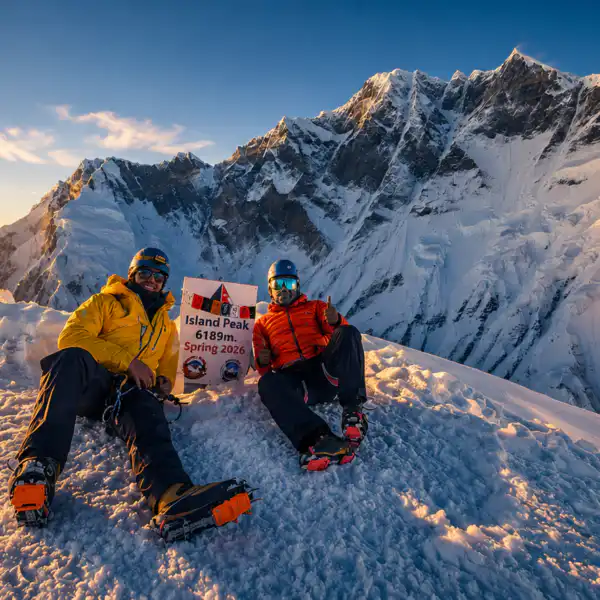
16 Days Everest Base Camp Trek with Island Peak Climbing
 US$ 2,045
16 Days in Nepal
Recent From Our Blog Places of attractions, travel tips, news and more.
Everest, Blog, Trekking in Nepal
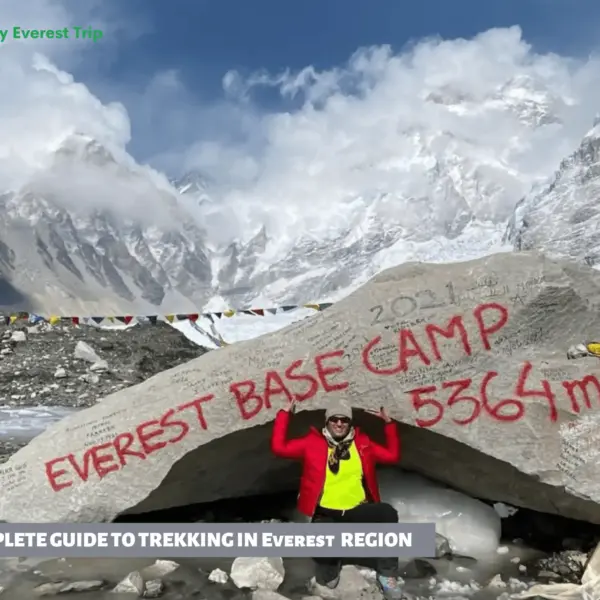
A Complete Everest Trekking Guide
A Complete Everest trekking guide covers many treks globally, but none is more well-known than the one…
Read the full post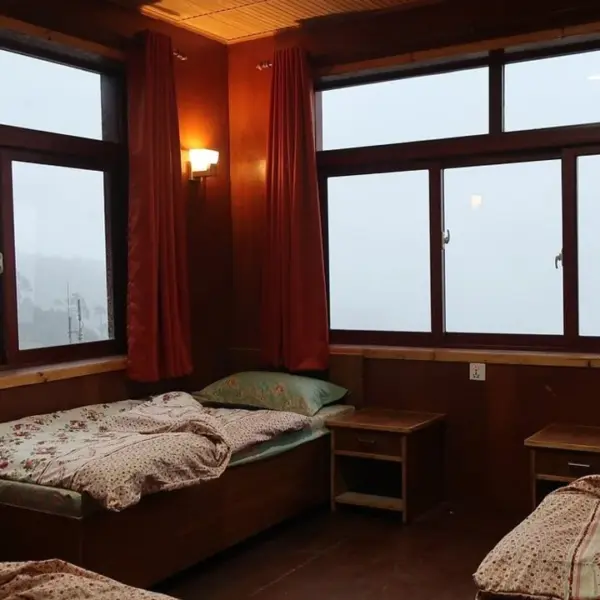
Everest, Blog
Accommodation on Everest Base Camp Trek
Accommodation is a major concern for trekkers, especially in remote Himalayan areas like the Everest…
Read the full post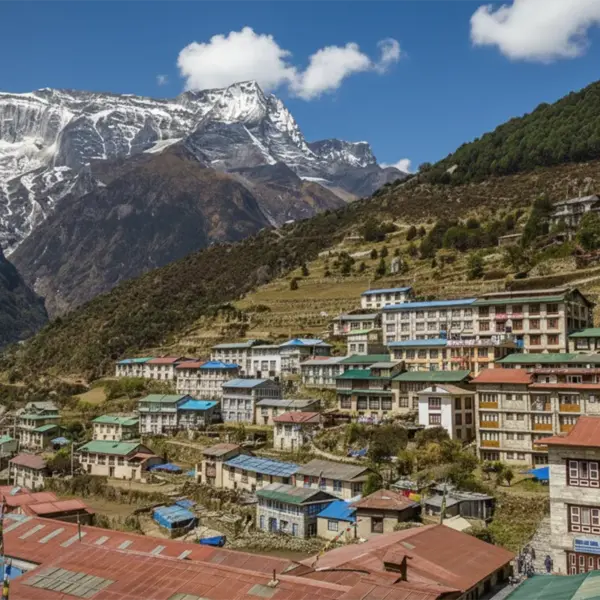
Blog
Animals That Live On Mount Everest : Wildlife of the World’s Highest Mountain
Introduction: Life Above the Clouds Mount Everest, the highest peak in the world with an…
Read the full post