




9 Days


Quick Facts

Ground transportation in Nepal

Lodge

All meals except in Kathmandu

Guided tour & trek throughout the trip

Autumn, Spring

Moderate

Nepal

5,545

Kathmandu - Lukla - Namche - Everest View Hotel - Gorakshep -Lukla - Kathamndu





Highlights
Touch the sky, embrace the mountains, and carry home a heart full of memories. Everest Base Camp, where dreams meet the mighty Himalayas.
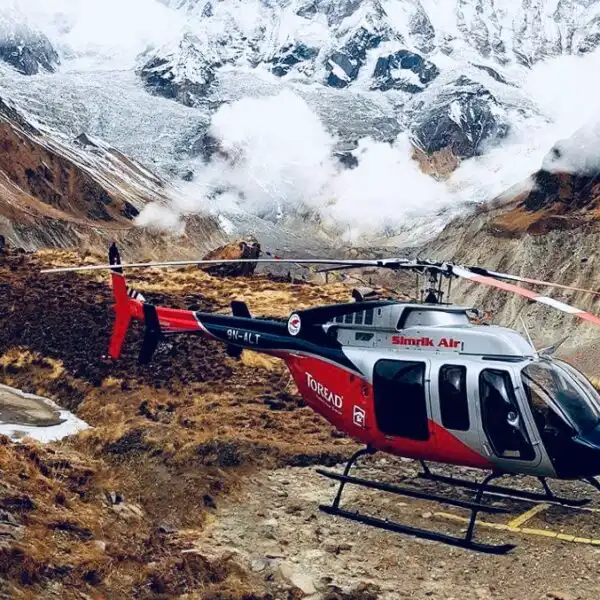
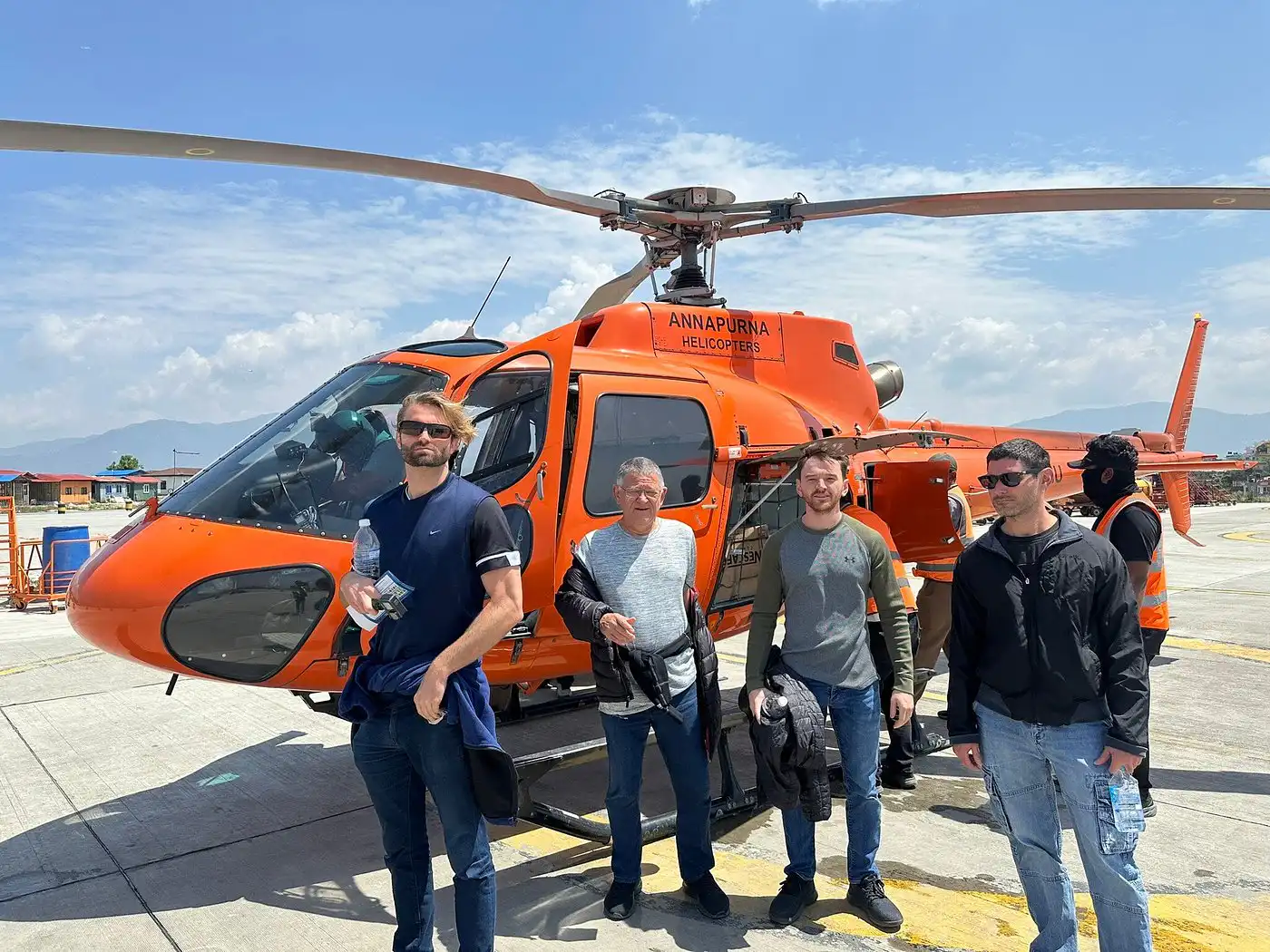
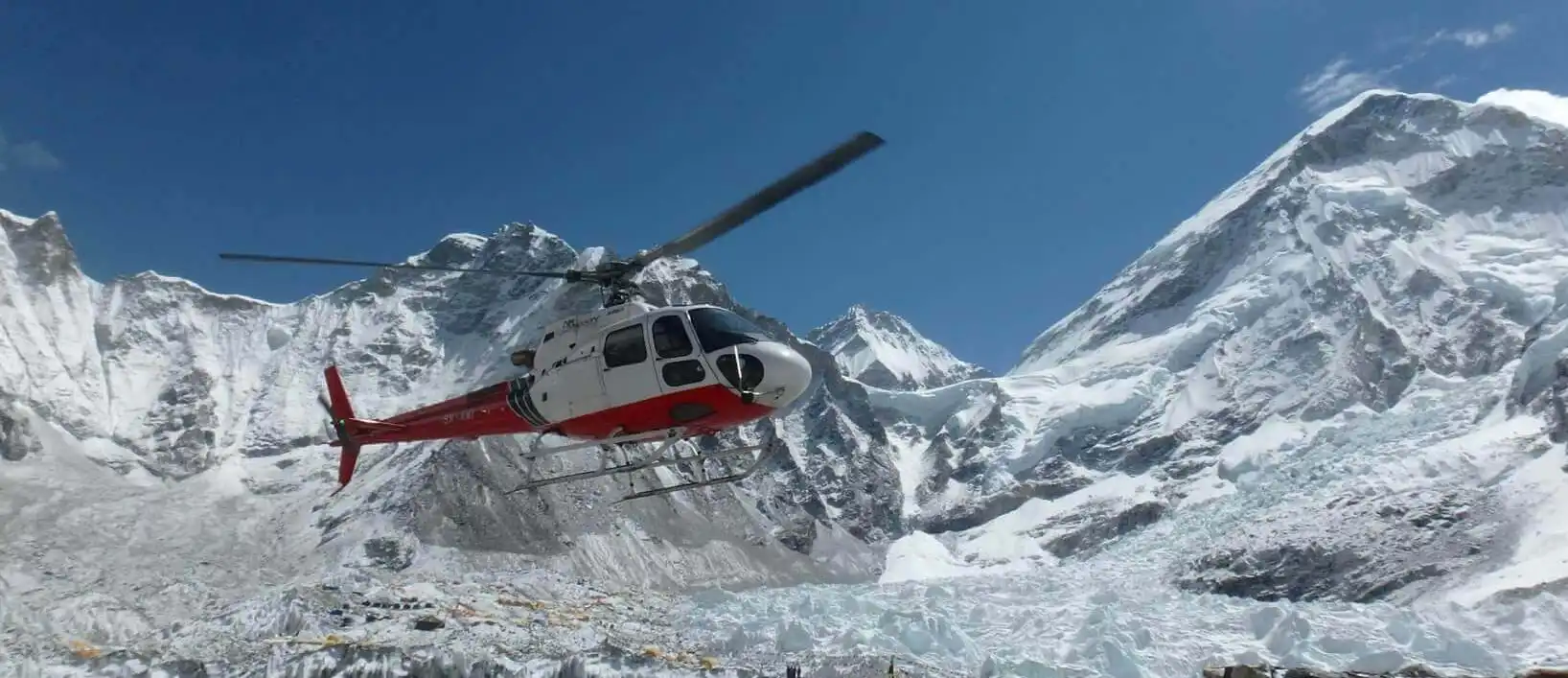
- Helicopter flights from Kathmandu to Lukla and from Gorakshep back to Kathmandu, reducing trekking duration.
- Trek to Everest Base Camp (5,364 m) and Kala Patthar (5,545 m) to see the Everest sunrise.
- Take in the sight of Everest, Lhotse, Nuptse, and AmaDablam along the trail.
- Visit famous Sherpa villages such as Namche Bazaar, Tengboche, and Dingboche.
- Explore Sherpa culture in a historic Tengboche Monastery.
- Spend a day acclimatizing in Namche Bazaar for safer high-altitude trekking.
- Stay in local mountain tea houses, including meals during the trek.
- Follow skilled Sherpa guides and porters for a safe, comfortable trip.
9 Days Everest Base Camp Helicopter Trek Overview
The Everest Base Camp Helicopter Trek is a 9-day journey into the heart of the Khumbu region, designed for travelers who want to experience Everest in a shorter and more comfortable way. This trek combines scenic helicopter flights with rewarding mountain walks, giving you the chance to enjoy both adventure and convenience. You will take the classic route, passing through Sherpa villages, forests, river valleys, and high-mountain landscapes. The trip will take you through the gorgeous scenery of Everest, Lhotse, Nuptse, and Ama Dablam.
My Everest Trip (MET) offers an unforgettable Himalayan adventure, well-planned, well-facilitated, and professionally guided by locals. Our team arranges all major logistics, including helicopter transportation, permits, meals, accommodation, and trekking support, so you can enjoy the journey without any worries. Accompanied by professional Sherpa guides and porters, the trek will be easier, safer, and more meaningful for tourists from around the world.
Why Everest Base Camp Helicopter Trek?
The Everest heli trek is a good choice for those with limited time who still wish to reach the famous Everest Base Camp on foot. Instead of walking all the way back, you fly back by helicopter after visiting the route’s major attractions. This saves time while preserving the authentic Everest adventure experience. Without a longer itinerary, you can still enjoy the adventure of trekking the Himalayas.
This 9-day Everest trek takes you through some of the most famous places in the Everest region, including Lukla, Phakding, Namche Bazaar, Tengboche, Dingboche, Lobuche, Gorakshep, Everest Base Camp, and Kala Patthar. The route lets you discover local culture, Buddhist monasteries, prayer flags, mani walls, and the Sherpa community’s hospitality. Every day is a new adventure: quiet countryside walks through villages and, at higher altitudes, dramatic glacial scenery.
The Everest Base Camp heli trek also includes important acclimatization days, helping your body adjust to altitude more safely and comfortably. You will rest in key locations such as Namche Bazaar and Dingboche, then continue to higher elevations. This slow pace makes the trip more comfortable for tourists who prefer not to rush and want to enjoy the journey. The last sunrise on Kala Patthar and the helicopter ride back to Kathmandu are even more special.
Overall, the Everest Base Camp Helicopter Trek is a rewarding adventure for travelers who want mountain beauty, cultural experiences, and time-saving comfort in a single journey. It offers the pleasure of walking up to Everest Base Camp, along with the excitement of a helicopter ride in the Himalayas. This expedition is the best option for those who want a meaningful Everest trip in a shorter time frame, with comfort, support, and stunning views along the way.
What’s Special About the Everest Base Camp Heli Trek
The Everest Base Camp Helicopter Trek stands out because it offers the classic Everest adventure in a shorter, more comfortable itinerary. Unlike the traditional Everest Base Camp trek, which usually takes two weeks or more, this 9-day Everest trek allows travelers to experience the region’s main highlights in a limited time. You can combine the trek with helicopter flights, making the trip efficient while still preserving the traditional Himalayan trekking experience.
One of the most distinctive aspects of this trip is that you walk to Everest Base Camp and Kala Patthar. Many travelers dream of standing at the base of the world’s highest mountain, and this Everest Base Camp heli trek makes that possible without the long return walk. Once you reach the key spots, you can take a helicopter ride back from Gorakshep, saving days of walking and avoiding physical exhaustion.
Another special feature of the Everest heli trek is the unforgettable aerial views of the Himalayas. During the helicopter flights, you will see Mount Everest, Lhotse, Nuptse, Ama Dablam, the Khumbu Glacier, and other renowned peaks. These views offer a new perspective on the mountains that you can’t see on the trail.
Hiking also provides an excellent mix of adventure and comfort. That is why, during the walk in the Khumbu region, you will visit Sherpa villages, Buddhist monasteries, and traditional mountain culture. At the same time, helicopter support can reduce travel time and make it easier for travelers who can’t schedule a longer trip.
Another reason many travelers choose the Everest Base Camp Helicopter Trek is the carefully designed itinerary. Places such as Namche Bazaar and Dingboche have designated acclimatization days, during which trekkers can adjust to the altitude. This careful pacing helps ensure a more pleasant and safer journey while guiding you to the region’s greatest attractions.
Overall, the Everest Base Camp heli trek combines trekking adventure, cultural exploration, and scenic helicopter travel. It enables tourists to appreciate Everest’s beauty, walk to the renowned base camp, and take a scenic helicopter ride back over the Himalayas. For many visitors, this blend of adventure and efficiency makes the Everest heli trek one of the most memorable ways to explore the Everest region.
Quick Facts
| Trip Information | Details |
| Duration | 9 Days |
| Destination | Nepal |
| Difficulty | Moderate |
| Highest Altitude | 5,545 m |
| Accommodation | Lodge |
| Meals | All meals except in Kathmandu |
| Best Seasons | Spring and Autumn |
| Transportation | Helicopter and trekking |
| Main Route | Kathmandu → Lukla → Phakding → Namche → Tengboche → Dingboche → Lobuche → Gorakshep → Everest Base Camp → Kala Patthar → Kathmandu |
9 Days Everest Base Camp Helicopter Trek Itinerary
Day 01: Helicopter Flight to Lukla (2,860m) and Trek to Phakding (2,645m)
Today, we will begin our Everest Base Camp Helicopter Trek with a scenic helicopter flight from Kathmandu to Lukla. After a brief safety briefing, we will fly over hills, rivers, and small mountain villages. The flight typically takes about 30 to 40 minutes, and you will enjoy wonderful views of the Himalayan landscape on the way to Lukla.
After landing, we will meet our trekking team and begin our walk to Phakding. The trail follows the Dudh Koshi River through a pine and rhododendron forest. We will cross small suspension bridges and pass prayer flags and mani stones on the way. The walk is easy and gives our bodies time to acclimatize to the altitude. In the afternoon, we will arrive in the village of Phakding, where we will spend the night in a local lodge.

B, L, D

Lodge

8 km

2,645 m / 8,678 ft

4 hours
Day 02: Trek from Phakding to Namche Bazaar (3,440 m)
After breakfast, we will continue our journey along the DudhKoshi River valley. The trail crosses several suspension bridges and passes through woods and small Sherpa settlements. Along the way, we will enjoy views of the surrounding hills and rivers as we slowly gain altitude.
We will stop for lunch near Jorsalle before starting a longer uphill climb towards Namche Bazaar. This section of the trail contains some stone steps and wooded trails. As we gain altitude, the air thins, so we will walk slowly and take short breaks. By late afternoon, we will be at Namche Bazaar, the main trading town of the Khumbu region. Here we will check in for the night at our lodge and rest. Namche is also an important stop for acclimatization during the Everest heli trek.
B, L, D
Lodge
11 km
3,440 m / 11,286 ft
7 - 8 hours
Day 03: Acclimatization Day at Namche Bazaar - Hike to Everest View Hotel or Khumjung
Today we will spend the whole day in Namche Bazaar so that our bodies can adjust to the altitude. After breakfast, we will walk for a short time to a higher elevation and return to Namche later in the day. This helps with acclimatization and prepares us for higher elevations during the 9-day Everest trek.
One option is to hike to the Everest View Hotel, where we can see Everest, Lhotse, and other mountains at a distance. Another option is to visit Khumjung village, where we can see the local homes, a monastery, and the Hillary School. After the hike, we will return to Namche Bazaar for lunch and free time. In the afternoon, we can visit the Sherpa Culture Museum or local shops, then rest at our lodge.
B, L, D
Lodge
5 km
3,440 m / 11,286 ft
3-4 hrs
Day 04: Trek from Namche Bazaar to Tengboche (3,875m)
Today, we will continue our Everest Base Camp heli trek by leaving Namche Bazaar and following a scenic trail along the mountainside. The route affords views of the surrounding peaks and valleys as we walk through forests of pine and rhododendron.
The trail goes down to the river at PhunkiTenga, where we will pause for a short break. After crossing the bridge, we will start our steady uphill walk towards Tengboche. This part of the trail ascends through wooded slopes and small settlements. In the afternoon, we will reach Tengboche village, home to the famous Tengboche Monastery. If time permits, we will visit the monastery and watch evening prayers. We will spend the night in a mountain lodge, with the peaceful mountain scenery all around.
B, L, D
Lodge
9 km
3,875 m / 12,713 ft
6 - 7 hours
Day 05: Trek from Tengboche to Dingboche (4,320 m)
After breakfast, we will continue walking toward Dingboche. The trail first descends through the forest and then crosses the Imja Khola on a suspension bridge. From here, the landscape slowly opens up as we gain altitude.
We will pass the village of Pangboche, where we may see the traditional houses, prayer walls, and grazing yaks. From Pangboche, the trail then continues over alpine terrain with wide views of the surrounding mountains. After several hours of walking, we reach Dingboche, a small settlement in a wide valley. This village is an important stop for acclimatization during the Everest Base Camp Helicopter Trek. We will spend the evening resting and eating warm meals, and preparing for higher elevations.
B, L, D
Lodge
11 km
4,320 m / 14,173 ft
5-6 hours
Day 06: Acclimatization Day in Dingboche
We will be in Dingboche again today to acclimatize. After breakfast, we will take a short hike to one of our nearby ridges, such as Nangkartshang Peak. This helps our bodies acclimatize to altitude and gives us an overview of the surrounding valleys and mountains.
We will walk slowly, with frequent pauses as we go higher. In the afternoon, we will also return to Dingboche after spending some time at the viewpoint. The rest of the day is free time to relax. Some trekkers prefer to explore the village or visit the surrounding viewpoints, while others prefer to relax at the lodge. Spending two nights here helps reduce the risk of altitude sickness and prepares us for the next stage of the Everest heli trek.
B, L, D
Lodge
6 km
4,320 m / 14,173 ft
4-5 hours
Day 07: Trek from Dingboche to Lobuche, 4,970 m
Today, we will continue walking towards Lobuche. The trail slowly ascends through an alpine landscape with views of glaciers and cliffs. Along the way, we will reach Dughla, where we will take a short rest near small tea houses.
From there, the track climbs a ridge with memorials to climbers who lost their lives on Everest expeditions. After crossing this area, we will proceed on the rocky path along the Khumbu Glacier. The landscape becomes more rugged as we approach the higher elevations. By the afternoon, we will reach Lobuche, a small settlement with a few lodges. Tonight, we will rest here as we prepare for the most important day of the Everest Base Camp helicopter trek.
B, L, D
Lodge
11 km
4,970 m / 16,306 ft
5-6 hours
Day 08: Trek from Lobuche to Gorakshep (5,180 m) and Everest Base Camp (5,364 m)
Today we will take a walk towards Everest Base Camp. After breakfast, we will leave Lobuche and follow the trail along the edge of the Khumbu Glacier. The path climbs gently to Gorakshep, the last settlement on the route. After approximately three hours, we will reach Gorakshep and take a short rest.
Later, we will continue walking toward Everest Base Camp. The trail crosses a rocky area and a glacial moraine before reaching the base camp area. Here we will spend some time taking pictures and just enjoying the experience of standing at the base of Mount Everest. Afterward, we will return to Gorakshep to spend the night. This day is the highlight of the Everest Base Camp Helicopter Trek.
B, L, D
Lodge
14 km
5,364 m / 17,598 ft
7 hours
Day 09: Sunrise Hike to Kala Patthar (5,545m) and Helicopter Flight to Kathmandu
Early in the morning, we will hike to Kala Patthar, one of the best viewpoints in the Everest region. We will walk slowly in the early light and reach the top in time to see the sunrise over the surrounding mountains. From here, we can see Mount Everest and many nearby peaks.
After spending a while at the viewpoint, we will return to Gorakshep for breakfast. Later, we will take a helicopter back to Kathmandu. The helicopter ride offers the final aerial view of the Khumbu Valley and the surrounding mountains. This flight marks the end of our 9-day Everest trek. After reaching Kathmandu, we will transfer to our hotel and complete the journey.
B
What To Expect?
What's Included
The Everest Base Camp Trek is an unforgettable Himalayan adventure featuring spectacular mountain scenery, Sherpa culture, and beautiful mountain villages. At My Everest Trip, we arrange the essential services for a safe, comfortable, and memorable journey.
Accommodation
- Tea house/lodge accommodation during the trek.
- Attached bathrooms in Lukla, Phakding, Namche, and Dingboche, where available.
- Twin-sharing rooms; private rooms available at an extra cost.
Meals & Drinking Water
- 9 breakfasts, 8 lunches, and 8 dinners.
- Tea/coffee with meals and seasonal fruits.
- Farewell dinner in Kathmandu.
- Safe drinking water, filtered or purified.
Transportation & Flights
- Kathmandu airport transfers.
- Kathmandu–Lukla helicopter flight.
- Gorakshep–Kathmandu helicopter flight.
Guide & Trekking Support
- Experienced, licensed, English-speaking trekking guide.
- Wilderness first-aid-trained trekking staff.
- Two guides for groups of more than 8 trekkers.
- Porter service: 1 porter for 2 trekkers.
- Staff accommodation, meals, insurance, and necessary equipment.
Permits & Trekking Benefits
- Sagarmatha National Park Permit.
- Pasang Lhamu Rural Municipality Fee.
- TIMS Card.
- My Everest Trip duffel bag and trekking map.
- Trekking poles and sleeping bag.
- First-aid kit and pulse oximeter.
- EBC Trek completion certificate.
- Government taxes and necessary administrative costs.
What's Excluded
- International airfare and Nepal Tourist Visa.
- Travel insurance with high-altitude emergency evacuation.
- Lunch and dinner in Kathmandu.
- Personal drinks, bottled/boiled water, and extra meals.
- Personal trekking clothing and equipment.
- Wi-Fi, hot showers, charging, laundry, and snacks.
- Tips for guides, porters, drivers, and staff.
- Extra costs caused by flight delays, cancellations, bad weather, or unforeseen circumstances.
- Any services not specifically mentioned under “What’s Included.”
- Your Himalayan Journey, Our Care
With My Everest Trip, we carefully arrange every essential detail of your Everest Base Camp Trek. Trek with our experienced local team, enjoy breathtaking Himalayan views, discover Sherpa culture, and create memories that last a lifetime.

Tripadvisor Reviews








Google Reviews


9 Days Everest Base Camp Helicopter Trek Additional Information
Everest Heli Trek Difficulty, Challenges & Trail Conditions
The Everest Base Camp Helicopter Trek is shorter than the classic route but still physically demanding. The biggest challenge is altitude, not technical climbing. Most walking days last about 4 to 8 hours, and the trail features stone steps, suspension bridges, uneven paths, and rocky areas. In the lower section of the route, the path leads through forests and villages, with a gentler feel. Above 4,000 meters, the path is steeper, drier, and more tiring. Even a short walk can be harder because of the thin air.
This Everest heli trek suits travelers with a reasonable fitness level and a positive attitude. Porters carry the main luggage, so you only need a daypack. Good boots, warm layers, and trekking poles help. The weather can change quickly, so flexibility matters. Overall, this Everest Base Camp helicopter trek is moderate to strenuous but manageable with proper preparation and a steady pace.
Best Time to Visit & Seasonal Weather Guide
The best times for the Everest Base Camp Helicopter Trek are spring (March to May) and autumn (September to November). These months typically have clearer skies, unrestricted mountain views, and more consistent trekking conditions. Spring is a lovely time as the forests are greener and rhododendron flowers may be in bloom. Autumn is also very popular as the air is generally fresh and visibility is often very good. These seasons are also better for helicopter flights.
The monsoon months from June to August are less suitable as rain, clouds, and slippery trails may impact the journey. Winter, from December to February, is possible, but temperatures can be very cold, and some high lodges may reduce services. For travelers planning a 9-day Everest trek, spring and autumn remain the most comfortable choices. No matter when you travel, mountain weather can change rapidly, so extra time and flexibility in your travel plans are always beneficial.
Food and Drink on Everest Base Camp Helicopter Trek
Food on the Everest Base Camp Helicopter Trek is simple, warm, and filling. Most meals are taken in local tea houses, which provide trekkers with their energy for long walking days. Breakfast often includes porridge, eggs, bread, pancakes, or tea. Lunch and dinner typically consist of dal bhat, noodles, fried rice, pasta, potatoes, or soup. In larger villages, menus may also include momos, simple bakery items, and a few international choices. Vegetarian meals are often served.
During this Everest heli trek, drinking enough water is very important. Boiled or filtered water is normally available, and many trekkers also use purification tablets. Most lodges offer hot drinks such as tea, coffee, lemon tea, and hot chocolate. At high altitudes, appetite may decrease, so it is a good idea to eat regularly even if you do not feel very hungry. If you have special dietary needs, inform the company in advance and bring a few personal snacks from Kathmandu.
Helicopter Flight Information
Helicopter transportation is an important part of this itinerary. The package begins with a helicopter flight from Kathmandu to Lukla and finishes with a helicopter flight from Gorakshep back to Kathmandu.
The first flight allows you to reach Lukla without spending additional time travelling overland before the trek. Once you land in Lukla, the journey continues on foot. The helicopter is therefore not used to replace the main trekking experience.
The return flight has a different purpose. After reaching Everest Base Camp and hiking to Kala Patthar, you return to Gorakshep and take a helicopter towards Kathmandu. This removes the need to walk back through the same villages towards Lukla.
Helicopter schedules can be affected by mountain weather and operating conditions. Cloud, wind and visibility can change quickly in the Everest region. Travellers should therefore allow some flexibility when planning international flights and other arrangements after the trek.
The current package includes the Kathmandu to Lukla helicopter on Day 1 and the Gorakshep to Kathmandu helicopter on Day 9.
The package also states that additional expenses caused by flight delays, cancellations, bad weather or unforeseen circumstances are not included. Travellers should understand this condition before confirming their booking.
Transportation and Accommodation During the Everest Base Camp Helicopter Trek
Transportation on the Everest Base Camp Helicopter Trek is arranged to make the journey easier and more time-efficient. The trip starts with a helicopter flight from Kathmandu to Lukla, which saves time and offers a special start to the trek. At the end of the journey, you return to Kathmandu by helicopter from Gorakshep. On the trail, you travel on foot, with porters carrying the main luggage. This makes the Everest Base Camp helicopter trek more comfortable.
Accommodation during the trek is in local tea houses. These are mere mountain lodges with twin-sharing rooms and shared toilets in most places. Dining halls are warmer than bedrooms, and blankets are usually available, though it is still a good idea to carry a warm sleeping bag. In Kathmandu, travelers usually stay in a hotel before and after the trek. Electricity, charging, hot showers, and WiFi may be available in many places, but you often have to pay extra, especially at higher altitudes.
Altitude, Acclimatization & Risk of Altitude Sickness
Altitude is one of the most important parts of the Everest Base Camp Helicopter Trek. As you go higher, oxygen levels drop, and your body needs time to adjust. That is why this itinerary includes acclimatization days in Namche Bazaar and Dingboche. These rest days are not just for relaxing. They help your body prepare for the higher part of the trail, making the Everest heli trek safer and more comfortable.
| Location | Altitude | Purpose |
| Lukla | 2,860 m | Starting point |
| Phakding | 2,645 m | First overnight stop |
| Namche Bazaar | 3,440 m | Acclimatization |
| Tengboche | 3,875 m | Gradual altitude gain |
| Dingboche | 4,320 m | Acclimatization |
| Lobuche | 4,970 m | Higher altitude overnight stop |
| Gorakshep | 5,180 m | Final overnight stop |
| Everest Base Camp | 5,364 m | Trek destination |
| Kala Patthar | 5,545 m | Highest point of the itinerary |
Other trekkers may develop mild altitude sickness, such as headache, fatigue, lightheadedness, loss of appetite, or difficulty sleeping. These signs should not be overlooked. This also means walking slowly, drinking enough water, eating well, and reporting to your guide if you don’t feel well. The peak of the journey is Kala Patthar; therefore, you need extra caution toward the end of the trek. With a steady pace, regular rest, and proper guidance, most trekkers complete the Everest Base Camp helicopter trek safely and enjoyably.
Required Fitness Level & Trek Preparation Tips
A good level of fitness helps on the Everest Base Camp Helicopter Trek because you still need to walk several hours each day at high altitude. This trek doesn’t require climbing skills or technical experience, but it does require stamina, patience, and steady movement. If you are comfortable doing long walks, uphill hikes, or doing regular cardio exercise, you are likely to fare better with this journey. The helicopter return reduces the number of walking days, but the trail to Everest Base Camp remains demanding.
To prepare for this 9-day Everest trek, start training at least a few weeks in advance. Walking uphill, stair climbing, jogging, cycling, and light strength training can all be useful. Practice hiking in your boots before the trip so that they are comfortable. Trekking poles are also helpful on steep and uneven sections. During the trek, walk slowly, drink water, and do not rush. A relaxed tempo and appropriate preparation can make the entire experience much more enjoyable.
Everest Base Camp Helicopter Trek Permits, Entry Fees & Visa for Nepal
The Everest Base Camp Helicopter Trek requires a few permits, which trekking companies usually arrange. Trekkers require the Sagarmatha National Park Permit and the Khumbu Pasang Lhamu Rural Municipality Permit. In some instances, this depends upon company arrangements and current trekking procedures. These documents are checked en route, especially near Monjo and other entry points to the Everest region.
For entry to Nepal, most foreign travelers can obtain a tourist visa on arrival at Tribhuvan International Airport in Kathmandu. A passport with sufficient validity and passport-size photographs might be required, depending on the process at the time of travel. Visa costs are paid separately unless the company obviously includes them. For travelers joining the Everest heli trek, it is always wise to confirm what is included in the package and what you must pay personally. It is also helpful to keep printed or digital copies of important documents during the journey.
| Requirement | Who needs it / purpose |
| Sagarmatha National Park Permit | Required for entering Sagarmatha National Park |
| Khumbu Pasang Lhamu Rural Municipality Permit | Required for trekking in the Khumbu region |
| Nepal Tourist Visa | Required for most foreign travellers entering Nepal, subject to nationality and current entry rules |
| TIMS Card | Include if required under the company’s current trekking arrangements |
Health, Safety & Emergency Support on the Trek
Health and safety are very important on the Everest Base Camp Helicopter Trek because the route passes through high-altitude, remote mountain areas. A guide typically checks on trekkers day-to-day and watches for signs of fatigue, dehydration, or altitude sickness. Most professional teams carry a first-aid kit and basic medications for common ailments such as headaches, stomach issues, and minor injuries. Emergency oxygen may also be available, depending on the company and group arrangement.
During this Everest Base Camp helicopter trek, trekkers should be honest about how they feel. Report even mild symptoms to the guide so they can respond early. In difficult situations, a helicopter can evacuate you, especially when symptoms are more severe at higher altitudes. Drinking safe water, wearing warm clothes, and listening to your guide will help you avoid numerous issues. With proper support, a steady pace, and responsible decision-making, many travelers can complete this Everest heli trek safely.
Travel Insurance and Coverage for Everest Base Camp Helicopter Trek
Travel insurance is essential for the Everest Base Camp Helicopter Trek. Because this journey is at high altitude, your insurance should clearly cover mountain trekking and emergency helicopter rescue. Many standard travel policies don’t include this automatically, so check the details before booking. Medical treatment should also be part of good insurance in case you fall ill or get injured during the trek, experience trip delays, or need evacuation.
For an Everest heli trek, rescue costs can be very high without insurance, especially if you need a helicopter from places like Gorakshep or Dingboche. It is also useful to carry a printed and digital copy of your policy details during the trek. Before departure, the trekking company may ask for your insurance information. If your policy doesn’t cover high-altitude trekking, it can cause serious problems in an emergency. Buying the right insurance gives peace of mind and helps you travel with more confidence during the 9-day Everest trek.
How the 9 Day Everest Base Camp Helicopter Trek Works
The 9 day Everest Base Camp Helicopter Trek combines several days of trekking with helicopter flights at the beginning and end of the journey. Instead of taking a flight to the Everest region on a short sightseeing trip, you take a few days to walk through the Khumbu Valley and slowly gaining altitude.
The journey starts with a helicopter flight from Kathmandu to Lukla. Starting at Lukla, you start walking to Phakding and then on to Namche Bazaar. The itinerary continues to Tengboche, Dingboche and Lobuche until it arrives at Gorakshep and the Everest Base Camp.
The schedule includes acclimatization. You spend one day in Namche Bazaar and one day in Dingboche, and between these villages there will be short hikes. On these days you can get used to the rising altitude and then proceed to Gorakshep.
The last walking phase will involve you walking between Lobuche and Gorakshep and then onto the Everest Base Camp. The morning of the next day you hike to Kala Patthar to enjoy the early morning mountain views and then proceed to Gorakshep. A helicopter then takes you back to Kathmandu, avoiding the need to retrace the entire trekking route on foot.
| Stage | Travel method | Main point |
| Kathmandu to Lukla | Helicopter | Reach the Everest region |
| Lukla to Phakding | Walking | Start the trekking section |
| Phakding to Namche | Walking | Continue into the Khumbu |
| Namche | Walking and acclimatization | Adjust to altitude |
| Namche to Dingboche | Walking | Continue towards higher elevations |
| Dingboche | Walking and acclimatization | Prepare for the upper trail |
| Dingboche to Lobuche | Walking | Reach the higher Khumbu |
| Lobuche to Gorakshep and EBC | Walking | Complete the main trek to Everest Base Camp |
| Gorakshep to Kathmandu | Helicopter | Return without the long walk back |
The main attraction of this format is that you still experience the important trekking section rather than seeing the Everest region only from a helicopter. At the same time, the helicopter return keeps the overall journey shorter than a traditional return trek.
The current itinerary follows the walking route from Lukla through Phakding, Namche Bazaar, Tengboche, Dingboche, Lobuche and Gorakshep before reaching Everest Base Camp. Kala Patthar is visited on the final morning before the helicopter return.
How to Book the Everest Base Camp Helicopter Trek
Before booking, check the departure date, package price, included services and helicopter arrangements with the trekking company. This is particularly important for a helicopter based itinerary because flight operations can be affected by weather and other operating conditions.
You should also confirm what is included in the quoted price and which expenses need to be paid separately. The current package includes accommodation during the trek, meals as specified, trekking guides and support staff, required permits, airport transfers and the scheduled helicopter transportation. International airfare, Nepal visa fees, travel insurance, personal equipment, personal expenses and several other services are excluded.
Before confirming the booking, provide accurate traveller and passport details. If you have dietary requirements, regular medication or specific trekking concerns, inform the company in advance.
It is also important to have suitable travel insurance before starting the trek. The existing package recommends insurance that covers high altitude trekking and emergency helicopter evacuation.
Before confirming your booking
- Confirm your preferred departure date.
- Check the current package price.
- Confirm what the package includes and excludes.
- Check the helicopter flight arrangements.
- Confirm the accommodation and room sharing arrangement.
- Make sure your travel insurance covers high altitude trekking and evacuation.
- Provide correct passport details.
- Ask about the company’s payment and cancellation conditions.
- Keep your booking confirmation and important travel documents.
Your existing FAQ includes a question about changing or cancelling a booking, but the actual cancellation and refund terms are not provided in the current package. Those details should be added only after the company’s official policy is confirmed.
A clear booking process helps travellers understand exactly what they are paying for and what they need to arrange themselves before travelling to Nepal.
Mobile Network, Internet & Charging Facilities
Mobile network and internet service on the Everest Base Camp Helicopter Trek are limited, especially as you go higher. In places like Lukla, Namche Bazaar, and Dingboche, you may get some signal with Nepali mobile networks like NTC or Ncell. In high locations such as Gorakshep and Everest Base Camp, network coverage is usually very weak or absent. This means you shouldn’t rely on your phone too much during the trek.
Many tea houses offer WiFi, but the connection is slow and at times unstable, and it is available for an additional fee. Several lodges also offer charging facilities, but they often charge an additional fee, especially at higher altitudes. It is a good idea to carry a power bank and charge the devices whenever possible. During this Everest base camp helicopter trek, many travelers enjoy being less connected and spending more time with the landscape and local culture. Downloading offline maps, translation apps, and important travel documents before the trek can make the journey smoother.
Language, Culture & Local Etiquette on the Trail
The Everest Base Camp Helicopter Trek is not only a mountain journey but also a cultural experience. Along the trail, you will encounter Sherpa communities that follow Buddhist traditions and have a strong connection with the mountains. The national language is Nepali, but many guides and lodge owners can speak simple or good English. Simple greetings like “Namaste” or “Tashi Delek” are always appreciated and help build a friendly connection with locals.
While doing the Everest heli trek, respect local customs. When visiting monasteries, dress modestly, remove hats if necessary, and act quietly. Always circumambulate clockwise around stupas, mani walls, and prayer wheels. Ask permission before taking close photographs of people. In lodges, take off shoes where necessary and be patient with humble mountain facilities. Sherpa Hospitality is warm and real, and little acts of respect are appreciated. By being polite and considerate, travelers can enjoy a more meaningful experience during the Everest Base Camp Helicopter trek.
Your Extra Expenses on the Everest Base Camp Helicopter Trek
Although many main services are included in the Everest Base Camp Helicopter Trek, you should still carry extra money for personal expenses. Additional common expenses include drinks, snacks, hot showers, charging equipment, Wi-Fi, and tips for guides and porters. In the mountain lodges, prices rise with altitude, meaning that even simple items such as tea, bottled water, or chocolate can cost more than in Kathmandu. Carrying enough cash in Nepalese rupees is important, as card payments are rarely available on the trail.
For this 9-day Everest trek, a reasonable personal budget can help you travel more comfortably. Many trekkers also spend their money on gear rental, souvenirs, bakery items in Namche, or extra food and drinks. Tipping is not normally part of the package and is considered part of trekking culture in Nepal. It is a good idea to ask your company for a general tipping guide prior to the trek. It is also a good idea to have a little extra cash on hand for weather delays or other small needs.
Everest Base Camp Helicopter Trek vs Everest Helicopter Tour
An Everest Base Camp Helicopter Trek and an Everest helicopter tour are not the same type of trip. A helicopter tour is mainly designed around aerial sightseeing, while this package combines several days of trekking with helicopter transportation.
During the helicopter trek, you walk through the Khumbu region and stay overnight in mountain villages. The route passes through places such as Namche Bazaar, Tengboche, Dingboche, Lobuche and Gorakshep. You also spend dedicated acclimatization days at Namche and Dingboche.
A helicopter sightseeing tour generally involves much less walking and a much shorter overall travel period. Depending on the specific tour, passengers may fly over or land at selected locations, but they do not complete the same multi day trekking route described in this package.
| Feature | Everest Base Camp Helicopter Trek | Everest Helicopter Tour |
| Duration | 9 days in this package | Usually much shorter |
| Main activity | Multi day trekking with helicopter return | Aerial sightseeing |
| Walking | Several trekking days | Limited walking |
| Namche Bazaar | Trekking stop | Not normally a trekking stop |
| Tengboche | Trekking stop | Not normally included as a trekking stay |
| Dingboche | Trekking and acclimatization stop | Not normally included |
| Everest Base Camp | Reached by trekking | Depends on the specific tour |
| Kala Patthar | Reached by trekking | May be included as a helicopter landing depending on the tour |
| Return | Helicopter from Gorakshep | Helicopter |
For travellers interested in the trail itself, the trekking format provides time to walk between villages, experience the mountain lodges and gradually move towards the higher parts of the Khumbu. The helicopter is used mainly to shorten the journey at the beginning and end rather than replacing the trekking section.
Your existing package already explains this distinction by describing the trek as a combination of mountain walking and helicopter transportation, with the return from Gorakshep completed by helicopter.
Side Trips from Everest Base Camp
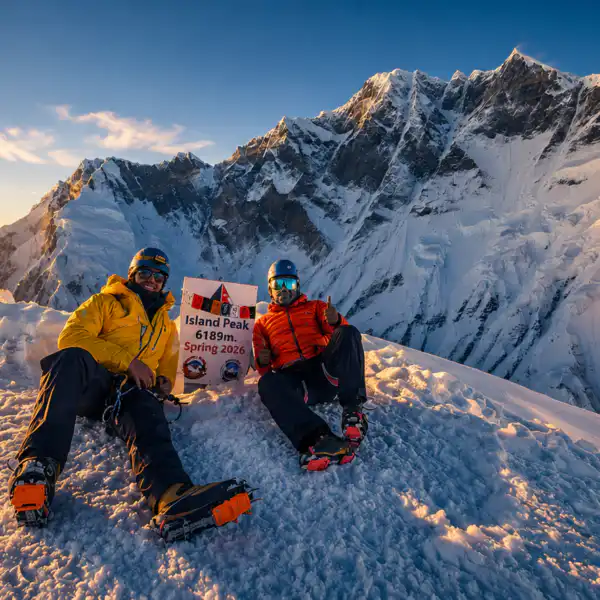
Many travelers choose to add side trips before or after the Everest Base Camp Helicopter Trek if they have more time. In the Everest region, Gokyo Lakes, Ama Dablam Base Camp, Island Peak, and the Three Passes route are among the popular options. Some of these extensions are more challenging and require additional permits, days, and fitness. Others are shorter and easier to add, depending on your schedule and budget.
Even during the Everest heli trek, small side experiences add value to the journey. You can hike to Everest View Hotel, Khumjung, or Khunde from Namche Bazaar. In Dingboche, a short acclimatization hike with more mountain views helps with altitude adjustment. After completing the trek, some continue to Pokhara, Chitwan, or cultural sites around Kathmandu. If you want to extend the trip, it is best to talk to the company early so they can arrange transport, permits, and timing properly.
Photography Tips & Drone Regulations in Everest Base Camp Helicopter Trek
The Everest Base Camp Helicopter Trek offers many great photography opportunities, from village life and mountain trails to sunrise views from Kala Patthar. Most travelers can get by with a phone camera, but if you bring a camera, pack extra batteries, as cold weather can drain them faster. A zoom lens may be required for distant peaks, and a wide-angle lens for landscape pictures. It is also smart to keep your camera protected from dust, cold, and sudden weather changes.
Morning and late afternoon usually offer softer light for photos during the Everest Base Camp Helicopter Trek. Never take close-up shots of local people without seeking permission, or of religious activities. Drone sponsorship in the Everest area is minimal and may require special authorization from the authorities. Operating a drone without the appropriate authorization may cause problems, particularly in restricted zones and along helicopter flight paths. For most trekkers, regular cameras and smartphones are more practical and more than sufficient for capturing the journey.
Trek Extensions after the Everest Base Camp Helicopter Trek
After completing the Everest Base Camp Helicopter Trek, some travelers like to extend their holiday with more trekking or sightseeing in Nepal. In the Everest region, you can add trekking to Gokyo Lakes, Island Peak, Ama Dablam Base Camp, or the Three Passes route. These extensions are longer and often more demanding than the standard itinerary, and are better suited to travelers with extra time, high fitness, and a desire to go deeper into the region.
Beyond the Everest region, numerous tourists visit Pokhara, Chitwan, Nagarkot, or heritage sites in the Kathmandu Valley. These places offer a different side of Nepal and can balance the physical challenge of the 9-day Everest trek with easier travel experiences. After the trek, some individuals enjoy a few days in Kathmandu, while others take another mini-tour and then fly home. If you are thinking about extending your Everest heli trek, plan early so transport, accommodation, and permits can be arranged smoothly.
Tips for First-time Trekkers in Nepal
For first-time trekkers, the Everest Base Camp Helicopter Trek can be a meaningful and rewarding experience with proper preparation. The most important things are packing carefully, walking slowly, and listening to your body. Essentials include good trekking boots, layers of clothing, gloves, a hat, sunscreen, sunglasses, and a reusable water bottle. A day pack will also help you carry water, snacks, spare clothes, and personal items during the walk.
Training before the trek can make a big difference. For this Everest Base Camp Helicopter Trek, try to do regular walking, stair climbing, or short hikes before your trip. During the journey, don’t compare your pace to others’. A slow and steady pace is usually the best way to walk at altitude. Drink enough water, eat regular meals, and tell your guide if you don’t feel well. Expect simple mountain facilities and variable weather. With a positive mindset and careful preparation, your Everest heli trek can become a very memorable experience.
Everest Base Camp Helicopter Trek Packing List
Packing for the Everest Base Camp Helicopter Trek requires attention to both cold weather and high altitude. You do not need technical climbing equipment for this itinerary, but suitable trekking clothing and footwear are important because the route reaches 5,545 metres at Kala Patthar.
Temperatures can change considerably between the lower villages and the higher sections of the trail. A layering system is useful because you can add or remove clothing as conditions change during the day.
Clothing
Pack thermal base layers, warm fleece or similar mid layers, an insulated jacket, waterproof outerwear, trekking trousers, warm socks, gloves and a warm hat. A good combination of layers is more useful than carrying several heavy items.
Footwear
Comfortable trekking boots with good grip are important. Wear them before the trek so that you know they fit properly and do not cause problems during long walking days. A lighter pair of footwear can also be useful inside the lodges.
Personal and Trekking Equipment
Useful items include:
- Small daypack
- Reusable water bottle
- Sunglasses
- Sunscreen and lip balm
- Headlamp
- Trekking poles
- Warm sleeping bag
- Power bank
- Personal medication
- Basic toiletries
- Camera or phone
- Small personal snacks
Your current package states that a duffel bag, map, trekking poles and sleeping bag are provided as part of the included trekking equipment. Travellers should still confirm the exact equipment arrangement with the company before departure.
Since porters carry the main luggage, you do not need to carry everything with you during the day’s walk. Keep frequently needed items such as water, snacks, sunscreen, medication and an extra layer in your daypack.
9 Days Everest Base Camp Helicopter Trek FAQs
What does the Everest Base Camp helicopter trek include?
All domestic flights, permits, all meals (B/L/D), tea-house lodging, airport transfers, guides and porters are included in the package.
What fitness level is needed?
You should have good stamina and some hiking experience. Regular cardio training and practice hikes with a loaded pack are recommended for this moderate-high altitude trek.
How is the helicopter trek different from the standard Everest trek?
The helicopter trek uses choppers to reach Lukla and depart from Gorakshep, so you skip the long return trek. You still hike to Base Camp on foot but avoid two extra days of high-altitude walking.
What if weather cancels the helicopter flights?
Helicopter flights in the Everest region depend on weather, visibility and operating conditions. If a scheduled flight is delayed or cancelled because of unsuitable weather, the flight may be rescheduled when conditions become suitable. Any additional costs caused by weather related delays or cancellations are not included in the package and are the traveller’s responsibility, as stated in the trip terms.
When is the best time to go?
The best seasons are spring (March–May) and autumn (Sept–Nov), with stable weather and clear skies. Avoid monsoon (June–Aug) and the coldest winter months.
How do I get a Nepal visa?
Arrive at Kathmandu airport and apply for a visa at immigration. A 30-day visa costs around USD 30 (cash) for most nationalities. MET staff can help you with the process.
What permits are required?
We arrange all permits. You require Sagarmatha National Park Permit and KhumbuPasangLhamu Rural Municipality Permit (most of the times free of charge when guided).
What gear should I pack?
Warm clothing layers, waterproof jacket, good hiking boots, hat/gloves, sunglasses, sunscreen, and a reusable water bottle. We provide a packing list. A sleeping bag liner is recommended.
Are guides and porters provided?
Yes. The trek is led by an expert English speaking Sherpa guide and most of the group luggage carried by porters (up to 15kg per person).
What meals are provided?
All breakfasts, lunches and dinners are included. Meals are mostly Nepali and some international (rice, noodles, dal bhat, soups). Vegetarian options are available.
What kind of accommodations?
We stay in basic mountain lodges (tea houses) with twin-share rooms. Rooms are unheated but have warm blankets. Toilets are shared (some squat-style). Hot showers are available at some stops (extra fee).
What safety and emergency support is available?
Guides monitor altitude sickness and carry first-aid kits and oxygen. Medical facilities are available in Namche Bazaar and Pheriche. In a serious emergency, a helicopter evacuation is possible (with insurance).
Is there internet or phone coverage?
Coverage is very limited. You may get phone signal in Lukla, Namche, and Dingboche. Most lodges have paid Wi-Fi but speeds are slow. At Base Camp and Kalapathar, there is no service.
Which currency is accepted, and can I use credit cards?
Carry Nepalese rupees (NPR) for all trail expenses. Kathmandu hotels accept credit cards, but on trek you’ll need cash for extras. ATMs only exist in Lukla and Namche (might be unreliable), so withdraw cash in Kathmandu first.
How many people will be in my trekking group?
MET organizes group treks of typically 2–10 people. If you book alone, you’ll share guide and porters with other travelers to reach minimum group size. Private departures are also possible.
Can children or elderly travelers join?
This trek requires moderate fitness and acclimatization. Healthy travelers from about age 12 to 70 can often do it, depending on experience. Our guides will assess each participant; those in frail health or very young children are not recommended.
Are tipping and gratuities expected?
Tips are customary in Nepal. Plan to tip guides and porters at the end (roughly 10–15% of trip cost total, split among the staff). Tipping lodge staff is optional.
What happens if my flights to Lukla are delayed?
Helis fly when weather permits. If your flight to Lukla from Kathmandu is delayed, you’ll stay an extra night in Kathmandu (MET will arrange it) and fly the next clear morning. The trek itinerary can compress or shift to catch up.
Will I have any free time to explore?
The itinerary is full, but you do get downtime in the evenings. On acclimatization days (Namche, Dingboche), you can explore nearby villages, monasteries, or viewpoints. In Kathmandu before/after, you may tour Durbar Square or Thamel.
Should I bring a sleeping bag?
Lodges provide thick blankets. A sleeping bag liner or warm sleeping bag (rated to –10°C) is recommended for added comfort on cold nights, especially in Tingboche or Gorakshep.
How do I handle my backpack during helicopter flights
Helicopters have strict weight limits. You carry only a small daypack. Full duffels go with porters. For flights, each person can bring a small bag (max 5 kg) into the chopper cabin; heavier duffels fly separately or on mules.
Should I carry extra cash during the trek?
Yes. Beyond prepaid items, you’ll need cash for water bottles, snacks, hot showers and Wi-Fi on trek ($5–$10/day). Also tip in cash. There are no ATMs above Namche, so carry sufficient NPR/US$ from Kathmandu.
How cold do nights get on this trek?
Nighttime temperatures range from about 0°C in Lukla and Namche (summer) down to –10°C or lower in Dingboche and Lobuche. Expect very cold nights (well below freezing) at Gorakshep and Kala Patthar (winter can reach –20°C). Bring proper cold-weather gear.
What mountain views can I expect from the helicopter?
The helicopter offers amazing aerial views. You’ll see Everest’s north face, the vast Khumbu Glacier, Nuptse, Lhotse, AmaDablam and the entire panorama of the upper Khumbu. It’s like a private flight through Everest National Park with window seats.
Do I need special vaccinations or a medical check-up?
Routine travel vaccines (tetanus, hepatitis A, typhoid) are recommended. No mandatory shots are required for trekking (yellow fever if coming from an infected area). A general health check-up before travel is advised.
What is the highest altitude reached on this trek?
The highest point is Kala Patthar at 5,545 m on Day 9. You also sleep at 5,180 m (Gorakshep). Everest Base Camp itself is 5,364 m. This 9-day Everest heli trek ascends higher than most other treks in Nepal.
Can solo travelers join this trek?
Yes. If you’re traveling alone, you can join a scheduled group trek. Private treks (only your party) are also possible but may have a single-person supplement. We can usually find a group or arrange a private departure if requested.
Are helicopter flights included in the tour price?
Yes. Both helicopter flights (Kathmandu–Lukla and Gorakshep–Kathmandu) are included. You do not need to arrange or pay for any flights beyond your international flight to Kathmandu.
How I get to Kathmandu airport on arrival or departure?
MET offers the airport pickup and drop-off service from the Tribhuvan airport in Kathmandu. A representative will greet you when you arrive and help with any last minute arrangements.
Can I change or cancel my booking?
Changes or cancellations are subject to the company’s current booking and cancellation policy. Please contact My Everest Trip as early as possible if you need to change your travel date or cancel the trip. Any applicable cancellation charges, refund conditions or administrative fees will depend on the booking terms confirmed at the time of reservation.
US$ 4,200 per person
- 24/7 Customer Support
- Experienced and Professional Team
- Hassle-Free and Easy Booking
- 99% Customer Satisfaction
- Fair Prices, Exceptional Service
- No Hidden Costs and Secure Payments
- Tailored and Personalized Itineraries

24 X 7 Live Support

Puru (+977-9851069558)
Related Trips


Recent From Our Blog Places of attractions, travel tips, news and more.
Everest, Blog, Trekking in Nepal
A Complete Everest Trekking Guide
A Complete Everest trekking guide covers many treks globally, but none is more well-known than the one…
Read the full post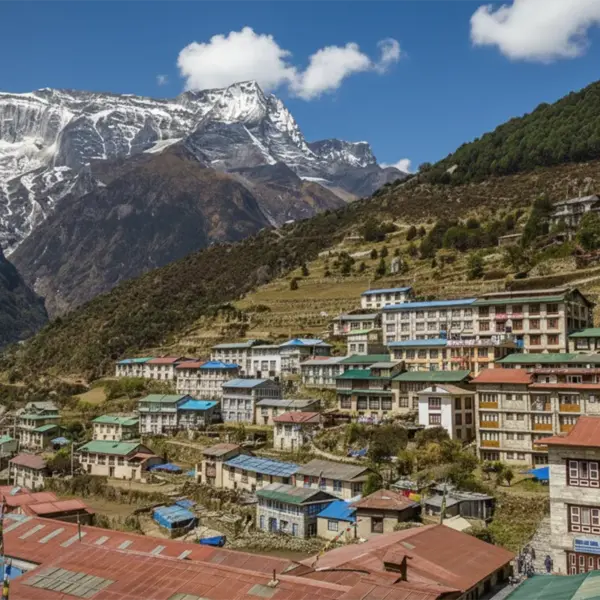
Blog
Animals That Live On Mount Everest : Wildlife of the World’s Highest Mountain
Introduction: Life Above the Clouds Mount Everest, the highest peak in the world with an…
Read the full post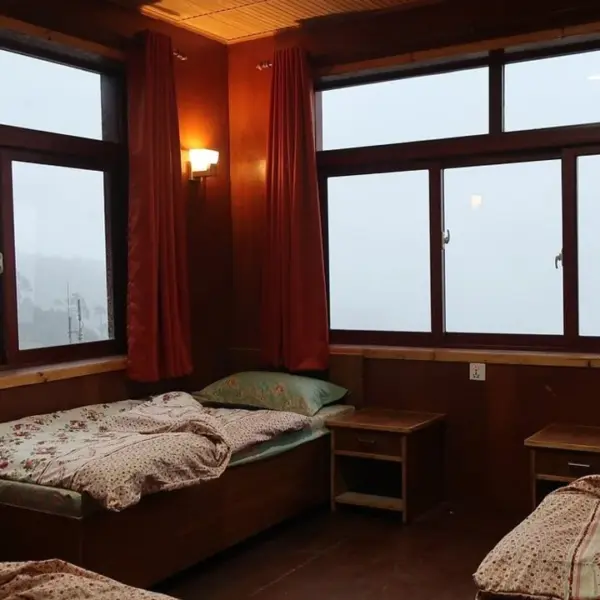
Everest, Blog
Accommodation on Everest Base Camp Trek
Accommodation is a major concern for trekkers, especially in remote Himalayan areas like the Everest…
Read the full post