





65 Days


Quick Facts

Ground transportation in Nepal

Hotels & tea-house accommodation

All meals except in Kathmandu

Guided tour & trek throughout the trip

Spring

Challenging

Nepal

8,848.86


Why Everest Expedition?
- Reach the summit of the world’s tallest mountain, Mt. Everest, at 8,848.86 meters above sea level.
- Land at one of the world’s most thrilling airstrips, Lukla Airport, dramatically placed on a steep, hilly ridge surrounded by towering Himalayan peaks.
- Hike through picturesque Sherpa villages like Namche Bazaar, Tengboche, Dingboche, etc, amid green hills, forests, and mountain vistas.
- Get your first close-up view of Mount Everest, Lhotse, and Ama Dablam from the world’s highest-altitude hotel, Hotel Everest View.
- Discover Sherpa culture and history in the vibrant Himalayan villages by exploring markets, bakeries, and museums.
- Walk through the biodiverse Sagarmatha National Park and witness its wide range of flora, fauna, and alpine flowers.
- Travel through a variety of landscapes from subtropical forests and terraced fields to verdant valleys, alpine meadows, and glacier fields.
- Experience the most hazardous and spectacular parts of the ascent, filled with gigantic ice seracs and large crevasses.
- Share the camaraderie of the expedition team amid colorful tents, ice walls, and the anticipation as you gear up for the summit.
- Witness and capture the stunning sunrise panorama of Everest and the surrounding mountains from Kala Patthar and other vantage points.
- Leave early at midnight for your final ascent, climbing in darkness with headlamps against starry night skies.
- Stand at the highest point on Earth. Savor the victory, witness a 360-degree view of the Himalayas, and fulfill a lifelong dream.
Everest Expedition Overview
The Everest expedition is the pinnacle of high-altitude mountaineering. It gives climbers the rare opportunity to reach the summit of the world’s tallest peak, Mount Everest, at 8,848.86 meters. The peak lies in Nepal’s Khumbu region on the Nepal-Tibet border.
Locally known as Sagarmatha in Nepal, Mount Everest was first summited on 29 May 1953 by Tenzing Norgay Sherpa of Nepal and Sir Edmund Hillary of New Zealand from the southern (Nepal) side. Since their historic climb, thousands of mountaineers have followed in their footsteps. In the 2025 spring season alone, almost 850 climbers successfully reached the summit. Out of those, 722 summited from Nepal’s side, including 272 foreign climbers, 9 Nepali clients, 434 guides, and 7 rope-fixing team members. Likewise, around 100 climbers reached the summit from the Tibetan side.
Climbing Everest is the ultimate goal for climbers worldwide. While many dream of reaching the summit, only about half succeed due to the extreme difficulty, cost, and physical demands. Still, climbing Everest is a personal achievement that brings pride and honor. Reaching the top and seeing stunning views of Mt. Lhotse, Mt. Makalu, and many other peaks is something few people ever experience in their lifetime.
The expedition starts with a short flight to Lukla, the main gateway to the Everest region. From there, climbers slowly make their way to Everest Base Camp at 5,360 meters. The Mount Everest Expedition route then continues to Camp I (6,100m), Camp II (6,400m) through the Western CWM, Camp III (7,100m) along the Lhotse face, and Camp IV (7,900–8,000m), before making the final push to the summit at 8,848.86 meters (29,031 ft 81⁄2 in).
The Everest expedition is for expert climbers with strong technical and climbing skills. Before attempting Everest, we strongly recommend climbing peaks such as Island Peak or Lobuche East to build proper training and acclimatization. These climbs help you adjust to high altitude and train your body and mind. They also prepare you for crossing the Khumbu Icefall, one of the most dangerous parts of the climb. Good preparation leads to a safer, more successful summit attempt.
Everest Expedition Route Overview
The Everest Expedition follows the classic route from Nepal’s side of the mountain. After arriving in Kathmandu, the journey continues toward Lukla and then into the Khumbu Valley. The trekking route passes through Phakding, Namche Bazaar, Tengboche, Dingboche, Lobuche, and Gorakshep before reaching Everest Base Camp.
The character of the journey changes after Base Camp. The trail gives way to glacier travel as climbers enter the Khumbu Icefall and head toward Camp I. From there, the route crosses the Western Cwm to Camp II. The Lhotse Face is the next major section, leading toward Camp III. Camp IV sits at the South Col, from where the final climb follows the Southeast Ridge toward the summit.
Each section brings a different type of terrain. The approach to Base Camp involves long days of trekking, while the upper mountain requires fixed rope climbing, crampon use, glacier travel, and movement at very high altitude. Weather and route conditions can also change the climbing schedule.
Everest Expedition Camps and Altitudes
The camps on the Nepal side of Everest are established at progressively higher elevations. Expeditions use them during acclimatization rotations and the final summit attempt.
| Camp or Location | Approx. Elevation | Main Role |
| Everest Base Camp | 5,360 m | Main expedition base and acclimatization area |
| Camp I | Around 6,100 m | First high camp above the Khumbu Icefall |
| Camp II | Around 6,400 m | Main camp in the Western Cwm |
| Camp III | Around 7,100 m | High camp on the Lhotse Face |
| Camp IV | Around 7,900 to 8,000 m | South Col and final camp before the summit |
| Everest Summit | 8,848.86 m | Highest point of the expedition |
Base Camp is where climbers spend much of their time between rotations. The higher camps provide progressively greater altitude exposure and serve as the staging point for the final summit push. Camp IV at the South Col is particularly important because climbers normally spend only a limited amount of time there before starting the summit attempt.
Camp locations can vary slightly depending on mountain conditions and the route established by expedition teams during the season.
Everest Expedition Itinerary
Day 01: Land in Tribhuwan International Airport (TIA) in Kathmandu and Transfer to the Hotel
On day 1 of the Mt Everest Expedition, you will be picked up at TIA by our officials after you land. Then, you will be taken to one of the luxurious hotels in Kathmandu via our private vehicle. The ride from the airport to the hotel is short, but it gives you your first look at the city’s busy streets and culture.
Kathmandu is full of history and tradition, making it a great starting point for your Everest journey. After checking into the hotel, you can rest, recover from your flight, and get ready for the adventure ahead.

Hotel

1,355 m / 4,446 ft
Day 02-03: Tour Preparation Day - Tour Briefings and Shopping
These two days in Kathmandu are spent preparing for your Everest climbing. You will have crucial briefings at our office regarding the upcoming journey. Your guide will feed you on all the necessary aspects of the Everest expedition. The briefings usually cover safety protocols, environmental rules, and details about the 65-day Everest expedition itinerary. It is essential that you are informed of these details to ensure a safe and successful adventure.
To add to the briefings, today is the perfect day to do any last-minute shopping. Kathmandu has a number of outdoor equipment stores where you can purchase or rent gear you may have forgotten or wish to replace. From layers of clothing to trekking poles and oxygen kits, this is the day to ensure you are as well-equipped as possible for what lies ahead.
Apart from the logistical side, the preparation days help you to familiarize yourself with Kathmandu’s vibrancy. You have the freedom to explore the best places in Kathmandu, learn about the city’s cultural richness, visit markets, and relish local food. This period helps you adjust mentally and physically for the forthcoming adventure.

Breakfast
Hotel
1,355 m / 4,446 ft
Day 04: Fly From Kathmandu to Lukla and Trek to Phakding or Drive From Kathmandu to Ramechhap, Fly From Manthali to Lukla and Trek to Phakding
The journey to the Everest region begins with a scenic flight from Kathmandu to Lukla (45 minutes). It is widely regarded as one of the most thrilling flights in the world due to the small mountain airstrip at Lukla, surrounded by towering mountains.
Upon arrival at Lukla, you will begin walking to Phakding. It is a charming settlement beside the Dudh Koshi River. En route, you will walk past picturesque Sherpa villages like Chaurikharka, Chheplung, Ghat, and Toktok. This initial hike serves as a warm-up to the trails and scenery of the Everest region.
Alternatively, you can drive from Kathmandu to Ramechhap and then take a short flight (20 minutes) from Manthali to Lukla. This is a convenient choice if Lukla flights are delayed or seats are unavailable. Having arrived in Lukla, the walk to Phakding remains the same. Both routes lead to the same location, where you can enjoy the breathtaking view and vibrant Sherpa culture that mark the beginning of the Everest adventure. Overnight at the tea house in Phakding.
Breakfast, Lunch, Dinner
Teahouse

8 km
2,610 m / 8,563 ft

4hrs
Day 05: Trek From Phakding to Namche Bazaar
The Phakding to Namche Bazaar hike is a scenic and dramatic segment of the Everest trek. The route ascends steeply and winds through rolling Sherpa villages (Monjo, Jorsalle, Benkar), green forests, and across a series of suspension bridges over bubbling mountain streams.
You will also cross the well-known Hillary Suspension Bridge, a thrilling span offering breathtaking views of the valley below. Throughout the journey, stunning views of snow-capped peaks and glimpses of local plants and wildlife of the Sagarmatha National Park will come into view.
Namche Bazaar, at an elevation of 3,440 meters, is the largest settlement in the Everest region. It’s known as the Sherpa capital and is a key place to rest and acclimate to the altitude. Here, you’ll find local markets, delicious food, and even internet cafes. After a tough day of hiking, the lively atmosphere and stunning views of Everest and nearby peaks make it a perfect stop.
11 km
3,440 m / 11,286 ft
6hrs
Day 06: Take a Rest day for Acclimatization in Namche Bazaar. Hike to Hotel Everest View
You are on day 6 of the Everest expedition itinerary. A rest day in Namche Bazaar is necessary to acclimate your body to the altitude. Taking this break helps avoid altitude sickness and enables you to appreciate your trek more with enhanced energy and comfort. You can spend your day checking out the bustling village, shopping at local stores, and soaking up the stunning mountain views while your body gets used to the thinner atmosphere.
On this rest day, one of the best activities that you can do is walking up to Hotel Everest View, which is just above Namche. The hike offers a chance to experience striking highland scenery while allowing your body to acclimatize. From the top of the Hotel Everest View, you will have great views of Mount Everest and other Himalayan peaks such as Lhotse, Ama Dablam, and Thamserku before your eyes.
You can also visit the Sherpa Culture Museum, which familiarizes you with the old Sherpa society and tradition and the mountaineering history of the region. Another place to visit is the Everest Photo Gallery, which features stunning photos of the beautiful Khumbu region and its dramatic mountain views. You can also spend time visiting the Namche Monastery, a peaceful spot adorned with prayer flags and intricate Buddhist motifs.
If your visit falls on a weekend, be sure to explore the Saturday market, where merchants from surrounding villages come to sell a wide range of items, including yak cheese, trekking gear, and handicrafts. You can also relax in one of the cozy cafes or bakeries, enjoy a hot coffee or fresh pastry, and take in the beautiful mountain views.
Breakfast, Lunch, Dinner
Teahouse
3,800 m / 12,467 ft
3hrs
Day 07: Trek From Namche Bazaar to Tengboche
On day 7, you will trek from Namche Bazaar to Tengboche (also spelled as Tyangboche). The hike from Namche Bazaar to Tengboche is the most scenic and satisfying in the Everest region. Coming down from Namche, you will be on a trail that winds its way through the Dudh Koshi River and rhododendron forest. The Everest expedition map and an experienced Sherpa guide will lead you along the trail.
The walk offers great views of the surrounding peaks, such as Ama Dablam and Thamserku. You will gradually climb through a gentle series of twists and turns, witnessing the Sherpa way of life in villages such as Sanasa and Phunki Tenga as you head toward the spiritual center of the region. Tengboche is famous for its ancient Buddhist monastery of the same name. The Tengboche Monastery, peacefully perched atop a hill, is the largest in the Khumbu Valley.
After arriving in the village, you can pay a visit to the monastery, witness a prayer ceremony, and soak up the commanding panoramic views of Everest, Lhotse, Thamserku, Nuptse, and Ama Dablam. The peaceful atmosphere and awe-inspiring views of the mountains render Tyangboche an unforgettable stop on the Everest Base Camp trek. We’ll stay overnight at one of the village’s finest lodges/teahouses, enjoying the serene mountain atmosphere.
Breakfast, Lunch, Dinner
Teahouse
10 km
3,850 m / 12,631 ft
5-6hrs
Day 08: Trek From Tengboche to Dingboche
Today’s hike will get you further into the Everest region. The path gradually climbs through a rugged mountain landscape and dramatic alpine views. You will walk past peaceful monasteries and chortens, sparkling Imja Khola, and charming Sherpa villages like Debuche and Pangboche. The sweeping views of peaks like Ama Dablam, Everest, and Island Peak towering over you give you a surreal experience along the way.
The last section of the trek takes you to Somare village. As you approach Somare, where the trail splits toward Pheriche and Dingboche, you’ll begin a steady climb. The views become increasingly stunning, with Ama Dablam, Nuptse, and Cholatse rising in the distance. Eventually, you’ll reach Dingboche, also known as the ‘Summer Valley.’ Here, you’ll spot stone-walled fields protecting crops from harsh winds and grazing animals. Tonight, you rest under the towering peaks, taking in the beauty and resilience of high-altitude Himalayan life.
Breakfast, Lunch, Dinner
Teahouse
11 km
4,350 m / 14,272 ft
4-5hrs
Day 09: Acclimatization Day in Dingboche. Hike Up to Chhukung Ri
At an altitude of 4,350 meters, Dingboche is one of the important acclimatization points for trekkers heading towards Everest. Acclimatization day in Dingboche helps your body adjust to the higher altitude and continue with the trek. It allows you to relax and avoid the likelihood of altitude sickness while letting you enjoy the fine mountain views. The peaceful atmosphere and fresh mountain air in Dingboche are ideal for relaxing and preparing for the days ahead.
One of the most beneficial and rewarding activities on this day is trekking up to Chhukung Ri, a nearby ridge at 5,546 meters. The hike is not too difficult but worth it, with fantastic panoramic views of looming giants such as Ama Dablam, Lhotse, Cho Oyu, Cholatse, Lobuche, and Everest in the background.
Returning to the village, you have the option of walking around the village slowly, at a leisurely pace, with time to observe daily work. Visiting local houses is a good opportunity to engage with the local residents and gain deeper insights into their unique customs, traditions, and way of life. As evening falls, return to the teahouse for a restful night.
Breakfast, Lunch, Dinner
Teahouse
5,546 m / 18,196 ft
4-5hrs
Day 10: Trek From Dingboche to Lobuche
Continuing on our Everest Expedition itinerary, after a nourishing breakfast, we will leave Dingboche and head towards Lobuche. The hike rises gradually along rocky outcrops and scrubby vegetation with increasingly dramatic mountain scenery. The Everest Expedition trail takes us through the serene yak herders’ village of Dusa and across a small river on a wooden bridge. You will then gradually ascend to Thukla Pass, a memorial to mountaineers who lost their lives on Mount Everest.
Following the Everest expedition map, we continue to move forward. We will descend from the pass to reach the tranquil village of Duglha amid the beautiful alpine scenery. The route offers awe-inspiring close-up views of towering peaks such as Pumori, Cholatse, Khumbutse, Lingtren, Nuptse, Thamserku, and other neighboring giants.
Eventually, we will arrive in the pristine mountain village of Lobuche, with its wood-beamed teahouses and stunning views of the vast Himalayas. Here, we will settle in for a well-earned night’s rest beneath the shadow of the Himalayas.
Breakfast, Lunch, Dinner
Teahouse
8 km
5,018 m / 16,463 ft
4-5hrs
Day 11: Trek From Lobuche to Gorakshep
After a warm breakfast in Lobuche in the morning, we head towards Gorakshep., Gorakshep is the last village on the Everest Base Camp trek. The trail follows a rugged path along the edge of the Khumbu Glacier, surrounded by sweeping views of icy peaks and the high-altitude wilderness. You’ll pass through a stark, rocky landscape with patches of alpine scrub as the terrain grows more remote.
As you approach Gorakshep, the air gets thinner, the surroundings more barren with alpine scrub here and there, and the excitement builds. Both the Everest Base Camp trek and the early morning ascent of Kala Patthar begin from here.
Breakfast, Lunch, Dinner
Teahouse
5 km
5,170 m / 16,962 ft
3hrs
Day 12: Morning Hike to Kala Patthar. Leave Gorakshep for Everest Base Camp
It’s day 12 in our Everest expedition itinerary. We will hike early today to Kala Patthar to catch the sunrise view. Ascending to the summit of Kala Patthar, you get one of the best panoramic views of Mount Everest, Pumori, Nuptse, and the Khumbu Glacier. It is a hard push to the top, but the breathtaking sunrise view and stark landscape are well worth the effort.
Enjoying the ethereal scenery of the Everest landscape from the high elevation of Kala Patthar, we’ll descend to Gorakshep for breakfast and rest. Then, we will head out towards Everest Base Camp, the majestic lap of the world’s highest mountain. Departing Gorakshep, you will trek along the Khumbu Glacier, winding through ice and rock. While the ascent is gradual and steady, the increasing altitude and thin atmosphere make every step tiresome.
When you arrive at Base Camp, you will be under the shade of Everest itself. It is a dreamy and sentimental moment with massive walls of rock looming over you, tinted prayer flags waving in the breeze, and the white radiance of the glacier.
Breakfast, Lunch, Dinner
Camping/Tent
12-13 km
5,554 m / 18,222 ft
7-9hrs
Day 13-58: Everest Summit Climbing Phase
At Everest Base Camp, you will rest and prepare for Sagarmatha mountain climbing. This involves several rotations between Base Camp and the higher camps: Camp I, Camp II, Camp III, and Camp IV. These rotations help your body adjust to the high altitude and lower the risk of altitude sickness.
The first rotation takes you through the Khumbu Icefall, one of the most dangerous parts of the climb because of towering ice and deep crevasses. You will stay at Camp I, located around 6,000 meters, before moving up to Camp II at about 6,400 meters in the Western Cwm. After this, you descend back to Base Camp to recover. Next, you climb the Lhotse Face to reach Camp III at 7,100 meters for the night. From Camp III onward, supplemental oxygen will be used. We provide 6 bottles of oxygen per climber, ensuring maximum flow and a safer, easier ascent at extreme altitudes.
When you are fully acclimatized and the weather is right, you will make the final ascent. This starts with climbing from Camp III to Camp IV (also called the South Col), which sits between 7,900 and 8,000 meters. This part is very hard and exposed. After Camp IV, you enter the “Death Zone,” where oxygen levels are very low. Most climbers begin the final Everest summit push around midnight.
On Mount Everest summit day, you will pass important landmarks like the Balcony, South Summit, and the Hillary Step before reaching the top of the world, Mount Everest at 8,848.86 meters. Successfully climbing Mount Everest and standing on the summit is a moment full of emotion and wonder. After spending some time at the top, you will begin your descent back down to Camp IV, and then continue down to Base Camp over the next several days.
Breakfast, Lunch, Dinner
Camp
8,849 m / 29,032 ft
Day 59: Return From Everest Base Camp to Dingboche
From day 59 onwards, our return journey begins. You will head back to Dingboche with the satisfaction of having climbed the world’s highest peak, mighty Everest. You will pass through Gorak Shep and walk along the glacial moraine. The massive Himalayan peaks stand behind you. The downward trek must be done with caution and careful steps. It allows you to see again the scenery you climbed up earlier, but in the reverse direction.
Returning to Dingboche feels like a relief with comparative warmth and comfort compared to higher elevations. This village, situated in an open, broad valley, has more oxygen-rich air, making it the ideal place to rest and recover after days at such extreme altitudes. Being at a lower altitude allows your body to heal, and the familiar teahouses and warm hospitality are a comforting change from the hostile environment higher up the mountain.
Breakfast, Lunch, Dinner
Teahouse
12-14 km
4,350 m / 14,272 ft
7-8hrs
Day 60: Trek From Dingboche to Tengboche
Dingboche to Tengboche trail winds its way through alpine meadows, terraced fields with stone walls, and rhododendron woods. The stunning views of Ama Dablam and other mountains provide a striking backdrop to your hike. The lower altitude makes breathing easier, and the downhill, while easier on the lungs, can be equally tough on the knees, so a steady pace is paramount.
By the time you reach Tengboche, the serene atmosphere of the monastery makes the day’s effort worthwhile. Set against the backdrop of some of the Himalayas’ brilliant peaks, the monastery offers the chance for quiet contemplation. You visit the monastery once again, join in a prayer ceremony, or sit back and enjoy the spiritual peacefulness of the spot before descending further in the Khumbu Valley.
Breakfast, Lunch, Dinner
Teahouse
10-11 km
3,860 m / 12,664 ft
5-6hrs
Day 61: Trek From Tengboche to Namche Bazaar
Today’s descent takes you to Namche Bazaar. The hike between Tengboche and Namche Bazaar is through dense forest, suspension bridges, and crowded mountain trails with the fine scenery of the Khumbu landscape. The air becomes thicker and the scenery more colorful as you descend with blooming rhododendrons and birdsong accompanying your trek. The trail features several climbing sections, particularly after crossing the Dudh Koshi River.
Once again in Namche Bazaar, you will find a warm and lively Himalaya atmosphere where you can relieve your fatigue. This vibrant village has several bakeries, teahouses, and cafes, and hence is an ideal place to unwind. Whether you are sipping a cup of freshly brewed coffee, browsing shops for souvenirs, or just giving your legs a break, Namche offers an excellent blend of relaxation and energy to enjoy some last days in the Himalayas.
Breakfast, Lunch, Dinner
Teahouse
9-10 km
3,440 m / 11,286 ft
5-6hrs
Day 62: Trek From Namche Bazaar to Lukla
The Namche to Lukla trek is the final day on the trail. You will descend sharply down through the pine forest and along the Dudh Koshi Riverbanks. The trail passes through the villages that you know so well, including Monjo and Phakding. While generally downhill, the trail includes a few short uphill ascents that can leave you feeling exhausted. The farther you move, the more you leave behind the high Himalayas.
As you return to Lukla, this tiny mountain village, which had been the beginning of it all, now marks the end of the Mount Everest climbing expedition. You can celebrate the successful adventure with team members, veteran Everest guides, and porters, and enjoy a comforting meal before settling in for a peaceful night’s sleep. The final night in Lukla offers a chance to relax, unwind, and prepare for the return scenic flight back to Kathmandu.
Breakfast, Lunch, Dinner
Teahouse
18-20 km
2,840 m / 9,318 ft
8-9hrs
Day 63: Fly From Lukla to Kathmandu
After breakfast in Lukla, we will leave for an exciting return flight to Kathmandu. The Lukla to Kathmandu flight offers one final, unforgettable aerial experience. As your small plane lifts off the short, clifflike runway at Lukla, you are treated to sweeping bird’s eye views of the mountains you have just traversed.
The flight offers you a unique perspective on the vastness of the Khumbu region with distant peaks slowly vanishing over the distance as you are brought back down into the Kathmandu Valley.
Upon landing in Kathmandu, there is a sudden transition from the quiet and wild tracks of the Himalayas to the vibrant streets and culture of Nepal’s capital city. After living in isolation in the high Himalayas for months, being back within the comforts of the city is both comfortable and relaxing. Kathmandu is the best place to unwind, celebrate your journey, and reflect on the wonderful adventure that you have embarked upon.
Breakfast
Hotel
1,355 m / 4,446 ft
40mins flight
Day 64: Spend a Leisure Day in Kathmandu
A rest day in Kathmandu is the perfect opportunity to relax and reflect on your incredible Everest expedition. The capital city offers a unique mix of history, culture, and everyday Nepali lifestyle. You can spend your day visiting UNESCO World Heritage Sites like Swayambhunath (Monkey Temple), Pashupatinath Temple, Boudhanath Stupa, and Kathmandu Durbar Square.
Explore the vibrant and narrow alleys of Thamel, packed with colorful boutiques, cozy cafes, and local bazaars. Here, you can shop for handmade crafts, trekking gear, or souvenirs to take home. For a more relaxing day, treat yourself to a spa or massage therapy. You can also enjoy a leisurely lunch at a rooftop cafe, with views of the cityscape and distant green hills.
In the evening, you’ll join our ‘Farewell Dinner’ event, which includes delicious Nepali cuisine and lively cultural performances, a perfect way to wrap up your Himalayan adventure.
Breakfast, Dinner
Hotel
Day 65: Drive to the TIA for International Departure
Today marks the end of your 65-day Everest Expedition journey in Nepal. We will drop you off at Tribhuvan International Airport on the final day of your Nepal trip for your departure. We arrange your airport transfer comfortably according to your flight schedule with adequate time for check-in and other procedures. The journey through jammed Kathmandu roads offers an insight into city life as one bids farewell to it.
When you enter TIA, you will not only be lugging bags, but also an entire lifetime of memories, from the dynamism of Kathmandu to the serene Himalayan ridges. Check in and be ready to soar. Safe travels. Hope we meet again in the next travel escapade.
Everest Expedition Map
What To Expect?
What's Included
- Airport Transfers:
All arrival and departure transfers in Kathmandu. - Accommodation in Kathmandu:
4 nights at a hotel in Kathmandu on a Bed & Breakfast (BB) basis. - Domestic Flights & Transfers:
Kathmandu–Manthali–Lukla–Manthali–Kathmandu flights, including necessary ground transfers.
Permits & Official Fees:
- Mt. Everest Expedition Permit (Royalty: USD 11,000 per climber)
- Government-appointed liaison officer for the expedition
- Khumbu Village Entry Permit
- Sagarmatha National Park Entry Permit
- TIMS Card (Trekker’s Information Management System)
Trekking & Climbing Support:
- All required camping equipment for the Advance Base Camp and higher camps
- Food, accommodation, and guide services during the trekking portion (in teahouses/lodges)
- Experienced cook preparing meals during the expedition at EBC and Camp 2
Climbing Sherpa Assistance:
- 1:1 ratio of experienced private Sherpa guide per climber
- Sherpa’s wages, insurance, meals, and allowances
- High-altitude food provisions for Camp 1, Camp 3, and Camp 4
Oxygen & Safety Equipment:
- 6 bottles of oxygen (4 liters each) for each climber
- 3 bottles of oxygen for the Sherpa team
- 1 set of mask & regulator for each climber and Sherpa
- Gamow bag for emergency altitude sickness management at Base Camp
- First aid medical kits for the group and staff
Base Camp & High Camp Services:
- Solar panels for lighting and device charging at Base Camp
- Icefall route preparation and rope-fixing charges
- Tents at Base Camp and higher camps (C1, C2, C3, C4)
- Walkie-talkies and satellite phone for communications (Satellite phone usage at $5 per call)
- Logistics & Support Services:
- 50 kg baggage allowance per climber, carried by Yaks/porters to and from Base Camp
- All office service charges and applicable government taxes
Additional Services:
- Farewell dinner in Kathmandu
- Special Expedition Gift from My Everest Trip
What's Excluded
Meals in Kathmandu:
- Lunch and dinner (except the farewell dinner)
Personal Expenses:
- Laundry, phone calls, internet, and other personal items
- Personal climbing gear, clothing, and packing equipment
- Personal medical kit
Additional Services & Unforeseen Costs:
- Extra services or activities not included in the itinerary.
- Expenses resulting from unexpected situations such as natural disasters, political unrest, or changes in regulations
- Additional staff requested by the climber
Medical & Emergency Expenses:
- Rescue and evacuation services
- Medical treatment, hospitalization, and repatriation costs
- Personal travel insurance and medical insurance (mandatory)
Flights & Customs:
- International airfare and any domestic flights not mentioned
- Nepal customs duty for importing expedition goods, if applicable
Gratuities & Bonuses:
- Summit bonus for personal Sherpa guide (Minimum USD 2,000 per summit per Sherpa)
- Tips for Base Camp staff (Minimum USD 350 per climber)
Other Unspecified Costs:
- Any other items not listed in the “Cost Includes” section
- Important Notes
- The final cost may vary depending on the hotel category selected in Kathmandu.
- Itineraries are flexible and can be customized to meet your preferences.
- Prices will be recalculated if the itinerary is modified.
- You can add additional activities at an extra cost if you like.
- For bookings, detailed costs, or modifications, please get in touch with us by email or phone.

Tripadvisor Reviews








Google Reviews


Everest Expedition Additional Information
Who Can Do the Everest Expedition?
An experienced climber with the right training, experience, and determination can attempt to climb Mount Everest. Climbing Mount Everest is arguably the most physically and mentally challenging activity on the planet, and not everyone is suited for it. You need to be healthy and in first-rate physical condition, with good cardiovascular fitness, muscular endurance, and tolerance for cold, fatigue, and low-oxygen conditions.
Everest Expedition
Besides physical fitness, mental resilience is equally necessary. You must stay focused, calm, and committed for weeks in a changing mountain environment. Emotional stability, decision-making under pressure, and the ability to function in a team environment are all essential traits.
Everest is not a beginner’s mountain. Climbers should have prior experience in high-altitude trekking and mountaineering. You should also be comfortable using technical gear such as crampons, ice axes, ropes, and harnesses, and possess glacier travel and fixed-line climbing skills.
While a team of highly experienced Sherpa guides will support you, you must still have the technical knowledge and stamina to navigate extreme, high-risk environments. That said, Everest is achievable for those with the right training, experience, and determination.
Altitude Sickness During the Mount Everest Expedition
Altitude sickness, also known as Acute Mountain Sickness (AMS), is a common risk on a Mount Everest expedition. It happens when your body can’t adjust to low oxygen levels at high altitudes. The higher you go, the thinner the air gets. At the top of Everest, 8,848.86 meters above sea level, oxygen levels are very low, making it hard to breathe. Even very fit and experienced climbers can get altitude sickness.
Altitude sickness ranges from mild to life-threatening. The most common type, AMS, begins above 2,500 meters. Signs include headache, nausea, dizziness, tiredness, and shortness of breath. If ignored, it can progress to more serious conditions such as High Altitude Pulmonary Edema (HAPE) or High Altitude Cerebral Edema (HACE). These can be deadly. The best action is to descend to a lower altitude quickly and seek medical help if symptoms worsen.
To prevent altitude sickness, you need to climb slowly and allow your body time to adjust, a process called acclimatization. After reaching 3,000 meters, you should only gain 300 to 500 meters a day. It’s also important to take rest days in places like Namche Bazaar and Dingboche. A helpful rule is “climb high, sleep low,” which means you climb higher during the day but sleep at a lower altitude. This helps your body adapt more safely. Also, stay well hydrated, eat a healthy diet with enough carbs, and avoid alcohol and excessive caffeine.
Some climbers take medicine like Diamox, which helps the body adjust by improving breathing and oxygen intake. Most people also use supplemental oxygen above 7,000 meters to reduce stress on the body and lower AMS risk. With the right planning, information, and support, you can manage altitude sickness and enjoy your journey to the top of the world safely.
Dangers and Challenges During the Mount Everest Climb
Climbing Mount Everest is extremely risky. Mount Everest climbing dangers start from Base Camp (17,500 feet) and continue to the summit and back down. At Base Camp, the oxygen level is half that at sea level. This can cause Acute Mountain Sickness (AMS), and in some cases, more serious problems like High Altitude Pulmonary Edema (HAPE) or High Altitude Cerebral Edema (HACE). Poor sanitation and crowded camps also lead to stomach problems, such as vomiting and diarrhea.
The Khumbu Icefall is one of the most dangerous sections. It has moving ice, deep crevasses, and tall ice towers called seracs. Climbers can fall or get hit by falling ice. Rescues are very hard here since helicopters can’t land on the ice.
Between Camp 2 and Camp 3, the climb steepens, and the altitude gain is significant. This worsens altitude sickness, especially for those who ignore early symptoms. In severe cases, the brain may swell (HACE), which can be deadly. Descending can be risky in bad weather, so climbers sometimes need treatment on the mountain using special hyperbaric bags (Gamow bags).
Above Camp 4 (26,000 feet) is the Death Zone, where the body cannot function properly. The air is too thin, and climbers suffer from exhaustion, dehydration, and cold. Hypoxia (low oxygen) and hypothermia are common and dangerous. Many climbers stop eating, drinking, or sleeping well.
More people die during the descent than on the way up. After reaching the summit, climbers are often tired and weak, which leads to bad decisions, falls, or sitting down and never getting up. Some even go snowblind from strong UV rays, making it hard to see and navigate. Other risks include overcrowding during good weather windows, which can cause traffic jams at dangerous spots. This delays climbers and increases exposure to the harsh environment.
Everest Expedition Acclimatization and Rotation Strategy
Climbers do not go directly from Everest Base Camp to the summit. The body needs time to adapt to declining oxygen levels at high altitudes, so the climbing schedule includes multiple trips to higher camps before the final attempt.
The initial rotation usually follows the Khumbu Icefall to Camp I and Camp II with the help of climbers. They also spend time at a higher altitude, after which they return to Base Camp to rest and recuperate.
The other rotation allows the team to move higher, with views of Camp III on the Lhotse Face. Again, the climbers return to a lower altitude, then prepare for the final push.
The last rotation starts when acclimatization is sufficient, and the weather is suitable. The group then traverses the camps above, aiming to reach Camp IV and proceed to the summit.
Every climber and every season has no single timetable that fits. Route conditions, weather, rope repair, health, acclimatization, and the mountain’s condition can influence the rotation schedule. Our team will adjust the climbing plan as needed rather than follow the calendar at the expense of safety.
| Rotation | Route | Purpose |
| Initial Rotation | Base Camp → Camp I → Camp II → Base Camp | Initial high altitude exposure |
| Higher Rotation | Base Camp → higher camps → Base Camp | Further acclimatization |
| Final Rotation | Base Camp → Camp II → Camp III → Camp IV → Summit | Summit attempt |
Everest Summit Day
The final climb starts from Camp IV at the South Col, usually during the night. Leaving late in the evening or around midnight gives the team time to reach the summit during the morning and begin the descent before conditions deteriorate later in the day.
From the South Col, the route climbs toward the Balcony and then continues to the South Summit. The ridge becomes increasingly exposed as climbers approach the Hillary Step and the final section leading to the summit.
According to the expedition plan, supplemental oxygen is normally used during this part of the climb. Climbers also need to manage their pace carefully because even small movements require considerable effort at this altitude.
After reaching the summit at 8,848.86 meters, the work is not finished. The descent back toward Camp IV is a demanding part of the day, particularly after many hours of climbing in the Death Zone. Our team will continue to monitor the climbers and make decisions according to their condition, weather, and route conditions.
We cannot fix the summit date months in advance. The final attempt depends on finding a suitable weather window and having a safe route to the top.
Everest Expedition Weather and Summit Window
Weather plays a major role in deciding when climbers can reach the summit. Spring is the main season for Everest expeditions, but suitable conditions are never guaranteed throughout the season.
Strong winds can make the summit ridge unsafe, while snowfall and poor visibility can affect the route at lower elevations. Conditions around the summit can also change much faster than those at Base Camp. Wind at high altitude matters because it can make already low temperatures feel much colder.
The expedition therefore needs a suitable period of relatively stable weather before committing to the summit push. Climbers may spend additional time at Base Camp or another camp while waiting for conditions to improve.
We consider weather forecasts alongside the condition of the climbing route and the expedition’s progress. Once the rope fixing and other preparations are complete, the team can select a suitable window to move through the higher camps.
For this reason, the dates shown for the climbing phase are flexible. A few days of waiting can be necessary if the mountain does not provide safe conditions for the summit attempt.
| Month | Typical Conditions | Expedition Consideration |
| March | Colder conditions and increasing spring stability | Approach trek and acclimatization period |
| April | Generally improving conditions with suitable climbing periods | Climbing rotations and preparation for summit period |
| May | Usually the main summit period with possible favorable weather windows | Summit attempts are planned around suitable conditions |
Everest Expedition Sherpa Support
A strong Sherpa team is an important part of the Everest Expedition. Our package provides one experienced private Sherpa guide for each climber during the climbing phase.
The Sherpa guides assist with movement on fixed ropes and help climbers manage the demanding sections between the camps. Their responsibilities can also include carrying climbing equipment, helping with oxygen arrangements, supporting camp movement, and assisting during the summit attempt.
High altitude experience is particularly valuable on Everest. Conditions above Base Camp differ greatly from normal trekking, and the Sherpa team understands the route, changing mountain conditions, and practical challenges of moving between camps.
The package covers the Sherpa’s wages, insurance, meals, and allowances. The package also includes high-altitude food provisions for the specified higher camps.
A private Sherpa does not replace the climber’s own preparation. Everyone joining the expedition must still have suitable mountaineering experience and be comfortable with crampons, ropes, harnesses, fixed lines, and other technical equipment.
Everest Base Camp Facilities
Everest Base Camp serves as the main work and rest area during the climbing period. Climbers return here between rotations, eat meals, recover from the higher camps, and prepare for the next stage of the expedition.
The package includes tents at Base Camp and the higher camps. An experienced expedition cook prepares meals, with cooking support at Everest Base Camp and Camp II.
Base Camp power comes from solar panels, which are used for lighting and charging devices. Walkie-talkies and a satellite phone support communication. Satellite phone use is charged separately at the stated rate.
The Base Camp medical setup includes first aid kits and a Gamow bag for emergency altitude sickness management. These facilities are part of the wider support system available during the climbing phase.
Life at Base Camp is also an important part of acclimatization. Climbers need time to eat, sleep, recover, and prepare before heading back toward the higher camps.
Everest Expedition Cost Breakdown
The Everest Expedition starts at US$60,000. This price covers the main logistical requirements for the 65-day expedition, including permits, transportation, and accommodation during the trekking section, climbing support, oxygen, camping services, and other expedition arrangements.
| Expense Category | What Your US$60,000 Package Covers |
| Government & Permits | Everest permit, liaison officer, Khumbu Village Entry Permit, Sagarmatha National Park Permit and TIMS |
| Transportation | Kathmandu, Manthali and Lukla flight arrangements with required transfers |
| Accommodation & Camping | Kathmandu hotel, trekking lodges, Base Camp and higher camp tents |
| Climbing Support | 1:1 private Sherpa support and high altitude climbing logistics |
| Oxygen & Safety | 6 oxygen bottles per climber, mask and regulator, Gamow bag and first aid kits |
| Food & Expedition Services | Trekking meals, expedition food, cook and Base Camp services |
| Baggage & Communication | 50 kg baggage allowance, walkie-talkies and satellite phone |
| Personal & Additional Costs | Personal gear, international airfare, insurance, rescue, evacuation, summit bonus and tips are additional |
The highest costs of an Everest expedition come from mountain permits, high-altitude logistics, staff, Sherpa support, oxygen, food, transport, camping equipment, and the long period required to run the expedition.
Climbers must also arrange several expenses independently. International flights, personal climbing equipment, insurance, medical and rescue costs, the Sherpa summit bonus, staff tips, and personal expenses are not part of the package price.
The final price can also change if you request modifications to the standard itinerary or select a different hotel category in Kathmandu.
Why Choose My Everest Trip for Your Everest Expedition?
An Everest expedition requires much more than arranging a permit and reaching Base Camp. The logistics continue for several weeks as climbers move between the trekking route, Base Camp, and the higher camps.
In our package, we offer a 1:1 private Sherpa service, meaning each climber has a dedicated Sherpa during the climbing stage. Each climber receives six oxygen bottles, a mask, and a regulator.
The package also includes all government permits and official charges. The package also includes transportation between Kathmandu, Manthali, and Lukla, and the trekking portion includes accommodation, food, and guide services.
Base Camp and the higher camps offer tents, food, communication equipment, and other logistical support during the expedition. A 50 kg baggage limit applies for transport to and from Base Camp, either by yaks or porters.
The 65-day itinerary gives you time for the approach trek, acclimatization, climbing rotations, summits, descent, and the return to Kathmandu. If you need changes to the standard itinerary, our team can discuss possible adjustments based on your requirements and the practical needs of the expedition.
Everest Expedition Rescue and Evacuation
Emergency situations can develop quickly on Everest. Altitude illness, falls, severe weather, exhaustion, and other problems may require a climber to stop climbing and descend.
The first response to serious altitude-related symptoms is generally to move the affected climber to a lower elevation as soon as conditions allow. At Base Camp, the expedition has first aid medical kits and a Gamow bag for emergency altitude sickness management. Walkie-talkies and a satellite phone help the expedition team stay in touch.
Helicopter evacuation is not available from every part of the mountain. At higher elevations, a sick or injured climber may first need to descend on foot before an aircraft can reach them. Weather, visibility, altitude, and the location of the emergency all affect what type of rescue is possible.
The package excludes rescue, evacuation, medical treatment, hospitalization, and repatriation. Climbers must therefore arrange suitable travel and medical insurance before joining the expedition.
Our team will assist with coordination during an emergency, but expenses arising from rescue or medical treatment remain the climber’s responsibility unless covered by their insurance.
Everest South Col Route vs North Col Route
Climbers approach Mount Everest from two main sides. The South Col route begins in Nepal, while the North Col route approaches the mountain from Tibet. The two sides differ in approach, camps, terrain, and expedition logistics.
The package described on this page uses the Nepal South Col route.
| Feature | South Col Route | North Col Route |
| Country | Nepal | Tibet |
| Approach | Khumbu region and Lukla | Tibetan side |
| Base Camp | Everest Base Camp, Nepal | North Base Camp, Tibet |
| Major lower route | Khumbu Icefall | North Col approach |
| Major upper route | Western Cwm and Lhotse Face | North Col and North Face |
| Final high camp | South Col | North side high camps |
| Route used in this package | Yes | No |
The Nepal route starts with the trek through the Khumbu Valley before reaching Everest Base Camp. Above Base Camp, climbers cross the Khumbu Icefall and continue through the Western Cwm toward the Lhotse Face, South Col, and summit.
The North route follows a different approach and climbing system from Tibet. It is not part of this package, so the itinerary, permits, logistics, and climbing support described here apply specifically to the Nepal side of Everest.
Everest Expedition FAQs
How Long is the Everest Expedition?
The entire expedition of Everest typically takes 2-3 months, from arriving at Kathmandu, trekking to Everest Base Camp, acclimatization days, rotations between camps, summit ascension, and coming back down. This period of time allows the body to acclimate to high altitudes, permits weather changes, and offers buffer days in the event of delays or emergencies.
When is the Best Time of the Year to Ascend Mount Everest?
Spring (March to May) is the best time of the year to climb Mount Everest. The weather gets warmer, and the cold, harsh winter starts to go away during this season. Hence, they are the safest and most desirable seasons for attempts to ascend to the Everest summit.
Do Climbers Require Prior Mountaineering Experience for the Everest Expedition?
Yes. Climbing Mount Everest is a highly technical and strenuous endeavor. Climbers must have prior experience with high-altitude mountaineering, ideally having summited one or more 6,000 or 7,000-meter peaks, for instance, Island Peak or Mera Peak. Further, they must be skilled in using crampons, ice axes, fixed ropes, and have basic glacier travel skills.
What is the Level of Physical Fitness Required for the Journey?
For the Everest journey, you need to be in very good physical shape. This means having strong heart and lung fitness, good muscle strength, and the ability to handle cold weather, tiredness, and low oxygen at high altitudes. You should be able to walk long hours on steep and rough trails and recover well each day. Your training should involve pack-hiking, strength exercises, cardiovascular workouts, simulated high altitude (if possible) and multi-day climbs.
Do I Need a Permit to Climb Everest?
Yes, you need permits to climb Everest. All climbers must obtain a Mount Everest climbing permit from the Department of Tourism. The permit is issued only to registered expeditions. Besides, a proof of insurance and the hiring of qualified climbing Sherpas are essential. You will also need trekking permits such as the Sagarmatha National Park Entry Permit and the Pasang Lhamu Rural Municipality Entrance Permit.
What is The Everest Expedition Cost?
The Everest expedition cost varies according to the duration, season, and the level of the service provided. It can range from USD 35,000 to over USD 80,000. A comprehensive Mount Everest tour package price usually covers permits, transportation, food, accommodation, Sherpa support, oxygen, catering, and evacuation arrangements in case of emergency.
What Kind of Training is Recommended Before the Expedition?
Before the Everest expedition, it’s important to do regular physical training that focuses on building your endurance, strength, and cardiovascular fitness. This includes activities like long-distance hiking, running, cycling, and stair climbing to improve your stamina. Strength training for your legs, core, and upper body is also helpful to handle the tough climbing and carrying gear. Additionally, practicing with trekking boots and carrying a backpack can prepare you for real conditions. If possible, try some high-altitude trekking or mountaineering experience to get used to thinner air and rough terrain.
How is Altitude Sickness Handled on the Climb?
Acclimatization is built into the plan to minimize the risk of Acute Mountain Sickness (AMS). Climbers are closely supervised by expedition staff, and oxygen, medication (such as Diamox), and emergency descent plans are available. More severe cases can be evacuated by a helicopter.
Do I Need Supplemental Oxygen?
Yes. Most climbers use supplemental oxygen above Camp 3 (around 7,000 meters). Supplemental oxygen helps reduce fatigue and the risk of altitude sickness. Oxygen masks, regulators, and spare cylinders are usually supplied to you, which are usually carried by Sherpas.
What Are the Major Camps on the Mountain?
The South Side Everest climbing route from Nepal has various staging camps:
- Base Camp (5,200 meters) – Central logistics hub
- Camp I (6,065 meters) – Above the Khumbu Icefall
- Camp II (6,500 meters) – Advanced Base Camp
- Camp III (7,300 meters) – On the Lhotse Face
- Camp IV (7,950 meters) – The South Col, site of departure for the summit
What is Provided in Terms of Accommodation?
Here’s what you’ll get for accommodation during the Everest expedition:
- Kathmandu: You will stay in a comfortable 4 or 5-star hotel before and after the trek.
- On the trek: You’ll stay in cozy teahouses or lodges along the trail. These places offer basic but comfortable rooms and meals.
- Base Camp and higher camps: You’ll stay in high-altitude expedition tents. These include separate tents for sleeping, dining, and the kitchen.
What Are the Communication Procedures During the Journey?
Satellite phones and radios are used for routine communications. The internet is accessible in the Everest Base Camp trekking trails and in the base camp, and probably in Camp I as well (pay-per-use via satellite Wi-Fi). Communication above Camp II is limited to radio and satellite phone only.
What Are the Dangers of Climbing Everest?
Everest climbing involves several risks, which include:
- Avalanches and rockfalls
- Altitude sickness
- Falls or injuries on ice and crevasses
- Hypothermia and frostbite
- Unstable weather and high wind
You should be made aware of these risks and work together with experienced guides in making safe choices regarding safety during the expedition.
What Gear Do I Have to Bring?
You will generally need:
- 8000-meter rated down suit to keep you warm at high altitudes
- Double-layer mountaineering boots for insulation and grip
- Crampons, harness, helmet, ropes, and ice axe for climbing and safety
- Glacier glasses and goggles to protect your eyes from snow glare
- High-altitude sleeping bag (rated for -40°C) to sleep comfortably in freezing temperatures
- Layered clothing to adjust to changing weather conditions
- Personal hygiene items and toiletries
- A well-stocked first aid kit with necessary medicines
- Trekking gear like poles, a sturdy backpack, and a headlamp
- Navigation tools such as maps, compass, or GPS device
What Are the Meals Provided?
During the trek, you’ll eat in tea houses along the trail. They offer a wide range of local Nepali dishes like dal bhat (rice and lentils) as well as Western food like pasta, eggs, and pancakes. At the Everest Base Camp, you’ll get hot and fresh meals prepared by the expedition cooks. The food is filling, tasty, and helps keep your energy up for the climb.
While climbing higher on the mountain, meals are simpler. You’ll eat freeze-dried foods, soups, noodles, and energy snacks. These are easy to carry and quick to prepare, which is important at high altitudes.
Can I Charge My Electronic Equipment?
Yes, you can. At Everest Base Camp, there is a solar charging facility where you can charge your devices. While trekking, most teahouses offer charging through hydro or solar power, but they usually charge a small fee for it. For higher camps where there’s no electricity, it’s best to bring solar panels or power banks to keep your gear charged.
How Cold is it on Everest?
The temperature at the upper camps and summit can be as low as -30 to -40 degrees Celsius, especially during late night or early morning. You will require the proper gear to prevent frostbite.
What Kind of Insurance Do I Need?
For the Everest climb, you need comprehensive travel insurance that includes high-altitude rescue coverage. Your insurance should cover the following:
- Emergency medical evacuation
- Helicopter rescue
- Trip interruption or cancellation
- Baggage lost, stolen or del
Make sure your policy is valid up to 6,000 meters or more, as standard travel insurance often doesn’t cover high-altitude trekking or mountaineering.
What is the Summit Success Rate on Everest?
Success rates vary year to year based on weather, conditions, and the readiness of climbers. On average, some 60–70% of well-assisted climbers make it to the summit. Rates are higher with established expedition operators.
US$ 60,000 per person
- 24/7 Customer Support
- Experienced and Professional Team
- Hassle-Free and Easy Booking
- 99% Customer Satisfaction
- Fair Prices, Exceptional Service
- No Hidden Costs and Secure Payments
- Tailored and Personalized Itineraries
24 X 7 Live Support

Puru (+977-9851069558)
Related Trips
Moderate 🞄
5.0 (175)
 5.0 (175)
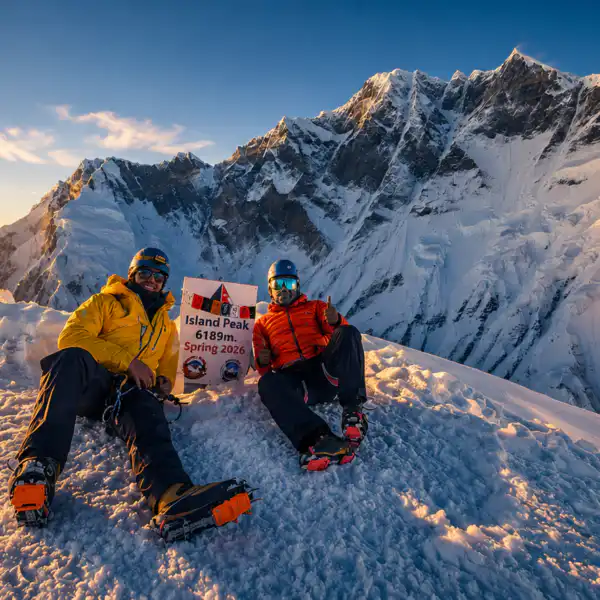
16 Days Everest Base Camp Trek with Island Peak Climbing
 US$ 2,045
16 Days in Nepal
Recent From Our Blog Places of attractions, travel tips, news and more.
Everest, Blog, Trekking in Nepal
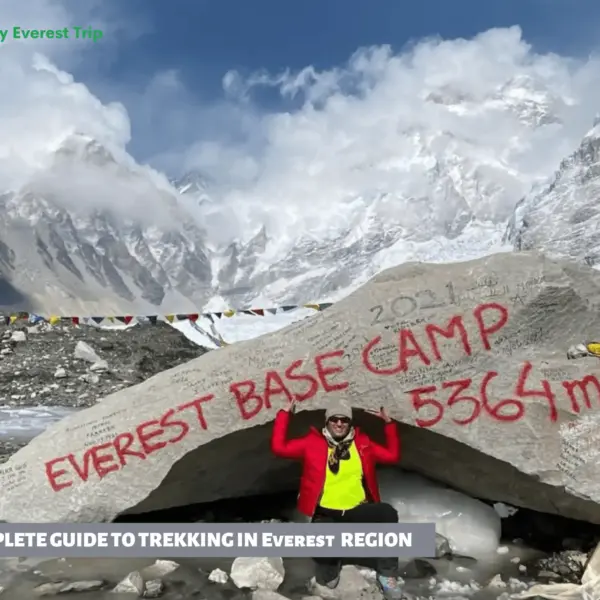
A Complete Everest Trekking Guide
A Complete Everest trekking guide covers many treks globally, but none is more well-known than the one…
Read the full post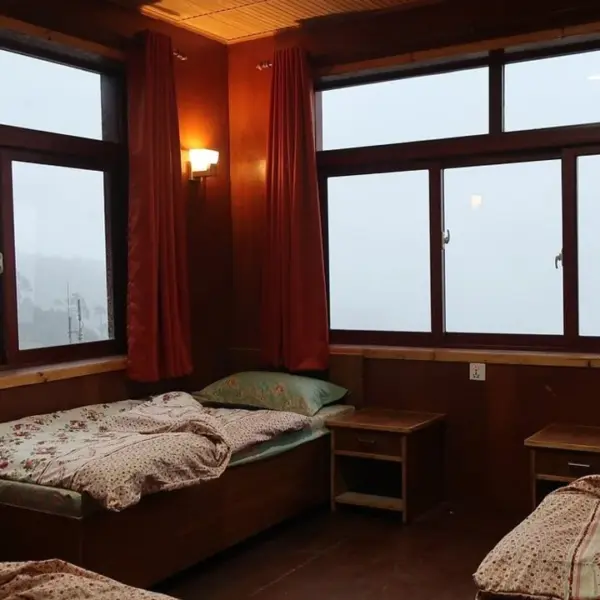
Everest, Blog
Accommodation on Everest Base Camp Trek
Accommodation is a major concern for trekkers, especially in remote Himalayan areas like the Everest…
Read the full post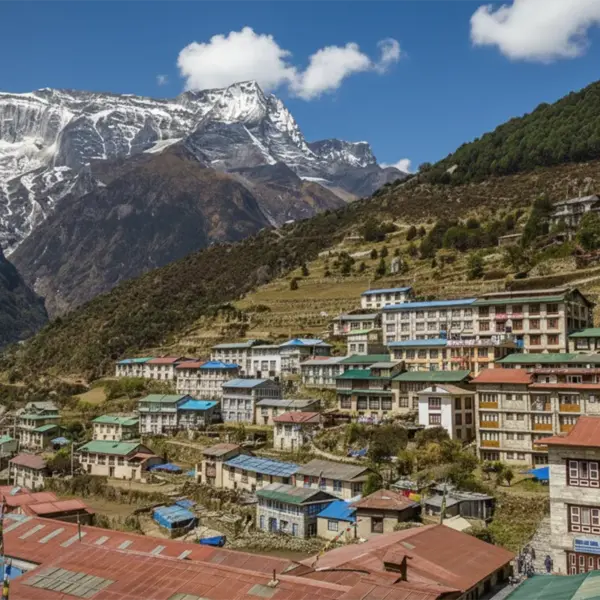
Blog
Animals That Live On Mount Everest : Wildlife of the World’s Highest Mountain
Introduction: Life Above the Clouds Mount Everest, the highest peak in the world with an…
Read the full post