






13 Days


Quick Facts

Ground transportation in Nepal

Hotels & tea-house accommodation

All meals except in Kathmandu

Guided tour & trek throughout the trip

Autumn, Spring

Moderate

Nepal

4,500

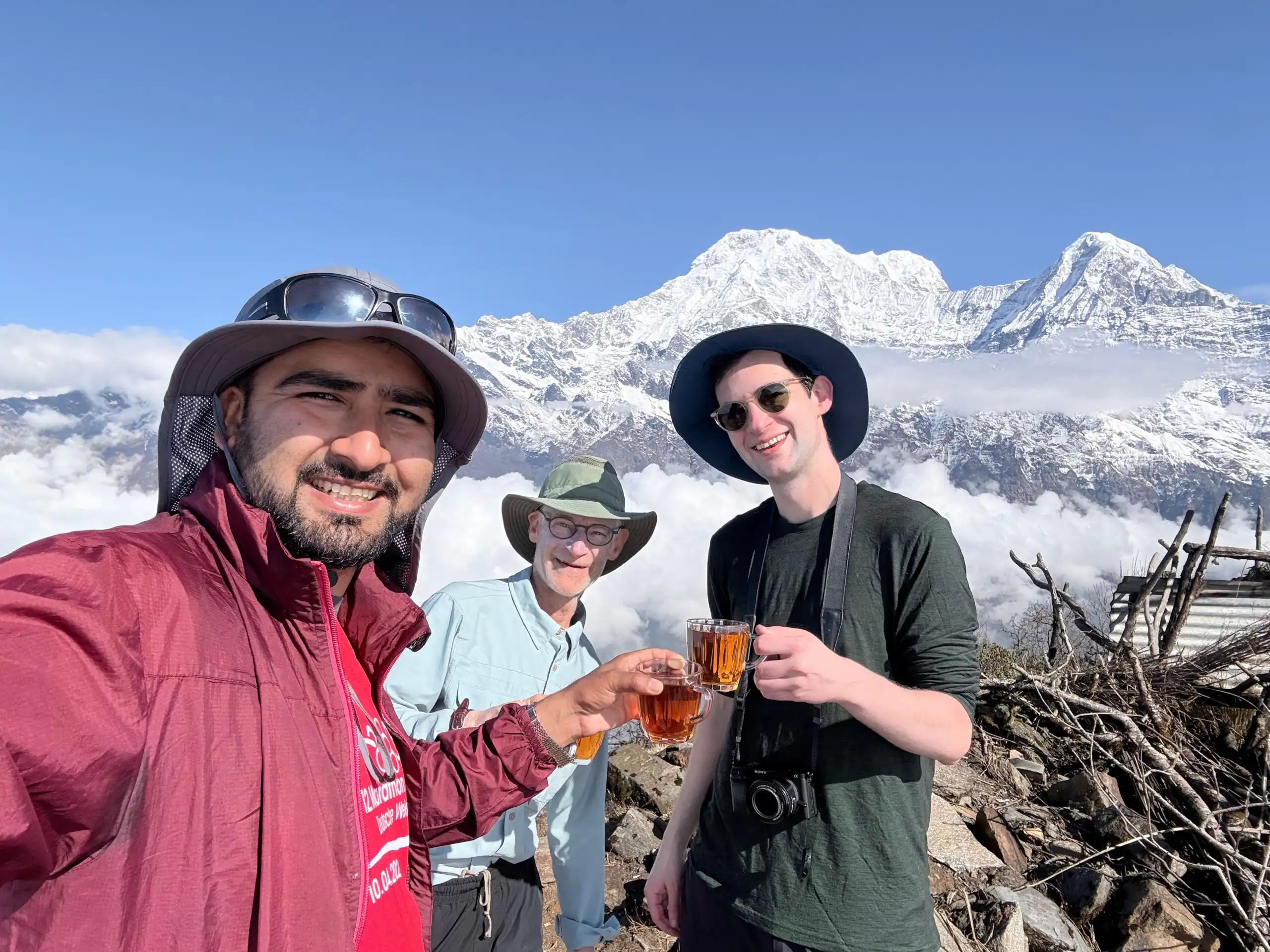


Why Mardi Himal and Khopra Danda Trek?
- Mardi Himal Base Camp with close mountain views at 4500 m
- Sunrise from Poon Hill with wide Himalayan scenery
- Khopra Danda ridge with good views of Dhaulagiri and Nilgiri
- Peaceful forest trails with rhododendron and oak trees
- Local village experience in Gurung and Magar communities
- Quiet trekking paths away from busy trails
- Optional hike to Khayer Lake for a high altitude experience
- Mixed landscapes from farms to high mountain ridges
- Stay in Pokhara with views of the lake and a relaxed atmosphere
Mardi Himal and Khopra Danda Trek Overview
The Mardi Himal and Khopra Danda Trek is a 13-day journey in Nepal’s Annapurna region that takes you along quiet trails, through mountain villages, and across beautiful landscapes. This journey combines two paths into one, letting you see both Mardi Himal Base Camp and Khopra Danda.
Along the way, you’ll enjoy wide views of the Annapurna and Dhaulagiri ranges, including Machhapuchhre, Annapurna South, Hiunchuli, and Nilgiri. The journey starts in Kathmandu, continues to Pokhara, and then moves onto peaceful hill trails above the city.
My Everest Trip organizes the Mardi Himal and Khopra Danda Trek smoothly and comfortably, so travelers can enjoy every part of the journey stress-free. The trail passes through forests of rhododendron and oak before reaching Mardi Himal High Camp and Mardi Himal Base Camp at 4,500 meters.
Afterward, the route descends to Khopra Danda at 3,660 meters, offering a different perspective of the surrounding mountains. During the Mardi Himal and Khopra Danda Trek, you also visit Poon Hill to catch the sunrise and pass through local villages where daily life continues in a simple, traditional manner.
Over 13 days, the Mardi Himal and Khopra Danda Trek takes you through changing landscapes, from farmland and forest to open, high-altitude ridges. Each day offers a mix of quiet trails, local tea shops, and scenic viewpoints. The trek is classified as moderate, so it suits someone with basic fitness and some preparation.
No technical skills are needed, and the gradual pace of the Mardi Himal and Khopra Danda Trek itinerary helps your body adjust to the altitude. This journey is a great choice for travelers seeking a peaceful blend of nature, culture, and mountain views.
What is Special About the Mardi Himal and Khopra Danda Trek
The Mardi Himal and Khopra Danda Trek is special because it follows less-crowded trails while still offering some of Nepal’s best mountain views. You see two different viewpoints on one journey, giving you a broader perspective on the Annapurna region. From Mardi Himal Base Camp to Khopra Danda, the scenery changes, but it is equally rewarding. Sunrise from Poon Hill is another highlight, where you can watch the mountains gradually light up in the early morning.
The Mardi Himal and Khopra Danda Trek itinerary also lets you explore local culture naturally. You walk through the Gurung and Magar villages of Ghandruk, Landruk, and Swanta, where people live in simple, welcoming environments. Small moments on the trek often become lasting memories, like sitting by the fire in a teahouse, chatting with locals, or enjoying fresh local food. There is also an optional hike to Khayer Lake for those who want to explore the high mountains further.
This hike is also perfect for photography and quiet nature lovers. The mountain paths and open ridges, together with the forests, offer many opportunities to photograph and experience a serene environment. The Mardi Himal and Khopra Danda Trek offers a balanced mix of scenery, culture, and nature walks, making it a meaningful journey off the busy trekking routes.
Mardi Himal and Khopra Danda Trek Route and Distance
The route begins with the journey from Kathmandu to Pokhara before entering the trekking trails near Dhampus. From there, the trail passes through Deurali, Forest Camp, and High Camp before reaching Mardi Himal Base Camp. After returning to the lower trail, we continue through Landruk, Ghandruk, and Tadapani towards the Khopra area.
The second part of the journey follows the quieter trail from Tadapani to Bayeli Kharka and Khopra Danda. From Khopra, we descend towards Swanta and continue to Ghorepani. The final trekking day includes an early morning hike to Poon Hill before continuing down to Birethanti and driving back to Pokhara.
The walking distance changes from day to day. Shorter days, such as the Bayeli Kharka to Khopra Danda section, cover about 5 to 7 km, while longer days, such as the Poon Hill to Birethanti section, cover about 12 to 15 km. Daily walking time generally ranges from 3 to 8 hours, depending on the route and stops.
The main route is:
Kathmandu → Pokhara → Dhampus → Deurali → Forest Camp → High Camp → Mardi Himal Base Camp → Landruk → Ghandruk → Tadapani → Bayeli Kharka → Khopra Danda → Swanta → Ghorepani → Poon Hill → Birethanti → Pokhara → Kathmandu
Because the trek includes both high ridge sections and lower village trails, the walking experience changes considerably during the 13 days. Some days involve steady uphill walking, while others are mainly downhill or combine trekking with road travel.
Mardi Himal and Khopra Danda Trek Itinerary
Day 01: Drive to Pokhara (850m) - 6 to 7 hours
We will start our trek very early in the morning with a scenic drive between Kathmandu and Pokhara. The highway runs along rivers and through small towns, terraced fields, and green hills, offering a good sense of Nepal’s countryside. On the way, there will be a short time out for rest and food.
In the afternoon, we will arrive in Pokhara and check into a comfortable hotel near the lakeside. In the evening, you can take a peaceful walk along the Phewalake or spend some time at a cafe. It is the day of the fiesta, mainly for traveling and resting before beginning the trek. Overnight stay in Pokhara.

Breakfast, Lunch, Dinner

Hotel

850 m / 2,789 ft

6–7 hours
Day 02: Drive to Dhampus and Trek to Deurali (2,100m)
After breakfast, we will take a two-hour drive from Pokhara to Dhampus. This is a short drive that offers early views of the mountains and hills in this area. From Dhampus, we will start our trek passing through small villages and agricultural lowlands. The trail gradually enters a forest setting and heads uphill at a comfortable rate.
We will go through Pothana, where we can make a short rest before continuing the rest. After a few more hours of walking, we will reach Deurali. From here on, you can enjoy peaceful surroundings and distant mountain views. Overnight stay in Deurali.
Breakfast, Lunch, Dinner
Teahouse

8–10 km
2,100 m / 6,890 ft
4–5 hours
Day 03: Trek from Deurali to Forest Camp (2,600m)
After breakfast, we will continue walking along a quiet forest trail. The path passes through dense forests of rhododendron and oak, creating a serene, natural feeling. The trail is less crowded, and we can enjoy the peaceful surroundings and the fresh air on the mountain. We will walk at a good pace and stop for short breaks along the way.
We will have lunch at a small stop on the route. After several hours of slow uphill climbing, we will reach Forest Camp, a small settlement with basic teahouses. It is a quiet area surrounded by forest. Overnight stay in Forest camp.
Breakfast, Lunch, Dinner
Teahouse
10–12 km
2,600 m / 8,530 ft
5–6 hours
Day 04: Trek from Forest Camp to High Camp (3,600m)
Today, we will gain more altitude as we make our way towards High Camp. The trail begins with a steady ascent through the forest, and we will take it slowly to acclimatize to the altitude. After reaching Low Camp, the trees begin to thin out, and we begin to get clear mountain views. From here, the trail is a ridge with open landscapes with wide views of the surrounding hills.
As we move on, the scenery becomes more open and the air cooler. By afternoon, we will arrive at High Camp, where we can enjoy the views nearby of Machhapuchhre and other peaks of the area. Overnight stay at High Camp.
Breakfast, Lunch, Dinner
Teahouse
8–10 km
3,600 m / 11,811 ft
5–6 hours
Day 05: Trek to Mardi Himal Base Camp (4,500 m) and return to Low Camp (3,050 m)
We will begin early in the morning, before sunrise, to Mardi Himal Base Camp. The trail follows a narrow ridge with some really nice mountain views on both sides. After a steady ascent, we will reach a viewpoint from where we can see the sunrise over the Annapurna range.
Then we will proceed to Mardi Himal Base Camp, where we can see a close-up of Machhapuchhre and the surrounding mountains. We will come back here later and take a short rest and a meal at High Camp. We will continue to go down to Low Camp later to spend a night.
Breakfast, Lunch, Dinner
Teahouse
10–12 km
4,500 m / 14,764 ft
6–7 hours
Day 06: Trek to Landruk (1,565 m) via Low Camp
After breakfast, we will move further down through the forest trails and small villages. The path is mostly downhill and goes through quiet areas with fewer trekkers. As we go lower, the landscape changes to farmland and green hills. We might stop in for lunch in a village on the way.
By the afternoon, we will arrive at Landruk, a traditional Gurung village with stone houses and terrace fields. From here, we can take in views of the mountains and local village life. The lower altitude is more comfortable for rest. Overnight stay in Landruk.
Breakfast, Lunch, Dinner
Teahouse
10–12 km
3,050 m / 10,007 ft
5–6 hours
Day 07: Trek from Landruk to Tadapani (2,610 m) via Ghandruk
We will start the day with a descent down to the river and a crossing of a suspension bridge. After that, we will climb towards Ghandruk village, one of the largest Gurung settlements in the region. We will take a small break here and look around the village.
After lunch, we will continue our walk through forest trails towards Tadapani. The path involves a continuous uphill climb through rhododendron and oak forests. By late afternoon, we will come to Tadapani, where we can enjoy fresh air and views of the mountain. Overnight stay in Tadapani.
Breakfast, Lunch, Dinner
Teahouse
10–12 km
2,610 m / 8,563 ft
5–6 hours
Day 08: Trek from Tadapani to BayeliKharka (3,450m)
Today, we will leave the main trail and go along a quieter route towards the Khopra side. The trail passes through peaceful forested areas and open ridges where very few trekkers are present. We will walk at a steady pace and take breaks when necessary. Along the way, we may take short rest stops and enjoy the natural surroundings.
As we climb in altitude, the landscape opens up to fantastic, wide views of the hills and distant mountains. By afternoon, we will reach Bayeli Kharka, a spacious pasture with simple accommodation. It is a serene spot to have a rest and enjoy nature. Overnight at Bayeli Kharka.
Breakfast, Lunch, Dinner
Teahouse
8–10 km
3,450 m / 11,319 ft
5–6 hours
Day 09: Trek from BayeliKharka to Khopra Danda (3,660m)
After breakfast, we will walk farther over an open ridge to Khopra Danda. The path is slow and has panoramic views of the surrounding mountains and valleys. As we go up, the scenery is more open and peaceful. Towards the end of the morning, we will be at Khopra Danda, one of the most ideal viewpoints on the trek.
Here we have a clear view of Dhaulagiri, Annapurna South, among other peaks. You can then have lunch and rest, or walk around the ridge area. The serenity and calm atmosphere of this place render it an ideal location to rest and enjoy the scenery. Overnight at Khopra Danda.
Breakfast, Lunch, Dinner
Teahouse
5–7 km
3,660 m / 12,008 ft
3–4 hours
Day 10: Trek from Khopra Danda to Swanta (2,214m)
In Khopra Danda, we will get up early to enjoy the sunrise. We will begin to descend to the lower villages after breakfast. It is a steep trail, but then it becomes less difficult as we pass into the forest and farmland.
We will pass through small towns and take in the sights of the hills and terraces on our way. In the afternoon we will reach Swanta village, where people live simply and are hospitable. You can wander around
Breakfast, Lunch, Dinner
Teahouse
8–10 km
3,660 m / 12,008 ft
4–5 hours
Day 11: Trek from Swanta to Ghorepani (2,880 m)
Today, we will pass through a combination of forest and village paths on our way to Ghorepani. Once we pass a small river, we will begin an upward, steady climb. The trail also leads to a more popular trekking trail, and hence, there may be more trekkers on the way.
Further up the mountain, we pass through more dense forest with rhododendron trees. By afternoon, we will arrive in the busy village of Ghorepani, which has many teahouses and facilities. You are safe; you can enjoy hot food and prepare for the early-morning hike the next day. Overnight stay in Ghorepani.
Breakfast, Lunch, Dinner
Teahouse
10–12 km
2,880 m / 9,449 ft
5–6 hours
Day 12: Hike to Poon Hill (3,210m) and Trek to Birethanti, and Drive to Pokhara
We will wake up early and hike to Poon Hill for a sunrise view of the Annapurna and Dhaulagiri Ranges. We will spend some time admiring the scenery before heading back to Ghorepani for breakfast. Then we will start on a long descent through villages and forest trails. The path involves many stone steps and passes through places such as Ulleri and small settlements along the way.
We will reach Birethanti in a couple of hours, and the trek comes to an end. At this point, we will drive back to Pokhara and check in at the hotel. You are able to have fun and rest during the night. It is a physically exhausting, extended day that involves walking and driving. Overnight stay in Pokhara.
Breakfast, Lunch
Teahouse
12–15 km
3,210 m / 10,531 ft
7–8 hours
Day 13: Return to Kathmandu (1,350 m)
After breakfast, we will return to Kathmandu by flight or by car, as you prefer. The flight is short and has views of the mountains, and the drive follows a scenic highway with hills and rivers. Once you arrive in Kathmandu, we will transfer you to your hotel. The rest of the day, you can rest or explore the nearby areas. This marks the end of the Mardi Himal and Khopra Danda Trek, with many good memories from the journey.
Breakfast
1,350 m / 4,429 ft
25 min flight or 6–7 hours drive
What To Expect?
What's Included
- Airport pick up and drop off
- Travel from Kathmandu to Pokhara and back (by bus or flight as you choose)
- Transport from Pokhara to the starting point of the trek and back
- Hotel stay in Pokhara with breakfast
- Teahouse accommodation during the trek
- Three meals a day during the trek (breakfast, lunch, and dinner)
- Experienced trekking guide
- Porter to carry your bags (one porter for two people)
- All required permits (ACAP and TIMS)
- Guide and porter expenses (food, stay, insurance, salary)
- Basic first aid support during the trek
What's Excluded
- International flight and Nepal visa fee
- Travel insurance (very important for trekking)
- Lunch and dinner in Kathmandu and Pokhara
- Personal expenses like drinks, snacks, hot shower, WiFi, charging
- Personal trekking gear
- Tips for guide and porter
- Extra costs if there are delays due to weather or other situations

Tripadvisor Reviews








Google Reviews


Mardi Himal and Khopra Danda Trek Additional Information
Mardi Himal and Khopra Danda Trek Difficulty, Challenges and Trail Conditions
The Mardi Himal and Khopra Danda Trek is a moderate trek that is suitable for travelers with basic fitness and some walking preparation. It does not involve either technical climbing or special mountain skills but you should be ready for several days of uphill and downhill walking.
On most days you will be walking for approximately five to seven hours and some of the sections are more challenging because of altitude and long climbs. The route is made up of forest trails, steps over stones, village paths and narrow ridges at the higher altitudes. During the Mardi Himal and Khopra Danda Trek itinerary, the trail changes often, so each day feels different.
The major challenge of Mardi Himal and Khopra Danda Trek is not the trek itself, but a combination of daily walking and altitude gain. Some of the areas can be steep and the descents can be tiring on your knees as well. In wet weather, some sections of the trail will be muddy or slippery. With a constant pace, sufficient rest and proper guidance, most trekkers can achieve this trek comfortably. The best way to enjoy the trek is to walk slowly, drink plenty of water and listen to your body throughout the trip.
Mardi Himal vs Khopra Danda
Mardi Himal and Khopra Danda are different parts of the Annapurna region, and each gives you a different trekking experience. Mardi Himal is known for its high ridge, open mountain views and close views of Machhapuchhre. Khopra Danda takes you along quieter trails and gives you a different view towards Dhaulagiri and the surrounding peaks.
The Mardi section reaches a higher altitude, with Mardi Himal Base Camp at 4,500 meters. Khopra Danda itself is at 3,660 meters. The trails also feel different. Mardi Himal includes forest paths followed by open ridge walking, while the Khopra section passes through forests, pasture areas, villages and quieter mountain paths.
| Feature | Mardi Himal | Khopra Danda |
| Main destination | Mardi Himal Base Camp | Khopra Danda |
| Highest point on the standard route | 4,500 m | 3,660 m |
| Main mountain views | Machhapuchhre, Annapurna South and Hiunchuli | Dhaulagiri, Annapurna South and Nilgiri |
| Trail character | Forest trails and open high ridges | Forests, pasture areas, villages and open ridges |
| Trail atmosphere | More established and generally busier | Quieter and less crowded |
| Main attraction | Close mountain views from the Mardi ridge | Quiet trails and views from Khopra ridge |
| Extra option | Mardi Himal viewpoints | Khayer Lake |
Choosing both routes means you do not have to choose between the two experiences. The combined itinerary lets you walk through the Mardi Himal area first and then continue towards the quieter Khopra side before finishing through Ghorepani and Poon Hill. This gives the trip more variety in terms of landscape, villages and mountain views.
Best Time to Visit and Weather Throughout the Year
The best time for the Mardi Himal and Khopra Danda Trek is during spring and autumn, when the weather is usually more stable and the mountain views are clearer. Spring between March and May is a nice season with moderate temperature and colorful rhododendron forests. The trails seem fresh and alive and the days are generally comfortable to walk.
Autumn, from September till November, is also a very good season as the air is clear after the monsoon which often brings excellent mountain views. These months are popular trekking months, hence the teahouses can get busy than usual.
Winter is also possible for the Mardi Himal and Khopra Danda Trek itinerary, but it is colder, especially at higher places like High Camp and Khopra Danda. Some higher parts of the trail may be snow covered. The monsoon season of June to August is not so suitable as the rain sometimes makes the paths muddy, cloudy and less comfortable for trekking. No matter what season you are going, the mountain weather can change rapidly, and it is always a good idea to have good warm clothing and protection against rain.
Food and Drink on the Mardi Himal and Khopra Danda Trek
During the Mardi Himal and Khopra Danda Trek, you will find simple and filling meals in local teahouses. The food is prepared fresh, and is suitable for the trekkers who require energy for the long walks. The most commonly eaten meal is dal bhat, consisting of rice, lentil soup, vegetables and pickles. It is a popular choice since it is warm, nutritious and satisfying after a full day on the trail. You will also get noodles, fried rice, soup, potatoes, pancakes, eggs, porridge and Tibetan bread in many places.
As you go up, you may find food options may get a little more limited but you are still going to have enough options to choose from for your breakfast, lunch and dinner. Hot beverages such as black tea, milk tea, ginger tea, lemon tea, coffee are available in abundance. Safe drinking water is very important during trek.
Instead of buying plastic bottles many trekkers take advantage of boiled water, or purified water from the teahouses. This is not only safer, it is better for the environment. During the Mardi Himal and Khopra Danda Trek itinerary, it is usually better to eat light, fresh, and simple meals, and many trekkers prefer vegetarian food while on the trail.
Transportation and Accommodation
The Mardi Himal and Khopra Danda Trek package usually includes the main transportation needed for a smooth journey. Travel starts from Kathmandu to Pokhara Road or flight depending on the travel package and traveler preference. From Pokhara by private vehicle you reach the trek starting point and after trek conclusion, you go back by road to Pokhara and then to Kathmandu. These travel arrangements make the trip more comfortable and help in saving time especially for those who want an easy connection between the cities and trekking areas.
Accommodation during the trip includes hotels in Pokhara and local teahouses during the trek. In Pokhara you may expect a comfortable hotel with normal facilities. On the trail the teahouses are more simple but welcoming. Rooms usually have twin beds, blankets and communal dining rooms where trekkers meet to eat meals.
Lower down villages may have more comfortable facilities while higher places are more basic. The charm of the Mardi Himal and Khopra Danda Trek itinerary comes from staying in these mountain lodges or teahouses and enjoying local hospitality. Despite being based on simpler facilities the higher you go, the experience remains warm, peaceful, and closely connected to village life.
Altitude, Acclimatisation and Risk For Altitude Sickness
Altitude is an important part of the Mardi Himal and Khopra Danda Trek because the route reaches up to 4,500 meters at Mardi Himal Base Camp. At this height some trekkers can have mild symptoms – headache, tiredness, loss of appetite or difficulty sleeping. This is the reason that proper acclimatization is very important. The itinerary is planned in a gradual fashion so that your body has time to adjust as you climb up to higher altitudes. One of the helpful things about the route is that you ascend high and sleep at a low altitude which helps the process of acclimating to the altitude in a safer way.
The best way to reduce your altitude problems is to walk slowly, drink water, eat properly and inform your guide if you are feeling unwell. Most trekkers complete the Mardi Himal and Khopra Danda Trek itinerary without serious problems when they follow a steady pace.
Guides will usually carry a basic first aid kit and they will have a check of your condition during the trek. If the symptoms increase in intensity, the safest option is to stop climbing and continue downwards to a lower place. With proper planning, patience and support, the altitude in Mardi Himal and Khopra Danda Trek can be easily dealt with, safely and comfortably.
Mardi Himal and Khopra Danda Trek Required Level of Fitness and Trek Preparation Tips
The Mardi Himal and Khopra Danda Trek is suitable for people with basic fitness, but some preparation will make the journey more comfortable and enjoyable. You do not need previous high altitude trekking experience but you should be able to walk for several hours a day of uphill and downhill trails.
Since the route is characterized by daily walking, steps made of stone and elevation, it helps if you can prepare your body prior to the trip. A couple weeks of walking, hiking, jogging, cycling or stair climbing can increase strength and stamina. Simple exercises with legs and light stretching can also help in improving the balance and tiredness during the trek.
Good preparation isn’t only about fitness. It is also important to get comfortable trekking boots already broken in before the trip. Carrying a light day bag on practice walks can help to orientate yourself to trek conditions. During the Mardi Himal and Khopra Danda Trek itinerary, walking slowly and keeping a positive mindset are just as important as physical strength. With some training, the right equipment and a good pace, this trek can be accomplished by many first time trekkers as well.
Permits and Entry Fees and Nepal Visa Information
The Mardi Himal and Khopra Danda Trek requires an Annapurna Conservation Area Permit (ACAP), which is necessary for entering and trekking in this protected region. Safety and record keeping also require a TIMS (Trekkers Information Management System) card.
As per the existing policies, trekking in this region is advised to be done with a licensed guide to be in a safer position and to be directed on the correct path. The trekking company normally arranges such permits in advance, thus leaving the travelers with just passport details and photographs. These permits must be carried along the trek because they are examined at various points along the route.
The tourist visa to Nepal is usually issued to most travelers upon arrival at Kathmandu International Airport making it easy and convenient to obtain the tourist visa. The present visa rates are USD 30 on 15 days, USD 50 on 30 days and USD 125 on 90 days. It takes 13 days to complete Mardi Himal and Khopra Danda Trek and this is why most travelers settle on a 15 or 30 day visa depending on their plan before or after the trek. Before traveling, it is always best to examine the new visa regulations because the rules are subject to change.
Health, Safety and Emergency Support
Health and safety are very important during the Mardi Himal and Khopra Danda Trek. A good plan of trekking, experienced guide and proper daily care all makes the journey safer and comfortable. Guides always carry a basic first aid kit and are able to assist with common problems such as headache, blisters, tiredness or minor altitude discomfort.
It is important for trekkers to drink safe water, eat proper meals and keep warm (especially at higher elevation). Good hygiene is also important, so it’s a good idea to wash hands or use hand sanitizer before meals, if you want to avoid problems with your stomach on the trail.
The trails on this route are generally safe and well used by trekkers but there are some sections that are very steep, rocky or slippery in wet weather. It is always best to walk carefully and follow recommendations of the guide. During the Mardi Himal and Khopra Danda Trek itinerary, your guide will also watch for signs of altitude sickness and other health concerns.
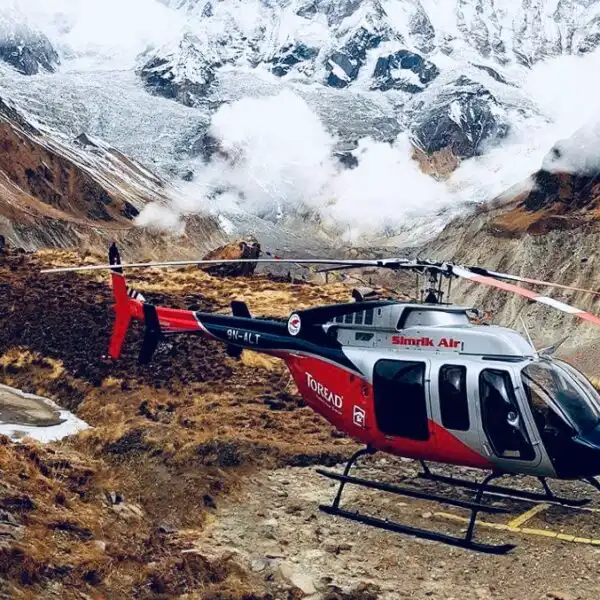
In rare cases of serious illness or injury, emergency support may be required like fast descent or by helicopter. With appropriate planning and responsible trekking, the majority of travellers complete Mardi Himal and Khopra Danda Trek safely and confidently.
Travel Insurance and Coverage for Mardi Himal and Khopra Danda Trek
Travel insurance is an important part of the Mardi Himal and Khopra Danda Trek because the route reaches high altitude and passes through remote mountain areas. A good insurance policy allows you to have peace of mind, and protects you, should you become injured or sick, have a trip delay or be evacuated in case of an emergency.
As helicopter rescue can be very expensive in Nepal it is highly recommended to have insurance which covers high altitude trekking and emergency air evacuation. Before making your trip, it is a good idea to read your policy to make sure that it specifically covers trekking as far as this route goes.
Besides emergency rescue, most of the travellers also buy insurance that covers medical treatment, cancellation of the trip, loss of baggage, and other issues that are related to the travelling. These supplementary safeguards may be useful when your arrangements are suddenly changed.
During the Mardi Himal and Khopra Danda Trek itinerary, having the rightinsurance will enable you and the trekking team to quickly respond in case of assistance. It is also advisable to have a copy of your insurance information with you and hand them to your trekking company just before you begin your trek. Good insurance may be a small detail, but it is a very important part of safe travel in the mountains.
Mobile Network, Internet and Charging Facilities
Mobile network and internet access are available in some parts of the Mardi Himal and Khopra Danda Trek, but the connection is not always strong or consistent. Lower areas and larger villages tend to get better signal and higher and more remote places may have poor signal or no service whatsoever.
Some teahouses have Wi Fi available for a fee, but it can be slow, especially if there are a number of people using it. Because of this, it’s best to expect lesser connection on the trek and some time away from regular online activity.
Charging facilities are available in most teahouses but it may be charged an extra price, especially in the higher places where electricity is scarce. It will help if you carry a power bank in case you need to keep your phone or camera charged. During the Mardi Himal and Khopra Danda Trek itinerary, many trekkers use local SIM cards for calls and data where signal is available. Even though the connection might not be perfect, you will usually have access good enough in some places to be able to send updates or check basic messages.
Language, Culture and Expected Behaviour
The Mardi Himal and Khopra Danda Trek is not only about mountains but also about experiencing local culture. During the trek, you will pass by Gurung and Magar community villages. People in these areas are friendly and welcoming and you will often be greeted with a simple “Namaste“.
This greeting is a way of respectfully saying hello and goodbye and you can use it throughout your journey. English is spoken in most teahouses so communications is generally not a problem, but it is worth picking up some local language to make your experience even more meaningful.
It is important that you respect local customs when trekking. It’s good practice to dress down in villages, take shoes off before entering houses or eating areas and asking for permission to take pictures. You may also see some prayer flags, miniature temples or even stone structures along the trail.
These are important to the local culture so it is best to walk respectfully around them. The Mardi Himal and Khopra Danda Trek itinerary gives you a chance to experience daily village life in a simple and natural way. Showing respect and kindness will help you to be better and memorable on the journey.
Mardi Himal and Khopra Danda Trek Photography tips and Drones Regulations
The Mardi Himal and Khopra Danda Trek offers many great opportunities for photography, from mountain views to village life and forest landscapes. The best time to take photos is early morning and late afternoon when the light is soft and clear. Sunrise views from such places as High Camp, Khopra Danda and Poon Hill are especially rewarding.
You can also take simple photos like people from your location, trails and people’s daily activities which give meaning to your travel memories. Bring spare batteries and also ensure that your camera is not exposed to cold and moisture when doing the trek.
When you are planning to fly a drone, you should adhere to the local area protocols. Flight of drones in trekking zones can be subject to permission especially in the guarded zones such as Annapurna. Always good to do some research before you travel, and consult advice when required.
Do not fly drones in the vicinity of villages, people or religious places without permission.During the Mardi Himal and Khopra Danda Trek itinerary, respecting local privacy and environment is very important. Responsible use of camera or drone will assist in having fun, as well as, in valuing the environment.
Extra Expenses on the Trek
During the Mardi Himal and KhopraDanda Trek, some personal expenses are not included in the package. The sufficient amount of Nepali cash is also significant since there is no ATM on the trail.
Typical additional charges are drinking water, snacks, hot showers, charging devices and WiFi. Water and beverages cost more as you ascend the mountain hence most trekkers use boiled water or purified water. Snack items such as chocolates and biscuits are sold but at a higher price at elevated level.
Some teahouses have hot showers and charging facilities at an additional charge. In some villages, internet services might also exist, but they tend to be slow and expensive.
Guide and porter tips are not obligatory but are a typical way of expressing gratitude. You should also have a little additional budget to make small purchases or buy something to keep yourself comfortable when on the trek.
Side Trips Around the Region
There are a few optional side trips that can be added during the Mardi Himal and KhopraDanda Trek if you have extra time and energy.
The most famous alternative is the walk to KhopraDanda to Khayer Lake. It is a day long hike which takes you to a high altitude calm lake which has mountain views. It is a difficult walking path but it pays off to the one who wants to venture further.
The second alternative is to go to JhinuDanda hot springs. You can also enjoy the natural hot water pools along the river after hiking down the hill. It is also a pleasant method to stretch your body after a few days of the walk.
You may also spend more time in villages such as Ghandruk where there is local culture and life to consider.
Trip Extensions After Mardi Himal and Khopra Danda Trek
After completing the Mardi Himal and KhopraDanda Trek, there are several ways to extend your journey in Nepal.
An alternative path is to go on to Annapurna Base Camp, which lasts several days and presents another mountain experience. Another alternative is to go to Chitwan National Park where you can go on a jungle safari and see wildlife and have a different landscape.
You may also take additional time in Pokhara undertaking activities such as boating, short hikes or just resting by the lake. Another good choice is to go on cultural tours in Kathmandu Valley in case you would like to visit historical sites and temples.
These activities will enable you to see other parts of Nepal beyond the trek
Tips for First-Time Trekkers in Nepal
In case this is the first time that you are going trekking in Nepal, there are some simple tips that can help to make it a more comfortable stay.
Walk slowly and gradually and do not hurry. Consuming the required amount of water and eating in the right way will assist your body to adapt to the altitude. Layers are significant due to the possibility of a change in the weather throughout the day.
To avoid the discomfort, good trekking shoes already used before the trip will help. Always carry limited things and ensure the backpack is light. Trekking poles can be used as well to make it easier to walk, particularly on steep trails.
Show respect to the culture of the place, just greet people nicely and observe easy practices. It is important to listen to your guide and tell them in case you are not feeling well.
Trekking experience will be secure and excellent with proper preparation and attitude.
Mardi Himal and Khopra Danda Trek FAQs
How many days does the Mardi Himal and Khopra Danda Trek take?
The Mardi Himal and Khopra Danda Trek is a 13 day journey that starts and ends in Kathmandu. The main trek section is around 10 days with some additional days to travel and relax.
Where does Mardi Himal and Khopra Danda Trek begin and end?
The journey starts with travel from Kathmandu to Pokhara. The trek begins from Dhampus and ends at Birethanti and then return to Pokhara and then Kathmandu.
What is the maximum altitude in Mardi Himal and Khopra Danda Trek?
The highest point is around 4,500 meters and is known as Mardi Himal Base Camp. Other high points are Khopra Danda and Poon Hill which also have great views.
How difficult is the Mardi Himal and Khopra Danda Trek?
This trek is rated as moderate in difficulty. You will walk for several hours each day on uphill and downhill trails, but no technical skills are required.
Do I need to have previous trekking experience?
Previous trekking experience is not required for the Mardi Himal and Khopra Danda Trek. With basic fitness preparation, even first time trekkers can do it comfortably.
Which kind of accommodation is possible?
Mardi Himal and Khopra Danda Trek will be done in local teahouses, which are basic yet comfortable. You will be staying in hotel with standard facilities in Pokhara.
Are there meals throughout the Mardi Himal and Khopra Danda Trek?
Yes, the trekking days include meals. There will be breakfast, lunch and dinner at teahouses along the way.
Is there drinking water available on the trail?
Yes drinking water is available at all stops. For safety and environmental reasons, it is best to use boiled or purified water rather than bottled water.
Can I have a shower during the Mardi Himal and Khopra Danda Trek?
Hot showers are available in some places (usually for an extra cost). In the higher areas, the facilities are more basic and showers may be limited.
Is there electricity to charge the devices?
Electricity is available in most villages, but charging may well be an additional cost. It is a good idea to have a power bank as a back-up.
Will I have mobile network in Mardi Himal and Khopra Danda Trek?
Mobile network is available in some areas mostly in lower village. However there are many weak or non-existent sections so expect poor connectivity.
What are the permits for Mardi Himal and Khopra Danda Trek like?
You require Annapurna Conservation Area Permit and TIMS card. These are arranged by the company and are included in the package.
Will the company provide permits for me?
Yes, any and all permits are arranged for you before the Mardi Himal and Khopra Danda Trek begins. You only have to give your passport details and photos.
Do I need a guide for Mardi Himal and Khopra Danda Trek?
Yes, this is required and also recommended to hike with a guide. A guide helps in the navigation, authorization and overall assistance during the journey.
What is the best time for the Mardi Himal and Khopra Danda Trek?
Spring and autumn are the best seasons to undertake this trek. These months provide good views and there is comfortable weather and good trekking conditions.
Can I do Mardi Himal and Khopra Danda Trek in winter?
Yes, the trek is possible in winter, but it can be extremely cold at elevated altitudes. Snow may affect some parts of the trail as well.
How cold does it get while climbing the Mardi Himal and Khopra Danda Trek?
Temperatures can fall below freezing point in higher places, particularly at night. During the day it is usually comfortable to walk around.
How should I make preparation for Mardi Himal and Khopra Danda Trek?
You can prepare by walking, hiking or light exercise on a regular basis before the trip. Building stamina to make the trek more fun
What equipment is required to accomplish this journey?
Good trekking shoes, warm clothes, a jacket and simple personal items are important items. An extensive packing list is typically provided before the trip.
Is it possible to rent/buy trekking equipment in Nepal?
Yes, it is very possible to rent/buy trekking equipment in Kathmandu or Pokhara. This is handy in case you do not wish to carry all your stuff back home.
Are there ATMs on the trekking route?
There are no ATMs on the trekking path. It is best to withdraw enough money at Kathmandu or Pokhara before starting the Mardi Himal and Khopra Danda Trek.
How much extra cash do I need to carry?
You can carry a small daily budget as your personal spending which includes beverages, snacks, and charging. Approximately, 10-15 USD a day is adequate.
Is it necessary to tip on the Mardi Himal and Khopra Danda Trek?
Tipping is not required but is a customary practice. It is a way to appreciate the guides and porters for their support.
Is the trek safe for the traveller?
Yes, the Mardi Himal and Khopra Danda Trek is generally safe. With a guide and proper planning, it is done without problems by most trekkers.
What if I get sick during the Mardi Himal and Khopra Danda Trek?
Your guide will help you and take necessary action. In serious cases, you might have to go down or organise for emergency support.
How many hours do we do walking every day?
Most days you will be walking around for 5 to 7 hours. Some days will be less in length or slightly longer depending on the route.
Do I need trekking poles?
Trekking poles are not necessary but very helpful. They make walking easier, especially on the steep and downhill parts.
Are there any dangerous animals along the trail?
There are no significant dangers of animals while doing this trek. You may spot some wildlife-and they usually keep away from people.
How do I book the Mardi Himal and Khopra Danda Trek?
You can make a booking by contacting the trekking company via their website, email or phone number. They will take you through the process step by step.
Can beginners do the Mardi Himal and Khopra Danda Trek?
Yes, this trek can be done by the beginners with basic fitness. With the right preparation and a slow pace, it is a quite pleasant experience.
US$ 925 per person
- 24/7 Customer Support
- Experienced and Professional Team
- Hassle-Free and Easy Booking
- 99% Customer Satisfaction
- Fair Prices, Exceptional Service
- No Hidden Costs and Secure Payments
- Tailored and Personalized Itineraries

24 X 7 Live Support

Puru (+977-9851069558)
Related Trips


Recent From Our Blog Places of attractions, travel tips, news and more.
Blog
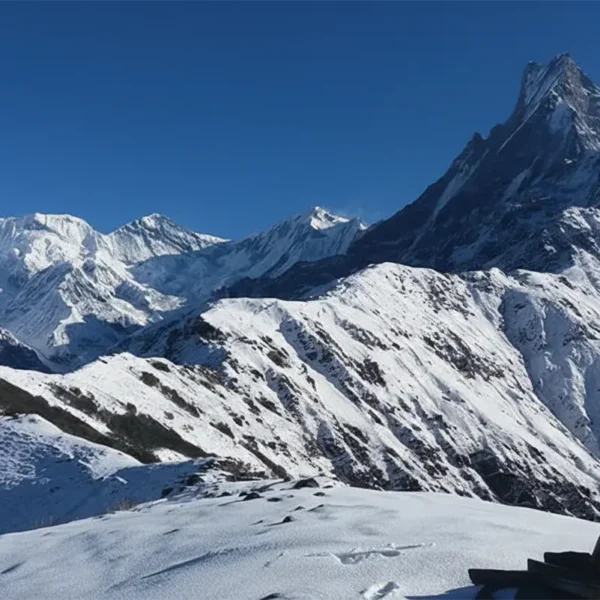
Mardi Himal Trek Cost 2027: Permits, Guide, Food, Accommodation & Hidden Expenses
Introduction While most people associate Nepal’s treks with Everest or Annapurna Base Camp, many of…
Read the full post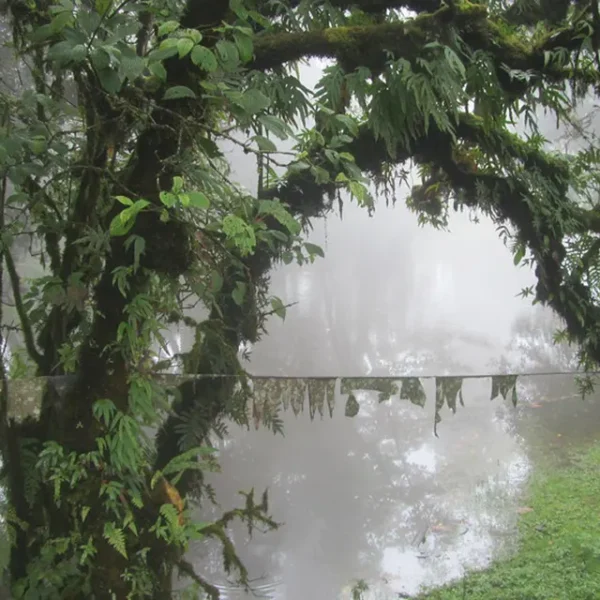
Blog
A Complete Guide to Trekking in Nepal for Beginners: Explore the 10 Best Easy Trekking Routes
Have you ever seen photos of the Himalayas and dreamed of walking among those mountains?…
Read the full post
Blog, Nepal, Trekking in Nepal
Best Season for trekking in Nepal
Are you looking for the best season for trekking in Nepal? If yes, Nepal trekking…
Read the full post