

17 Days


Quick Facts

Private Vehicle, Flight

Hotel, Tea House

Breakfast, Lunch and Dinner

Hiking, Sightseeing

Oct-Dec & Mar-May

Moderate

Nepal

5545
US$ 0 per person
- 24/7 Customer Support
- Experienced and Professional Team
- Hassle-Free and Easy Booking
- 99% Customer Satisfaction
- Fair Prices, Exceptional Service
- No Hidden Costs and Secure Payments
- Tailored and Personalized Itineraries
24 X 7 Live Support

Puru (+977-9851069558)
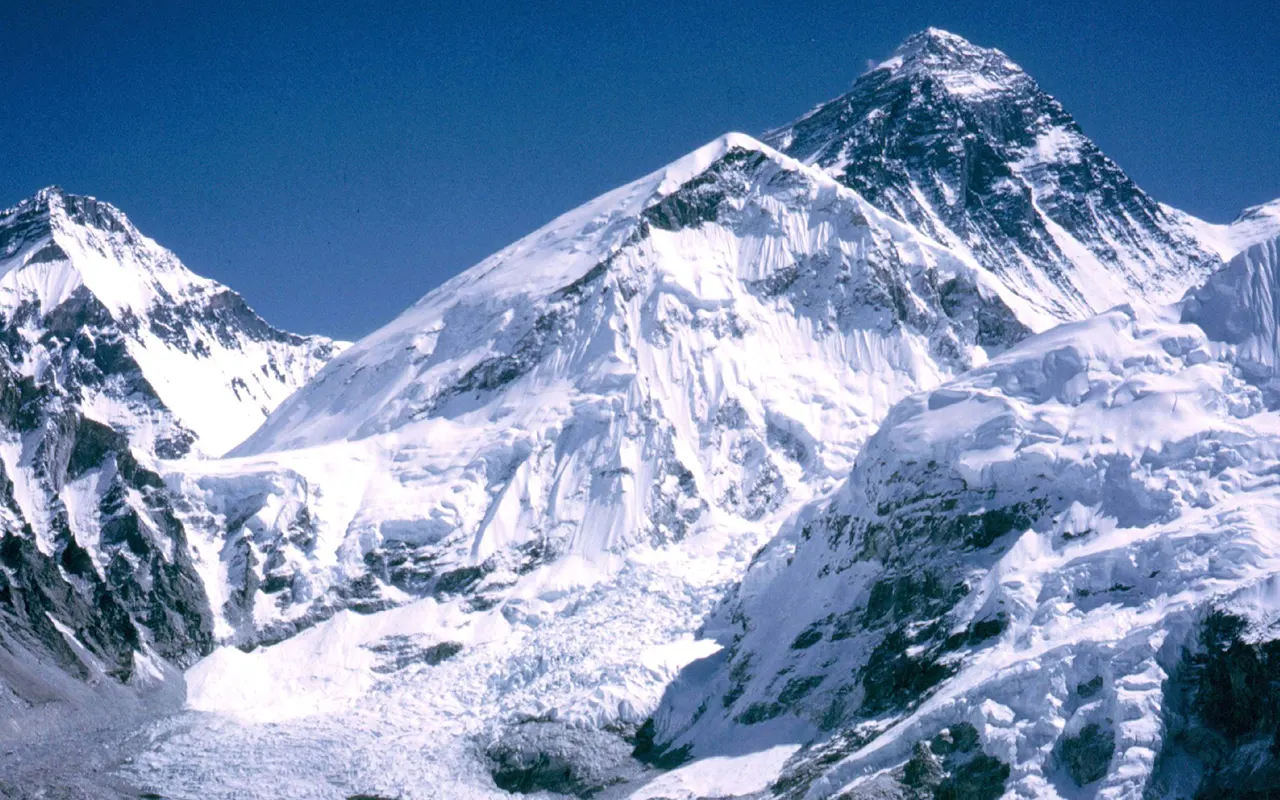

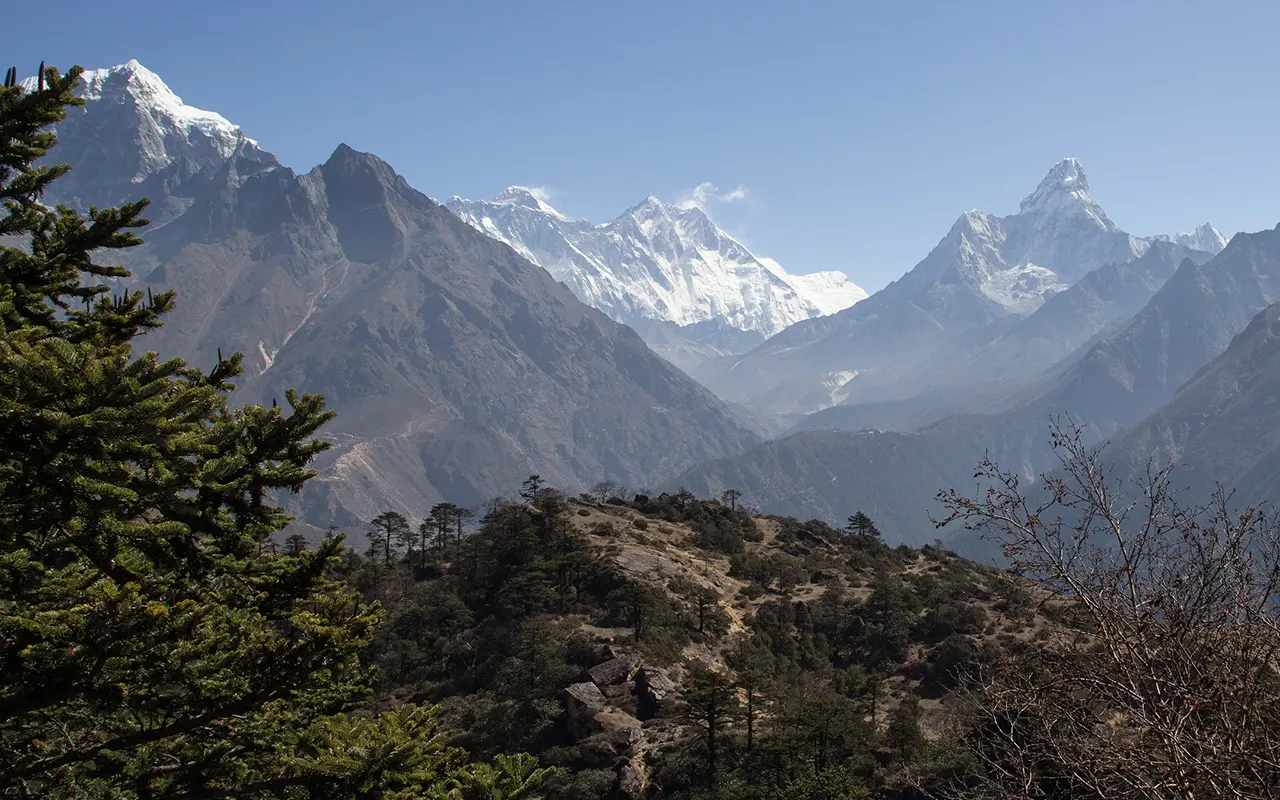
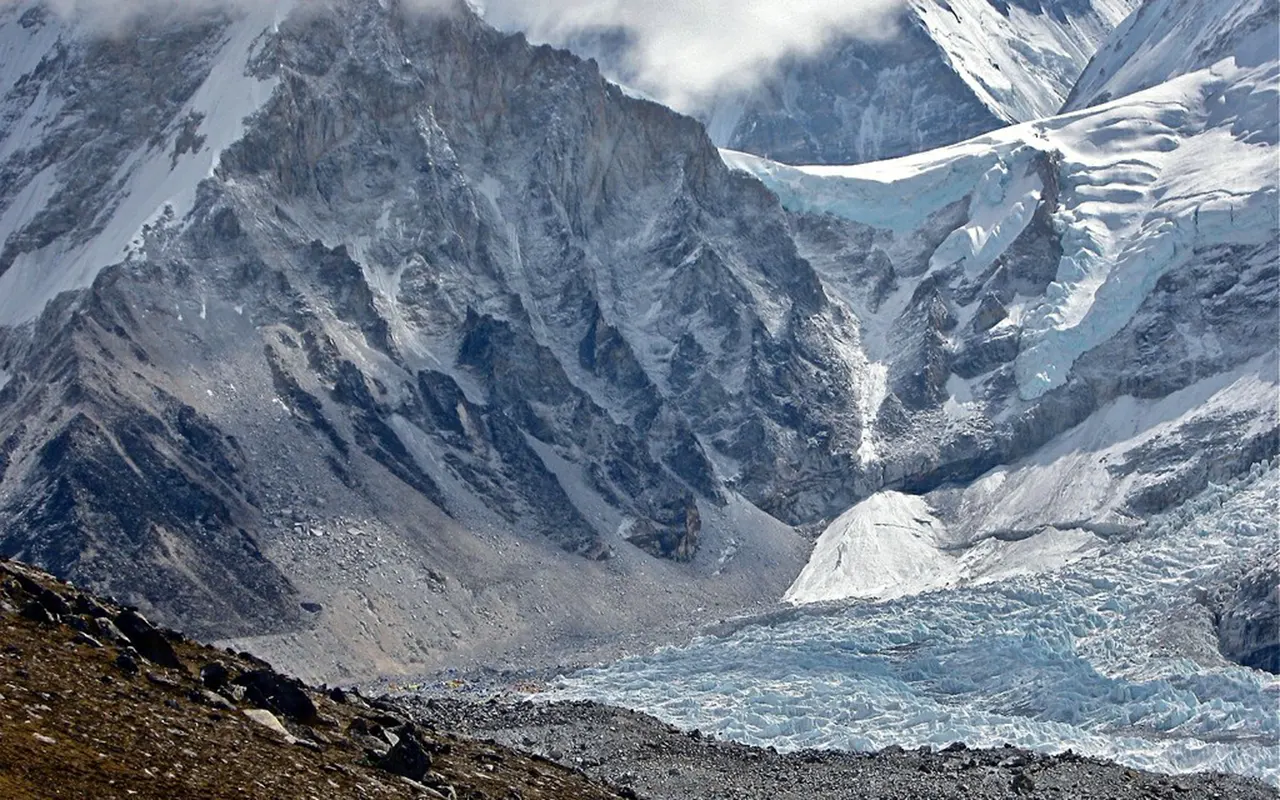
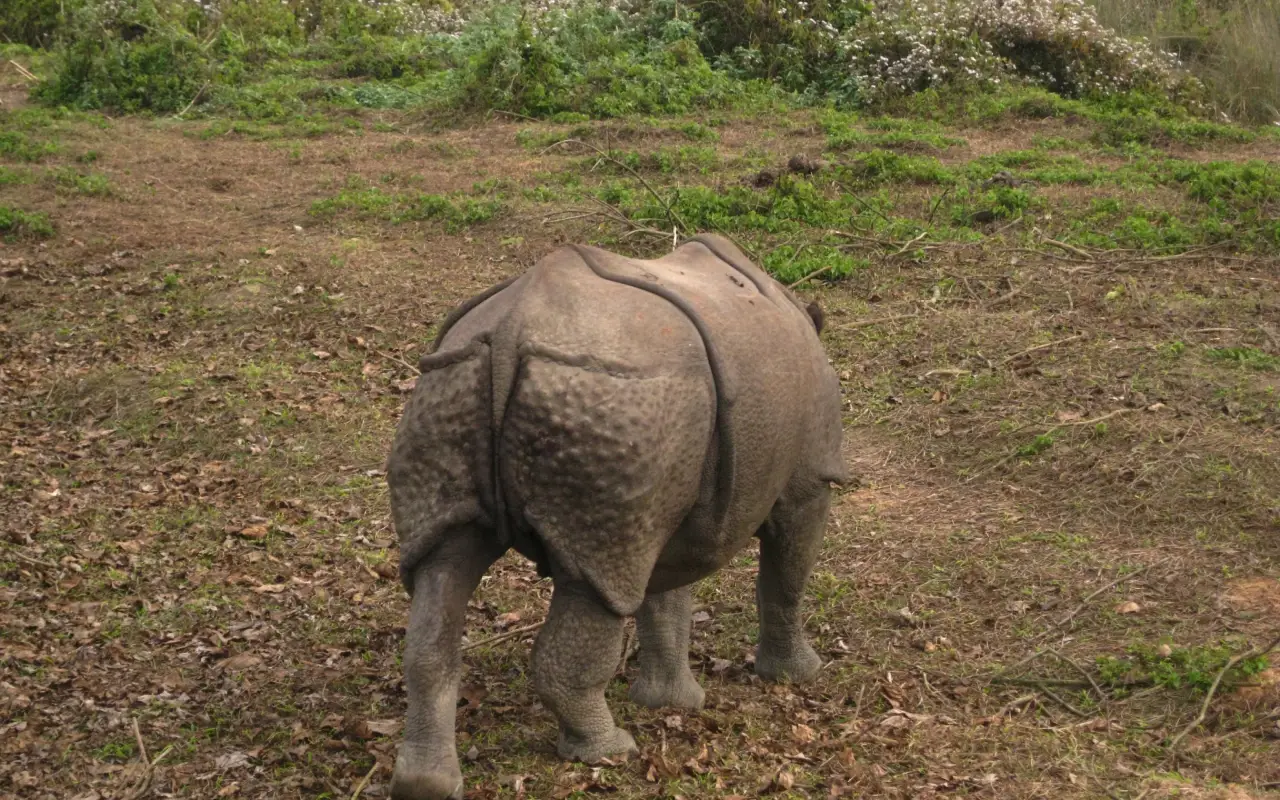
Why Everest Base Camp Trek with Chitwan Tour?
- Scenic flight from Kathmandu to Lukla with views of the Himalayan mountains.
- Visit the traditional Sherpa villages, forests and suspension bridges in the Khumbu region.
- Explore Namche Bazaar, the main trading centre of the Everest region.
- Visit to the Tengboche Monastery and taste local Buddhist culture.
- Hike to acclimatize at Everest View Hotel and Nagarjun Hill.
- Arrive at the base camp of Mount Everest (5364 m / 17,598 ft).
- Hike to Kala Patthar (5545 m/18192 ft) to catch the sunrise on Mount Everest.
- Enjoy traditional mountain life and stay in local teahouses.
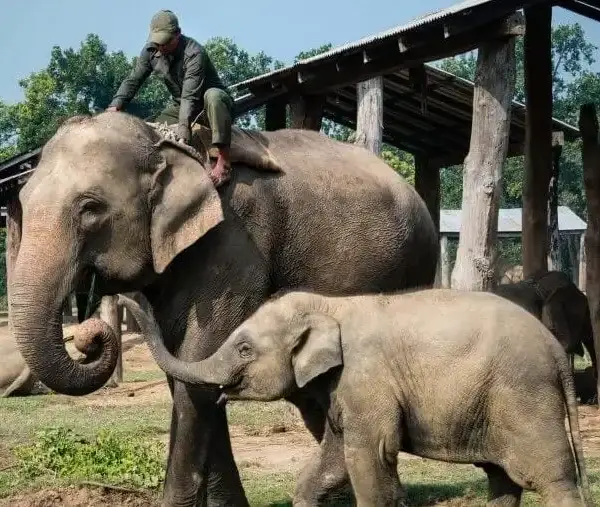
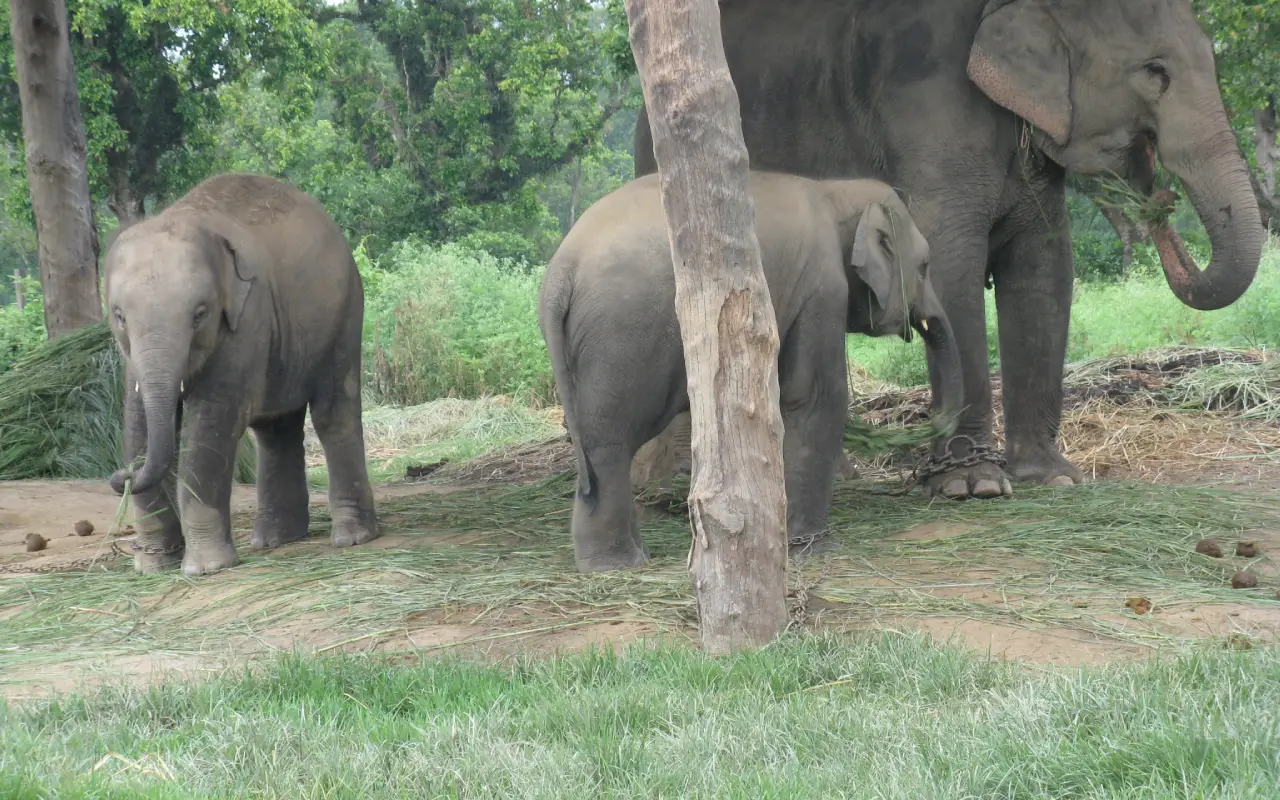
- Visit the Chitwan National Park by guided jungle safari and wildlife watching.
- Have a delightful early morning birding trip and explore the variety of wildlife and natural environment of Chitwan.
Everest Base Camp Trek with Chitwan Tour Overview
The Everest Base Camp and Chitwan Tour is a 17-day journey that brings together two sides of Nepal. It is a combination of a high-elevation trek in the Himalaya and a wildlife tour in the lowland forests of Chitwan. On this journey, you will venture through the traditional Sherpa villages, cross suspension bridges, visit mountain valleys and arrive at the foot of the world’s highest mountain. Upon completion of this hike, the tour continues to Chitwan National Park, where you can experience the jungle, wildlife viewing and birdwatching.
The adventure starts in Kathmandu and continues with a picturesque flight to Lukla. We then hike along Phakding and Namche Bazaar and move along Tengboche, Dingboche and Lobuche till we arrive at the base camp of Everest (5364m / 17598ft). We also climb as far as Kala Patthar (5,545 m / 18,192 ft) where we have a closer look at Mt. Everest and the other mountains around it. Acclimatization stops in Namche Bazaar and Dingboche give sufficient time to acclimatize before going higher.
The Everest Base Camp Trek and Chitwan Safari are also an opportunity to experience the local culture of Khumbu. You will be visiting Buddhist Monasteries, traditional settlements and the lives of the Sherpa people. As you descend towards lower valleys, the landscape changes along the way and coming down is also different than going up.
Upon reaching Kathmandu, the next stop will be the wildlife tour to Chitwan National Park. This is where you can participate in guided activities in the jungle, including jeep safaris, canoe sailing and nature walks according to the plans and the rules of the park. It is possible to come across a one-horned rhinoceros, deer, crocodiles and various kinds of birds. As well as the birds, one can watch various other animals in the morning, but this depends on the natural conditions.
This trek to Everest and Chitwan is for those who are looking for a mountain trek along with a wildlife experience in Nepal in one vacation. The Chitwan section is more leisurely, but the last trek to the high altitude of the hills demands good physical fitness for a few days!
With organised transportation, accommodation, meals during the trek and Chitwan tour, experienced guides and necessary trekking arrangements, My Everest Trip will help coordinate the journey from arrival to departure. Contact our team to discuss your travel dates, preparation requirements and package details and start planning your 17-day Nepal adventure.
Why This Trip Is Special?
It is a combination of two different travel experiences in one package: Everest Base Camp and Chitwan Tour. You can walk through the Himalayan landscape, explore traditional Sherpa villages and reach Everest Base Camp (5,364 m / 17,598 ft). The sunrise trek to Kala Patthar (5,545 m / 18,192 ft) is another highlight of the mountain experience, offering a stunning view of Mt. Everest and other peaks.
It is also possible to see the wildlife and the nature of Nepal on the Everest Base Camp Trek and the Chitwan Safari. In Chitwan, you can have guided jungle safaris, canoeing and birdwatching tours to locate the rhino, deer and various kinds of birds.
This trek offers a combination of high-elevation adventure, cultural and nature exploration and a broader experience of Nepal than a trek alone, in a 17-day period.
Everest Base Camp Trek with Chitwan Tour Itinerary
Day 01: Arrival in Kathmandu and Explore Thamel
The pick-up will be from Tribhuvan International Airport in Kathmandu (1400 m / 4593 ft) on arrival and transfer to the hotel. You can relax after your international flight and settle into your room.
We will be visiting later on the popular tourist area of Kathmandu, Thamel. Can walk through its narrow streets, visit local shops and shop for trekking equipment, clothing and souvenirs. There are also a number of restaurants, cafés and handicraft stores in the area.
Our team is going to give you a briefing in the evening about the Everest Base Camp trek. We will also inspect your trekking gear and prepare you for trekking. Overnight accommodation will be in a Hotel in Kathmandu.

Breakfast

Hotel

Airport transfer and local sightseeing

1,400 m / 4,593 ft

Airport pickup, hotel check-in and Thamel sightseeing, 2–3 hours of sightseeing
Day 02: Fly from Kathmandu to Lukla and Trek to Phakding
An early morning flight from Kathmandu to Lukla (2860 m / 9383 ft) will be made. Typical flight times are 30-35 minutes, subject to weather and operating conditions. On the way, you will have a chance to see the Himalayan scenery and then arrive at Tenzing-Hillary Airport in Nepal.
Once we have met our trekking party and completed all the arrangements, we will start our trek towards Phakding (2610 m / 8,563 ft). The track winds down through Chaurikharka and some small villages. We shall cross traditional houses and suspension bridges on the river Dudh Koshi, passing prayer wheels.
The walk is not too long to adapt to the mountain environment. From here, we head to Phakding to rest in a local teahouse for the night.
Breakfast, Lunch and Dinner
Teahouse
8 km
2,860 m / 9,383 ft
Scenic flight and trekking, 3–4 hours of trekking
Day 03: Trek from Phakding to Namche Bazaar
We will then head on to Namche Bazaar (3,440 m / 11,286 ft), the main trading centre of the Khumbu region after breakfast. It passes through small Sherpa settlements and crosses several suspension bridges, following the Dudh Koshi River.
After arriving at the entrance checkpoint of Sagarmatha National Park, we’ll walk through Toktok, Benkar and Monjo. Once the permits have been checked, it is onward to Jorsale, where we can stop for lunch.
Lastly, a gentle ascent up the hills through pine forests and across the Hillary Suspension Bridge. This is a challenging portion of the day. We will go to a teahouse after reaching Namche Bazaar and stay there until the evening.
Breakfast, Lunch and Dinner
Teahouse
12 km
3,440 m / 11,286 ft
Uphill trekking and suspension bridge crossings, 5–7 hours
Day 04: Acclimatization Day at Namche Bazaar and Hike to Everest View Hotel
Today is dedicated to getting used to the altitude in the acclimatization town of Namche Bazaar (3440m/11286ft). The trail will gradually lead us to Everest View Hotel (3880m / 12730 ft) instead of going on to the next overnight stop. It is important to change elevation as you walk up and down the mountain and get back to low elevations and go to sleep. It is important to take time to change the elevation as you move up and down the mountain and to return to the low elevations to sleep.
The trail is taken high above the town of Namche, passing through traditional settlements and open mountain paths. The views from the Everest View Hotel area will be towards Mount Everest, Lhotse, Nuptse, Ama Dablam and other peaks around it, weather permitting.
We will stay at this viewpoint for a while and then head back to Namche Bazaar. The rest of the afternoon can be spent wandering the village, shopping or enjoying the teahouse.
Breakfast, Lunch and Dinner
Teahouse
7 km
3,880 m / 12,730 ft
Acclimatization hike and mountain sightseeing, 3–4 hours
Day 05: Trek from Namche Bazaar to Tengboche
We will head on the trail towards Tengboche (3860m / 12664ft) after breakfast. The path is fairly flat at first along the hillside with views of the surrounding mountains. From different vantage points along the trail, one can see Mount Everest, Ama Dablam and Thamserku in clear skies.
From Kyangjuma, we will gradually head down to the Dudh Koshi River. We cross the river near Phunki Tenga and then start a gradual, steep walk on the forested paths. It is a little more difficult in this section, particularly to gain altitude.
After reaching Tengboche, we will visit the Tengboche Monastery (if time and the monastery’s activities allow). It is an important Buddhist centre in the Khumbu region. Overnight accommodation will be in a local teahouse.
Breakfast, Lunch and Dinner
Teahouse
12 km
3,860 m / 12,664 ft
Mountain trekking and monastery visit, 5–6 hours
Day 06: Trek from Tengboche to Dingboche
We will continue our journey from Tengboche towards Dingboche (4,410 m / 14,469 ft). The path heads down through the forest towards Deboche and then crosses the Imja Khola on a suspension bridge. From there we will go through the older Sherpa village of Pangboche.
The scenery shifts slightly as we keep on walking. The forest is gradually replaced by open valleys with stone walls and scattered mountain settlements. Ama Dablam is still a prominent feature in the surrounding landscape.
We will go on to pass through the small settlements to reach Dingboche in the Imja Valley. It is a frequent acclimatization base for those who are heading towards Everest Base Camp. We will check into our teahouse and be able to rest and get ready for the next day’s activities.
Breakfast, Lunch and Dinner
Teahouse
12 km
4,410 m / 14,469 ft
Mountain trekking and village exploration, 5–6 hours
Day 07: Acclimatization at Dingboche and Hike to Nagarjun Hill
Another acclimatisation day will be spent in Dingboche (4410m / 14469ft) before we go to higher altitudes. After breakfast, we will begin a gradual uphill hike towards Nagarjun Hill, also known locally as Nangkartshang Hill. The ascent offers a chance to head up higher and then back down to the village.
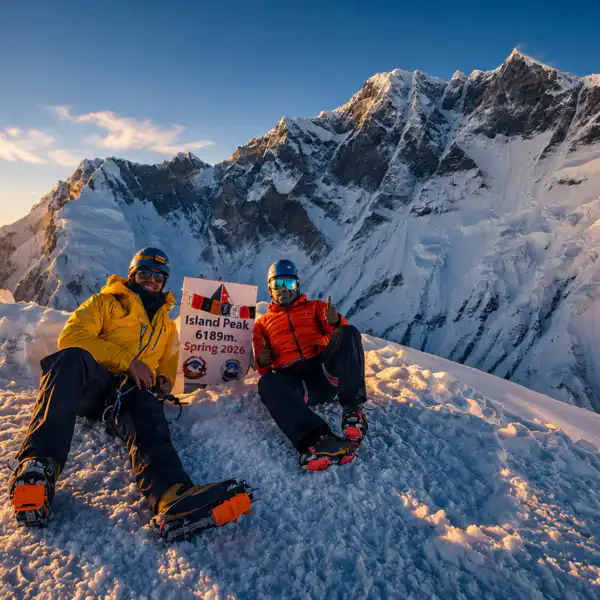
We will be walking at a steady pace and will make regular stops as the trail is steep and rocky in some places. The panorama extends outwards in the Himalayan valleys towards Ama Dablam, Makalu, Island Peak and beyond as we ascend further.
After spending a few minutes at the viewpoint, we will then head down to Dingboche. The afternoon is free for rest, hydrating and preparing for the next leg of the trek. The next night we will sleep in the same teahouse.
Breakfast, Lunch and Dinner
Teahouse
7 km
5,083 m / 16,677 ft
Acclimatization hike and mountain sightseeing, 3–5 hours
Day 08: Trek from Dingboche to Lobuche
On the way out of Dingboche, we then headed for Lobuche (4910 m / 16109 ft) for breakfast. The path starts in an open valley and then slowly ascends towards Dughla or Thukla. Here we will stop briefly before heading on to the upper part of this section.
The trail becomes steep above Dughla as we ascend towards the memorial area of Everest. Stones are erected here in honor of those who lost their death in the mountains in the Himalayas. We can take some time to visit this area before continuing.
The last part leads a gradual trail through a rocky and open mountain landscape. As it gets closer to Lobuche, the terrain is rougher and there are not many plants. We will stay in a teahouse overnight.
Breakfast, Lunch and Dinner
Teahouse
10 km
4,910 m / 16,109 ft
High-altitude trekking and Everest memorial visit, 5–6 hours
Day 09: Trek from Lobuche to Gorakshep, Everest Base Camp and Return to Gorakshep
This is one of the big days of our trek! We will leave Lobuche and follow the trail towards Gorakshep (5,164 m / 16,942 ft). The path crosses rocky terrain and the Khumbu Glacier and provides a view of the peaks and glacier around it.
On arrival at Gorakshep, we will have a brief rest and drop off our heavy gear at the teahouse. We shall then head on towards EBC (5364 m / 17598 ft). We will be walking carefully on uneven ground and glacial moraine, so we will be proceeding at a slow pace.
At Everest Base Camp, we will have some time for the environment & photo taking. This view is of the Khumbu Icefall and surrounding peaks. Following the visit, we will head back to Gorakshep for an overnight stay.
Breakfast, Lunch and Dinner
Teahouse
15 km
5,364 m / 17,598 ft
High-altitude trekking and Everest Base Camp visit, 7–9 hours
Day 10: Sunrise Hike to Kala Patthar and Trek to Pheriche
The hike will be from early in the morning to Kala Patthar (5545 m / 18192 ft). Climbing will be done before dawn, so we will have appropriate warm clothing and a headlamp. The path is quite steep and challenging due to its elevation and we will take frequent breaks as we go up the mountain.
The beauty of Mount Everest can be seen from a closer distance from Kala Patthar and Nuptse, Pumori and other peaks can be viewed from there. Weather permitting, photography can be done in the early morning light. We will stay at the viewpoint for some time, then head down to Gorakshep for breakfast.
We will then collect our belongings and continue downhill towards Pheriche (4,240 m / 13,911 ft). The descent runs down the usual route through Lobuche and Dughla towards the broad valley. This is a local teahouse and we’ll be staying overnight.
Breakfast, Lunch and Dinner
Teahouse
16
5,545 m / 18,192 ft
Sunrise hike, mountain photography and downhill trekking, 7–9 hours
Day 11: Trek from Pheriche to Namche Bazaar
Our departure from Pheriche (4,240 m / 13,911 ft) will be shortly after breakfast and we will start our way back to Namche Bazaar (3,440 m / 11,286 ft). The path descends through the Imja Valley, through Pangboche and then through Tengboche. Much of the way will be down through rocky paths and open hillsides and forested areas.
We will cross suspension bridges and follow the Dudh Koshi River as we continue towards Phunki Tenga. From there, the trail climbs towards Kyangjuma before reaching Namche Bazaar. This will be a long walking day, though with a loss of elevation, but with a few ups and downs.
We will stay in a teahouse after reaching Namche, where we have time to rest. A few days up high or enjoy a lazy evening in the village, too.
Breakfast, Lunch and Dinner
Teahouse
18 km
4,240 m / 13,911 ft
Downhill trekking and suspension bridge crossings, 6–8 hours
Day 12: Trek from Namche Bazaar to Lukla
Today we will complete the last part of our trek to Everest Base Camp. Breakfast is served after which we depart Namche Bazaar (3,440 m / 11,286 ft) towards the Dudh Koshi River. Along the way, you will go through a number of familiar villages such as Monjo, Benkar and Phakding.
We will cross suspension bridges and follow the river along the forested sections and through small villages. Most of the route is downhill, but some areas are uphill, which will require more effort. En route, we will make appropriate stops, then head towards Lukla (2,860 m / 9,383 ft).
Once in Lukla, we will be able to relax and check into our lodging. We can end the day’s journey with our guide and trekking crew in the evening to celebrate the day’s journey. So this is our last walk in the Everest region.
Breakfast, Lunch and Dinner
Teahouse
20 km
3,440 m / 11,286 ft
Downhill trekking and completion of the Everest Base Camp trek, 7–9 hours
Day 13: Fly from Lukla to Kathmandu
On arriving at Tenzing-Hillary Airport, Lukla (1,400m/4,593ft), we will fly back to Kathmandu after breakfast. Typically, the flight lasts about 30–35 minutes, depending on weather and airport conditions.
Another aerial view of the landscape of the Himalayas will be enjoyed during the flight as we move away from the Everest region. Upon arrival in Kathmandu, our representative will pick you up and drive you to the hotel.
The rest of the day can be used for your leisure, following the high-altitude hike. If you’re feeling brave, you can go out and explore the surrounding streets or stay at the hotel. This is also a good chance to rest before going to Chitwan National Park the next day.
Breakfast
Hotel
2,860 m / 9,383 ft
Domestic flight and hotel transfer, 30–35 minutes of flight
Day 14: Travel from Kathmandu to Chitwan National Park
We’ll travel from Kathmandu (1,400 m / 4,593 ft) towards Chitwan National Park. There are choices between a road journey or a domestic flight, based on the package setup and readily available schedules.
On a road journey, it will be a scenic drive through the changing landscapes of central Nepal, traversing villages, agricultural fields, hills and rivers. The time to reach the tourist area of Chitwan is 5-7 hours on average and depends on the road and traffic conditions.
From Kathmandu, one can fly to Bharatpur, where a road transfer is available to the accommodation area. Upon arrival, we will check in to our hotel or jungle lodging. This time can be spent relaxing and/or exploring some of the local area or learning about the planned safari activities.
Breakfast, Lunch and Dinner
Hotel
160 km
1,400 m / 4,593 ft
Road or air travel and hotel check-in, 5–7 hours by road or approximately 1–2 hours including flight and transfer
Day 15: Jungle Safari in Chitwan National Park
It is a day dedicated to the exploration of the natural environment of Chitwan National Park. After breakfast, we set out to the jungle on guided tours with our local naturalist and safari team.
One can also engage in activities like a jeep safari, canoe ride and guided nature walk, depending on the schedule and the park rules. During the safari, we may get to experience one-horned rhinos, spotted deer, monkeys, wild boars, and other bird species. Bengal tigers, leopards and other wildlife are also found in the park, but are not always present.
There may also be an opportunity to visit the riverbanks and forest areas to learn about the local ecosystem. If included in the package, a visit to a nearby Tharu village and a cultural programme. Following the activities, we will be back at our lodge for the evening.
Breakfast, Lunch and Dinner
Hotel
Varies according to safari activities
150 m / 492 ft
Guided jungle safari, wildlife observation and nature exploration, 4–6 hours
Day 16: Early Morning Bird Watching and Return to Kathmandu
Early morning wake-up for a bird watch around Chitwan National Park. Bird watching is best done in the early morning hours when many species are active near wetlands, around forest edges, grasslands and rivers. With a local naturalist, we will find out where to watch birds and what birds can be seen that live there and those that migrate.
Chitwan is rich in the number of birds, that include kingfishers, hornbills, woodpeckers, egrets and various waterbirds. Species that we see will vary with season and locale. We will finish the day birdwatching and then have breakfast at the lodge.
We will then continue with our return journey to Kathmandu (1,400 m / 4,593 ft). A packed lunch for the picnic will be provided. We can travel by road or take a flight from Bharatpur to Kathmandu. Once in Kathmandu, enjoy the rest of the evening.
Breakfast and Packed Picnic Lunch
Hotel
160 km
1,400 m / 4,593 ft
Early morning birdwatching and return journey to Kathmandu, 5–7 hours by road or approximately 1–2 hours including flight
Day 17: Kathmandu Sightseeing and Departure
We will spend some time exploring Kathmandu, depending on your international flight schedule. Some of the significant cultural and historical places of the city can be visited too, like Kathmandu Durbar Square, Swayambhunath Stupa or Boudhanath Stupa. The sightseeing programme will be determined by the time available and the places to be visited.
Kathmandu provides an opportunity to learn more about Nepal’s architecture, traditions and everyday life. The extra time can also be used to buy souvenirs or to wander through the shops or eat the last meal in the city.
Then, our representative will be able to transfer you to Tribhuvan International Airport for your flight. We will help you get to the airport and will bid you goodbye on your way back home after your Everest trekking and Chitwan wildlife experience.
Breakfast
Varies according to sightseeing locations and airport transfer
1,400 m / 4,593 ft
Kathmandu sightseeing and international departure, 2–4 hours of sightseeing
Everest Base Camp Trek with Chitwan Tour Additional Information
Trip Route and Daily Experience
Everest Base Camp & Chitwan Tour is a combination of a high-altitude Himalayan trek and a wildlife tour in the southern lowlands of Nepal. During the first part, we travel from Kathmandu to Lukla, trek through Sherpa villages, visit Everest Base Camp and hike to Kala Patthar. The second segment leads us to the jungle at Chitwan National Park, where we can enjoy jungle activities and birding.
The following day-by-day description of the route and activities, overnight accommodation and approximate walking or trip times is provided.
| Day | Route and Main Activity | Overnight Stay | Approximate Distance and Duration |
| 1 | Arrive in Kathmandu and explore Thamel | Kathmandu | Airport transfer and 2–3 hours of sightseeing |
| 2 | Fly from Kathmandu to Lukla and trek to Phakding | Phakding | 7–8 km, 3–4 hours trekking |
| 3 | Trek from Phakding to Namche Bazaar | Namche Bazaar | 10–12 km, 5–7 hours |
| 4 | Acclimatization hike to Everest View Hotel | Namche Bazaar | 5–7 km, 3–4 hours |
| 5 | Trek from Namche Bazaar to Tengboche | Tengboche | 9–12 km, 5–6 hours |
| 6 | Trek from Tengboche to Dingboche | Dingboche | 10–12 km, 5–6 hours |
| 7 | Acclimatization hike to Nagarjun Hill | Dingboche | 5–7 km, 3–5 hours |
| 8 | Trek from Dingboche to Lobuche | Lobuche | 8–10 km, 5–6 hours |
| 9 | Trek from Lobuche to Gorakshep, visit Everest Base Camp and return | Gorakshep | 12–15 km, 7–9 hours |
| 10 | Sunrise hike to Kala Patthar and trek to Pheriche | Pheriche | 13–16 km, 7–9 hours |
| 11 | Trek from Pheriche to Namche Bazaar | Namche Bazaar | 14–18 km, 6–8 hours |
| 12 | Trek from Namche Bazaar to Lukla | Lukla | 18–20 km, 7–9 hours |
| 13 | Fly from Lukla to Kathmandu | Kathmandu | 30–35 minutes flight |
| 14 | Drive or fly from Kathmandu to Chitwan | Chitwan | Approximately 5–7 hours by road |
| 15 | Chitwan National Park jungle safari | Chitwan | Depends on safari activities |
| 16 | Early morning birdwatching and return to Kathmandu | Kathmandu | Approximately 5–7 hours by road |
| 17 | Kathmandu sightseeing and international departure | Departure | Depends on flight schedule |
Distances and times given are only approximate and subject to the changing conditions of the trails, weather, walking speed and transport. The Day 7 hiking distance varies according to the viewpoint of Nagarjun Hill.
Trek Difficulty, Daily Walking Hours and Physical Fitness
In the Everest Base Camp and Chitwan Tour, there is moderate to challenging physical activity due to the high altitude and a number of consecutive days of walking. The Everest section is for those with good stamina who can walk for many hours comfortably and who can find the steep up-and-down sections of trails not too difficult.
The average distance covered per day on most of the treks is 5-9 hours. The days to Everest Base Camp and Kala Patthar are extremely strenuous due to the altitude and rugged nature of the landscape. The jungle part of the Chitwan is not as tough as the mountain part; there are guided activities to see the wildlife rather than walking the mountains.
We suggest that you get ready to go by walking, climbing stairs, cycling and cardiovascular exercise regularly. First-time trekking experience is useful but not required.
Altitude Profile, Acclimatization and Altitude Sickness
Everest Base Camp and Chitwan Tour reaches a great height, including Kala Patthar (5545 m / 18192 ft). The higher the altitude, the less oxygen there is and if a traveller’s body doesn’t adjust properly, he or she can suffer from a condition referred to as “altitude sickness.
Our itinerary includes acclimatization days in Namche Bazaar (3,440 m / 11,286 ft) and Dingboche (4,410 m / 14,469 ft). These hikes are done to higher elevations and then back down to lower ones for sleeping.
Some common signs of altitude sickness are:
- Headache and dizziness
- Loss of interest in food and vomiting
- Unusual tiredness
- Difficulty sleeping
- Shortness of breath
Ensure ample hydration, walk slowly and do not climb higher if symptoms occur. If the symptoms are severe, immediate medical attention and descent are necessary. Even after acclimatization, there is still a risk throughout the trek, so follow your guide’s advice.
Weather, Temperature and Best Season for the Combined Trip
The Everest Base Camp Trek and Chitwan Safari pass through two different climatic regions. Everest has a cold mountain climate, whereas Chitwan has a warm subtropical climate. Changes in temperature are significant, varying by location and time of year.
Spring (March to May) and autumn (September to November) are generally the most suitable seasons for this journey. Spring offers relatively mild daytime temperatures and displays flowering plants; autumn often offers a clear view of the mountains as well as good trekking conditions.
Winter is colder, particularly around Lobuche and Gorakshep, while the monsoon season brings rain, cloudy mountain views and possible flight disruptions.
Chitwan is generally warm all year round, but during the summer months, it can be hot and humid. It is a pleasant time of year for trekking up mountains and jungle pursuits in spring or autumn.
Accommodation in Kathmandu, Mountain Teahouses and Jungle Lodges
Depending on the location, different accommodations are offered during the Everest and Chitwan adventure. In Kathmandu, we will arrange a comfortable tourist-standard hotel with breakfast. The rooms will have private bathrooms, hot showers and basic amenities such as Wi-Fi.
On the mountain trek, we will be staying at local teahouses. Simple rooms with usually twin beds, mattresses, pillows and blankets. Bathrooms might be shared and hot showers, internet and charging facilities can be charged for. Because heating is not usually provided in rooms, it is usually provided in common areas.
Accommodation in Chitwan will be provided at a jungle resort/lodge. These facilities are dependent on the property chosen and typically include comfortable rooms, private bathrooms and dining spaces.
Meals, Drinking Water and Food Availability Along the Route
Meals are included throughout the trekking and Chitwan sections of this journey. In Kathmandu, breakfast is included in the package, but lunch and dinner will be paid separately. Everest Base Camp and Chitwan Tour includes breakfast, lunch and dinner as per the itinerary.
Tea houses are located in the mountains and provide a variety of local dishes like dal bhat, noodles, soups, rice, potatoes, eggs, etc. Chitwan hotel is likely to offer more options for local and international cuisine.
Throughout the route, you can find drinking water; boiled, filtered or treated water is recommended. Bring your reusable water bottle and purification tablets, if necessary. Avoid drinking untreated stream or river water.
Please advise My Everest Trip of any food allergies or dietary requirements before travel.
Lukla Flights, Domestic Air Travel and Road Transportation
The journey begins with a domestic flight from Kathmandu to Lukla, which usually takes around 30–35 minutes. Flights are subject to weather conditions, visibility and operations at the airport. Some flights have Ramechhap Airport as an alternate during peak trekking seasons. If so, then an extra road transfer will be necessary.
On completion of the trek, we will return to Kathmandu via air from Lukla. Allowances for flexibility in travel plans should be made as there may be delays and cancellations.
On the Chitwan section, one can reach by tourist vehicle or take a domestic flight from Kathmandu to Bharatpur and then transfer to the road. The road journey usually takes 5-7 hours depending on traffic and the weather conditions.
My Everest Trip will arrange the scheduled transportation and make arrangements to help with alternate transport arrangements if necessary.
Trekking Permits, National Park Entry and Safari Regulations
Everest Base Camp and Chitwan Tour involves mountain trekking and jungle safari both and the two sections have different entry permits. These permits are intended to control use and enhance conservation efforts on protected lands.
Main permits and access arrangements are:
- Sagarmatha National Park Entry Permit for the Everest trekking region
- Khumbu Pasang Lhamu Rural Municipality Permit for trekking in the Khumbu area
- Chitwan National Park Entry Permit is a permit issued to allow visitors to enter the Chitwan National Park
Our staff will arrange the necessary trekking permits and make the entry arrangements into Chitwan as per the package.
During the trip, carry your passport and trip documentation with you as they will be called upon at checkpoints. Visitors will be expected to follow the national park rules and regulations such as staying in the designated places and following the instructions of official guides and park employees. The requirements and fees that apply may vary and will be decided in advance of travel.
Travel Insurance, Emergency Rescue and Medical Facilities
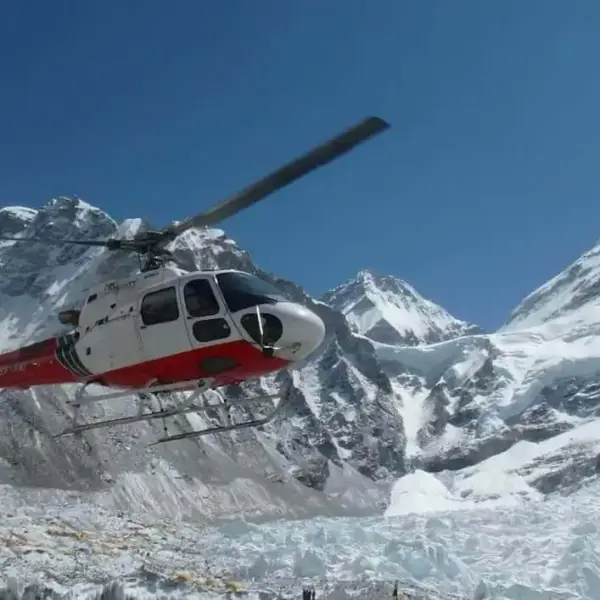
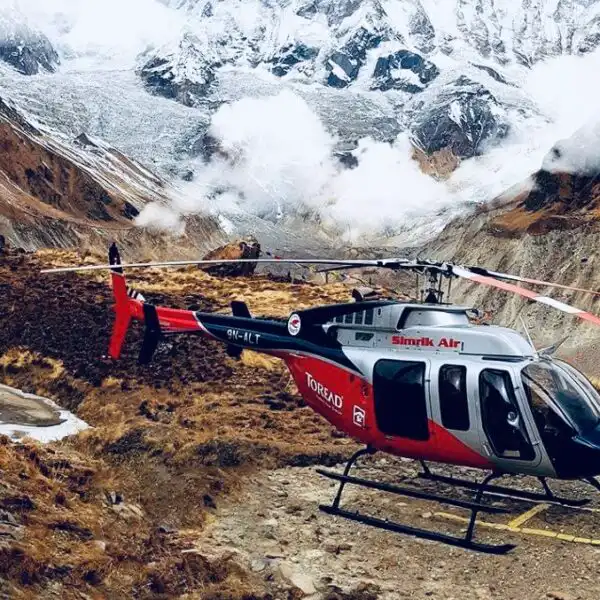
Travel insurance is important on the Everest Base Camp trek and Chitwan Safari. This trip involve remote hiking trails and safaris with wildlife. Mountain trekking up to at least 6000m (19,685 ft), helicopter evacuation and medical care should be covered by your insurance.
Some of the medical centers on the Everest route, like Namche Bazaar and Pheriche have medical facilities. But more advanced treatment could necessitate transfer to a larger medical facility.
Make sure your insurance policy will cover before traveling:
- High altitude trekking
- Helicopter emergency evacuation
- Treatment at a hospital and medical costs
- Trip cancellation and travel delays
- Personal accident coverage
If you are feeling unwell or have an injury, you should notify your guide at once. My Everest Trip will support you in case of emergency, although it is important to have suitable insurance in place before travelling.
Packing List for Everest Trekking and Chitwan Jungle Safari
Preparing for the Everest and Chitwan Adventure means packing for a chilly mountain adventure and a warm jungle visit. Lightweight clothes for Chitwan and thermal garments for high trekking regions.
Essential trekking clothing and equipment
- Stylish waterproof and windproof jacket
- Wearable jackets and thermal layers
- Hiking Pants and T-Shirts
- Gloves, hat and woollen socks
- Waterproof trekking boots
- Camp shoes or sandals that are comfortable to wear
- Sleeping bag suitable for cold temperatures
- Sunglasses, sun cream and lip balm
- Headlamp with spare batteries
- Trekking poles and reusable water bottle
Jungle safari essentials
- Lightweight, breathable clothing
- Comfortable walking shoes
- Binoculars for birdwatching
- Insect repellent
- Sun hat and sunscreen
- Extra batteries and camera batteries
Use a small daypack for day-to-day items and a waterproof bag to store keys and other important items.
Wildlife Encounters, Jungle Safari Activities and Birdwatching
Chitwan section provides a different experience from the Everest Base Camp tour and Chitwan Tour. Once you reach the top of the mountain, you’ll visit the lowland forests, grasslands and river regions of the Chitwan National Park with local, experienced naturalists.
Jungle activities may include jeep safaris, canoe rides, guided nature walks and bird watching, depending on the package arrangements and/or park regulations. One-horned rhinoceroses, Bengal tigers, spotted deer, crocodiles, monkeys and numerous kinds of birds are a part of the park.
Early morning is an ideal time to view birds as many species are active around wetlands and forest edges. Wildlife viewing is subject to the elements and will not occur if conditions are not ideal. Always maintain a safe distance and follow your guide’s instructions.
Wildlife Encounters, Jungle Safari Activities and Birdwatching
Chitwan section is an additional experience to the Everest Base Camp tour and Chitwan tour. Once you have trekked the mountain, you will visit the lowland forests, grassland and river landscape of Chitwan National Park, where you will learn from local naturalists.
Activities in the jungles can be jeep safaris, canoe rides, guided nature walks and bird watching, depending on the package schedules and park rules. One-horned rhino, Bengal Tiger, spotted deer, crocodile, monkey and various birds are found in the park.
Birdwatching in the early morning hours is a good time as it is when many birds are active around wetlands and forest edges. There is no certainty that certain animals will be seen and wildlife depends on the natural environment. Stay at a Distance and follow the directions of your guide.
Mobile Network, Internet and Charging Facilities
The Everest and Chitwan sections are not necessarily connected and do not have internet access at all times. Most hotels in Kathmandu have Wi-Fi and good mobile signal. As you travel up to the higher settlements along the Everest route, network coverage is less reliable.
The most popular SIM cards in the country are Ncell and Nepal Telecom; coverage is dependent on the location and local conditions. The Internet is available at some teahouses for a fee.
In many mountain teahouses, charging facilities are available, but electricity may not be available during peak hours. Additional charges may apply for charging electronic devices.
We strongly advise bringing one fully charged power bank, charging adapters and offline maps. Mobile connectivity and charging points are more widely available in hotels and jungle lodges in Chitwan.
Additional Expenses, Tipping and Personal Budget
While the Everest tour or the Chitwan tour is inclusive of accommodation, meals and arranged activities as per the package, you should have some extra cash for personal expenses. It all depends on your tastes, budget and any last-minute travel plans.
Other potential costs are:
- Lunch and dinner in Kathmandu
- Snacks, chocolates and drinks of your own
- Bottled or additional drinking water
- Mountain teahouses offer hot showers and Wi-Fi
- Electronic device charging
- Personal shopping and mementos
- Additional activities outside of the package
- Tips for guides, porters and local staff
- Cost of incidental travel due to unforeseen delays
Have some cash in Nepalese money as card payments and ATMs might not be available in remote mountain villages. Tipping is not compulsory and is only done when you are pleased with the service.
Responsible Trekking, Cultural Etiquette and Wildlife Conservation
During the entire Everest Base Camp and Chitwan Tour, responsible travel is a key concern as the trip goes through the traditional mountain villages and the protected wildlife areas. It is important to take care of these sites to preserve them for future generations by respecting their traditions and adhering to conservation rules.
In Sherpa villages, treat people with respect and respect their privacy when taking their pictures or pictures of their property. Take off shoes when necessary at religious places; walk clockwise around Buddhist stupas and mani walls.
On the jungle safari, be responsible with these tips:
- Don’t feed or approach wild animals
- Keep at least six feet away from animals
- Don’t make loud noises while on safari
- Never litter in forests, in rivers or on trekking trails
- Avoid using plastic bottles and cut down on the use of plastics
- Obey the guidance of park officials and guides
- Respect the local communities, traditions and wildlife habitats
My Everest Trip asks the travellers to follow responsible practices throughout the trip and support local communities wherever they go.

Tripadvisor Reviews



Google Reviews


Everest Base Camp Trek with Chitwan Tour FAQs
Can I combine the Everest Base Camp trek with a Chitwan jungle safari in 17 days?
Yes, it’s a 17-day trip to Everest Base Camp, Kala Patthar hike and Chitwan wildlife tour.
Do I need previous high-altitude trekking experience for this trip?
Experience is very beneficial but not required. Physical fitness, preparation and walking for a couple of hours every day are vital.
What happens if my Lukla flight is cancelled due to bad weather?
Flights may be delayed or cancelled due to weather. Your guide will make alternative arrangements if available and if there are extra costs.
Is it possible to rent trekking equipment in Kathmandu?
You can hire or buy trekking gear like sleeping bags, down jackets, trekking poles and other necessary gear and equipment in Kathmandu.
Are porters available to carry luggage during the Everest trek?
Yes, porters are able to handle carrying your principal trekking gear as per package arrangement. A small day pack with everyday essentials should be carried.
Will I have access to hot showers during the Everest Base Camp trek?
You can have hot showers in some teahouses for a fee. Availability is reduced in higher settlements, primarily near Gorakshep.
Can I find vegetarian and vegan meals during the mountain trek?
There are lots of vegetarian options in teahouses in the mountains. Vegan food may need to be requested ahead of time and communicated to the rest of the group.
Are jungle safari activities in Chitwan included in the package?
There is a tour plan for jungle activities in Chitwan. Packaged options including jeep safaris, canoeing and nature walks are available, depending on the site’s requirements.
Is wildlife spotting guaranteed during the Chitwan safari?
No, wildlife sightings cannot be guaranteed. Movement of the animals is influenced by weather, habitat conditions and natural behaviour and naturalists with experience can guide you to appropriate viewing areas.
Should I keep extra days after the trip because of possible Lukla flight delays?
One or two extra days should be considered as weather will impact flights to Lukla and connections to international flights.
US$ 0 per person
- 24/7 Customer Support
- Experienced and Professional Team
- Hassle-Free and Easy Booking
- 99% Customer Satisfaction
- Fair Prices, Exceptional Service
- No Hidden Costs and Secure Payments
- Tailored and Personalized Itineraries
24 X 7 Live Support
Puru (+977-9851069558)