

14 Days


Quick Facts

Private Vehicle

Hotel, Teahouse

Breakfast, Lunch and Dinner

Trekking, Sightseeing

Oct-Dec & Mar-May

Moderate

Nepal

4,050 m
US$ 2,000 per person
-
1 -
peopleUS$ 2500
-
2 + people
9999
US$ 2000
- 24/7 Customer Support
- Experienced and Professional Team
- Hassle-Free and Easy Booking
- 99% Customer Satisfaction
- Fair Prices, Exceptional Service
- No Hidden Costs and Secure Payments
- Tailored and Personalized Itineraries

24 X 7 Live Support

Puru (+977-9851069558)

Why Ganesh Himal Trek – 14 Days?
- Cross Sing La Pass at (4,050 m / 13,287 ft), the highest point of the trek
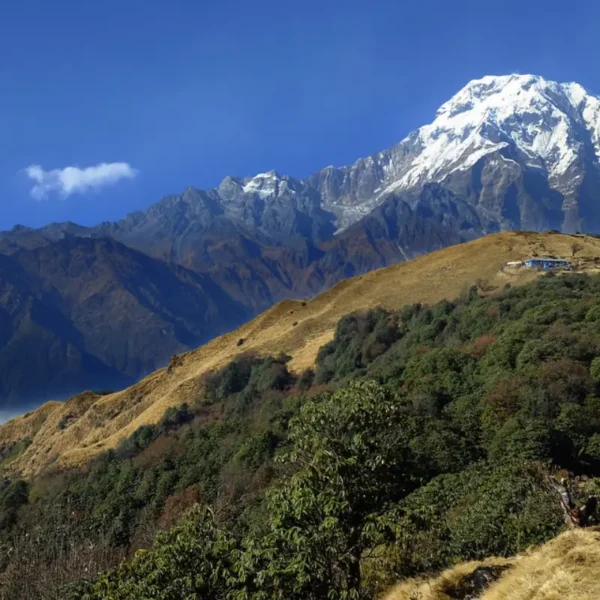
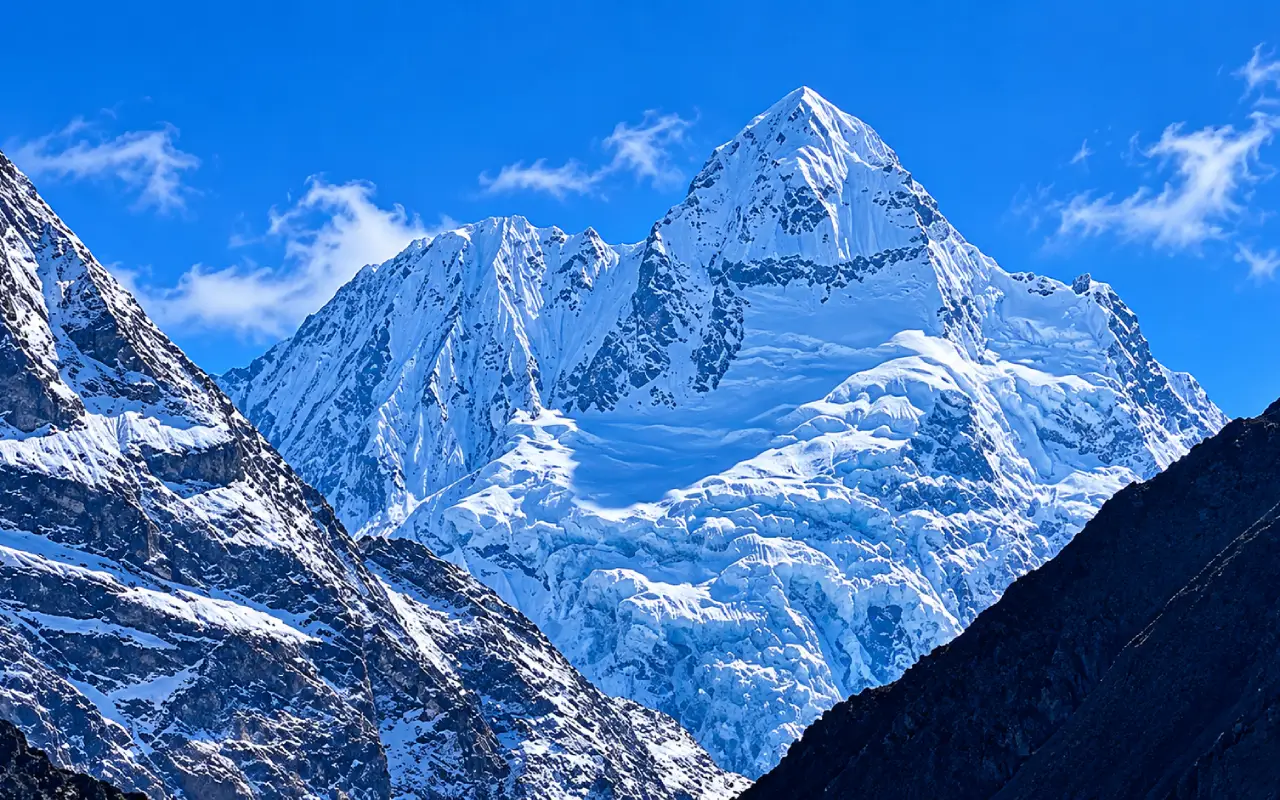
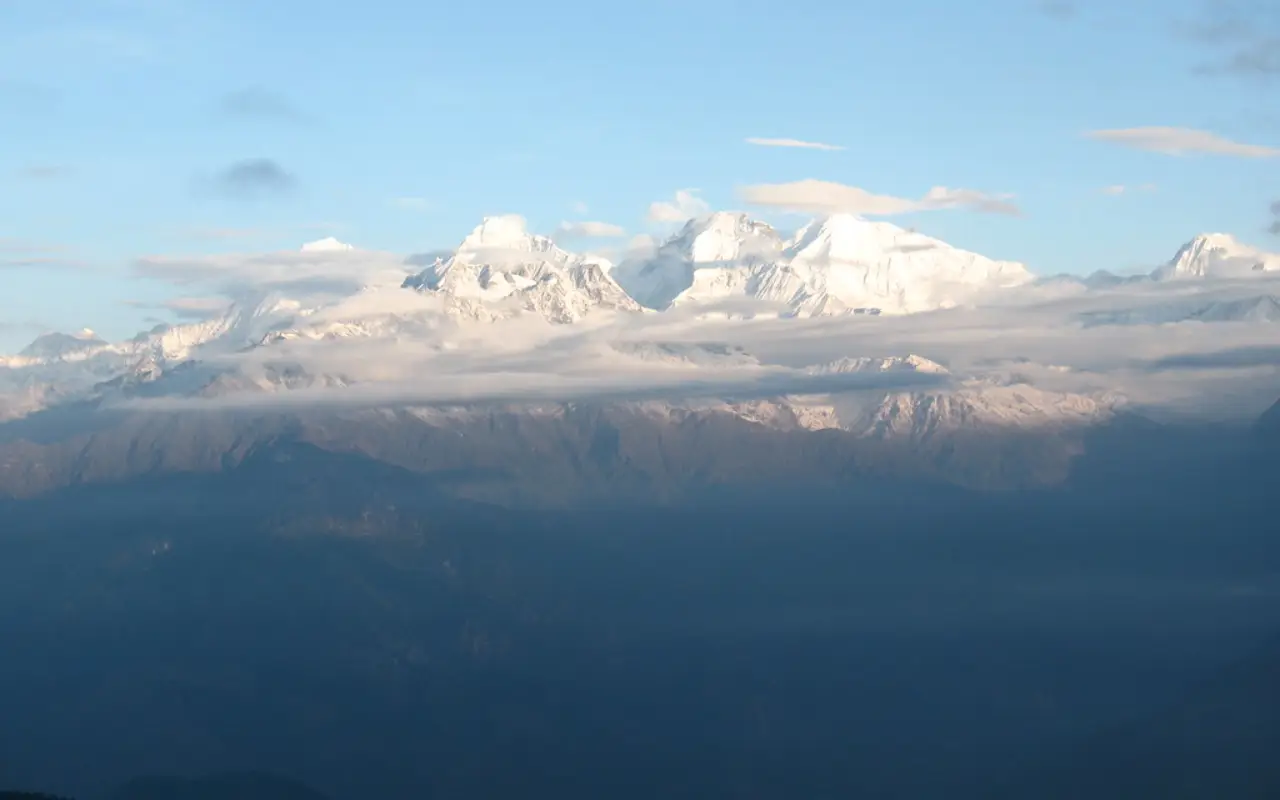
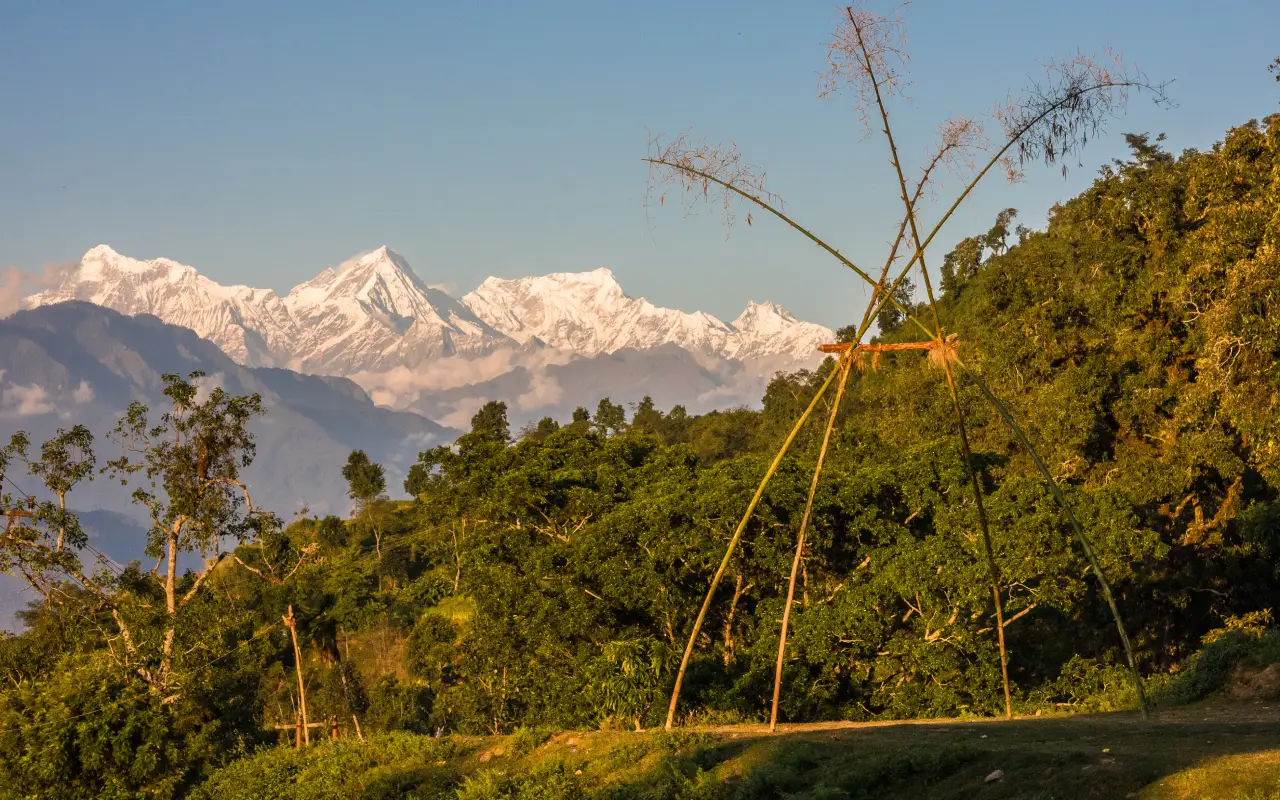
- Enjoy the views of Ganesh Himal, Manaslu, Langtang, and surrounding peaks of the Himalayas
- Visit the traditional villages of Tamang and Gurung along the trekking route
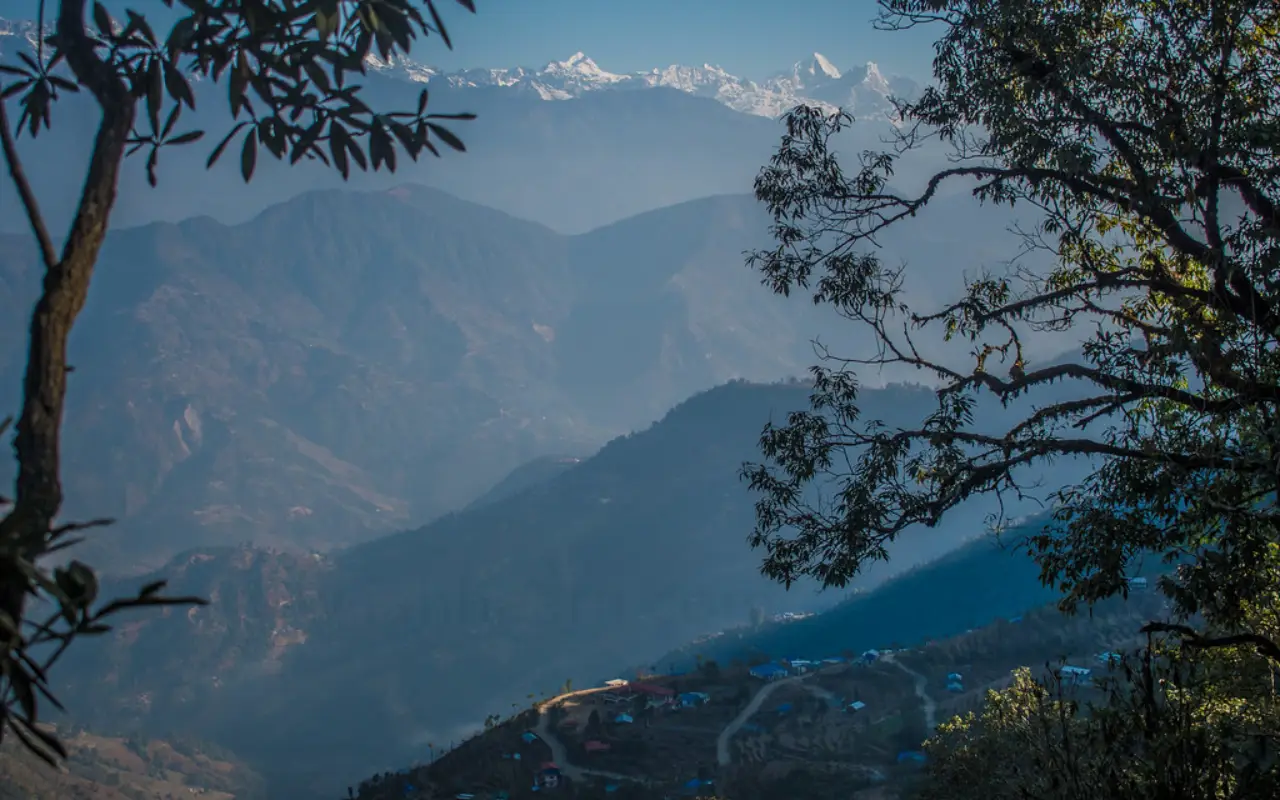
- Walk through remote settlements, terraced farmland and forested hillsides
- Experience local culture, Buddhist monasteries, chortens and prayer flags
- Discover Rupchet, a high mountain pasture in natural surroundings
- Enjoy the heritage of the village of Tipling and its local way of life
- Pass through the tranquil villages of Sertung, Chalise Gaon and Khading Gaon
- Enjoy changing landscapes from green hills and river valleys to high mountain terrain
- With less crowded and less-hiked trekking locations away from Nepal’s busier mountain trails
Ganesh Himal Trek – 14 Days Overview
The Ganesh Himal Trek is a 14-day trek in north-central Nepal that takes you through pre-modern mountain villages, forested mountain ranges, terraced agricultural areas, and high-altitude terrain. Between Manaslu and Langtang lies the Ganesh Himal region, a less busy trekking destination where you can experience rural Nepal while also appreciating the beauty of the Himalayas. This trek is also a good choice if you prefer less-traveled routes and want to explore areas that aren’t as congested with trekkers.
The adventure starts with a drive from Kathmandu to Kispang, from where the walking section begins. The path then passes through the villages of Rupchet, Tipling, S. Servleton, Chalise Gaon, Rachyet Gaon, and Khading Gaon. Each settlement is unique and features traditional homes, farms, Buddhist monasteries, and friendly communities. You will also see the daily activities of Tamang, Gurung, and other local community groups.
Sing La Pass (approx. 4,050 m / 13,287 ft) is one of the trip’s key highlights. The journey to the pass takes you through mountain pastures and rough terrain, culminating at the pass with views of Ganesh Himal and other peaks. The path to Tipling then passes through the woods and isolated hamlets. The remaining days are spent on village trails, enjoying the area’s scenic landscape, on the way to Dhading.
The Ganesh Himal Trekking Route demands a reasonable level of fitness, with a number of ups and downs, many walking days, and a high mountain pass. Basic village teahouses are the main accommodation, and there are few accommodations in remote areas. The best time to make this journey is spring or autumn, when the weather is better, and the mountain is more visible. The experience will be more comfortable if you are prepared, have appropriate equipment, and walk at a steady pace.
This trek may be a good fit if you’re looking for a mountain hike, rural scenery, and a less crowded trail. The Ganesh Himal Trek Package covers all the essential arrangements, supported by a qualified tour guide and organized transport and lodging. Contact My Everest Trip to discuss your travel dates, preparation needs, and available arrangements. Our staff will help you plan the trip based on your interests and trekking experience.
Why This Trip Is Special?
The Ganesh Himal Trek offers a more serene experience, showcasing traditional villages, forest trails, and mountain vistas that remain part of daily life for local communities. Compared to more popular trekking destinations, this trek offers more opportunities to explore rural settlements and engage with local communities.
One of the trek’s highlights is crossing Sing La Pass (4,050 m / 13,287 ft), where you can enjoy great views of Ganesh Himal and neighboring mountain ranges in favorable weather. The Ganesh Himal Trekking Route also winds through the Tamang and Gurung villages, where you can see traditional houses, Buddhist monasteries, terraced farms, and local traditions.
The journey also features diverse landscapes: green hillsides, forests, and high mountain pastures. The Ganesh Himal trek package combines all of these into a 14-day trek, ideal for those who prefer a less crowded path and more interaction with rural life in Nepal.
Ganesh Himal Trek – 14 Days Itinerary
Day 01: Arrival in Kathmandu (1,324 m / 4,344 ft)
Welcome to Nepal! You will arrive at Tribhuvan International Airport in Kathmandu, where a representative will pick you up outside the arrivals terminal. We will have a company sign to help identify our company. They will greet you, help you with your luggage, and book your hotel transfer in our private car.
By car, it takes about half an hour to reach Thamel, where your three-star hotel is located, depending on traffic. Upon arrival, you can contact the hotel and rest after your international flight.
Later, our team will give you a briefing on the Ganesh Himal Trek. We will describe the trek route, how we will walk each day, and what’s important to prepare for the trek. We will also hold a welcome dinner in the evening; you can meet the team, chat, and enjoy some Nepali food before your adventure.

Dinner

Hotel

6 km

1,324 m / 4,344 ft

Airport pickup and hotel transfer, 30 minutes driving
Day 02: Kathmandu City Tour and Trek Preparation (1,324 m / 4,344 ft)
After breakfast at the hotel, we will depart for the Kathmandu Valley on a guided tour. Our vehicle and local guide will take us to key religious and historical sites. This day gives you a chance to get to know Nepalese culture before heading to the mountains.
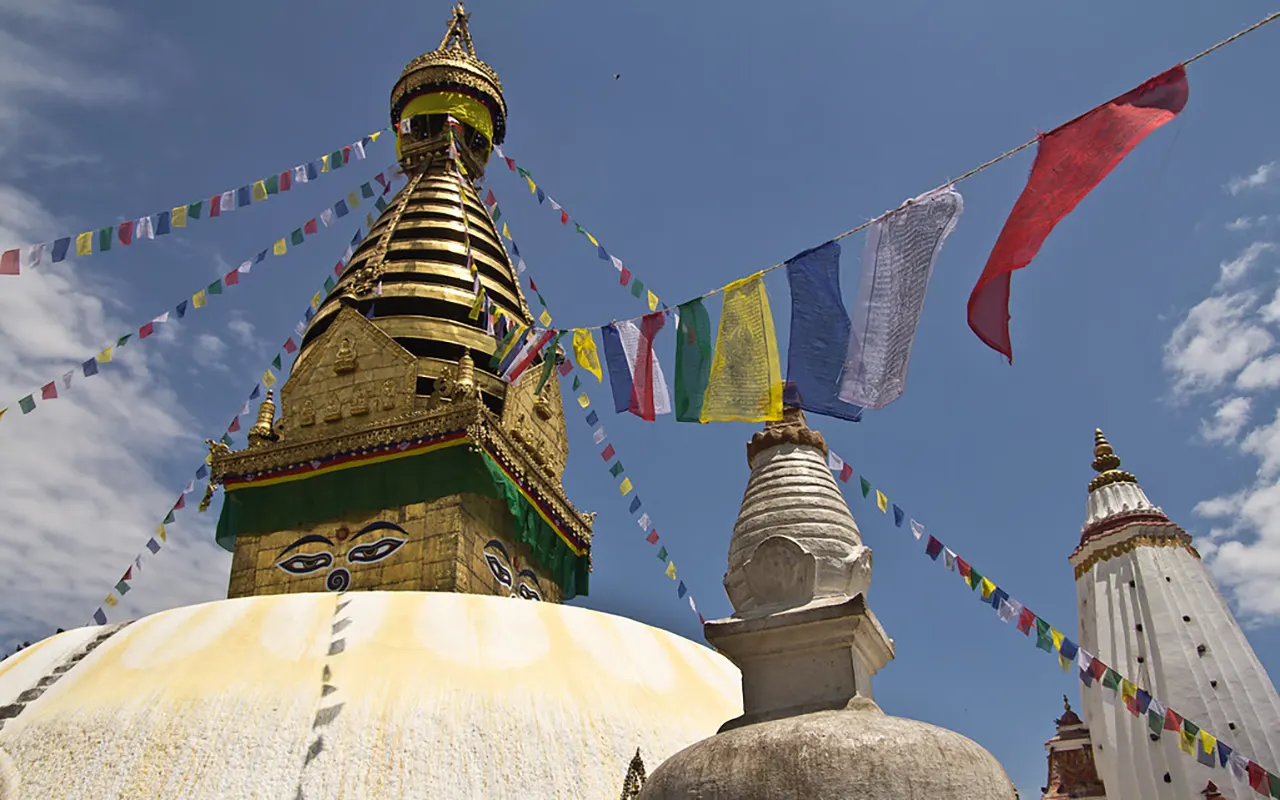
We will head to the first stop, Swayambhunath Stupa (Monkey Temple). You’ll see Buddhist prayer flags, prayer wheels, and views across the Kathmandu Valley. Then, we will visit Boudhanath Stupa, an important pilgrimage site for locals and visitors, and offer prayers and circumambulate there as well.
We will then head to the Pashupatinath Temple, one of the most important Hindu temples in Nepal. Next, we will head to Basantapur Durbar Square, where you can admire the traditional Newari architecture, historic structures, and intricate wood carvings.
Later in the afternoon, we will return to the hotel. The rest of the time will be spent inspecting trekking gear and buying necessary materials in Thamel. Any last questions about the trek will also be answered by our team.
Breakfast, Lunch and Dinner
Hotel
15 to 20 km
1,324 m / 4,344 ft
Cultural sightseeing and trek preparation, Full day sightseeing
Day 03: Drive from Kathmandu to Kispang (1,940 m / 6,365 ft)
After breakfast, we will depart Kathmandu and head to Kispang by local bus. The distance from one end of the road to the other is about 83 km, and the journey takes about 5-6 hours, depending on traffic and road conditions.
The drive follows the route to Trishuli Bazaar, where you pass rivers, terraced fields, small settlements, and green hills. As we slowly move away from the hustle and bustle of Kathmandu on the bus, you can catch a glimpse of everyday village life. After passing Trishuli Bazaar, the road narrows and gets rough, with a few uneven, dusty stretches as it leads toward Kispang.
We will pass through villages and take in the hilly landscape until we arrive at Kispang Village (1,940 m / 6,365 ft). The village is inhabited by the Tamang and other local communities and is characterized by traditional dwellings and rural living.
Once we have arrived, we will check in at a local teahouse and rest. The next day, we will walk the route our guide will explain to us.
Breakfast, Lunch and Dinner
Teahouse
83 km
1,940 m / 6,365 ft
Drive from Kathmandu to Kispang, 5 to 6 hours driving
Day 04: Trek from Kispang to Rupchet (3,635 m / 11,926 ft)
Over breakfast at Kispang, we start our first day of trekking to Rupchet. From the village, the trail gradually rises into higher mountain areas. We will follow forest paths and open hillside, gradually moving away from the lower settlements.
The trail travels through the grazing grounds of Thulo Kharka, where the local herders come in the summer. Here, we will take a break and have lunch before resuming the walk up the hill. Looking at the map, as altitude increases, the countryside becomes more open with pasture.
The village of Rupchet is at 3356m/11926ft and is a vital stopover en route to Sing La Pass. The walk takes about 6-7 hours, and the distance is around 16 km.
It is a difficult day because it entails a serious climb out of Kispang. We will move at a steady pace, take frequent pauses, and drink enough water. On reaching Rupchet, we will be accommodated and sleep for the night.
Breakfast, Lunch and Dinner
Teahouse
16 km
3,635 m / 11,926 ft
Uphill trekking through Thulo Kharka to Rupchet, 6 to 7 hours trekking
Day 05: Trek from Rupchet to Tipling via Sing La Pass (4,050 m / 13,287 ft)
Today is one of the toughest days of the Ganesh Himal trek, as we’ll cross the trek’s highest point, Sing La Pass. After breakfast at the teahouse, we’ll leave Rupchet and head up open mountain pastures and rugged trails. Grazing animals can be seen, such as sheep, yaks, and cows, including animals carried up here by local herders.
As we near Sing La Pass (4,050 m / 13,287 ft), the trail starts to turn steeper. From the pass, you can enjoy views of the Ganesh Himal range, Manaslu, Langtang Lirung, Annapurna II and Lamjung Himal, weather permitting. We will rest for a while and take in the mountain views before we start down.
The trail then passes through forests of pine, oak and rhododendron. Following a long downhill stroll, we will arrive in Tipling Village (2,078 m / 6,818 ft). This traditional settlement is inhabited by the Tamang community and features local houses, Buddhist monasteries, and waterfalls. We will stay overnight in a local teahouse.
Breakfast, Lunch and Dinner
Teahouse
14 km
4,050 m / 13,287 ft
Cross Sing La Pass and descend to Tipling, 6 hours trekking
Day 06: Trek from Tipling to Chalise Gaon via Sertung (1,800 m / 5,906 ft)
We head towards Chalise Gaon after breakfast. This walk takes us through the traditional villages of the Ruby Valley, with a mix of downhill and up/up sections. We’ll walk along village paths, through cultivated fields, and through forests.
Our walk is towards Sertung Village (1,933 m / 6,342 ft). The Tamang and Gurung communities reside in the settlement. Traditional houses, Buddhist monasteries, chortens, and prayer flags reflect local customs and religious practices.
From Sertung, we will continue towards Chalise Gaon, crossing a river along the route. The villages are close together, offering a great chance to see the area’s life and scenery.
Chalis Gaon lies at (1,800 m / 5,906 ft). We will walk for about 13 km and arrive in the village where we will check in to our local accommodation. This trip normally takes 4 to 5 hours, though it may vary with trail conditions and walking speed.
Breakfast, Lunch and Dinner
Teahouse
13 km
1,933 m / 6,342 ft
Trekking through Sertung to Chalise Gaon, 4 to 5 hours trekking
Day 07: Trek from Chalise Gaon to Rachyet Gaon (1,775 m / 5,823 ft)
We will leave Chalise Gaon after breakfast and continue towards Rachyet Gaon. The path winds through the surrounding hills, with ups and downs. We’ll trek around Neber Village and take rural trails to the various small communities of the Ganesh Himal region.
On the way, we’ll pass through forested areas, terraced farmland, and traditional houses. In clear weather, you can also get side views of the neighboring hills and the Ganesh Himal range. There will be moments to stop for photos and see locals’ daily life.
The trail then moves towards Tir Village and then heads to Rachyet Gaon. In this settlement, you can glimpse the traditional way of life, where agriculture and animal husbandry play a vital role.
We will reach Rachyet Gaon (1,775 m / 5,823 ft) after walking about 10-12 km. The trip takes approximately 4-5 hours. We will stay at our local hotel and sleep there.
Breakfast, Lunch and Dinner
Teahouse
10 to 12 km
1,775 m / 5,823 ft
Trekking through Neber and Tir villages to Rachyet Gaon, 4 to 5 hours trekking
Day 08: Trek from Rachyet Gaon to Khading Gaon via Lapa Gaon (2,025 m / 6,644 ft)
After breakfast, we leave Rachyet Gaon and head to Khading Gaon. The path passes through the village of Laphchyat, a mix of hillside trails, terraced agricultural land, and country trails. During the walk, we will have the opportunity to observe villagers tending their farms and toiling in the fields.
We will continue towards Lapa Gaon, an important settlement along today’s route. Here, you can see traditional houses and learn more about Gurung life. The village also offers views of the surrounding hills, river valleys, and cultivated terraces.
After passing Lapa Gaon, we will follow the trail towards Khading Gaon. This traditional settlement (2,025 m / 6,644 ft) marks the end of the rural view leading up to it.
The trek covers about 12km and takes roughly 5-6 hours. We will arrive in Khading Gaon and stay at a teahouse to rest and relax in the tranquil village environs.
Breakfast, Lunch and Dinner
Teahouse
12 km
2,025 m / 6,644 ft
Trekking through Laphchyat and Lapa Gaon to Khading Gaon, 5 to 6 hours trekking
Day 09: Trek from Khading Gaon to Ri Gaon (1,450 m / 4,757 ft)
We will continue our journey towards Ri Gaon. Today’s path is mostly downhill, taking us through small villages, wooded areas, and farmland. The path offers a closer look at rural life, with terraced fields and traditional houses along the way.
After that, we will pass through Chyamchat Village before reaching Kutawal Village, where lunch will be served. This will give us a chance to rest so we can finish the walk.
After lunch, we will follow the village tracks to Ri Gaon, stopping at Tawal en route. The trail gradually descends as we continue into the lower valley. Ri Gaon is an important settlement in the region and a place for trekkers to stop before reaching Ganesh Himal Base Camp and Ruby Valley.
We will arrive at Ri Gaon in about 5 hours after walking about 14 km (5 hours 20 minutes). We will check in at a local teahouse and spend the night there.
Breakfast, Lunch and Dinner
Teahouse
14 km
2,025 m / 6,644 ft
Descending through Chyamchat, Kutawal and Tawal to Ri Gaon, 5 hours trekking
Day 10: Trek from Ri Gaon to Phulkharka (1,400 m / 4,593 ft)
From Ri Gaon, we will head towards Phulkharka after breakfast. The hike is not as strenuous as the mountain hike; it has a few level sections and gradual changes in elevation. We will pass through villages, fields, and open land, and watch people go about their lives in rural Dhading.
The walk passes through areas where various local communities live, including Dalit and Brahmin families. Along the way, we can admire traditional houses, cultivated fields, and small religious structures. This is a nice stretch of the hike, set in the surrounding hills and farmland.
We will reach Phulkharka (1400 m / 4593 ft) after walking about 12 km. This village is also closely associated with traditional Hindu practices; you can find local temples and shrines inside and around the village.
The average hike is about 5-6 hours. Stay overnight at a local teahouse and prepare for the last day of the trek to Jyamrung Danda.
Breakfast, Lunch and Dinner
Teahouse
12 km
1,450 m / 4,757 ft
Trekking through rural settlements and farmland to Phulkharka, 5 to 6 hours trekking
Day 11: Trek from Phulkharka to Jyamrung Danda (1,550 m / 5,085 ft)
After breakfast in Phulkharka, we’ll begin our last day of trekking. We head towards Jyamrung Danda through a succession of terraced fields, small settlements, and rural scenery. We will follow the route for parts of the trail near the Ankhu Khola River, with opportunities to see the surrounding hills and agricultural land.
We will pass through Rine Village and stop for lunch along the way. Once we rest, we will proceed to Jyamrung Danda/Jyamrung Durbar. Along the way, the trail has a few easy ups and downs before we reach our final destination.
Jyamrung Danda is at about 1550m / 5085 ft. The region is connected to the remains of an ancient royal palace, which you can visit upon arrival. It is also a great spot to watch the surrounding Himalayan ranges, like Ganesh Himal, Langtang, and Manaslu, on a sunny day.
We will trek about 14 km in about 5-6 hours, and after getting in touch with our local accommodation, we will spend our last night on the trail.
Breakfast, Lunch and Dinner
Teahouse
14 km
1,550 m / 5,085 ft
Final day of trekking to Jyamrung Danda and exploring the historical remains, 5 to 6 hours trekking
Day 12: Trek from Jyamrung Danda to Dhading Besi and Drive to Kathmandu (1,324 m / 4,344 ft)
The morning begins early at Jyamrung Danda to watch the sunrise over the hills and Himalayan peaks, if the weather is clear. After a few moments at the viewpoint, we will return for breakfast and then prepare to leave the trekking area.
From there, we will descend towards Dhading Besi, through rural settlements and hillside paths. This is the last downhill section of your hike, which may take 2-3 hours depending on the route and pace. After arriving in Dhading Besi, we will have lunch, then take a local bus back to Kathmandu.
The drive follows the Prithvi Highway and crosses rivers, green hills, and small settlements. The road trip typically takes about 3 to 4 hours and may vary based on traffic and road conditions.
Once you are in Kathmandu, our team will transfer you to your hotel. The Ganesh Himal Trek is a full-day hike, and you can spend the rest of the day showering, relaxing, and recovering.
Breakfast, Lunch and Dinner
Hotel
8 km walking plus approximately 80 km by road
1,550 m / 5,085 ft
Descend to Dhading Besi and drive to Kathmandu, 2 to 3 hours trekking and 3 to 4 hours driving
Day 13: Leisure Day and Sightseeing in Kathmandu (1,324 m / 4,344 ft)
Today is a day to rest after trekking and enjoy optional sightseeing in Kathmandu. Enjoy a lazy morning at the hotel, breakfast, and time to recuperate from days of mountain hiking.
For those who want to venture further into the city, there are several places to visit around Kathmandu Valley. You can also explore local markets, visit local temples, or take time to shop in the area known as Thamel. The region also boasts spas and massage centers, so you can indulge in a soothing massage after the hike.
You can also buy souvenirs, try local cuisine, or relax at the hotel on this free day. If you need help organizing any other activities, please feel free to ask our staff.
We will have dinner at a local restaurant in the evening. You can savor traditional Nepali dishes while enjoying cultural presentations of music and dance. It will be a wonderful way to end your journey in Nepal.
Breakfast and Dinner
Hotel
1,324 m / 4,344 ft
Rest, optional sightseeing and farewell dinner, Full day at leisure
Day 14: Departure from Kathmandu (1,324 m / 4,344 ft)
Today is the final day of your 14-day Ganesh Himal Trek. After breakfast at the hotel, pack up and make sure you have everything you need, including personal items, travel documents, and any other requirements.
Our staff will pick you up and drop you off at the airport, as per your flight schedule. We will help with your luggage and ensure you arrive at the airport on time for your flight abroad. Typically, the transfer takes about 20-30 minutes, but this can vary depending on the time of day, traffic along the route, and your hotel’s location.
If you have any time left before you leave, you can unwind in the hotel or have your last breakfast in the city. We will help you until you are at the airport and are ready to go through the departure procedures.
We hope you’ve enjoyed exploring the villages, mountain landscapes, and local communities of the Ganesh Himal region. Thank you for joining us on this journey; we hope to see you back in Nepal for another trek in the future.
Breakfast
6 km
1,324 m / 4,344 ft
Hotel checkout and airport transfer, 20 to 30 minutes driving
What To Expect?
What's Included
- 3-star hotel accommodation in Kathmandu for 4 nights with breakfast
- Accommodation in a teahouse or lodge along the trek
- Three daily meals during the trek (breakfast, lunch and dinner)
- Welcome and farewell dinners in Kathmandu
- Purified drinking water during the trek
- Private vehicle pick-up and drop-off at the airport
- Local bus service from Kathmandu to Kispang
- Local bus service from Dhading Besi to Kathmandu
- Experienced, licensed and English-speaking trekking guide
- Porters (one for every two trekkers)
- Staff wages, meals, accommodation, insurance and equipment
- Private Kathmandu sightseeing tour
- Required trekking permits and TIMS card
- First aid box and oximeter
- Support with emergency rescue plans
- Sleeping bag and down jacket if required
- Company duffel bag (one for every two trekkers)
- Trek completion certificate
- All applicable administrative expenses and government taxes
What's Excluded
- International airfare and airport departure taxes
- Visas to enter Nepal
- Lunch and dinner in Kathmandu, except welcome and farewell dinners
- Entry fees for monuments in Kathmandu
- Travel and emergency helicopter evacuation insurance
- Individual health care costs, vaccinations and medications
- Clothing and equipment suitable for personal trekking use
- Other beverages and bottled water
- Snacks & alcoholic drinks, tea & coffee
- Hot showers, Wi Fi fee, telephone call fee and battery charging fee
- Additional hotel nights due to early arrival, late departure or itinerary changes
- Tips for guides, porters and drivers
- Additional porter services
- All other costs which are not covered in inclusions
Ganesh Himal Trek – 14 Days Additional Information
Trek Difficulty and Daily Walking Challenges
The Ganesh Himal Trek is a moderate to tough trek, and hikers should be in good shape and have some prior hiking experience. The challenge comes from long walking days, the high mountain crossing of Sing La Pass, steep uphill and downhill stretches, and village trails that are not always even. Most walking days are around 3-7 hours on the trail, depending on trail conditions, weather, and walking speed.
The route from Kispang to Rupchet is steepest in this section, especially due to the ascent. You also need stamina and to take care when crossing Sing La Pass. The trail is less developed than other popular trails in the Everest and Annapurna regions, so you need to be comfortable with basic facilities.
- Plan on a few hours of walking each day
- Be ready for the steep inclines and prolonged declines
- Carry suitable trekking shoes and walking poles
- Follow your guide’s pace, especially on difficult sections
- Take time for breaks, meals, and water
Altitude Profile, Acclimatization and Altitude Sickness
One key factor to consider for every trek in the Himalayas is altitude. The journey starts at the bottom in the lower settlements of the hills and continues up to the mountains. Rupchet sits at (3,635 m / 11,926 ft), while Sing La Pass reaches approximately (4,050 m / 13,287 ft). Staying at higher altitudes can be a risk if altitude sickness occurs, especially when altitude is gained rapidly.
Our guide will keep an eye on your pace and overall health throughout the ride. Drink plenty of water, eat regularly, and avoid running uphill. Early symptoms of altitude sickness may include headache, nausea, dizziness, unusual fatigue, and loss of appetite.
- Slowly ascend when going uphill
- Consume water throughout the day
- Don’t drink alcohol at high altitudes
- Please notify your guide if you feel unwell
- Avoid pushing on when signs and symptoms of altitude sickness occur
- Descend if symptoms become worse, following medical advice
This requires proper acclimatization and symptom awareness. Good fitness does not guarantee protection from altitude sickness.
Best Time to Do the Ganesh Himal Trek
The Ganesh Himal trek is typically done in spring or fall, when the weather is nicer and mountain visibility is better. Spring, from March to May, brings warmer daytime temperatures, blooming rhododendrons, and green landscapes. Forests are in full color, and the weather is generally ideal for walking in villages and exploring the mountains.
Autumn (September to November) is another great time to visit. Rain slowly subsides, and you get a clearer view of the surrounding mountains. October and November suit trekkers who want clearer skies and relatively stable conditions.
It is trekking season in the winter for experienced hikers, as it may be challenging due to cold temperatures and snowfall over the high pass. The monsoon months from June to August bring heavy rainfall, muddy paths, leeches, and possible road disruptions. Please read the latest trail information and weather forecast before making a booking.
Weather Conditions Across Different Elevations
Weather conditions vary on the Ganesh Himal Trek as it passes through villages in the lower regions, forest-covered hills, and exposed mountainous areas. Generally, higher elevations are cooler and lower elevations are warmer, with more sudden weather changes and stronger winds at higher elevations. In the upper part of the way, it may be cold in the morning and evening even in spring and autumn.
During the monsoon, it is more likely to rain, which can make village trails slippery and may affect road access due to landslides. Winter nights are colder, and high-altitude areas may see snow. The weather can change rapidly near the Sing La Pass, so the seasonal forecast is not enough to rely on.
Bring clothing appropriate for warm walking conditions and cold nights. A waterproof jacket, insulating layers, warm gloves, and a hat are helpful along the way. We will also assess local conditions before the crossing and adjust the walking plan accordingly.
Sing La Pass Crossing and High Altitude Preparation
Crossing Sing La Pass is a significant part of this trekking course and requires careful preparation. The pass sits at around 4,050 m / 13,287 ft, the highest point in the itinerary. The trail is quite rocky in areas, steep and rough. Be ready for cold temperatures, wind, and snow or ice as appropriate for the season.
On the day of the crossing, we will organize an early start to ensure enough time for ascent and descent. Your guide will ensure you don’t run too fast and will point out places to stop for short rests. Wear proper shoes and walking poles, especially on rough terrain.
- Begin early, following directions from the guide
- Take sufficient water and snack supplies
- Clothing should be warm, windproof, and waterproof
- Hold on to trekking poles when you need them on steep terrain
- Have gloves, sunglasses, and sun protection available
- Follow the guide’s decision if weather conditions become unsafe
People should never make their own way across the pass or go when it is not appropriate.
Trekking Permits, Entry Requirements and Local Regulations
Trekking in the Ganesh Himal region requires registration and permits. Foreign trekkers in the Ganesh Himal and Ruby Valley trekking area must follow Nepal Tourism Board regulations, according to the board’s current rules.
This route falls into the category of treks that require a trekking guide and a TIMS card, issued by the trekking agency. Depending on the exact route and administrative checkpoints, we will also check local entry requirements.
No need to book the paperwork yourself when you book the Ganesh Himal Trek Package with My Everest Trip. As part of the package, our team will review the requirements, prepare the documents, and arrange the permits. We will also outline what personal paperwork you need to submit before departure.
- Take a valid passport on the journey
- Give the relevant passport information before the journey
- Proceed to the local Check Point and register
- Do not leave your authorized trekking guide
- Observe local guidelines and protected areas
- Have all your permit papers on hand while traveling
Some permits are subject to change; we will check for the most up-to-date regulations before leaving.
Transportation, Road Conditions and Trailhead Access
It begins by road from Kathmandu to Kispang, then continues on foot. We organize transportation locally based on group size and road conditions. The drive passes through Trishuli Bazaar, then continues on rural mountain roads until it reaches the starting village. As the road gets narrower and rougher, travel times vary as you approach the trekking area.
At the end of the trek, you descend to Dhading Besi and then take a jeep ride to Kathmandu. Part of the road is rough, especially in the monsoon season, when landslides can occur and cause delays.
As part of our team at My Everest Trip, we will arrange transportation and provide the departure time before the trip. We suggest you pack essentials such as your medicines, drinking water, and personal items in a small day bag, not the main bag.
Accommodation in Remote Villages and Rupchet
Homes along the Ganesh Himal trek are mostly basic and run by local families. Accommodation is in teahouses and simple lodgings in the village area along the route. While these places offer the necessary facilities for trekkers, they should not be compared to a hotel in Kathmandu. Rooms typically include basic mattresses, pillows, and blankets. Bathrooms are often shared, and hot water may not be available in all settlements.
Rupchet is a very isolated location, and facilities may be less extensive than in the lower villages. Expect basic sleeping facilities and colder nights in higher areas.
Before the trek, we will make the necessary arrangements for accommodations and work with local hosts where possible. We recommend bringing a sleeping bag in colder seasons. Use a headlamp, personal toiletries, and a quick-dry towel to make your stay more comfortable.
Food, Drinking Water and Dietary Arrangements
Local teahouses and village hosts primarily cook the food during the Ganesh Himal Trek. Dal bhat is a common dish made with maize rice, lentil soup, and vegetables, providing energy for long walking days. Other choices include noodles, fried rice, potatoes, egg soups, and simple breakfast dishes. In more remote communities, food choices are more limited, and you will not find the same variety as in Kathmandu.
Safe drinking water is paramount throughout your trip! Unprotected water sources are available for refilling bottles; however, do not drink untreated water directly. Use purification tablets, a good water filter, or boil water and let it cool before use.
Let My Everest Trip know of any special dietary requirements or allergies before you leave. We will share your requests with the local accommodation provider; however, special meals may not be available in remote villages. Bring your own snacks for extended walking periods.
Fitness Preparation, Training and Essential Skills
Proper physical preparation will make the Ganesh Himal trek easier. Technical mountaineering skills aren’t necessary, but being able to walk for a few hours on rocky ground helps. It has challenging passes that go up and down, steep rises and challenging crossovers that require leg strength, cardiovascular fitness and balance.
Begin preparations 6 – 8 weeks before leaving. Walking, stair climbing, and moderate hiking are regular activities that will help your body adapt to consecutive days of exercise. If possible, walk with the backpack you plan to take on the trek!
- Wander up and down hills regularly
- Add in stairs to your workout
- Strengthen the legs with squats and step-ups
- Do some walking for a few days in a row
- Use basic stability training to enhance balance
- Put on your trekking boots before departure
- Know how to properly use a trekking pole
The My Everest Trip team will give you the information you need to prepare for the demands of a daily walk and the equipment you will need.
Packing List, Layering System and Trekking Equipment
Proper packing is essential, as the Ganesh Himal Trek takes you through varied weather and remote conditions. You’ll need a variety of clothing for warm day walks, cold mornings and evenings, and rain/snow at higher elevations. Layering is a great way to dress for the temperature changes that happen throughout the day.
Avoid carrying unnecessary items; choose lightweight, comfortable gear. A well-fitting trekking backpack, broken-in hiking boots, and a warm sleeping bag will make the trek more comfortable. Also bring personal medications and basic first aid equipment.
- Waterproof and windproof jacket
- Wear a warm fleece and insulated down jacket
- Warm, comfortable trekking trousers and thermal garments
- Extra moisture-absorbing shirts and socks
- The ideal boots for trekking and camp shoes should be waterproof
- Warm gloves, hat and sun hat
- Sunglasses, sun cream and lip balm
- The sleeping bag should be appropriate for the cold nights on the mountain
- Trekking poles and headlamp
- Reusable water bottle with water purification tablets
- Personal hygiene and first aid kit
- Power bank and charging cables
My Everest Trip will give you a packing list before departure so that you can pack light.
Mobile Network, Internet and Charging Facilities
The trail traverses remote valleys, forests, and mountain settlements, which restrict mobile network coverage in parts of the Ganesh Himal region. Nepal Telecom (NTC) and Ncell are the main mobile service providers in Nepal, but their signals are not equally reliable throughout the trekking area. Signal may be available in some larger villages, while other areas may have partial or no signal.
There is also restricted Internet connection. Free Wi-Fi is available in some local hotel/hostel accommodations but may not be available at all and may not be fast. While on the trek, do not rely solely on the Internet for communication.
Some teahouses will have charging facilities; however, electricity service in remote settlements may be sporadic. Bring a fully charged power bank, and pre-download maps and travel information before leaving Kathmandu. Limit exposure to cold temperatures and conserve battery life as much as possible.
Local Communities, Culture and Village Etiquette
In the Ganesh Himal region, several ethnic groups live, including Tamang and Gurung. Traditional villages along the way will let you glimpse the farming and livestock raising there, as well as their heritage of religious life. You can see the region’s cultural life in Buddhist monasteries, prayer flags, chortens, and traditional houses.
You can also meet local families and learn local customs on the Ganesh Himal Trekking Route. These interactions are more meaningful when you show respect. A simple greeting like Namaste is appreciated, and you must also ask permission before taking photographs of people or entering private land.
- Wear an appropriate outfit when attending religious events
- Take off your shoes to enter special sacred spaces
- Go around the Buddhist stupas and prayer buildings clockwise
- Don’t take pictures of local people without permission
- Don’t touch religious things without permission
- Observe local customs and privacy in the home
- Avoid littering and take your waste with you
By being sensitive to local customs and traditions, you can maintain good relations with local communities that accept trekkers in their villages.
Health, Safety, Emergency Evacuation and Travel Insurance
Pay close attention to health and safety during the Ganesh Himal Trek, as medical facilities and roads are limited in remote areas. The rugged landscape, variable weather, and uneven paths may make for a dangerous experience and lead to injuries, dehydration, and altitude-related illnesses. Bring personal medications and tell your guide of any medical needs.
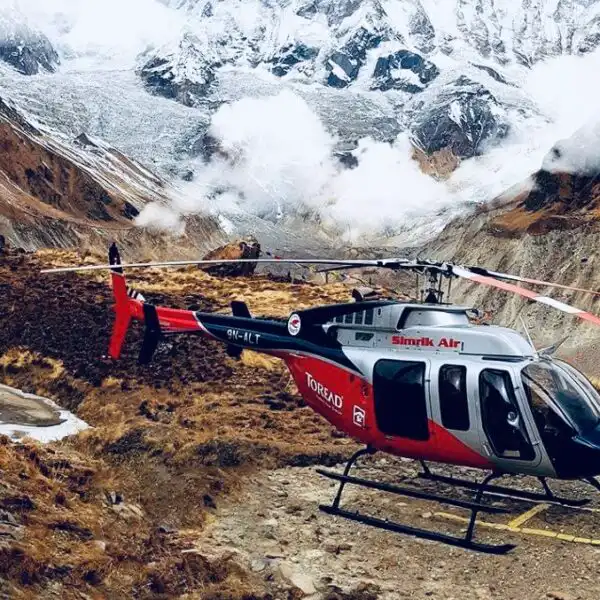
It is highly advised to take travel insurance. The policy needs to be specific about the coverage of treatment at higher altitude (up to at least 4,050 m / 13,287 ft) and emergency evacuation by helicopter. Before buying insurance, verify the exclusion and rescission provisions.
- Bring your own first aid kit & required medications
- Have travel insurance information readily available
- Get plenty of water and have regular meals
- Let your guide know if you or anyone else in the party is ill or injured
- Do not walk alone in out-of-the-way areas
- Obey weather and trail safety precautions
- Allow your guide to make decisions during emergencies
- Have emergency telephone numbers on hand
In case of emergencies, My Everest Trip will arrange for assistance and have an experienced trekking guide. But evacuations will be made based on weather conditions, accessibility, and rescue availability.

Tripadvisor Reviews



Google Reviews


Ganesh Himal Trek – 14 Days FAQs
How remote is the Ganesh Himal trekking region?
The region is not well developed in terms of tourism, with small settlements and fewer facilities compared to other popular trekking destinations such as Everest and Annapurna treks.
Is previous high altitude trekking experience necessary?
Experience is helpful, especially for Sing La Pass but beginners can do it if they are properly prepared and guided.
How difficult is the Sing La Pass crossing?
The crossing features steep trail ascents and descents, open fields and a lengthy descent and demands stamina, appropriate gear and favorable conditions.
Are there alternative routes if Sing La Pass becomes unsafe?
Your guide will be considering conditions and discussing potential alternatives but route changes will be based on weather, trail access and local knowledge.
Can I trek independently in the Ganesh Himal region?
Foreign visitors are required to abide by the relevant rules for guided trekking and consult and book their trip with a licensed trekking agency that has a licensed guide.
Are there emergency medical facilities along the trekking route?
Basic first aid supplies are carried by guides and taken to medical facilities in remote villages as needed.
Can I hire additional porters during the trek?
Other porters can usually be hired from the trekking company and need to be pre-arranged before departure.
Are there any cultural festivals along the trekking route?
There are many festivals that the local communities celebrate which include both Buddhist and Hindu festivals; however, the type of festival celebrated and the dates within the calendar vary from village to village and from one trekking season to the next.
Is it possible to extend the trek towards Ganesh Himal Base Camp?
Extensions might be available but these will need extra days, planning for routes, accommodation and good local guiding support.
What happens if road conditions delay the return to Kathmandu?
Your guide will make alternate arrangements as appropriate, taking into account road access, availability of transport and onward travel plans.
US$ 2,000 per person
- 24/7 Customer Support
- Experienced and Professional Team
- Hassle-Free and Easy Booking
- 99% Customer Satisfaction
- Fair Prices, Exceptional Service
- No Hidden Costs and Secure Payments
- Tailored and Personalized Itineraries
24 X 7 Live Support
Puru (+977-9851069558)