



Are you looking for the best season for trekking in Nepal? If yes, Nepal trekking is best in two major seasons: spring and autumn. Nepal is a land of adventure, without a doubt. If you plan a trip to this majestic land, you might have asked yourself, “When would be the best time to Trek in Nepal?” The answer will always remain the same; it all depends on what kind of adventure you seek. From arduous mountain terrains to short hilly trails, the choices for thrilling adventures are countless.
It all boils down to your preferences as to what you want to discover in the mysterious lands of Nepal. Getting prior information to make your choices smoother might also benefit you. Nepal experiences four distinct seasons every year: spring, summer, autumn, and winter. Each season is more exciting than the last, and each has its specialties. In short, Nepal is one of the most suitable trekking destinations worldwide, with excitement continuing year-round.
Which is the Best Season for Trekking in Nepal
Spring and autumn are considered the trekking seasons in Nepal. Every trekking destination in these seasons remains crowded. While the amenities remain crowded, you will also have a better opportunity to interact with fellow trekkers. The air is as fresh as can be. In addition, you can see the season’s bloom, especially from March to May. Between September and November, you’ll enjoy the surroundings’ orange, brown, and yellow hues. The weather is pleasant throughout the peak seasons, meaning it is neither too hot nor too cold.
The following is a brief overview of each of the seasons:
Spring
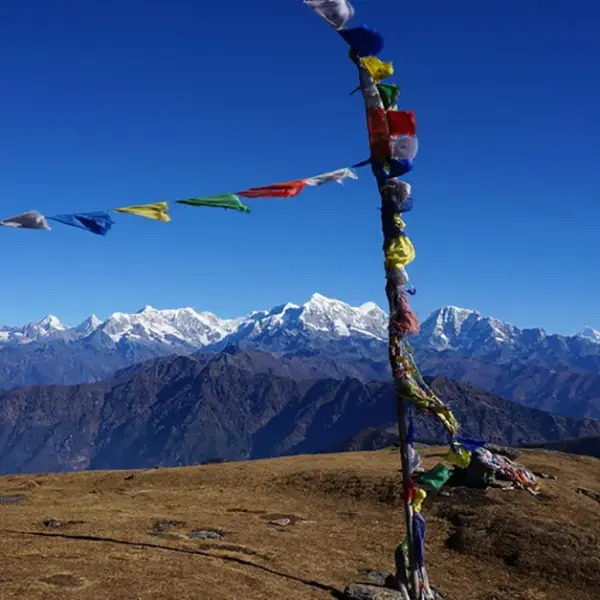
The time between March and May is filled with countless wonders you might want to explore in Nepal. Considered the king of all seasons, spring (Basanta) brings fragrant flowers and fresh winds from the Himalayas. The ambiance is too fantastic to give up, especially in Nepal’s enthralling mountain regions. The skies are clearer, and the days are longer. The average temperature is also around 22 degrees Celsius, making it a perfect time for thrilling trekking activities. Trekking at higher altitudes is especially exciting at this time, as one can take in panoramic views of the mountains.
Are you looking for the best season for trekking in Nepal? If yes, Nepal trekking is best in two major seasons: spring…
Autumn
The period from September to November is known as autumn in Nepal. It is the best time for trekking activities. The mild temperatures, ranging from 10 to 25 degrees Celsius, make the trek at both lower and higher altitudes equally mesmerizing. The marvelous spectacle of the highest mountains in the world is hard to miss during this time. In the hills of Nepal, terraced paddy fields show the new harvest. The skies are mostly clear, and the weather is perfect for hiking, trekking, sightseeing, and other adventurous activities. The popular trekking spots are jam-packed with travelers every year during autumn because of the ideal weather for Travel.
Summer
Nepal’s summer and monsoon seasons are less popular among trekkers than the other trekking seasons. Summer is followed by monsoon, which brings rainfall, making the trails muddy and rough. The melting of snow across the country may cause severe damage to people. There is a high risk of glacier falls and avalanches during the summer season. Similarly, the temperature in most trekking regions remains between 20 and 30 degrees Celsius. The after-rain effect may create better opportunities to explore the landscape and wander in nature amid freshness. In contrast to the after-rain effect, hotter days may not be suitable for trekking activities.
Winter
Depending on the destination, winter can be suitable or unsuitable for trekking. While there won’t be an issue in the trekkers finding accommodation and other amenities in most destinations, especially those in the lower regions, you may have a tougher time finding a proper place to stay in most upper-region trekking destinations. The temperature is 0 to 10 degrees Celsius. You will also see many Rhododendron forests in many regions, mainly in the Himalayas.
Places to Travel in Spring
There are plenty of places for you to travel during the spring season. While most trekking routes are considered suitable for treks around this time of the year, the most preferred destinations are those in the Everest and Annapurna regions. Even at such high-altitude destinations, the temperatures are moderate and mild, making them suitable. Some such destinations include Everest Base Camp, Gokyo Lake, Annapurna Base Camp, Annapurna Circuit route, Ghorepani Poonhill, Mardi Himal, Khopra Ridge trek, Tilicho Lake, Nar-Phu, Pikey Peak, etc.
Other trekking destinations in Nepal include the Manaslu Circuit, Langtang Valley, Helambu, Upper Mustang, Kanchenjunga Base Camp, and Lobuche Peak. Likewise, suppose you are looking to hike to a destination closer to Kathmandu or within the valley. In that case, you can go on shorter treks in locations like Nagarkot, Phulchowki, Shivapuri Hill, Namobuddha, Sundarijal, Champadevi, Kakani, Amitabha Monastery, Chisapani, Nagarjuna, etc. Not only are these destinations pleasant in spring, but they are also more easily accessible than in summer, monsoon, or winter.
Places to Travel in Autumn
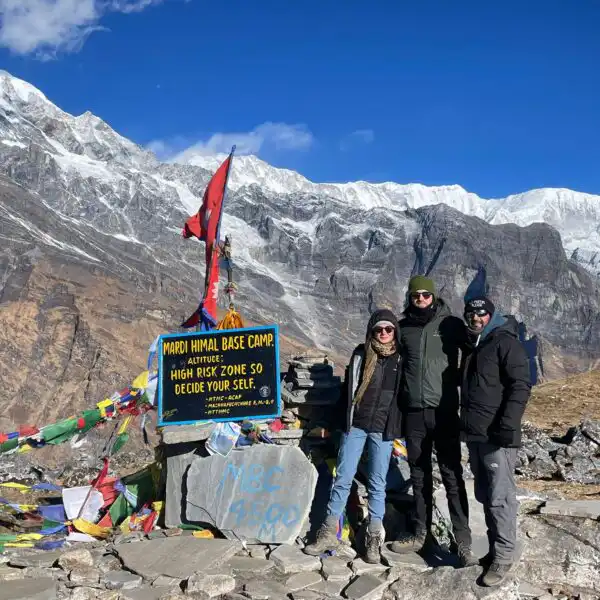
Autumn is a peak season for trekking and travel activities. Needless to say, you will have the most travel options in autumn to more than a few locations in Nepal. Some of the most popular places to trek to are the Annapurna and Everest regions. In the Annapurna region, you can hike to the Annapurna Base Camp, Ghorepani Poonhill, and the Annapurna Circuit Trek with the least possible hassle. Other treks within the Annapurna Conservation Area include the Mardi Himal Trek, the Tilicho Lake Trek, and the Narphu Valley Trek.
Are you looking for the best season for trekking in Nepal? If yes, Nepal trekking is best in two major seasons: spring…
The Everest region’s trekking destinations include Gokyo Lake, Pikey Peak, and Everest Base Camp. Other popular treks in autumn include the Langtang Valley trek, Manaslu Circuit trek, Upper Mustang trek, Kanchenjunga trek, and Rara Lake trek. Suppose you are a beginner trekker and would like to hike to easily accessible destinations. In that case, you can visit Namobuddha, Phulchowki Danda, Nagarkot, Sundarijal, Champadevi, Chisapani, Kakani, Nagarjuna, and Amitabha Monastery, among others.
Conclusion
Countless adventures are waiting for you at every nook and cranny of Nepal. No matter when you decide to visit, there are numerous opportunities for experiences in the land of the Himalayas. Any time you set foot in Nepal’s mystical lands, it becomes the best time for a visit. The natural beauty and cultural diversity will stun you, and the memories of your visit will be simply unforgettable. If you’re ready to go on your next adventure to remember a lifetime, be sure to contact us at My Everest Trip. Happy journey ahead, explorer!