


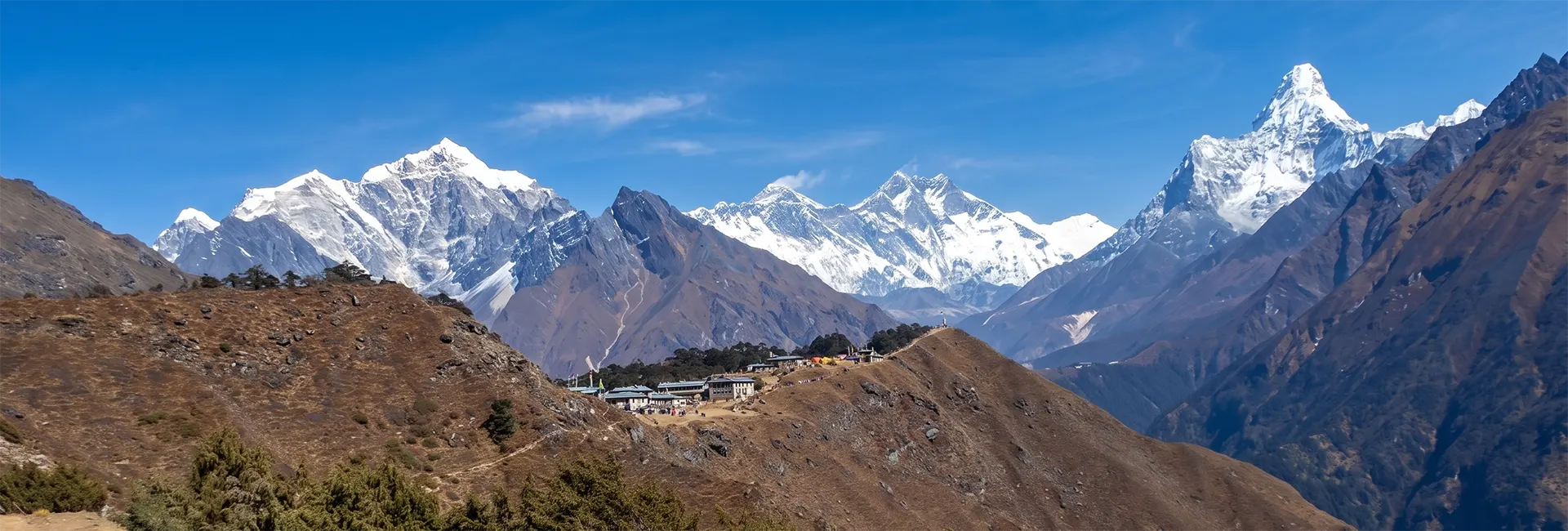
Dauguma žmonių žygį į Everesto bazinę stovyklą sieja su spalio ir lapkričio mėnesiais, kai takai būna labai intensyvūs, o arbatinės pilnos žygeivių iš viso pasaulio. Nuo gruodžio iki vasario Khumbu įgauna visiškai kitokį charakterį, ir žygeiviai, kurie pasirenka žygiuoti tais mėnesiais, dažnai grįžta sakydami, kad tai buvo pats naudingiausias dalykas, kurį jie yra nuveikę kalnuose.
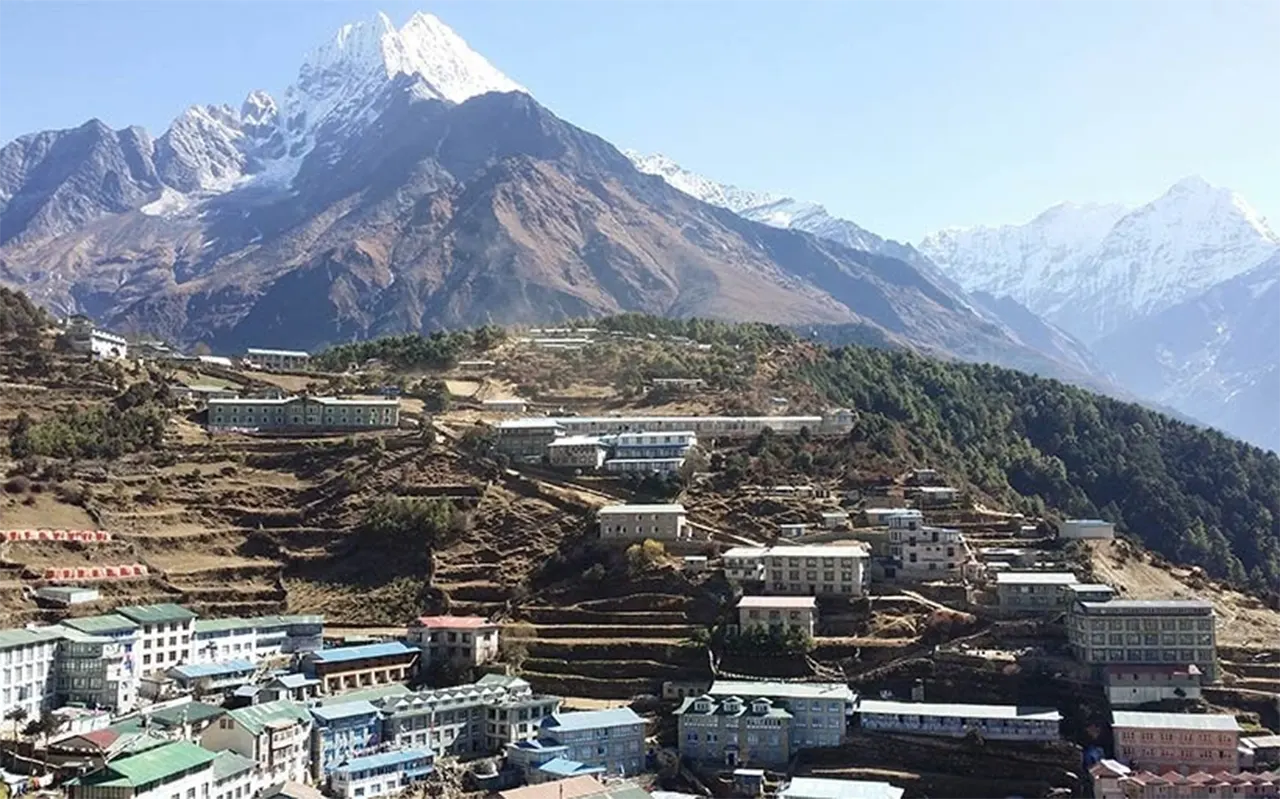
Žiema šiame maršrute yra tylesnė, aštresnė ir reiklesnė nei bet kuris kitas metų laikas. Remiantis mūsų asmenine patirtimi „Mano Everesto kelionėje“, žiema atskleidžia ramesnę ir naudingesnę Everesto bazinės stovyklos tako pusę. Giedrais žiemos rytais sausas kalnų oras siūlo išskirtinai skaidrius vaizdus ir aplinkines viršukalnes padaro nepaprastai ryškias.
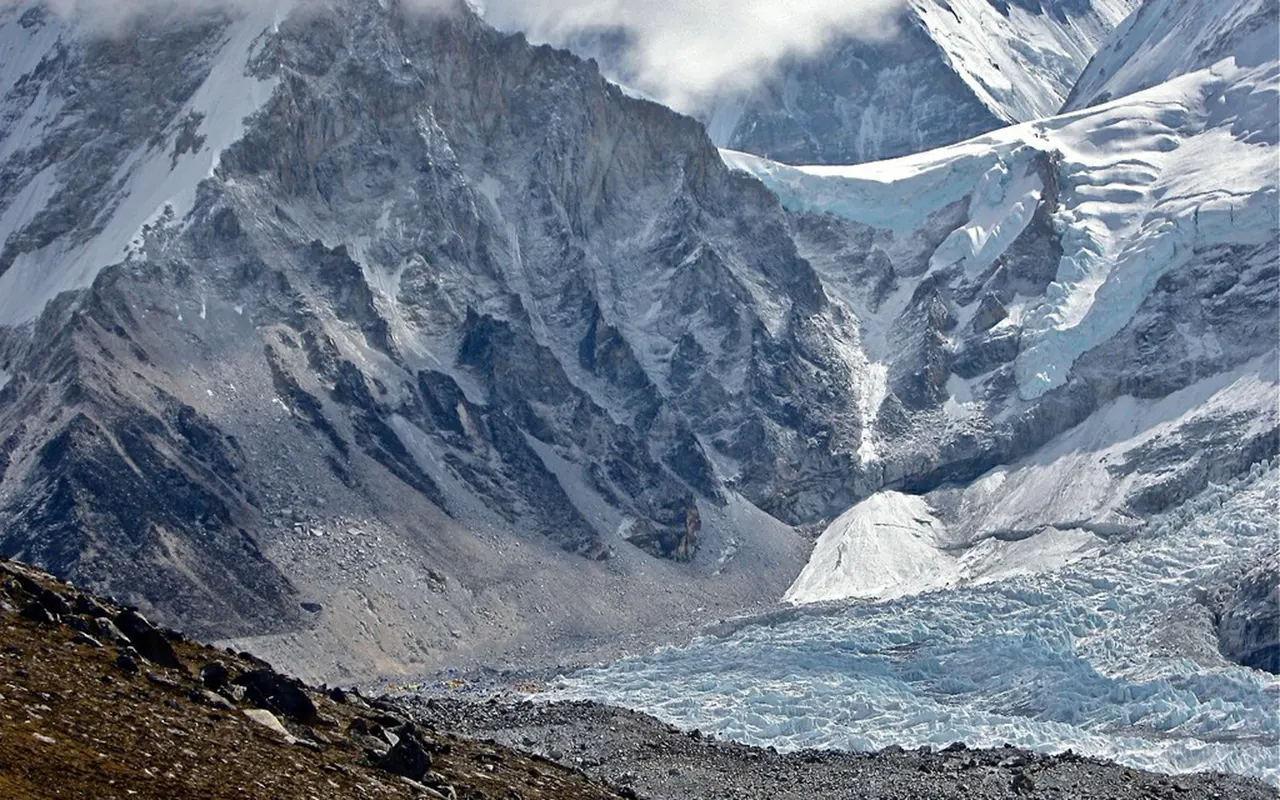
Žiemą kelionės išlaidos paprastai būna mažesnės, o žygeivių skaičiui mažėjant, arbatinių savininkai dažnai turi daugiau laiko teikti asmenines paslaugas. Žygio įveikimas žiemą dažnai suteikia stipresnį pasiekimo jausmą, nes patirtis yra ramesnė ir reikalauja daugiau pastangų.
Šiame vadove išsamiai aprašomas žygis į Everesto bazinę stovyklą žiemą. Jame aiškiai aprašytas Everesto bazinės stovyklos žiemos žygių saugumas, aukščio poveikis jūsų organizmui šaltomis sąlygomis, pateikiamas praktiškas lagaminas, realistiškas 2026–2027 m. biudžeto suskirstymas ir fizinio pasiruošimo planas, kuris suteiks jums geriausią įmanomą pagrindą prieš žengiant į žygį.
Žiemos žygis į Everesto bazinę stovyklą trumpai
Prieš pradedant detales, pateikiame trumpą apžvalgą.
| Punktas | Detalės |
| Žygio trukmė | Nuo 12 iki 14 dienų |
| Geriausi žiemos mėnesiai | gruodį, sausį, vasarį |
| Didžiausias aukštis | 5,545 XNUMX m (Kala Pathar) |
| Everesto bazinės stovyklos aukštis | 5,364m |
| Dienos temperatūra | 5°C iki -5°C |
| Nakties temperatūra | -10 ° C iki -25 ° C |
| Sunkumo lygis | Iššūkis |
| Vidutinė kaina | Nuo 100 000 iki 500 000 USD ir daugiau |
| Apgyvendinimas | Arbatos namai |
| Vadovo reikalavimas | Labai rekomenduojama |
Kodėl kai kurie keliautojai renkasi žiemos sezoną
Žygių žiemą privalumai yra realūs ir verta juos išsamiai aptarti prieš kalbant apie iššūkius.
Ramūs takai yra pagrindinė priežastis, kodėl daugelis žygeivių renkasi žiemą. Spalio ir lapkričio mėnesiais kelias tarp Luklos ir Namčės turgaus driekiasi labai judriu pėsčiųjų taku – šimtai žygeivių tuo pačiu dienos tvarkaraščiu eina per tuos pačius kontrolės punktus ir apgyvendina namelius. Sausio mėnesį galite nueiti valandą ir nepamatyti kitos grupės. Dingbočės arbatinėje, kur pietausite, bus užimti du ar trys staliukai, o ne dvidešimt. Apžvalgos aikštelėje „Kala Patthar“ galėsite stovėti be eilės. Žygeiviams, kuriems sezono įkarščio atmosfera kelia nerimą, vien tai pateisina šaltį.
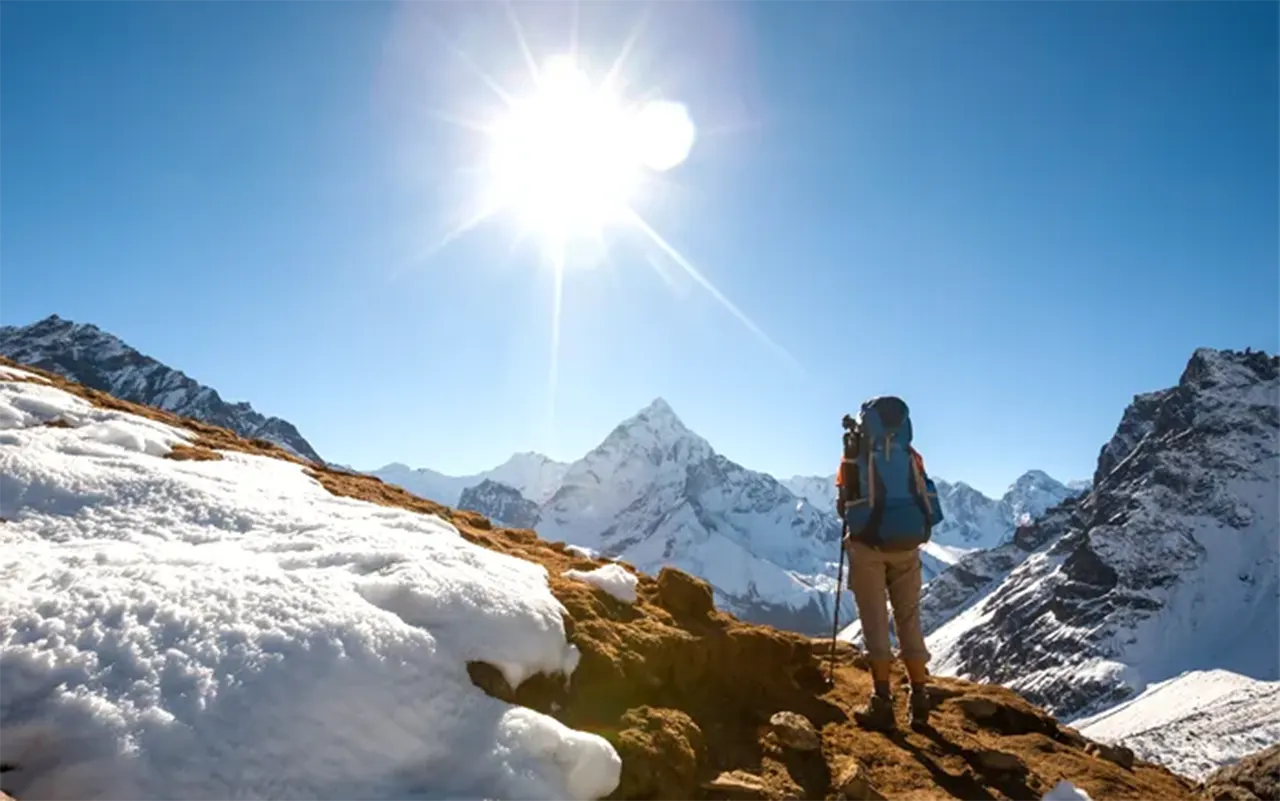
Žiemą kalnų matomumas dažnai būna geriausias, nes šaltas, sausas oras giedromis dienomis užtikrina išskirtinį skaidrumą. Sausas šaltas oras aukštyje sulaiko labai mažai drėgmės, o dangus giedrą žiemos rytą virš Namčės arba Tengbočės yra sodrios, ryškiai mėlynos spalvos, kuri fotografuojant atrodo nuostabiai ir kiekviena tolima viršūnė atrodo labai arti.
Mažesnės kelionės išlaidos yra dar vienas žiemos žygių privalumas. Apgyvendinimas, gido paslaugos ir kai kurie žygių paketai dažnai yra pigesni nei sezono metu, todėl žiema yra geras pasirinkimas taupantiems žygeiviams.
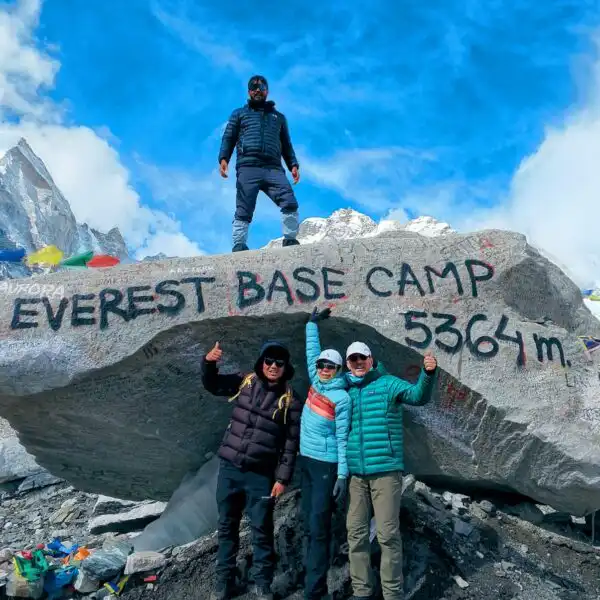
Everesto bazinės stovyklos žygis 12 dienos
Dauguma žmonių žygį į Everesto bazinę stovyklą sieja su spalio ir lapkričio mėnesiais, kai takai būna labai intensyvūs, o arbatinės pilnos…
EBC žiemos žygių saugumas: realistiškas vertinimas
Prieš įsipareigojant šiam sezonui, reikia aiškiai suprasti EBC žiemos žygių saugumą. Žiemą kylančios rizikos skiriasi nuo kitų metų laikų, o kai kurios iš jų yra gerokai rimtesnės. Šiame skyriuje pateikiamas sąžiningas kiekvienos iš jų vaizdas.
Didžiausias iššūkis yra šaltis, todėl jam reikia skirti daugiausia dėmesio. Žemutinėse tako atkarpose, tarp Luklos ir Namčės, žiemos dienos temperatūra yra nepatogi, bet pakenčiama. Virš 4,000 metrų, ypač virš Dingbočės, aukščio ir temperatūros derinys pradeda turėti kitokią reikšmę.
Sausio mėnesį Lobučėje ir Gorak Šepe dienos temperatūra paprastai svyruoja nuo maždaug 5 °C iki -5 °C, priklausomai nuo saulės spindulių ir vėjo sąlygų. Naktį temperatūra dažnai nukrenta žemiau -20 °C, o stiprus vėjas gali gerokai atvėsinti. Po saulėlydžio temperatūra dar labiau nukrenta ir, atsižvelgiant į vėjo žvarbumą, dažnai pasiekia -20 °C ar žemesnę. Tokiomis sąlygomis netinkama apranga yra ne tik nepatogu, bet ir gali tapti rimta saugumo problema.
Žiemą ant tako virš Namčės dažnai būna ledas. Tako atkarpos, kurias pavėsyje užima uolos ar į šiaurę nukreipti šlaitai, didžiąją dienos dalį būna užšalusios ir tampa slidžios po kojomis. Tiek take tarp Lobučės ir Gorak Šepo, tiek ankstyvo ryto kopime į Kala Patharą yra atkarpų, kuriose reikia atsargiai stovėti. Nuo Dingbočės verta nešiotis žygio batų mikrospyglių tvirtinimo elementus. Nukristi ant užšalusios žemės aukštyje nereikėtų rizikuoti, kai to taip lengva išvengti.
Skrydžių patikimumas Lukloje žiemą yra labiau nepastovus nei rudenį. Šaltas rytinis oras, žemas debesuotumas ir retkarčiais tvyrantis rūkas gali uždaryti oro uostą dienai ar dviem iš eilės. Tai nėra neįprasta, ir patyrę operatoriai planuoja tai, tačiau dėl to turite numatyti atsargines dienas savo viešnagės Katmandu metu abiejuose kelionės galuose.
Gruodžio ir sausio mėnesiais dienos šviesos valandos yra trumpiausios metuose. Žiemą daugelį pėsčiųjų etapų, kurie ilgomis rudens dienomis suteikia ramybės, reikia pradėti anksčiau, kad iki sutemų pasiektumėte kitus svečių namus. Jūsų gidas tvarkys dienos tvarkaraštį, tačiau verta žinoti, kad žygiai prieš aušrą yra įprasta žiemos rutinos virš Dingbočės dalis.
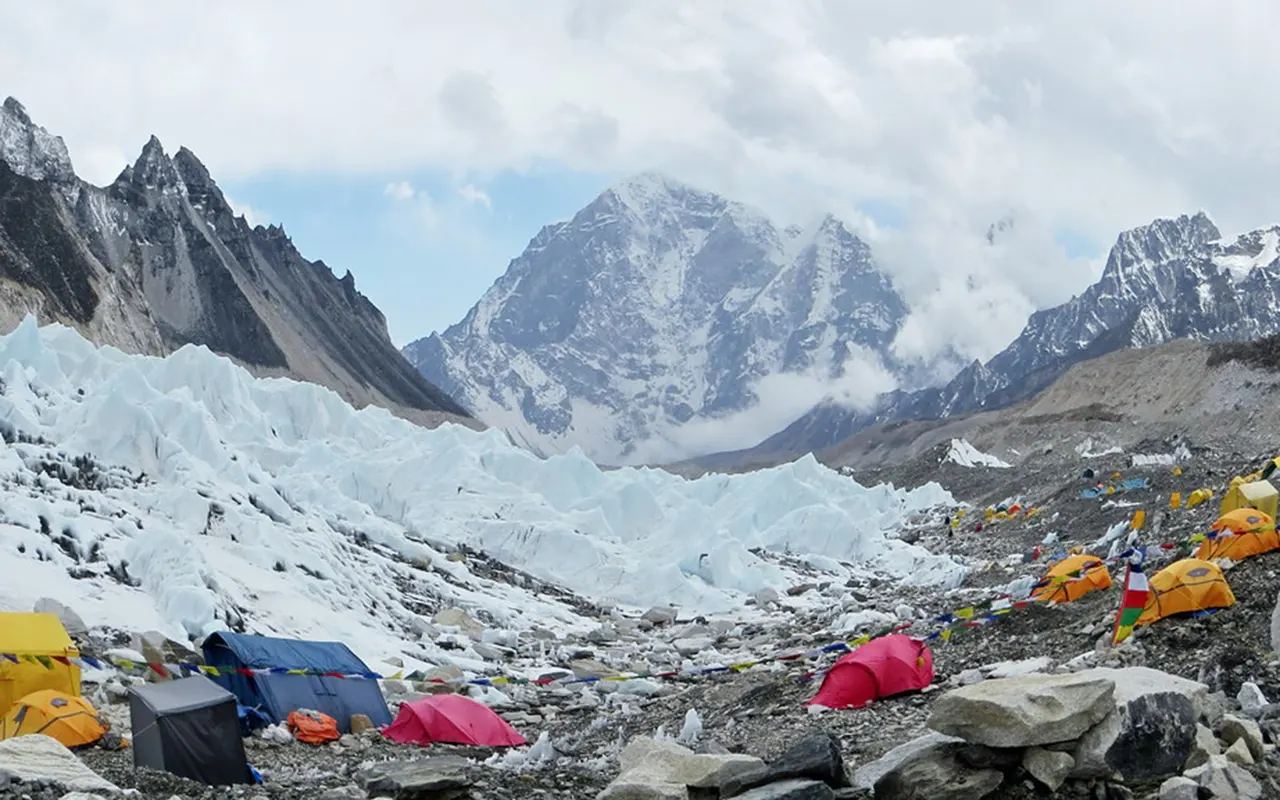
Kokį aukštį žiemą veikia jūsų kūnas
Aukštis virš jūros lygio visada yra pagrindinis sveikatos aspektas žygyje į Everesto bazinę stovyklą žiemą, o šaltis suteikia sudėtingumo tam, kaip kūnas reaguoja, ir verta jį tinkamai suprasti.
Virš 3,000 metrų oro slėgis krenta ir sumažėja deguonies kiekis. Plaučiai įkvepia tą patį oro tūrį, bet su kiekvienu įkvėpimu išskiria mažiau deguonies.
Šalta temperatūra šį stresą dar labiau padidina. Jūsų kūnas turi susidoroti su dviem iššūkiais vienu metu: išlikti šiltam ir prisitaikyti prie mažesnio deguonies lygio. Energija eikvojama greičiau nei šiltuoju metų laiku, apetitas dažnai sumažėja aukštyje, o ankstyvieji prisitaikymo prie aukščio simptomai šaltomis sąlygomis gali pasireikšti greičiau nei pavasarį ar rudenį.
Ūminė kalnų liga (ŪML) pasireiškia keliomis stadijomis. Lengvos formos AML būdingas galvos skausmas per 24 valandas nuo buvimo dideliame aukštyje, susijęs su nuovargiu, apetito praradimu ir miego sutrikimais. Vidutinės formos AML būdingas galvos skausmas, nepraeinantis vartojant analgetikus, pykinimas ir reikšmingas energijos bei koordinacijos sumažėjimas. Sunkus AML gali išsivystyti į didelio aukščio plaučių edemą, kuri pažeidžia plaučius, arba didelio aukščio smegenų edemą, kuri pažeidžia smegenis. Abu šie simptomai yra pavojingi gyvybei, jei nepradedama nedelsiant leistis žemyn.
Žiemos maršruto metu aukščio ligos prevencijos metodas yra toks pat kaip ir bet kuriuo metų laiku, tačiau reikia griežčiau laikytis taisyklių, nes kūnas ir taip patiria terminį stresą. Aklimatizacijos dienas Namche Bazaar ir Dingboche turguje praleiskite netrumpindami jų. Poilsio dienas skirkite trumpiems žygiams į viršų, o miegoti grįžkite žemesniame aukštyje.
Nuo Namčės kasdien išgerkite tris–keturis litrus vandens, net jei nejaučiate troškulio, nes šaltas oras dažnai sumažina troškulio jausmą. Dehidratacija padidina aukščio ligos ir nuovargio riziką, todėl reguliariai gerkite vandenį visą dieną kartu su šiltais gėrimais.
Venkite alkoholio, kuris gali dehidratuoti organizmą ir užmaskuoti ankstyvus aukščio ligos simptomus. Vaikščiokite lėtai, stabiliai ir prieš išvykdami pasitarkite su gydytoju, ar Diamox tinka jūsų situacijai.
Žiemos žygių Nepale patarimai: kasdienės saugos praktikos
Be aukščio valdymo, šie žiemos žygių Nepale patarimai apima praktinius kasdienius sprendimus, kurie lemia EBC žiemos žygių saugumą ant žemės.
Samdyti patyrusį licencijuotą gidą yra vienas geriausių sprendimų, kurį galite priimti žiemos žygiui. Jūsų išmanantis gidas, gerai pažįstantis Khumbu regioną, kasdien informuos jus apie orus, padės apledėjusiais ar sniegu padengtais takais, bendraus su arbatinės savininkais dėl apgyvendinimo galimybių ir prireikus koordinuos skubią pagalbą.
Nors pastaraisiais metais Nepale žygių taisyklės pasikeitė, nepriklausomų žygių politika gali skirtis priklausomai nuo regiono. Nepaisant naujausių taisyklių, licencijuoto gido buvimas žiemą labai pagerina tiek saugumą, tiek bendrą žygių patirtį.
Žiemos orai paprastai būna stabilesni nei prieš musoninį laikotarpį, tačiau sąlygos dideliame aukštyje keičiasi greičiau, nei dauguma žygeivių tikisi. Staigus vėjo sumažėjimas, neįprastas debesų susidarymas aplink aukštas viršūnes ar netikėtas temperatūros pokytis popietę – visa tai verta atkreipti dėmesį ir aptarti su savo gidu prieš priimant sprendimus dėl kitos dienos.
Suprasti avarinės evakuacijos procesą iš anksto yra paprasta, bet svarbu. Gelbėjimo sraigtasparniu paslaugos teikiamos visame Khumbu regione ir naudojamos reguliariai. Jūsų kelionių draudimas turi būti aiškiai apdraustas evakuacija sraigtasparniu iš aukščio. Visada su savimi turėkite draudimo teikėjo ir kelionių agentūros skubios pagalbos kontaktinius numerius, ne tik telefone. Šaltu oru baterijos išsikrauna greičiau, o telefonas, kuris išsikrauna Lobuche, avariniu atveju nenaudingas.
Anksti ryto pradžia yra žiemai būdingas įprotis, kuris daro reikšmingą skirtumą. Stabiliausia ir šilčiausia žiemos dienos dalis Khumbu regione yra vidurdienis. Išėję iš arbatinės septintą arba pusę aštuonių, kitą kelionės tikslą pasieksite gerokai anksčiau, nei užtems šviesa ir staigiai nukris temperatūra vėlyvą popietę. Atvykti į svečių namus sutemus, kai šalčio – minus penkiolika laipsnių, galima išvengti, jei dienos pradžioje elgsitės drausmingai.
Pilnas žiemos pakavimo sąrašas
Žygiui į Everesto bazinę stovyklą žiemą tinkama įranga nėra neprivaloma. Žemiau pateikti daiktai yra minimalūs saugios ir pakankamai patogios patirties standartai.
Žiemą labai svarbu tinkamai sluoksniuoti drabužius. Pradėkite nuo drėgmę sugeriančių terminių apatinių sluoksnių viršutinei ir apatinei kūno dalims. Merino vilna ypač tinka šiam vaidmeniui, nes ji sugeria drėgmę, kelias dienas yra atspari kvapams ir išlaiko šilumą net ir drėgna. Ant pagrindinio sluoksnio apsivilkite šiltą vilnonę arba softshell striukę kaip pagrindinę vaikščiojimo izoliaciją. Išorinis sluoksnis turi būti visiškai vandeniui ir vėjui nelaidi striukė su derančiomis kelnėmis. Pūkinė striukė, atspari bent -15 laipsnių Celsijaus, yra svarbiausias jūsų aprangos komplekto elementas ir viršutinėms maršruto dalims neturėtų būti deramas.
Žiemos aksesuarams reikia daugiau dėmesio nei kitais metų laikais. Izoliuotos pirštinės su plonu pamušalu apačioje suteikia lankstumo, kai reikia miklumo norint nuimti fotoaparato mygtukus ar užkandžiauti gamtoje, ilgai nelaikant rankų šaltyje. Nuo Namčės kalno į viršų būtina vilnonė arba flisinė kepurė, visiškai uždengianti ausis. Prieš aušrą virš Dingbočės kalno pravers balaklava arba storas kaklo gobtuvas. Būtini aukštos kokybės akiniai nuo saulės su UV apsauga, nes aukštyje sniego atspindys sukuria UV spindulius, kurie per kelias valandas gali pažeisti regėjimą. Dėl tos pačios priežasties ne mažiau svarbus ir apsauginis kremas nuo saulės su dideliu SPF.
Žiemos žygiams skirta avalynė turi būti ir izoliuota, ir atspari vandeniui. Neperšlampami žygio batai su gera čiurnos atrama tinka daugumai žiemos žygeivių, kai derinami su šiltomis vilnonėmis kojinėmis. Apšiltinti žieminiai žygio batai gali padaryti žygius didesniame aukštyje patogesnius, jei esate ypač jautrūs šalčiui. Antbačiai neleidžia sniegui patekti į batus, o mikrodygliai pagerina sukibimą apledėjusiose tako atkarpose. Prieš pradėdami žygį, įsitikinkite, kad jūsų batai yra visiškai įauti.
Žiemos naktims Lobuche ir Gorak Shep rekomenduojamas miegmaišis, kurio temperatūra neviršija -20 laipsnių Celsijaus . Miegmaišio įklotas suteikia nuo dviejų iki keturių laipsnių šilumos ir sukuria higieninį sluoksnį tarp jūsų ir arbatinės patalynės. Arbatinės tiekia antklodes, tačiau jų storis ir būklė labai skiriasi, todėl jūsų pačių miegmaišis pašalina šį netikrumą.
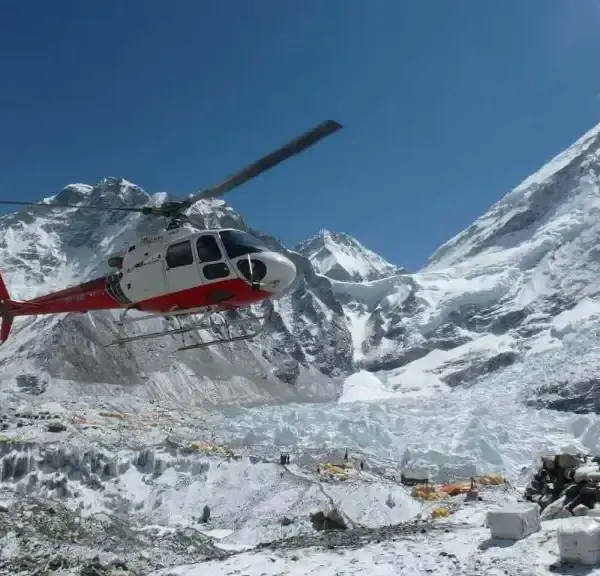
Skrydis malūnsparniu į Katmandu į Gorakshepą
Dauguma žmonių žygį į Everesto bazinę stovyklą sieja su spalio ir lapkričio mėnesiais, kai takai būna labai intensyvūs, o arbatinės pilnos…
Elektronikos prietaisams su savimi turėkite išorinę bateriją, kurios talpos pakaktų kelioms dienoms tarp patikimų įkrovimo stotelių. Prieš aušrą svarbu turėti priekinį žibintą su atsarginėmis baterijomis, o atsargines baterijas reikėtų laikyti šiltai vidinėje kišenėje, o ne krepšyje, kur jos per naktį praras įkrovą. Pulsoksimetras yra neprivalomas, bet naudingas daiktas kraujo deguonies įsotinimo stebėjimui žygio metu. Nors jis niekada neturėtų pakeisti profesionalios medicininės konsultacijos ar jūsų gido sprendimo, jis gali suteikti papildomos informacijos kylant į aukštį.
Žema temperatūra sumažina akumuliatoriaus veikimo laiką daug greičiau, nei tikisi dauguma žygeivių. Laikykite telefoną, fotoaparato baterijas, išorinę bateriją ir kitus elektroninius prietaisus miegmaišyje arba vidinėje striukės kišenėje per naktį, kad jie išsaugotų savo įkrovą. Šis paprastas įprotis gali turėti pastebimą skirtumą, ypač šalčiausiomis naktimis didesniame aukštyje.
Everesto bazinės stovyklos žiemos žygio išlaidų suskirstymas 2026–2027 m.
Žygis į Everesto bazinę stovyklą žiemą yra pats prieinamiausias metų laikas daugumai kainų kategorijų. Pateikiame realistišką ir išsamų išlaidų suskirstymą.
Leidimus nustato vyriausybė ir jie nesikeičia priklausomai nuo sezono. Leidimas patekti į Sagarmatha nacionalinį parką kainuoja apie 3,000 NPR asmeniui, tai yra apie 22 JAV dolerius. Khumbu Pasang Lhamu kaimo savivaldybės leidimas žygiams kainuoja apie 2,000 NPR, tai yra apie 15 JAV dolerių. Abu leidimus gauti paprasta, o jūsų žygių agentūra gali juos sutvarkyti kaip paketo dalį.
Skrydžiai tarp Katmandu (arba Ramečhapo piko metu) ir Luklos į abi puses paprastai kainuoja nuo 440 iki 560 JAV dolerių asmeniui, priklausomai nuo oro linijų bendrovės, sezono ir laisvų vietų. Bendros vietos sraigtasparniu tarp Katmandu ir Luklos paprastai kainuoja nuo 500 iki 700 JAV dolerių asmeniui, priklausomai nuo laisvų vietų. Taip pat siūlomi privatūs sraigtasparnio užsakomieji reisai, kurių kaina paprastai siekia 2,500 JAV dolerių ar daugiau už visą orlaivį.
Gido ir nešiko paslaugos kainuoja priklausomai nuo patirties ir pasirinkto varianto. Vietinis licencijuotas gidas kainuoja nuo 25 iki 35 JAV dolerių per dieną. Nešikas, nešantis pagrindinį jūsų krepšį, kainuoja nuo 18 iki 25 JAV dolerių per dieną. Gidas-nešikas, atliekantis abu vaidmenis, kainuoja nuo 30 iki 40 JAV dolerių per dieną ir yra praktiškas pasirinkimas žygeiviams, norintiems, kad grupės dydis ir išlaidos būtų valdomi. Visada užsisakykite per registruotą agentūrą ir įsitikinkite, kad jūsų gidas ir nešikas turi tinkamą draudimą ir asmeninę įrangą.
Kylant aukštyje, apgyvendinimas arbatinėje tampa šiek tiek brangesnis, nors žiemą kainos dažnai būna mažesnės nei piko metu. Kambarių kainos paprastai yra nuo
5 ir 15 JAV dolerių už naktį. Kai kurios arbatinės suteiks jums nemokamą arba su nuolaida kambarį, jei ten valgysite. Didesniame aukštyje kambariai paprastai nešildomi, todėl šiltas miegmaišis yra būtinas patogiai nakčiai.
Šalčiausiomis žiemos savaitėmis didesniame aukštyje esantys vandens vamzdžiai ir čiaupai gali užšalti per naktį. Karšti dušai virš Dingbočės pasitaiko rečiau ir ne visada gali būti prieinami. Drėgnos servetėlės ir nedidelis asmeninės higienos rinkinys gali palengvinti komfortą viršutinėje žygio dalyje.
Maistas ir gėrimai take kainuoja nuo 20 iki 35 JAV dolerių per dieną, priklausomai nuo jūsų pasirinkimų ir aukščio viršūnėje. Žiemą karšti gėrimai yra ir patogumas, ir būtinybė, o kylant jie kainuoja brangiau. Puodelis arbatos Gorak Šepe kainuoja nuo 3 iki 5 JAV dolerių. Įkrovimo įrenginiai arbatinėse virš Namčės kainuoja nuo 2 iki 5 JAV dolerių už kiekvieną įkrovimą, o kaina sumuojama per keturiolika dienų.
Šiam žygiui kelionės draudimas nėra derybų objektas jokiu metų laiku, ypač žiemą, kai evakuacijos rizika yra didesnė. Polisas, apimantis žygį aukštikalnėse iki 6,000 metrų ir evakuaciją sraigtasparniu, paprastai kainuoja nuo 80 iki 200 JAV dolerių, priklausomai nuo jūsų tautybės, amžiaus ir paslaugų teikėjo. Pasirūpinkite ir įsigykite jį prieš išvykdami iš namų.
Bendras biudžeto įvertinimas labai skiriasi priklausomai nuo keliavimo stiliaus. Biudžetą tausojantis žygeivis, pasirinkęs gidą ir nešiką bei apsistojęs paprastose arbatinėse, keturiolikos dienų žygį gali įveikti už 1 200–1 600 JAV dolerių, įskaitant leidimus, skrydžius, maistą ir dienos išlaidas. Standartinis žygeivis su atskiru gidu ir nešiku, vidutinės klasės apgyvendinimo pasirinkimu ir tam tikra įrangos nuoma išleis nuo 1 800 iki 2 500 JAV dolerių. Į komfortą orientuotas žygeivis, pasirinkęs geriau įrengtus namelius ir privatų gidą, turėtų skirti 2 500 JAV dolerių ir daugiau.
Fizinis ir protinis pasirengimas
Žygis į Everesto bazinę stovyklą žiemą reikalauja daugiau energijos nei tas pats maršrutas šiltesnėmis sąlygomis. Šaltis padidina kiekvienos valandos energijos sąnaudas take, o aukščio ir žemos temperatūros derinys reiškia, kad nuovargis sukauptas anksčiau nei rudenį.
Naudingiausia fizinė treniruotė šiam žygiui yra ilgų distancijų žygiai su pilna kuprine kalvota vietove. Tai labiau atspindi konkrečius maršruto reikalavimus nei bet kokia mankšta sporto salėje. Per pirmuosius du mėnesius padidinkite savo savaitgalio žygių trukmę iki trijų valandų tris–keturis kartus per savaitę su maždaug šešių–aštuonių kilogramų kuprine. Per paskutinius du mėnesius padidinkite savaitgalio žygių trukmę iki penkių–septynių valandų su pilna kuprine ir tiek aukščio pakilimu, kiek leidžia jūsų vietovėje esanti vietinė vietovė. Papildykite tai jėgos treniruotėmis, orientuotomis į keturgalvius, sėdmenis ir korpusą, nes šios raumenų grupės patiria didžiausią apkrovą ilgų nusileidimo dienų metu.
Psichologinis pasiruošimas yra toks pat svarbus kaip ir fizinis pasirengimas. Žiemos žygiai apima šaltus rytus, permainingus orus ir ilgas dienas take. Šių iššūkių priėmimas prieš pradedant padeda išlikti pozityviam ir mėgautis patirtimi net ir tada, kai sąlygos tampa sudėtingos.
Kalbant apie tai, ar pradedantieji gali įveikti EBC žygį žiemą, atsakymas reikalauja atsargumo. Tai nėra pati tinkamiausia pirmoji patirtis aukštikalnėse. Ankstesni žygiai vidutiniame Himalajų aukštyje, net 3,000–4,000 metrų aukštyje trumpesniu maršrutu, suteikia naudingų žinių apie tai, kaip jūsų kūnas reaguoja į aukštį ir šaltį. Nepaisant to, motyvuoti pradedantieji, kurie rimtai fiziškai pasiruošė ir keliauja su patyrusiu gidu, sėkmingai įveikė žiemos maršrutą. Svarbiausia – nenuvertinti jo.
Žiema vs pavasaris vs ruduo: paprastas palyginimas
Žemiau esančioje lentelėje apibendrinti pagrindiniai veiksniai, lemiantys tris pagrindinius žygių sezonus EBC maršrute.
| Veiksnys | žiema | Pavasaris | Ruduo |
| minios | Labai Žemas | aukštas | Labai aukštai |
| oras | Šalta, stabili | geras | geriausia |
| Peržiūros | Puikus | geras | Puikus |
| Kaina | Žemiausia | aukštas | Aukščiausia |
| Sunkumas | Sunkiausia | vidutinis | vidutinis |
Žiema yra tinkamas pasirinkimas patyrusiems žygeiviams, kurie teikia pirmenybę vienatvei, aiškioms kalnų nuotraukoms ir mažesnėms išlaidoms, o ne šiltesnių sąlygų komfortui. Ji netinka žmonėms, jautriems šalčiui, turintiems kvėpavimo takų ligų arba pirmą kartą bandantiems žygius aukštikalnėse be ankstesnės patirties. Pavasaris ir ruduo išlieka atlaidesni ir geriau aprūpinti sezonais tiems, kurie dar tik pradeda žygius Himalajuose.
Klaidos, kurių reikia vengti žiemos EBC žygyje
Dauguma žiemos maršruto sunkumų kyla dėl nedidelio išvengiamų klaidų rinkinio. Apie jas verta žinoti prieš vykstant.
Dažniausia pirmą kartą žiemos žygeiviams daroma klaida – nepakankamai įvertinti temperatūros skirtumą tarp Katmandu ir Aukštutinės Kumbu kalnų dalies. Skirtumas tarp malonios gruodžio popietės Katmandu ir sausio vidurnakčio Gorak Šepe yra apie trisdešimt laipsnių Celsijaus. Įsidėti į rankinę, tinkamą rudens sąlygoms, ir manyti, kad jos pakaks žiemą, yra sprendimas, kuris sukelia rimtų problemų virš Dingbočės.
Praleisti aklimatizacijos dienas siekiant sutaupyti laiko žiemą yra pavojingiau nei bet kuriuo kitu metų laiku. Kūnas ir taip eikvoja papildomą energiją termoreguliacijai, todėl sumažėja ištekliai, skirti prisitaikyti prie aukščio. Poilsio dienomis Namčėje ir Dingbočėje jūsų kūnas atlieka prisitaikymo darbą. Jų panaikinimas sutrumpina šį procesą ir padidina su aukščiu susijusių problemų tikimybę viršutinėse kalnų dalyse.
Ankstyvųjų AMS simptomų ignoravimas dėl per didelės motyvacijos yra tendencija, dėl kurios daugelis žiemos žygių baigiasi prastai. Galvos skausmas Lobučėje, kuris per naktį sustiprėja, o ne pagerėja, yra signalas, kad organizmas tame etape nesusidoroja su aukščiu. Pasakyti savo gidui, pailsėti papildomą dieną arba nusileisti į mažesnį aukštį yra pagrįsta reakcija. Tęsti žygį tikintis, kad didesniame aukštyje viskas pagerės, nėra pagrįsta reakcija ir lėmė rimtų pasekmių žygeiviams šiame maršrute.
Nepaisyti besikeičiančių oro sąlygų yra dar viena išvengiama klaida. Žiemos orai paprastai būna stabilesni nei musonų ar prieš musonų sezoną, tačiau kartais galite susidurti su stipriu snigu ar vėju, kuris gali paveikti tako sąlygas ir kelionės planus. Lankstumas ir gido patarimų laikymasis padės jums priimti saugesnius sprendimus, jei oras netikėtai pasikeis.
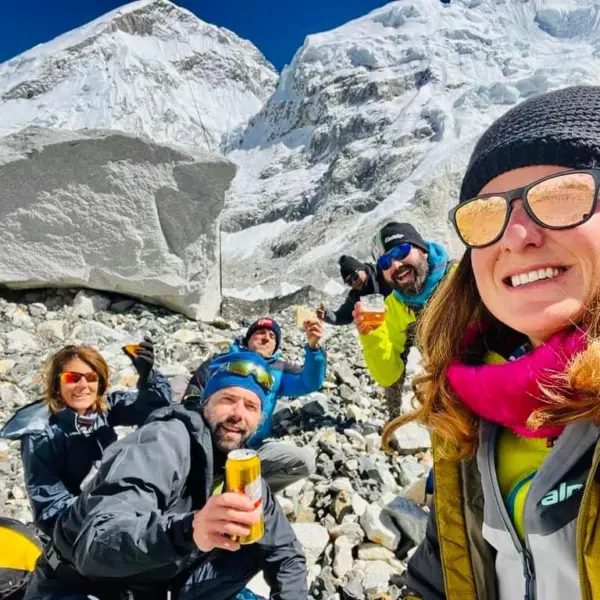
15 dienų Everesto Cho La perėjos žygis
Dauguma žmonių žygį į Everesto bazinę stovyklą sieja su spalio ir lapkričio mėnesiais, kai takai būna labai intensyvūs, o arbatinės pilnos…
Luklos skrydžių užsakymas be rezervinių dienų abiejuose kelionės galuose yra planavimo spraga, sukelianti didelį stresą, kai žiemos orai uždaro oro uostą. Vienos ar dviejų dienų vėlavimas Lukloje žiemą yra visiškai normalus. Įtraukus šias dienas į savo tvarkaraštį nuo pat pradžių, pašalinamas nerimas ir brangus perplanavimas, susijęs su įtemptu maršrutu.
Dažnai užduodami klausimai
Ar Everesto bazinės stovyklos žygis saugus žiemą?
Tinkamai pasiruošus, turint tinkamą įrangą ir turint licencijuotą gidą, žiemos maršrutas yra saugus žygeiviams, kurie į jį žiūri rimtai. Rizika yra reali ir būdinga sezonui, tačiau ją gali įveikti kiekvienas, kuris kruopščiai pasiruošia ir laikosi EBC žiemos žygių saugos rekomendacijų.
Kiek šalta žiemą Everesto bazinėje stovykloje?
Žiemą bazinėje stovykloje dienos temperatūra svyruoja nuo minus penkių iki minus penkiolikos laipsnių Celsijaus. Naktį Gorak Šepe temperatūra reguliariai nukrenta iki minus dvidešimties laipsnių Celsijaus ar mažiau. Dėl vėjo žvarbos atvirose kalnagūbriuose ir kopiant į Kala Patharą sąlygos tampa gerokai vėsesnės.
Ar arbatinės dirba žiemos mėnesiais?
Dauguma arbatinių palei pagrindinį EBC maršrutą veikia gruodžio, sausio ir vasario mėnesiais. Nedidelė dalis aukštesniuose kalnuose esančių arbatinių gali būti uždaryta žiemos įkarštyje. Jūsų gidas patvirtins esamą arbatinių prieinamumą prieš išvykstant iš kiekvieno etapo.
Ar man reikia gido žiemos EBC žygiui?
Žiemos žygiui į Everesto bazinę stovyklą primygtinai rekomenduojamas licencijuotas gidas. Patyręs gidas suteiks maršruto žinių, orų prognozes, pagalbą ekstremaliose situacijose ir pagalbą vietoje viso žygio metu. Žygio taisyklės gali keistis, todėl prieš planuojant kelionę visada pravartu pasitikrinti naujausius reikalavimus.
Kuris žiemos mėnuo geriausias EBC žygiui?
Gruodis paprastai yra lengviausiai pasiekiamas iš trijų žiemos mėnesių, kai nakties temperatūra yra šiek tiek žemesnė nei sausį ir vasarį. Visus tris mėnesius siūlomi tie patys takai ir kalnų vaizdai, todėl pasirinkimas dažnai priklauso nuo to, kurios datos atitinka jūsų tvarkaraštį.
Ar aukščio liga dažniau pasireiškia žiemą?
Žiemos šaltis sukelia papildomus fizinius krūvius organizmui, kurie gali paspartinti ankstyvųjų AMS simptomų atsiradimą. Žygeiviai, kurie griežtai laikosi aklimatizacijos grafiko ir juda išmatuotu tempu, žiemą gerai valdo aukštį. Tie, kurie juda per greitai arba praleidžia poilsio dienas, yra labiau pažeidžiami nei šiltesnėmis sąlygomis.
Ar verta žiemą žygiuoti į Everesto bazinę stovyklą?
Daugeliui žygeivių žiema yra pats naudingiausias metas aplankyti Everesto bazinę stovyklą. Tušti takai, gaivus kalnų oras, vaizdai be miglos, besidriekiantys iki pat horizonto, ir arbatinės, kurių savininkas prisimena jūsų vardą, nes atvyksta tik keturi svečiai. Žygis po Everesto bazinę stovyklą žiemą suteikia Khumbu be sezono įspūdžių, o žmonėms, kurie vertina tokią tylą ir tiesioginę kelionę, tai labai patrauklus pasiūlymas.
Tai reikalauja daugiau nei tas pats maršrutas spalį. Reikia kruopščiau pasiruošti, tinkamai įvertinti įrangos atsparumą šalčiui, o dar prieš atvykstant nusistovėti požiūris į diskomfortą.
Pradėkite ruoštis anksti. Rinkitės operatorių, turintį realios žiemos patirties Khumbu regione. Susikraukite daiktus pačioms blogiausioms sąlygoms, su kuriomis galite susidurti, o ne vidutinėms. Apsidraudkite prieš kelionę. Ir keliaukite aiškiai nujausdami, koks bus šaltis, kad atėjus jam nebūtumėte nustebinti. Žiemos sąlygos yra sudėtingos, tačiau tinkamai pasiruošus jos gali būti nepaprastai naudingos, palikdamos prisiminimus, kurie išliks ilgai po žygio pabaigos.