



Большасць людзей асацыююць паход у базавы лагер Эверэста з кастрычнікам і лістападам, калі сцежкі ажыўленыя, а чайныя дамы запоўненыя турыстамі з усяго свету. Паміж снежнем і лютым Кхумбу набывае зусім іншы характар, і турысты, якія вырашаюць пайсці ў гэтыя месяцы, часта вяртаюцца, кажучы, што гэта было самае карыснае, што яны рабілі ў гарах.
Winter on this route is quieter, sharper, and more demanding than any other season. Based on our firsthand experience on My Everest Trip, winter reveals a quieter and more rewarding side of the Everest Base Camp trail. On clear winter mornings, the dry mountain air offers exceptionally clear views and makes the surrounding peaks look remarkably sharp.
Кошт падарожжаў звычайна ніжэйшы зімой, і, паколькі на сцежцы менш турыстаў, уладальнікі чайных дамоў часта маюць больш часу для асабістага абслугоўвання. Завяршэнне паходу зімой часта прыносіць больш моцнае пачуццё дасягнення, таму што ўражанні больш ціхія і больш патрабавальныя.
У гэтым кіраўніцтве падрабязна апісваецца зімовы паход да базавага лагера Эверэста. Вы знойдзеце зразумелы агляд бяспекі зімовага паходу да базавага лагера Эверэста, як вышыня ўплывае на ваш арганізм у халодных умовах, практычны спіс рэчаў, рэалістычны бюджэт на 2026–2027 гады і план фізічнай падрыхтоўкі, які дасць вам найлепшую аснову перад тым, як ступіць на сцежку.
Зімовы паход у базавы лагер Эверэста: кароткі агляд
Вось кароткі агляд, перш чым мы пяройдзем да падрабязнасцей.
| пункт | дэталі |
| Працягласць паходу | 12 да 14 дзён |
| Лепшыя зімовыя месяцы | Снежань, студзень, люты |
| Максімальная вышыня | 5,545 м (Кала Патхар) |
| Вышыня базавага лагера Эверэста | 5,364m |
| Дзённая тэмпература | ад 5°C да -5°C |
| Начная тэмпература | Ад -10 ° C да -25 ° C |
| Узровень складанасці | Стымулюючы |
| сярэдні кошт | ад 100 000 да 500 000 долараў ЗША і больш |
| жыллё | Чайныя дамы |
| Патрабаванні да кіраўніцтва | Настойліва рэкамендуецца |
Чаму некаторыя турысты выбіраюць зімовы сезон
Перавагі зімовых паходаў рэальныя, і іх варта расказаць, перш чым казаць пра праблемы.
Ціхія сцежкі — адна з галоўных прычын, чаму многія турысты выбіраюць зіму. У кастрычніку і лістападзе шлях паміж Луклай і Намчэ-Базар рухаецца з хуткасцю вельмі ажыўленай сцежкі, сотні турыстаў праходзяць праз адны і тыя ж кантрольна-прапускныя пункты і домікі па адным і тым жа штодзённым графіку. У студзені вы можаце ісці гадзіну, не сустрэўшы іншую групу. У чайным доме ў Дынгбочэ, дзе вы сядзеце на абед, будзе занята два-тры іншыя сталы замест дваццаці. Аглядная пляцоўка Кала Патхар будзе вашай, каб вы маглі стаяць на ёй, не стаячы ў чарзе. Для турыстаў, якія лічаць атмасферу пікавага сезона невыноснай, гэта само па сабе апраўдвае холад.
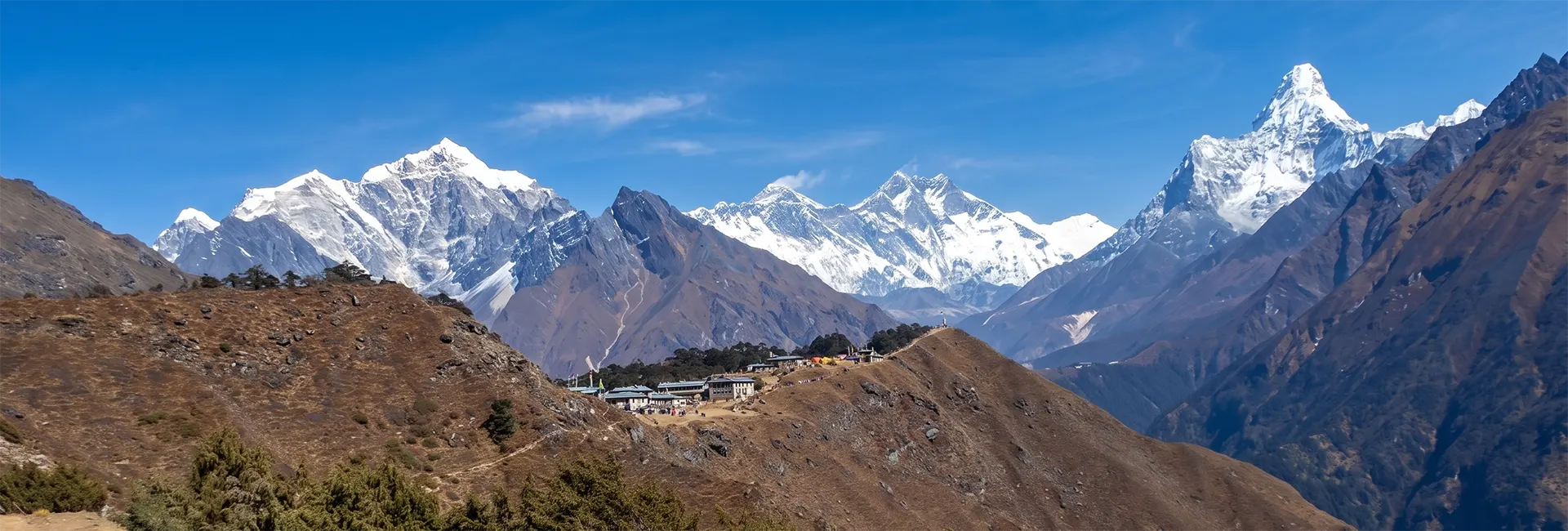
Бачнасць у гарах зімой часта найлепшая, бо халоднае сухое паветра забяспечвае выключную яснасць у ясныя дні. Сухое халоднае паветра на вышыні ўтрымлівае вельмі мала вільгаці, і неба яснай зімовай раніцай над Намчэ або Тэнгбочэ мае глыбокі, рэзкі блакітны колер, які выдатна фатаграфуецца і робіць кожную аддаленую вяршыню вельмі блізкай.
Lower travel costs are another advantage of winter trekking. Accommodation, guide services, and some trekking packages are often cheaper than during peak seasons, making winter a good option for budget-conscious trekkers.
Паход у базавы лагер Эверэста, 12 дні
Большасць людзей асацыююць паход у базавы лагер Эверэста з кастрычнікам і лістападам, калі сцежкі ажыўленыя, а чайныя дамы запоўненыя…
Бяспека зімовага паходу EBC: рэалістычная ацэнка
You need to understand EBC winter trek safety clearly before you commit to this season. Winter risks differ from other times of year, and some are far more serious. This section gives you an honest picture of each one.
The cold is the biggest challenge, and it deserves the most attention. On the lower sections of the trail, between Lukla and Namche, winter daytime temperatures are uncomfortable but manageable. Above 4,000 meters, particularly above Dingboche, altitude and temperature begin to matter in a different way.
У студзені ў Лобучэ і Горак-Шэпе дзённая тэмпература звычайна вагаецца ад 5°C да -5°C у залежнасці ад сонечнага святла і ветру. Начная тэмпература часта апускаецца ніжэй за -20°C, а моцны вецер можа значна пахаладаць. Пасля заходу сонца яна яшчэ ніжэйшая, часта дасягаючы мінус дваццаці і ніжэй, улічваючы холад ветру. У такіх умовах неадэкватная вопратка не проста нязручная. Яна можа стаць сур'ёзнай праблемай бяспекі.
Ice on the trail above Namche is a consistent feature in winter. Sections of the path that are shaded by cliffs or north-facing slopes stay frozen for much of the day and become slippery underfoot. The trail between Lobuche and Gorak Shep, and the early morning climb to Kala Patthar, both have sections that require careful footing. Microspike attachments for your trekking boots are worth carrying from Dingboche onward. A fall on frozen ground at altitude is something you should not risk when it is so easily prevented.
Flight reliability at Lukla is more variable in winter than in autumn. Cold morning air, low cloud, and occasional fog can close the airport for a day or two at a stretch. This is not unusual, and experienced operators plan around it, but you’ll need to build buffer days into your Kathmandu stay at both ends of the trek.
Daylight hours in December and January are the shortest of the year. Many walking stages that feel relaxed on long autumn days require earlier starts in winter to reach the next guesthouse before dark. Your guide will manage the daily schedule, but pre-dawn starts are a regular part of the winter routine above Dingboche.
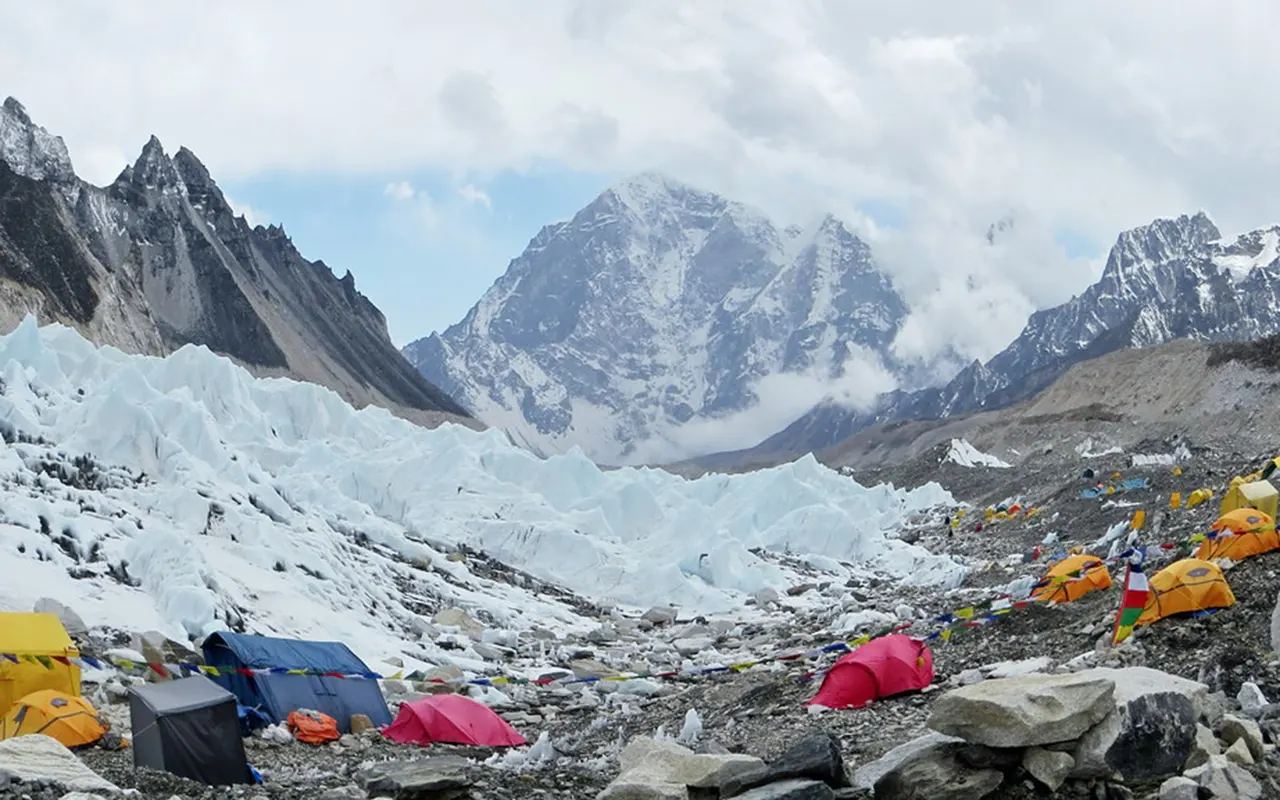
Як вышыня ўплывае на ваш арганізм зімой
Вышыня заўсёды з'яўляецца цэнтральным фактарам для здароўя падчас зімовага паходу ў базавы лагер Эверэста, і холад дадае складанасці ў рэакцыю арганізма, што варта належным чынам зразумець.
На вышыні вышэй за 3,000 метраў ціск паветра падае, і колькасць даступнага кіслароду памяншаецца. З кожным удыхам лёгкія ўсмоктваюць той жа аб'ём паветра, але здабываюць менш кіслароду.
Cold temperatures compound this stress in a specific way. Your body has to cope with two challenges at once: staying warm while adapting to lower oxygen levels. Energy is consumed faster than in warm weather, appetite often decreases at altitude, and early symptoms of altitude adjustment can appear more quickly in cold conditions than in spring or autumn.
Acute Mountain Sickness (AMS) occurs in definable stages. Mild AMS is characterized by a headache within 24 hours of exposure to high altitude associated with fatigue, loss of appetite, and sleep disturbance. Moderate AMS is characterized by a headache that doesn’t go away with analgesics, nausea, and a significant decrease in energy and coordination. Severe AMS can progress to high-altitude pulmonary edema, which affects the lungs, or High-Altitude Cerebral Edema, which affects the brain. Both are life-threatening without immediate descent.
The prevention approach for altitude sickness on the winter route is the same as in any season, but requires stricter adherence because the body is already under thermal stress. Take the acclimatization days at Namche Bazaar and Dingboche without cutting them short. Use the rest days for short upward hikes, then return to sleep at the lower altitude.
Пачынаючы з Намчэ, штодня піце ад трох да чатырох літраў вады, нават калі вы не адчуваеце смагі, бо халоднае надвор'е часта памяншае пачуццё смагі. Абязводжванне павялічвае рызыку горнай хваробы і стомленасці, таму працягвайце рэгулярна піць ваду на працягу дня разам з цёплымі напоямі.
Пазбягайце алкаголю, які можа абязводжваць арганізм і маскіраваць раннія сімптомы горнай хваробы. Хадзіце павольна, умерана і перад ад'ездам пракансультуйцеся з лекарам, ці падыходзіць вам прэпарат «Дыямокс».
Парады па зімовым паходзе ў Непале: штодзённыя правілы бяспекі
Beyond altitude management, these winter trekking Nepal tips cover the practical daily decisions that shape EBC winter trek safety on the ground.
Hiring an experienced licensed guide is one of the best decisions you can make for a winter trek. Your knowledgeable guide, familiar with the Khumbu region, will update you daily on the weather, help you on icy or snow-covered trails, communicate with teahouse owners about accommodation availability, and coordinate emergency assistance if needed.
Although trekking regulations in Nepal have changed in recent years, independent trekking policies can vary by region. Regardless of the latest rules, having a licensed guide during winter greatly improves both safety and the overall trekking experience.
Winter weather is generally more stable than the pre-monsoon period, but high-altitude conditions shift faster than most trekkers expect. A sudden drop in wind, unusual cloud formation around the high peaks, or an unexpected afternoon temperature change are all worth noting and discussing with your guide before deciding about the following day.
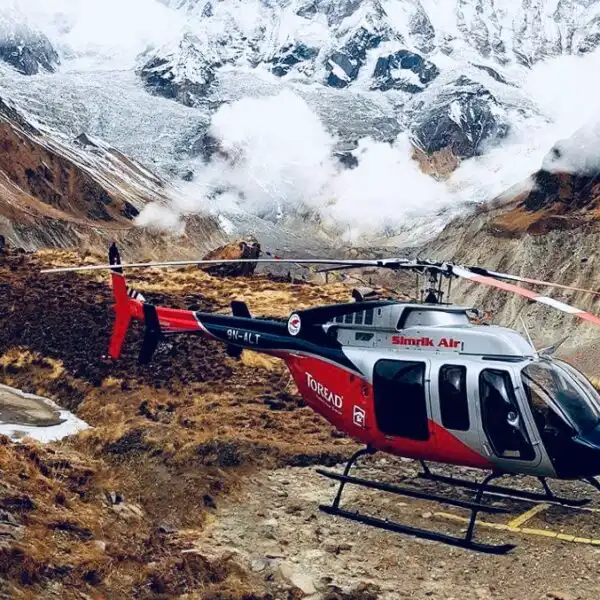
Разуменне працэсу эвакуацыі ў надзвычайных сітуацыях да таго, як вам гэта спатрэбіцца, простае, але важнае. Верталётная эвакуацыя даступная па ўсім рэгіёне Кхумбу і выкарыстоўваецца рэгулярна. Ваша турыстычная страхоўка павінна пакрываць эвакуацыю верталётам з вышыні. Заўсёды насіце пры сабе нумары кантактаў на выпадак надзвычайнай сітуацыі як вашай страхавой кампаніі, так і вашага турыстычнага агенцтва, а не толькі ў тэлефоне. Батарэі разраджаюцца хутчэй у халодных умовах, і тэлефон, які разрадзіўся ў Лобучэ, не спатрэбіцца ў надзвычайнай сітуацыі.
Пачынаць раніцу кожны дзень — гэта характэрная для зімы звычка, якая мае вялікае значэнне. Найбольш стабільная і цёплая частка зімовага дня ў Кхумбу — сярэдзіна раніцы. Пакінуўшы чайхану а сёмай ці палове на восьмую, вы дабярэцеся да наступнага пункта прызначэння задоўга да таго, як святло згасне, а тэмпература рэзка ўпадзе позна ўвечары. Прыбыцця ў гасцявы дом пасля наступлення цемры пры тэмпературы мінус пятнаццаць градусаў можна пазбегнуць, калі праявіць дысцыпліну ў пачатку дня.
Поўны спіс рэчаў для зімовых пакупак
Правільнае рыштунак неабавязковы для зімовага паходу ў базавы лагер Эверэста. Ніжэйпералічаныя рэчы ўяўляюць сабой мінімальны стандарт для бяспечнага і дастаткова камфортнага падарожжа.
Proper layering is essential in winter. Start with moisture-wicking thermal base layers for the upper and lower body. Merino wool is particularly effective because it manages moisture, resists odor over multiple days, and retains warmth even when damp. Over the base layer, add a warm fleece or softshell jacket as your main insulation for walking. Your outer layer needs to be a fully waterproof and windproof shell jacket with matching trousers. A down jacket rated to at least minus fifteen degrees Celsius is the most important single item in your clothing kit and should be treated as non-negotiable for the upper sections of the route.
Winter accessories require more thought than in other seasons. Insulated gloves with thin liner gloves underneath give you flexibility when you need dexterity for camera buttons or trail snacks without exposing your hands to the cold for long. A wool or fleece hat that covers your ears fully is necessary from Namche upward. A balaclava or thick neck gaiter is useful for the pre-dawn starts above Dingboche. High-quality UV-protective sunglasses are essential because reflections off snow at altitude can increase UV exposure and damage eyesight within a few hours. High-SPF sunscreen is equally important for the same reason.
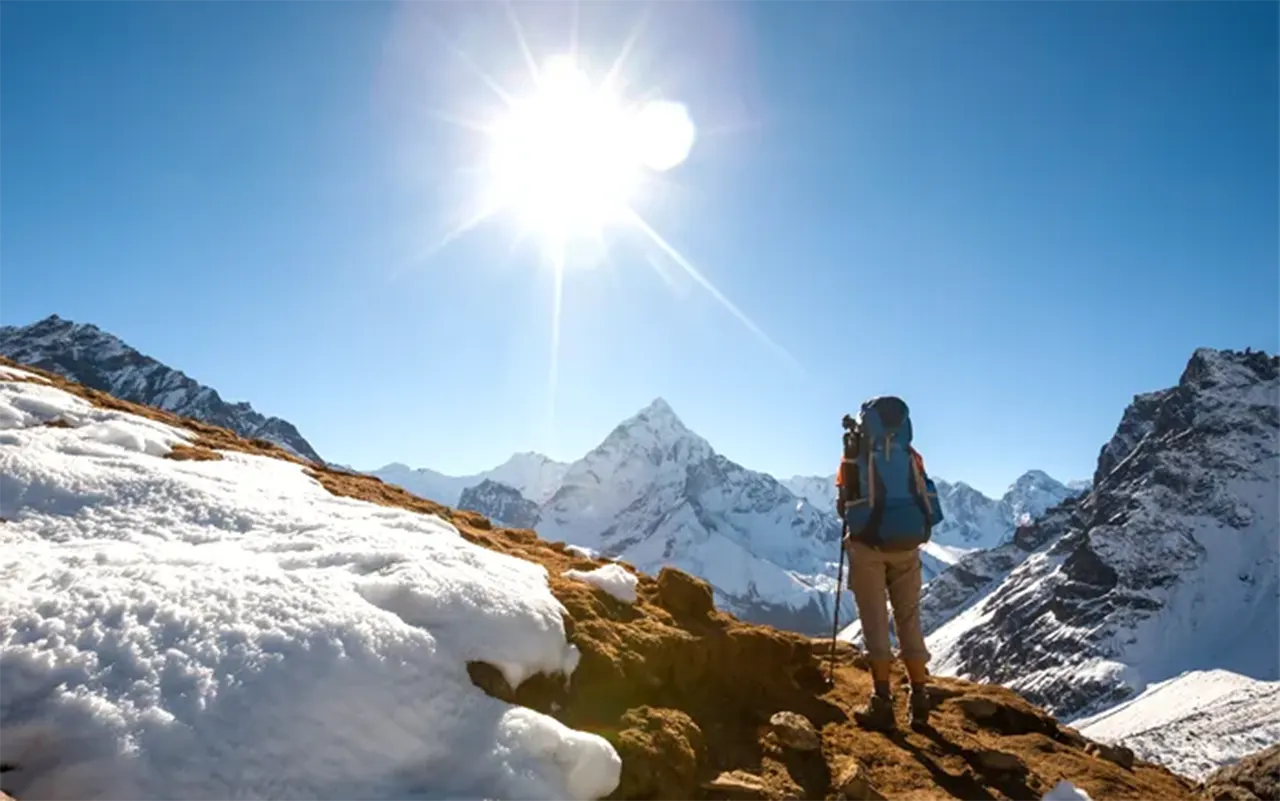
Footwear for the winter route needs to be both insulated and waterproof. Waterproof trekking boots with good ankle support suit most winter trekkers when paired with warm wool socks. Insulated winter trekking boots can make higher elevation hiking more comfortable if you’re especially sensitive to the cold. Gaiters keep snow out of your boots, and microspikes add traction on icy trail sections. Make sure your boots are fully broken in before your trek begins.
Для зімовых начэй у Лобучэ і Горак Шэпе рэкамендуецца спальны мяшок з тэмпературай мінус дваццаць градусаў Цэльсія . Укладыш для спальнага мяшка дадае ад двух да чатырох градусаў цяпла, а таксама забяспечвае гігіенічны пласт паміж вамі і пасцельнай бялізнай з чайных дамоў. Чайныя дамы прадастаўляюць коўдры, але іх таўшчыня і стан значна адрозніваюцца, і ваш уласны спальны мяшок здымае гэтую няўпэўненасць.
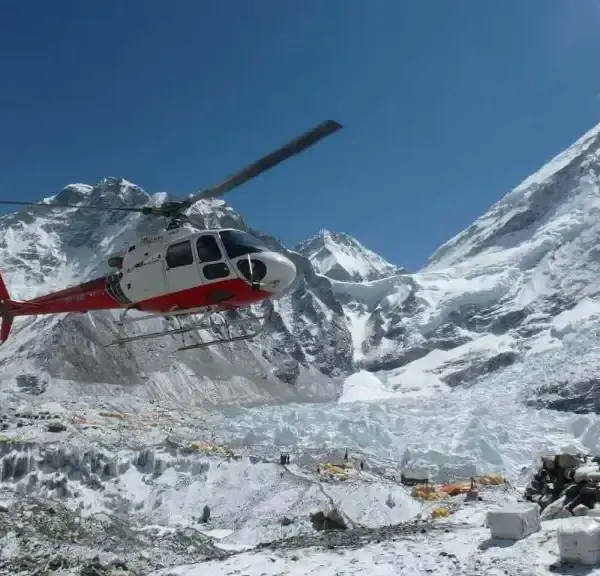
Верталётны рэйс Горакшэп - Катманду
Большасць людзей асацыююць паход у базавы лагер Эверэста з кастрычнікам і лістападам, калі сцежкі ажыўленыя, а чайныя дамы запоўненыя…
For electronics, carry a power bank with enough capacity for several days between reliable charging stops. A headlamp with spare batteries is important for pre-dawn starts, and keep the spare batteries warm in an inner pocket rather than in your bag, where they may lose charge overnight. A pulse oximeter is an optional but useful item for monitoring your blood oxygen saturation during the trek. While it should never replace professional medical advice or your guide’s judgment, it can provide additional information as you gain altitude.
Нізкія тэмпературы значна хутчэй зніжаюць зарад батарэі, чым чакае большасць турыстаў. Трымайце тэлефон, батарэі камеры, знешні акумулятар і іншыя электронныя прылады ў спальным мяшку або ўнутранай кішэні курткі на ноч, каб захаваць іх зарад. Гэтая простая звычка можа прынесці прыкметны эфект, асабліва ў самыя халодныя ночы на вялікай вышыні.
Кошт зімовага паходу ў базавы лагер Эверэста з 2026 па 2027 год
Winter is the most affordable season for most cost categories on the Everest Base Camp trek. Here is a realistic and detailed breakdown.
Permits are fixed by the government and do not change with season. The Sagarmatha National Park entry permit costs approximately NPR 3,000 per person, which works out to around USD 22. The Khumbu Pasang Lhamu Rural Municipality trekking permit costs about NPR 2,000, or about USD 15. Both are straightforward to obtain, and your trekking agency can handle them as part of a package.
Пералёт туды і назад паміж Катманду (або Рамечхапам у перыяды пік) і Луклай звычайна каштуе ад 440 да 560 долараў ЗША з чалавека ў залежнасці ад авіякампаніі, сезона і наяўнасці. Сумесныя месцы на верталёце паміж Катманду і Луклай звычайна каштуюць ад 500 да 700 долараў ЗША з чалавека ў залежнасці ад наяўнасці. Таксама даступныя прыватныя чартарныя верталёты, якія звычайна каштуюць 2,500 долараў ЗША і больш за ўвесь самалёт.
Guide and porter costs vary with experience and the arrangement you choose. A licensed local guide costs between USD 25 and USD 35 per day. A porter who carries your main bag costs between USD 18 and USD 25 per day. A guide-porter who handles both roles costs between USD 30 and USD 40 per day and is a practical option for trekkers who want to keep group size and cost manageable. Always book through a registered agency and confirm that your guide and porter carry appropriate insurance and personal gear.
Размяшчэнне ў чайных доміках крыху даражэе па меры набору вышыні, хоць зімовыя цэны часта ніжэйшыя, чым у пік сезону паходаў. Кошт нумароў звычайна складае ад
USD 5 and USD 15 per night. Some teahouses offer a free or discounted room if you eat your meals there. At higher elevations, rooms are generally unheated, so a warm sleeping bag is essential for a comfortable night.
У самыя халодныя зімовыя тыдні вадаправодныя трубы і краны на вялікіх вышынях могуць замярзаць за ноч. Гарачы душ вышэй за Дзінгбочэ прымаюць радзей і не заўсёды. Наяўнасць вільготных сурвэтак і невялікага набору асабістай гігіены можа значна палегчыць адчуванне камфорту на верхняй частцы паходу.
Food and drink on the trail cost between USD 20 and USD 35 per day depending on your choices and your elevation. Hot drinks are both a comfort and a necessity in winter, and they cost more as you climb. A cup of tea at Gorak Shep runs USD 3 to USD 5. Charging devices at teahouses above Namche costs USD 2 to USD 5 per charge and adds up over fourteen days.
Страхоўка падарожжаў для гэтага паходу не падлягае абмеркаванню ў любы час года, асабліва зімой, калі рызыка эвакуацыі вышэйшая. Поліс, які пакрывае высакагорны паход да 6,000 метраў і эвакуацыю верталётам, звычайна каштуе ад 80 да 200 долараў ЗША ў залежнасці ад вашага грамадзянства, узросту і пастаўшчыка. Аформіце і набудзьце яе перад ад'ездам з дому.
Total budget estimates vary significantly with travel style. A budget-conscious trekker using a guide-porter arrangement and basic teahouses can complete the fourteen-day trek for between USD 1,200 and USD 1,600 including permits, flights, food, and daily costs. A standard trekker with a separate guide and porter, mid-range accommodation choices, and some equipment rental will spend between USD 1,800 and USD 2,500. A comfort-focused trekker using better-equipped lodges and a private guide arrangement should budget USD 2,500 and above.
Фізічная і разумовая падрыхтоўка
The Everest Base Camp trek in winter asks more of your body than the same route in warmer conditions. Cold increases the energy cost of every hour on the trail, and the combination of altitude and low temperature means accumulated fatigue arrives sooner than it would in autumn.
The most useful physical training for this trek is long-distance hiking on hilly terrain with a loaded daypack. This mirrors the route’s demands more closely than any gym exercise. In the first two months, build to three-hour hikes three to four times per week with a pack of around six to eight kilograms. In the final two months, push your weekend hikes to five to seven hours with a fully loaded pack and as much elevation gain as your local terrain allows. Supplement this with strength training focused on quads, glutes, and core, as these muscle groups take the most load on the long descent days.
Псіхалагічная падрыхтоўка гэтак жа важная, як і фізічная. Зімовы паход — гэта халодныя раніцы, зменлівае надвор'е і доўгія дні на сцежцы. Прыняцце гэтых выклікаў перад пачаткам паходу дапаможа вам заставацца пазітыўным і атрымліваць асалоду ад паходу, нават калі ўмовы становяцца складанымі.
Што да таго, ці могуць пачаткоўцы праходзіць зімовы паход па EBC, то тут трэба быць асцярожнымі. Гэта не самы падыходны першы вопыт паходаў на вялікай вышыні. Папярэднія паходы на ўмераных вышынях Гімалаяў, нават на вышыні ад 3,000 да 4,000 метраў па больш кароткім маршруце, дадуць вам карыснае ўяўленне аб тым, як ваш арганізм рэагуе на вышыню і холад. Тым не менш, матываваныя пачаткоўцы, якія прайшлі сур'ёзную фізічную падрыхтоўку і падарожнічаюць з вопытным гідам, паспяхова прайшлі зімовы маршрут. Галоўнае — не недаацэньваць гэты маршрут.
Зіма супраць вясны супраць восені: простае параўнанне
У табліцы ніжэй падсумаваны асноўныя фактары на працягу трох асноўных сезонаў паходаў на маршруце EBC.
| Facteur | зіма | вясна | восень |
| натоўпу | Вельмі нізкі | Haut | Très élevé |
| надвор'е | Халодны, стабільны | добра | Лепшы |
| думкі | выдатна | добра | выдатна |
| Каштаваць | Самыя нізкія | Haut | Найвышэйшы |
| цяжкасць | Цяжэй за ўсё | Modéré | Modéré |
Winter is the right choice for experienced trekkers who prioritize solitude, clear mountain photography, and lower costs over the comfort of warmer conditions. It is not well suited to people who are sensitive to cold, have respiratory conditions, or are attempting high-altitude trekking for the first time without prior experience. Spring and autumn remain the more forgiving and better-supported seasons for those new to Himalayan trekking.
Памылкі, якіх варта пазбягаць падчас зімовага паходу па EBC
Большасць цяжкасцей на зімовым маршруце зводзяцца да невялікага набору памылак, якіх можна пазбегнуць. Пра іх варта ведаць, перш чым адправіцца ў дарогу.
Underestimating the temperature gap between Kathmandu and the upper Khumbu is the mistake most commonly made by first-time winter trekkers. The difference between a pleasant Kathmandu afternoon in December and Gorak Shep at midnight in January is around thirty degrees Celsius. Packing gear that works for autumn conditions and assuming it will be enough in winter creates real problems above Dingboche.
Прапускаць дні акліматызацыі дзеля эканоміі часу зімой больш небяспечна, чым у любы іншы сезон. Арганізм ужо траціць дадатковую энергію на тэрмарэгуляцыю, што памяншае рэсурсы, даступныя для адаптацыі да вышыні. Дні адпачынку ў Намчэ і Дзінгбочэ — гэта час, калі ваш арганізм выконвае працу па адаптацыі. Іх адсутнасць скарачае гэты працэс і павялічвае верагоднасць праблем, звязаных з вышынёй, у верхніх участках.
Ignoring early AMS symptoms because motivation is running high is a pattern that ends many winter treks poorly. A headache at Lobuche that worsens overnight rather than improving signals that your body is not coping with the altitude at that stage. Telling your guide, resting an extra day, or descending to a lower altitude are all reasonable responses. Pushing on in the hope that things will improve at a higher elevation is not a reasonable response and has led to serious outcomes for trekkers on this route.
Ignoring changing weather conditions is another avoidable mistake. Winter weather is generally more settled than during the monsoon or pre-monsoon season, but you can still encounter heavy snowfall or strong winds that can affect trail conditions and travel plans. Staying flexible and following your guide’s advice will help you make safer decisions if the weather changes unexpectedly.
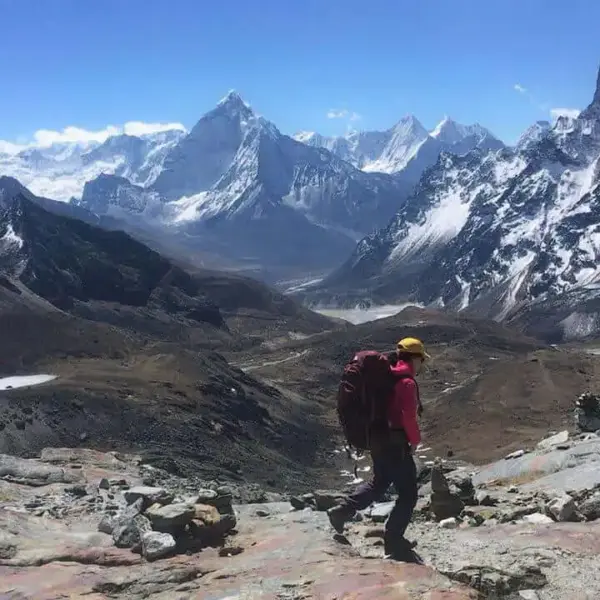
15-дзённы паход на перавал Чо-Ла-Эверэст
Большасць людзей асацыююць паход у базавы лагер Эверэста з кастрычнікам і лістападам, калі сцежкі ажыўленыя, а чайныя дамы запоўненыя…
Браніраванне авіябілетаў у Луклу без рэзервовых дзён на любым канцы паездкі — гэта прабел у планаванні, які выклікае значны стрэс, калі зімой аэрапорт зачыняецца. Затрымка на адзін-два дні ў Лукле зімой цалкам нармальная. Уключэнне гэтых дзён у свой расклад з самага пачатку пазбаўляе ад трывогі і дарагога перабраніравання, якія ўзнікаюць з-за шчыльнага маршруту.
Questions fréquemment posées
Ці бяспечны паход у базавы лагер Эверэста зімой?
With proper preparation, suitable gear, and a licensed guide, the winter route is safe for trekkers who approach it seriously. The risks are real and specific to the season, but manageable for anyone who prepares thoroughly and follows EBC winter trek safety guidance.
Наколькі холадна бывае ў базавым лагеры Эверэста зімой?
Daytime temperatures at Base Camp in winter range from minus five to minus fifteen degrees Celsius. At night in Gorak Shep, temperatures regularly fall to minus twenty degrees Celsius or lower. Wind chill on exposed ridges and during the Kala Patthar climb makes conditions feel considerably colder.
Ці адкрыты чайханы ў зімовыя месяцы?
Most teahouses along the main EBC route remain open through December, January, and February. A small number of the higher-elevation lodges may close during the deepest part of winter. Your guide will confirm current availability before you depart each stage.
Ці патрэбен мне гід для зімовага паходу EBC?
A licensed guide is strongly recommended for a winter Everest Base Camp trek. An experienced guide provides route knowledge, weather reports, emergency assistance, and local support throughout the trek. Trekking regulations can change, so it’s always a good idea to check the latest requirements before planning your trip.
Які зімовы месяц найлепш падыходзіць для паходу EBC?
December is usually the most accessible of the three winter months, with slightly less extreme nighttime temperatures than January and February. All three months offer the same trail experience and mountain views, so the choice often comes down to which dates fit your schedule.
Ці часцей узнікае горная хвароба зімой?
The cold in winter places additional physical demands on the body, which can accelerate the onset of early AMS symptoms. Trekkers who stick strictly to the acclimatization schedule and move at a measured pace manage altitude well in winter. Those who move too fast or skip rest days are more vulnerable than they would be in warmer conditions.
Ці варта зімой паход у базавы лагер Эверэста?
For many trekkers, winter is the most rewarding time to visit Everest Base Camp. Empty trails, sharp mountain air, views that stretch to every horizon without haze, and teahouses where the owner remembers your name because there are only four guests. The Everest Base Camp trek in winter gives you the Khumbu without the performance of peak season, and for people who value that kind of quiet and directness in their travel, it is a very compelling offer.
Гэта патрабуе ад вас большага, чым той жа маршрут у кастрычніку. Падрыхтоўка павінна быць больш грунтоўнай, рыштунак павінен быць належным чынам разлічаны на холад, і ваша стаўленне да дыскамфорту павінна быць вырашана да прыбыцця.
Start your preparation early. Choose an operator with real winter experience in the Khumbu. Pack for the worst conditions you might encounter, not the average ones. Get your insurance in place before you travel. And go with a clear sense of what the cold will feel like, so when it arrives, it doesn’t surprise you. Winter conditions are demanding, but with proper preparation, they can also be incredibly rewarding, leaving you with memories that last long after the trek is over.