





11 Egun


Quick gertaerak

Lurreko garraioa Nepalen

Hotelak eta te-etxeak

Katmandun izan ezik, otordu guztiak

Bisita gidatua eta ibilaldia bidaia osoan zehar

Udazkena, Udaberria

Mugatzea

Nepal

5,357 m

Katmandu - Lukla - Gokyo Ri - Lukla - Katmandu


Zergatik egin 11 eguneko Everest Gokyo Ri trekkinga?
Everest Gokyo Ri Trek-ek Himalaiako ikuspegi liluragarriak, Gokyo aintzira turkesak, mendiko ibilbide zirraragarriak eta abentura ahaztezinak eskaintzen ditu Nepalgo Everest eskualde zoragarrian zehar.
- Iritsi Gokyo Ri-ra (5,360 m) lau 8,000 m-ko gailurren ikuspegi zabalak lortzeko: Everest mendia (8848.86 m), Lhotse (8,516 m), Artikuluak (8,485 m), eta Cho oyu (8,188 m).
- Bisitatu urruneko herri Gokyoko, 4,790 metrotan kokatua.
- Gurutzea Ngozumpa glaziarra (22KM), Himalaiako glaziarrik luzeena.
- Oinez bakarrik iristeko moduko sherpa kokalekuak behatu.
- Bizi ezazu paisaia erronka handikoak, basotik hasi eta Alpeetaraino eta glaziar eremuetaraino.
- Iritsi altitudeetara egokitzea ezinbestekoa den altueretara.
- Ibilaldia Sagarmatha Parke NazionalaBat UNESCOk Gizateriaren Ondare.
- Urruneko kokalekuetatik igaro, hala nola Dole Machhermo.
Bidaiaren ikuspegi orokorra
Everest mendira igotzea ez badago zure ametsen zerrendan, zer moduz haren ondoan mendi-ibiliak egitea, izozte edo porrot arriskurik gabe? Everest Gokyo Ri trekkinga Gokyo Lakuetara eta Gokyo Rira doan altitude handiko bidaia da . Trekking honek munduko lau mendirik altuenak gertutik ikusteko aukera ematen du: Everest, Lhotse, Makalu eta Cho Oyu.
Ibilaldi hau aproposa da Everest kanpaleku nagusirako ibilbidearen alternatiba abenturazale eta jende gutxiagokoa nahi dutenentzat. Gokyo haranetik igarotzen den ibilbide luzeagoa eta erronka handiagoa du, eta horrek lehen aldiz mendizale gutxiago erakartzen ditu. Everest eskualdea bisitatzen duten mendizaleen % 20-25 inguruk aukeratzen dute ibilbide hau, eta gehienek EBC bide klasikoa jarraitzen dute.
Eskualdean sherpa herrixkak daude, eta Tibeteko budista tradizioak eguneroko bizitzaren parte dira. Otoitz banderak, mani hormak eta chortenak bidea inguratzen dute, eta Gokyo aintzirak sakratutzat hartzen dituzte bai budisten bai hinduen aldetik . Era berean, Sagarmatha Parke Nazionaletik igaroko zara, Gizateriaren Ondare dena. Himalaiako tahrra, orein muskatua eta Himalaiako monala, grandala eta mendiko usoa bezalako fauna ikusteko aukera ematen dizu.
Ibilaldi honetarako Luklara hegazkinez joan behar duzunez, Lukla erabat inguratzen duen ibilbide ezagun berri bat dago, bakarrik bazoaz har dezakezuna. Hegazkinez joan beharrean , Katmandutik Phaplura autoz joan zaitezke, gero Surkhetik Phakdingera oinez eta Namche Bazaarrera . Hala ere, 2-3 egun gehiago gehi diezazkioke zure ibilaldiari.
Gokyoko trekkinga Nepalgo Himalaiako abentura ikusgarri eta aberasgarrienetako bat da , jende gutxiago eta paisaia liluragarriak bilatzen dituzten trekking-larientzat aproposa. Ibilaldi moderatu edo erronka handiko honek sherpa herrixka ederretatik , Gokyoko aintzira turkesetatik eta mendiko paisaia zoragarrietatik eramango zaitu. Aipagarriena Gokyo Rirako ibilaldia da , non Everest eskualdeko ikuspegi panoramikorik onenetako batez gozatuko duzun, Everest, Lhotse, Makalu eta Cho Oyu barne. Kristalezko aintzirekin, glaziar dotoreekin eta egunsenti ahaztezinekin, Gokyoko trekkingak trekking esperientzia lasaia, paisaia ederra eta benetan bizitza aldatzen duena eskaintzen du Himalaiaren bihotzean.
Glaziar haranekin, laku sakratuekin eta bidean jende gutxiagorekin altitude handiko ibilaldi bat nahi baduzu, hau da. Everest Gokyo lakuko ibilaldiak espazio gehien eskaintzen du ibiltzeko, eskalatzeko eta esploratzeko, Everest oinarrizko kanpalekuko presaren beharrik gabe.
Everest Gokyo Ri trekking ibilbidearen ikuspegi orokorra
Everest Gokyo Ri Trek ibilbidea Katmandutik Luklarako hegaldi batekin hasten da, eta gero Phakding eta Namche Bazaarreraino jarraitzen du. Namche Bazaarren, egun bat emango dugu aklimatatzen, eta gero Gokyo Haranera abiatuko gara.
Namche Bazaarretik, bideak Dole eta Machhermora eramaten gaitu basoetatik, mendiko herrietatik eta lur alpetar irekiagoetatik igaroz. Dudh Koshi ibaiaren ondotik jarraituko dugu Gokyora, non lehen eta bigarren Gokyo aintzirak bisitatuko ditugun, eta gero Gokyo herritik gertu dagoen hirugarren aintzira.
Gokyo inguruko aintzirak esploratzeko eta Gokyo Ri igotzeko oinarri nagusia da. Hurrengo egunean, goizaldean Gokyo Ri igoko gara Everest mendia, Lhotse, Makalu, Cho Oyu eta beste mendi batzuk ikusteko. Gokyora itzuli ondoren, ibilbidea laugarren eta bosgarren Gokyo aintziretara jarraitzen du herrira itzuli aurretik.
Itzulerako bideak haran beretik jarraitzen du Machhermo eta Dole aldera, Namche Bazaarrera jarraitu aurretik. Namchetik, Khumbu beheko herrietatik Luklaraino itzuliko gara. Ibilaldia Katmandura itzultzeko hegaldi batekin amaitzen da.
Ibilbide nagusia hau da: Katmandu – Lukla – Phakding – Namche Bazaar – Dole – Machhermo – Gokyo – Gokyo Ri – Gokyo – Machhermo – Dole – Namche Bazaar – Lukla – Katmandu
Ibilbide honek sherpa herriak, Gokyo aintzirak, Ngozumpa glaziarra, paisaia alpinoak eta goi mendietako ikuspegiak konbinatzen ditu. Jarraian dagoen Altuera Maila eta Distantzia Totala atalak ibilbideko puntu nagusien kota eta distantziaren xehetasunak eskaintzen ditu.
11 eguneko Everest Gokyo Ri trekking ibilbidea
Eguna 01: Hegan egin Kathmandutik Luklara, eta gero Phakdingera oinez joan.
Zure 11 eguneko Everest Gokyo Ri Trek-erako bidaia goizeko hegaldi batekin hasiko da (6:00-10:00 AM) Katmandutik Luklara (2,800 m). Lukla Everesterako atea bezala ezagutzen den herri txiki bat da.
Lehorreratzean, zamaketariak etorriko dira taldearekin topo egitera, eta Chheplung herrixkatik zehar ibiltzen hasiko zara, non Kusum Kangururen (6,367 m) lehen ikuspegiak ikusiko dituzun. Ondoren, Dudh Koshi ibaia jarraituko duzu eta Thado Koshi-n zure lehen zubi esekia zeharkatuko duzu.
Eguerdi aldera, Ghat-era iritsiko zara eta pinu basoetan zehar ibiltzen jarraituko duzu, mani horma margotuak igaroz, Kusum Khola zeharkatu aurretik. Phakding-era iristean, Rimishung monasterioa ikusiko duzu gertuko gailur batean. Lehen egun labur honek zure gorputzari altitudeari egokitzen laguntzen dio eta glaziar, laku eta goi mendi haranetako zure ibilaldiaren hasiera ofiziala markatzen du.
Oharra : Martxoan, apirilean, maiatzean, irailean, urrian eta azaroan bezalako puntako hilabeteetan, Luklarako hegaldia Manthalitik (Ramechhap barrutia) joateko aukera gehien dago, aire-trafikoa dela eta. Beraz, baliteke goizaldean 5-6 ordu lehenago gidatu behar izatea Luklarako hegaldia hartzeko.

Gosaria, Bazkaria, Afaria

teahouse

9 km / 5.6 milia

2,800 m / 9,186 ft

3hrs
Eguna 02: Ibilaldia Phakding-etik Namche Bazara
Eguna Dudh Koshi ibaiaren ondotik hasiko duzu, 130 km inguruko luzera duena. Totok eta Benkar herrietatik igaroko zara, eta handik Thamserku (6,608 m) mendia ikus dezakezu muinoan. Zubi eseki bat zeharkatu ondoren, Monjo (2,835 m) iritsiko zara, Sagarmatha Parke Nazionaleko sarrera puntura . Hemen, zure baimenak egiaztatuko dituzte Jorsalletik jarraitu aurretik.
Jorsalletik aurrera jarraituko duzu eta Hillary zubi esekia zeharkatuko duzu, bideko zubirik altuena, eta rododendro basoan zehar igotzen hasiko zara. Bide luzean, zerua garbi badago, Everest mendia ikus dezakezu. Arratsalde amaieran, Namche Bazaarrera iritsiko zara, Khumbu eskualdeko merkataritza eta kultura gune nagusia eta Everest Gokyo Ri bidaian geldialdi garrantzitsu bat.
Gosaria, Bazkaria, Afaria
teahouse
10 km / 6.2 milia
3,440 m / 11,286 ft
5hrs
Eguna 03: Aklimatazio Eguna Namche Bazaar-en
Gokyo lakuko trekking egun honetan, Namche Bazaar-en (3,440 m) ostatu hartuko duzu, zure gorputza altitude handiagoetara egokitzen laguntzeko. Goizean, Everest View Hotelera (3,880 m) igoko zara, munduko altituderik handienetako hoteletariko batera.
Bidean, Syangbocheko aireportutik (3,780 m) igaroko zara, hegazkin txikientzako lurreratze-gune gisa balio duena. Hoteleko ikuspuntutik, mendikate zabala ikusiko duzu, besteak beste, Everest, Lhotse, Ama Dablam eta Thamserku.
Ibilaldiaren ondoren, Namchera itzuliko zara bazkaltzera eta egunaren gainerakoa herria arakatzen pasatuko duzu. Sherpa kulturaren museoa eta Parke Nazionaleko Bisitarien Zentroa bisita ditzakezu, Everest eskualdeko tokiko tradizioak, geografia eta historia azaltzen dituena. Namcheko dendek eta okindegiek atseden hartzeko eta indarberritzeko lekua eskaintzen dute.
Gosaria, Bazkaria, Afaria
teahouse
4 km / 2.5 milia
3,880 m / 12,730 ft
3hrs
Eguna 04: Trek Namche Bazaar-etik Dholeraino
Namchen egun osoa eman ondoren, Kyangjumarantz doan ibilaldia hasiko duzu. Denbora pixka bat igaro ondoren, Sanasara iritsiko zara eta Mong Larantz (3,957 m) doan goiko bidea hartuko duzu, nondik Ama Dablam eta Kangtega (6,782 m) ikus daitezkeen. Phortse Thengara (3,680 m) jaitsiko zara, Dudh Koshi ibaiaren ondoko ibaiertzeko eremu batera. Puntu honek Gokyo haranerako sarrera markatzen du.
Phortse zeharkatu ondoren, ibaiaren gaineko egurrezko zubi bat zeharkatuko duzu eta basoen arteko goranzko zatia hasiko duzu. Thenga herrixkatik igaroko zara eta Dholera jarraituko duzu oinez, Taboche gailurra (6,495 m) ikus daitekeen herrixka batera. Gaua Dholen pasako duzu.
Gosaria, Bazkaria, Afaria
teahouse
12 km / 7.5 milia
3,957 m / 12,982 ft
6hrs
Eguna 05: Dholetik Machhermora egindako ibilaldia
Bosgarren egunean, Dhole-tik (4,200 m) hasiko duzu eguna eta Lhabarma (4,330 m) herrixka txikietatik igarotzen den bidea jarraituko duzu, eta gero Luzara (4,390 m) iritsiko zara, non Cho Oyu (munduko seigarren mendirik altuena) ikusi ahal izango duzun. Yak larreak eta chorten txikiak ikusiko dituzu poliki-poliki altuera irabazten duzun heinean.
Eguerdirako, Machhermora iritsiko zara, 1974an Yeti bat ikusi izanaren gertakariagatik ezaguna den lekura. Bertan atseden hartu eta harana esploratu ahal izango duzu egunaren gainerakoan. Machhermoko Himalaiako Erreskate Elkartearen postuak ere egunero hitzaldi bat ematen du altuerako segurtasunari buruz, eta hori garrantzitsua da Everest Gokyo Ri trekking ibilbidean.
Gosaria, Bazkaria, Afaria
teahouse
10 km / 6.2 milia
4,470 m / 14,665 ft
5hrs
Eguna 06: Machhermotik Gokyora egindako ibilaldia
Goizean goiz, Machhermotik hasiko duzu ibilaldia eta Dudh Koshi ibaia jarraituko duzu. Jaitsiera labur baten ondoren, Pangkatik (4,390 m) igaroko zara. Hemendik, Ngozumpa glaziarraren amaierako morrena ikusiko duzu, Nepalgo glaziar luzeena, 36 km ingurukoa. Ondoren, erreka baten gaineko zubi bat zeharkatu eta gora jarraituko duzu lehenengo Gokyo lakuraino, Longpongo Tsho (4,690 m) bezala ezagutzen dena.
Bigarren aintziratik igaroko zara, Taboche Tsho (4,710 m), eta eguerdirako hirugarren aintzirara iritsiko zara, Dudh Pokhari (4,790 m), eta ondoan dago Gokyo herrixka. Asentamendu hau Cho Oyuren azpian dago, eta hemendik Ngozumpa glaziarraren goiko aldea ikus daiteke.
Gosaria, Bazkaria, Afaria
teahouse
12 km / 7.5 milia
4,790 m / 15,715 ft
4-5 ordu
Eguna 07: Arakatu Gokyo harana, igo Gokyo Ri eta egin ibili bosgarren lakura
Egun hau Gokyo eskualdea esploratzeko izango da. Goiza goiz hasiko duzu Gokyo Ri-ra (5,360 m) igoz. Gailurretik, munduko lau gailurrik altuenen ikuspegi panoramikoak ikusiko dituzu: Everest, Lhotse, Cho Oyu eta Makalu, baita Ngozumpa glaziar osoa ere. Gailurrean denbora pixka bat eman ondoren, Gokyora jaitsiko zara berriro.
Eguerdirako, iparralderantz joango zara laugarren aintzirarantz, Thonak Tsho (4,840 m), eta gero bosgarren aintzirara iritsiko zara, Ngozumpa Tsho (4,980 m). Hemendik, Cho Oyuren ikuspegi hurbilak ikusiko dituzu. Aintzirak Ngozumpa arroaren goiko glaziar urtuak elikatzen ditu.
Eremua esploratu ondoren, Gokyo herrira itzuliko zara gaua pasatzera. Everest Gokyo Ri trekking ibilbideko egun honek altitude handiko bistak eta glaziar-lakuen esplorazioa eskaintzen dizkizu egun oso batean.
Gosaria, Bazkaria, Afaria
teahouse
14 km / 8.7 milia
5,360 m / 17,585 ft
7hrs
Eguna 08: Gokyotik Dholera egindako ibilaldia
Gaur, Gokyotik jaisten hasiko zara Dudh Pokhari lakuaren ondoko bide bera jarraituz, Ngozumpa glaziarraren mendebaldeko zatitik jaitsi aurretik. Altitudea galtzen duzun heinean, Gokyoko harrizko hormaz inguratutako larreetatik igaroko zara eta Phangkara iritsiko zara.
Phangkatik, Machhermorantz jarraituko duzu, iparraldean dagoen Cho Oyu mendiaren ikuspegi ederrak ikusiz. Machhermotik, Luzatik behera jaitsiko zara Dholera (4,200 m) iristeko. Everest Gokyo Ri trekking ibilbidearen zati honek goi-mendiko eremua utzi eta altitude baxuagoetarako prestatzeko aukera ematen dizu.
Gosaria, Bazkaria, Afaria
teahouse
15 km / 9.3 milia
4,790 m / 15,715 ft
7hrs
Eguna 09: Trek Dholetik Namche Bazara
Dholetik, Luza aldera jaitsiko zara Dudh Koshi gaineko bideak igaroz. Ibilaldi labur baten ondoren, Phortse Tengara iritsiko zara, bi ibai, Dudh Koshi eta bere ibaiadarrak, elkartzen diren lekura. Bideak Mong La aldera eramango zaitu, non Ama Dablam eta Thamserku bezalako gailurrak azken aldiz gertutik ikusi ahal izango dituzun.
Mong Latik, basoan zehar ibiliko zara Kyangjumara iristeko. Hemendik, Tengboche eta Everest kanpaleku nagusirako bideen elkargunea ikusiko duzu. Ondoren, Namche Bazaarrerantz (3,440 m) jarraituko duzu, eta han berriro ere Everest eskualdeko ibilbide ezagunekin konektatuko zara.
Gosaria, Bazkaria, Afaria
teahouse
14 km / 8.7 milia
3,957 m / 12,982 ft
6hrs
Eguna 10: Trek Namche Bazaar-etik Luklara
Sherpa gunea utzita, Hillaryko Zubi Eseki aldera jaitsiko zara. Zubia zeharkatu ondoren, Monjo eta Jorsalle bezalako herrietatik igaroko zara, eta Sagarmatha Parke Nazionaleko sarrera ikusiko duzu. Bhote Koshi eta Dudh Koshi ibaien elkargunea berriro ikusiko duzu Larja Dobhan ondoan.
Eguerdirako, Phakdingera iritsiko zara eta Ghat eta Thado Koshi zeharkatuko dituzu, hainbat zubi eseki zeharkatuz. Chheplung igaroko duzu Luklara iritsi aurretik, Everest Gokyo Ri trekkingaren zirkuitua amaitzen den tokira.
Gosaria, Bazkaria, Afaria
teahouse
19 km / 11.8 milia
3,440 m / 11,286 ft
7hrs
Eguna 11: Hegan egin Katmandura itzultzeko
Goizaldean, Luklatik Katmandura hegaldia hartuko duzu. Hegaldiak denbora gutxi irauten du eta Dudh Koshi harana jarraitzen du, zeharkatu dituzun Himalaiako paisaien azken ikuspegia emanez.
Katmanduko Tribhuvan Nazioarteko Aireportuan lurreratzen zarenean, zure ibilaldia ofizialki amaitzen da. Hotelean sartu ondoren, egunaren gainerakoa libre izango duzu. Mendizale askok denbora hori atseden hartzeko, Asan edo Thamel bezalako tokiko merkatuak arakatzeko edo Boudhanath edo Pashupatinath bezalako kultura-lekuak bisitatzeko erabiltzen dute.
Breakfast
Hotel
2,800 m / 9,186 ft
11 eguneko Everest Gokyo Ri trekking mapa
Zer Espero?
Zer dago barne
Aireportuko jasotze eta uzteko zerbitzuak
- Nazioarteko iristen direnen bilketa
- Aireportu nazionaletik hotelera eramateko zerbitzua (ibilaldiaren hasiera)
- Aireportu nazionalean jasotzea eta hotelera eramatea (ibilaldiaren ondoren)
- Nazioarteko irteera-bidaia zure azken egunean
Ostatu Zerbitzuak
- 10 gau mendietako te-etxe lokaletan (bikoteka partekatuta)
Trekking Baimena
- Tokiko Gobernuaren Sarrera Baimena (Trek Txartela)
- Sagarmatha Parke Nazionaleko Baimena (Everest Baimena)
Etxeko hegaldiak
- Katmandurako Luklarako hegaldi txartela
- Luklatik Katmandurako hegaldi txartela
Luklako hegaldiaren kasuan, Ramechhapetik igaroz
- Katmanduratik Ramechhapera joan-etorria garraio partekatuan
- Ramechhapetik Luklara bitarteko barne-hegaldi txartela
- Luklatik Ramechhapera doan barne hegaldi txartela
- Ramechhapetik Katmandura Jeep bat partekatuz
Janaria Katmandun/Trekking-ean
- 10 Gosaria: Tokiko eta kontinental aukerak te-etxetik Menua
- 10 Bazkaria: Bazkari sinple eta arina lunch camp-eko te-etxeetan
- 10 Afaria: Aukerako otordu begetarianoak eta ez-begetarianoak, tokiko te-etxeko janari nepaldarrak eta kontinentalak Menua
Gida/Amatzaile Zerbitzuak eta Haien Erantzukizunak
- Gure taldeak eramandako lehen sorospenen kita
- Trekking gida – Ingelesez hitz egiten duen gida lizentziaduna, 10 urte baino gehiagoko esperientziarekin.
- Gida eta Zamaltzaileentzako Aseguruak (Larrialdietako ebakuazioa eta istripuzko gastu medikoak)
- Gidari/zamatzaileentzako otordu guztiak
- Enpresaren ohiko tarifan oinarritutako soldata (turismo sektoreko elkarteak gomendatzen duena)
- Gehienez 20 kg-ko ekipajea eramateko tokiko sherpa (2 gonbidatuk zamalari 1 partekatuz)
- Bidaia eta Erreskate Antolamenduak
Zer dago baztertuta
- Otorduak Katmandun trekkingaren aurretik eta ondoren,
- Zure bidaia asegurua (Salbamendua)
- Nepalen sartzeko bisa-kuota.
- Trekkingeko langileentzako eta gidarientzako aholkuak
- Edariak (beroak, hotzak eta alkoholdunak)
- Erosketa pertsonalak, garbiketa, etab.
- Trekking ekipamendu pertsonala.

Tripadvisor Iritziak








Google Reviews


11 eguneko Everest Gokyo Ri trekkinga Informazio gehigarria
Zenbat balio du Gokyo Ri-ra joateak?
11 eguneko Gokyo Ri ibilaldiak 1,000-1,550 USD balio du pertsonako , taldeentzako deskontuak eskuragarri daudelarik . Kostuak ibilaldiko gastu guztiak estaltzen ditu, besteak beste, Katmandu eta Lukla arteko barne-hegaldiak, te-etxeetan ostatua, otordu guztiak, Sagarmatha Parke Nazionalerako baimenak eta Khumbu Pasang Lhamu Landa Udalerrirako baimenak. Ez dago ezkutuko kosturik , eta prezioak gobernuaren BEZa eta aplikagarri diren zerga guztiak barne hartzen ditu.
Zure ordainketak giden eta zamaketarien soldatak, Everest Gokyo Ri trekking ibilbidea mantentzen laguntzen duten ingurumen-tasak eta ibilaldi seguru eta leuna bermatzeko logistika ere barne hartzen ditu. Kostuen banaketa honek dena barne hartzen du, beraz, bidaian zentratu zaitezke gastu gehigarri edo ustekabekorik gabe.
Zer espero daiteke Everest Gokyo Ri trekkingean?
Gokyo Rirako bidaia liluragarriak definitzen du txanda bakoitzean, paisaia anitzak, altitude handiko bistak eta aukera anitzak eskaintzen baititu. Hona hemen Gokyo Riko ibilaldian zer espero dezakezun:
Gokyo Ri, 5,357 metrokoa, 8,000 metroko lau gailurren ikuspegiengatik ezaguna.
Gokyo Ri igotzea espero dezakezu , Ngozumpa glaziarraren mendebaldean dagoen mendi-ibilietarako gailurra . Gailurretik, Everest (8,8848.86 m), Lhotse (8,516 m), Makalu (8,481 m) eta Cho Oyu (8,188 m) ikus ditzakezu ikuspegi bakarrean . Gokyo herritik igotzeko 2-3 ordu inguru behar dira, eta bideak erritmo motela eskatzen duten zati harritsu eta aldapatsuak ditu.
Machhermo, 1974ko Yeti gertakari historikoagatik famatua
Gokyo lakuko ibilaldi honetan, Machhermotik igaroko zara. 4,470 metrotan dago eta 1974an yeti erasoagatik gogoratzen da . Bertako kontakizunen arabera, hiru yak hil ziren eta sherpa emakume bat zauritu zen gertakarian. Istorioa herriaren memorian gorde da eta askotan gidek partekatzen dute, jendeari helarazten dioten heinean.
Bosgarren Gokyo aintzira, 4,980 m-tan, Everest mendiaren iparraldeko aurpegiaren ikuspegiengatik famatua
Bosgarren Gokyo lakura joan zaitezke oinez , Gokyo herriaren iparraldean dagoena eta Ngozumpa Tsho bezala ere ezagutzen dena . Ngozumpa glaziarraren alboko bidetik irits daiteke bertara . Bere ertzetatik, Everest mendiaren iparraldeko aurpegia eta Gyachung Kang (7,953 m) bezalako beste gailur batzuk ikus daitezke . Laku-eskualde hau ez da hain bisitatua trekking egiten dutenen artean eta askotan lasaiagoa da herri nagusiaren eremua baino.
Antzara buru-barraduna bezalako sasoiko hegaztiak Gokyo lakuen ondoan migratzen dute
Gokyo aintziren inguruko hezeguneak atsedenleku bihurtzen dira hegazti migratzaileentzat, hala nola, antzara buru-marraduna, kurrilo lepobeltza eta ahate gorria . Migrazio hauek montzoi aurreko (apiriletik maiatzera) eta montzoi osteko (irailetik urrira) aldietan ikusten dira. Altitude handiko aintzirek janaria eta aterpea eskaintzen dituzte, eta behaketek ekologia aldetik nabarmentzen dute ibilaldia.
Trekaren inguruko te etxeak
Everest-eko oinarrizko kanpalekua, Gokyo Ri trekking-arekin batera, te-etxe sare ondo garatu batek babesten du, azken hamarkadetan hazi dena. Namche Bazaar, Phakding, Machhermo eta Gokyo bezalako herrixkek urte osoan zehar trekking-zaleentzako lekua duten te-etxe nahikoa dituzte. Te-etxeen praktikak 1960ko hamarkada inguruan sartu ziren , eskualdean trekking-a ezagunagoa egin zenean. Ostatu hauek oinarrizko aterpea eta atsedenlekuak eskaintzen dituzte, eta horiek funtsezkoak dira altuera handiagoetan egokitzeko eta segurtasuna lortzeko.
Te-etxeak 3 eta 6 ordu arteko tartearekin daude kokatuta , eguneroko trekking segmentu errazak sortzeko, altueraren arabera egokituz. Gokyo herriko eta Machhermoko te-etxeak 4,400 m-tik gora daude, munduko trekking aterpetxerik altuenen artean. Haien presentziak atseden freskagarri bat hartu eta etxeko janari nutritiboekin indarberritzeko aukera ematen dizu.
Zerk zailtzen du Everest Gokyo Ri-ko ibilaldia?
Everest Gokyo Ri mendi ibilaldiak altitude handia du, Luklako 2,860 m -tik Gokyo Ri gailurreko 5,357 m- ra bitartekoa. 5,300 m-tan, oxigeno mailak itsas mailan baino % 50 ingurura jaisten dira , eta horrek gorputzean tentsioa eragiten du eta altitude gaixotasunaren arriskua areagotzen du . Ibilbide honetako batez besteko eguneroko trekking distantzia 8 eta 12 km artekoa da , askotan 5-7 ordutan egiten da bide harritsu eta irregularretatik, eta horrek ibilaldiaren zailtasuna areagotzen du.
7 eta 10 kilogramo arteko motxila batekin trekkinga egiteko, egoera fisiko ona izateko, kardiobaskular eta hanketako indar ona behar da . Oxigeno maila baxuetan erritmo egonkorra mantendu eta egun luzeen ondoren ondo errekuperatu ahal izan beharko zenuke. Gokyo inguruko eguraldi baldintzak 5 °C eta -15 °C artekoak dira , eta elurra edo haize-ekaitzak ohikoak dira. Beraz, oxigeno gutxiko, lur erronkadun, eguraldi aldakor eta trekking ordu luzeen konbinazioak trekking hau erronka handia bihurtzen du.
Garraioa eta Luklako hegaldiaren informazioa
Everest Gokyo Ri Trek- erako garraioak Katmandu eta Lukla arteko barne-hegaldiak barne hartzen ditu. Luklarako hegaldiak trekking ibilbiderako sarbidea ematen digu, eta itzulerako hegaldiak, berriz, Katmandura eramango gaitu berriro trekkinga amaitu ondoren.
Trekking-aldirik jendetsuenetan, Luklarako hegaldiak Ramechhapetik egin daitezke Katmandutik beharrean, aire-trafikoaren baldintzak direla eta. Zure paketeak beharrezko garraioa barne hartzen du antolaketa hau beharrezkoa denean.
| Journey | Garraioa barne |
| Katmandutik Luklara | Barne hegaldia |
| Katmanduratik Ramechhapera, beharrezkoa denean | Garraio partekatua |
| Ramechhapetik Luklara, beharrezkoa denean | Barne hegaldia |
| Luklatik Katmandura | Barne hegaldia |
| Luklatik Ramechhapera, beharrezkoa denean | Barne hegaldia |
| Ramechhapetik Katmandura, beharrezkoa denean | Jeep partekatua |
Ramechhapeko hegaldiak abiatzen direnean, baliteke goizaldean Katmandutik irten behar izatea aireportura errepidez joateko. Zure paketeak egoera honetan Katmandu eta Ramechhapeko garraio partekatua barne hartzen du.
Luklako hegaldiak eguraldiaren eta hegaldi operazioen araberakoak dira. Atzerapenak gerta daitezke hegaldiaren ordutegia ikusgarritasunak edo mendiko eguraldiak baldintzatzen duenean. Beraz, malgutasun maila jakin bat mantendu beharko zenuke zure bidaia-planetan, batez ere Katmanduko nazioarteko helmugara joateko irteera planifikatzerakoan, ibilaldiaren ondoren.
Gokyoko trekkingerako garairik egokiena
Everest Gokyo Ri trekking egiteko garairik onena irailaren amaieratik azarora eta martxotik maiatzaren hasierara da . Hilabete honetan, eskualdeak prezipitazio gutxiago izaten du, hilean batez beste 30-50 mm-ko prezipitazioarekin, hezetasun maila % 40 eta % 60 artekoa eta hodei estaldura % 30etik beherakoa izanik. Baldintza hauek zeru garbia, mendi ikuspegi ederrak eta eguraldi egonkorragoa eskaintzen dituzte, bideko ikusgarritasuna eta segurtasuna hobetuz.
Aldiz, ekainetik abuztura bitarteko montzoi-sasoian prezipitazio handiak izaten dira , askotan hilean 300 mm baino gehiagokoak, eta hezetasuna % 80tik gorakoa da. Abendutik otsailera bitarteko neguko hilabeteetan prezipitazio gutxi izaten da, baina tenperaturak azkar jaitsi daitezke -15 °C-tik behera Gokyo inguruan. Izozte-arriskua handitzen du eta zaildu egiten du trekkinga. Beraz, udazkenak eta udaberriak eskaintzen dute eguraldi fidagarriena trekkinga osatzeko, baldintza egokiekin.
| Denboraldia | Hilabete | Eguraldia eta ibilbidearen baldintzak | Abantaila Nagusia |
| Udaberriko | Martxotik maiatzera | Eguraldi egonkorra oro har, mendiko bista garbiagoekin | Ikusgarritasun ona eta trekking baldintza erosoak |
| Uda / Montzoia | Ekainetik abuztura | Euria, hodeiak eta ibilbidearen baldintza aldakorrak | Mendizale gutxiago eta paisaia berdeagoak |
| Udazkeneko | Irailetik azarora | Oro har, zeru garbia eta baldintza egonkorrak | Mendiko ikusgarritasun bikaina eta trekking baldintza egokiak |
| Winter | Abendutik otsailera | Tenperatura hotzak eta elurra egiteko aukera altitude altuagoetan | Bide lasaiagoak eta neguko paisaia |
Everest Gokyoko trekking baimena
Everest Gokyo Ri mendirako bi baimen nagusi behar dira : Sagarmatha Parke Nazionaleko Baimena eta Khumbu Pasang Lhamu Landa Udalerriaren Baimena . Sagarmatha Parke Nazionaleko Baimena, 1976an Nepalgo Parke Nazionalen eta Fauna Kontserbatzeko Sailak ezarria, 30 USD balio du atzerritarrentzat eta 15 USD SAARCko herritarrentzat . Era berean, Khumbu Pasang Lhamu baimenak 25 USD inguru balio du eta tokiko gobernuak ematen du Khumbu eskualdeko trekking jarduerak arautzeko.
Bi baimenak Katmandun lor daitezke ibilaldia hasi aurretik edo parkearen sarreratik gertu dauden bulegoetan , Monjon adibidez. Baimen hauek eraman behar dituzu bidaia osoan zehar, Jorsalle, Machhermo eta Namche bezalako kontrolguneetan egiaztatzen baitira. Baimen hauek zeregin garrantzitsua dute turismoa kudeatzeko, kontserbazio ahaleginak laguntzeko eta Everest eskualdeko tokiko komunitateei laguntzeko.
Zergatik aukeratu gurekin 11 eguneko Gokyo Trek-a?
Hona hemen gurekin Gokyo Trek aukeratzeko arrazoi batzuk:
- Everest Gokyo Ri trekkingean 10 urte baino gehiagoko esperientzia duten gida adituak ditugu.
- Geldialdi guztietan ostatua bermatuta te-etxeetan, Gokyo eta Machhermo barne.
- Mendi-ibiliak egiten dituzun bitartean altuerako gaixotasuna izateko arriskua murrizteko, jarraitu aklimatazio-egutegia zorrotz.
- Beharrezko baimen guztiak barne: Sagarmatha Parke Nazionala eta Khumbu Pasang Lhamu.
- Egunero 8 eta 12 km arteko trekking distantziak aurreikusita, erritmo egokia izateko.
- Luklan eta Namche Bazaarren 24/7 larrialdietarako laguntza eta ebakuazio-antolamenduak.
- Prezio gardenak, ezkutuko tasarik edo ustekabeko zergarik gabe.
- Ibilaldi aurreko informazio osoa, ibilbide zehatzarekin eta ekipamenduari buruzko aholkuekin.
Zein gailur ikus daitezke Gokyo Ri-tik?
Gokyo Ri-ren gailurretik, Himalaiako hainbat gailur nagusi ikus daitezke. Mendi hauek nabarmenak dira Everest eskualdean duten altueragatik eta garrantzi geografikoagatik. Hona hemen Gokyo Ri-tik ikus daitezkeen gailur nagusien zerrenda:
- Everest mendia (8,848.86 m): Ezaguna bezala "Sagarmatha" nepaleraz eta "Chomolungma" tibeteraz, Lurreko mendirik altuena da.
- Lhotse (8,516 m): Deitua "Hegoaldeko gailurra", mundukoa da laugarren mendirik altuena.
- Makalu (8,485) m): 8,000 metroko gailurrik zailenetakotzat hartzen da igotzeko.
- Cho oyu (8,188 m): Ezizena jarri zioten "Turkesazko Jainkosa", gailur hau eskalatzaileen artean ezaguna da, bere igoera-ibilbide errazagoa delako.
- Gyachung Kang (7,952 m): Hau da gutxien igotako mendia eta hamabosgarren mendirik altuena munduan.
- Tawoche (6,462 m): Gokyo ondoko mendi nabarmena.
- Ngozumpa Kang (7,206 m): A ur iturri nagusia Everest eskualderako.
Denboraldi kanpoan egin al dezakegu Everest Gokyo Ri mendira trekkinga?
Bai, Everest Gokyo Ri mendira joan zaitezke denboralditik kanpo, eta horrek abantaila paregabe batzuk ditu. Neguan edo montzoian trekking egiteak Mani Rimdu bezalako jaialdiak bizitzeko aukera eskaintzen du . Udazkenean egiten da, baina prestaketak eta zeremonia txikiagoak ikus daitezke hilabete kanpoan. Bideak lasaiagoak eta jendez gainezka gutxiagokoak dira , eta horrek esan nahi du herrietako eguneroko bizitza ikusteko aukera gehiago dagoela. Denboralditik kanpo trekkingak paisaia aldakorrak ikusteko aukera ere ematen dizu, hala nola neguan izoztutako aintzirak edo montzoian zehar haran berdeak.
Urtero egiten diren mendizaleen % 10-15 inguruk bisitatzen dute Gokyo Ri denboraldi kanpoan. Baina kontuan izan denboraldi kanpoko trekkingak eguraldi hotzerako , bideen baldintza aldakorretarako eta te -etxeen zerbitzu mugatuetarako prestaketa sendoa eskatzen duela . Denboraldi kanpoan bidaia abenturazaleagoa bizi nahi baduzu, probatu Everest Cho La mendateko ibilaldia . Cho La bezalako mendi garaietako mendateak barne hartzen ditu eta erronka fisiko eta nabigazio handiagoak eskatzen ditu.
Altuera maila eta distantzia osoa
Gokyo Ri-ren distantzia osoa hartutako ibilbidearen araberakoa da . Hala ere, Luklatik hasi eta Gokyo Ri-n amaituz, 40-45 km (25-28 milia) joan -etorria behar da . Ibilbide osoan zehar, mendizaleek toki garrantzitsuen kota desberdinetatik igarotzen dira, hauek dira:
| SN | kokapena | Altitudea |
| 1 | Luklatik | 2,800 m / 9,184 ft |
| 2 | Phakding | 2,652 m / 8,700 ft |
| 3 | Namche Bazar | 3,440 m / 11,283 ft |
| 4 | Dhole | 4,110 m / 13,480 oin |
| 5 | Machhermo | 4,470 m / 14,663 ft |
| 6 | Gokyo harana | 4,800 m / 15,744 ft |
| 7 | Gokyo Ri | 5,357 m / 17,570 ft |
Nola prestatzen zara Gokyo Ri trekking-erako?
Gokyo Ri trekking-erako prestatzeak entrenamendu fisikoa, buruko prestutasuna eta maleta arretaz prestatzea eskatzen du. Horrek segurtasuna, erosotasuna eta trekking-ean zehar esperientzia hobea bermatzen laguntzen du. Jarraian, bidaia prestatzeko urrats nagusiak azaltzen dira.
- FisikoaErresistentzia handitzeko, korrika egitea, bizikletan ibiltzea edo igeri egitea bezalako ariketa kardiobaskularretan zentratu. Lur zailei aurre egiteko, egin indar entrenamendua hanketarako, gorputz-enborrerako eta bizkarrerako. Mendi-ibiliak praktikatu motxila bete batekin, trekking baldintzak simulatzeko.
- Buru prestakuntzaIkasi altitude-gaixotasunari eta haren sintomei buruz, hasierako zantzuak ezagutzeko. Prestatu pazientzia eta egokitzapena eguraldi aldakorretan eta bide-baldintzetan.
- Paketatzeko ezinbestekoakEkarri -15 °C eta 10 °C arteko tenperaturetarako egokia den geruzadun arropa, arropa termikoa eta jaka iragazgaitzak barne. Ekarri orkatila ondo euskarritzen duten trekking botak. Sartu ezinbesteko ekipamendua, hala nola lo-zakua, trekking makilak, lehen sorospenetarako kita, ura arazteko tabletak eta eguzkitako babesa.
- Aklimatazio planaJarraitu gomendatutako ordutegia, atseden egunak Namche Bazaar bezalako puntu garrantzitsuetan, zure gorputza altitude aldaketetara egokitzeko.
- Bidaia-logistikaErreserbatu hegaldiak goiz, batez ere Katmandu-Lukla sektorekoak, prestatu eguraldi txarragatiko atzerapen posibleak edo hartu paketea gure eskutik; gu arduratuko gara denaz.
Tokiko gida eta zamaketariak
My Everest Trip-en alderdi berezi bat da gure bezeroei tokiko gida eta zamaketari bat eskaintzen diegula bidaiarako. Himalaiako espedizioetarako batez ere tokiko sherpa gidak eskaintzen ditugu , profesional esperientziadunak eta ausardia ezagunak direnak. Eskualdeko bideak, paisaia eta kultura ezagutzen dituzte. Gure gida gehienak trekkinga egiten den eremuetan jaio eta hazi dira. Eremuaren historiaren, ekosistema anitzaren eta kulturaren ezagutza osoa eskaintzen dute.
Gainera, gure zamaketariak mendizaleek igaro behar duten eremutik datoz, eta hori nekagarria izan daiteke, batez ere lur malkartsuan. Atseginak eta langileak dira, eta zure motxila guztiak eramaten dituzte ibilaldian kontzentratuta egoteko. Gure zamaketariak bertakoak direnez, tokiko ekonomia babestea dugu helburu haiek kontratatuz.
Gokyo Ri Everest oinarrizko kanpalekuko trekkinga bezalako bidaia konbinatu nahi baduzu , zuretzat pertsonaliza dezakegu.
Everest Gokyo Ri trek-ean otordu aukerak
Gokyo Ri ibilaldian zehar , hainbat otordu aukera zerbitzatzen dira bidean zehar dauden te-etxe eta ostatuetan. Dal Bhat, Tibeteko ogia, krepeak, arrautzak, patatak, tea eta kafea bezalako jakiak zerbitzatzen dira ostatu guztietan. Hona hemen ibilaldian zehar zerbitzatuko diren jakien taula argi bat.
| Breakfast | bazkaria | Afaria |
|---|---|---|
|
|
|
Everest Gokyo Ri ibilaldia vs Everest oinarrizko kanpaleku ibilaldia
Everest Gokyo Ri trekkingak eta Everest oinarrizko kanpalekuko trekkingak Everest eskualdea arakatzen dute, baina haien erakargarri nagusiak desberdinak dira. Zure 11 eguneko ibilbideak Gokyo haranean, Gokyo aintziretan, Gokyo Ri-n eta Himalaiako gailur nagusien ikuspegietan zentratzen da, Everest oinarrizko kanpalekura jarraitu beharrean.
Gokyo ibilbidea Everest eskualdearen beste alde bat ezagutu nahi duten eta Gokyo aintzirak eta Gokyo ri nahiago dituzten trekking-zaleentzat egokia da. Everest oinarrizko kanpalekura iristea bada zure helburu nagusia, Everest oinarrizko kanpalekura egindako trekkinga da aukerarik egokiena.
| Feature | Everest Gokyo Ri-ko ibilaldia | Everest Base Camp Trek |
| Nabarmen nagusia | Gokyo aintzirak eta Gokyo ri | Everest Base Camp eta Kala Patthar |
| Punturik altuena | Gokyo Ri, 5,360 m / 17,585 oin inguru | EBC ibilbidearen araberakoa da |
| Ibilbide nagusia | Gokyo harana | Everest-eko oinarrizko kanpalekuaren ibilbide nagusia |
| Mendiko ikuspegi nagusiak | Everest, Lhotse, Makalu eta Cho Oyu | Everest, Lhotse, Nuptse eta inguruko gailurrak |
| Laku nagusiko esperientzia | Gokyo aintzirak | Ez dago Gokyo aintzirarik EBC ibilbide estandarrean |
| Ibilaldiaren iraupena | 11 egun | Hautatutako EBC ibilbidearen araberakoa da |
| Egokiena | Gokyo aintziretan eta Gokyo Ri-n interesa duten mendizaleak | Everest-eko oinarrizko kanpalekua helburu nagusi duten mendizaleak |
Bi bideak altitude handiko ibilaldiak dira eta prestatuta egon behar dira. Desberdintasun nagusia Everest eskualdetik nahi duzun esperientzia da. Aukeratu Gokyo ibilbidea Gokyo aintziretan eta Gokyo ri-n arreta jartzen baduzu edo EBC ibilbidea zure bidaiaren barruan Everest oinarrizko kanpalekua bisitatu behar baduzu.
Nork aukeratu beharko luke Everest Gokyo Ri trekkinga?
Everest Gokyo Ri trek Gokyo harana eta Gokyo Ri bisitatu nahi dituzten baina Everest oinarrizko kanpalekura iristeko ibilbiderik erabiltzen ez duten trekking-zaleentzat egokia da. Ibilbideak Gokyo aintzirak, Ngozumpa glaziarra, sherpa herriak eta altitude handiko mendi-ikuspegiak hartzen ditu barne.
Ibilaldi hau bereziki egokia da Everest mendia, Lhotse, Makalu eta Cho Oyu mendiekin batera Gokyo Ri ikuspuntutik ikusi nahi baduzu. Oso egokia da, halaber, Everest oinarrizko kanpalekuko ohiko bidea jarraitu nahi ez duten eta Gokyo haranean zentratutako bidea jarraitu nahi ez duten mendizaleentzat.
Prest egon behar duzu egunean hainbat orduz ibiltzeko eta Luklatik Gokyoraino doan bidea igotzen den heinean. Planak Namche Bazaar-en aklimatazio eguna izango du eta gero Gokyo haraneko gailur altuagoetara joango da.
Aukeratu ibilaldi hau baldin baduzu:
- Gokyo aintzirak eta Gokyo ri bisitatzeko interesa dut.
- Everest, Lhotse, Makalu eta Cho Oyuren ikuspegi zabalak nahi dituzu.
- Erabili Gokyo haraneko bidea.
- Everest-eko oinarrizko kanpalekura joateko ohiko ibilbidetik desberdina den zerbait behar duzu.
- Altuera handiko trekkinga egiteko prest.
- Egun jarraian ordu batzuk ibiltzeko gaitasuna.
- Ez da beharrezkoa Everest-eko oinarrizko kanpalekua ibilbidearen barruan egotea
Zure helburu nagusia Everest-eko oinarrizko kanpalekuan egotea bada, 11 eguneko ibilbide hau ez da pakete egokia, Gokyo haranean zentratzen baita eta ez baitu Everest-eko oinarrizko kanpalekua barne hartzen. Horretarako, Everest-eko oinarrizko kanpalekuko ibilbidea edo Gokyoko trekkinga eta Everest-eko oinarrizko kanpalekua egokiagoak lirateke.
Everest Gokyo Ri trekking-ean ostatua
Everest Gokyo Ri trek-ean, ostatua trekking bidean zehar dauden tokiko te-etxeetan eskaintzen da. Zure paketeak 10 gau mendiko te-etxeetan barne hartzen ditu, logela bikoitzean. Te-etxe hauek lo egiteko, jateko eta egun bakoitzaren ibilaldiaren ondoren atseden hartzeko leku erraz bat eskaintzen dute.
Te-etxeak errepideko kokaleku nagusietan aurki daitezke, hala nola Phakding, Namche Bazaar, Dhole, Machhermo eta Gokyo. Instalazioak errazagoak dira altueran gora egin ahala, batez ere Gokyo haranean.
Jateko gunea izan ohi da mendizaleek jan eta arratsaldean denbora pasatzeko gune zentralik garrantzitsuena. Paketean sartutako otorduak tokiko te-etxeen menuen bidez zerbitzatzen dira, Nepalgo eta kontinenteko aukerak eskuragarri daudelarik.
| Ostatua | Zure paketean sartuta |
| Mendiko ostatua | 10 gau tokiko te-etxeetan |
| Gelaren antolaketa | Bikoteka partekatzea |
| Kokalekuak | Trekking ibilbideko te-etxeak |
| Bazkariak | Gosaria, bazkaria eta afaria ibilaldian zehar |
| Katmanduko ostatua | Ez dago trekking paketean sartuta |
| Gastu pertsonalak | Ez da ageri |
Instalazioak trekkingerako diseinatuta daude, luxuzko bidaiak baino gehiago. Ostatu sinplea eta instalazio partekatuak espero beharko zenituzke, batez ere altitude altuagoetan. Gure taldeak ibilbidean zehar te-etxeko ostatua antolatuko du.
11 eguneko Everest Gokyo Ri trekking-ari buruzko maiz egiten diren galderak
Zein da 'Gokyo' izenaren jatorria?
'Gokyo' sherpa hizkuntzatik dator, eta "bost aintzira sakratu" esan nahi du. Ibilaldia haran honetatik igarotzen da, bertako sherpa komunitatearentzat garrantzi erlijiosoa duten glaziar aintzira multzoagatik ezaguna.
Ba al dago desagertzeko arriskuan dauden espezierik ikus dezaket Gokyo eskualdetik gertu?
Bai, eremua desagertzeko arriskuan dauden espezieen bizilekua da, hala nola elur-lehoinabarra eta Himalaiako ardi urdina (bharal). Turismoa gutxitan egiten da, baina haien presentziak eskualdearen garrantzi ekologikoa adierazten du.
Zein da Ngozumpa glaziarraren garrantzia eskualdeko hidrologian?
Ngozumpa glaziarrak urtutako ura ematen dio Dudh Koshi ibaiari, Koshi ibaiaren sistemaren ibaiadar nagusi bati. Bere bolumenaren aldaketek eragina dute ibaian behera dagoen uraren erabilgarritasunean, nekazaritzarako, edateko urarentzat eta energia hidroelektrikorako ibaiaren menpe dauden milaka pertsonentzat.
Zein da neguan Gokyo inguruan erregistratutako tenperatura baxuenaren erregistroa?
Neguan Gokyo inguruan erregistratutako tenperatura baxuena -20 °C (-4 °F) ingurukoa izan zen gauez. Altitude handiko haize bortitzek hotza areagotzen dute, eta horrek arropa eta ekipamendu egokia eskatzen du hipotermia eta izozteak saihesteko eguraldi hotzean.
Nola eragiten dute geologiak eta arroka motek Gokyo Ri trekkingeko bideen baldintzetan?
Bideak glaziar-jarduerak sortutako arroka sedimentario eta metamorfikoetatik igarotzen da. Arroka solteak, malda harritsuak eta morrena-gandorrak ohikoak dira, eta batzuetan bide-zati ezegonkorrak sortzen dituzte. Baldintza hauek oinetako onak eta plangintza egokia eskatzen dituzte.
Ba al dago bidean desagertzeko arriskuan dauden sendabelarrik aurki ditzakedana?
Bai, Yarsagumba (Cordyceps sinensis), desagertzeko arriskuan dagoen sendagai-onddo bat, bidearen inguruan aurki daiteke. Oso eskatua da medikuntza tradizionalean, baina arazoak ditu gehiegizko uzta dela eta.
Nola elkarreragiten dute altitudeak eta UV erradiazioak Everest Gokyo Ri mendiko ibilaldian?
Altitude handiagoek atmosfera meheagoa dute, eta horrek UV erradiazioen esposizioa % 50eraino handitzen du itsas mailarekin alderatuta. Horrek eguzki-erredurak eta begi-kalteak izateko arriskua areagotzen du; beraz, eguzki-babesa ezinbestekoa da altitude handiko ibilaldi bat egiten duen ororentzat.
Zein ordutan ikus dezaket Gokyo Ri gailurraren ikuspegi argiena?
Gokyo Ri gailurrean ikusgarritasun garbia izateko unerik onena goizaldeko ordu txikiak dira, 6:00etatik 8:00etara. Ordu horietan, haizearen abiadura txikiagoa da eta hodei gutxi, eta horrek mendiak ikusteko eta argazkiak ateratzeko baldintzak hobetzen ditu.
Zer paper jokatzen du yak-artzaintzak Gokyo haraneko komunitateetan?
Yak-hazkuntzak haragia, esnea eta garraioa ematen ditu. Yak-ak ezinbestekoak dira urruneko herrietara eta aterpetxeetara hornigaiak eramateko. Artzainketak Everest eskualdeko tokiko bizibideak eta kultura-praktikak laguntzen ditu.
Zer eragin dute mikroplastikoek Everest Gokyo Ri mendiko ingurunean?
Mikroplastikoek Everest Gokyo Ri mendi-ibilien ingurunean duten eraginari dagokionez, ur-iturrien eta ibilbideen ondoko lurzoruaren kutsadura dakar. Plastikozko partikula hauek baztertutako hondakinetatik datoz eta arriskuak sortzen dituzte tokiko faunarentzat eta ekosistementzat.
Zein fidagarriak dira eguraldi iragarpenak Everest Gokyo Ri eskualdean?
Eskualdeko eguraldi iragarpenek satelite bidezko datuak eta tokiko behaketak erabiltzen dituzte, baina mendiko eguraldi aldaketa azkarrak direla eta, aurreikusezinak izan daitezke. Ekaitzetarako eta tenperatura aldaketetarako prestatu behar zara, nahiz eta iragarpenak zeru garbia erakutsi.
Zeintzuk dira Gokyo Ri inguruan izan ditzakedan altuerako gaitzaren sintoma ohikoenak?
Buruko minak, zorabioak, goragalea eta nekea bezalako sintomak izan ditzakezu. Sintoma hauek 4,500 m-tik gorako altueretan oxigeno mailak gutxitzeagatik agertzen dira eta atseden eta egokitzapena behar dira kudeatzeko.
Zer txerto hartu behar ditut Everest Gokyo Ri mendi-ibilaldia egin aurretik?
A eta B hepatitisa, tifusa, tetanoa eta haurren ohiko txertoak hartzea gomendatzen da. Mendizale batzuek gripearen aurkako txertoa ere hartzen dute, eta sukar horiaren aurkako txertoa herrialde kaltetuetatik datozenentzat bakarrik da beharrezkoa. Txertoak urruneko eremuetan infekzio arruntak izateko arriskua murrizten laguntzen du mendi-ibilian zehar.
Zein gaixotasun arrunt izan behar ditut kontuan Everest Gokyo Ri trekkingean?
Arnas infekzioak, urdail-hesteetako arazoak, altitude-gaixotasuna eta lesio arinak bezalako arazo ohikoenei buruz jakin behar duzu. Oinarrizko lehen sorospenetarako kita eraman oinarrizko botikekin eta higiene-neurriak landu arrisku hori gutxitzeko.
Zein larrialdi-protokolo daude indarrean mendi-ibilietan osasun-arazoetarako?
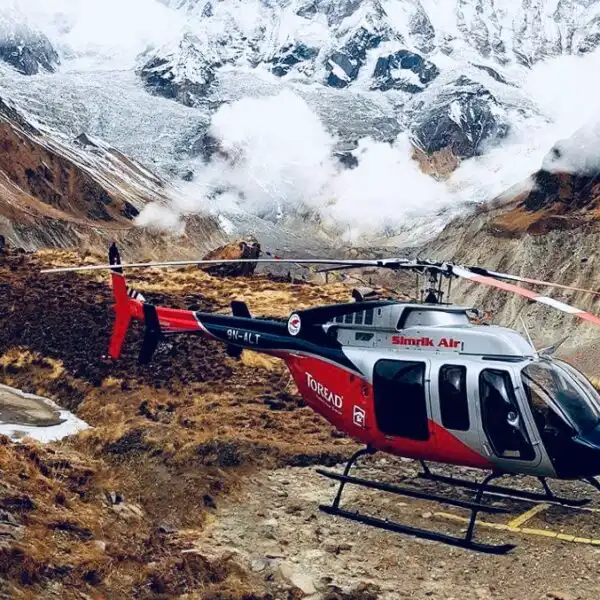
Tokiko gidek eta agentziek ebakuazio planak dituzte, helikoptero bidezko erreskatea barne. Osasun-postuekin komunikatzea irrati edo satelite bidezko telefono bidez egin daiteke. Larrialdietako kontaktuen zenbakiak eta altitude handiko ebakuazioa estaltzen duen asegurua eraman behar dituzu.
1,150 dolar estatubatuar pertsonako
- 24 / 7 Bezeroaren arreta
- Talde profesionala eta esperientziaduna
- Erreserba erraza eta arazorik gabe
- Bezeroen% 99eko gogobetetzea
- Prezio justuak, zerbitzu bikaina
- Ez dago kostu ezkuturik eta ordainketa seguruak
- Ibilbide pertsonalizatuak eta neurrira egindakoak
24 x 7 zuzeneko laguntza

Puru (+977-9851069558)
Bidaia erlazionatuak
Mugatzea 🞄
 5.0 (175)
5.0 (175)
9 eguneko Ama Dablam oinarrizko kanpalekuko ibilaldia
 US $ 1,050
9 egun Nepalen
Gure blogetik ateratako azkenak Leku erakargarriak, bidaia aholkuak, berriak eta gehiago.

Everest, Blog, gokyo, Gokyoko ibilaldia, Trekkinga Nepalen
Everest Gokyo Ri trekking-ari buruz jakin beharreko gauzak
Gokyo haranak "Heriotzaren Harana" deitzen dio, eta hala izan behar duen bezala...
Irakurri mezu osoa
Nepal, Bira Nepalen
Nepalgo 7 aintzira ederrenak
Nepalgo aintzira onenek edertasun natural harrigarria eta murgiltze kulturala eskaintzen dizkizute. Batzuk Rara dira…
Irakurri mezu osoa
Everest, Blog, Trekkinga Nepalen
Everesteko trekking gida osoa
Everest mendiko trekking gida oso batek mundu osoko hainbat trekking hartzen ditu barne, baina bat ere ez da ezagunagoa…
Irakurri mezu osoa