



Lielākā daļa cilvēku Everesta bāzes nometnes pārgājienu saista ar oktobri un novembri, kad takas ir noslogotas un tējnīcas ir pilnas ar pārgājienu dalībniekiem no visas pasaules. Laikā no decembra līdz februārim Khumbu kalns iegūst pavisam citu raksturu, un pārgājienu dalībnieki, kas izvēlas doties pārgājienā šajos mēnešos, bieži atgriežas, sakot, ka tā bija visatalgojošākā lieta, ko viņi ir darījuši kalnos.
Winter on this route is quieter, sharper, and more demanding than any other season. Based on our firsthand experience on My Everest Trip, winter reveals a quieter and more rewarding side of the Everest Base Camp trail. On clear winter mornings, the dry mountain air offers exceptionally clear views and makes the surrounding peaks look remarkably sharp.
Ziemā ceļa izdevumi parasti ir zemāki, un, tā kā takā ir mazāk pārgājienu dalībnieku, tējnīcu īpašniekiem bieži vien ir vairāk laika sniegt personisku apkalpošanu. Pārgājiena veikšana ziemā bieži vien sniedz spēcīgāku sasnieguma sajūtu, jo pieredze ir klusāka un prasīgāka.
Šajā ceļvedī detalizēti aprakstīts pārgājiens Everesta bāzes nometnē ziemā. Jūs atradīsiet skaidru ieskatu Everesta bāzes nometnes ziemas pārgājiena drošībā, kā augstums ietekmē ķermeni aukstos apstākļos, praktisku mantu sarakstu, reālistisku budžeta sadalījumu 2026.–2027. gadam un fiziskās sagatavošanās plānu, kas sniegs jums vislabāko iespējamo pamatu pirms došanās ceļā.
Īss ieskats ziemas pārgājienā Everesta bāzes nometnē
Pirms mēs iedziļināmies detaļās, šeit ir īss pārskats.
| Punkts | Sīkāka informācija |
| Pārgājiena ilgums | 12 līdz 14 dienām |
| Labākie ziemas mēneši | Decembris, janvāris, februāris |
| Maksimālais augstums | 5,545 m (Kala Pathar) |
| Everesta bāzes nometnes augstums | 5,364m |
| Dienas temperatūra | 5°C līdz -5°C |
| Nakts temperatūra | -10 ° C līdz -25 ° C |
| Grūtības pakāpe | Challenging |
| Vidējā cena | no 100 000 līdz 500 000 USD un vairāk |
| Apmešanās | Tējas namiņi |
| Ceļveža prasība | Ļoti ieteicams |
Kāpēc daži pārgājienu cienītāji izvēlas ziemas sezonu
Ziemas pārgājienu priekšrocības ir reālas un ir vērts tās izklāstīt, pirms runājam par izaicinājumiem.
Mierīgās takas ir galvenais iemesls, kāpēc daudzi pārgājienu dalībnieki izvēlas ziemu. Oktobrī un novembrī ceļš starp Luklu un Namče bazāru virzās ļoti noslogotas gājēju takas tempā, simtiem pārgājienu dalībnieku katru dienu šķērsojot vieniem un tiem pašiem kontrolpunktiem un naktsmītnēm. Janvārī jūs varat noiet stundu, neredzot nevienu citu grupu. Tējnīcā Dingbočē, kur apsēdīsieties pusdienās, būs aizņemti divi vai trīs citi galdiņi, nevis divdesmit. Skatu laukums Kala Patthar būs jūsu rīcībā, lai stāvētu bez rindas. Pārgājienu dalībniekiem, kuriem sezonas atmosfēra šķiet nomācoša, tas vien attaisno aukstumu.
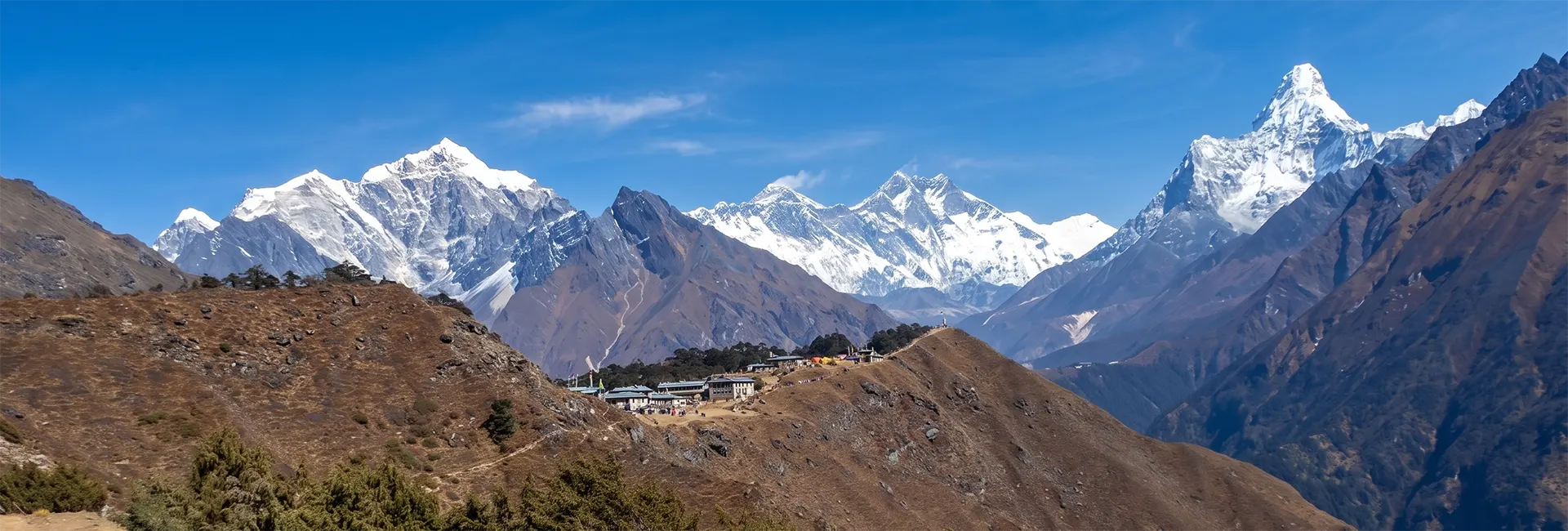
Kalnu redzamība ziemā bieži vien ir vislabākā, jo aukstais, sausais gaiss skaidrās dienās nodrošina izcilu skaidrību. Sausais, aukstais gaiss augstumā satur ļoti maz mitruma, un skaidrā ziemas rītā debesis virs Namčes vai Tengbočes ir dziļi, asā zilā krāsā, kas skaisti fotografējas un liek katrai tālākajai virsotnei izskatīties ļoti tuvu.
Lower travel costs are another advantage of winter trekking. Accommodation, guide services, and some trekking packages are often cheaper than during peak seasons, making winter a good option for budget-conscious trekkers.
Everesta bāzes nometnes pārgājiens 12 dienas
Lielākā daļa cilvēku Everesta bāzes nometnes pārgājienu saista ar oktobri un novembri, kad takas ir noslogotas un tējnīcas ir pilnas ar…
EBC ziemas pārgājienu drošība: reālistisks novērtējums
You need to understand EBC winter trek safety clearly before you commit to this season. Winter risks differ from other times of year, and some are far more serious. This section gives you an honest picture of each one.
The cold is the biggest challenge, and it deserves the most attention. On the lower sections of the trail, between Lukla and Namche, winter daytime temperatures are uncomfortable but manageable. Above 4,000 meters, particularly above Dingboche, altitude and temperature begin to matter in a different way.
Janvārī Lobučē un Gorakšepā dienas temperatūra parasti svārstās no aptuveni 5 °C līdz -5 °C atkarībā no saules gaismas un vēja apstākļiem. Naktī temperatūra bieži noslīd zem -20 °C, un spēcīgs vējš var radīt ievērojami aukstāku sajūtu. Pēc saulrieta temperatūra pazeminās vēl vairāk, bieži vien sasniedzot mīnus divdesmit vai zemāk, ņemot vērā vēja radīto dzesēšanu. Šādos apstākļos nepiemērots apģērbs ir ne tikai neērts, bet arī var radīt nopietnas bažas par drošību.
Ice on the trail above Namche is a consistent feature in winter. Sections of the path that are shaded by cliffs or north-facing slopes stay frozen for much of the day and become slippery underfoot. The trail between Lobuche and Gorak Shep, and the early morning climb to Kala Patthar, both have sections that require careful footing. Microspike attachments for your trekking boots are worth carrying from Dingboche onward. A fall on frozen ground at altitude is something you should not risk when it is so easily prevented.
Flight reliability at Lukla is more variable in winter than in autumn. Cold morning air, low cloud, and occasional fog can close the airport for a day or two at a stretch. This is not unusual, and experienced operators plan around it, but you’ll need to build buffer days into your Kathmandu stay at both ends of the trek.
Daylight hours in December and January are the shortest of the year. Many walking stages that feel relaxed on long autumn days require earlier starts in winter to reach the next guesthouse before dark. Your guide will manage the daily schedule, but pre-dawn starts are a regular part of the winter routine above Dingboche.
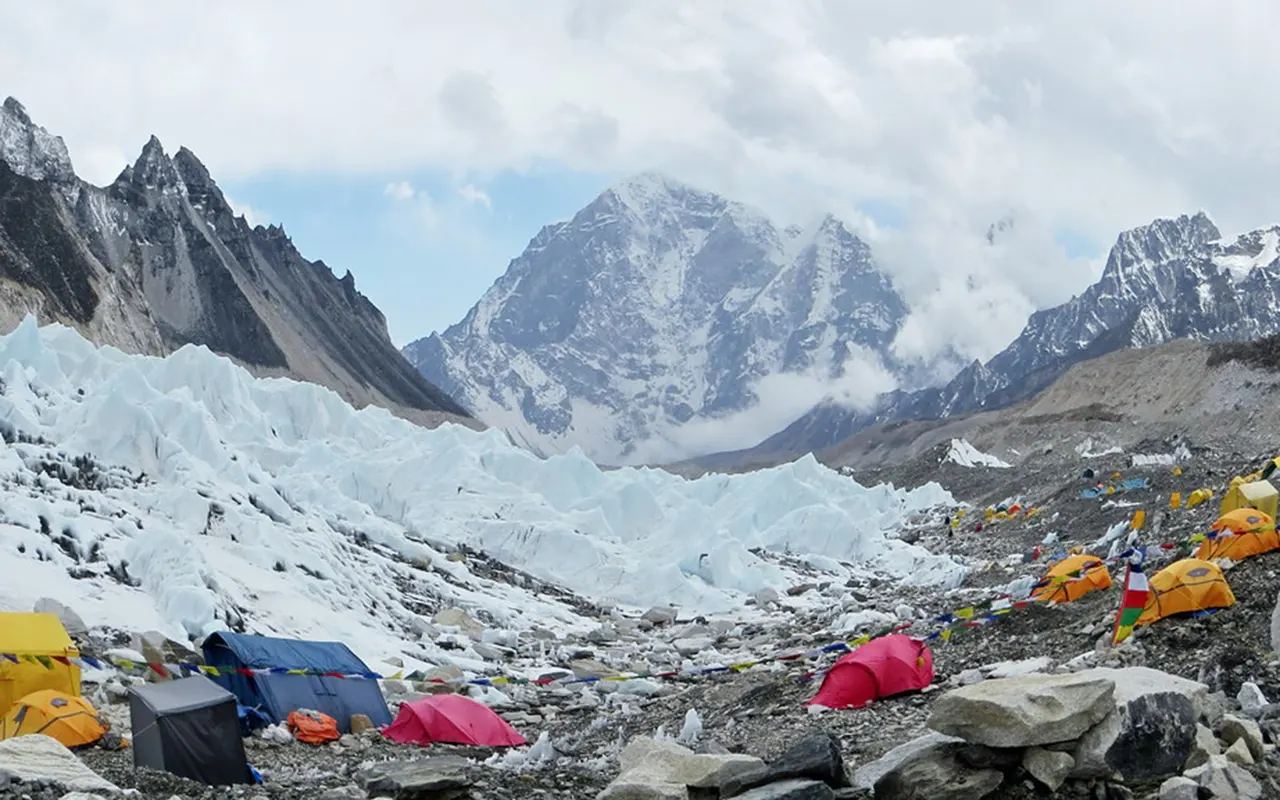
Kā augstums ziemā ietekmē jūsu ķermeni
Augstums vienmēr ir galvenais veselības apsvērums, kas jāņem vērā, pārgājienā uz Everesta bāzes nometni ziemā, un aukstums piešķir sarežģītības slāni tam, kā ķermenis reaģē, un ir vērts to pareizi izprast.
Virs 3,000 metriem gaisa spiediens pazeminās un pieejamā skābekļa daudzums samazinās. Jūsu plaušas ievelk tādu pašu gaisa daudzumu, bet ar katru ieelpu izvada mazāk skābekļa.
Cold temperatures compound this stress in a specific way. Your body has to cope with two challenges at once: staying warm while adapting to lower oxygen levels. Energy is consumed faster than in warm weather, appetite often decreases at altitude, and early symptoms of altitude adjustment can appear more quickly in cold conditions than in spring or autumn.
Acute Mountain Sickness (AMS) occurs in definable stages. Mild AMS is characterized by a headache within 24 hours of exposure to high altitude associated with fatigue, loss of appetite, and sleep disturbance. Moderate AMS is characterized by a headache that doesn’t go away with analgesics, nausea, and a significant decrease in energy and coordination. Severe AMS can progress to high-altitude pulmonary edema, which affects the lungs, or High-Altitude Cerebral Edema, which affects the brain. Both are life-threatening without immediate descent.
The prevention approach for altitude sickness on the winter route is the same as in any season, but requires stricter adherence because the body is already under thermal stress. Take the acclimatization days at Namche Bazaar and Dingboche without cutting them short. Use the rest days for short upward hikes, then return to sleep at the lower altitude.
Sākot no Namčes, katru dienu izdzeriet trīs līdz četrus litrus ūdens, pat ja nejūtat slāpes, jo auksts laiks bieži vien mazina slāpju sajūtu. Dehidratācija palielina augstuma slimības un noguruma risku, tāpēc turpiniet regulāri dzert ūdeni visas dienas garumā kopā ar siltiem dzērieniem.
Izvairieties no alkohola, kas var dehidrēt organismu un maskēt agrīnus augstuma slimības simptomus. Ejiet lēnā, vienmērīgā tempā un pirms došanās ceļā konsultējieties ar ārstu par to, vai Diamox ir piemērots jūsu situācijai.
Ziemas pārgājienu padomi Nepālā: ikdienas drošības prakse
Beyond altitude management, these winter trekking Nepal tips cover the practical daily decisions that shape EBC winter trek safety on the ground.
Hiring an experienced licensed guide is one of the best decisions you can make for a winter trek. Your knowledgeable guide, familiar with the Khumbu region, will update you daily on the weather, help you on icy or snow-covered trails, communicate with teahouse owners about accommodation availability, and coordinate emergency assistance if needed.
Although trekking regulations in Nepal have changed in recent years, independent trekking policies can vary by region. Regardless of the latest rules, having a licensed guide during winter greatly improves both safety and the overall trekking experience.
Winter weather is generally more stable than the pre-monsoon period, but high-altitude conditions shift faster than most trekkers expect. A sudden drop in wind, unusual cloud formation around the high peaks, or an unexpected afternoon temperature change are all worth noting and discussing with your guide before deciding about the following day.
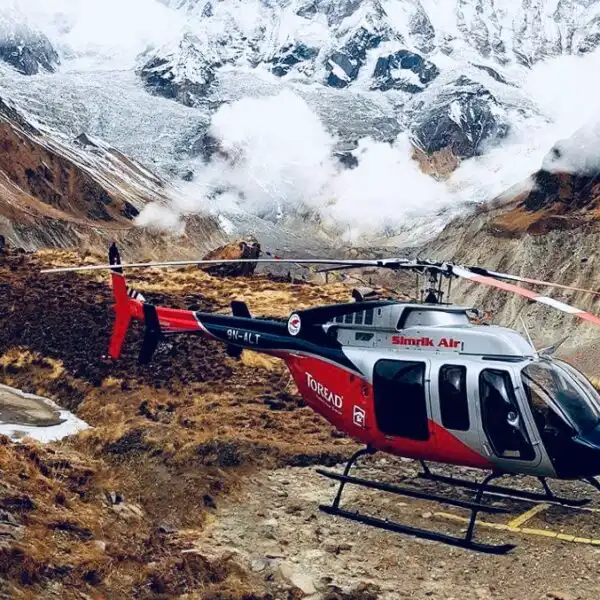
Izprast ārkārtas evakuācijas procesu pirms nepieciešamības ir vienkārši, bet svarīgi. Helikoptera glābšana ir pieejama visā Khumbu reģionā un tiek izmantota regulāri. Jūsu ceļojumu apdrošināšanai ir nepārprotami jāsedz helikoptera evakuācija no augstuma. Vienmēr nēsājiet līdzi gan apdrošināšanas pakalpojumu sniedzēja, gan pārgājienu aģentūras ārkārtas kontaktinformāciju, ne tikai tālrunī. Baterijas izlādējas ātrāk aukstā laikā, un tālrunis, kas izlādējas Lobučē, ārkārtas situācijā nav noderīgs.
Sākt rītu agri ir ziemai raksturīgs ieradums, kas rada jēgpilnas pārmaiņas. Visstabilākā un siltākā ziemas dienas daļa Khumbu ir pusdienlaiks. Izejot no tējnīcas septiņos vai pusastoņos, jūs nonākat nākamajā galamērķī krietni pirms dienas norietēšanas un temperatūras straujas pazemināšanās vēlā pēcpusdienā. Ierašanos viesu namā pēc tumsas iestāšanās mīnus piecpadsmit grādu temperatūrā var novērst, ja dienas sākumā ievērojat disciplīnu.
Pilns ziemas iepakojuma saraksts
Pareiza aprīkojuma iegāde nav obligāta Everesta bāzes nometnes pārgājienam ziemā. Tālāk norādītās lietas atspoguļo minimālās prasības drošai un samērā ērtai pieredzei.
Proper layering is essential in winter. Start with moisture-wicking thermal base layers for the upper and lower body. Merino wool is particularly effective because it manages moisture, resists odor over multiple days, and retains warmth even when damp. Over the base layer, add a warm fleece or softshell jacket as your main insulation for walking. Your outer layer needs to be a fully waterproof and windproof shell jacket with matching trousers. A down jacket rated to at least minus fifteen degrees Celsius is the most important single item in your clothing kit and should be treated as non-negotiable for the upper sections of the route.
Winter accessories require more thought than in other seasons. Insulated gloves with thin liner gloves underneath give you flexibility when you need dexterity for camera buttons or trail snacks without exposing your hands to the cold for long. A wool or fleece hat that covers your ears fully is necessary from Namche upward. A balaclava or thick neck gaiter is useful for the pre-dawn starts above Dingboche. High-quality UV-protective sunglasses are essential because reflections off snow at altitude can increase UV exposure and damage eyesight within a few hours. High-SPF sunscreen is equally important for the same reason.
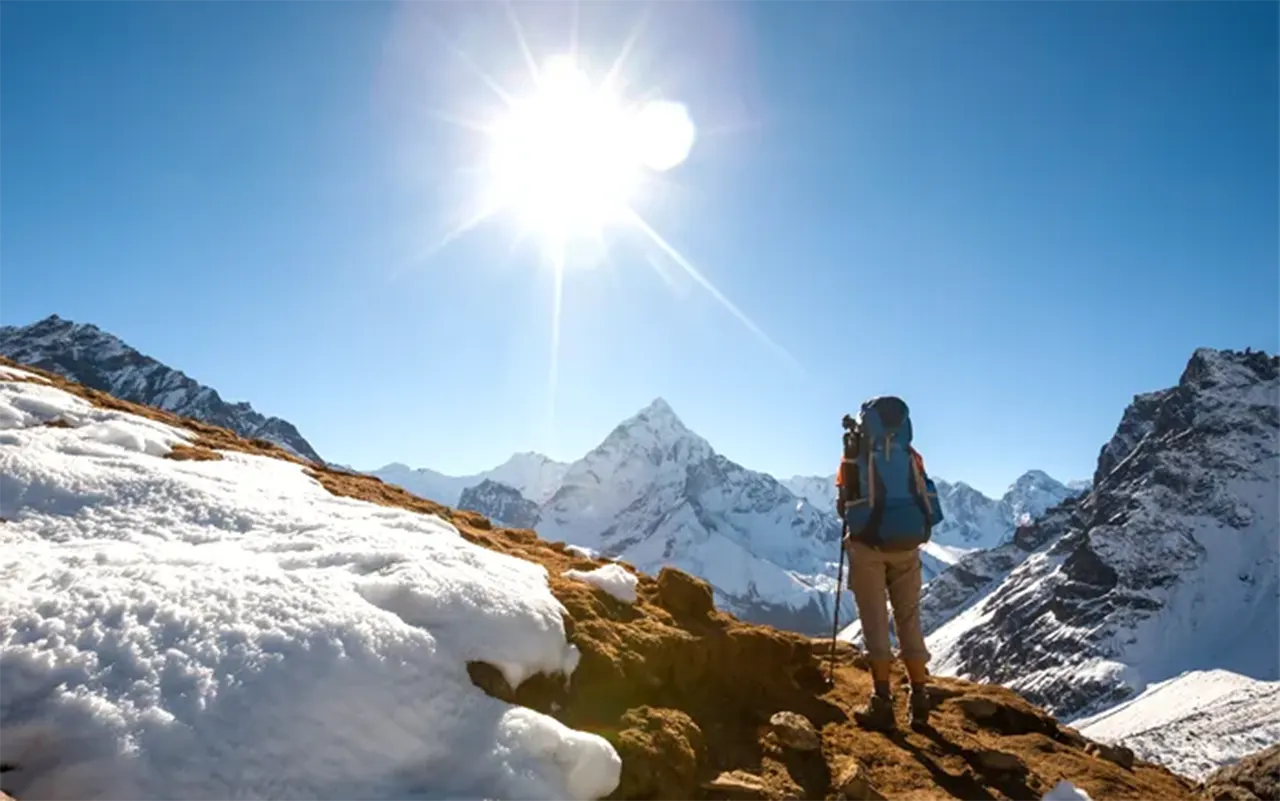
Footwear for the winter route needs to be both insulated and waterproof. Waterproof trekking boots with good ankle support suit most winter trekkers when paired with warm wool socks. Insulated winter trekking boots can make higher elevation hiking more comfortable if you’re especially sensitive to the cold. Gaiters keep snow out of your boots, and microspikes add traction on icy trail sections. Make sure your boots are fully broken in before your trek begins.
Lobuche un Gorak Shep ziemas naktīm ieteicamais standarts ir guļammaiss, kura temperatūra ir līdz mīnus divdesmit grādiem pēc Celsija . Guļammaisa odere nodrošina divus līdz četrus papildu siltuma grādus un arī nodrošina higiēnisku slāni starp tējnīcas gultasveļu. Tējnīcas piedāvā segas, taču to biezums un stāvoklis ievērojami atšķiras, un jūsu pašu guļammaiss novērš šo neskaidrību.
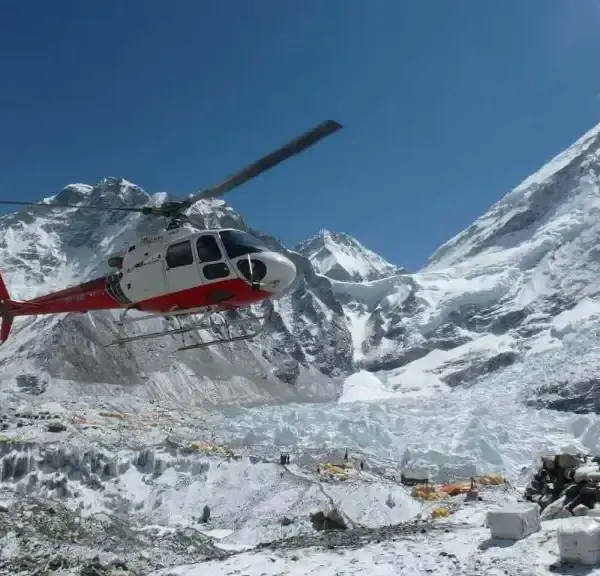
Helikoptera lidojums no Gorakshepas uz Katmandu
Lielākā daļa cilvēku Everesta bāzes nometnes pārgājienu saista ar oktobri un novembri, kad takas ir noslogotas un tējnīcas ir pilnas ar…
For electronics, carry a power bank with enough capacity for several days between reliable charging stops. A headlamp with spare batteries is important for pre-dawn starts, and keep the spare batteries warm in an inner pocket rather than in your bag, where they may lose charge overnight. A pulse oximeter is an optional but useful item for monitoring your blood oxygen saturation during the trek. While it should never replace professional medical advice or your guide’s judgment, it can provide additional information as you gain altitude.
Aukstā temperatūrā akumulatora darbība samazinās daudz ātrāk, nekā vairums pārgājienu dalībnieku sagaida. Lai saglabātu uzlādi, pa nakti turiet tālruni, kameras akumulatorus, ārējo akumulatoru un citas elektroniskās ierīces guļammaisā vai jakas iekškabatā. Šis vienkāršais ieradums var radīt ievērojamas izmaiņas, īpaši aukstākajās naktīs lielākos augstumos.
Everesta bāzes nometnes ziemas pārgājiena izmaksu sadalījums 2026.–2027. gadā
Winter is the most affordable season for most cost categories on the Everest Base Camp trek. Here is a realistic and detailed breakdown.
Permits are fixed by the government and do not change with season. The Sagarmatha National Park entry permit costs approximately NPR 3,000 per person, which works out to around USD 22. The Khumbu Pasang Lhamu Rural Municipality trekking permit costs about NPR 2,000, or about USD 15. Both are straightforward to obtain, and your trekking agency can handle them as part of a package.
Lidojumi turp un atpakaļ starp Katmandu (vai Ramečhāpu noslogotās stundās) un Luklu parasti maksā no 440 līdz 560 USD vienai personai atkarībā no aviokompānijas, sezonas un pieejamības. Koplietotas helikoptera sēdvietas starp Katmandu un Luklu parasti maksā no 500 līdz 700 USD vienai personai atkarībā no pieejamības. Ir pieejami arī privāti helikopteru čarteri, un to cena parasti ir 2,500 USD vai vairāk par visu lidmašīnu.
Guide and porter costs vary with experience and the arrangement you choose. A licensed local guide costs between USD 25 and USD 35 per day. A porter who carries your main bag costs between USD 18 and USD 25 per day. A guide-porter who handles both roles costs between USD 30 and USD 40 per day and is a practical option for trekkers who want to keep group size and cost manageable. Always book through a registered agency and confirm that your guide and porter carry appropriate insurance and personal gear.
Tējnīcas izmitināšana kļūst nedaudz dārgāka, pieaugot augstumam, lai gan ziemā cenas bieži vien ir zemākas nekā pārgājienu sezonas laikā. Istabas parasti maksā no
USD 5 and USD 15 per night. Some teahouses offer a free or discounted room if you eat your meals there. At higher elevations, rooms are generally unheated, so a warm sleeping bag is essential for a comfortable night.
Aukstākajās ziemas nedēļās ūdensvadi un krāni lielākos augstumos var aizsalt nakts laikā. Karstas dušas virs Dingbočes ir retāk sastopamas un ne vienmēr ir pieejamas. Mitrās salvetes un neliela personīgās higiēnas komplekta nēsāšana var ievērojami atvieglot komfortu pārgājiena augšējā posmā.
Food and drink on the trail cost between USD 20 and USD 35 per day depending on your choices and your elevation. Hot drinks are both a comfort and a necessity in winter, and they cost more as you climb. A cup of tea at Gorak Shep runs USD 3 to USD 5. Charging devices at teahouses above Namche costs USD 2 to USD 5 per charge and adds up over fourteen days.
Ceļojumu apdrošināšana šim pārgājienam nav apspriežama nevienā gada laikā, un jo īpaši ziemā, kad evakuācijas risks ir lielāks. Polise, kas sedz pārgājienu augstkalnu augstumā līdz 6,000 metriem un evakuāciju ar helikopteru, parasti maksā no 80 līdz 200 USD atkarībā no jūsu tautības, vecuma un pakalpojuma sniedzēja. Sakārtojiet un iegādājieties to pirms došanās prom no mājām.
Total budget estimates vary significantly with travel style. A budget-conscious trekker using a guide-porter arrangement and basic teahouses can complete the fourteen-day trek for between USD 1,200 and USD 1,600 including permits, flights, food, and daily costs. A standard trekker with a separate guide and porter, mid-range accommodation choices, and some equipment rental will spend between USD 1,800 and USD 2,500. A comfort-focused trekker using better-equipped lodges and a private guide arrangement should budget USD 2,500 and above.
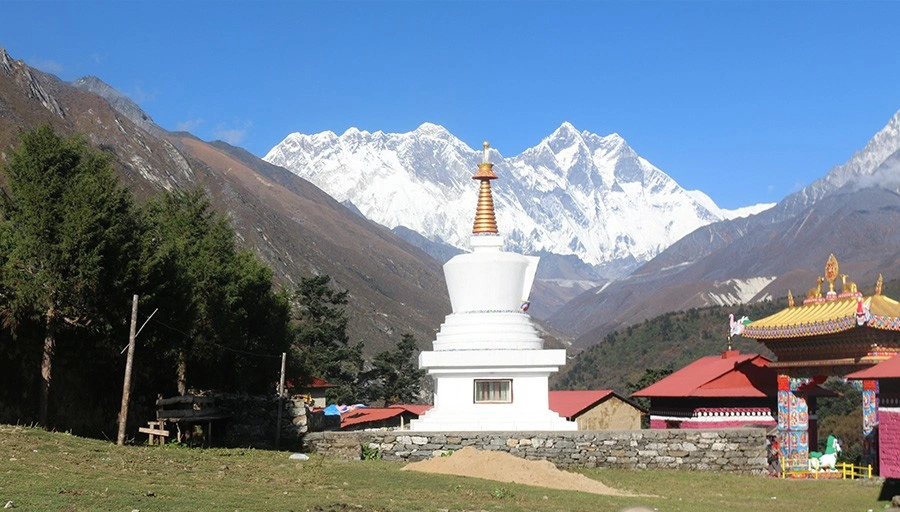
Fiziskā un garīgā sagatavošana
The Everest Base Camp trek in winter asks more of your body than the same route in warmer conditions. Cold increases the energy cost of every hour on the trail, and the combination of altitude and low temperature means accumulated fatigue arrives sooner than it would in autumn.
The most useful physical training for this trek is long-distance hiking on hilly terrain with a loaded daypack. This mirrors the route’s demands more closely than any gym exercise. In the first two months, build to three-hour hikes three to four times per week with a pack of around six to eight kilograms. In the final two months, push your weekend hikes to five to seven hours with a fully loaded pack and as much elevation gain as your local terrain allows. Supplement this with strength training focused on quads, glutes, and core, as these muscle groups take the most load on the long descent days.
Mentālā sagatavošanās ir tikpat svarīga kā fiziskā sagatavotība. Ziemas pārgājieni ietver aukstus rītus, mainīgus laikapstākļus un garas dienas takā. Šo izaicinājumu pieņemšana pirms sākuma palīdz saglabāt pozitīvu attieksmi un izbaudīt pieredzi pat tad, ja apstākļi kļūst sarežģīti.
Runājot par to, vai iesācēji var veikt EBC pārgājienu ziemā, atbilde prasa piesardzību. Tā nav vispiemērotākā pirmā augstkalnu pieredze. Iepriekšēja pārgājiena pieredze mērenā Himalaju augstumā, pat 3,000 līdz 4,000 metru augstumā pa īsāku maršrutu, sniedz noderīgu ieskatu par to, kā jūsu ķermenis reaģē uz augstumu un aukstumu. Tomēr motivēti iesācēji, kuri ir nopietni fiziski sagatavojušies un ceļo ar pieredzējušu gidu, ir veiksmīgi veikuši ziemas maršrutu. Svarīgākais ir to nenovērtēt par zemu.
Ziema pret pavasari pret rudeni: vienkāršs salīdzinājums
Zemāk esošajā tabulā ir apkopoti galvenie faktori trīs galvenajās pārgājienu sezonās EBC maršrutā.
| Faktors | ziema | pavasaris | Rudens |
| pūļi | Ļoti zems | augsts | Ļoti augsts |
| Laikapstākļi | Auksts, stabils | labs | vislabāk |
| Views | lielisks | labs | lielisks |
| Izmaksas | Zemākais | augsts | augstākais |
| šķērslis | Grūtākais | mērens | mērens |
Winter is the right choice for experienced trekkers who prioritize solitude, clear mountain photography, and lower costs over the comfort of warmer conditions. It is not well suited to people who are sensitive to cold, have respiratory conditions, or are attempting high-altitude trekking for the first time without prior experience. Spring and autumn remain the more forgiving and better-supported seasons for those new to Himalayan trekking.
Kļūdas, no kurām jāizvairās ziemas EBC pārgājienā
Lielākā daļa grūtību ziemas maršrutā ir saistītas ar nelielu novēršamu kļūdu kopumu. Tās ir vērts zināt pirms došanās ceļā.
Underestimating the temperature gap between Kathmandu and the upper Khumbu is the mistake most commonly made by first-time winter trekkers. The difference between a pleasant Kathmandu afternoon in December and Gorak Shep at midnight in January is around thirty degrees Celsius. Packing gear that works for autumn conditions and assuming it will be enough in winter creates real problems above Dingboche.
Aklimatizācijas dienu izlaišana laika taupīšanas nolūkos ziemā ir bīstamāka nekā jebkurā citā gadalaikā. Organisms jau tā tērē papildu enerģiju termoregulācijai, kas samazina resursus, kas pieejami augstuma pielāgošanai. Atpūtas dienas Namčē un Dingbočē ir laiks, kad organisms veic adaptācijas darbu. To izlaišana saīsina šo procesu un palielina ar augstumu saistītu problēmu iespējamību augšējos posmos.
Ignoring early AMS symptoms because motivation is running high is a pattern that ends many winter treks poorly. A headache at Lobuche that worsens overnight rather than improving signals that your body is not coping with the altitude at that stage. Telling your guide, resting an extra day, or descending to a lower altitude are all reasonable responses. Pushing on in the hope that things will improve at a higher elevation is not a reasonable response and has led to serious outcomes for trekkers on this route.
Ignoring changing weather conditions is another avoidable mistake. Winter weather is generally more settled than during the monsoon or pre-monsoon season, but you can still encounter heavy snowfall or strong winds that can affect trail conditions and travel plans. Staying flexible and following your guide’s advice will help you make safer decisions if the weather changes unexpectedly.
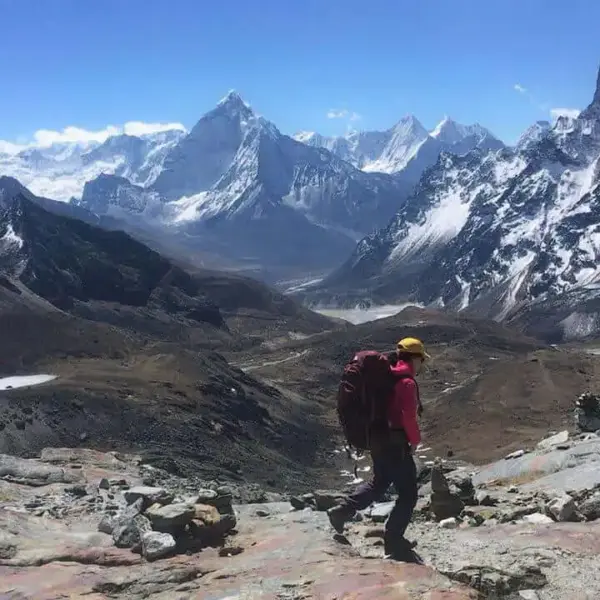
15 dienu pārgājiens Everestā, Čola pārejas posmā
Lielākā daļa cilvēku Everesta bāzes nometnes pārgājienu saista ar oktobri un novembri, kad takas ir noslogotas un tējnīcas ir pilnas ar…
Luklas lidojumu rezervēšana bez rezerves dienām abos ceļojuma galos rada ievērojamu stresu, kad ziemas laikapstākļu dēļ lidosta ir slēgta. Vienas vai divu dienu kavēšanās Luklā ziemā ir pilnīgi normāla parādība. Šo dienu iekļaušana savā grafikā jau no paša sākuma novērš satraukumu un dārgo pārrezervēšanu, kas saistīta ar saspringtu maršrutu.
Biežāk uzdotie jautājumi
Vai pārgājiens Everesta bāzes nometnē ir drošs ziemā?
With proper preparation, suitable gear, and a licensed guide, the winter route is safe for trekkers who approach it seriously. The risks are real and specific to the season, but manageable for anyone who prepares thoroughly and follows EBC winter trek safety guidance.
Cik auksti ziemā ir Everesta bāzes nometnē?
Daytime temperatures at Base Camp in winter range from minus five to minus fifteen degrees Celsius. At night in Gorak Shep, temperatures regularly fall to minus twenty degrees Celsius or lower. Wind chill on exposed ridges and during the Kala Patthar climb makes conditions feel considerably colder.
Vai tējnīcas ir atvērtas ziemas mēnešos?
Most teahouses along the main EBC route remain open through December, January, and February. A small number of the higher-elevation lodges may close during the deepest part of winter. Your guide will confirm current availability before you depart each stage.
Vai man ir nepieciešams gids ziemas EBC pārgājienam?
A licensed guide is strongly recommended for a winter Everest Base Camp trek. An experienced guide provides route knowledge, weather reports, emergency assistance, and local support throughout the trek. Trekking regulations can change, so it’s always a good idea to check the latest requirements before planning your trip.
Kurš ziemas mēnesis ir vislabākais EBC pārgājienam?
December is usually the most accessible of the three winter months, with slightly less extreme nighttime temperatures than January and February. All three months offer the same trail experience and mountain views, so the choice often comes down to which dates fit your schedule.
Vai ziemā biežāk rodas augstuma slimība?
The cold in winter places additional physical demands on the body, which can accelerate the onset of early AMS symptoms. Trekkers who stick strictly to the acclimatization schedule and move at a measured pace manage altitude well in winter. Those who move too fast or skip rest days are more vulnerable than they would be in warmer conditions.
Vai pārgājiens Everesta bāzes nometnē ziemā ir tā vērts?
For many trekkers, winter is the most rewarding time to visit Everest Base Camp. Empty trails, sharp mountain air, views that stretch to every horizon without haze, and teahouses where the owner remembers your name because there are only four guests. The Everest Base Camp trek in winter gives you the Khumbu without the performance of peak season, and for people who value that kind of quiet and directness in their travel, it is a very compelling offer.
Tas no jums prasa vairāk nekā tas pats maršruts oktobrī. Sagatavošanās procesam jābūt rūpīgākam, ekipējumam jābūt atbilstoši novērtētam pret aukstumu un pirms ierašanās jānoskaidro sava attieksme pret diskomfortu.
Start your preparation early. Choose an operator with real winter experience in the Khumbu. Pack for the worst conditions you might encounter, not the average ones. Get your insurance in place before you travel. And go with a clear sense of what the cold will feel like, so when it arrives, it doesn’t surprise you. Winter conditions are demanding, but with proper preparation, they can also be incredibly rewarding, leaving you with memories that last long after the trek is over.