



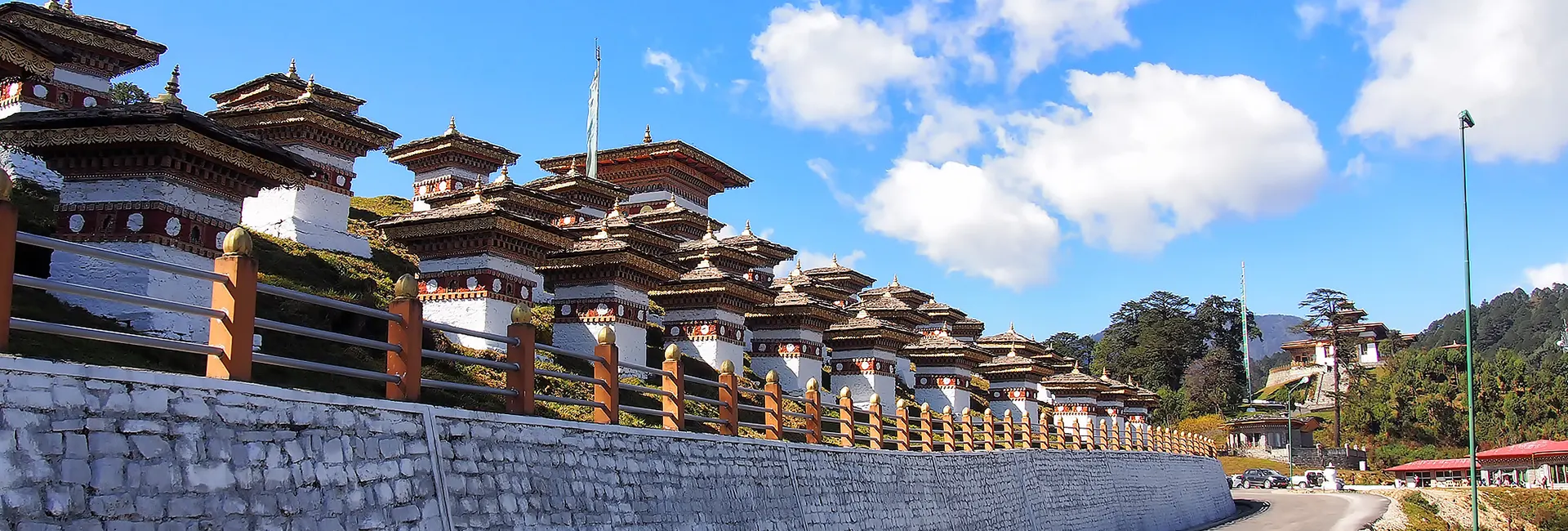
Bhutan is a peaceful Himalayan country known for its mountain landscapes, ancient monasteries, colorful festivals, and strong cultural traditions. Although Bhutan is not like many parts of the world that welcome huge numbers of tourists, its sustainable tourism policy has helped maintain the country’s environment and heritage. For this reason, proper planning is crucial. The best time to visit Bhutan can significantly affect the ambiance and sights.
Climate varies with altitude & season across the country. Depending on the month, some months may offer great mountain views; others may be better for festivals, trekking, wildlife, and peaceful sightseeing. Each season brings something different when it comes to traveling.
In this guide, you will learn about Bhutan’s year-round weather, the main festivals, and other helpful travel information so you can decide when to travel.
Understanding Bhutan’s Climate
Understanding Bhutan’s geography can help you determine the Best Time to visit Bhutan.
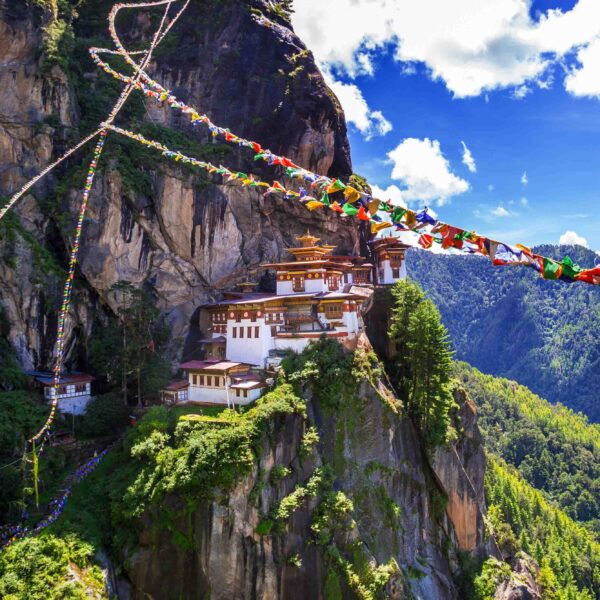
Bhutan is a peaceful Himalayan country known for its mountain landscapes, ancient monasteries, colorful festivals, and strong cultural traditions. Although Bhutan is…
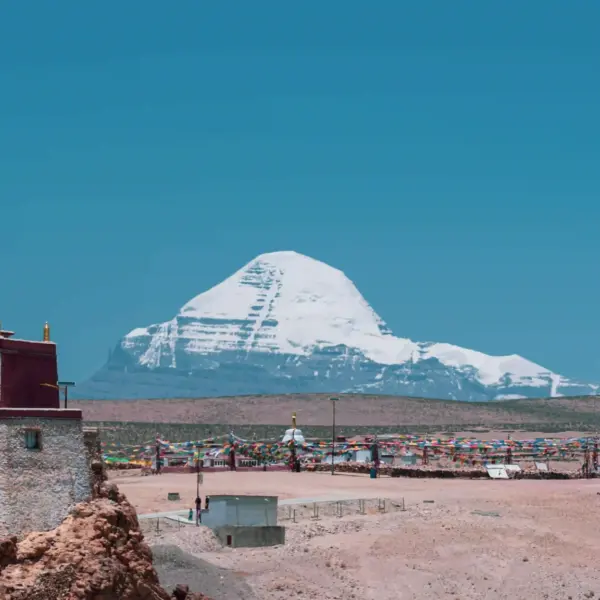
Bhutan’s topography ranges from the low tropical valleys to the high Himalayas. The southern regions of Bhutan have a warm, humid climate, and the central valleys have a moderate climate. The mountains in northern Bhutan are covered in snow, reach heights of more than 7000 meters (22,966 feet), and are accessible for hiking most of the year. The most popular tourist destinations are Thimphu, Paro, Punakha, Gangtey, and Bumthang, which have slight weather variations due to altitude differences.
For instance, Paro is about 2,200 m, while Thimphu is about 2,334 m. Punakha is much lower, at 1242 meters (4075 feet), making it warmer year-round than the western valleys.
Spring in Bhutan (March to May)
Many travelers consider spring the Best Time to visit Bhutan. Spring is warm, flowers are in bloom, and the mountain views are typically good.
Rhododendrons, magnolias, and wildflowers add to the life of the forests. The valleys turn green, and it’s a great time for photography when the weather is clear. Most tourist areas have temperatures between 12°C and 24°C (54°F and 75°F) during the day, but it gets rather cool during the mornings and evenings.
Spring is also a popular time for trekking. As the snow melts at higher elevations, popular treks like the Druk Path Trek and Jomolhari Trek begin.
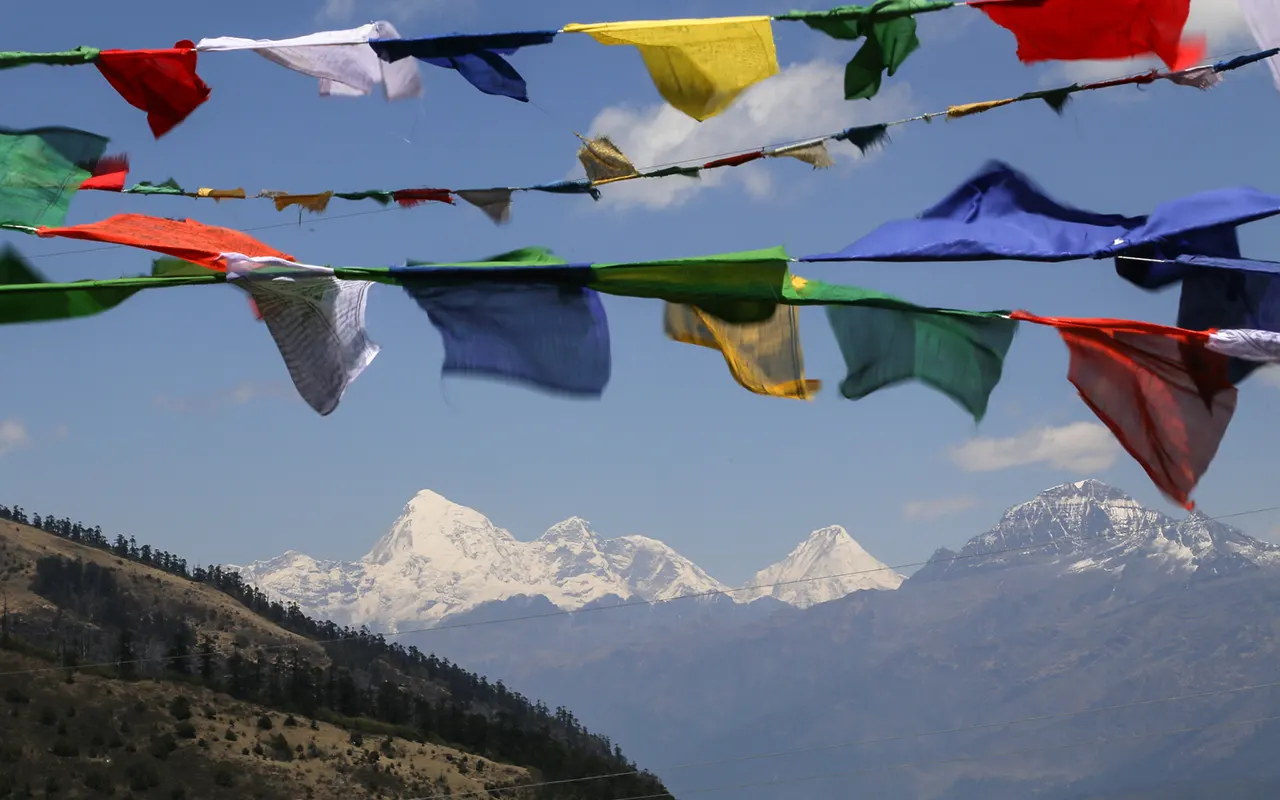
Spring is perfect for Bhutan Weather Guides, as the weather is less likely to disrupt travel and domestic sightseeing.
Festivals During Spring
A number of the biggest religious festivals are celebrated in spring. The festivals provide opportunities to see masked dances, traditional music, and millennia-old Buddhist rituals.
The Paro Tshechu is generally held in March or April and attracts local and international visitors. The festival takes place at Paro Dzong, where monks and dancers perform mask dances believed to bring blessings.
Spring is also a time of celebration for Punakha Drubchen and Tshechu. These celebrations commemorate historical triumphs and feature vibrant cultural displays.
During spring, many visitors choose a Bhutan Festival Tour for the pleasant weather and the chance to enjoy Bhutanese culture and traditions.
Summer and Monsoon (June to August)
During summer, the weather is hot, and this is the monsoon season. Rainfall is mainly received in the southern and central parts of Bhutan, except in the western part, where showers may be received during the period of study.
Periodic wet weather could cause landslides and/or temporary road delays, especially in mountainous areas. Clouds may also reduce visibility on the peaks of the Himalayas.
In spite of these circumstances, there is something attractive about the summer. Rice paddies turn a bright green, waterfalls are at their highest, and visitors are a lot fewer. Generally, temperatures in the western valleys range from 18°C to 28°C (64°F to 82°F).
If you want to travel during the summer months, when crowds are thinner and the scenery is lusher, a detailed Bhutan Weather Guide can help.
Is Summer a Good Time to Visit?
Summer isn’t as rewarding with fewer visitors, but it can still be enjoyable. Most rain falls in the afternoon or evening, leaving many mornings free for sightseeing.
Nature enthusiasts love the new landscape, flowers, and bird watching. Photographers can shoot dramatic clouds around the monastery and valley.
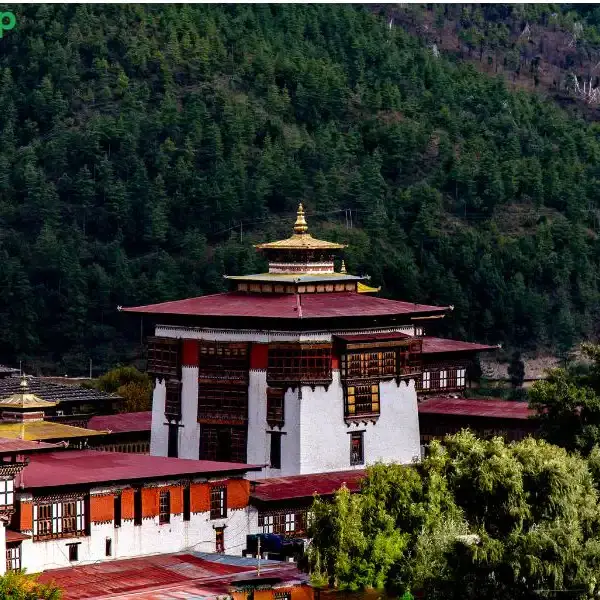
Bhutan is a peaceful Himalayan country known for its mountain landscapes, ancient monasteries, colorful festivals, and strong cultural traditions. Although Bhutan is…
Visitors should come equipped with waterproof clothing, sturdy shoes, and plan for potential delays due to weather conditions.
Autumn in Bhutan (September to November)
Many people consider autumn the Best Time to visit Bhutan because of the dry weather, steady temperatures, and amazing mountain views.
Once the monsoon rains have passed, the sky is very clear. The weather becomes cloudless, and Bhutan’s snow-covered mountains are more visible. The weather stays comfortable, 10°C – 23°C (50°F – 73°F), in most popular destinations.
The main trekking season is also in autumn. This is the best time for dry trails; forests stay green after the rains, and the mountain scenery is at its best.
This time of year is ideal for all sorts of activities, and travelers come from around the world to enjoy sunny, mild days.
Autumn Festivals
Autumn is one of the best times to visit Bhutan for its cultural celebrations.
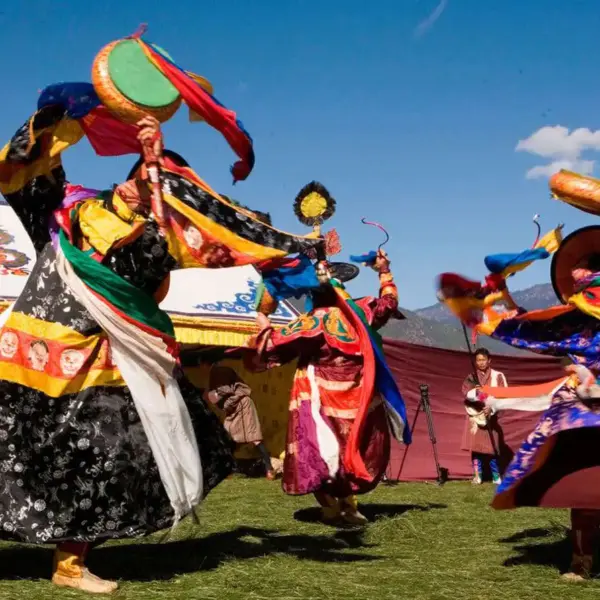
One of the country’s biggest religious festivals is the Thimphu Tshechu. Traditional dances and blessings are performed for thousands of people who congregate in traditional dress. Visitors gain valuable insight into Bhutanese customs and community life.
Another popular festival in Bumthang is Jambay Lhakhang Drup, which features centuries-old dances and has become famous throughout the region.
Travel firms often schedule a Bhutan Festival Tour around these events, letting visitors enjoy not just sightseeing but also genuine Bhutanese culture.
Winter in Bhutan (December to February)
Winter can be a beautiful time of year, depending on your travel plans. It gets cooler in the western and central parts of Bhutan and lower valleys like Punakha are relatively warm and pleasant.
Thimphu and Paro usually see daytime temperatures between 5°C and 15°C (41°F and 59°F), with freezing nights. Snow falls on higher mountain areas.
With fewer tourists, popular attractions are less crowded. Hotels may also be more plentiful during this time.
For those who prefer a more tranquil sightseeing experience, winter is a comfortable alternative to the more crowded seasons.
Winter Wildlife and Bird Watching
Wildlife viewing is a great pastime in the winter months, especially in the Phobjikha Valley.
The endangered Black-necked cranes fly from Tibet every year to winter in Bhutan. The valley is located at around 3000m (9843ft), where these beautiful birds have an important habitat.
It’s a popular destination for nature-loving visitors during the winter months.
Best Time for Trekking
The best time to visit Bhutan for most visitors is spring and autumn.
The Druk Path trek runs between Paro and Thimphu and passes through alpine lakes and mountain passes. The peak is approximately 4,235 meters (13,894 feet).
This trek to Jomolhari goes above 4,890 m (16,043 ft), and it is a great opportunity to get close to Mount Jomolhari.
High passes are difficult in winter, when there’s snow, and in summer, when there are monsoon rains. The best time to visit is during the dry season.
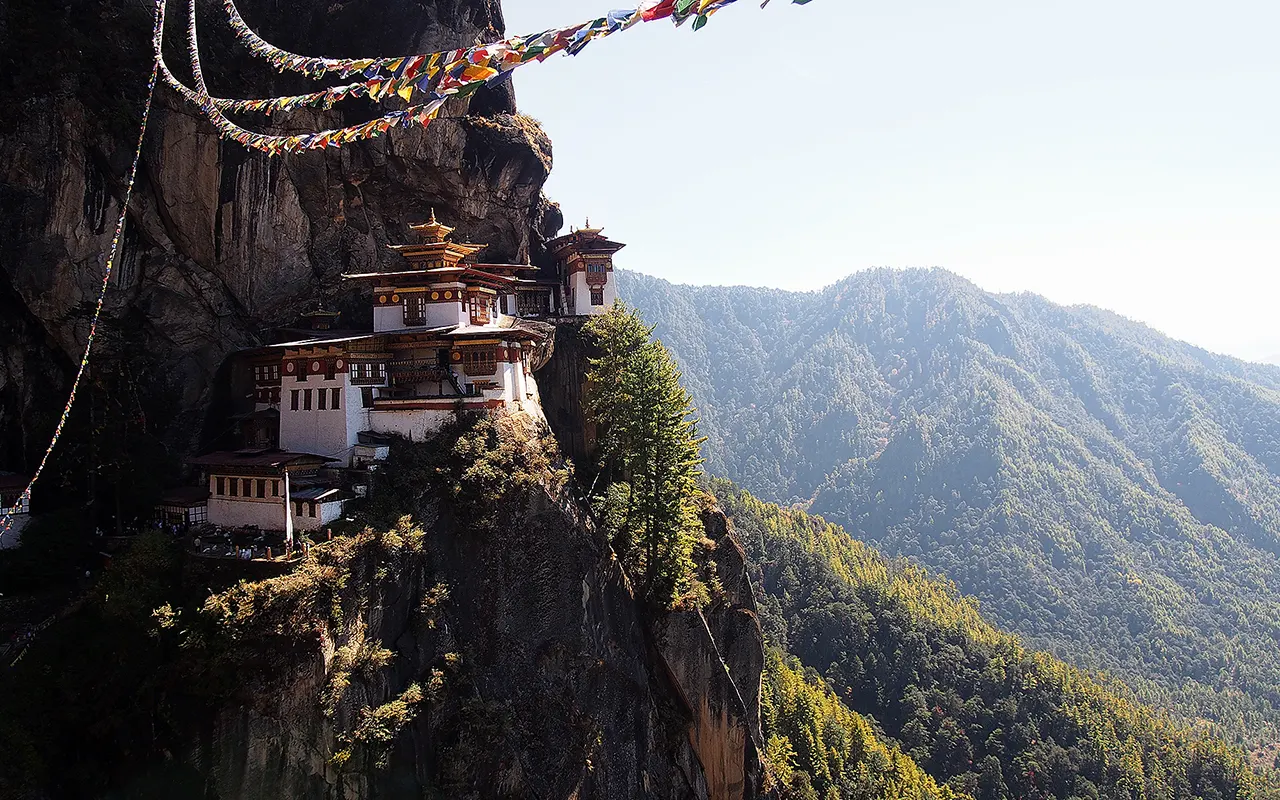
If you want to visit monasteries, fortresses, museums, and local villages, you can visit Bhutan year-round.
The most comfortable days for sightseeing are in the spring or the autumn. Summer brings green landscapes and a colorful countryside, but it also brings rain showers, while winter is quieter, with beautiful clear skies.

Choosing a season is a matter of preference; it depends on whether you like the weather, the culture, or fewer people.
Choosing a Season Based on Your Interests
The most reliable Bhutan Weather Guide is to choose a travel season based on your personal preference, rather than picking one season as perfect.
For hikers and photographers, spring and fall tend to offer the best skies. For convenience, the festival dates are listed, but travelers should check them, as they follow the Bhutanese lunar calendar and change each year.
Some prefer winter to view the black-necked cranes, while others may find the rainy season offers more affordable accommodation.
Travel Tips for Visiting Bhutan
With planning, you can make your journey as smooth as possible, no matter the time of year. International travelers, except nationals of India, Bangladesh, and the Maldives, usually need to obtain a visa before travel. For most tourists, itinerary planning is easy when they book through licensed Bhutanese or international tour operators.
Bhutan is a peaceful Himalayan country known for its mountain landscapes, ancient monasteries, colorful festivals, and strong cultural traditions. Although Bhutan is…
This is due to the mountainous terrain; Bhutan’s weather changes rapidly. Layered clothing is appropriate for all seasons. In the higher valleys, mornings and evenings can be cool even in warm weather.
Walkable shoes are also helpful, as many monasteries, temples, and viewpoints involve climbing steps or walking along rough paths. Sunscreen, sunglasses, and a reusable water bottle also make sightseeing more comfortable.
Bhutan road travel takes longer than the distance because the roads wind through the mountains. Don’t set too strict a timetable and leave time between locations.
Month by Month Overview of Visiting Bhutan
The Best Time to visit Bhutan is much simpler if you approach the season month by month. In March, April, and May, the weather is mild, rhododendrons are in bloom, and sightseeing and trekking opportunities are excellent. These months are also popular due to several major festivals held throughout the country. The monsoon season, when it rains regularly and the landscape turns green, runs from June to August.
Rain may affect road conditions, but it won’t change the serene experience for visitors or the reduced crowds. September brings clear skies and is a great time for outdoor activities or photography. October is the busiest month, thanks to stable weather, mountain views, and significant cultural events.
November is another dry and cool month, great for travel. December, January, and February are colder, but offer peace and tranquility for sightseeing, and are also when you can spot black-necked cranes around the Phobjikha Valley at high elevations (around 3000m/9843ft).
 Before you book, check the local weather forecast and festival calendar for each month, and you’ll have a smoother trip and experience what matters most to you.
Sustainable Tourism in Bhutan
The Best Time to Visit Bhutan is not just about the weather; it’s about enjoying the country responsibly.
Bhutan’s tourism model is high-value and low-volume, with the objective of protecting its natural environment and cultural traditions. Visitors fund this through the Sustainable Development Fee, which supports education, healthcare, conservation, and infrastructure development.
By respecting local culture, wearing modest clothing when visiting religious places, and following your guide’s directions, you help ensure Bhutan’s unique culture is passed on to future generations.
Final Thoughts
There is no single best time to visit Bhutan, as each season offers a different experience. In the spring, it blooms with vibrant flowers, mild weather, and vibrant festivals. Autumn is characterized by high visibility and great trekking conditions, along with many cultural festivals. Winter offers peaceful sightseeing and superb birding, while summer brings lush scenery with fewer visitors.
Basic knowledge of the seasons, planning around festivals, and being ready for mountain weather changes will help you make the most of your trip. Bhutan promises memorable experiences year-round, from visiting ancient monasteries to hiking through Himalayan valleys to participating in traditional festivals. Depending on your preferences, you can choose the season to visit this amazing kingdom of the Himalayas to support a healthy, fruitful trip.