





7 jours


Faits importants

Transports terrestres au Népal

Hôtels et maisons de thé

Tous les repas sauf à Katmandou

Visite guidée et randonnée tout au long du voyage

Automne printemps

Modérée

Népal

3,867 m

Katmandou - Lukla - Namche - Point de vue de l'Everest - Tengboche - Lukla - Katmandou
2 500 dollars américains par personne
-
1 -
1 personneDOLLARS AMÉRICAINS$ 1199
-
2 personnes et plus
9999
DOLLARS AMÉRICAINS$ 999
- Support Client 24/7
- Équipe expérimentée et professionnelle
- Réservation simple et sans tracas
- 99% Satisfaction client
- Prix justes, service exceptionnel
- Aucun frais caché et paiements sécurisés
- Itinéraires sur mesure et personnalisés
Assistance en direct 24h/24 et 7j/7

Puru (+977-9851069558)

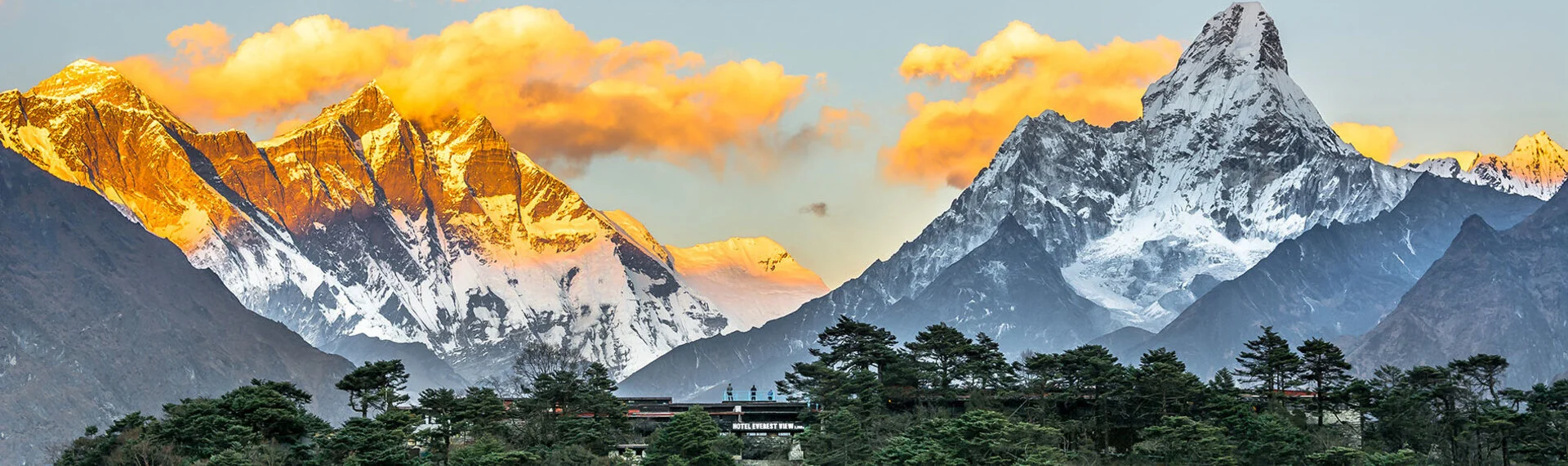


Major Highlights Of Everest View Trek
- Enjoy views of some of the world’s highest peaks, including Mount Everest, Lhotse, Nuptse, Ama Dablam, and Thamserku.
- Fly from Kathmandu to Lukla, enjoying views of villages, diverse landscapes, and the Himalayas.
- Land at one of the world’s most thrilling airports, Lukla Airport.
- Experience Sherpa customs and culture, which are deeply influenced by Tibetan Buddhism.
- Walk through the villages of Namche Bazaar and Tengboche.
- See the diverse flora and fauna of Sagarmatha National Park.
- Enjoy a cup of coffee while taking in the beautiful mountains at Everest View Hotel.
- Cross several suspension bridges and glacial rivers.
Aperçu du trek avec vue sur l'Everest
Le Randonnée avec vue sur l'Everest is a great alternative to a two-week-or-longer high-altitude trek in Nepal’s famous Everest region. This trek will take you through traditional Sherpa settlements, beautiful mountain landscapes, and stunning Himalayan routes. It will also give you a closer look at life in the Khumbu region and offer impressive views of Mont Everest and its neighboring peaks. It’s a good choice for those who can’t spend much time but still want to enjoy the Everest region’s natural beauty and culture.
The Everest View Trek starts with a scenic flight to Lukla. From here, the trail follows the Dudh Koshi River through green forests, suspension bridges, and traditional villages, including Namche Bazaar. It’s also the most memorable stop along the way for its local market, surrounding mountains, small coffee shops, and Sherpa way of life.
The Everest View Trek is a popular adventure that lets you see some of the world’s most iconic peaks. From the viewpoints at Namche Bazaar, Syangboche, and Tengboche, you can see Mount Everest, Lhotse, Ama Dablam, Thamserku, and Nuptse. Besides, the journey reaches up to 3,880 meters and covers a total of 57 kilometers.
The Everest View Trek is shorter than the Everest Base Camp Trek and does not take you to the highest elevations like Kala Patthar. Most routes focus on Lukla, Phakding, Namche Bazaar, and Tengboche. The hike will take about 5-7 days of trekking, starting and ending in Lukla. 7-day Everest View Trek is a short, beginner-friendly Everest adventure with prices starting from US$ 999. It is a great alternative to the classic EBC.
Cost of 7-Day Everest View Trek
The Everest Views Trek costs USD 999 per person. This cost includes everything: meals, accommodations, domestic flights, permit cost, basic medical supplies, a guide, and a porter. These costs are also included in the tax, so you don’t need to worry about them.
However, you must cover personal expenses during the trek as they are excluded from the package price. Meals in the Kathmandu Valley are also not included. Although we offer medical supplies, our package does not include emergency rescue or travel insurance. You are also responsible for personal shopping expenses, tips for your guide and porter, and hot drinks.
Facteurs de coûts supplémentaires pour le trek avec vue sur l'Everest
The Everest View trek includes extra charges that vary depending on certain factors.
These factors include meals in Kathmandu, travel insurance, trek extensions, luxury requests, and tips for the guide and porters. Also, gifts and souvenirs are not covered, and you will incur an extra charge.
Repas à Katmandou
You will have to cover meals in Kathmandu, as they are not included. A typical Nepali meal (dal bhat) at local restaurants costs about NPR 400 to 800, while international cuisines or mid-range restaurants range from NPR 1000 to 2500 per meal.
Dining out at a fancy restaurant or at a Japanese, Korean, or Italian restaurant costs NPR 2,500 to 5,000 per meal. Also, depending on the area, the beverages, desserts, and snacks can cost NPR 200 to 1,000 each.
Prolongation du trek
This trek is a short journey to the Everest region. If you want to extend the journey, it will incur additional charges. The price is approximately NPR 3,000-5,000 per person for a one-day extension. When you travel to remote areas or take optional side trips, flights (including helicopter flights) can cost NPR 50,000 to 100,000. Please factor these costs in to make the most of your time in the Everest region.
Option luxe
Luxury choices can help to improve your experience but add to your budget. High-end lodging like luxury lodges or high-tier tea houses can offer a private bathroom, a heated room, Wi-Fi, and cost up to NPR 10,000-20,000 per night. Helicopter services for faster travel between locations can cost between NPR 50,000 and 150,000. Gourmet meals, special services, or spa treatments at high-end establishments can cost NPR 5,000 to 10,000 per person.
Tipping Cost
Tipping is an essential part of the trekking experience in Nepal and an effective way to show your appreciation for your team’s hard work and dedication. For guides, it is recommended to tip NPR 1,500–5,000 per trekker, depending on the length of the trek and the quality of the service.
Dépenses personnelles
Your trekking costs depend on your lifestyle and tastes. Handmade jewelry, woolens, or thangka paintings are worth NPR 500 to 5,000 per item. Hot drinks on the trail will cost NPR 300 to 600 per cup, and snacks such as chocolates or instant noodles cost NPR 200 to 500 each. Allow a budget for personal shopping, snacks, beverages, and other services such as charging electronic devices and/or internet use of NPR 10,000 – 20,000.
Itinéraire du trek avec vue sur l'Everest
Jour 01: Vol de Katmandou à Lukla et trek jusqu'à Phakding
It’s a very early day. The plane flies in the morning when mountain weather conditions are calm. During the busy spring and autumn periods, several flights depart from Manthali Airport in Ramechhap instead of Kathmandu. This means it will take around 4-5 hours of driving in the middle of the night before arriving at Manthali Airport for the flight.
Still, the flight itself is short. For the best views during the flight to Lukla, try to get a seat on the left side of the aircraft. When you arrive at Tenzing-Hillary Airport, it marks the first memorable part of the journey: the landing strip is short, with a slope that leads to the hillside. The luggage policy is strict, normally 10 kg of checked luggage and 5 kg of hand luggage.
Following your guide’s instructions, you’ll have a short break in Lukla, where your guide arranges your porters and loads, and then descend gently through Chheplung and Ghat. It’s an easy first day. It is mostly downhill with mani walls, prayer wheels, and some small farms along the way. By mid-afternoon, you’ll cross your first suspension bridges and reach Phakding. The village is lower than Lukla, so a first night’s sleep there is no problem.

Petit déjeuner, déjeuner, dîner

Salon de thé

9 km / 5.6 milles

2,800 m / ft 9,186

3hrs
Jour 02: Trek de Phakding au bazar de Namche
This will be the most difficult day of the Everest View Trek. After breakfast, you begin your day’s walk. The initial section follows the Dudh Koshi River upstream, passing through Toktok and Benkar, with Thamserku’s peak in the background. In Monjo, you’ll enter the Sagarmatha National Park gate. Permits are checked here by park staff and the army.
From Jorsalle, the last village before Namche, the trail crosses the river and continues toward the high suspension bridges at Larja Dobhan. From here, you have to walk for two hours to reach Namche via a zigzag section up to the top. Near Top Danda, you’ll find a small viewpoint, only about halfway up, where, on a clear day, you will get your first sight of the top of Everest.
Stay overnight and have dinner at Namche Bazaar.
Petit déjeuner, déjeuner, dîner
Salon de thé
10 km / 6.2 milles
3,440 m / ft 11,286
5hrs
Jour 03: Repos à Namche Bazaar pour l'acclimatation et l'excursion
Today, you’ll explore around Namche Bazaar. After breakfast, you’ll hike up to the Syangboche airstrip, then continue to the Everest View Hotel. The ascent is steep, but the wonderful views of the mountain peaks will keep you company. During sunny weather, Everest, Lhotse, Nuptse, Ama Dablam and Thamserku will motivate you to reach your destination.
You can stop at the Everest View Hotel for a hot drink on the terrace before heading back down to Namche. In the afternoon, you’ll explore the Sherpa Culture Museum and the Everest Photo Gallery to learn about the Sherpa culture and the history of Everest climbing. You’ll spend another night at Namche Bazaar. The Things to Do in Namche Bazaar guide can help you plan your rest day.
Petit déjeuner, déjeuner, dîner
Salon de thé
5 km / 3.1 milles
3,700 m / ft 12,139
2hrs
Jour 04: Randonnée vers Tengboche
After yesterday’s pleasant acclimatization day, you’ll head to Tengboche today. Following Kyangjuma, the trail drops steeply to the river at Phunki Thanga, a small settlement with water-driven prayer wheels. It’s a good place to stop for lunch.
From Phunki Thanga, the trail climbs for about two hours through pine and rhododendron forest up to Tengboche. In spring, the rhododendrons along this route are in bloom.
Tengboche lies on a ridge facing Ama Dablam, with Everest and Lhotse at the head of the valley. Its monastery is the most important in the Khumbu. If you arrive in time, you may be able to watch the afternoon prayers. Take your shoes off before entering, and ask before taking photos inside. Tengboche is the highest point you sleep at on this trek, and nights here are cold, so keep your warm layers handy.
Petit déjeuner, déjeuner, dîner
Salon de thé
9 km / 5.6 milles
3,867 m / ft 12,687
5hrs
Jour 05: Trek de Tengboche au bazar de Namche
Get up early for sunrise. The first light on Everest and Ama Dablam from Tengboche is one of the best views on the trek. After breakfast, retrace your steps down through the forest to Phunki Thanga, then climb back up toward Sanasa and Kyangjuma.
If the group feels strong, your guide may take a slightly longer walk through Khumjung, a farming village on a flat terrace below Khumbila peak. Khumjung has stone houses, potato fields, a monastery, and the school founded by Sir Edmund Hillary. From Kyangjuma, the route follows the hillside back to Namche, where you spend the night.
Petit déjeuner, déjeuner, dîner
Salon de thé
10 km / 6.2 milles
3,867 m / ft 12,687
5hrs
Jour 06: Trek de Namche Bazar à Lukla
This is the longest day of the trek. In one day, you cover the section that took two days on the way up. The steep descent from Namche to the Larja Dobhan bridges comes first and is hard on the knees, so trekking poles help a lot here. Stop at Top Danda for a last look at Everest.
From the river, the trail follows the Dudh Koshi back through Jorsalle, Monjo, Phakding and the smaller villages along the valley. The last part is a gradual climb up to Lukla, which feels longer than it is at the end of a long day. In the evening, you can celebrate the end of the trek with your guide and porters. Stay overnight in Lukla.
Petit déjeuner, déjeuner, dîner
Salon de thé
18 km / 11.2 milles
3,440 m / ft 11,286
7hrs
Jour 07: Vol de Lukla à Katmandou
Flights leave Lukla early in the morning. Once you land, you’ll be transferred to your hotel in Kathmandu. If you flew via Ramechhap, there’s a four- to five-hour drive back to the city. The rest of the day is free to rest, shop in Thamel, or visit some of the Kathmandu Valley’s heritage sites. You will spend your last night at a comfortable hotel in Kathmandu before heading home the following day.
Petit déjeuner, déjeuner, dîner
Hôtel
2,800 m / ft 9,186
Carte du trek avec vue sur l'Everest

Quoi attendre?
Ce qui est inclus
- Repas en pension complète (petit-déjeuner, déjeuner et dîner) pendant toute la durée du trek
- Vols intérieurs (KTM-Lukla-KTM ou Remechep – Lukla – Remechep) avec tous les suppléments et taxes d'aéroport.
- Carte de randonnée
- Un guide expérimenté agréé par le gouvernement
- Assurance, salaire, équipement, transport et taxes locales pour le guide.
- Fournitures médicales de groupe (une trousse de premiers secours sera disponible)
- Tous les documents nécessaires et les permis d'entrée dans les parcs nationaux
- Dispositions de voyage et de sauvetage
- TIMS (Système de gestion des informations des randonneurs)
- Toutes les taxes gouvernementales et les frais de service touristique
Ce qui est exclu
- Repas à Katmandou avant et après le trek,
- Votre assurance voyage (Rescue)
- Conseils pour le personnel de trekking et le chauffeur
- Boissons (chaudes, froides et alcoolisées)
- If you need a trekking porter/Sherpa during the trek (100 USD Extra )
- courses personnelles, blanchisserie, etc.
- Équipement de trekking personnel
Trek avec vue sur l'Everest - Informations complémentaires
Reasons to choose the 7-Day Everest View Trek
You see Everest without going to base camp
The Everest Base Camp trek is typically a 12-day trek that reaches heights above 5,000 m. This trek takes you around much lower elevations. A typical 7-day itinerary highlights the Everest View Hotel and Tengboche. From there, on a clear morning, you can see Everest, Lhotse, Ama Dablam, and Thamserku. So if you only want to see Everest in person, you can do that in one week.
It fits into a short holiday
This 7-day tour includes Kathmandu–Lukla and back, with time in Namche in between. This leaves one week left in a two-week holiday in Nepal for Kathmandu, Pokhara, or Chitwan. However, allow an extra day or two, as weather often delays or cancels Lukla flights. This is the most common challenge with late schedules on Everest trips, and it happens in all seasons.
The elevation gain is fairly easy.
The risk of severe altitude sickness is significantly lower than on the base camp route when staying below 4,000m. This isn’t zero, though. Namche sits at about 3,440 m, and most people walk up from the Dudh Koshi. This is typically a night or a rest day on itineraries and also offers the added benefit of a short climb to the viewpoint. This hike suits most people who are at least moderately fit and have no altitude experience.
Time in Sherpa villages
Namche, the largest trading town in the Khumbu, has a weekly market, bakeries, gear shops, and a small Sherpa culture museum. Many tours also stop in Khumjung, a quiet village with a monastery and the site of Sir Edmund Hillary’s school. Even on a short journey, you’ll see mani stones, prayer wheels, and chortens all along the trail.
Family & older trekkers friendly
The trekkers whocan’t make a long trek and want shorter days and lower altitude: this trek is suitable. That means families with older children, parents in their 60s and 70s, or anyone who doesn’t have time for two weeks on the trail. This walk takes you into the Everest region, as long as you can walk uphill at a steady pace for several hours.
Everest View Trek Vs Everest Short Trek
Both the Everest View Trek and the Everest Short Trek fly into Lukla, walk up the Dudh Koshi to Namche Bazaar, and explore Namche Bazaar and the surrounding area. The difference is what happens next. The Short Trek turns around at Namche. The Everest View Trek spends two more days walking on to Tengboche and back, and sleeps a night there.
| Fonctionnalité | Courte randonnée vers l'Everest | Randonnée avec vue sur l'Everest |
|---|---|---|
| Durée | 5 jours | 7 jours |
| Itinéraire | Kathmandu – Lukla – Phakding – Namche Bazaar (rest day, Everest View Hotel hike) – Lukla – Kathmandu | Kathmandu – Lukla – Phakding – Namche Bazaar (rest day, Syangboche hike) – Tengboche – Namche – Lukla – Kathmandu |
| Point culminant atteint | Everest View Hotel, 3,880 m (day hike) | Tengboche area, 3,867 m, plus the Syangboche/Everest View area |
| escale de nuit la plus élevée | Namche Bazaar, 3 440 m | Tengboche, 3 867 m |
| Distance totale parcourue à pied | About 41 km across the four trekking days | À propos de 57 km |
| Le jour le plus long | Namche to Lukla, 19 km, around 6 hours | Namche to Lukla, 18 km, around 7 hours |
| Niveau | Facile | Modérée |
| Main extras | Namche Monastery, Sherpa Culture Museum, Tenzing Norgay Memorial | Tengboche Monastery, views of Ama Dablam on the walk in, Khumjung on the return |
| Meilleure saison | Printemps et automne | Printemps et automne |
| Tarifs et Prix | À partir de 1 050 $ US par personne | À partir de 1 050 $ US par personne |
Location Highlights of Everest View Trek
Lukla (2 840 m)
The trail begins and ends at Tenzing-Hillary Airport in Lukla. The runway is short (about 527 m) and slopes up into the hillside, so planes can only land and take off in good weather and often only land in the morning. Lukla is also your last chance to buy or rent equipment you’ve forgotten. Shops around the Namche bazaar sell jackets, poles, gloves, and sleeping bags, but they are slightly more expensive than in Kathmandu.
Phakding (2,610 XNUMX m)
The first night is in Phakding, located upstream from Lukla. The walk there is short and mostly downhill, passing mani stones and prayer wheels in small villages like Ghat. This is an ideal first day after an early flight.
The entrance gate of Sagarmatha National Park at Monjo
Monjo is the entry point to Parc national de Sagarmatha. Army and park staff check permits here, so have them in hand, not packed in a porter’s bag. The Everest View Trek takes place within the national park.
The Larja Dobhan suspension bridges
After Monjo, the trail passes through the high suspension bridges over the Dudh Koshi and Bhote Koshi at Larja Dobhan. The upper bridge, known as the Pont Hillary, spans the gorge. It flows with the wind; when the yaks cross the wind, wait for the animals to cross before crossing.
Namche Bazar (3,440 XNUMX m)
Namche is the main town of the Khumbu, located in a horseshoe-shaped bowl in the hillside. You’ll spend two nights on the way up and one night on the way back. You’ll find more bakeries, gear shops, ATMs, and lodges here than anywhere else on the route. On your rest day, you can visit the Sherpa Culture Museum and Everest Photo Gallery.
The Everest View Hotel (3880 m) and Syangboche
On the acclimatization day, you’ll be taken to the Everest View Hotel area above Namche, past the Syangboche airstrip. The hike is quite challenging and takes approximately two hours. In clear weather, you’ll get your first good view of Everest and Lhotse, along with Nuptse, Ama Dablam, and Thamserku. Start early, as clouds usually form by late morning. The Everest View Hotel has a terrace where you can stop for tea or coffee before heading back down to Namche.
Phunki Thanga
Heading towards Tengboche, the path descends to Phunki Thanga at the river, where you cross a suspension bridge and climb again through rhododendron and pine forests. The distance of this descent and climb is less apparent than it would be on a flat route. In spring, the rhododendrons along this section are in flower.
Monastère de Tengboche (3 867 m)
Tengboche is the highest sleeping elevation on the trek and has the most important monastery in the Khumbu. It is located on a ridge between Ama Dablam and Everest and Lhotse at the head of the valley. You can explore the Tengboche monastery’s main prayer hall. Remove your shoes, ask permission before taking pictures, and follow your guide if a ceremony is in progress.
Khumjung
The trail also takes you through the farming village of Khumjung, on the way back toward Namche. The village is more peaceful than Namche, with stone houses and potato fields. Khumjung is also home to the school started by Sir Edmund Hillary’s Himalayan Trust.
Alternative au trek pour admirer l'Everest
The Everest View Trek is a week in the lower Khumbu, with Tengboche as its high point. If that doesn’t suit your schedule, budget, or fitness, here are the other options and what each one changes.
Trek court de 5 jours à l'Everest
Trek court de 5 jours à l'Everest is the short Everest journey. You fly into Lukla, walk to Phakding and Namche, and spend the acclimatization day climbing to the Everest View Hotel (3,880 m). Then you head back down to Lukla the next day. You skip Tengboche, so you never sleep higher than Namche (3,440 m).
Le prix commence à 910 $ US par personne for two or more people, with a porter included. Expect a long walk on day four, though. You cover the whole Namche–Lukla section in one way, about 19 km.
Survol en hélicoptère du camp de base de l'Everest
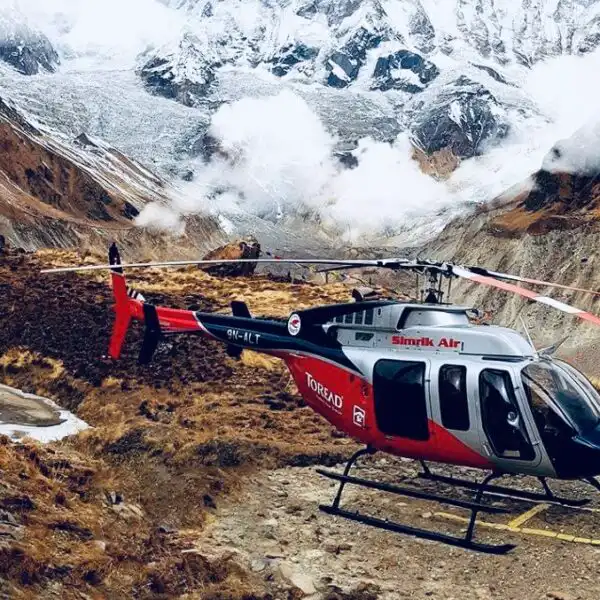
If you prefer not to trek, a helicopter tour gets you to the Everest region and back in a morning. It flies up the Khumbu toward Everest Base Camp and usually stops at the Everest View Hotel area for breakfast before returning to Kathmandu.
Le Tour en hélicoptère du camp de base de l'Everest les coûts US$ 900–1,500 per person, depending on group size and services. No trekking fitness is required, although passengers should consider the effects of spending time at high altitude. You spend only a short time at altitude and don’t stay in any of the villages. Like the Lukla flights, it depends entirely on morning weather, so leave a spare day in your plans.
Everest Base Camp Short Trek (10 days)
If you have a bit more than a week and want to reach base camp itself, this is the shortest walking itinerary to Everest Base Camp the company offers. It costs from 1,120 $ US par personne and is graded as difficult. The Courte randonnée jusqu'au camp de base de l'Everest goes above 5,000 m on a tighter schedule than the standard 12- to 14-day routes, so it’s only for fit trekkers who acclimatize well. If you’ve never been above 4,000 m, the 12- or 14-day Everest Base Camp itineraries are a safer choice.
Trek de luxe vers l'Everest
The luxury option follows the Everest Base Camp route over 10 days and costs US$ 3,300. You stay in upgraded lodges with heated rooms, attached bathrooms, and better food. Luxury EBC trek costs much more than the View Trek and goes far higher, so it suits people who want base camp without basic teahouse nights, not people looking for an easier trek.
Trekking de 7 jours au Pikey Peak
Pikey Peak is in the lower Solu region, south of the main Khumbu valley. Randonnée au sommet de Pikey Peak takes the same number of days as the Everest View Trek but works very differently. The trek starts with a long drive from Kathmandu to Dhap instead of a flight to Lukla. That means no Lukla weather delays, but the road day is long and rough.
The summit is 4,065 m, a little higher than anything on the View Trek. On a clear morning, you can see Everest and the eastern Himalaya from the top. The trail is much quieter than the Lukla–Namche route, and lodges are simpler.
Everest View Trek Difficulty
The Everest View Trek is a moderate journey. No climbing skills, ropes, or mountaineering experience are required. You do need to be able to walk for several hours a day for several days on mountain paths at heights above 3,000 m. The entire walk is about 57 km and takes 6 walking days, with a high point of 3,880 m at Hotel Everest View.
What difficulties are there on the Everest View Trek?
- Terrain: The hike from Lukla to Tengboche includes stone steps, packed dirt, forest paths, and several long suspension bridges over the Dudh Koshi. Staircases are common both up and down, and are more of a strain on the knees than an even slope. Yaks, mules, and porters share the trail on busier sections, so watch out and be ready to step off and move out of the way often.
- Altitude: Namche (3,440 m) and Tengboche (3,867 m) are your highest sleeping places. Most people notice the reduced oxygen levels in the air over Namche, shortness of breath on walks, decreased appetite, and/or poor sleep
The hardest days of Everest View Trek
- De Phakding à Namche Bazar : The final section, from the Larja Dobhan bridges to Namche, is a moderate incline that takes about two hours. This is the trail’s hardest uphill hike.
- Namche to Tengboche: The trail then reaches the river at a place called Phunki Thanga and goes up through the forest to the monastery.
- De Namche à Lukla : Most of the way is downhill, but the longest day is about 18 km and 7 hours. Your knees and ankles work hard from tired legs and steep descents.
Altitude and Acclimatization on the Everest View Trek
Altitude is an important part of the Everest View Trek even though the route does not reach Everest Base Camp. The itinerary includes an acclimatization day in Namche Bazaar before continuing towards Tengboche.
How the altitude builds on this Everest View Trek
| Jour | escale d'une nuit | altitude de sommeil | Change from previous night |
|---|---|---|---|
| 1 | Phakding | 2,610 m | Plus bas que Lukla |
| 2 | Namche Bazaar | 3,440 m | +830 mètres |
| 3 | Namche Bazaar (acclimatization) | 3,440 m | Aucun changement |
| 4 | Tengboche | 3,867 m | +427 mètres |
| 5 | Namche Bazaar | 3,440 m | Descent |
| 6 | Lukla | 2,860 m | Descent |
Day two has the biggest altitude gain. That’s why you stay a second night in Namche before going any higher. The climb to Tengboche adds less than 500 m of sleeping altitude, which fits common acclimatization guidelines for treks above 3,000 m. After Tengboche, every night is lower than the one before.
The acclimatization day in Namche Bazaar
Day three isn’t a rest day. It follows the “grimper haut, dormir bas” principle: the day hike lets you gain altitude during the day, then return to Namche to sleep at a lower elevation, supporting gradual acclimatization. In the morning, you hike above Namche toward Syangboche and the Everest View area, at roughly 3,700 to 3,880 m. After the hike, you return to Namche, and you have the afternoon to visit the Sherpa Culture Museum and the Everest Photo Gallery or just rest.
Symptoms of altitude sickness to watch for
Acute mountain sickness (AMS) can affect anyone, whatever their age or fitness level. Early symptoms usually appear six to 24 hours after reaching a new altitude:
- Mal de tête
- Étourdissements ou vertiges
- Fatigue inhabituelle
- Perte d'appétit ou nausées
- Difficulté à dormir
Mild symptoms of altitude sickness can occur after ascending to Namche. If symptoms develop, inform your guide and avoid ascending further until they improve. Worsening or severe symptoms require immediate descent.
Serious warning signs need immediate attention and descent:
- A headache that doesn’t improve with rest or painkillers
- Vomissement
- Essoufflement au repos
- A persistent cough, sometimes with frothy sputum
- Confusion, unusual behavior or loss of coordination
Météo et meilleure saison pour le trek panoramique de l'Everest
Le printemps et l'automne sont les saisons privilégiées pour le trek panoramique de l'Everest, car elles offrent généralement une meilleure visibilité sur les montagnes et des conditions de marche plus stables. Le printemps s'étend de mars à mai, tandis que l'automne a lieu de septembre à novembre.
| Saison | Mois | Conditions typiques | Recommandation |
| Printemps | De mars à mai | Des journées douces, des matins plus clairs et des rhododendrons en fleurs | Excellent |
| Autumn | Septembre à novembre | Sentiers secs, vues dégagées sur les montagnes et conditions stables | Excellent |
| Hiver | Décembre à février | Matins et nuits froids, sentiers plus tranquilles et neige possible | Possible avec l'équipement approprié |
| Mousson | Juin à août | Pluie, ciel couvert, sentiers glissants et vols vers Lukla moins fiables | Moins adapté |
L'automne offre généralement certaines des vues les plus dégagées sur les montagnes après la mousson, tandis que le printemps apporte des conditions plus chaudes et une végétation fleurie le long des parties inférieures du sentier.
L'hiver est envisageable car cet itinéraire n'atteint pas les très hautes altitudes du camp de base de l'Everest, mais les températures peuvent être très froides aux alentours de Namche et Tengboche. Il est donc important de prévoir des vêtements chauds adaptés et d'être flexible.
La saison de la mousson est moins propice à ce trek car les pluies et la couverture nuageuse peuvent réduire la visibilité en montagne. Les conditions météorologiques peuvent également affecter les vols à destination et en provenance de Lukla.
Trek panoramique de l'Everest : distance et altitude
Le trek couvre environ 57 km au total selon l'itinéraire actuel. La distance et le temps de marche varient d'un jour à l'autre car le parcours comprend des montées et des descentes.
| Section Trekking | Distance approximative | Temps de marche | Élévation |
| De Lukla à Phakding | 9 km | Environ 3 heures | 2,800 m |
| De Phakding à Namche Bazaar | 10 km | Environ 5 heures | 3,440 m |
| Excursion d'acclimatation à Namche | 5 km | Environ 2 heures | Jusqu'à 3 700 m dans l'itinéraire actuel |
| De Namche Bazar à Tengboche | 9 km | Environ 5 heures | 3,867 m |
| Tengboche à Namche Bazaar | 10 km | Environ 5 heures | Retour à Namche |
| De Namche Bazaar à Lukla | 18 km | Environ 7 heures | Retour à Lukla |
La partie la plus élevée du parcours se situe aux alentours de Tengboche et du point de vue sur l'Everest. Comme le trek reste en dessous des altitudes atteintes sur la voie du camp de base de l'Everest, la difficulté de marche est moindre, mais l'altitude croissante doit tout de même être prise en compte.
Réservation de dernière minute avec My Everest Trip
We also offer last-minute bookings, but please book before your trek starts. If you make a last-minute reservation, you must pay the full charge. This ensures you’re committed and reduces the likelihood of last-minute cancellations that could spoil the trek.
Pour les réservations de dernière minute, plusieurs options s'offrent à vous : vous pouvez remplir le formulaire en ligne, nous envoyer un courriel, nous contacter via WhatsApp, Facebook ou d'autres réseaux sociaux, ou nous appeler.
Pourquoi choisir My Everest Trip ?
Enregistré auprès du gouvernement
Being a government-registered trekking agency, you can rely on us for all legal permits, safety measures, and compliance with local regulations. We’ll arrange your trek to meet official requirements, so you are protected and supported throughout your journey. You’ll be traveling with a company recognized and authorized by the government to operate in Nepal, ensuring a secure and trustworthy service.
Guides expérimentés
Our guides know the trails in and around the area, along with the local culture, history, and customs. With years of experience navigating the challenging Himalayan terrain, they are truly equipped to provide a safe and enjoyable trek. Their expertise includes everything from altitude sickness prevention to understanding the local flora and fauna. This ensures your journey is safe and enriched with fascinating regional insights.
Politique d'annulation facile
We understand life can be unpredictable, so our easy cancellation policy lets you change your trek without the stress of losing your deposit or funds. If you need to cancel or reschedule, we offer hassle-free options to adjust dates or change your trek. Knowing you can make changes without penalty, even in unexpected situations, gives you peace of mind.
Itinéraire personnalisable
Our customizable itineraries let you design your trek around your preferences and pace. We can adjust everything to suit your needs if you have specific places you would like to visit or prefer shorter or longer hiking days. Whether you’re looking for a more leisurely or adventurous trip, we work with you to tailor your trek to your interests and fitness level, making your journey truly special.
Pratiques durables et écologiques
We take the environment seriously and ensure sustainable, eco-friendly practices throughout your trek. From using biodegradable products to partnering with eco-conscious accommodations, we strive to minimize tourism’s environmental impact in Nepal. By choosing our service, you get to experience the Himalayas and help preserve this beautiful landscape for future generations.
Équipement de trekking pour le trek avec vue sur l'Everest
Pour une randonnée confortable et agréable, il est important de bien préparer votre sac. Voici une liste des articles à emporter pour un séjour confortable :
Vêtements
- Couches de base (hauts et bas thermiques)
- Veste isolante (duvet ou synthétique)
- Veste et pantalon imperméables
- Pantalon de randonnée
- Veste polaire
- Chemises de randonnée (manches longues et courtes)
- Gants et doublures chauds
- Chapeau en laine et chapeau de soleil
- Buff ou écharpe
- Chaussures
- Chaussures de randonnée (bien rodées)
- Chaussures de camping ou sandales
- Chaussettes chaudes (en laine et synthétiques)
- Guêtres (facultatives en cas de neige ou de boue)
Équipement de couchage
- Sac de couchage (indice de -10°C à -20°C)
- Doublure de sac de couchage
- Sacs à dos et sacs
- Sac à dos (20-30 litres)
- Sac de voyage (porté par les porteurs)
- Housse de pluie pour sacs à dos
Accessoires
- Bâtons de randonnée
- Lunettes de soleil avec protection UV
- Lampe frontale avec piles supplémentaires
- Bouteilles d'eau ou poches à eau
- Bouteille isotherme
- Trousse de premiers secours de base
Articles de toilette et objets personnels
- Serviette à séchage rapide
- Savon et shampoing biodégradables
- Brosse à dents et dentrifice
- Crème solaire et baume à lèvres avec SPF
- Lingettes humides et désinfectant pour les mains
- Produits d'hygiène féminine (si besoin)
Documentation
- Passeport et permis nécessaires
- Détails de l'assurance voyage
- Espèces (roupies népalaises)
Divers
- En-cas (barres énergétiques, fruits secs)
- Appareil photo et batteries de rechange
- banque de Puissance
- Carte ou guide de randonnée
- sacs étanches ou sacs à fermeture éclair
Sac de voyage de randonnée
Un sac de voyage, aussi appelé sac de matériel, est cylindrique. Généralement fabriqué en tissu résistant, il est muni d'une poignée ou d'une bandoulière pour être porté par les porteurs. Ces sacs servent à transporter vêtements, effets personnels et autres articles indispensables à la randonnée. Ils existent en différentes tailles, et le porteur les utilise en fonction des besoins. Conçu pour transporter jusqu'à 15 kg, un sac de voyage permet en moyenne de porter le sac à dos de deux randonneurs.
Nous fournissons des sacs de voyage d'une capacité allant jusqu'à 120 litres. Imperméables, ils protègent vos affaires essentielles les jours de pluie.

Avis Tripadvisor



Avis Google


FAQ sur le trek avec vue sur l'Everest
Qu'est-ce que le trek panoramique de l'Everest ?
Le trek panoramique de l'Everest est un itinéraire populaire dans la région de Solu-Khumbu au Népal, offrant des vues imprenables sur le mont Everest et les sommets environnants. Ce trek peut être effectué en 5 à 7 jours et constitue une excellente option pour les randonneurs recherchant une alternative plus courte et plus accessible au trek complet jusqu'au camp de base de l'Everest.
Quel est le niveau de difficulté du trek ?
Le trek panoramique de l'Everest est considéré comme une randonnée de niveau intermédiaire, adaptée aux personnes ayant déjà une expérience de la randonnée et une bonne condition physique. Ce trek implique de marcher 4 à 6 heures par jour sur des sentiers escarpés et accidentés ; il est donc essentiel d'être préparé aux exigences physiques de cette randonnée.
Quelle est la meilleure période pour faire du trekking ?
La meilleure période pour effectuer le trek panoramique de l'Everest est de septembre à novembre et de mars à mai, lorsque le temps est clair et sec, offrant les plus belles vues sur les montagnes.
Ai-je besoin d'un guide ou d'un porteur ?
Bien qu'il soit possible de réaliser le trek panoramique de l'Everest en autonomie, il est fortement recommandé de faire appel à un guide ou à un porteur. Cela garantit non seulement votre sécurité, mais soutient également l'économie locale et vous permet de vous immerger pleinement dans la culture et le mode de vie locaux.
Quel type d'hébergement est disponible pendant le trek ?
Durant le trek, l'hébergement se fait dans des maisons de thé locales qui proposent des chambres simples mais confortables avec deux lits simples, des couvertures et parfois une salle de bain privée. On peut également y prendre ses repas, qui servent généralement un choix de plats traditionnels népalais et tibétains.
Que dois-je emporter pour le trek ?
Pour préparer le trek panoramique de l'Everest, il est essentiel d'emporter des vêtements chauds et imperméables, un sac à dos de bonne qualité, de solides chaussures de randonnée et les articles personnels nécessaires comme une lampe frontale, de la crème solaire et un répulsif anti-moustiques. Votre agence de trekking vous fournira une liste détaillée du matériel à emporter.
2 500 dollars américains par personne
- Support Client 24/7
- Équipe expérimentée et professionnelle
- Réservation simple et sans tracas
- 99% Satisfaction client
- Prix justes, service exceptionnel
- Aucun frais caché et paiements sécurisés
- Itinéraires sur mesure et personnalisés
Assistance en direct 24h/24 et 7j/7
Puru (+977-9851069558)
Voyages associés

Difficile 🞄
5.0 (176)
 5.0 (176)
Courte randonnée jusqu'au camp de base de l'Everest
 US $ 1,120
10 jours au Népal
Articles récents de notre blog Lieux d'intérêt, conseils de voyage, actualités et bien plus encore.
Everest, Blog, Trekking au Népal
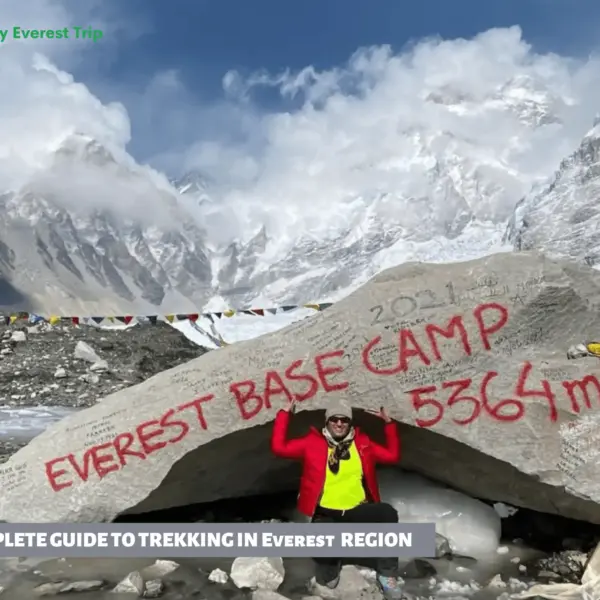
Guide complet du trekking de l'Everest
Un guide complet de trekking sur l'Everest couvre de nombreux treks à travers le monde, mais aucun n'est plus connu que celui…
Lire l'article complet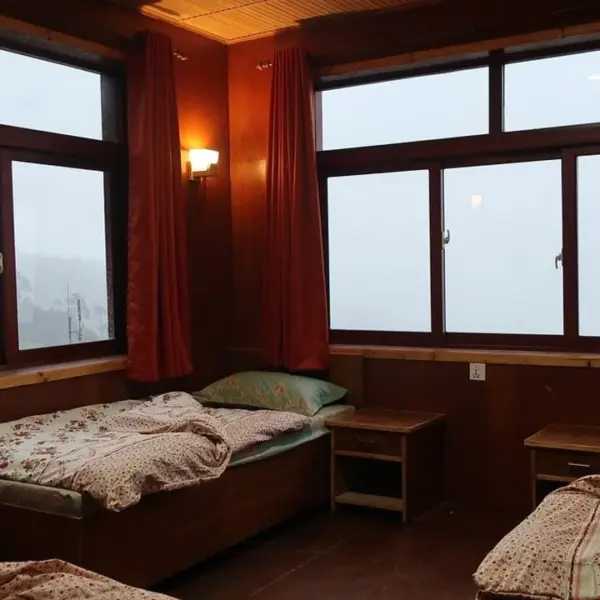
Everest, Blog
Hébergement lors du trek du camp de base de l'Everest
L’hébergement est une préoccupation majeure pour les randonneurs, en particulier dans les régions himalayennes reculées comme l’Everest…
Lire l'article complet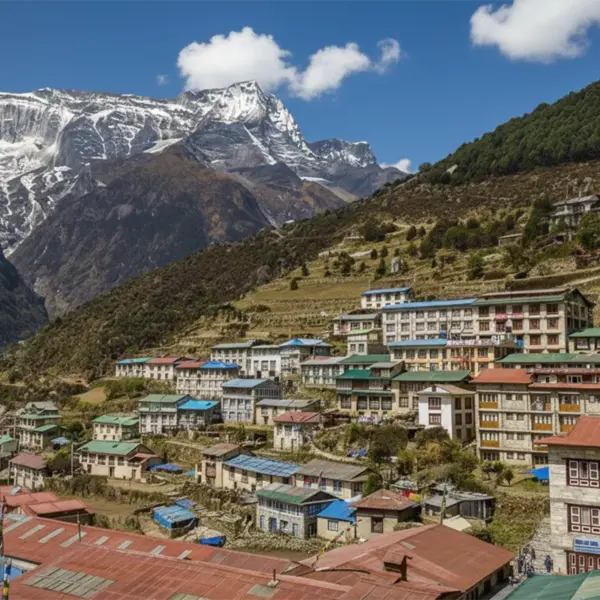
Blog
Les animaux qui vivent sur le mont Everest : la faune du plus haut sommet du monde
Introduction : La vie au-dessus des nuages Le mont Everest, le plus haut sommet du monde avec…
Lire l'article complet