



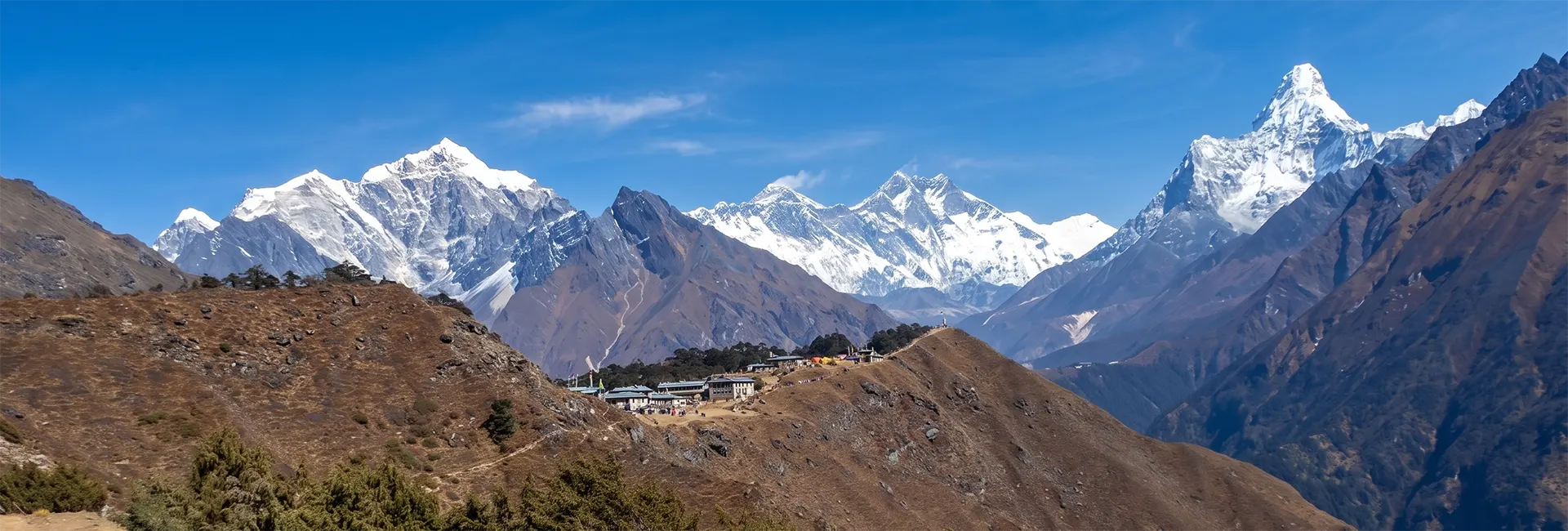
La majoria de la gent associa la caminada al camp base de l'Everest amb octubre i novembre, quan els senders estan concorreguts i les cases de te s'omplen d'excursionistes d'arreu del món. Entre desembre i febrer, el Khumbu adquireix un caràcter completament diferent, i els excursionistes que decideixen caminar durant aquests mesos sovint tornen dient que va ser la cosa més gratificant que han fet a les muntanyes.
Winter on this route is quieter, sharper, and more demanding than any other season. Based on our firsthand experience on My Everest Trip, winter reveals a quieter and more rewarding side of the Everest Base Camp trail. On clear winter mornings, the dry mountain air offers exceptionally clear views and makes the surrounding peaks look remarkably sharp.
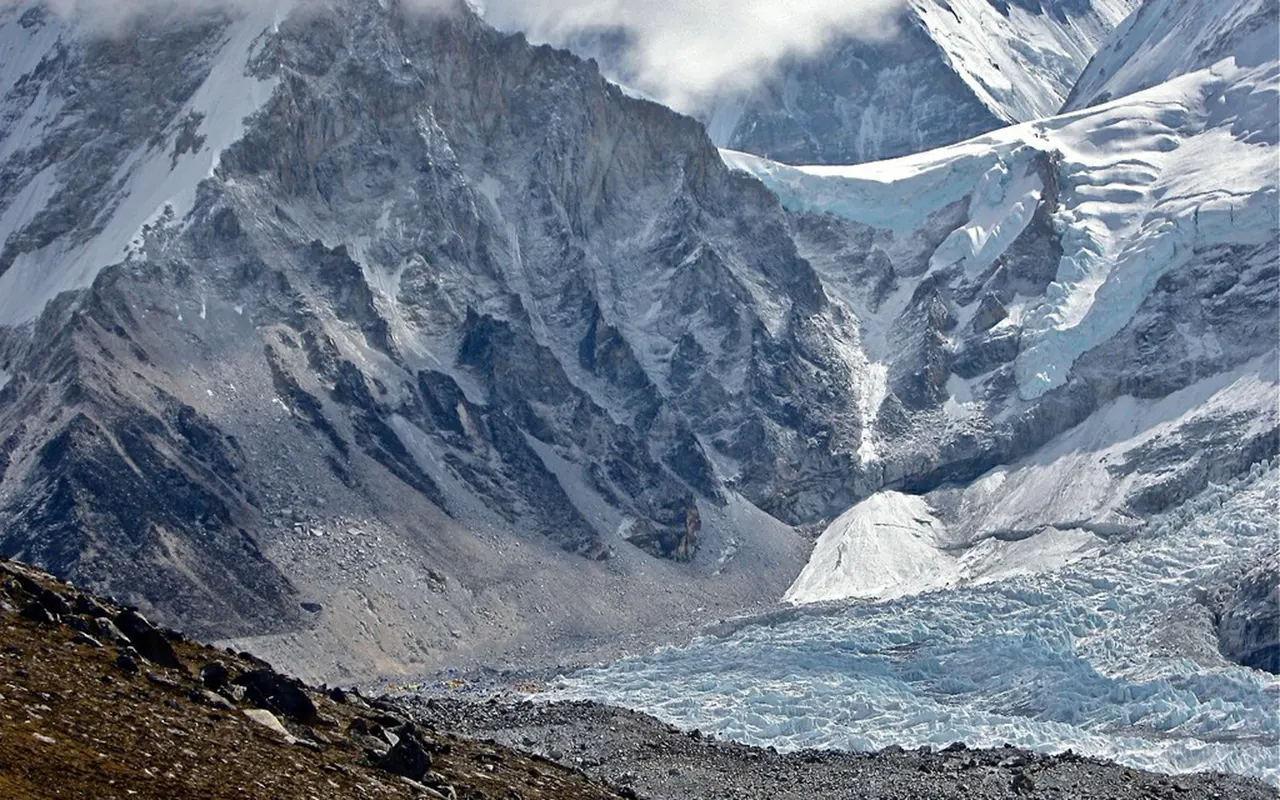
Els costos de viatge solen ser més baixos a l'hivern, i amb menys excursionistes a la ruta, els propietaris de les cases de te sovint tenen més temps per oferir un servei personalitzat. Completar la ruta a l'hivern sovint aporta una sensació d'assoliment més forta perquè l'experiència és més tranquil·la i exigent.
Aquesta guia cobreix amb tot detall la caminada al Camp Base de l'Everest a l'hivern. Hi trobareu una visió clara de la seguretat de la caminada hivernal de l'EBC, quin efecte té l'altitud sobre el vostre cos en condicions de fred, una llista pràctica per fer l'equipatge, un desglossament realista del pressupost per al 2026 al 2027 i un pla de preparació física que us proporciona la millor base possible abans de posar els peus a la ruta.
Excursió d'hivern al camp base de l'Everest: un cop d'ull
Aquí teniu una breu descripció general abans d'entrar en els detalls.
| Article | Detalls |
| Durada de la caminada | De 12 a 14 dies |
| Millors mesos d'hivern | Desembre, gener, febrer |
| Altitud màxima | 5,545 m (Kala Patthar) |
| Altitud del camp base de l'Everest | 5,364m |
| Temperatura diürna | 5 °C a -5 °C |
| Temperatura nocturna | De -10 ° C a -25 ° C |
| Nivell de dificultat | Desafiant |
| Cost mitjà | De 1,200 a 2,500 USD o més |
| Allotjaments | Cases de te |
| Requisit de la guia | Molt recomanable |
Per què alguns excursionistes trien l'estació d'hivern
Els avantatges del senderisme a l'hivern són reals i val la pena esmentar-los abans de parlar dels reptes.
Els senders tranquils són una de les principals raons per les quals molts excursionistes trien l'hivern. Durant l'octubre i el novembre, el camí entre Lukla i Namche Bazaar avança al ritme d'un sender molt concorregut, amb centenars d'excursionistes que passen pels mateixos punts de control i allotjaments en el mateix horari diari. Al gener, és possible que camineu durant una hora sense veure cap altre grup. La casa de te de Dingboche on us asseieu a dinar tindrà dues o tres taules més ocupades en lloc de vint. El mirador de Kala Patthar serà vostre per estar-hi dret sense fer cua. Per als excursionistes que troben l'ambient de temporada alta aclaparador, això per si sol justifica el fred.
La visibilitat a la muntanya durant l'hivern sovint és millor perquè l'aire fred i sec proporciona una claredat excepcional en dies clars. L'aire fred i sec a l'altitud conté molt poca humitat, i el cel en un matí clar d'hivern sobre Namche o Tengboche és d'un blau profund i nítid que es fotografia de manera preciosa i fa que cada pic distant sembli molt a prop.
Lower travel costs are another advantage of winter trekking. Accommodation, guide services, and some trekking packages are often cheaper than during peak seasons, making winter a good option for budget-conscious trekkers.
Trekking al camp base de l'Everest 12 dies
La majoria de la gent associa la caminada al camp base de l'Everest amb octubre i novembre, quan els senders estan concorreguts i les cases de te estan plenes de...
Seguretat a les excursions d'hivern de l'EBC: una avaluació realista
You need to understand EBC winter trek safety clearly before you commit to this season. Winter risks differ from other times of year, and some are far more serious. This section gives you an honest picture of each one.
The cold is the biggest challenge, and it deserves the most attention. On the lower sections of the trail, between Lukla and Namche, winter daytime temperatures are uncomfortable but manageable. Above 4,000 meters, particularly above Dingboche, altitude and temperature begin to matter in a different way.
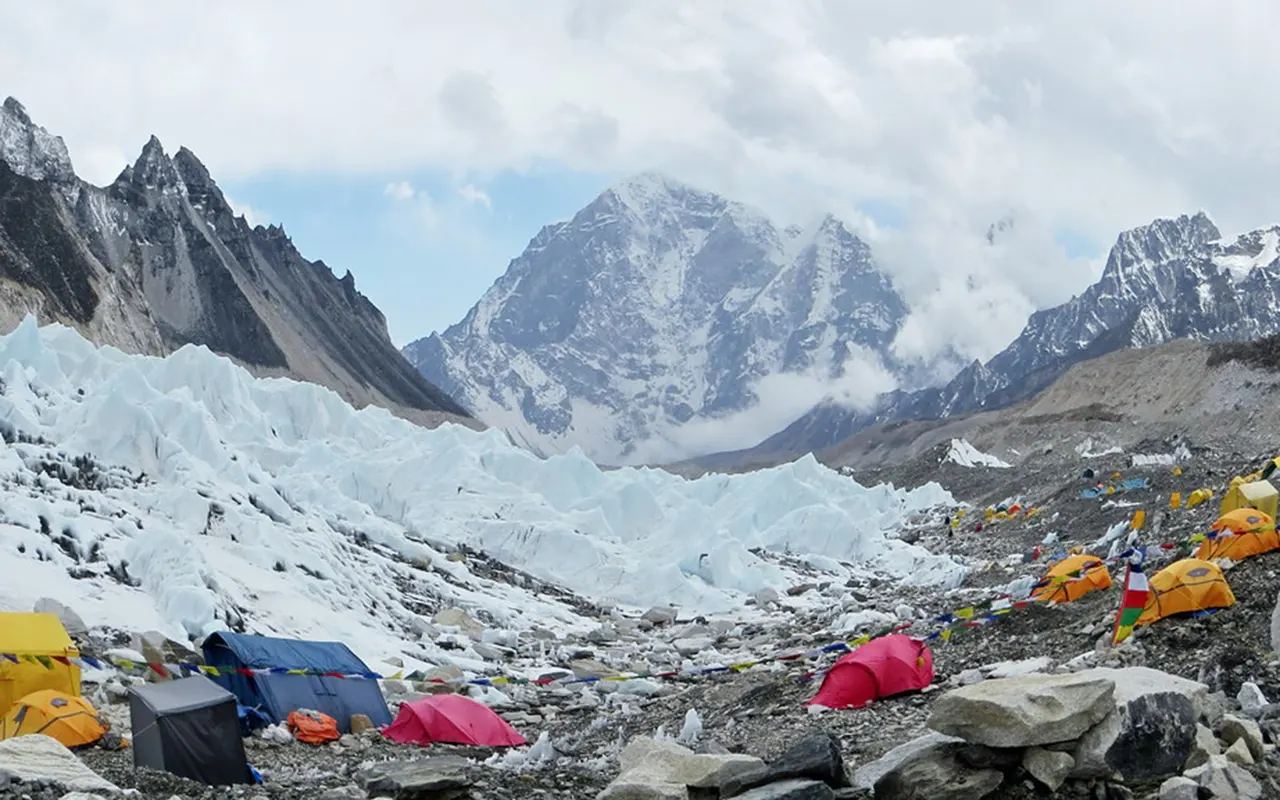
A Lobuche i Gorak Shep al gener, les temperatures diürnes generalment oscil·len entre els 5 °C i els -5 °C, depenent de les condicions de sol i vent. Les temperatures nocturnes sovint baixen per sota dels -20 °C, i els vents forts poden fer que la sensació sigui significativament més freda. Després de la posta de sol, baixen encara més, sovint arribant a menys vint graus o menys, tenint en compte la sensació tèrmica. En aquestes condicions, la roba inadequada és més que incòmoda. Pot convertir-se en un greu problema de seguretat.
Ice on the trail above Namche is a consistent feature in winter. Sections of the path that are shaded by cliffs or north-facing slopes stay frozen for much of the day and become slippery underfoot. The trail between Lobuche and Gorak Shep, and the early morning climb to Kala Patthar, both have sections that require careful footing. Microspike attachments for your trekking boots are worth carrying from Dingboche onward. A fall on frozen ground at altitude is something you should not risk when it is so easily prevented.
Flight reliability at Lukla is more variable in winter than in autumn. Cold morning air, low cloud, and occasional fog can close the airport for a day or two at a stretch. This is not unusual, and experienced operators plan around it, but you’ll need to build buffer days into your Kathmandu stay at both ends of the trek.
Daylight hours in December and January are the shortest of the year. Many walking stages that feel relaxed on long autumn days require earlier starts in winter to reach the next guesthouse before dark. Your guide will manage the daily schedule, but pre-dawn starts are a regular part of the winter routine above Dingboche.
Què fa l'altitud al teu cos a l'hivern
L'altitud és sempre la consideració central per a la salut durant la caminada al camp base de l'Everest a l'hivern, i el fred afegeix una capa de complexitat a la resposta del cos que val la pena entendre adequadament.
Per sobre dels 3,000 metres, la pressió de l'aire baixa i l'oxigen disponible disminueix. Els pulmons inspiren el mateix volum d'aire però extreuen menys oxigen amb cada respiració.
Cold temperatures compound this stress in a specific way. Your body has to cope with two challenges at once: staying warm while adapting to lower oxygen levels. Energy is consumed faster than in warm weather, appetite often decreases at altitude, and early symptoms of altitude adjustment can appear more quickly in cold conditions than in spring or autumn.
Acute Mountain Sickness (AMS) occurs in definable stages. Mild AMS is characterized by a headache within 24 hours of exposure to high altitude associated with fatigue, loss of appetite, and sleep disturbance. Moderate AMS is characterized by a headache that doesn’t go away with analgesics, nausea, and a significant decrease in energy and coordination. Severe AMS can progress to high-altitude pulmonary edema, which affects the lungs, or High-Altitude Cerebral Edema, which affects the brain. Both are life-threatening without immediate descent.
The prevention approach for altitude sickness on the winter route is the same as in any season, but requires stricter adherence because the body is already under thermal stress. Take the acclimatization days at Namche Bazaar and Dingboche without cutting them short. Use the rest days for short upward hikes, then return to sleep at the lower altitude.
Beveu de tres a quatre litres d'aigua diàriament a partir de Namche, fins i tot si no teniu set, ja que el fred sovint redueix la sensació de set. La deshidratació augmenta el risc de patir mal d'alçada i fatiga, així que continueu bevent aigua regularment durant tot el dia juntament amb begudes calentes.
Eviteu l'alcohol, que pot deshidratar el cos i emmascarar els primers símptomes del mal d'alçada. Camineu a un ritme lent i constant i parleu amb el vostre metge abans de sortir sobre si Diamox és adequat per a la vostra situació.
Consells per fer senderisme d'hivern al Nepal: pràctiques de seguretat diàries
Beyond altitude management, these winter trekking Nepal tips cover the practical daily decisions that shape EBC winter trek safety on the ground.
Hiring an experienced licensed guide is one of the best decisions you can make for a winter trek. Your knowledgeable guide, familiar with the Khumbu region, will update you daily on the weather, help you on icy or snow-covered trails, communicate with teahouse owners about accommodation availability, and coordinate emergency assistance if needed.
Although trekking regulations in Nepal have changed in recent years, independent trekking policies can vary by region. Regardless of the latest rules, having a licensed guide during winter greatly improves both safety and the overall trekking experience.
Winter weather is generally more stable than the pre-monsoon period, but high-altitude conditions shift faster than most trekkers expect. A sudden drop in wind, unusual cloud formation around the high peaks, or an unexpected afternoon temperature change are all worth noting and discussing with your guide before deciding about the following day.
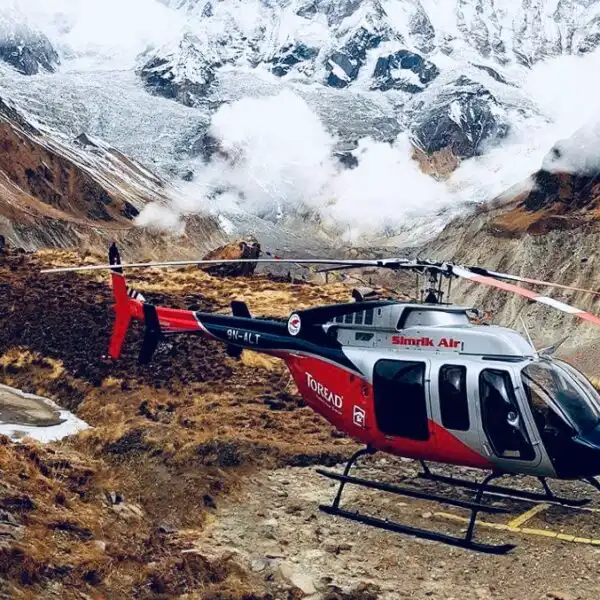
Entendre el procés d'evacuació d'emergència abans de necessitar-lo és senzill però important. El rescat amb helicòpter està disponible a tota la regió de Khumbu i s'utilitza regularment. La vostra assegurança de viatge ha de cobrir explícitament l'evacuació amb helicòpter des d'altitud. Porteu sempre a sobre els números de contacte d'emergència tant de la vostra companyia d'assegurances com de la vostra agència de senderisme, no només al telèfon. Les bateries es descarreguen més ràpidament en condicions de fred, i un telèfon que es descarrega a Lobuche no és útil en una emergència.
Començar d'hora cada dia és un hàbit específic de l'hivern que marca una diferència significativa. La part més estable i càlida d'un dia d'hivern al Khumbu és a mig matí. Sortir de la casa de te a les set o a les set i mitja et situa a la següent destinació molt abans que la llum s'esvaeixi i la temperatura baixi bruscament a última hora de la tarda. Arribar a una casa d'hostes després de la foscor amb condicions de menys quinze graus és evitable amb disciplina al començament del dia.
Llista completa d'equipatge per a l'hivern
Portar l'equipament adequat no és opcional per a la caminada al camp base de l'Everest a l'hivern. Els elements següents representen l'estàndard mínim per a una experiència segura i raonablement còmoda.
Proper layering is essential in winter. Start with moisture-wicking thermal base layers for the upper and lower body. Merino wool is particularly effective because it manages moisture, resists odor over multiple days, and retains warmth even when damp. Over the base layer, add a warm fleece or softshell jacket as your main insulation for walking. Your outer layer needs to be a fully waterproof and windproof shell jacket with matching trousers. A down jacket rated to at least minus fifteen degrees Celsius is the most important single item in your clothing kit and should be treated as non-negotiable for the upper sections of the route.
Winter accessories require more thought than in other seasons. Insulated gloves with thin liner gloves underneath give you flexibility when you need dexterity for camera buttons or trail snacks without exposing your hands to the cold for long. A wool or fleece hat that covers your ears fully is necessary from Namche upward. A balaclava or thick neck gaiter is useful for the pre-dawn starts above Dingboche. High-quality UV-protective sunglasses are essential because reflections off snow at altitude can increase UV exposure and damage eyesight within a few hours. High-SPF sunscreen is equally important for the same reason.
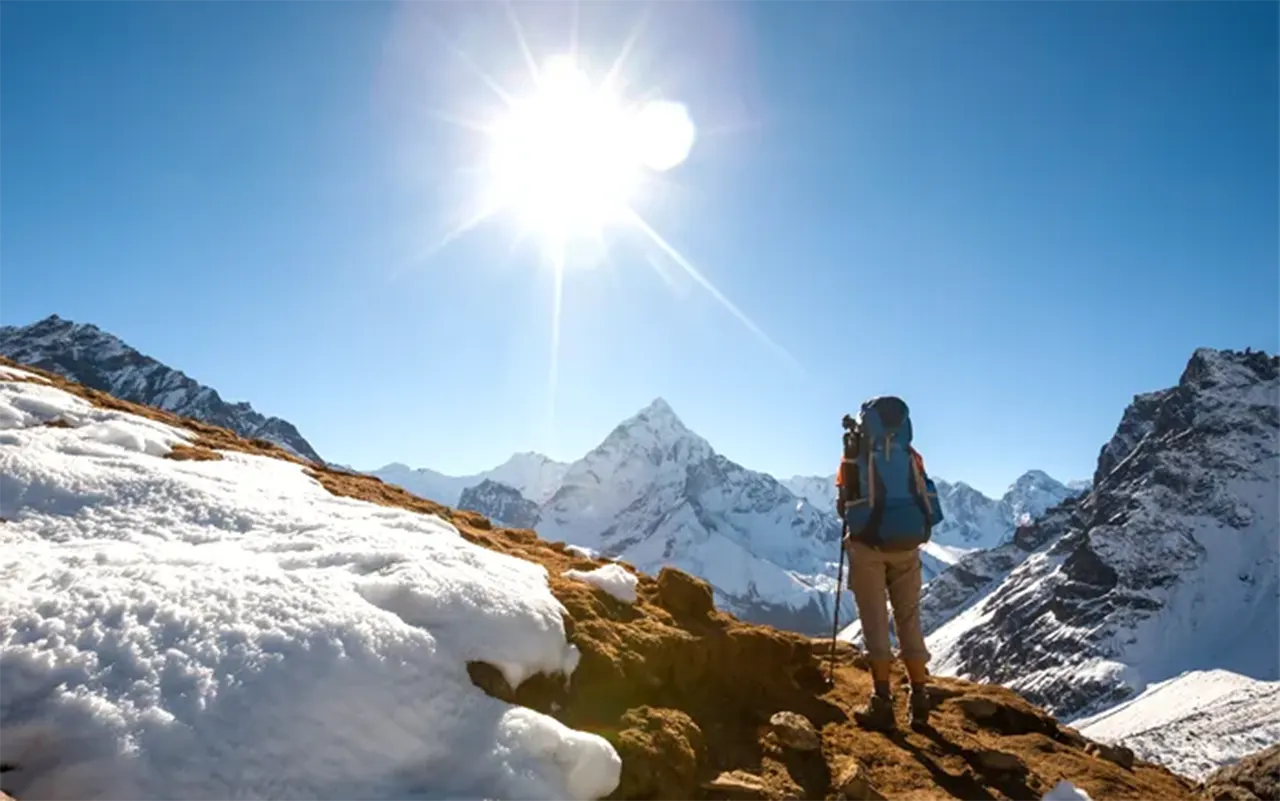
Footwear for the winter route needs to be both insulated and waterproof. Waterproof trekking boots with good ankle support suit most winter trekkers when paired with warm wool socks. Insulated winter trekking boots can make higher elevation hiking more comfortable if you’re especially sensitive to the cold. Gaiters keep snow out of your boots, and microspikes add traction on icy trail sections. Make sure your boots are fully broken in before your trek begins.
Un sac de dormir amb una temperatura de vint graus Celsius sota zero és el recomanat per a les nits d'hivern a Lobuche i Gorak Shep . Un folre de sac de dormir afegeix de dos a quatre graus de calor addicional i també proporciona una capa higiènica entre tu i la roba de llit de la casa de te. Les cases de te subministren mantes, però el seu gruix i estat varien considerablement, i el teu propi sac de dormir elimina la incertesa.
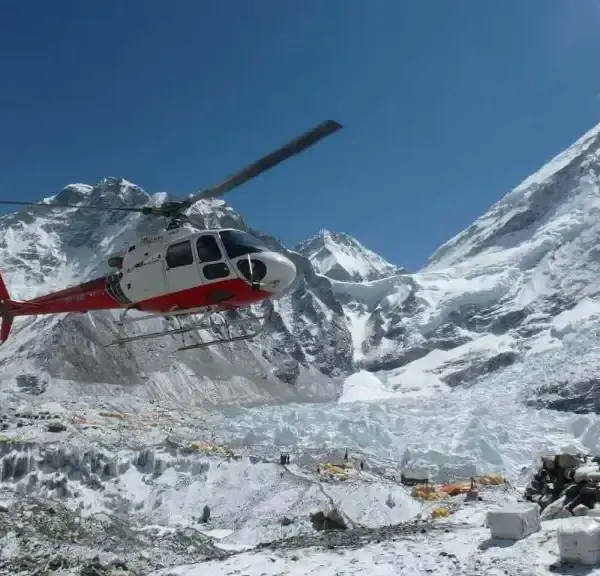
Vol en helicòpter de Gorakshep a Katmandú
La majoria de la gent associa la caminada al camp base de l'Everest amb octubre i novembre, quan els senders estan concorreguts i les cases de te estan plenes de...
For electronics, carry a power bank with enough capacity for several days between reliable charging stops. A headlamp with spare batteries is important for pre-dawn starts, and keep the spare batteries warm in an inner pocket rather than in your bag, where they may lose charge overnight. A pulse oximeter is an optional but useful item for monitoring your blood oxygen saturation during the trek. While it should never replace professional medical advice or your guide’s judgment, it can provide additional information as you gain altitude.
Les temperatures fredes redueixen el rendiment de la bateria molt més ràpidament del que la majoria dels excursionistes esperen. Mantingueu el telèfon, les bateries de la càmera, el banc d'energia i altres dispositius electrònics dins del sac de dormir o a la butxaca interior de la jaqueta durant la nit per ajudar a conservar-ne la càrrega. Aquest senzill hàbit pot marcar una diferència notable, sobretot durant les nits més fredes a altituds més elevades.
Desglossament del cost de l'excursió d'hivern al camp base de l'Everest del 2026 al 2027
Winter is the most affordable season for most cost categories on the Everest Base Camp trek. Here is a realistic and detailed breakdown.
Permits are fixed by the government and do not change with season. The Sagarmatha National Park entry permit costs approximately NPR 3,000 per person, which works out to around USD 22. The Khumbu Pasang Lhamu Rural Municipality trekking permit costs about NPR 2,000, or about USD 15. Both are straightforward to obtain, and your trekking agency can handle them as part of a package.
Els vols d'anada i tornada entre Katmandú (o Ramechhap durant les èpoques de més afluència) i Lukla solen costar entre 440 i 560 USD per persona, depenent de la companyia aèria, la temporada i la disponibilitat. Els seients d'helicòpter compartits entre Katmandú i Lukla solen costar entre 500 i 700 USD per persona, depenent de la disponibilitat. També hi ha disponibles vols xàrter privats d'helicòpter que solen costar 2,500 USD o més per a tot l'avió.
Guide and porter costs vary with experience and the arrangement you choose. A licensed local guide costs between USD 25 and USD 35 per day. A porter who carries your main bag costs between USD 18 and USD 25 per day. A guide-porter who handles both roles costs between USD 30 and USD 40 per day and is a practical option for trekkers who want to keep group size and cost manageable. Always book through a registered agency and confirm that your guide and porter carry appropriate insurance and personal gear.
L'allotjament a les cases de te es torna una mica més car a mesura que guanyes altitud, tot i que les tarifes d'hivern solen ser més baixes que durant les temporades punta de senderisme. Les habitacions generalment costen entre
USD 5 and USD 15 per night. Some teahouses offer a free or discounted room if you eat your meals there. At higher elevations, rooms are generally unheated, so a warm sleeping bag is essential for a comfortable night.
Durant les setmanes més fredes de l'hivern, les canonades i les aixetes d'aigua a altituds més elevades es poden congelar durant la nit. Les dutxes calentes són menys habituals per sobre de Dingboche i potser no sempre estan disponibles. Portar tovalloletes humides i un petit kit d'higiene personal pot fer que mantenir-se còmode durant la part alta de la caminada sigui molt més fàcil.
Food and drink on the trail cost between USD 20 and USD 35 per day depending on your choices and your elevation. Hot drinks are both a comfort and a necessity in winter, and they cost more as you climb. A cup of tea at Gorak Shep runs USD 3 to USD 5. Charging devices at teahouses above Namche costs USD 2 to USD 5 per charge and adds up over fourteen days.
L'assegurança de viatge no és negociable per a aquesta excursió en cap època de l'any, i sobretot no a l'hivern, quan els riscos d'evacuació són més alts. Una pòlissa que cobreixi el senderisme a gran altitud fins a 6,000 metres i l'evacuació amb helicòpter sol costar entre 80 i 200 USD, depenent de la vostra nacionalitat, edat i proveïdor. Organitzeu-la i compreu-la abans de sortir de casa.
Total budget estimates vary significantly with travel style. A budget-conscious trekker using a guide-porter arrangement and basic teahouses can complete the fourteen-day trek for between USD 1,200 and USD 1,600 including permits, flights, food, and daily costs. A standard trekker with a separate guide and porter, mid-range accommodation choices, and some equipment rental will spend between USD 1,800 and USD 2,500. A comfort-focused trekker using better-equipped lodges and a private guide arrangement should budget USD 2,500 and above.
Preparació física i mental
The Everest Base Camp trek in winter asks more of your body than the same route in warmer conditions. Cold increases the energy cost of every hour on the trail, and the combination of altitude and low temperature means accumulated fatigue arrives sooner than it would in autumn.
The most useful physical training for this trek is long-distance hiking on hilly terrain with a loaded daypack. This mirrors the route’s demands more closely than any gym exercise. In the first two months, build to three-hour hikes three to four times per week with a pack of around six to eight kilograms. In the final two months, push your weekend hikes to five to seven hours with a fully loaded pack and as much elevation gain as your local terrain allows. Supplement this with strength training focused on quads, glutes, and core, as these muscle groups take the most load on the long descent days.
La preparació mental és tan important com la forma física. El senderisme d'hivern implica matins freds, temps canviant i llargs dies de senderisme. Acceptar aquests reptes abans de començar t'ajuda a mantenir una actitud positiva i a gaudir de l'experiència fins i tot quan les condicions es tornen difícils.
Pel que fa a si els principiants poden fer el trekking EBC a l'hivern, la resposta requereix precaució. No és la primera experiència d'alta muntanya més adequada. El trekking previ a altituds moderades de l'Himàlaia, fins i tot a 3,000 o 4,000 metres en una ruta més curta, us dóna una referència útil de com respon el vostre cos a l'altitud i al fred. Dit això, els principiants motivats que han fet una preparació física seriosa i que viatgen amb un guia experimentat han completat la ruta d'hivern amb èxit. La clau és no subestimar-la.
Hivern vs Primavera vs Tardor: Una Comparació Sencilla
La taula següent resumeix els factors principals de les tres temporades principals de senderisme a la ruta EBC.
| Factor | hivern | primavera | Tardor |
| multituds | Molt fluix | alt | Molt alt |
| Temps | Fred, estable | Bé | millor |
| vistes | Excel · lent | Bé | Excel · lent |
| Cost | El més baix | alt | El més alt |
| Dificultat | El més dur | Moderat | Moderat |
Winter is the right choice for experienced trekkers who prioritize solitude, clear mountain photography, and lower costs over the comfort of warmer conditions. It is not well suited to people who are sensitive to cold, have respiratory conditions, or are attempting high-altitude trekking for the first time without prior experience. Spring and autumn remain the more forgiving and better-supported seasons for those new to Himalayan trekking.
Errors a evitar en una excursió d'hivern a l'EBC
La majoria de dificultats a la ruta d'hivern es redueixen a un petit conjunt d'errors evitables. Val la pena conèixer-los abans d'anar-hi.
Underestimating the temperature gap between Kathmandu and the upper Khumbu is the mistake most commonly made by first-time winter trekkers. The difference between a pleasant Kathmandu afternoon in December and Gorak Shep at midnight in January is around thirty degrees Celsius. Packing gear that works for autumn conditions and assuming it will be enough in winter creates real problems above Dingboche.
Saltar-se els dies d'aclimatació per estalviar temps és més perillós a l'hivern que en qualsevol altra estació. El cos ja està gastant energia addicional en la regulació tèrmica, cosa que redueix els recursos disponibles per a l'ajustament a l'altitud. Els dies de descans a Namche i Dingboche són quan el cos fa la feina d'adaptació. Eliminar-los interromp aquest procés i augmenta la probabilitat de problemes relacionats amb l'altitud a les seccions superiors.
Ignoring early AMS symptoms because motivation is running high is a pattern that ends many winter treks poorly. A headache at Lobuche that worsens overnight rather than improving signals that your body is not coping with the altitude at that stage. Telling your guide, resting an extra day, or descending to a lower altitude are all reasonable responses. Pushing on in the hope that things will improve at a higher elevation is not a reasonable response and has led to serious outcomes for trekkers on this route.
Ignoring changing weather conditions is another avoidable mistake. Winter weather is generally more settled than during the monsoon or pre-monsoon season, but you can still encounter heavy snowfall or strong winds that can affect trail conditions and travel plans. Staying flexible and following your guide’s advice will help you make safer decisions if the weather changes unexpectedly.
Trekking de 15 dies al coll de Cho La de l'Everest
La majoria de la gent associa la caminada al camp base de l'Everest amb octubre i novembre, quan els senders estan concorreguts i les cases de te estan plenes de...
Reservar vols a Lukla sense dies de marge a cap dels dos extrems del trajecte és una bretxa de planificació que causa un estrès important quan l'aeroport es tanca a l'hivern. Un retard d'un o dos dies a Lukla és totalment normal a l'hivern. Incorporar aquests dies a la teva agenda des del principi elimina l'ansietat i la costosa reserveta que comporta un itinerari ajustat.
Preguntes freqüents
És segura la caminada al camp base de l'Everest a l'hivern?
With proper preparation, suitable gear, and a licensed guide, the winter route is safe for trekkers who approach it seriously. The risks are real and specific to the season, but manageable for anyone who prepares thoroughly and follows EBC winter trek safety guidance.
Quant de fred fa al camp base de l'Everest a l'hivern?
Daytime temperatures at Base Camp in winter range from minus five to minus fifteen degrees Celsius. At night in Gorak Shep, temperatures regularly fall to minus twenty degrees Celsius or lower. Wind chill on exposed ridges and during the Kala Patthar climb makes conditions feel considerably colder.
Les cases de te estan obertes durant els mesos d'hivern?
Most teahouses along the main EBC route remain open through December, January, and February. A small number of the higher-elevation lodges may close during the deepest part of winter. Your guide will confirm current availability before you depart each stage.
Necessito un guia per a una excursió d'hivern a l'EBC?
A licensed guide is strongly recommended for a winter Everest Base Camp trek. An experienced guide provides route knowledge, weather reports, emergency assistance, and local support throughout the trek. Trekking regulations can change, so it’s always a good idea to check the latest requirements before planning your trip.
Quin mes d'hivern és el millor per a la caminada EBC?
December is usually the most accessible of the three winter months, with slightly less extreme nighttime temperatures than January and February. All three months offer the same trail experience and mountain views, so the choice often comes down to which dates fit your schedule.
El mal d'alçada es produeix més sovint a l'hivern?
The cold in winter places additional physical demands on the body, which can accelerate the onset of early AMS symptoms. Trekkers who stick strictly to the acclimatization schedule and move at a measured pace manage altitude well in winter. Those who move too fast or skip rest days are more vulnerable than they would be in warmer conditions.
Val la pena fer el trekking al camp base de l'Everest a l'hivern?
For many trekkers, winter is the most rewarding time to visit Everest Base Camp. Empty trails, sharp mountain air, views that stretch to every horizon without haze, and teahouses where the owner remembers your name because there are only four guests. The Everest Base Camp trek in winter gives you the Khumbu without the performance of peak season, and for people who value that kind of quiet and directness in their travel, it is a very compelling offer.
T'exigeix més que la mateixa ruta a l'octubre. La preparació ha de ser més exhaustiva, l'equipament ha d'estar adequadament classificat per al fred i la teva actitud envers les molèsties ha d'estar resolta abans d'arribar.
Start your preparation early. Choose an operator with real winter experience in the Khumbu. Pack for the worst conditions you might encounter, not the average ones. Get your insurance in place before you travel. And go with a clear sense of what the cold will feel like, so when it arrives, it doesn’t surprise you. Winter conditions are demanding, but with proper preparation, they can also be incredibly rewarding, leaving you with memories that last long after the trek is over.