


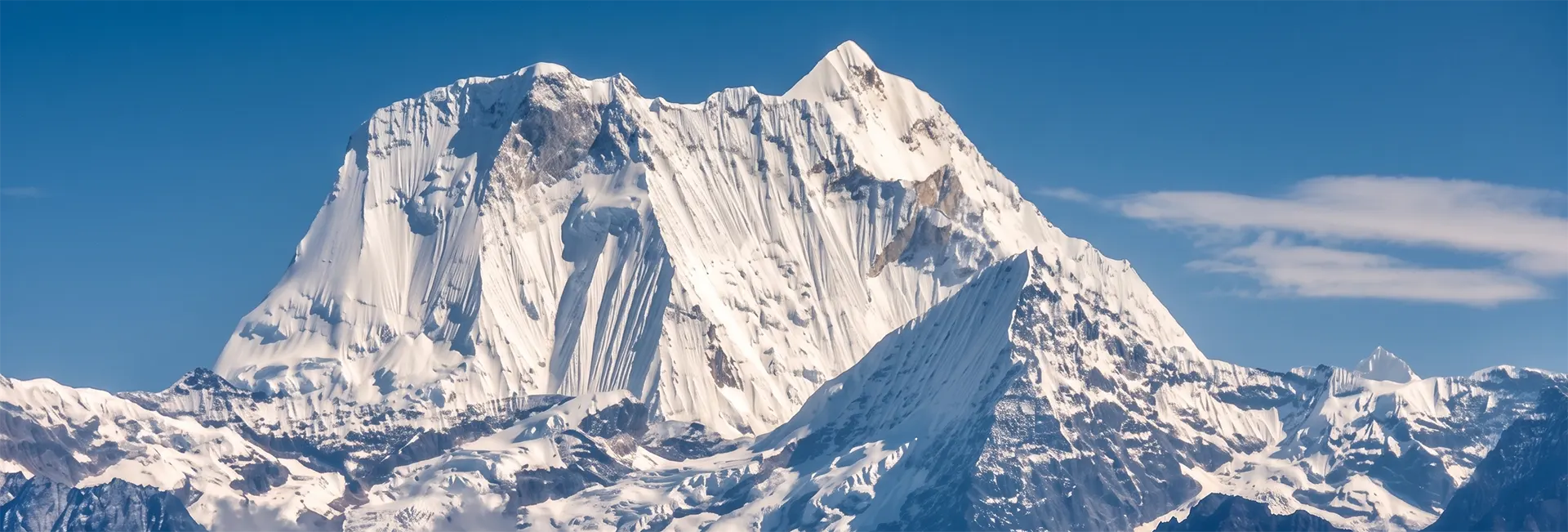
Xullo é o mes de mediados do verán no hemisferio norte, pero o verán non significa condicións cálidas no Monte Everest. Sempre hai unha temperatura fresca a altitudes extremas mesmo durante o mes máis cálido do ano. A temperatura media en xullo no cumio do Monte Everest é de aproximadamente -19 °C (-2 °F), aínda que os extremos poden ser significativos dependendo de condicións como o vento, a nubosidade, a hora do día e a altitude.
O Monte Everest alcanza os 8,848.86 m (29,031.7 pés) sobre o nivel do mar. O aire é moi tenue e as temperaturas moi baixas durante todo o ano a esta altitude. O mes de xullo adoita ser o mes máis caloroso no cumio; non obstante, pode haber condicións meteorolóxicas extremadamente frías, ventosas, nevadas e que cambien rapidamente no cumio.
Coñecer as temperaturas noutros lugares da montaña é importante, xa que a temperatura arredor do EBC é bastante diferente á de preto do cumio. Para un senderista que visita o campamento base en xullo, as temperaturas diúrnas poden ser relativamente suaves, pero para un escalador no cumio, as temperaturas poderían estar moi por debaixo do punto de conxelación.

Cal é a temperatura media en xullo no Monte Everest?
A temperatura media de xullo no cumio do Monte Everest é duns −19 °C (−2 °F). Trátase dunha media a longo prazo, non da temperatura que se rexistrará diariamente. Dependendo das condicións atmosféricas, algúns días poden ser máis cálidos ou máis fríos.
Mesmo nun día de verán bastante cálido, fai frío na parte superior. En situacións de vento, a sensación térmica pode facer que o tempo pareza moito máis frío que a temperatura. É especialmente importante xa que as temperaturas baixo cero e os ventos fortes poden facer que a pel exposta se arrefríe rapidamente.
O ambiente de gran altitude tamén chega ata o cumio. A presión atmosférica é moito menor a 8,848.86 m (29,031.7 pés) que ao nivel do mar e o aire enrarecido non retén a calor tan ben como o aire debaixo. Isto débese a que, aínda que a montaña está fisicamente máis preto do sol, a temperatura é de aproximadamente -19 °C (-2 °F) de media durante xullo. ABC Science informa que a temperatura media nos picos durante xullo é duns -19 °C.
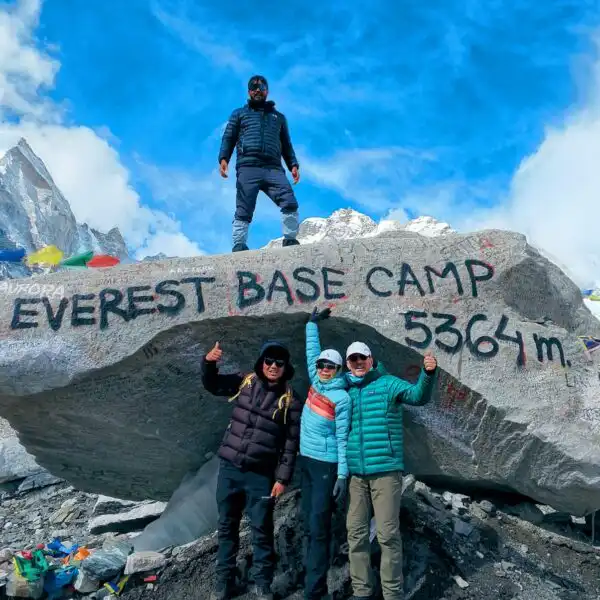
Ruta ao Campo Base do Everest de 12 días
Xullo é o mes de mediados do verán no hemisferio norte, pero o verán non significa condicións cálidas no monte Everest. Hai…
Temperatura de xullo a diferentes altitudes
Hai unha variación notable nas condicións meteorolóxicas ao longo do camiño desde as rexións máis baixas do Everest ata o cumio. A táboa seguinte ofrece unha indicación xeral da variación que pode producirse en xullo.
| localización | Elevación | Temperatura típica de xullo | Condicións xerais |
| Lukla | 2,840 m (9,318 ft) | Arredor de 10 °C a 18 °C (50 °F a 64 °F) | Suave, húmido e húmido |
| Bazar de Namche | 3,440 m (11,286 ft) | Arredor de 7 °C a 18 °C (45 °F a 64 °F) | Fresco con choiva e nubes |
| Dingboche | 4,460 m (14,632 ft) | Arredor de 4 °C a 13 °C (39 °F a 55 °F) | Fresco, nubrado e variable |
| Lobuche | 4,900 m (16,076 ft) | Arredor de 1 °C a 11 °C (34 °F a 52 °F) | Frío, con posibles nubes e precipitacións |
| Gorak Shep | 5,180 m (16,995 ft) | Arredor de 0 °C a 10 °C (32 °F a 50 °F) | Frío, especialmente pola mañá e pola noite |
| Zona do campamento base do Everest | Uns 5,300 m (17,388 pés) | Xeralmente arredor de 5 °C a 10 °C (41 °F a 50 °F) | Frío con posibles nubes, neve e precipitacións |
| Cume do Everest | 8,848.86 m (29,031.7 ft) | Arredor de −19 °C (−2 °F) de media | Extremadamente frío e ventoso |
As cifras para as localizacións máis baixas son rangos aproximados de xullo e poden variar dun ano para outro. Tamén hai unha marcada tendencia á baixa da temperatura co aumento da altitude nos datos publicados da rexión do Everest.
A razón é que a diferenza reside en que a temperatura do Everest sería diferente se preguntases sobre el en xullo, dependendo da parte da montaña pola que preguntes. Aínda que están na mesma montaña, atópanse en ambientes moi diferentes no campamento base e preto do cumio.
Por que o Everest aínda fai tanto frío en xullo?
A razón principal é a elevación. Canto maior sexa a altitude, menor será a presión e máis tenue será o aire. Canto máis preto estea un lugar do sol, máis enerxía recibirá, pero a maior parte da calor da atmosfera provén da enerxía absorbida e reirradiada pola superficie da Terra e as temperaturas tenden a diminuír ao aumentar a altitude.
O cumio do Everest (8,848.86 m / 29,031.7 pés) está preto da parte superior da troposfera. Os fortes ventos de alta montaña e a corrente en chorro tamén poden afectar a montaña. No alto do Everest, construíronse estacións meteorolóxicas para soportar ventos extremos, frío, presión e outras condicións atmosféricas.
A luz solar pode producir aire quente durante uns intres, especialmente se non hai vento. Non obstante, isto non significa que a temperatura real do aire sexa agradable. Cando o sol está cuberto de nubes ou o vento se acelera, a temperatura pode baixar rapidamente.
Que frío fai o cumio do Everest en xullo durante o día?
As temperaturas nos cumes adoitan estar por debaixo do punto de conxelación durante o día en xullo. A media a longo prazo do mes ronda os -19 °C (-2 °F).
Esta é unha temperatura media típica e a temperatura real nun intento de subir ao cumio pode variar con respecto a esta. As condicións meteorolóxicas poden parecer menos severas, con ventos relativamente lixeiros, ceos despexados e luz solar directa. No caso de ventos fortes, o efecto pode ser o contrario e pode formar unha sensación térmica perigosa.
É por iso que os montañeiros non planifican o mes de xullo en función da temperatura do aire prevista. Débese ter en conta a posibilidade de condicións de frío extremo á hora de vestir, luvas, botas, protección facial, refuxio, estratexia de osíxeno e tempo.
Cal é a temperatura do Monte Everest en xullo no campamento base do Everest?
A temperatura de xullo no campamento base do monte Everest é significativamente máis alta que a temperatura no cumio. O campamento base do Everest está situado no lado nepalí, a unha altitude duns 5,300 m, o que supón máis de 3,500 m por debaixo da altura da propia montaña.
As temperaturas típicas de xullo no campamento base do lado nepalí son de 5 °C a 10 °C (41 °F a 50 °F) durante o día e quizais por debaixo do punto de conxelación pola noite.
Xullo é a estación dos monzóns no Nepal. Isto indica que a temperatura non será o único factor na situación meteorolóxica. A experiencia dun senderista pode ser moi diferente debido ás nubes, á choiva a niveis máis baixos, á menor visibilidade e aos sendeiros mollados.
Nalgunhas zonas da ruta, por riba dunha certa altitude, as precipitacións son diferentes debido ás temperaturas máis baixas. Polo tanto, a situación pode variar drasticamente nun só día de marcha.
Como afecta o tempo no Everest en xullo aos senderistas?
En xullo, o monzón do sur de Asia ten un impacto significativo no tempo no Everest. Neste momento hai moita máis humidade desde o sur, o que trae nubes e choiva a moitas zonas da rexión do Everest, incluídas as con pouca visibilidade.
A parte inferior da ruta pode estar húmida e empapada para os senderistas. É probable que chova regularmente en Lukla e nos vales inferiores, ocasionalmente nas zonas máis altas, onde pode haber nubes e néboa.
O tempo tamén pode afectar o transporte. Xullo é unha época do ano nubrada e con visibilidade restrinxida para os voos a Lukla ; debes ser flexible co teu itinerario se estás a planear unha ruta de sendeirismo na rexión do Everest.
A medida que a ruta ascende a altitudes máis elevadas, o tempo arrefría e espérase que as precipitacións sexan menores que as que se producirían en altitudes máis baixas. Non obstante, aínda é posible contemplar as vistas das montañas durante gran parte do día se están ocultas polas nubes.

Neva no Everest en xullo?
O Everest ten neve e xeo a altitudes moi elevadas durante todo o ano. Xullo non elimina o ambiente invernal permanente que hai preto do cumio da montaña.
As temperaturas medias están moi por debaixo do punto de conxelación, a 8,848.86 m (29,031.7 pés), e pode haber neve e xeo presentes mesmo cando os vales baixos son verán.
Tamén é posible que os sistemas meteorolóxicos a grandes altitudes provoquen novas nevadas. A cantidade e a localización das precipitacións e da neve dependen do patrón das tormentas, do vento e da temperatura. Esta é outra razón pola que os escaladores se guían por previsións detalladas e non asumen que as condicións de xullo serán fiables.

15 días de trekking ao paso de Cho La do Everest
Xullo é o mes de mediados do verán no hemisferio norte, pero o verán non significa condicións cálidas no monte Everest. Hai…
Por que xullo se sente máis cálido a altitudes máis baixas?
A cantidade media de quecemento solar na rexión inferior do Everest é moito maior que no cumio. Canto menor sexa a altitude, maior será a densidade do aire e maior será a temperatura.
Por exemplo, Lukla (2,840 m) pode ser relativamente agradable durante o día en xullo. O tempo é considerablemente máis frío cando os excursionistas chegan a Gorak Shep (5,180 m).
Faise aínda máis grande na parte superior. Alguén podería comezar con tempo relativamente suave en altitudes máis baixas e acabar con tempo xeado varios miles de metros máis arriba.
Esta diferenza de temperatura é unha das principais razóns polas que é tan importante aclimatarse nunha expedición ao Everest. Co aumento da altitude, o corpo ten que adaptarse non só ao frío, senón tamén á redución da cantidade de osíxeno dispoñible.
É xullo un bo momento para visitar o Everest?
Xullo non é a mellor época do ano para facer sendeirismo na rexión do Everest debido á súa estación monzónica. As estacións tradicionais de sendeirismo adoitan ser a primavera e o outono, cando o tempo é máis propicio para obter impresionantes vistas das montañas e unhas condicións de sendeiros moito máis estables.
Isto non quere dicir que xullo sexa demasiado cedo para a rexión do Everest por completo. Aínda é posible facer sendeirismo e algunhas persoas optan por facelo debido á dispoñibilidade de datas de viaxe ou para facer sendeirismo durante as horas menos concorridas da ruta.
O principal inconveniente non é necesariamente que faga moito frío no campamento base. Pola contra, poden xurdir problemas prácticos pola choiva, a nubosidade e os atrasos no transporte que poden ocorrer. Polo tanto, ao viaxar, é mellor planificar unha marxe de tempo e flexibilidade.
Se queres chegar ao campo base do Everest pero non escalar o cumio, as condicións son moito menos duras que para un alpinista do Everest. A diferenza entre as dúas experiencias é substancial.
Como cambia o vento a temperatura no Everest?
A temperatura do aire na alta montaña non é toda a historia. As zonas expostas poden ser moito máis frías que a temperatura que marca o termómetro.
Na parte alta do Everest, os ventos fortes son unha preocupación seria. As condicións extremas de vento nas grandes altitudes onde se colocaron os instrumentos descríbense nos informes de National Geographic sobre as estacións meteorolóxicas do Everest.
Por exemplo, unha zona exposta do corpo pode resultar moito máis fría a -19 °C (-2 °F) con vento forte que sen vento. Outra razón pola que os escaladores deben levar roupa moi protectora mesmo no mes máis cálido do ano é que o vento mellora o arrefriamento do corpo.
Isto é especialmente certo arredor das cristas expostas e nos cumes. Os escaladores adoitan usar as ventás meteorolóxicas para o seu ascenso ao cume, cando os ventos e outros factores son máis favorables.
Que roupa deberías levar para subir ao Everest en xullo?
A roupa que leves dependerá en gran medida do teu destino. Se fas sendeirismo na parte baixa da rexión do Everest en xullo, deberías estar preparado para a choiva, a humidade e as temperaturas frescas, pero se vas ao campamento base, necesitarás roupa moito máis abrigada para afrontar as frías mañás e noites.
Canto máis quente sexa o illamento, máis importantes son as altitudes máis elevadas. Unha capa exterior impermeable tamén é útil, xa que xullo pode ser húmido nas zonas baixas.
Para unha expedición real ao cumio do Everest, necesitas roupa e equipo de gran altitude. As condicións do cumio son moi diferentes ás do campamento base e o equipo de sendeirismo estándar non é axeitado para os rigores dos campamentos altos.
Como se deben interpretar as previsións de temperatura do Everest?
Ademais do vento, as precipitacións, a cobertura de nubes e a altitude, as previsións de temperatura no Everest sempre deben considerarse en conxunto. A temperatura prevista de -15 °C (5 °F) nun lugar non é a temperatura noutros lugares da montaña!
A fiabilidade da previsión tamén varía co tempo. Á hora de tomar decisións para ascender a altitudes máis elevadas ou intentar chegar a un cumio, os equipos de expedición baséanse en previsións e observacións actualizadas.
A rede de estacións meteorolóxicas establecida arredor do Everest mellorou o coñecemento das condicións a grandes altitudes mediante observacións de temperatura, velocidade do vento, humidade, radiación solar e presión atmosférica, etc.

Consideracións Finais
A temperatura media no Monte Everest en xullo é un bo indicador de como difire o clima de montaña do verán en altitudes máis baixas. A temperatura media no cumio é de aproximadamente -19 °C (-2 °F) en xullo e a temperatura media arredor do campamento base do Everest é uns poucos graos por riba do punto de conxelación durante o día.
O factor máis crítico é que non hai unha temperatura fixa en toda a montaña. As condicións meteorolóxicas varían moito coa altitude. O tempo pode ser bastante diferente no mesmo día en diferentes lugares, como no campamento base, na ruta ou preto do cumio de Lukla.
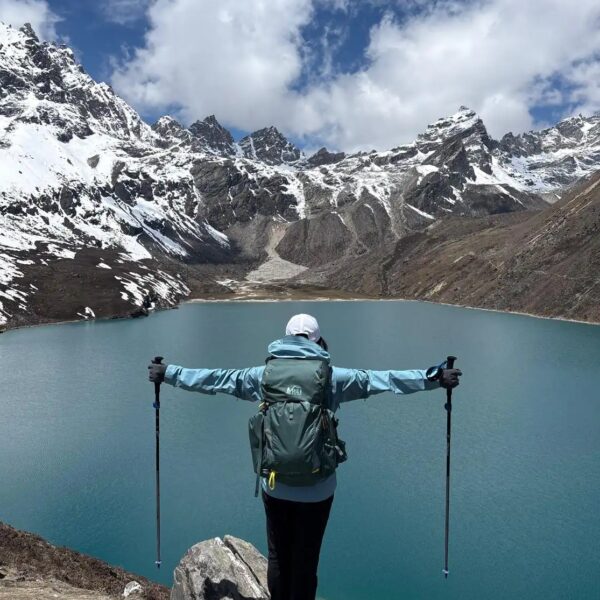
11 días de ruta polo Everest e Gokyo Ri
Xullo é o mes de mediados do verán no hemisferio norte, pero o verán non significa condicións cálidas no monte Everest. Hai…
O monzón do sur de Asia tamén nos acompaña durante xullo, no lado nepalés dos picos do Himalaia. Isto fai que os tramos empinados da ruta do Everest sexan máis húmidos e nubrados do que serían ao nivel do mar, pero o cumio segue sendo un ambiente moi frío e de gran altitude.
Calquera que pense en ir ao Everest en xullo non debería fixarse só na temperatura. A altitude, o vento, as precipitacións, a visibilidade e os cambios meteorolóxicos son factores a ter en conta. O coñecemento destas diferenzas axudarache a prepararte de forma máis axeitada e aos viaxeiros a ter unha mellor idea de como é a vida durante o verán na montaña máis alta do mundo.