







Introduction: Life Above the Clouds
Mount Everest, the highest peak in the world with an altitude of 8849m, is often depicted or imagined as a lifeless mass of rock, ice, and snow. With freezing temperatures, thin air, and extreme winds, it seems nearly impossible for any form of life to survive here. And it is common to think so, due to the harsh conditions around such a high-altitude region.
This has led to a common myth that no animals or species live on Everest. But in reality, the uppermost slopes, which are nearly barren, the great part of the Everest region supports a wide variety of wildlife. So, it is home to a wide variety of species which survives adapting factors of higher altitude.
It is protected under the Sagarmatha National Park, which is home to mammals, birds, insects, and plants adopting unique and extreme conditions. Most of the species that are found and seen in Mount Everest are rare, and some of them are even on the list of endangered animals.
In this guide, you’ll learn about where Mount Everest is located and how animals survive at such a high altitude, what species live in the region, and why it is critical to protect this fragile ecosystem.
Introduction: Life Above the Clouds Mount Everest, the highest peak in the world with an altitude of 8849m, is often depicted or…
Where is Mount Everest Located?
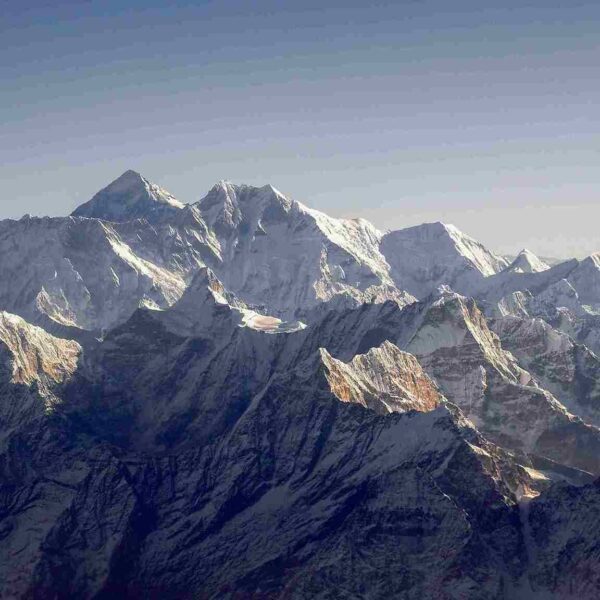
Mount Everest lies on the border between Nepal and Tibet. On the Nepalese side, it is known as Sagarmatha, while as Chomolungma, which means “Goddess Mother of the World”. With its altitude of about 8849m, Mount Everest remains the highest peak in the world, followed by other peaks in the highest list. It is also the pride of the Himalayas, standing at Northern part of Nepal.
Role of the Khumbu Region
The southernmost slopes of Everest within Nepal’s Khumbu Region are very popular for trekking, Sherpa cultures, and rich biodiversity. Most of the wildlife associated with Everest is all found here, especially below the highest elevations. And the wildlife, which are found at higher altitudes, survive by adapting to the harshest conditions and geographic difficulties.

Altitude Zones and Ecosystem
The Everest region can be divided into three major ecological zones based on its altitude, where different kinds of habitats can be seen, which are,
- Lower Valleys(2800-3500m): forested areas with pine, rhododendron, and birch supporting diverse biodiversity of mammals and birds.
- Alpine Zone(3500m-5000m): it consists of Shrubs, grasses, and mostly the rocky terrains. Their hardy species gaze and hunt can be found.
- High-Altitude Zone(above 5000m): less number of species are seen, mostly birds and occasional mammals passing through
Can Animals Really Live on Mount Everest?
Life on Everest is not easy to survive. It is shaped by extreme cold, low oxygen levels, strong winds, and limited vegetation, which obviously makes life in there pretty hard. The geographic difficulties, unpredictable weather, and human conflict too makes them for them to survive at such a high altitude.
So, permanent animal residents are mostly found at lower and mid-altitudes, while some species migrate seasonally into higher zones, mostly during summer to get their habitat temperatures, as well as during winter to avoid extreme cold. Both birds and animals seen following the cycle of migrating similar to each other.
Most mammals rarely live above 5000m year-round, due to the migration of prey to lower altitudes as well as due to extreme cold, but birds have been recorded flying much higher even during winter. All these habits of animals are found here, evolved with remarkable adaptations that allow them to survive where humans and low-altitude animals can’t.
So, sighting animals or species of high altitude is not that easy, and sometimes we rely on fortune and luck due to the changing conditions and seasons. Also, most of them are already rare and vulnerable to extinction due to various factors affecting their survival.
Mammals That Live On Mount Everest
Snow Leopard (Panthera Uncia)
The snow leopard is the most iconic predator which is found in the Everest Region. It is typically found at altitudes between 3000m and 5500m, preferring rocky terrain.
- Hunting behaviour: solitary ambush hunter, mostly feeding on blue sheep and Himalayan tahr.
- Conservative Status: very rare and vulnerable, mostly threatened by habitat loss and human conflict.
Himalayan Tahr

It has smiler look like a goat, which are adapted for steep cliffs and rocky terrains in higher altitudes.
- Physical adaptations: it have thick coats with strong gloves which are helpful for icy slopes
- Lifestyle: mostly seen around alpine zones, often roams near or around rocky outcrops.
Himalayan Wolf
A very rare subspecies of wolf adapted to high-altitude survival.
- Social behaviour: it lives and hunts mostly in packs. These species are mostly seen with their own small clan.
- Ecosystem role: it controls the population of prey which helps to maintain balance in environment.
Red Panda(Lower Everest Region)
It is a very rare species of panda, and also listed in vulnerable and endangered which are mostly habitat in the lower regions of Sagarmatha National Park.
- Habitat: Rend panda usually lives in Bamboo rich forest.
- Rarity: they have nature of shyness, making it uncommon for sightings as well also due to it’s rarity.
Musk Deer
These are small and elusive deer, more known for their unique musk glands.
- Feature: Male Musk deer produce musk which are used for premium perfumes
- Threats: large number of poaching and also due to habitat loss from human presence

Everest Base Camp Trek 12 days
Introduction: Life Above the Clouds Mount Everest, the highest peak in the world with an altitude of 8849m, is often depicted or…
Birds Found on Mount Everest
Himalayan Griffin Vulture
It is a large scavenger which are vital for ecosystem health. It is also one of among a very vulnerable species of bird.
- Role: Carcasses of cleaning up.
- Adaptation: Powerful wings for high-altitude soaring
Himalayan Monal (National Bird of Nepal)

Also, the national bird of Nepal is rare and known for its beautiful iridescent feathers.
- Habitat: Forested slopes below the alpine zone.
Yellow-Billed Chough
Often seen near the EBC and higher altitude regions.
- Behaviour: Curious and social, which feeds on insects and scraps.
Bar-Headed Goose
It is the world’s highest-flying bird.
- Migration: Flies over the Himalayas, sometimes above Everest.
Animals Seen Around Everest Base Camp
Everest Base Camp lies at an altitude of about 5364m and supports limited and less visible wildlife.

- Yaks: very essential and necessary to Sherpa life for transport and milk, as well as other goods
- Himalayan marmots: Burrowing rodents active in summer
- Mountain Hares: also known as pikas, which are small mammals adapted to cold climates.
Insects and Small Life Forms on Everest
Despite being in harsh conditions and extreme weather, as well as very limited vegetation, insects still survive there at high altitudes. These species of insects are always a great example of nature flourishing anywhere. Insects and microscopic organisms demonstrate some of the most impressive strategies for survival in such difficult conditions. These creatures often go unnoticed, yet are very interesting to observe as well essential part of high-altitude ecosystems and biodiversity.
High-altitude spiders
It is one of the most fascinating things to know that on Everest, there’s a presence of spiders which even exist above the altitude of 6000m. These spiders mostly do not feed on vegetation; instead, they feed on other insects blown by strong winds. They have a very unique ability to survive in freezing temperatures and minimal oxygen. It already challenged the previous assumption about the limitations of animals’ lives in higher altitudes.
Cold-Tolerant Insects
Various insects, such as beetles and flies, have also adapted to life in freezing conditions. These species are for producing special fluids from the body to prevent them from freezing in cold weather. Also, some insects follow the strategies of remaining dormant for long periods and becoming active again during brief warmer months to survive. Their presence too supports the food chain, especially for the birds and small animals too.
Recent Scientific Discoveries
Scientific expeditions continue to document some new species of insects around the Everest Region. As research technology improves, biologists are discovering more about microbial life, insects and arthropods, which are far more resilient than once believed and documented. These findings also highlighted Everest as an important natural lab6for studying and observing extreme-life adaptation.
How Animals Adapt to Extreme Conditions
Animals living at high altitudes in the high altitude of the Everest region have extraordinary adaptations to survive the odds. The conditions, such as cold, hypoxia and scarce resources. These adaptations in their survival are physical, behavioural and seasonal.
Physical Adaptations
Many mammals, such as snow leopards and Himalayan that have thick fur on their body with fat layers that insulate them against subzero temperatures. Their compact body shapes help to reduce heat loss, while their wide paws help them to move snow and rocky terrain very efficiently in difficult geographic structures.
Oxygen Efficiency
At high altitudes, oxygen levels are significantly lower, so animals have evolved with enlarged lungs, higher red blood cell counts,, as well oxygen efficient blood. These adaptations allow animals to remain very active where humans and other lower altitude species quietly tire.
Seasonal Migration
To avoid the hardest winter conditions at high altitudes, many animals migrate to lower elevations with the changing of seasons. Birds, ungulates and even predator of higher altitude adjust their elevation based on the availability of prey and their foods as well as following the weather, demonstrating the flexibility in survival strategies.
Highest Altitude Animals Ever Recorded on Everest
Everest Region has provided researchers with very rare observations of animals even in extreme elevations, challenging the harsh conditions and factors of nature.
Birds at Extreme Heights
Birds always hold the altitude records. Bar-Headed geese have been traced up to flying over 7000m over the Himalayas. As well, yellow-billed thoughts have been spotted near Everest Base Camp at over 6000m. Their efficient lungs and strong wings make these feats possible to survive and dominate such an altitude.
Mammals at High Altitude
Mammals are more limited due to oxygen availability and physical limitations to survive in difficult geographic structures. Still, snow leopards and Himalayan wolves are recorded up to 5500m, where they are usually found hunting or migrating. These sightings of rare animals are very rare and typically documented by camera or climbers.
Scientific Records
Most of the altitude records are determined or come from scientific studies, GPS tracking and reports from mountaineering expeditions. These observations continue to reshape to understand of the complex survival of life at higher altitudes.
Threats to Wildlife on Mount Everest
Despite of it’s remote location, Everest’s wildlife faces an increase in threats from different factors.
Climate Change
Rising temperatures are now a global issue. It is also hampering alternating vegetation zones at higher altitudes, affecting prey availability due to difficulty in the food chain. This leads to the unusual migration patterns. Also, glacial retreat and unpredictable weather disturb habitats that species have relied on for centuries.
Tourism Pressure
The Everest region attracts thousands of trekkers and climbers annually. It also brings improper waste disposal, noise and human presence disturb wildlife, particularly near popular routes and base camps.
Habitat Loss
Other factors,, such as infrastructure development, including trails, lodges, roads and human-oriented structures in lower regions, are becoming the reason for habitat fragmentation. This pattern also affected the higher altitude in recent years. As human settlements expand, wildlife corridors shrink.
15 Days Everest Cho La Pass Trek
Introduction: Life Above the Clouds Mount Everest, the highest peak in the world with an altitude of 8849m, is often depicted or…
Wildlife Conservation in the Everest Region
Sagarmatha National Park
Sagarmatha National Park enforces and implements very strict conservation laws, which include strict bans on hunting, logging and wildlife trade. These regulations are also getting very effective after their implementation. All these laws and regulations help to protect both animals and their habitats while promoting sustainable tourism.

Community-Based Conservation
The best thing about the Everest Region in preserving the wildlife is the efforts from local Sherpa communities, which play a very important role in conservation, even sometimes more effective than those from the government itself. Traditional beliefs also emphasise respect for nature, and community-led initiatives helping to monitor wildlife, manage waste and educate visitors as well.
Role of Trekkers and Climbers
Responsible travellers and visitors also have a role to contribute through park fees, eco-friendly behaviour, and support for local conservation programs. Awareness and respect from visitors towards nature and its conservation directly impact wildlife survival.
Best Time to Spot Animals on Mount Everest
Wildlife sightings depend heavily on season and timing of the year. Due to their migration patterns as well as their own strategies to survive due to natural factors, season, and timing are very important for sightings.
Seasonal Activity
The time of Spring and Autumn is considered to be the best time to sightsee them. Due to the advantageous characteristics of nature during these two seasons, animals and birds are very likely to appear in their habitat and in open nature.
During these areas. Weather gets stable, visibility gets better, temperatures get mild, and the beauty of blossoming landscapes and colourful trails also adds more flavour to sightings of such rare animals. These seasons are also very important to coincide with migration and breeding cycles. Here are some of the best times to sight them during these seasons,
Time of Day
Early morning and dusk offer the highest chances of sightings . During this time, animals are likely to be most active when human activity is minimal.
Trekking Routes
Also, trekking routes are important for sightings of animals due to their location and habitat areas. During the journey in your trekking, you get to pass through different geographic changes, which also brings you an opportunity to sight these animals.
The routes like the Everest Base Camp Trek Route and lesser-travelled routes like the Everest High Three passes trek can provide more opportunities to observe and sightings of wildlife, especially birds and small mammals.
Tips for Responsible Wildlife Viewing
Here are some tips for you to follow for responsible wildlife viewing and to help preserve them, while respecting their space. It also helps you to avoid any unfortunate encounter or conflict with these wildlife,
- Always keep a safe distance and avoid approaching animals
- Maintain silence and minimise sudden movements near animals so that you and wildlife both can avoid sudden misunderstanding
- Always follow ethical photography rules: do not use flash, no baiting and no disturbance while doing photography
- Keeping responsible behaviour which ensures both visitor safety and animal well-being
Myth Vs Facts About Animals on Mount Everest
Myth: No life exists above 5000 meters of elevation from sea level.
Fact: Several birds, insects, and even mammals have their habitat and survives with extreme conditions in these elevations.
Myth: Animals reach the summit
Fact: while birds may fly above some higher altitude or above some higher peaks, it’s very rare to even see any birds flying over the summit of above 8000m. But no animals and birds permanently live near the summit.

Introduction: Life Above the Clouds Mount Everest, the highest peak in the world with an altitude of 8849m, is often depicted or…
Final Thoughts
Mount Everest is not just a hub for mountaineering activities. It is also a resilient and dynamic ecosystem in itself with diverse biodiversity. From microscopic insects and high-altitude spiders to rare and endangered snow leopards as well record breaking birds, the wildlife of Everest challenges the human understanding of life and its limits.
Protecting and conserving this biodiversity is a very essential aspect not only for animals themselves but also to preserve the natural heritage of the Himalayas.
By understanding and respecting the important and precious value of this fragile environment in nature, our help ensures that the World’s highest mountain peaks and it’s surrounding remains alive with diversity, more than just with human ambitions.