




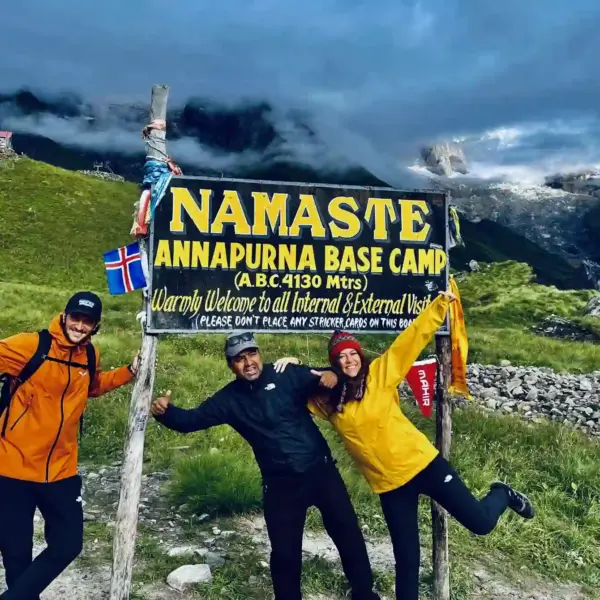
Planning your trip to the Annapurna region but wondering How To Train and Prepare For Annapurna Base Camp Trek? Worry not. We have discussed anything you need to know to prepare for the ABC trek. The Annapurna Base Camp Trek is popular for the majestic Himalayas beauty it offers. Considered the most visited trekking destination in Nepal, the trek will take you to the foot of the 10th highest mountain in the world, Mount Annapurna (8091m). The base camp trek is in the northern part of central Nepal. The trek is inside the Annapurna Conservation Area and takes you to 4130 meters above sea level.
This trekking route provides you with an amazing experience. You will see stunning views of snowy Himalayan like Annapurna South, Machhapuchhre, and Hiuchuli. You will go through rhododendron flowers, fields carved into hillsides, and charming villages. Besides the beautiful scenery, you will also experience the local culture. Many people here are Gurungs and Magars, each with their traditions and ways of life.
12 Days Annapurna Base Camp Trek
Planning your trip to the Annapurna region but wondering How To Train and Prepare For Annapurna Base Camp Trek? Worry not. We…
With a moderate difficulty level available, you need to prepare well for this trekking route. You can opt for proper training for safe and sound travel months before your journey. The training helps you boost your stamina and increase your endurance. Thus, passing through continuous ascends and descends can be relatively easy. Overall, if you want the best trekking experience in the Nepal Himalayas while increasing your safety, it is very important to be physically fit. Thus, proper training helps in it.
You can contact us at My Everest Trip for your next trip to Annapurna Base Camp. We also offer you some basic tips for preparation and a packing list upon your booking confirmation.
Highlights on ABC Trek
- Breathtaking panoramic views of I (8,091m), Machapuchare (6,993m), Hiunchuli (6,441m), and other peak.
- Pass through traditional villages such as Ghandruk and Chhmrong and experience their deep culture and tradition.
- The diverse landscapes include lush forests, bamboo groves, and alpine meadows.
- Take a relaxing experience with a warm bath in a natural hot spring at Jhinu Danda.
- Witness the sunrise and sunset views over the Annapurna and Dhaulagari ranges, especially from the Poon Hill viewpoint.
- Explore the diverse flora and fauna offered by the Annapurna Conservation Area.
- Achievement of reaching the Annapurna Base Camp at an altitude of 4130 meters.

How To Train and Prepare For Annapurna Base Camp Trek
Is your Annapurna Base Camp Trek next month or after six months? If you lace your shoes up and start preparing for the trip from the beginning. Here are some major things you can consider while preparing for the Annapurna Base Camp Trek.
Strength Training and Physical Fitness
Trekking to ABC involves several hours of hiking each day. You will have to pass through steep ascends and descends. Passing through dense rhododendron forests, terraced fields, and rocky trails, the trek is physically challenging. You need to have good strength training and physical fitness to achieve it. Here are some basic things you can do to make yourself physically fit and ready.
- Cardiovascular Exercises: Incorporate running, cycling, swimming, or brisk walking into your routine to improve cardiovascular fitness.
- Leg Strength: You should focus on exercises like squats, lunges, step-ups, and leg presses to build strength in your legs.
- Core Stability: Strengthen your core with planks, sit-ups, and leg raises.
- Flexibility: Incorporate stretching or yoga to improve flexibility and prevent injuries.
- Hiking: Going on regular hikes, preferably with a loaded backpack, to simulate trekking conditions.
Altitude Training and Acclimatization
The higher altitude training and acclimatization are necessary because you will reach an elevation above 4000 meters. As you ascend, the air becomes thinner, resulting in altitude sickness. To mitigate this risk, always involve yourself in altitude training. Besides, proper trek itinerary planning with acclimatization can also reduce the problem of getting altitude sickness. Preparing for high altitude involves pre-trek conditioning and strategies to use during the trek.
- Simulated Altitude Training: If you have access to an altitude training facility, it can help your body adjust to lower oxygen levels.
- Plan proper Acclimatization: Plan your trek with acclimatization days to help your body adjust to the altitude.
- Avoid coffee: We recommend you reduce the consumption of caffeine products before your trekking journey.
- Medication: Consult a doctor about medications like Diamox (acetazolamide) to help prevent altitude sickness.
Annapurna Base Camp Trek With Helicopter Return
Planning your trip to the Annapurna region but wondering How To Train and Prepare For Annapurna Base Camp Trek? Worry not. We…
Mental Preparation
Mental preparation is just as important as physical readiness. The journey to Annapurna Base Camp trek is long and challenging. Thus, it requires mental preparation and endurance. Maintaining a positive mindset and staying motivated can make a significant difference. Here is how you can increase your mental strength for the trek to Annapurna Base Camp Trek:
- Positive Mindset: Cultivate a positive attitude and stay motivated by setting small goals.
- Stress Management: Practice stress-relief techniques such as meditation, deep breathing exercises, or mindfulness.
- Research: To understand the trek, you can read the article, watch videos, and understand the challenges you might face.
Additional Things You Need To Be Prepare Of
- Gear Preparation: Ensure you have all the necessary gear. It includes proper hiking boots, weather-appropriate clothing, trekking poles, a good backpack, and a first-aid kit.
- Nutrition and Hydration: Maintain a balanced diet of carbohydrates, proteins, and fats to fuel your training. You should also stay hydrated throughout your preparation to control dehydration.
- Health Check-Up: Go for a thorough health check-up. Discuss your trekking plans with your doctor, especially if you have any pre-existing conditions.
- Permits and Documentation: Ensure you have all the necessary permits for the trek, such as the Annapurna Conservation Area Permit (ACAP) and the Trekkers’ Information Management System (TIMS) card.
A Typical Day In ABC Trek
A typical day on the Annapurna Base Camp trek starts early with the gentle sound of a guide waking up the trekkers. After a hearty breakfast, we pack our gear and hit the trail at 7 or 8 am. The morning hike is usually cool and fresh. We will pass through dense forests of rhododendrons and bamboo. Along the way, we might see local villagers doing their daily chores and yaks carrying supplies. Throughout the day, we will see the stunning mountain views of the Himalayas and the beautiful surrounding landscapes.

Around midday, we will stop for a lunch break at a teahouse. The meals here are simple but nutritious, like dal Bhat (lentil soup with rice) or noodles. After taking a short break here, we will continue our trek. We will reach the day’s destination by late afternoon. It can be a small village or teahouse, a resting point. After checking in, we will relax with a warm drink and chat with fellow trekkers. Dinner is served early, typically around 6 or 7 pm. After dinner, we will share stories, read, or play cards. By 9, all trekkers are in their room or sleeping bag for sound sleep.
Tips for Annapurna Base Camp Successful Trek
If you are trekking to ABC, then there are certain things you need to be aware of. Some of them are listed below:
- Pack only the essentials to avoid carrying unnecessary weight.
- Failing to take time to acclimatize can lead to altitude sickness.
- Underestimating the physical demands of the trek and not training adequately.
- Not drinking enough water can lead to dehydration and altitude sickness.
- Pay attention to your body’s signals and rest when you feel fatigued.
- Treat any blisters, muscle pain, or other issues immediately to prevent them from worsening.
- Break down your training into smaller, achievable goals to keep yourself motivated.
Gear and Equipment
- Trekking Boots
- Backpack (40-60 liters) with Rain Cover
- Base Layers (Moisture-Wicking Shirts and Thermal Underwear)
- Mid Layers (Fleece or Down Jacket)
- Outer Layer (Waterproof and Windproof Jacket and Pants)
- Trekking Pants (Lightweight, Quick-Dry)
- Warm Hat and Gloves
- Buff or Neck Gaiter
- Trekking Socks
- Gaiters
- Sleeping Bag (Rated to -10°C/14°F)
- Sleeping Bag Liner
- Trekking Poles
- Water Bottles
- Toiletries (Biodegradable Soap, Toothbrush, Toothpaste, Toilet Paper)
- First-Aid Kit
Conclusion
Overall, trekking to Annapurna can be achievable with proper planning and preparation. You can easily reach the Annapurna Base Camp Trek by continuously challenging yourself with daily exercise and physical and mental training. Thus, you must follow the above-mentioned tips to prepare for the Himalayas hike. Upon reaching the destination, you will witness some of the breathtaking vistas.
8 Days Short Annapurna Base Camp Trek
Planning your trip to the Annapurna region but wondering How To Train and Prepare For Annapurna Base Camp Trek? Worry not. We…
FAQs
Is prior experience necessary for trekking to Annapurna Base Camp?
No, prior experience trekking in the Annapurna region is not necessary. However, you need to be physically fit and have the best mental endurance to take this trial.
Is hiring a guide and porter compulsory?
Hiring a guide and porter is not compulsory to complete the trek, but it is certainly recommended. With the number of trekking getting missing each year, we suggest you hire a guide. They help to navigate you with the ways and help during emergencies, thus enhancing safety.
What is the difficulty level of the Annapurna Base Camp Trek?
The Annapurna Base Camp Trek is moderately challenging compared to the Annapurna Circuit Trek, which is a little more difficult. It is suitable for trekkers with a good level of fitness. It involves steep ascents, descents, and varied terrain but does not require technical climbing skills.
How can you prepare yourself for the ABC Trek?
To prepare for the Annapurna Base Camp Trek:
Build your cardio fitness and leg strength through hiking and exercises like running or cycling.
Practice hiking with a backpack, and ensure you have proper trekking gear.
How much does the Annapurna Trek cost?
The cost of the Annapurna Base Camp Trek is between $700 to USD 1,500 per person. It varies based on whether you choose a guided or independent trek, the duration, and the season.