

7 Days


Quick Facts

Ground transportation in Nepal

Hotels & tea-house accommodation

All meals except in Kathmandu

Guided tour & trek throughout the trip

Autumn, Spring

Difficult

Nepal

4,065 m


Why Pikey Peak Trek?
- Peak Pikey (4,065m/13,336ft) to a premier Himalayan view. The eight 8,000m peaks of Nepal (Everest, Lhotse, Makalu, Cho Oyu, Kanchenjunga, Annapurna, Manaslu, Dhauligiri) are listed herein.
- Trek secluded paths in rhododendron woods and Sherpa traditional villages.
- Tour Ngaur, a local yak-cheese factory, and the ancient ruins of a gompa.
- Get absorbed in Sherpa culture and hospitality within the communities of lower Khumbu.
- Cross Deurali Pass (around 3700m), where Langtang can come into view.Take pleasure in the scenic drive around rivers, terraces, and mountains, the Salleri Kathmandu route.
- Discover Kathmandu’s UNESCO World Heritage sites (Durbar Square, Swayambhunath) before/following the trek.
Trip Overview
The Pikey Peak Trek is among the most scenic and culturally rich treks in eastern Nepal. It offers trekkers a rare combination of natural beauty and local traditions. Located in the Solukhumbu district, the trek offers excellent panoramic views of the Everest, Makalu, and Kanchenjunga ranges, as well as a quieter alternative to the Everest Base Camp trail. The trip involves moderate hiking and the chance to visit isolated villages, ancient monasteries, and pristine landscapes.
The Pikey Peak Trek, unlike other high-altitude treks, can be done by trekkers with moderate fitness. The trail also passes through thick rhododendron forests, terraced fields, and small Sherpa settlements, offering insight into the lifestyle of traditional Himalayan people. On the trail, trekkers meet friendly people who are happy to share their culture, lifestyle, and traditions.
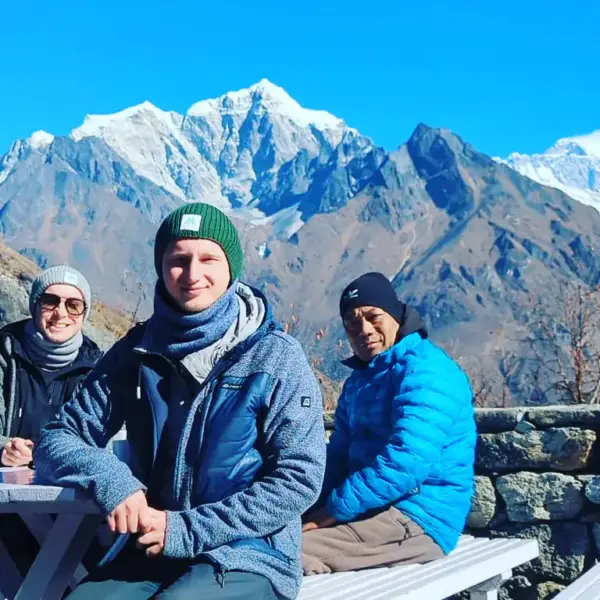
The highlight of the trek is Pikey Peak, at 4,065 m / 13,336 ft. On clear days, trekkers will have a clear view of Everest, Lhotse, Makalu, and Kanchenjunga. The sunrise over the snow-capped peaks is especially spectacular, leaving a memorable impression. This hiking trail will be particularly attractive to photographers and nature enthusiasts because of its beautiful, relaxing scenery.
In addition to natural beauty, the Pikey Peak Trek offers cultural immersion. Trekkers walk past various monasteries, prayer wheels, and chortens, which embody the area’s deep-rooted Buddhist beliefs. This is a pleasant touch to the trip as one gets to interact with the local Sherpa community and their hospitality.
The trek is also less busy than the main Everest trails and therefore offers a tranquil, meditative experience that a trekker with an appreciation for nature would love.
The Pikey Peak Trek is arranged by My Everest Trip (MET) and is designed to be both an adventure and a comfortable experience. The itinerary is designed so that each day of trekking is balanced by sufficient rest and acclimatization, providing a safe and pleasurable experience. Whether you are a first-time trekker or an expert, the trek will offer breathtaking Himalayan scenery, cultural diversity, and an adventure you will not forget.
Reasons to prefer Pikey Peak to other Treks in the Everest Region
Pikey Peak Trek is a wonderful option for trekkers who want to avoid the large crowds on the more well-known trails, such as the Everest Base Camp trail, and enjoy a quieter trek. Compared to the busy trails leading to Everest, Pikey Peak is serene and offers a peaceful view of the Himalayas. This is why it is ideal for a trekker who doesn’t want to be surrounded by people all the time and prefers to be in nature.
The trek is moderately difficult and suitable for first-time trekkers, families, and those with limited time. Whereas climbing Everest Base Camp or other mountain routes is hard and time-consuming, Pikey Peak can be easily covered within 7-9 days. It has moderate elevations, so trekkers can enjoy beautiful Himalayan views without facing extreme elevations.
The other major benefit is the culture. Pikey Peak passes through traditional Sherpa villages, monasteries, and isolated settlements, offering a genuine experience with local people. It offers a better insight into Sherpa culture and Himalayan traditions, which are often less emphasized on more popular treks.
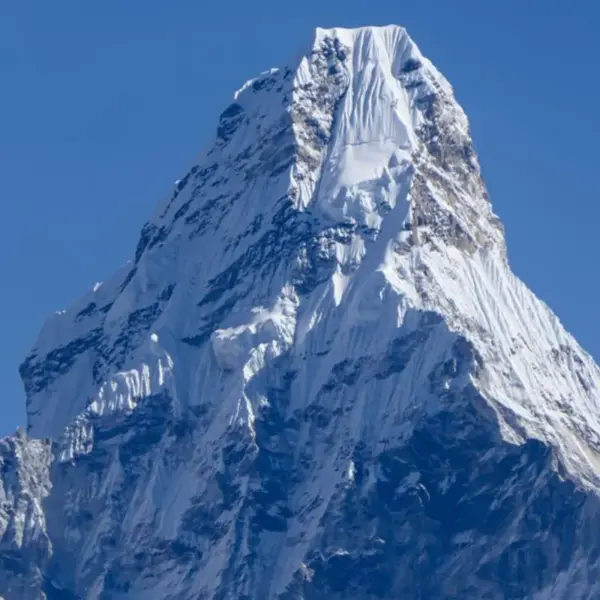
Another reason to choose it is the panoramic views of Pikey Peak. Trekkers have panoramic views of Everest, Lhotse, Ama Dablam, and Kanchenjunga, making this worthwhile from the peak height of 4,065 m / 13,336 ft, which is as good as longer and more difficult treks.
Lastly, the accessibility of the trek and the convenient itinerary plans offered by trek operators such as My Everest Trip (MET) make the adventure a pleasant, safe, and unforgettable one. Pikey Peak offers a perfect solution with its blend of natural beauty, cultural diversity, and manageable challenge compared to other, more popular expeditions in the Everest region.
Pikey Peak Trek Itinerary
Day 01: Arrival in Kathmandu and Cultural Sightseeing
Upon arrival in Kathmandu, the My Everest Trip (MET) team receives the trekkers and takes them to the hotel. Having checked into the rooms, the day starts with a cultural sightseeing tour around the city.
The tour will cover Kathmandu Durbar Square, which is an ancient complex of palaces containing temples and traditional buildings. The second one will be Swayambhunath Stupa, also known as the Monkey Temple, which stands on a hill with a view of the panorama of the city. Boudhanath Stupa, which is one of the largest stupas in Nepal and a significant Buddhist pilgrimage area, is also visited during the tour.
This day gives the trekkers a glimpse of the Nepalese culture and tradition. It also gives time to adapt to the new environment prior to the trek. Evening is free to rest or plan the journey.

None

Hotel

1,350 m / 4,429 ft
Day 02: Drive to Dhap and Trek to Japre (2,920 m / 9,580 ft)
The tour starts after breakfast with a beautiful drive from Kathmandu to Dhap. The trail runs through scenic scenery, villages, and terraced fields, providing trekkers experience a brief overview of the countryside of Nepal.
The journey to Japre begins from Dhap. The path leads slowly up and uphill through pine forests and rhododendron, and at intervals we see the mountains of the Himalayas in the distance. On its route, trekkers will get to witness local villages and socialize with locals.
At the end of the day, we reach a lovely village, Japre, 2,920 meters (9,580 feet) in altitude. Trekkers will spend the night in a teahouse, consisting of local food and a cozy environment, to get some sleep before the next adventure.
Breakfast, Lunch & Dinner
Teahouse

12 kilometers
2,920 m / 9,580 ft

7-8 hours Drive 3-4 hour Trek
Day 03: Trek to Pikey Peak Base Camp (3,640 m / 11,942 ft)
Following breakfast, the trek moves on out of Japre to Pikey Peak Base Camp. The path slowly ascends through dense woods of rhododendron, pine, and fir, which provide a view of the adjacent hills and the Himalayan mountains in the distance.
On the way, trekkers will walk through small Sherpa villages where they will be able to see the traditional life, such as field terraces and the local method of farming. The serene atmosphere and clear mountain air make walking fun and redundant.
The day ends at Pikey Peak Base Camp, which is at 3,640 meters (11,942 feet). Trekkers will spend the night in a teahouse where they will eat the local food as they sleep and ready themselves to climb the summit the following day.
Breakfast, Lunch & Dinner
Teahouse
3,640 m / 11,942 ft
Day 04: Pikey Peak Summit (4,065 m / 13,336 ft) and Trek to Junbesi (2,700 m / 8,858 ft)
The morning starts early as we go on a hike to the summit of Pikey Peak. The path slowly rises upwards, with spectacular scenery of Everest, Lhotse, Makalu, and Kanchenjunga on clear days, and Ama Dablam is sometimes visible but not guaranteed. The views of the sunrise from the summit are marvelous and offer a good photographic opportunity.
Having absorbed the breathtaking beauty, the trekkers descend to Junbesi village. Junbesi is a beautiful Sherpa village at an elevation of 2,700 meters (8,858 feet) that contains traditional houses and a monastery. The Trekkers stay over a night at a teahouse, where warm meals and local hospitality are offered, and the next day’s journey is prepared.
Breakfast, Lunch & Dinner
Teahouse
4,065 m / 13,337 ft
Day 05: Junbesi to Salleri (2,390 m / 7,841 ft)
After breakfast, the trek is continued from Junbesi to Salleri. The path slowly goes through a green forest, terraces, and small villages of Sherpas. In the process, trekkers will have breathtaking scenery of local mountains and faraway Himalayan ranges.
Local settlements line the path, and trekkers can get the opportunity to engage with villagers and understand their way of life and culture. The atmosphere and fresh mountain air make the hike refreshing and enjoyable.
Salleri is a bustling marketplace, a cultural centre of the area, at a height of 2,390 meters (7,841 feet). At a comfortable teahouse, Trekkers will spend the night at the teahouse, taste local food, and get ready to head back to Kathmandu the next day.
Breakfast, Lunch & Dinner
Teahouse
2,390 m / 7,841 ft
Day 06: Drive from Salleri to Kathmandu (1,400 m / 4,593 ft)
Following a morning meal, trekkers drive back to Kathmandu from Salleri, which takes around 8-10+ hours depending on road and weather conditions. The trip goes through beautiful landscapes, terraced hills, and small villages, where one has the last glimpse of rural Nepal. Trekker can also have natural scenes of the mountains on the way, with a chance to take some photographs.
When the guests arrive at Kathmandu, they are moved to their hotel. It is a free evening to rest or go shopping, or tour the city. This day gives a relaxed completion of the trek and time to ponder over the Himalayan excursion before the eventual departure.
Breakfast, Lunch & Dinner
Hotel
1,400 m / 4,593 ft
Day 07: Final Departure
On the last day, the trekkers leave the hotel with a morning breakfast. The My Everest Trip (MET) team will help with the transfer to Tribhuvan International Airport to get an onward flight.
It might be possible to buy souvenirs before departing or have a final stroll through Kathmandu and its bustling streets. Trekkers take away the memories of the Pikey Peak Trek, its great mountains, rich culture, and warm local hospitality, which they will never forget. This serves as a finishing point of a satisfying and picturesque Himalayan path.
Breakfast
What To Expect?
What's Included
- Kathmandu airport collection and delivery;
- Lodging (2-night stay in a 3-star hotel in Kathmandu, 4 nights, twin-share, mountain lodges);
- All breakfast, lunch, and dinner meals during the trekking days;
- All ground transportation (Kathmandu-Dhap and Salleri-Kathmandu)
- English-speaking Sherpa guide and porters;
- Gaurishankar Conservation Area permit
- Trekking permit charges;
- Sight Lodge charges as well as meals on trekking days are included.
What's Excluded
- International flight to Nepal;
- Nepal visa charge; traveling insurance
- Meals in Kathmandu; alcohol and additional beverages;
- Personal expenses (laundry, bottled water/soda in lodges, Wi-Fi, hot showers);
- Tips (guide, porters, drivers); cost of helicopter evacuations;

Tripadvisor Reviews


Google Reviews


Pikey Peak Trek Additional Information
Pikey Peak Trek Difficulty and Trail Conditions.
Pikey Peak Trek is rated as of moderate difficulty, and can be suggested to first-time trekkers as well as people with average fitness. The trek consists of gradual ascents and descents to the summit of Pikey Peak (4,065 m / 13,336 ft). Although the altitude is moderate, it is necessary to acclimatize to prevent altitude-related issues.
It is clearly marked and generally goes by natural trails through forests, terraced fields, and small villages. Trekkers may also encounter rocky terrain, narrow footpaths, and steep slopes, which most hikers can handle easily. Trails may be influenced by the weather, and some sections may be slippery due to snow or rain. The route is scenic and accessible, with several teahouses and rest stops along the way that provide comfort and safety.
Best Season to Visit Pikey Peak and Seasonal Weather Guide
The peak seasons for climbing Pikey Peak are spring (March-May) and autumn (September-November). In springtime, rhododendrons line the pathways, and the weather with sunny skies and excellent mountain views is pleasant, wise. Autumn brings stable weather, fresh air, and views of the Himalayan mountains, which are good enough to take pictures.
Pikey Peak trek
The summer season (June to August) is especially close to the monsoon season, characterized by heavy rains, slippery roads, and low visibility. Winter (December to February) is cold, and there may be snow, particularly in high-altitude areas, though it offers a serene and clear trekking experience.
No matter the season, mornings are usually cold and afternoons warmer. It is also advisable to wear layered clothing, quality trekking shoes, and rain gear to stay comfortable and safe during the trek.
Food and Drink
On the Pikey Peak Trek, there are several local teahouses and lodges where trekkers can enjoy a variety of meals. Breakfast is usually made up of porridge, eggs, toast, or a traditional Nepalese breakfast. Lunch and dinner are served with delicious local dishes like vegetable momo or chicken momo, noodles, rice, and lentil soup, providing the strength needed before the trek.
The route also has fresh vegetables, seasonal fruits, and locally produced snacks, which can be sold along the route. Popular substances for warming up are tea, coffee, and hot chocolate, which should be taken on cold mornings or evenings. Bottled water is also sold in great quantities, and it is advisable to drink as much of it as possible to stay hydrated at elevated altitudes.
Most of the meals are very basic, though they are healthy and satisfying. Vegetarians and people with dietary restrictions can generally get appropriate options, although it is advisable to alert guides in advance. Local food is also a way to experience Sherpa culture and hospitality during the trek.
Transportation and Accommodation
The mode of transportation to and from the Pikey Peak Trek begins in Kathmandu with a drive to Dhap or Salleri, depending on the route taken. Along the roads, one can always find exotic landscapes, terraced hills, and small villages, giving one an insight into rural Nepalese life in the eastern part. The comfort and safety of the journey are guaranteed with local cars, jeeps, or personal vehicles organized by My Everest Trip (MET).
On the journey, accommodation is mainly in teahouses or lodges. These offer simple yet comfortable rooms with warm beds, making it easy to stay after trekking. The majority of teahouses offer both local and continental dishes, and some share running-water bathrooms.
Facilities in larger villages, such as Junbesi and Salleri, are a little better, with hot showers in some lodges. Spending nights in teahouses will enable trekkers to learn about local culture, be welcomed, and rest, eat, and socialize with other tourists.
Altitude, Acclimatization & Risk of Altitude Sickness
The highest point of the Pikey Peak Trek is 4,065 meters (13,336 feet) above sea level. Although this is not as high as on Himalayan treks, altitude sickness may still occur if the body fails to adapt appropriately. The symptoms could involve headache, nausea, dizziness, and shortness of breath.
A slow climb and acclimatization to reduce the risk are necessary. The trek includes an overnight stay in villages such as Japre and Junbesi to help trekkers acclimatize to the elevation. Adequate water intake, balanced meals, and avoidance of alcohol help the body adjust.
It is recommended that trekkers take good care of their health and report any symptoms to their guides promptly. Depending on need, rest days or shorter trekking sections can be added. My Everest Trip (MET) guides are trained to address altitude-related issues and ensure safety throughout the trip. Having done this, the trek is safe and enjoyable for most of the participants.
Fitness Level Requirement and Trek Preparations
Pikey Peak Trek is classified as moderate, and hence, it is appropriate for any average-fitness trekker. Participants are expected to be able to walk 4-6 hours per day on rough trails, with gradual ascents and descents. Previous experience with trekking is beneficial, though not required.
Exercises should involve regular cardio that includes walking, jogging, or riding bikes, and leg and core strength training. Training with a full-weight pack can help prepare the body for a multi-day trip.
Trekkers need proper equipment, including trekking boots, warm and layered clothing, rainproof clothing, a good backpack, and trekking poles. Personal medications, sunscreen, and water purification procedures are also advisable. It is also important to be mentally prepared and in good spirits for the trip, knowing it will take you through villages, forests, and mountainous terrain.
Entry Fees, permissions, and Nepal Visa
Trekkers must obtain a permit, the Gaurishankar Conservation Area Permit (GCAP), to trek Pikey Peak, as a significant portion of the trail passes through this conserved zone. Foreign nationals pay a permit fee of approximately NPR 3,000 ($23-25).
A TIMS (Trekkers’ Information Management System) card is not required when booking through a licensed trekking agency. Additional area clearance may be required at some local checkpoints to manage local trails.
All foreign tourists require a Nepal tourist visa, which can be obtained upon arrival at Tribhuvan International Airport or pre-booked. The charges are 15 days at USD 30, 30 days at USD 50, and 90 days at USD 125. Visas and permits require a passport with at least 6 months remaining and passport-sized photographs.
Health and Safety and Emergency Assistance at the Trek
The Pikey Peak Trek is not particularly dangerous, but it requires safety measures due to the altitude and remote terrain. My Everest Trip (MET) guides are trained in first aid, altitude sickness identification, and emergency assessments. Proper acclimatization can be achieved by spending the night in villages such as Japre, Pikey Base Camp, and Junbesi.
There are basic medical facilities in the larger villages, with limited access in higher-altitude areas. Trekkers are also encouraged to bring along their personal medicines, a first-aid kit, and prescribed medicines. In an emergency, for severe illness or a wound, evacuation by helicopter to higher camps can be arranged. To ensure safety during the trek, it is important to stay hydrated, eat healthily, walk slowly, and follow the instructions from your guide.
Trip Insurance and Protection
Anyone trekking Pikey Peak is highly recommended to get travel insurance. The policy must include medical emergencies, trip cancellations, baggage loss, and, above all, high-altitude trekking risks and helicopter evacuation.
Most insurance companies require a plan that covers treks above 4,000 meters, including the 4,065 m / 13,336 ft Pikey Peak summit. Insurance provides a sense of security against unexpected illness, injury, and adverse weather conditions.
It is important that travelers read the policy to ensure coverage for adventure trekking in Nepal. My Everest Trip (MET) can advise on which insurance companies to use and the required documents, ensuring trekkers are well covered during the Himalayan expedition.
Internet, Charging Facilities, and Mobile Network
On the Pikey Peak Trek, connectivity is limited, but it is usually available in larger villages such as Junbesi and Salleri. Most teahouses offer Wi-Fi at a low cost, but the speeds are slow and unreliable, particularly in inclement weather. Internet connectivity is frequently unavailable in remote locations, such as Pikey Base Camp and smaller communities, making these areas ideal spots to go offline and experience nature.
Most of the trail has mobile network coverage, though it can be patchy in high-altitude or forested regions. Ncell and Nepal Telecom SIM cards have the best coverage, but signal strength varies by location.
The teahouses offer charging for a small fee of NPR 100-200 per device. A power bank is recommended as a backup, especially when walking in remote areas. Carrying additional charging cables and adapters ensures that phones, cameras, and other devices are always charged during the trek.
Culture, Local Etiquette, and Language in the Trail
The Pikey Peak Trek is a journey through traditional Sherpa and Rai villages, offering the trekker a unique cultural experience. Buddhism has a strong impact on the lives of local communities, as it manifests in monasteries, prayer wheels, chortens, and daily practices. Trekkers will have the chance to observe and respectfully attend festivals, prayers, or local gatherings, and get an idea of the Himalayan life.
During the communication with locals, politeness and respect are valuable. Moreover, it is better to request permission to capture pictures of people, especially at a home or a monastery. Wear simple clothes and take off your shoes when visiting religious places. The villagers are glad to be greeted with a mere Namaste. Do not litter or make lots of noise on trails, as cleanliness is a great virtue.
The main language of the area is Nepali, with Sherpa and Rai people possibly having their native dialect. There is a great deal of English knowledge among the teahouse staff and guides. Learning a few simple Nepali phrases, such as Dhanyabad (thank you), can go a long way toward building a bond with others.
Honoring local customs and traditions enhances the trekking experience and offers the opportunity for meaningful interaction with communities along the way.
Your Extra Expenses
Although the trekking package covers most of the costs of the Pikey Peak Trek, trekkers should budget for additional expenses. Non-standard lunch and dinner in teahouses will also be expensive, particularly when you take snacks, soft drinks, and hot beverages such as coffee or chocolate, which are not included in the price.
Toiletries, wet wipes, extra clothing, and sun protection are required for the trek and are personal items. Hot showers at some teahouses cost around NPR 200, and charging phones or other devices can cost NPR 100-200 per device.
It is customary in Nepal to tip guides and porters based on the level of satisfaction provided and the service provided.
Other possible costs include phone and internet use, which can be charged at teahouses with Wi-Fi, and souvenirs and local handicrafts purchased along the trail.
These additional expenses should be planned to avoid a stressful trekking adventure. It is better to carry a little more Nepalese rupees, as ATMs are available only in major towns such as Salleri, and isolated areas do not accept credit cards.
Alternative routes and Short Trips around
Pikey Peak Trek also provides various alternative pathways and short walks to trekkers to help them see further into the eastern part of Nepal. The most common alternative is a loop through Ringmo and Chaurikharka, which would extend the trek by two days and take you through more Sherpa villages, forests, and ridges, offering views of the mountain range.
It can be completed in a 2–3-day trek to Pikey Peak via the short route in Salleri or Junbesi for those short on time. This will enable trekkers to ascend to the peak and return without following the full 7-9-day itinerary.
The most popular sites to visit in the area include Junbesi Monastery, one of the oldest monasteries, and the historical villages of Kharikhola and Bupsa, which offer insight into local culture and traditions. Such packages are ideal for individuals who want to be flexible, experience the cultural environment, ordventure in the Himalayas while also enjoying spectacular views enjoy a swift a of Everest, Makalu, and Kanchenjunga.
Photography Guidelines and Drone Rules in Pikey Peak
Pikey Peak offers magnificent scenery, with panoramic Himalayan views and traditional Sherpa villages, making it a photographer’s heaven. Trekkers are advised to avoid taking photos of wilderness scenes and cultural scenes; however, they must respect local traditions and not violate people’s privacy. Always seek permission when taking pictures of people, particularly in homes, monasteries, or even during religious rituals. Do not take intrusive or disrespectful shots, and watch out for children and the elderly.
In Nepal, drone use is regulated and requires permits from the Civil Aviation Authority of Nepal (CAAN) and local conservation-area permission. The illegal operation of a drone may lead to fines or seizure. On trekking ventures, such as the Pikey Peak trek, prior research on permit requirements is essential; some conservation zones or monasteries may ban drone use altogether.
With permission, keep a safe distance from people and wildlife, do not disturb local residents, and follow environmental regulations. Be good photographers and bring spare batteries and memory cards. Respecting these regulations, trekkers can experience the country’s amazing landscapes, cultural life, and memorable Himalayan moments without causing harm to the local environment or community.
What Not to Do on the Pikey Peak Trek
There are certain activities trekkers should avoid during the Pikey Peak Trek to ensure a safe and enjoyable experience.
Do not rush to ascend the mountain and do not skip the acclimatization days; this will expose you to altitude sickness. Excessive walking and overwork can lead to physical complications and exhaustion at high altitudes.
Do not waste and ruin the environment. Clean up, use the special toilets, and enjoy the mountain scenery. Deforestation or interference with wildlife is among the most prohibited activities.
Do not disrespect the local culture or traditions. You should never take photos of people or places of worship without asking permission. You should always wear modest clothing when visiting villages and monasteries. You should always listen to your local guides.
Never drink and smoke at high altitude since it is likely to lead to dehydration and acclimatization.
Finally, observe the guidelines of guides, especially in weather, river crossing, and treachery along the trail. These regulations ensure a safe, responsible, and memorable trekking experience in the Pikey Peak region.
Trek extensions after Pikey Peak
For trekkers seeking to go beyond the Pikey Peak Trek, several extensions can add cultural, scenic, and adventurous elements. The Gaurishankar Base Camp Trek is one of the most popular, and it proceeds further into the Gaurishankar Conservation Area. The journey offers spectacular Himalayan scenery, remote hamlets, and biodiversity, making it suitable for nature lovers and photography enthusiasts.
An alternative option is the Tamakoshi Valley Trek, which explores traditional Rai and Sherpa communities along the Tamakoshi River. The path allows trekkers to experience authentic village life, ancient monasteries, and forests, and is less crowded than the more popular trails.
To support short excursions, the tour offers 2-3-day extensions that visit old monasteries, quaint villages, and the Junbesi loop of breathtaking ridges. It is ideal for travelers who want to add additional trekking but do not want to make a long trip.
Occasionally, some adventurous climbers combine the Pikey Peak trek with the Everest Panorama Trek to create a multi-week itinerary that includes Namche, Tengboche, and panoramic views of Everest. These add-ons enable trekkers to tailor their Himalayan adventure by joining cultural excursions, experiencing luxury, and undertaking moderate adventures after completing the primary Pikey Peak Trek.
Travel tips for first-time travelers in Nepal
Training: Start cardio and hiking training weeks ahead. Backpack hiking to attain stamina.
Wear in layers: In the mornings, it is cold (summit day particularly), and in the afternoons, it is hot. Fill the bottom with moisture-wicking, warm fleece, and a waterproof layer. Cold days call for a hat and gloves.
Keep hydrated and energized: Take 3-4 liters of water per day. Keep energy bars (nuts), etc. Consume plenty of carbohydrates and protein.
Pack light: Our porter service. The daypack must weigh only 5-7 kg because it must carry daily necessities (water, jacket, camera, etc.). Get restricted electronics and weight.
Shoes: Carry a pair of Lightweight trekking boots with great ankle support and use. Bring a spare pair of socks. Toilet Carry Blister bandage- always have it.
Acclimatization happens naturally through gradual ascent. Avoid alcohol and do not overlook meals.
Sun protection: Song Safeguard with high-SPF sunscreen and lip balm. UV protective glasses are obligatory. The sun is scorching at the altitude.
Positive attitude: That is, we might have rain, or we might have delays. Good-naturedly accept the adventure. Talk with the locals and other trekkers. The process of the trip is equal to the goal.
Pikey Peak Trek FAQs
How difficult is the trek to the Pikey Peak?
It’s easy to moderate. You spend 5-7 hours per day on non-technical walks on well-marked paths.
What is the time of day required on the Pikey Peak trail?
The overall distance amounts to approximately 60-70 km, which is divided into approximately 5 trekking days and transfers by road.
When is the ideal time to trek Pikey Peak?
The spring (March to May) and autumn (September to November) seasons are the best seasons for clear skies and mountain views.
Do I need permits for the trek?
Yes. Gaurishankar Conservation, and a local permit are needed. These are arranged for you.
What type of accommodation will it be?
During the trek, you remain at family-run tea house lodges, and in Kathmandu, you are staying at a standard hotel.
What do you mean by the food available on the trek?
Local lodges also offer Nepali and Tibetan cuisine such as dal bhat, noodles, soups, pancakes, and momo.
How do I get to the starting point?
You leave Kathmandu by car in Kathmandu to Dhap Bazaar, approximately 7-8 hours, and begin a trek.
What is the fitness level needed?
Hiking 5-6 hours a day should also be comfortable for you. Some cardio training or a basic walk before the surgery is beneficial.
What are the things brought into the limelight of the trek?
The Sun rises at Pikey Peak, panoramic Himalayas, rhododendron valley, Sherpa villages, and scenic jeepney tests.
Are there Sherpa Villages along the route?
Yes. You go across some villages such as Dhap, Japre, and Junbesi and get the local Sherpa culture.
Does it have a mobile network or internet?
There is a weak phone signal regularly, and it primarily covers larger villages such as Salleri and Junbesi.
What currency should I carry?
Trek carrier Nepali rupees. In Kathmandu and in Salleri, there are ATMs, but they are not always functional.
Does it have an English-speaking guide?
Yes. A senior guide who speaks English and carries the porters is provided.
Is it possible to customize the itinerary?
Minimal modifications, such as additional rest days or a reduction in side, can be made in advance.
Are travel insurance and premiums obligatory?
Yes. The trekking, medical treatment, and emergency helicopter evacuation should be insured.
What is the amount of weight that I have to carry?
With you, you have a daypack and the necessities. Porters are used to carry your main luggage.
Do trainers have access to hot showers on the trek?
The majority of lodges have showers that are heated with the sun at an additional fee; however, this may not be guaranteed at all times due to weather conditions.
Is the hike favorable to Solo trekkers?
No, Solo trekking requires a registered guide to trek.
How cold does it get at night?
The evenings are chilly, and occasionally it gets close to freezing in higher places; thus, warm clothing is necessary.
US$ 780 per person
- Best Price Guarantee
- Secured Payment System
- Tailored and Personalized Itinerary
- 70% repeat customers
24 X 7 Live Support

Puru (+977-9851069558)